Regia: Mira Nair (2001)
Italian title: Matrimonio indiano
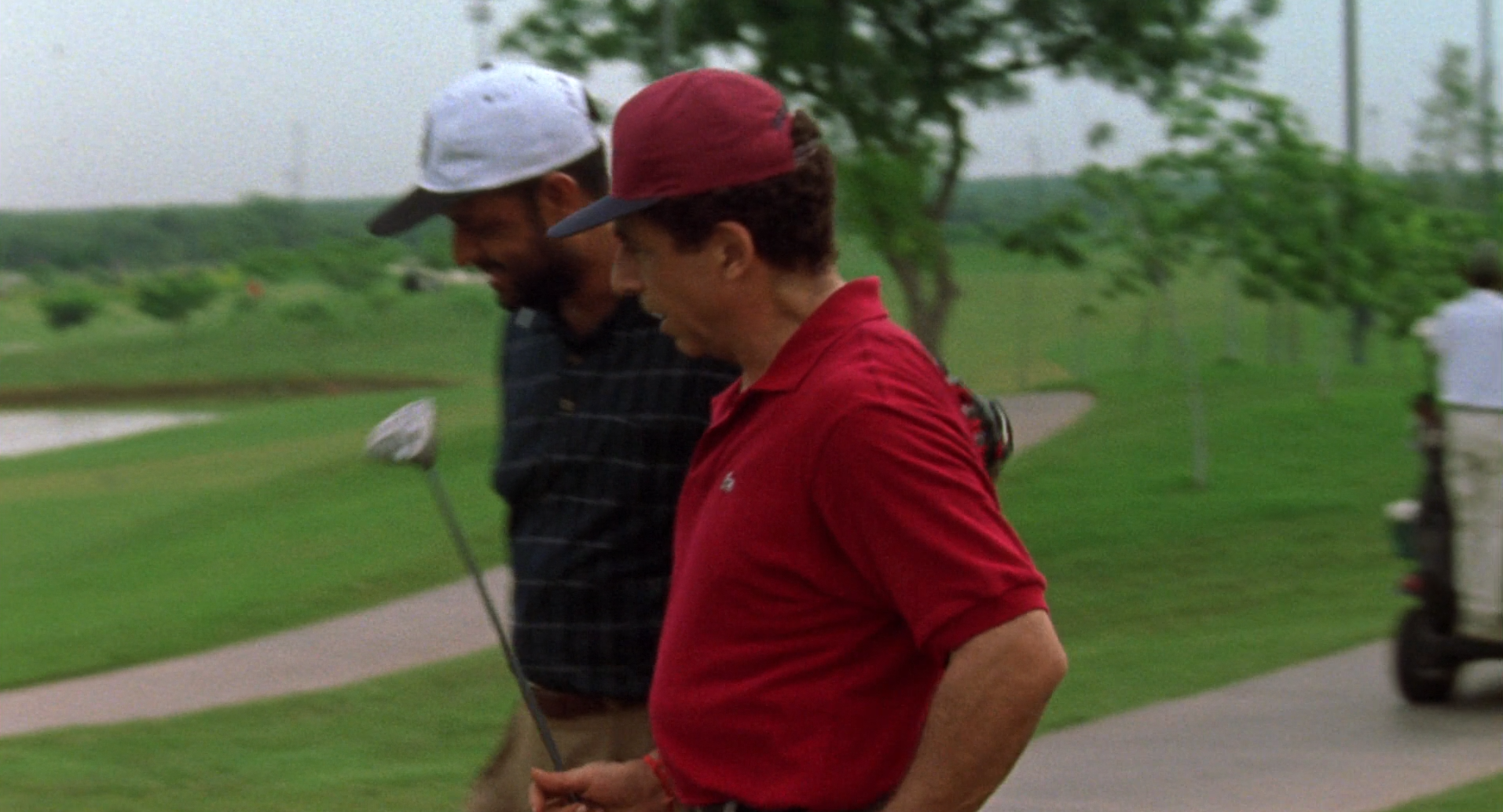
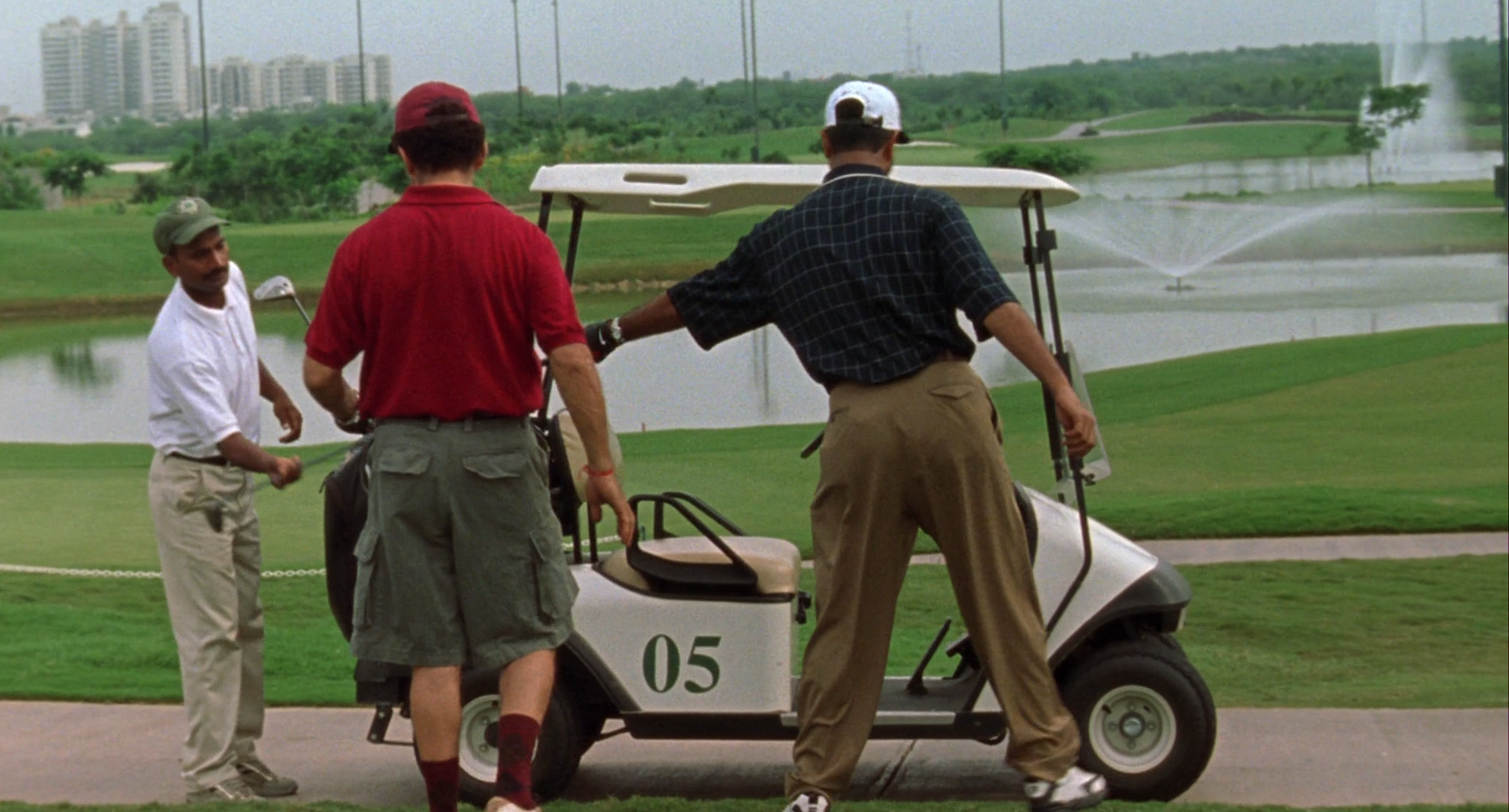
Su un campo da golf in stile americano, Lalit e il suo amico Sam si dirigono verso un’auto da golf che li sta aspettando. C'è un lago e un prato verde ben curato dietro di loro. All'orizzonte, i grattacieli incorniciano la scena.
Lalit dice: "Devo parlarti di qualcosa”.
"Non sei venuto al campo da golf ultimamente. Dove sei stato?"
"Sono impegnato con il matrimonio di mia figlia".
Consegnano le loro mazze all’assistente.
On an American-style golf course, Lalit and his friend Sam walk to a golf cart that is waiting for them. There’s a lake and a well-kept green lawn behind them. At the horizon, skyscrapers frame the scene.
Lalit says, “I have to talk to you about something.”
“You haven’t been coming to golf lately. Where have you been?”
“I’m busy with my daughter’s wedding.”
They hand their clubs to the caddy.

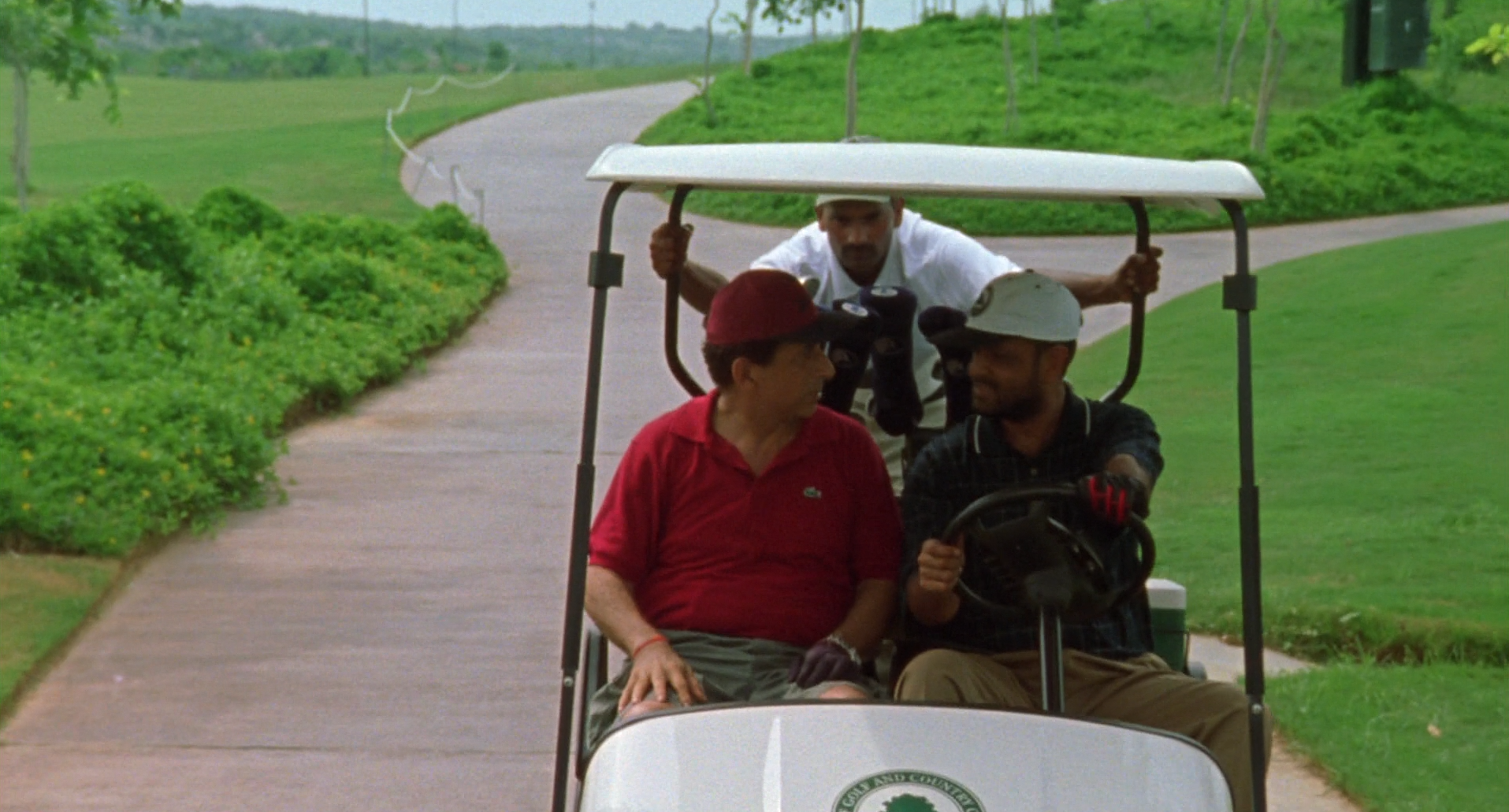
Lalit continua: "Mi stavo chiedendo se –"
"Come sta Pimmi?" Sam continua a interrompere. Non gli sta rendendo il compito facile.
"Pimmi sta bene".
"Come stanno andando i preparativi?"
Entrano nell’auto che parte.
Lalit goes on, “I was wondering if –”
“How’s Pimmi?” Sam keeps interrupting. He isn’t making this easy.
“Pimmi’s fine.”
“How are the preparations going?”
They get into the cart and it takes off.
"Ottimamente, ma... Sam, sto avendo un problema di liquidità. Speravo di prendere in prestito dei soldi solo per affrontare le spese del matrimonio".
"Di quanto hai bisogno, amico?"
“Cinque lakh”.*
"Quando pensi di poterli restituire?"
"Il mese prossimo. Ho un enorme carico che andrà da Macy’s il mese prossimo".
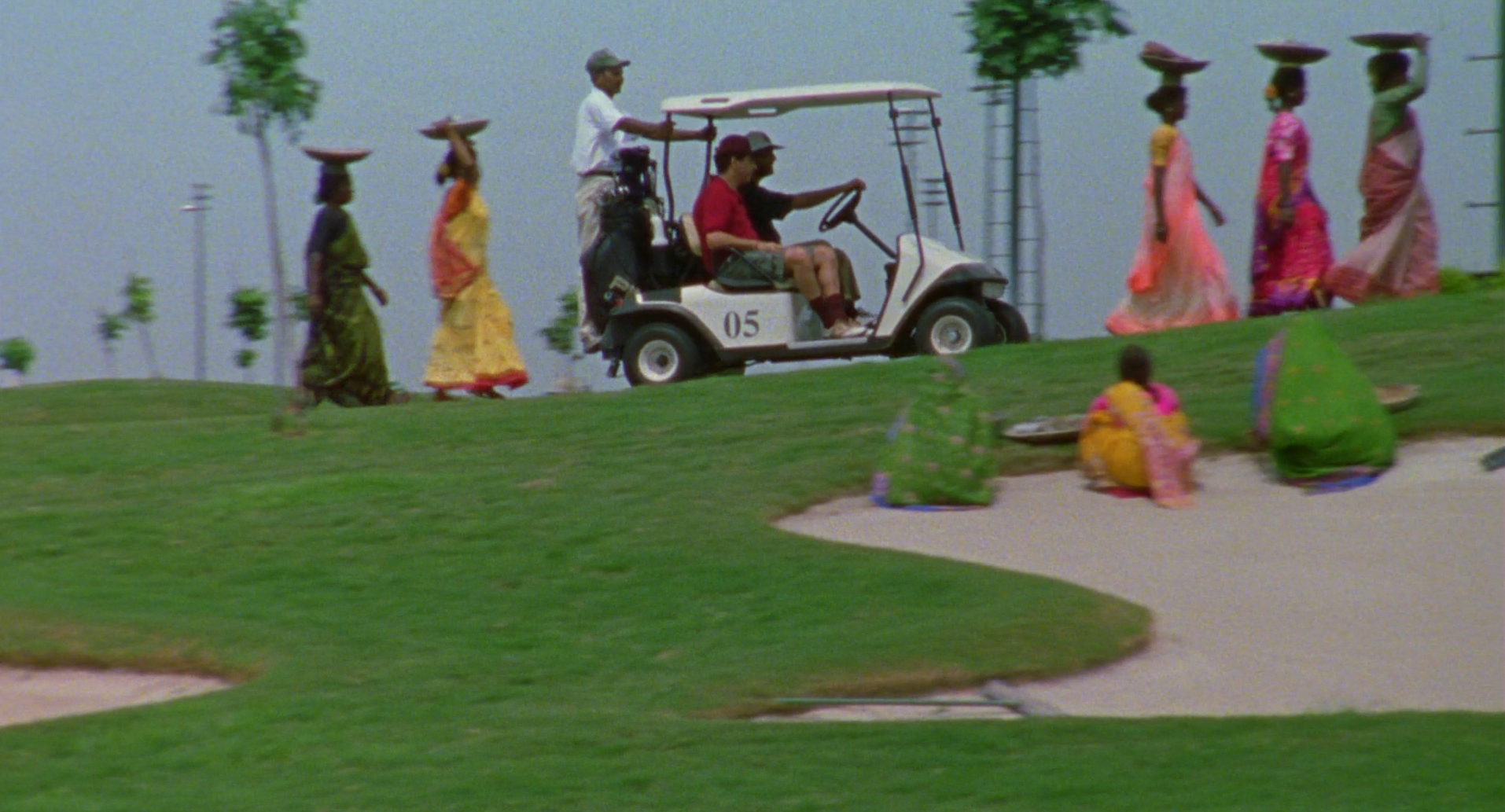
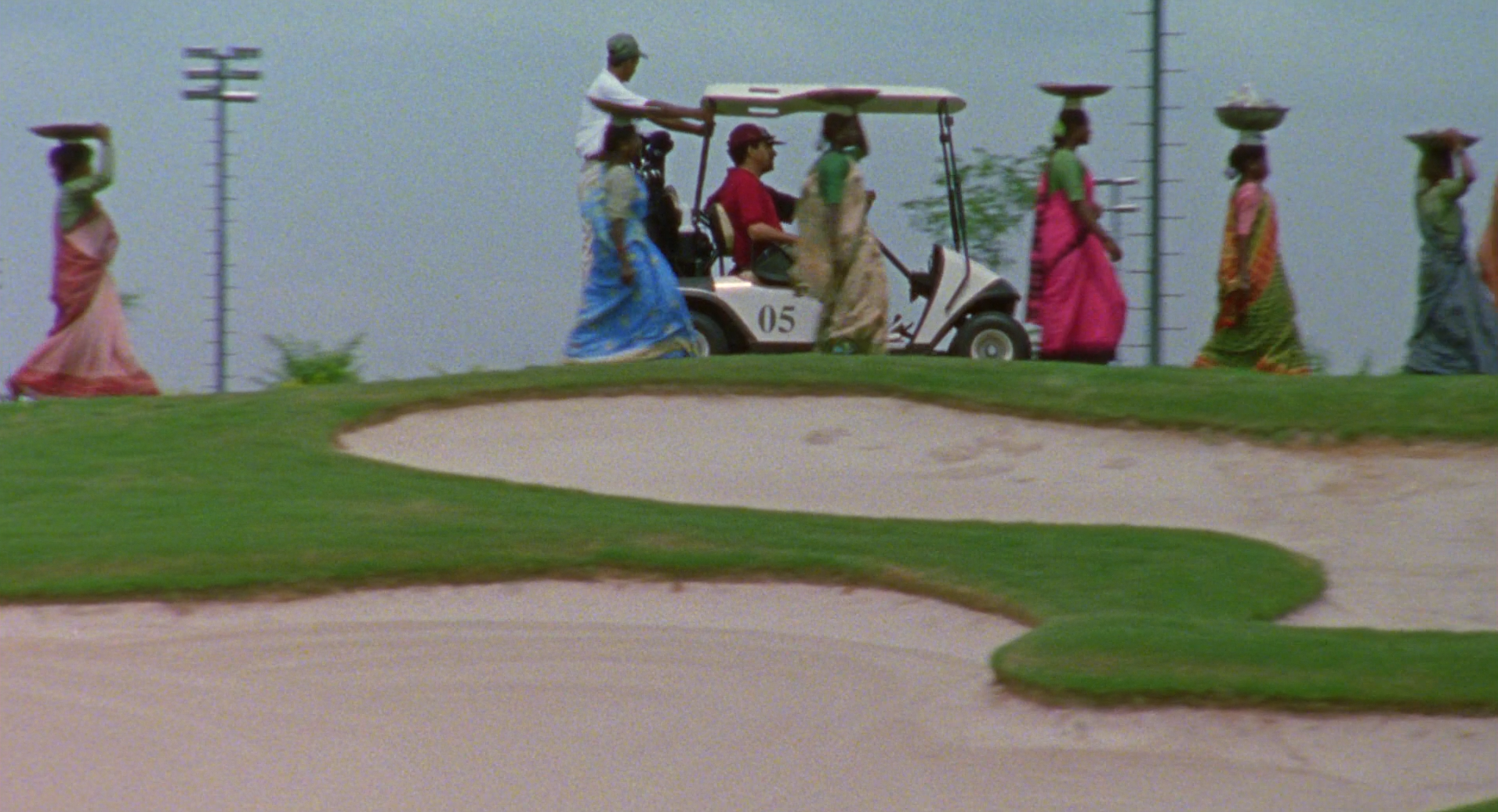
Sullo sfondo, vediamo una fila di donne in sari tradizionali che, con la schiena dritta, trasportano vassoi di fango sulla testa: materiale da costruzione per il campo da golf. Questa inquadratura – con i solchi di sabbia che serpeggiano in primo piano e il tetto dell'auto da golf che ricalca la fila dei vassoi delle donne – è composta con eleganza, ed è anche un conciso riferimento a uno dei temi ricorrenti del film: il contrasto tra vecchio e nuovo.
* L'equivalente in rupie di $12,000.
“First class, but… Sam, I’m having a cash flow problem. I was hoping to borrow some money just to tide over the wedding expense.”
“How much do you need, pal?”
“Five lakhs.”*
“When do you think you’ll be able to return it?”
“Next month. I have a huge shipment going to Macy’s next month.”
In the background, we see a line of women in traditional saris, with their backs straight, carrying trays of mud on their heads: construction material for the golf course. In the elegantly composed shot, sand traps snake across the foreground and the roof of the golf cart rises above the line of the women’s trays. This shot is also a clear reference to one of the film’s recurring themes: the contrast between old and new.
*The equivalent in rupees of $12,000.
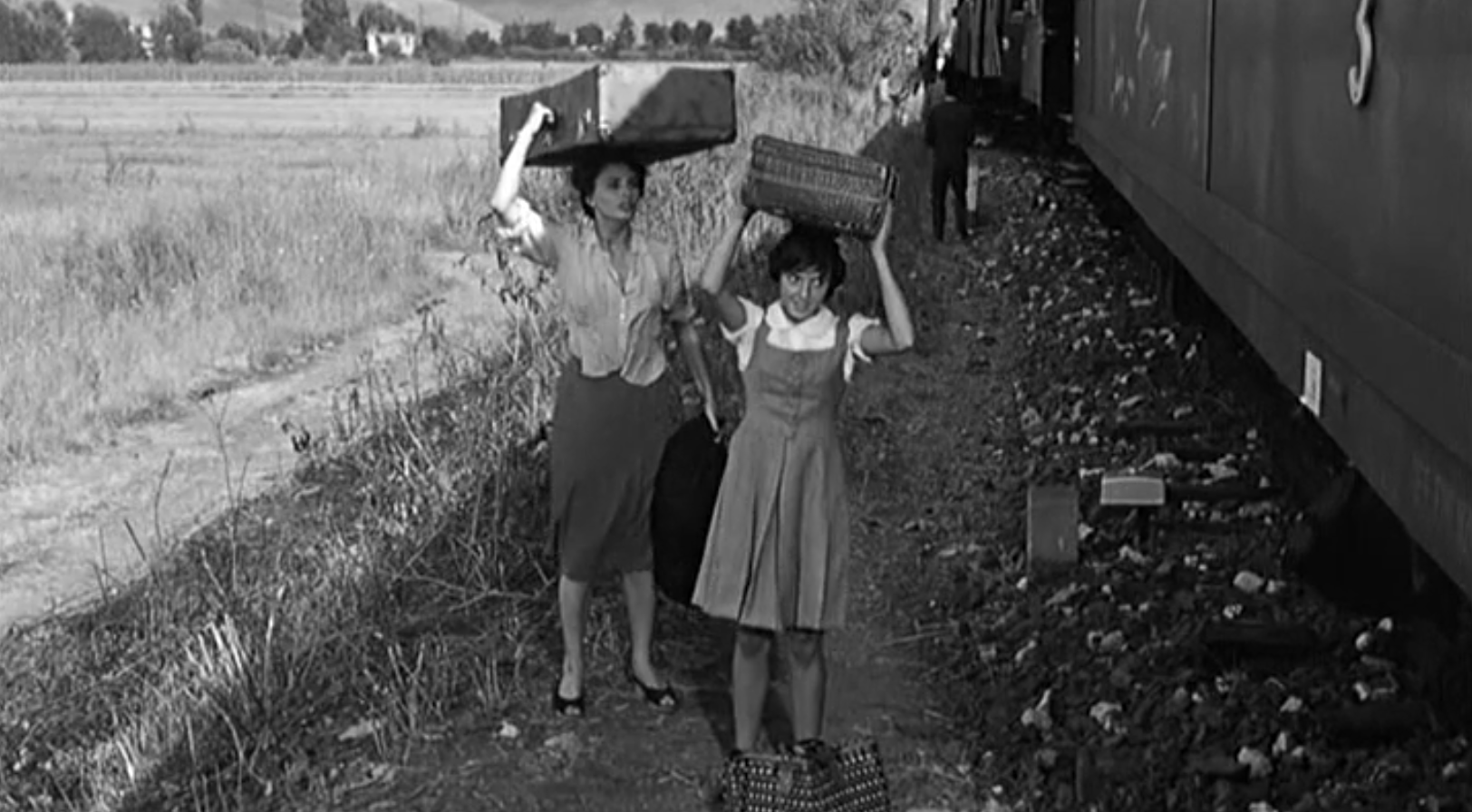


Abbiamo visto questo bellissimo motivo anche in La Ciociara: prima quando Cesira mostra a Rosetta come portare la sua valigia sulla testa, in stile contadino; poi la donna con una brocca in testa, che è la prima persona che vediamo nel villaggio natale di Cesira; e infine la donna nella stessa posa che porta l'acqua ai soldati tedeschi.
We also saw this beautiful motif in La Ciociara: first when Cesira shows Rosetta how to carry her suitcase on her head, peasant-style; then the woman with a jug on her head who is the first person we see in Cesira’s home village; and finally the woman in the same pose who brings water to the German soldiers.
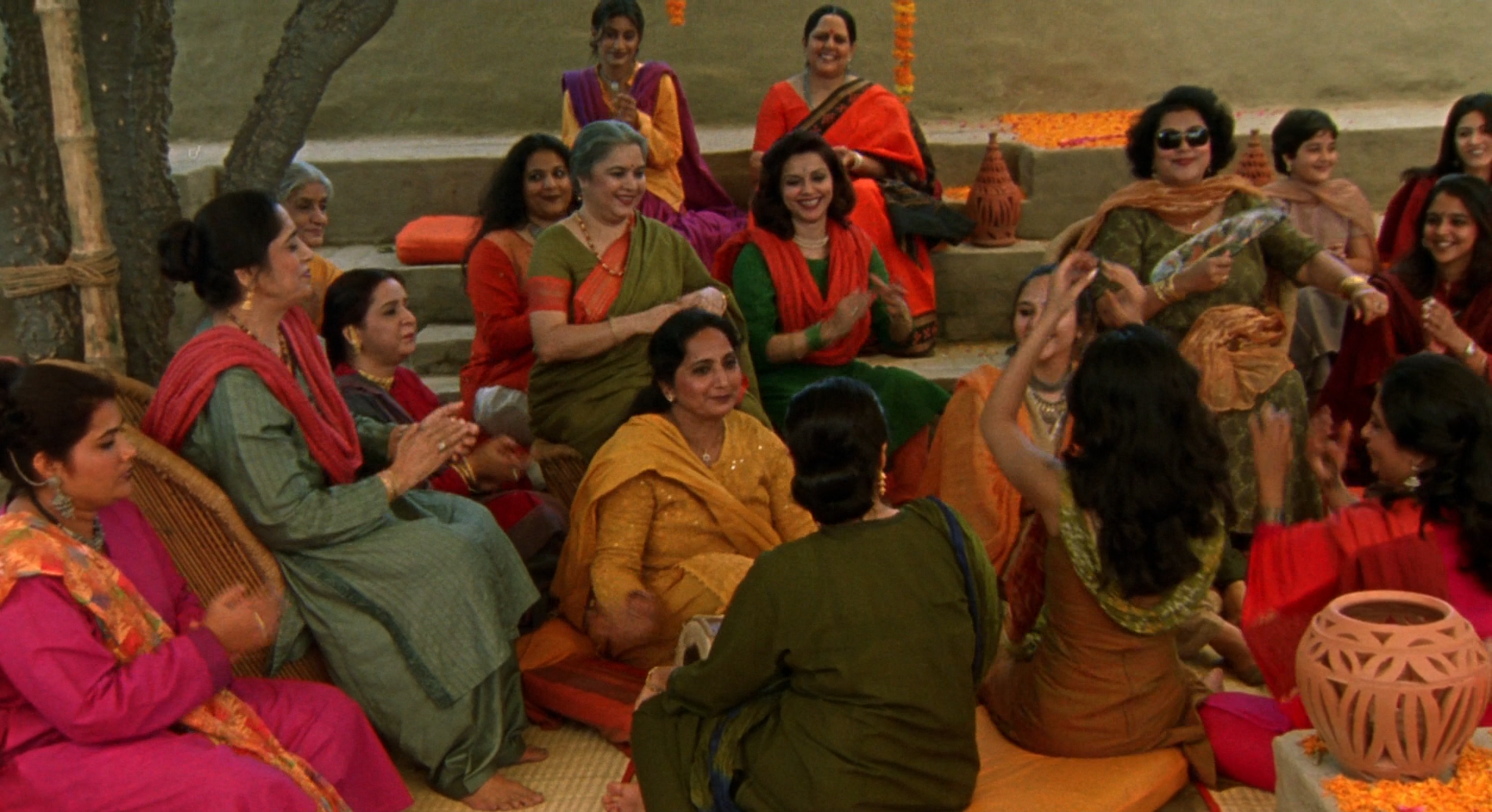
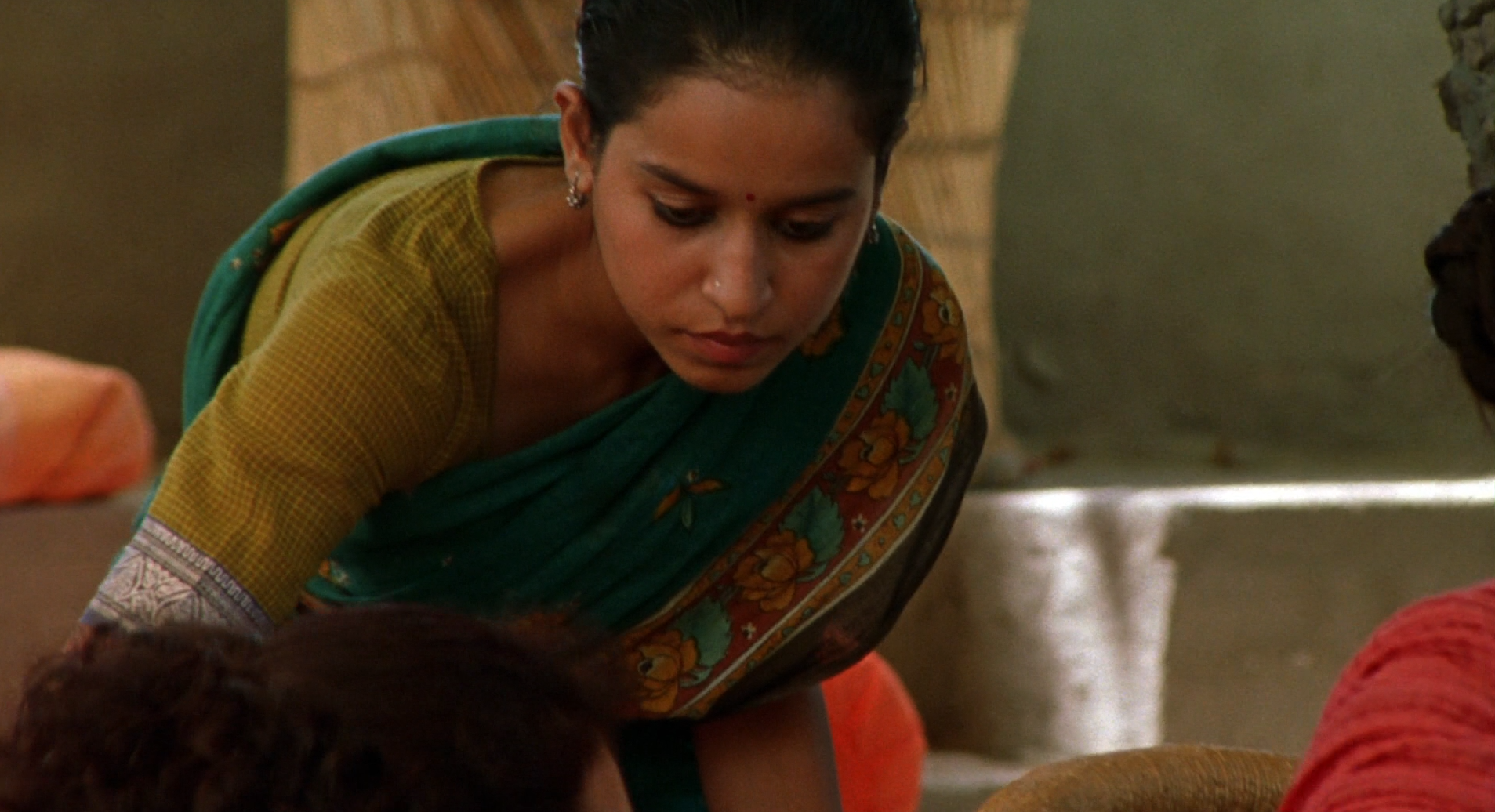
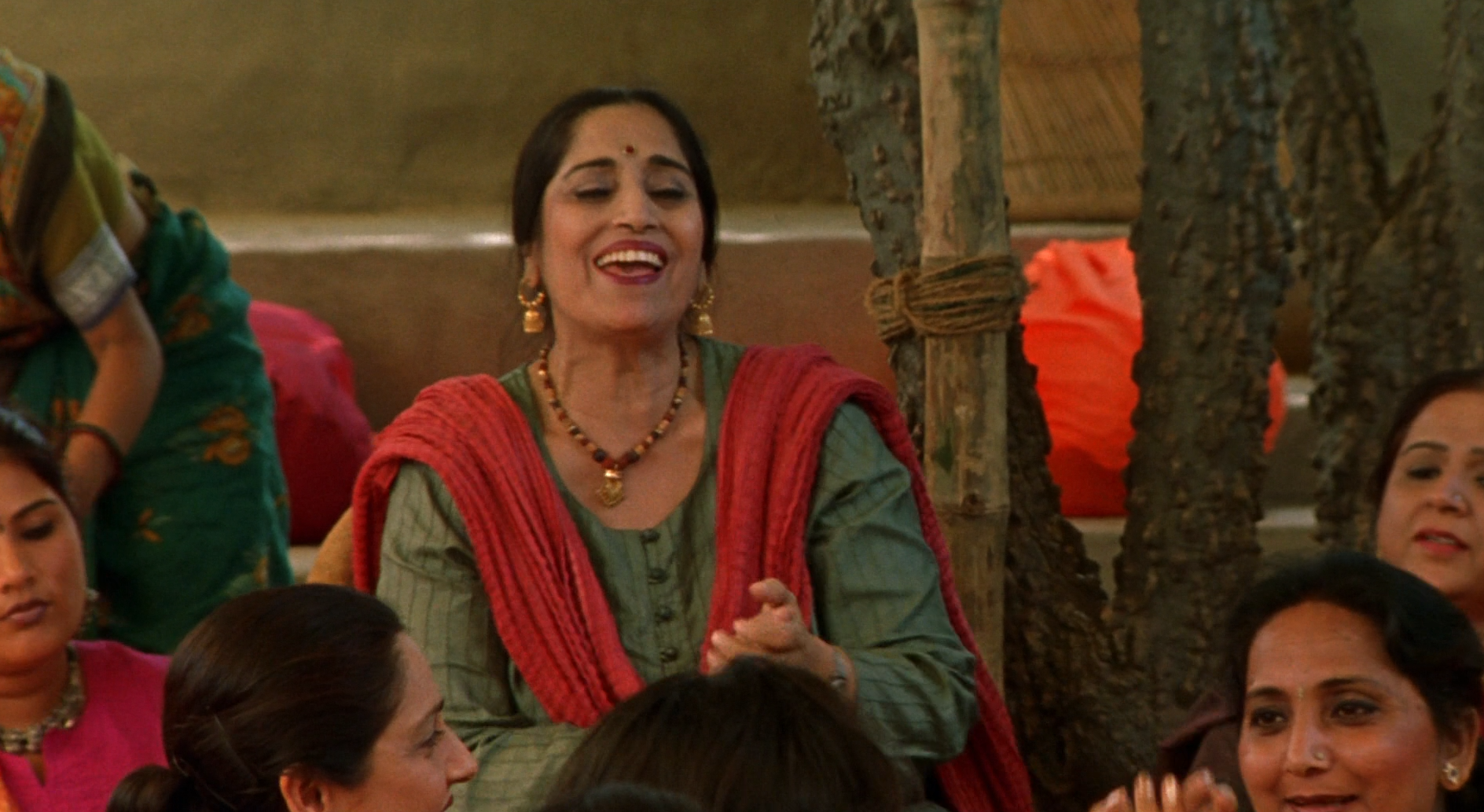
Sedute nel cortile, una ventina di donne cantano e battono le mani, accompagnate dai tamburi. Alice va e viene, servendo bevande rosse e verdi da un vassoio. Una delle donne canta in punjabi:
O donne della casa,
Decoratemi con l'henné ...
Seated in the courtyard, about twenty women sing and clap, accompanied by drums. Alice circulates, serving red and green beverages from a tray. One of the women sings in Punjabi:
O women of the house,
Decorate me with henna…
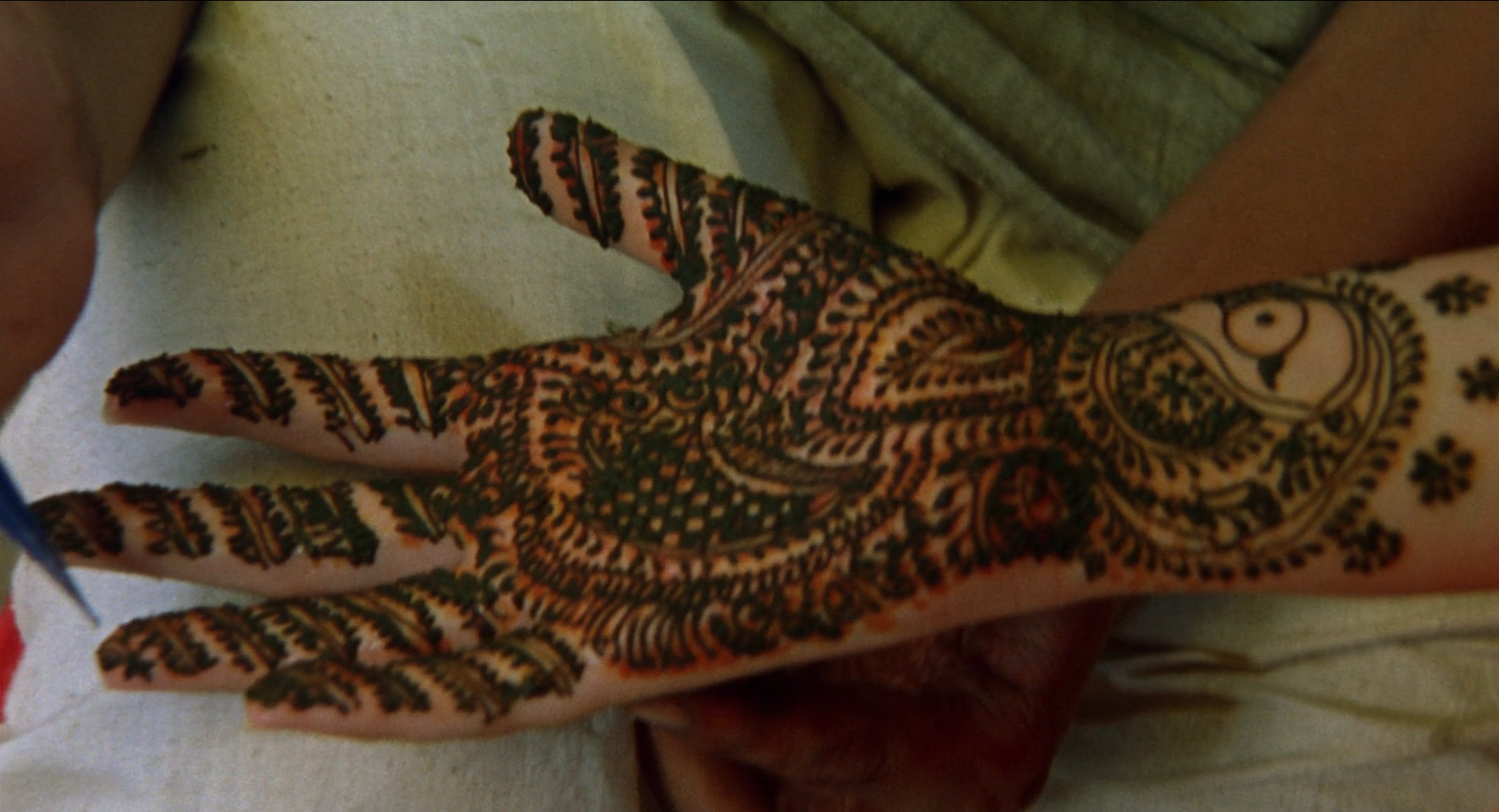
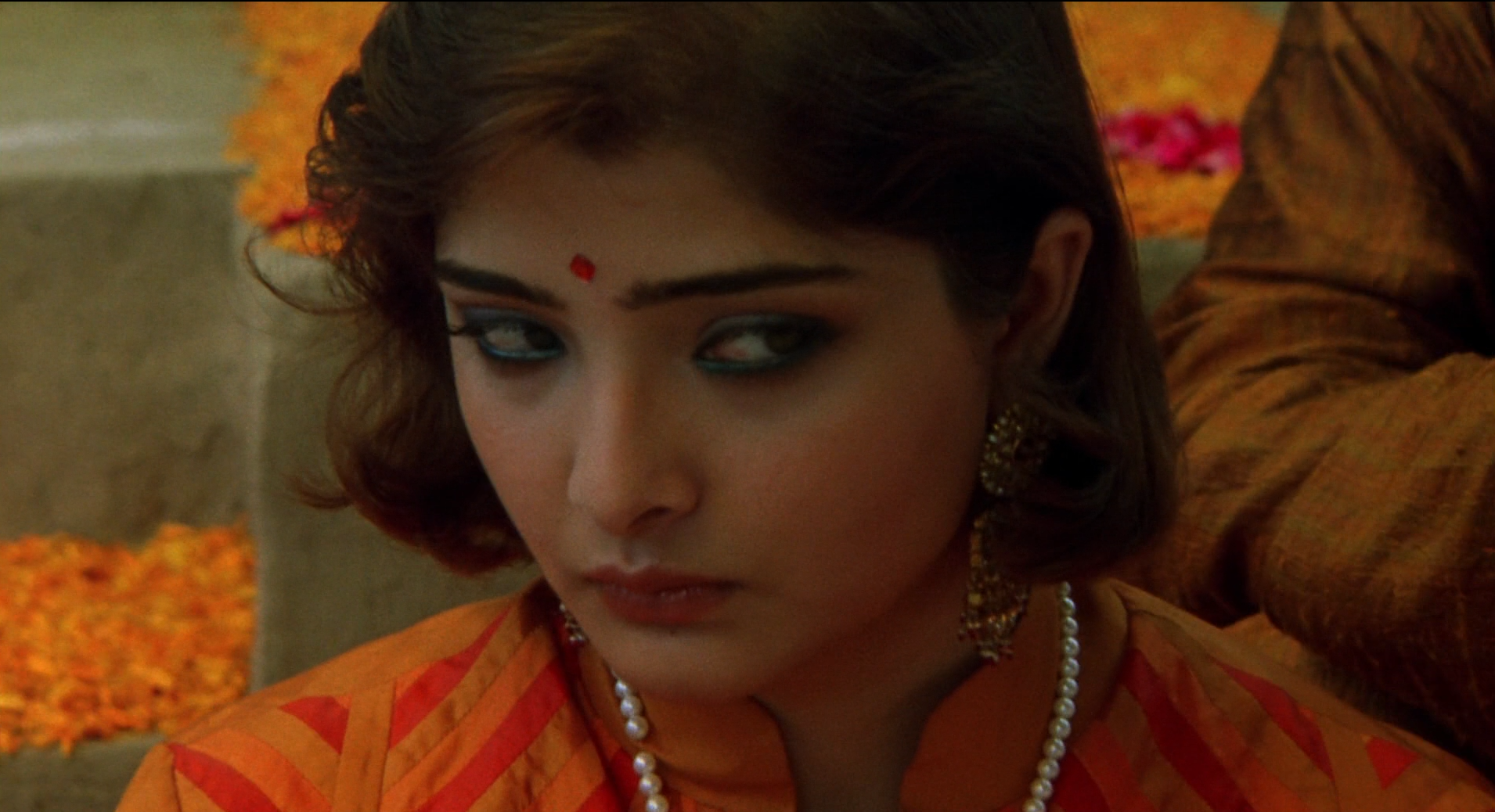
Vediamo un intricato motivo di henné applicato al palmo, al polso e alle dita di Aditi. Il canto è gioioso, ma l'espressione di Aditi non lo è.
Rendi queste mani chiare
bellissime con l'henné
We see an intricate pattern of henna applied to Aditi’s palm, wrist, and fingers. The singing is joyful, but Aditi’s expression is not.
Make these fair hands
beautiful with henna
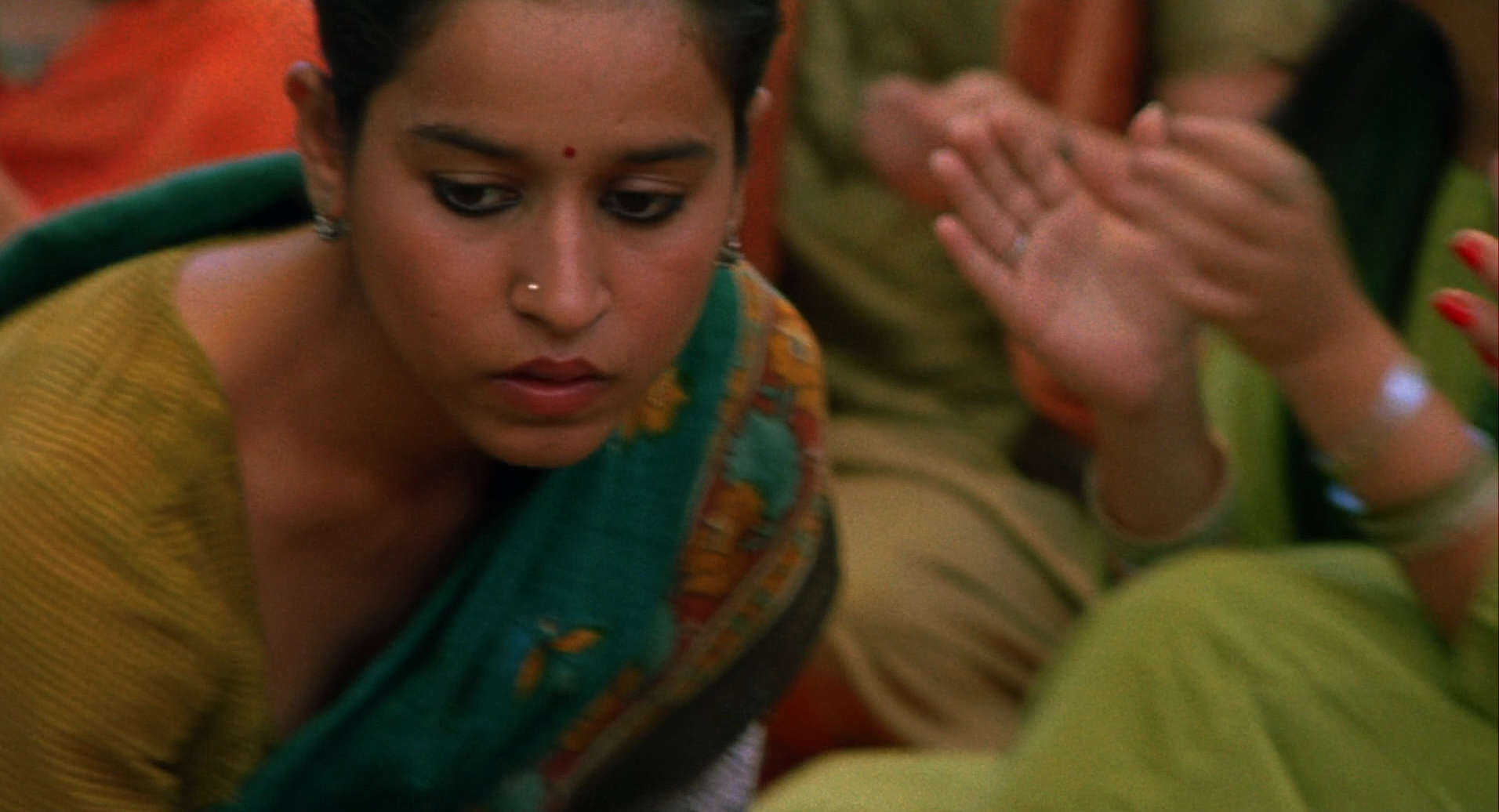
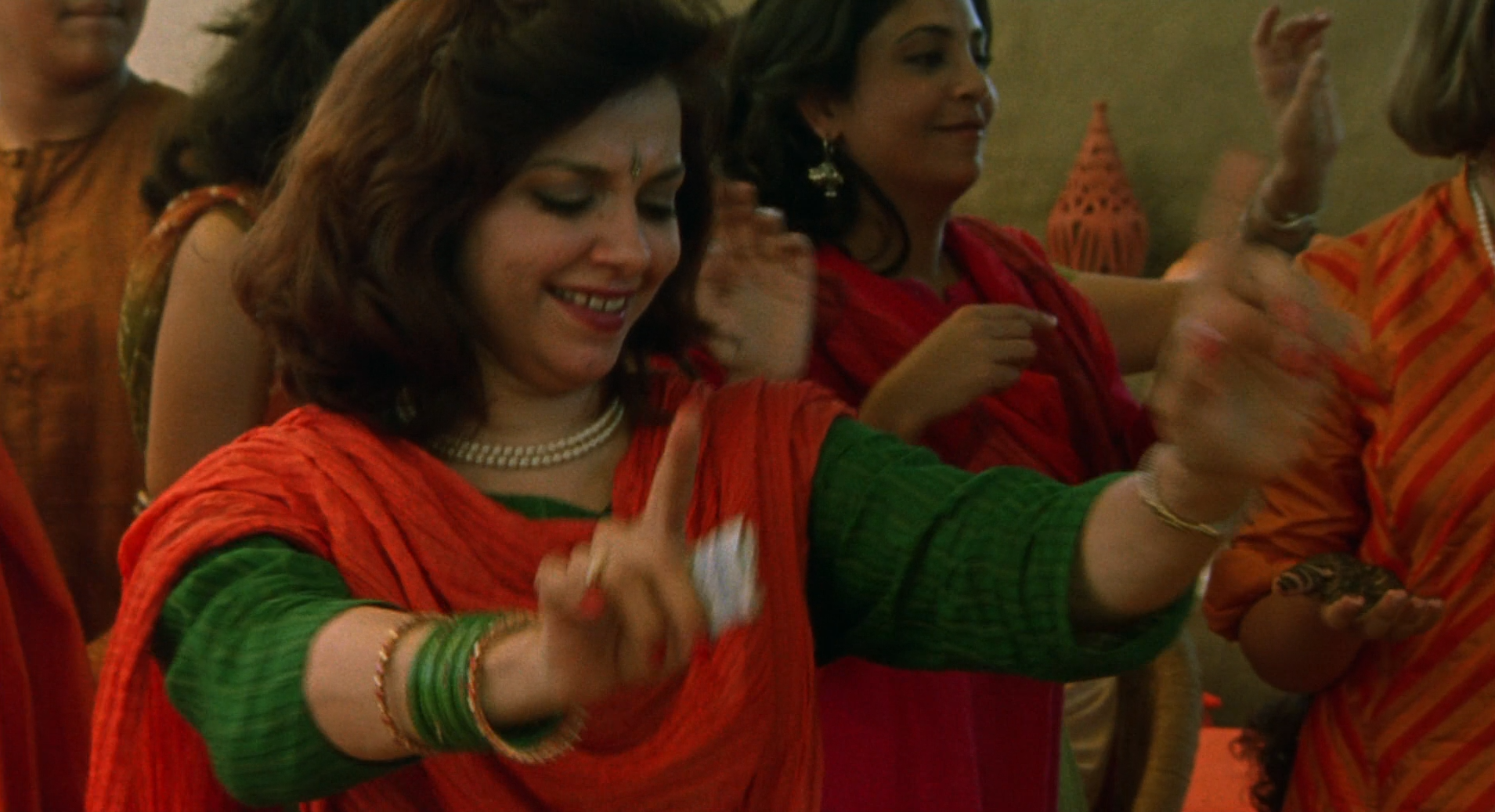
Mentre la storia si svolge, la regista sottolinea abilmente le complesse dinamiche tra camerieri e datori di lavoro, uno dei tanti temi del film.
As the story unfolds, the director skillfully highlights the complex dynamics between servants and employers, one of the films’ many themes.
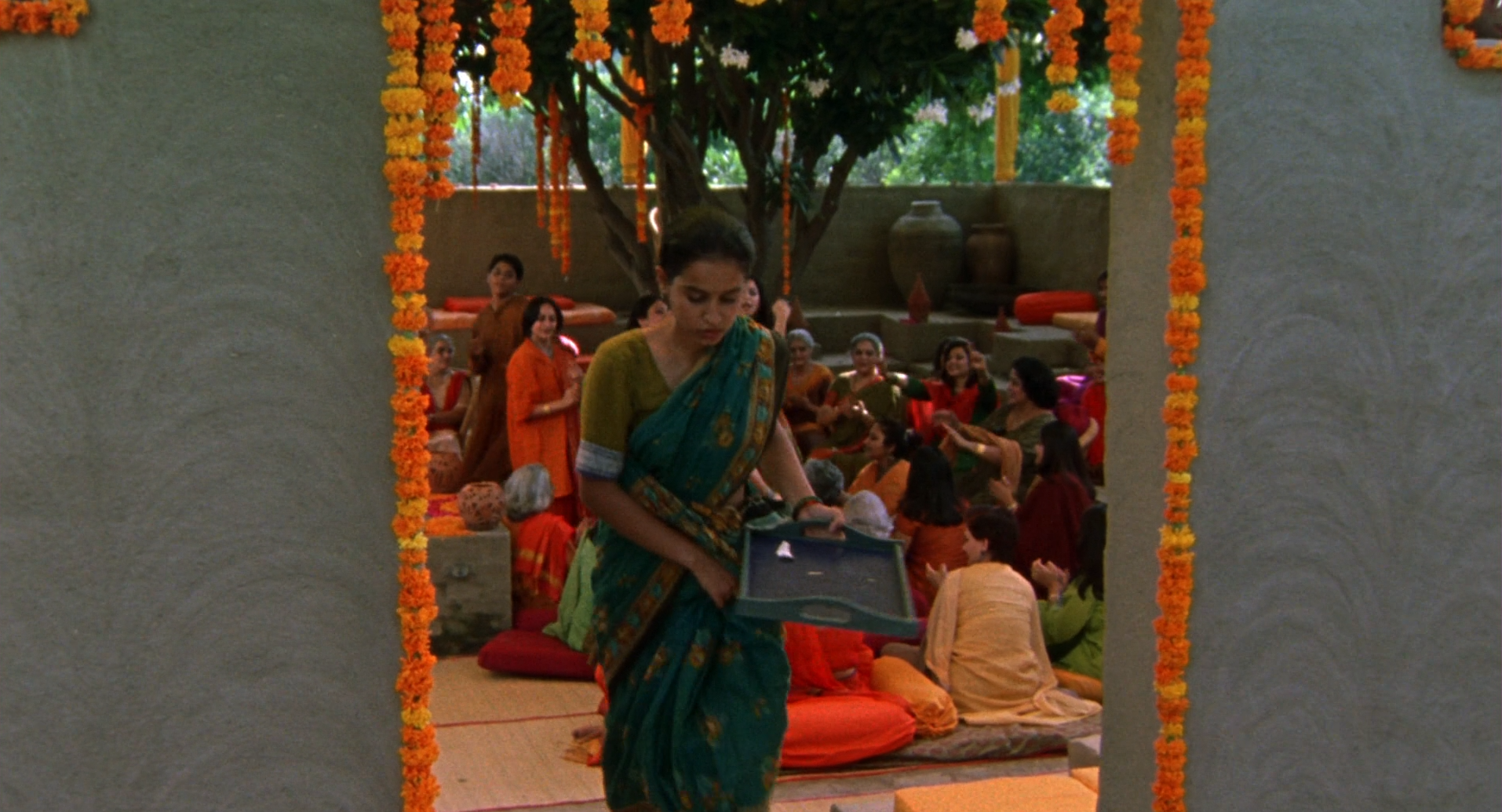
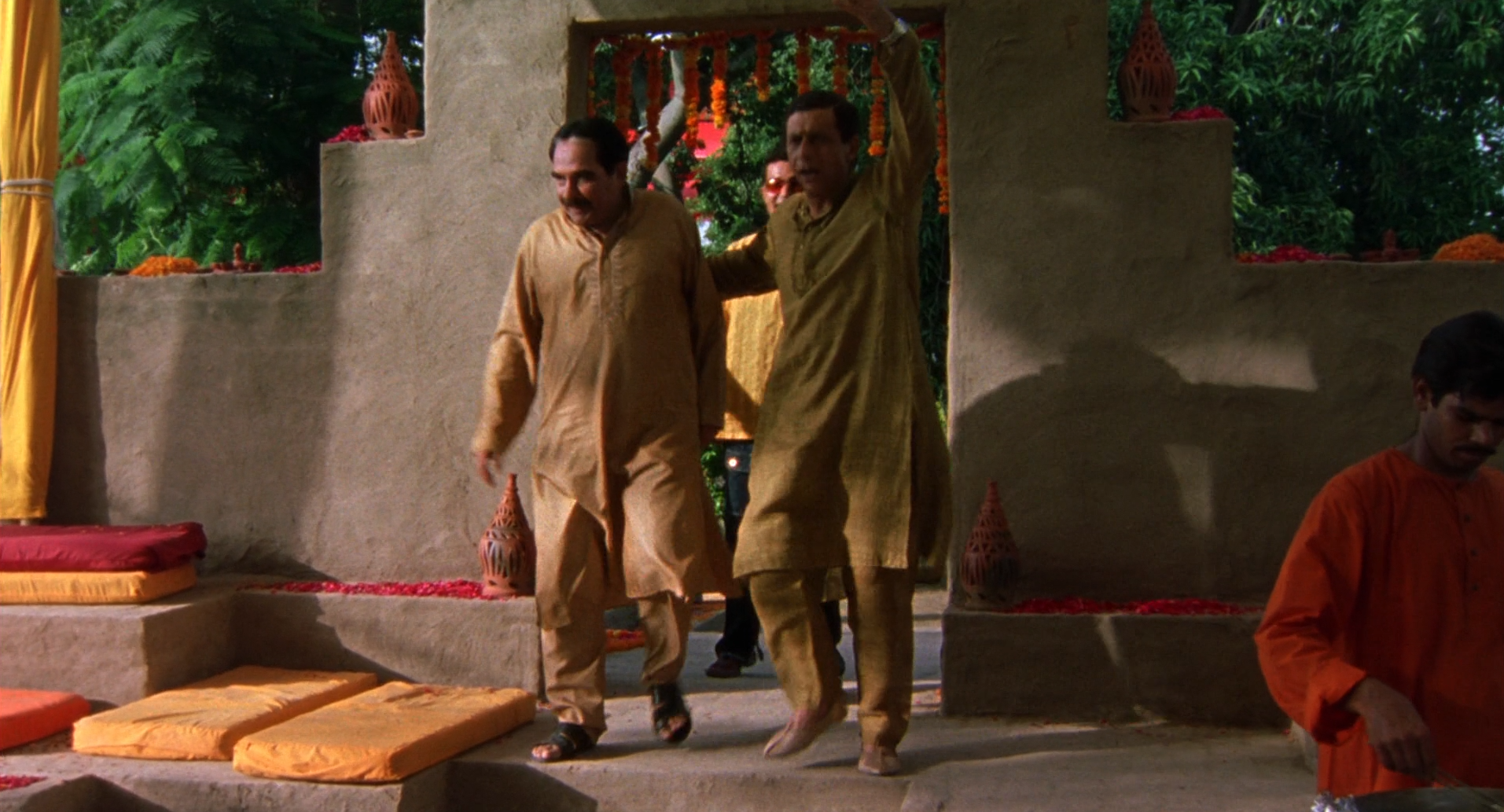
Alice, ancora sconvolta dall’essere stata chiamata “ladra”, se ne va con il vassoio vuoto proprio mentre arrivano gli uomini. Lalit saluta allegramente: "Ciao, signore!"
Alice, still upset at being called a thief, leaves with her empty tray just as the men arrive. Lalit greet everyone cheerfully, “Hello, ladies!”
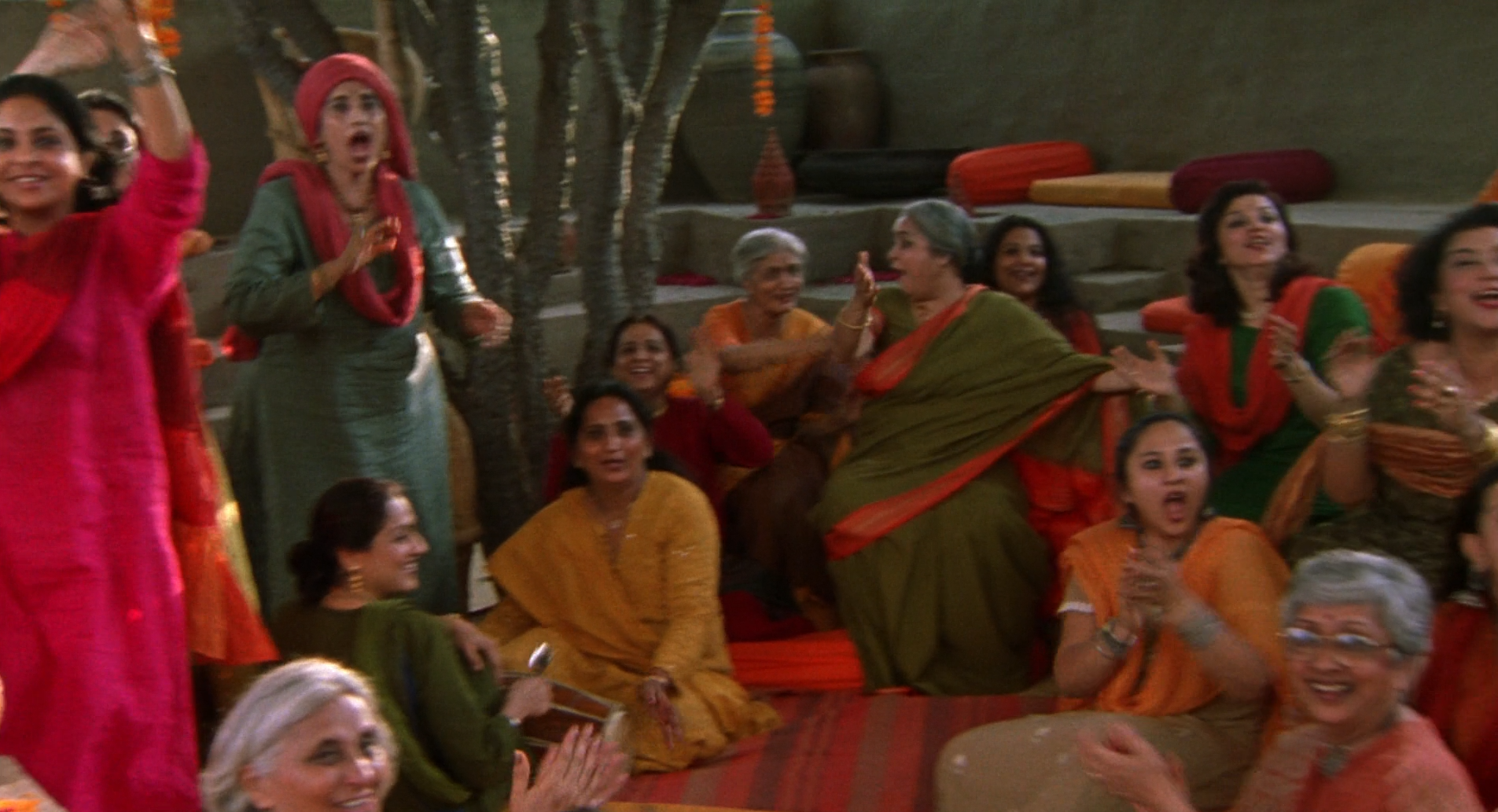
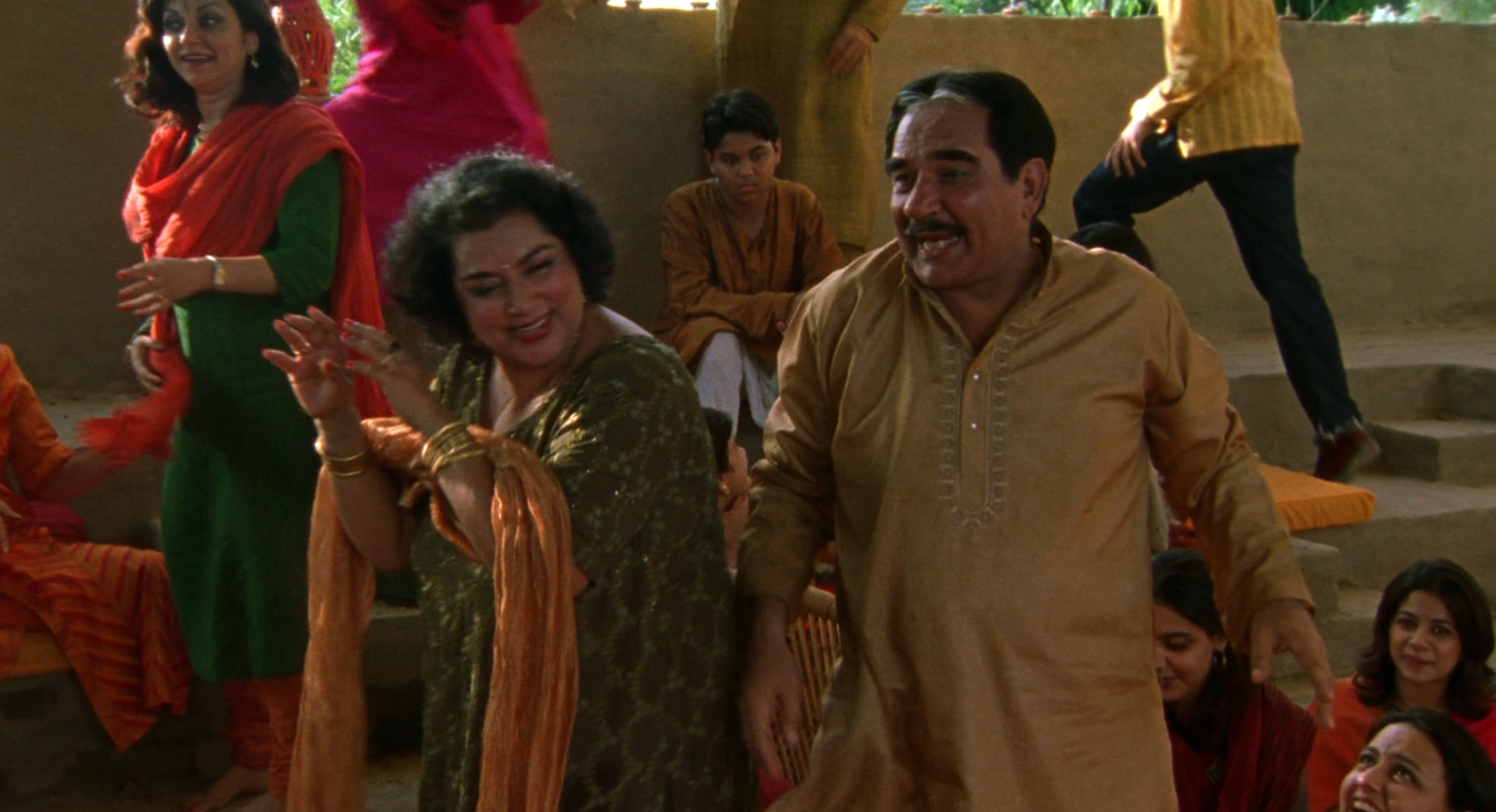
Le donne esclamano: "Via!" "Gli uomini non sono ammessi!" Ma gli uomini restano e vengono accolti, dopotutto.
The women exclaim, “Go!” “No men allowed!” But the men stay and are welcomed, after all.
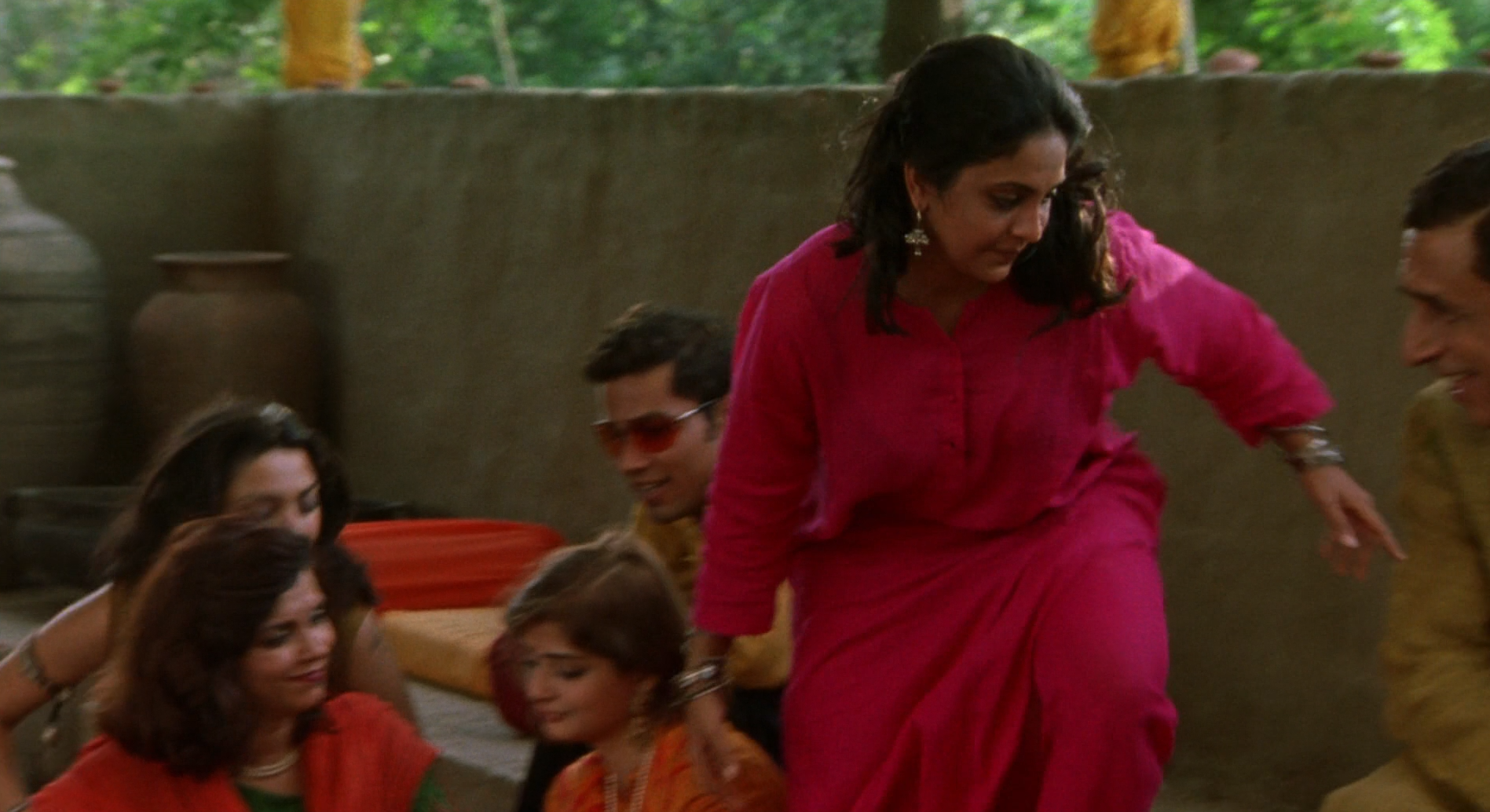
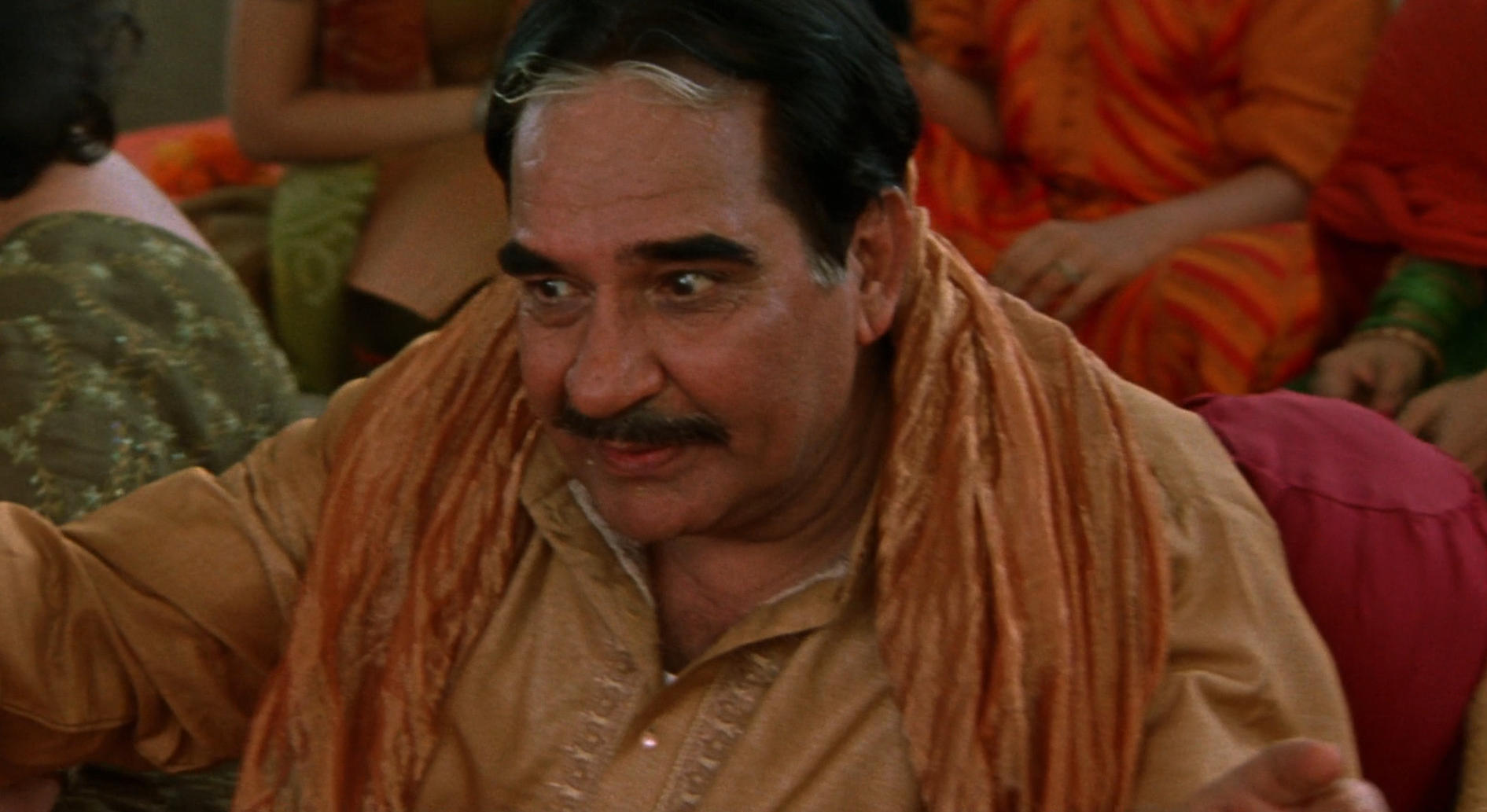
Notando che l'henné sulle mani di Aditi si sta asciugando, Ria entra in casa per prendere del succo di limone. C.L. inizia a raccontare una storia, accompagnato dal battimani ritmico delle donne.
Noticing that the henna on Aditi’s hands is drying, Ria goes into the house to get some lemon juice. C.L. starts to tell a story, accompanied by the rhythmic clapping of the women.
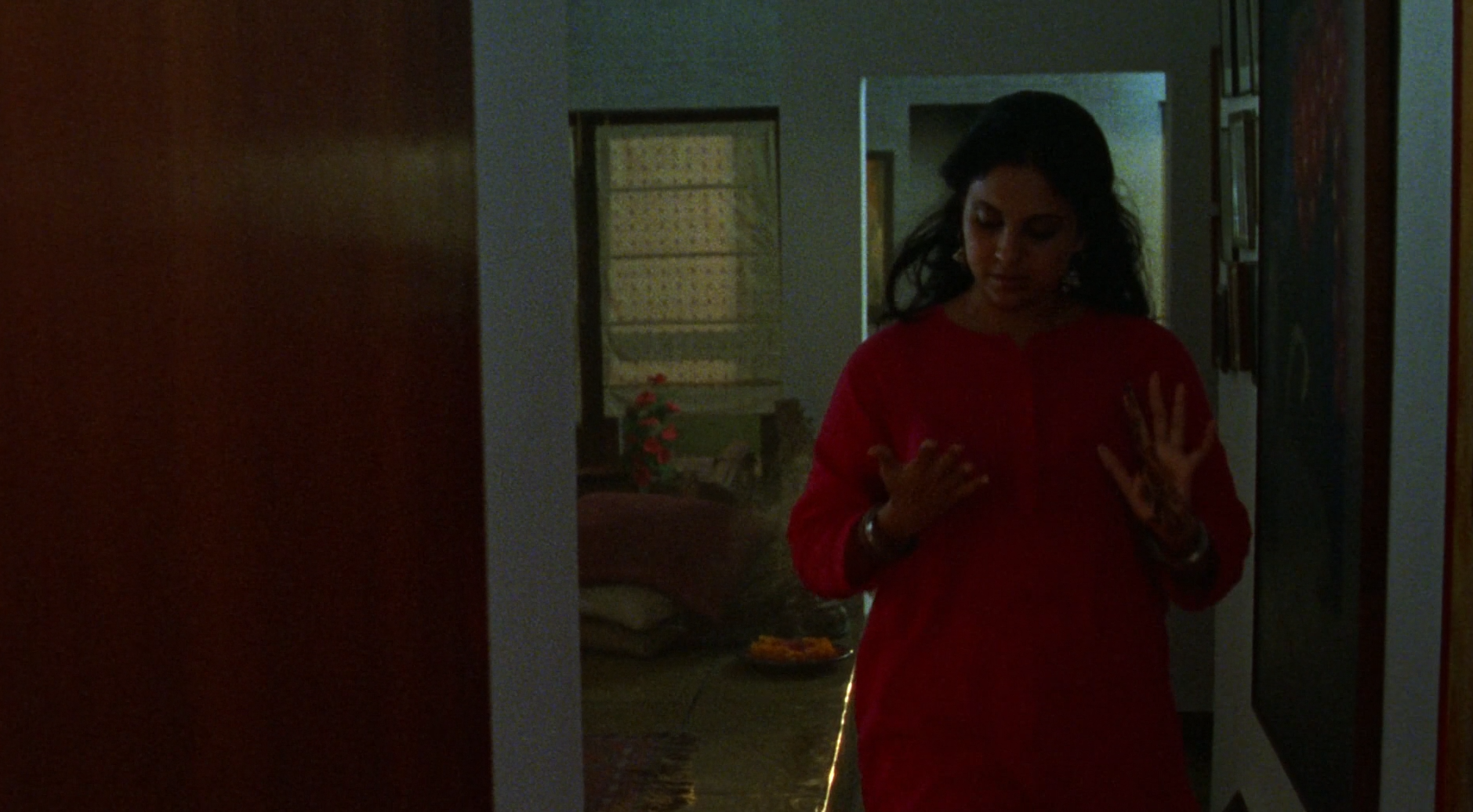
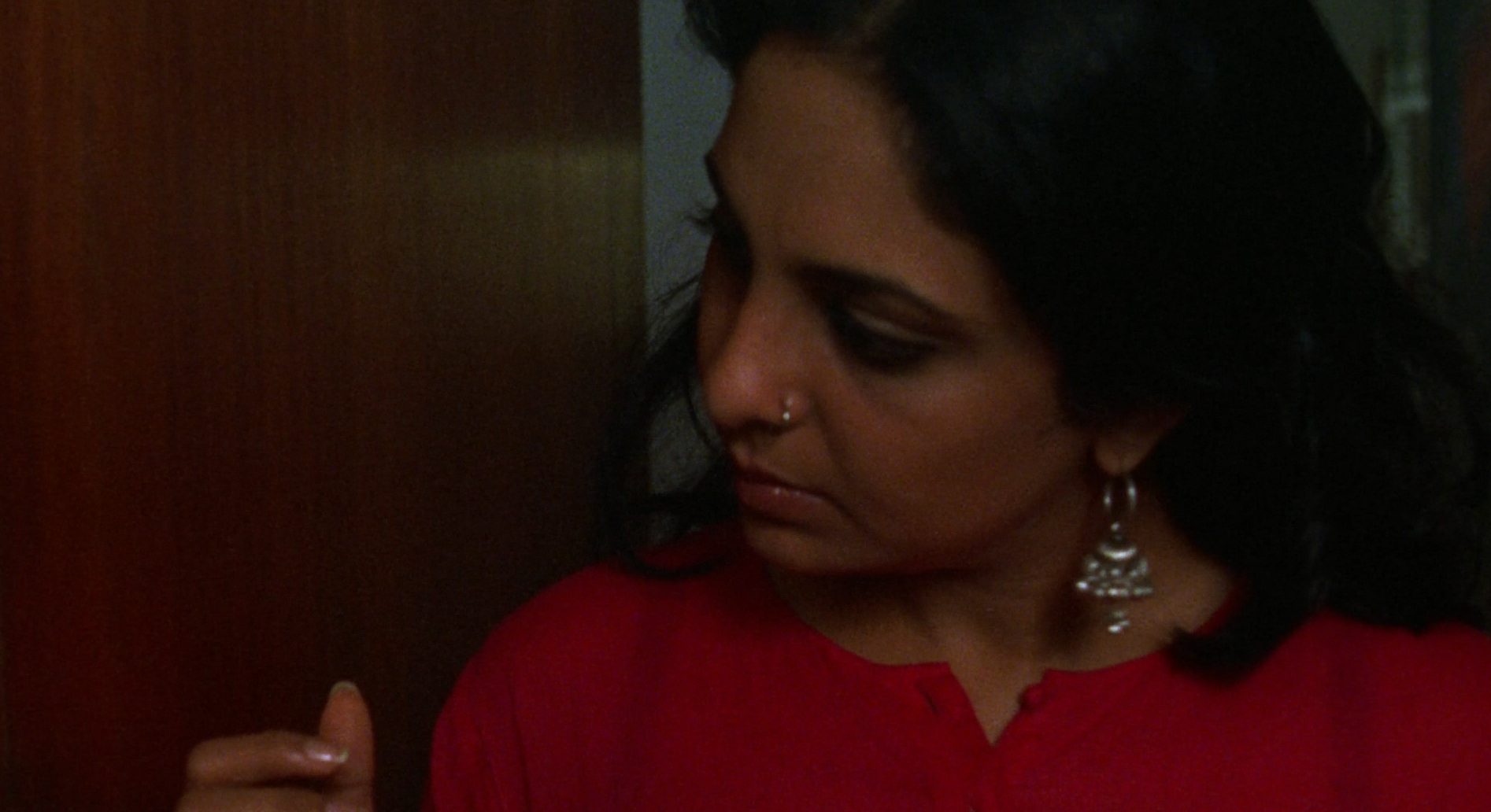
Mentre Ria si avvicina alla cucina, esaminando le sue mani con l'henné, sente Aliyah protestare: "Ma dai, zio. Basta".
La voce di Tej da fuori campo cerca di persuaderla: "Fai la brava ragazza. Non dire di no".
Ma Aliyah risponde fermamente: "No".
As Ria approaches the kitchen, inspecting her hennaed hands, she hears Aliyah protesting, “Come on, Uncle. That’s enough.”
Tej’s voice from offscreen tries to persuade her, “Be a good girl. Don’t say no.”
But Aliyah replies firmly, “No.”
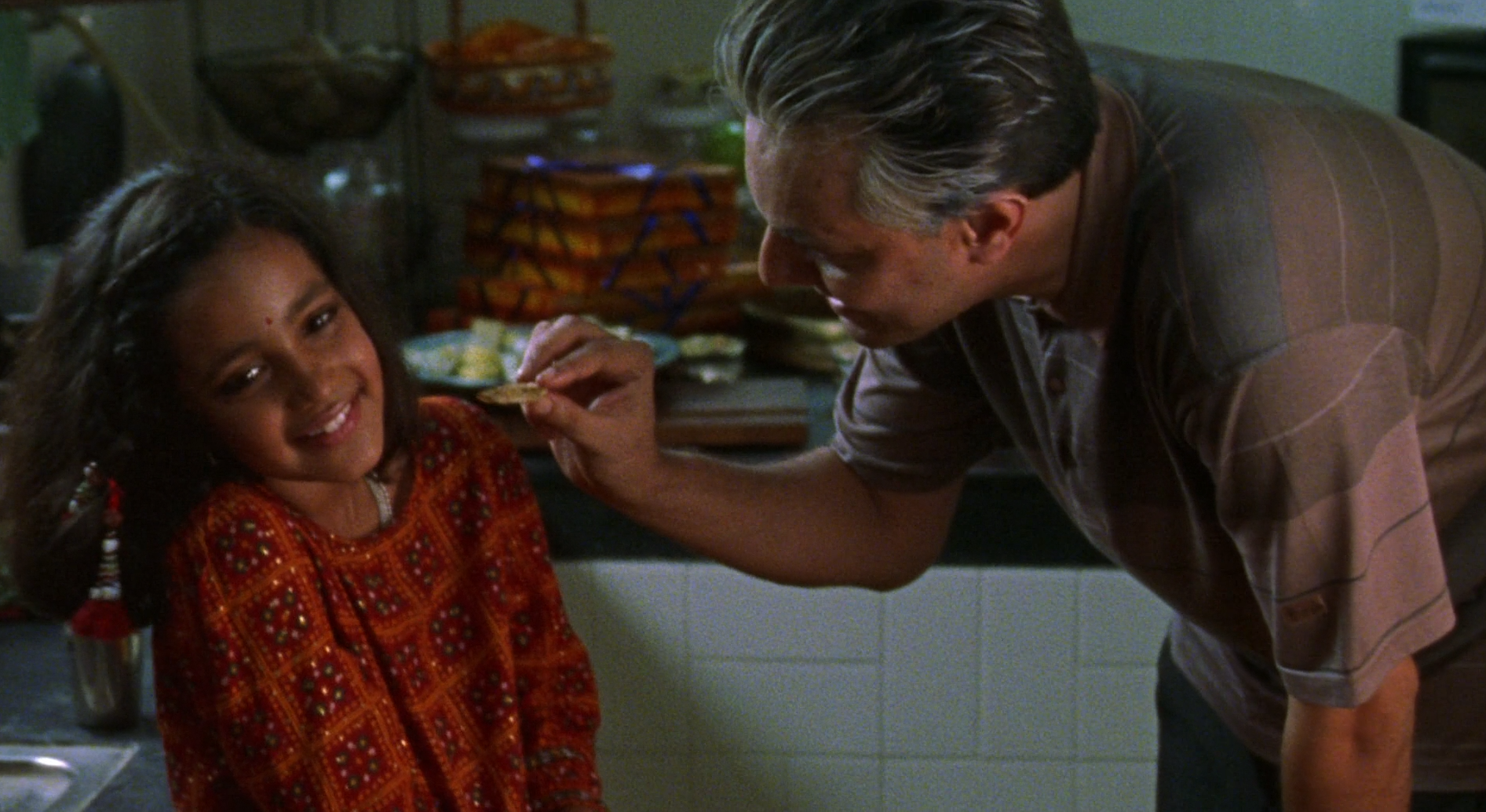
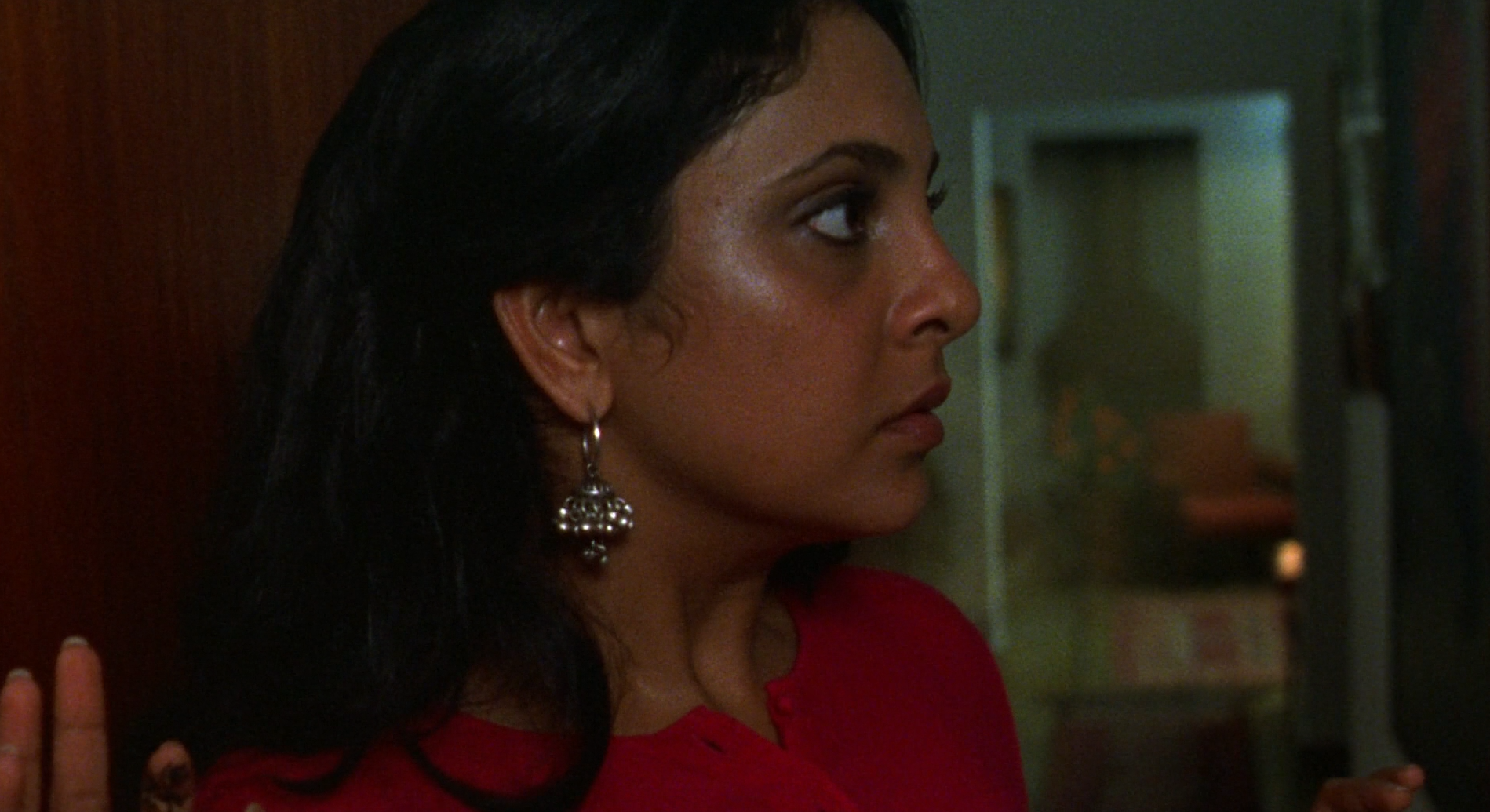
Sbirciando dalla porta, Ria vede Tej dare da mangiare qualcosa alla bambina e chiederle: "Ti piace?"
Ria indietreggia inorridita.
Peeking around the door, Ria sees Tej feeding something to the little girl and asking her: “Do you like it?”
Ria draws back in horror.
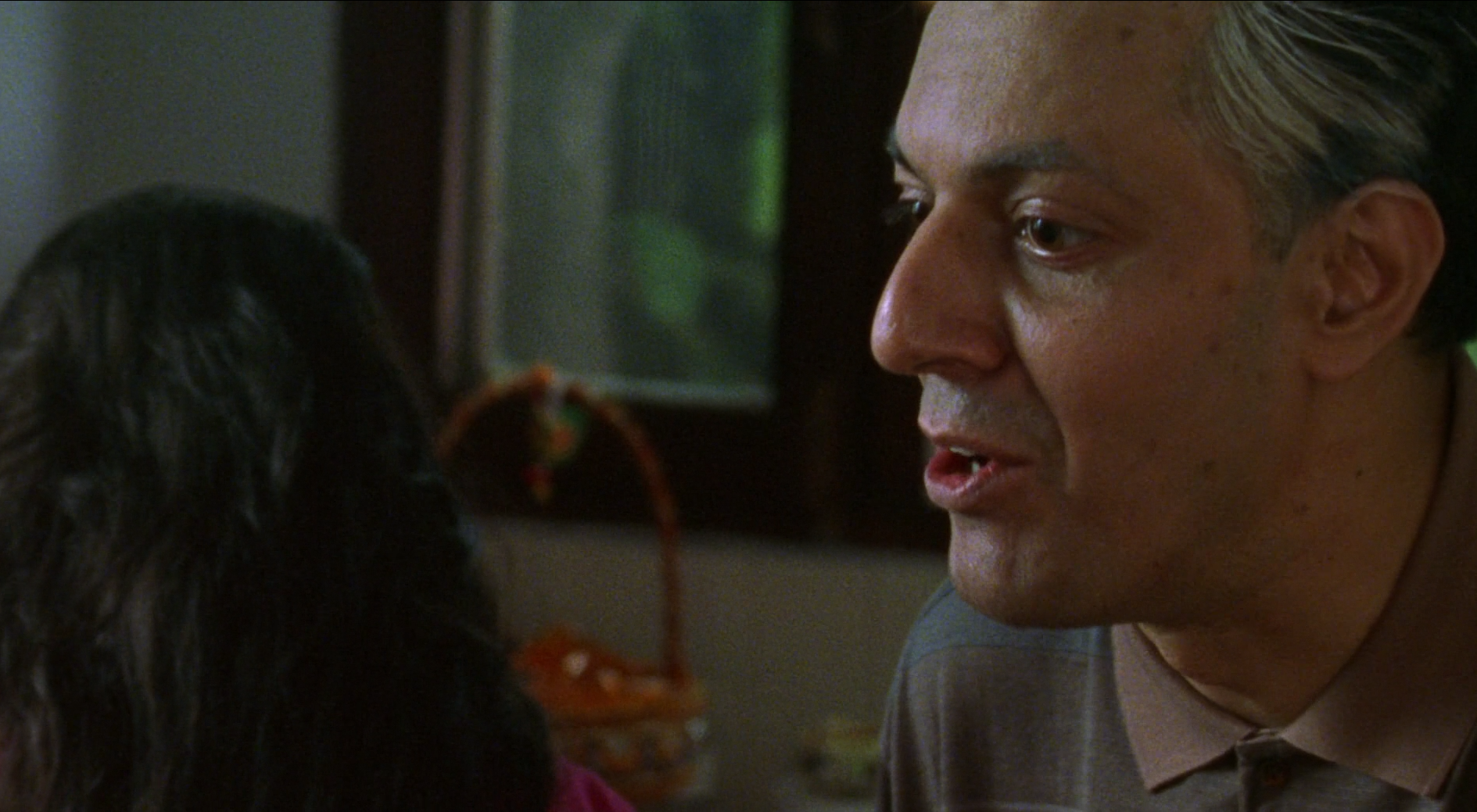
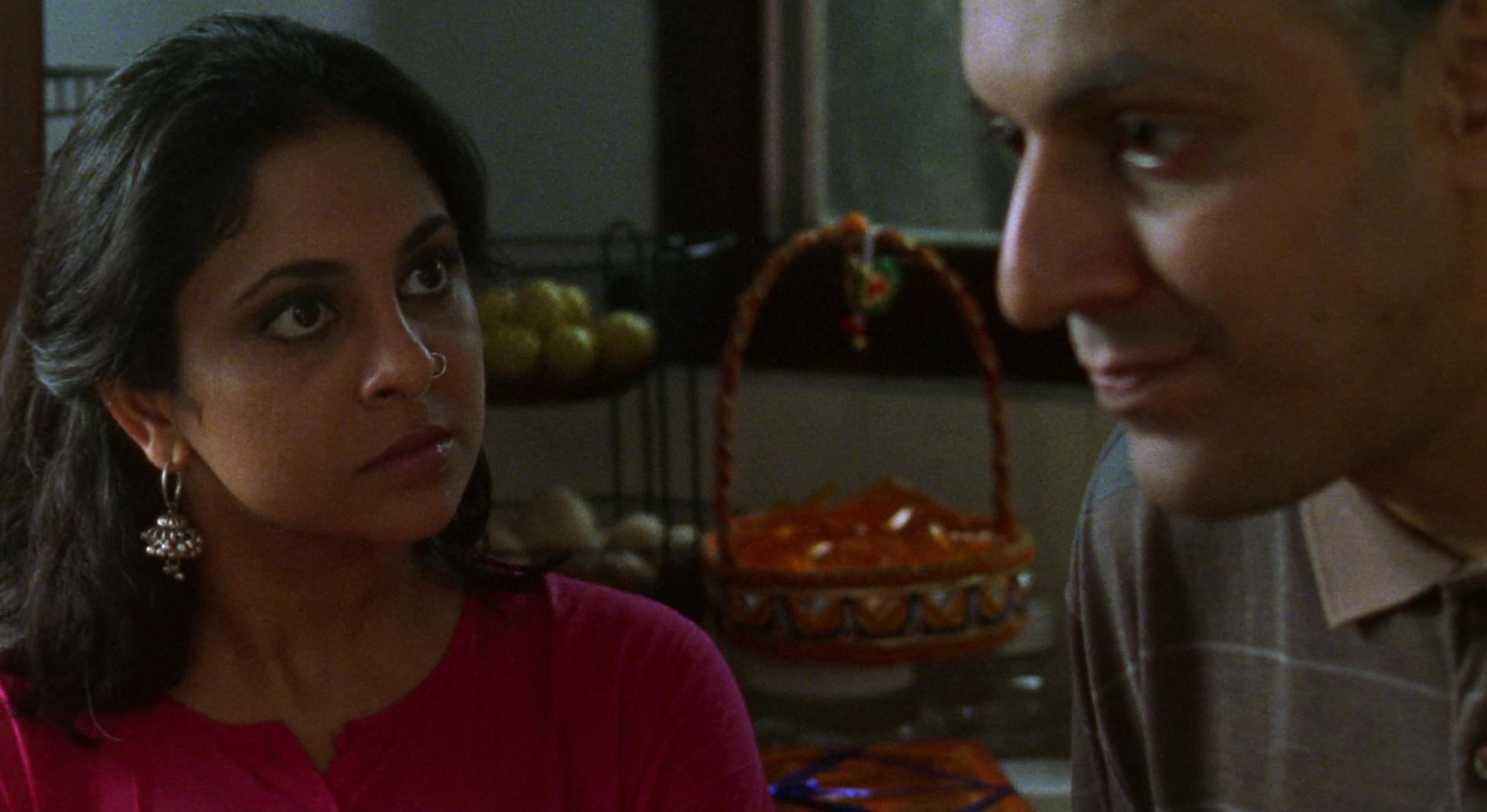
Ma poi si calma ed entra in cucina. Dopo un breve saluto, si dirige verso il bancone.
Tej dice ad Aliya, riferendosi a Ria: "È arrabbiata".
Ria lo fissa con ferocia, in silenzio.
But then she composes herself and enters the kitchen. After a brief greeting, she walks straight to the counter.
Tej says to Aliyah referring to Ria, “She’s angry.”
Ria stares at him fiercely, in silence.
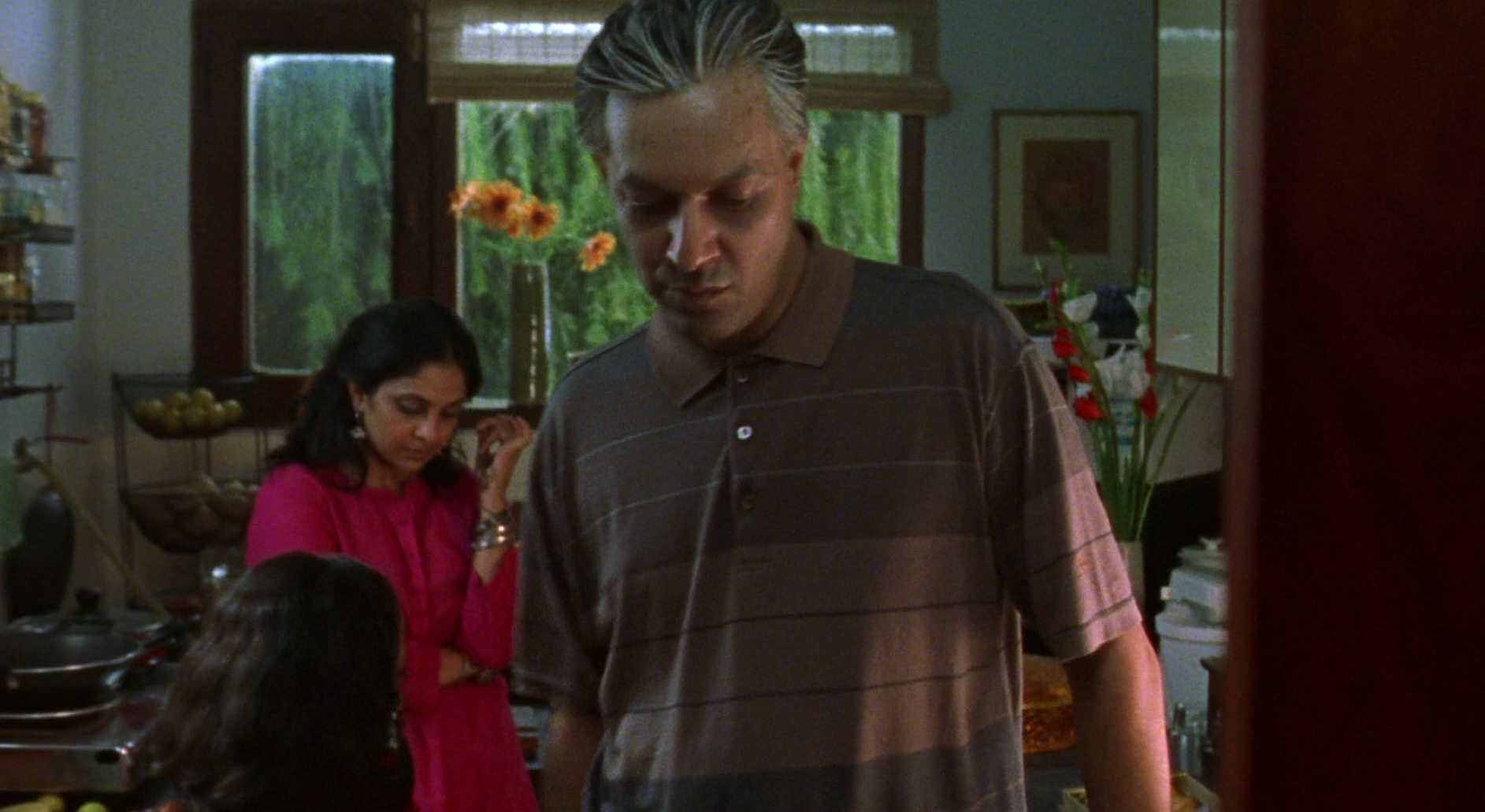
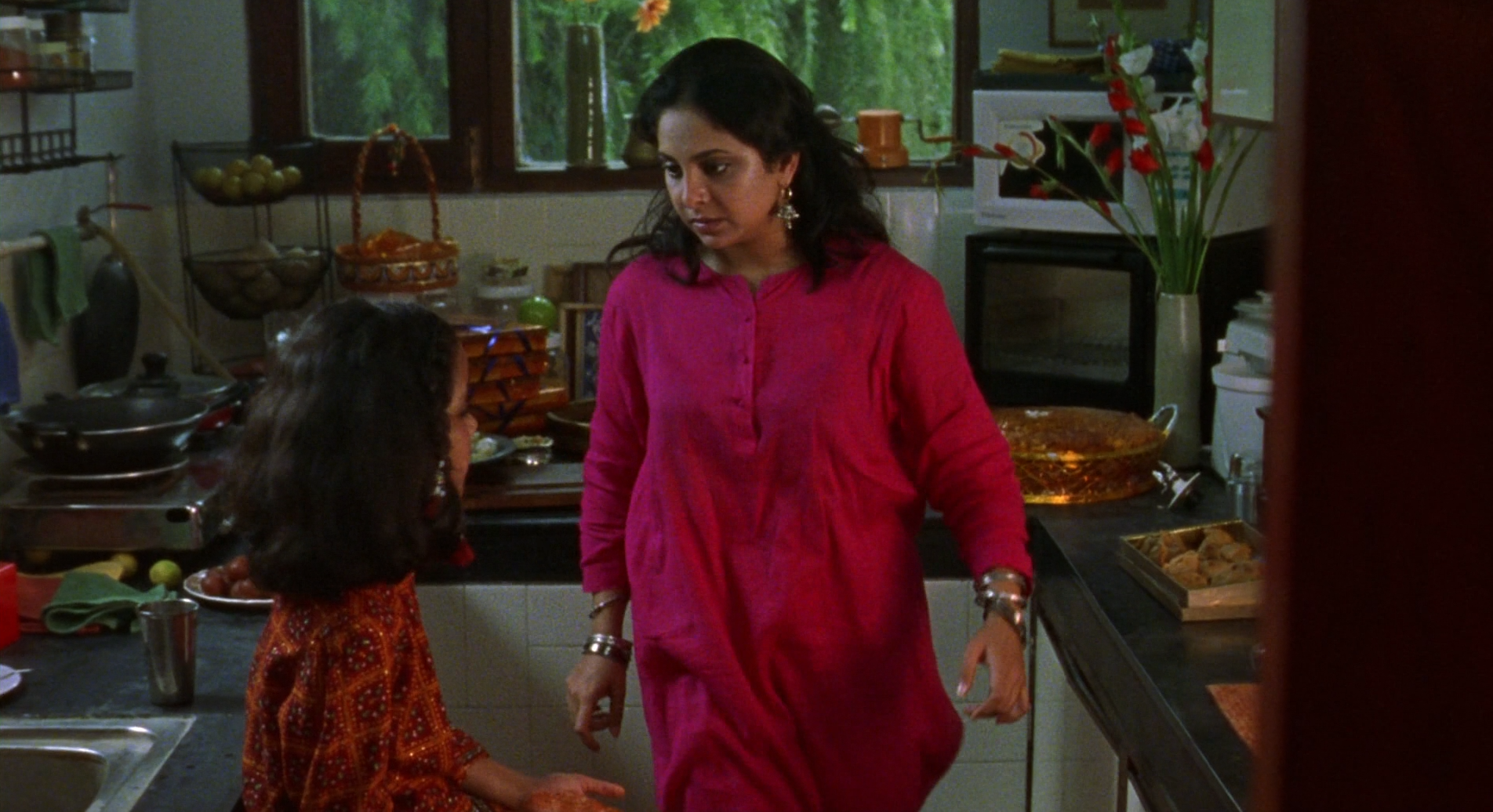
"Va bene" – dice lui, rassegnato – "Ria ti darà un samosa, va bene?"* Poi lascia la stanza.
"Cosa stavi facendo qui?" la interroga Ria.
"Mangiavo un samosa".*
* Il samosa è una merendina fritta con un ripieno salato.
“Okay,” he says, resigned. “Ria will give you a samosa, okay?”* Then he leaves the room.
“What were you doing here?” demands Ria.
“Eating a samosa.”
*The samosa is a fried snack with a savory filling.
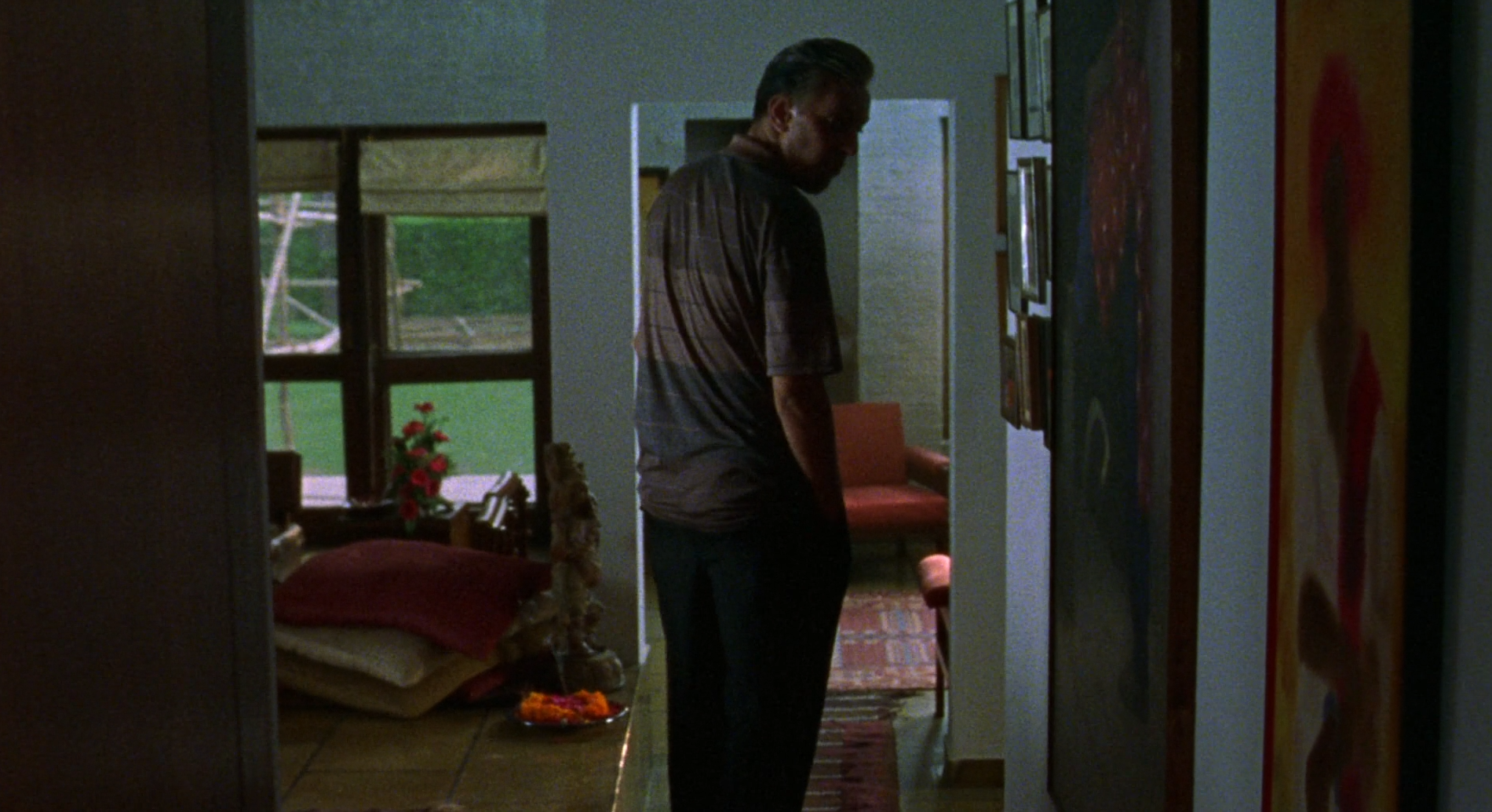
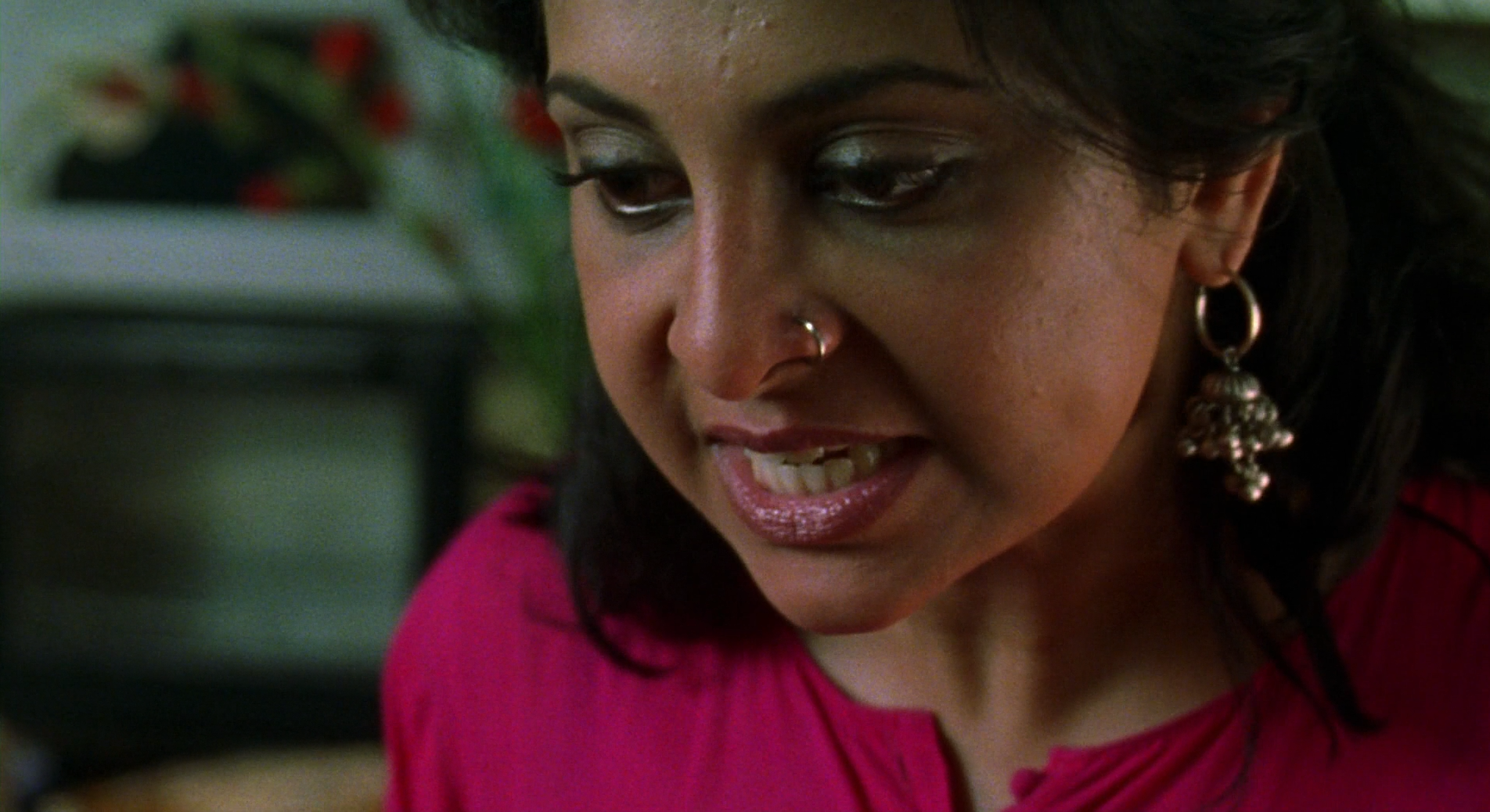
"Perché?" chiede bruscamente Ria.
"Perché ho fame".
"No! Perché lo stai mangiando qui?"
"I samosa erano qui".
"Perché lui era con te, Aliyah?"
"Chi?"
"Zio Tej".
“Why?” asks Ria sharply.
“Because I’m hungry.”
“No! Why are you eating it here?”
“The samosas were in here.”
“Why was he with you, Aliyah?”
“Who?”
“Tej Uncle.”
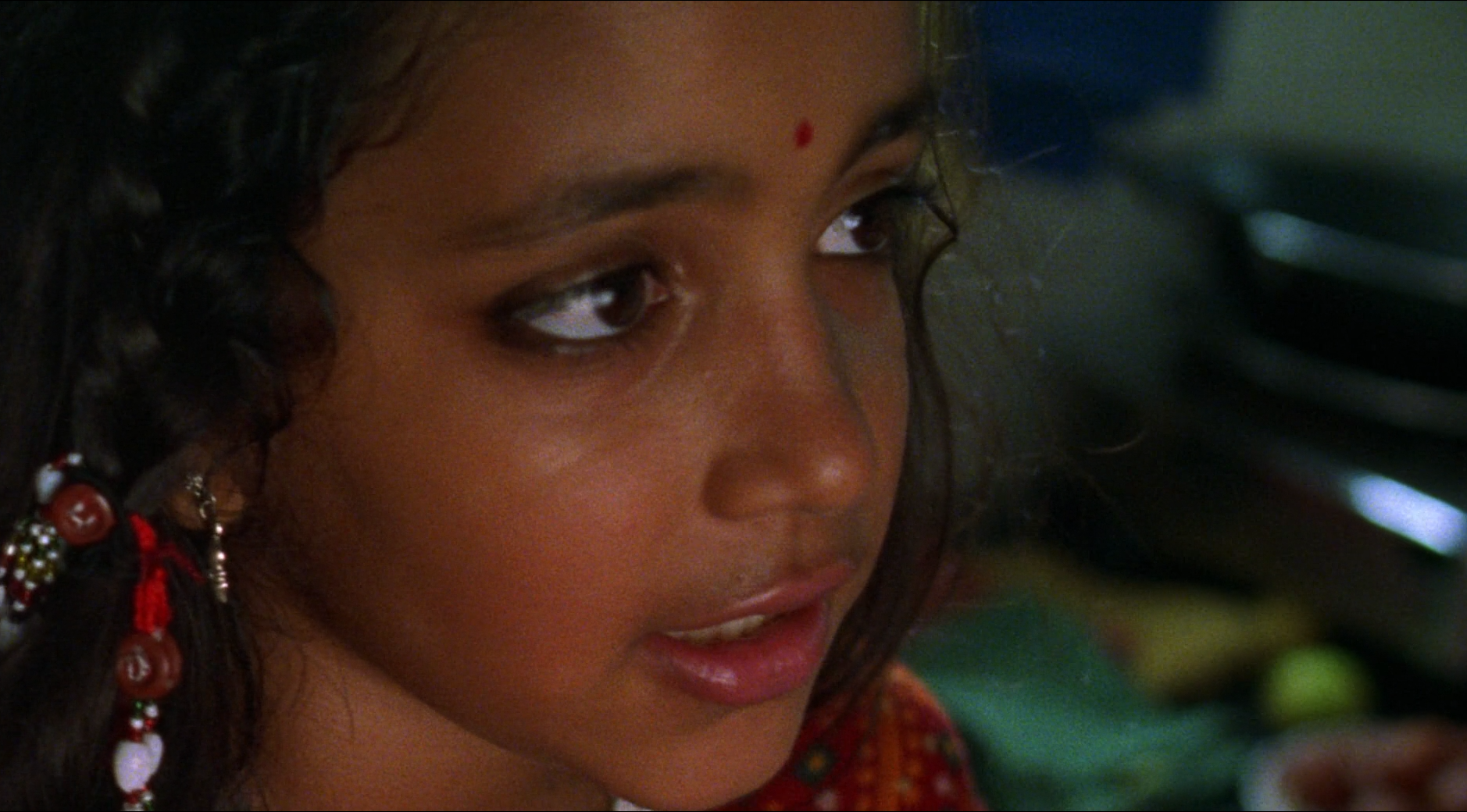
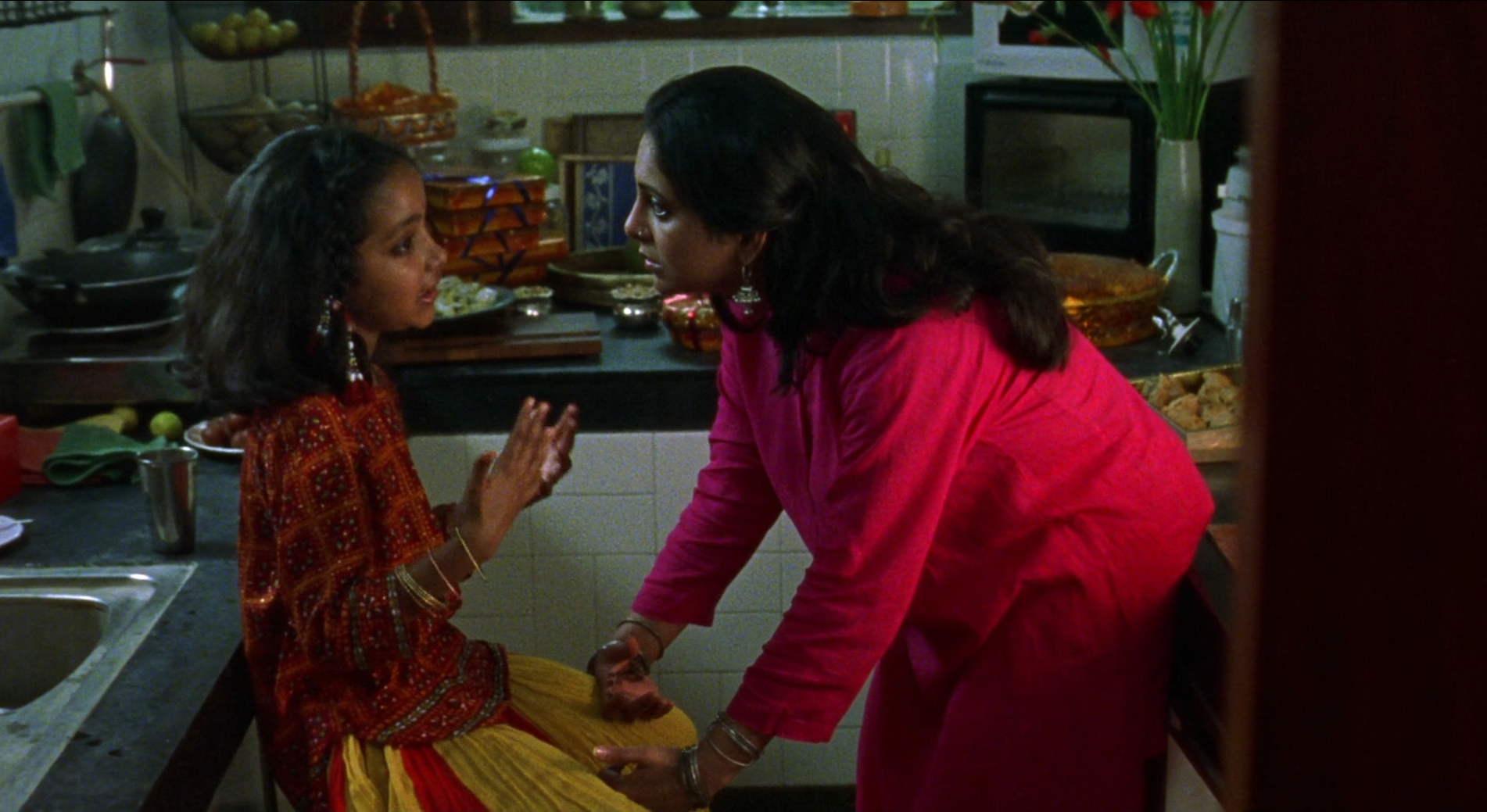
"Alice ha detto che i samosa erano sulla mensola più alta e lo zio Tej è venuto a prendere la scatola per me".
“Alice said the samosas were on the top shelf and Tej Uncle came to get the box down for me.”
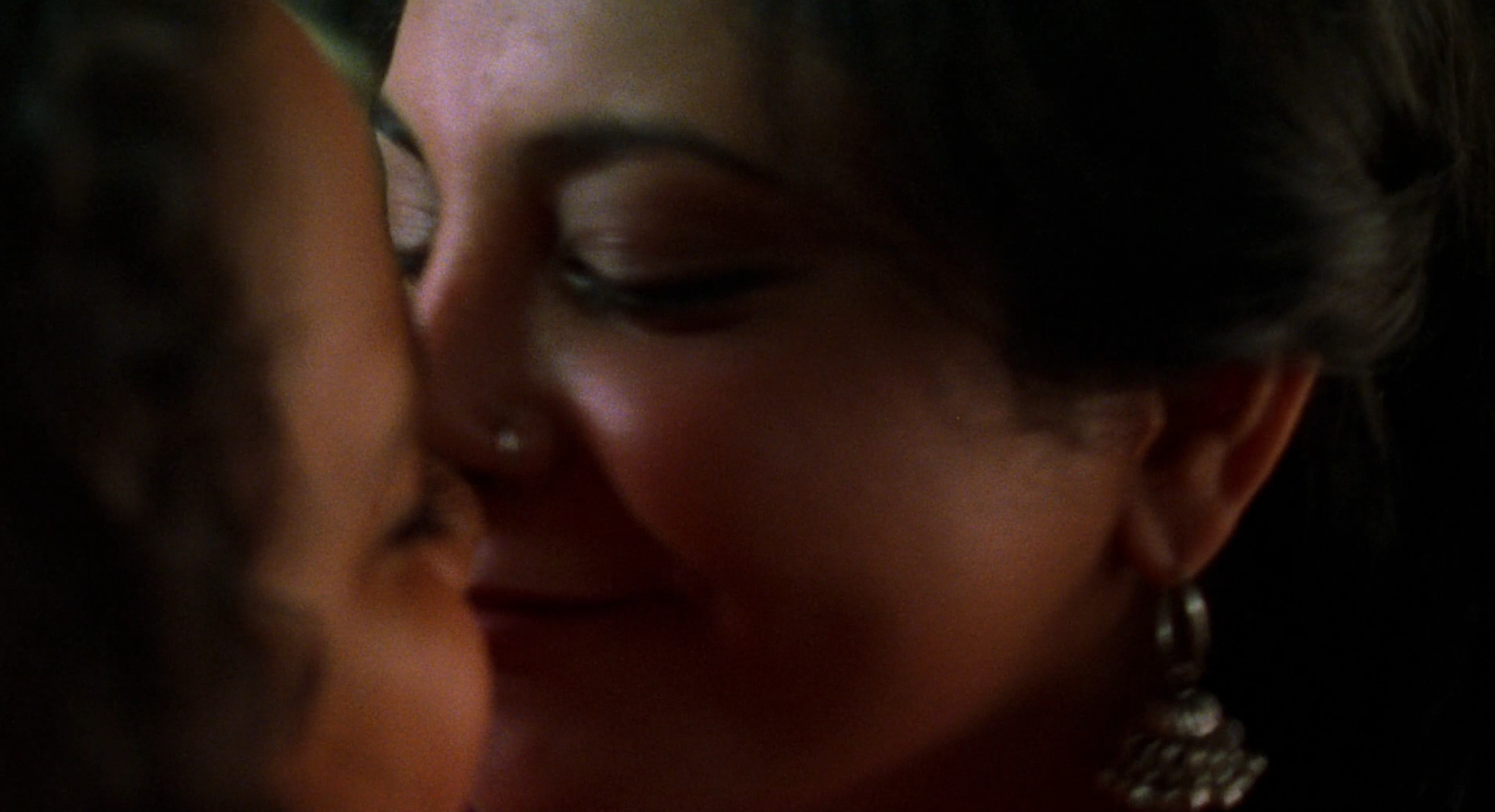
Ria tira un sospiro di sollievo e dice: "Va bene, facciamo naso naso".
"Va bene".
Strofinano i nasi e Aliyah dice: "Ti voglio bene".
"Ti voglio bene anch'io".
Ria breathes a sigh of relief and says, “Okay, let’s rub noses.”
“Okay.”
They rub noses and Aliyah says, “I love you.”
“I love you too.”
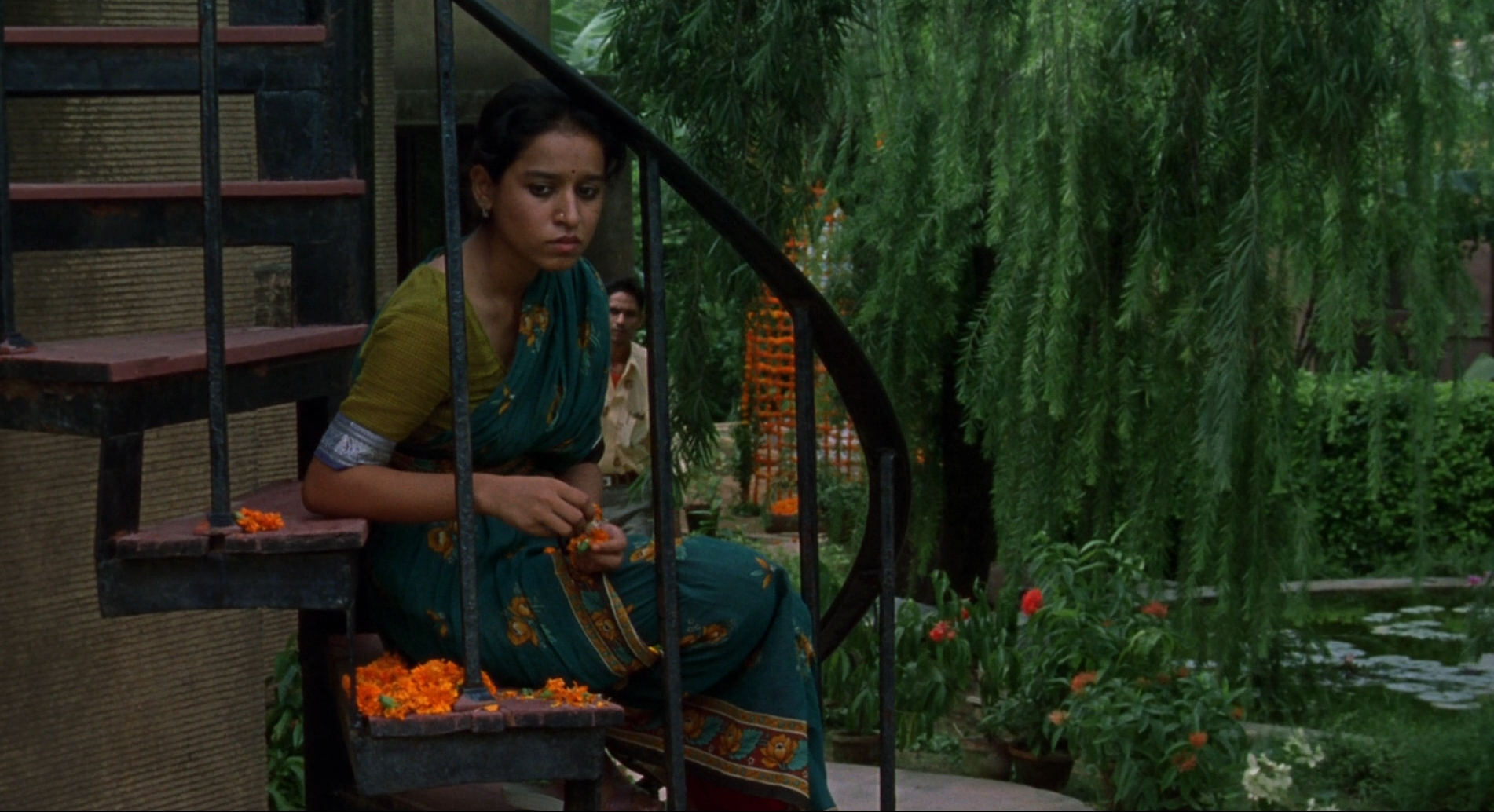
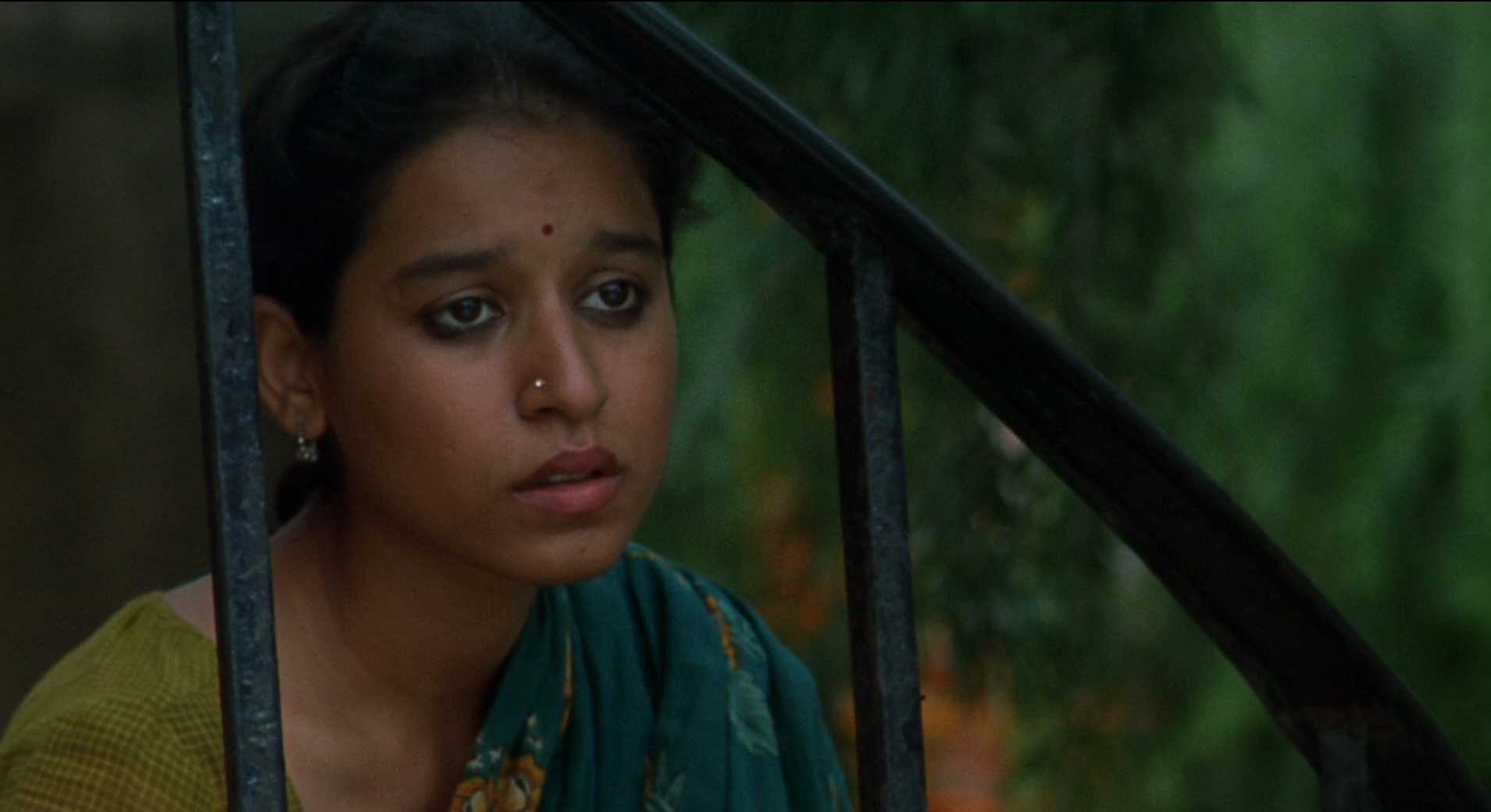
Alice siede da sola sulle scale, sfogliando i petali delle calendule. Guarda vacuamente oltre la ringhiera di ferro battuto. Un primo piano ci mostra la sua espressione di intensa tristezza.
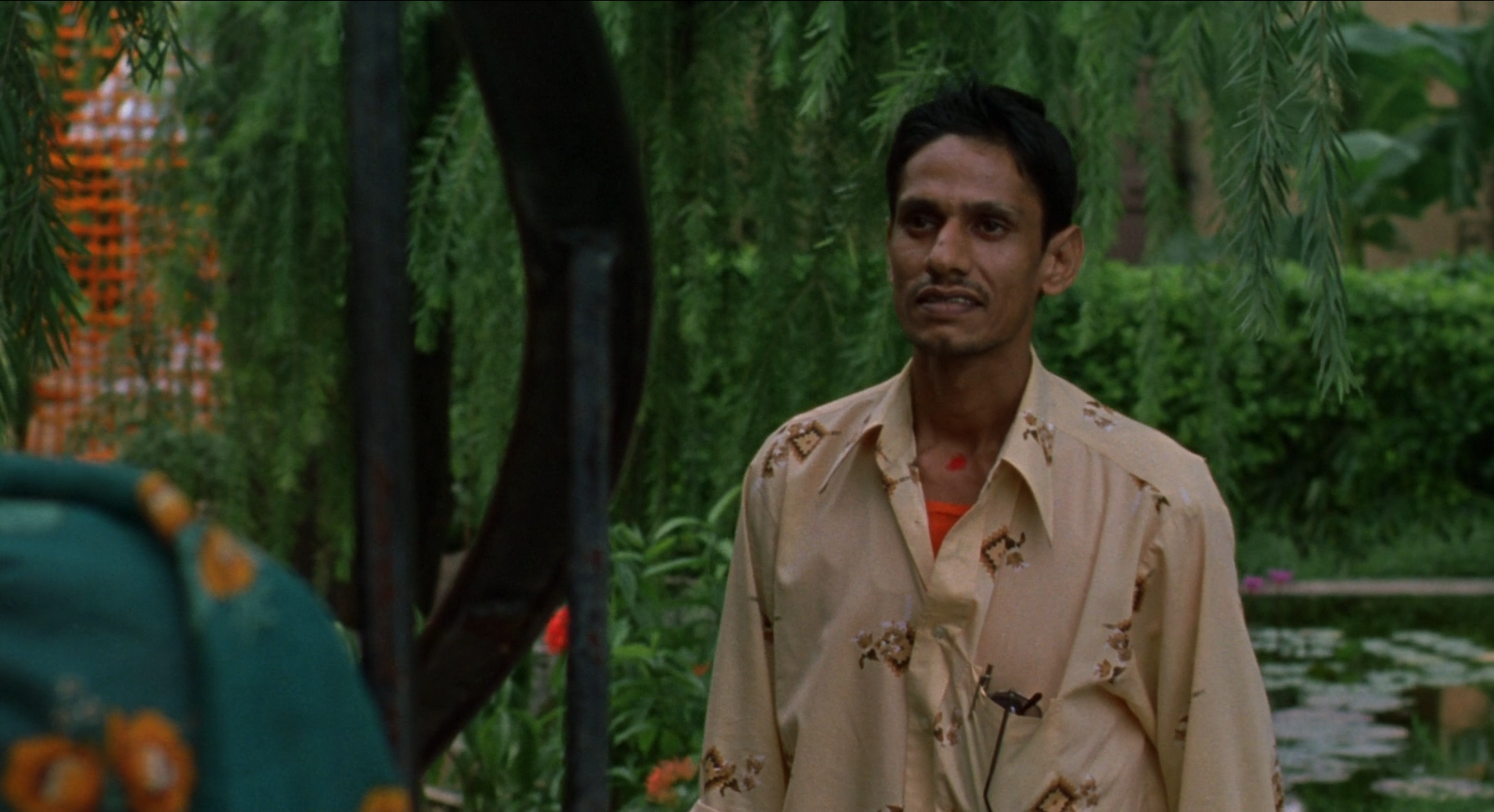
Dubey le si avvicina. "Alice?" chiede con gentilezza.
Alice sits alone on the stairs, plucking at the marigold petals. She stares vacantly out through the wrought iron railing. A close-up shows us her expression of intense sadness.
Dubey approaches her. “Alice?” he asks gently.
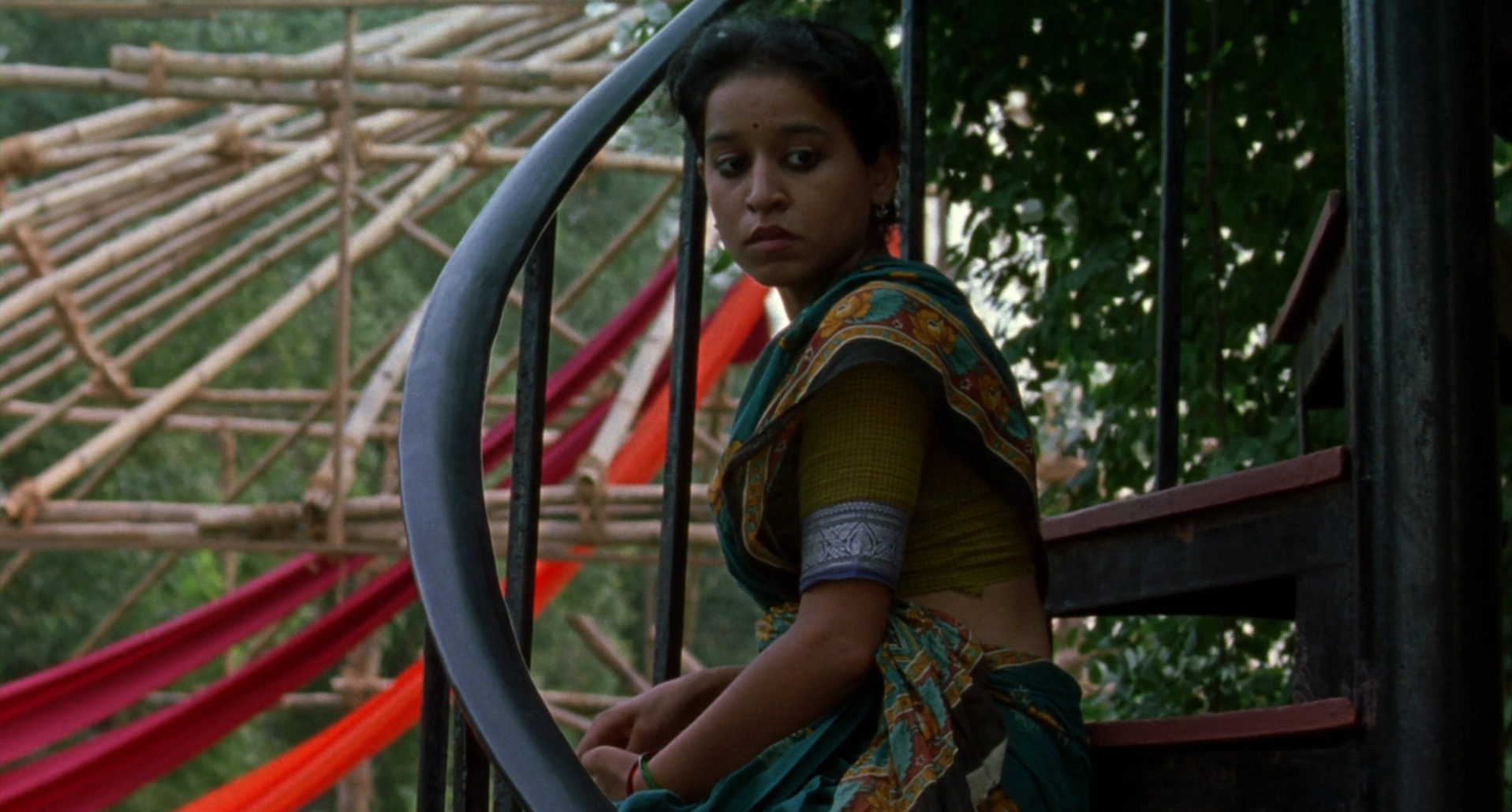
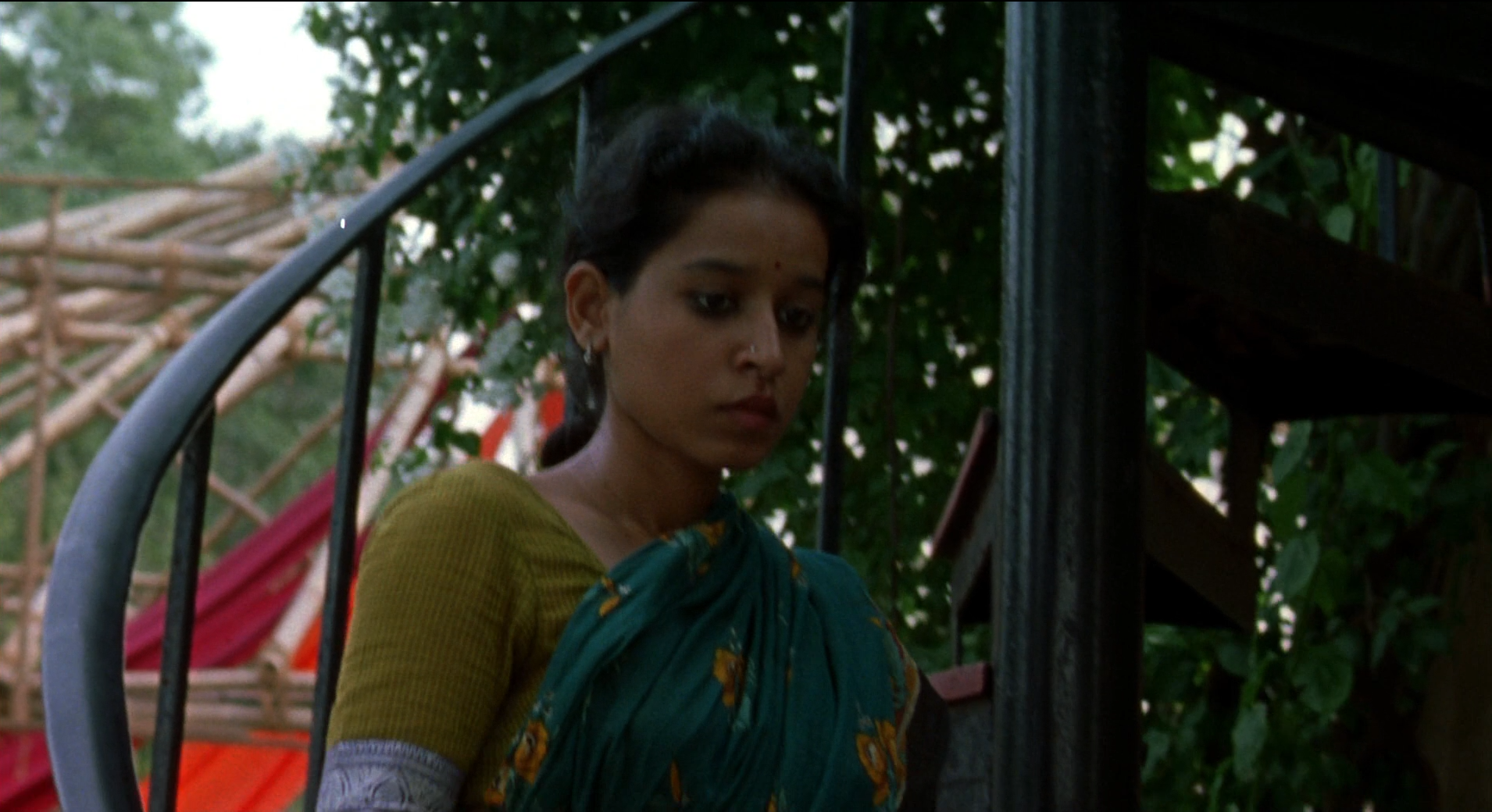
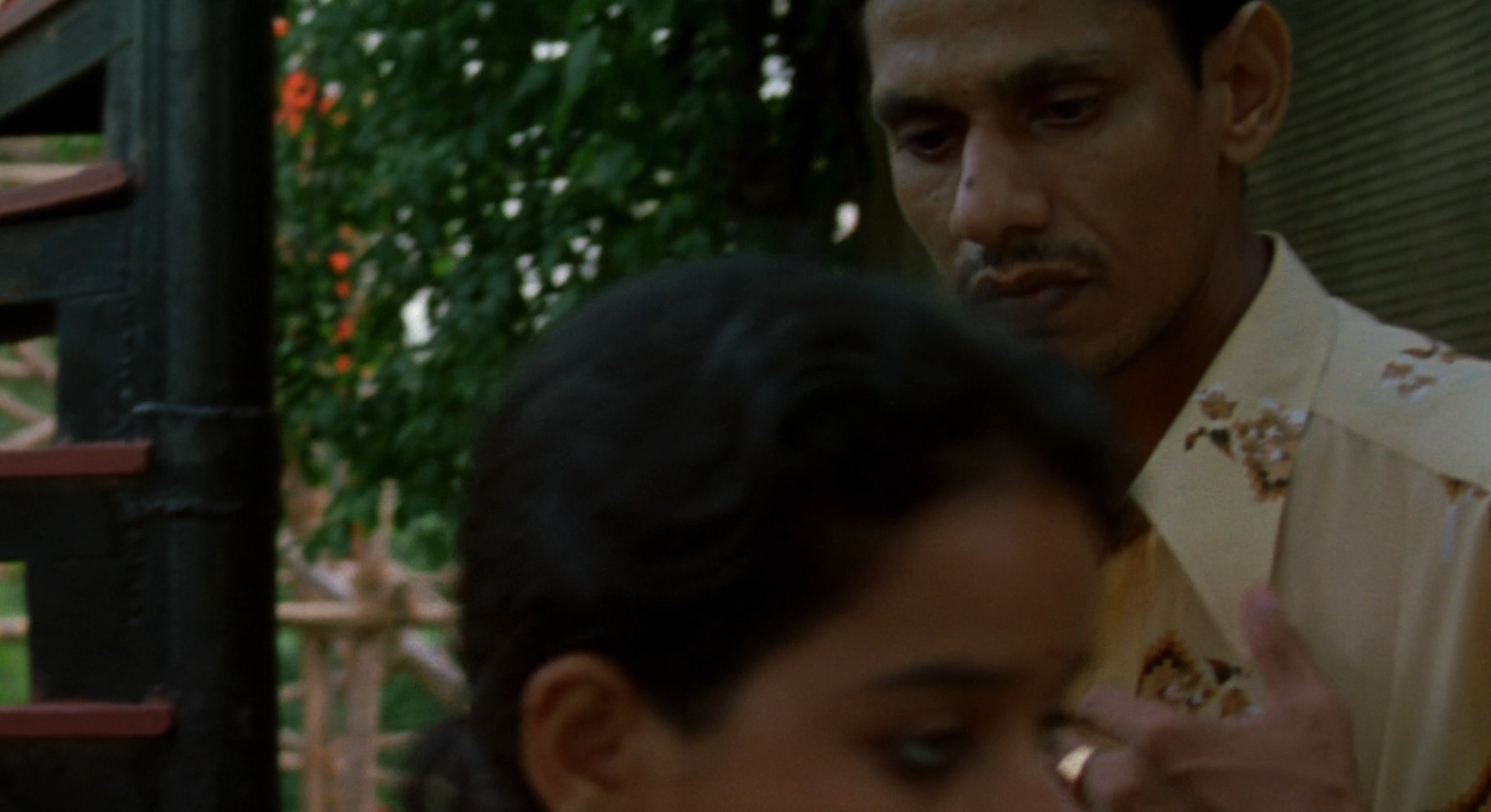
Lei si gira verso di lui. Quindi getta il suo fiore, si alza e gli passa davanti con a malapena uno sguardo.
She turns to him. Then she throws down her flower, gets up and walks past him, with barely a glance.
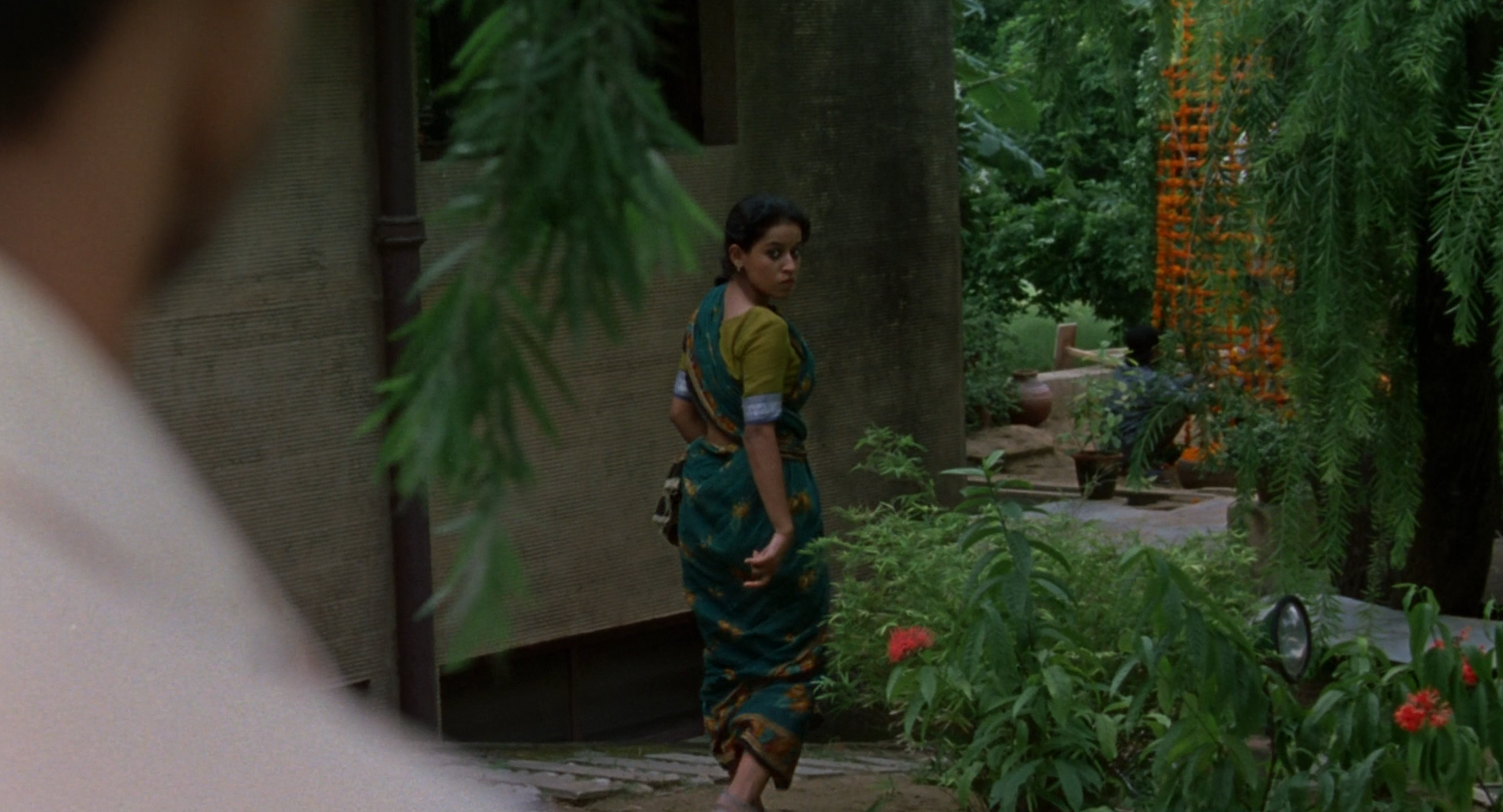
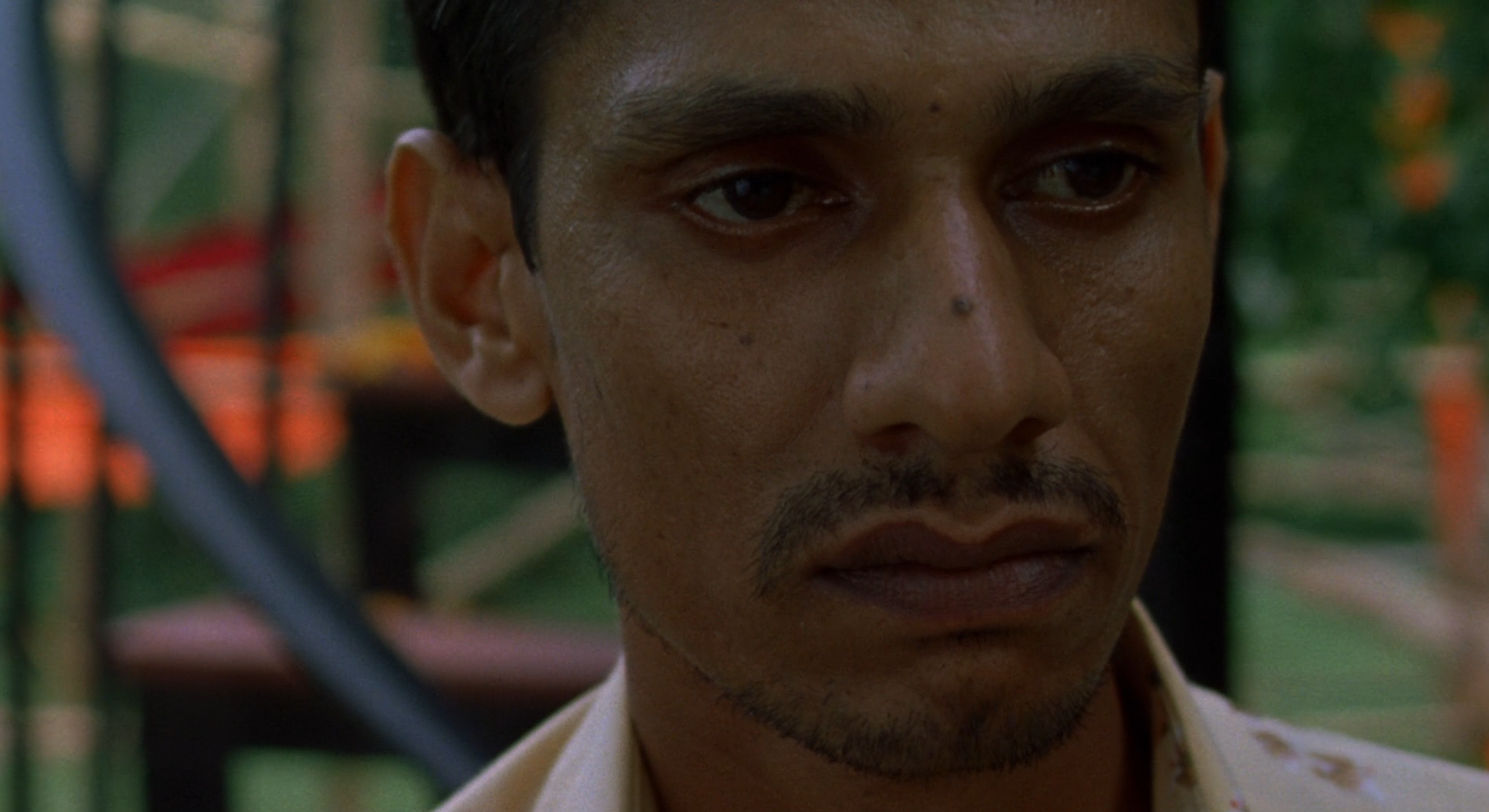
Dubey la guarda tristemente mentre lei si allontana. Lei si gira brevemente per guardarlo, poi corre via rapidamente. Lui rimane lì da solo, sconfortato, non sapendo come fare ammenda.
Dubey watches her sadly as she walks away. She turns back briefly to look at him, then she runs briskly away. He stays there alone, despondent, not knowing how to make amends.
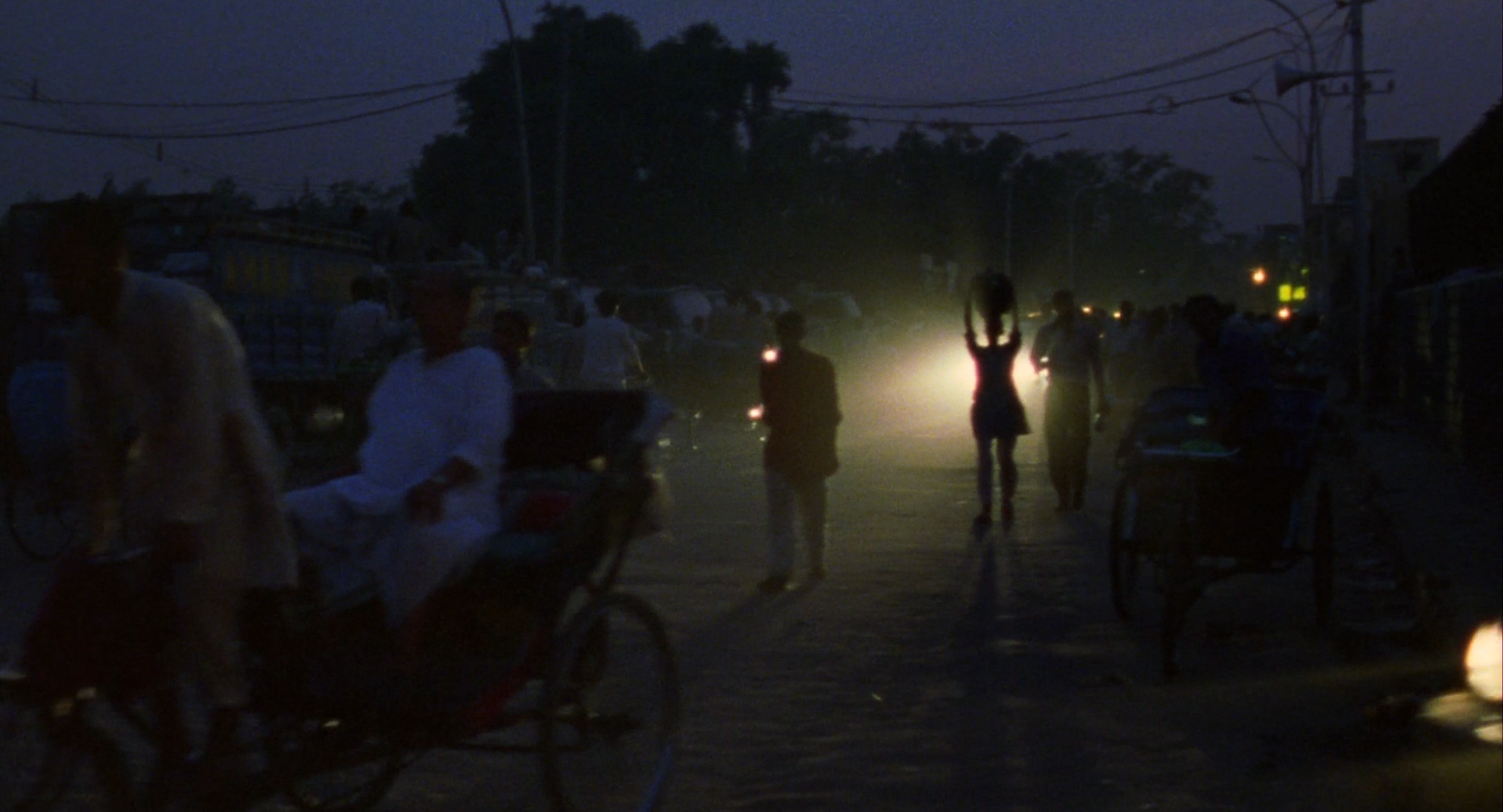
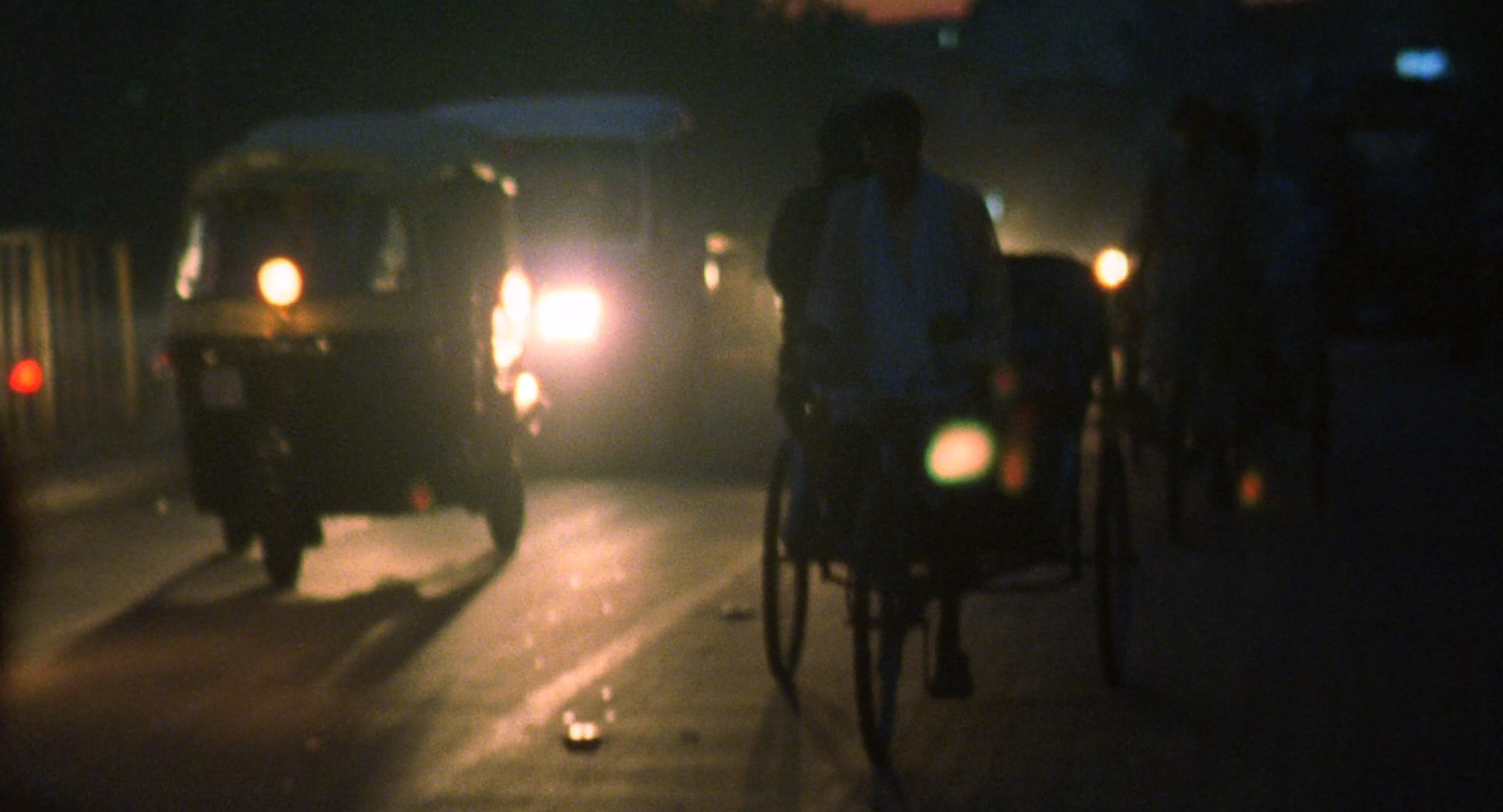
Viene la notte a Delhi, che nascondendo la polvere e il fumo, i suoi elementi tipici durante il giorno. Nel buio, la gente torna a casa in bicicletta, in risciò a pedali, in scooter e a piedi.
Nighttime comes to Delhi, disguising the dust and smoke that are its elements by day. In the darkness, people make their way home by bicycle, rickshaw, scooter, and on foot.
FINE PARTE 10
Ecco the link to Parte 11 of this cineracconto! Subscribe to receive a weekly email newsletter with links to all our new posts!