Regia: Roberto Rossellini, 1945
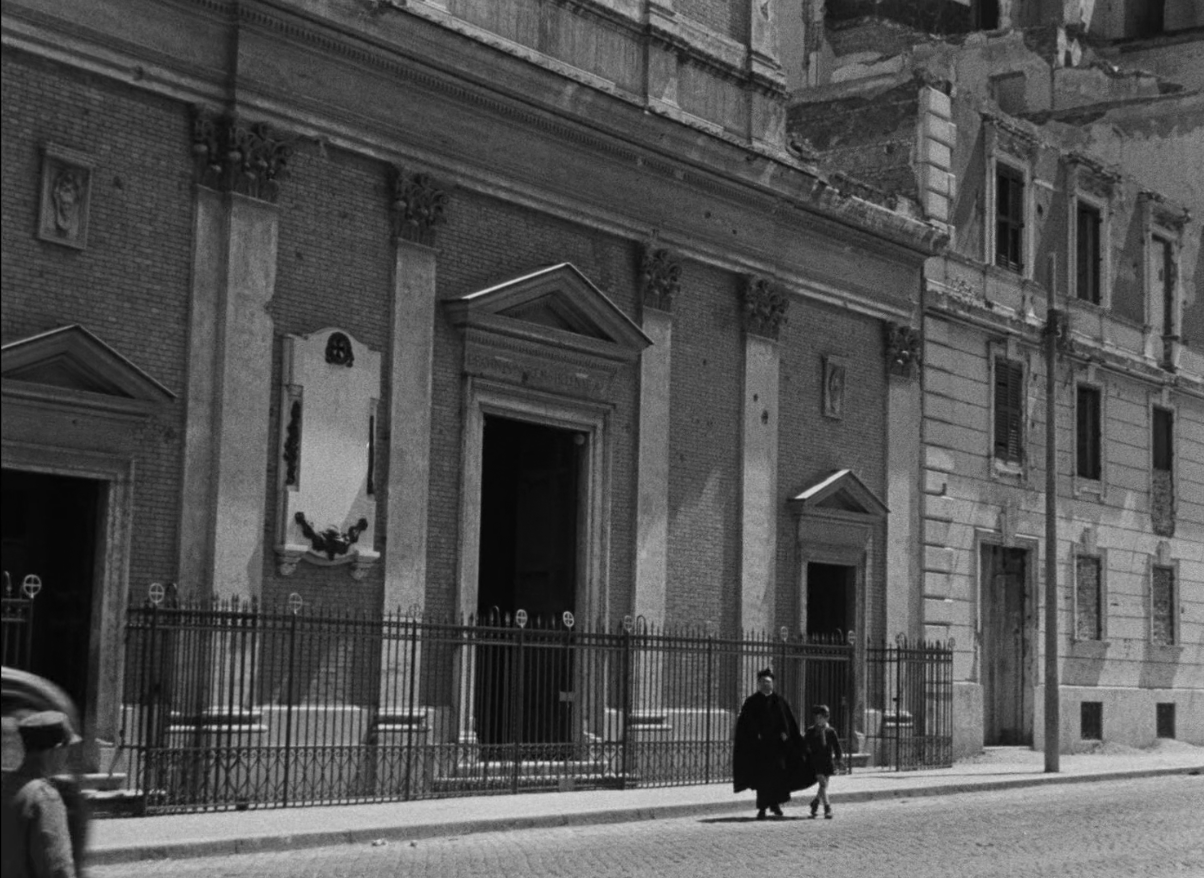
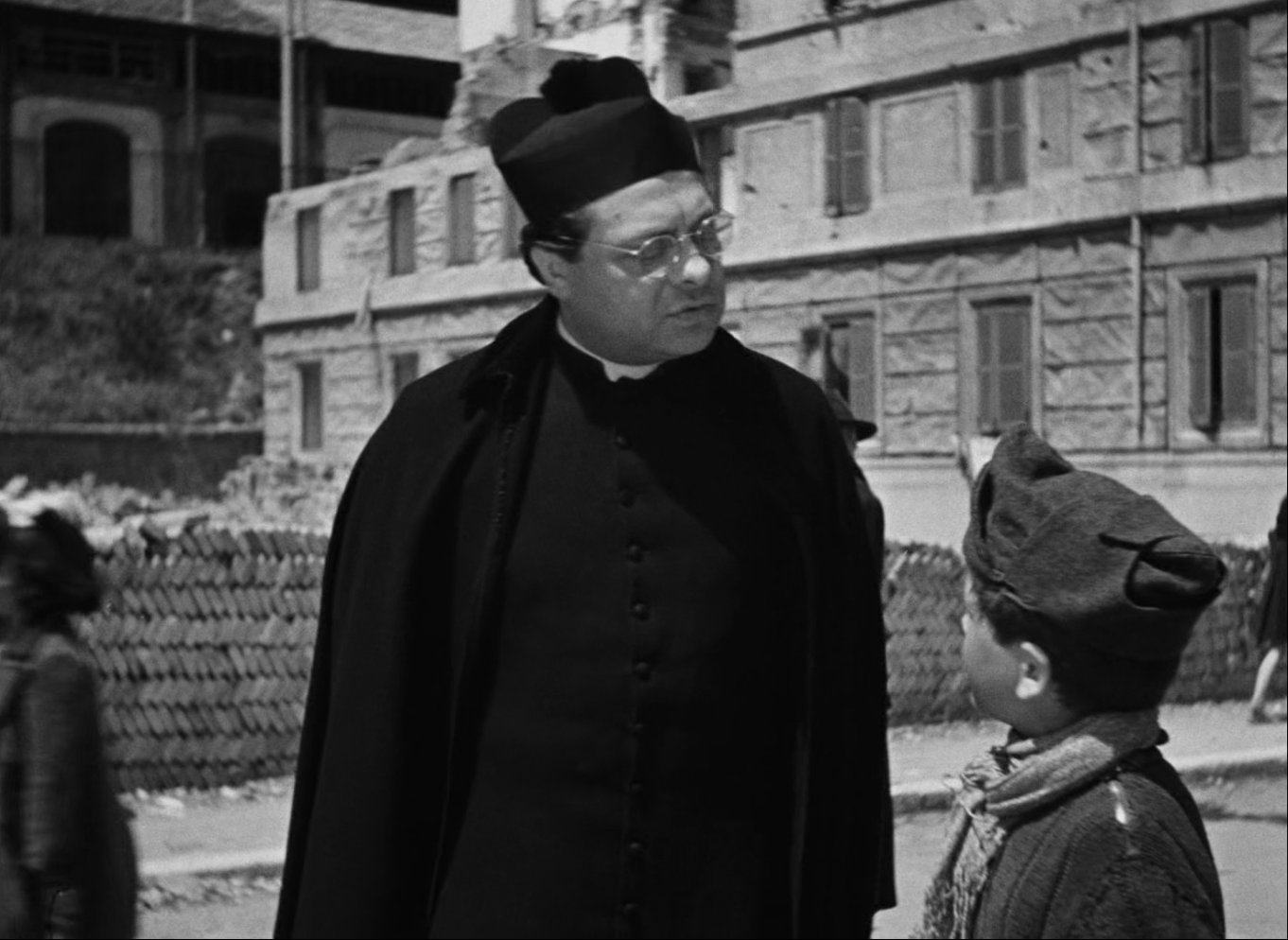
Don Pietro e Marcello lasciano la chiesa e si dirigono verso l'appartamento di Pina. Mentre camminano, parlano.
Don Pietro chiede: "Com'è che non ti si vede più all'oratorio?”*
"Come si fa in questi momenti a venire a perdere tempo all'oratorio?"
Il prete è scioccato. "Ma cosa stai dicendo?!"
"Lei è un prete e non può capire… Bisogna stringere un blocco compatto contro il comune nemico!''
"Ma dì un po’... chi te le dice queste cose?"
*Durante il fascimsmo and negli anni del dopoguerra l’oratorio locale era un luogo di incontro importante per i giovani.
Don Pietro and Marcello leave the church and head for Pina’s apartment. As they walk, they talk.
Don Pietro asks, “Why don’t you come to the parish hall anymore?”*
“How can you waste time in the parish hall in these times?”
The priest is shocked. “But what are you saying?!”
“You are a priest and can’t understand… We have to close ranks against the common enemy!”
“But, tell me...Who tells you these things?”
**Under Fascism and in the postwar years, the parish hall was an important meeting place for young people.
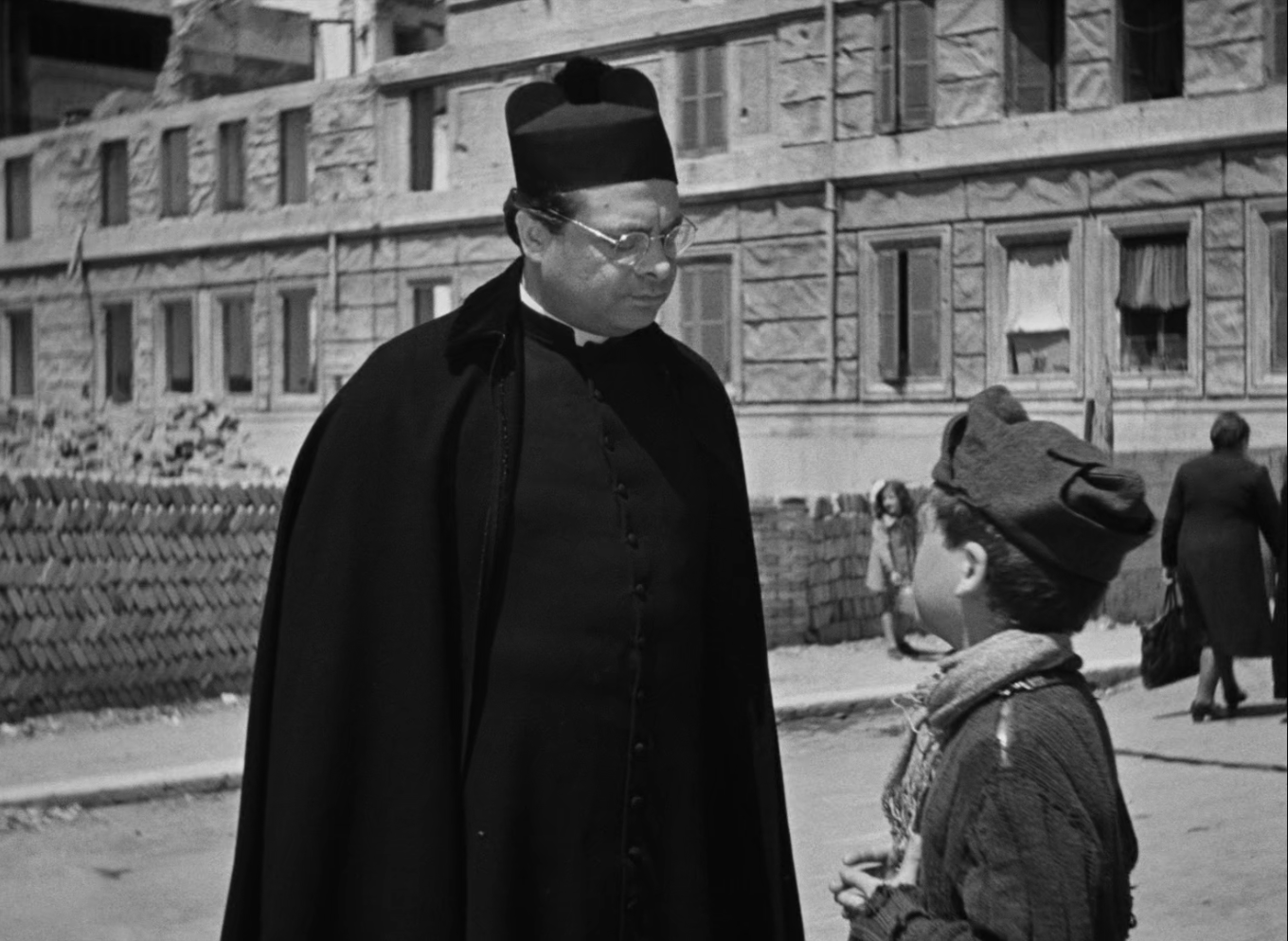
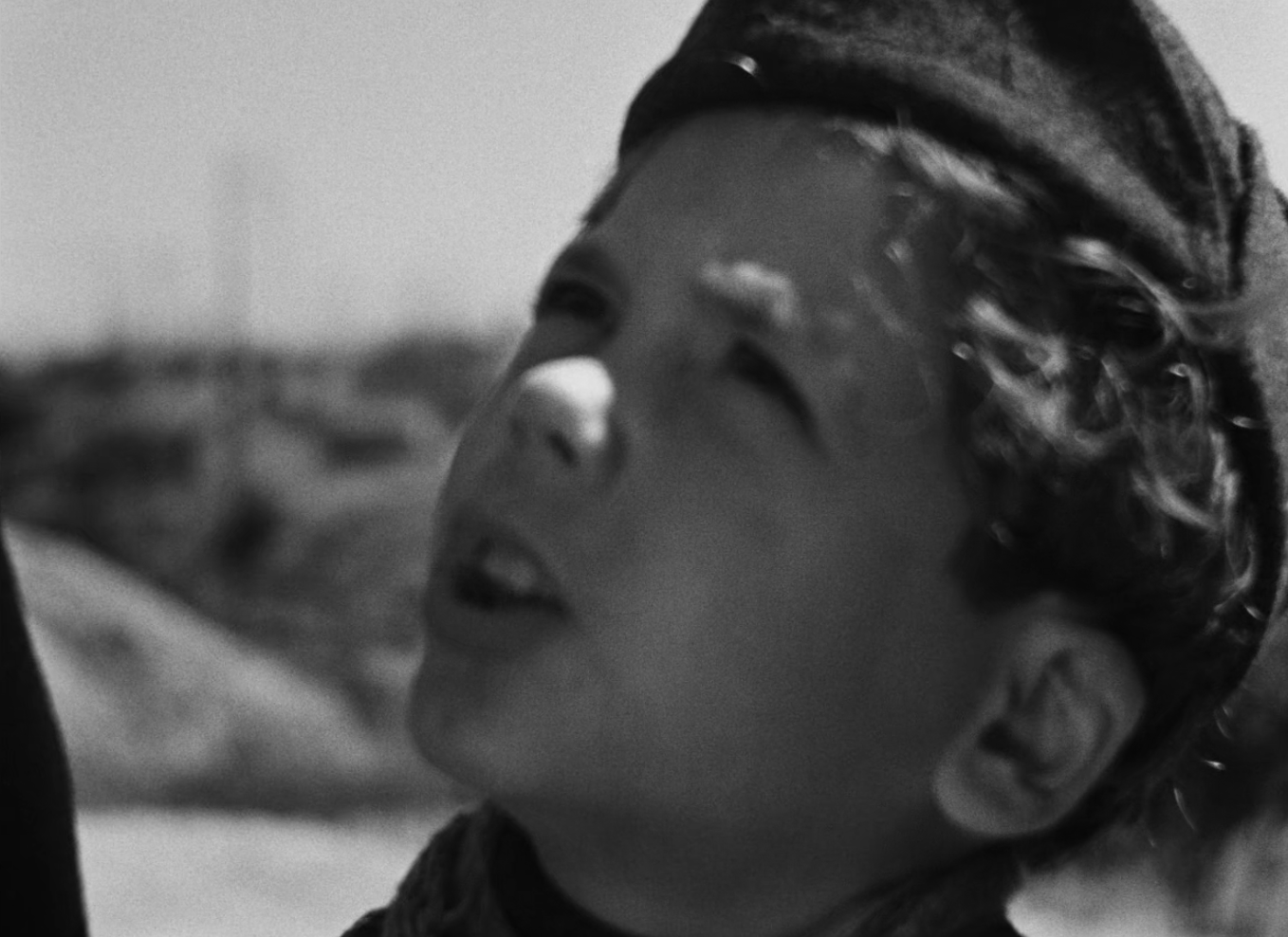
I due si fermano un attimo e si trovano faccia a faccia. "Me le ha dette Romoletto", risponde onestamente, guardando dal basso verso l’alto il prete con un'espressione seria.
"Ah, Romoletto dice queste cose?"
"Don Pie’, mi raccomando, non lo dica a nessuno!”
The two stop for a moment and stand face to face. “Romoletto told me,” he answers honestly, looking up at the priest with a serious expression.
“Ah, Romoletto says these things?”
“Don Pie’, please don’t tell anyone!”
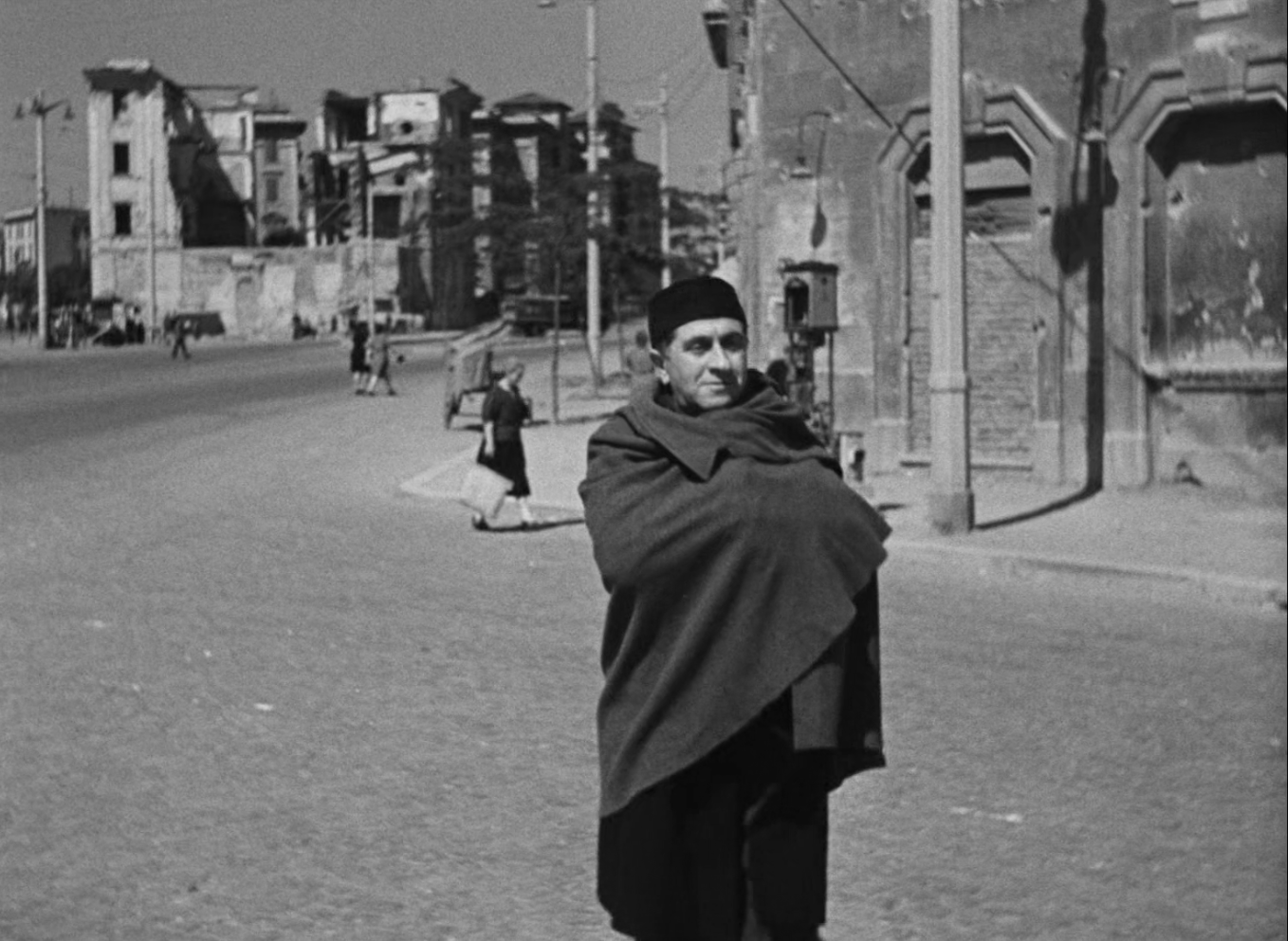
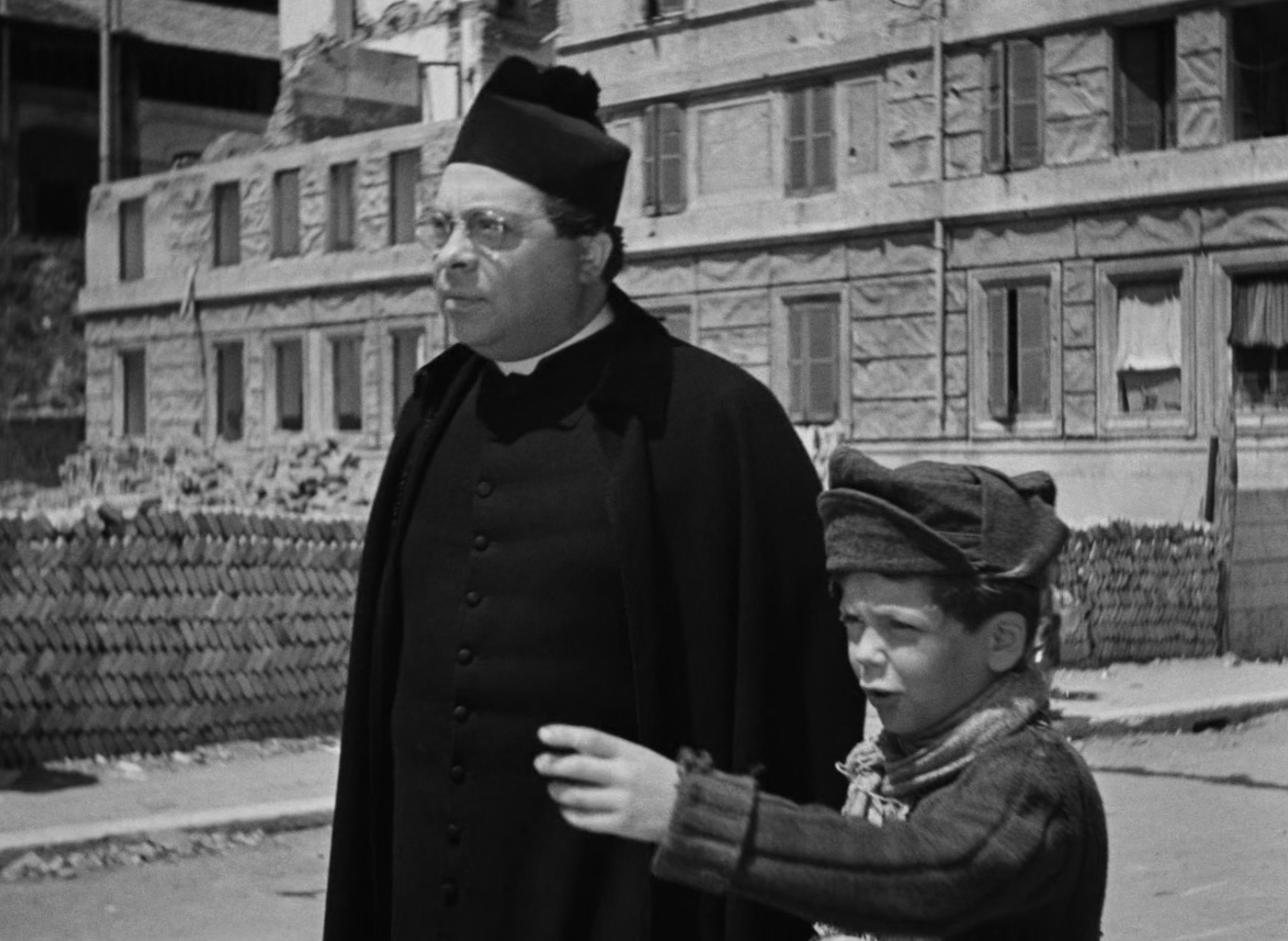
Si avvicina il sacrestano della rivolta del pane. La sua coperta è ancora avvolta intorno a lui – e con ragione. Marcello grida: "Ecco Purgatorio!” – apparentemente il soprannome dell'uomo.
The sexton from the bread riot approaches. His blanket is still wrapped around him – and with good reason. Marcello calls out, “Here comes Purgatorio!” – apparently the man’s nickname.
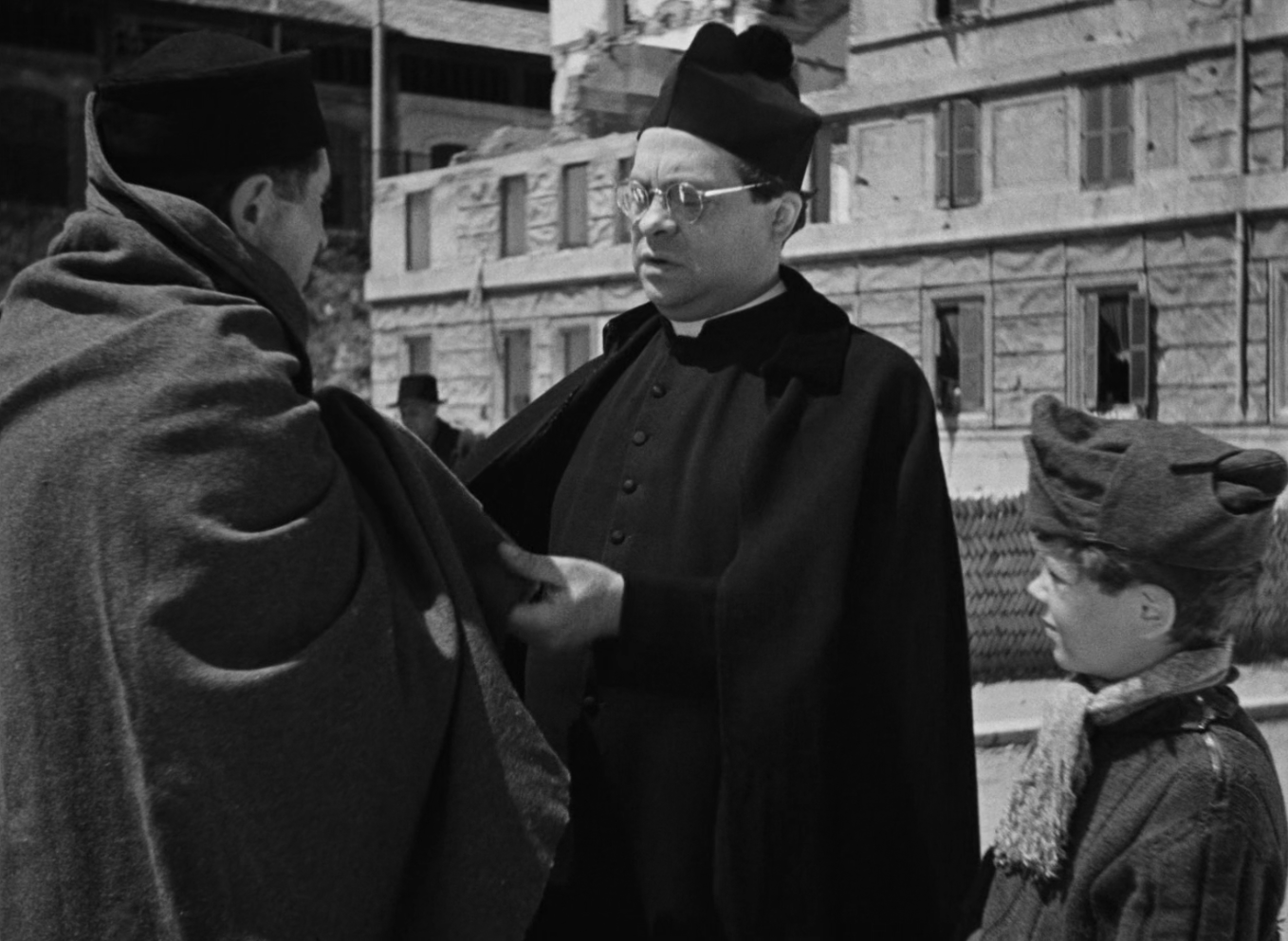
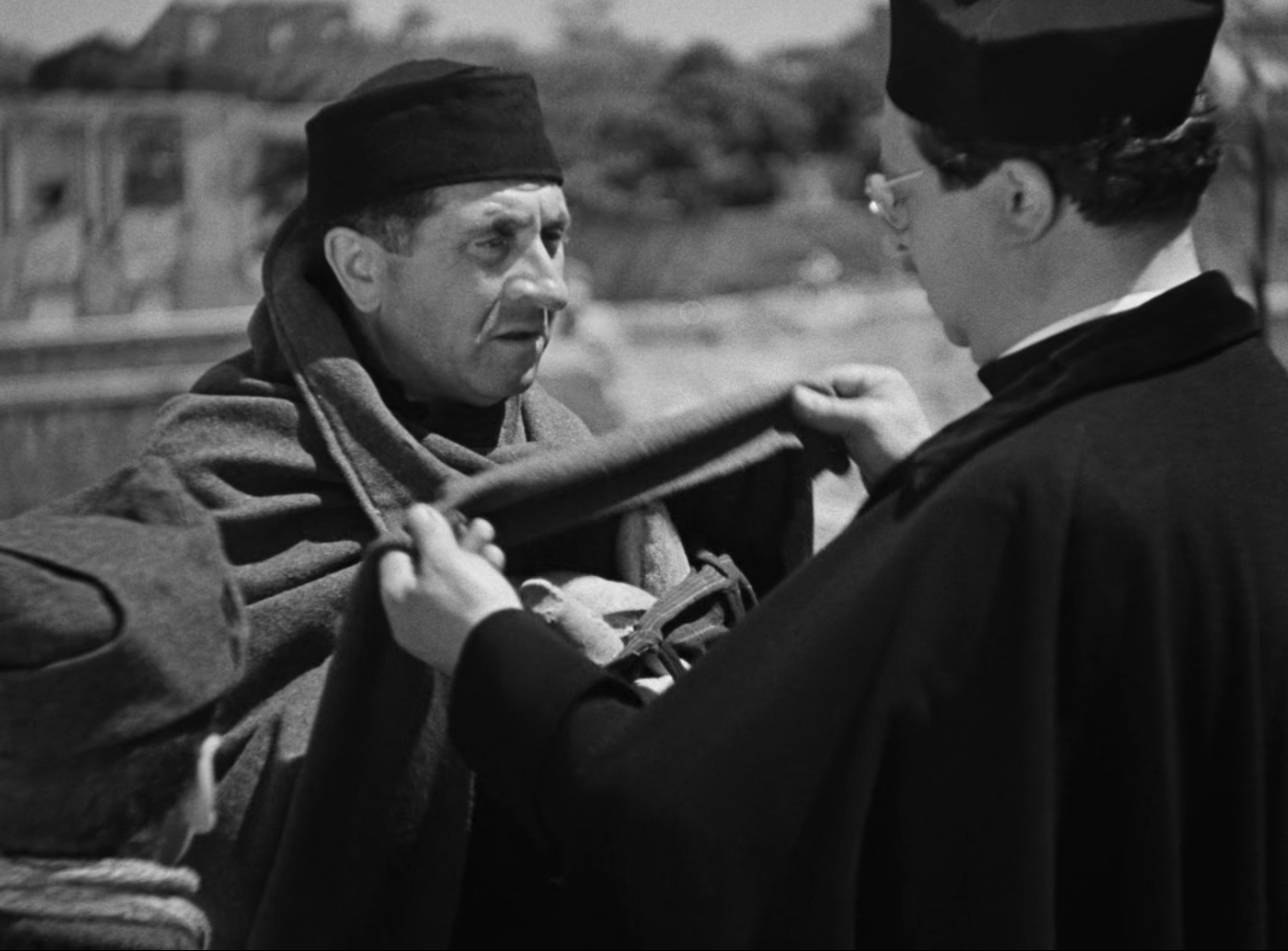
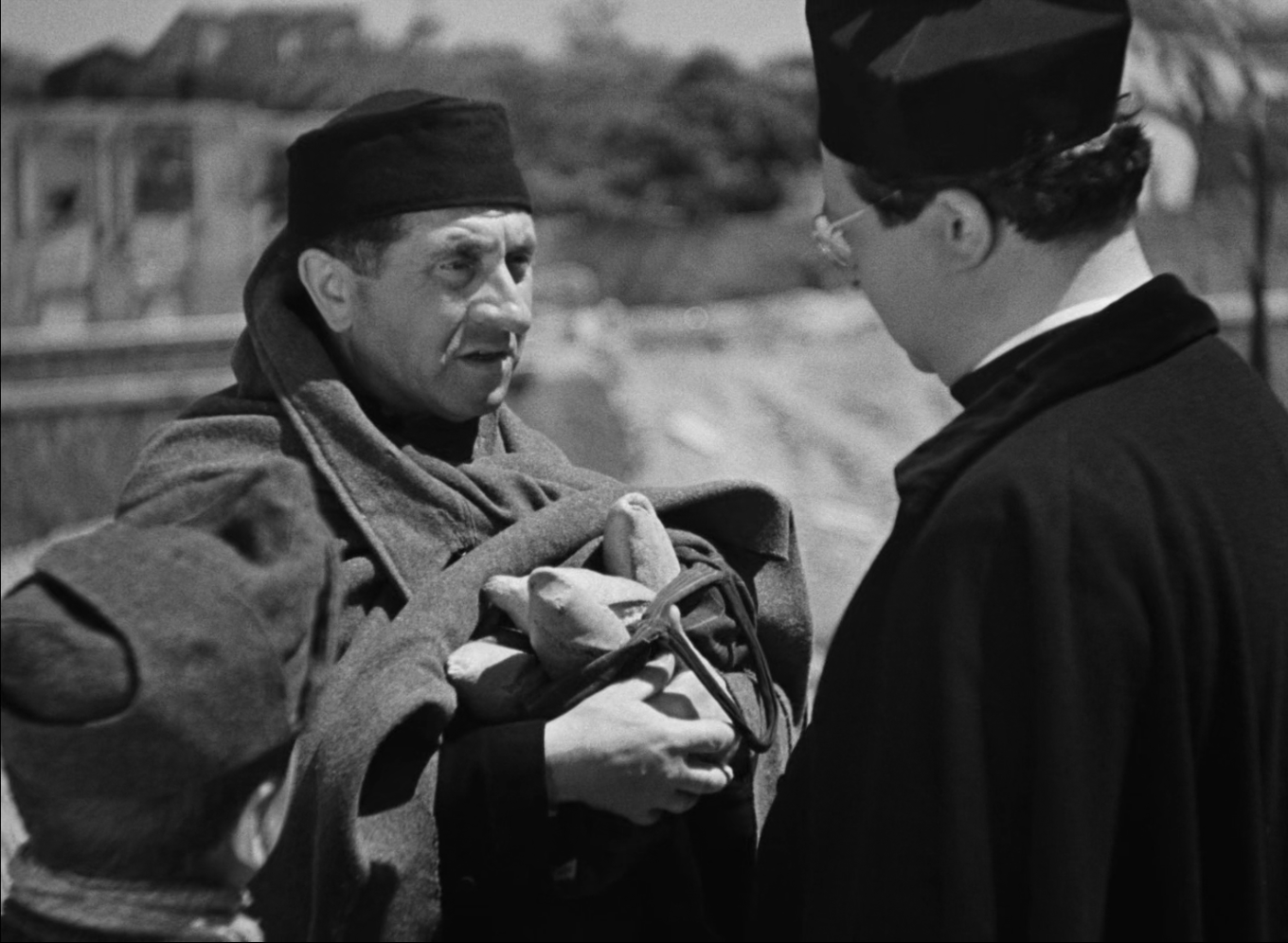
"Che hai qua?" chiede il prete, alzando la coperta per dare un'occhiata.
"Ho fatto spesa", dice il sacrestano. Una grande quantità di pane esce dalla cima della sua borsa.
"Ammazzate! Quanto pane! Che è? Tutta la tessera?” chiede Marcello, mentre Don Pietro guarda con sospetto.
"Neanche un bollino!”
“What have you got here?” asks the priest, lifting the blanket for a look.
“I’ve been shopping,” says the sexton. A great abundance of bread sticks out from the top of his bag.
“Wow! So much bread! What is it? Your entire bread ration card?” asks Marcello, as Don Pietro looks on suspiciously.
“Not even one coupon!”
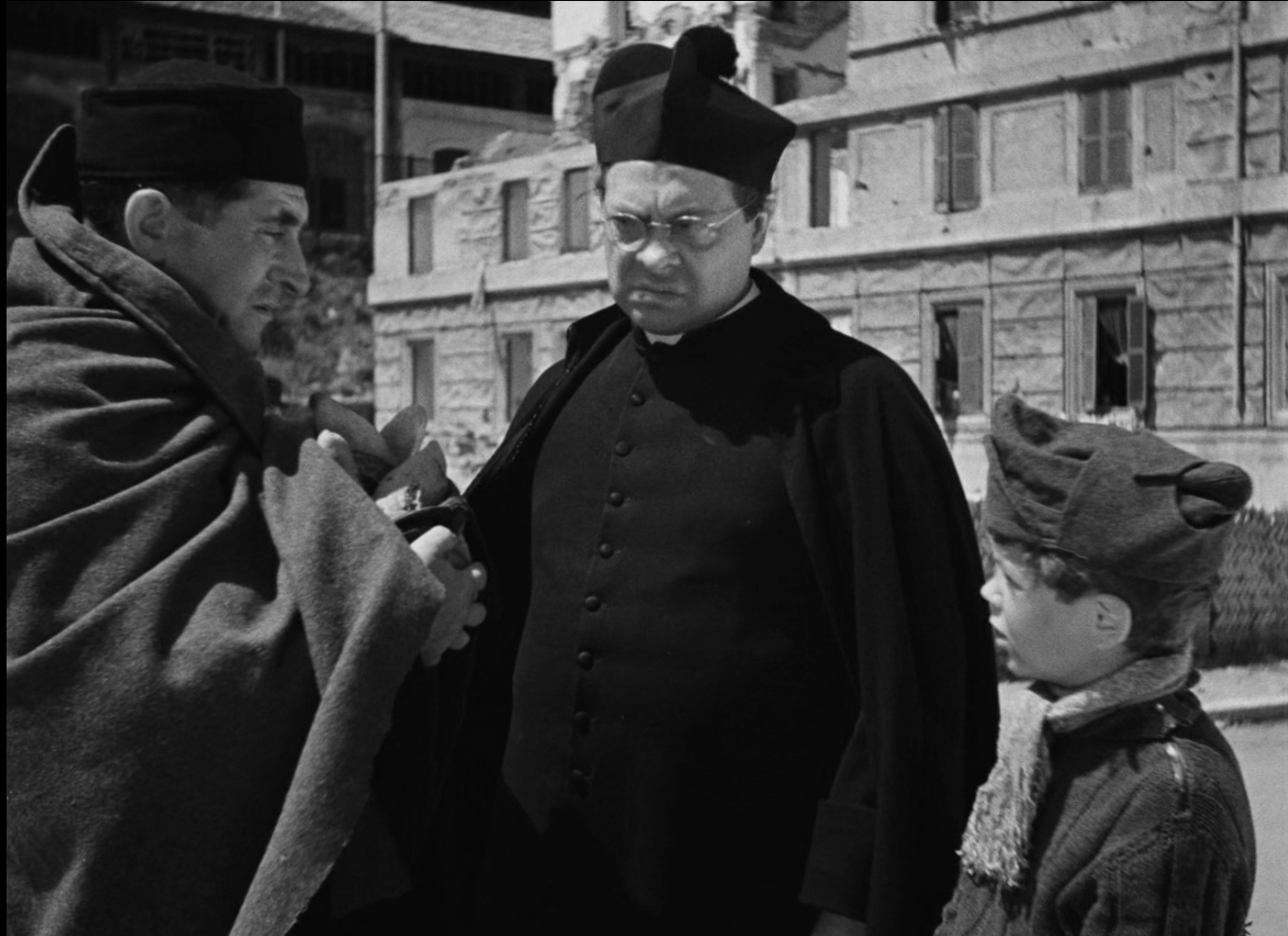
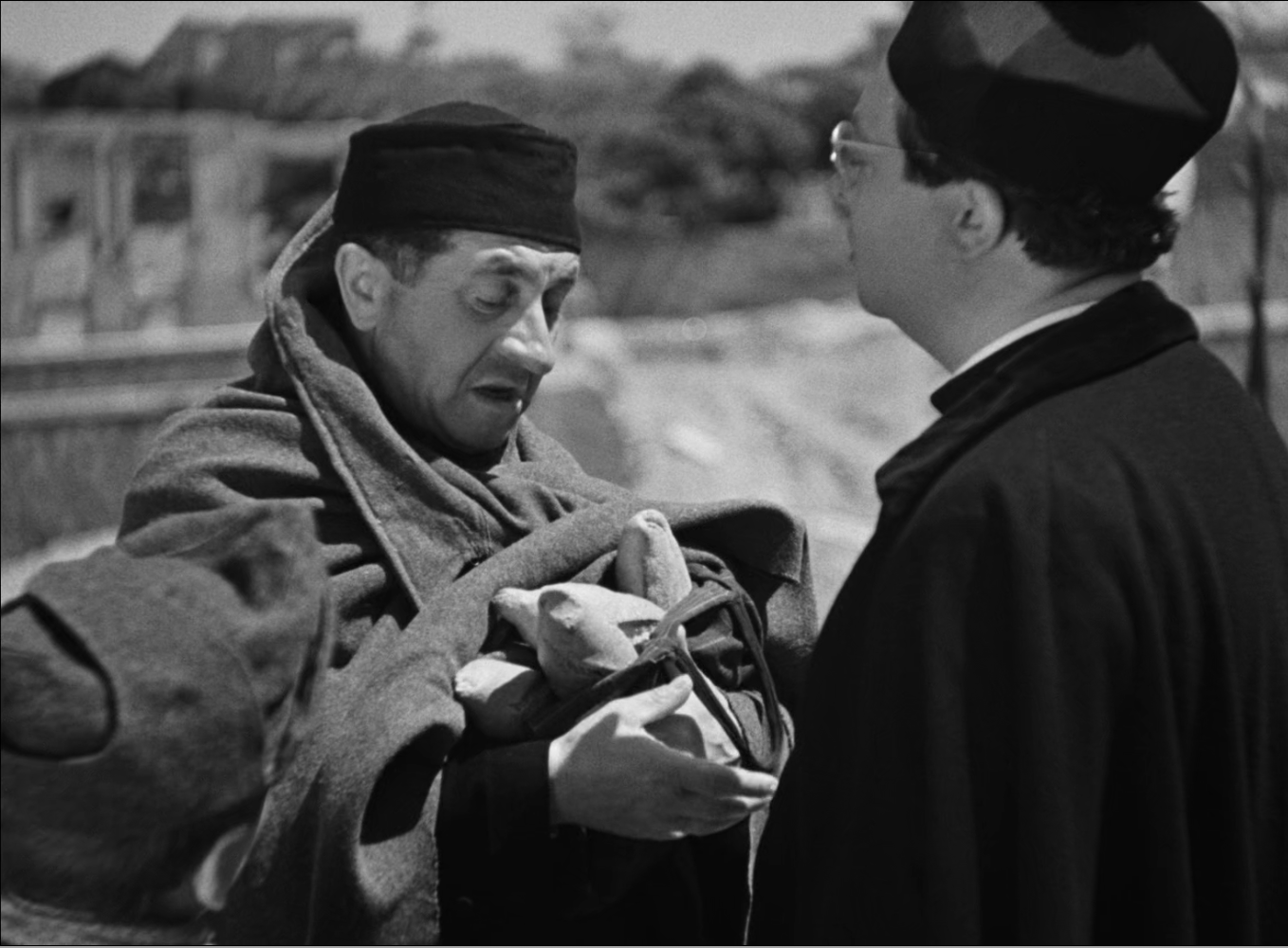
"Come mai tanto pane?" chiede il prete.
"Non lo so. Stamattina hanno voluto festeggiare –”
Il prete lo interrompe – “Cosa?” – e lo guarda fisso.
“Non so che festa era… nemmeno il fornaio lo sapeva. Mi scusi, Don Pie’, io vado”.
“How come all this bread?” asks the priest.
“I don’t know. This morning, they were celebrating –”
The priest cuts him off. “What?” and looks at him steadily.
“I don’t know what holiday it was… even the baker didn’t know. Excuse me, Don Pie’, I’m leaving.”
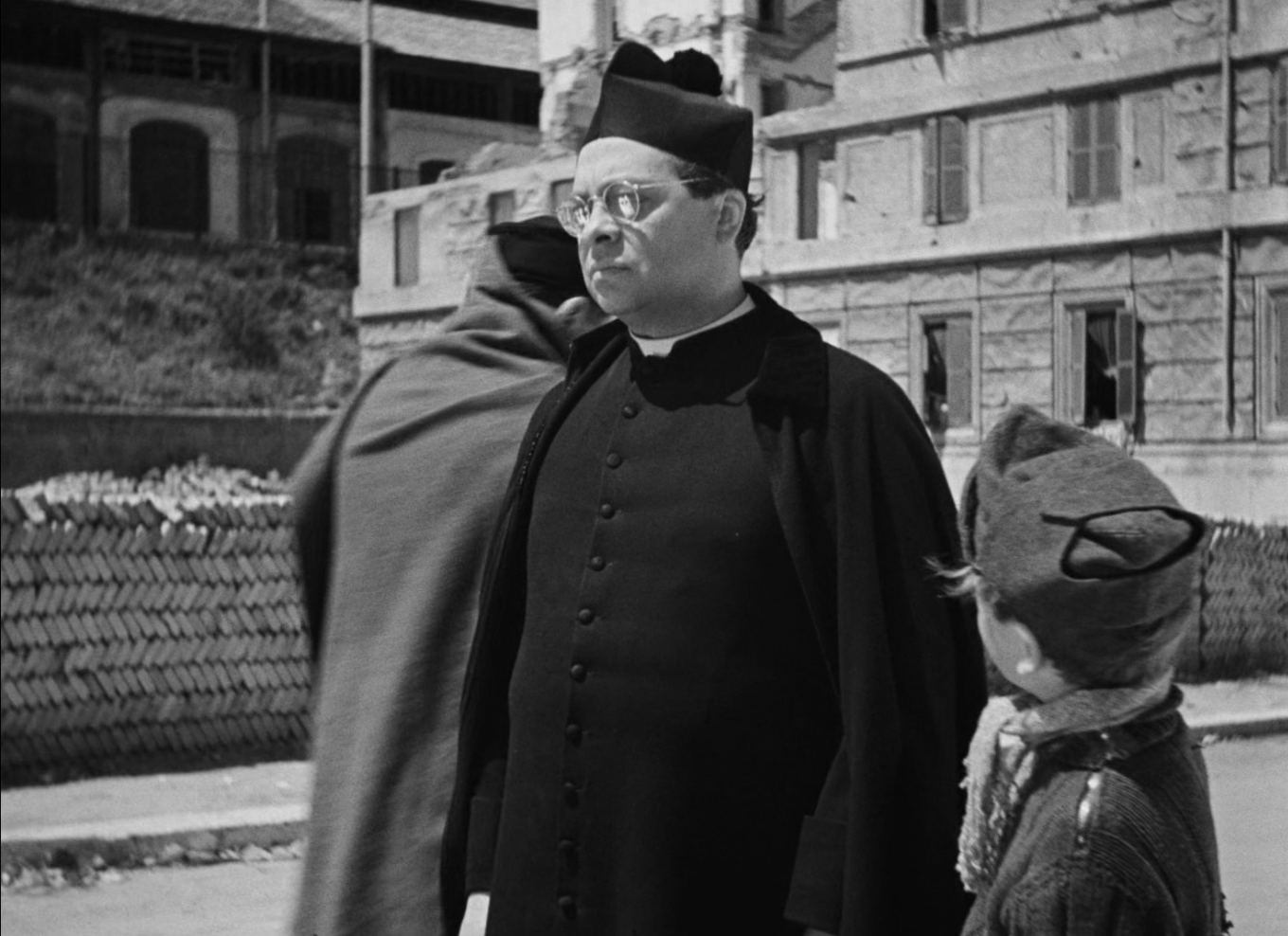
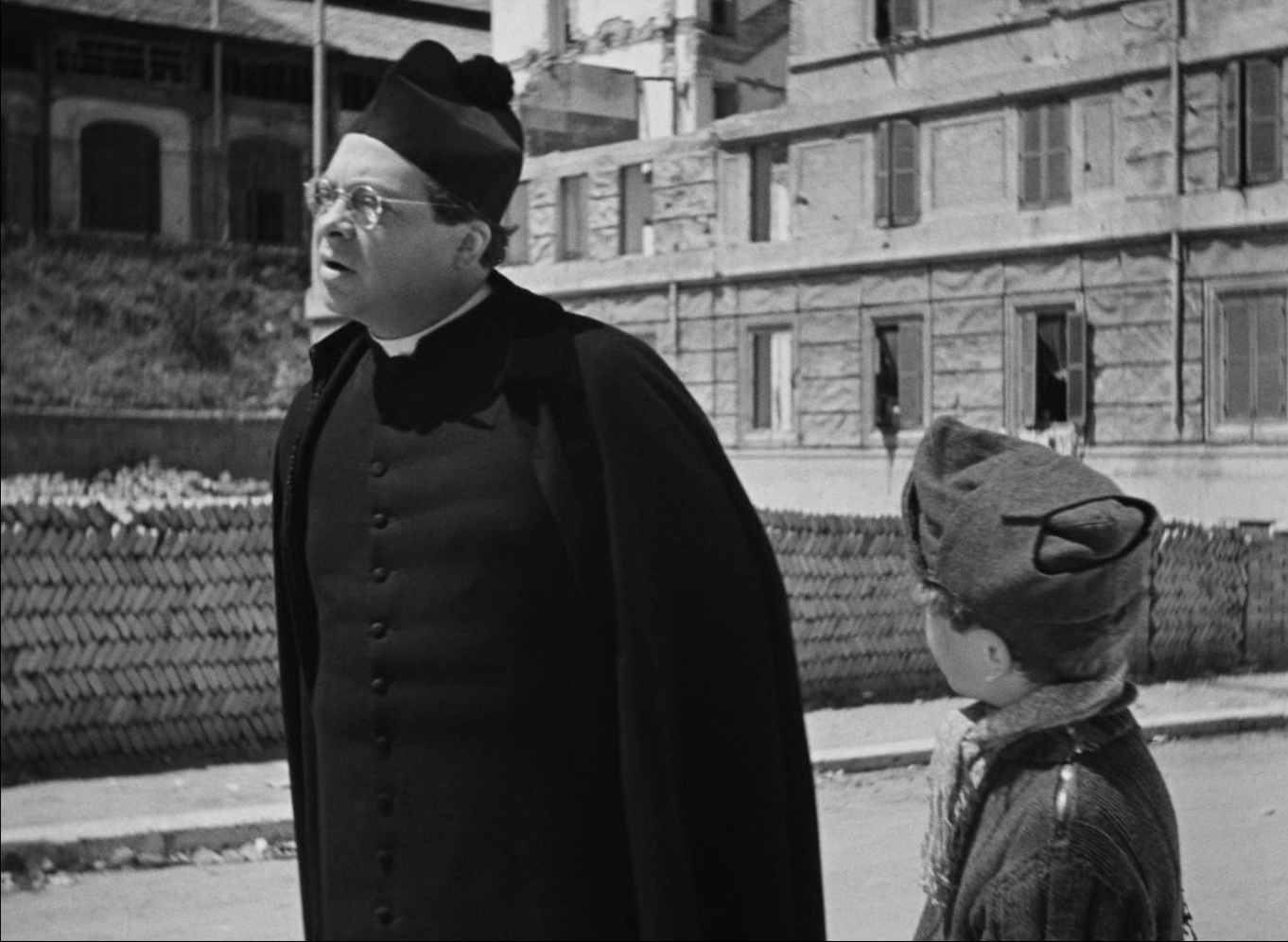
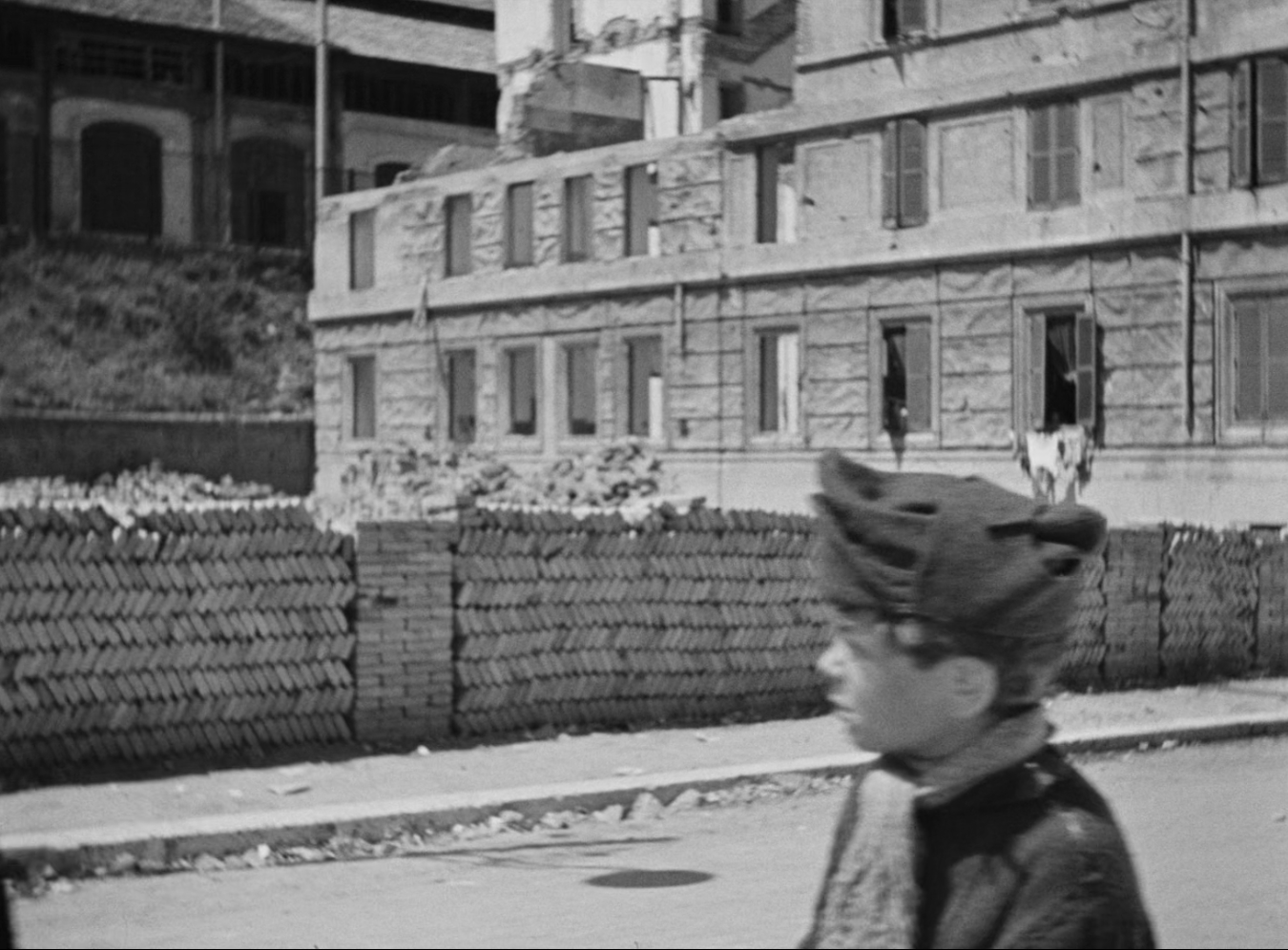
Mentre se ne va, Marcello chiede innocentemente: "Ma che sarà questa festa?”
"Non capisco", risponde il prete, e comincia a camminare.
"Speriamo che mia madre lo abbia saputo!” commenta il bambino.
As he walks away, Marcello asks innocently, “What holiday could it be?”
“I don’t understand,” replies the priest and begins to walk.
“I hope my mother heard about it!” the kid comments.
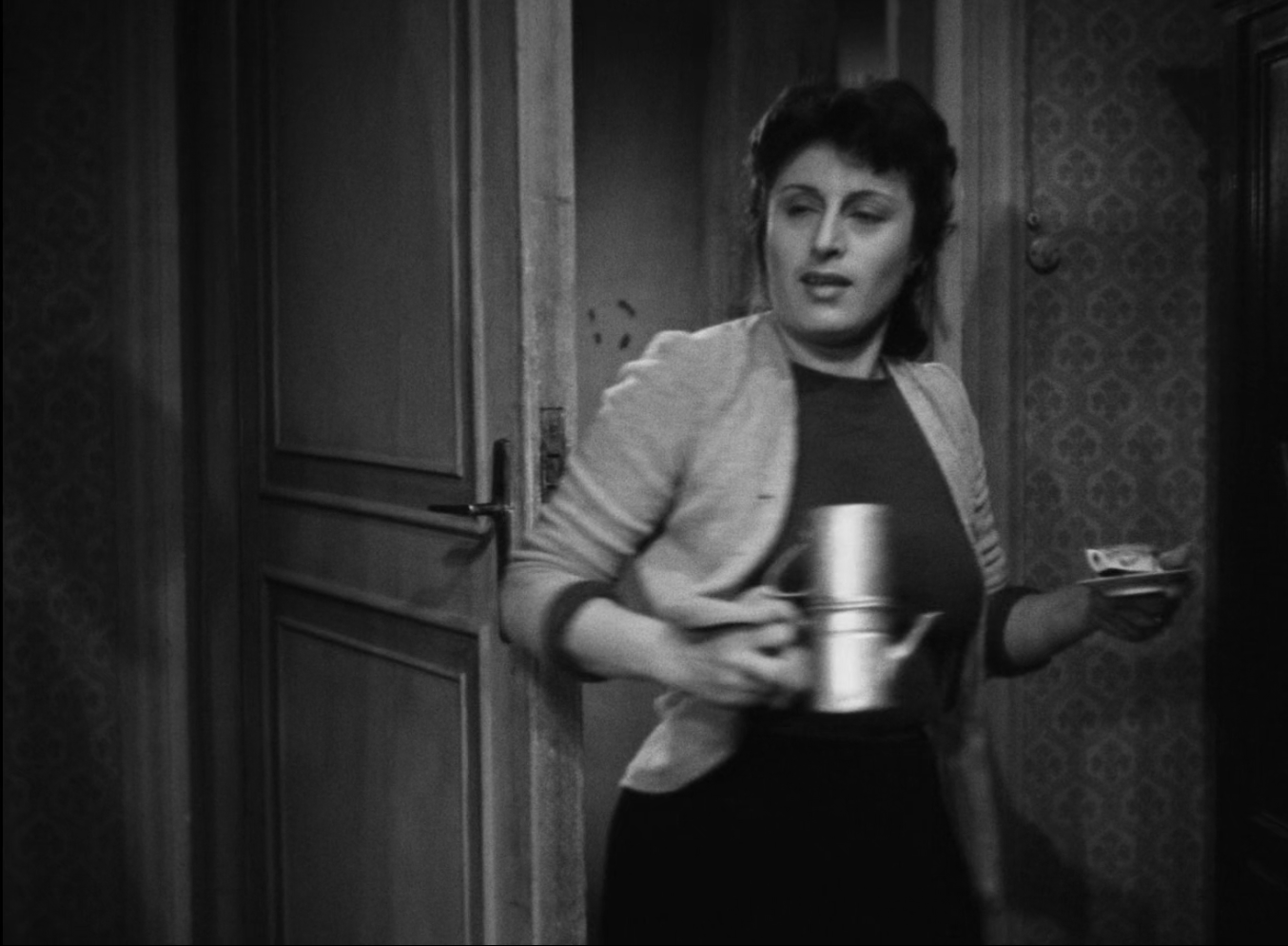
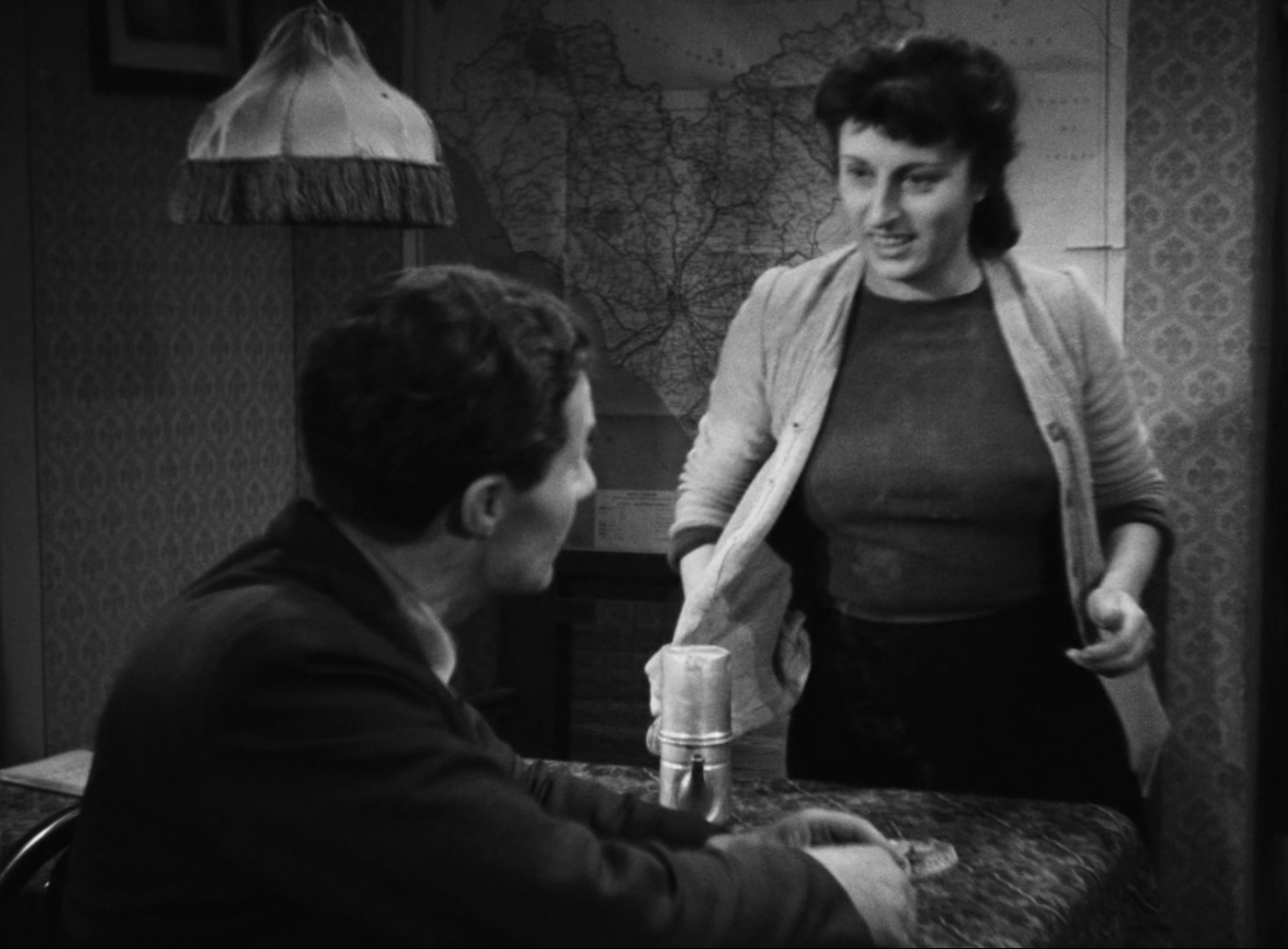
Torniamo a casa di Francesco. Pina appare con il caffè per Manfredi che ha preparato nel suo appartamento. In una mano, protetta dal suo maglione, ha la caffettiera calda; nell'altra una tazzina e un piattino.
"Ecco qua" – dice con un sorriso. "Non sarà buono ma almeno è caldo. Lo beva subito!”
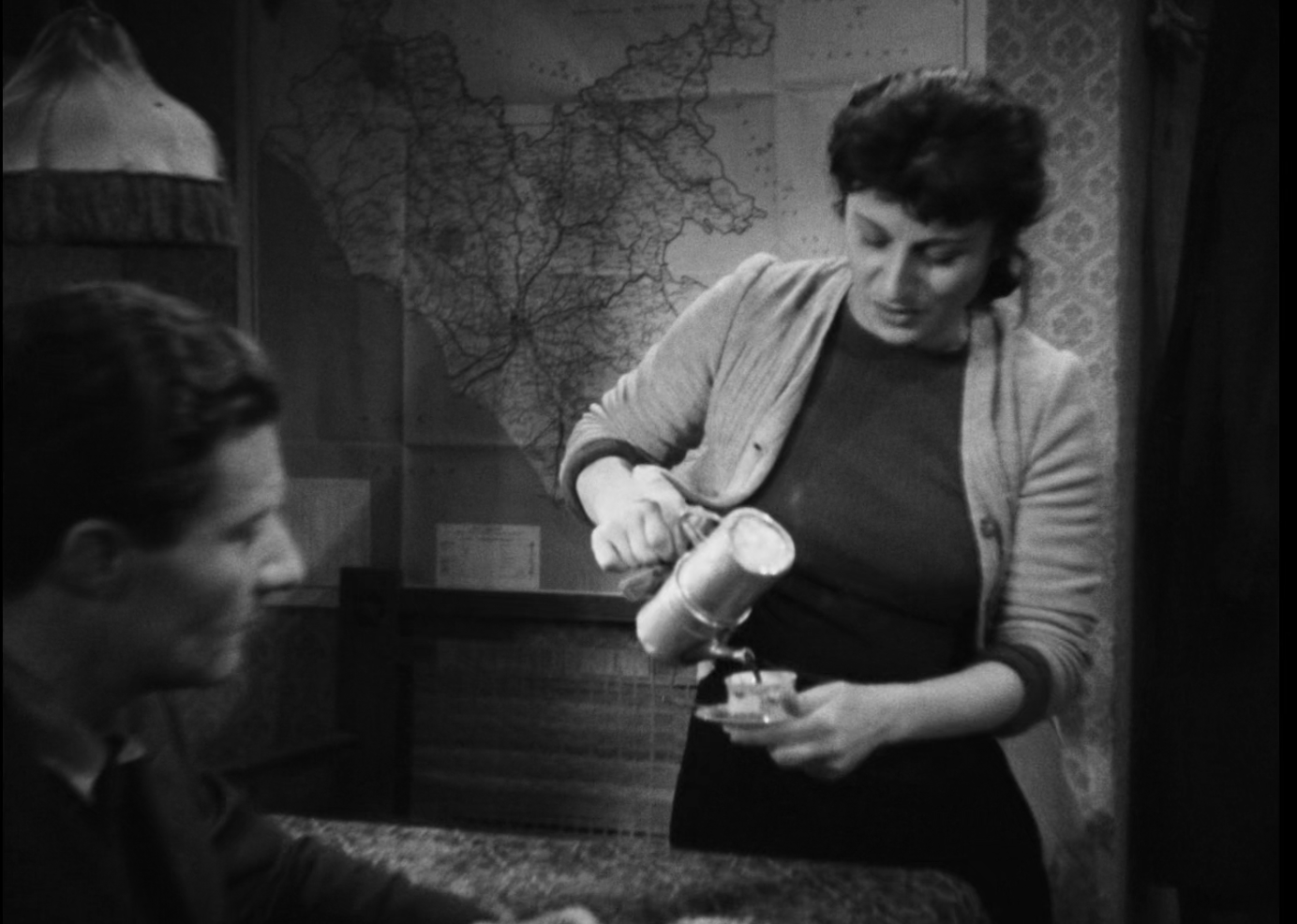
Gli versa il caffè e mette la tazzina sul tavolo.
Back at Francesco’s place, Pina appears with coffee for Manfredi that she’s prepared at her apartment. In one hand, protected by her sweater, she has the hot coffee pot,; in the other, a cup and saucer.
“Here you go!” she says with a smile. “It might not be not very good, but at least it’s hot. Drink up!”
She pours his coffee and sets the cup on the table.
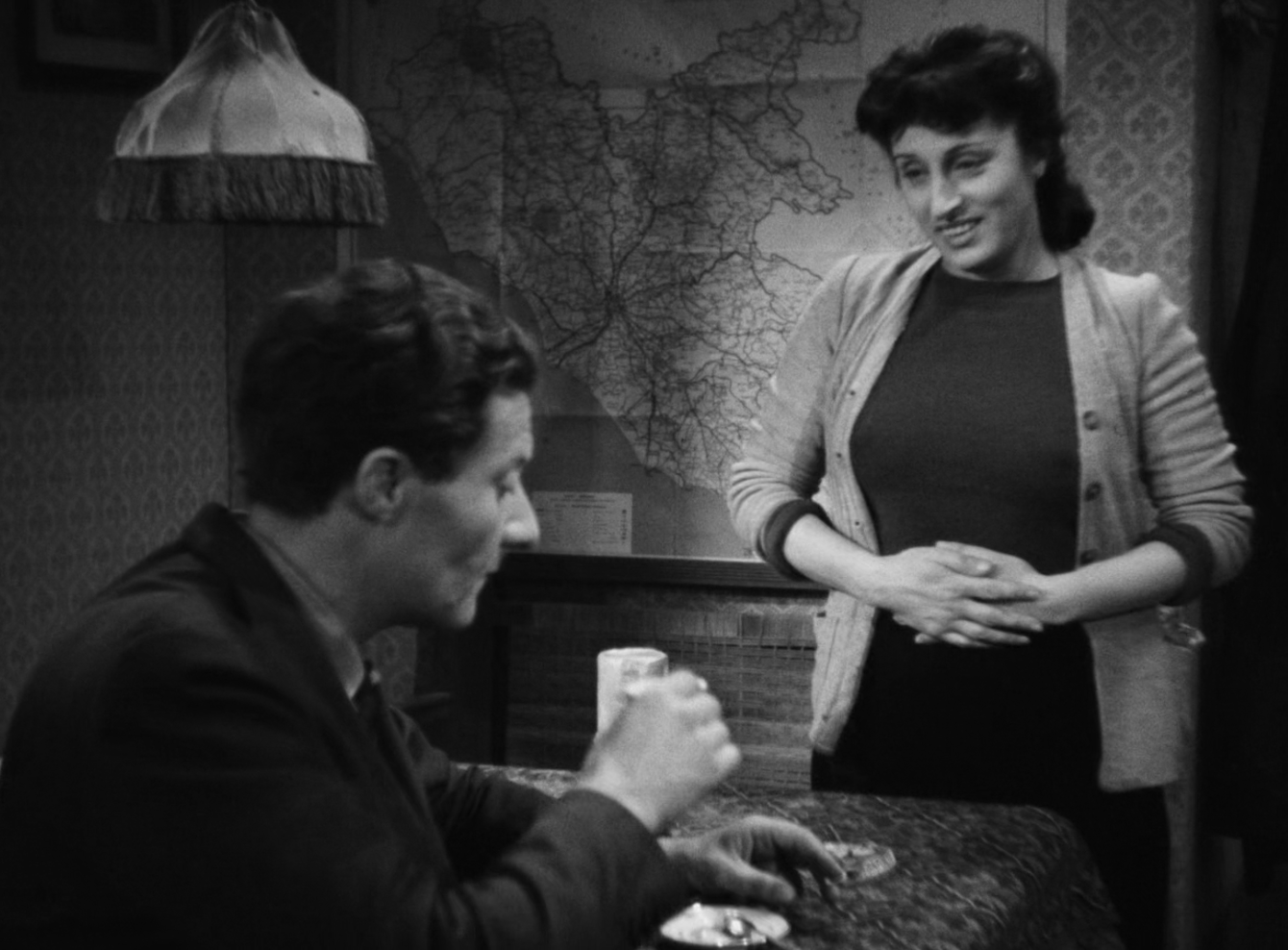
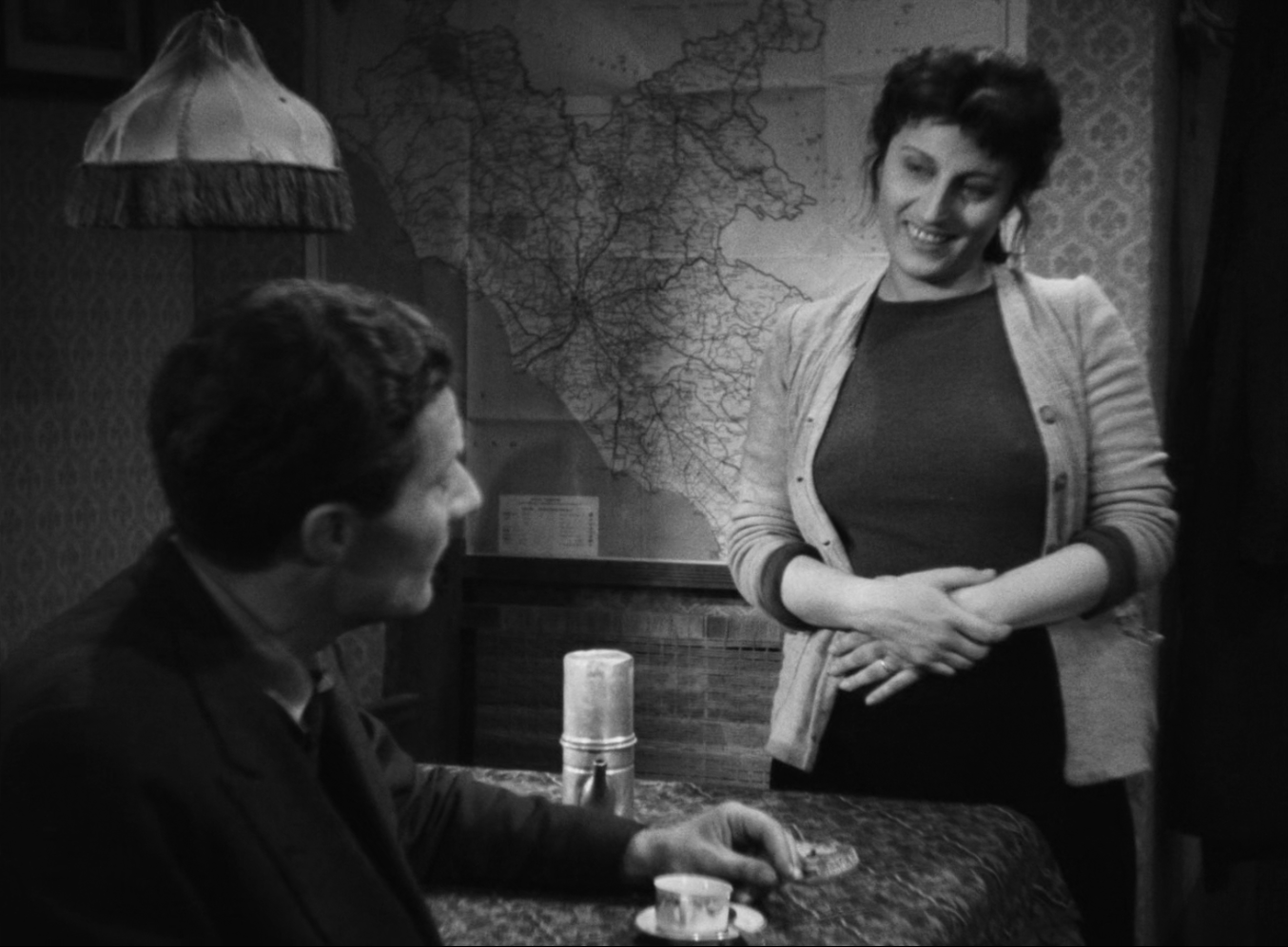
Ringraziandola, Manfredi dice: "Francesco mi ha detto che vi sposate!”
"Si, un matrimonio un po’ in ritardo, capirà, in queste condizioni...", dice, facendo scorrere le mani sulla pancia. "Ma l’avevamo fissato da tanto tempo, poi per una ragione o per l'altra abbiamo sempre dovuto spostare. Ma adesso è fissato!”
"E per quando?"
"Domani", dice, con un’espressione contenta.
Thanking her, Manfredi says, “Francesco told me that you two are getting married!”
“Yes, the wedding is a little late, you see, in my condition...” she says, running her hands over her belly. “But we set the date long ago, and then we had to keep postponing it for this reason and that. But now it’s set!”
“And for when?”
“Tomorrow,” she says, looking pleased.
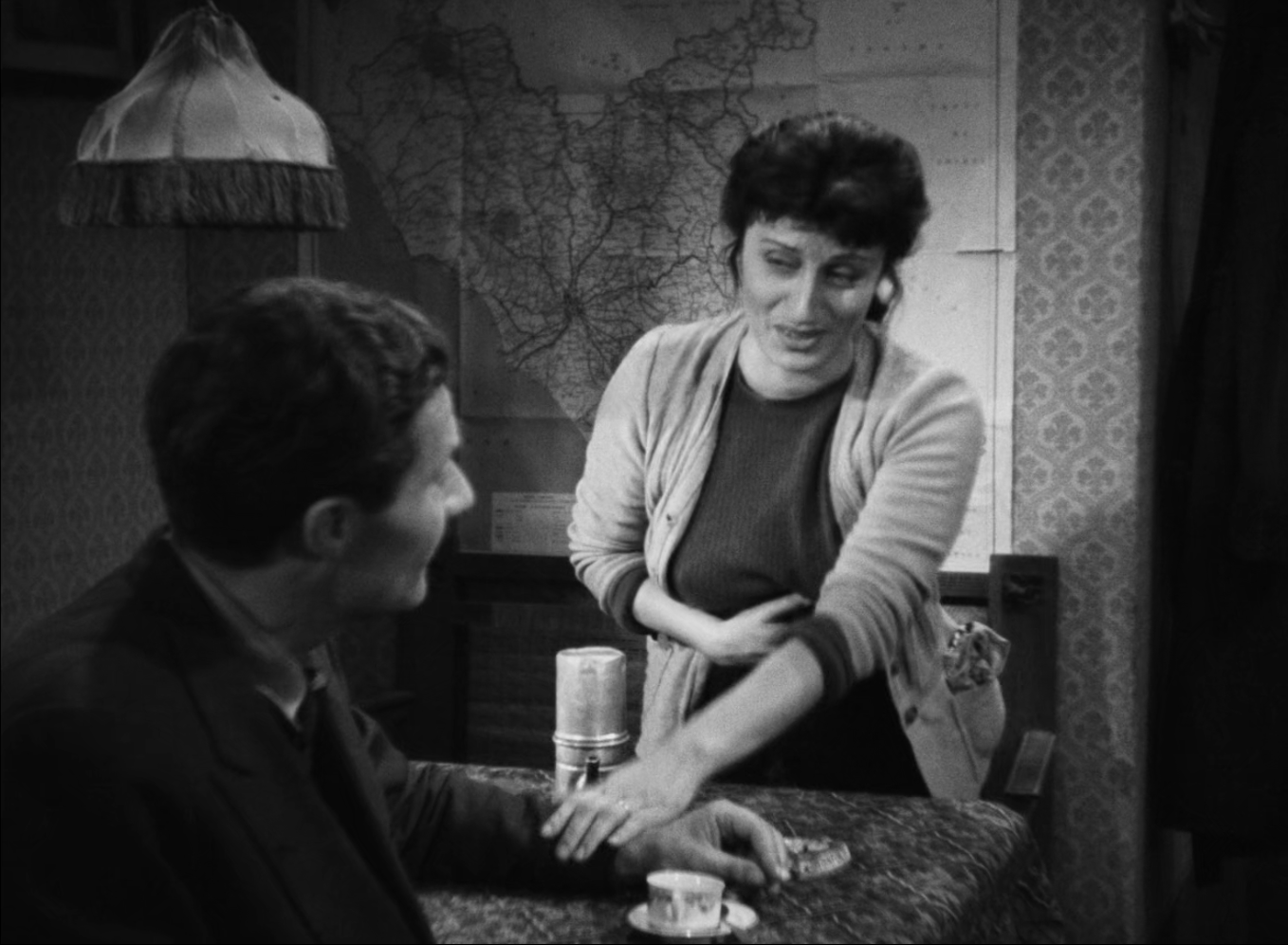
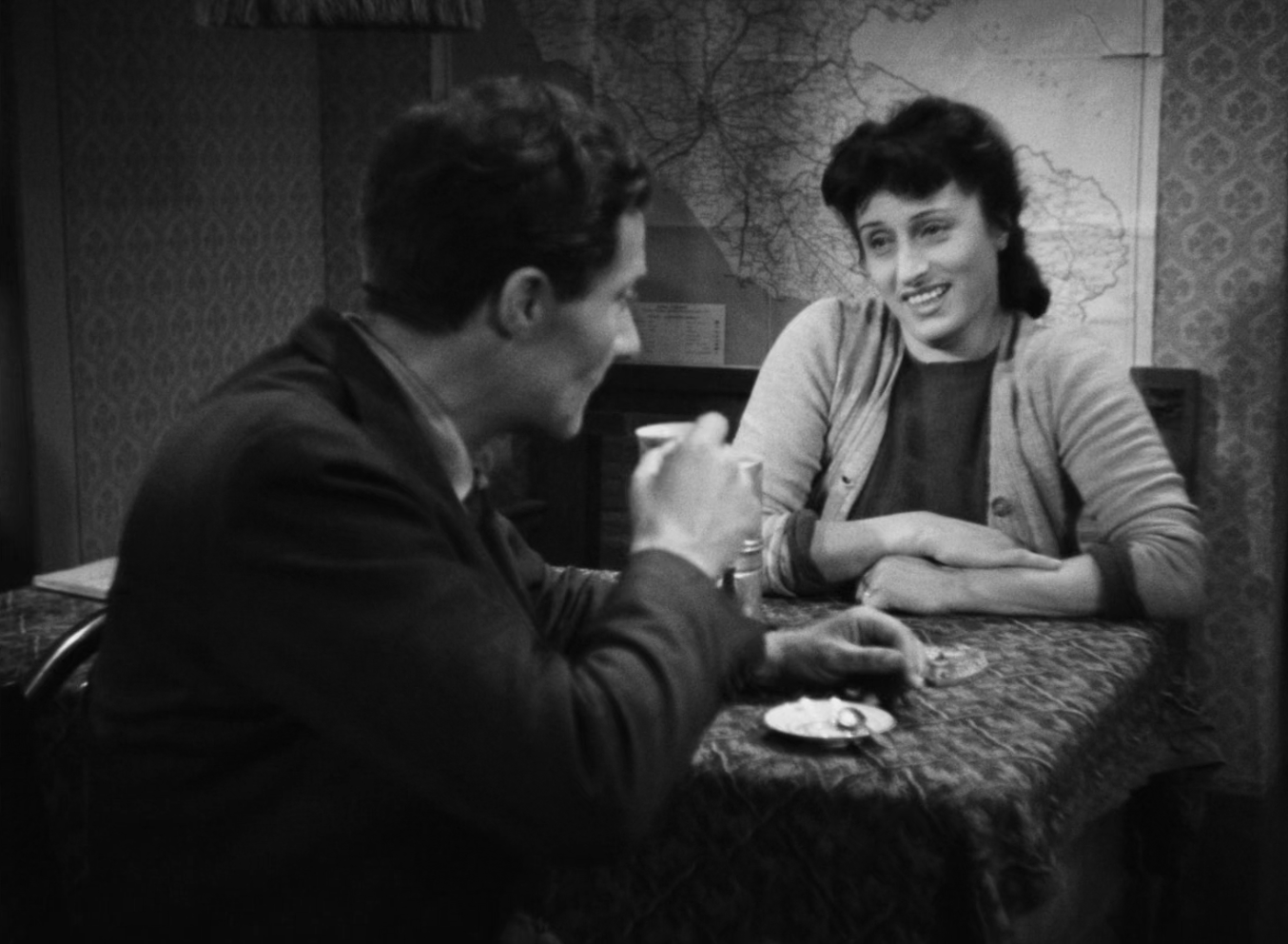
“Allora dovrò farvi il regalo!”
“Per l’amor di Dio!” esclama, mettendo la mano su quella di lui. Si siede e appoggia entrambe le braccia sul tavolo. “Questo è un matrimonio di guerra” – spiega – “Andiamo un momento da Don Pietro e facciamo subito”.
“Ah! Then I’ll have to get you a present!”
“Heavens, no!” she exclaims, placing her hand over his. She sits down and leans both arms on the table. “It’s a wartime wedding,” she explains. “We go for a moment to Don Pietro and we do it right away.”
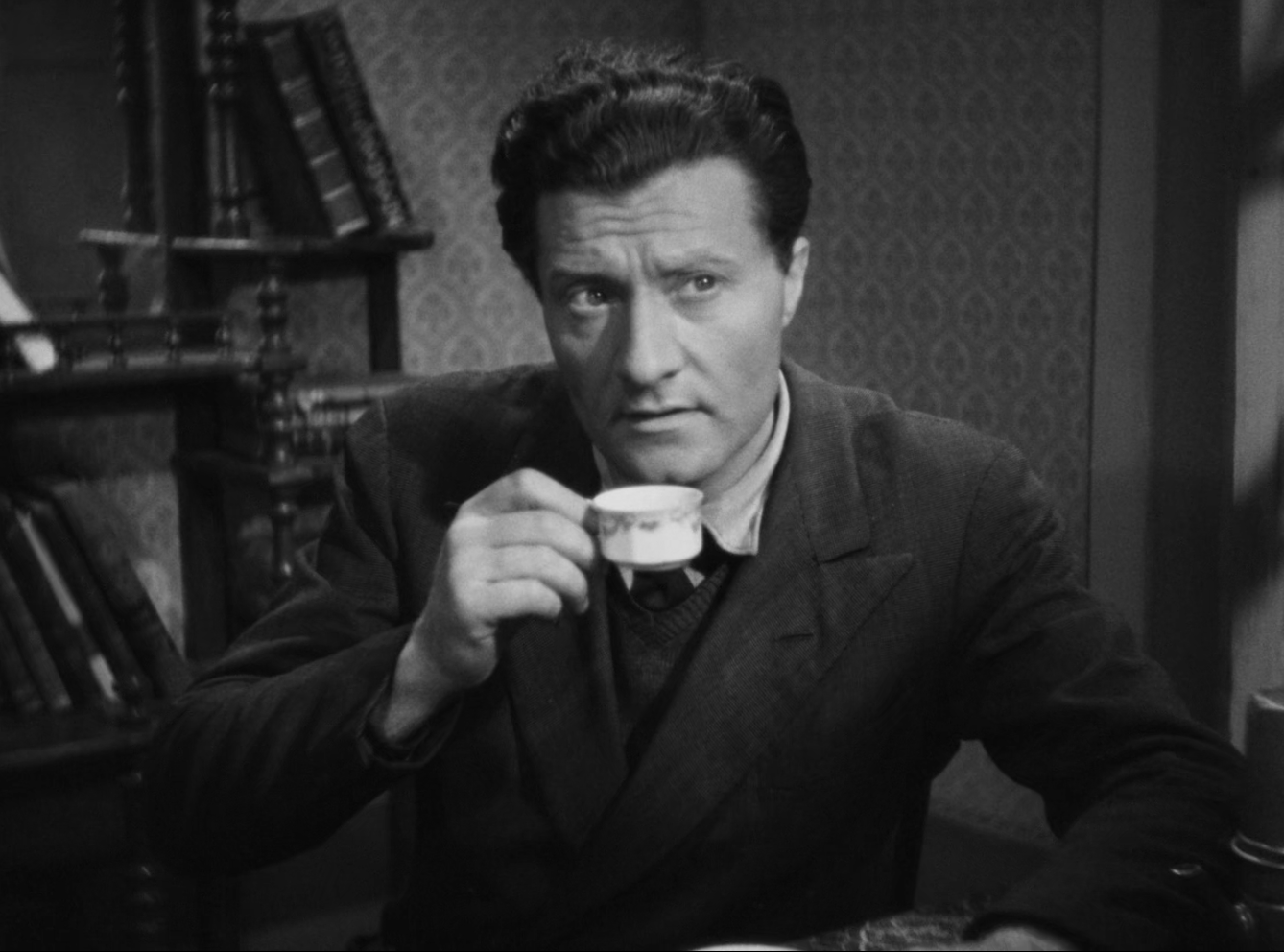
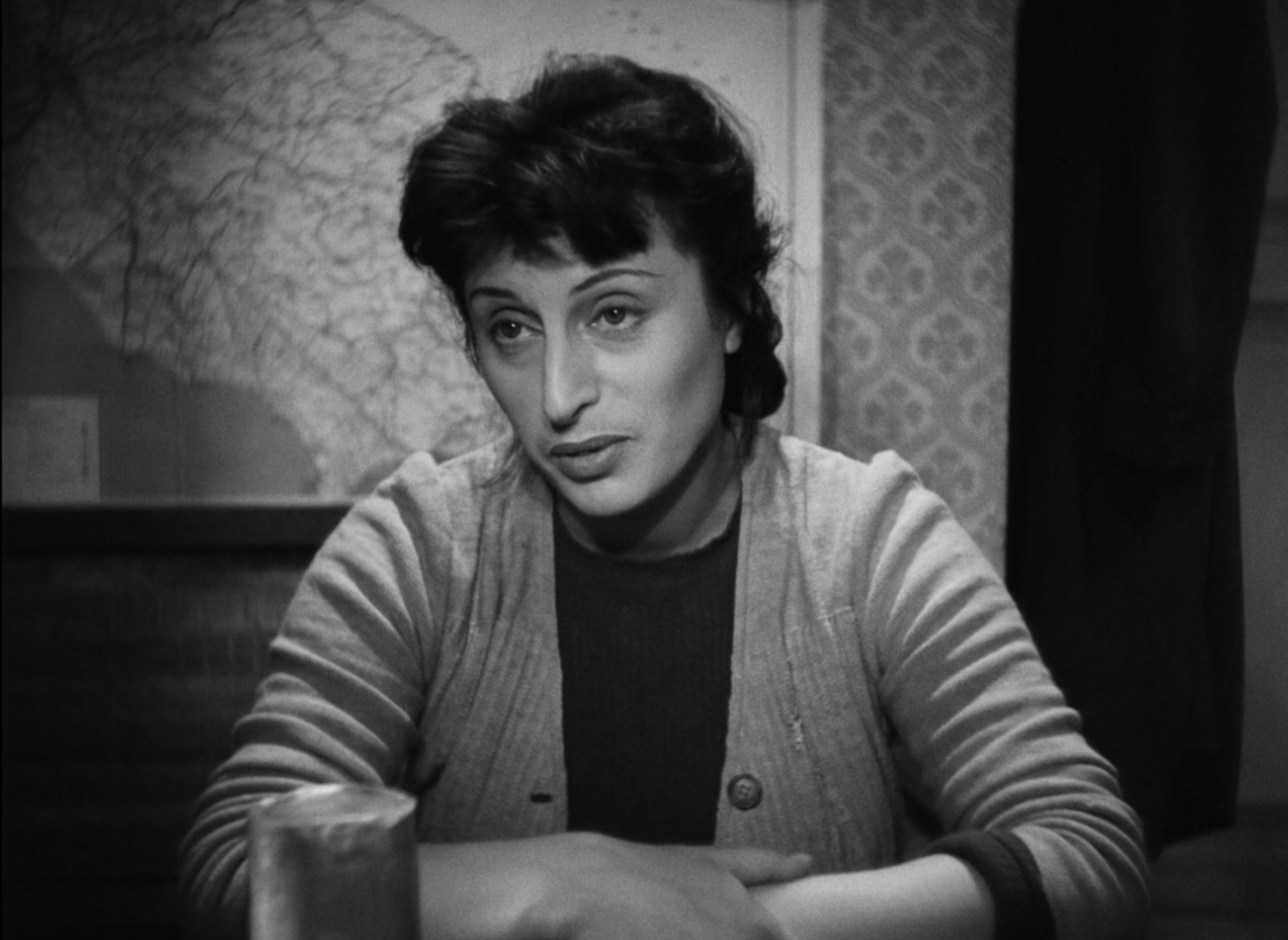
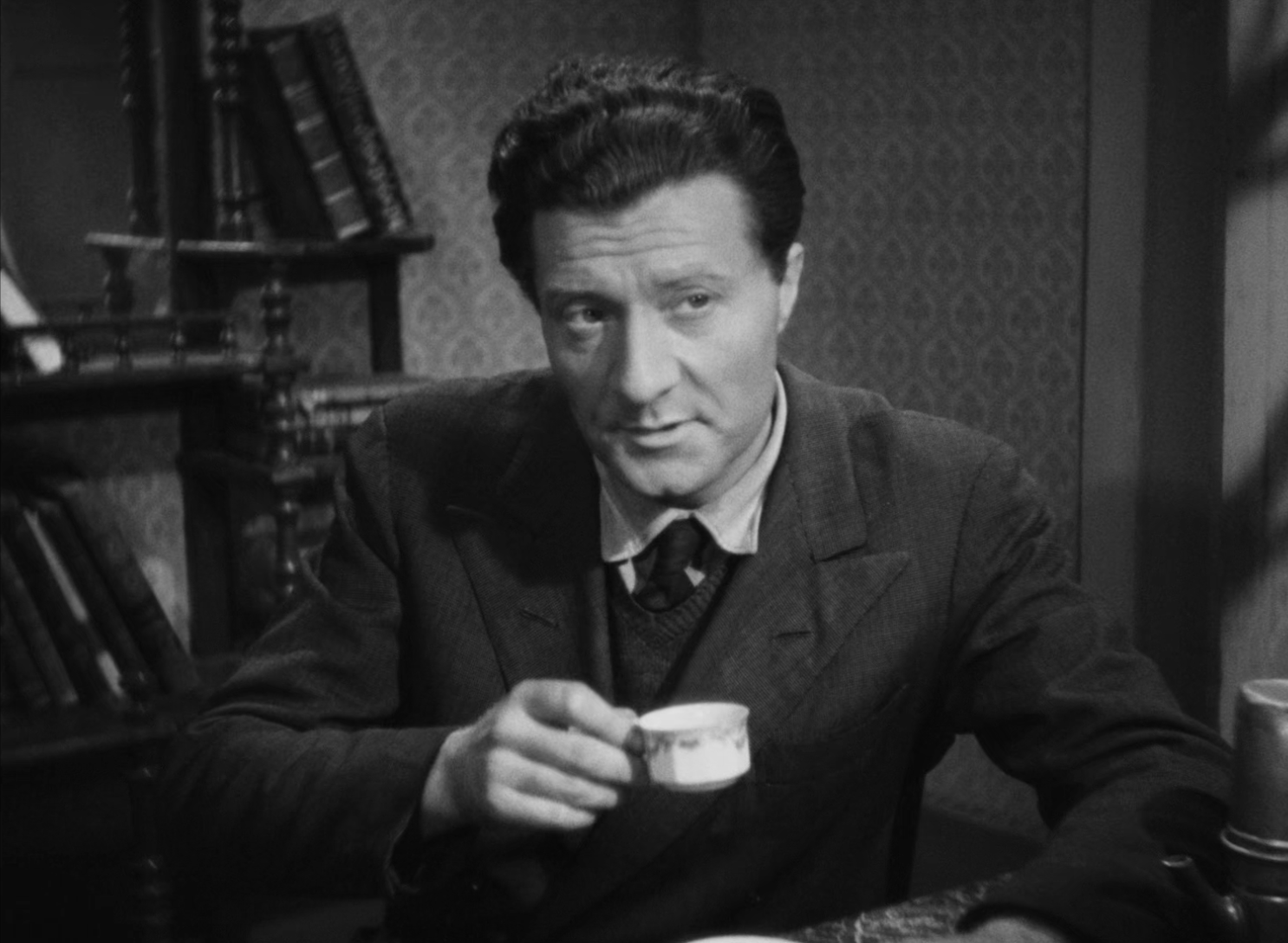
“Vi sposate in chiesa?” dice, accigliandosi un po'.
“Sì. Francesco non voleva veramente, ma io gli ho detto… ‘È meglio che ci sposi Don Pietro che almeno è uno dei nostri… Piuttosto che andarci a far sposare in Comune da un fascista, le pare?’” Lei gli dà uno sguardo consapevole.
Lui annuisce. “In un certo senso, è giusto”.
“You’re marrying in the church?” he says, with a slight frown.
“Yes. Francesco didn’t really want to, but I told him... ‘It’s better to be married by Don Pietro who at least is one of us... Rather than go to be married at City Hall by some Fascist, don’t you think?’” She gives him a knowing look.
He nods. “In a way, you’re right.”
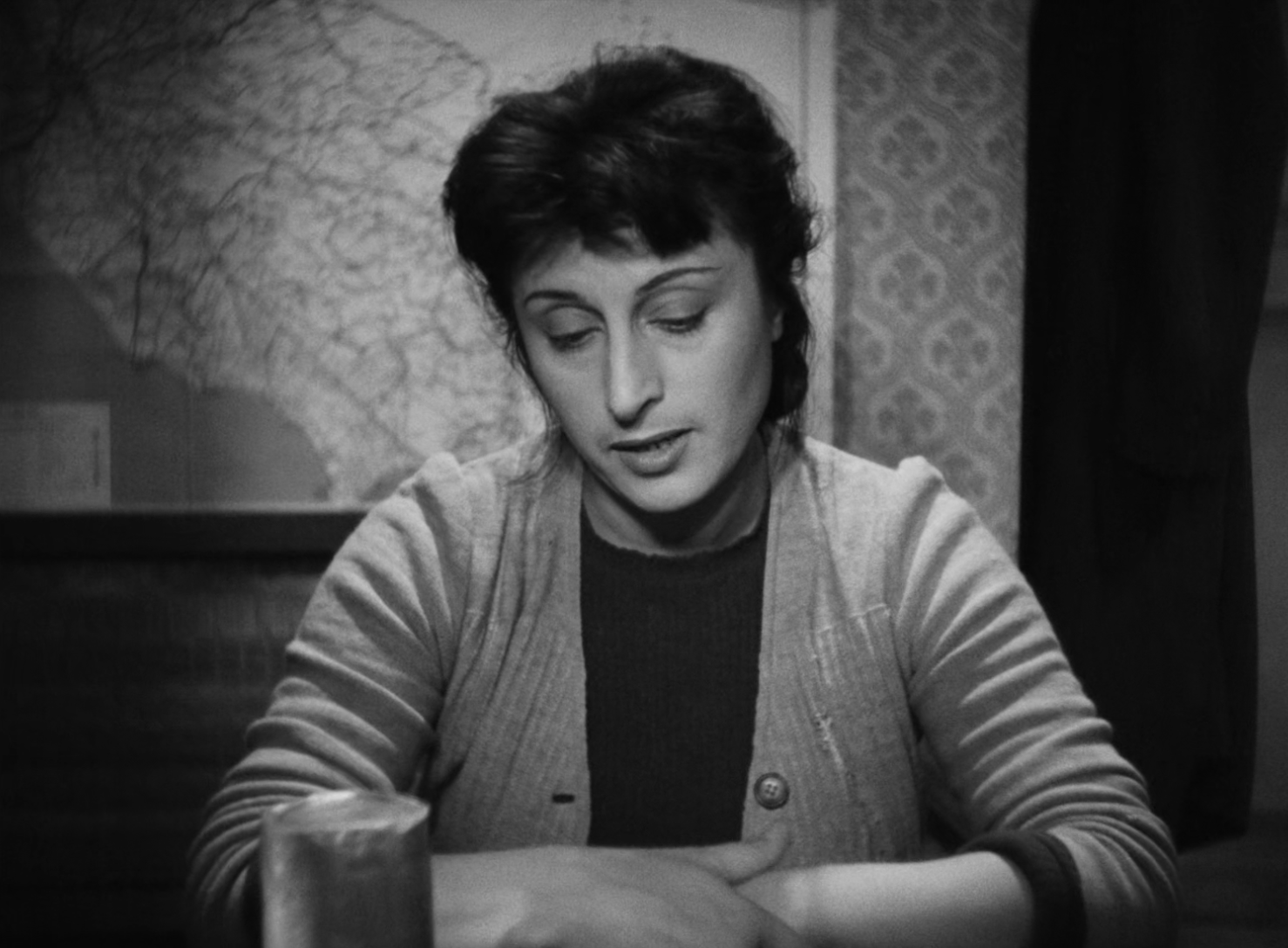
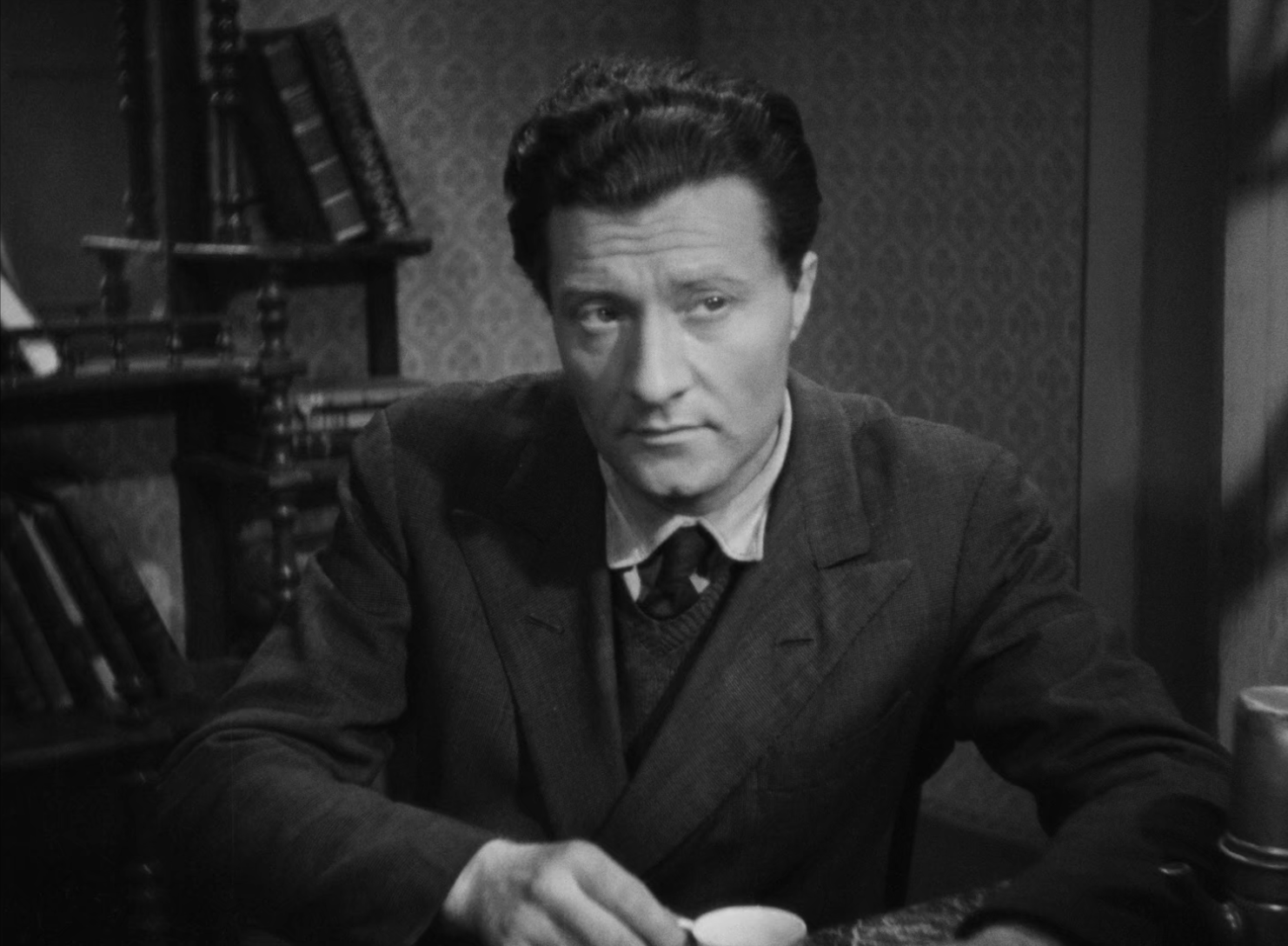
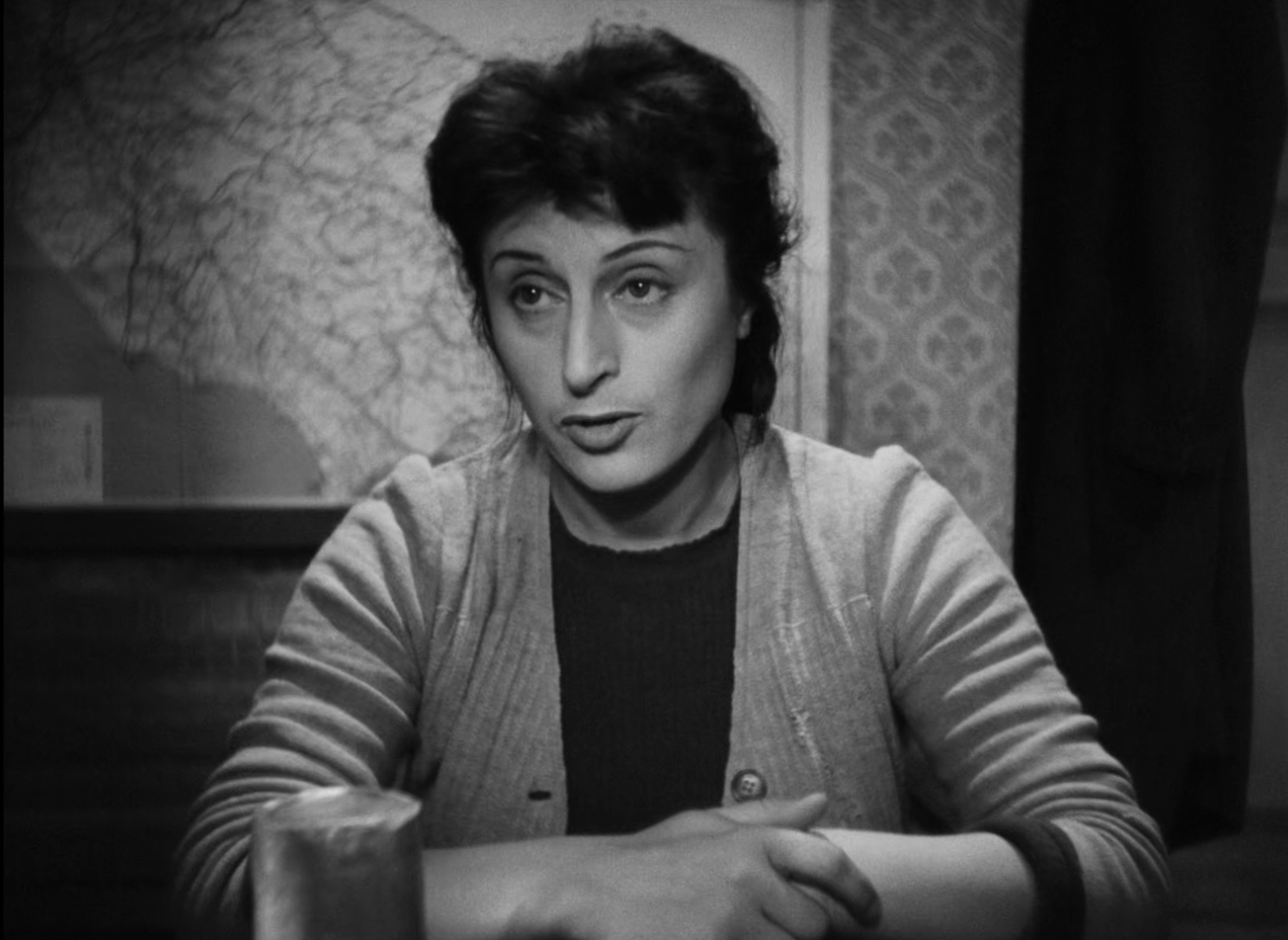
“Sì, la verità... è che io credo in Dio”. Guarda giù verso il tavolo, leggermente imbarazzata dalla confessione.
Manfredi cambia discorso. “E lei cosa fa adesso? Lavora?”
“Lavoravo alla fabbrica di spolette Breda. Ma ci hanno cacciati via”. Alza le spalle e scuote la testa. “I tedeschi si portano via tutto”.
*In effetti, i tedeschi hanno letteralmente spogliato le fabbriche delle loro attrezzature, che poi hanno trasportato in Germania e in altri paesi occupati. La fabbricazione di spolette, cheservono a far esplodere bombe, bombe a mano e altre arme, aveva un evidente valore in tempo di guerra.
“The truth is... I believe in God.” She looks down at the table, slightly embarrassed by the confession.
Manfredi changes the subject. “And what do you do now? Are you working?”
“I used to work at the Breda fuse factory. But they threw us out.” She shrugs and shakes her head. “The Germans are taking everything away.”*
*In fact, the Germans literally stripped the factories of their equipment, which they then transported to Germany and other occupied countries. The manufacture of fuses, which are used to set off bombs, hand grenades, and other weapons, would be of obvious value in wartime.
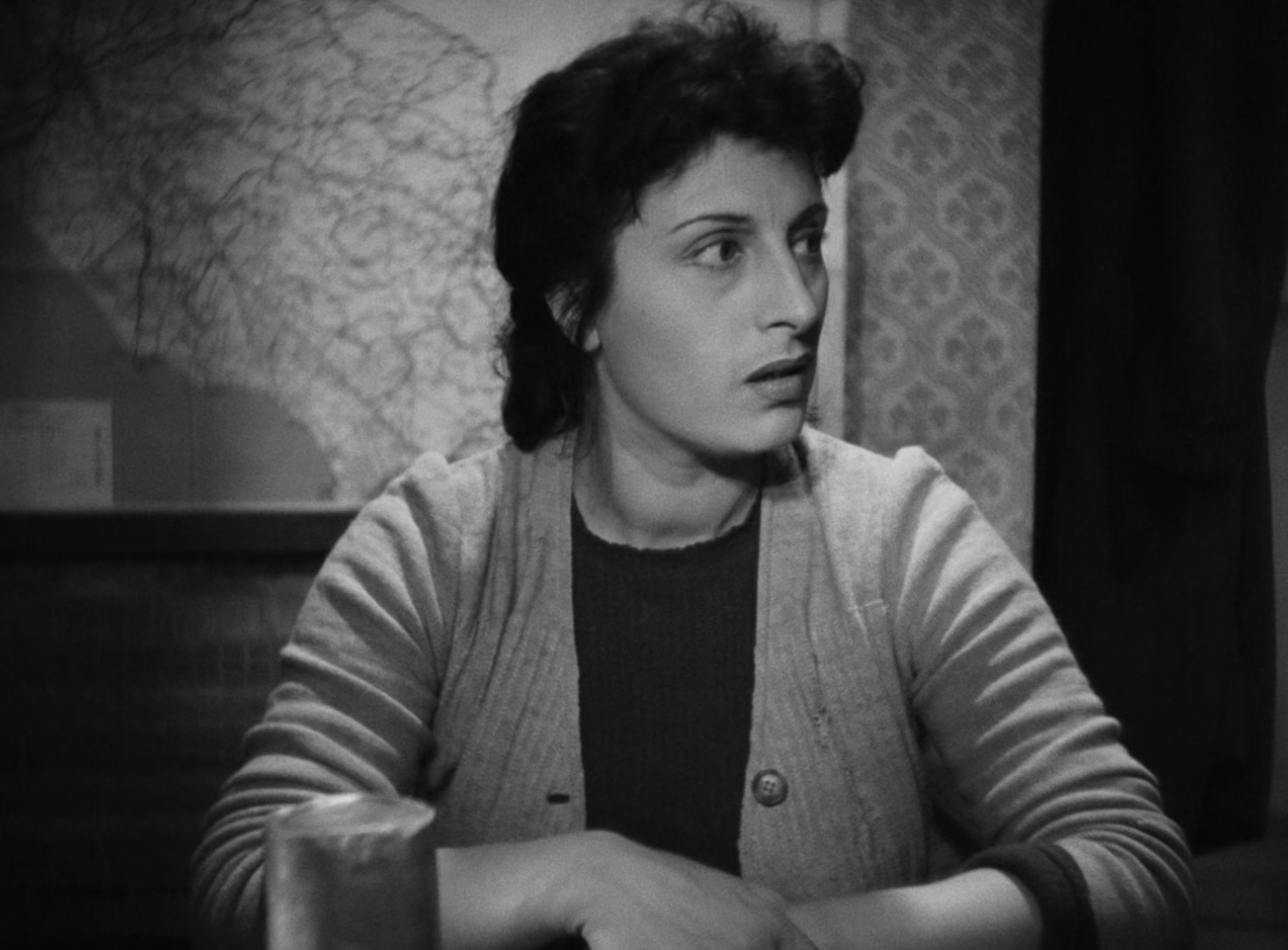
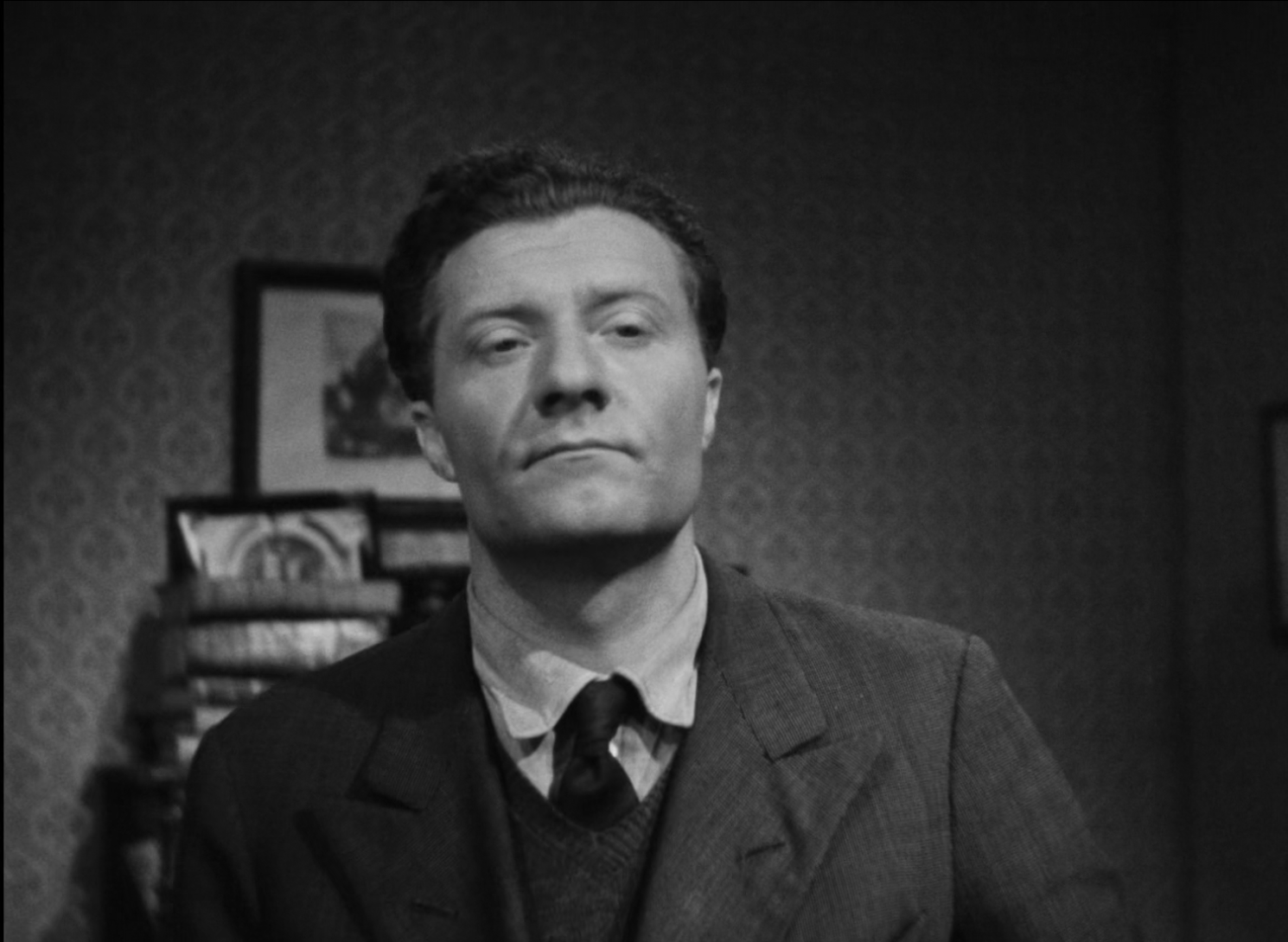
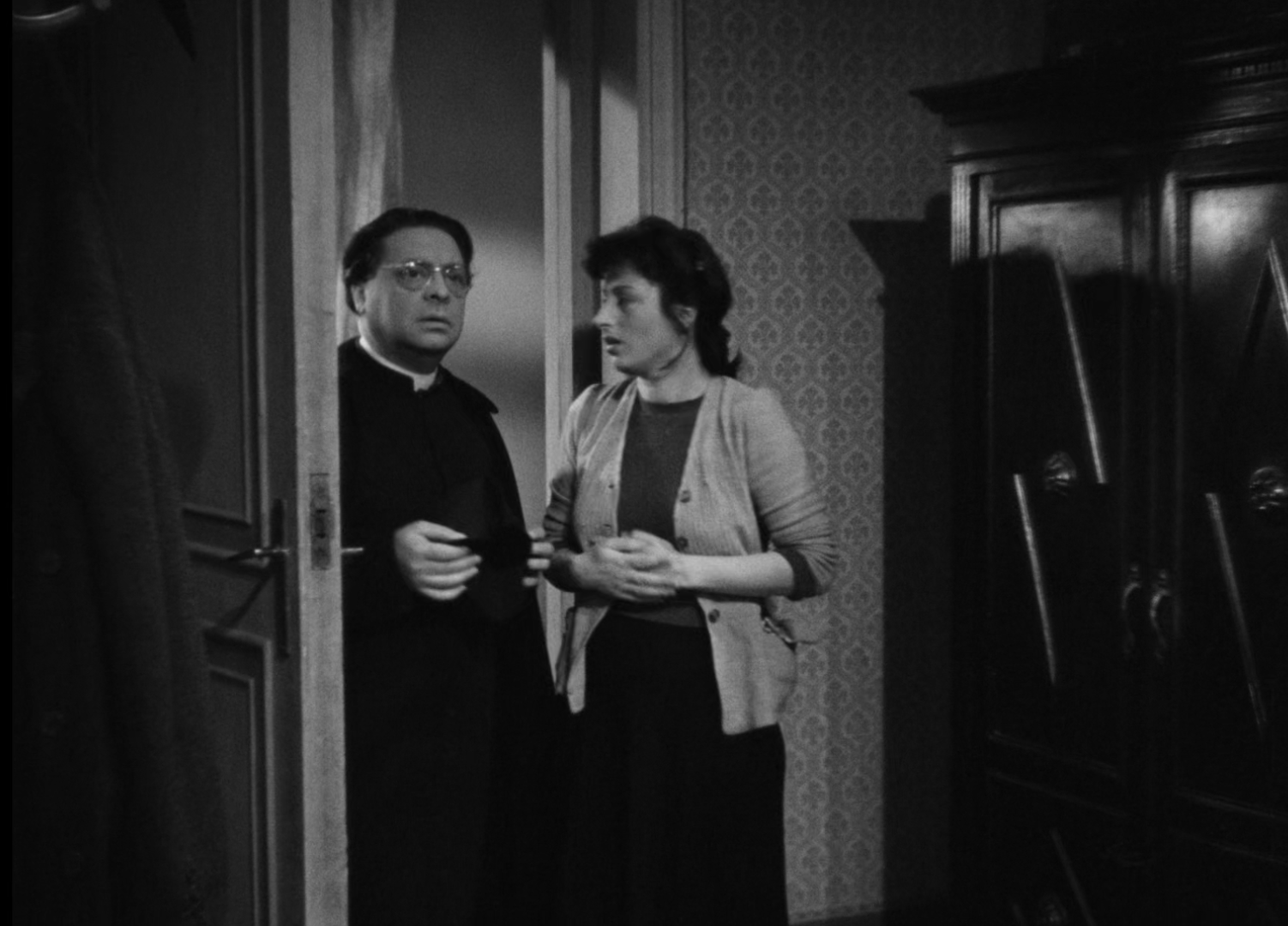
Quando suona il campanello, Pina si spaventa per un attimo, ma capisce: "Dev'essere Don Pietro". Si alza in piedi e va alla porta; anche Manfredi si alza in piedi e guarda verso la porta con un'espressione seria sulla faccia.
When the doorbell rings, Pina is momentarily startled, but she realizes: “It must be Don Pietro.” She stands and goes to the door; Manfredi stands too, and looks towards the door with a serious expression on his face.
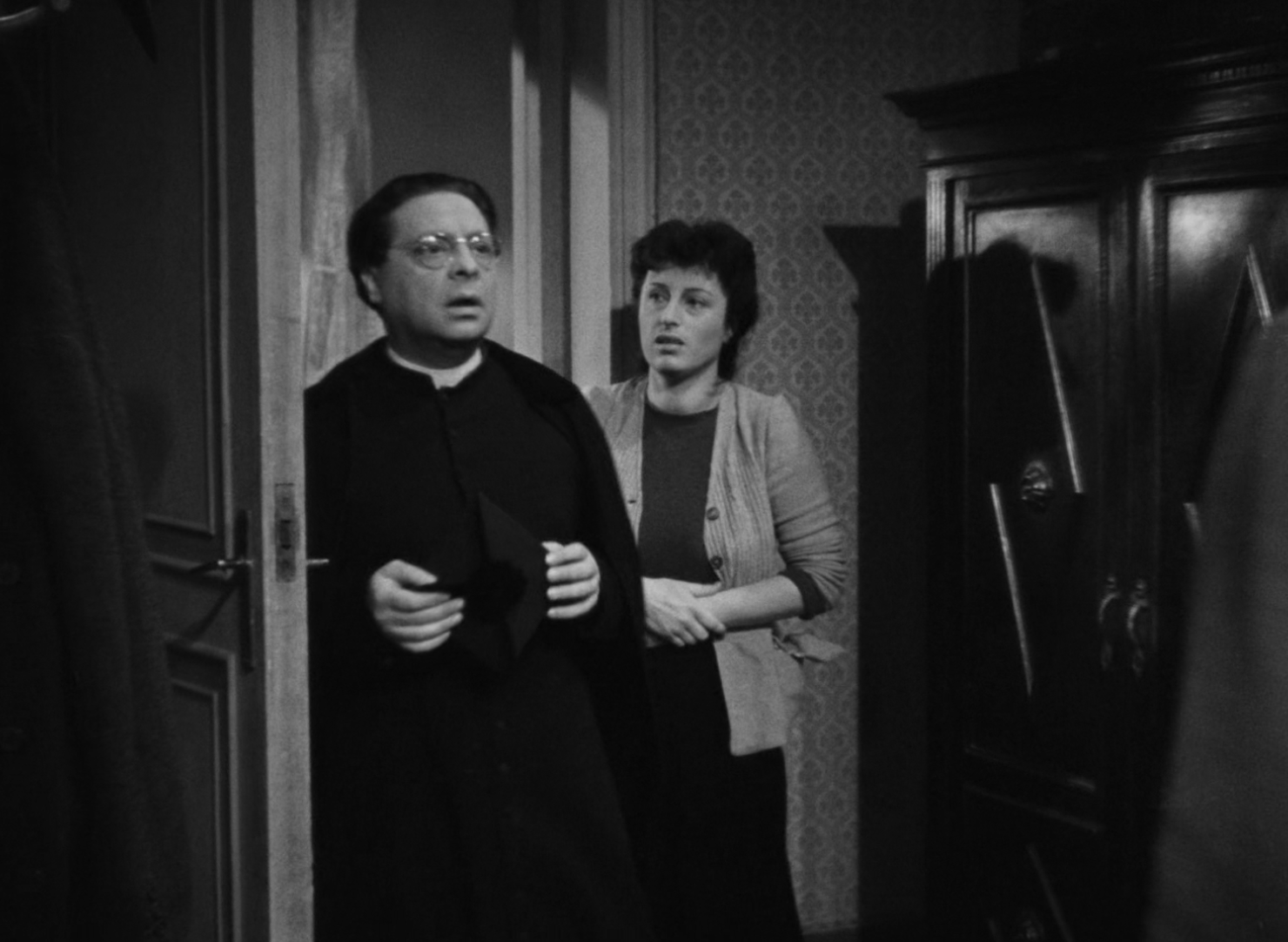
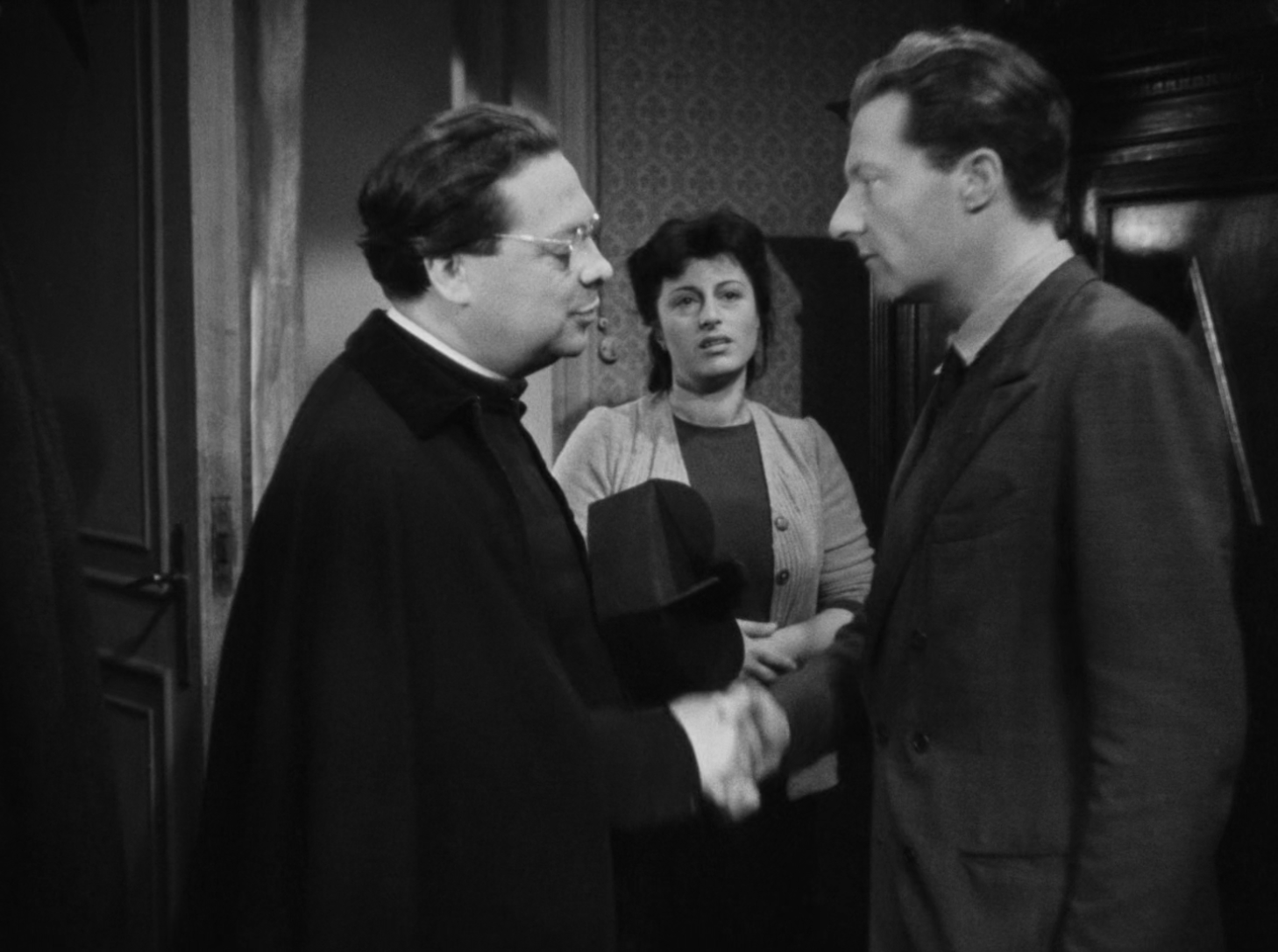
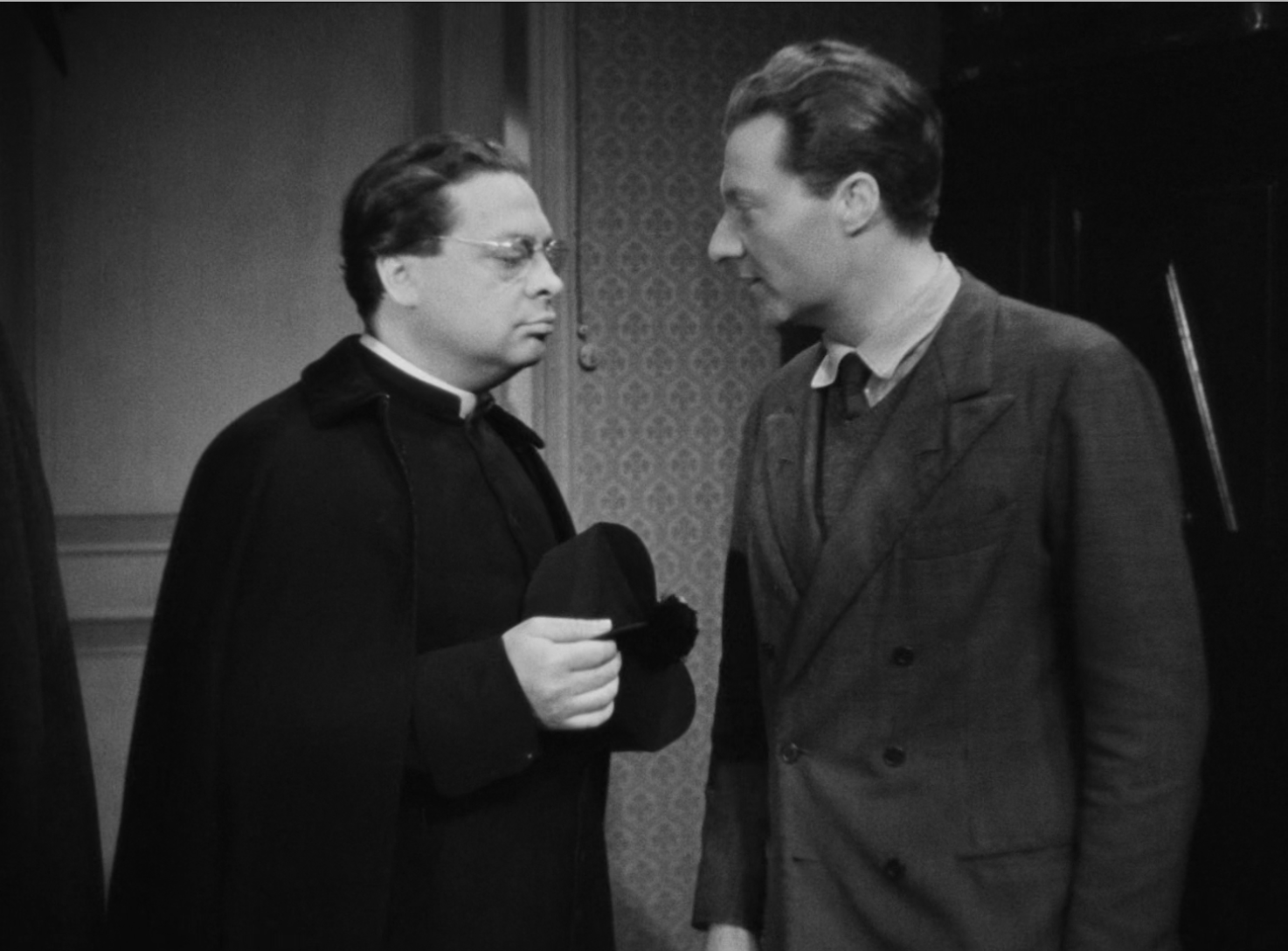
Il sacerdote entra, tenendo il cappello in mano. Manfredi gli stringe la mano.
“Buongiorno, Don Pietro”.
“Buongiorno”.
The priest enters, holding his hat. Manfredi shakes his hand.
“Good morning, Don Pietro.”
“Good morning.”
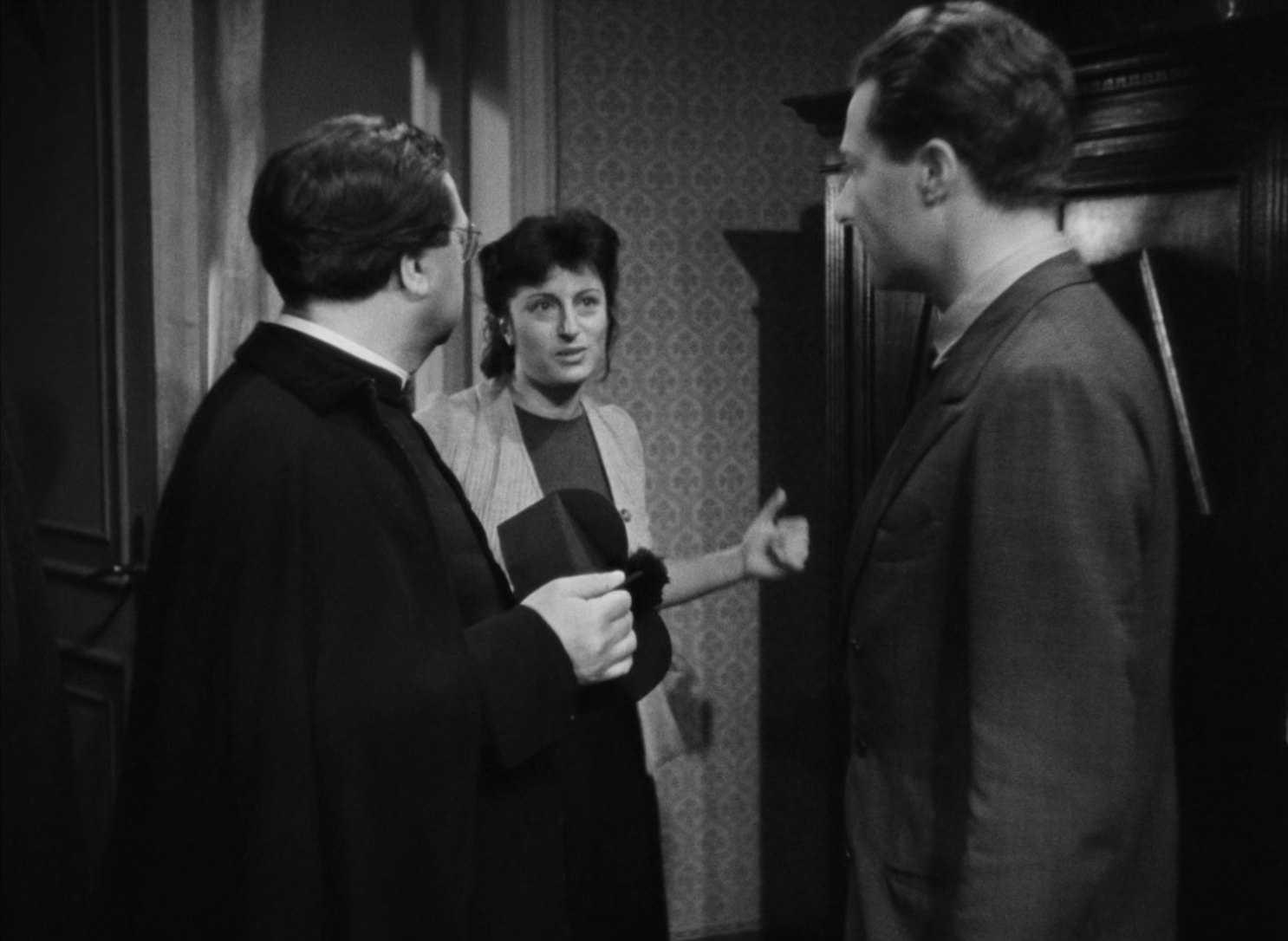
Fanno una pausa e Pina dice: “Scusate, io vado di là”.
Quando se n'è andata, Manfredi dice: “Grazie di essere venuto”.
“Non c’è di che”.
They pause and Pina says, “Excuse me, I’ll go out there.”
When she has gone, Manfredi says, “Thank you for coming.”
“Don’t mention it.”
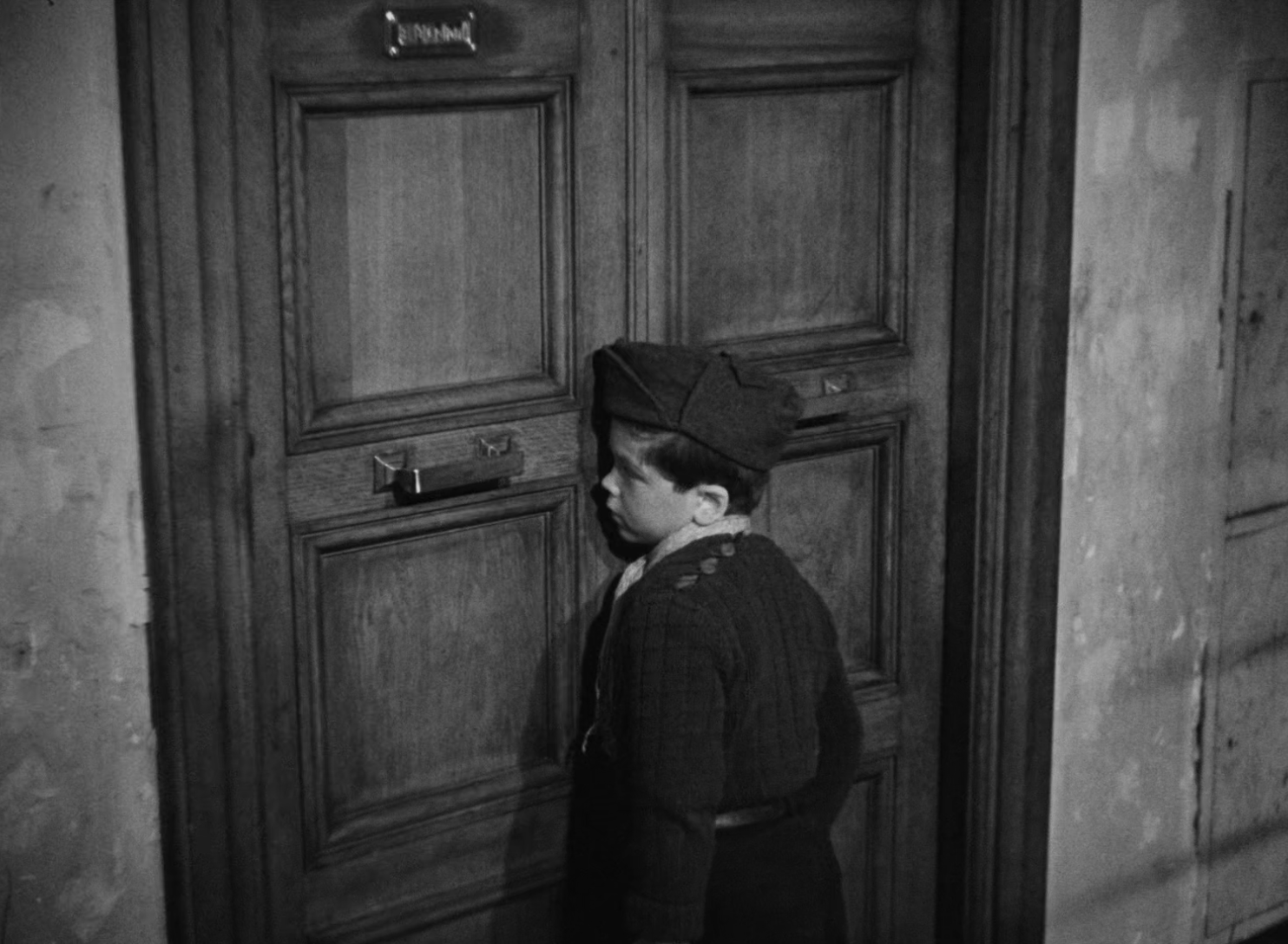
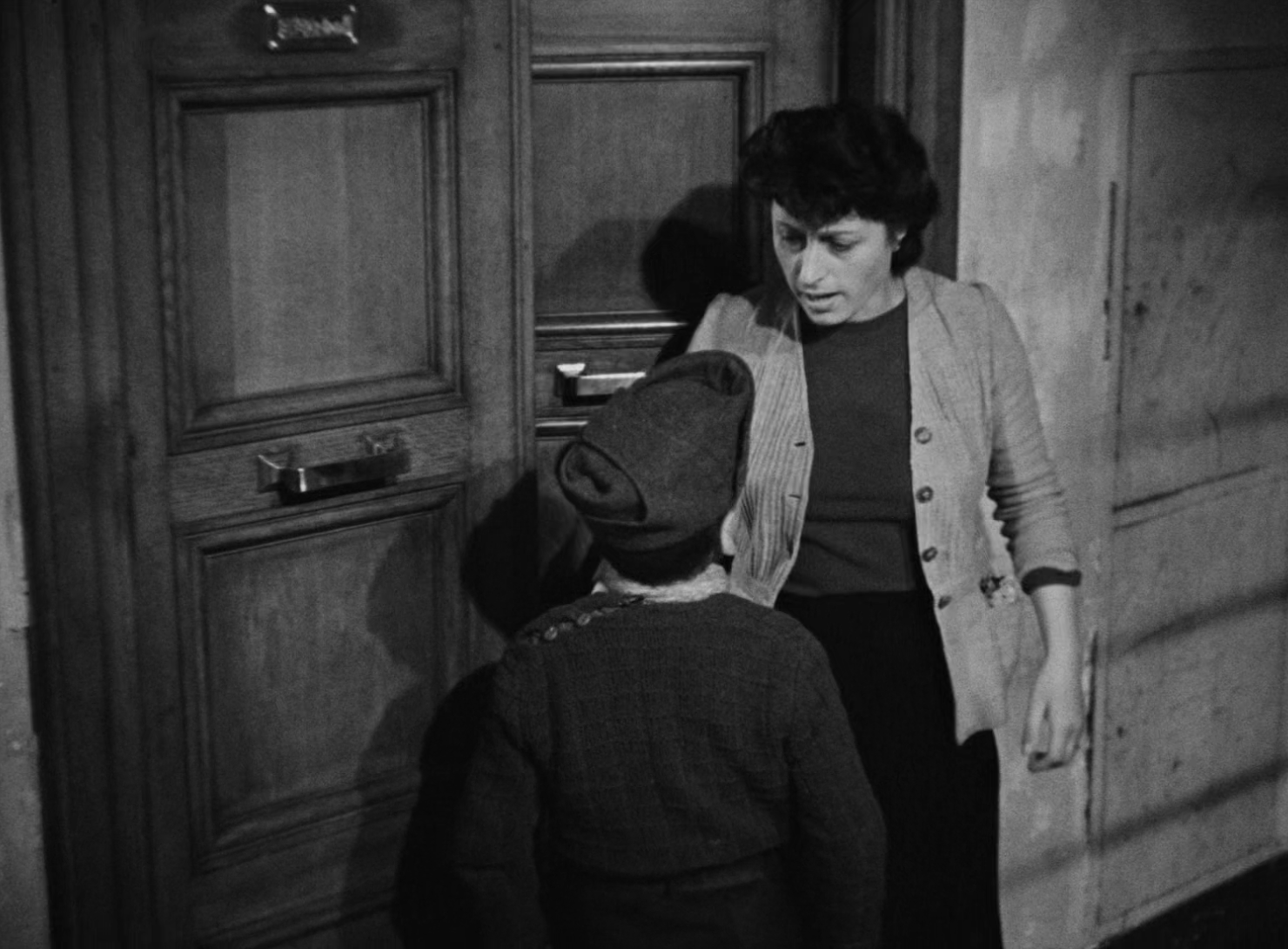
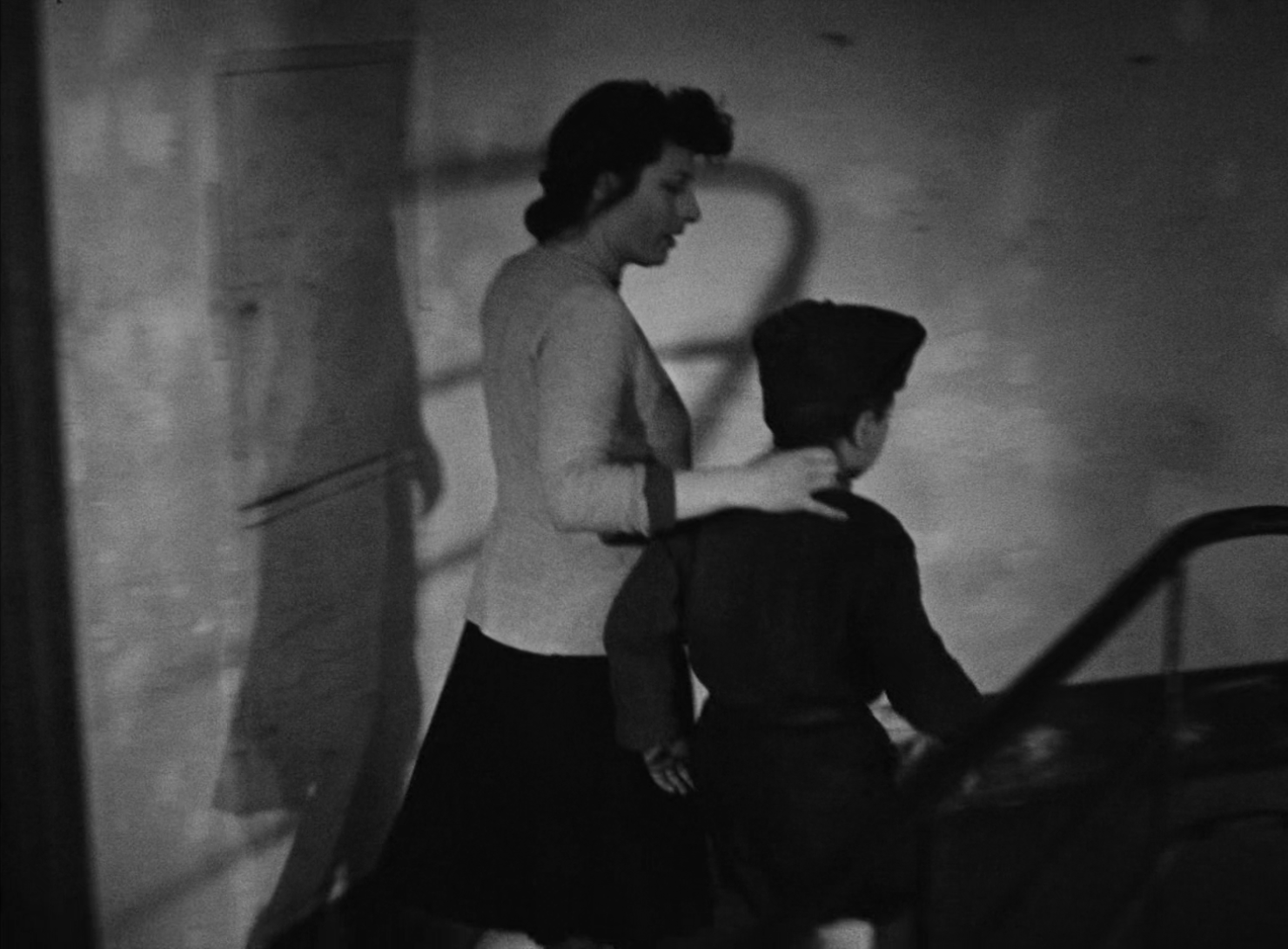
Fuori dall'appartamento, Pina trova Marcello con l'orecchio alla porta. “Che stai a fare lì, ragazzino?” chiede.
“Chi c'è li?”
“Chi dovrebbe esserci!? Vai a prendere l'acqua. Sbrigati! Cammina!” Cammina con lui verso il loro appartamento, spingendolo dalla nuca, più o meno come aveva fatto Don Pietro poco prima.
Outside the apartment, Pina finds Marcello with his ear to the door. “What are you doing there, little boy?” she asks.
“Who’s in there?”
“Who do you think? Go get some water. Hurry up! Get going!” She walks with him across to their apartment, pushing him by the back of the neck, much as Don Pietro had done earlier.
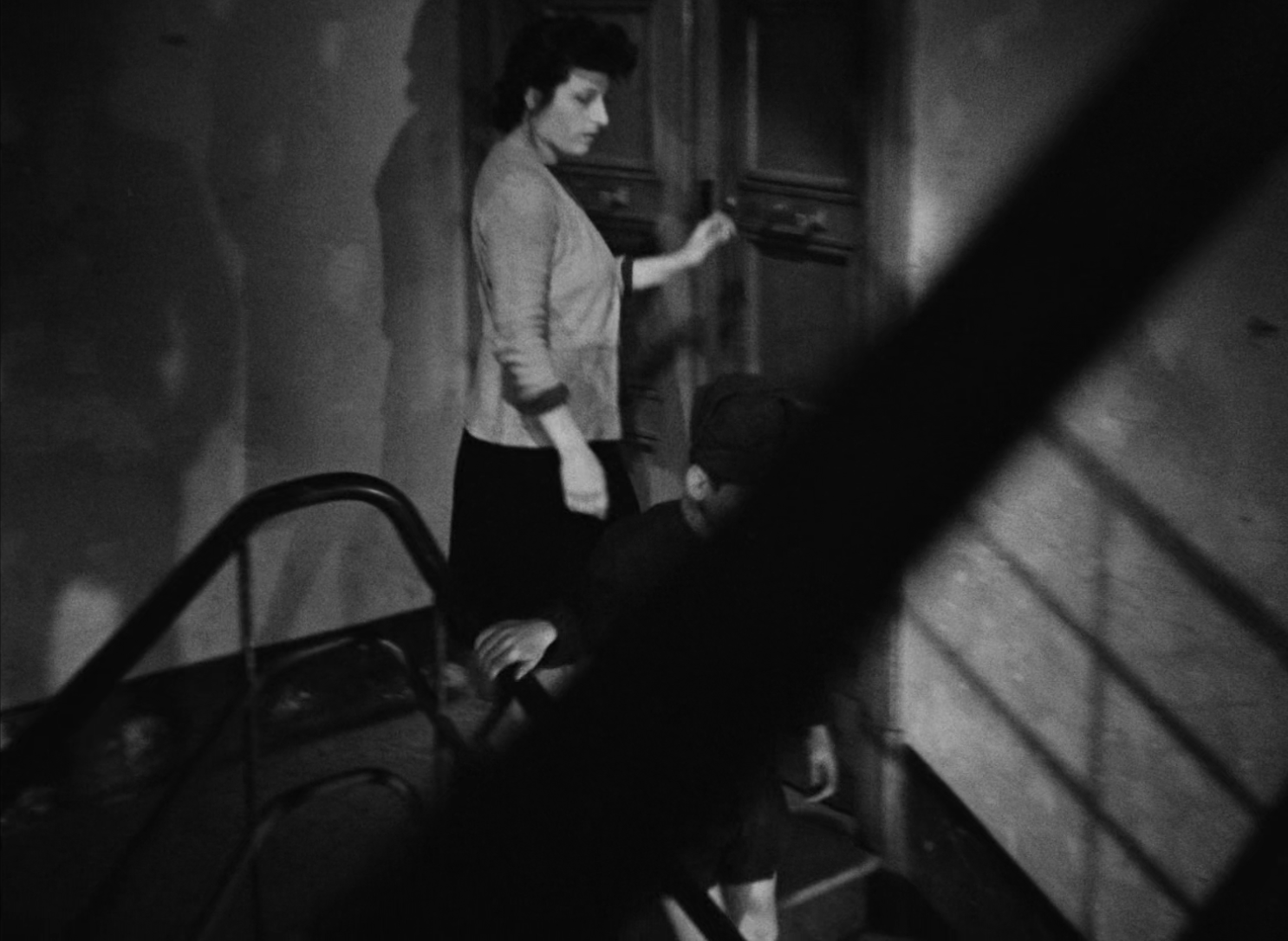
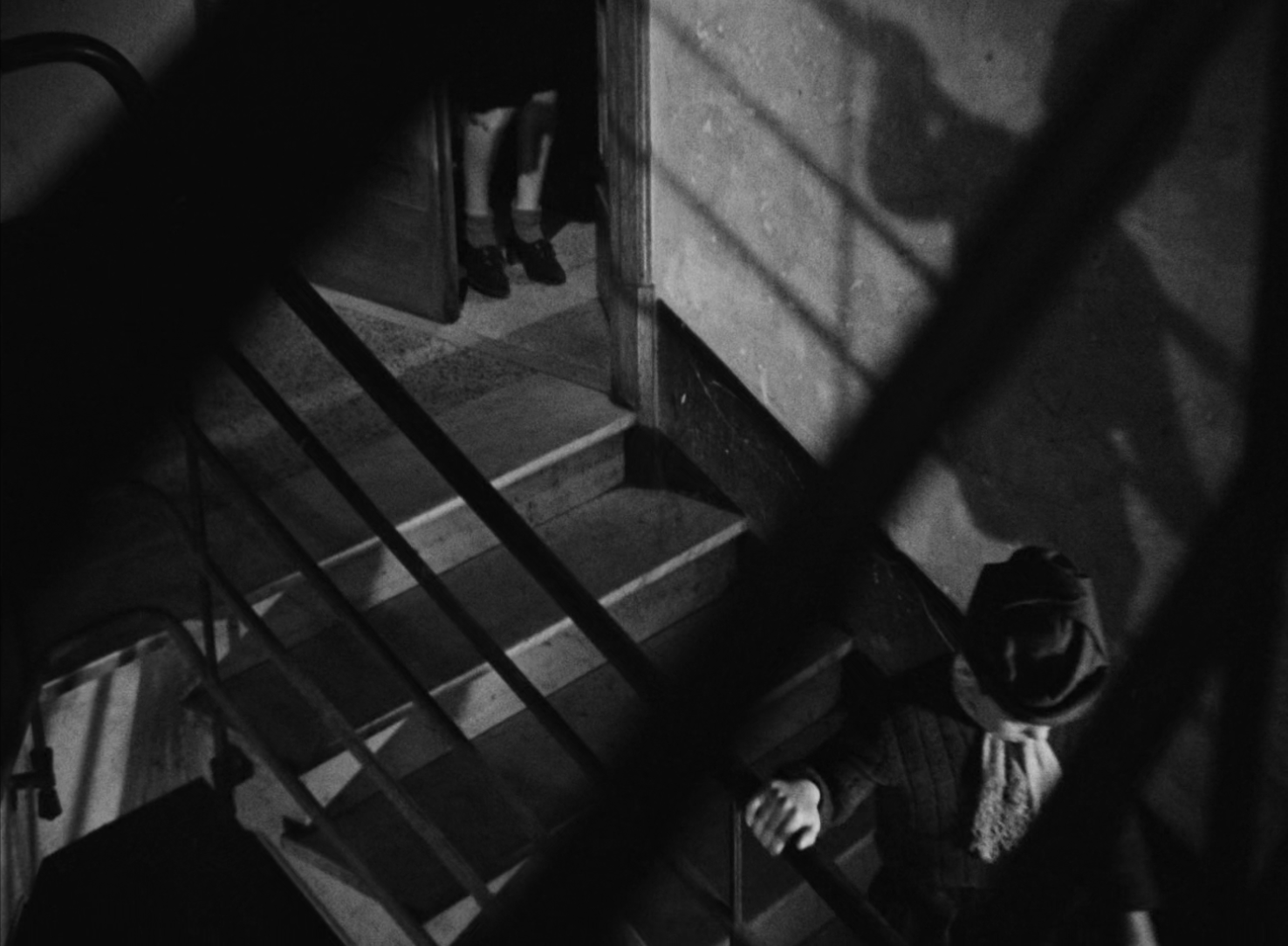
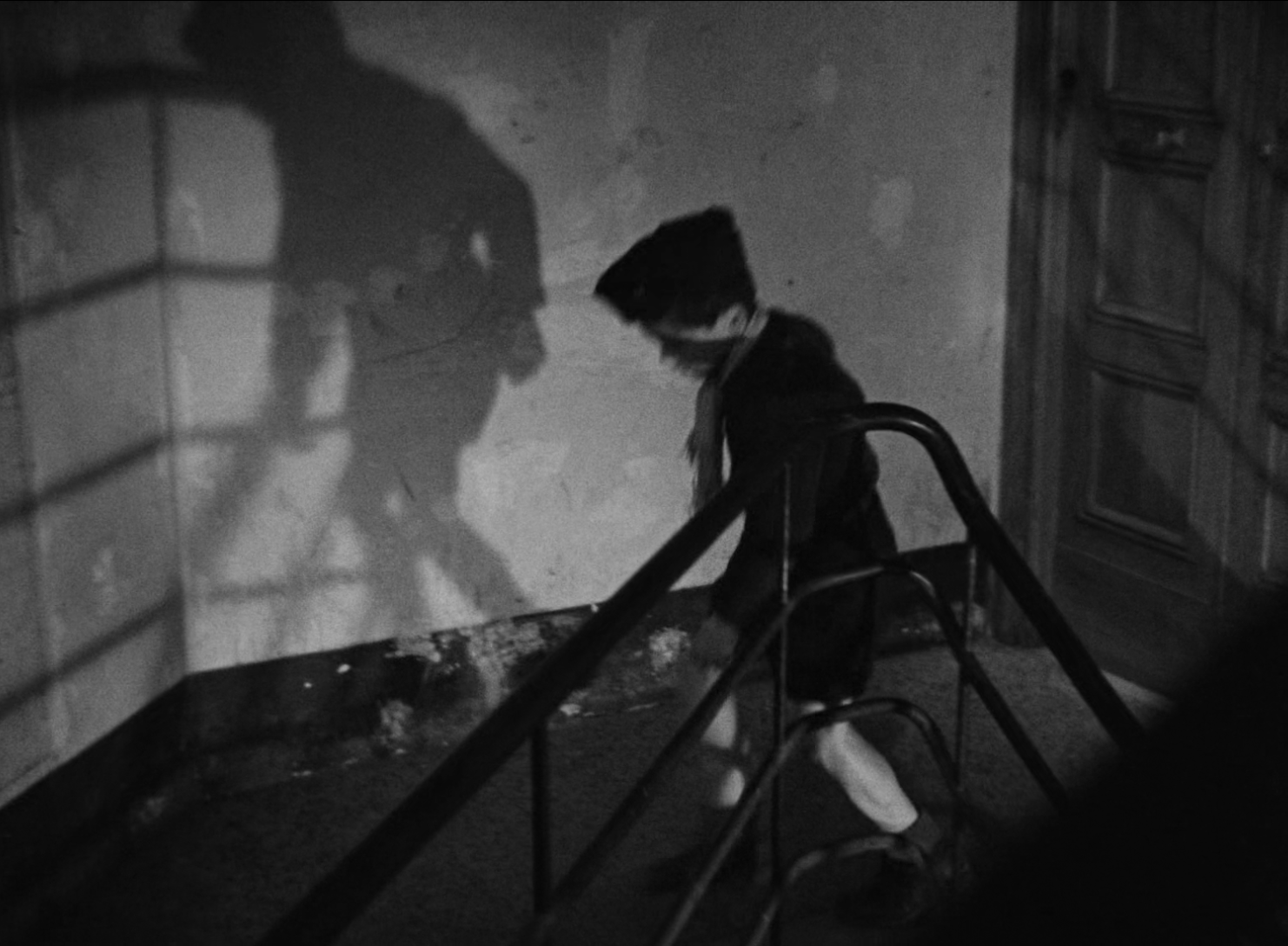
Marcello inizia a scendere le scale ma, appena la madre è entrata in casa e ha chiuso la porta, lui si gira e torna su in punta di piedi, seguito dall'enorme ombra che getta sul muro.
Marcello starts down the stairs but, as soon as his mother is inside and has closed the door, he turns around and tiptoes back up, trailed by the huge shadow he throws on the wall.
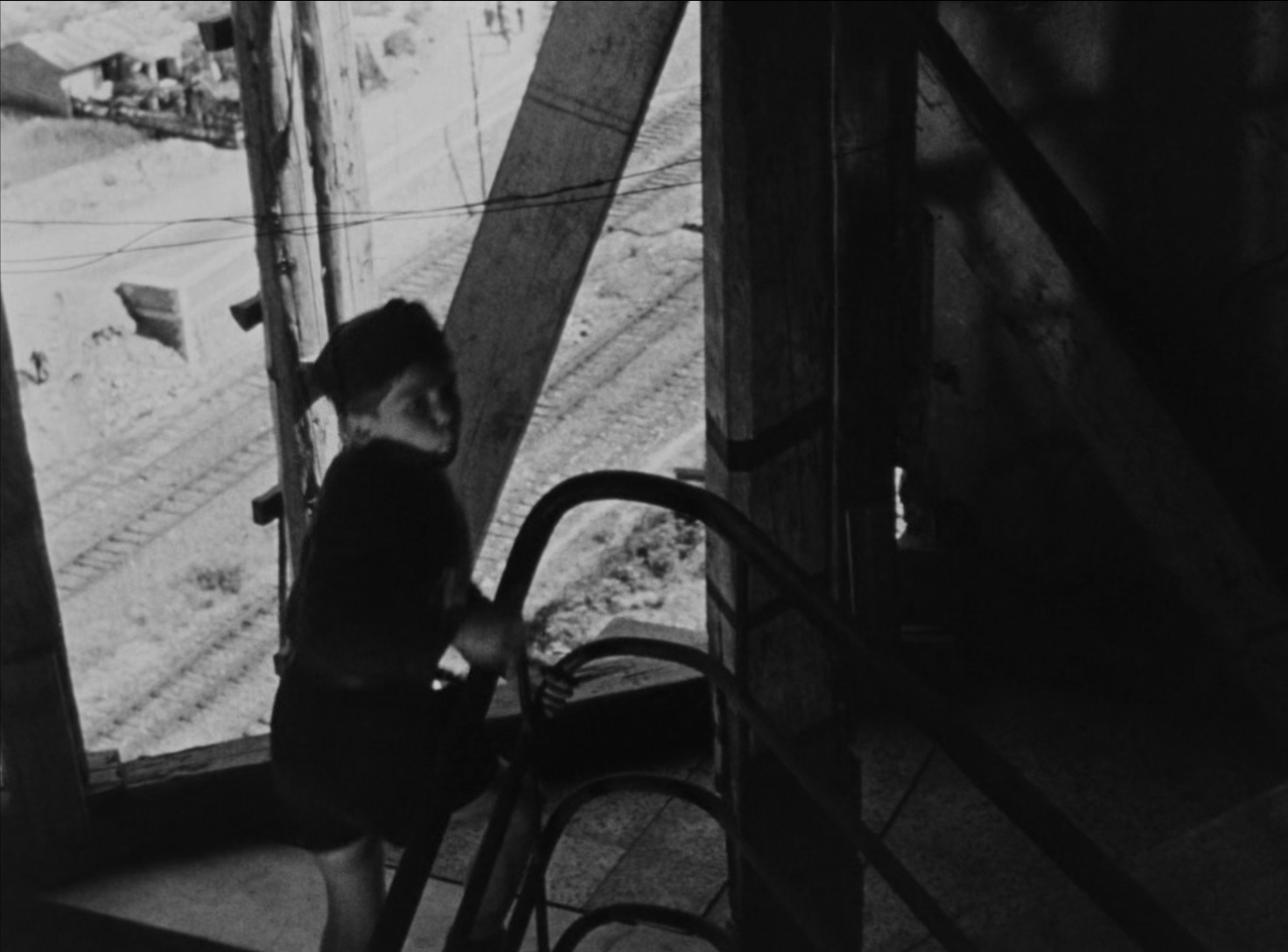
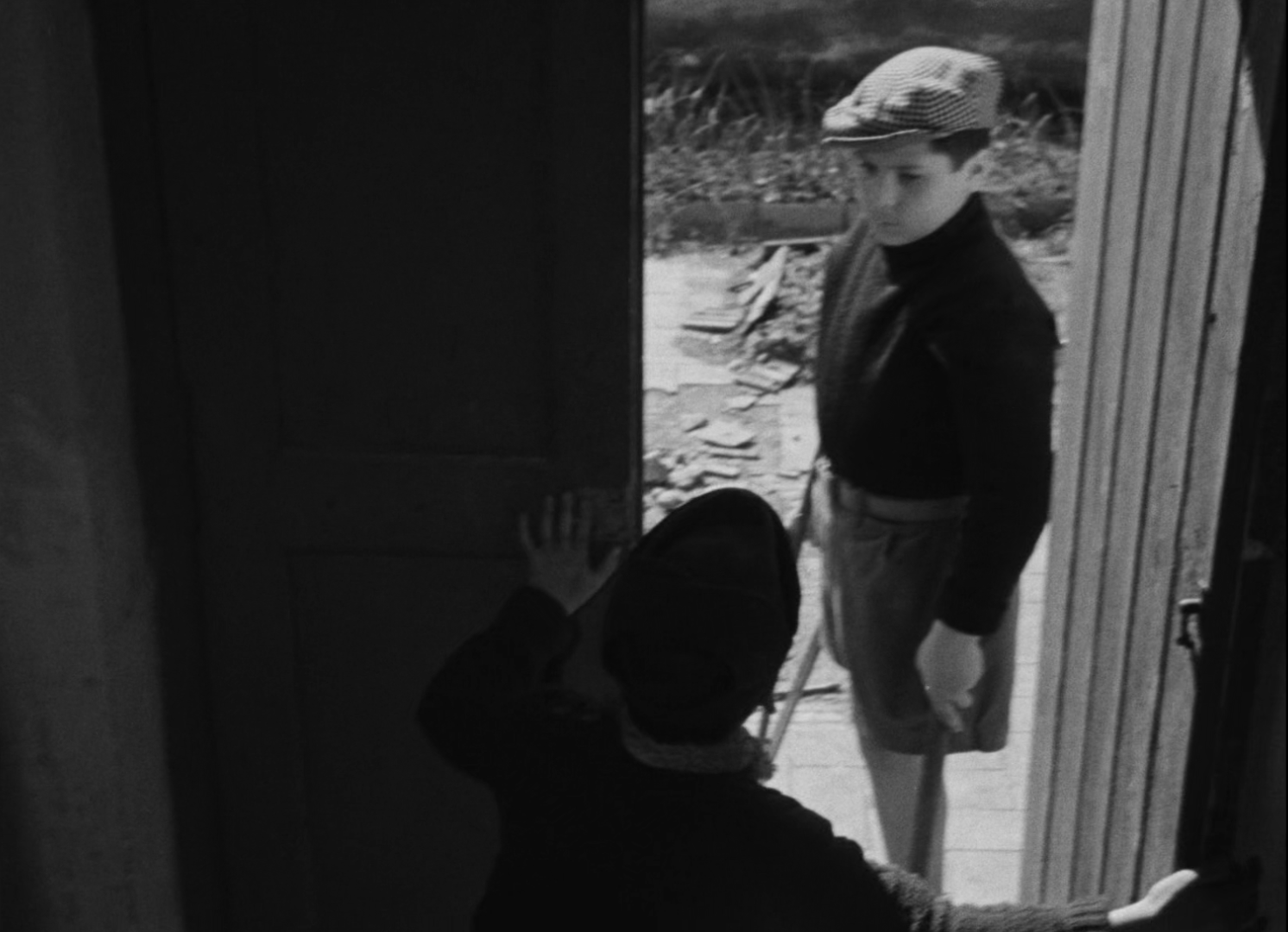
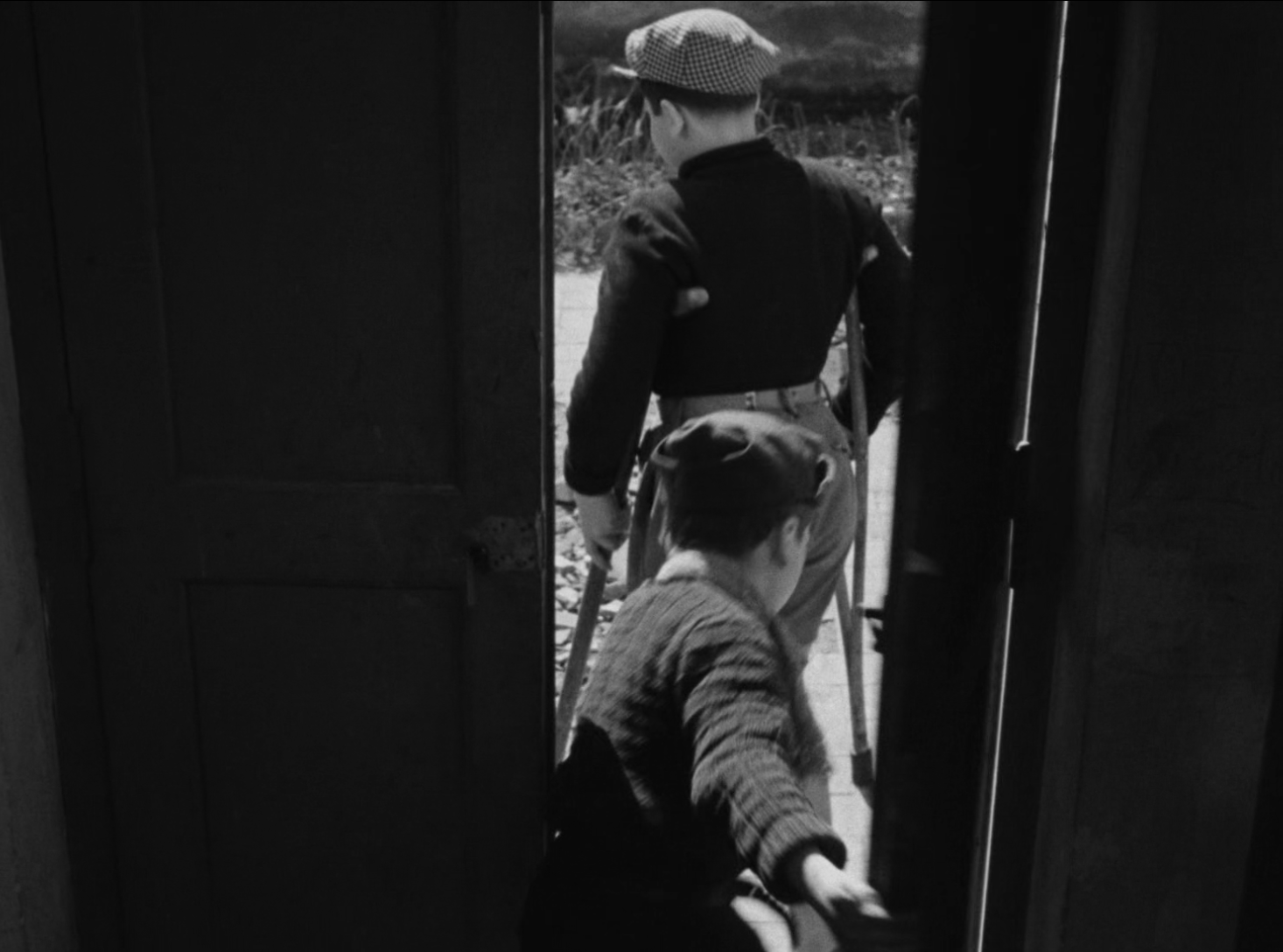
Sale le scale verso il tetto, fermandosi a metà strada per dare un fischio in codice. In cima, Romoletto aspetta sulla porta, appoggiato alle sue stampelle.
“Ti devo parlare”, dice Marcello.
“Entra!”
Marcello entra e chiude la porta dietro di sé.
He climbs up the stairs toward the roof, stopping part way to give a whistle in code. At the top, Romoletto waits in the doorway, leaning on his crutches.
“I have to talk to you,” says Marcello.
“Come in!”
Marcello enters and shuts the door behind him.
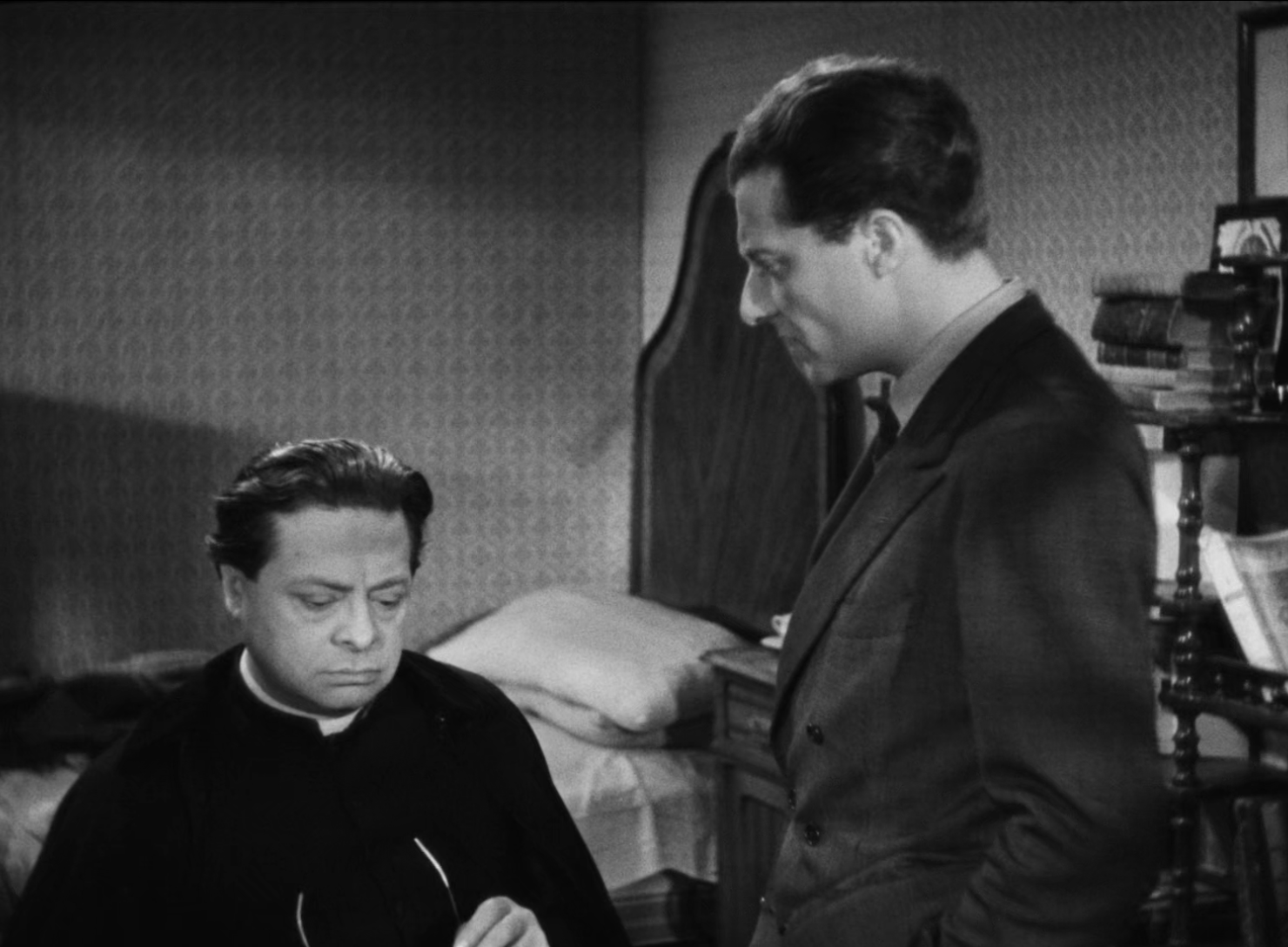
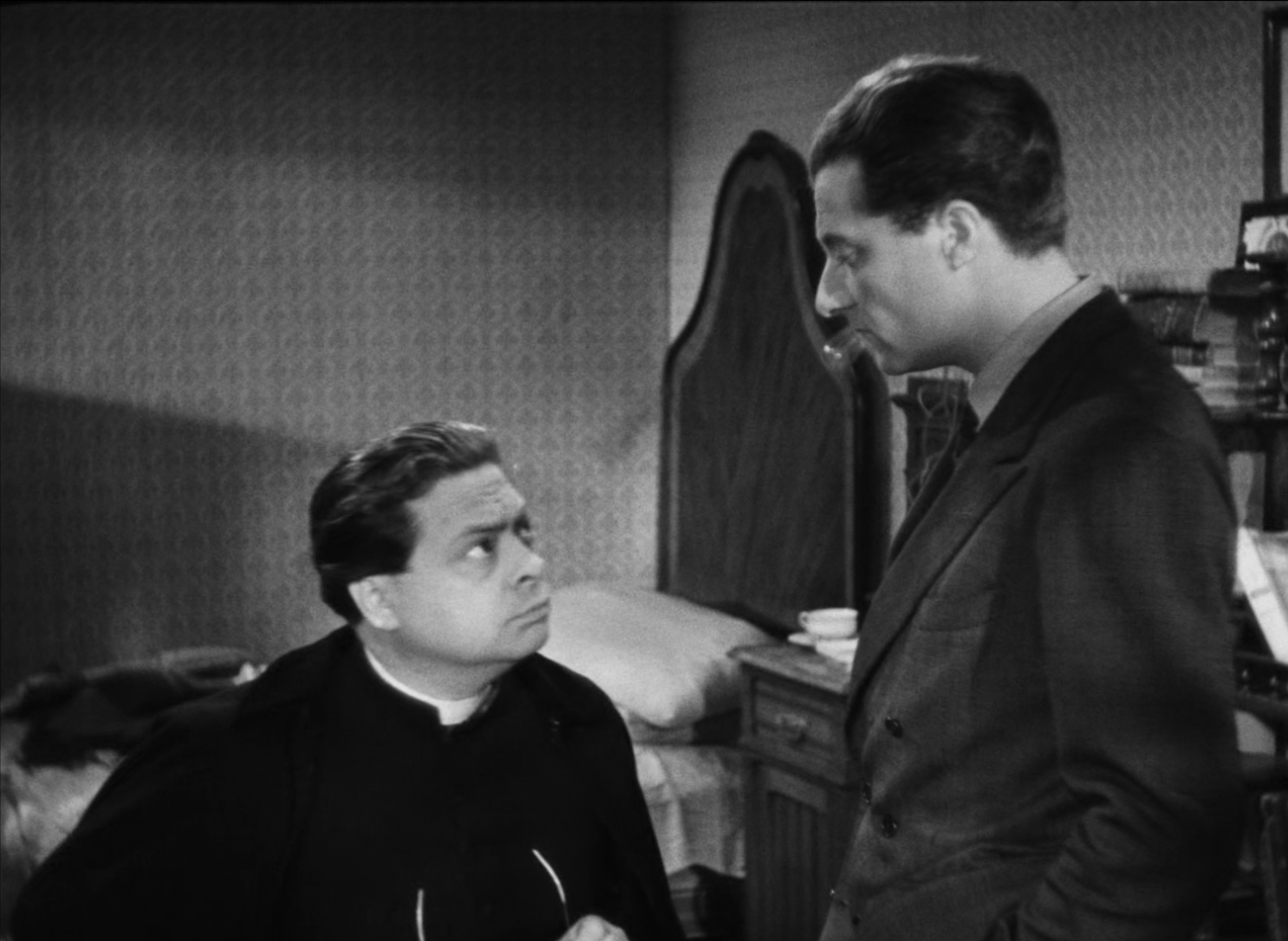
Nell'appartamento di Francesco, Don Pietro si siede, sguardo abbassato, occhiali in mano, mentre Manfredi sta in piedi davanti a lui, parlando velocemente. “Sono più di cinquecento sulle montagne sopra Tagliacozzo, una banda di ragazzi bravi. Non si può abbandonarli”. Il prete ascolta attentamente. “L'appuntamento è fissato per questa sera alla sei al ponte Tiburtino. Verrà uno di loro. È meglio che io non ci vada perché ormai... io sono stato segnalato e poi il coprifuoco è stato spostato alle cinque”.*
“Già”.
*Il coprifuoco non si applicava ai sacerdoti, ai dipendenti di tipografie o al personale medico.
In Francesco’s apartment, Don Pietro sits, gaze lowered, glasses in his hands, while Manfredi stands in front of him, speaking quickly. “There are five hundred men in the hills above Taliacozzo, a group of good men. We can’t abandon them.” The priest listens attentively. “The appointment is set for tonight at six o’clock on the Tiburtino Bridge. One of them will come. It’s better for me not to go because by now… I’ve been identified and besides, the curfew has been moved to five o’clock.*
“Right.”
*The curfew did not apply to priests, to printing shop employees or to medical personnel.
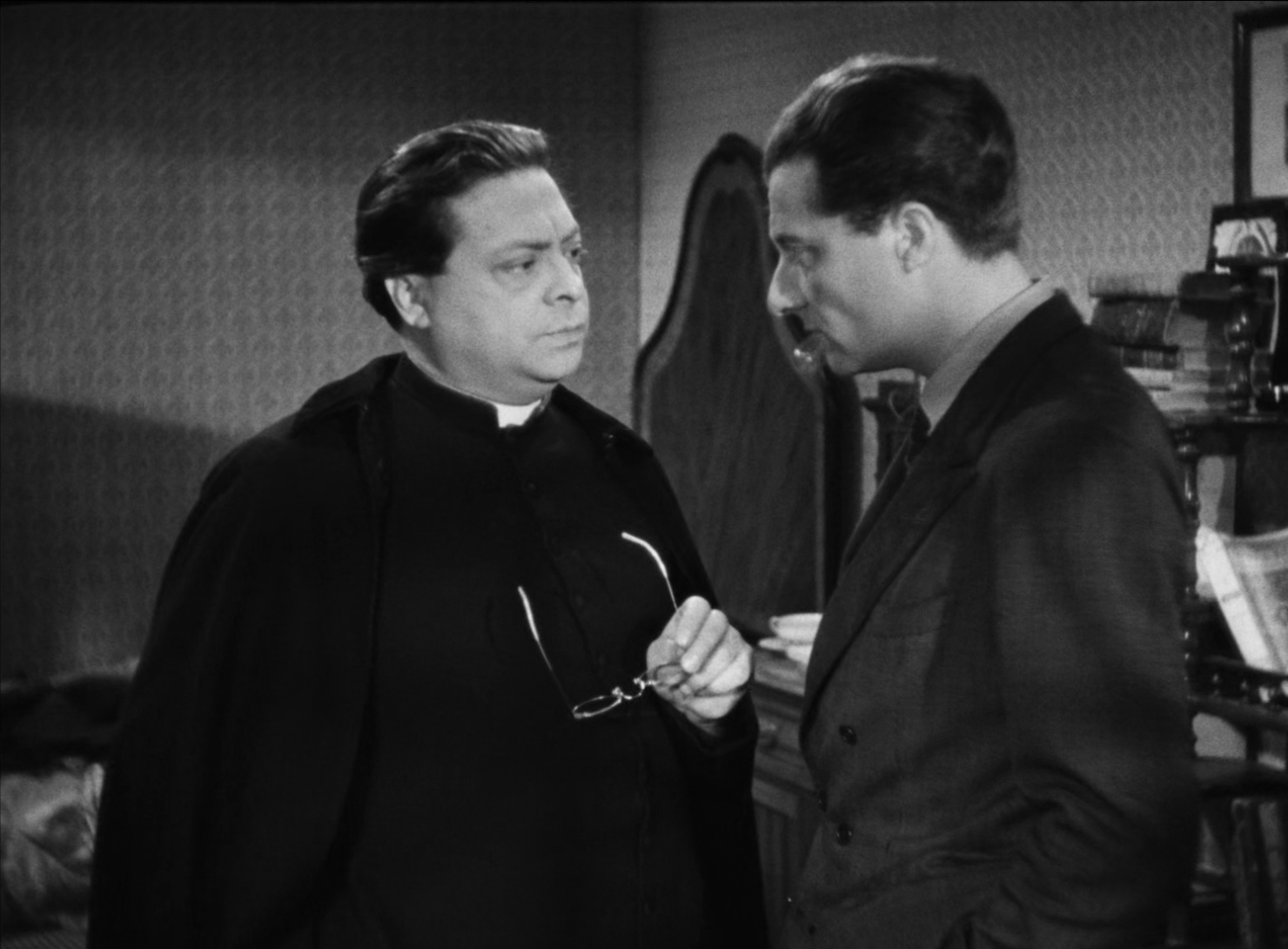
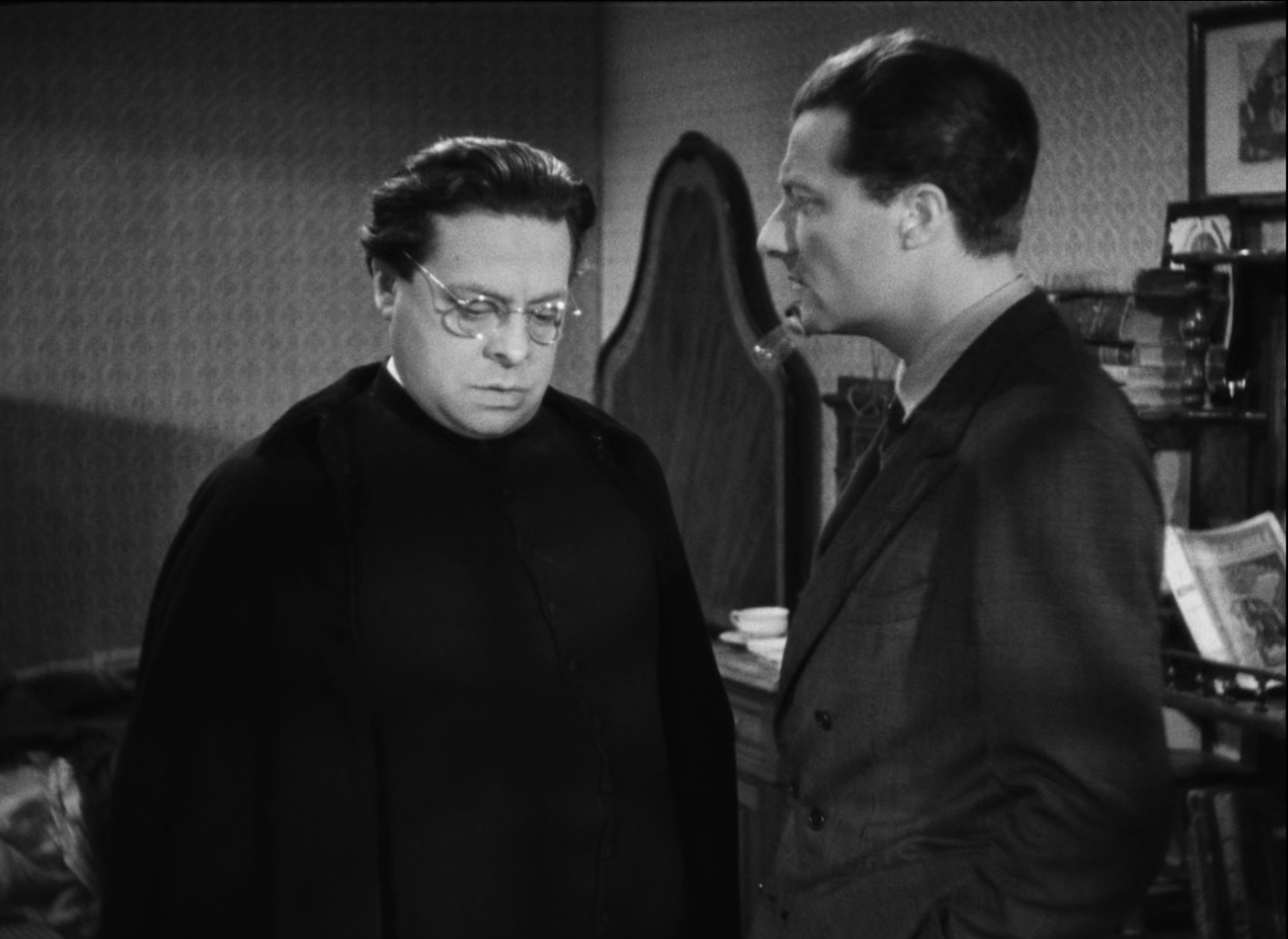
Don Pietro si alza. “Andrò io”.
“Ne ero sicuro”.
“Il messaggio qual è?”
“Nessun messaggio. Si tratta di soldi dalla giunta militare per la resistenza”.
“Ahhhh…” Don Pietro guarda in basso.
“Ho chiesto troppo?”
“No”. Il prete scuote la testa, guardando ancora in basso, come se considerasse la gravità della situazione.
“No, per coloro che si sacrificano, è anche troppo poco…”
Don Pietro stands. “I’ll go.”
“I was sure you would.”
“What is the message?”
“No message. It’s money from the military committee for the resistance.”
“Ahhhhh….” Don Pietro looks down.
“Have I asked too much?”
“No.” The priest shakes his head, still looking down, as if considering the gravity of the situation. “No, for those sacrificing themselves, it’s too little.”
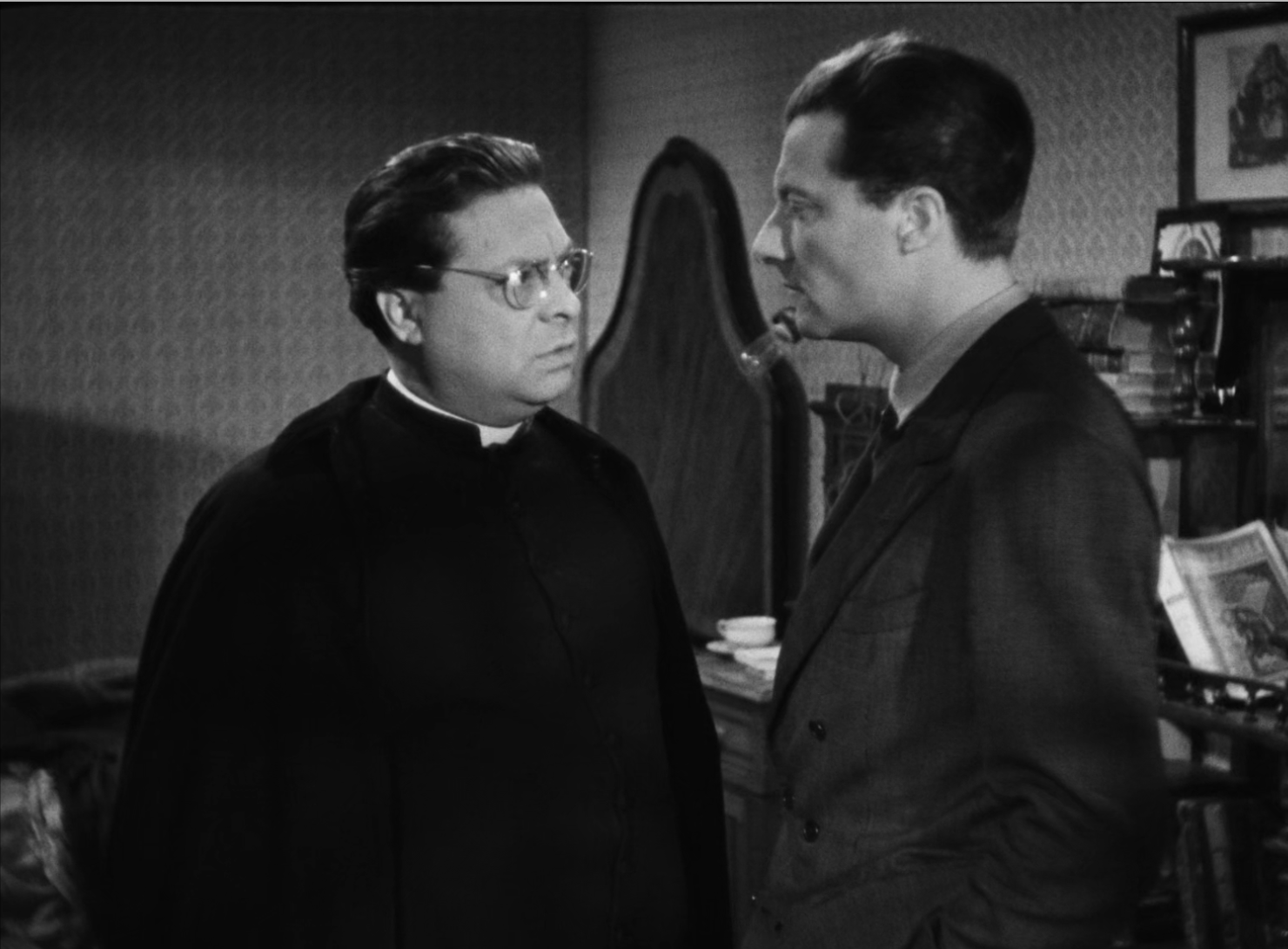
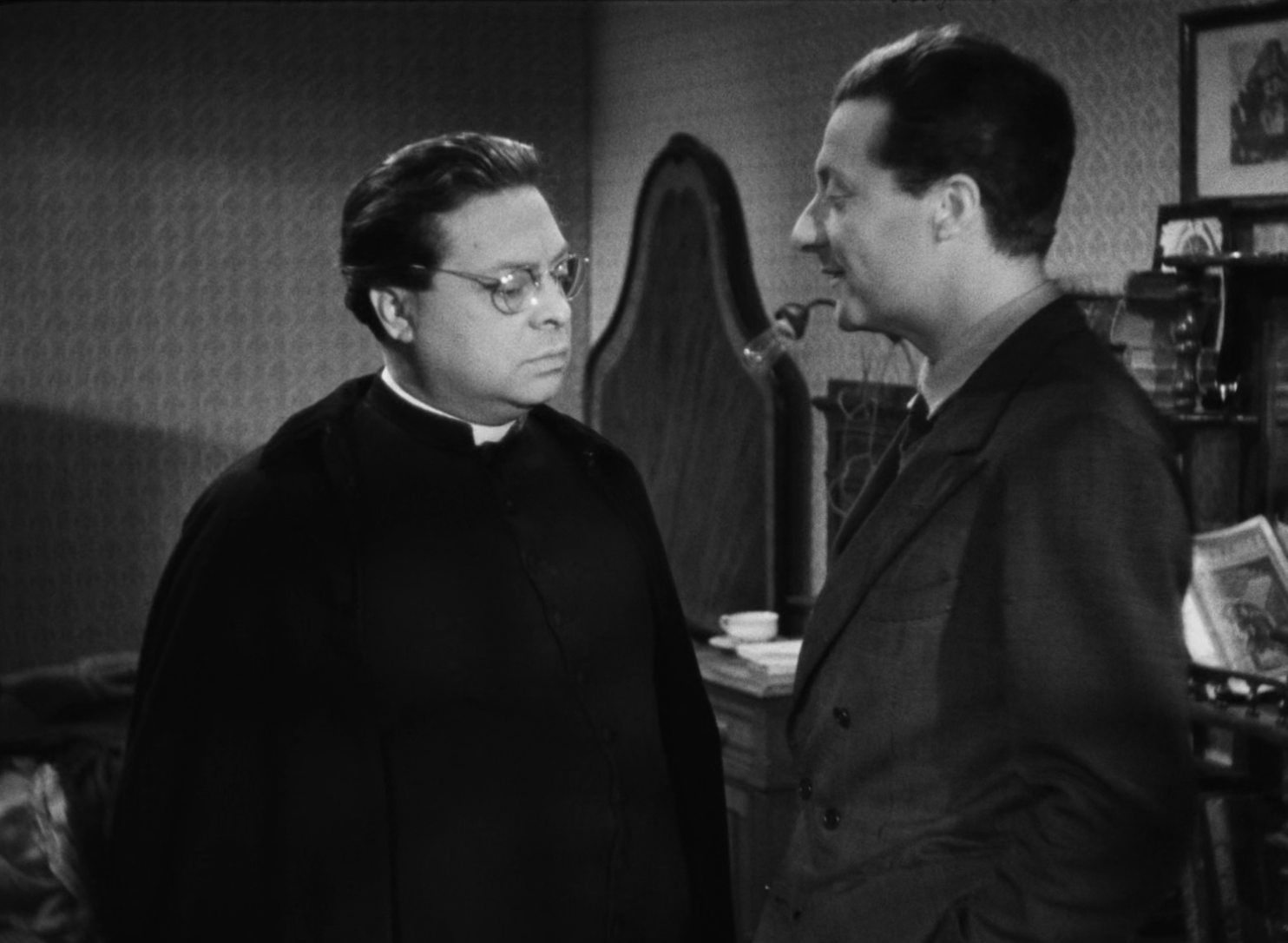
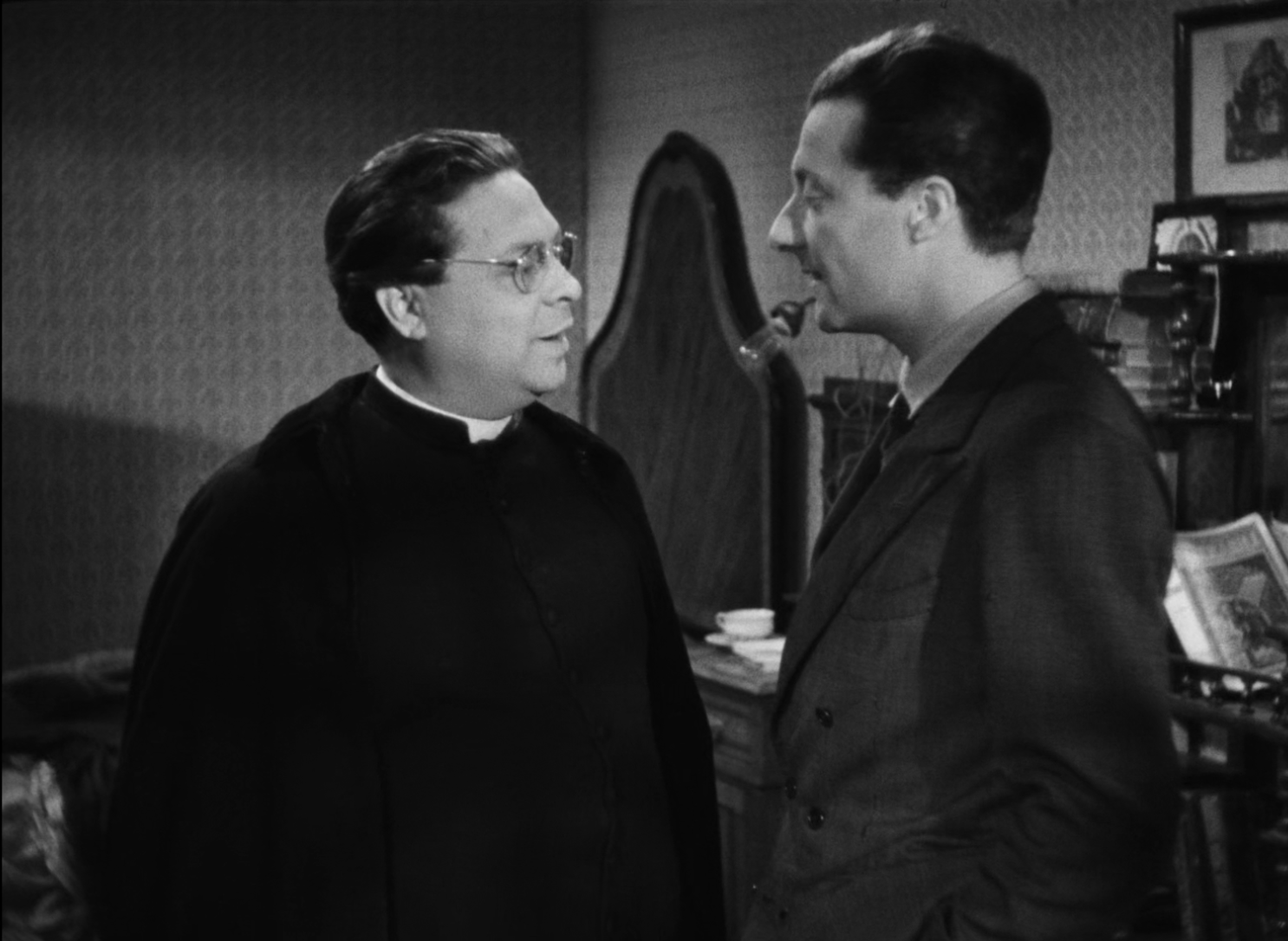
Quindi Don Pietro guarda Manfredi. “E come potrò riconoscerlo?”
“Si fermerà sul ponte e fischierà con la canzone ‘Mattinata Fiorentina’”. Don Pietro non reagisce. “Già ma lei non la conosce!” sorride Manfredi.
“Non so. Quale?”
Then Don Pietro looks at Manfredi. “How will I recognize him?”
“He’ll stop on the bridge and whistle that song, ‘Morning in Florence.’” Don Pietro doesn’t react. “But of course you wouldn't know it!” Manfredi smiles.
“I don’t know. Which one?”
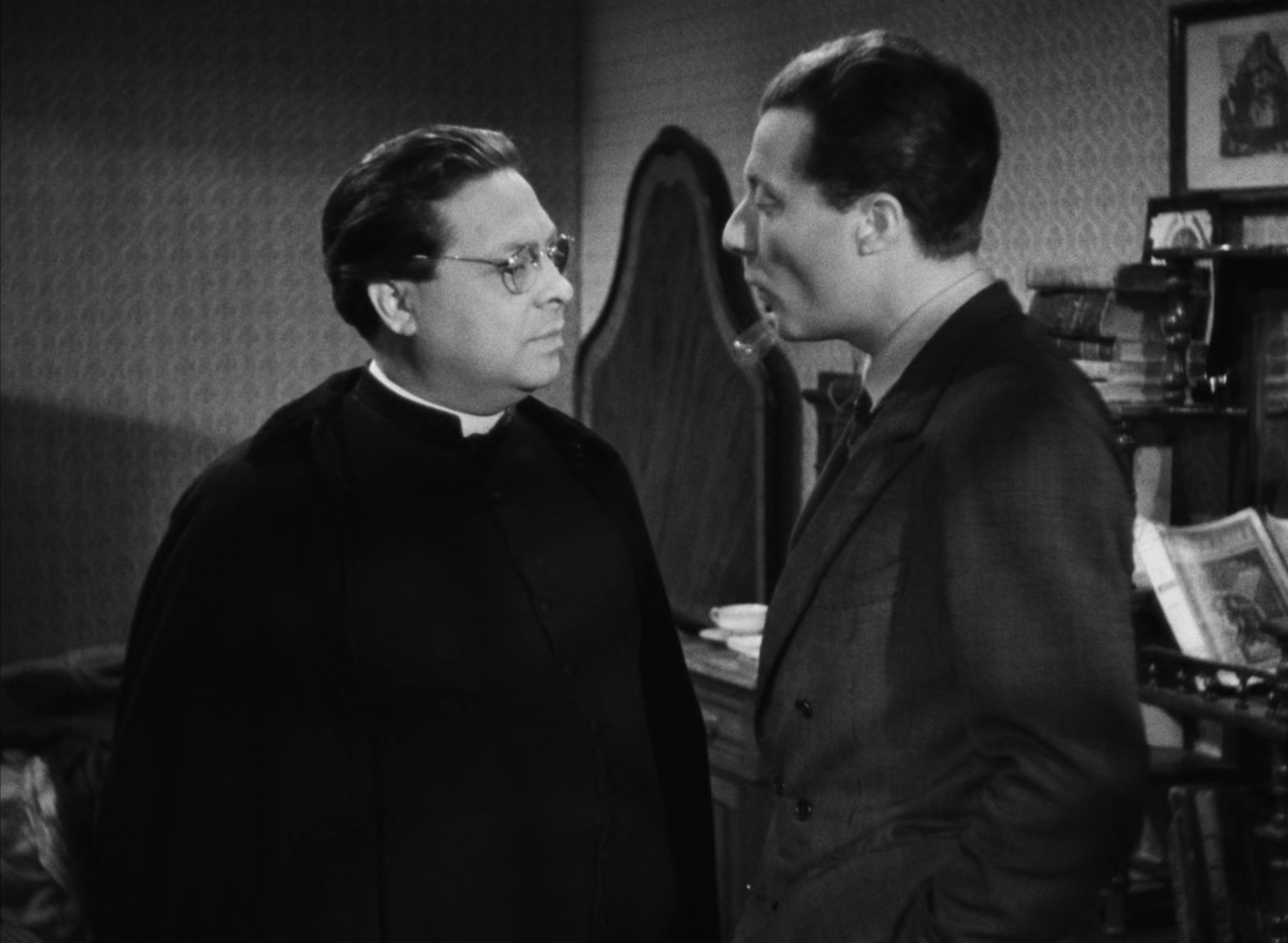
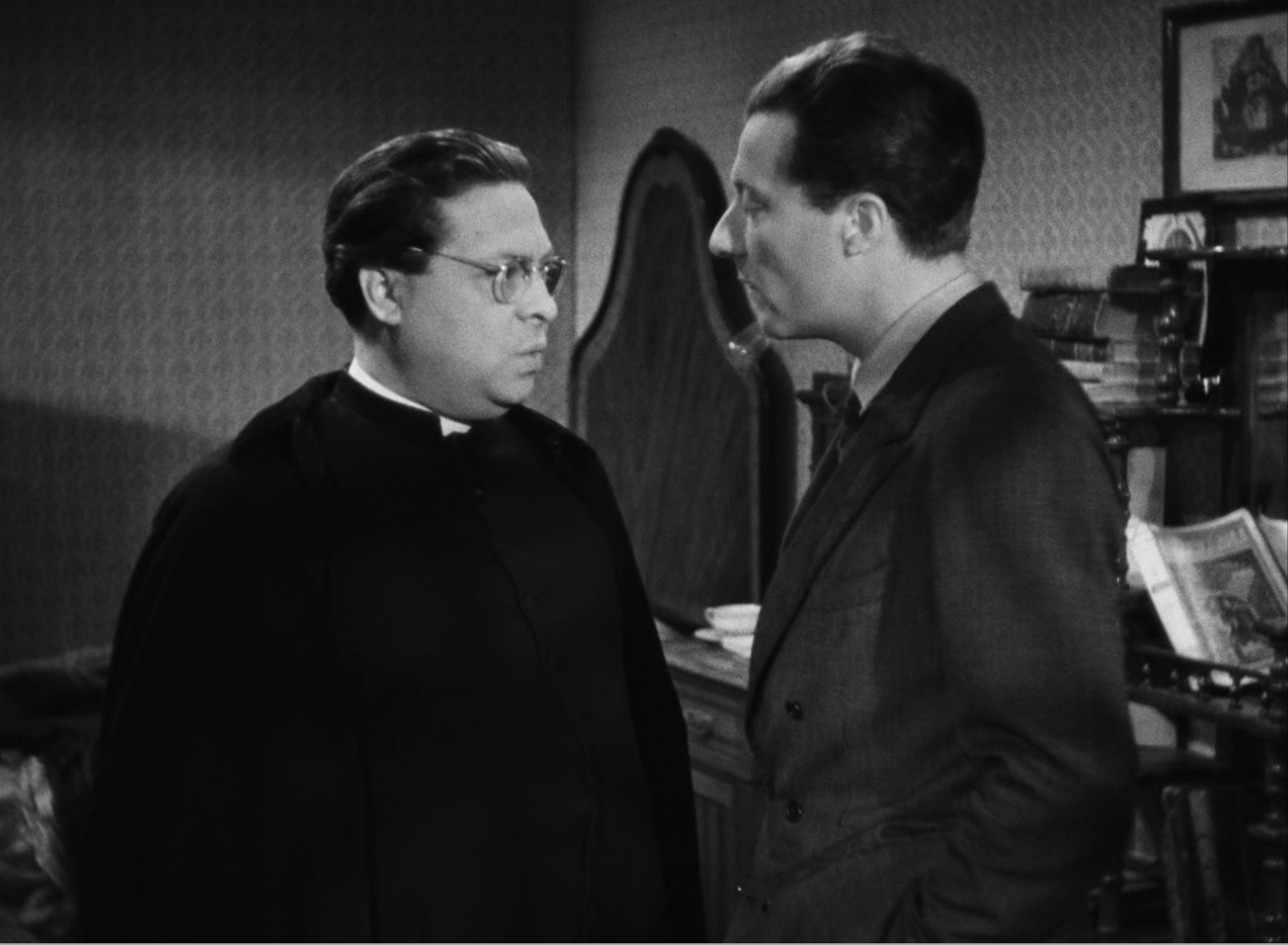
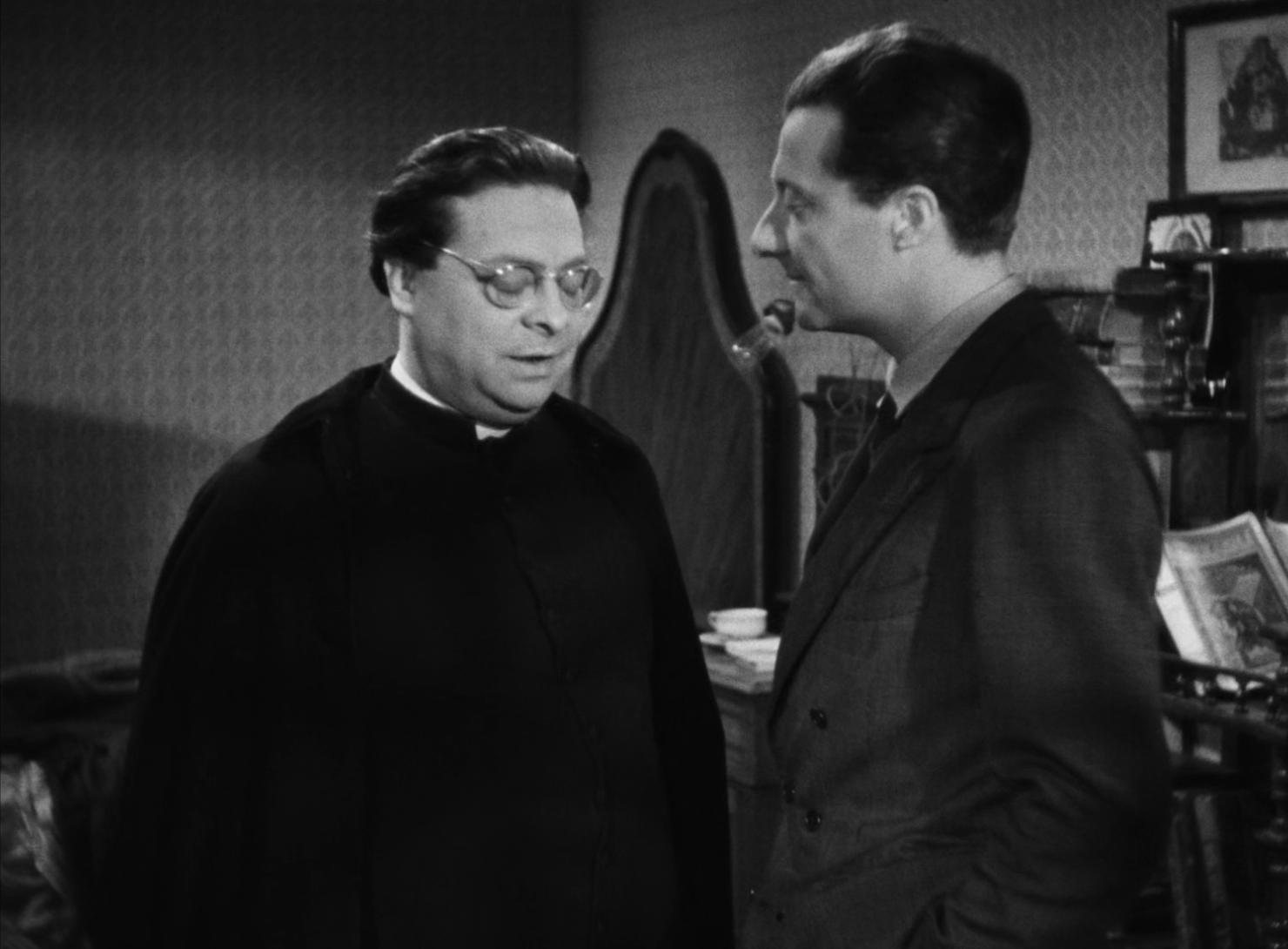
“Quella che fa...” Manfredi comincia a fischiettare la melodia ma, prima di aver dato qualche nota, il prete si unisce a lui.
“Già, naturale, la cantano tutti”, commenta con un sorriso.
E così questa scena si chiude con i due uomini in perfetta armonia: il sacerdote cattolico e il comunista devoto, nonostante le loro differenze, allineati per liberare il Paese che entrambi amano.
“The one that goes...” Manfredi begins to whistle the tune but, before he’s gotten a few notes out, the priest joins him.
“Right, of course, everyone is singing it,” he comments with a smile.
And so this scene closes with the two men in perfect harmony: the Catholic priest and the dedicated communist, despite their differences, aligned to free the country they both love.
FINE PARTE 5
Ecco Parte 6 of this cineracconto! Subscribe to receive a weekly email newsletter.