Regia: Roberto Rossellini, 1945
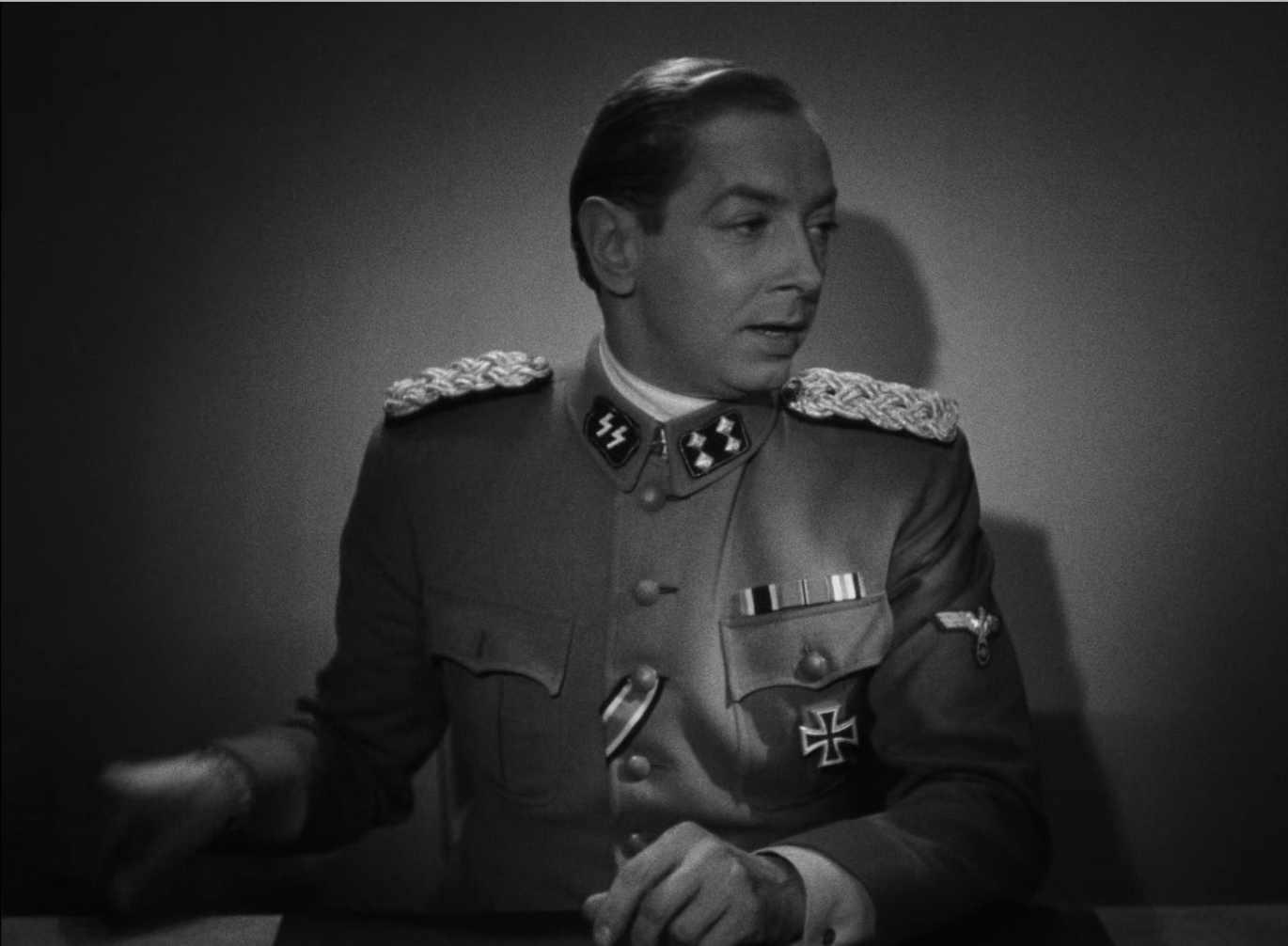
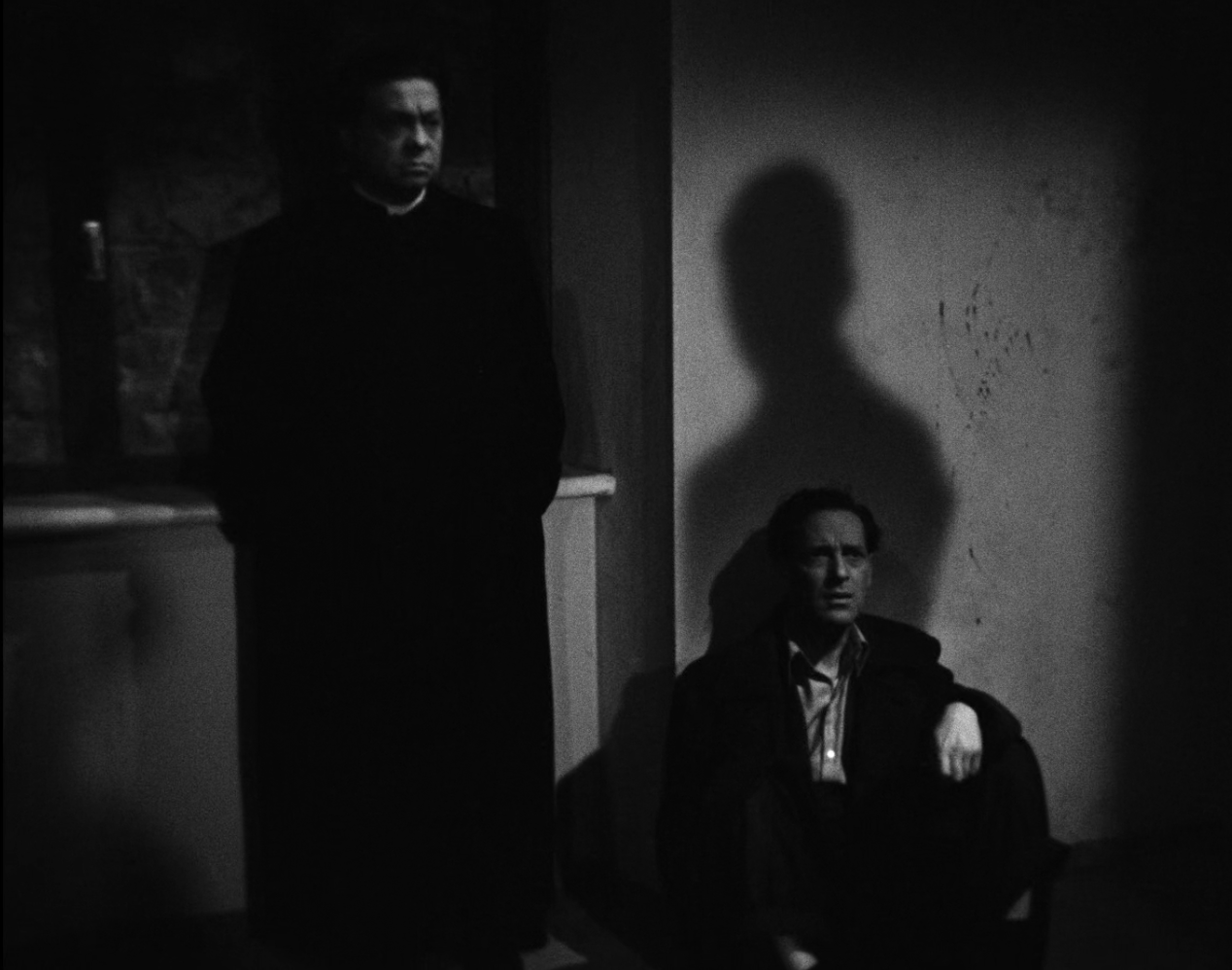
Manfredi è nell'altra stanza a essere torturato dagli uomini delle SS, e il maggiore Bergmann manda ora a chiamare Don Pietro. Il soldato arriva in cella; vediamo la sua ombra incombente sul muro.
Manfredi is in the other room being tortured by the SS men, and Major Bergmann now sends for Don Pietro. The soldier arrives at the cell; we see his looming shadow on the wall.
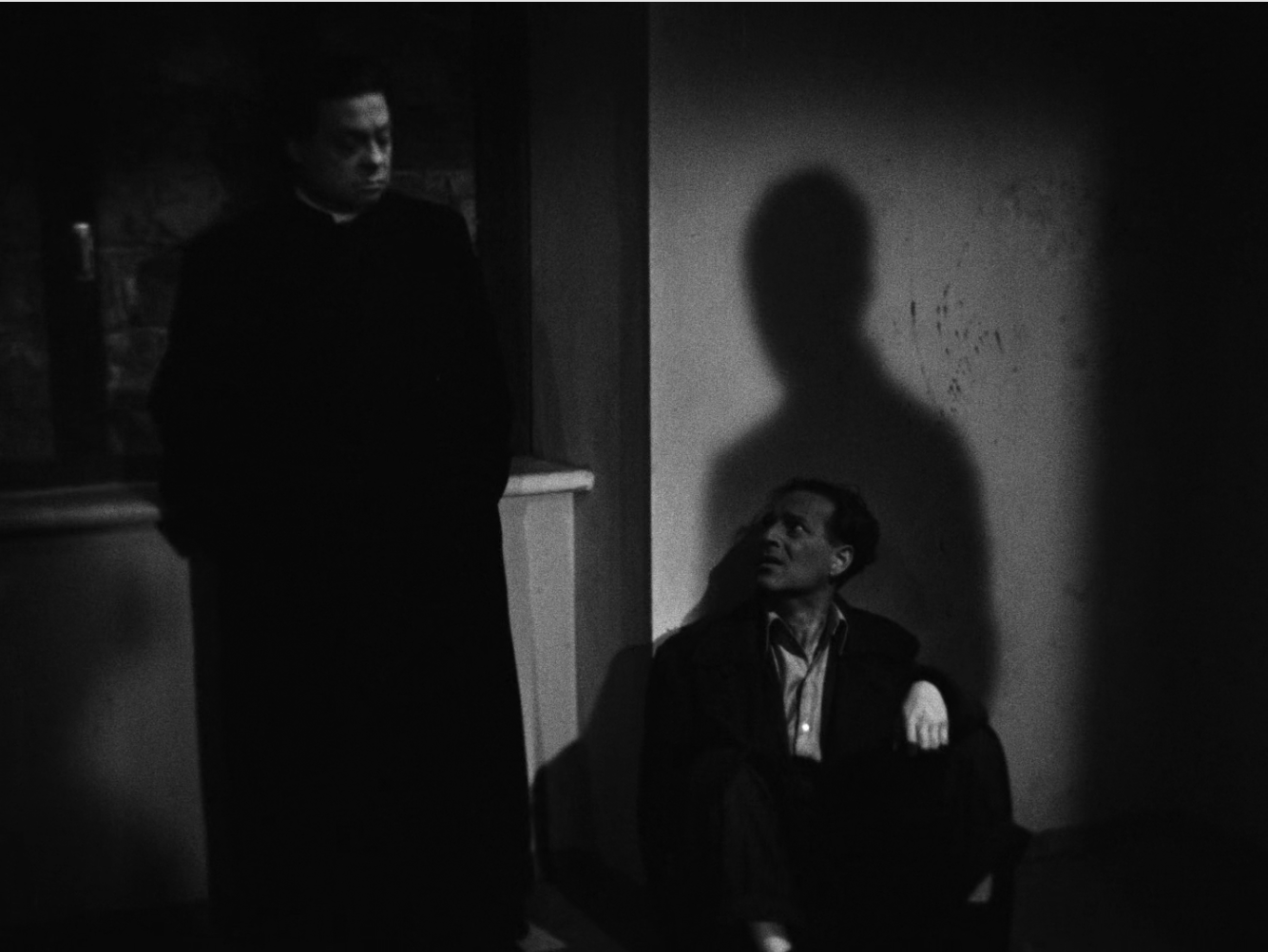
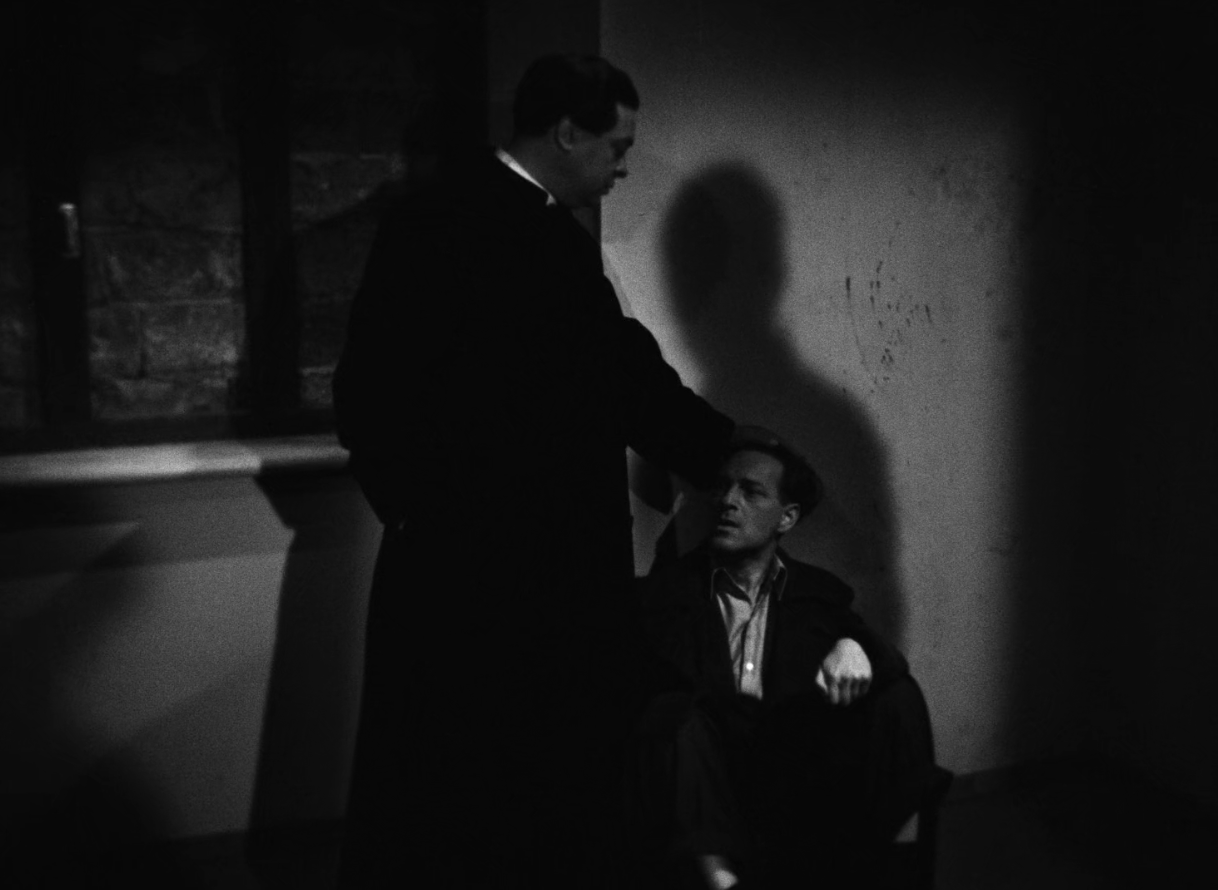
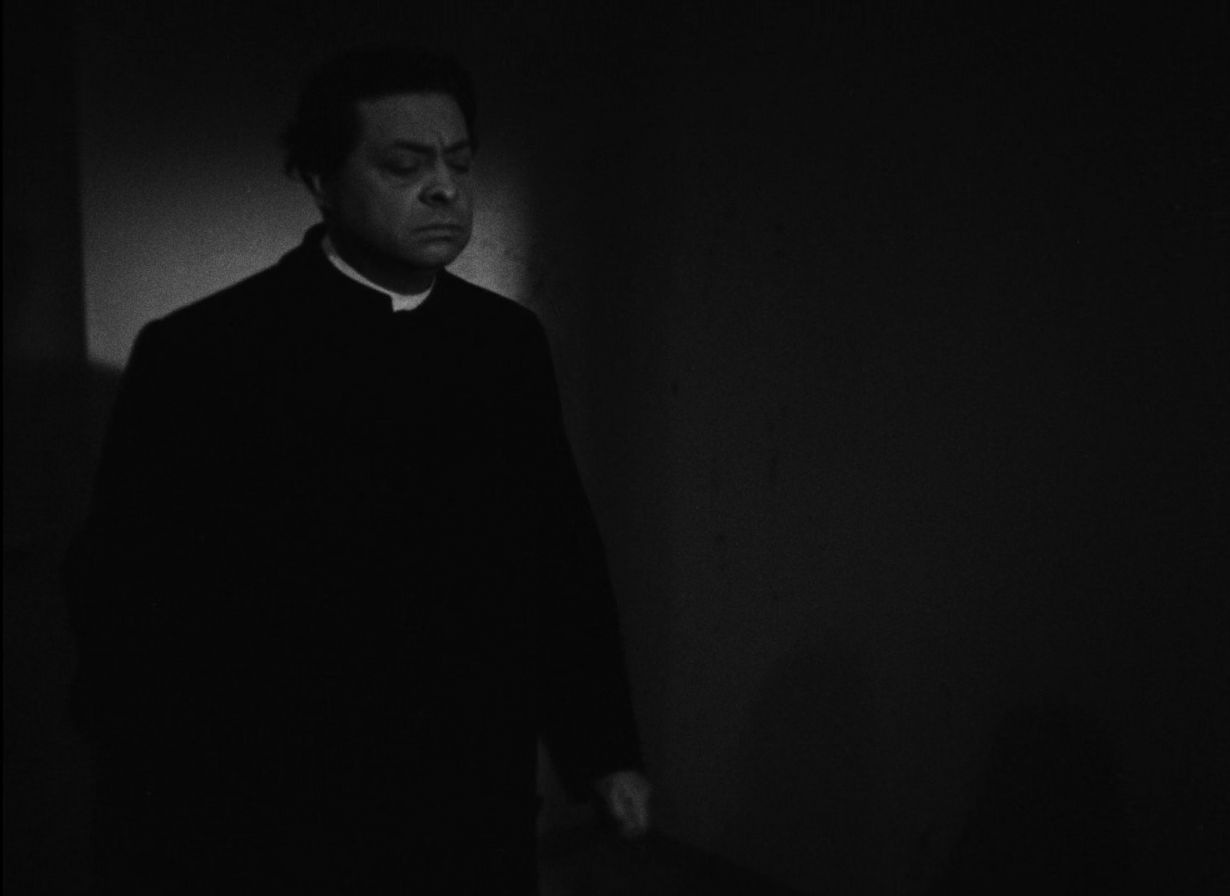
Mentre lascia la cella, Don Pietro posa una mano sulla testa dell'austriaco per confortarlo. "Stia calmo, figliolo" – dice – "Cerchi di pregare".
As he leaves the cell, Don Pietro lays a hand on the Austrian’s head to comfort him. “Be calm, my son,” he says. “Try to pray.”
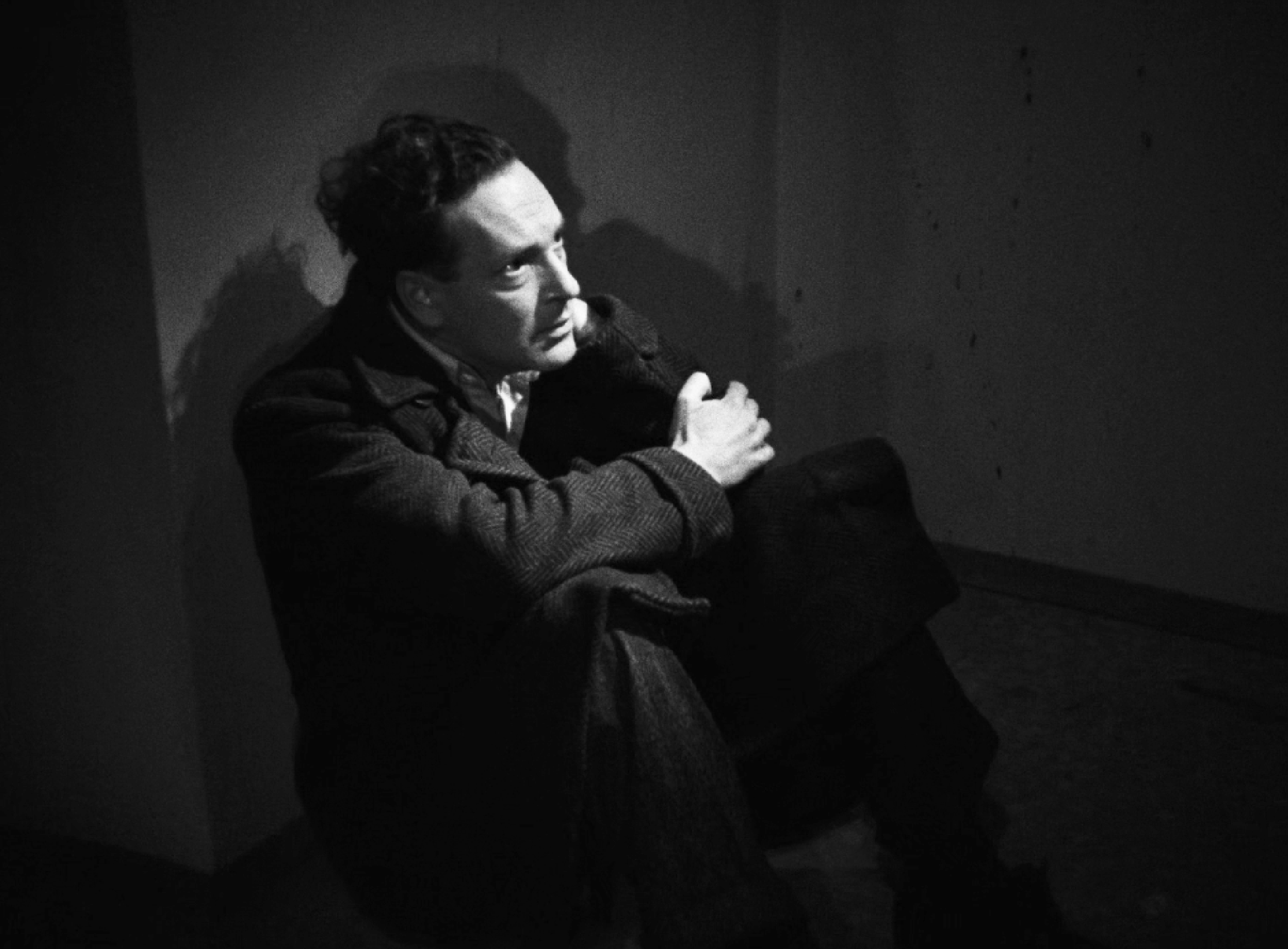
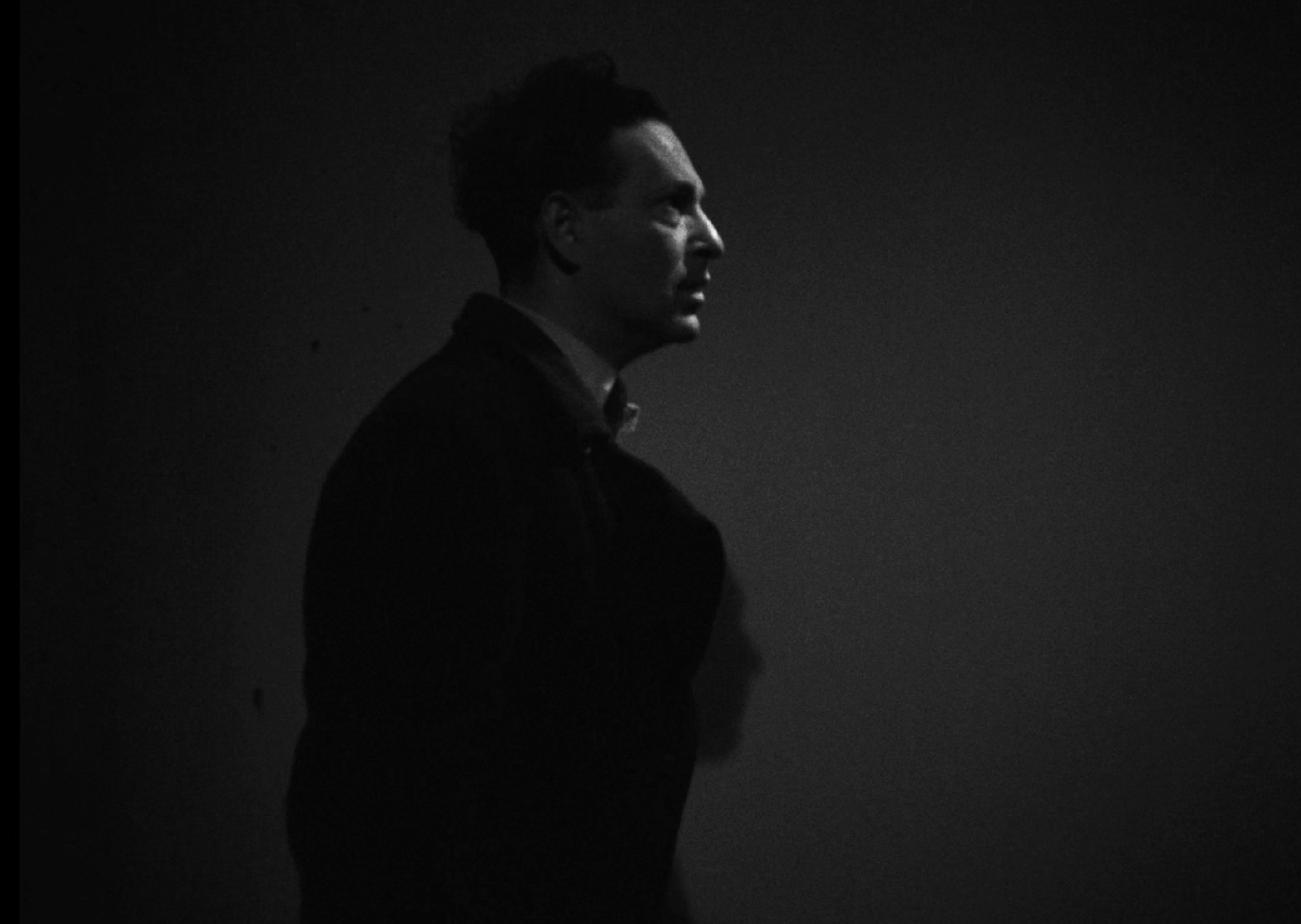
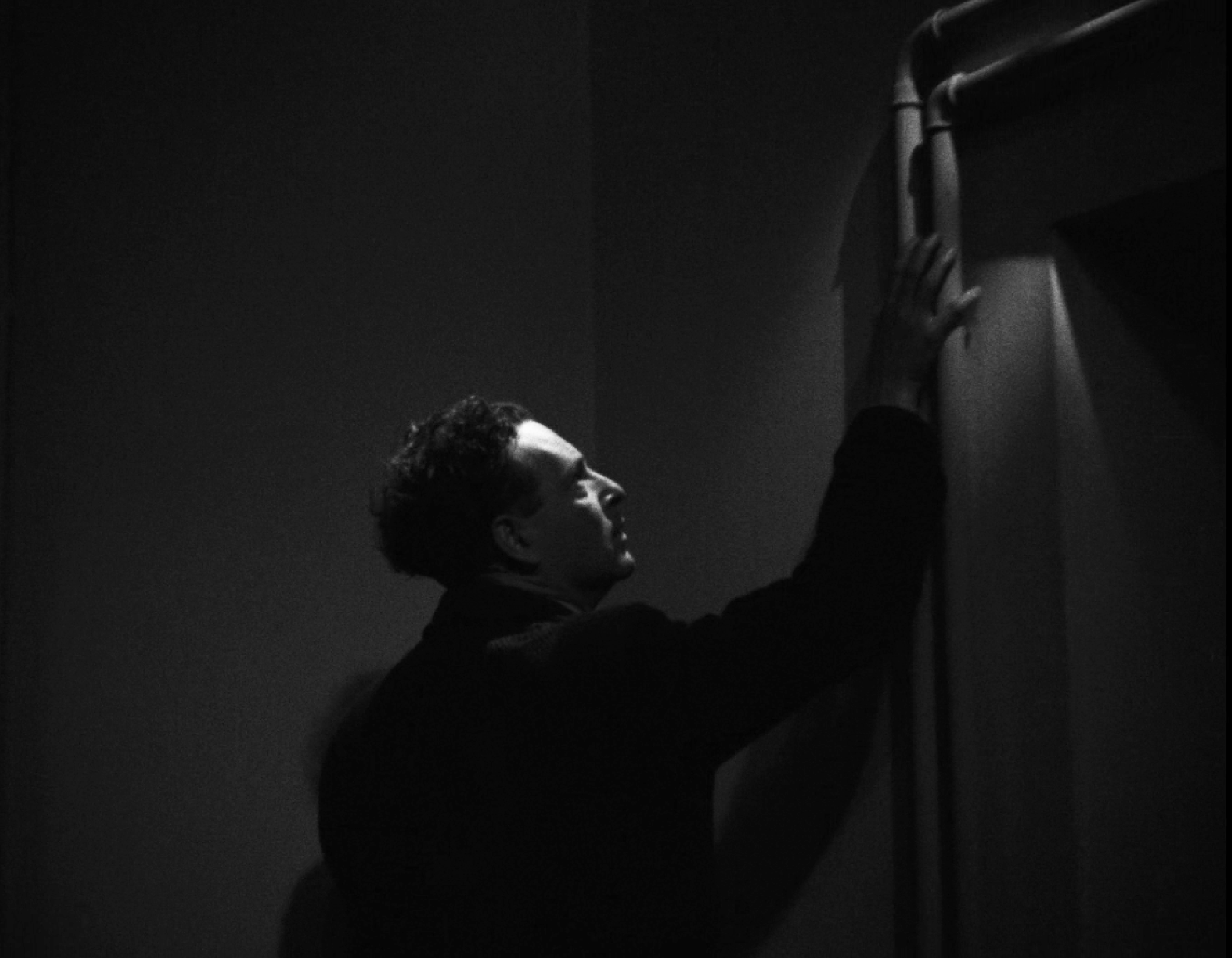
Accovacciato sul pavimento, terrorizzato, l'austriaco nota qualcosa dall'altra parte della stanza. Si alza lentamente in piedi, guardando alcuni tubi in alto.
Crouching on the floor, terrified, the Austrian notices something across the room. He rises slowly to his feet, gazing at some pipes overhead.
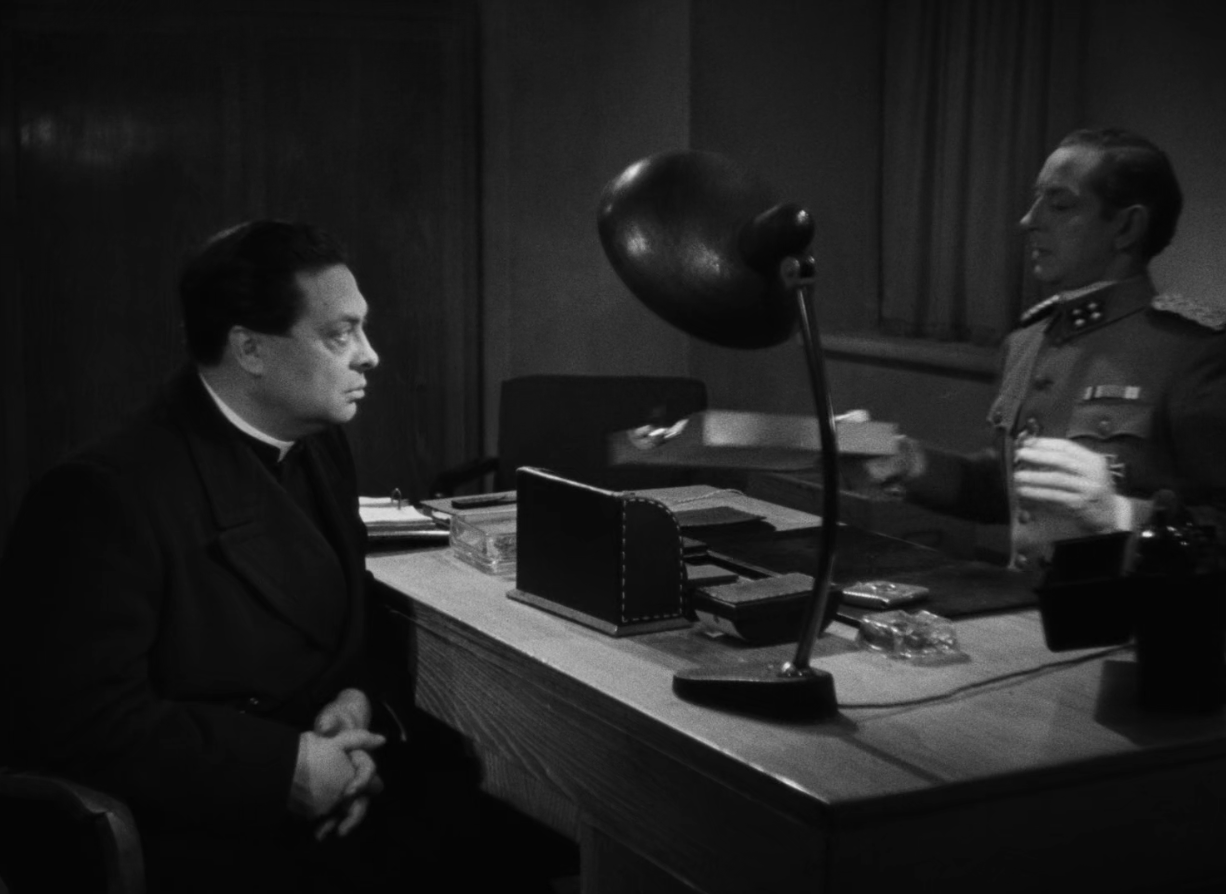
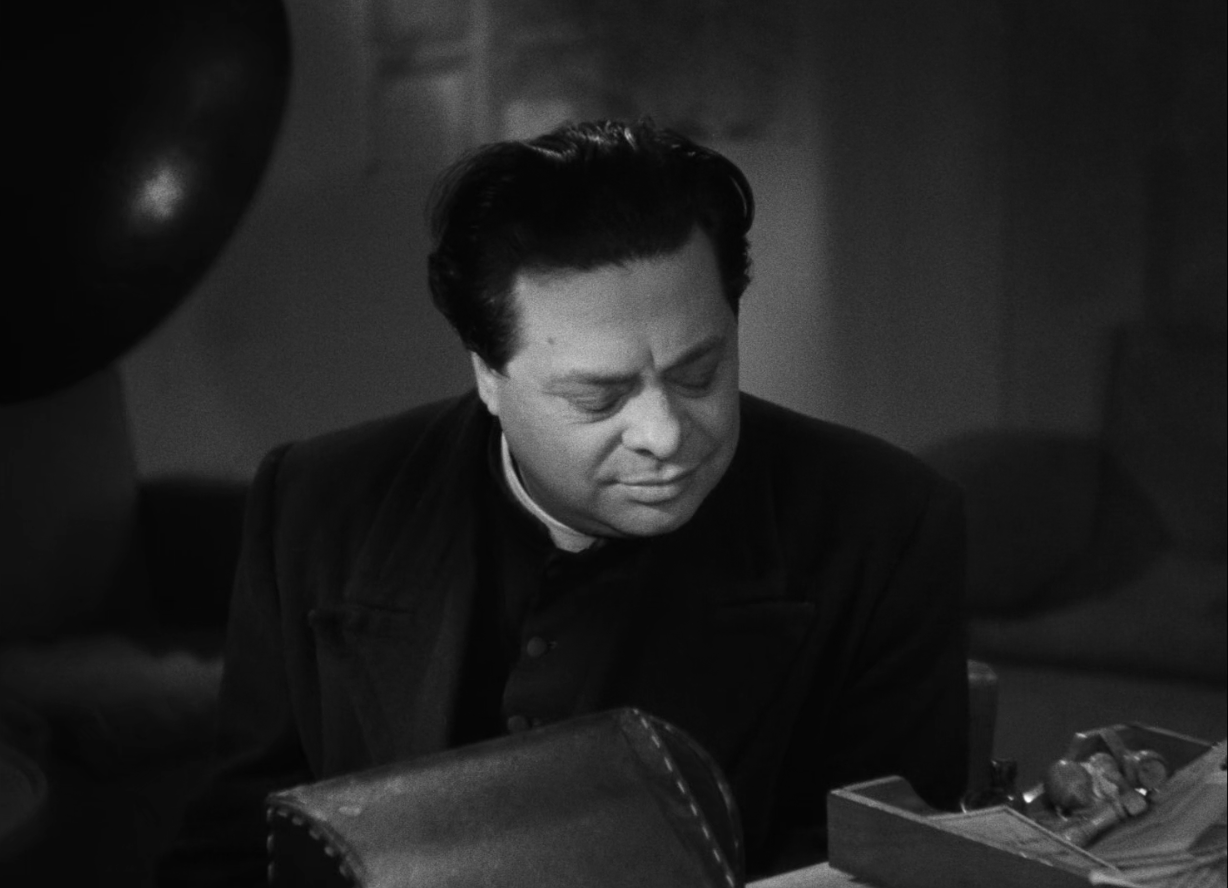
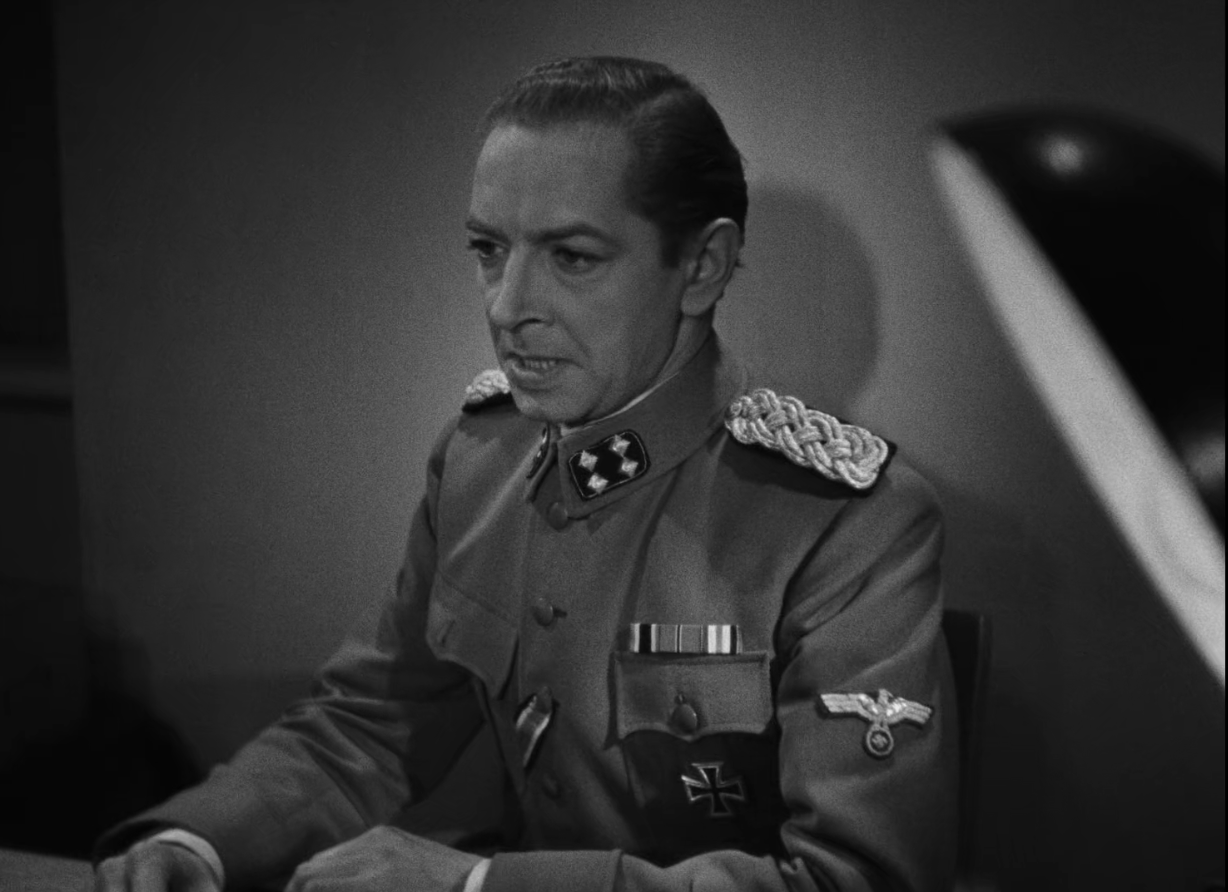
Bergmann dice a Don Pietro: "Nella sua abitazione abbiamo trovato questo materiale". Indica una scatola che tiene in mano.
Don Pietro la guarda brevemente. "Già".
"Il suo scopo evidente è quello di causare danno al Reich e alle sue forze armate!"
Bergmann tells Don Pietro, “We found these materials in your room.” He indicates a box he holds.
Don Pietro looks at it briefly. “Right.”
“Your clear aim is to harm the Reich and its armed forces!”
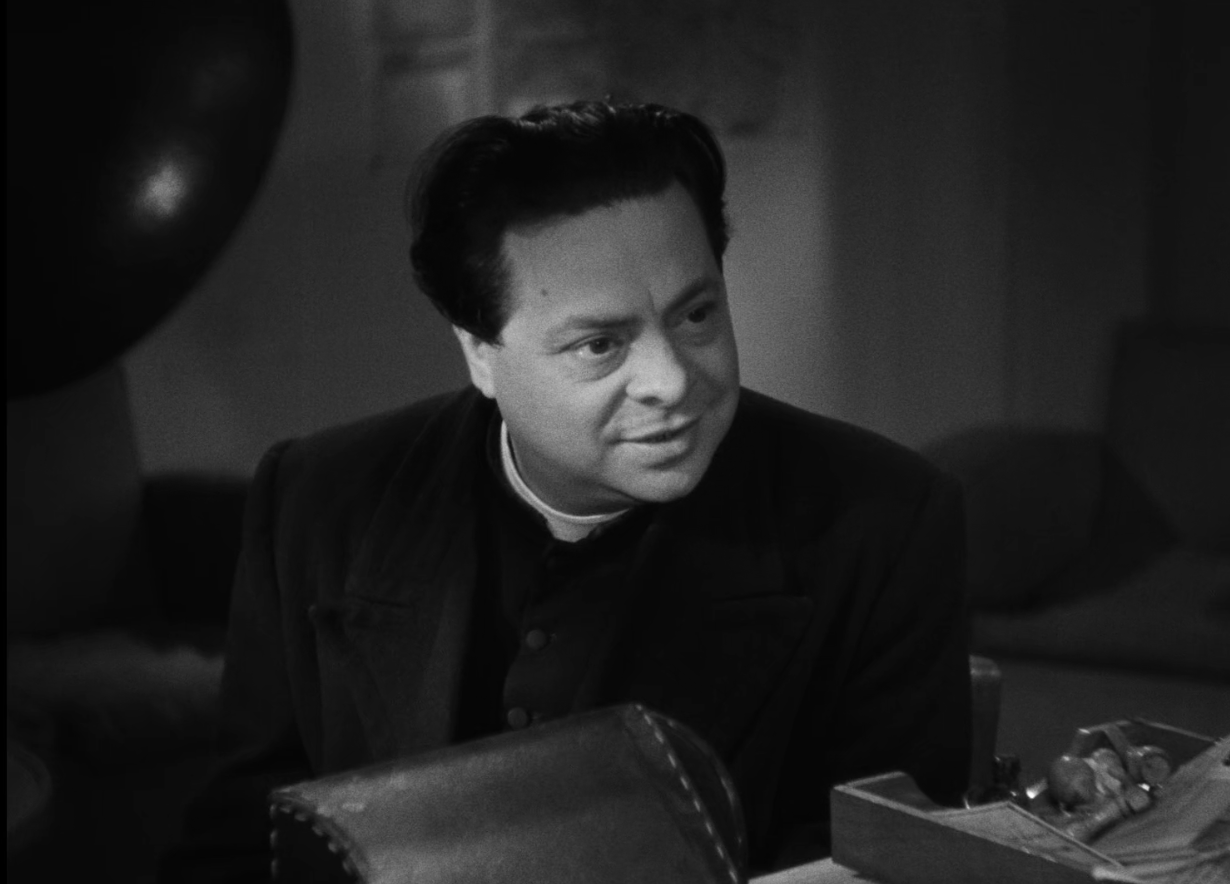
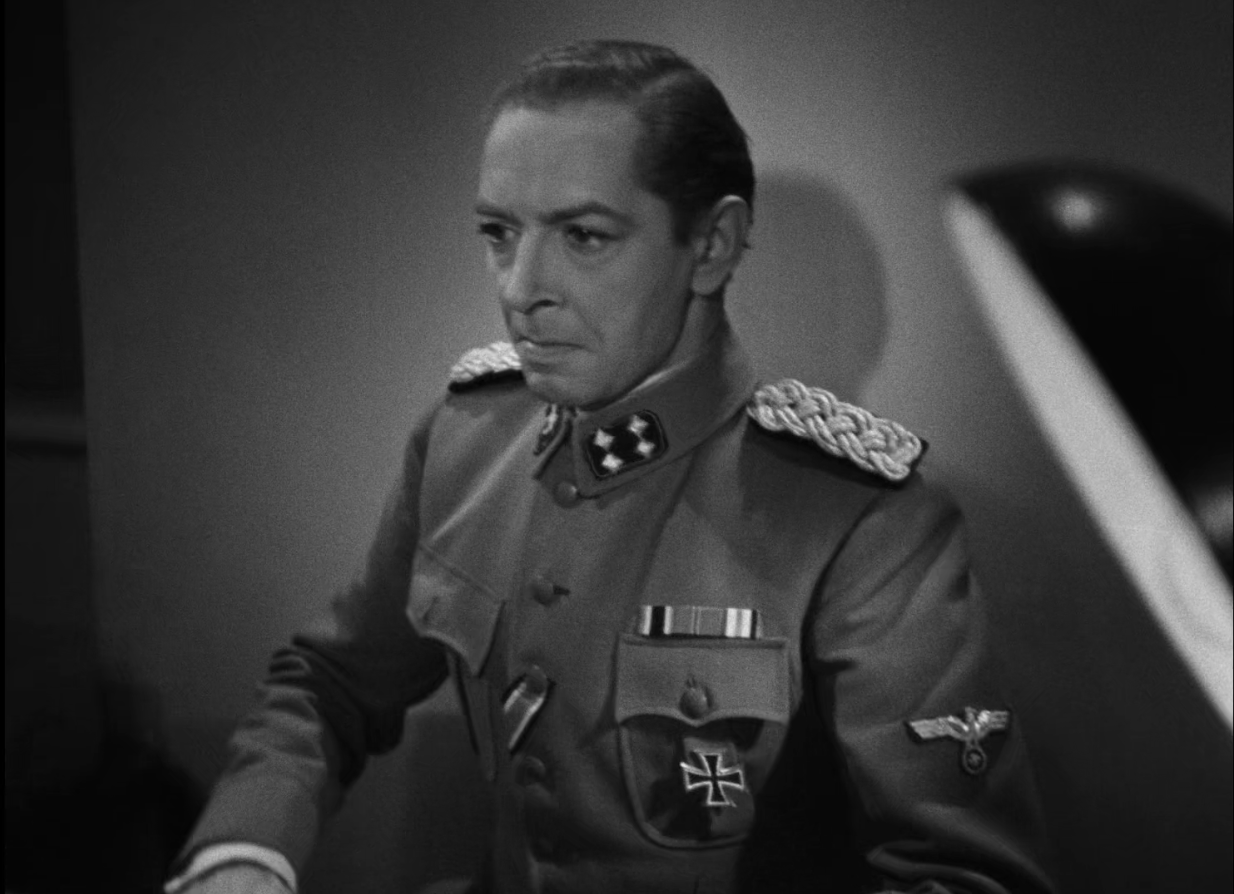
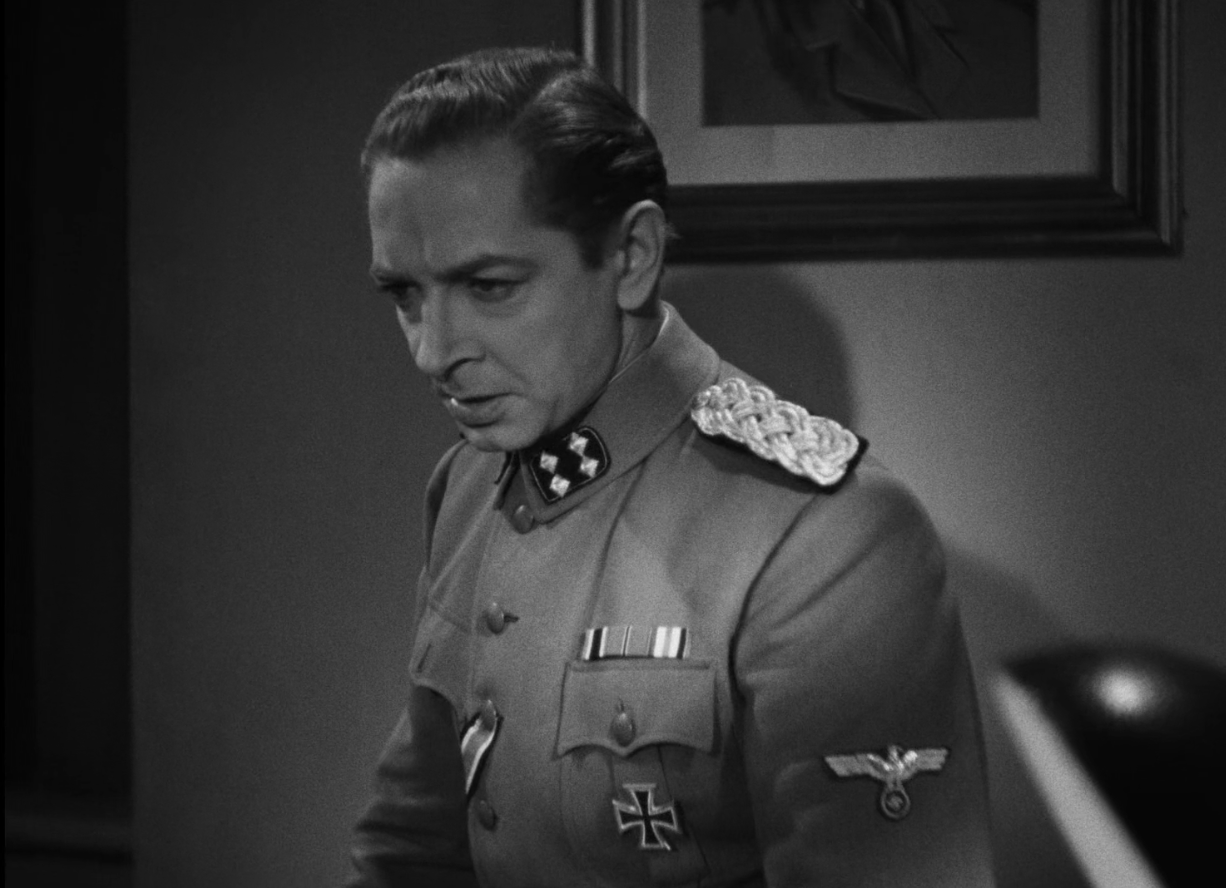
Don Pietro scuote la testa, con un sorriso tranquillo. "Il mio scopo non è esattamente questo”.
Il Maggiore sbatte la mano sul tavolo e si alza in piedi. Chiede con rabbia: "Come chiama un uomo il quale non solo fornisce documenti falsi e rifugio a italiani che preparano attentati contro i nostri soldati, ma dà asilo e aiuto persino a disertori tedeschi?!”
Don Pietro shakes his head, with a quiet smile. “This isn’t exactly my aim.”
The Major bangs his hand on the table and stands. He demands angrily, “What do you call a man who not only provides forged documents and refuge to Italians plotting attacks on our soldiers, but even shelters German deserters?!”
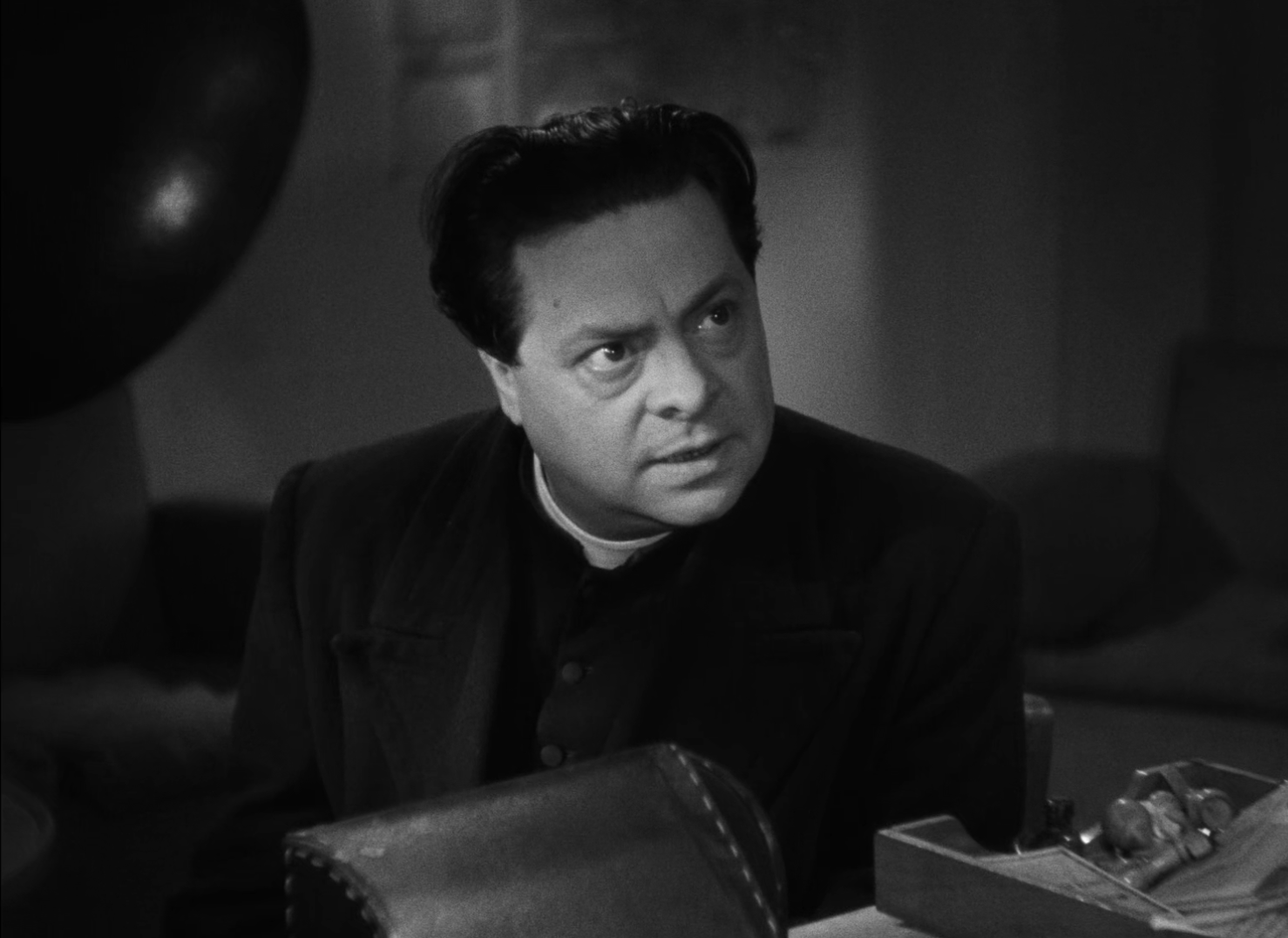
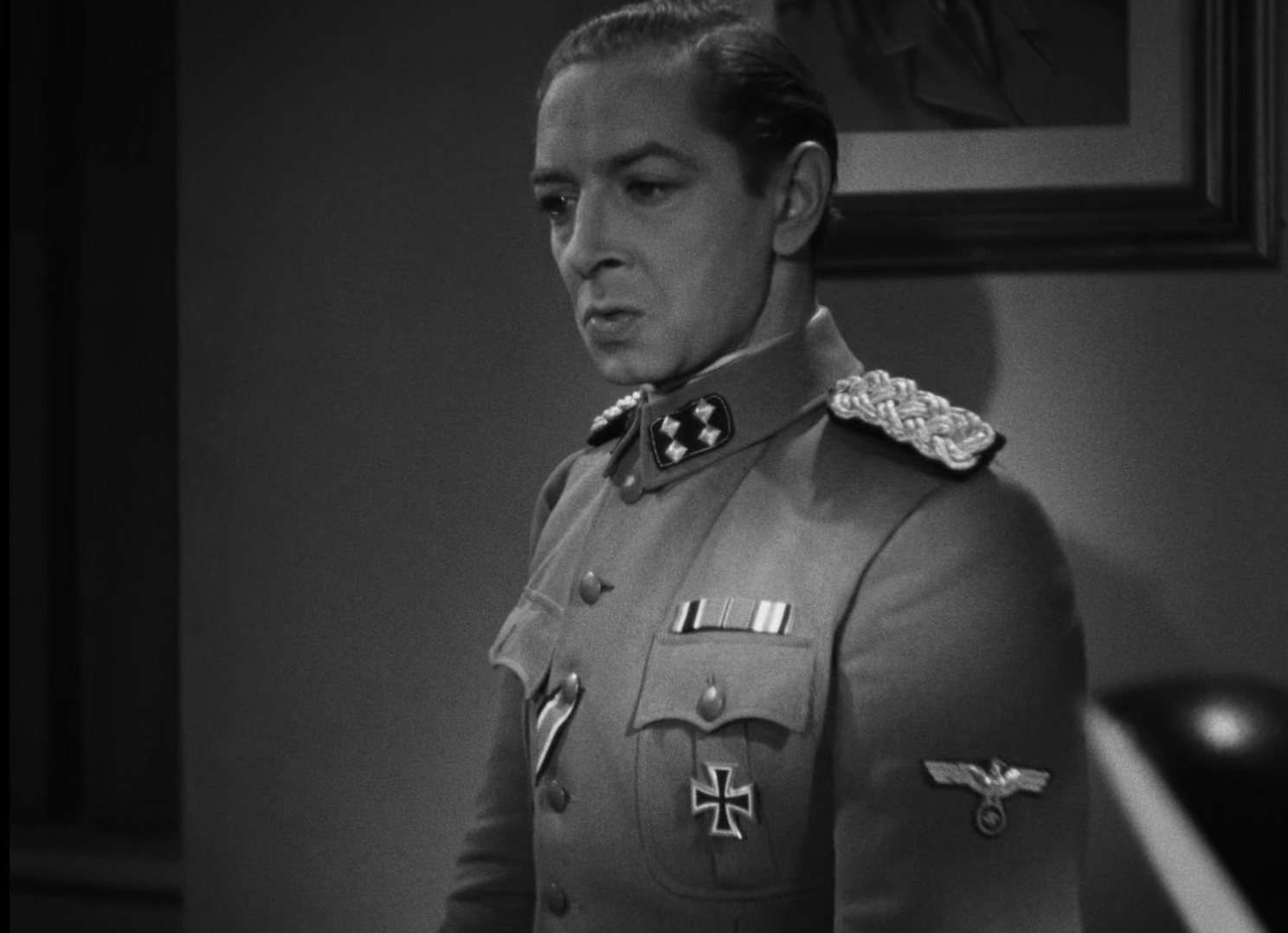
Con uno sguardo penetrante, il prete risponde: “Un uomo che umilmente cerca di esercitare la carità”.
“È un traditore che deve essere punito!”
“Sarà quello che Dio vorrà”.
With a piercing look, the priest replies, “A man who humbly seeks to practice charity.”
“He’s a traitor who must be punished!”
“It will be what God wants.”
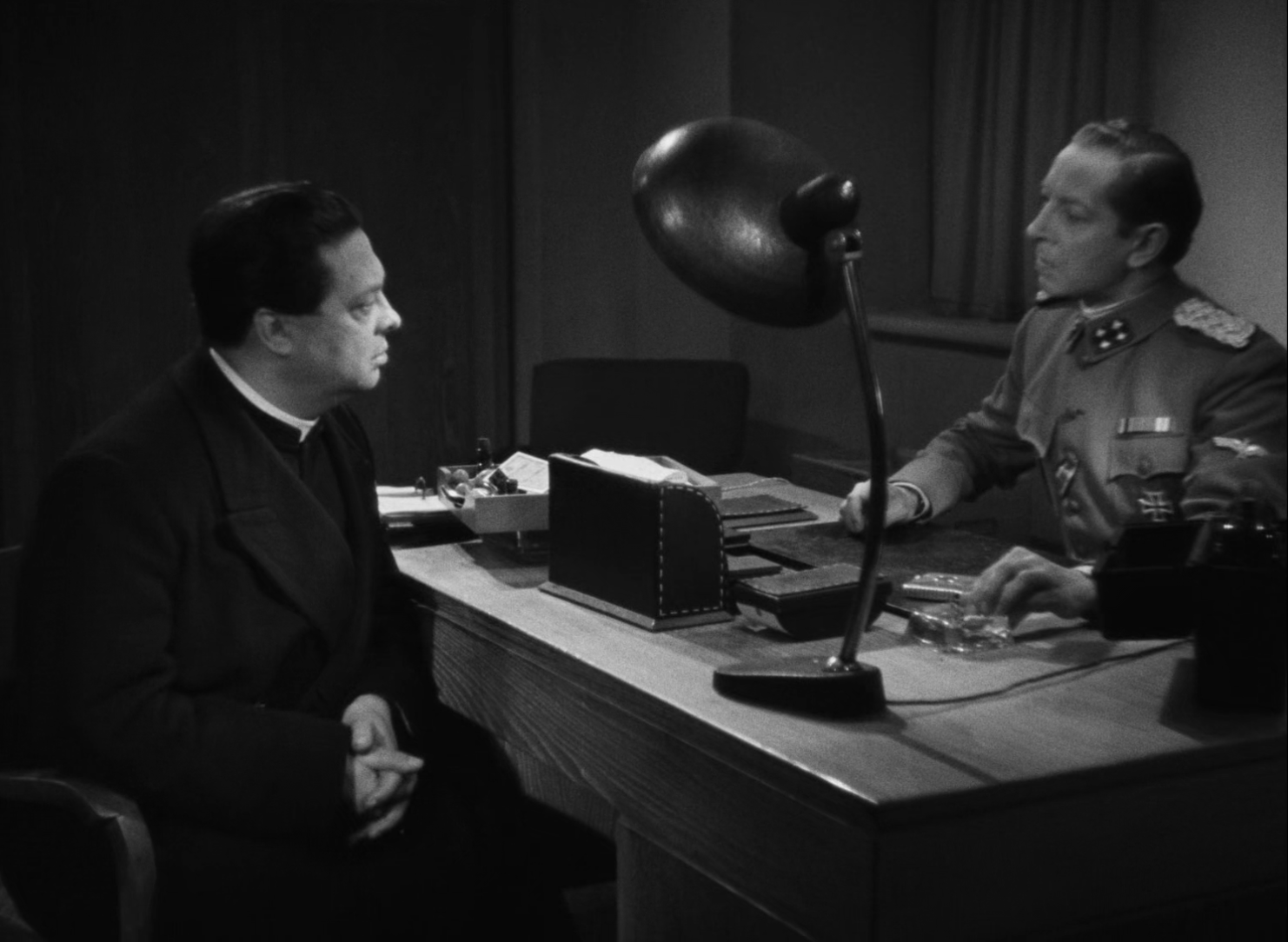
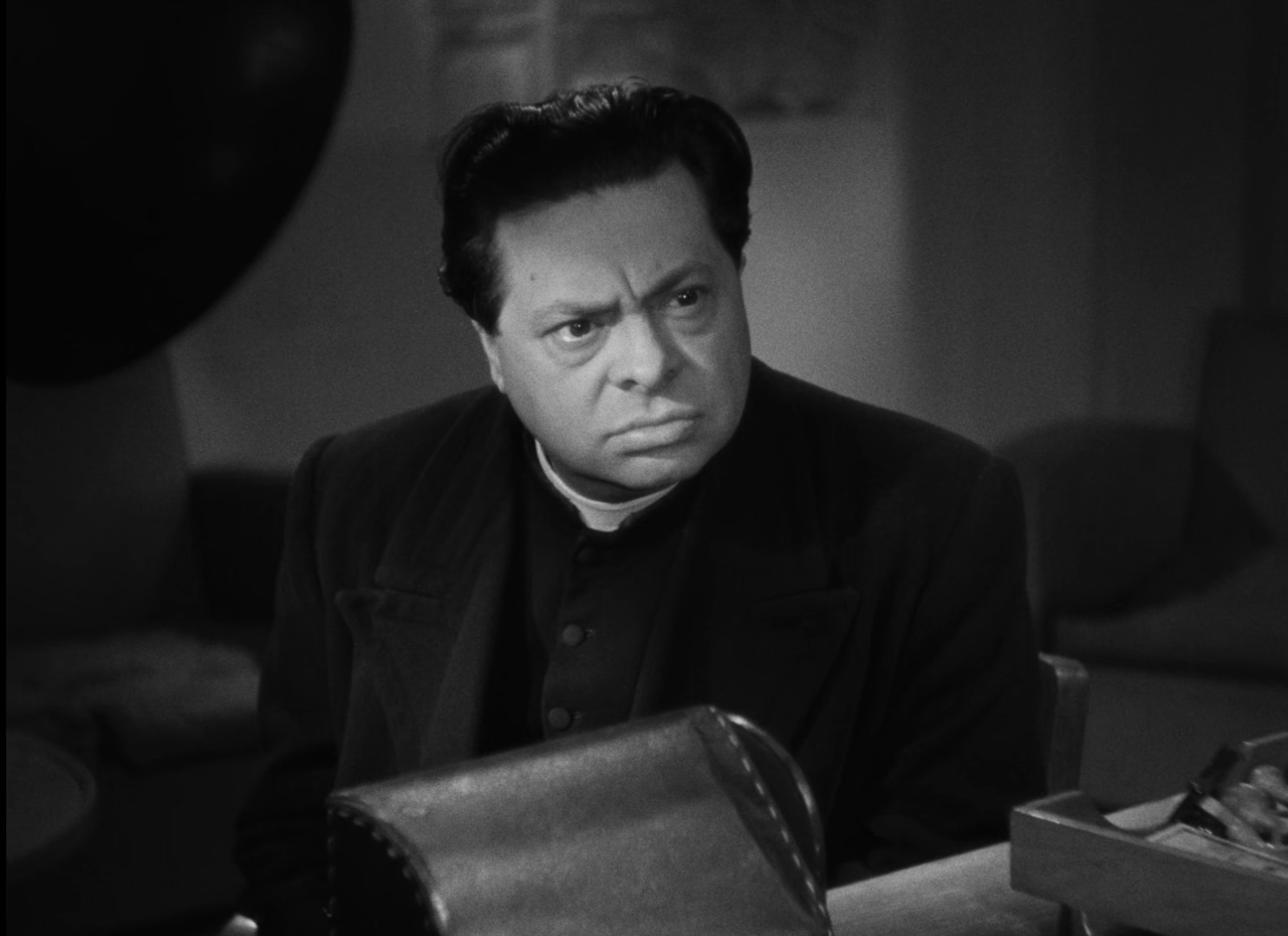
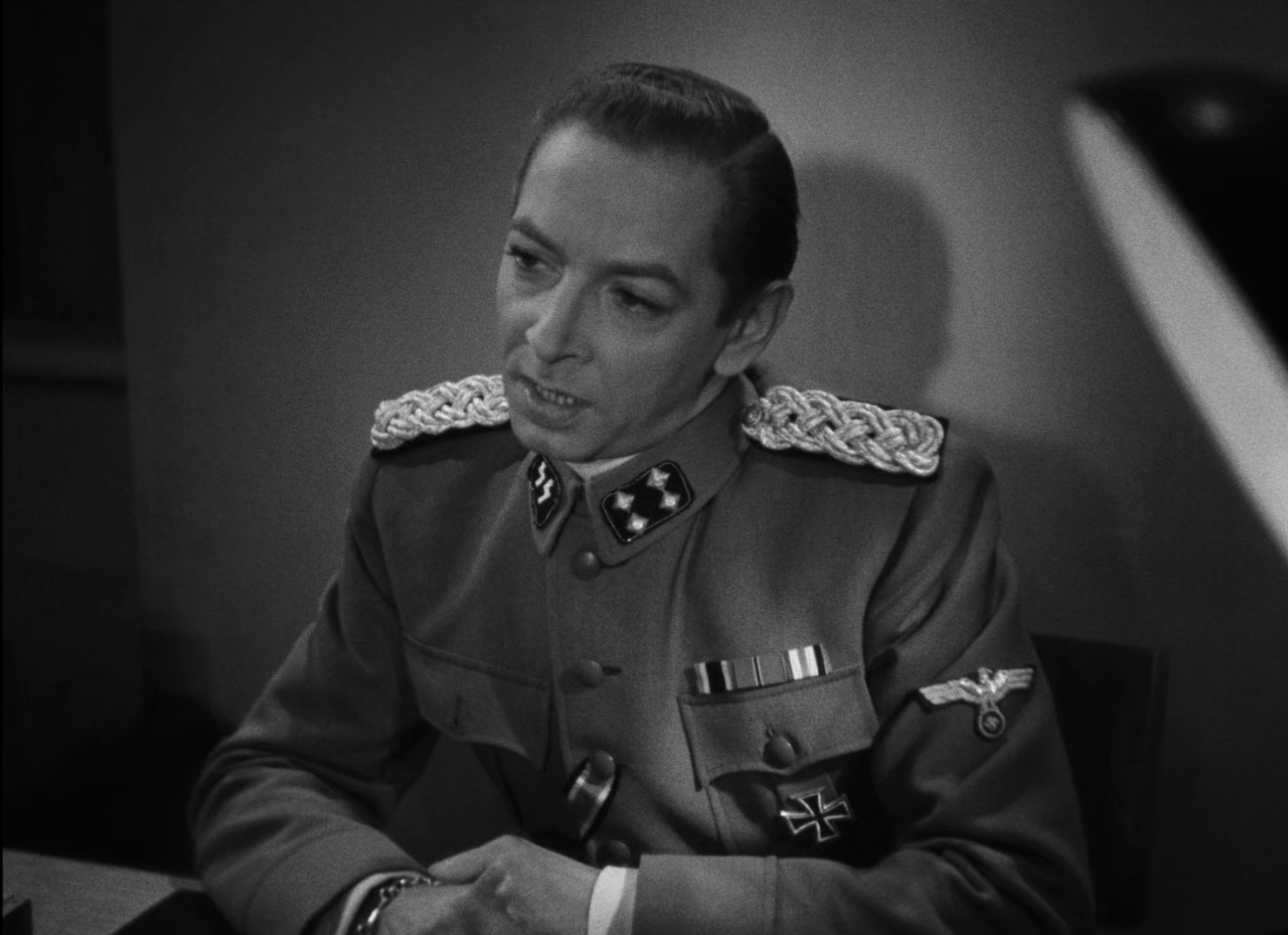
“Allora mi ascolti bene. Il suo amico è alla testa di un'organizzazione militare della quale anche lei ha perfetta conoscenza. Se lei parlerà o convincerà il suo amico a fare lo stesso, non avrà compiuto altro che il suo dovere di prete e di cittadino. Le spiego il perché. Questi uomini che preparano attentati e sabotaggi contro le forze armate germaniche violano i diritti di una potenza occupante garantiti dai trattati internazionali. Sono perciò dei franchi tiratori e devono essere consegnati alla giustizia. Chiaro?”
“Then listen to me carefully. Your friend is at the head of a military organization of which you too have detailed knowledge. If you talk or persuade your friend to do the same, you’ll have done nothing less than your duty as a priest and a citizen. I’ll tell you why. These men plotting attacks and acts of sabotage against German armed forces are violating the rights of an occupying power guaranteed by international treaties. They are therefore guerilla fighters and they should be brought to justice. Clear?”
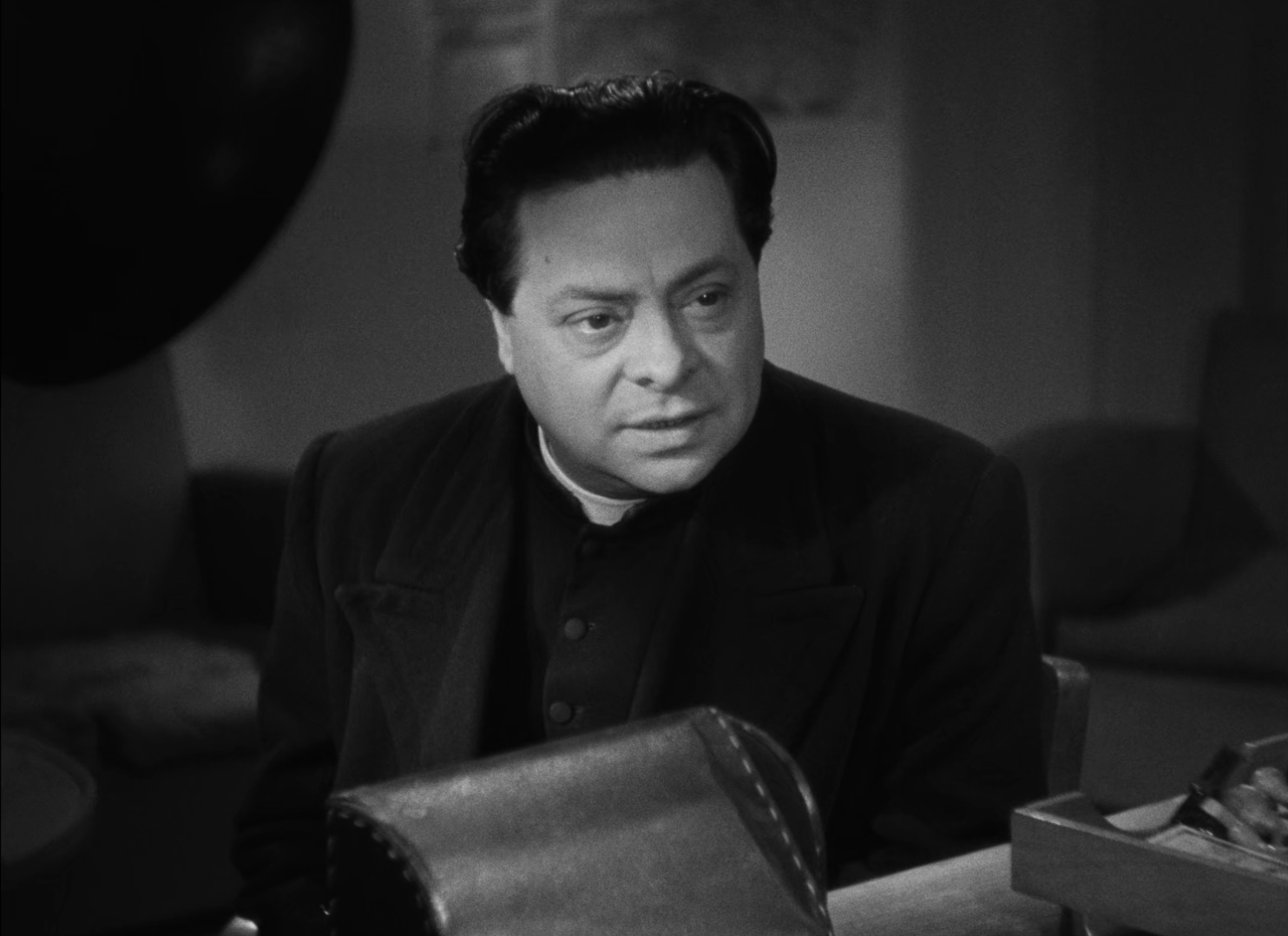
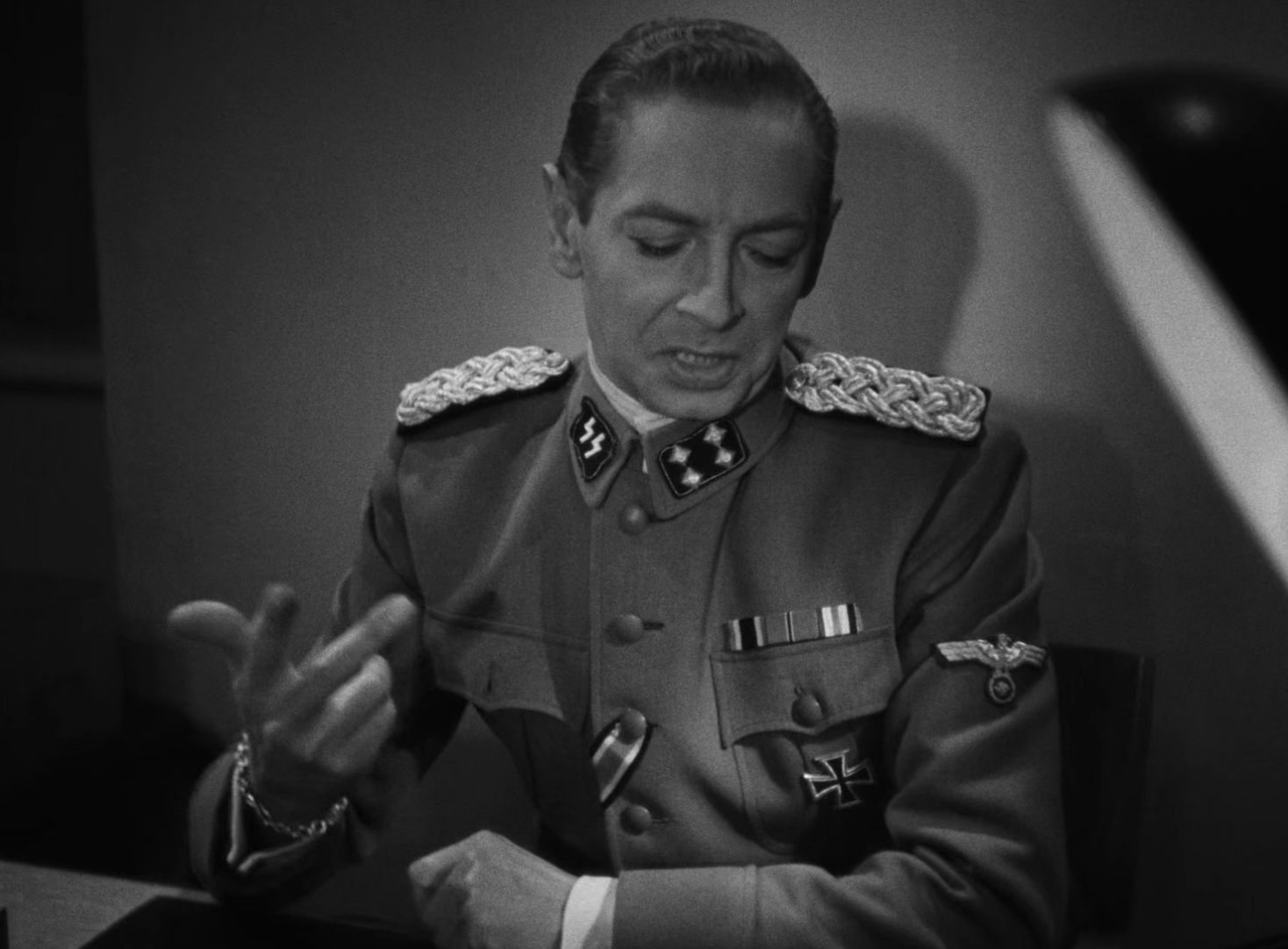
“C'è però una difficoltà” – risponde Don Pietro – “Io personalmente non ho niente da dire. Perché non so nulla. Quel poco che so l’ho appreso in confessione e questi segreti devono morire con me. È la nostra disciplina”.
“Non mi interessa la vostra disciplina!”
“Ma interessa a qualcuno che è sopra di lei… e di me”.
“But there’s a problem,” Don Pietro responds. “Personally, I have nothing to tell. Because I know nothing. What little I know, I learned in the confessional, and those secrets must die with me. It’s our vow.”
“I’m not interested in your vow!”
“But someone else is, someone higher than you… and me.”
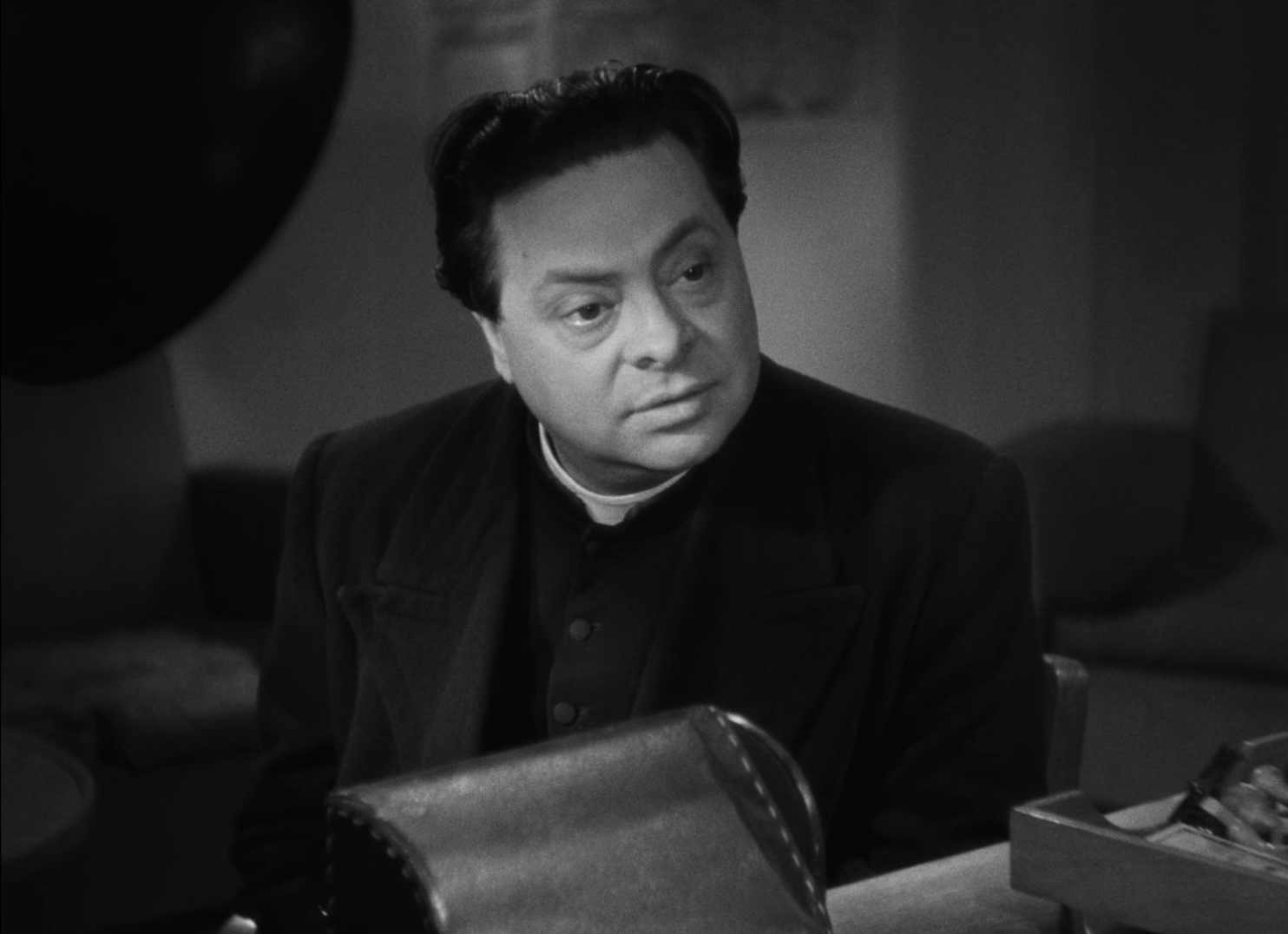
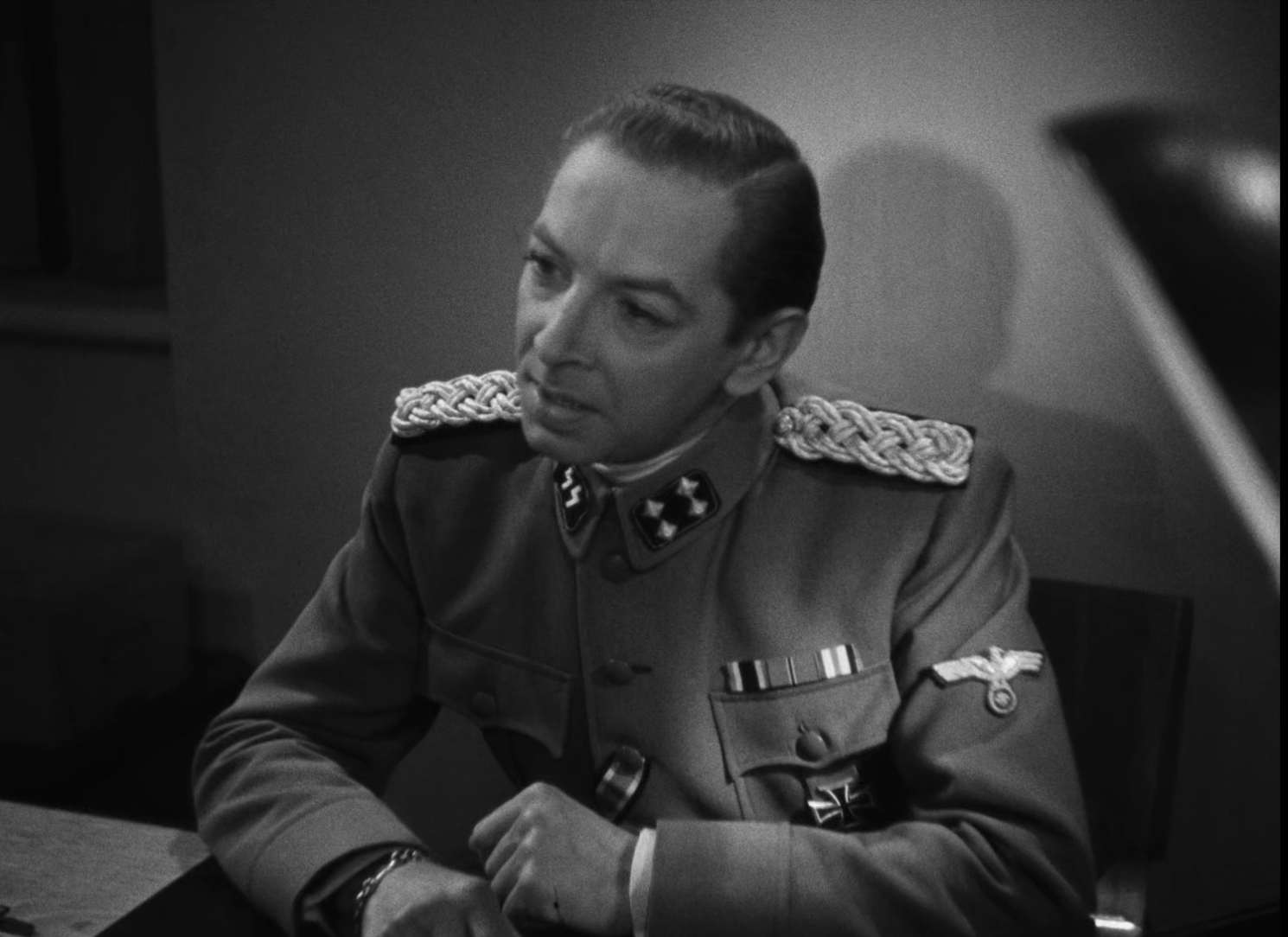
“E allora convinca il suo amico a parlare!”
“Io credo che non sappia nulla di quello che lei sospetta”.
“Then persuade your friend to talk.”
“I don’t think he knows anything about what you suspect.”
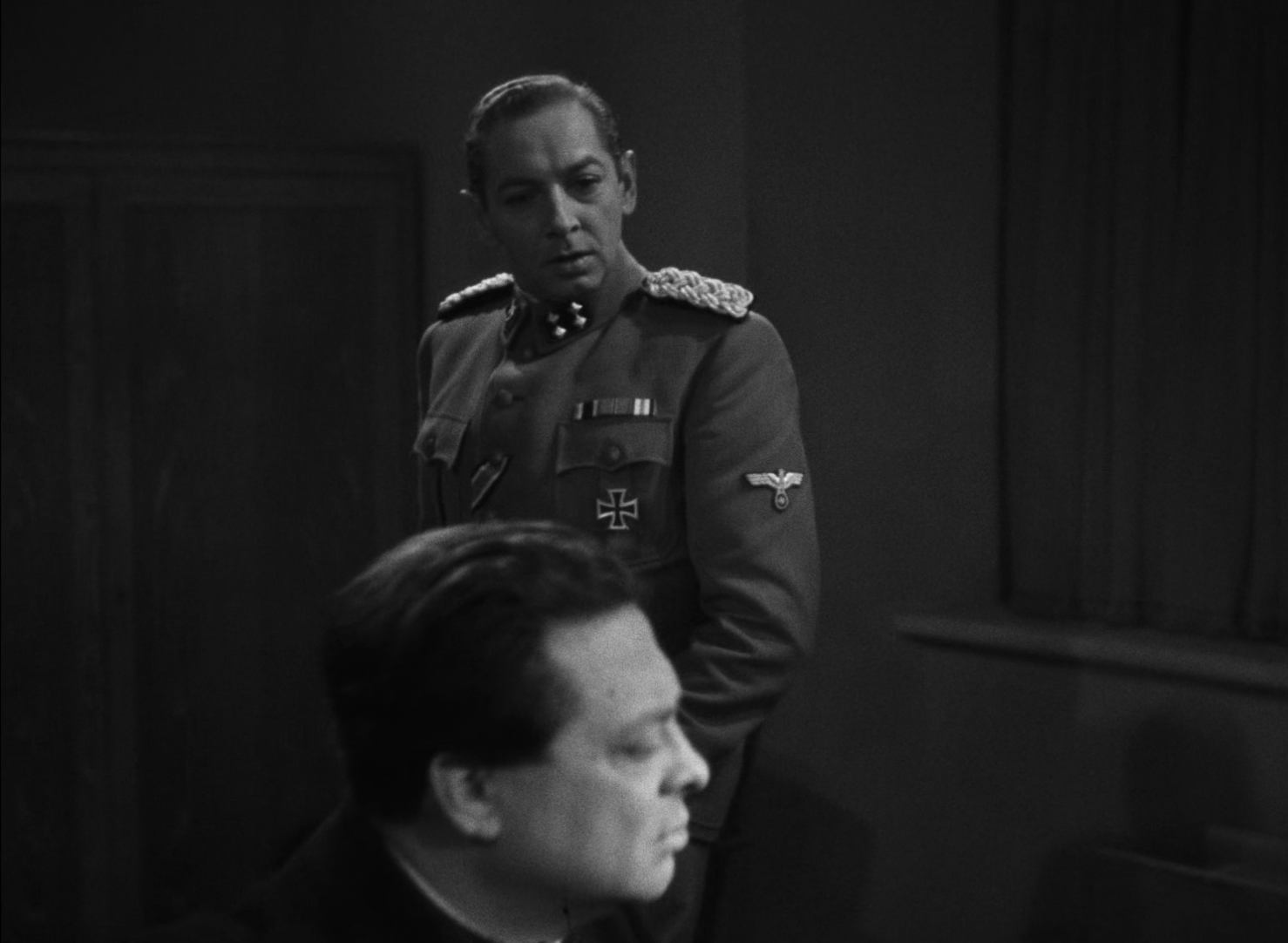
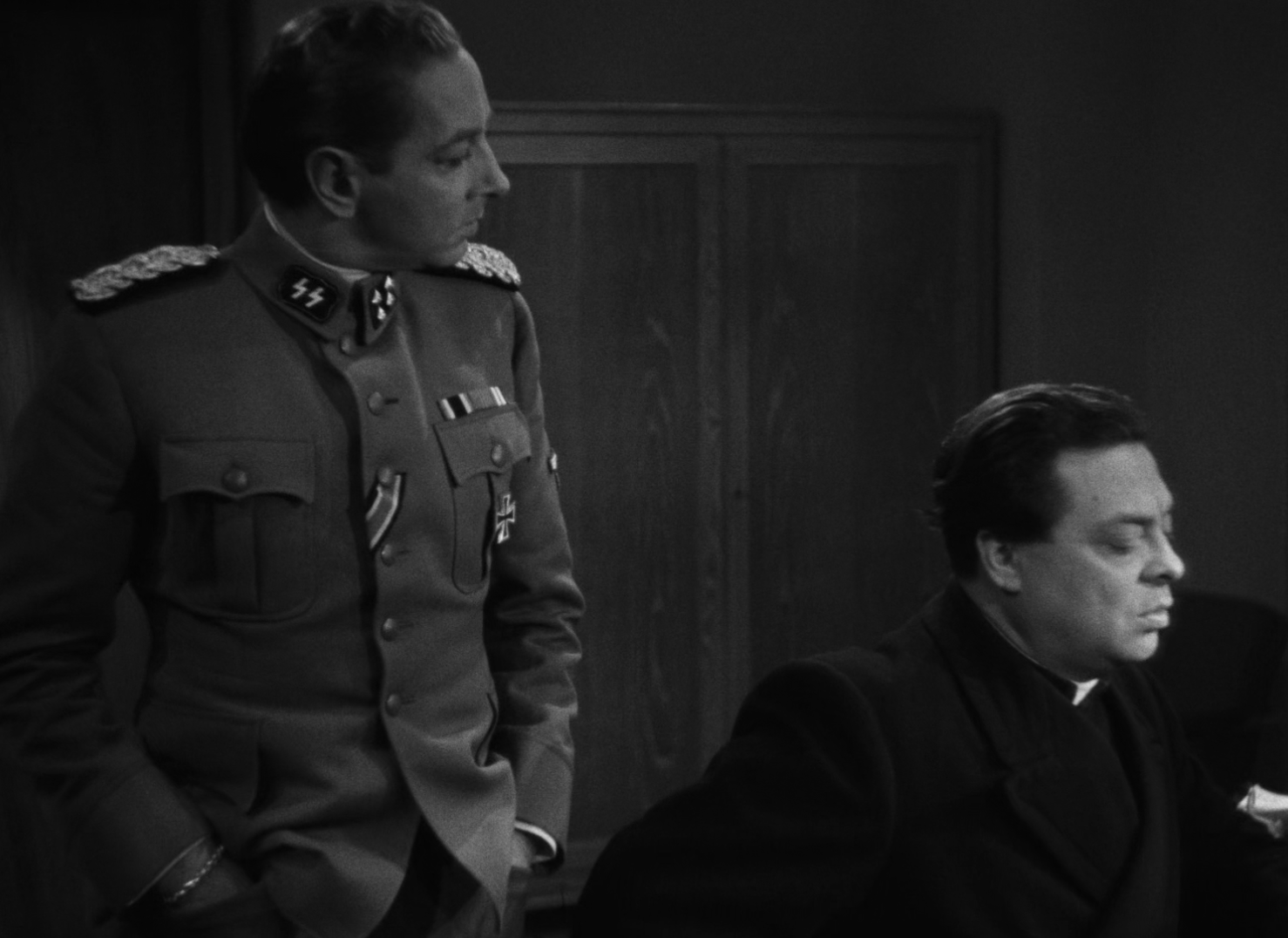
“Vorrebbe farmi credere che non conosce la sua vera attività, la sua vera identità?”
“Io so soltanto che è un uomo che aveva bisogno del mio modesto aiuto”.
“You’d have me believe that you don’t know what he does, who he really is?”
“I only know he’s a man in need of my modest help.”
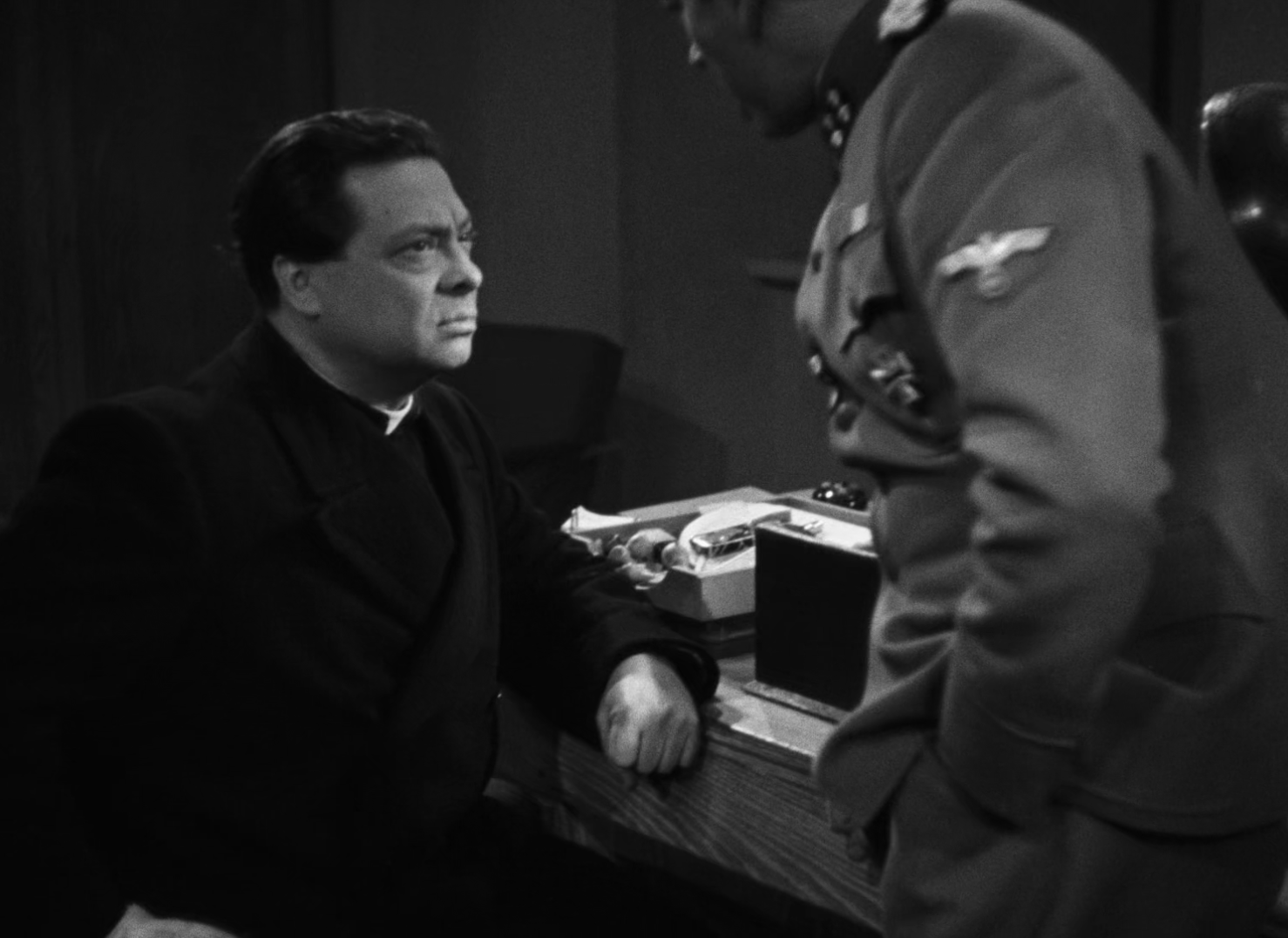
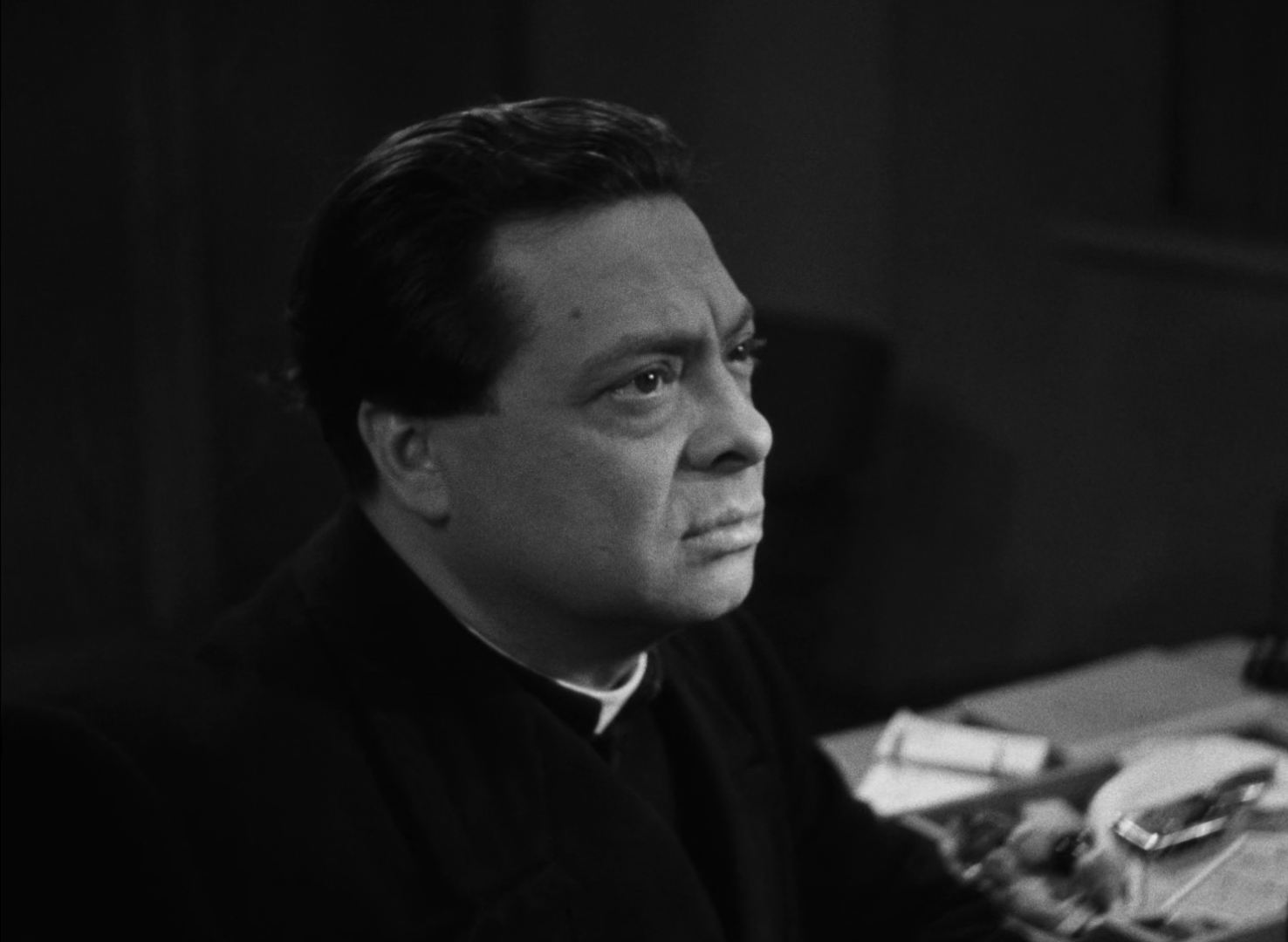
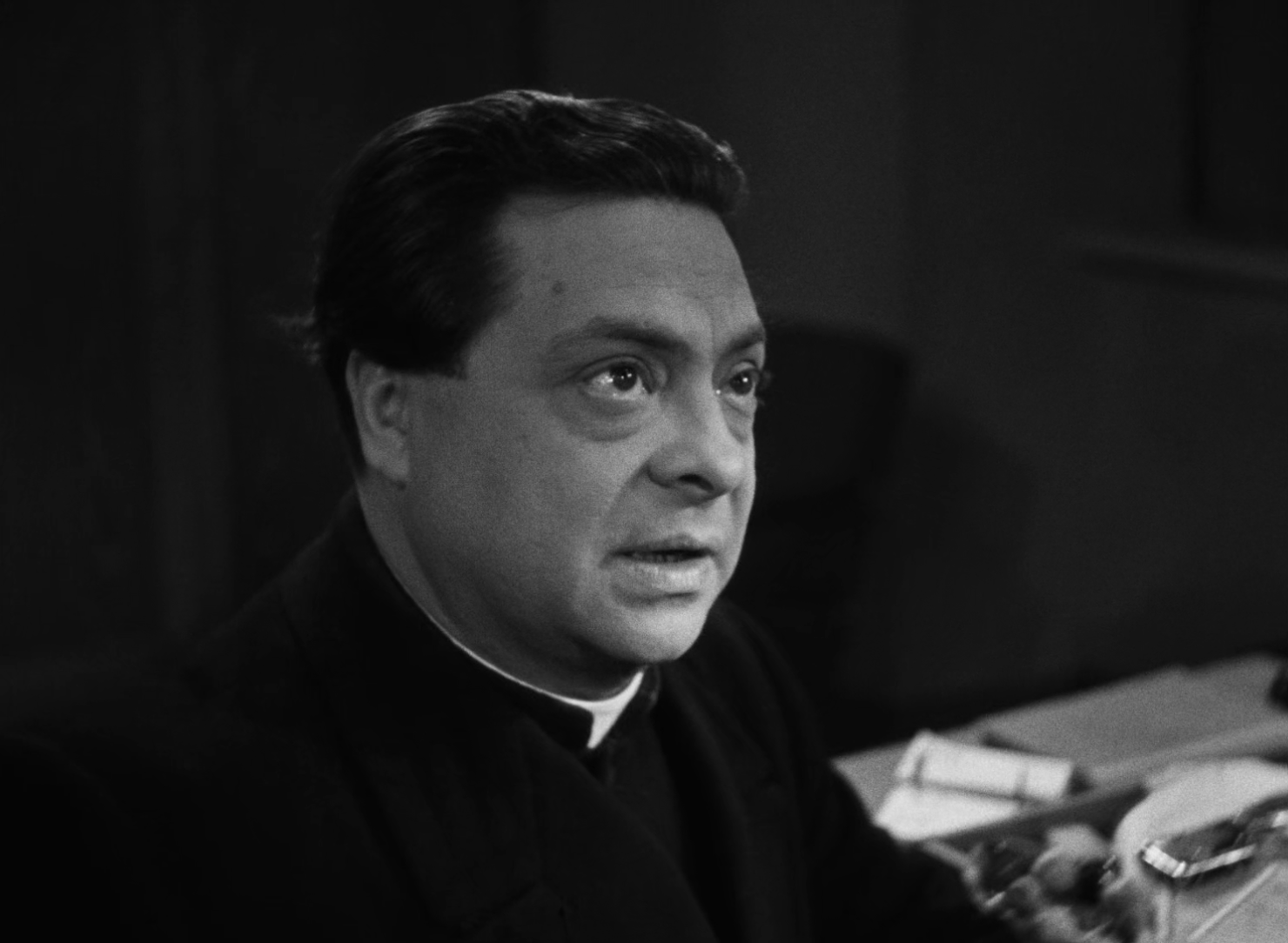
“Ah, si? E allora le dirò io chi è quest'uomo. È un sovversivo, un senza Dio! Un suo nemico!”
La macchina da presa zooma sulla faccia di don Pietro. “Io sono un prete cattolico. E credo che chi combatte per la giustizia e la libertà cammini nelle vie del Signore”.
“Really? Then I’ll tell you who he is. He’s a subversive, an atheist! Your enemy!”
The camera zooms in on Don Pietro’s face. “I'm a Catholic priest. I believe that anyone fighting for justice and liberty walks in the paths of the Lord.”
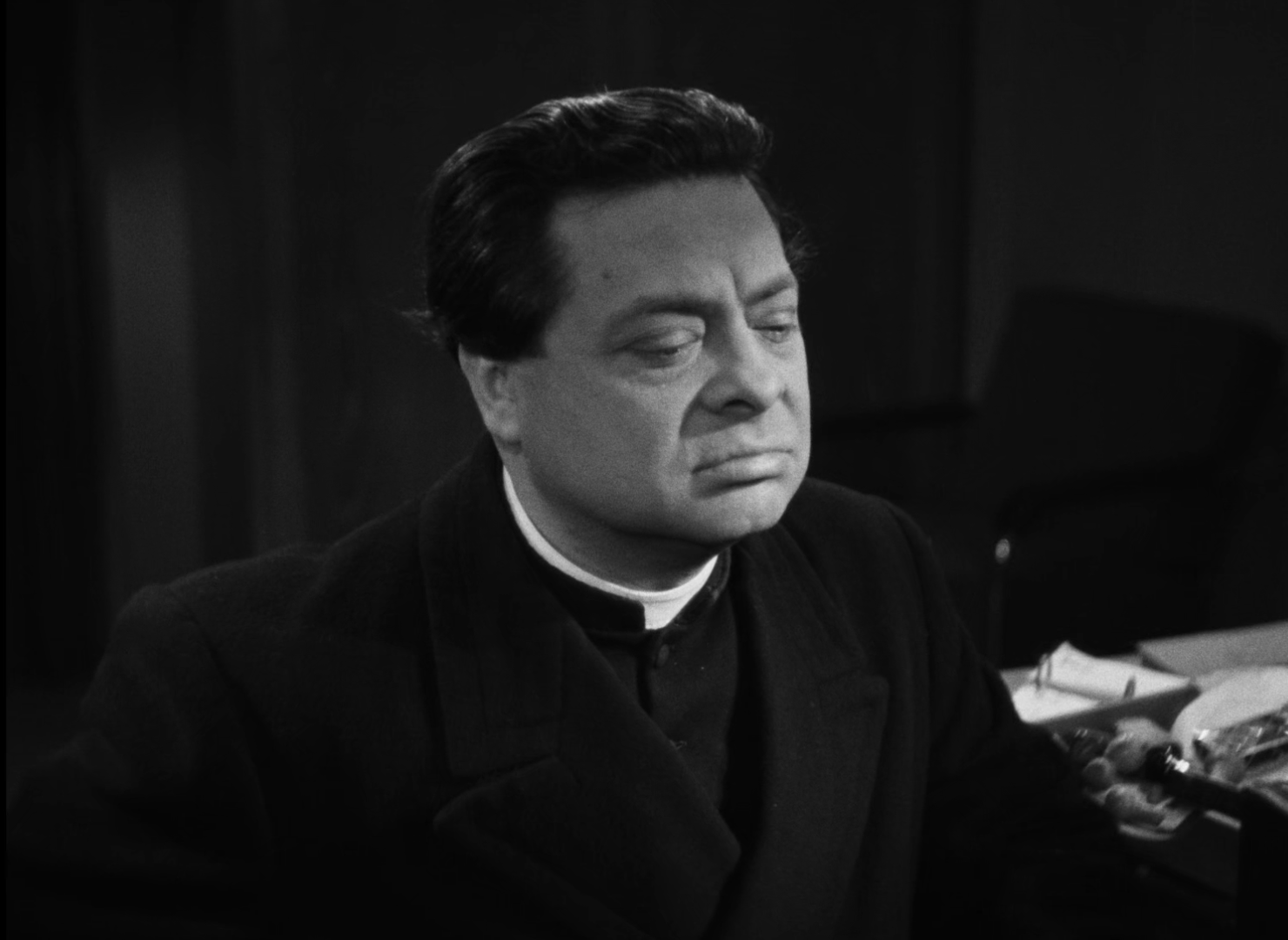
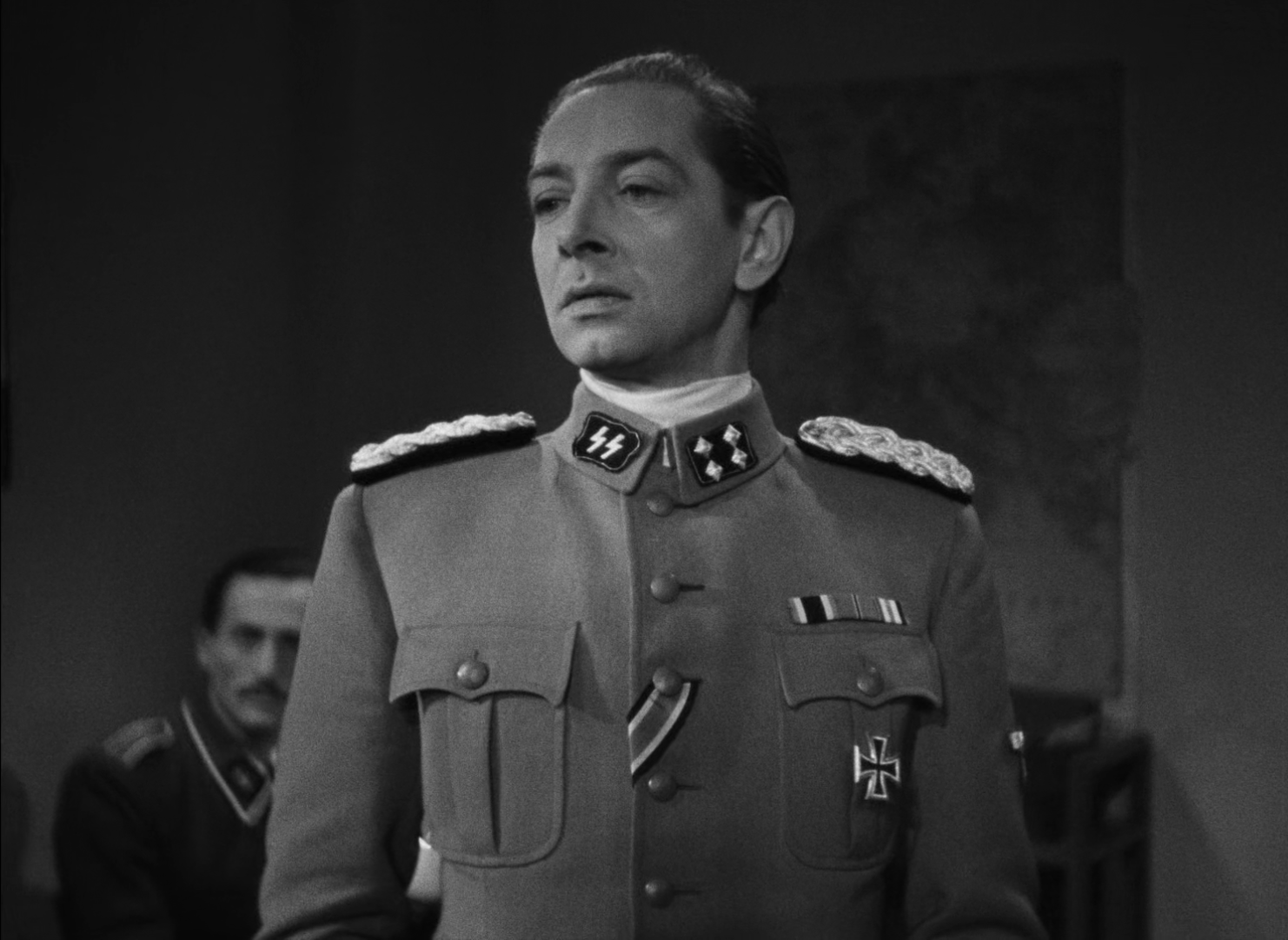
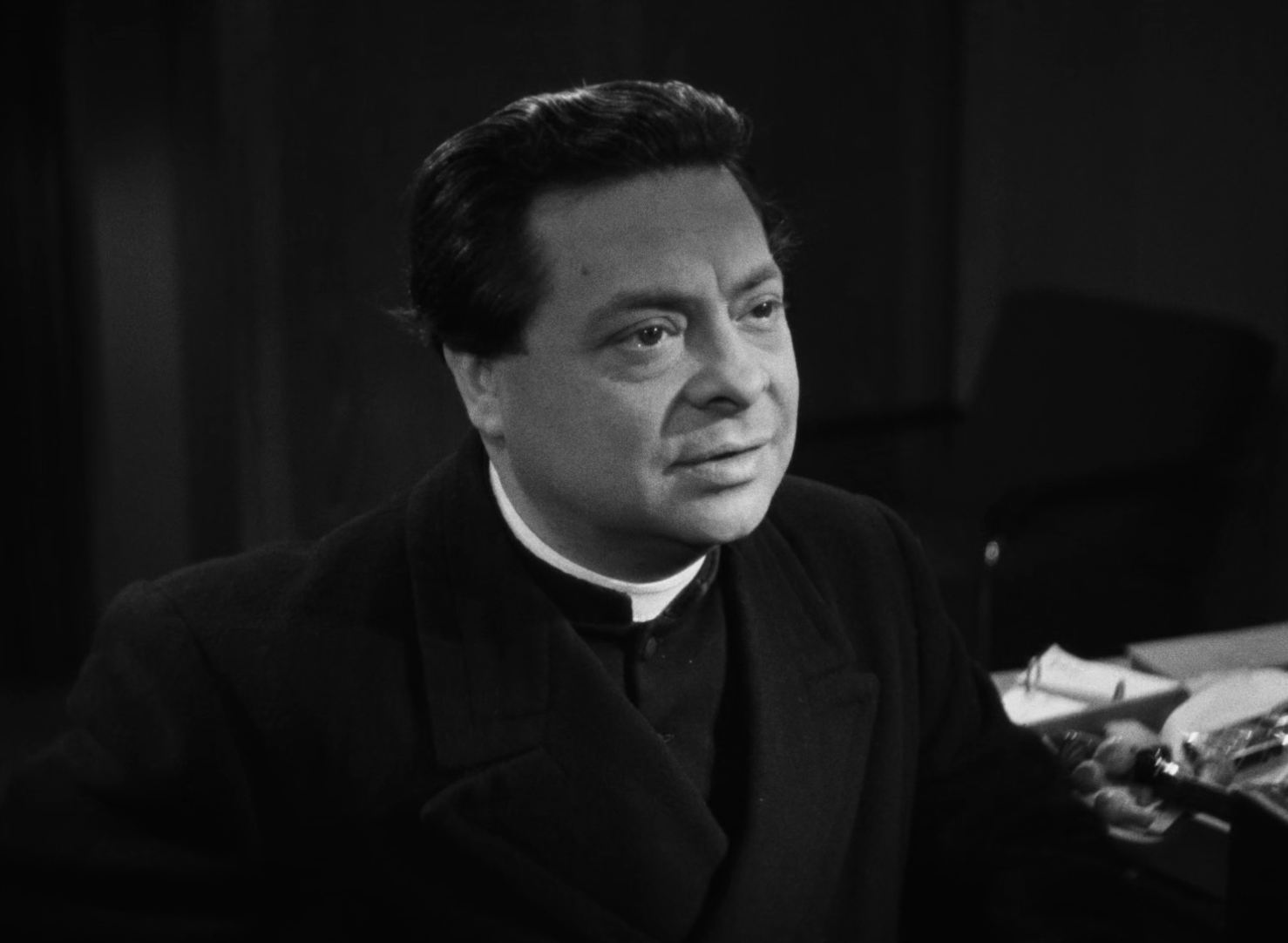
“Io non ho tempo da perdere. É deciso a non parlare?” Don Pietro guarda in basso e non dice nulla. “Non vuole nemmeno tentare di convincere il suo compagno? Si tratta di risparmiargli delle sofferenze che lei non può nemmeno immaginare”.
“Penso che sia inutile. E poi se è l'uomo che dice lei, sarà difficile convincerlo a parlare, non le pare?”
“I have no time to waste. Have you decided not to talk?” Don Pietro looks down and says nothing. “And you don’t even want to try to persuade your companion? It’s about saving him from sufferings that you can’t even imagine.”
“I think it’s pointless. And if he is who you say, he wouldn’t be easily persuaded, doesn’t it seem to you?”
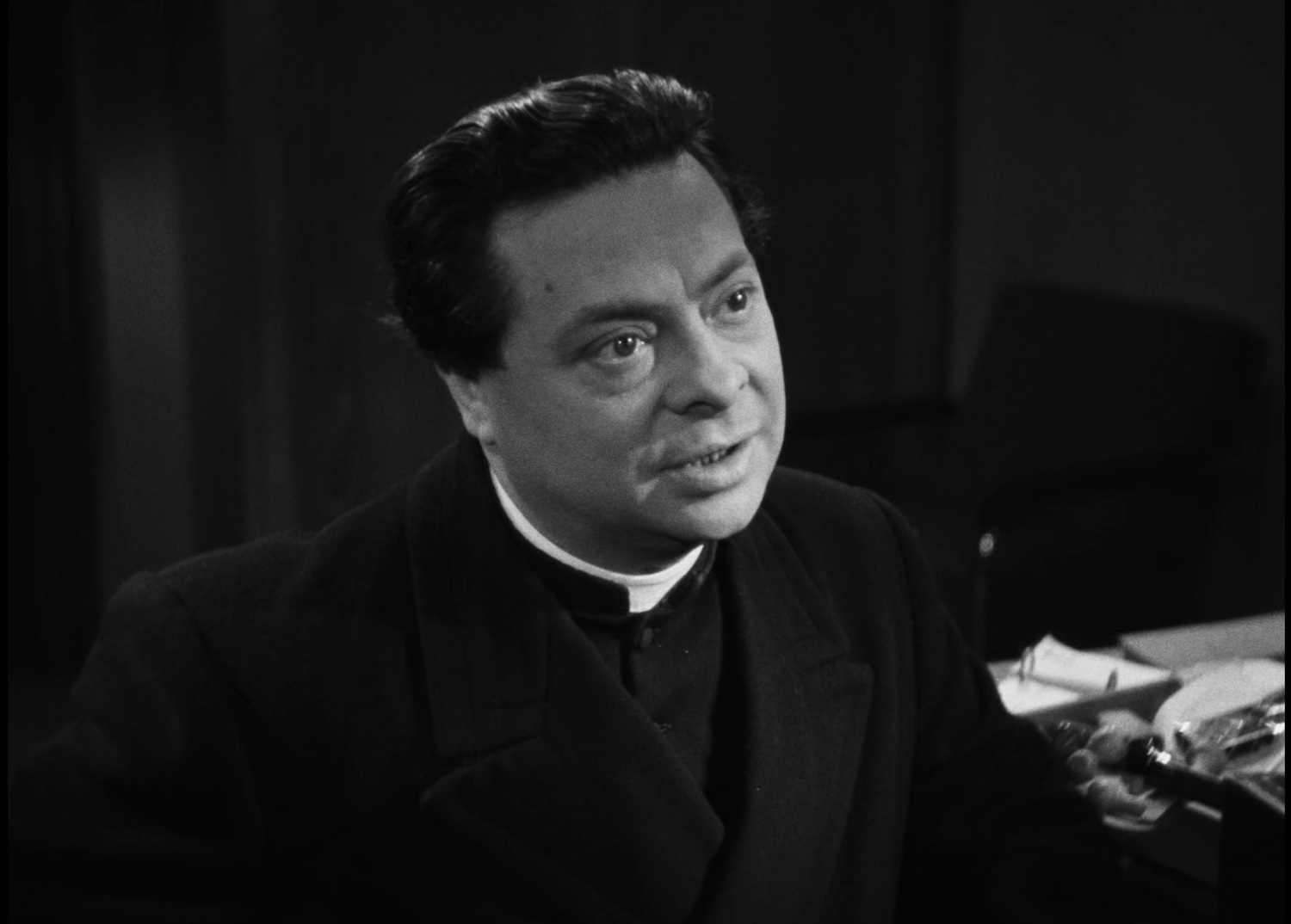
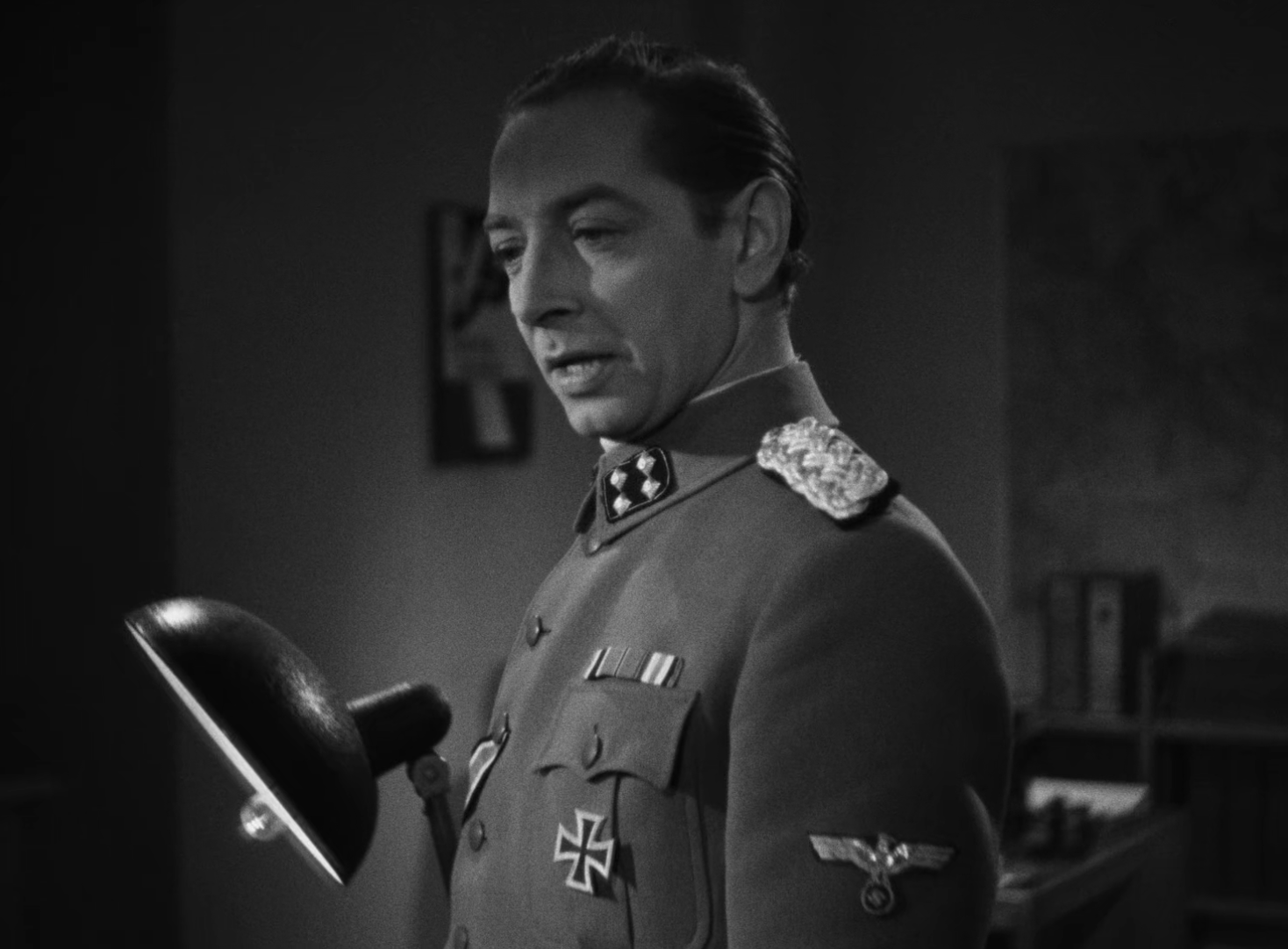
“Non si preoccupi. Parlerà”.
“Io non credo. Non parlerà”.
“Don’t worry. He’ll talk.”
“I don’t think so. He won’t talk.”
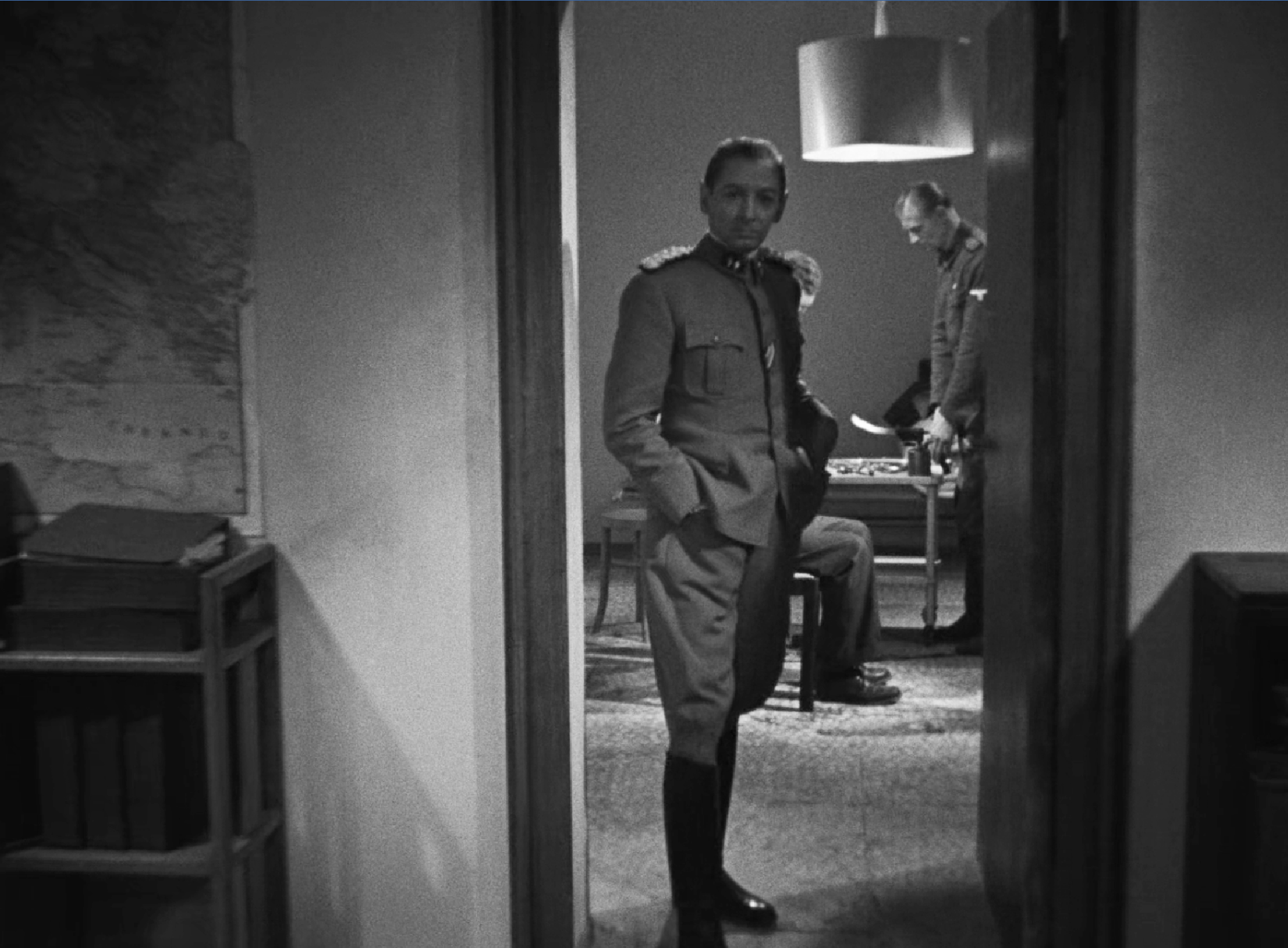
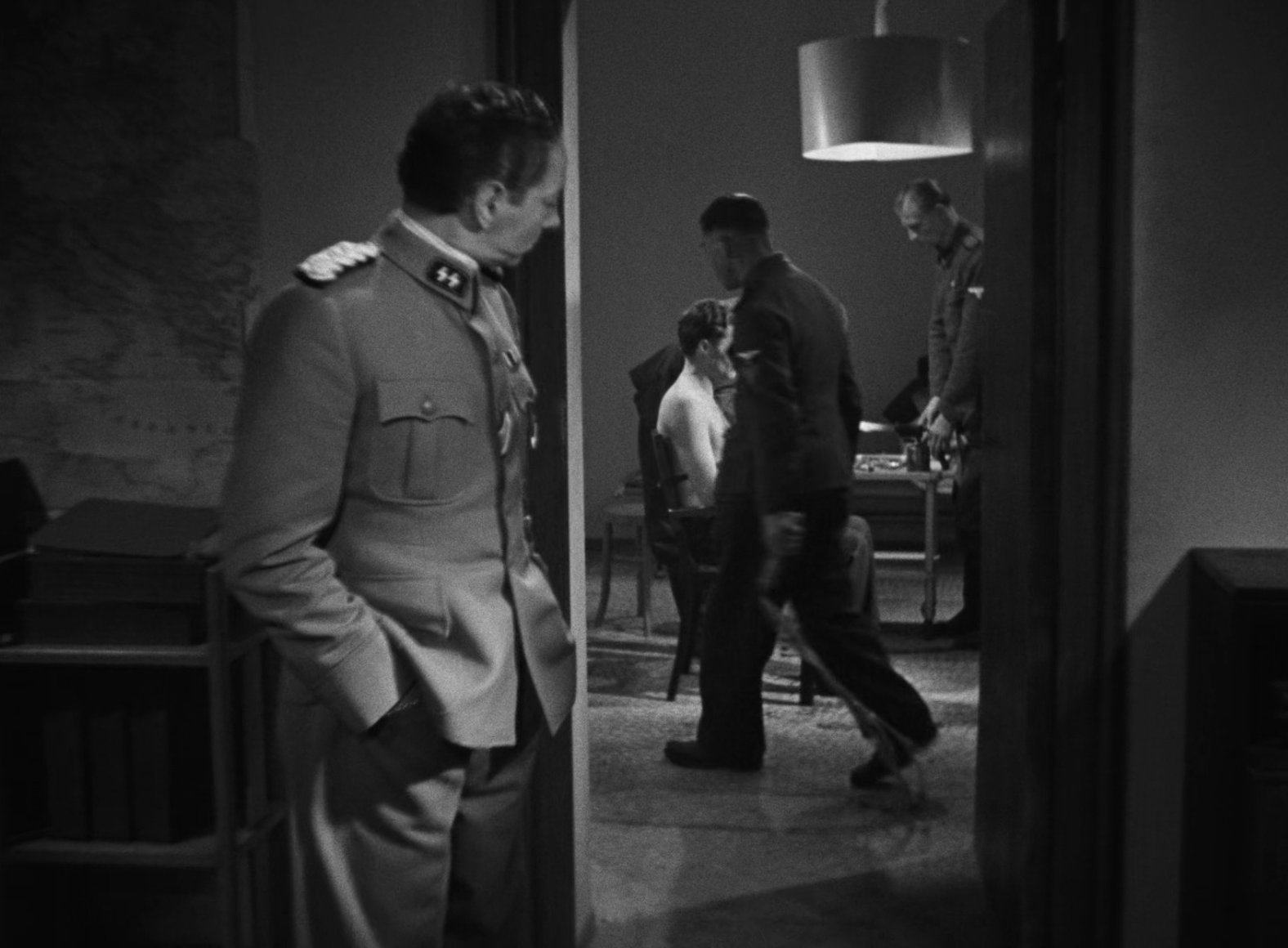
Il maggiore Bergmann apre la porta della stanza che viene sistemata per torturare Manfredi, che è legato a una sedia. Vediamo una fiamma ossidrica accesa e un uomo con una frusta.
Major Bergmann opens the door to the room being set up to torture Manfredi, who is tied to a chair. We see a burning blow torch and a man with a whip.
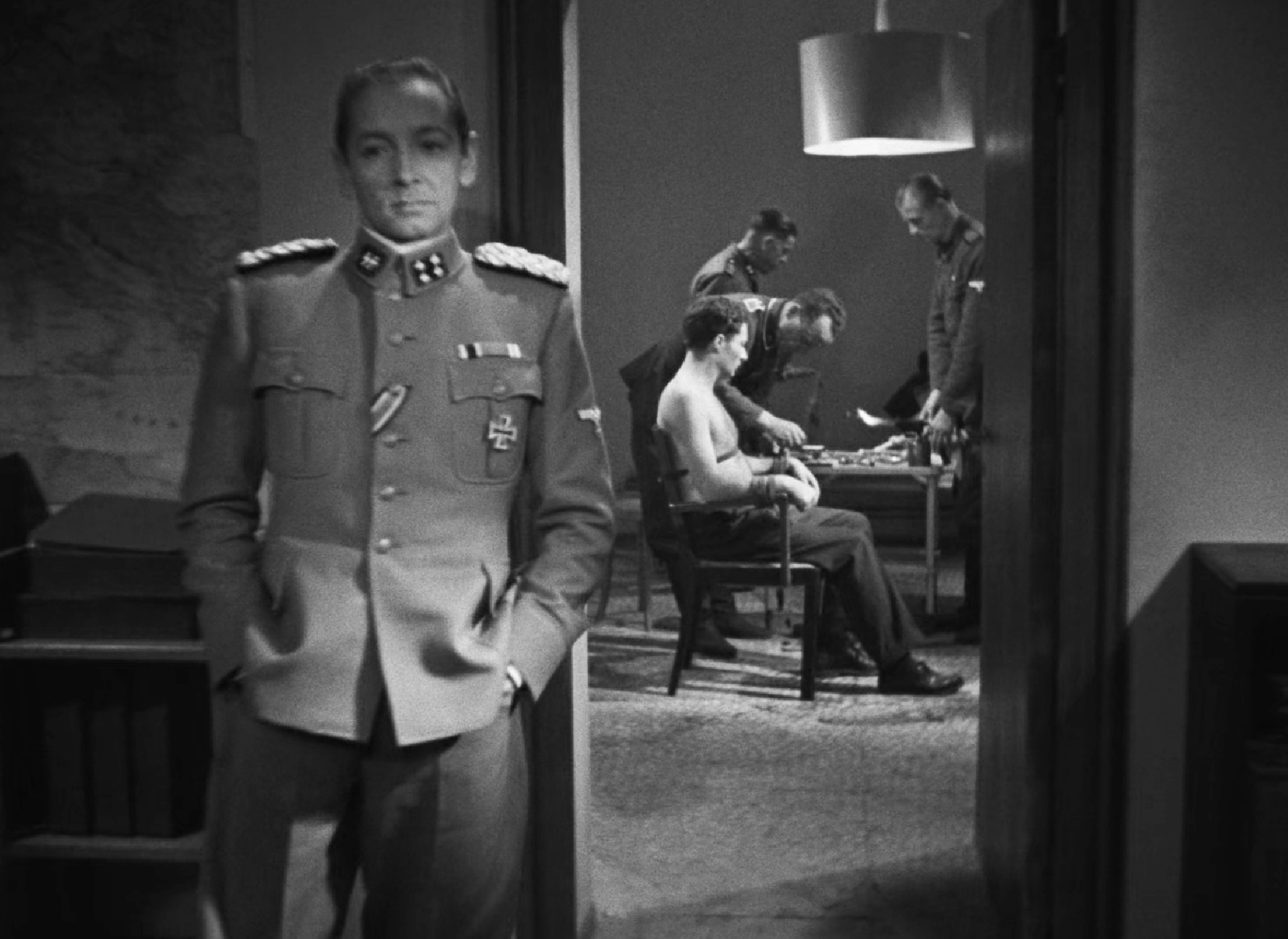
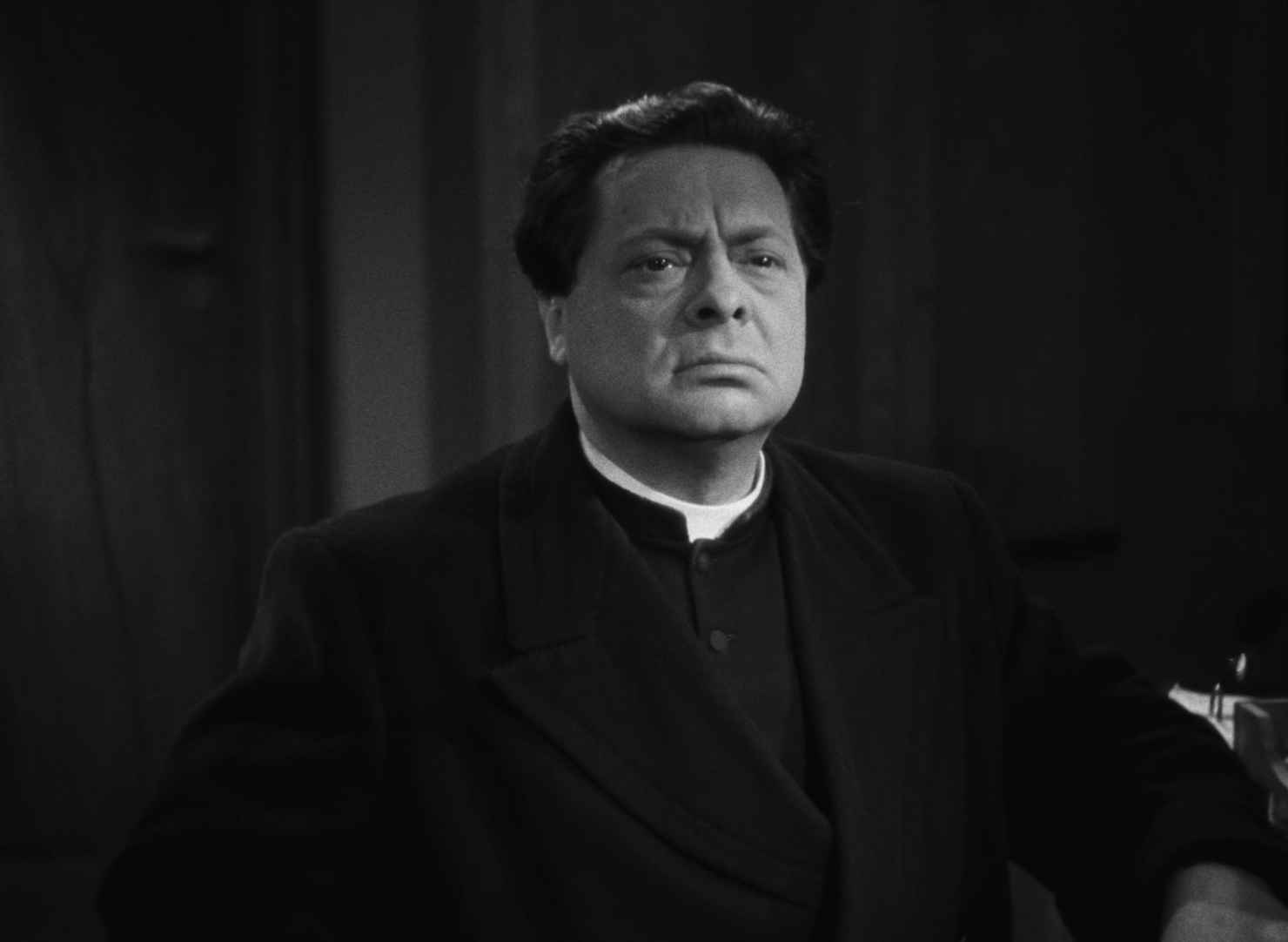
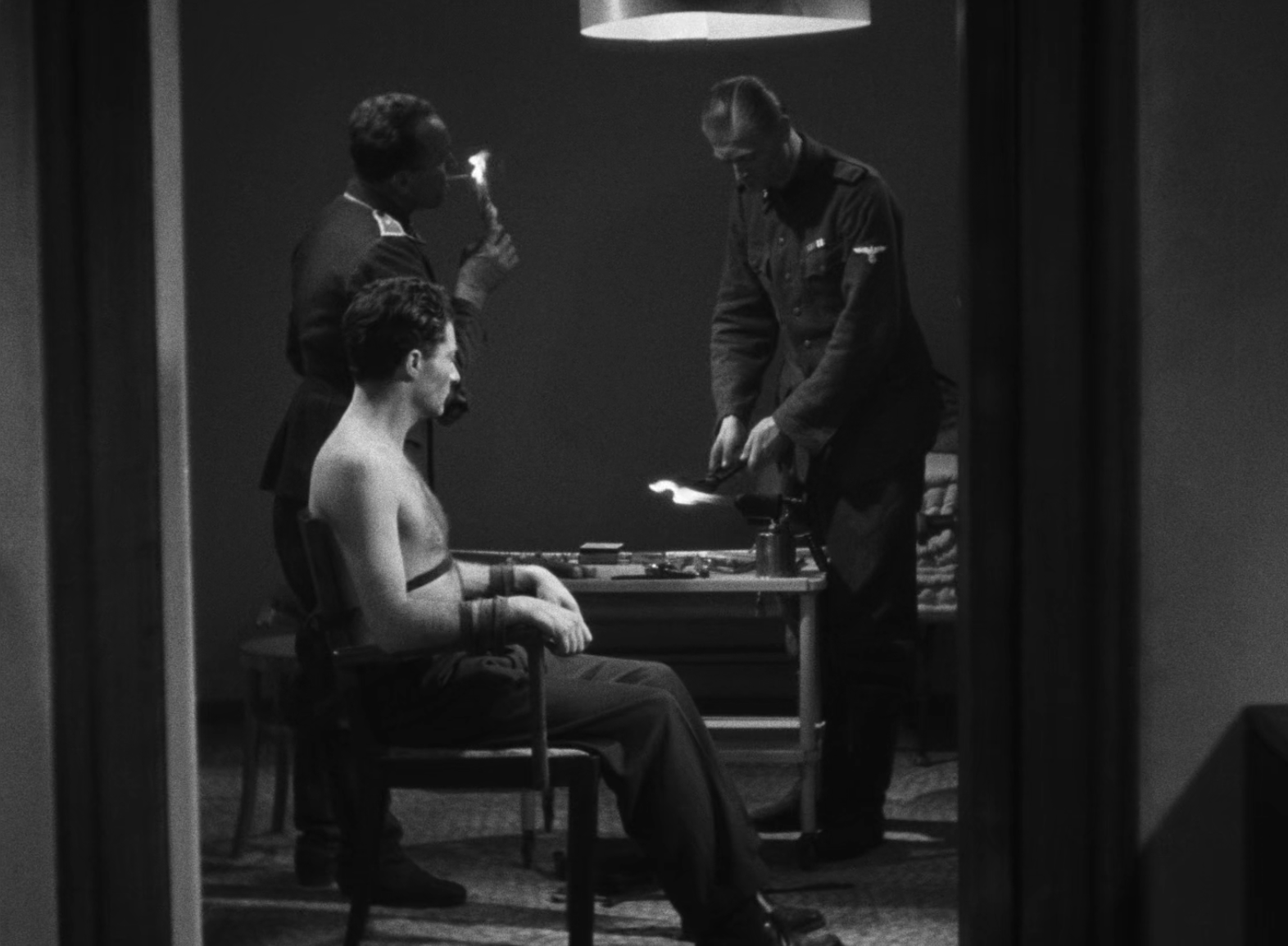
Bergmann fissa Don Pietro, sfidandolo a guardare. Lui guarda, come può, senza i suoi occhiali rotti.
Bergmann stares at Don Pietro, daring him to watch. He does watch, as well as he can without his broken glasses.
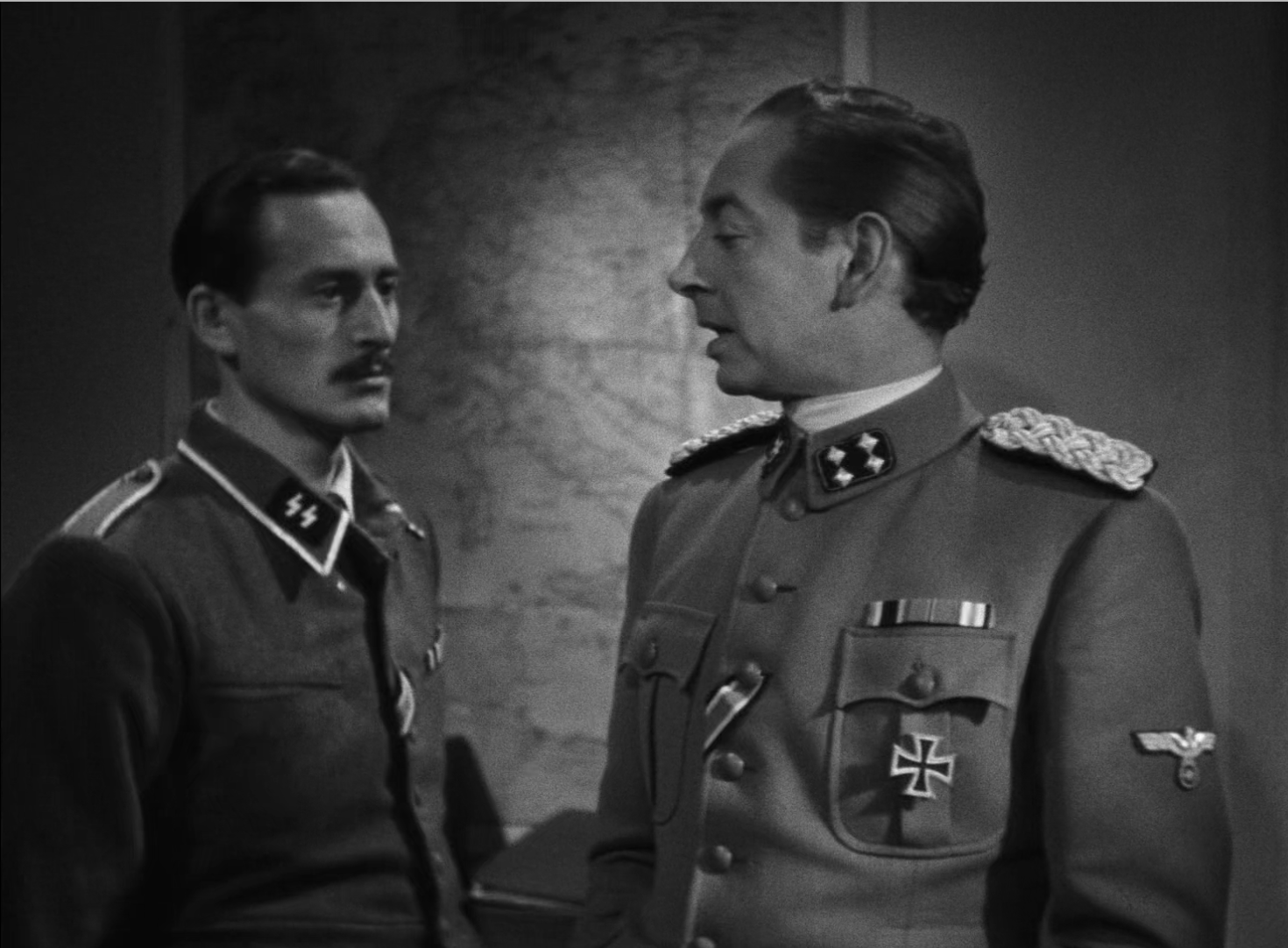
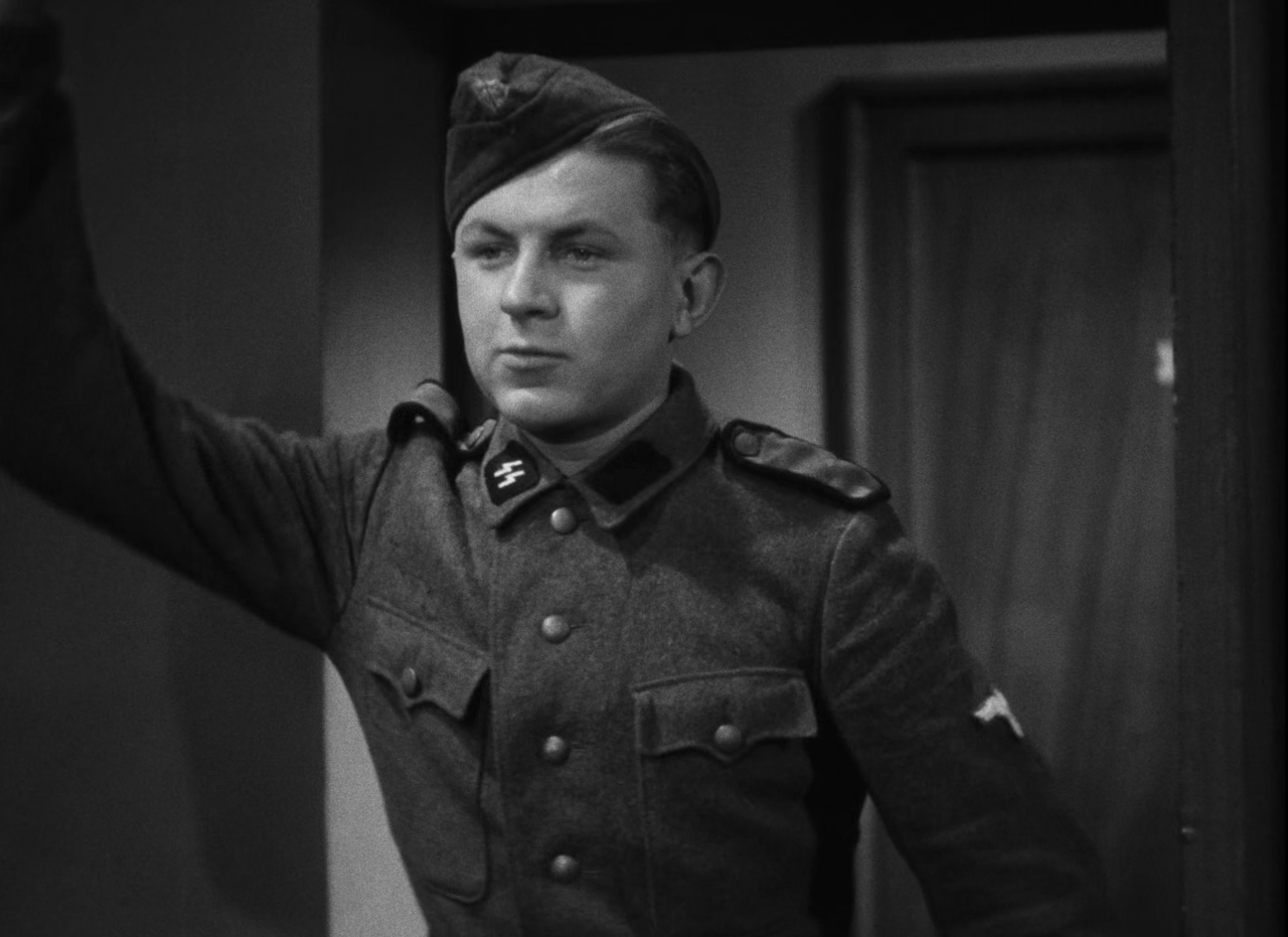
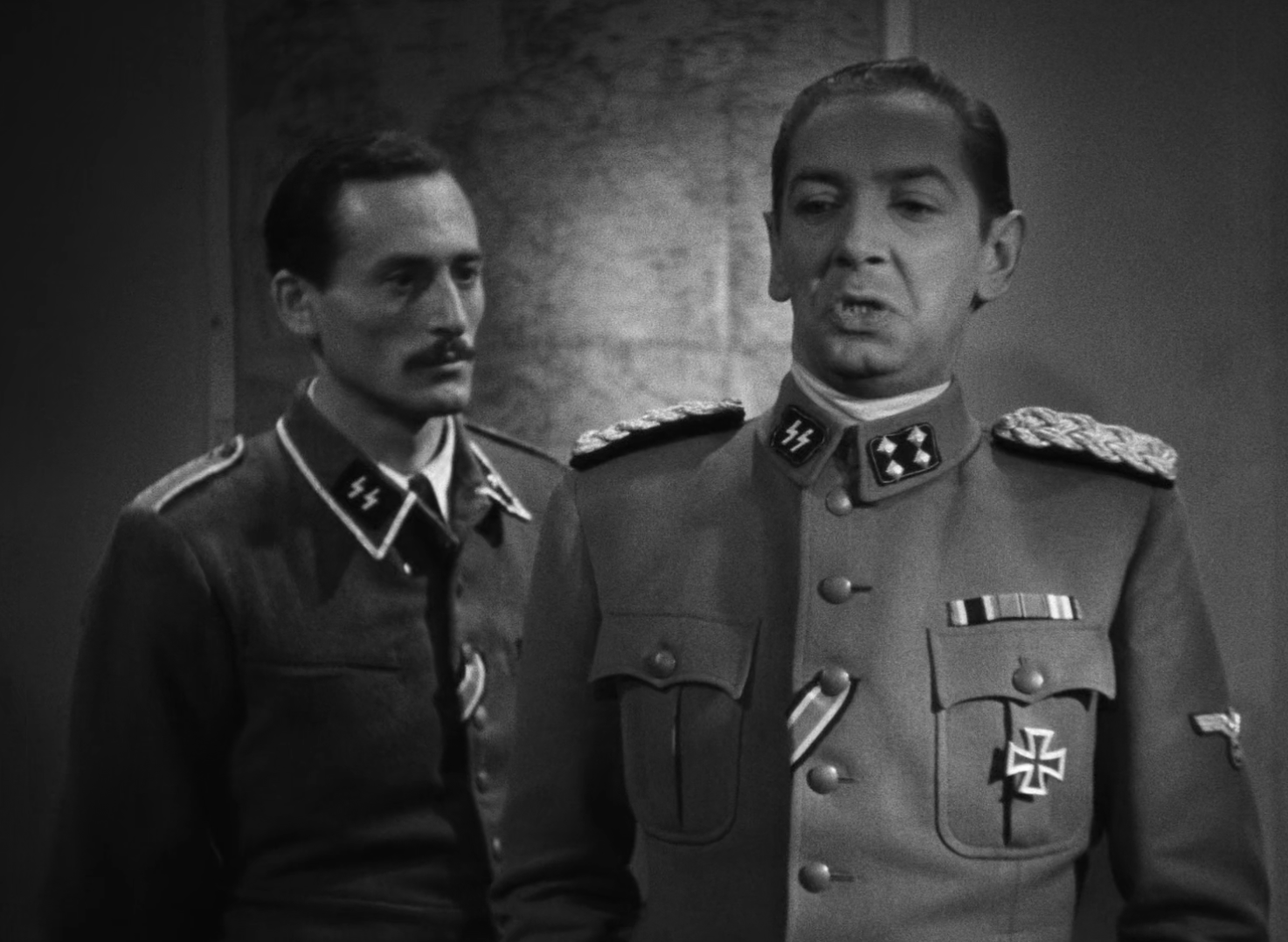
"Ci vorrà un po' di tempo" – dice Bergmann a Krammer – "Venga a chiamarmi appena ci sono novità". Proprio in quel momento, bussano alla porta.
Entra un soldato e annuncia: "Il disertore si è impiccato, signore".
"Idiota!" esclama Bergmann con un sogghigno.
“This will take a while,” says Bergmann to Krammer. “Come and get me as soon as there’s news.” Just then, there’s a knock at the door.
A soldier enters and announces, “The deserter hanged himself, sir.”
“Idiot!” exclaims Bergmann with a sneer.
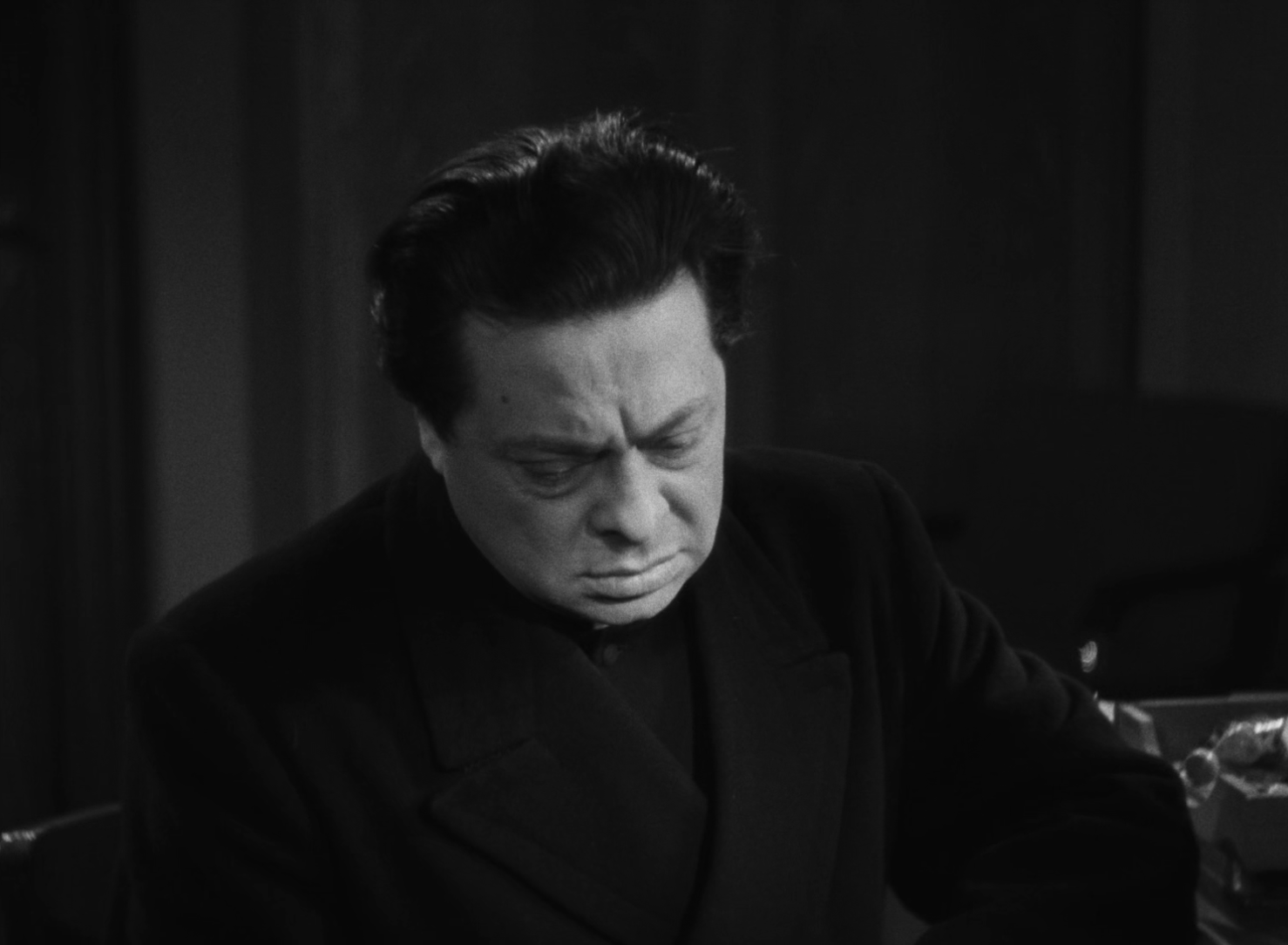
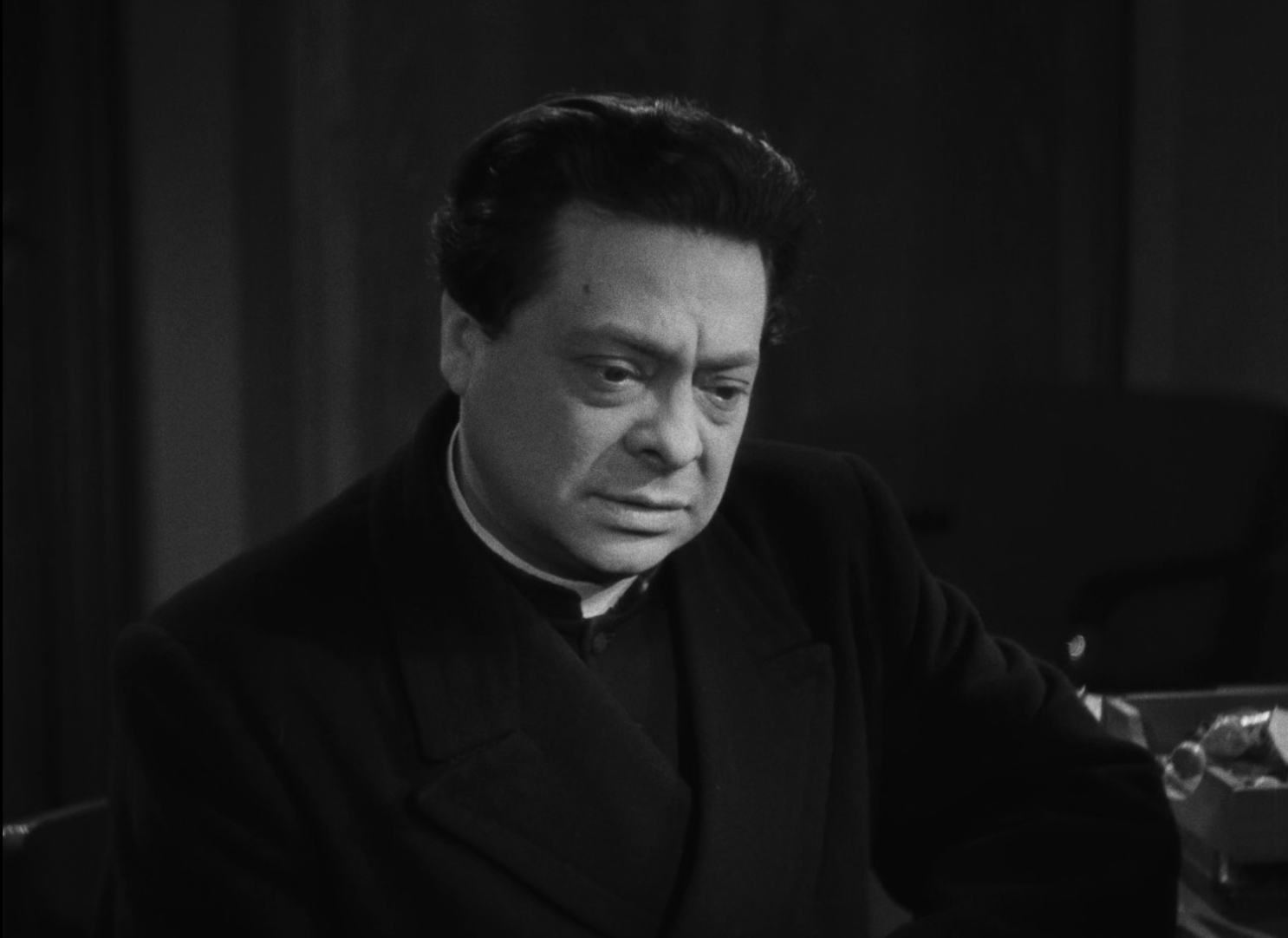
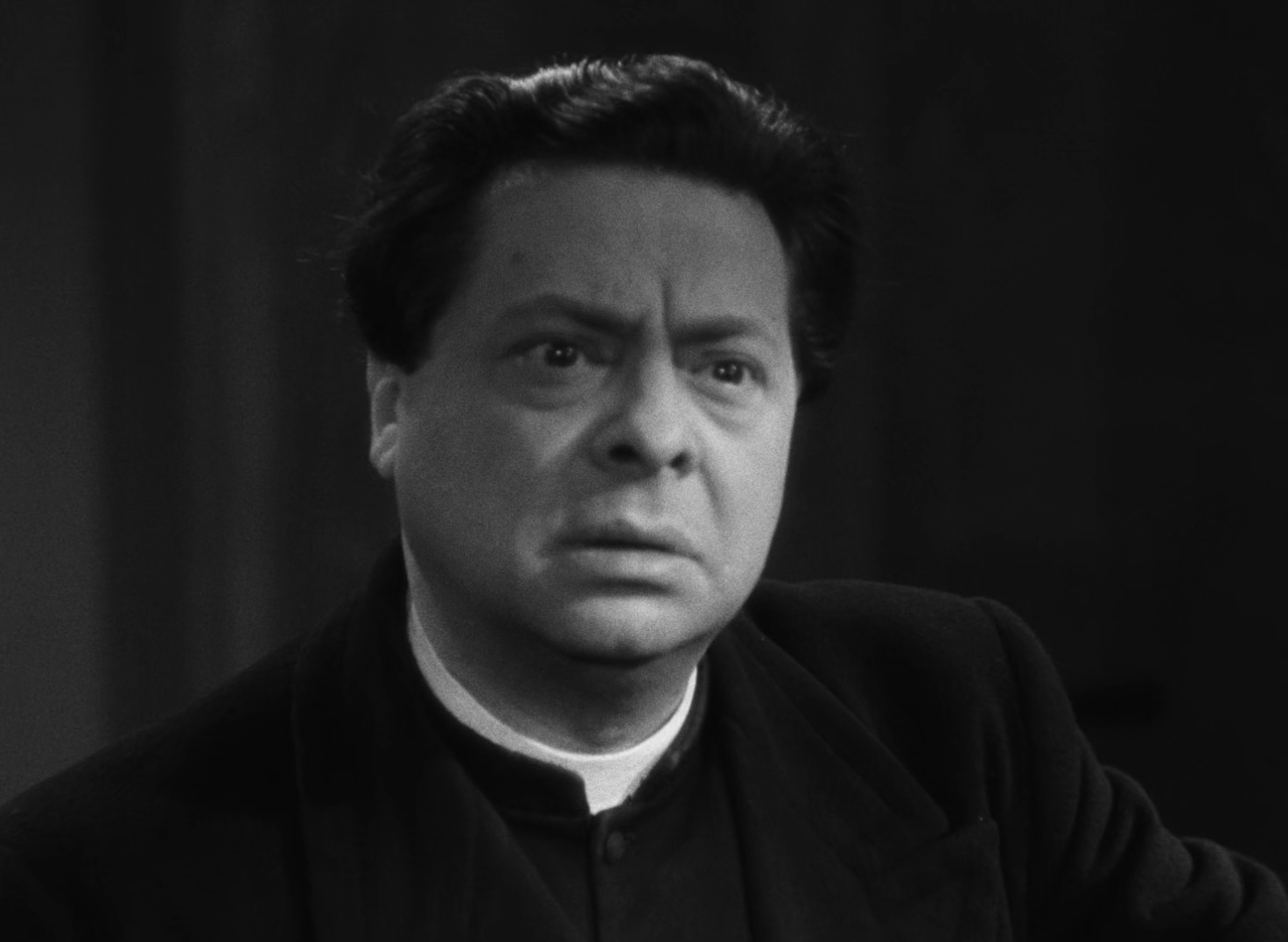
Don Pietro sembra insopportabilmente triste. Comincia a pregare in silenzio. Ma viene interrotto dalle urla di agonia di Manfredi.
Don Pietro looks unbearably sad. He begins to pray quietly. But he’s interrupted by screams of agony from Manfredi.
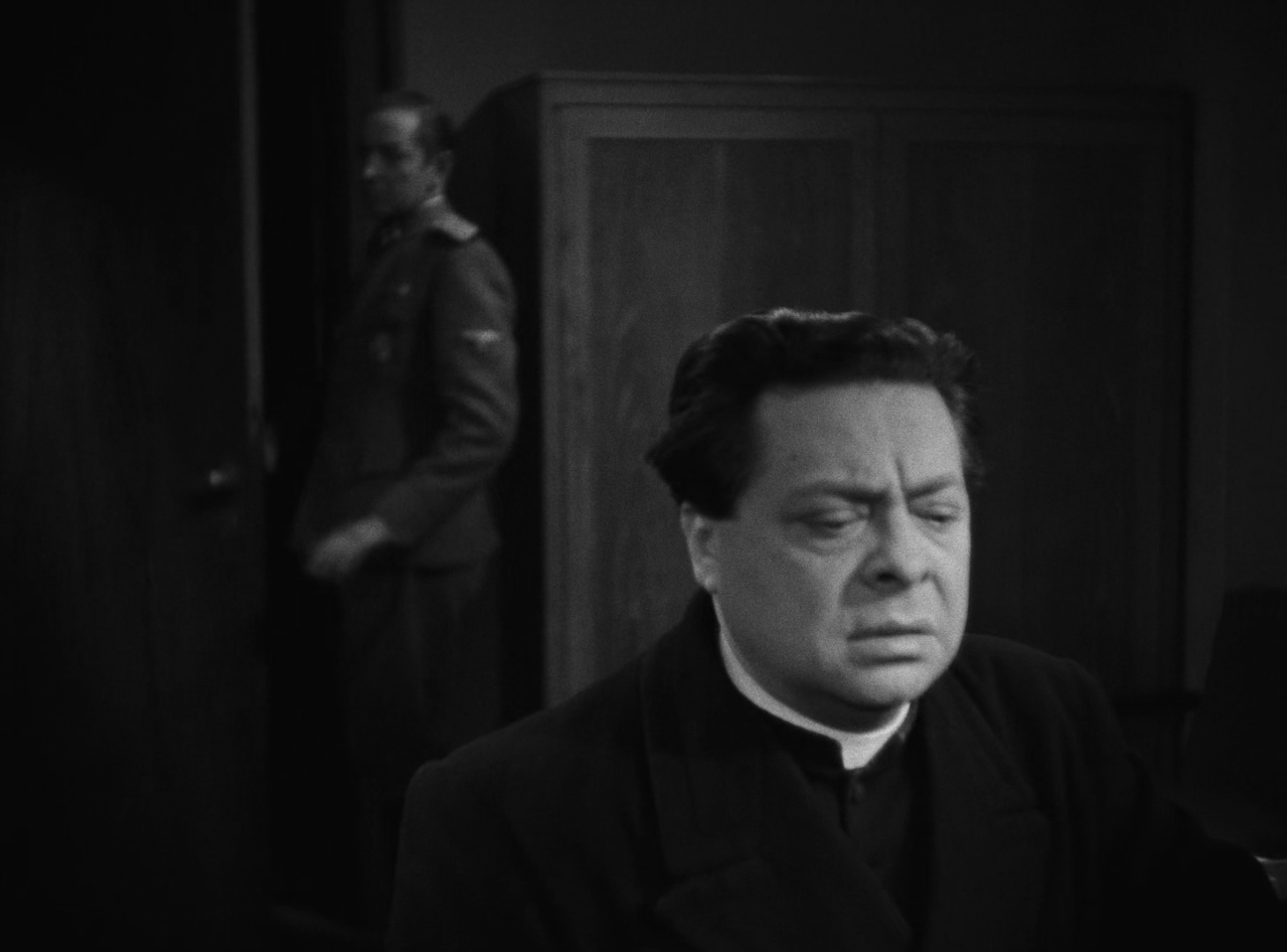
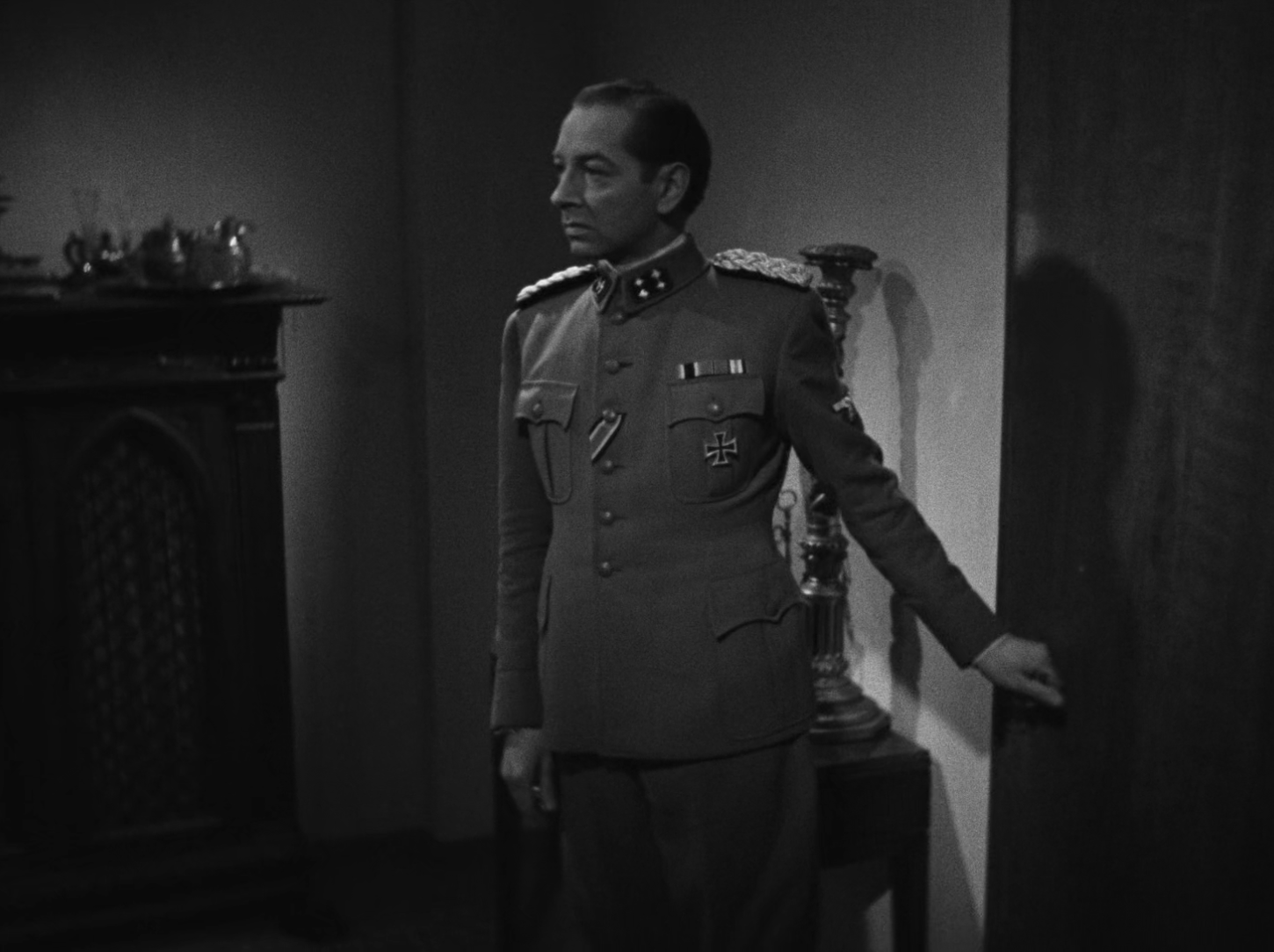
Mentre aspetta, Bergman entra nel salotto degli ufficiali. Attraverso la porta aperta, il prete sente brevemente il suono di un pianoforte che suona la musica che si sentirebbe in un salotto borghese.
While he’s waiting, Bergman goes into the officers’ sitting room. Through the open door, the priest briefly hears the sound of a piano playing music that one would hear in a bourgeois salon.
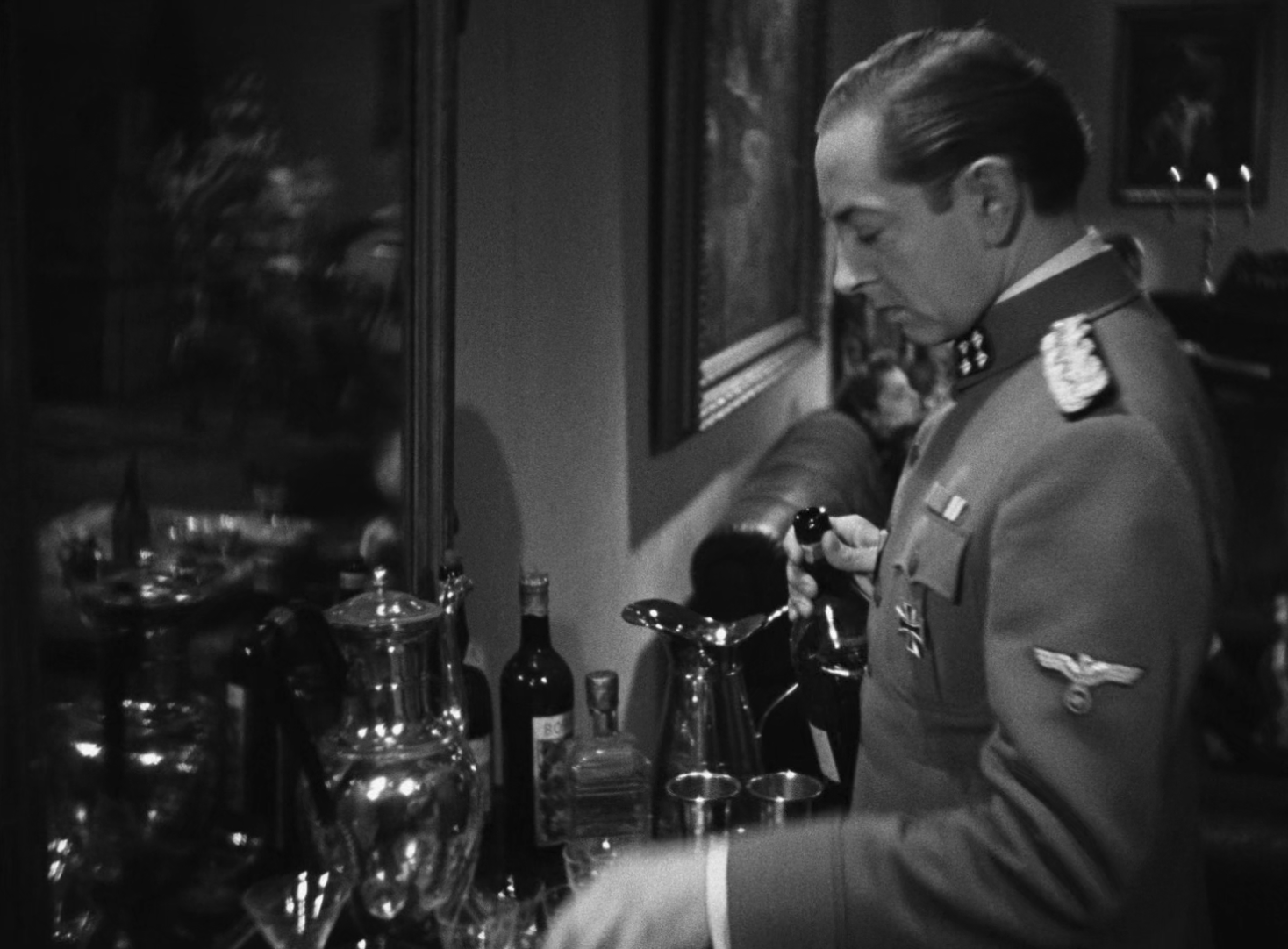
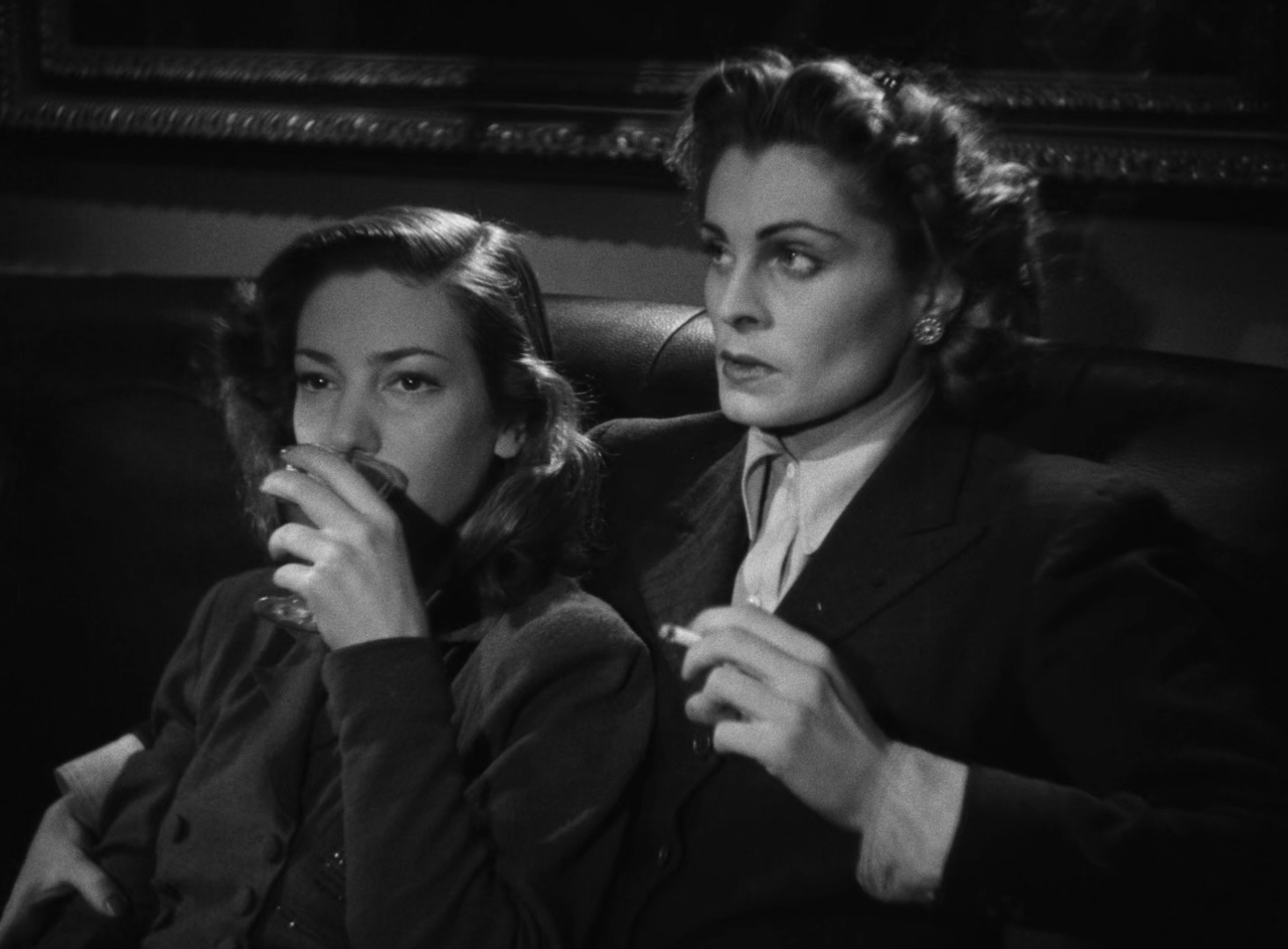
Bergmann si versa un drink. Annuisce a Ingrid, che siede con il braccio intorno a Marina.
Bergmann pours himself a drink. He nods at Ingrid, who sits with her arm around Marina.
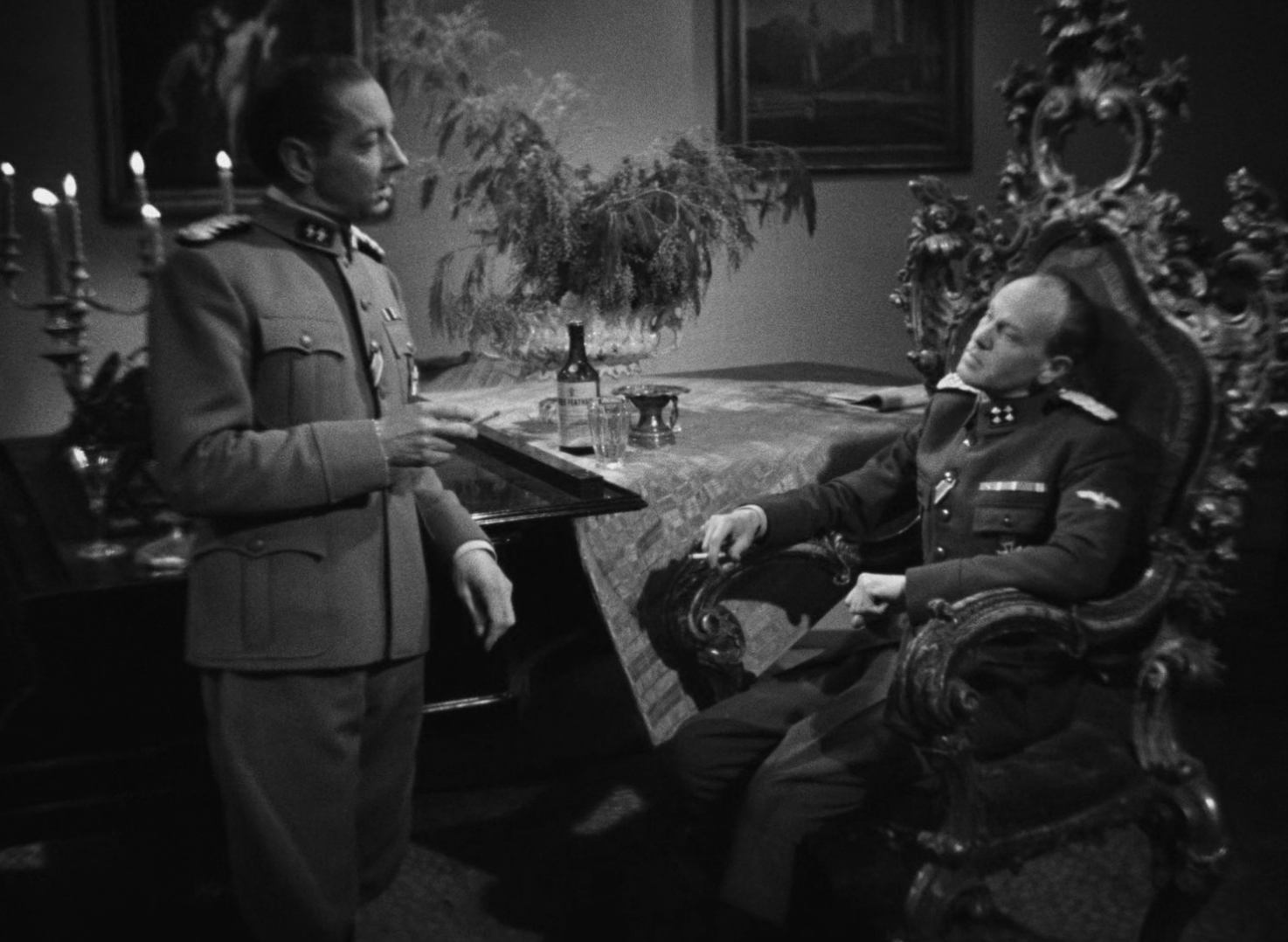
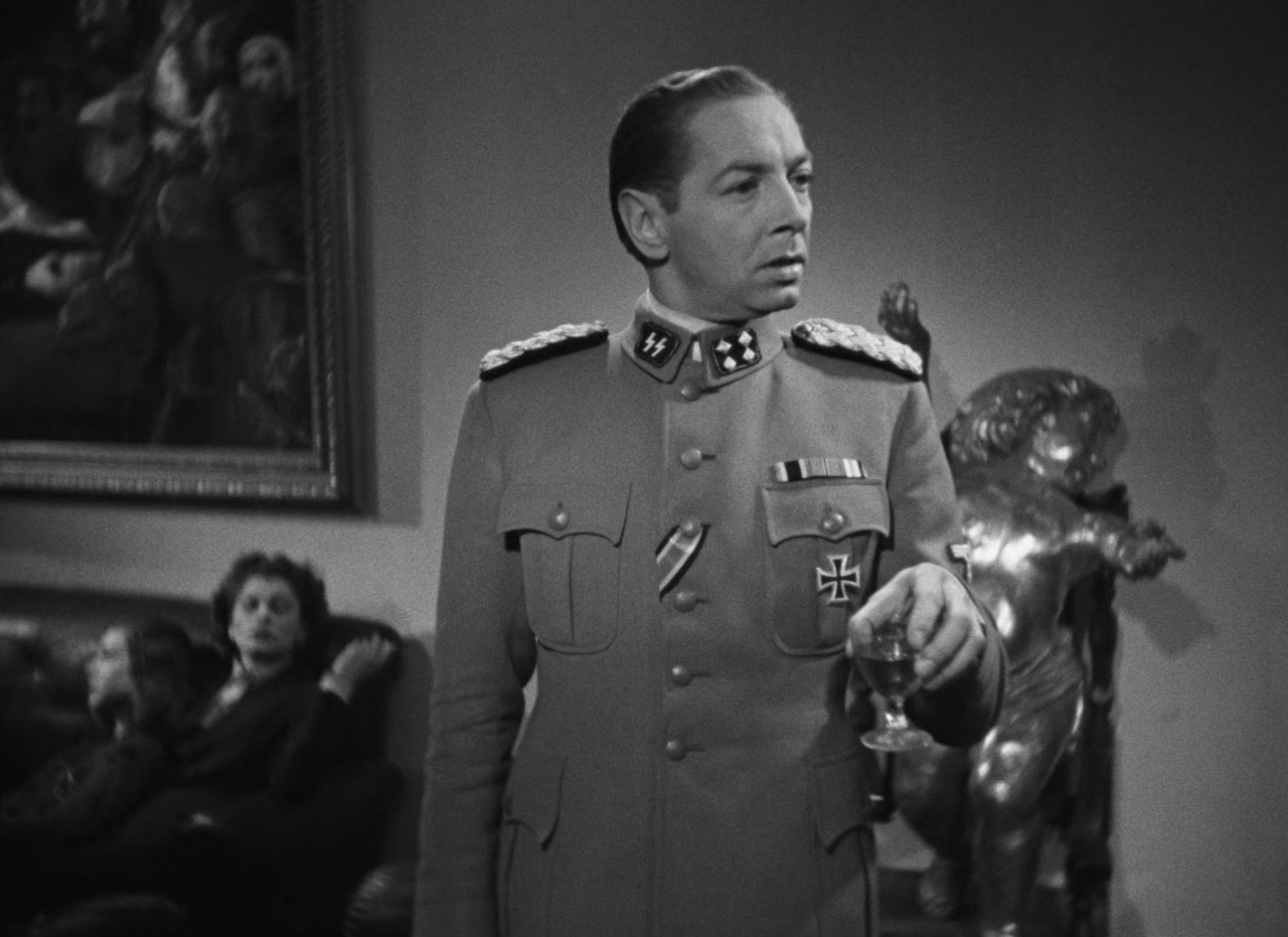
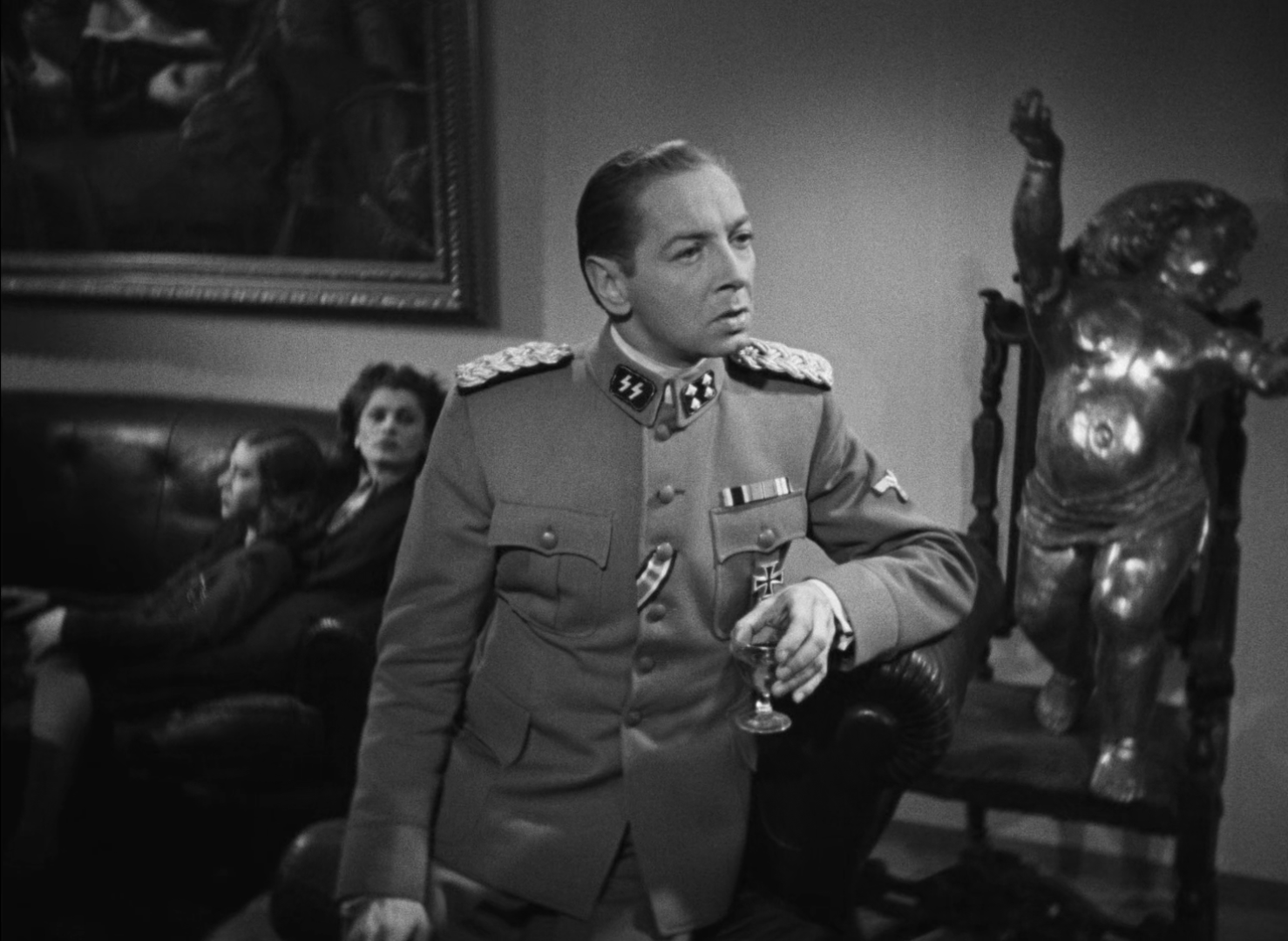
Accanto al pianoforte, un ufficiale (Joop van Hulzen) siede su una sedia decorata. "Serata faticosa?" chiede a Bergman.
"Ho un tizio che deve parlare prima di domattina e un prete italiano che sostiene che il tizio non parlerà".
"E se non parla?"
"Ridicolo", risponde Bergmann, andando via.
"E se non parla comunque?"
"Questo significherebbe che un italiano è capace quanto un tedesco, che non c'è differenza tra il sangue di una razza di schiavi e quello di una razza superiore. Quale sarebbe il senso della nostra lotta?”
By the piano, an officer sits in an ornate chair. “Strenuous evening?” he asks Bergman.
“I have a fellow who must talk before morning and an Italian priest who claims the fellow won’t talk.”
“And if he doesn't talk?”
“Ridiculous,” answers Bergmann, walking away.
“If he won’t talk anyway?”
“That would mean an Italian is as good as a German, that there’s no difference between the blood of a slave race and that of a master race. What would be the sense of our struggle?”
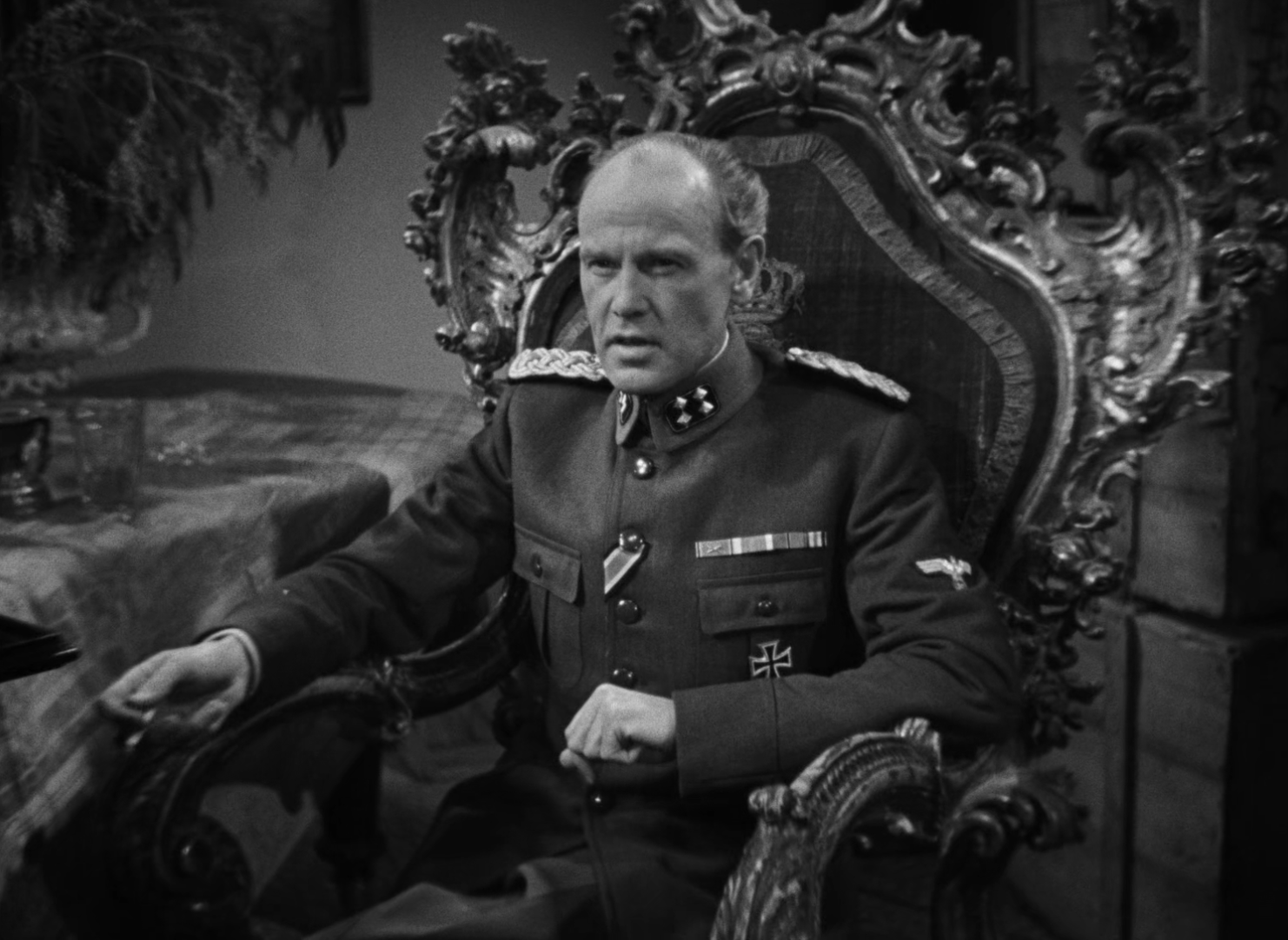
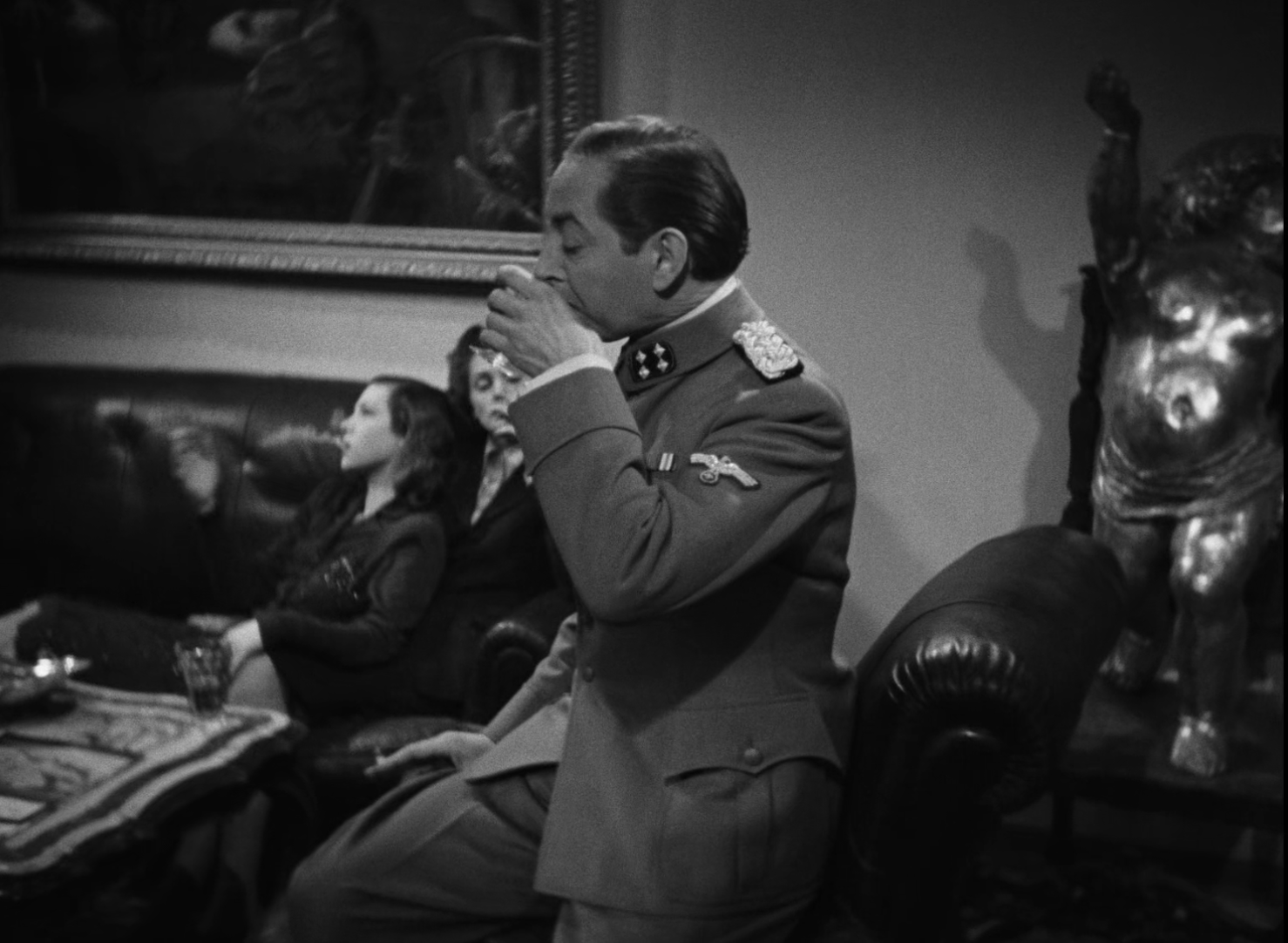
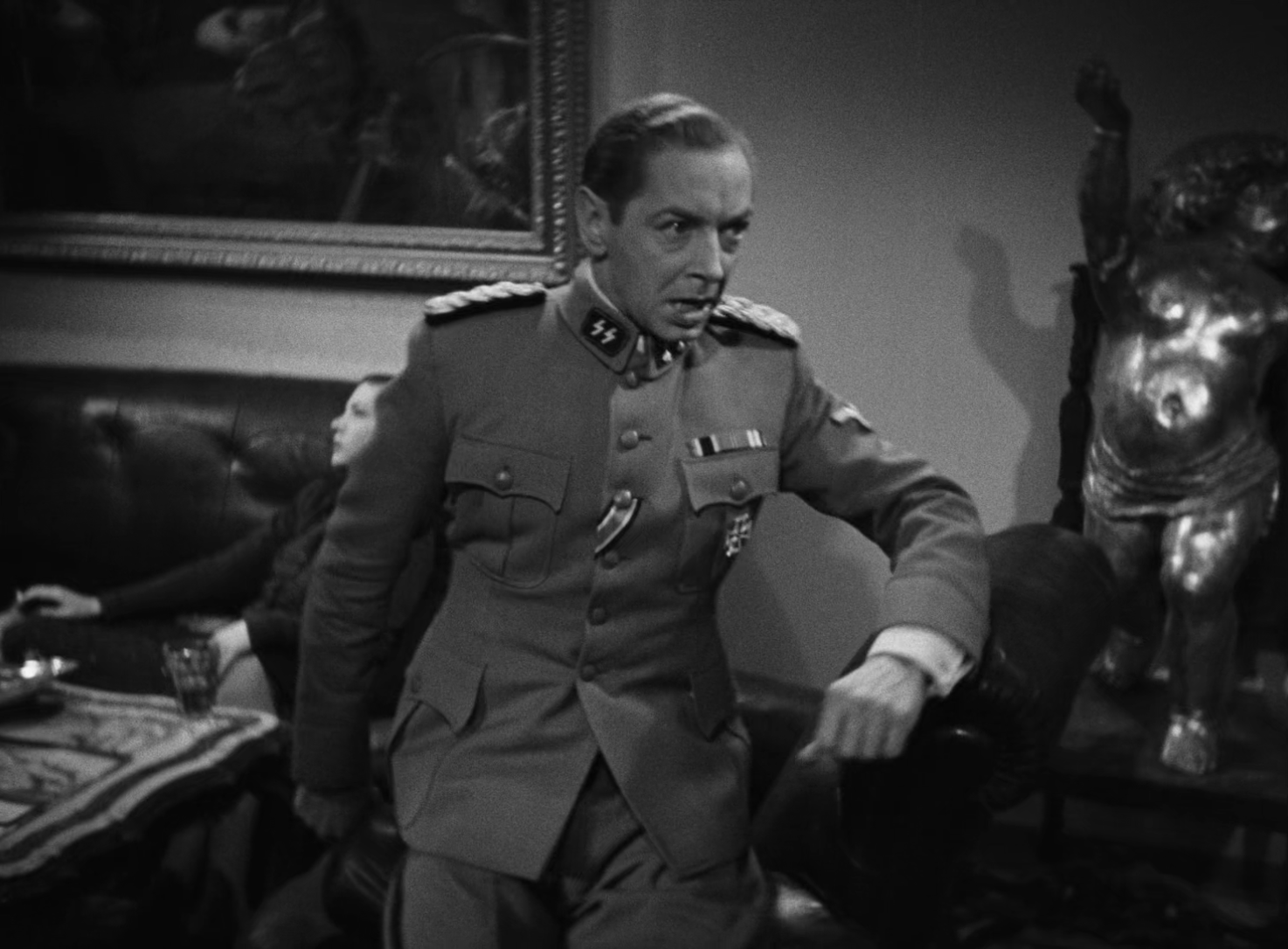
L'ufficiale risponde: "Venticinque anni fa guidavo le squadre delle esecuzioni in Francia. Anch'io credevo che noi tedeschi fossimo una razza superiore. Ma i patrioti francesi hanno scelto di morire piuttosto che parlare".
Bergmann sogghigna e gira le spalle. Ma l'ufficiale continua. "Noi tedeschi ci rifiutiamo di capire che il popolo vuole essere libero".
Bergmann si gira. "Hartmann, sei ubriaco!"
The officer replies, “Twenty-five years ago, I led execution squads in France. I too believed that we Germans were a master race. But the French patriots chose to die rather than talk.” Bergmann sneers and turns away. But the officer goes on. “We Germans refuse to realize that people want to be free.”
Bergmann spins around. “Hartmann, you’re drunk!”
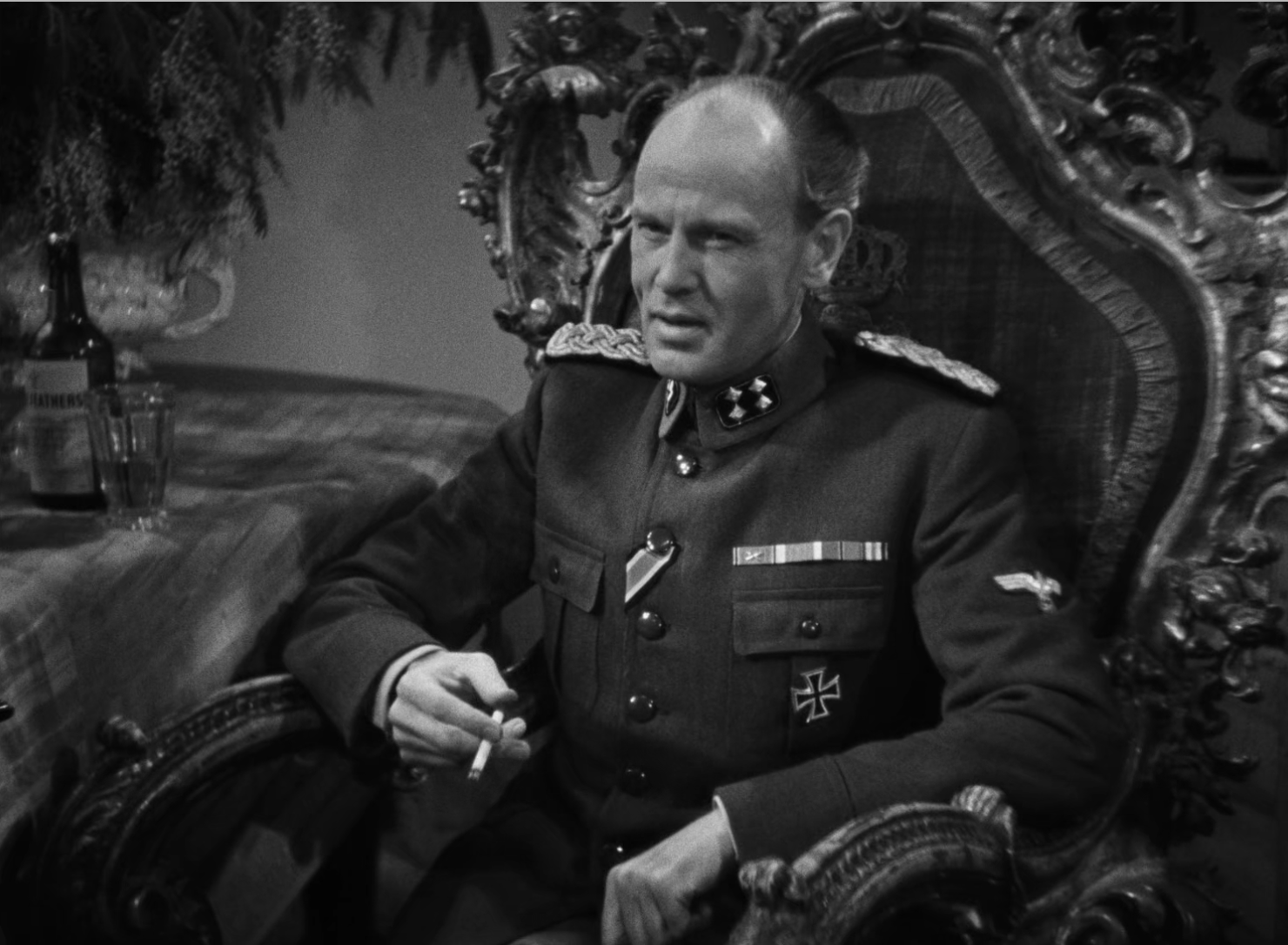
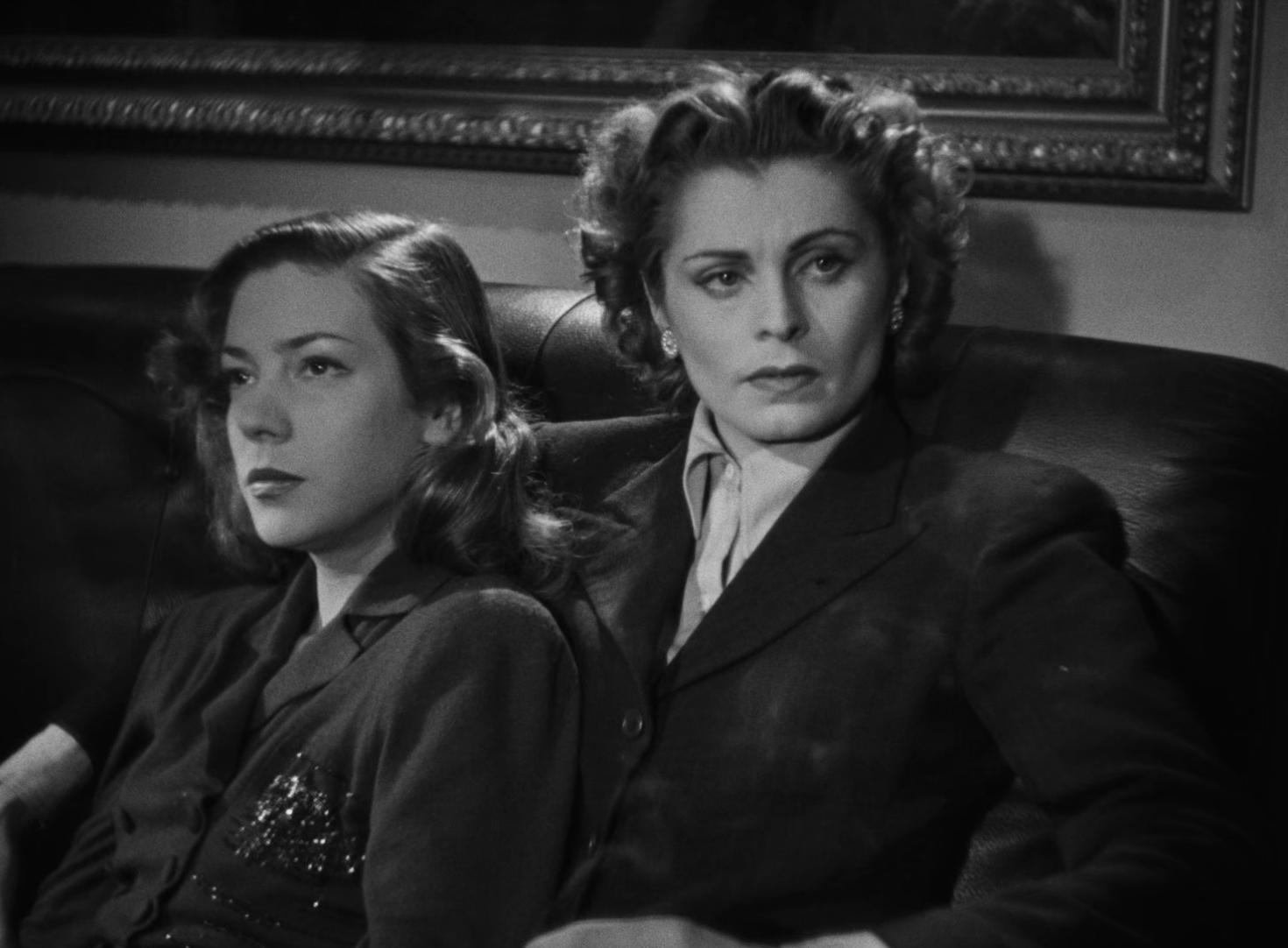
"Sì, lo sono" – annuisce – "Bevo ogni sera per dimenticare. Ma mi fa solo vedere più chiaramente".
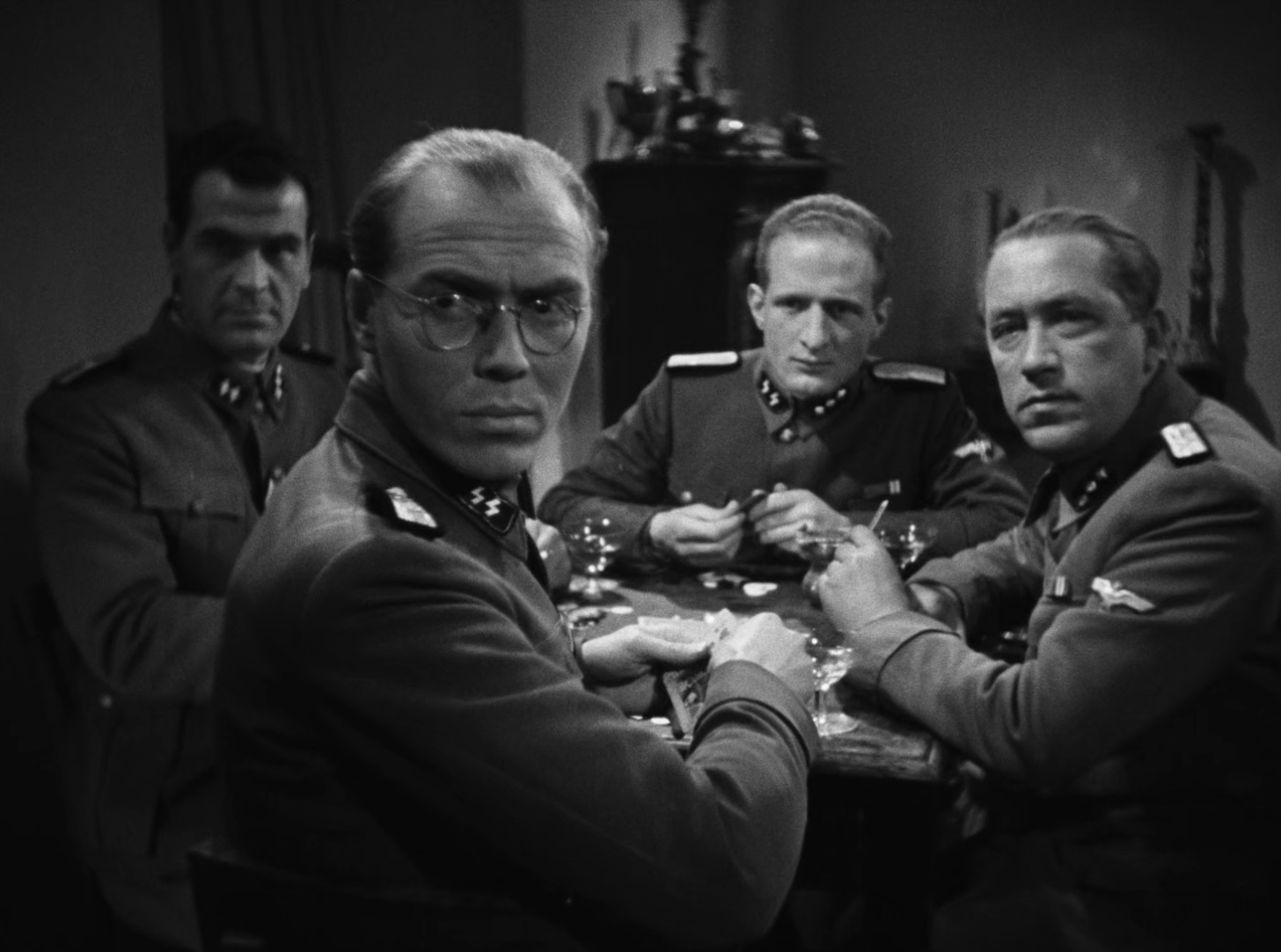
A questo punto, tutti nella stanza sono in ascolto – tranne forse Marina, che sembra essere in uno stato di torpore.
“Yes, I am,” he nods. “I drink every night to forget. But it only makes me see more clearly.”
By now, everyone in the room is listening – except perhaps Marina, who seems to be in a stupor.
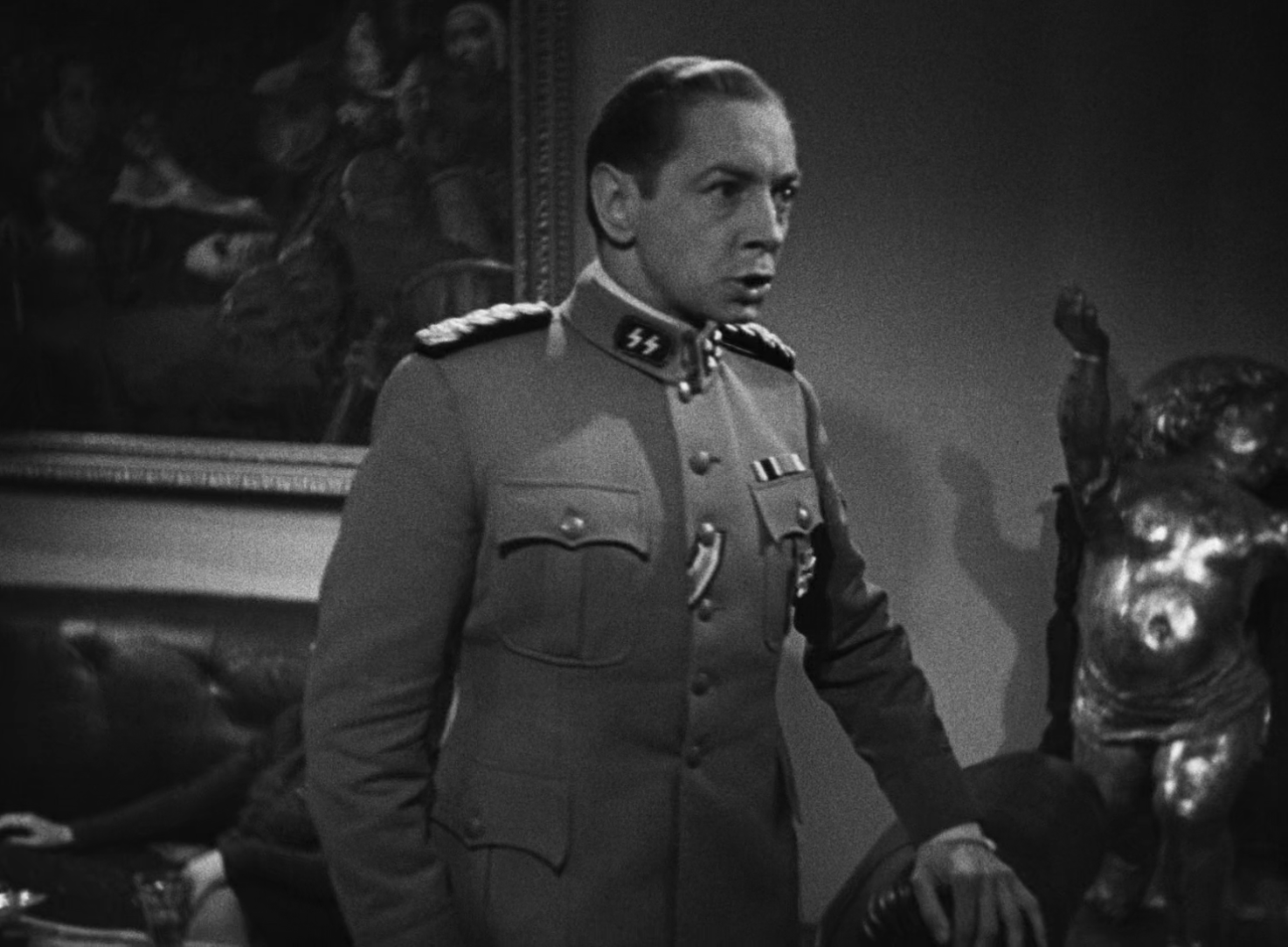
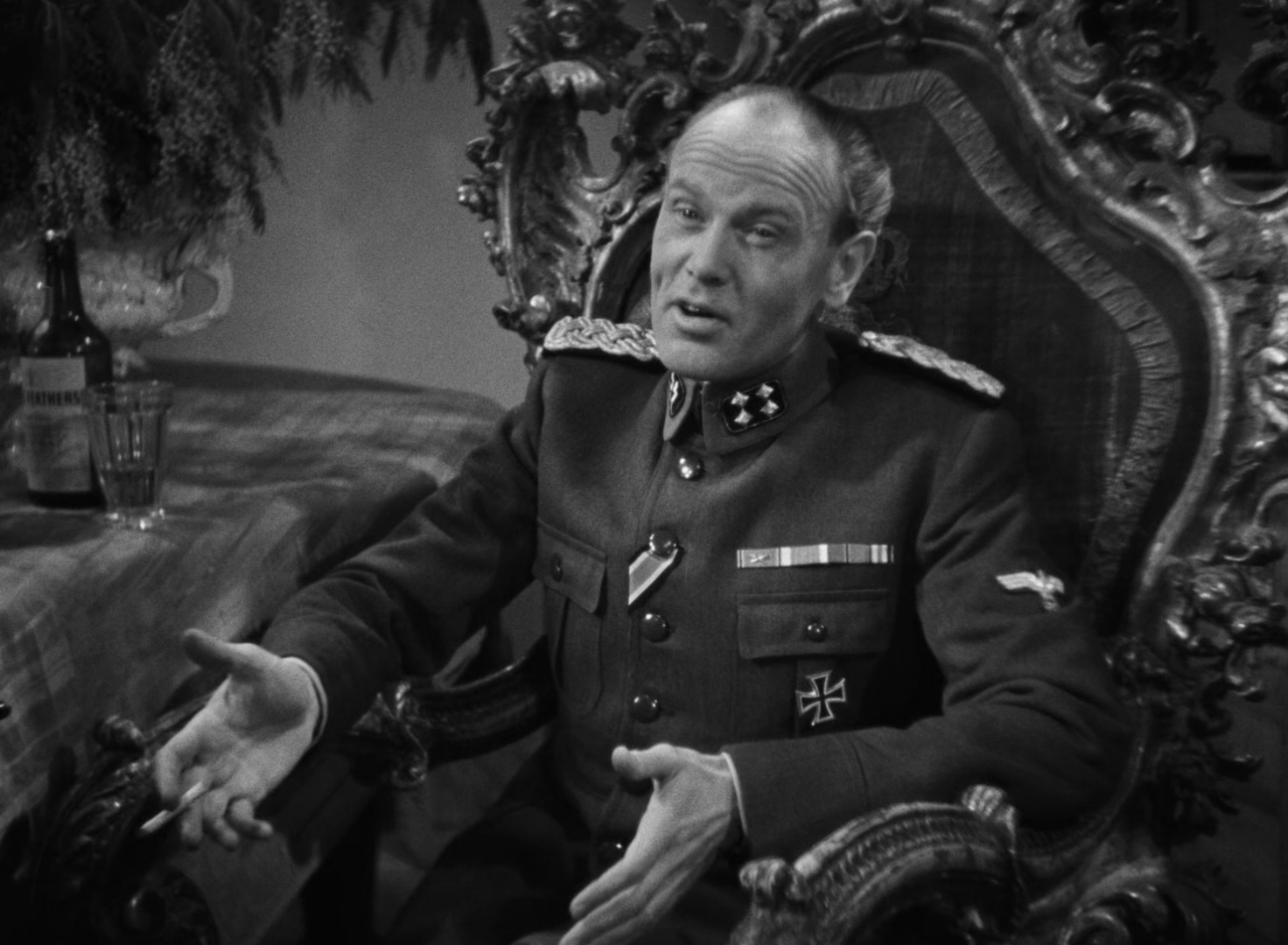
"Tutto quello che siamo veramente bravi a fare è uccidere, uccidere, uccidere! Abbiamo disseminato tutta l'Europa di cadaveri. E dalle loro tombe sorge un odio inestinguibile. Quell'odio ci divorerà. Non c'è speranza".
"Basta!" – Bergman è infuriato – "Ti proibisco di continuare! Dimentichi di essere un ufficiale tedesco!"
Viene interrotto da Krammer.
“All we’re really good at is killing, killing, killing! We’ve strewn all of Europe with corpses. And from their graves rises up an unquenchable hatred. That hatred will devour us. There is no hope.”
“Enough!” Bergman is infuriated. “I forbid you to continue! You forget that you are a German officer!”
He’s interrupted by Krammer.
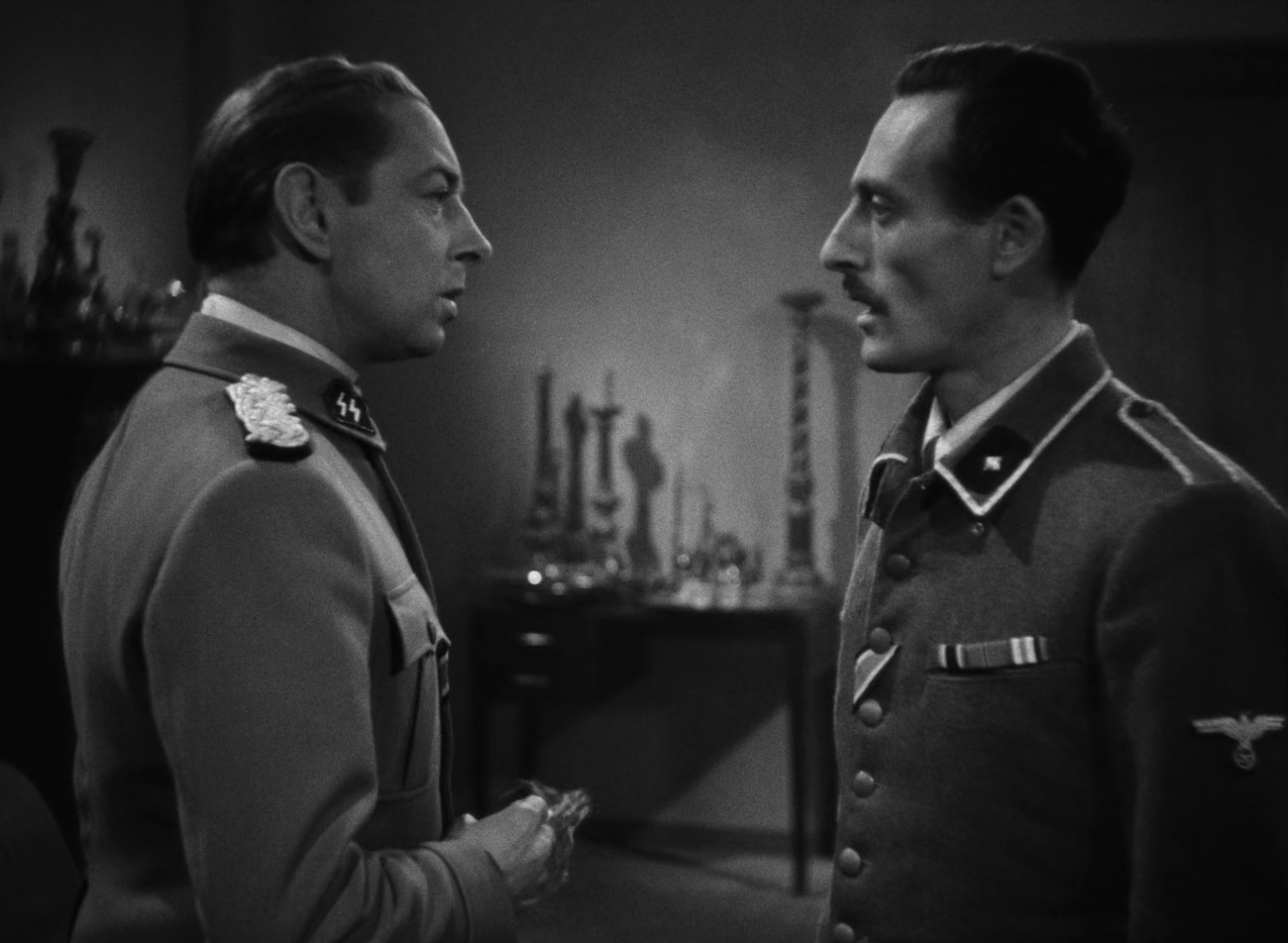
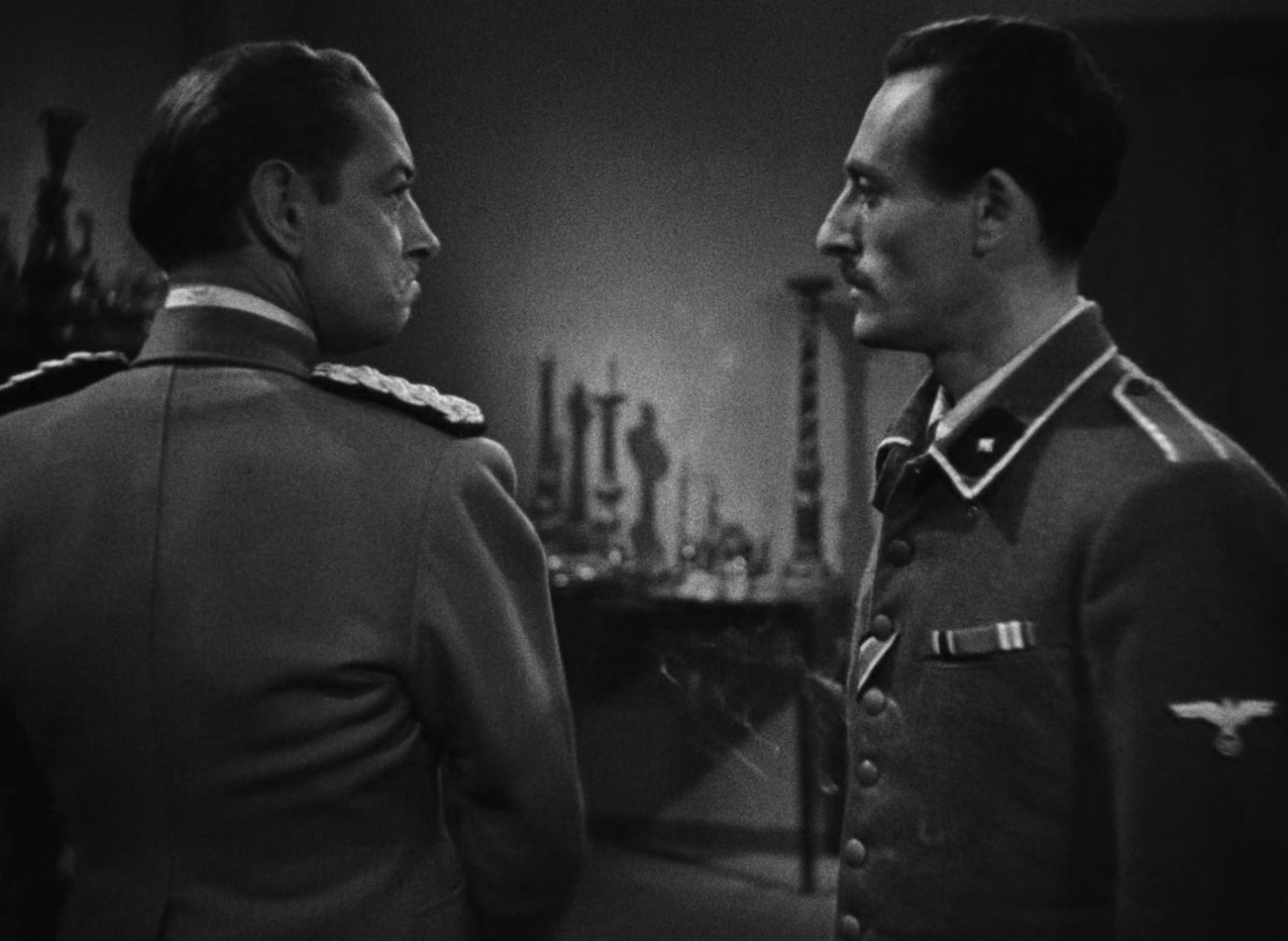
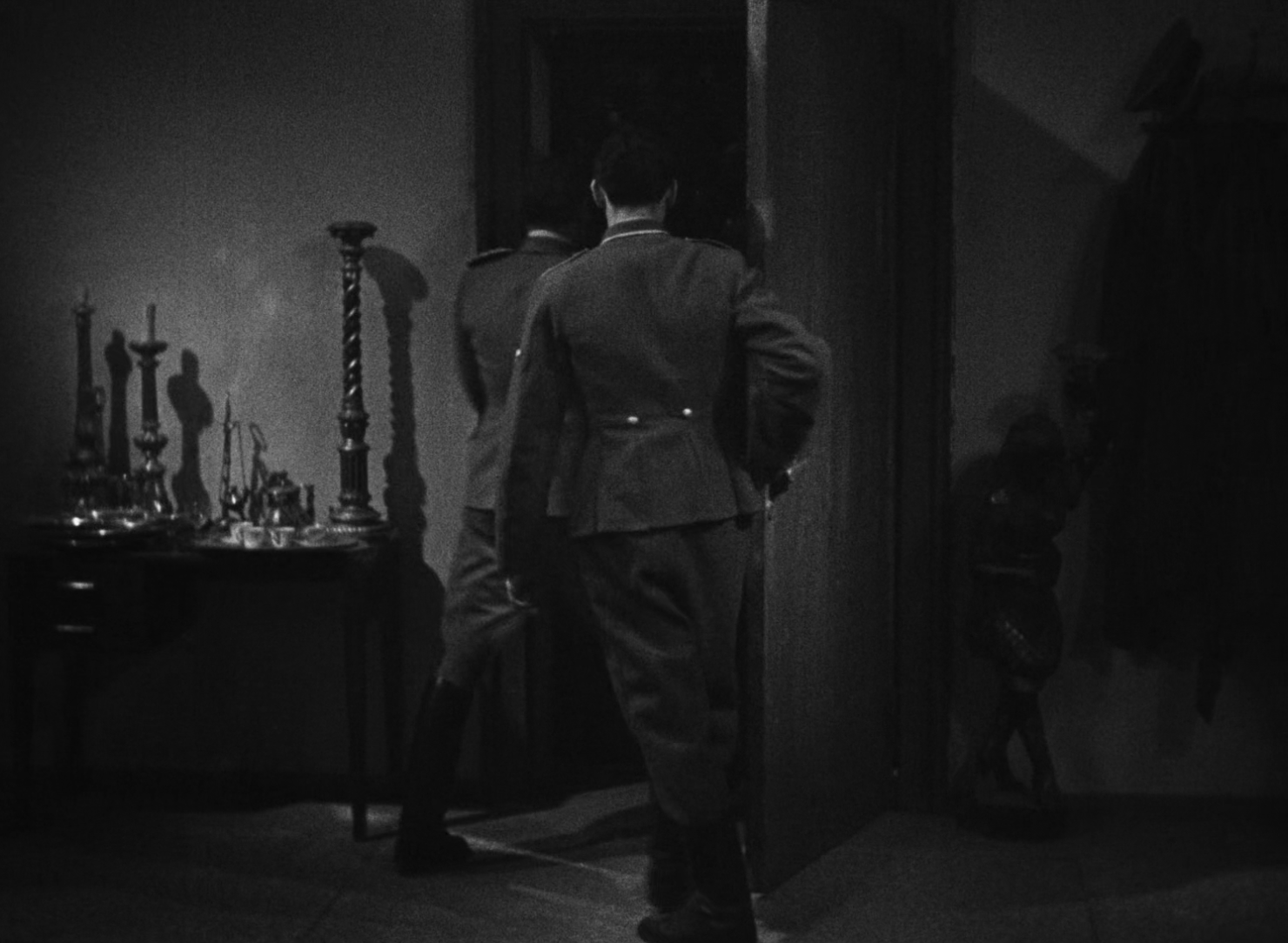
"Ha parlato?" chiede il maggiore.
"No, signore”.
Bergmann getta la sigaretta sul pavimento e lascia la stanza indignato.
“Did he talk?” asks the Major.
“No, sir.”
Bergmann throws his cigarette on the floor and leaves the room in a huff.
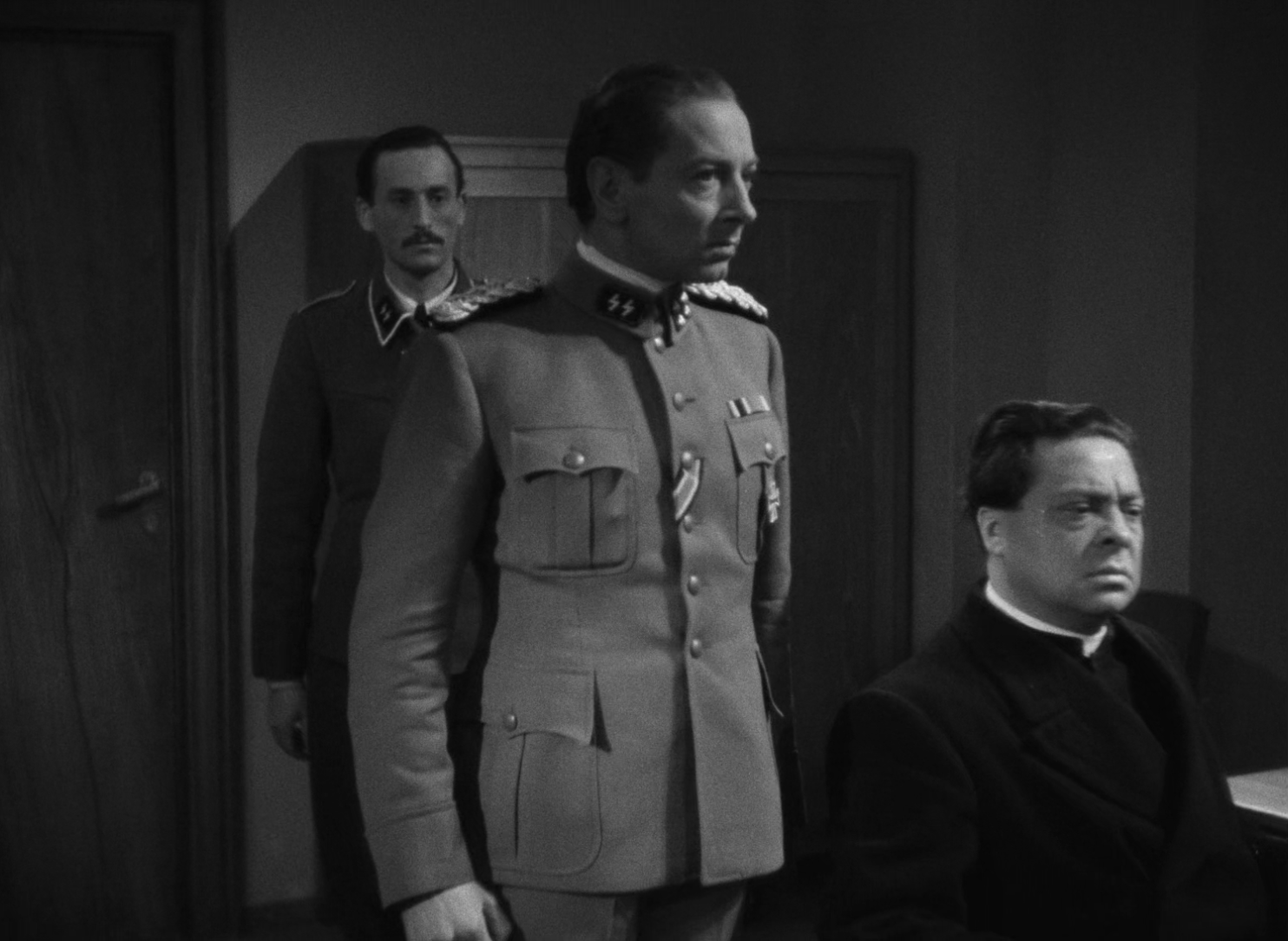
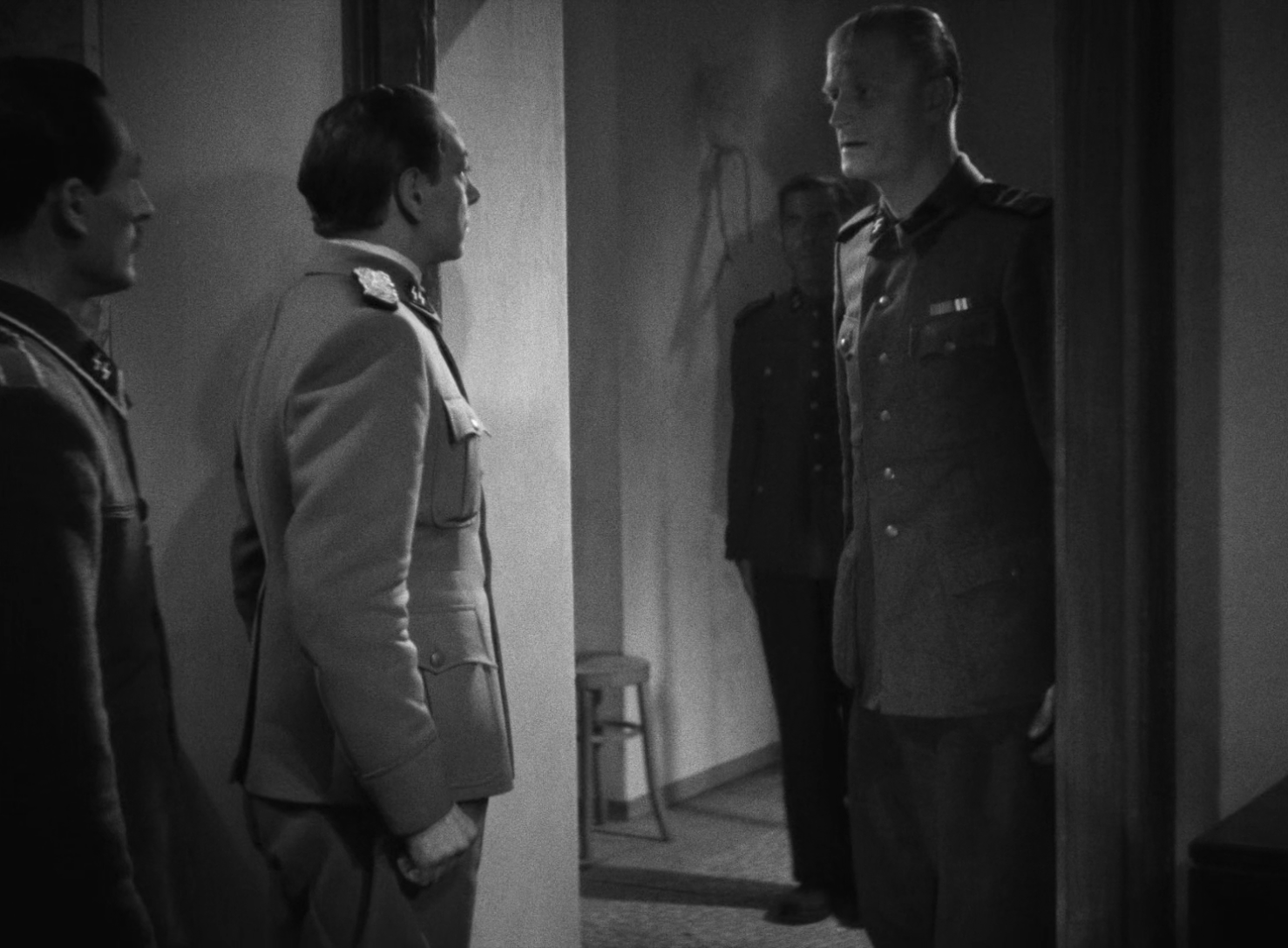
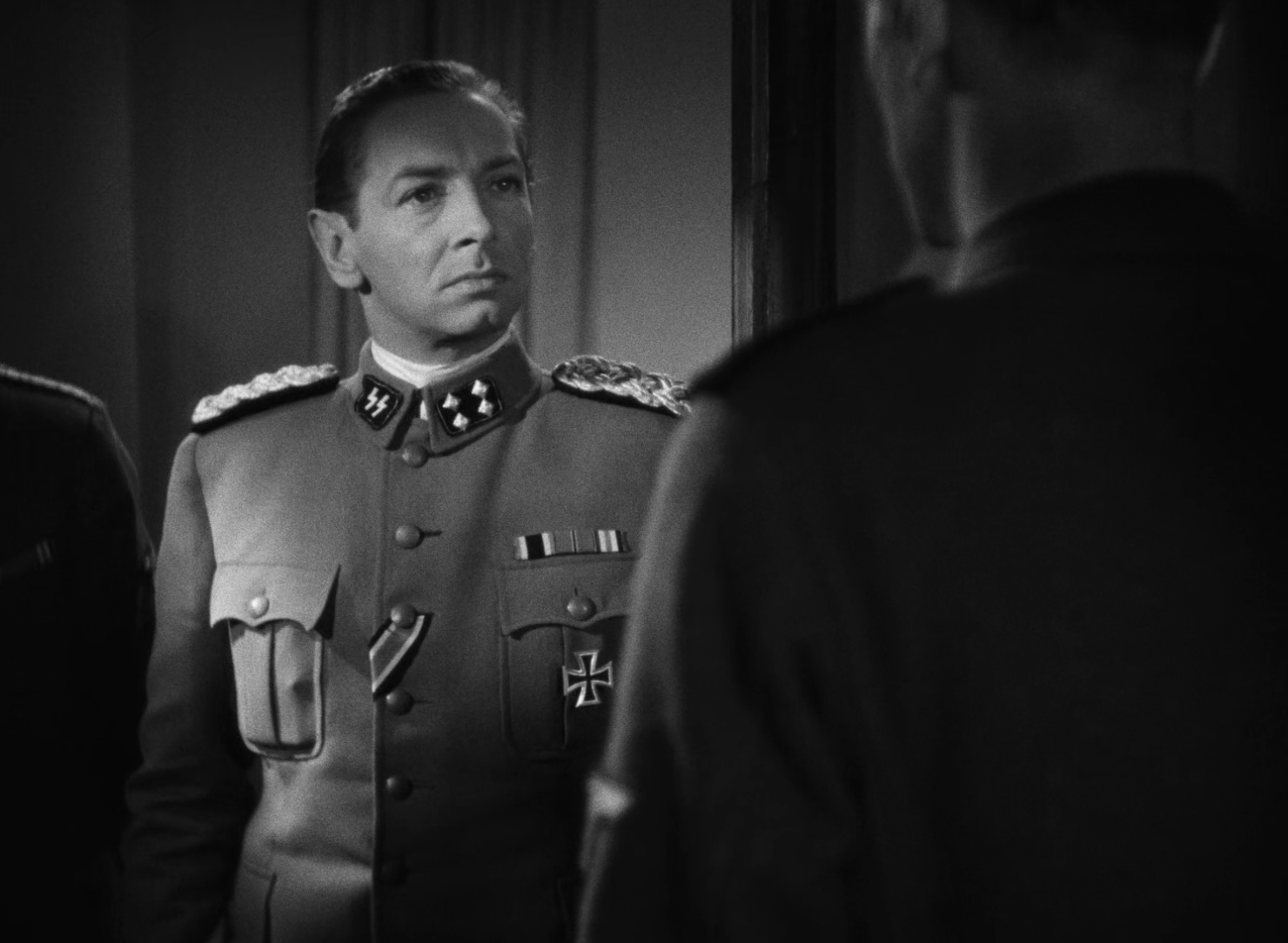
Passando accanto a Don Pietro, che ha le lacrime agli occhi, Bergmann affronta uno dei torturatori. "Ebbene?" chiede.
"È impossibile, signore. Dobbiamo lasciarlo riacquistare un po' di forza".
"Impossibile! È troppo tardi per questo”.
Striding past Don Pietro, who has tears in his eyes, Bergmann addresses one of the torturers. “Well?” he demands.
“It’s impossible, sir. We have to let him regain some strength.”
“Impossible! It’s too late for that.”
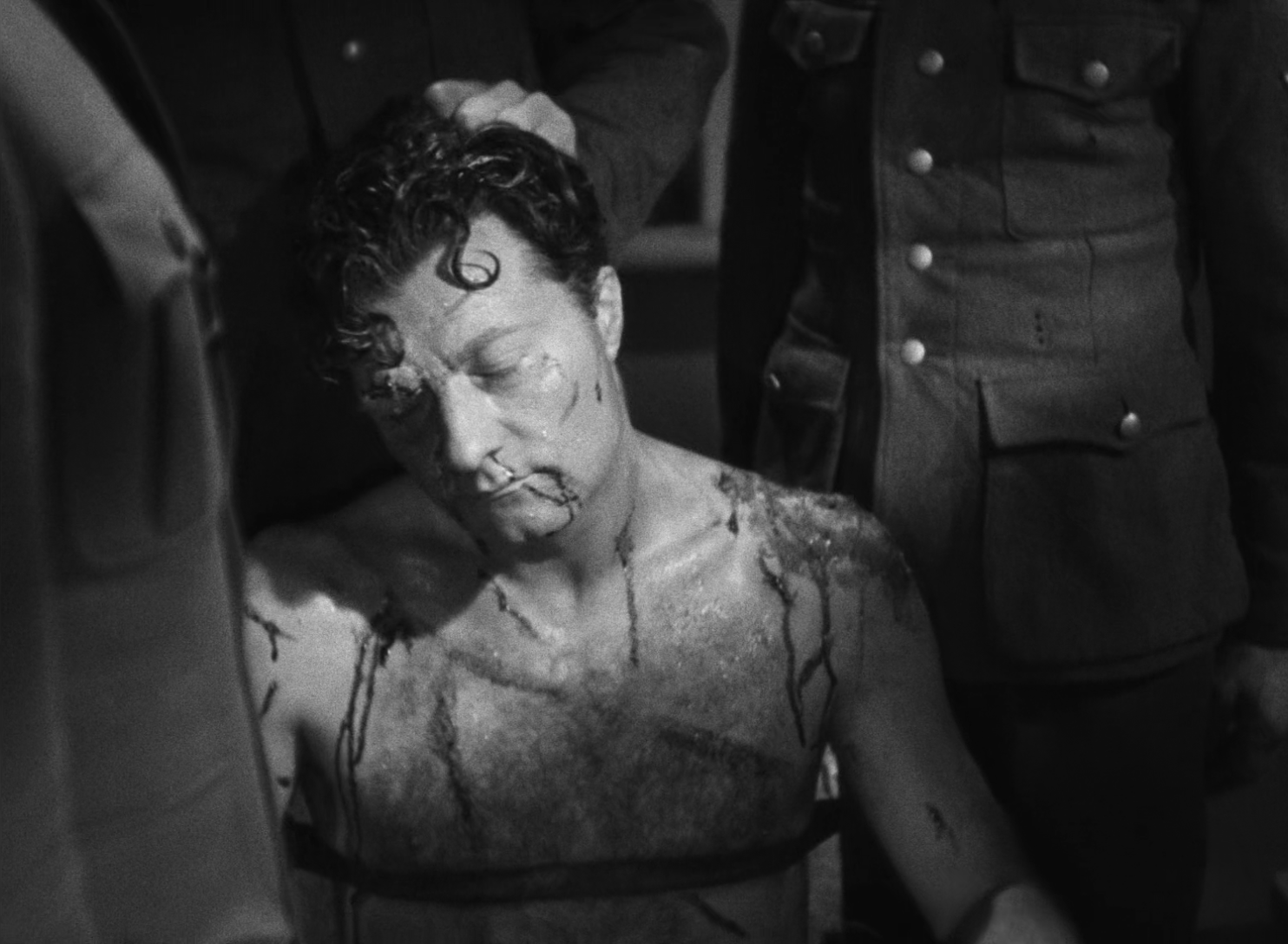
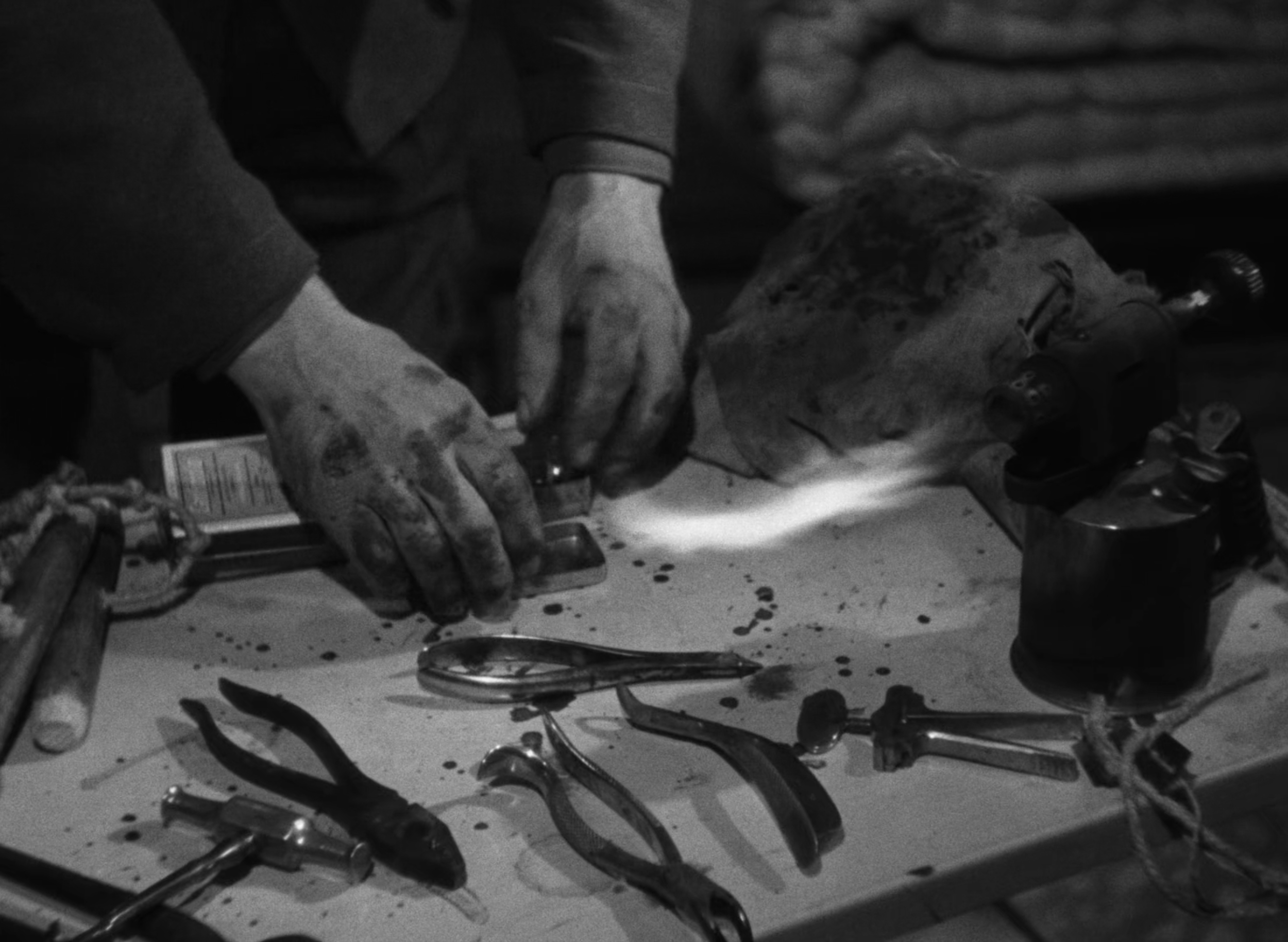
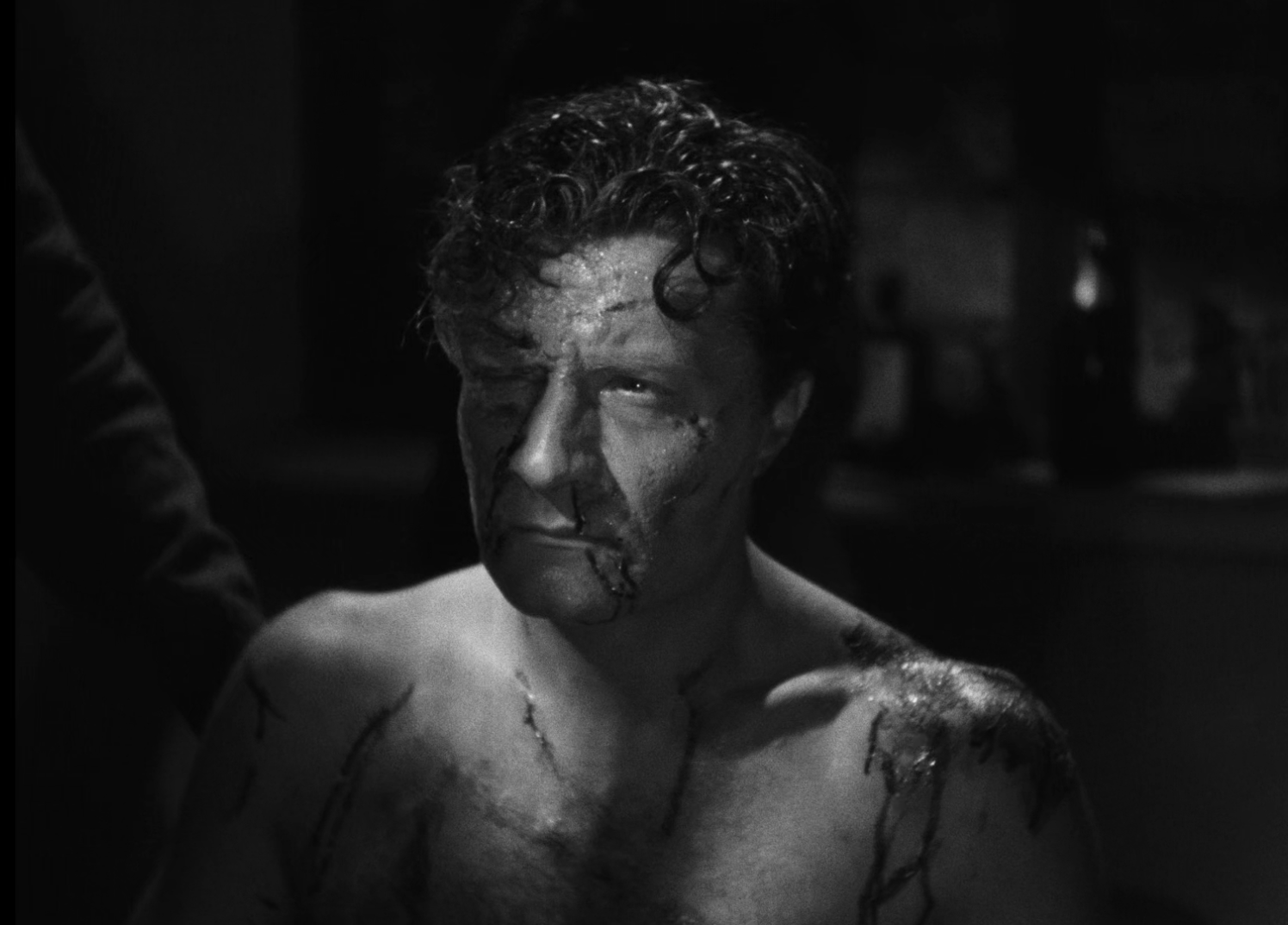
All'interno della stanza, Manfredi è abbandonato su una sedia, coperto di abrasioni dovute al suo pestaggio. Il soldato gli tira su la testa, per dimostrare che è incosciente. Vediamo gli strumenti di tortura.
Inside the room, Manfredi is collapsed in a chair, covered with abrasions from his beating. The soldier pulls up his head, to show that he is unconscious. We see the instruments of torture.
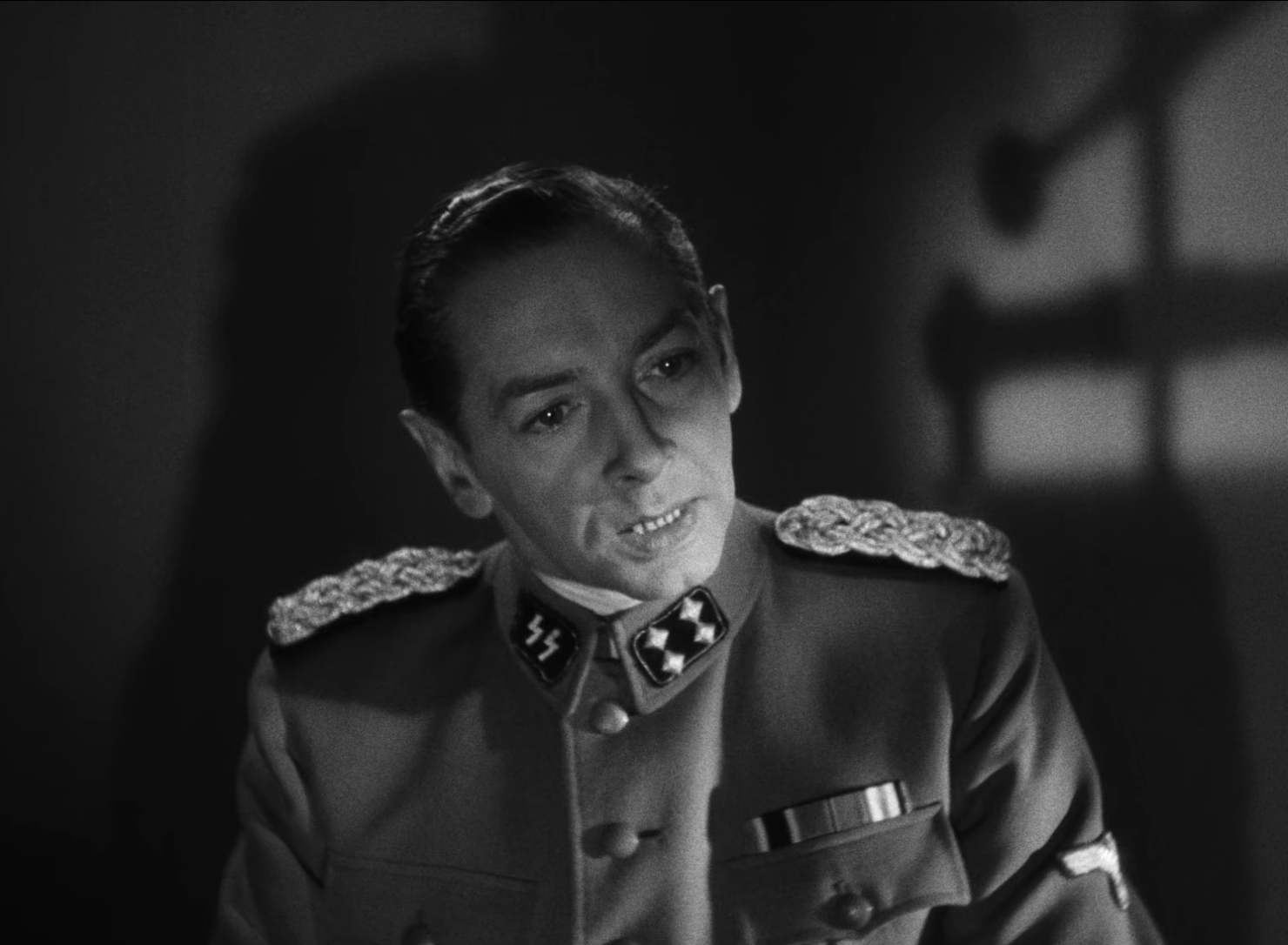
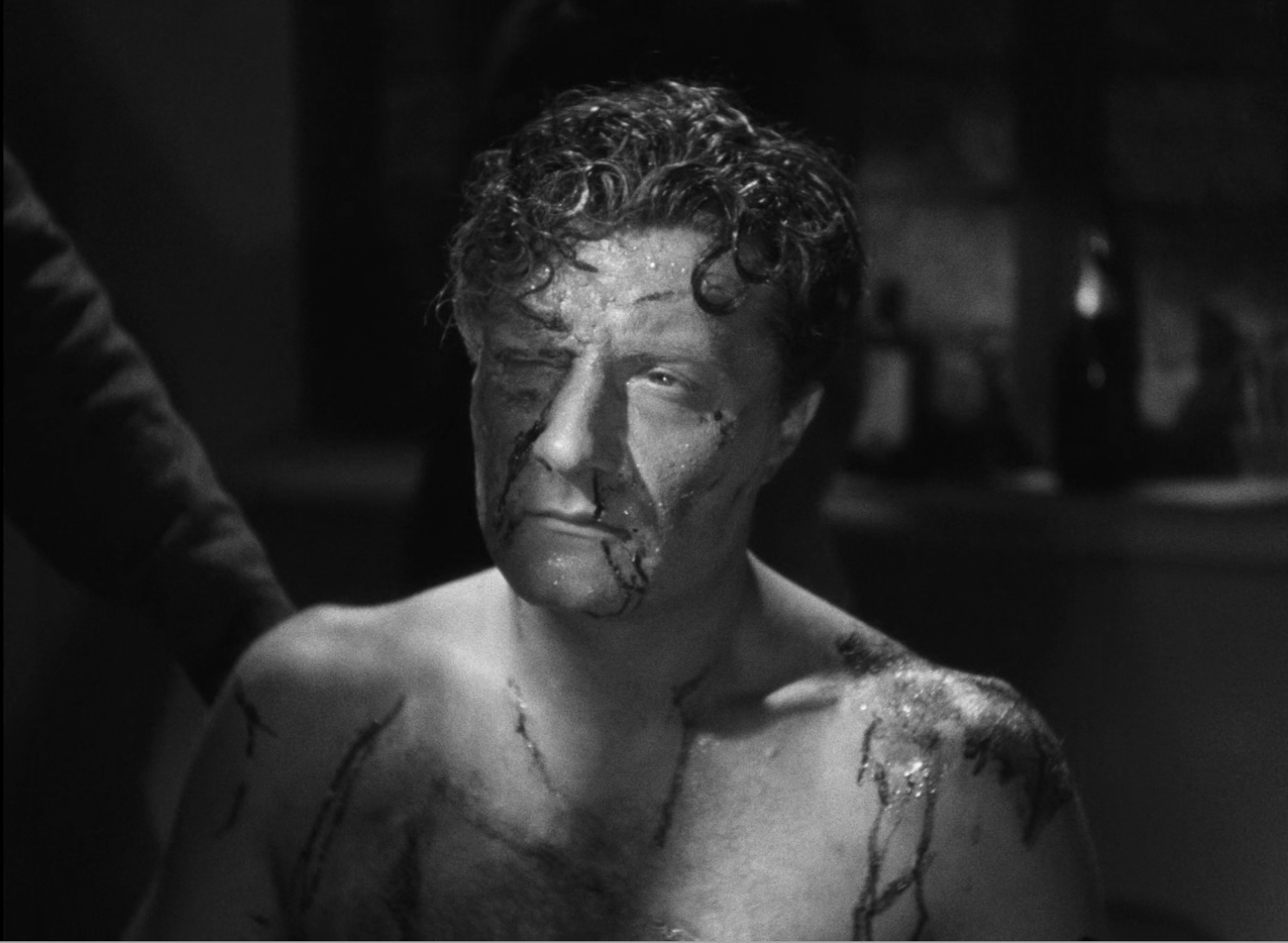
Un’iniezione lo rianima. “Io gliel'ho già detto” – gli dice il maggiore – “ho molta stima per lei. E apprezzo molto, mi creda, questa prova del suo coraggio e del suo spirito di sacrificio, ma lei deve comprendere che non è più possibile continuare! Lei è un comunista. Il suo partito ha concluso un patto di alleanza con le forze reazionarie. Voi ora marciate insieme contro di noi. Ma domani, quando Roma sarà occupata – o ''liberata'' come dite voi – saranno ancora vostri alleati questi alti ufficiali monarchici?”*
*Durante l'occupazione tedesca, un'ampia gamma di gruppi politici italiani – dai comunisti ai socialdemocratici – è stata unita nella Resistenza. Il governo reale non era rappresentato, ma ha riconosciuto il Comitato di Liberazione Nazionale come l'organizzazione ombrello della Resistenza.
An injection revives him. “As I said before,” the Major tells him, “I admire you greatly. And, I do appreciate, believe me, this proof of your courage and spirit of sacrifice, but you must understand: this can’t go on! You’re a Communist. Your party has formed a pact with reactionary forces. You’re all working together against us now. But tomorrow, when Rome is occupied – or ‘liberated,’ as you call it – will these high-ranking monarchist officers still be your allies?”*
*During the German occupation, a broad range of Italian political groups– from Communists to Social Democrats – was united in the Resistance. The Royal government was not represented, but it did recognize the National Liberation Committee as the umbrella organization of the Resistance.
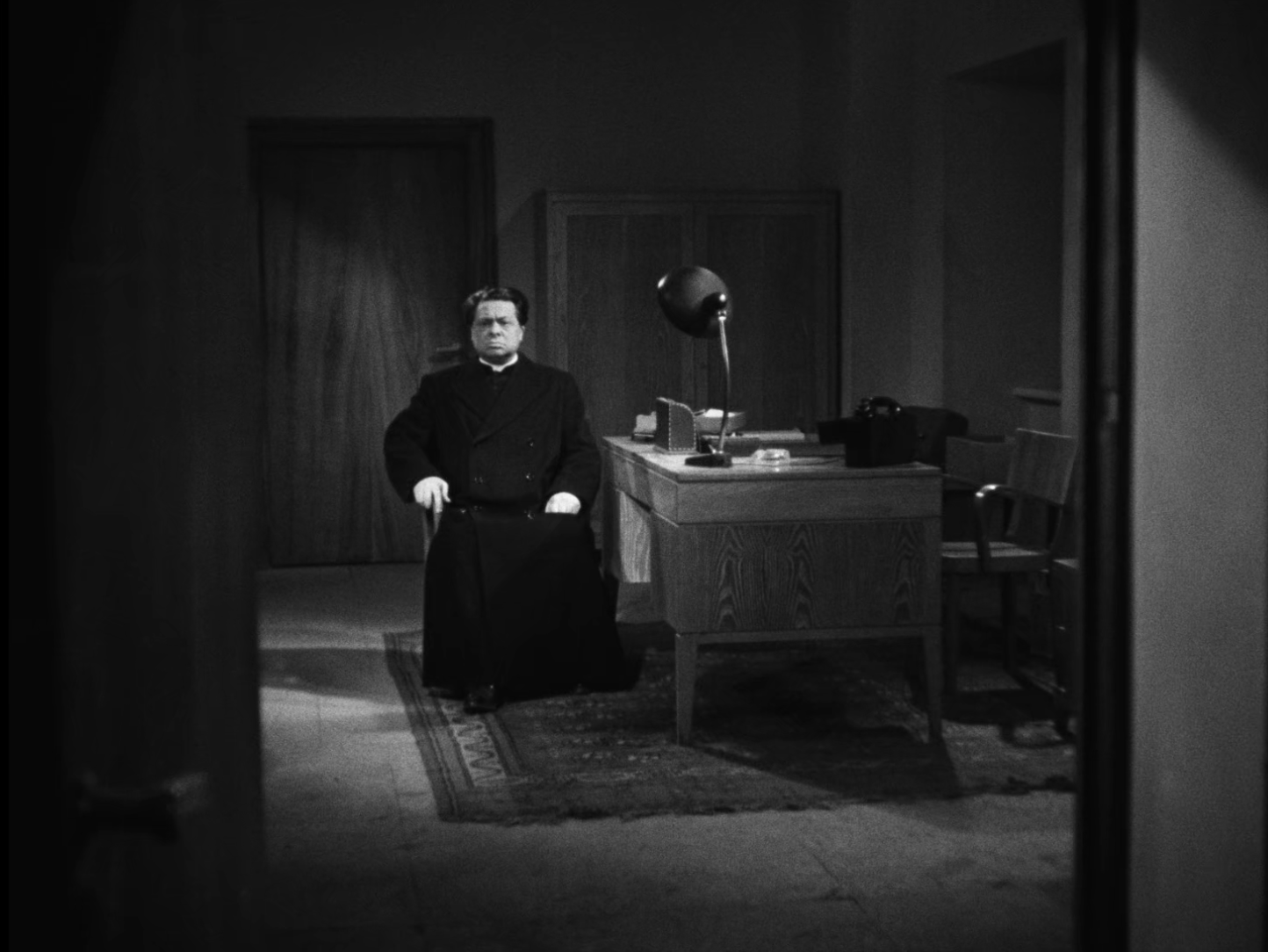
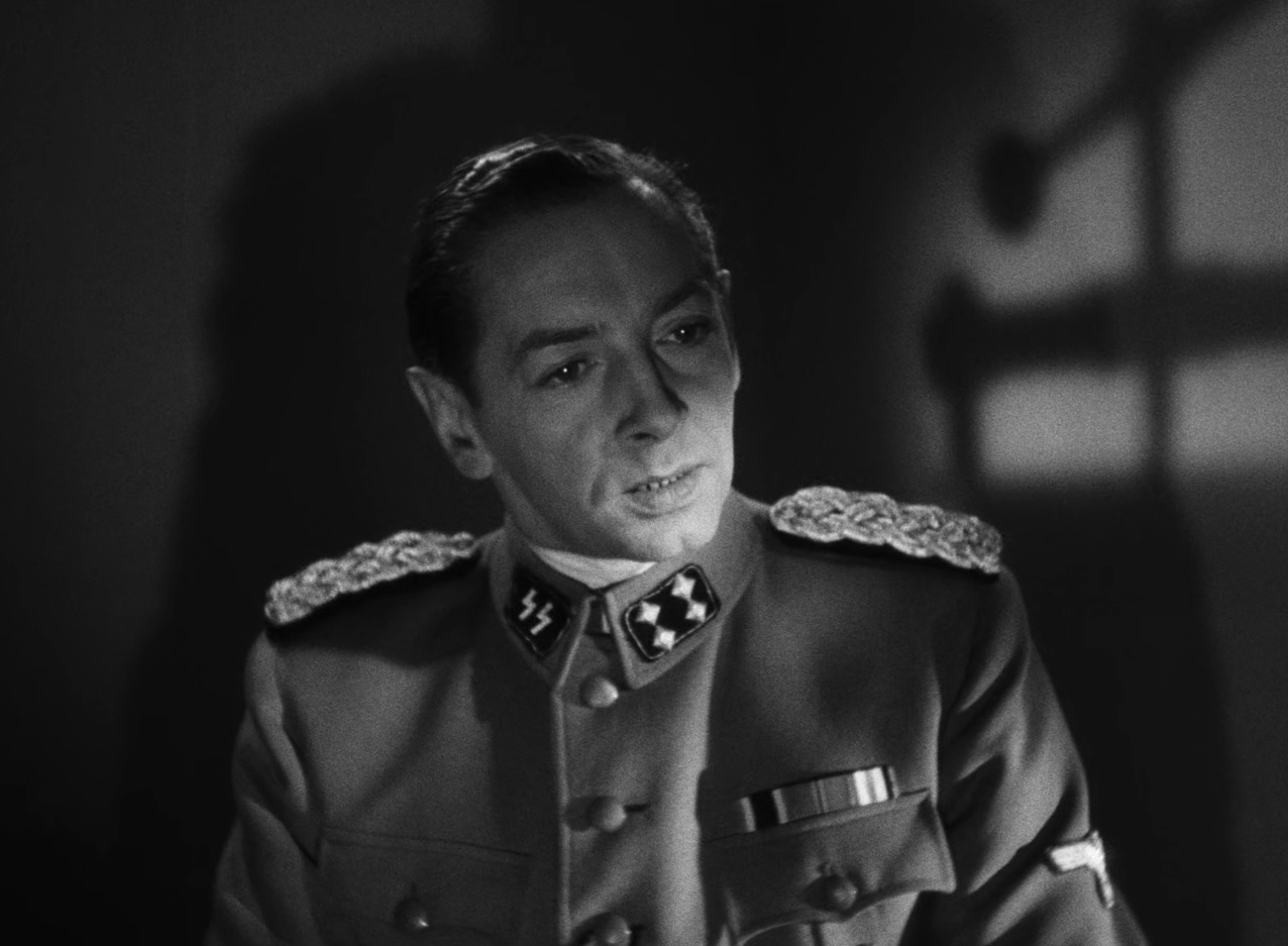
Don Pietro ascolta dall'altra stanza. “Io le offro di risolverlo questo problema. Mi dia i nomi dei generali. Mi metta in condizioni di arrestarli e io garantisco la libertà a lei e l'immunità agli uomini del suo partito. Dunque?”
Don Pietro listens from the other room. “I offer you a solution to this problem. Give me the names of the generals. Help me arrest them and I guarantee your release and immunity for the men in your party. Well?”
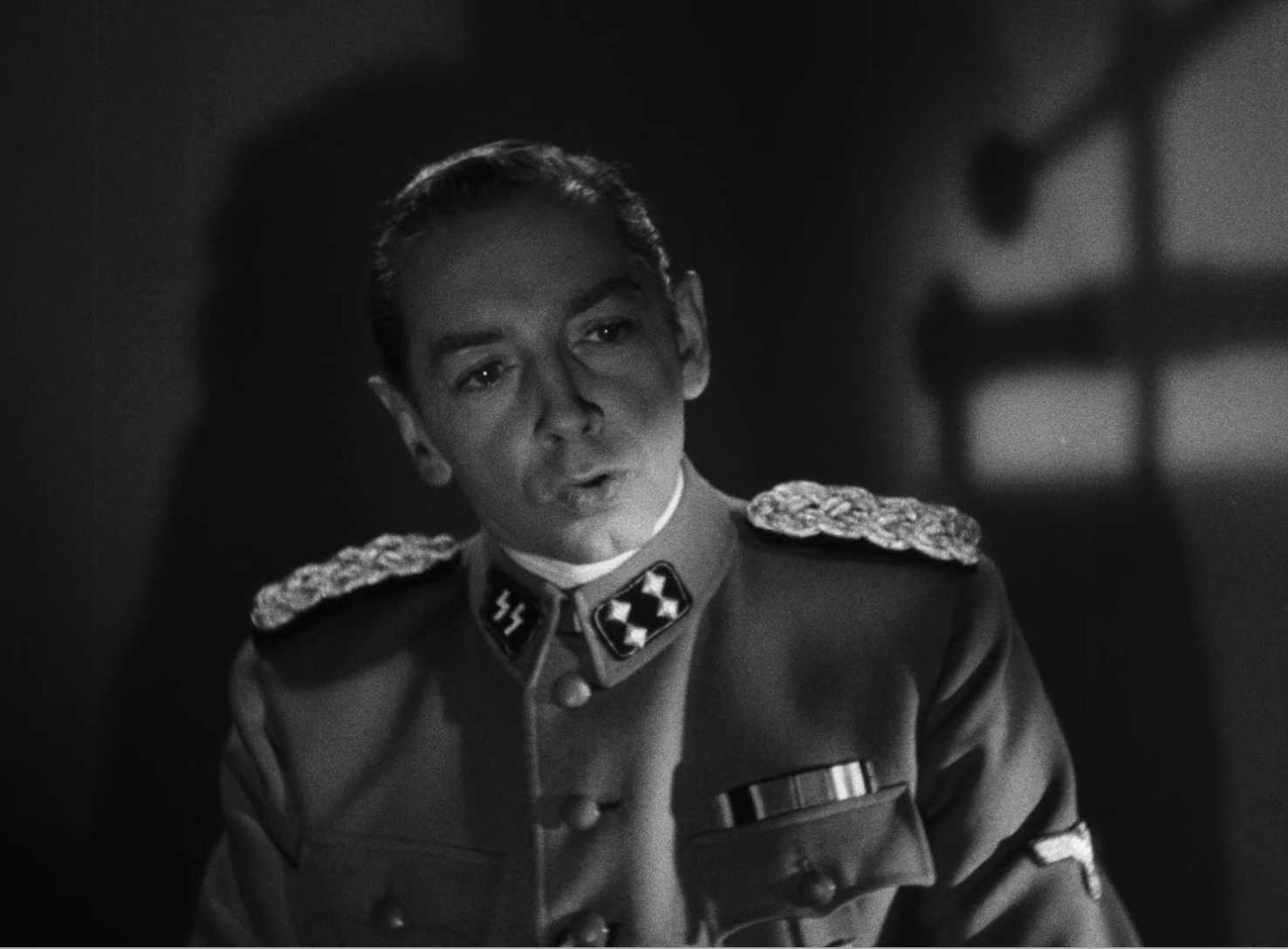
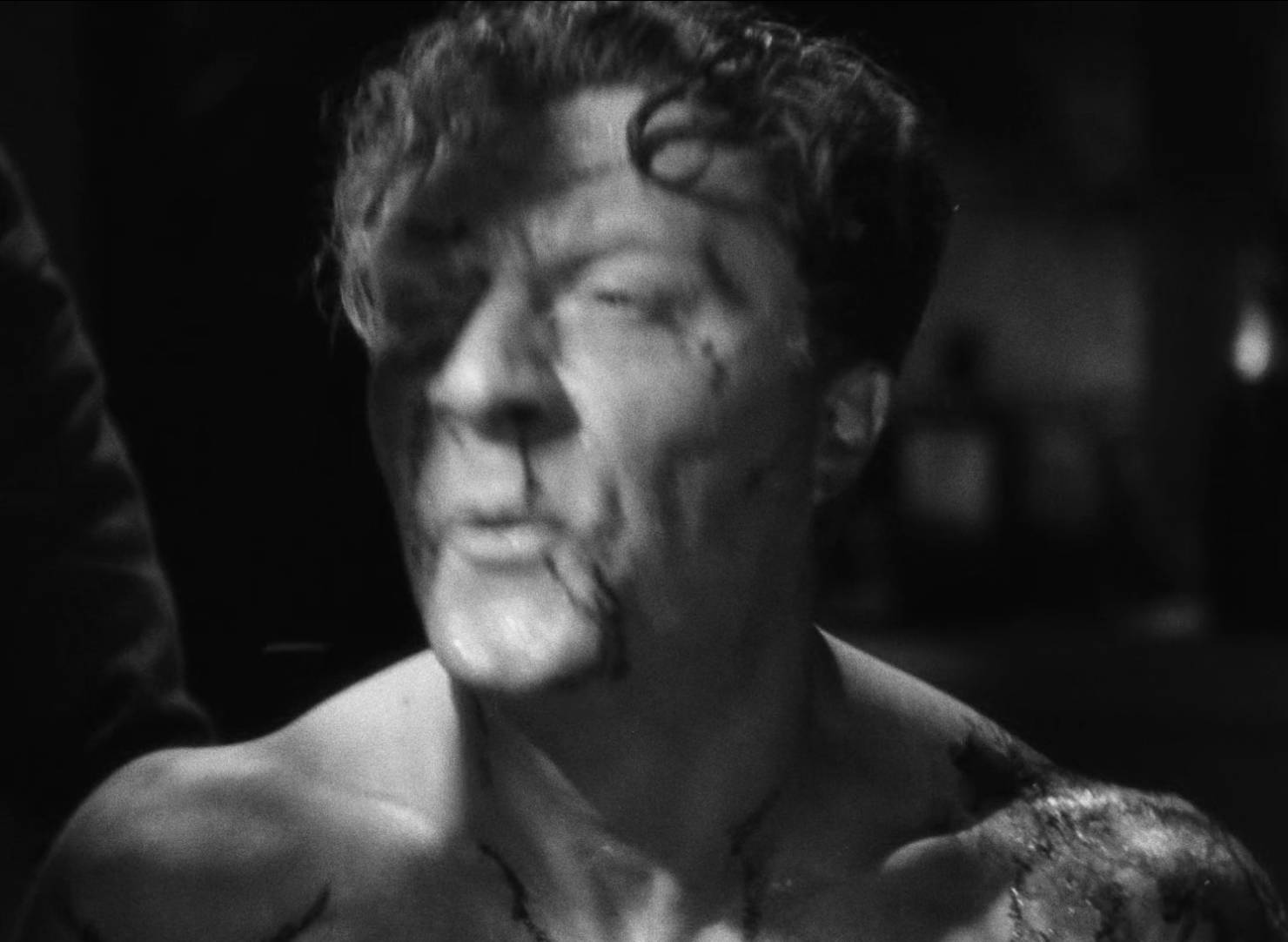
In risposta, Manfredi gli sputa in faccia.
In response, Manfredi spits in his face.
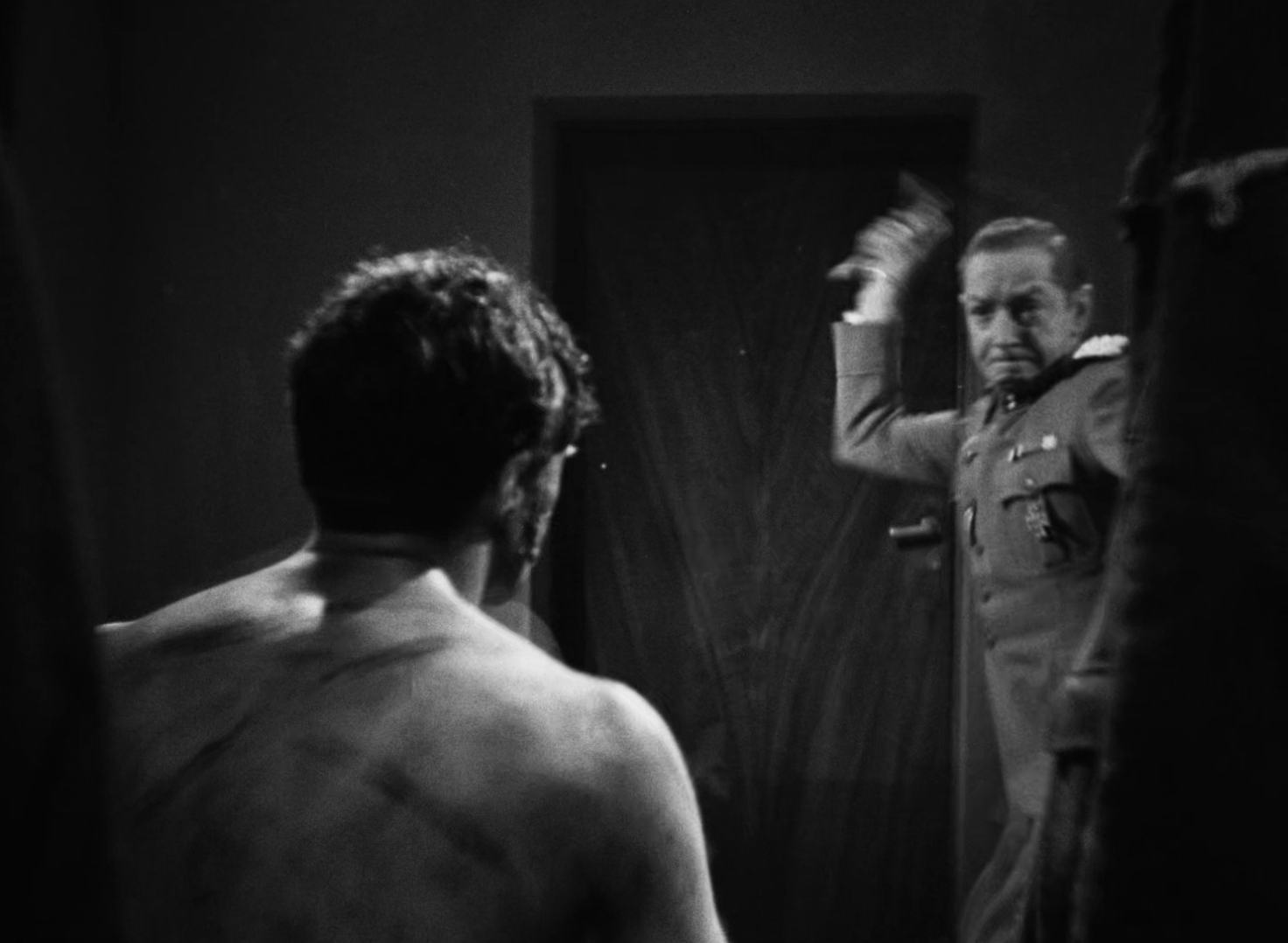
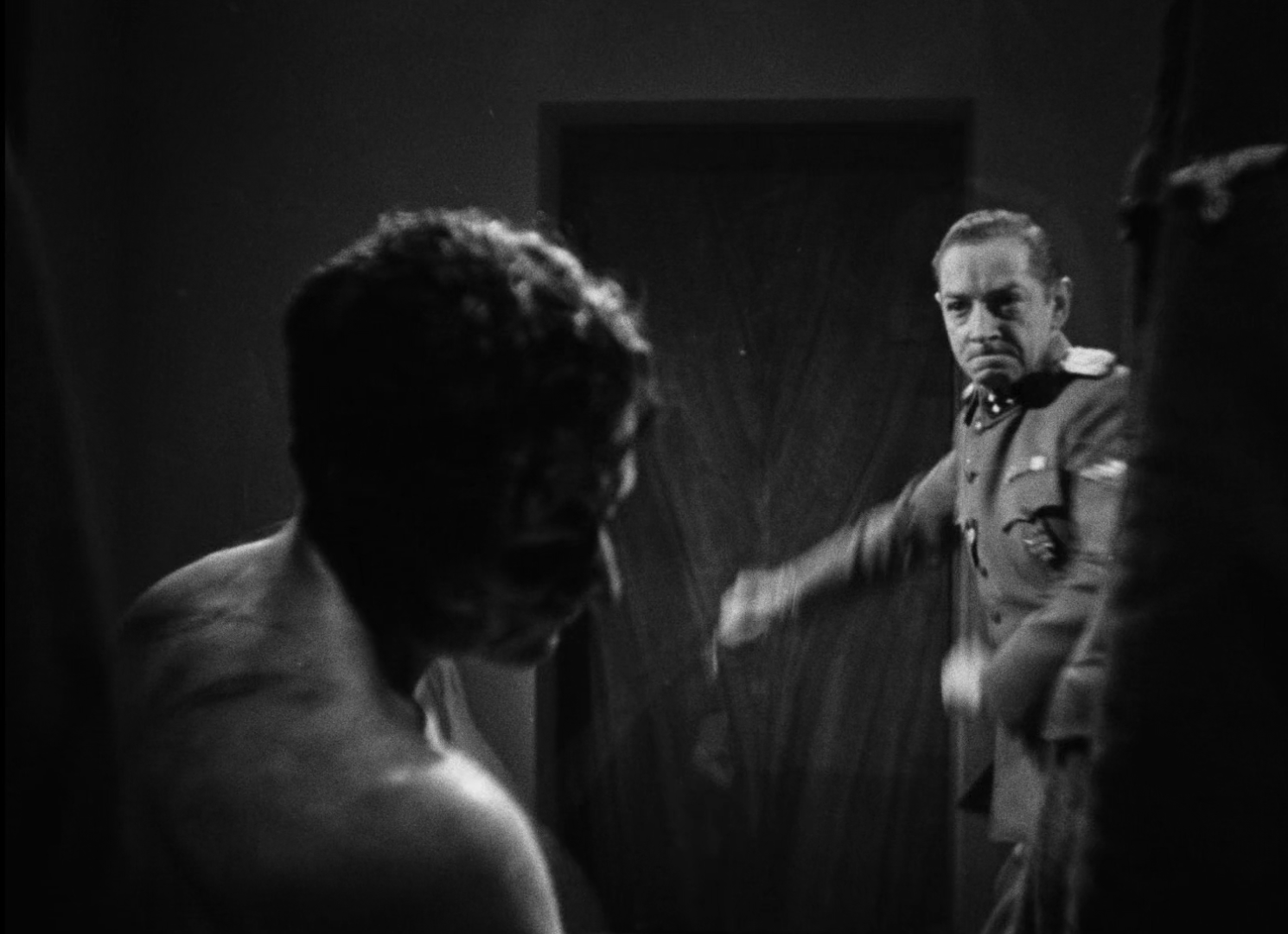
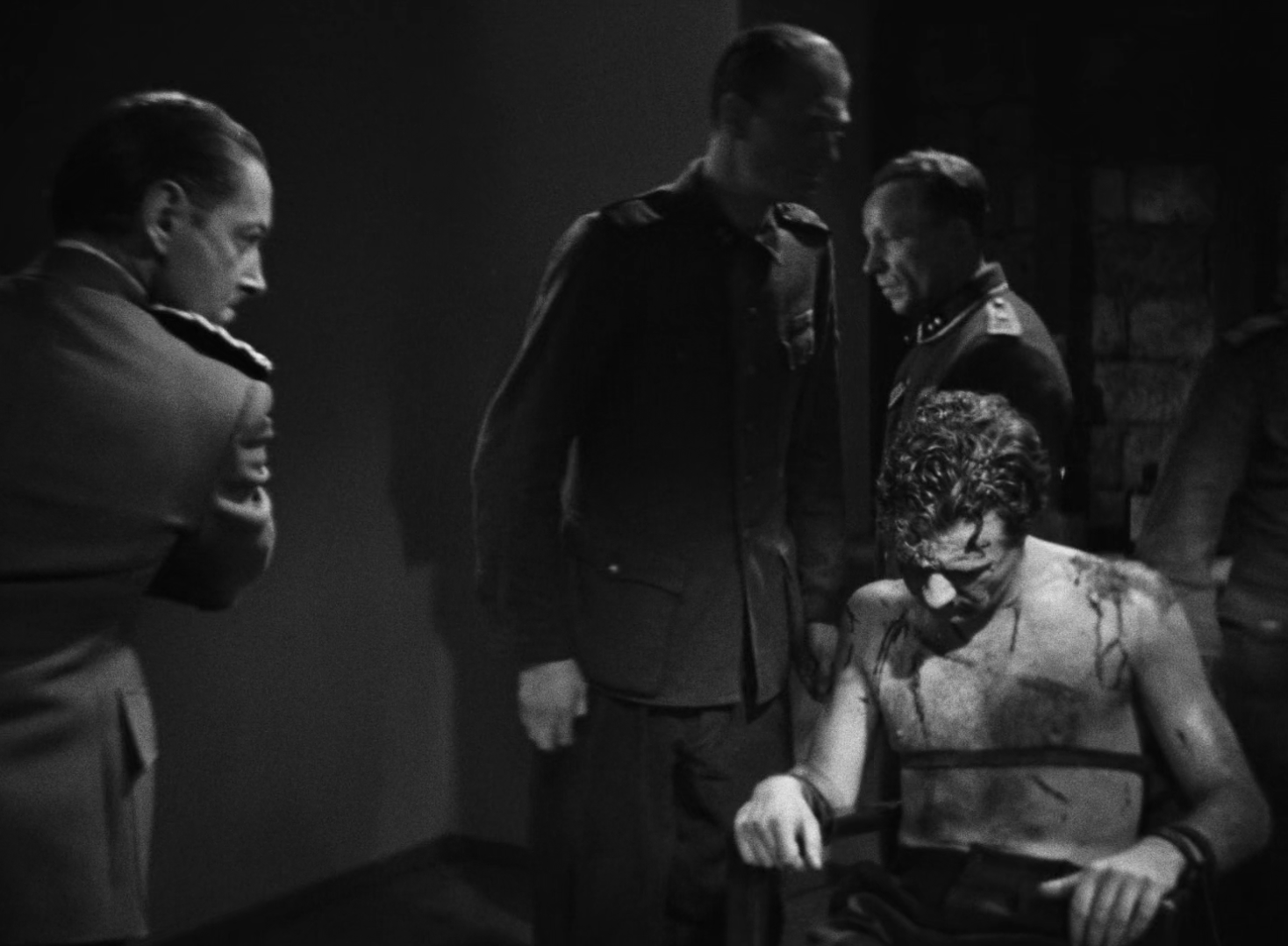
Furioso, Bergmann afferra la frusta e la usa contro Manfredi. Quando ha finito, uno dei torturatori esclama: "Continuate fino alla fine!"
Enraged, Bergmann grabs the whips, lashes at Manfredi. When he is finished, one of the torturers exclaims, “Keep going until the end!”
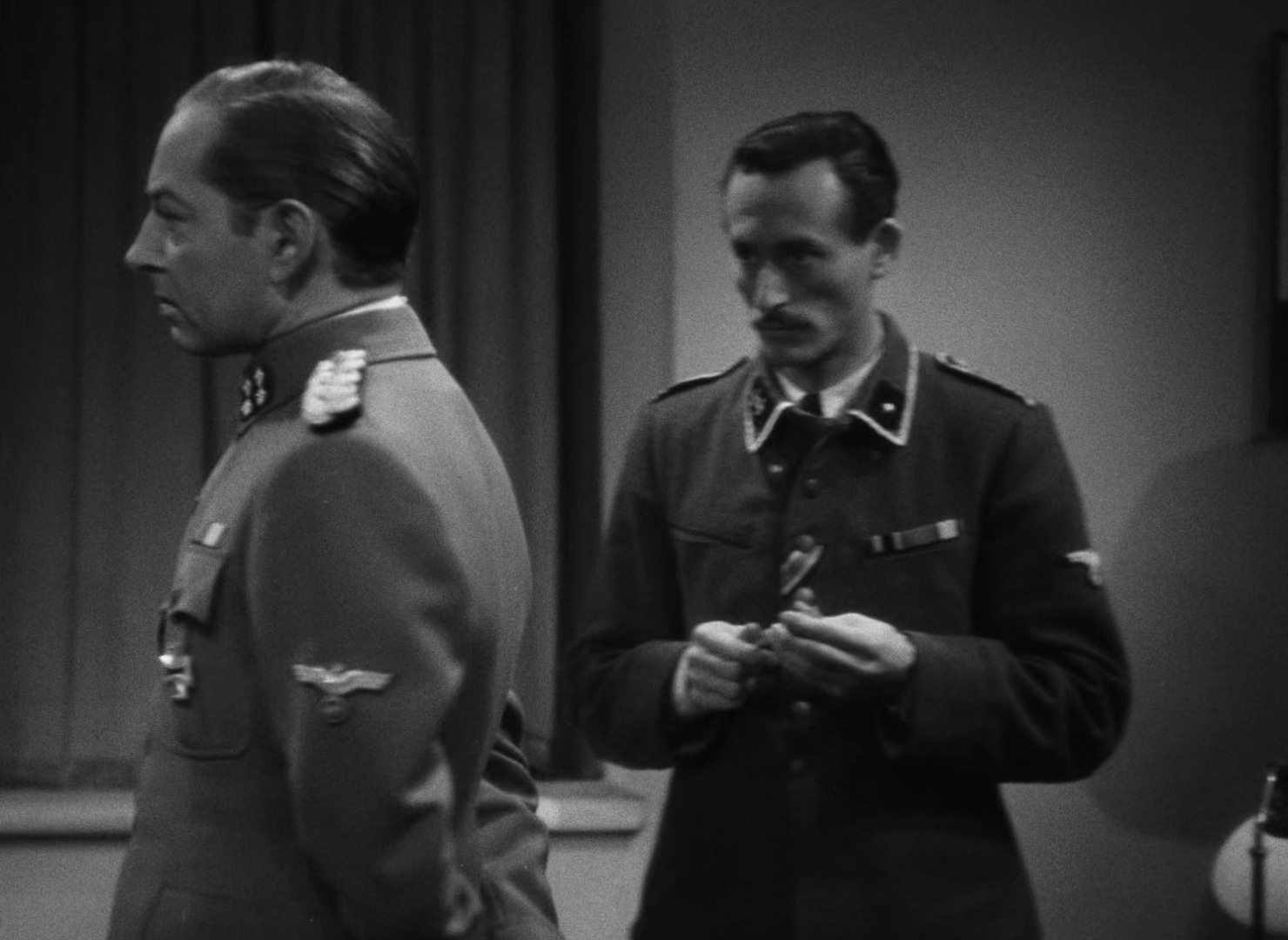
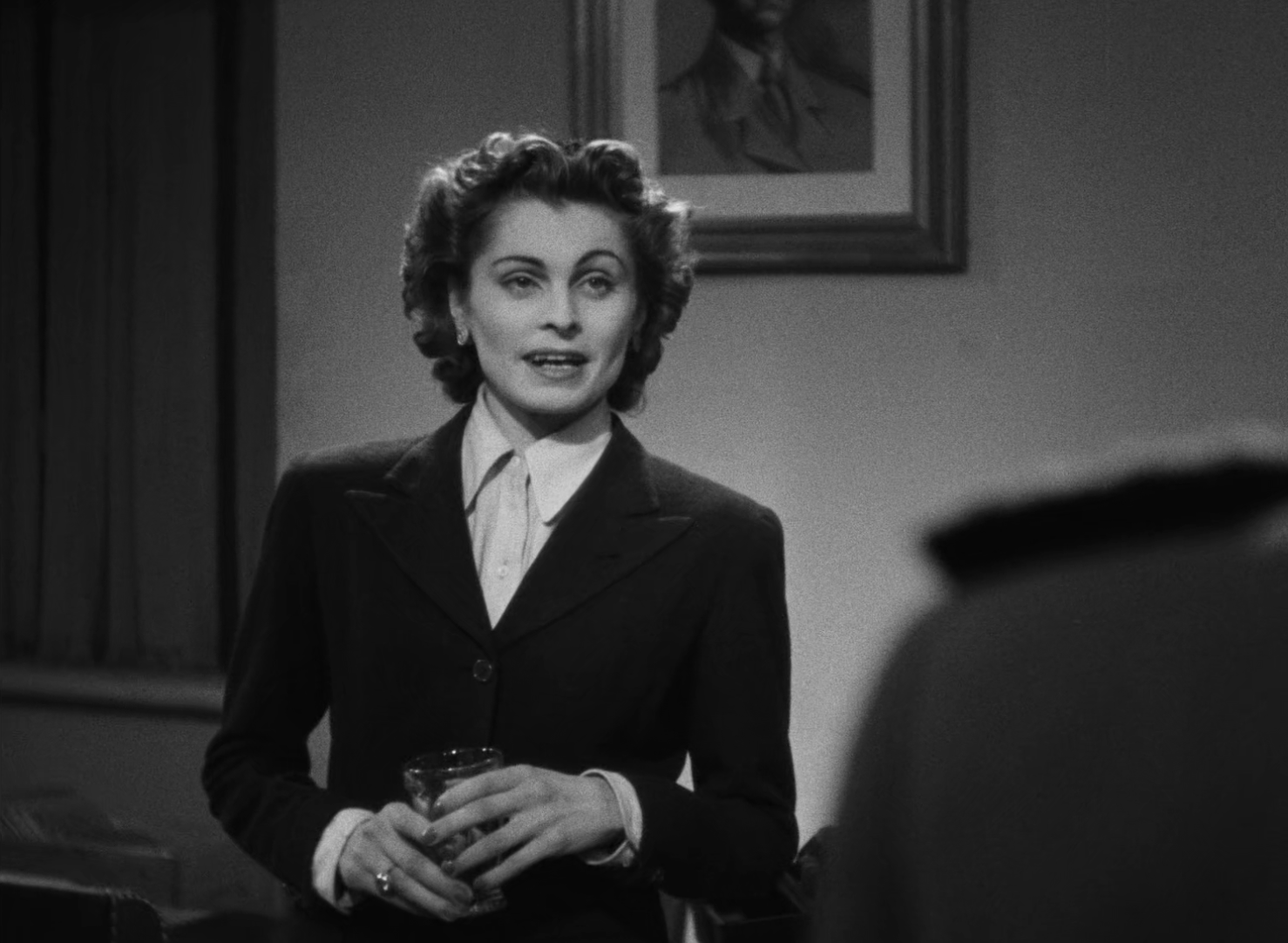
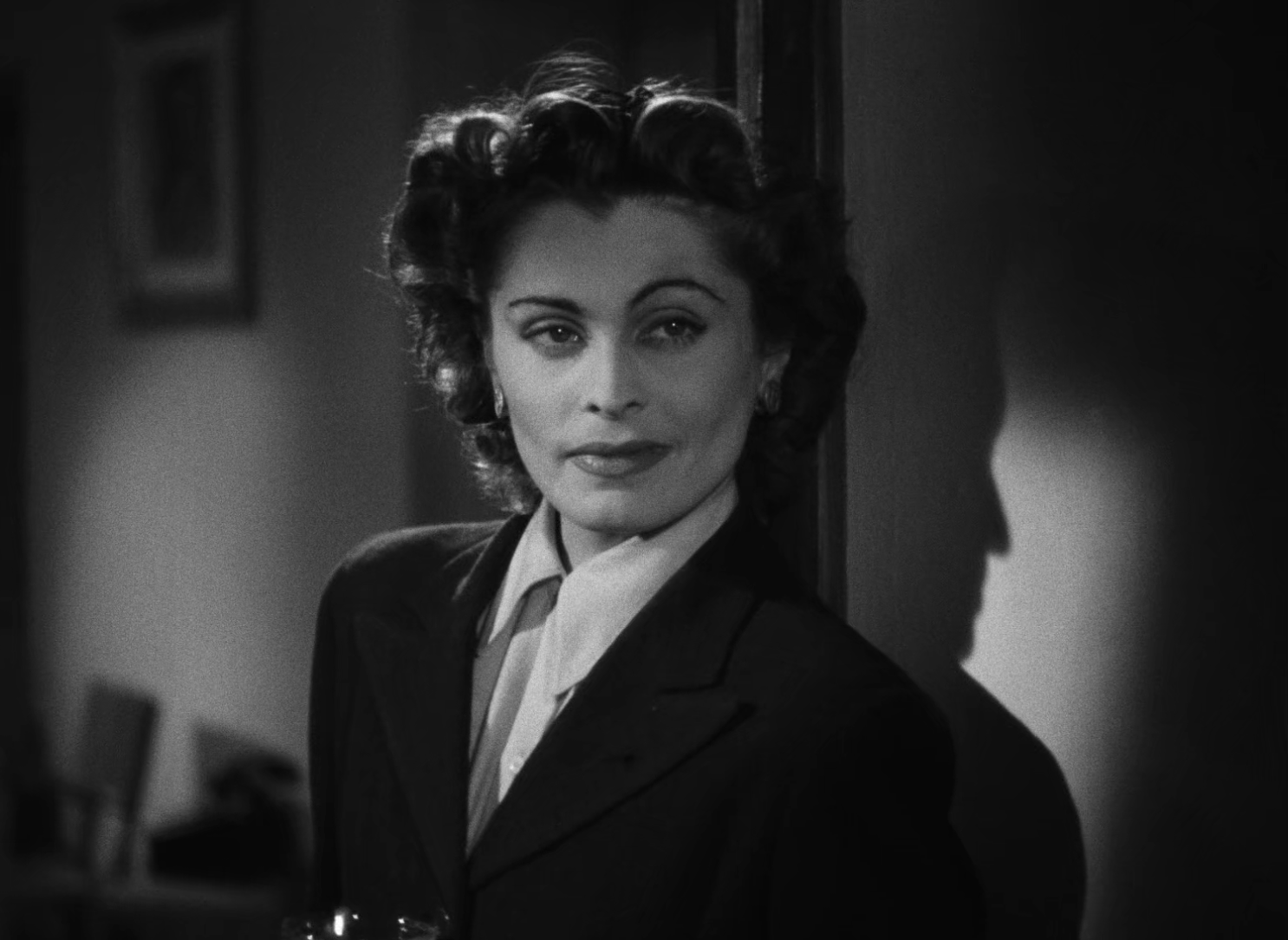
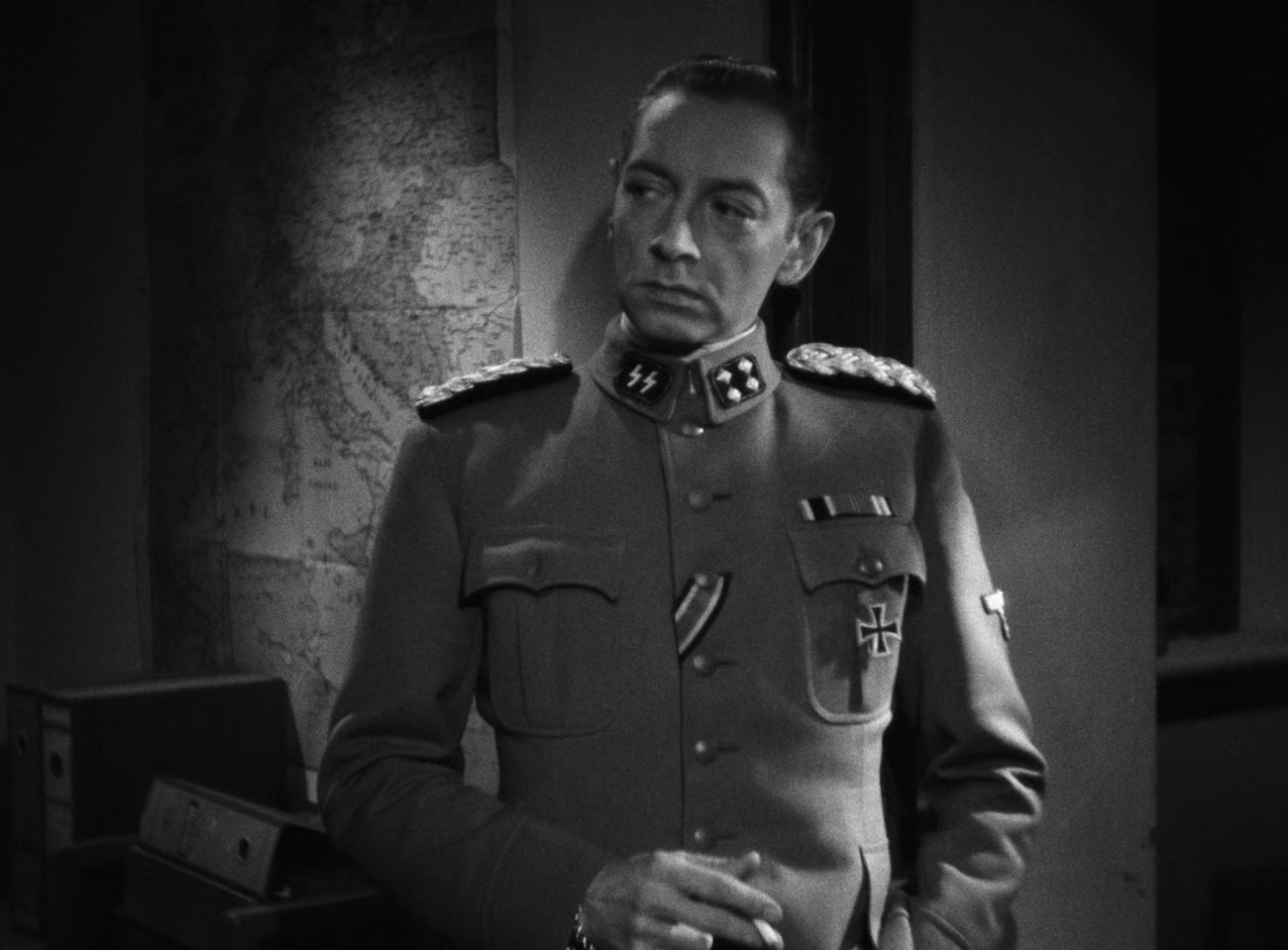
Bergmann cammina per il suo ufficio, considerando il suo prossimo passo, mentre Krammer tempera con nonchalance una matita.
Ingrid entra in ufficio, un drink in mano. "Come va?" chiede con un sorriso, mentre Manfredi urla in agonia. "Te l'ho detto che non sarebbe stato così facile", dice in piedi sulla porta della stanza delle torture, guardando con un leggero sorriso.
Bergmann paces in his office, considering his next step, while Krammer nonchalantly sharpens a pencil.
Ingrid steps into the office, drink in hand. “How’s it going?” she asks with a smile, as Manfredi screams in agony. “I told you it wouldn’t be so easy,” she says standing in the doorway of the torture room, watching with a slight smile.
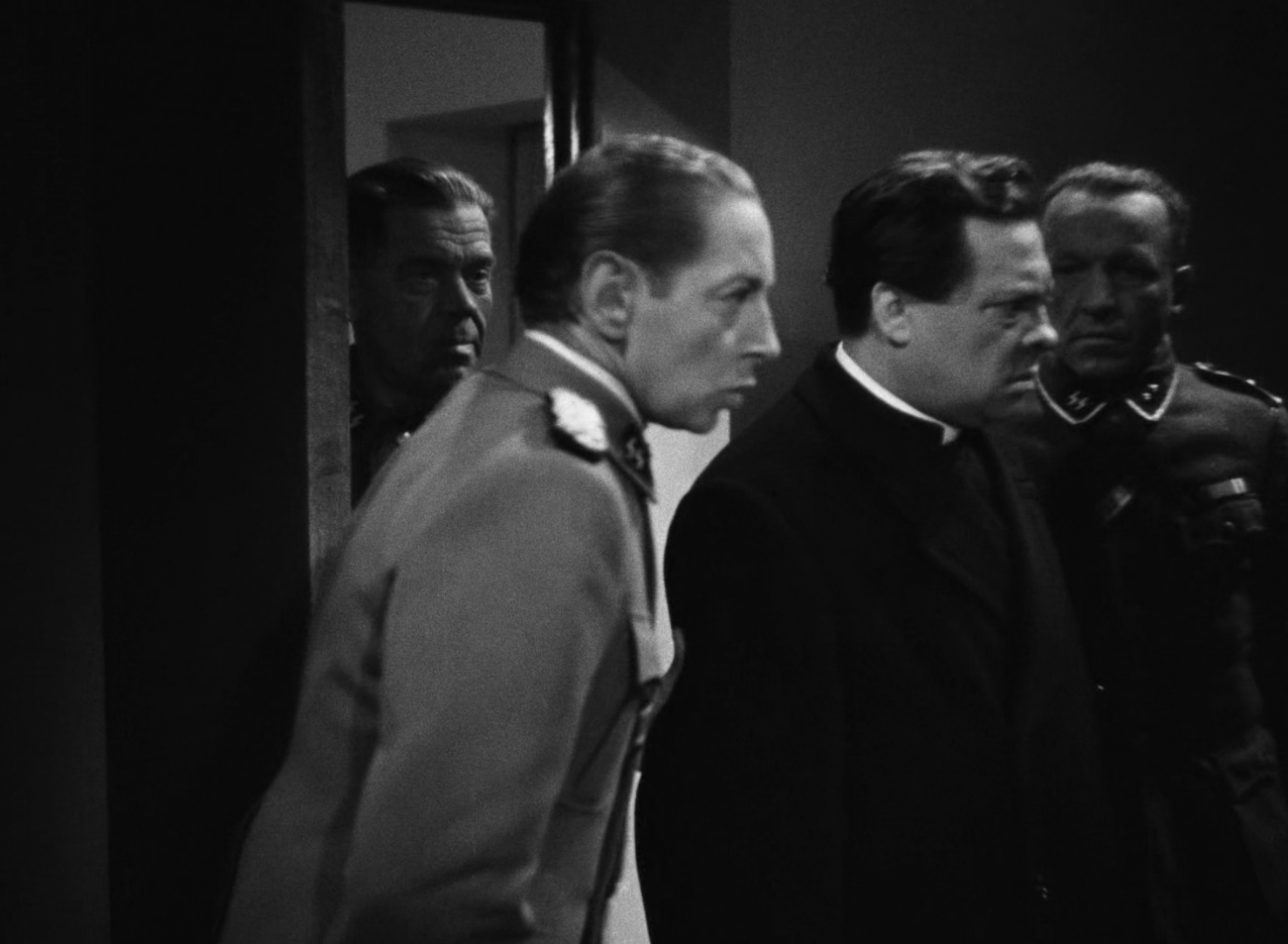
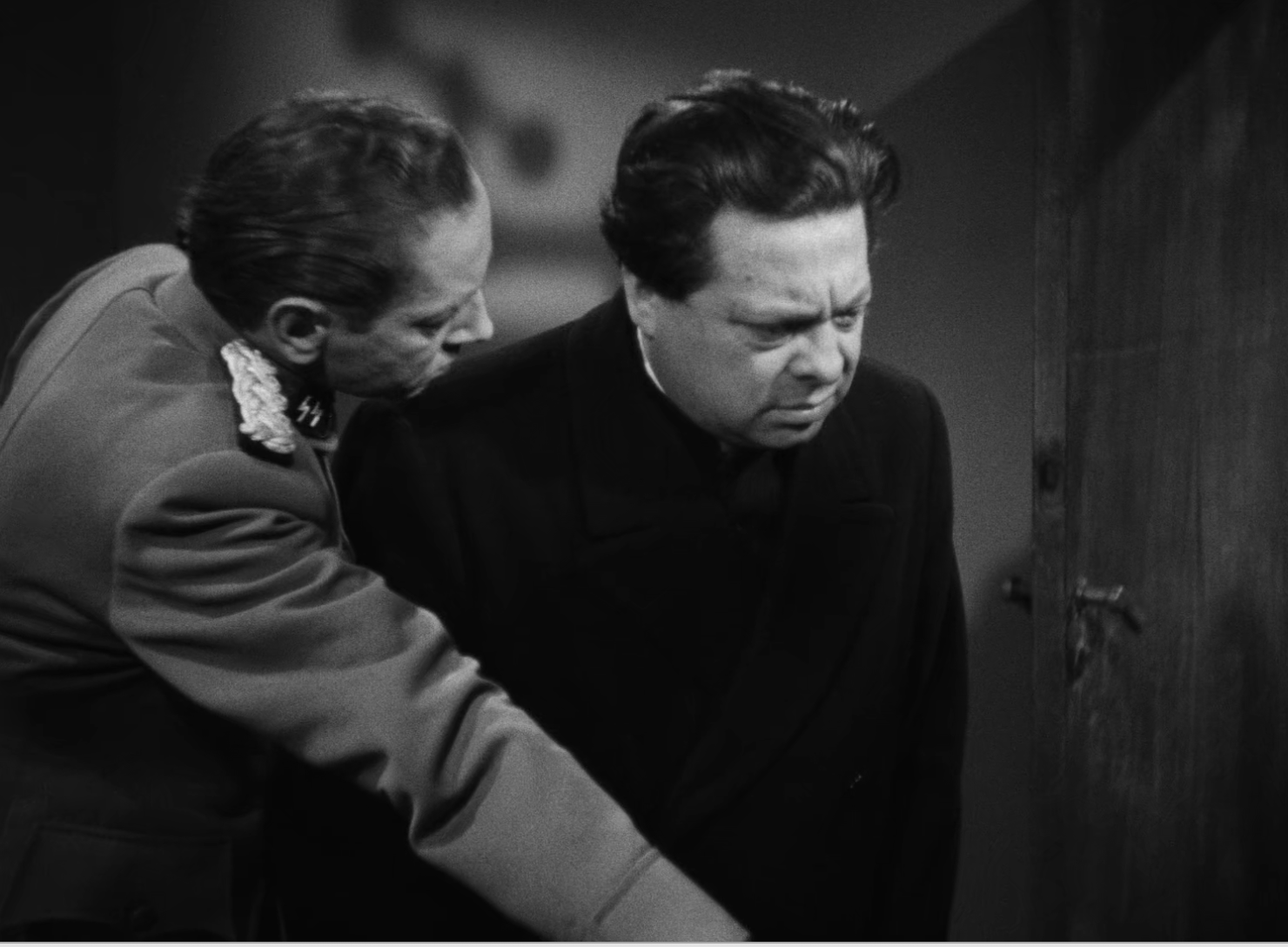
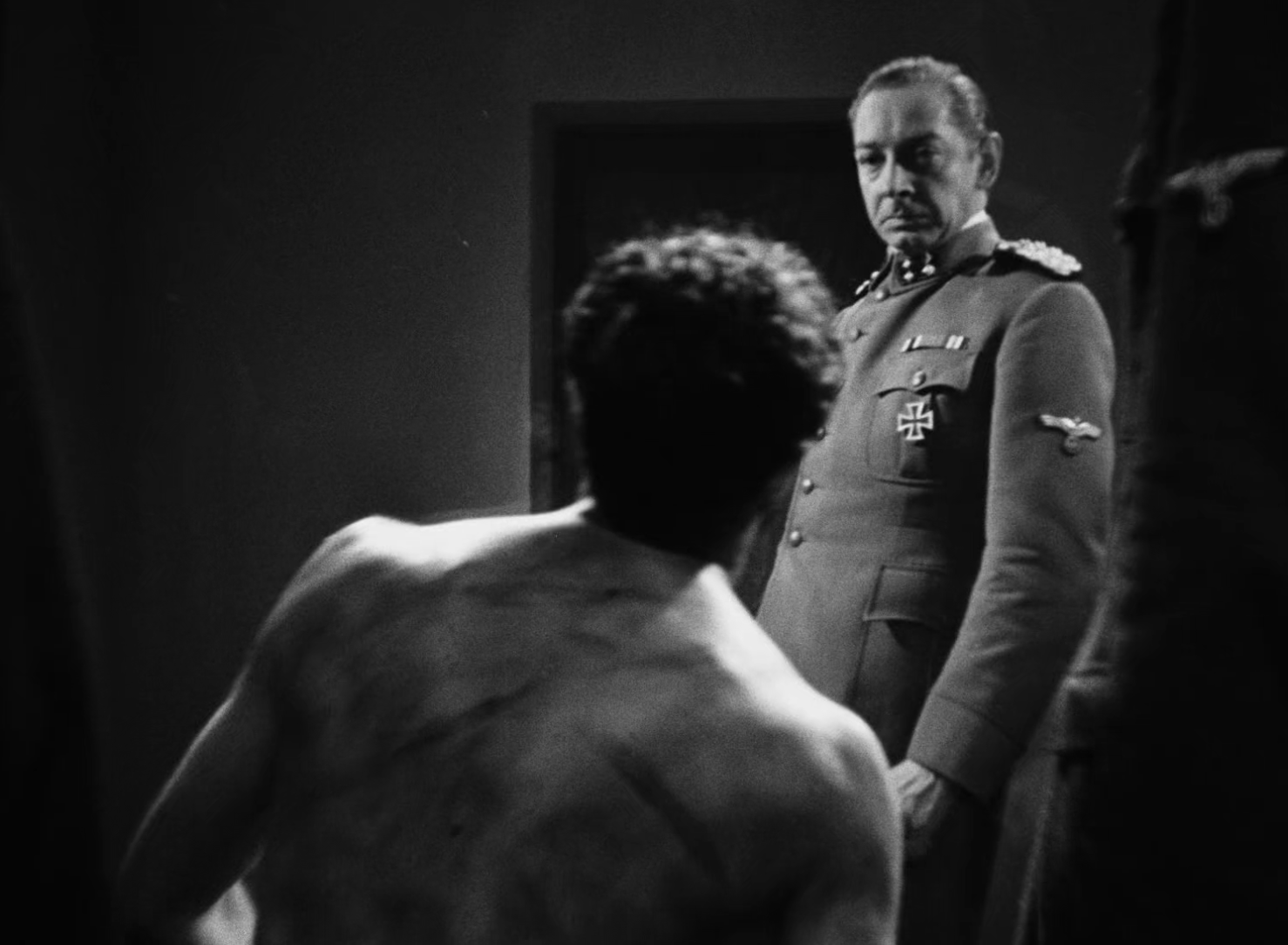
Bergmann ha un'idea. Ordina agli uomini delle SS di portare il prete nella stanza con Manfredi.
“Guarda, Prete, guarda! Sei soddisfatto? Questa è la tua carità cristiana! Questo è il tuo amore per il tuo fratello in Cristo! Hai preferito vederlo ridotto così piuttosto che parlare?”
Bergmann has an idea. He orders the SS men to bring the priest into the room with Manfredi.
“Look, Priest, look! Are you satisfied? This is your Christian charity! This is your love for your brother in Christ! Did you prefer to see him like this rather than talk?”
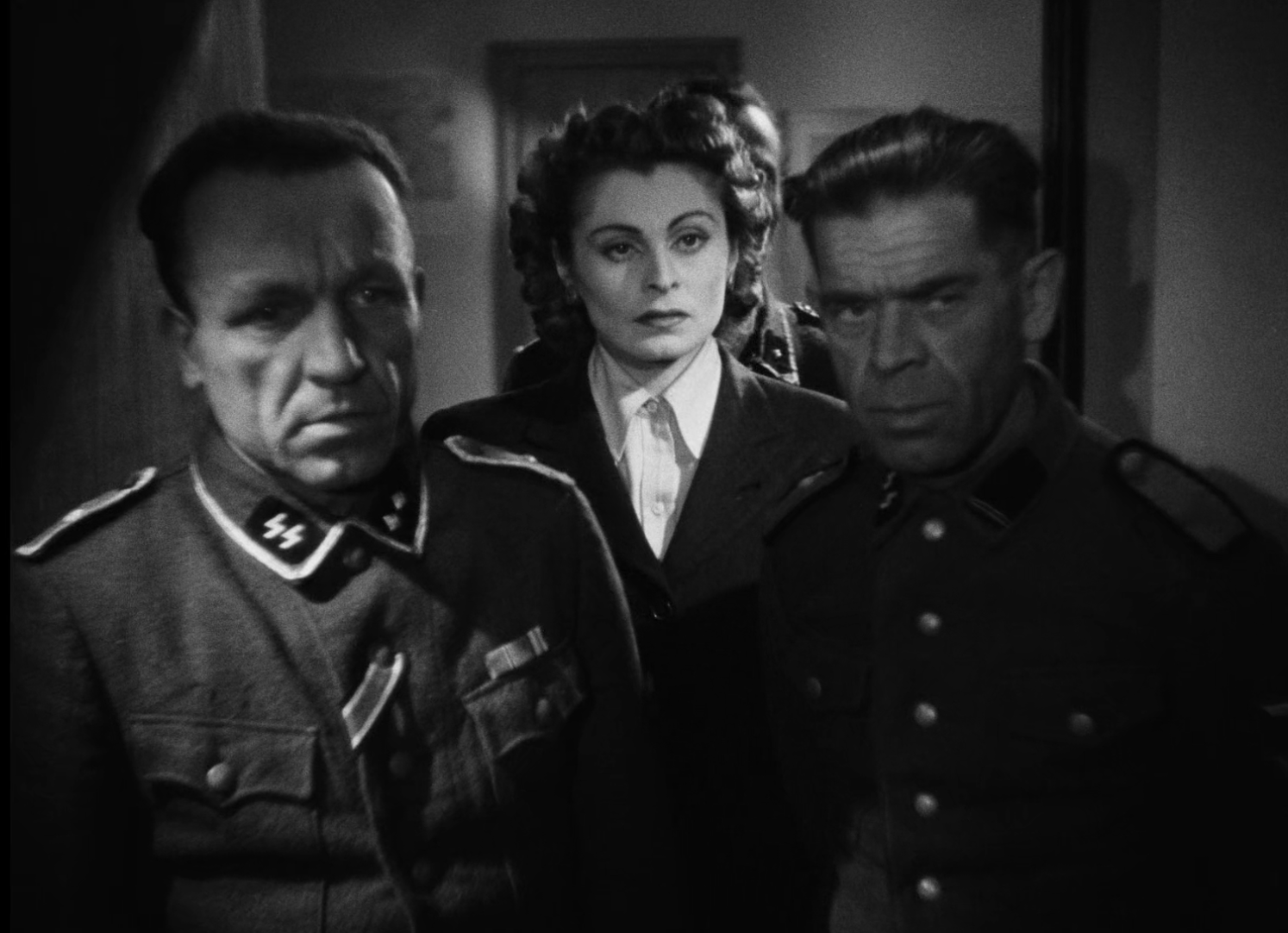
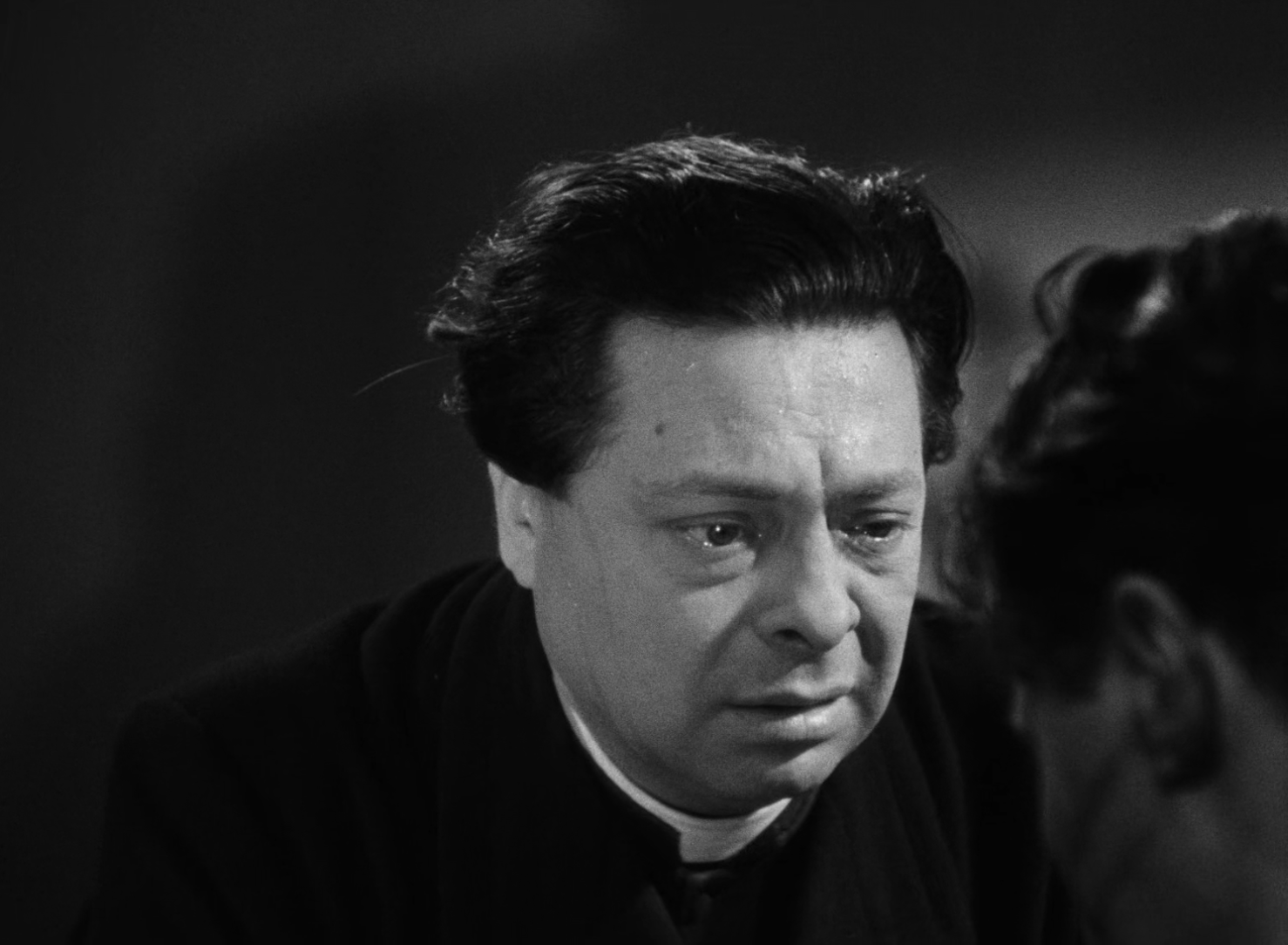
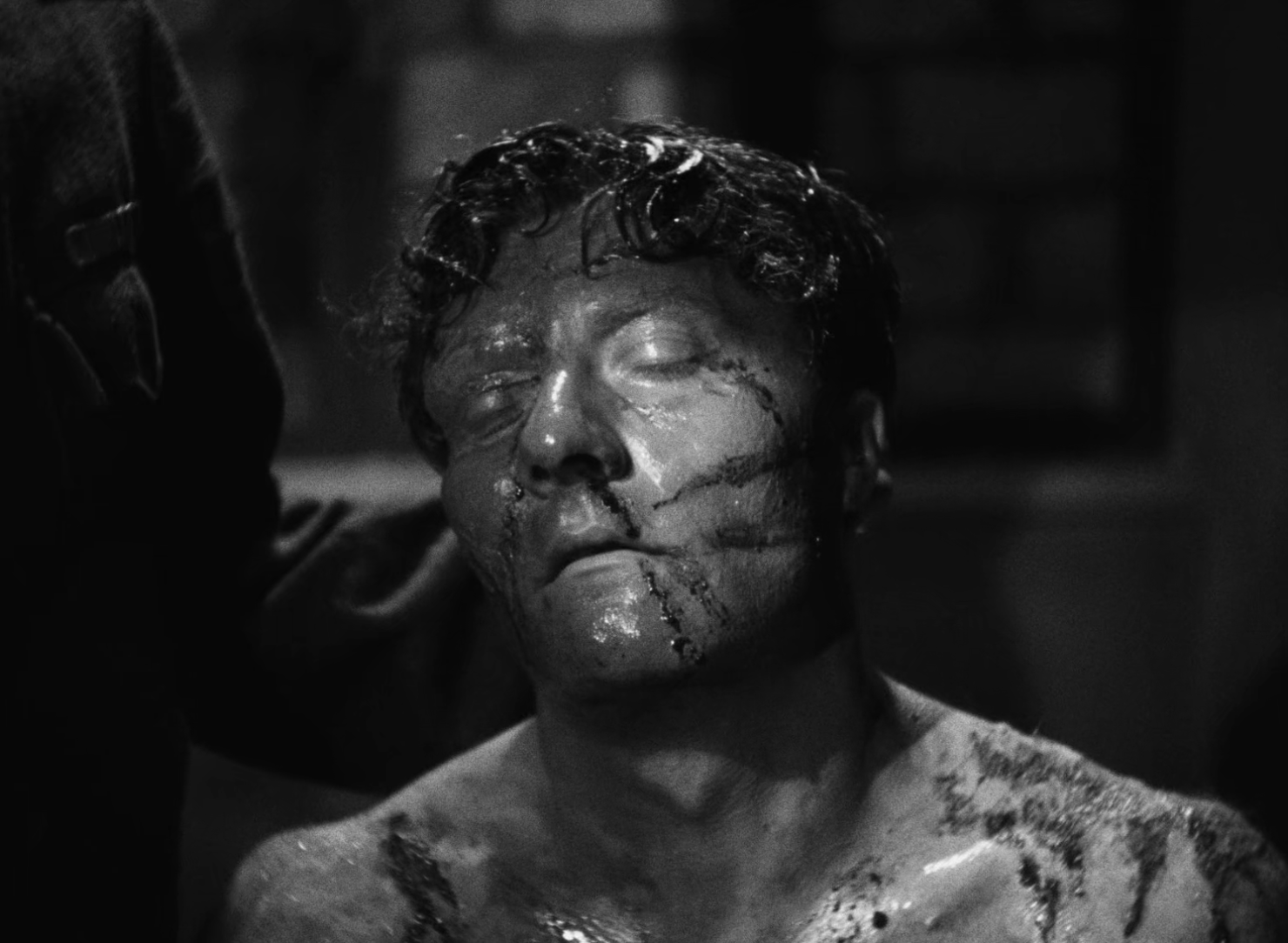
Mentre i tedeschi guardano, Don Pietro si avvicina a Manfredi, con le lacrime agli occhi.
Bergmann conclude: “Ma non sperare, prete ipocrita, di salvarti! Né di salvare i tuoi complici! Noi vi distruggeremo tutti! Fino all'ultimo!”
While the Germans watch, Don Pietro approaches Manfredi, tears in his eyes.
Bergmann concludes, “But don’t hope, you hypocritical priest, to save yourself! Or to save your accomplices. We’ll destroy you all! To the last man!”
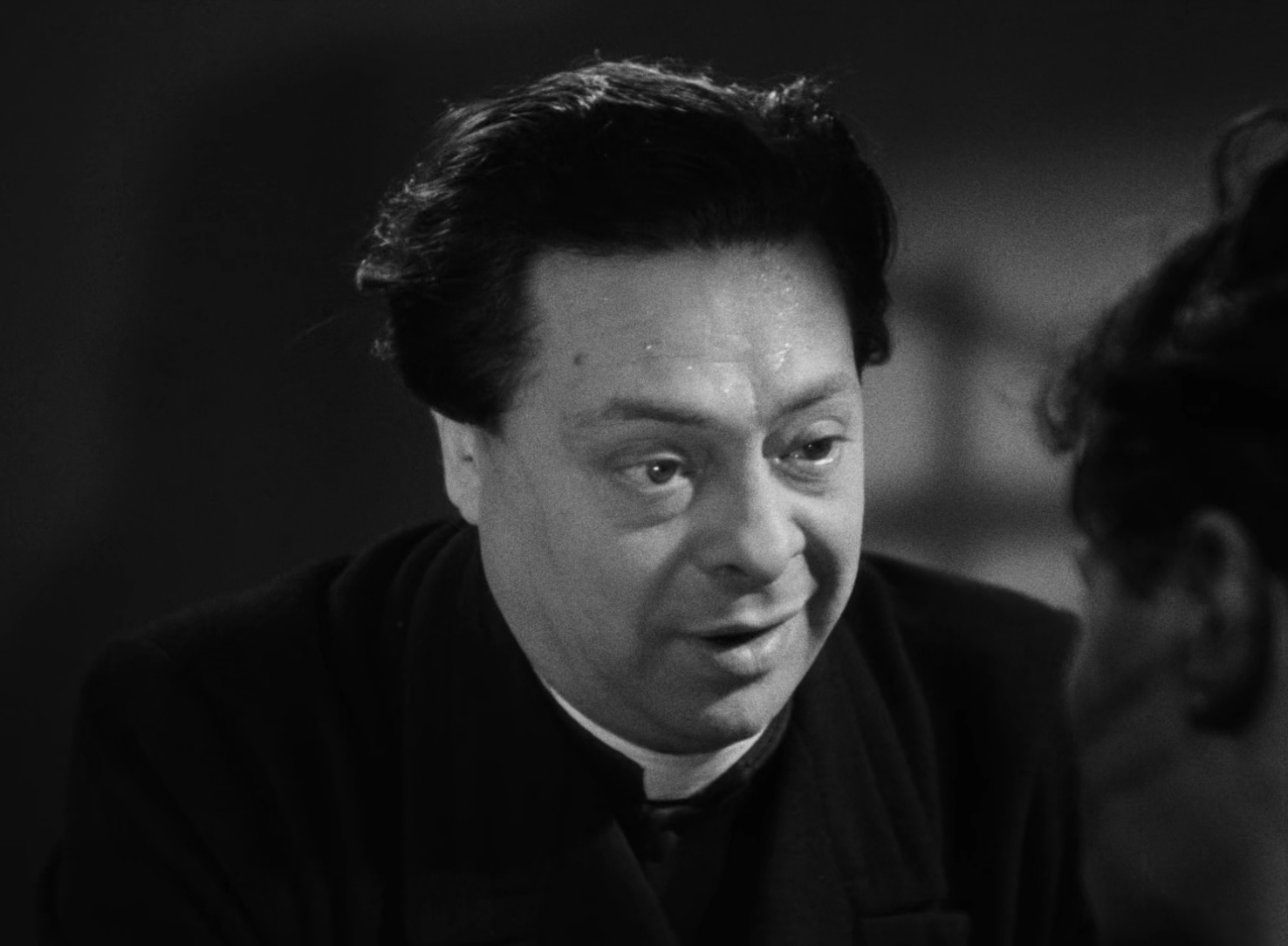
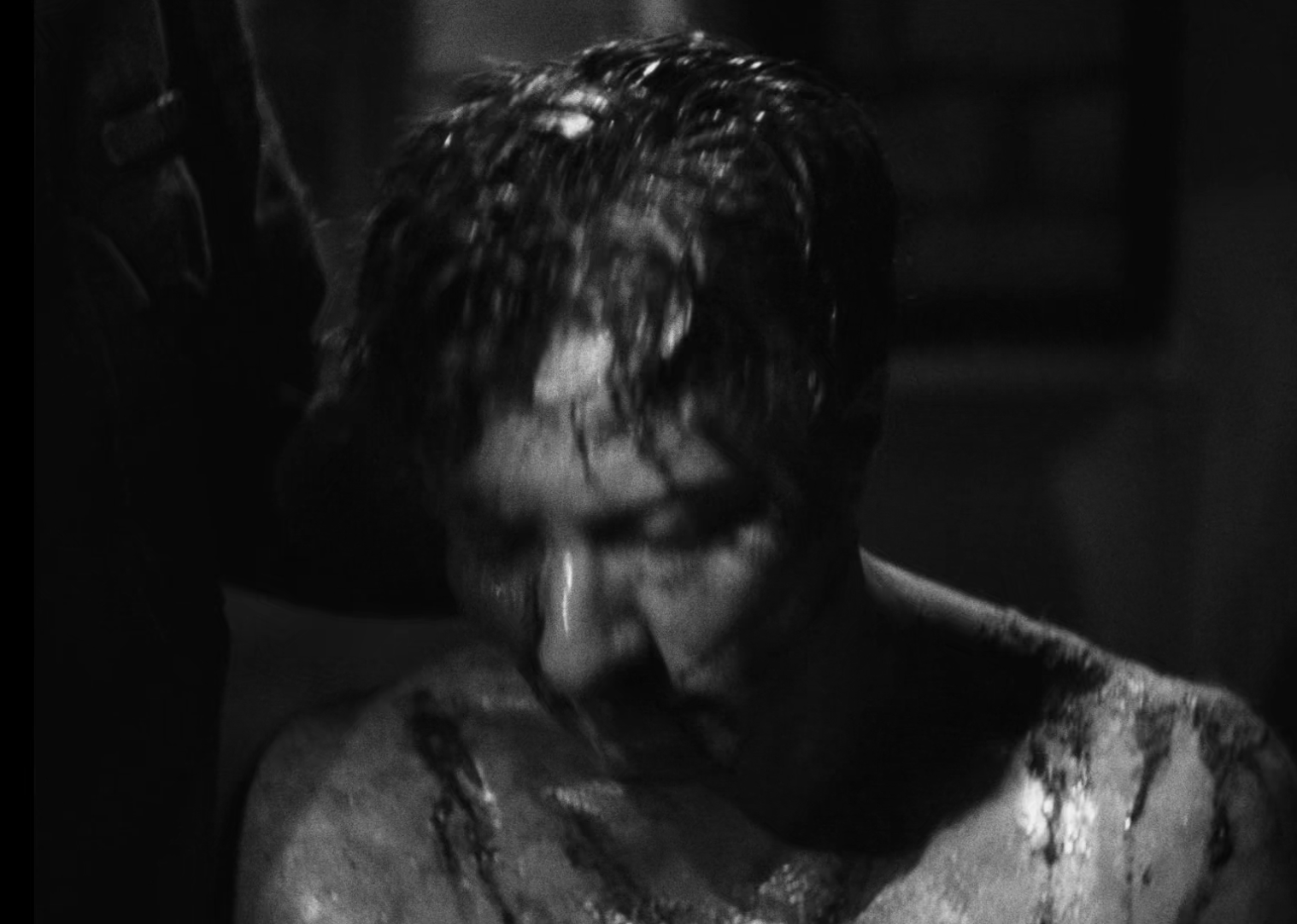
Ma per questi due uomini coraggiosi è come se i tedeschi non ci fossero affatto. Con un sorriso affettuoso, il prete dice: "Non hai parlato", permettendo a Manfredi di morire in una sorta di pace.
But for these two brave men, it is as though the Germans are not there at all. With a tender smile, the priest says, “You didn’t talk,” allowing Manfredi to die in a kind of peace.
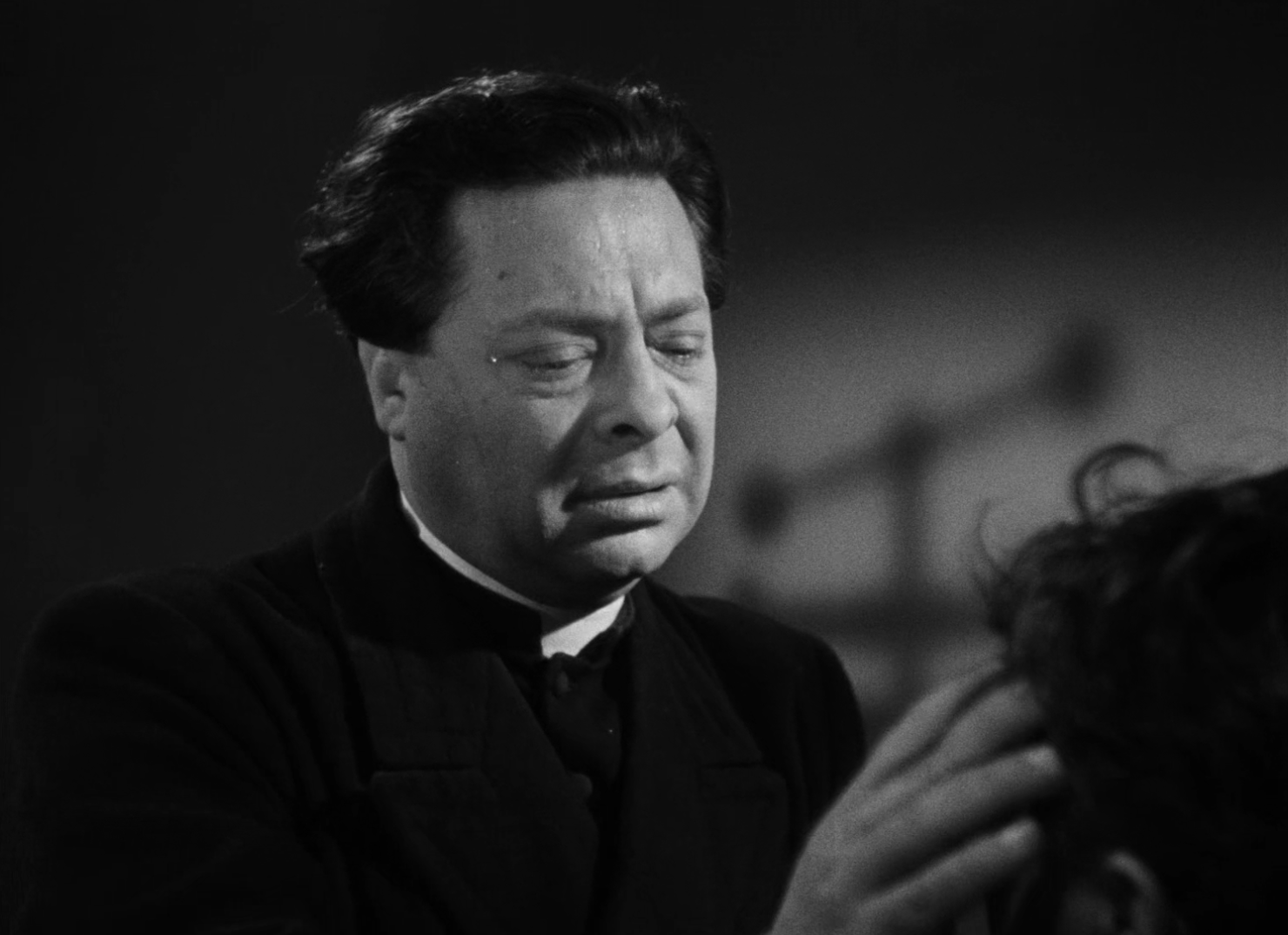
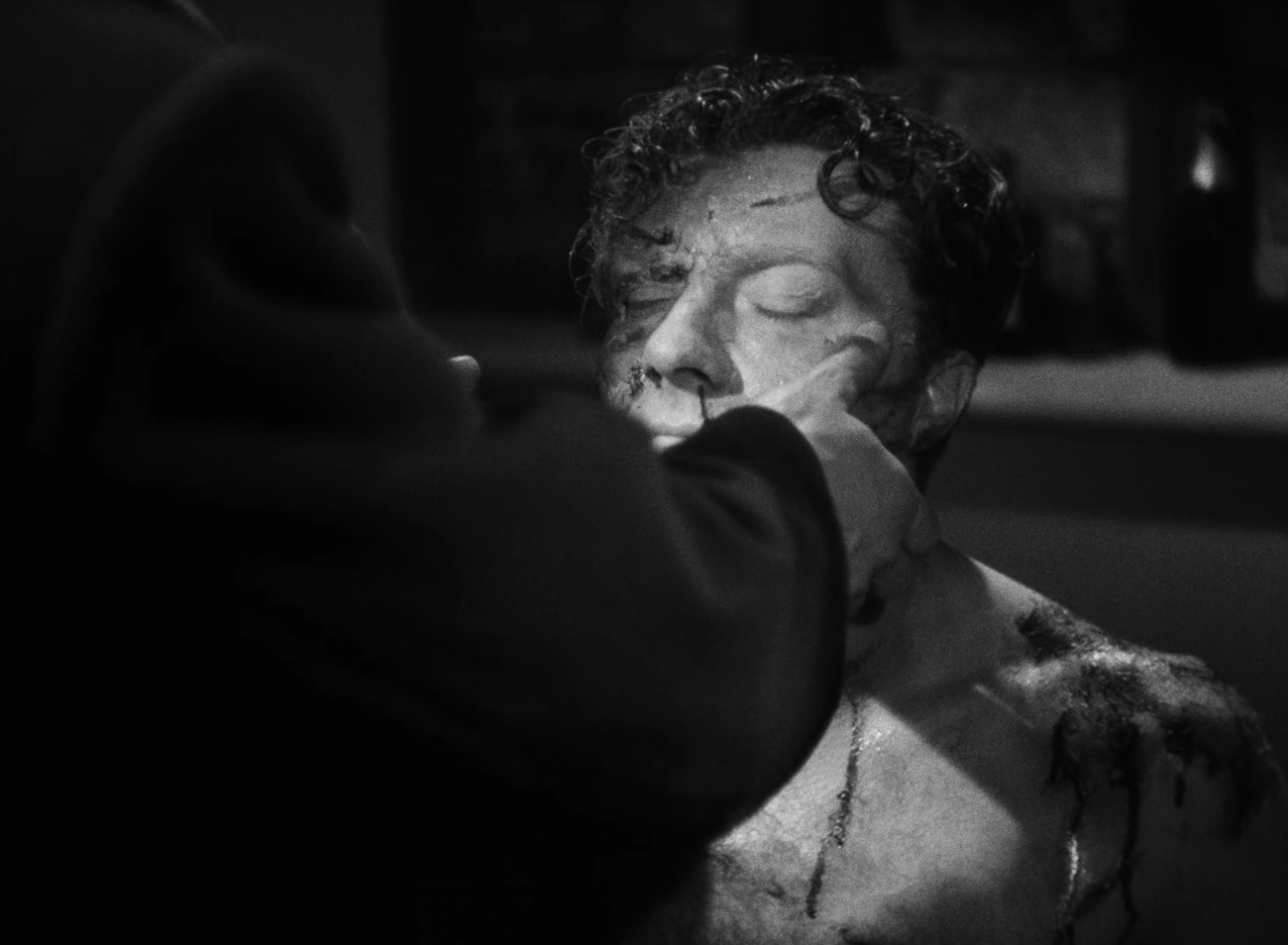
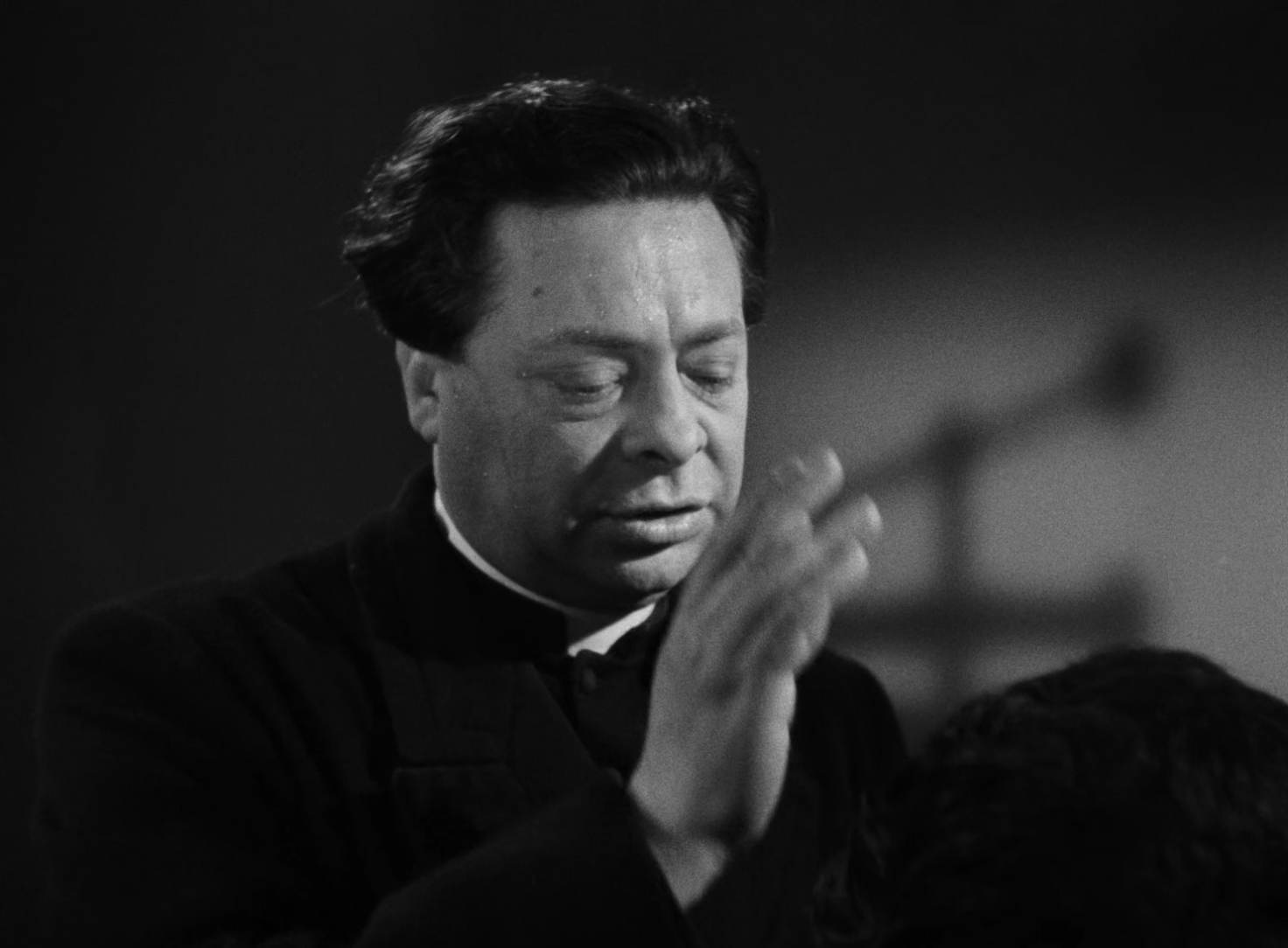
Don Pietro culla il volto di Manfredi nella sua mano e poi lo benedice.
Don Pietro cradles Manfredi’s face in his hand and then blesses him.
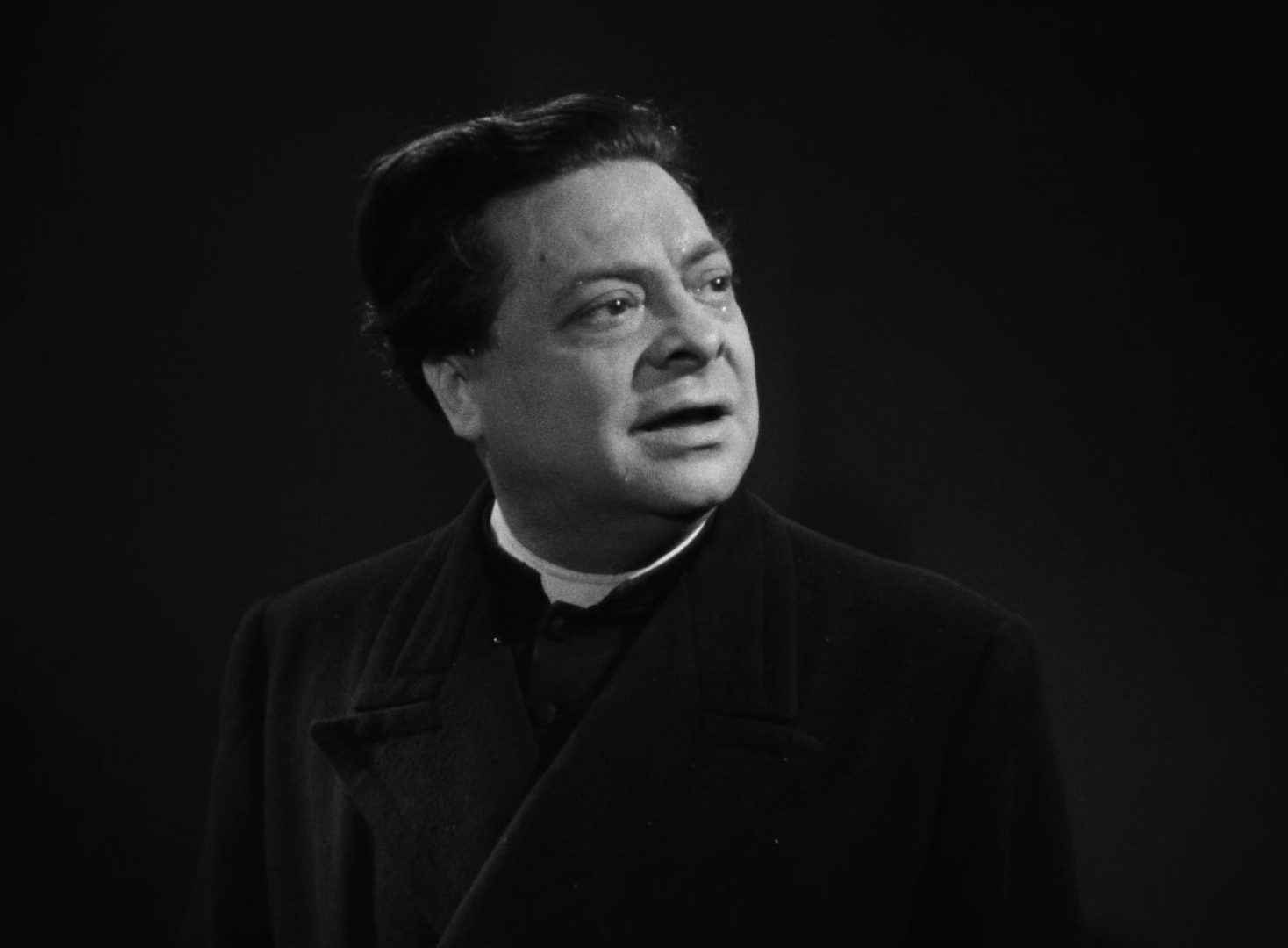
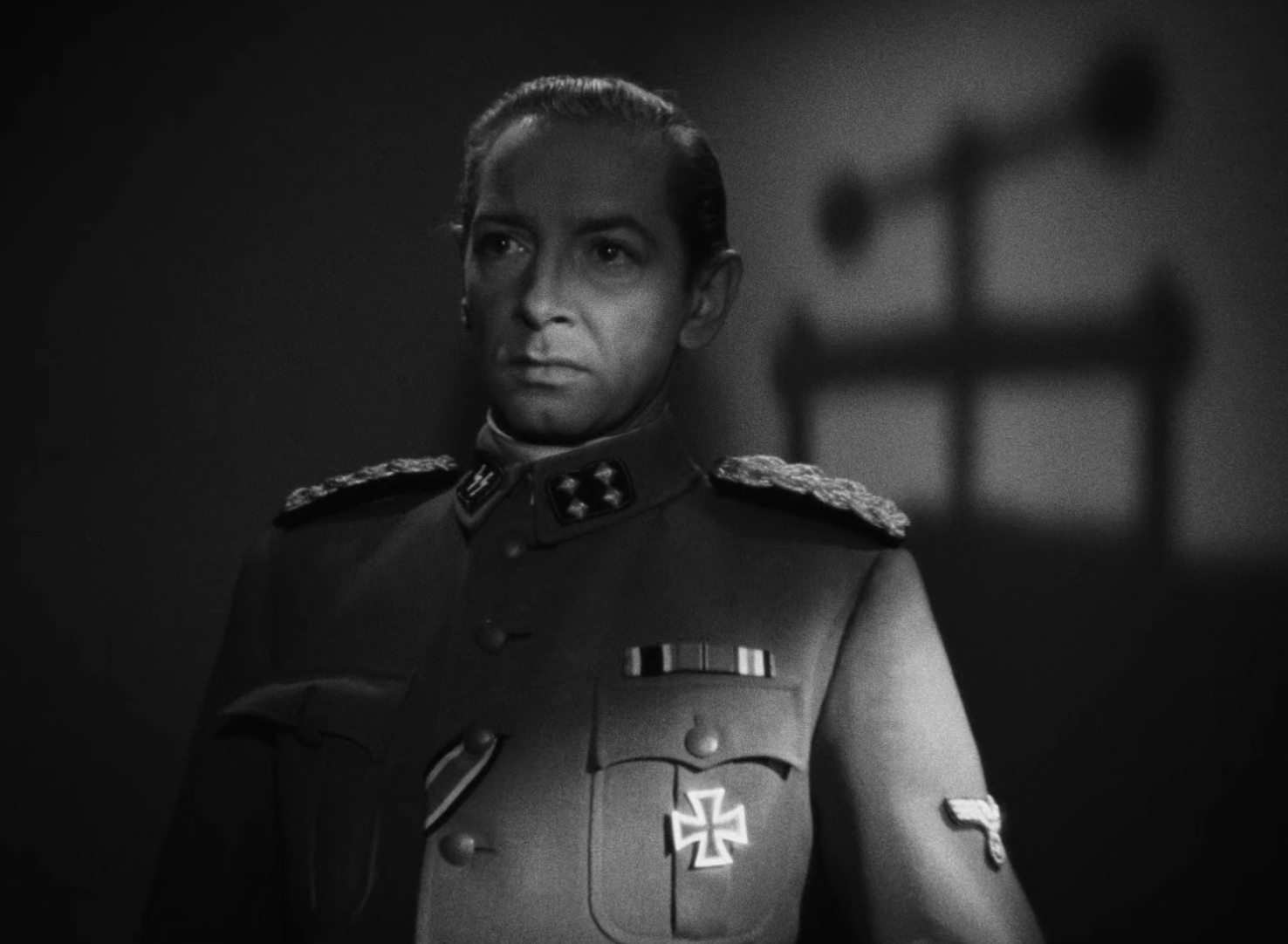
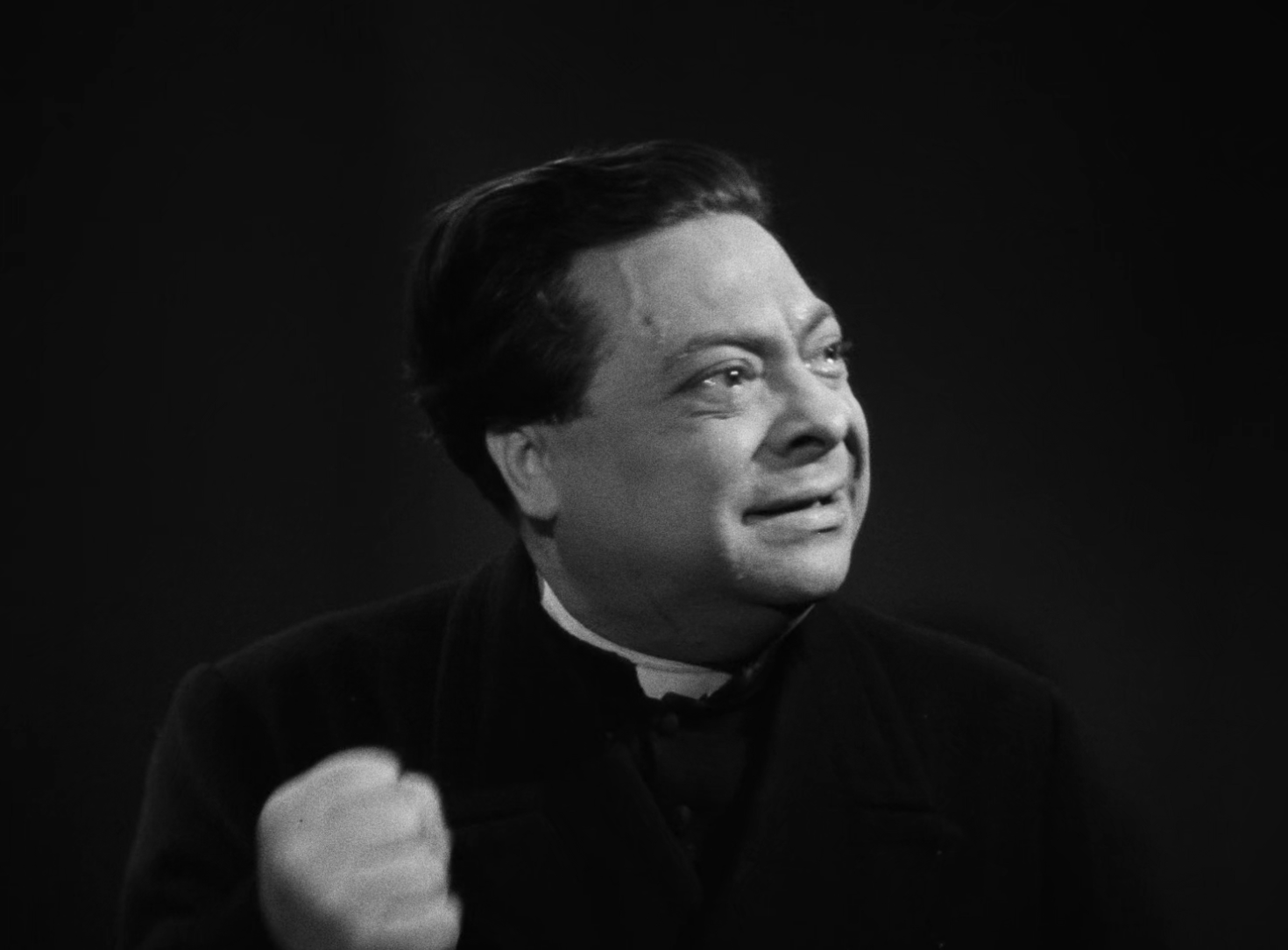
“È finita!” dice a Bergman, sprezzante, le lacrime gli scorrono sulla faccia, e il tedesco fa un passo indietro. “Volevate uccidere la sua anima, avete ucciso soltanto il suo corpo! Maledetti!” – dice Don Pietro, scuotendo il pugno – “Maledetti!”
“It’s finished!” he tells Bergman, defiant, tears running down his face, and the German takes a step back. “You tried to destroy his soul, but you only destroyed his body. Curse you all!” Don Pietro says, shaking his fist. “Curse you all!”
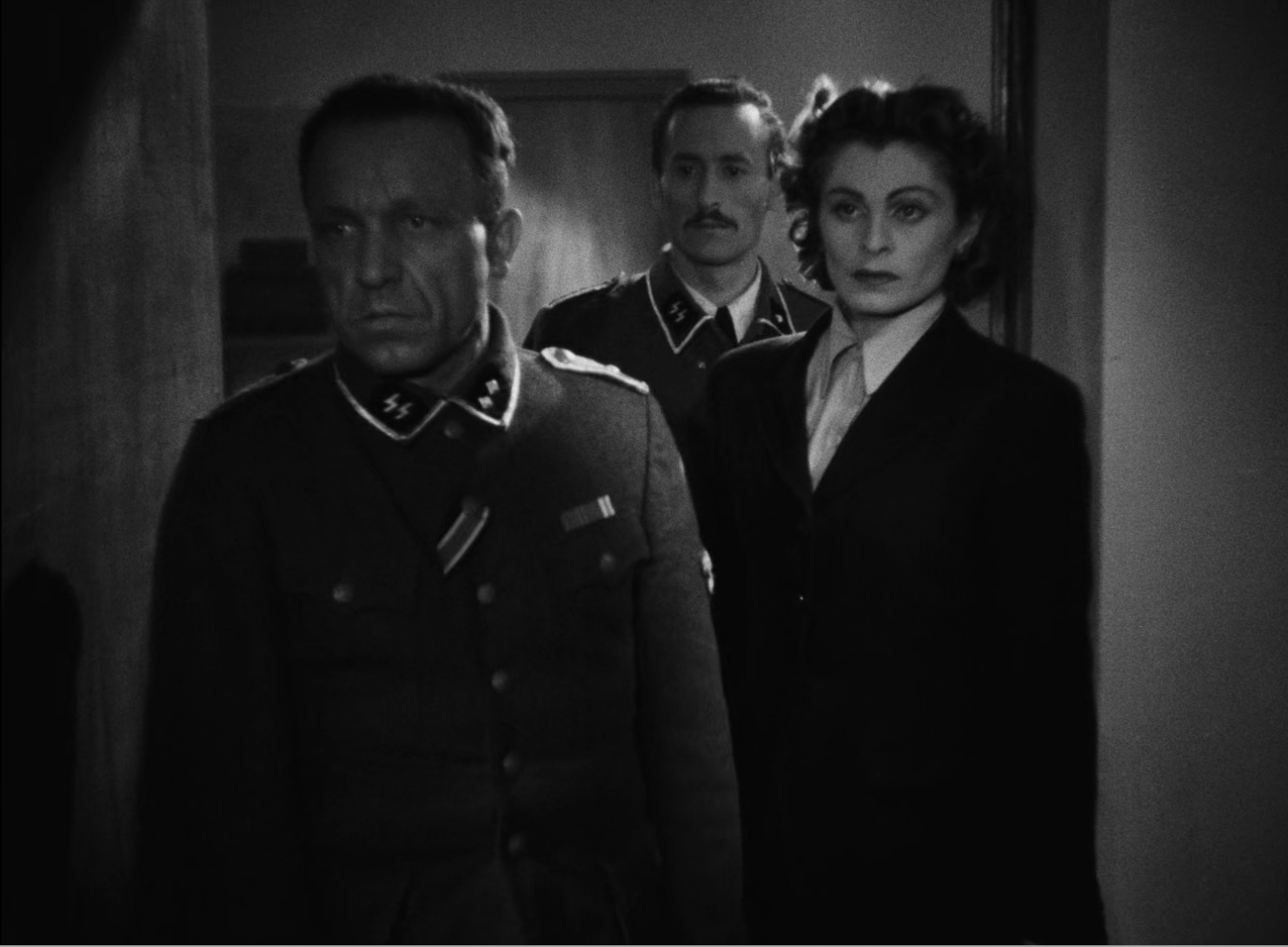
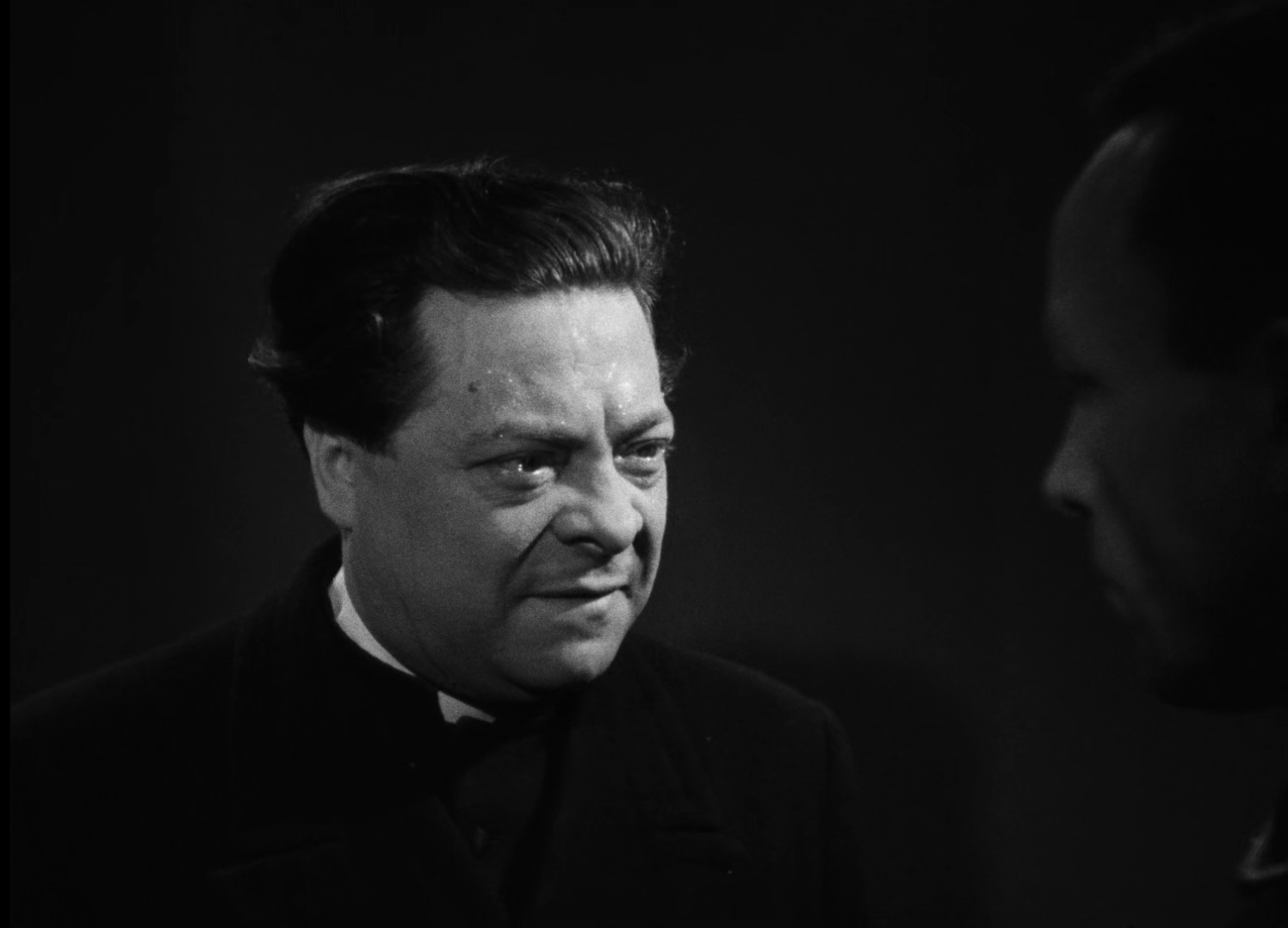
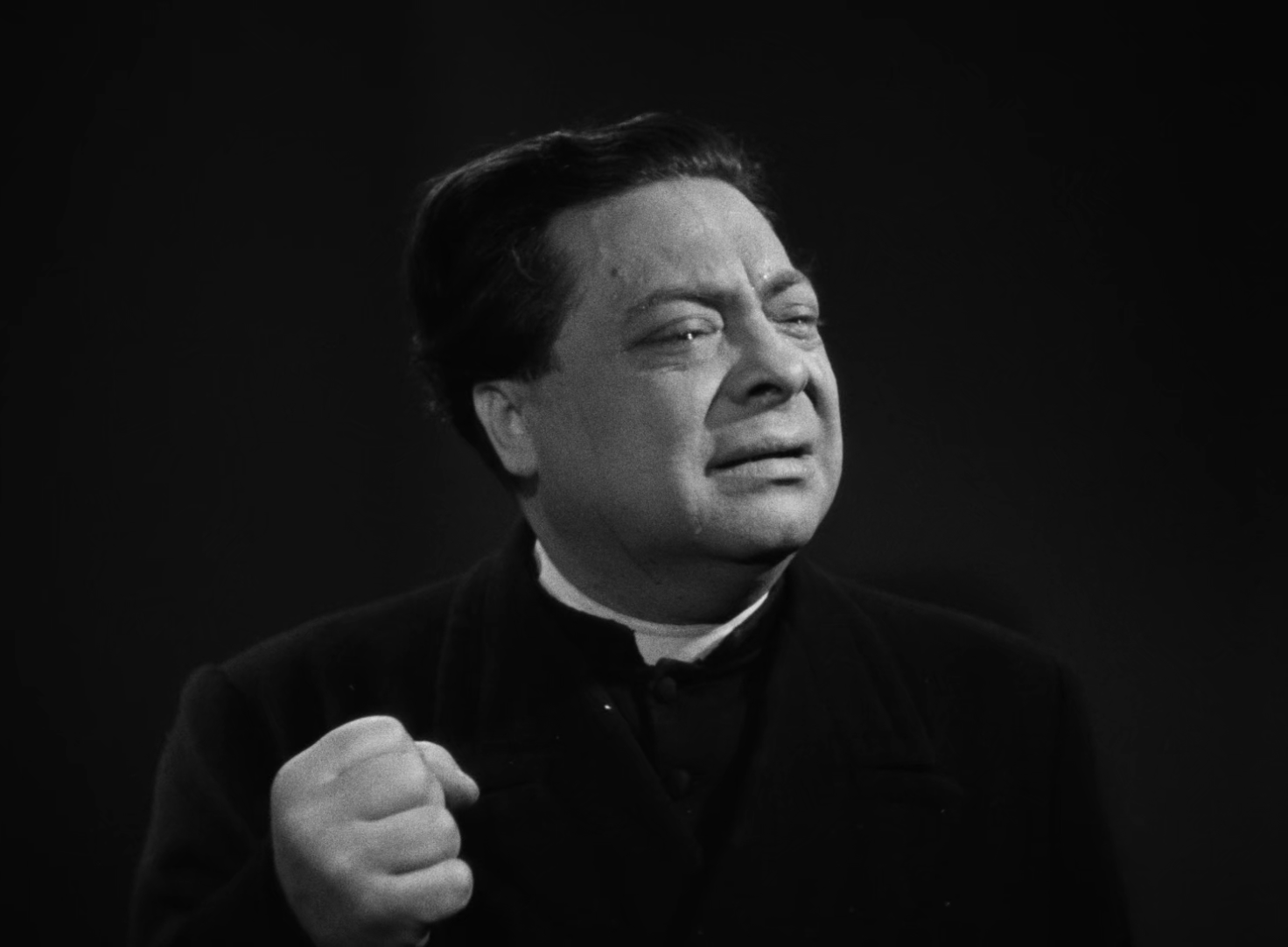
Spaventati, i soldati delle SS e Ingrid arretrano. “Sarete schiacciati nella polvere come dei vermi! Maledetti!” Poi si rende conto… “Mio Dio, che cosa ho detto?”
Startled, the SS soldiers and Ingrid back off. “You’ll be trampled in the dust like worms! Curse you all!” Then he realizes… “My God, what have I said?”
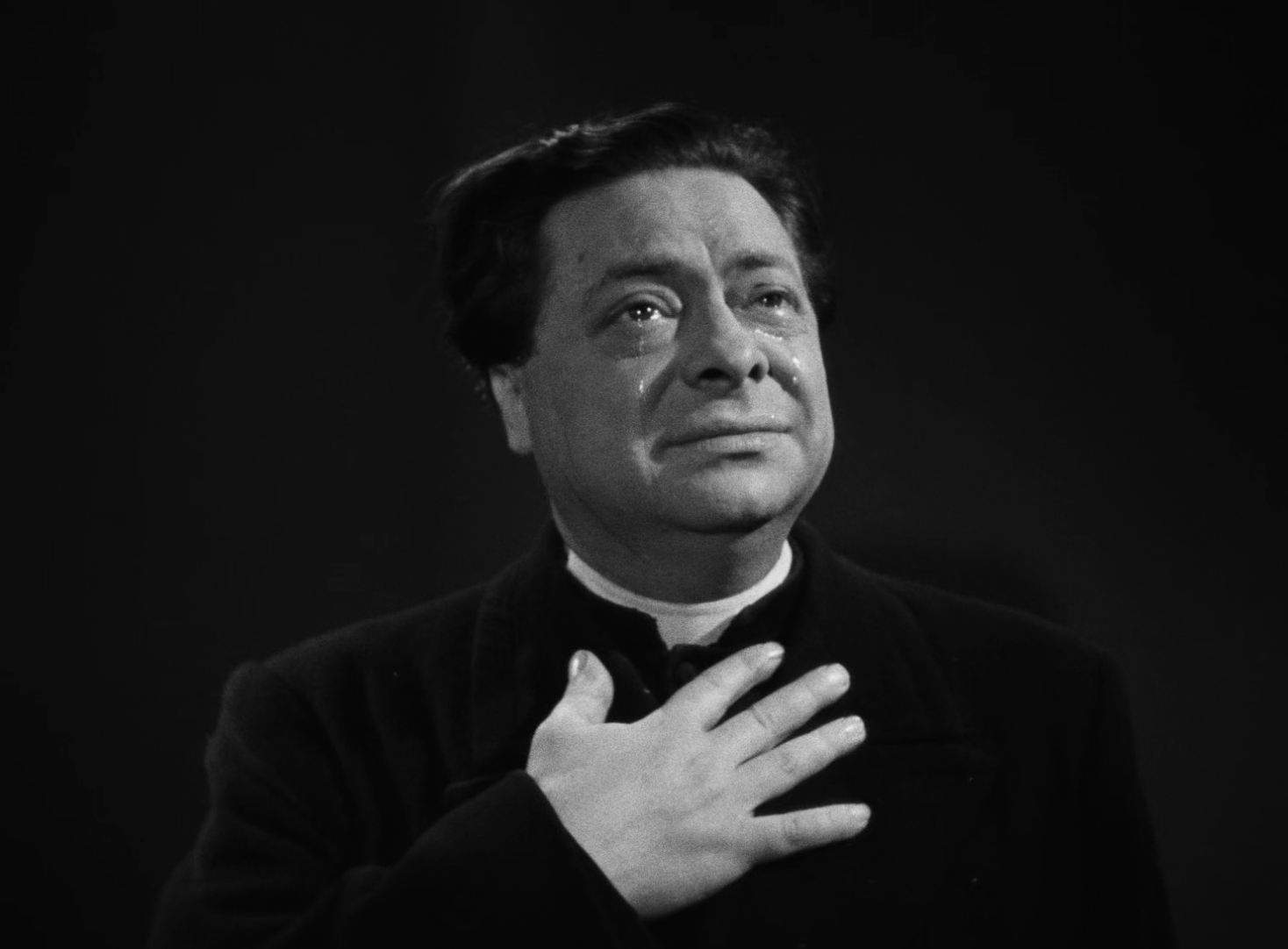
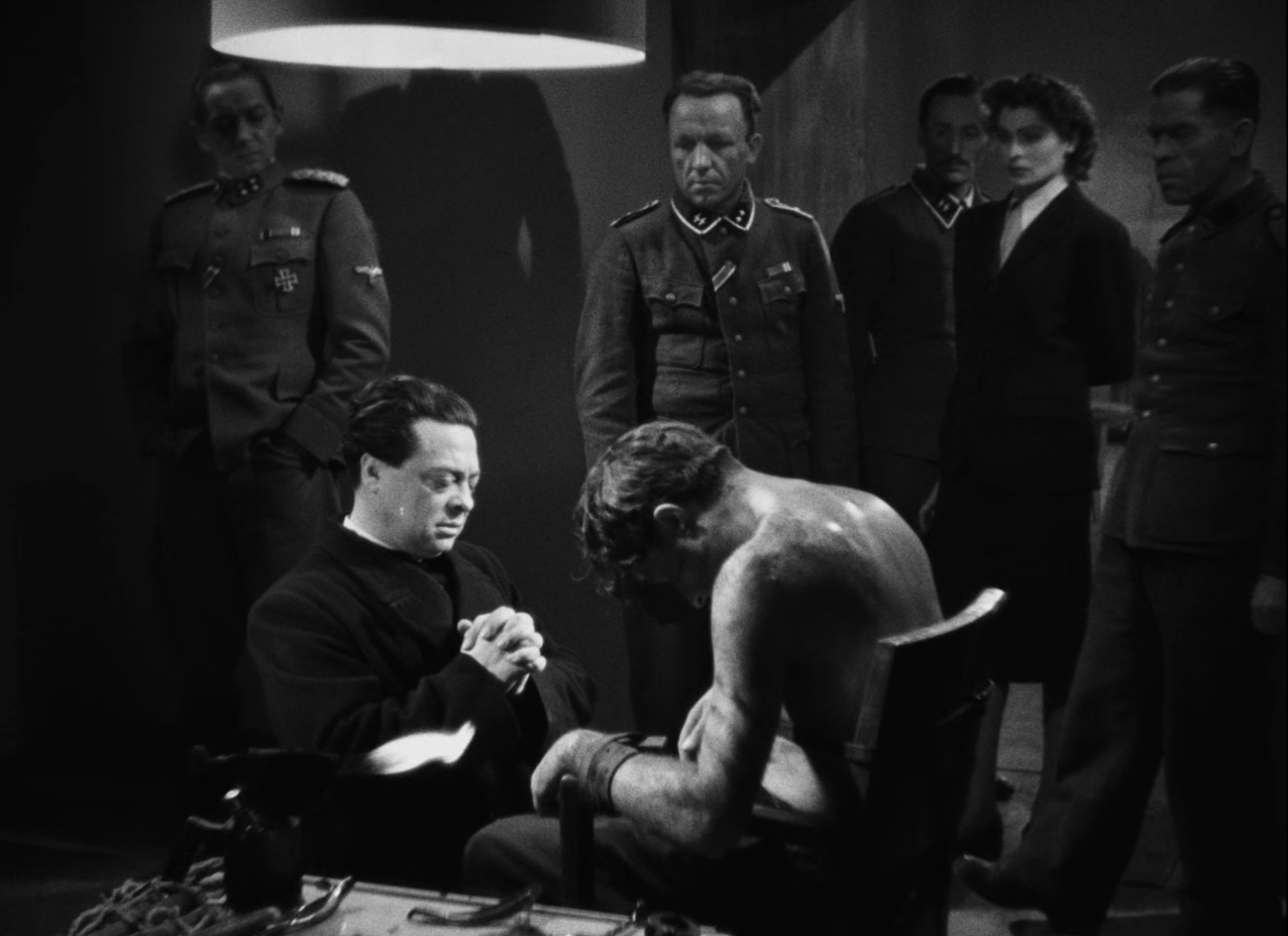
Si inginocchia davanti al corpo senza vita di Manfredi. “Perdono, Dio mio! Perdono!”
He sinks to his knees in front of Manfredi’s lifeless body. “Forgive me, Lord. Forgive me.”
FINE PARTE 12
Ecco the link for Parte 13 – the final installment – of this cineracconto! Subscribe to receive a weekly email newsletter with links to all our new posts.