Regia / Director: Giuseppe De Santis, 1949
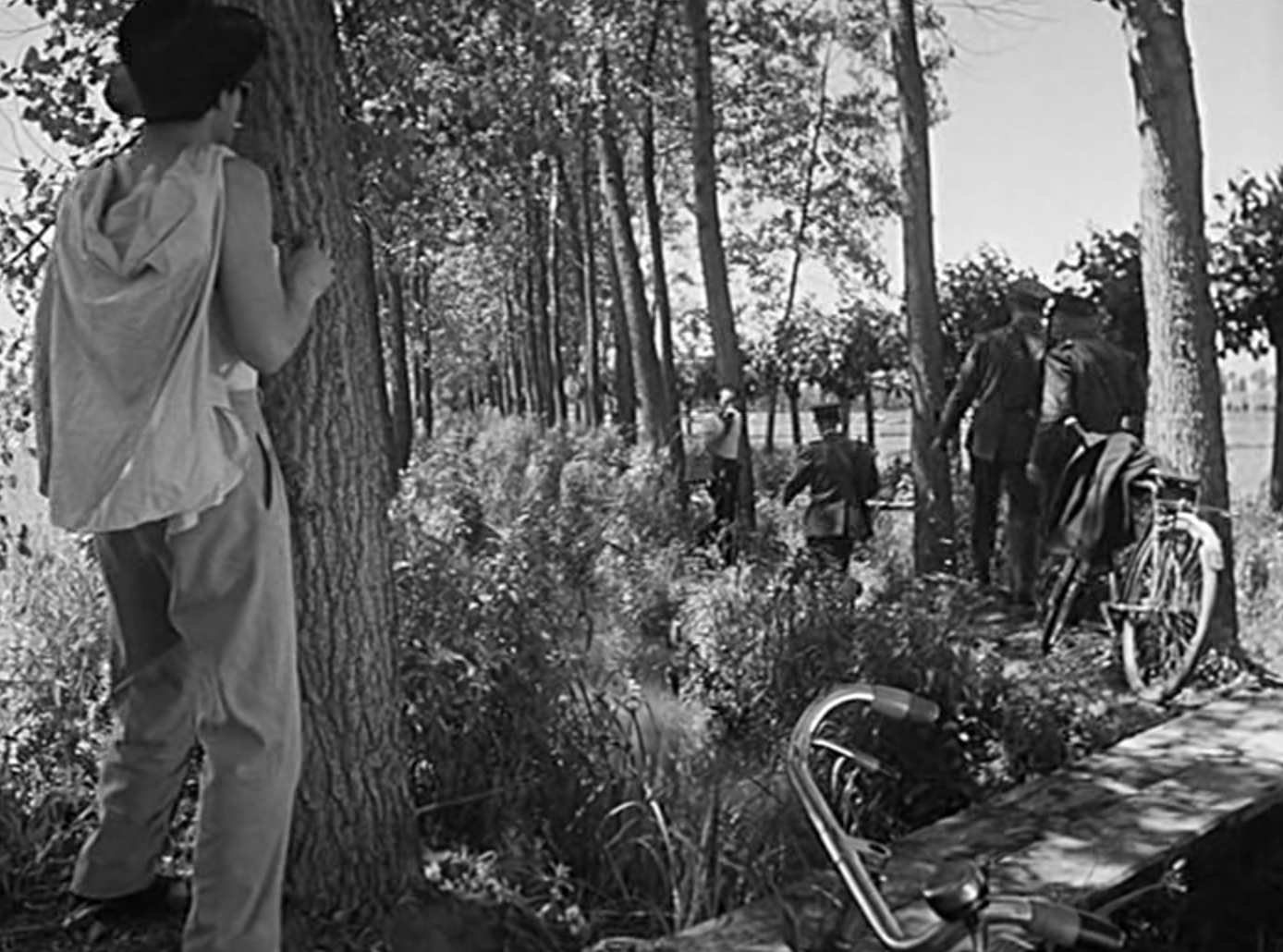
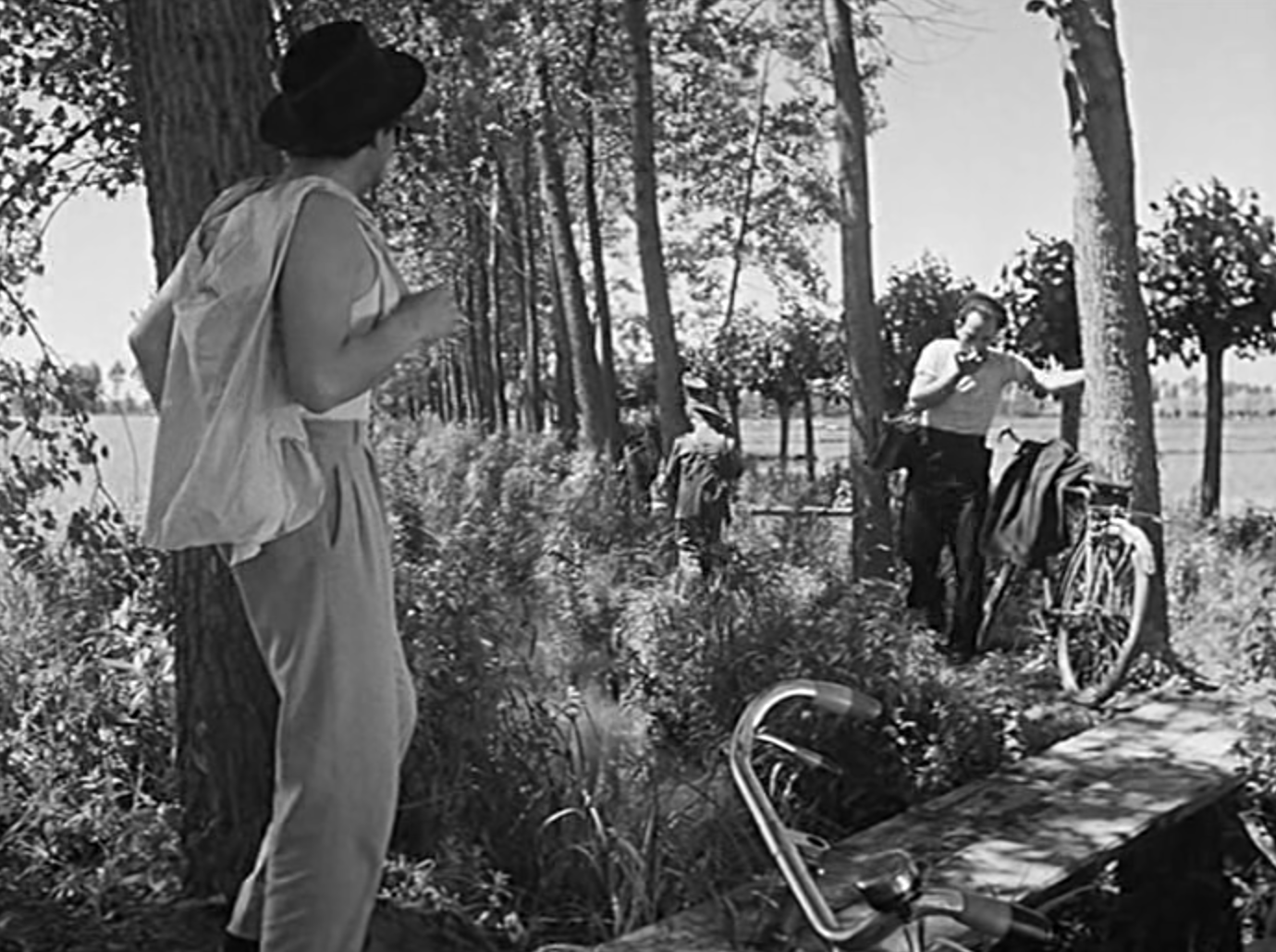
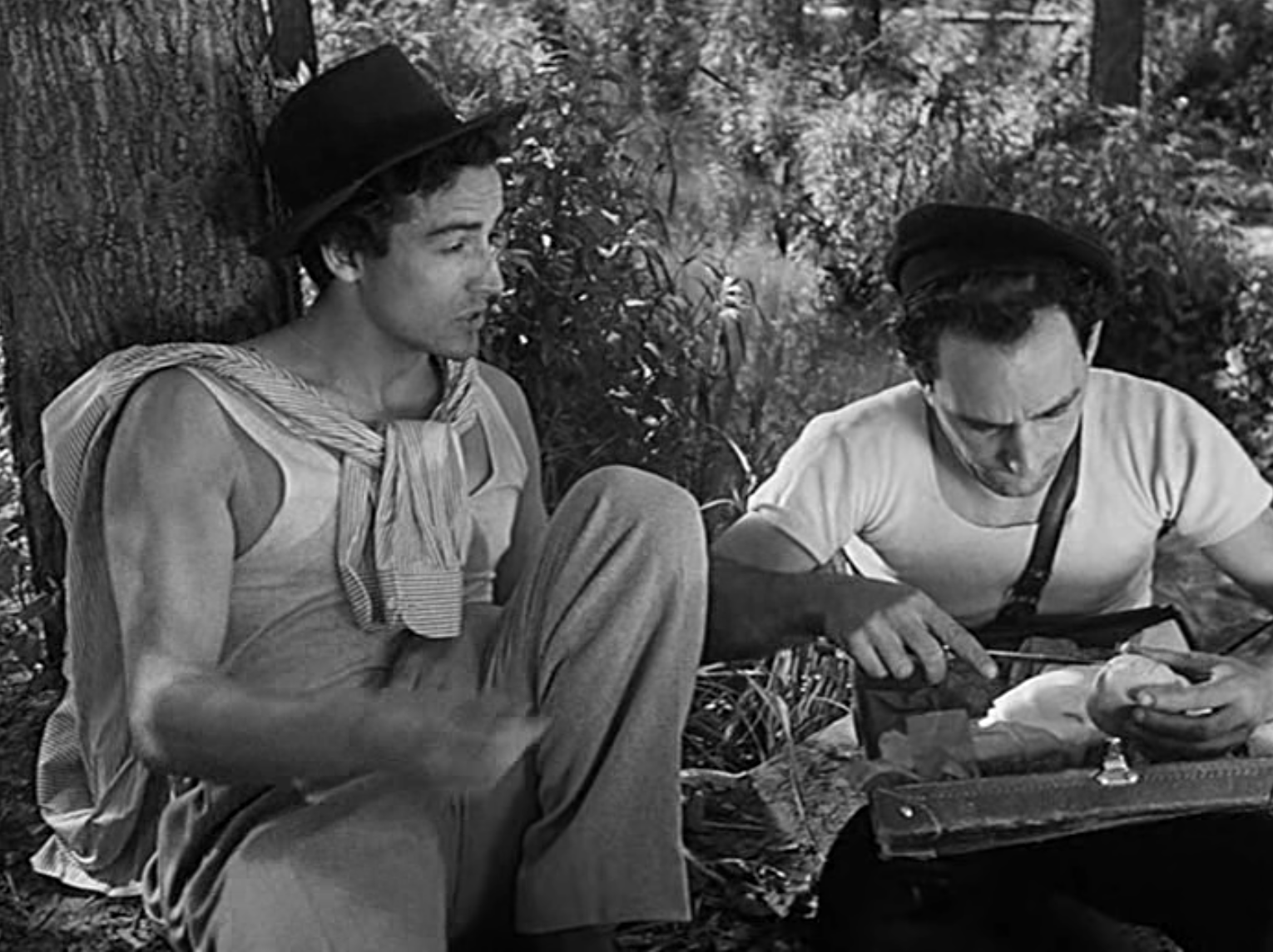
Da dietro un albero, un uomo con un cappello fedora e una canottiera osserva una fila di poliziotti sul ciglio della strada. È evidente che stanno cercando lui: Walter Granata, il complice di Francesca. Un uomo con una borsa a spalla si avvicina a Granata, suonando l'armonica.
From behind a tree, a man in fedora and undershirt watches a line of police by the side of the road. They’re evidently searching for him: Walter Granata, Francesca’s partner in crime. A man with a bag slung over his shoulder approaches Granata, playing harmonica.
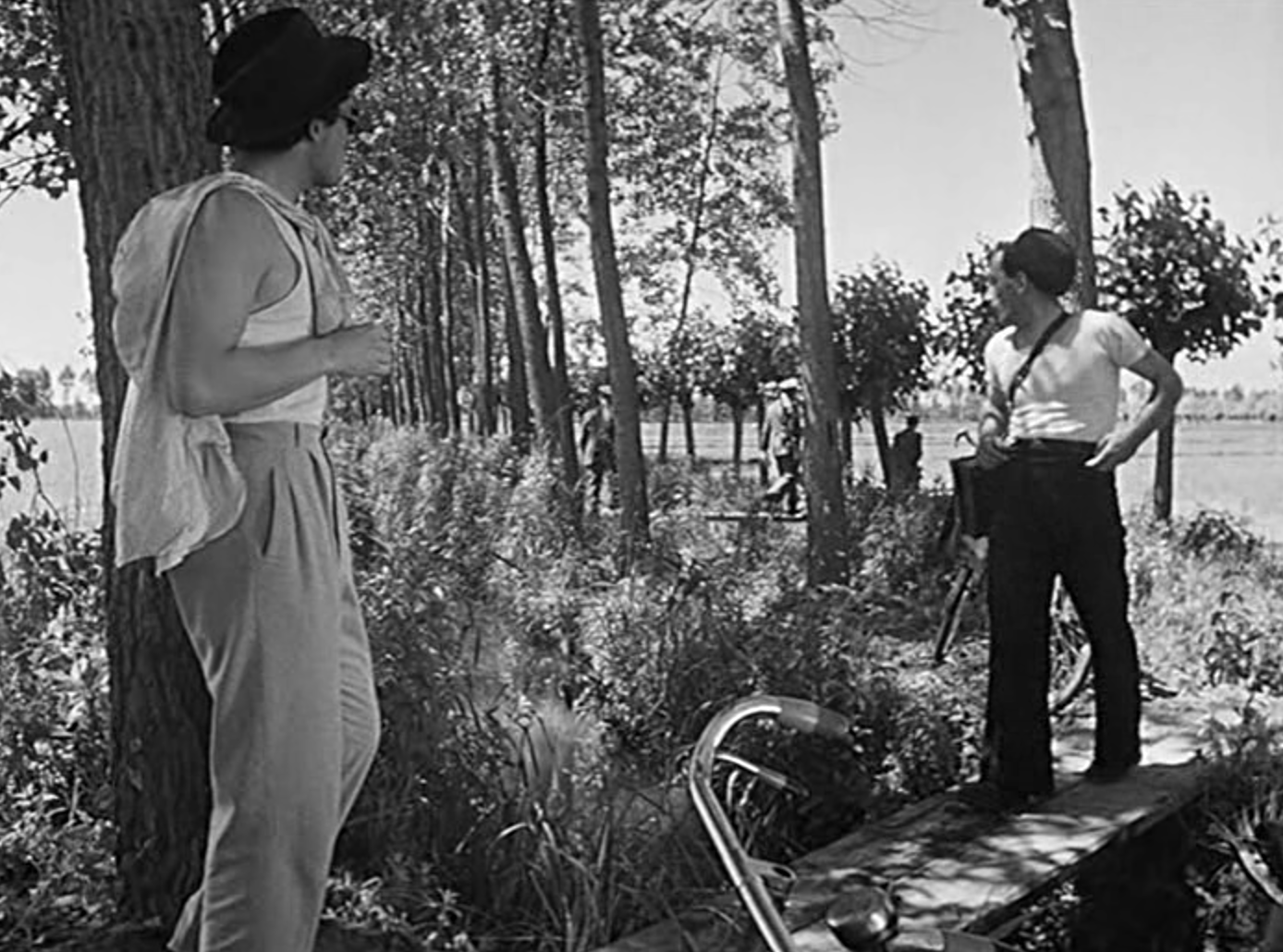
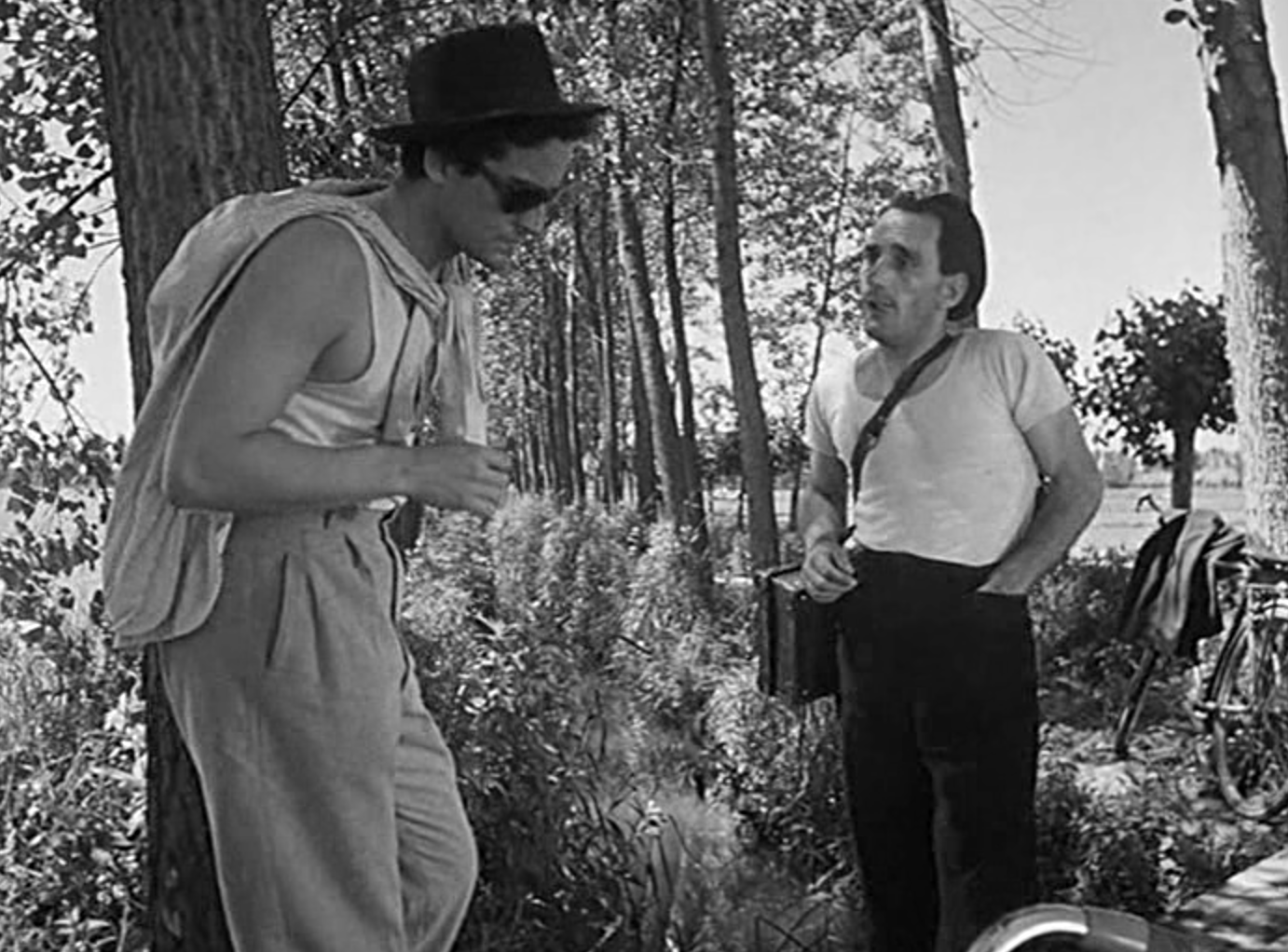
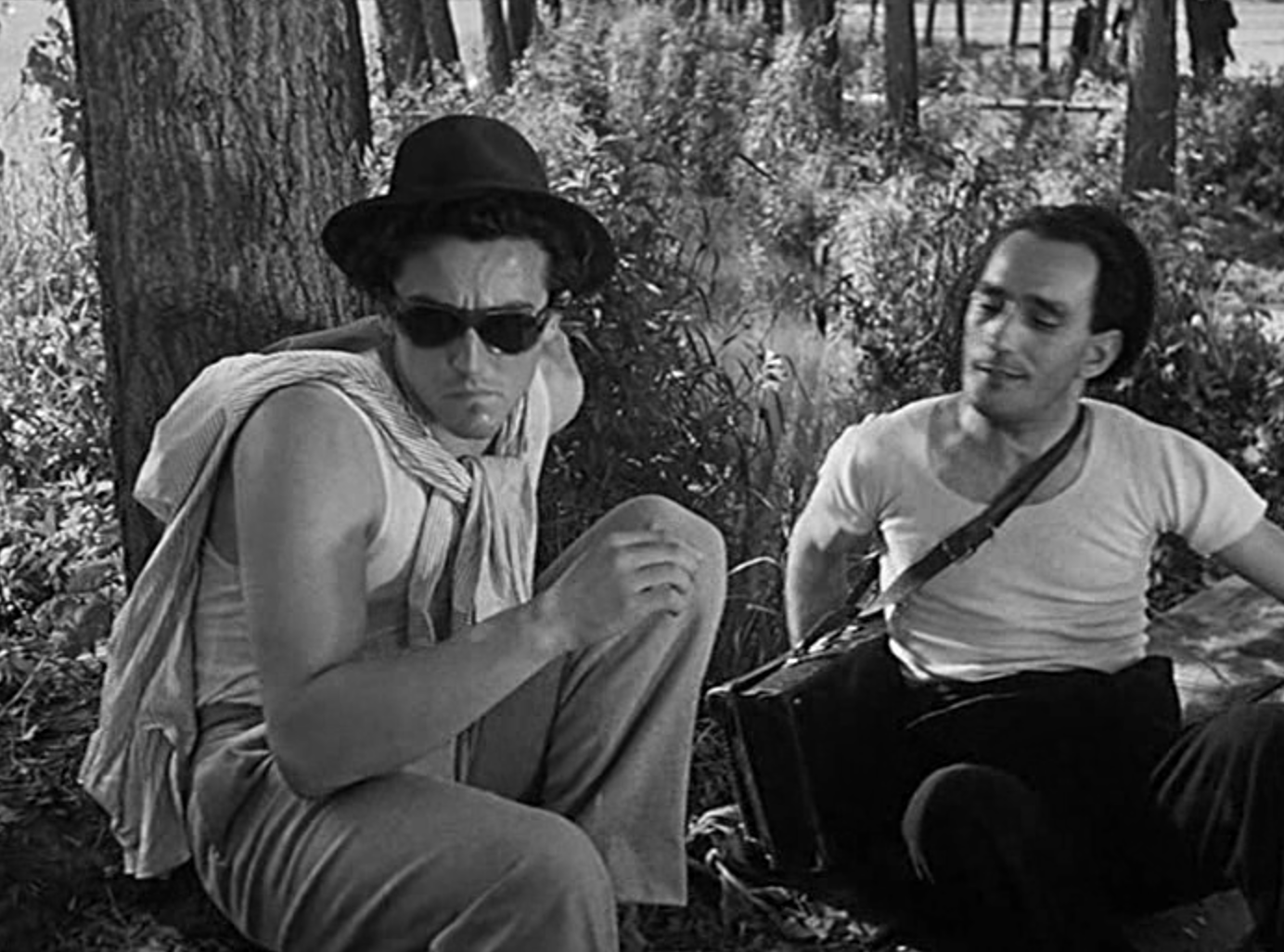
Con il canto corale delle mondine in lontananza, l’uomo e Granata si siedono vicino all'albero. Notiamo gli occhiali scuri di Granata.
With the choral singing of the riceworkers in the distance, the man and Granata sit down by the tree. We notice Granata’s dark glasses.
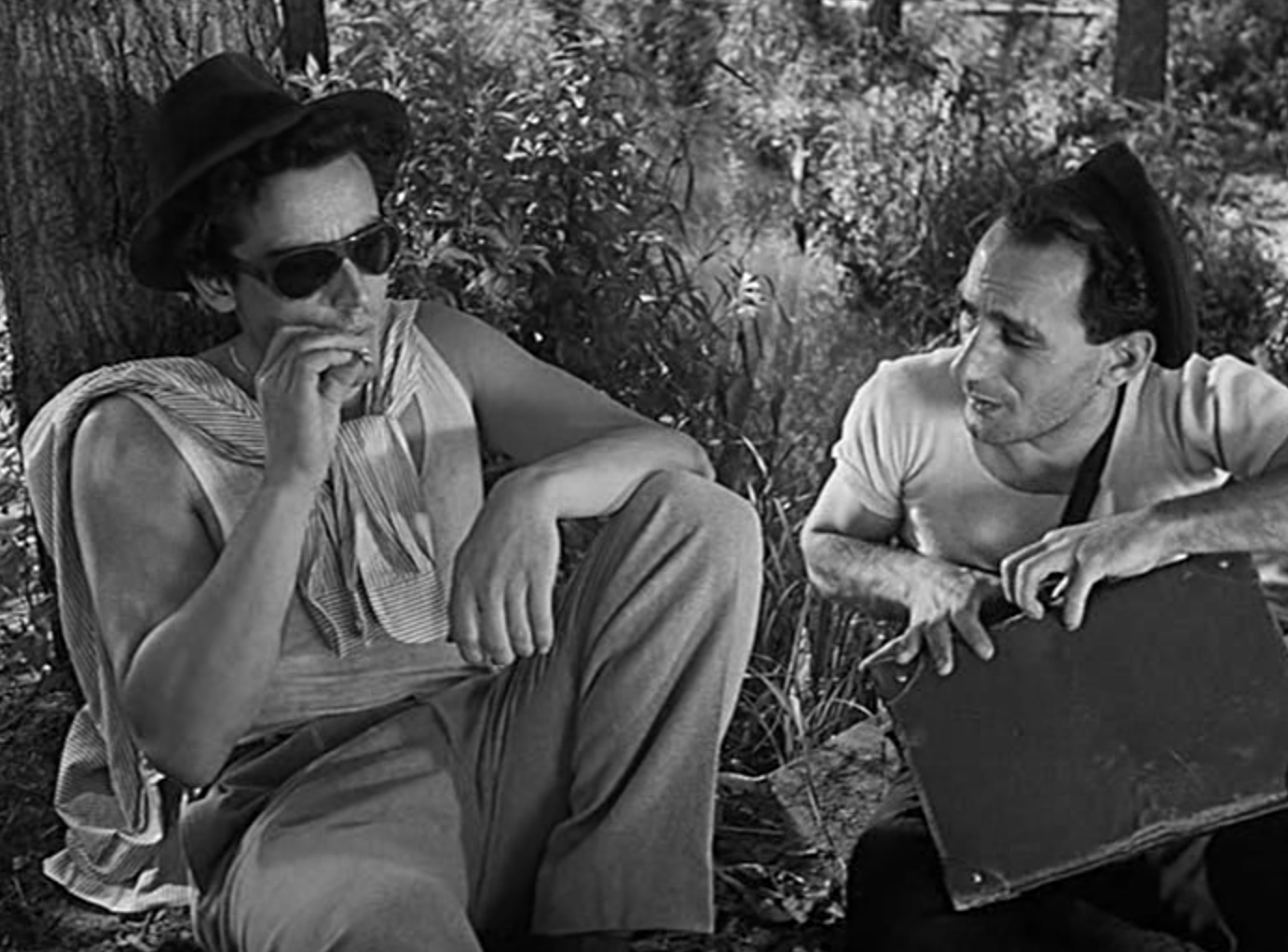
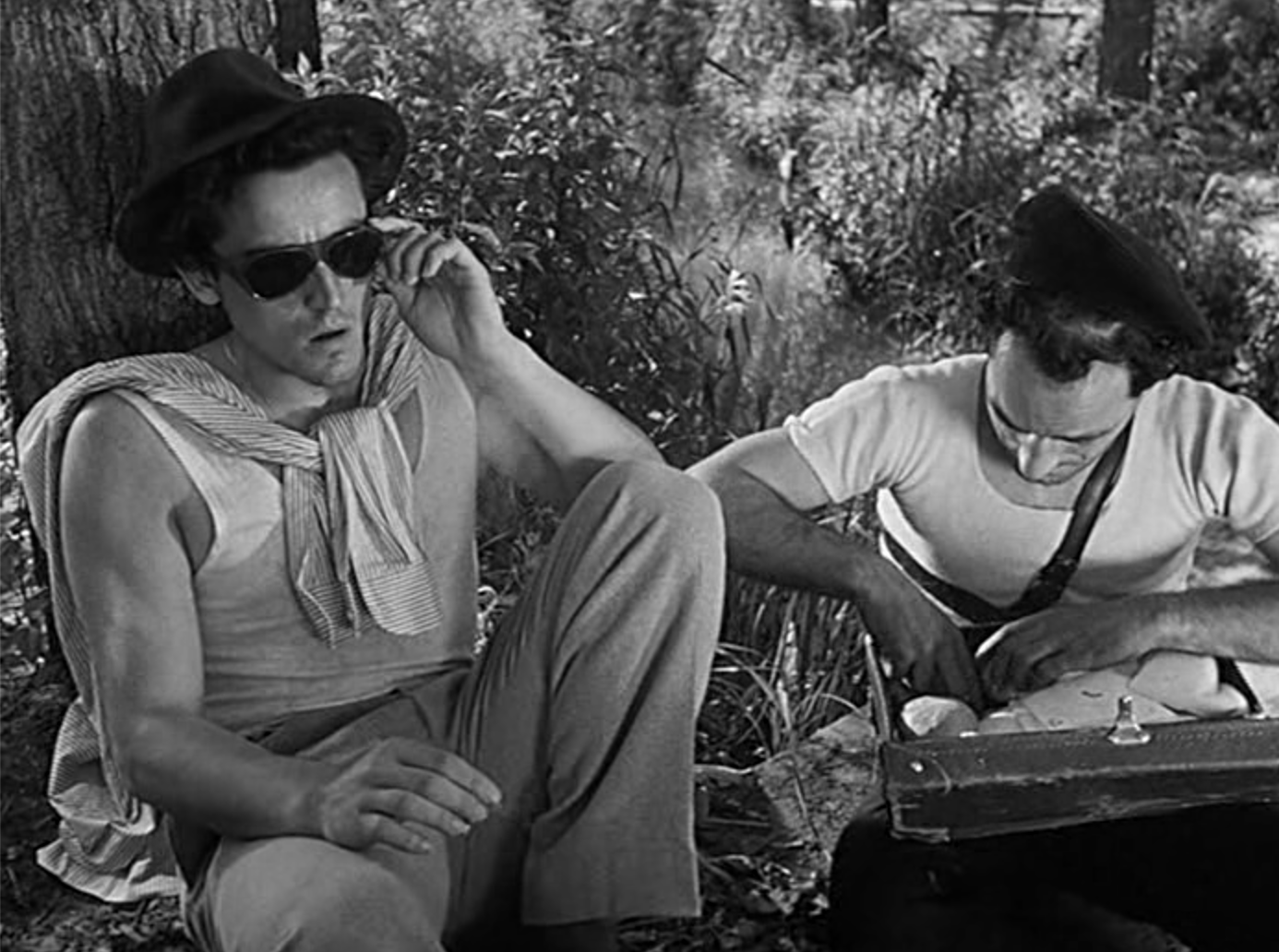
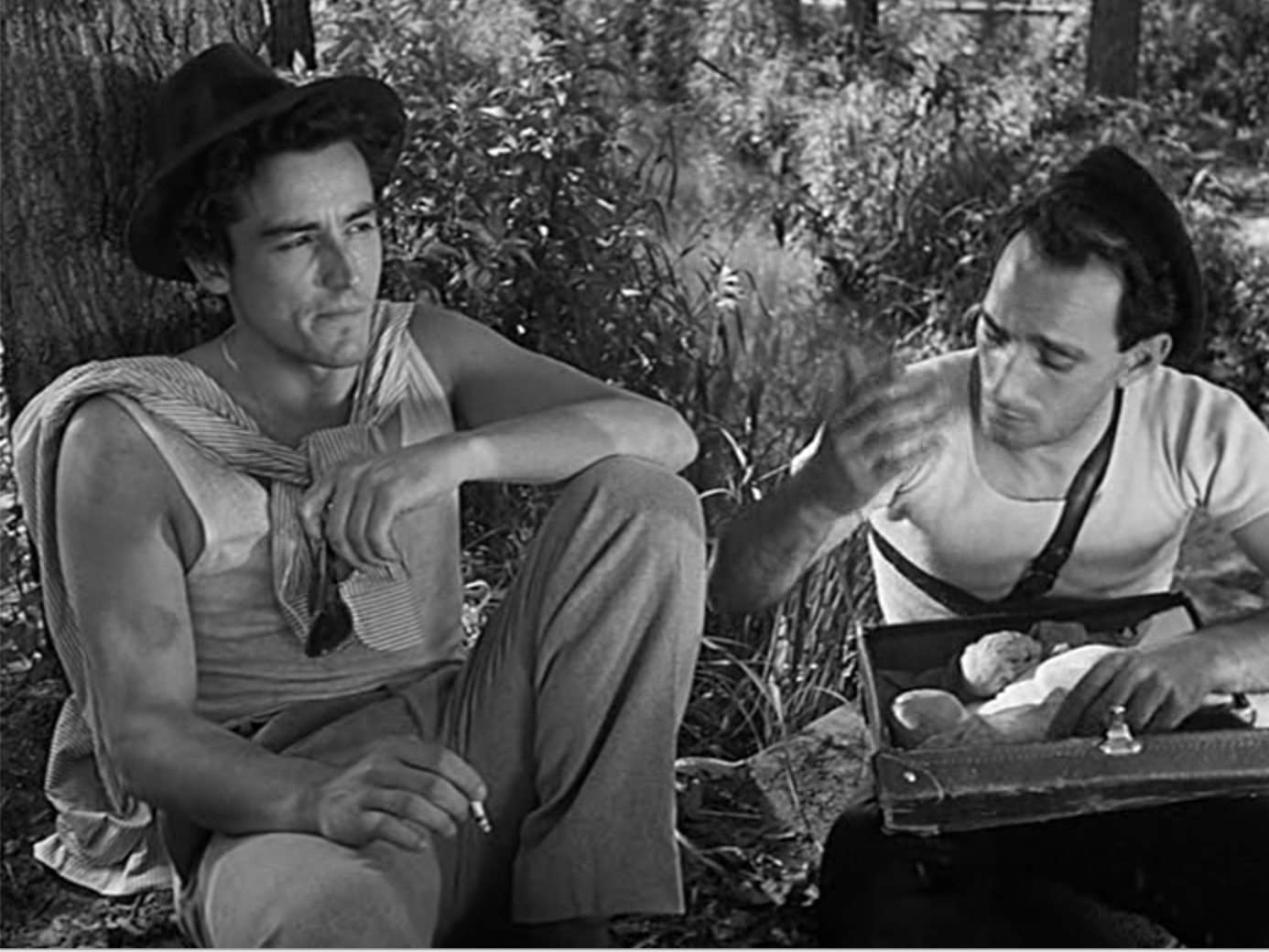
Aprendo una piccola valigetta, l'uomo commenta: "Non sei molto intelligente se alla stazione ti hanno visto i Carabinieri".
"Grazie della fiducia".
"Insomma, sono due ore che ci conosciamo. Non so chi sei”.
Opening a small suitcase, the man remarks, “You aren’t very smart if the cops saw you at the station.”
“Thanks for your trust.”
“Well, we’ve known each other for two hours. I don’t know who you are.”
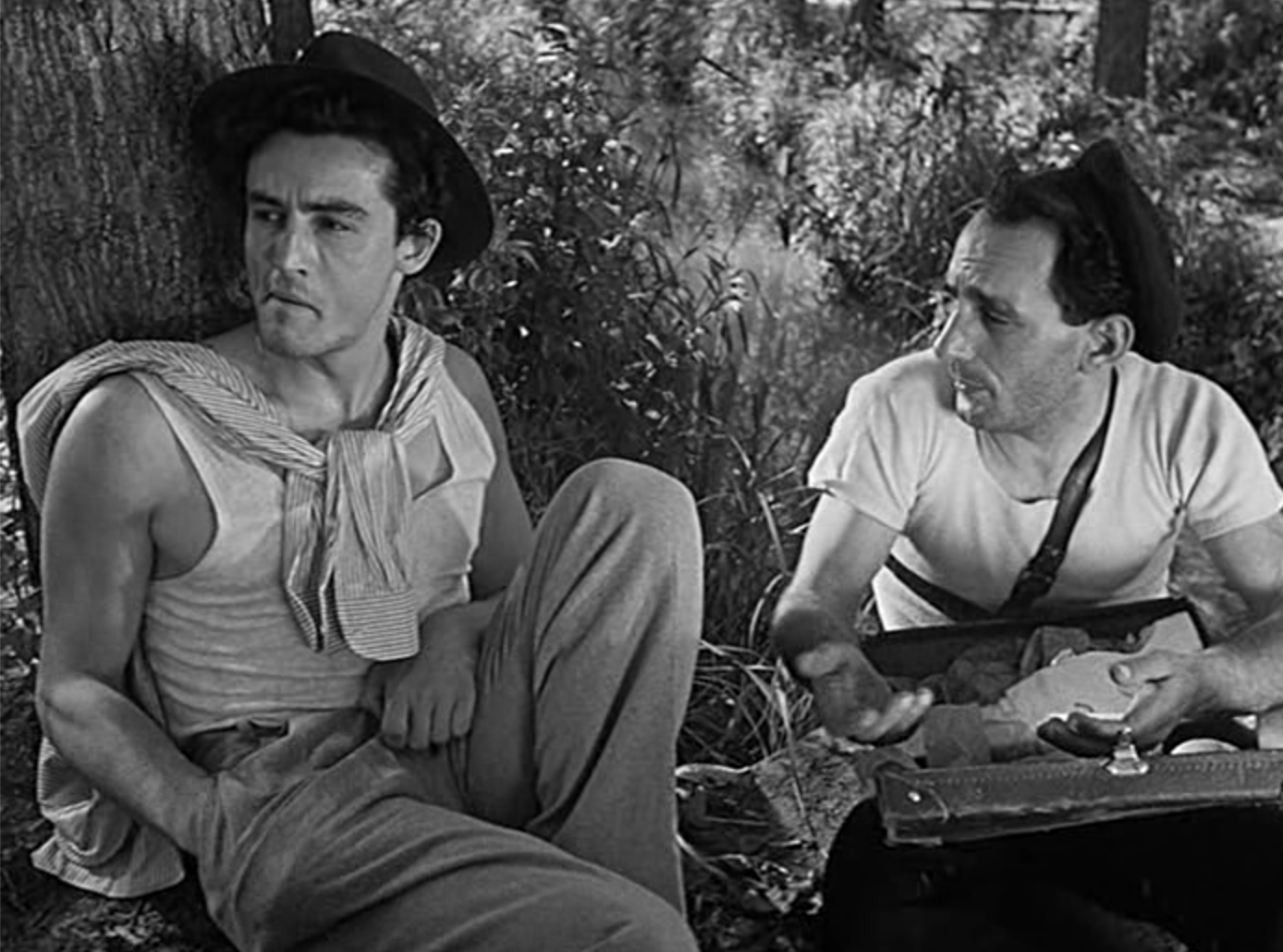
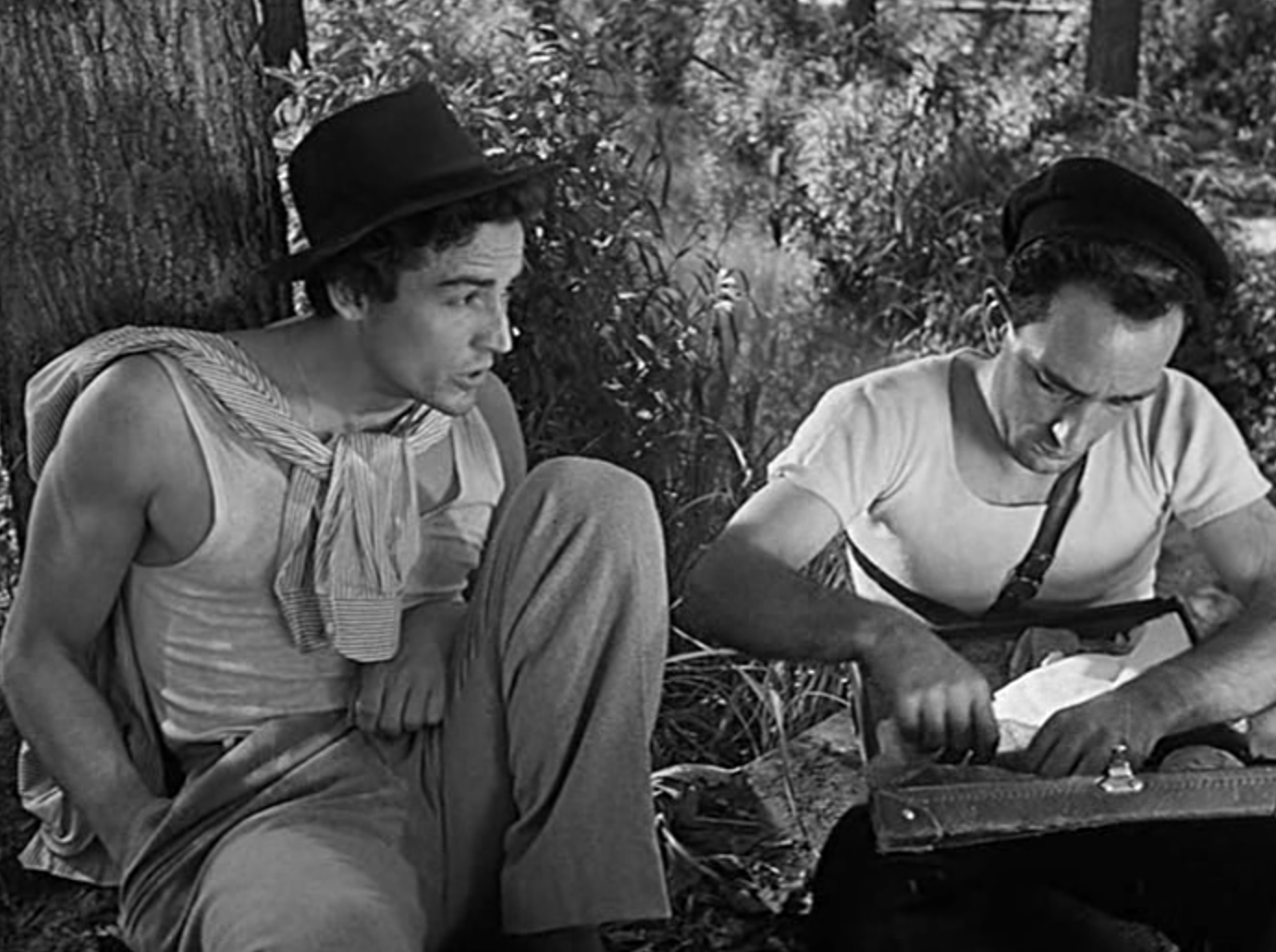
"Io parlo e parlo. Ti ho detto tutto di me, ma tu...?"
"Conosci il proverbio arabo? 'Perché parli se puoi stare zitto?'"
“I talk and talk. I’ve told you everything about myself, but you –?”
“Do you know the Arab proverb? ‘Why talk when you can be quiet?’”
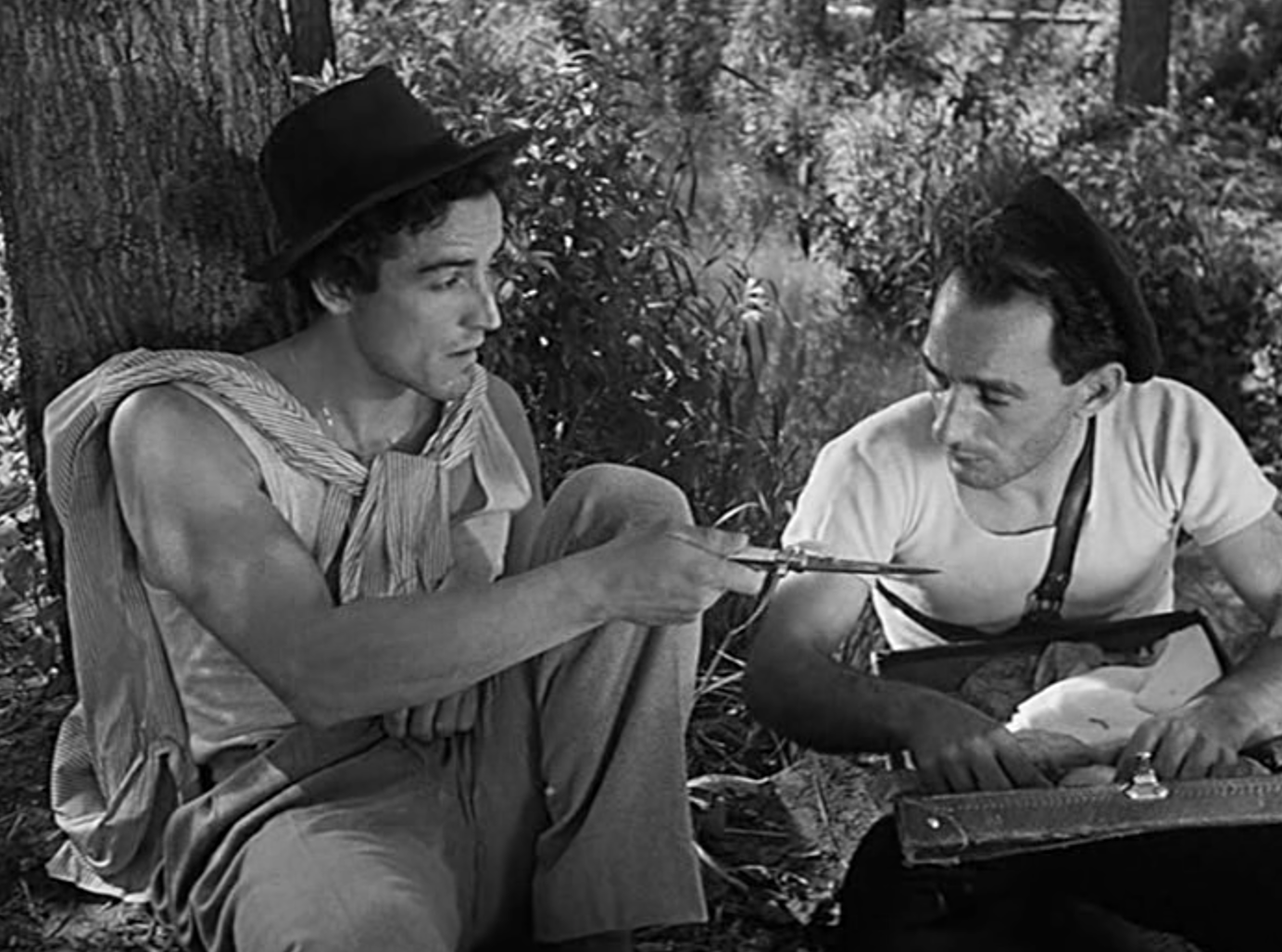
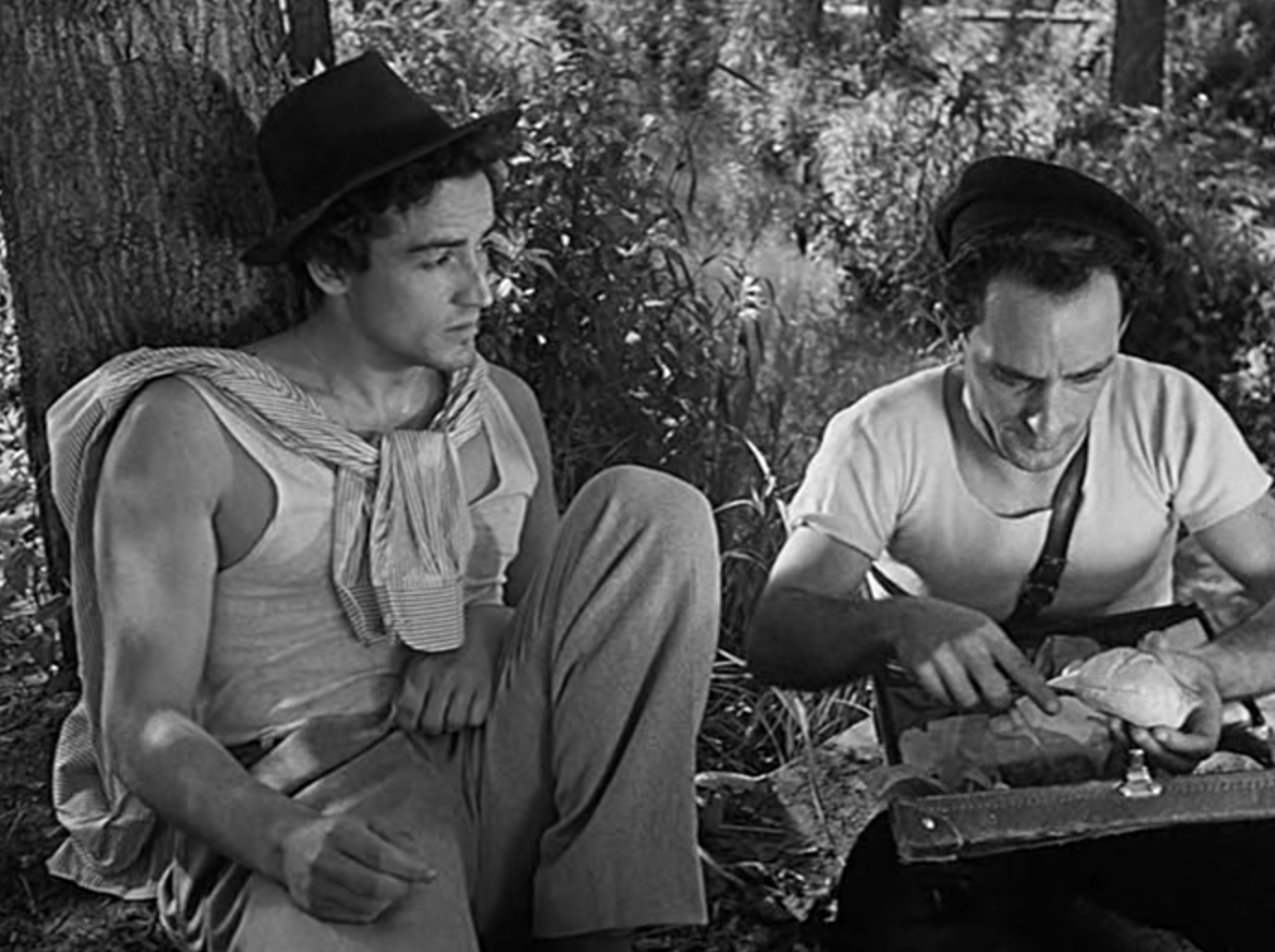
Granata apre un coltello a serramanico, spaventando per un momento il suo compagno. "Tieni", dice, dandolo all'uomo che lo usa per tagliare un panino.
Granata opens a switchblade, momentarily startling his companion. “Here,” he says, handing it to the man, who uses it to cut a roll.
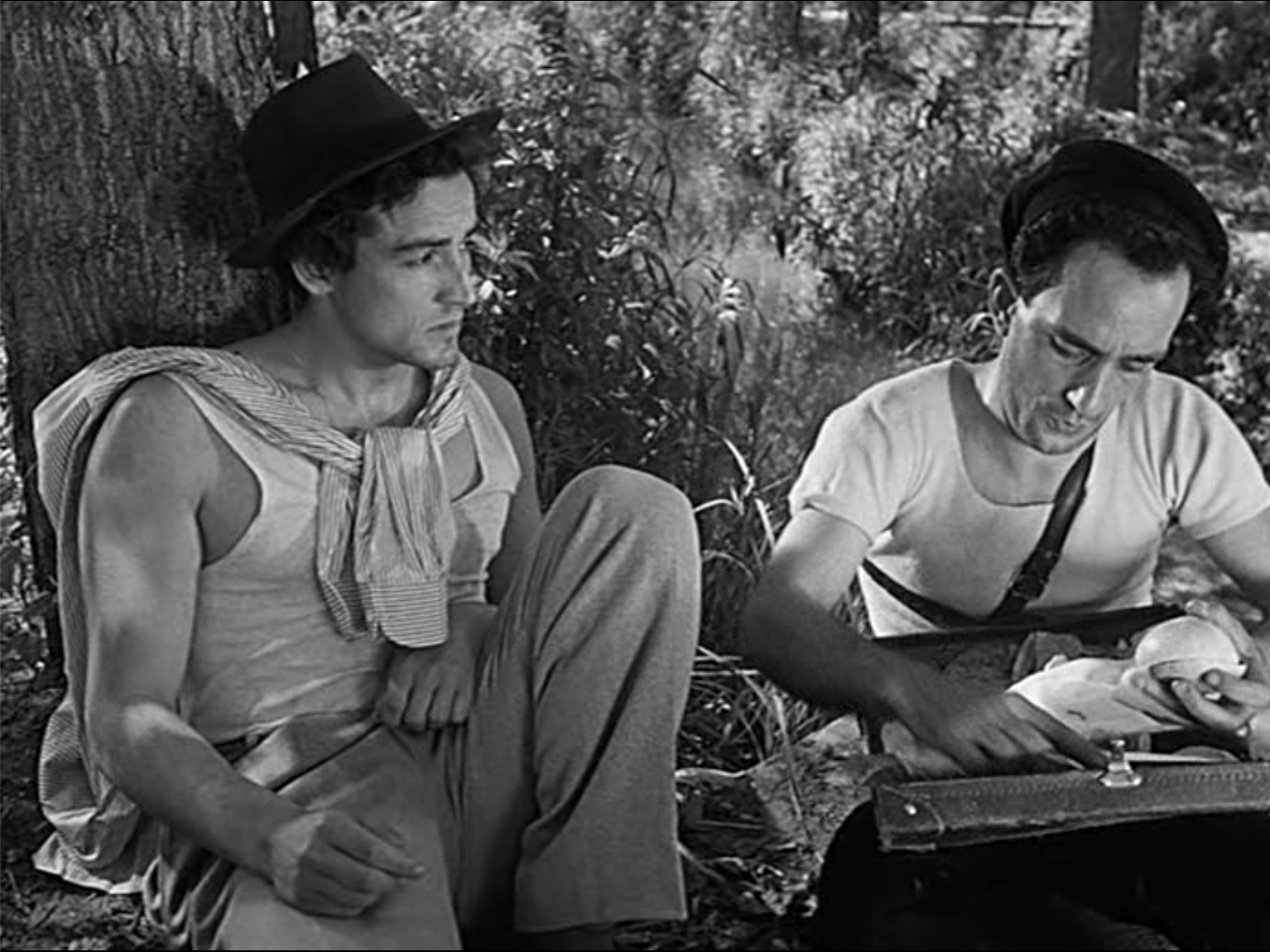
“Piuttosto hai domandato delle donne?”
“Nessuna, neanche là. Né la mia, né la tua”.
“More importantly, have you asked about the women?”
“Nobody, not even there. Not mine, not yours.”
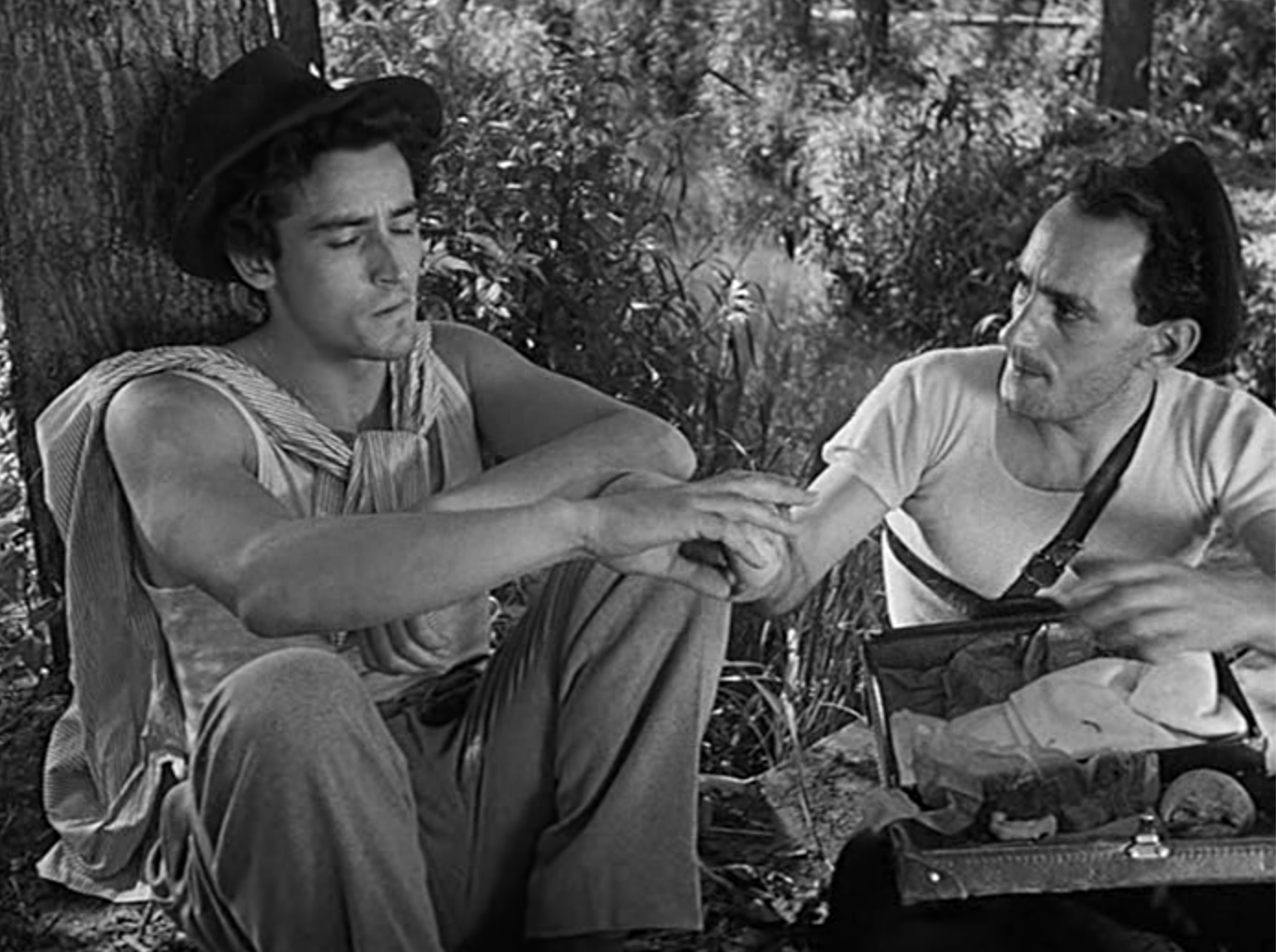
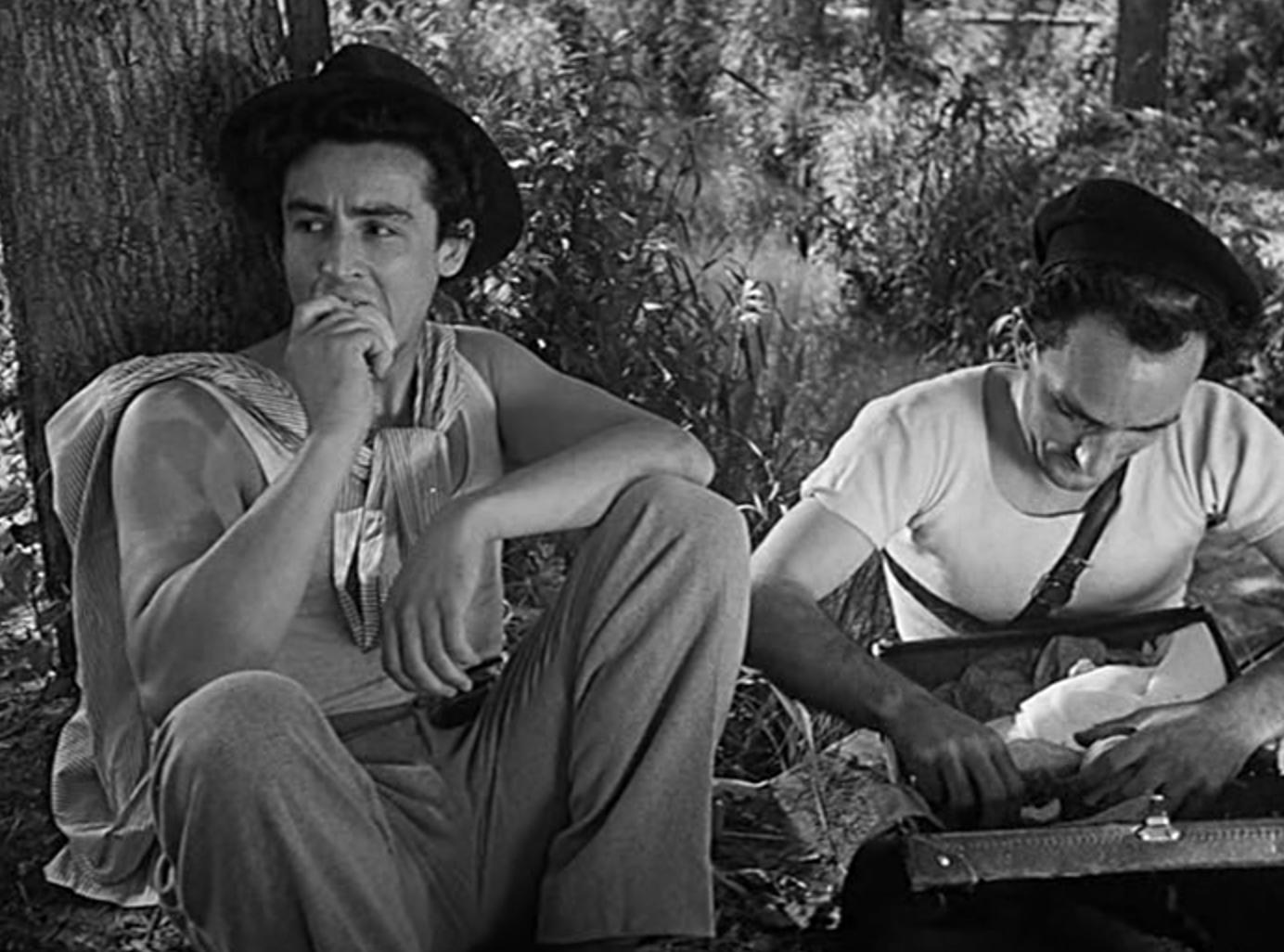
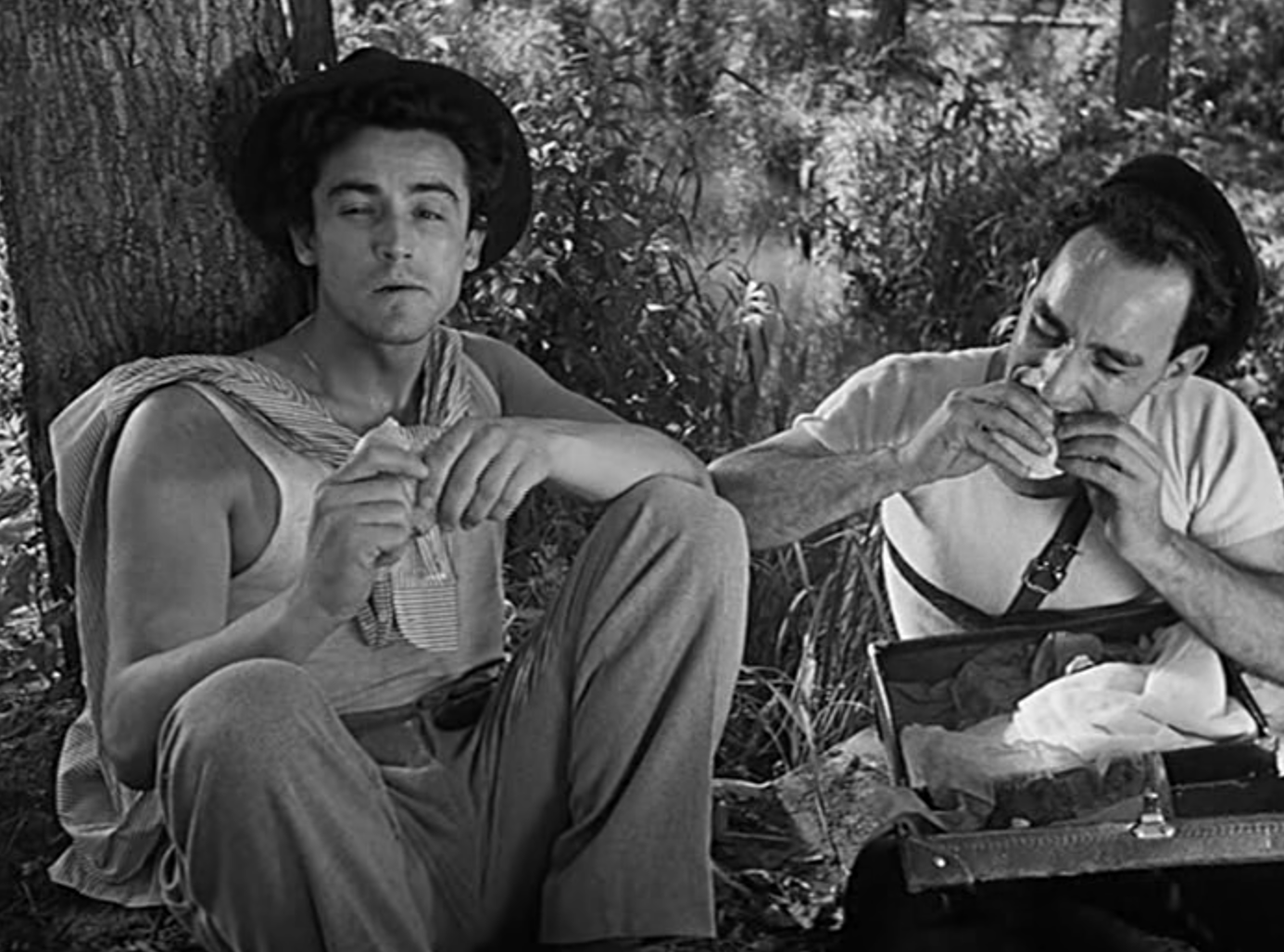
Dopo aver riempito il panino, lo porge a Granata. "Tieni, mangia. Ma la troverò" – continua – "Puoi starne certo. E quando la troverò..." Addenta un pezzo di panino.
After filling the roll, he hands it to Granata. “Here, eat. But I’ll find her,” he continues. “You can count on it. And when I find her –” He bites off a hunk of sandwich.
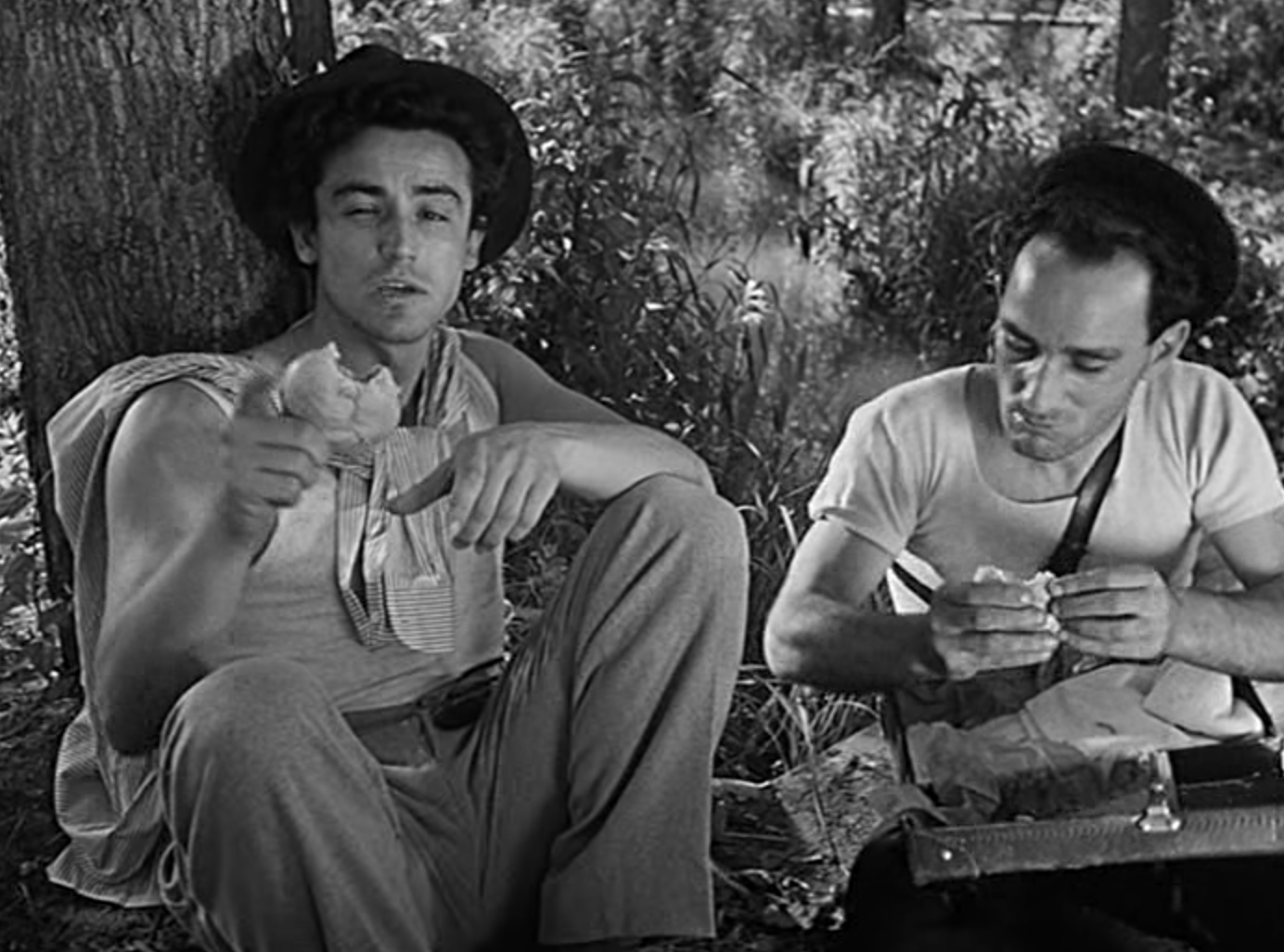
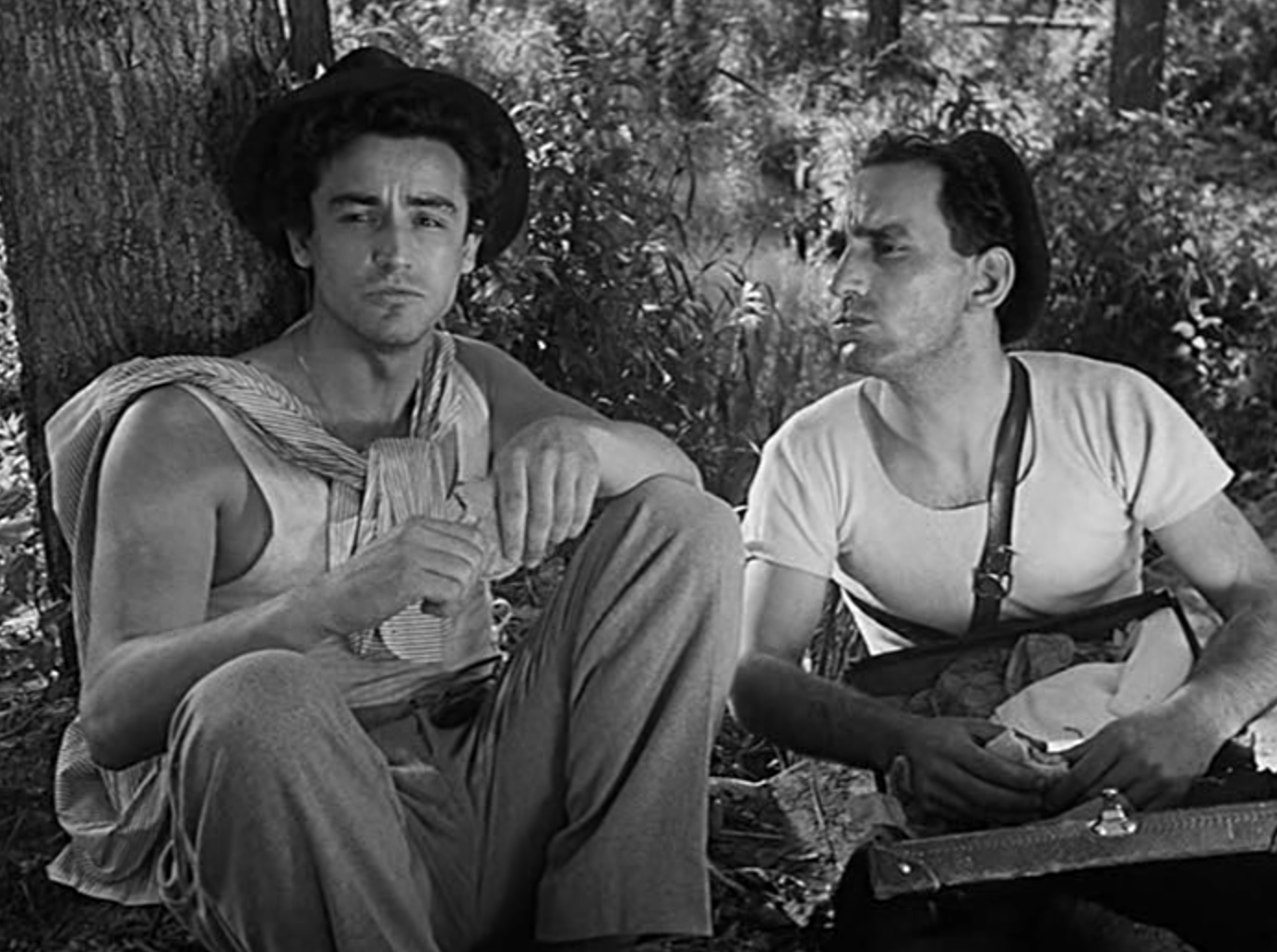
Walter indica un punto. "Più tardi proviamo laggiù. Forse avremo più fortuna". Guardano pensierosi in lontananza.
Walter points. “We’ll try over there later. Maybe we’ll get lucky.” They look into the distance, pensively.
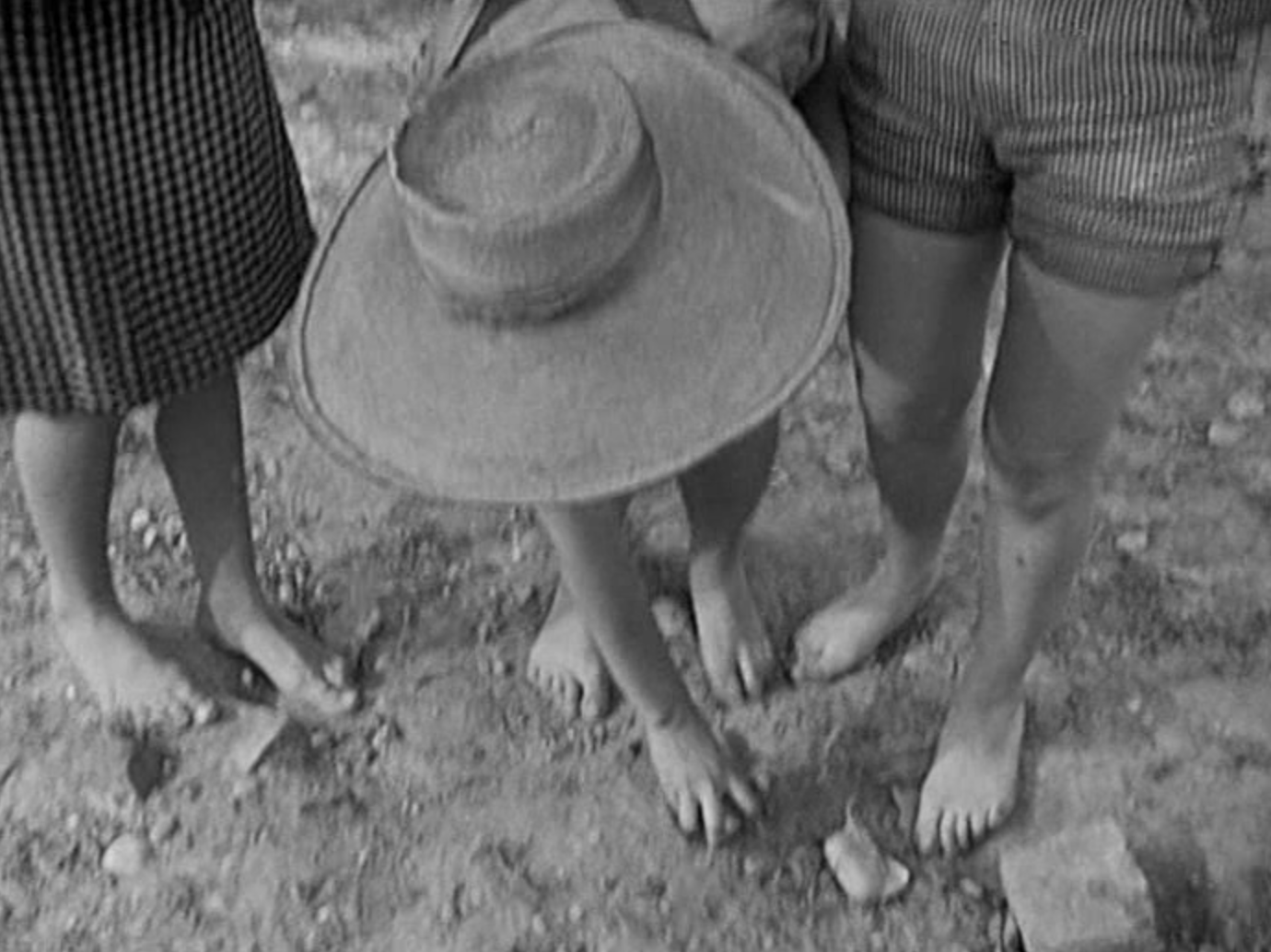
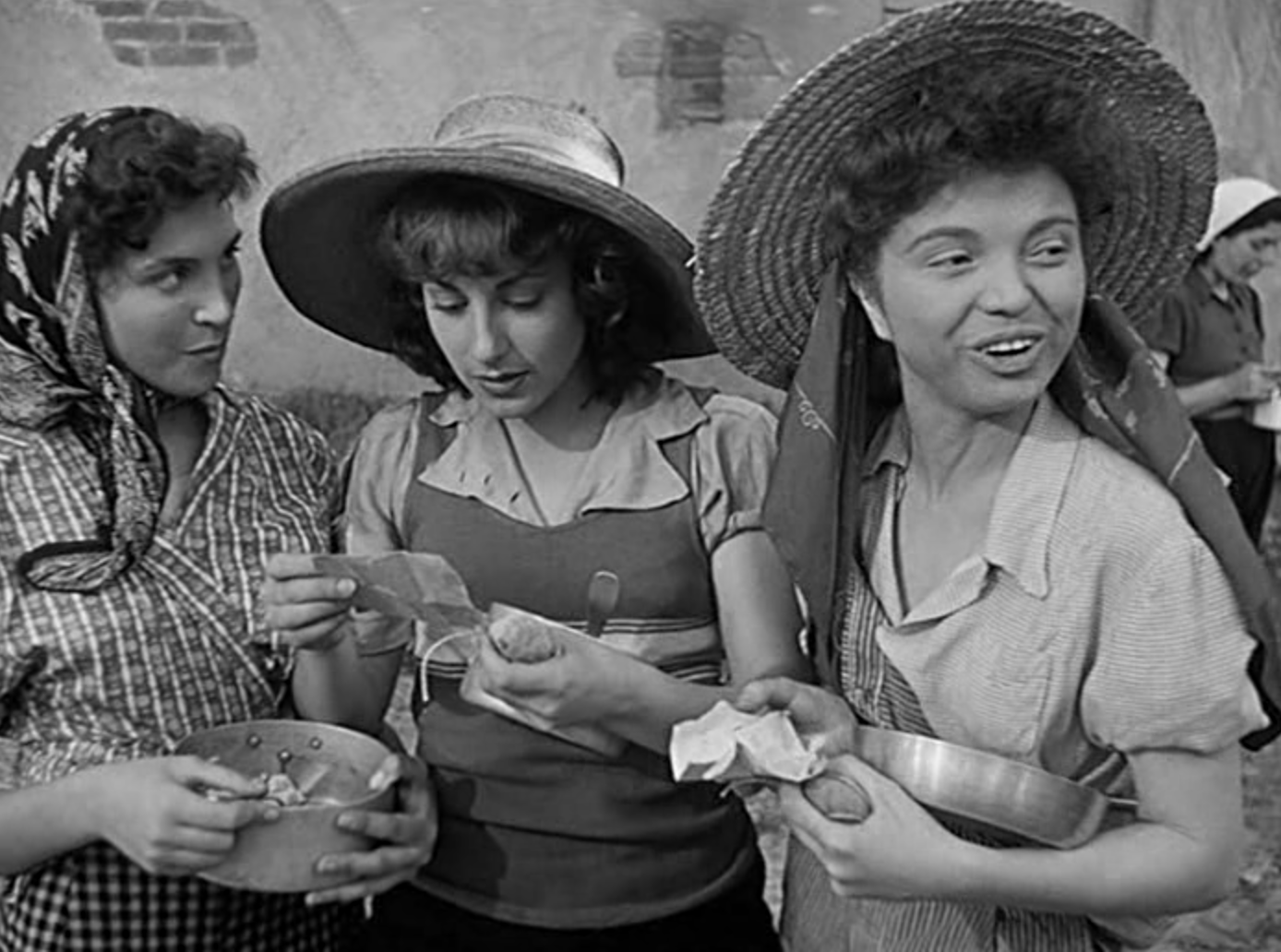
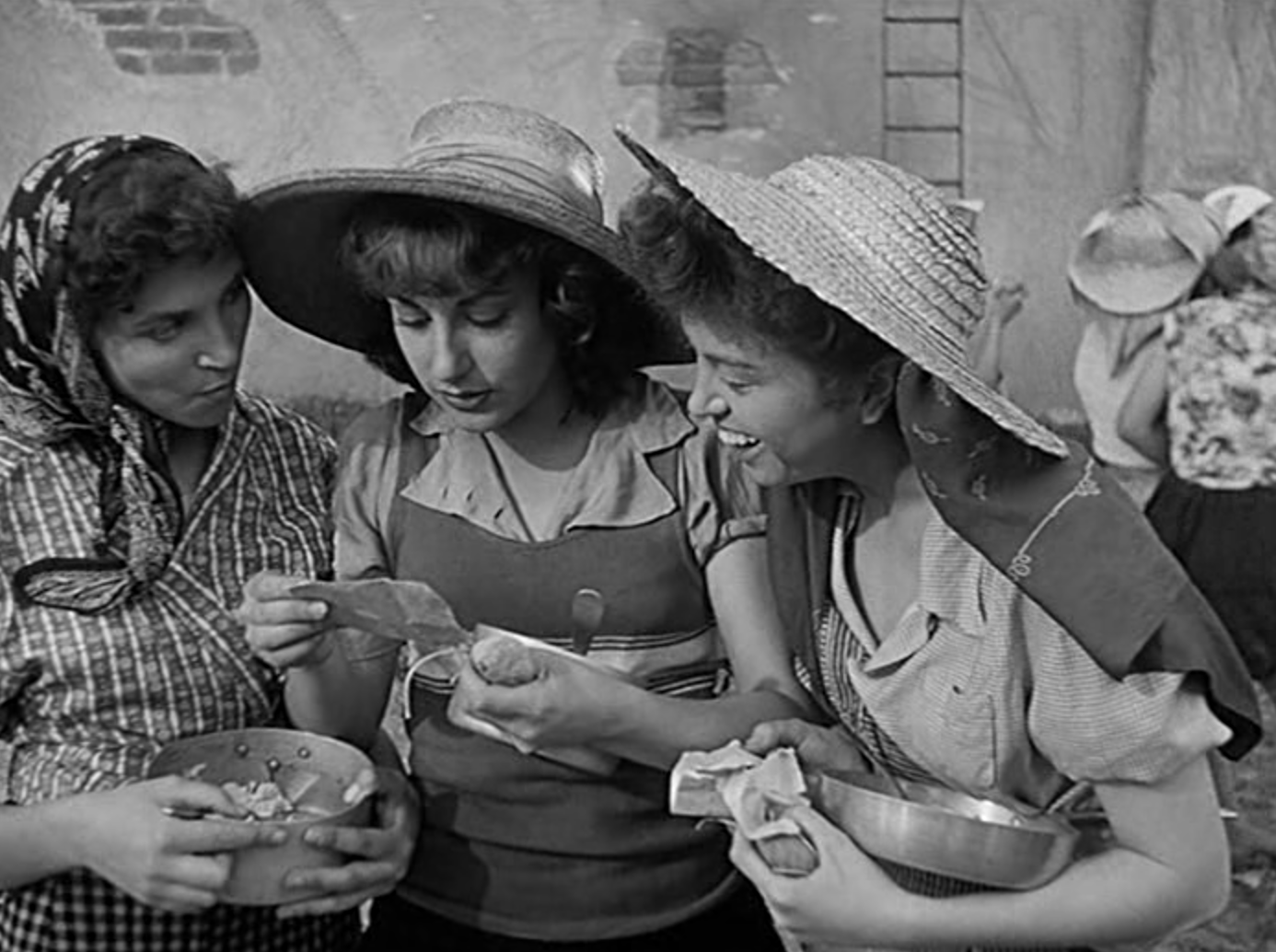
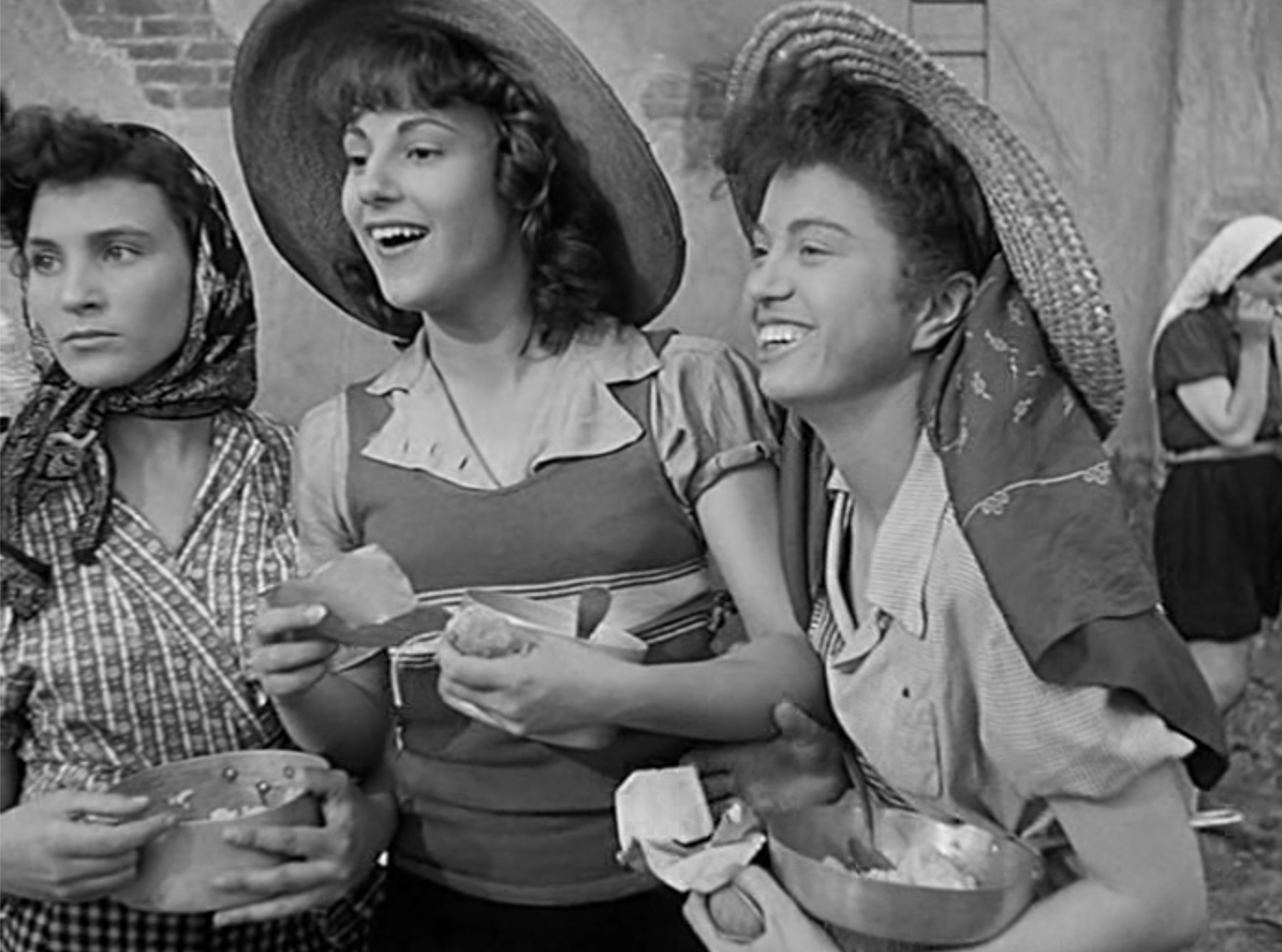
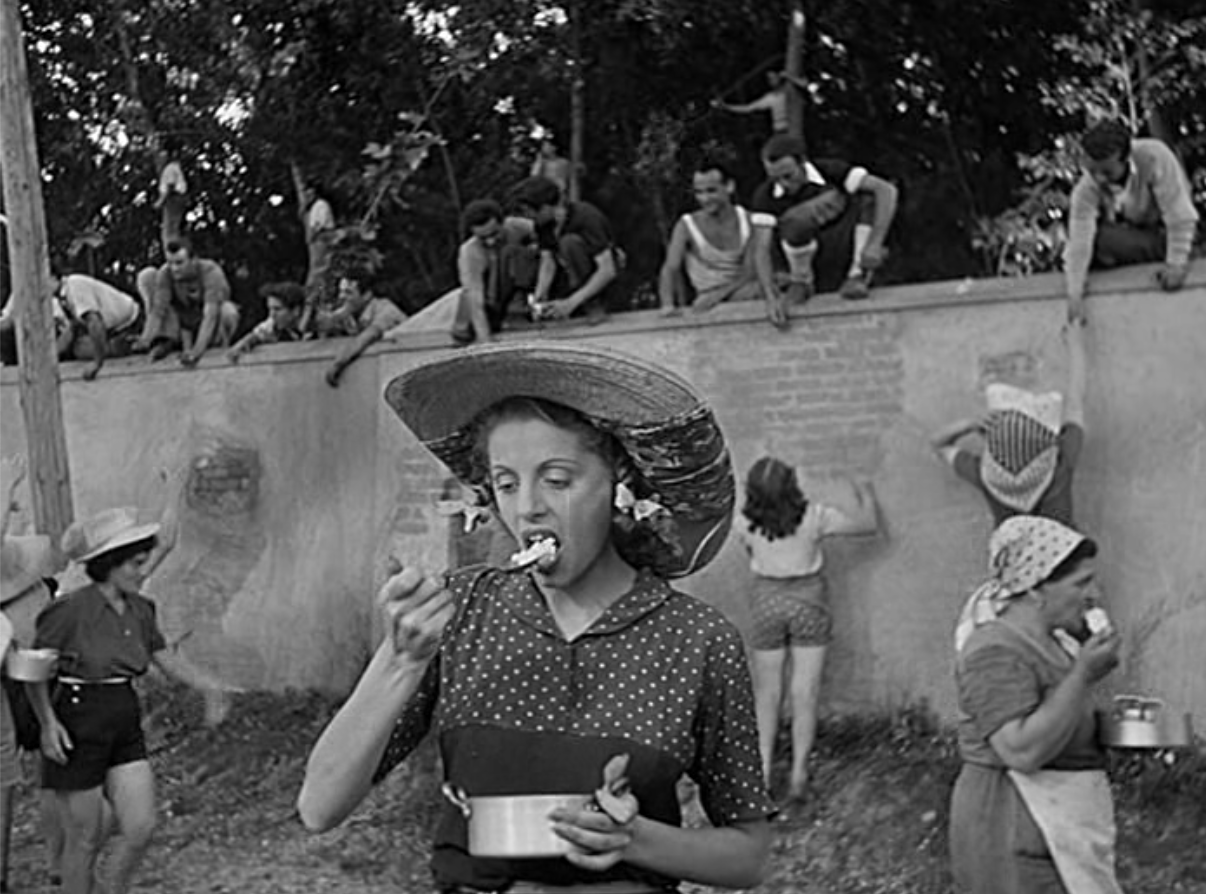
Anche le lavoratrici stanno mangiando nella risaia. Allo stesso tempo, raccolgono pietre da terra. Ognuna ha un biglietto avvolto attorno.
Irene ne legge uno: “Sono dodici mesi che penso a te. Augusto” – ride e grida – “Chi conosce Augusto?”
Anna legge: “Abbiamo ballato insieme l'anno scorso. Antonio” – quindi grida: “Chi conosce Antonio?”
At the rice field, the workers are eating, too. At the same time, they’re picking up stones from the ground. Each has a note wrapped around it.
Irene reads one: “I’ve been thinking about you for twelve months. Augusto.” She laughs and yells, “Who knows Augusto?”
Anna reads: “‘We danced together last year. Antonio’.”’ Then she yells, “Who knows Antonio?”
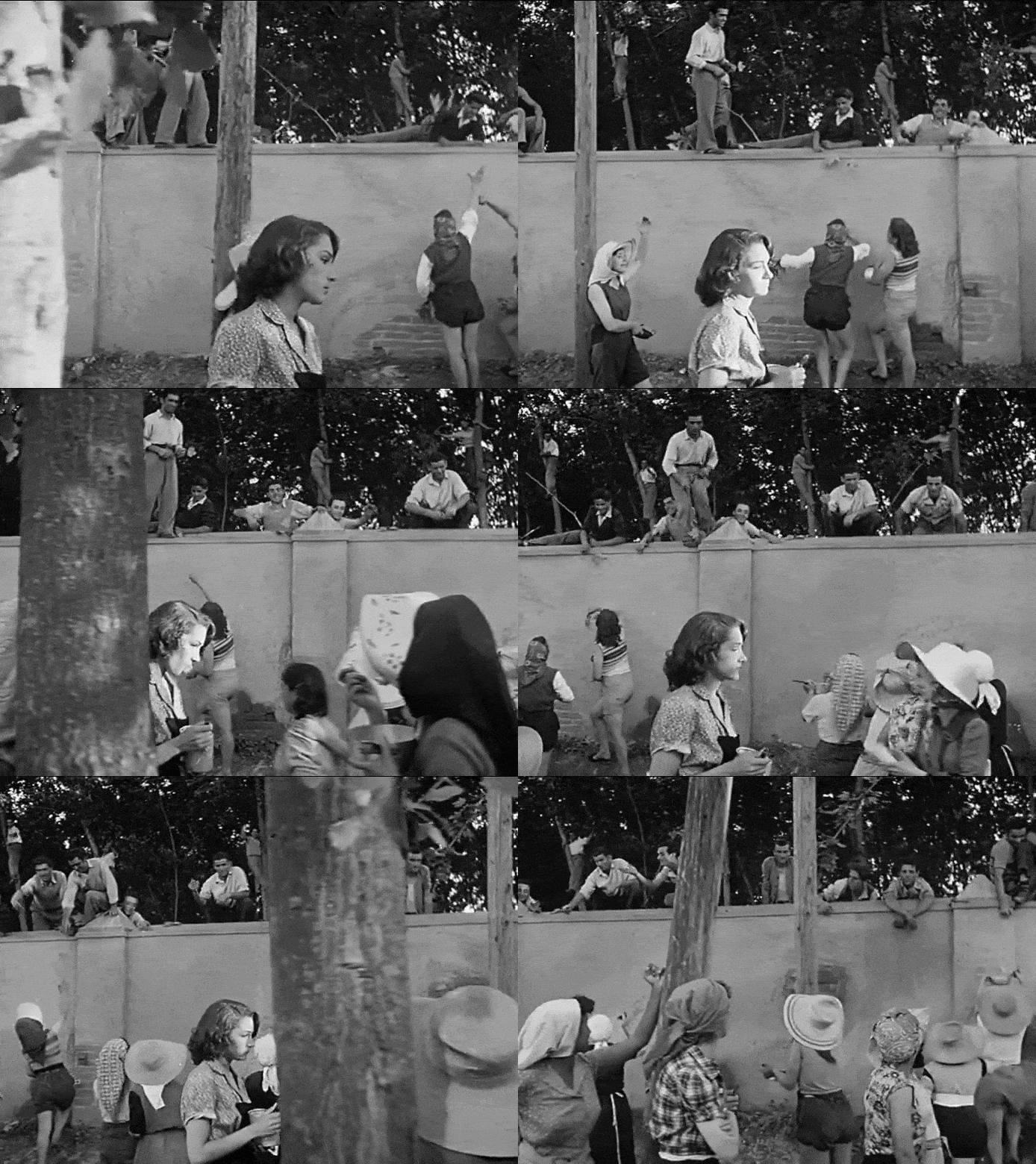
La macchina da presa fa una panoramica su un muro alto, dove alcuni uomini passano biglietti e gridano.
“Ehi, ragazze, guardate quassù!”
Alcune donne vanno a parlare con loro, ma Francesca cammina noncurante, mangiando. Sembra infelice.
“Vieni al muro, bellezza!”
“Ehi, biondina!”
“Marisa non è venuta quest’anno?”
“Marisa, ti cercano!"
“Sono qui. Chi mi vuole?”
“Non ti ho dimenticata!”
The camera pans along a tall wall, where men hand down notes and call out.
“Hey, girls, look up here!”
Some of the women go to talk with them but Francesca walks obliviously, eating. She looks unhappy.
“Come over to the wall, beautiful!”
“Hey, blondie!”
“Hasn’t Marisa come this year?”
“Marisa, someone’s looking for you!”
“I’m here. Who wants me?”
“I haven’t forgotten you!”
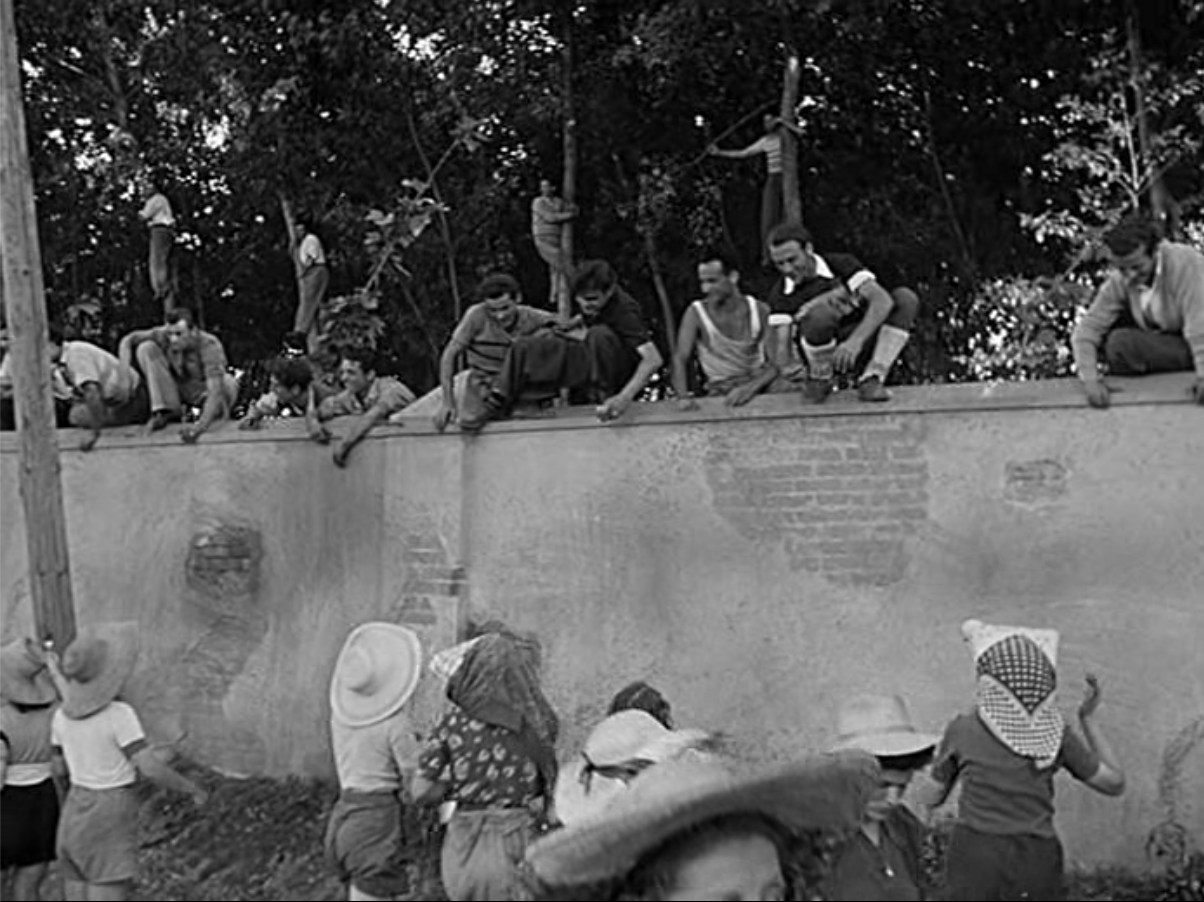
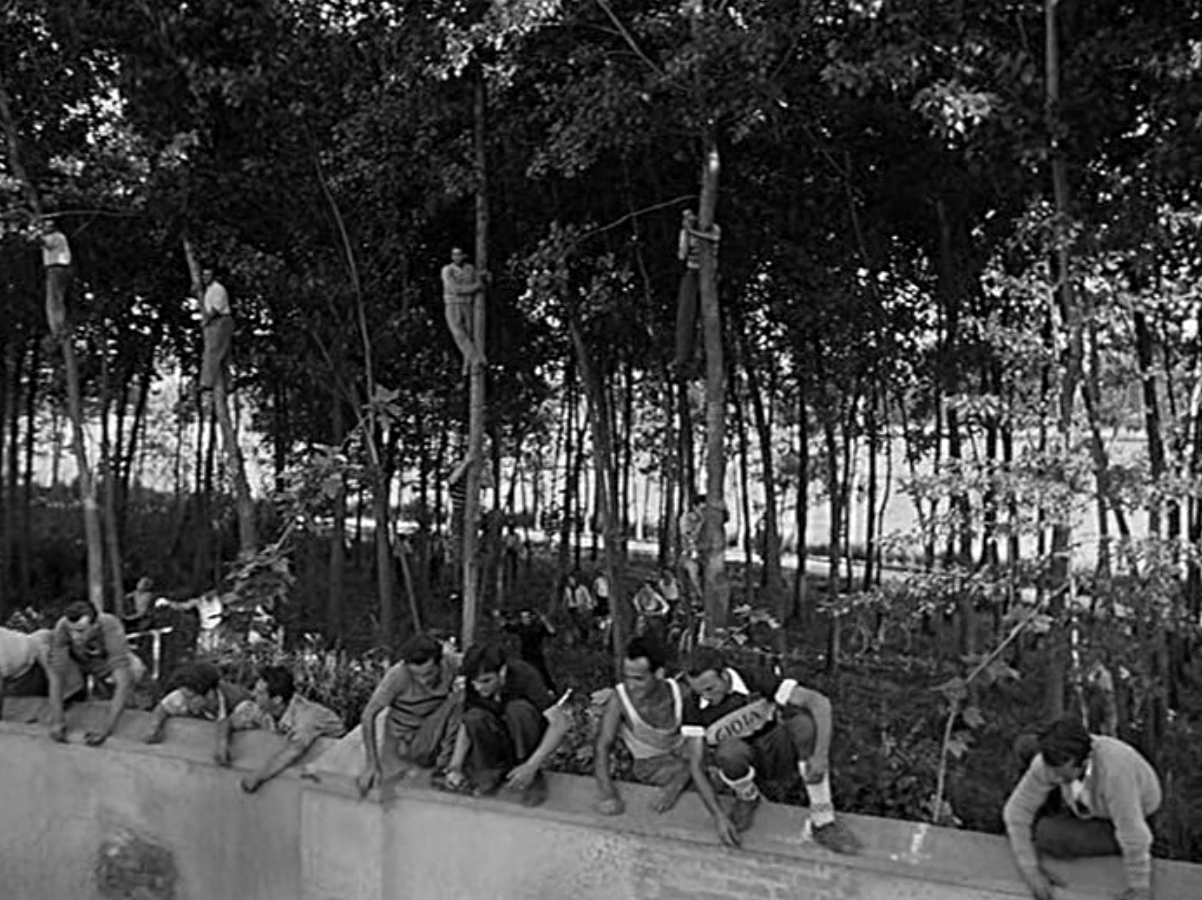
La macchina da presa smette di fare la panoramica e si alza con una ripresa con gru. Vediamo altri uomini aggrappati a pali alti che osservano.
The camera stops panning and rises up in a crane shot. We see more men clinging to tall poles, watching.
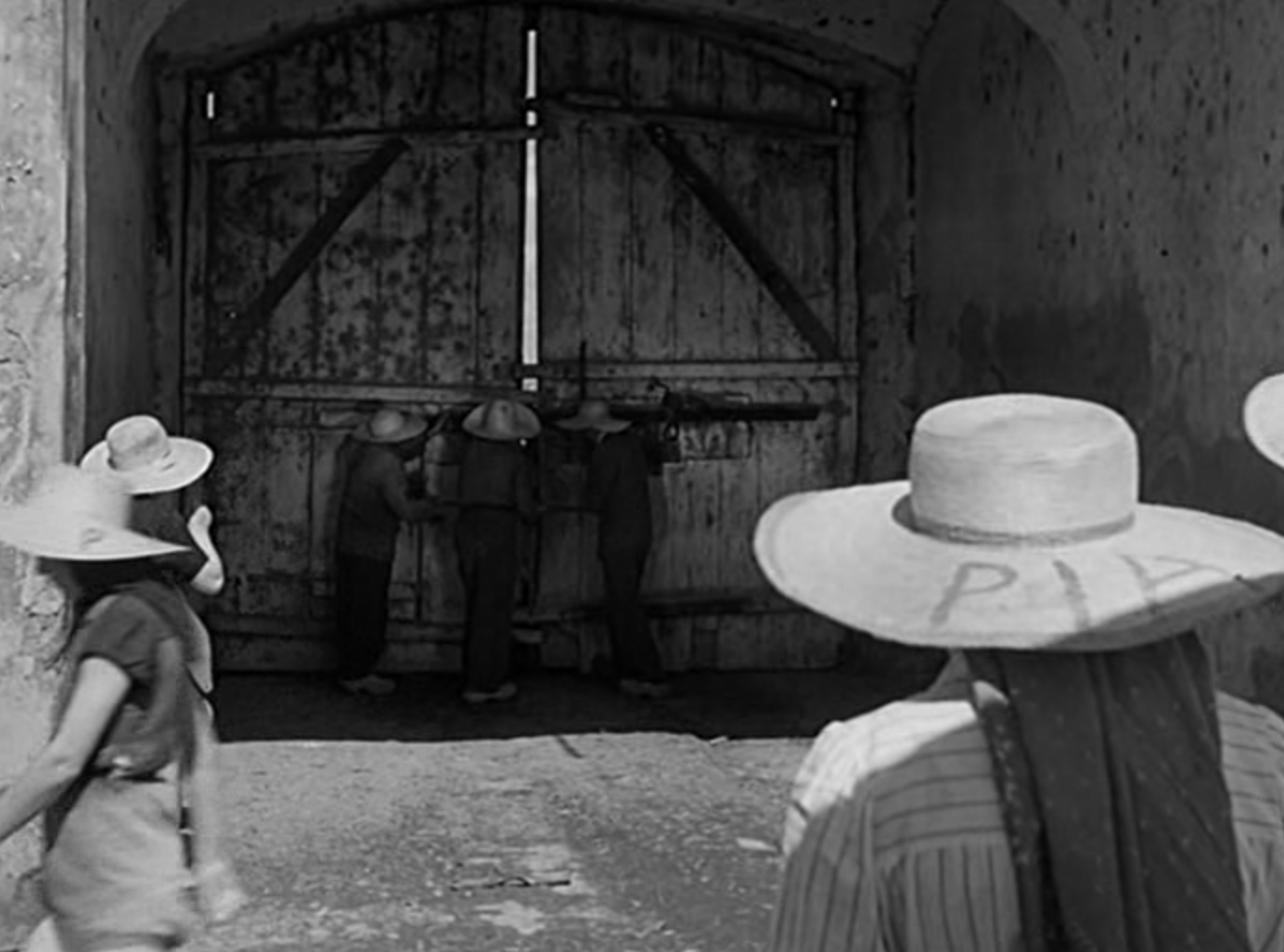
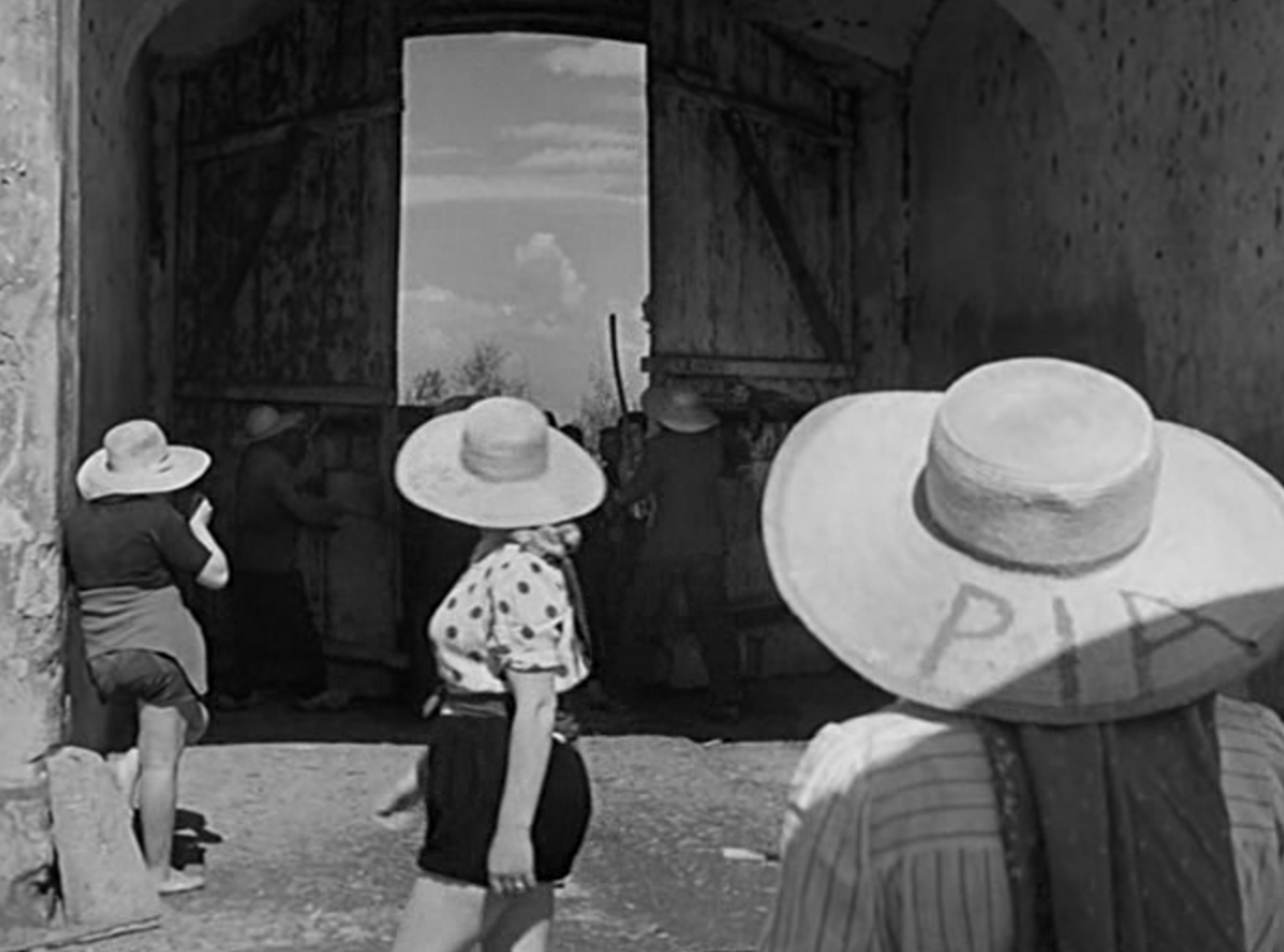
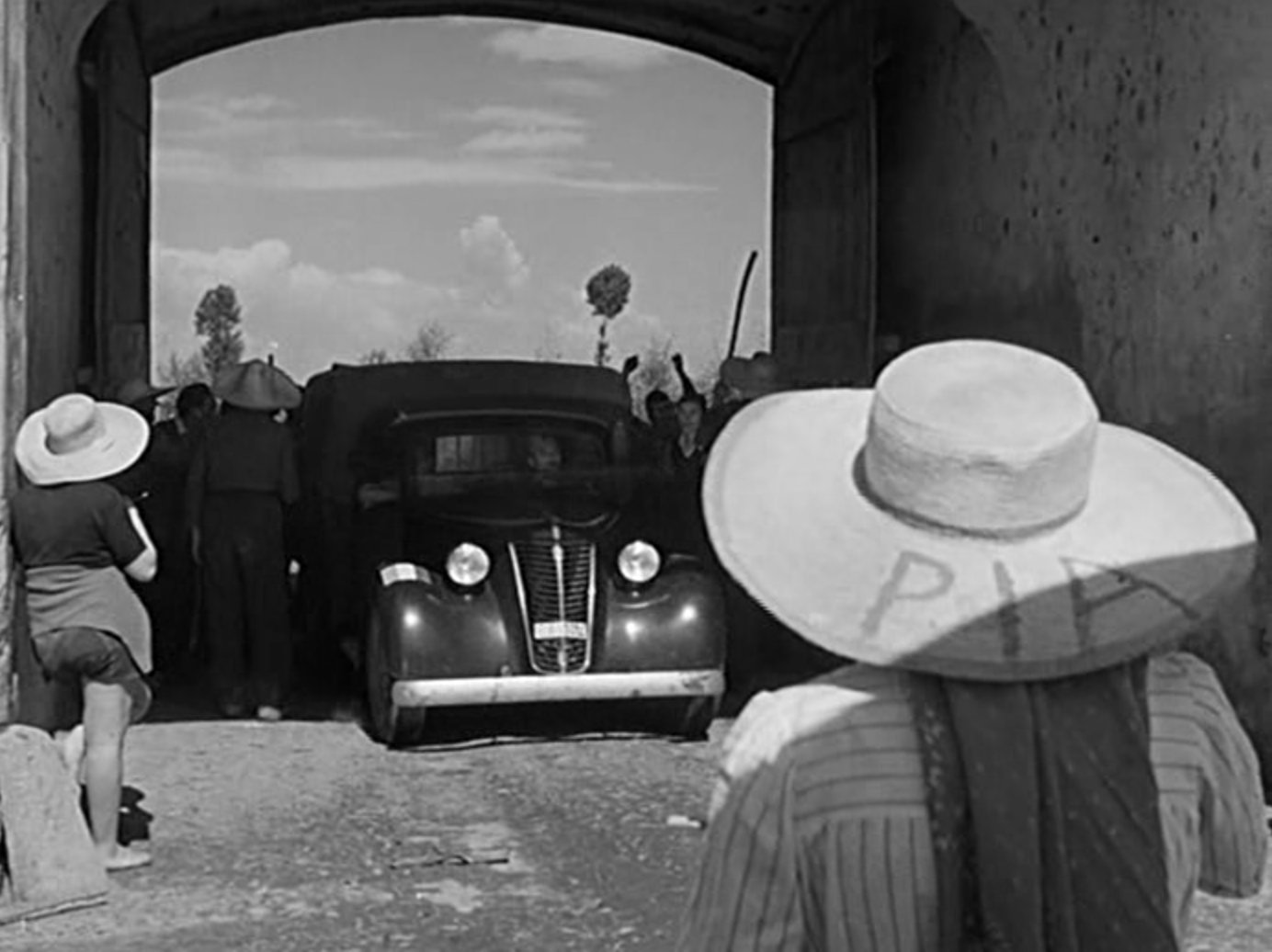
All'ingresso della risaia, il portone di legno si apre ed entra un piccolo camion. Pia, in primo piano, ha il suo nome scritto sul cappello di paglia.
At the entrance to the rice field, the big wooden gate part and a small truck enters. Pia, standing in the foreground, has her name written on her straw hat.
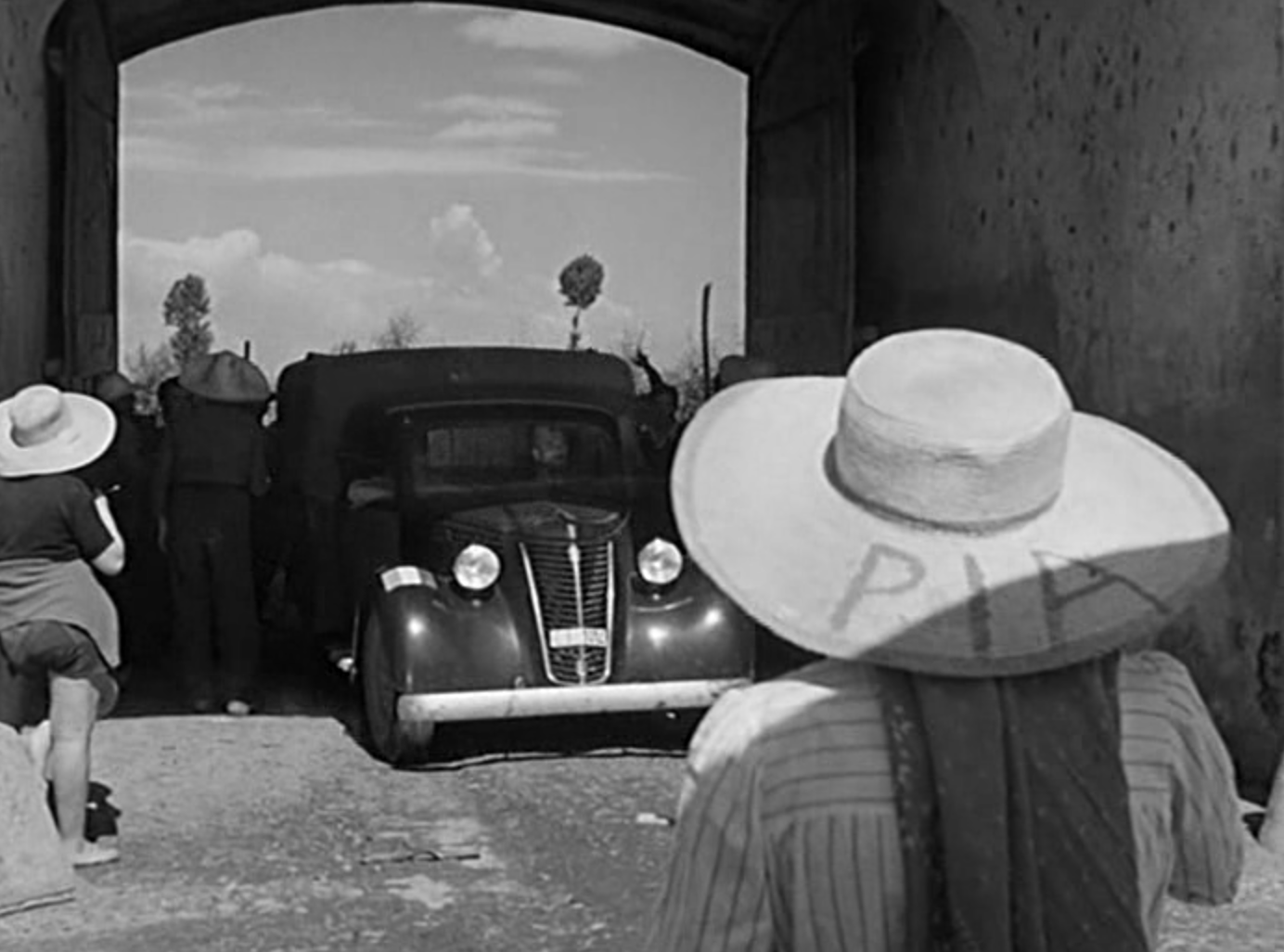
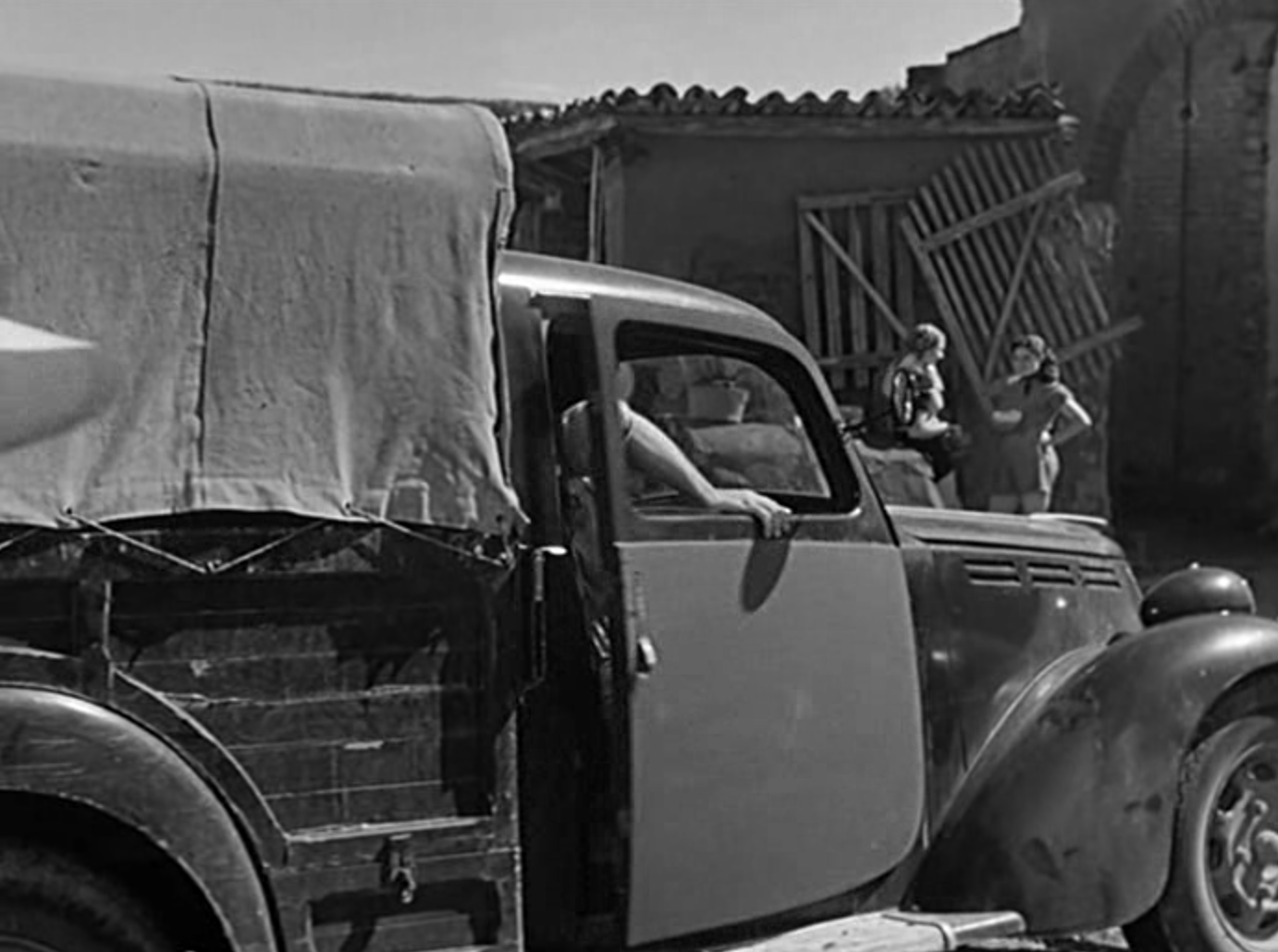
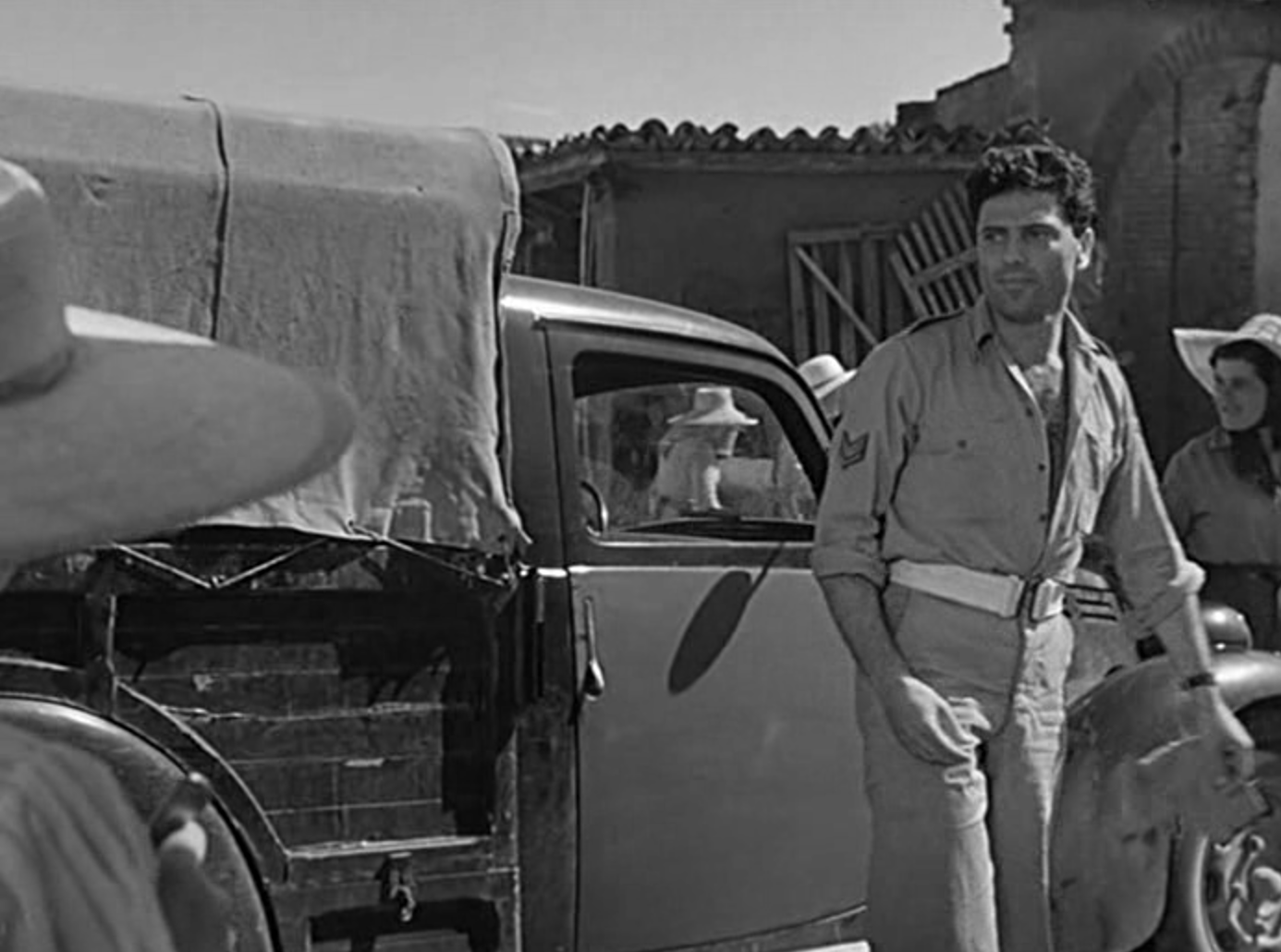
Il camion si ferma e Marco scende. "Fate in fretta a caricare il camion", ordina.
"Sì, sergente!”
The truck stops and Marco steps out. “Hurry up and load the truck,” he orders.
“Yes, Sergeant!”
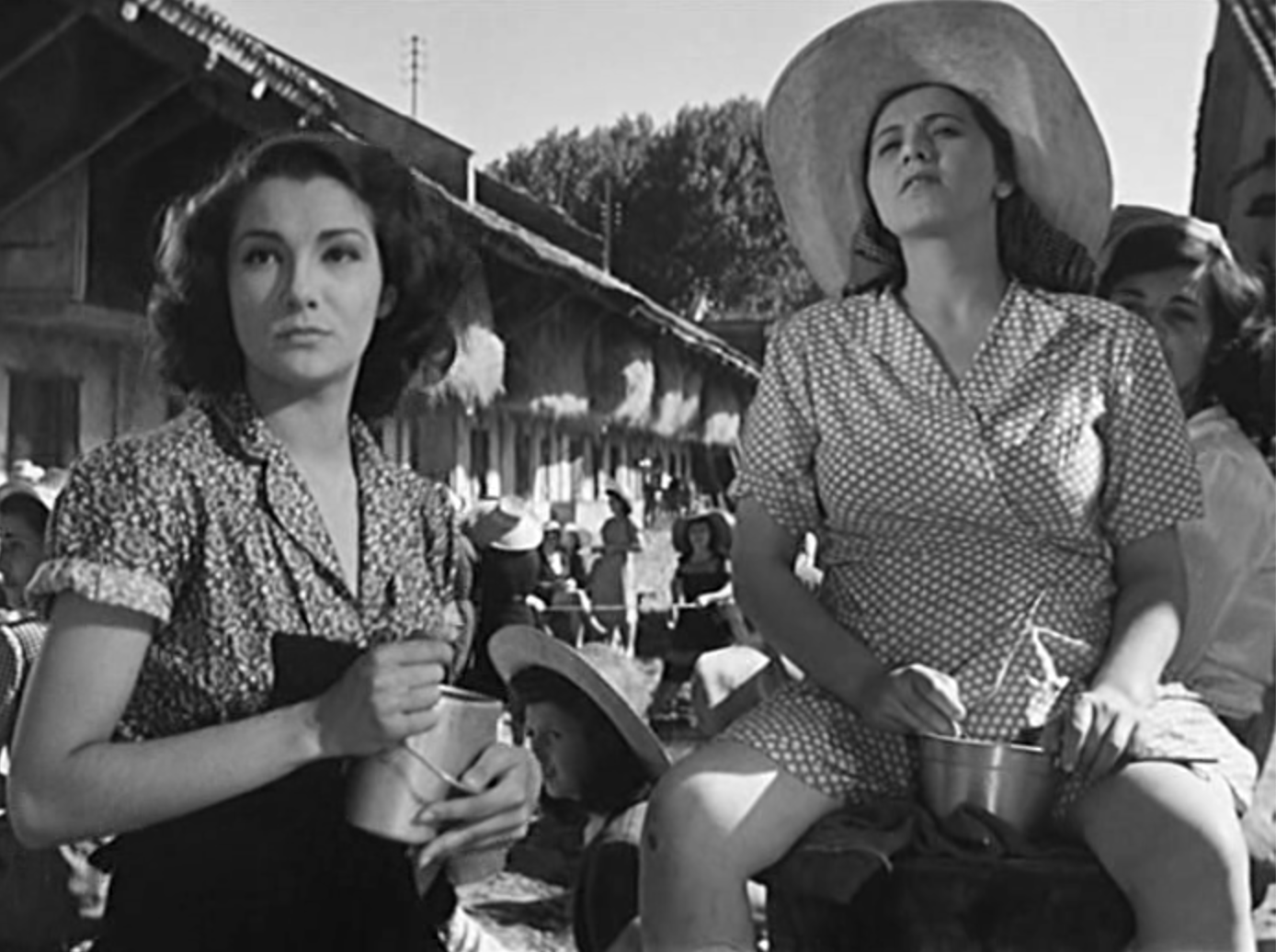
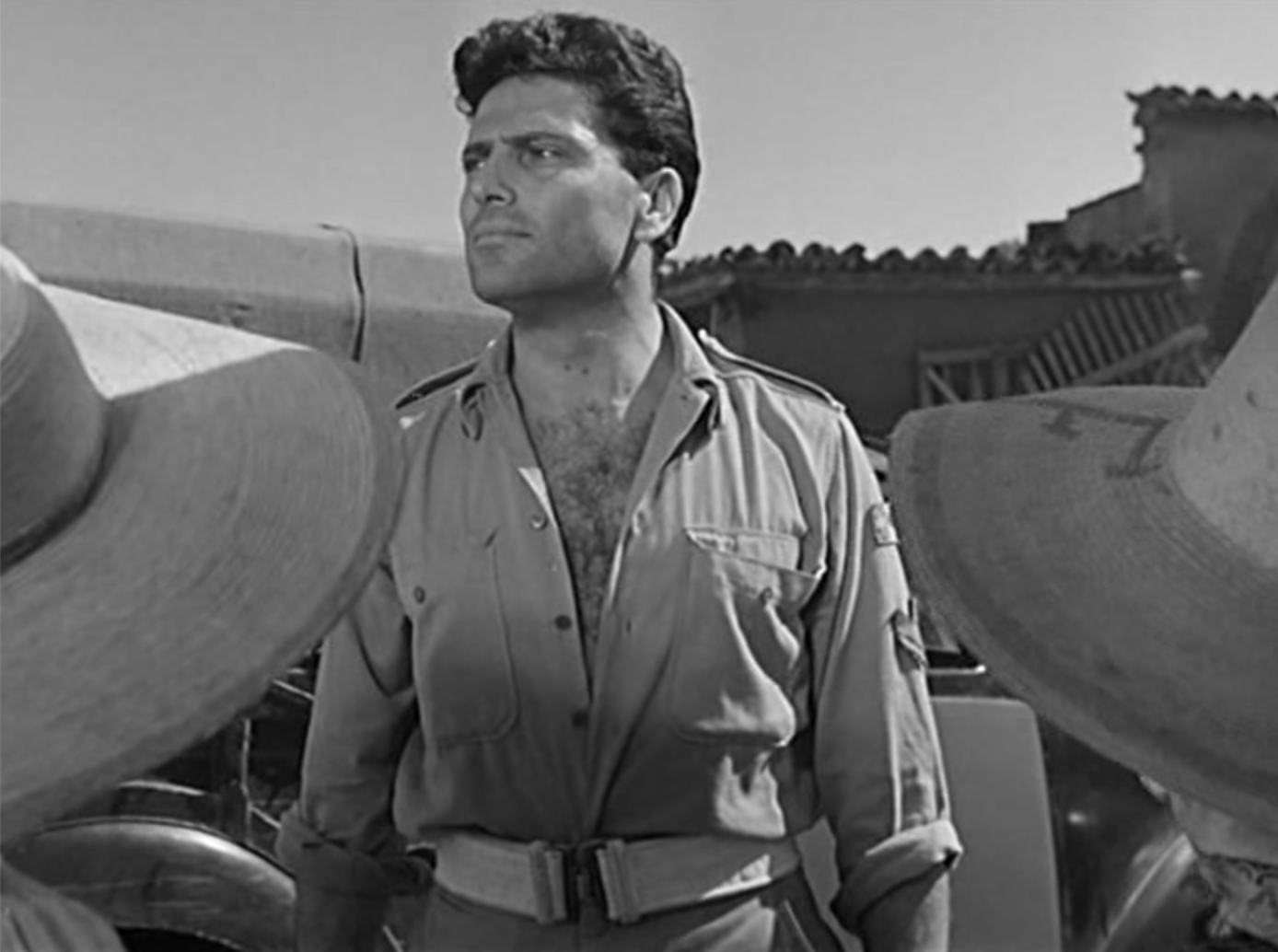
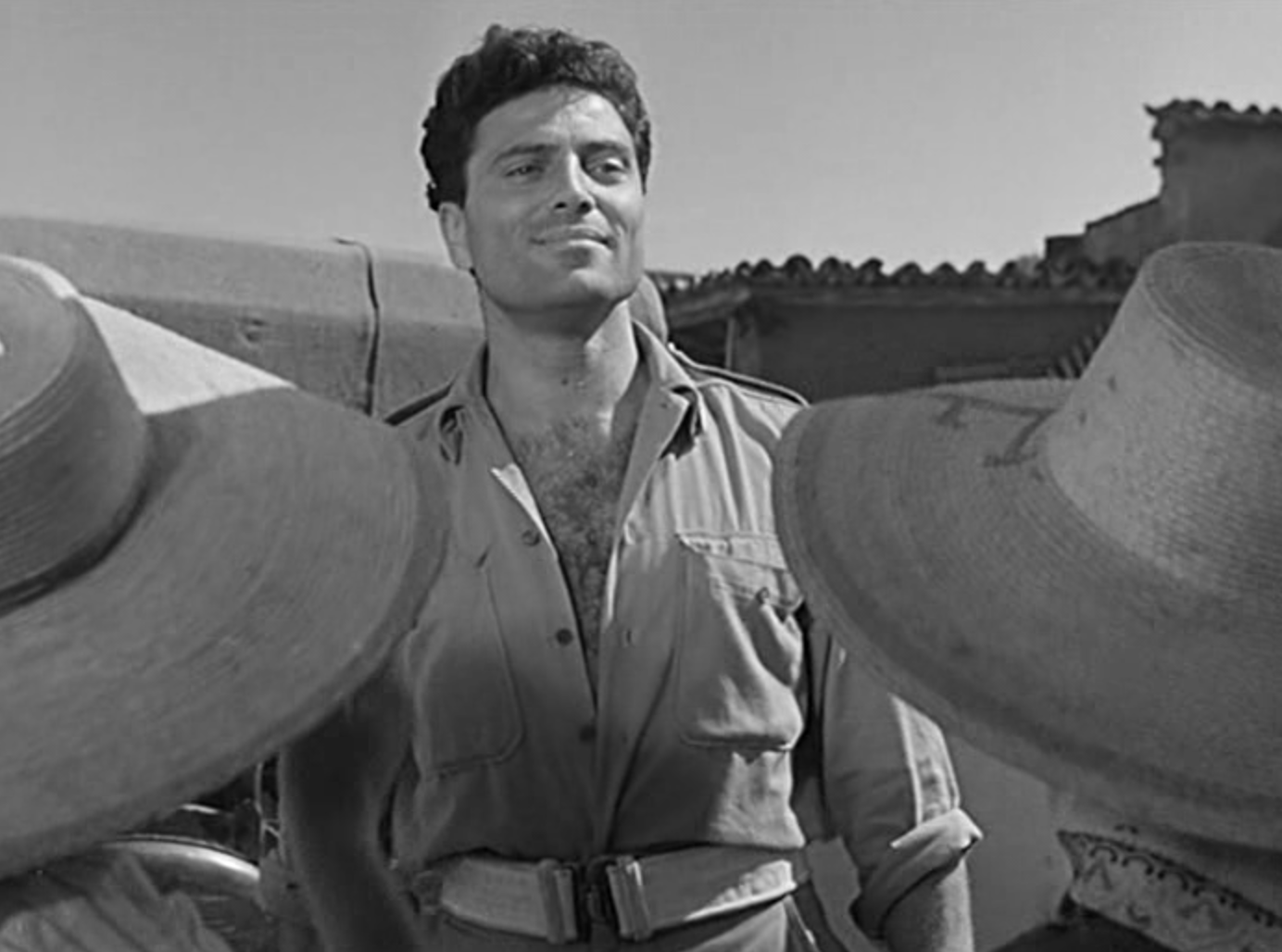
Francesca guarda dall'altra parte. Marco si guarda intorno e poi sorride: vede quello che sta cercando.
Francesca gazes across the way. Marco looks around and then smiles: he sees what he’s looking for.
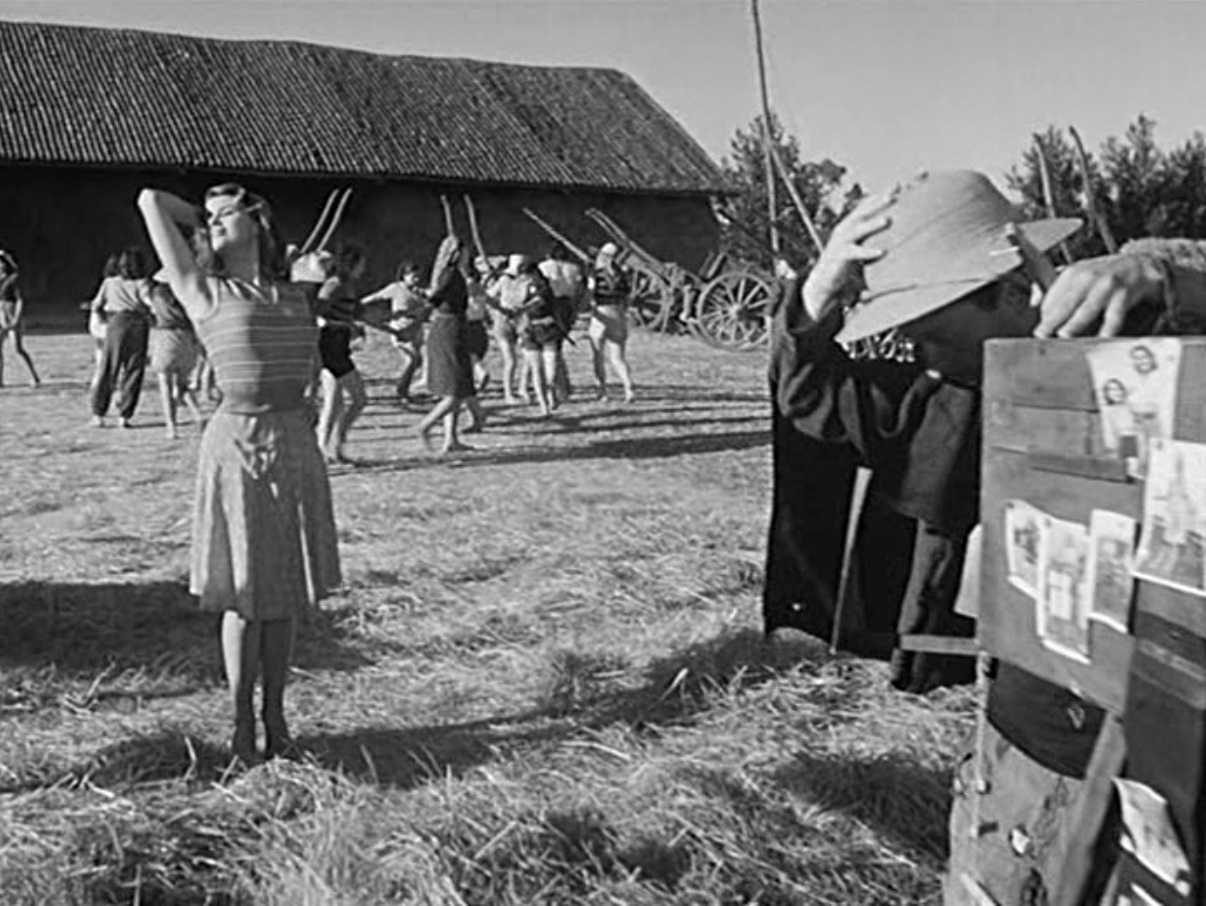
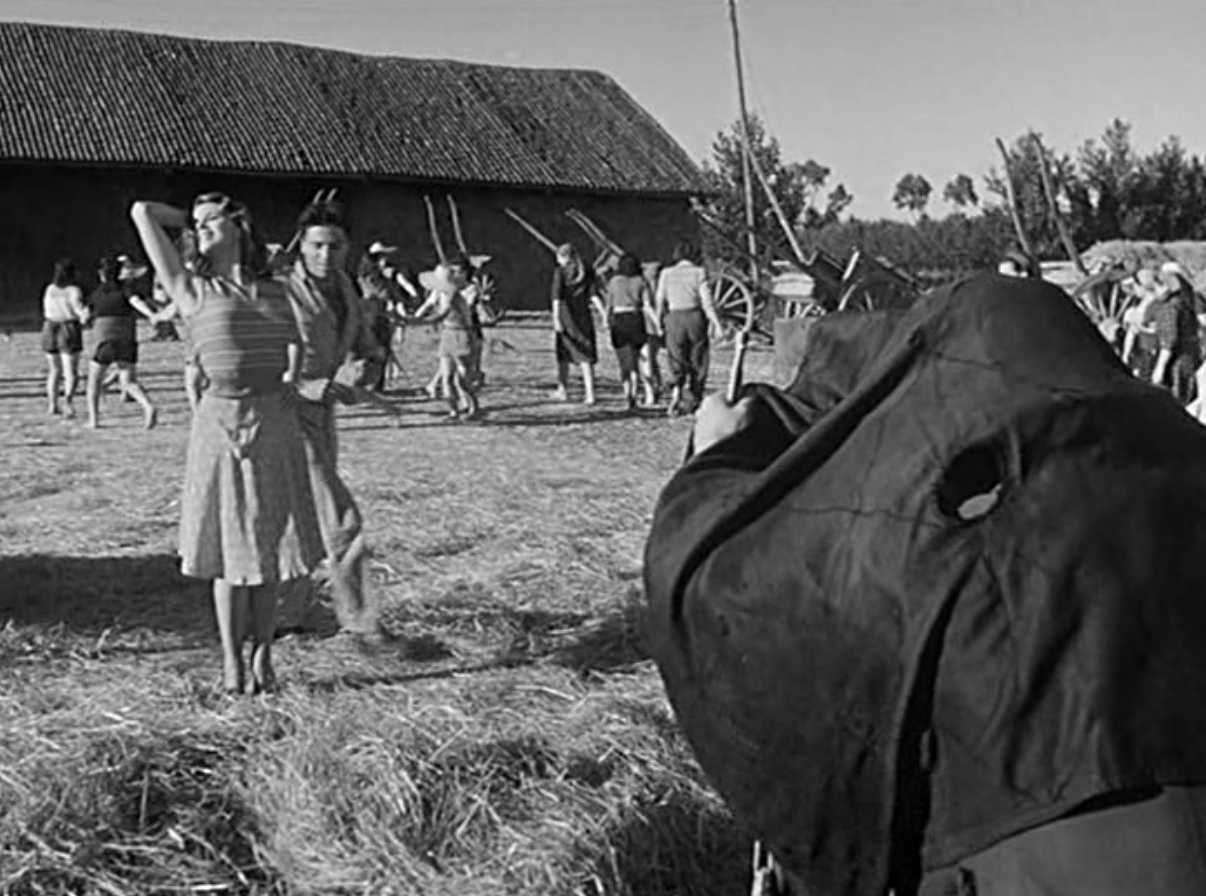
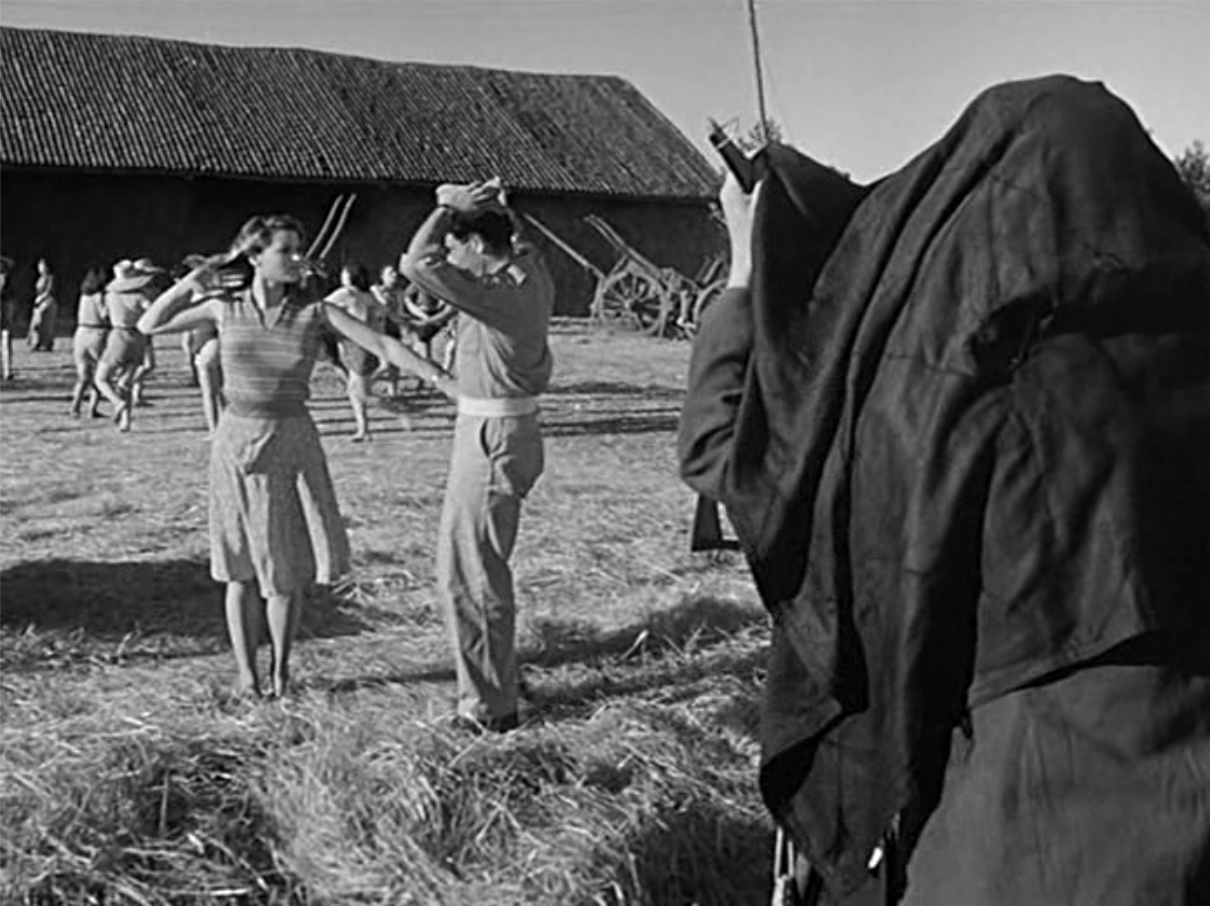
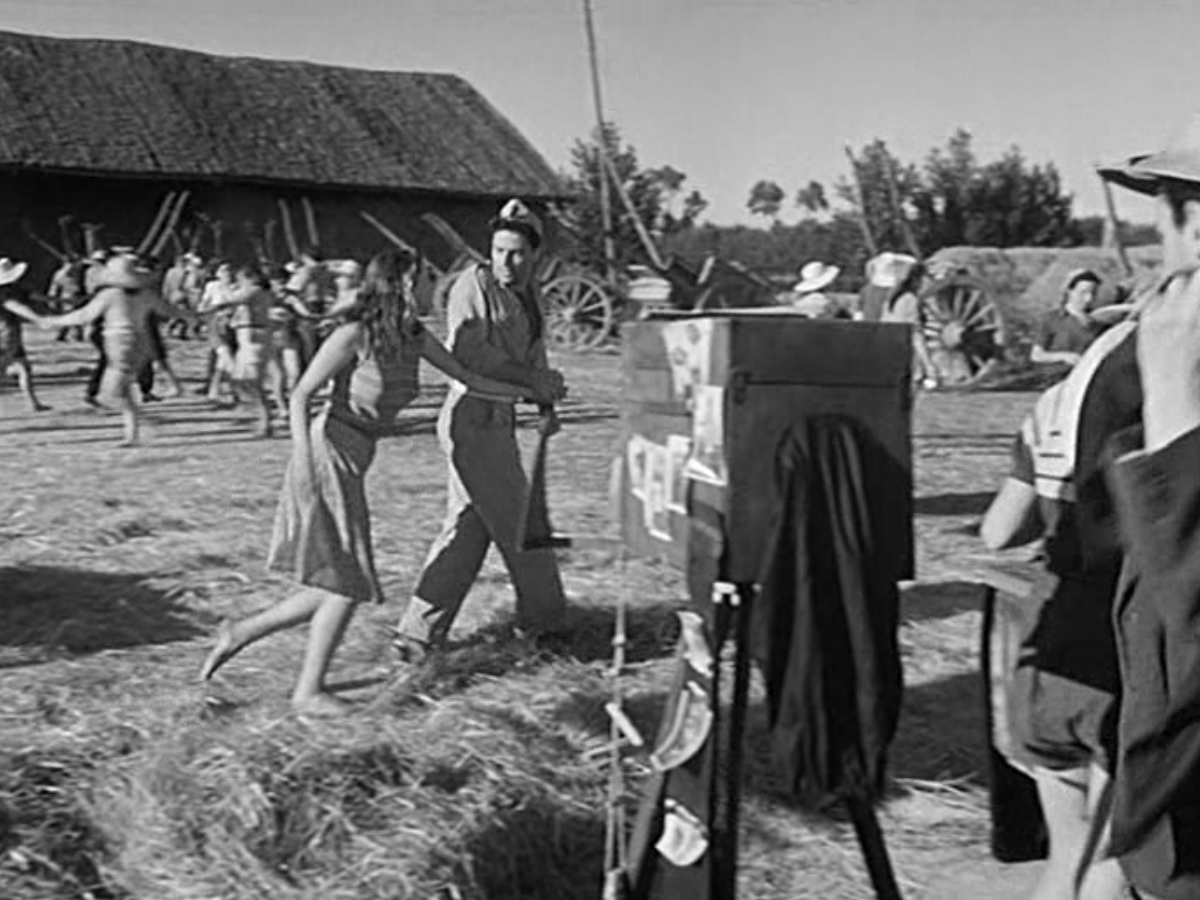
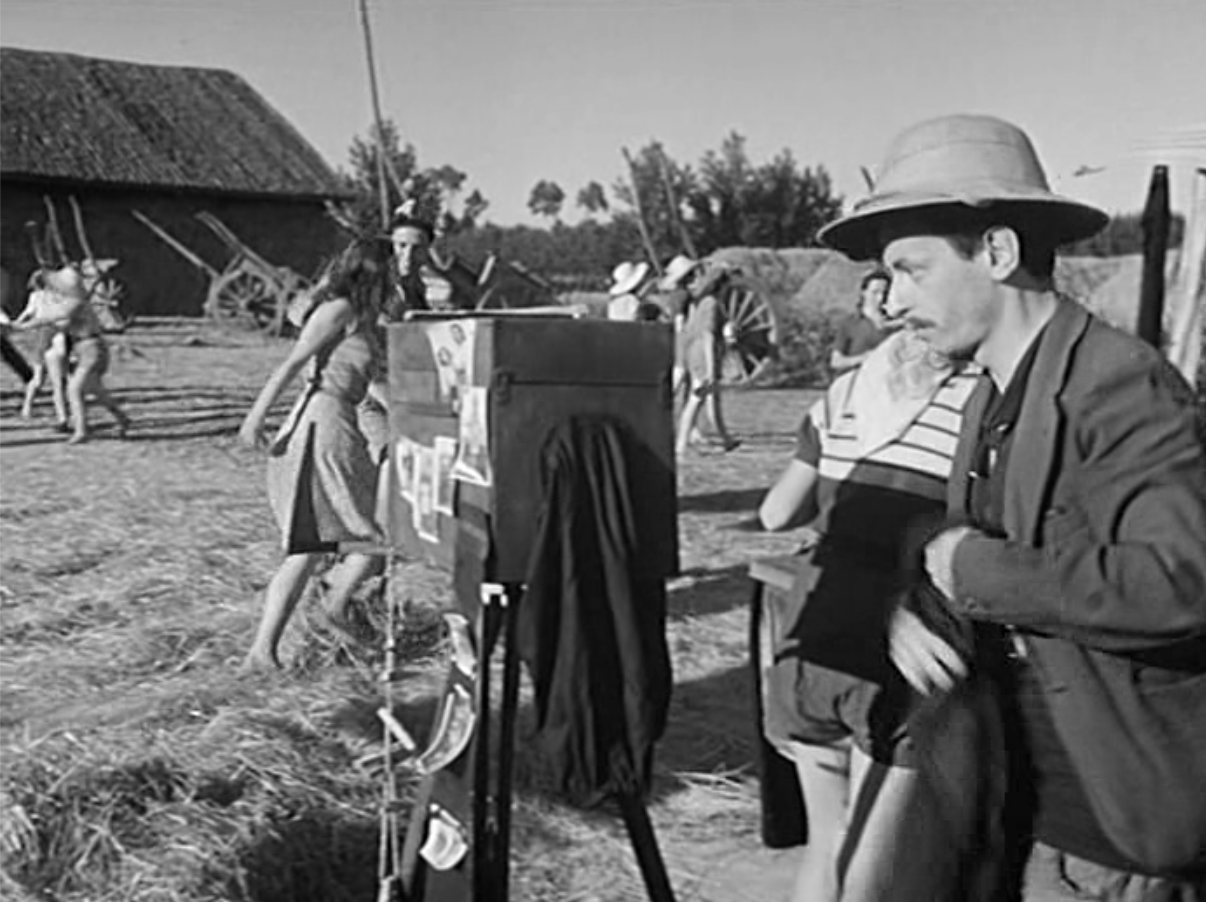
È Silvana. Sta posando come una modella per un fotografo itinerante. "Ferma così!" – dice lui – "Sarà la fotografia più bella della stagione!" Si nasconde sotto il suo telo nero. “Sorridi!”
Marco entra nell'inquadratura e si mette il cappello.
"Ehi, sergente, cosa sta facendo?! Mi rovina il quadro!"
It’s Silvana. She’s posing like a model for an itinerant photographer. “Hold it right there!” he says. “It’s going to be the best photograph of the season!” He ducks under his black cloth.”Smile!”
Marco walks right into the shot and puts on his hat.
“Hey, Sarge, what are you doing?! You’re ruining the shot!”
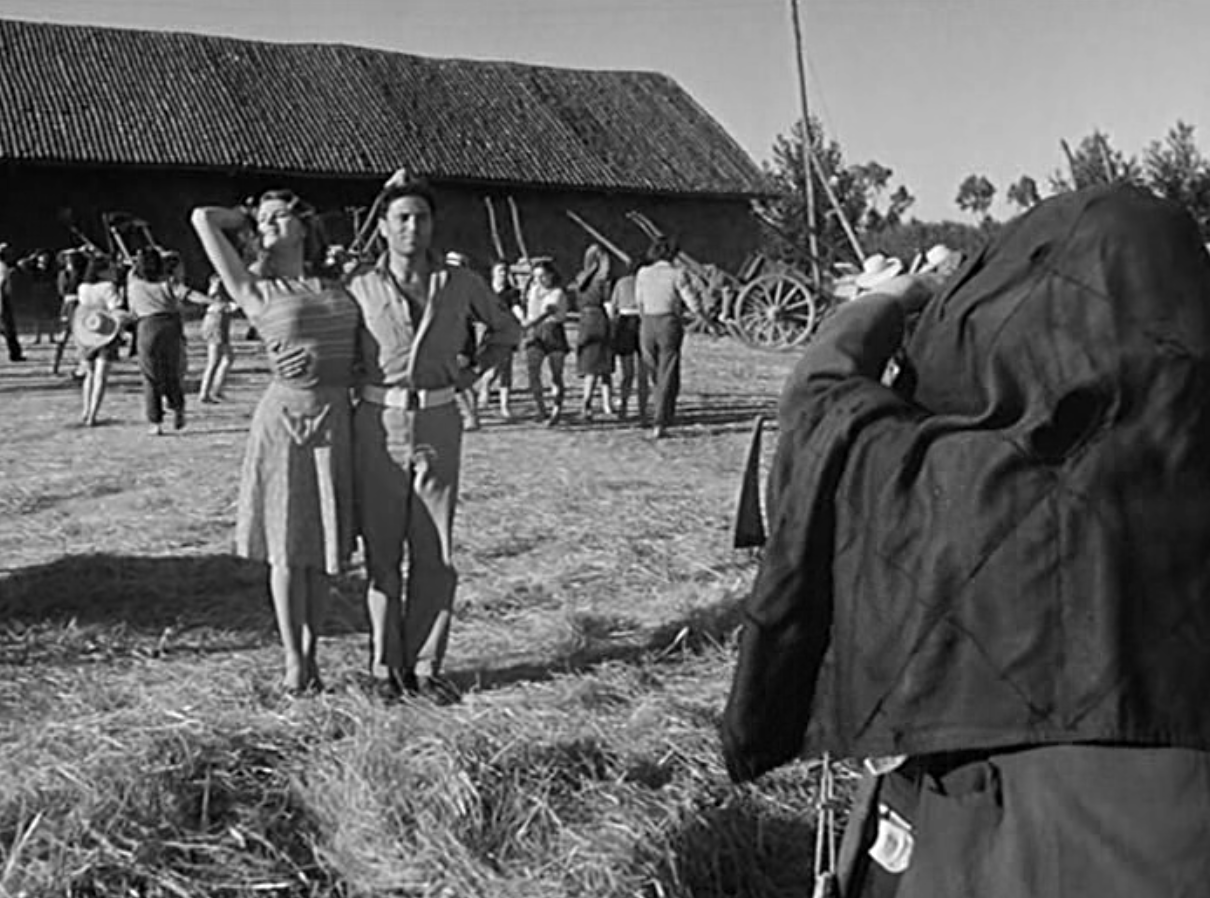
Marco mette un braccio intorno alle spalle di Silvana, che sta ancora posando. Chiede al fotografo: "Va bene così?"
"Era meglio prima" – brontola il fotografo – "Le armi rovinano l’arte".
"Sbrigati!", dice Marco.
"Pronti? Tutti fermi. Guardate l'uccellino". La coppia rimane immobile. "Fatto!"
Marco puts his arm around Silvana, who’s still posing. He asks the photographer, “Is it okay like this?”
“It was better before,” the photographer grumbles. “The military ruins art.”
“Hurry up!” Marco says.
“Ready? Steady everyone. Look at the birdie.” The couple holds still. “Done!”
Marco prende Silvana per mano e la porta via.
“Fra un'ora sono pronte”, dice il fotografo (Carlo Mazzarella), uscendo da sotto il telo nero.
Marco takes Silvana’s hand and leads her away.
“They’ll be ready in an hour,” says the photographer, coming out from under the black cloth.
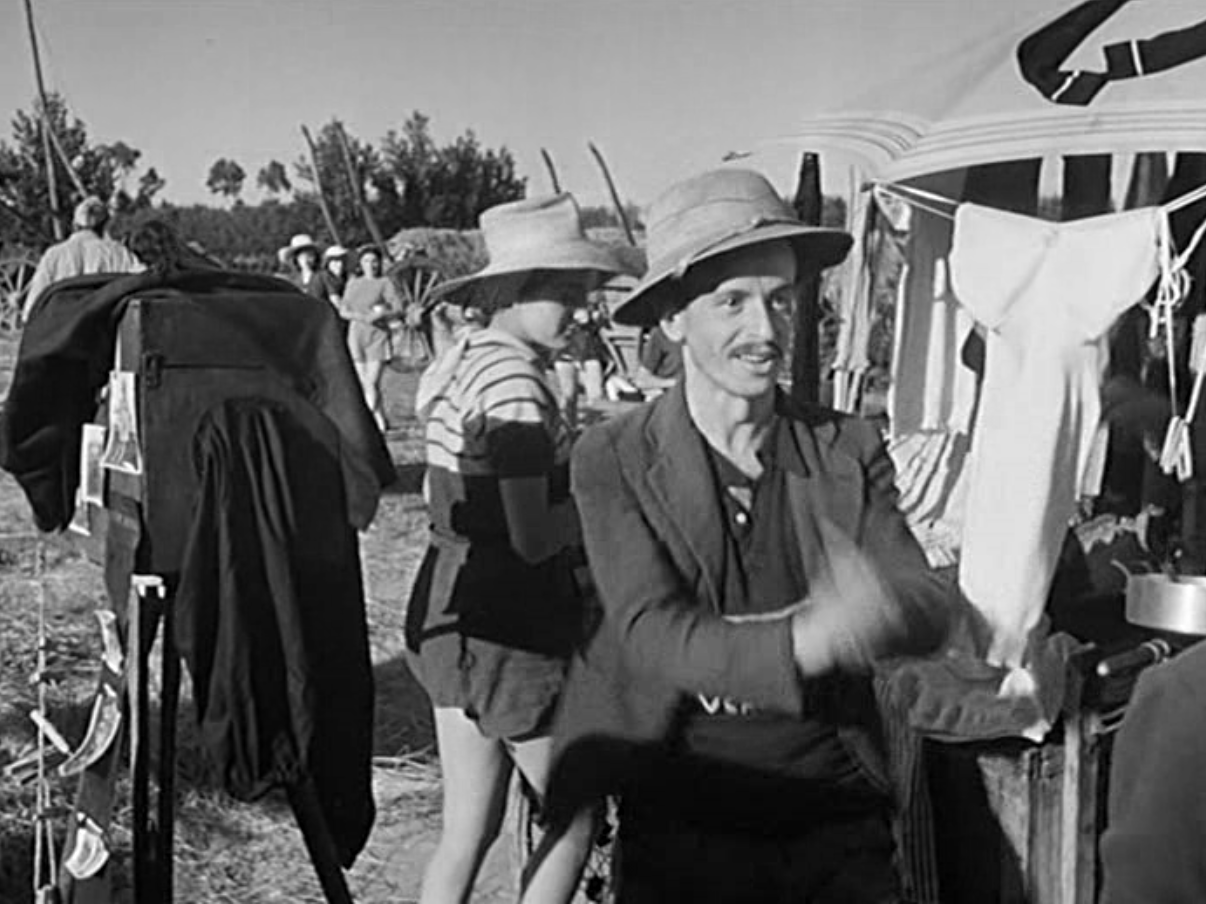
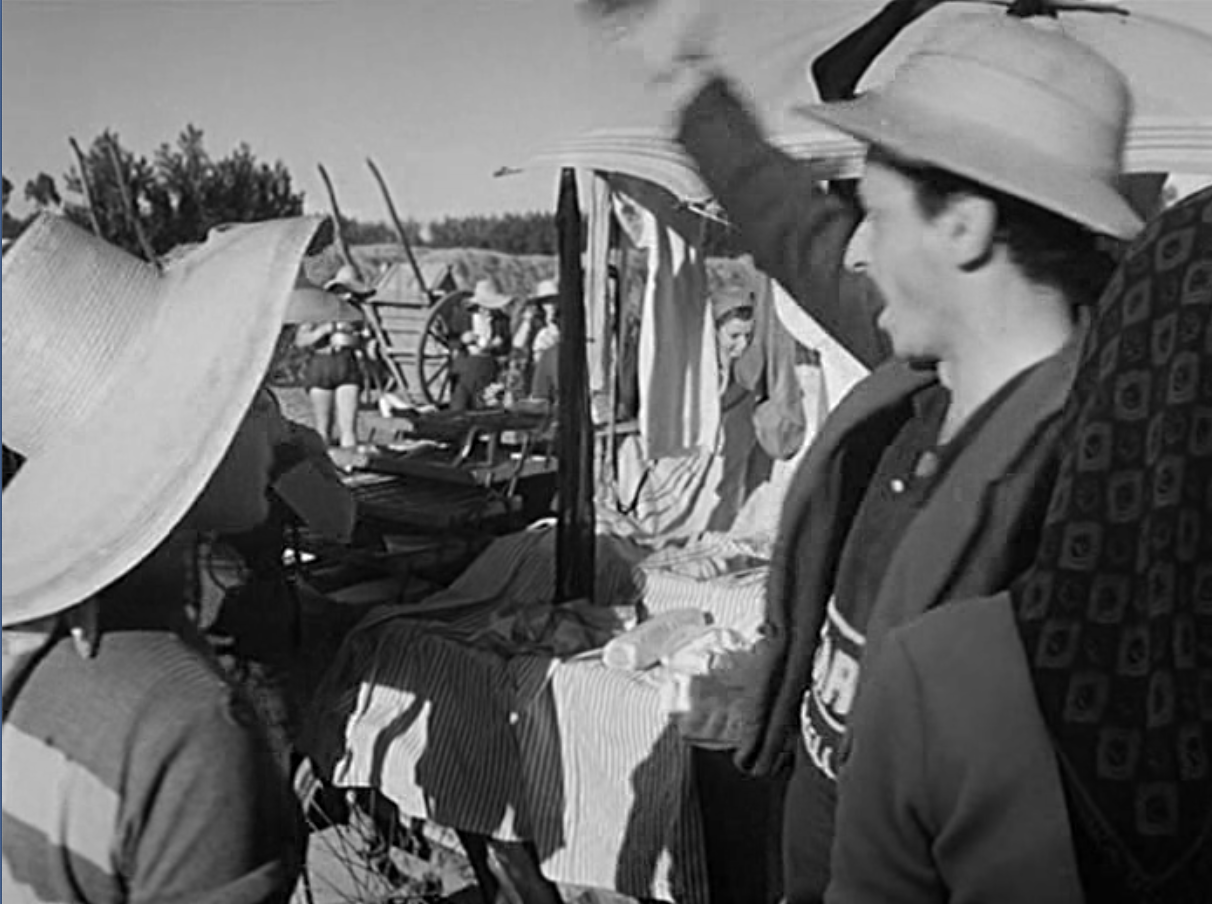
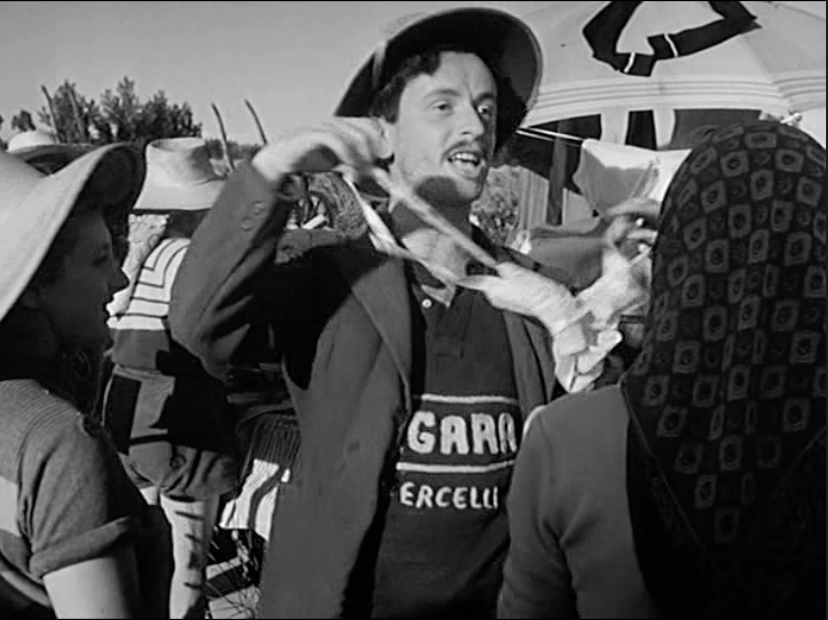
Poi inizia la sua presentazione: "Ragazze, ragazze, è arrivato Mascheroni! L’artista è qui per voi! Vi fate vestire eleganti e chic! Guardate qui!” Gli indumenti in vendita sono appesi a una corda, dalla quale lui prende un articolo. “Che reggiseni!"
Le lavoratrici sono un bersaglio facile e, come loro, anche lui fa quello che serve per sopravvivere.
Then he begins his pitch: “Girls, girls, Mascheroni has arrived! The artist is here for you all! You’ll dress elegantly and chic! Look here!” The clothing for sale hangs on a line, from which he pulls an item. “How about these brassieres!”
The workers are a sitting target and, like them, he’s also doing what it takes to get by.
FINE PARTE 13
Ecco Parte 14 of this cineracconto! Subscribe to receive a weekly email newsletter with links to all our new posts.