Regia / Director: Giuseppe De Santis, 1949
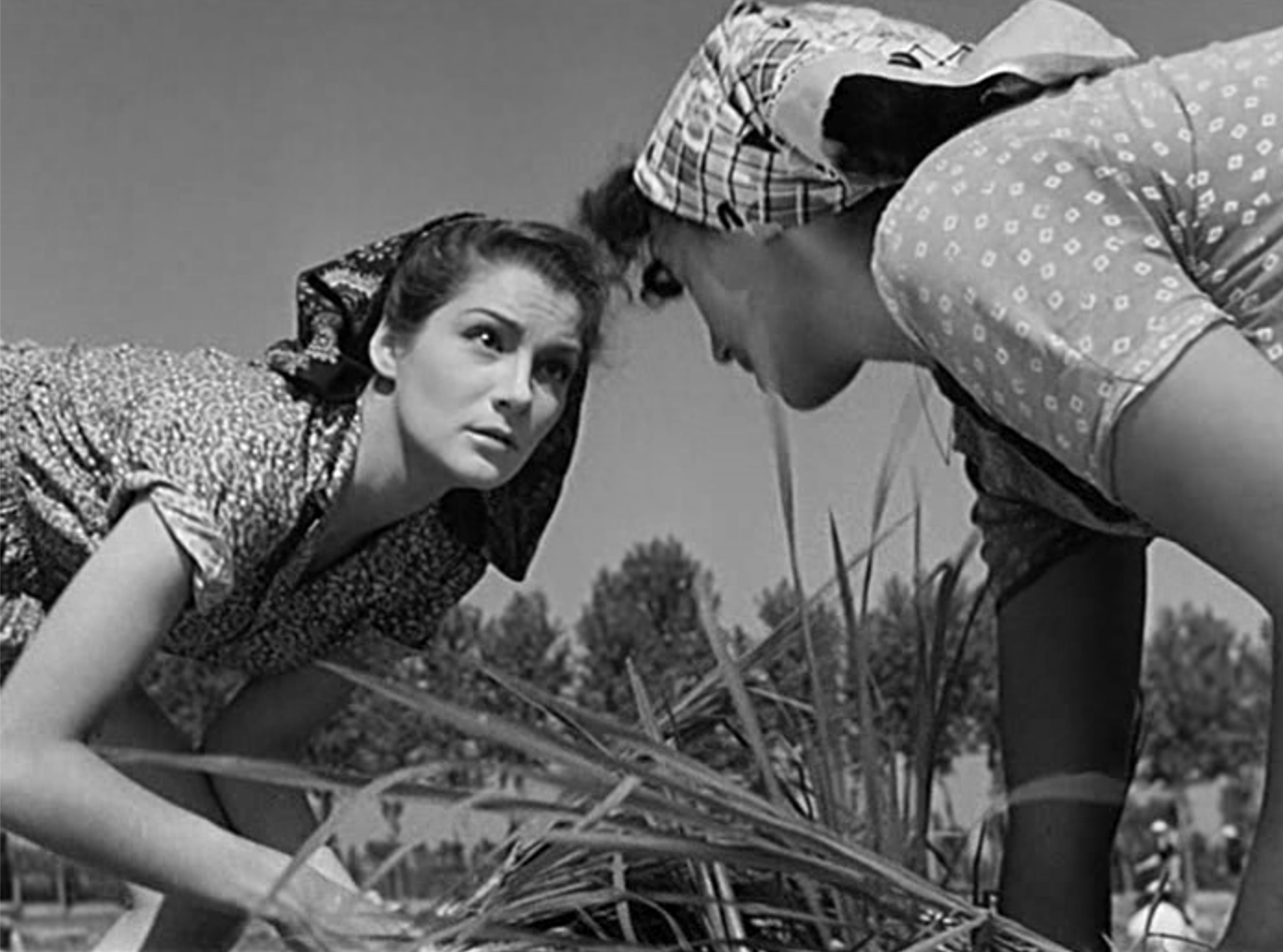
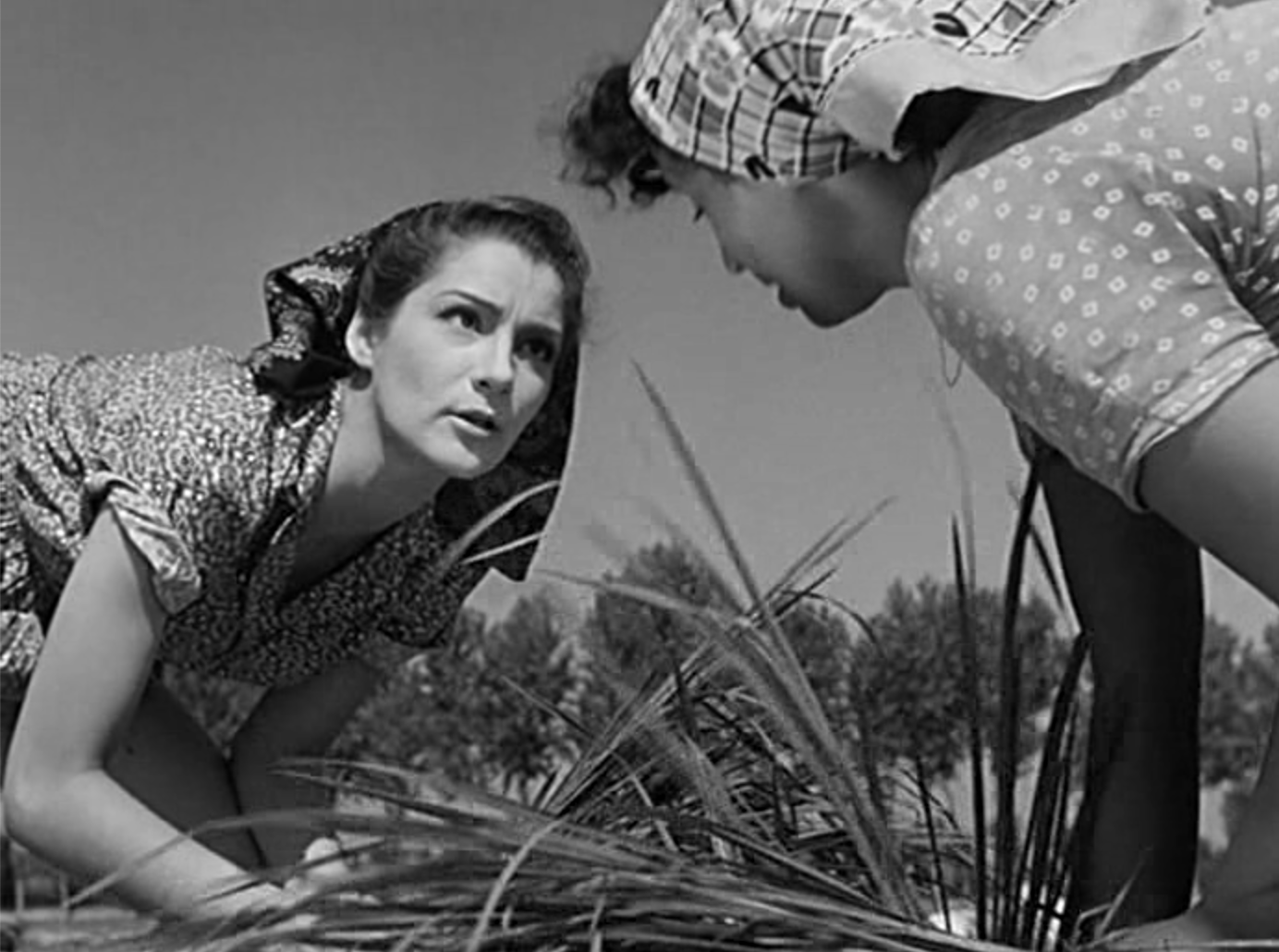
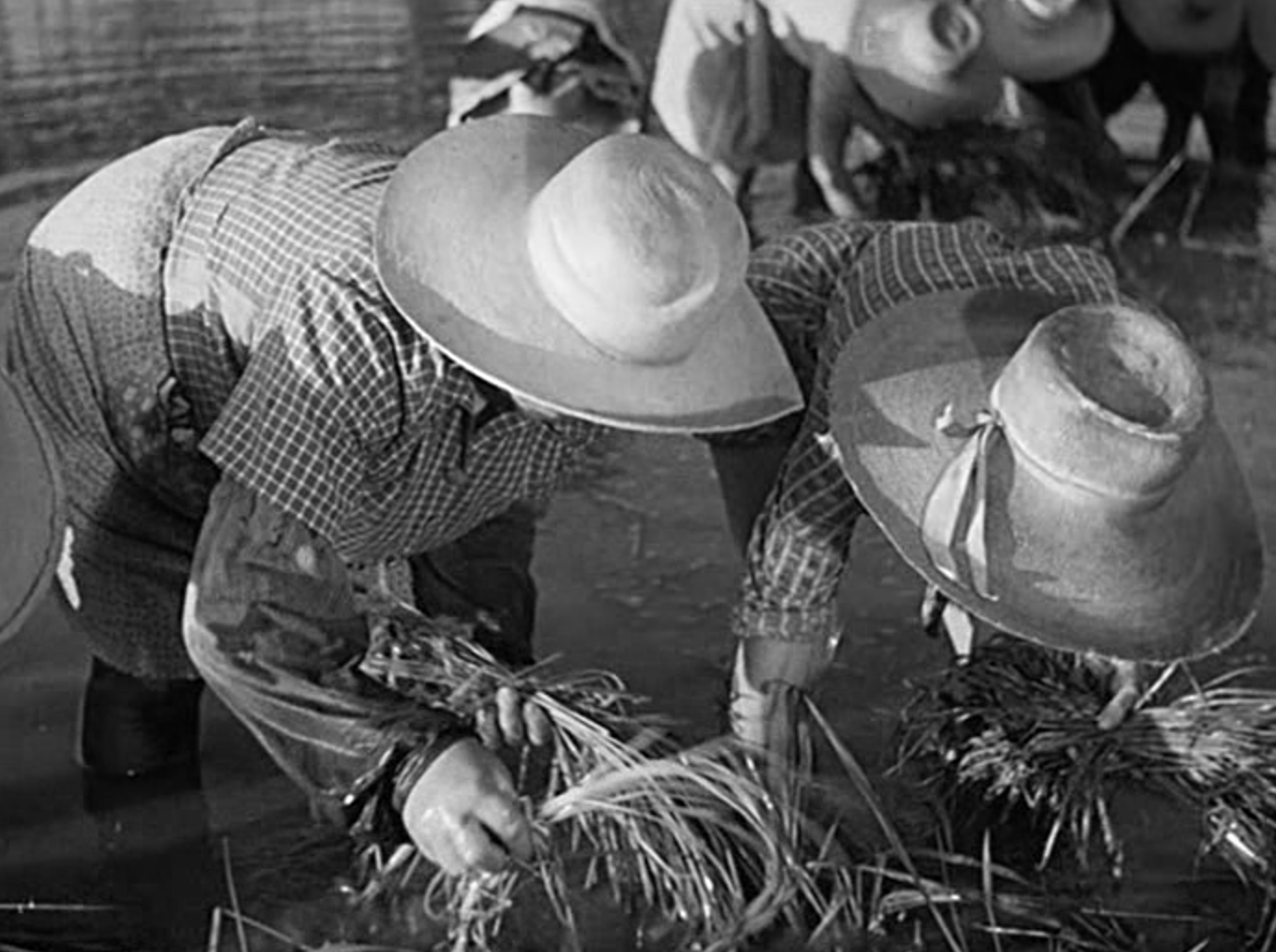
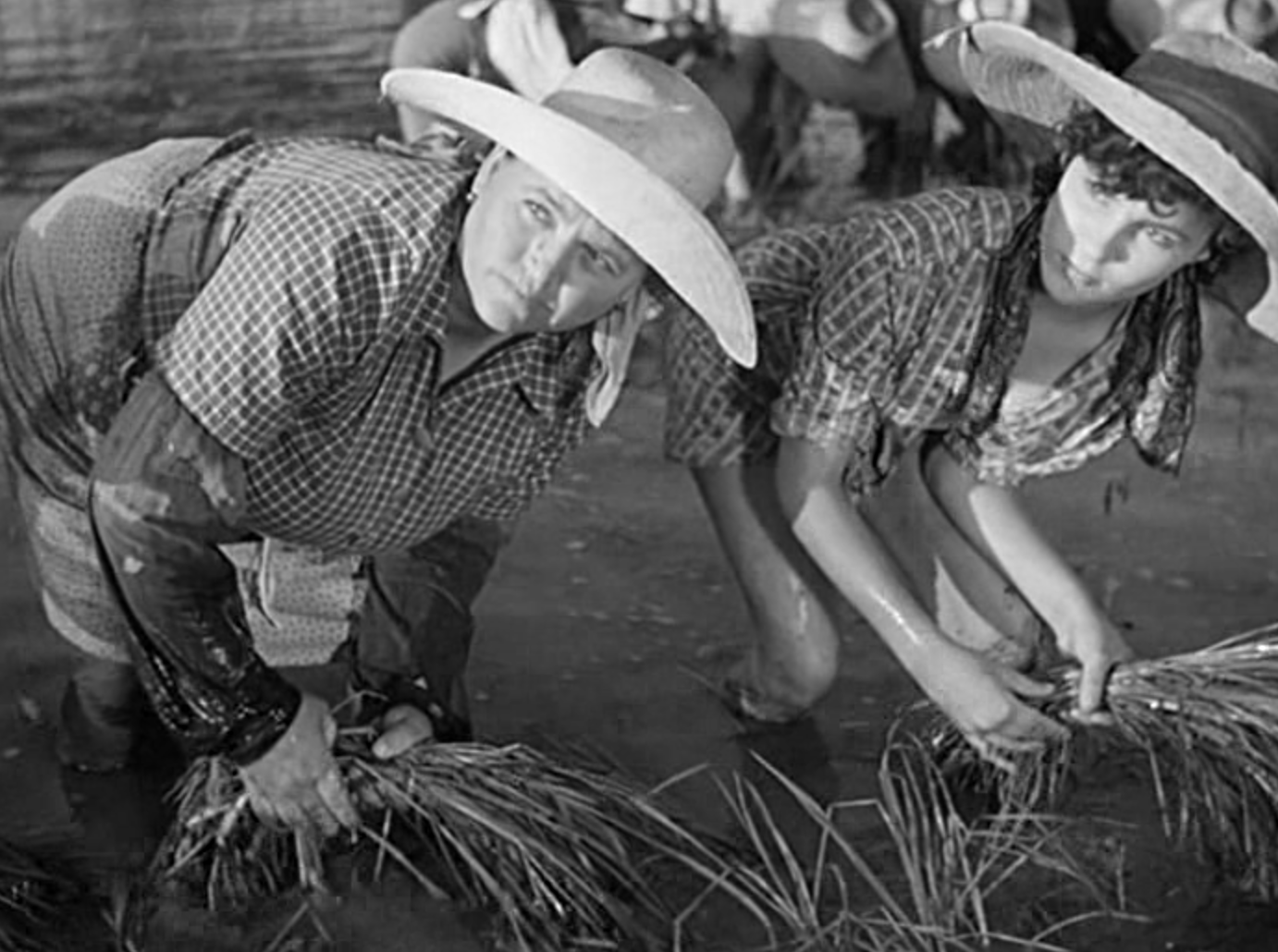
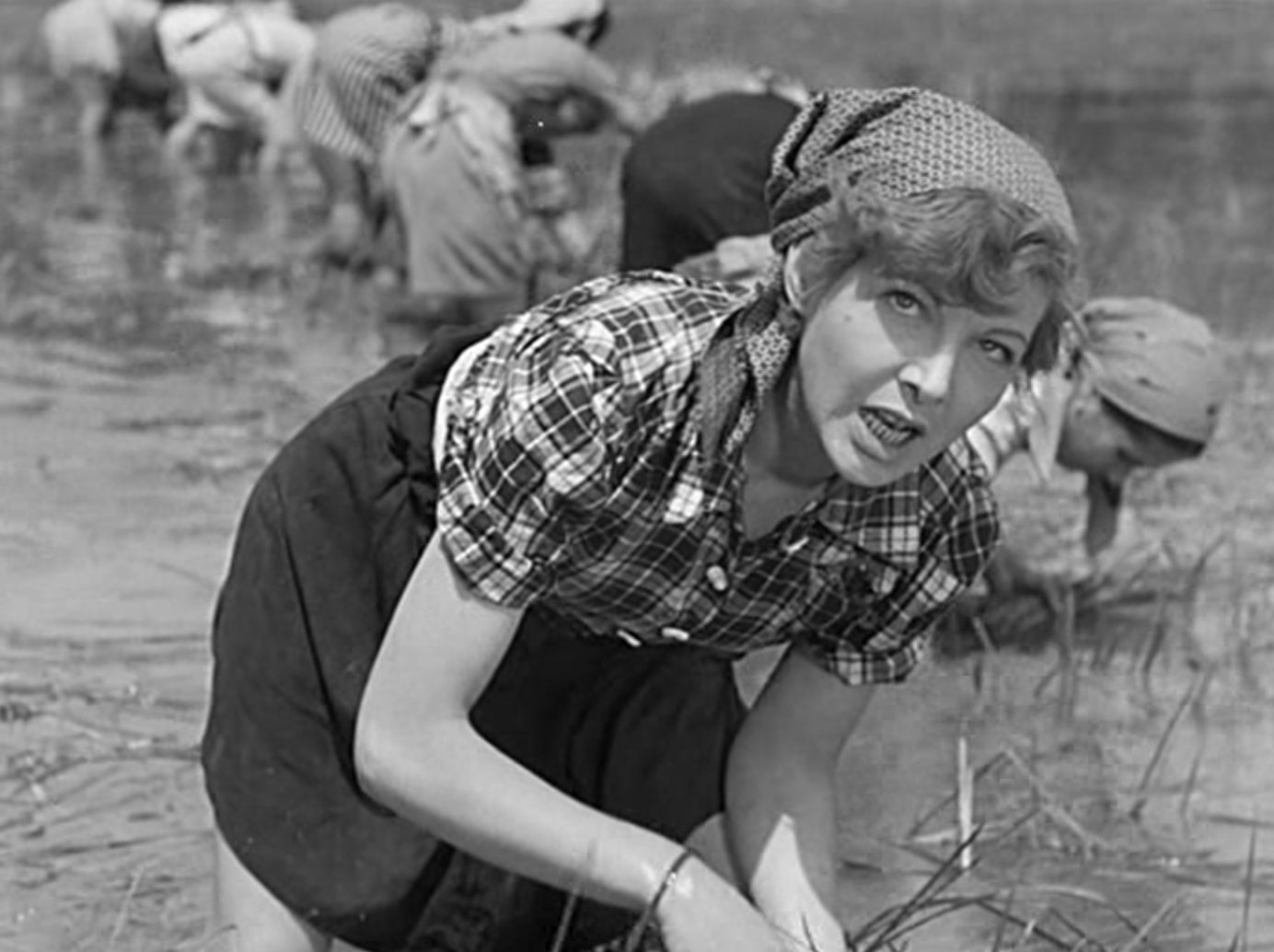
Gabriella e Francesca sono chine e lavorano il più velocemente possibile. Gabriella dice: “Non ce la faccio più a tenere questo passo”.
“Dai!” – la esorta Francesca – “Devi resistere fino a stasera, o niente contratto”.
Gabriella and Francesca are bent over, working as fast as they can. Gabriella says, “I can’t keep up this pace anymore.”
“Come on!” Francesca implores her. “You have to hold on until tonight – or no contract.”
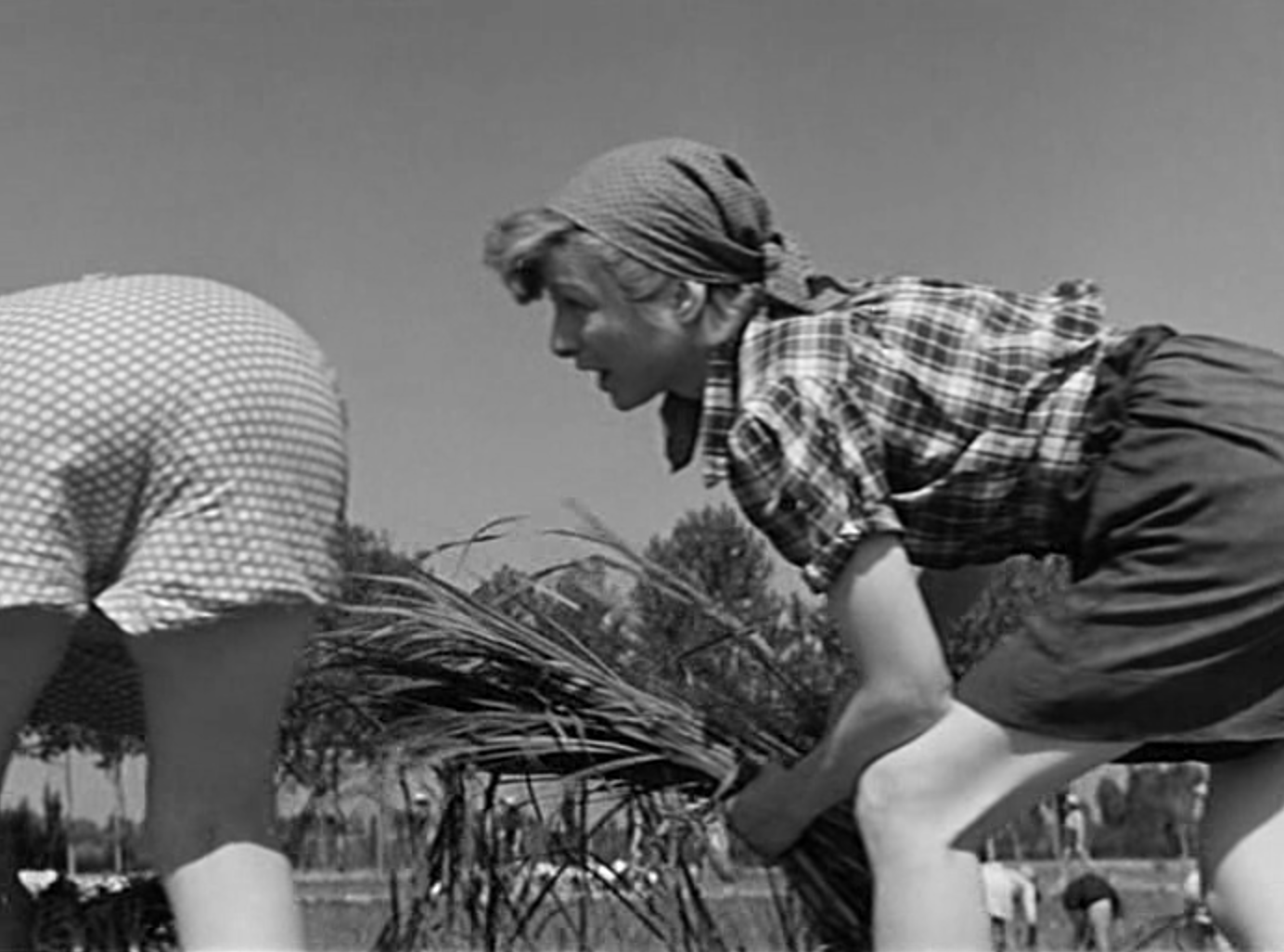
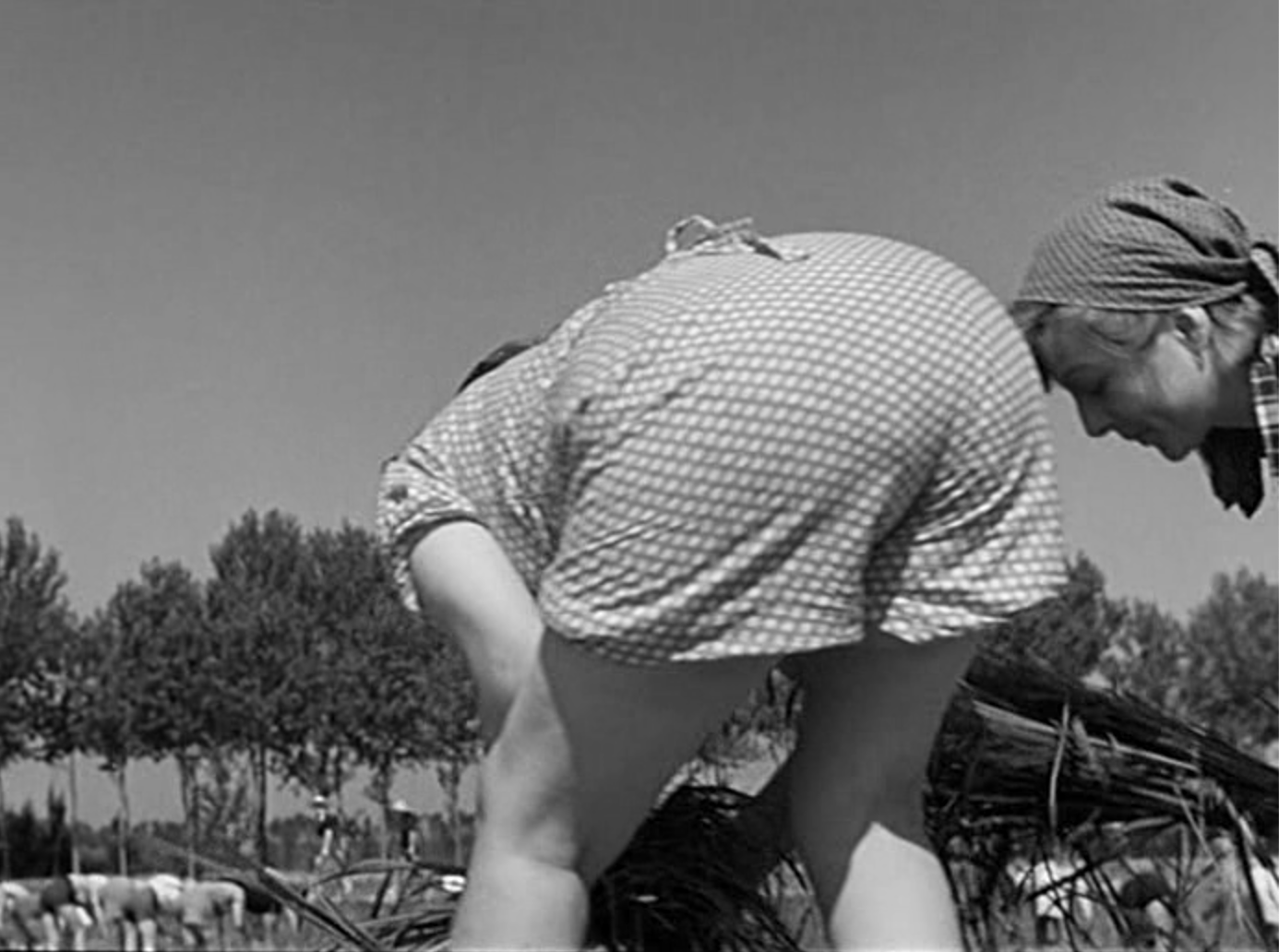
La macchina da presa fa una panoramica fino a Celeste, che commenta: “Guarda dove le abbiamo lasciate".
La sua vicina risponde: “Ormai non ci raggiungono più”.
The camera pans along to Celeste, who comments, “Look how far behind us they are.”
Her neighbor replies, “They can’t catch up to us anymore.”
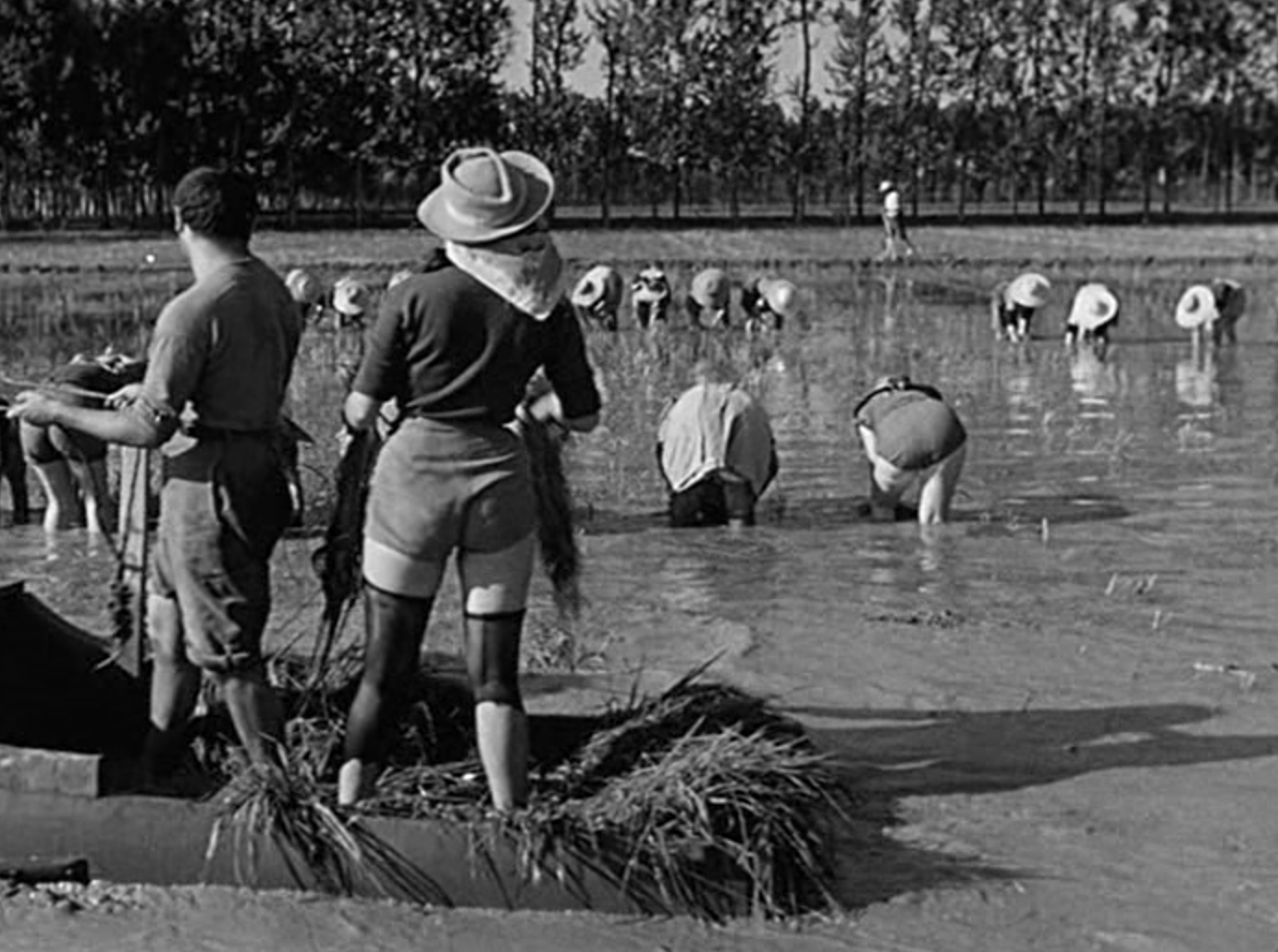
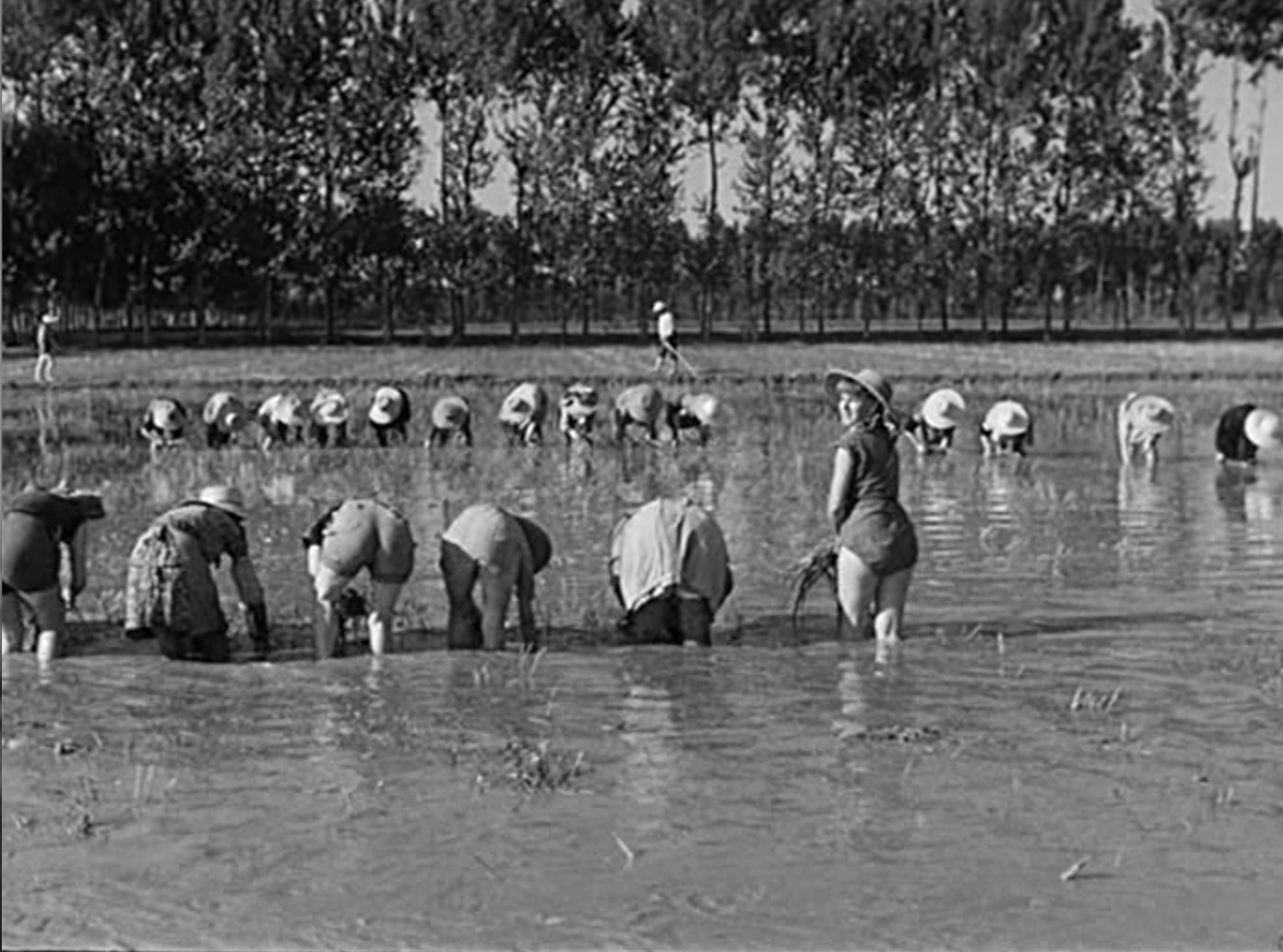
Silvana è ancora sulla zattera e continua a gettare via mazzi di gambi di riso. Anna si alza e chiede: "Che fai, Silvana? Vai a spasso?"
Silvana is still on the raft, tossing out bunches of rice stalks. Anna straightens up and asks, “What are you doing, Silvana? Going for a stroll?”
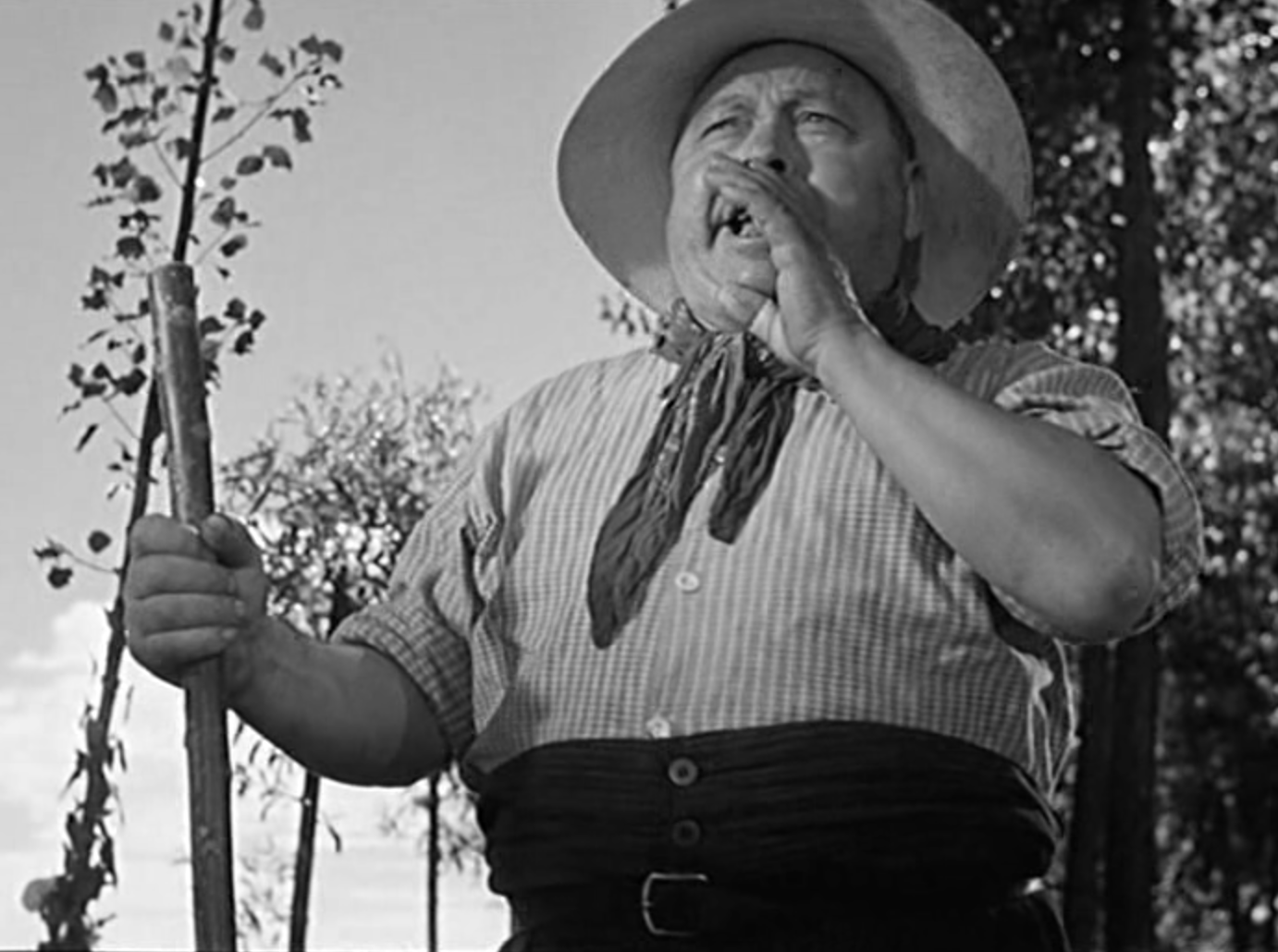
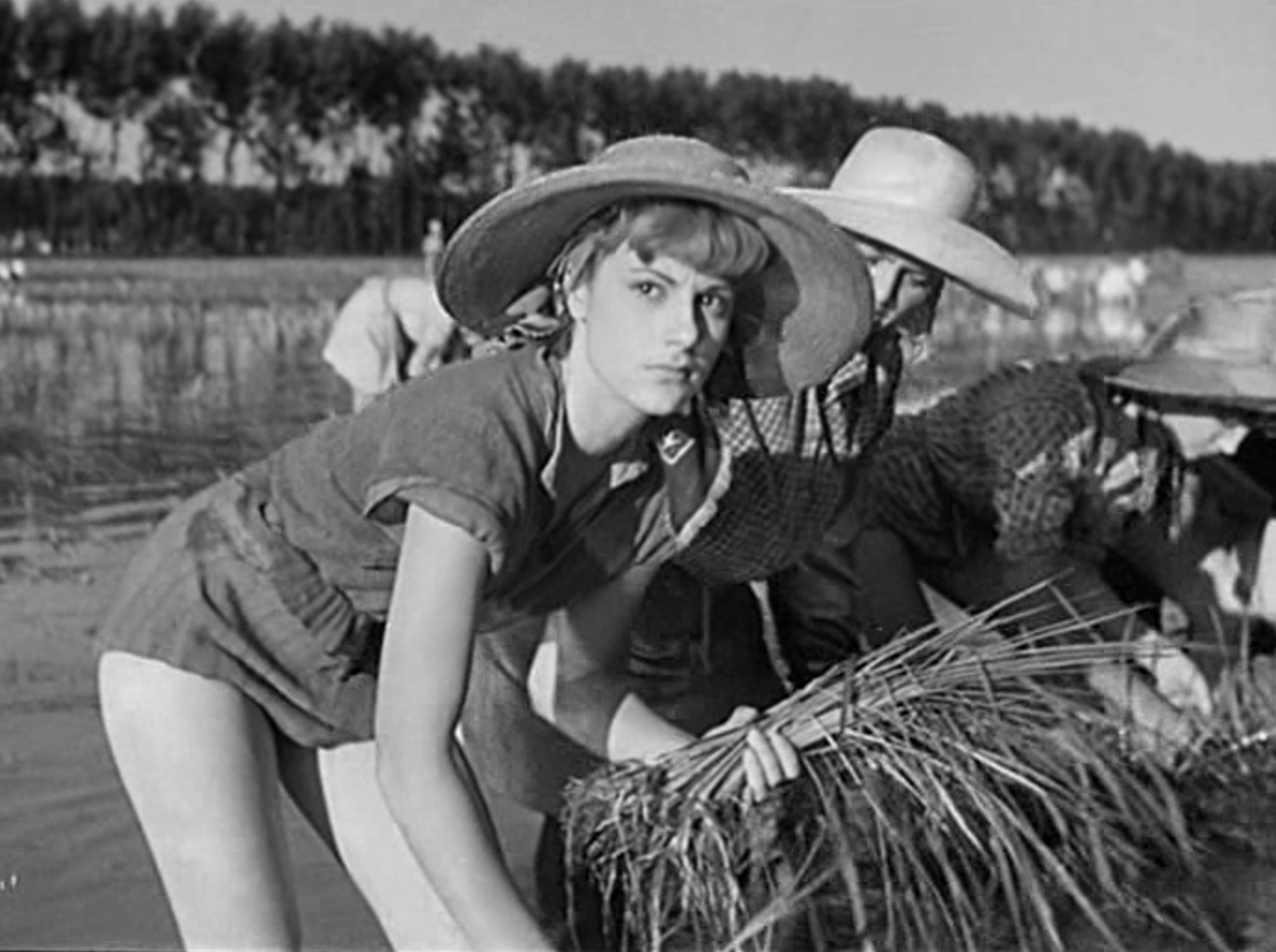
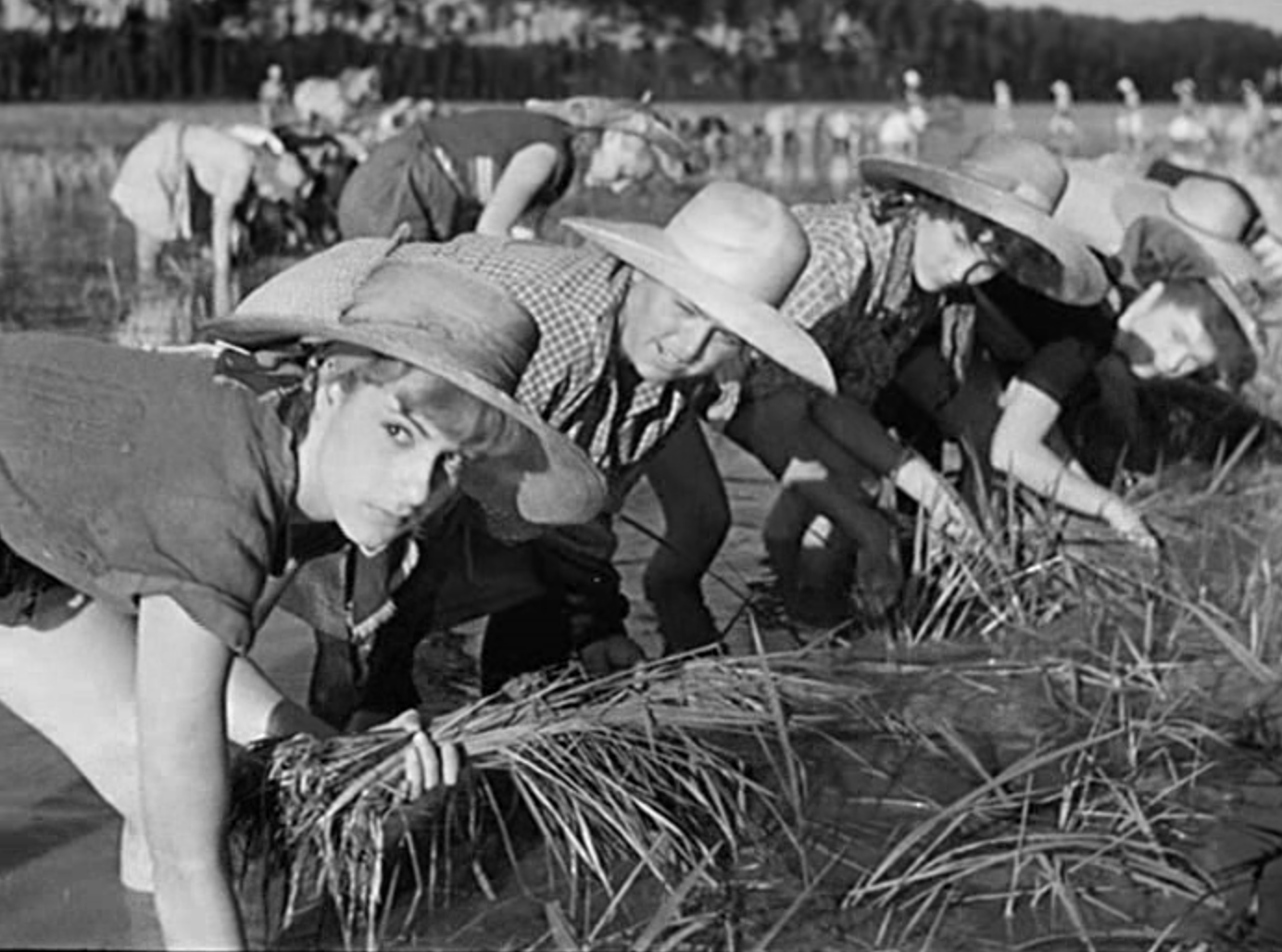
Un caposquadra corpulento urla in dialetto piemontese: "Non si parla mentre si lavora, porca polenta!" Pianta il suo bastone nell'acqua.
Anna lo guarda con rabbia, ma Andreina, che ha più esperienza nei campi di riso, spiega: "Non si parla sul lavoro. Se hai qualche cosa da dire, dilla cantando. Si usa così".
A stout foreman yells in Piemontese dialect, “No talking while you work, damn it!” He pounds his pole into the water.
Anna looks across at him angrily, but Andreina, who has more experience in the rice fields, explains, “No talking at work. If you have something to say, say it by singing. That’s how it’s done.”
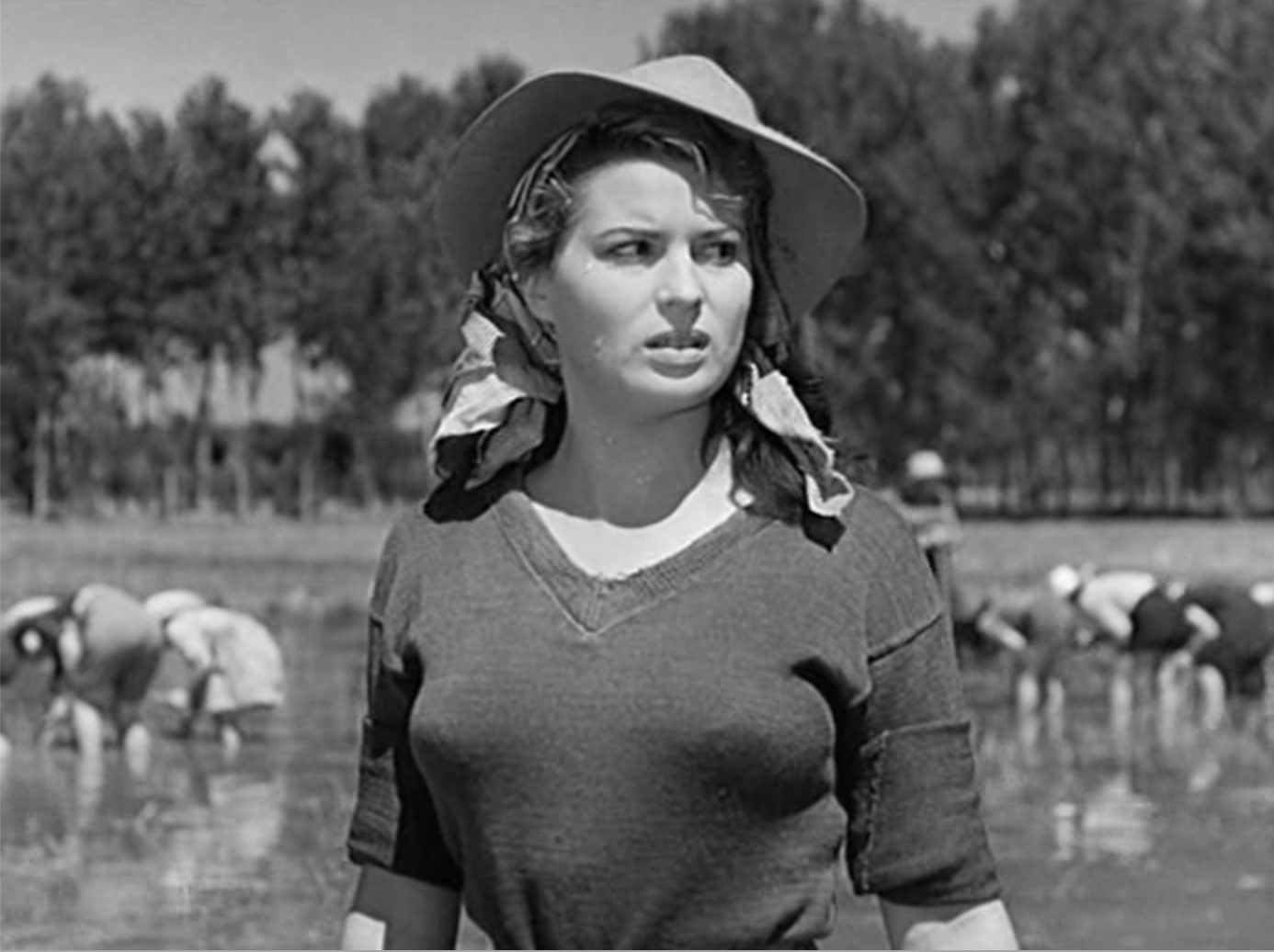
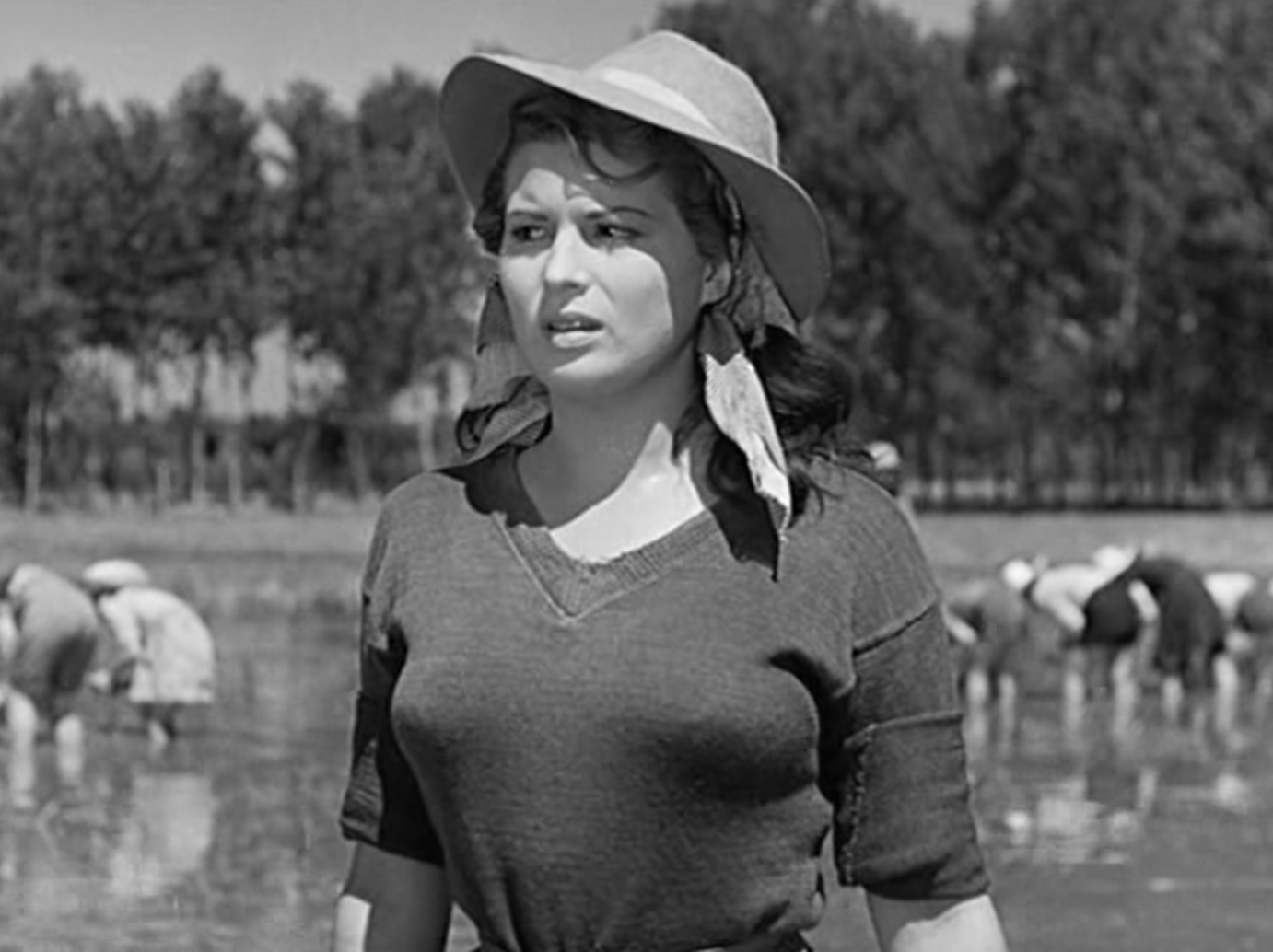
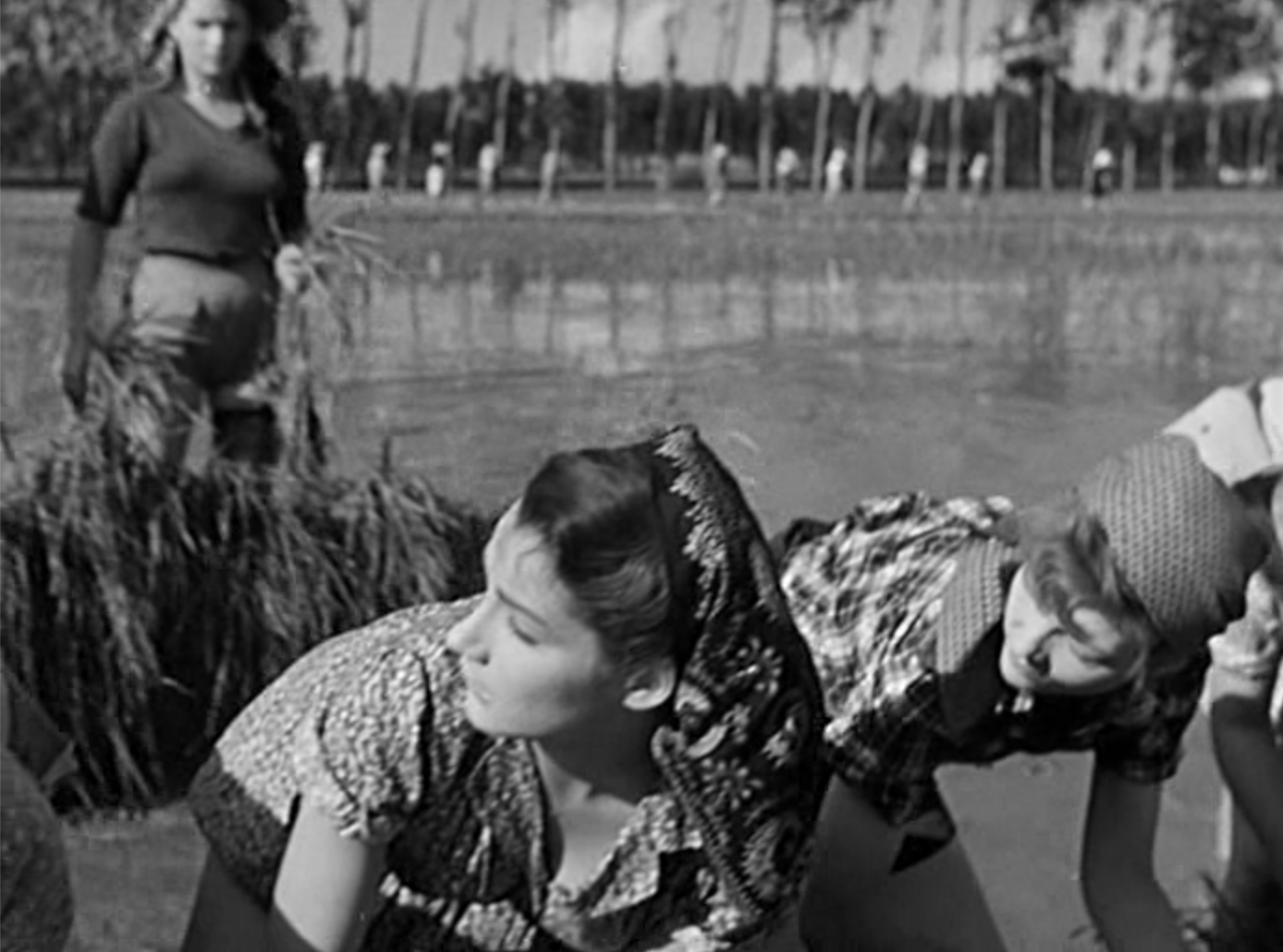
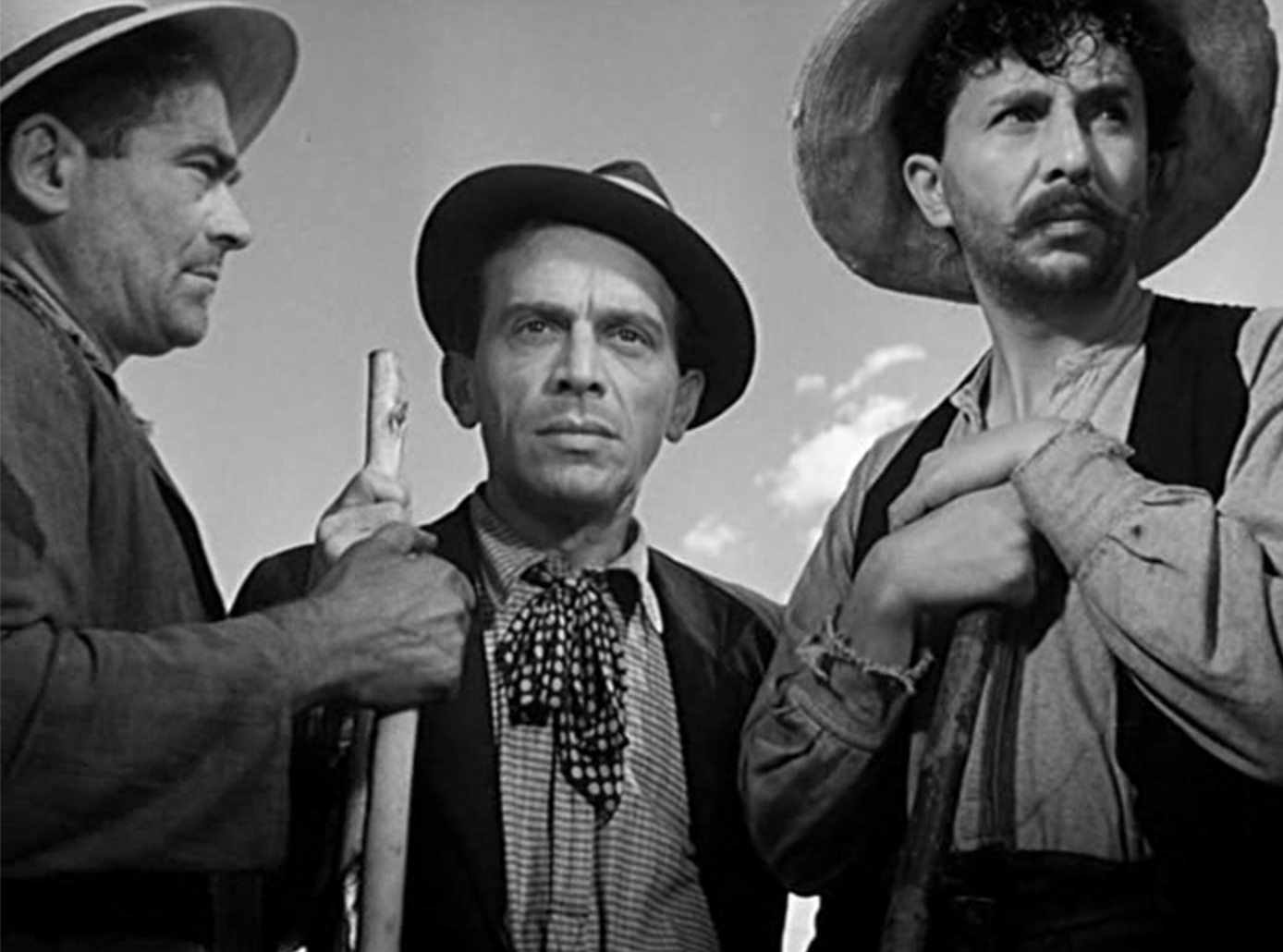
Silvana guarda con disagio le donne senza contratto. Francesca alza lo sguardo.
I caporali osservano con diffidenza.
Silvana gazes uneasily at the women with no contracts. Francesca looks up.
The middlemen watch warily.
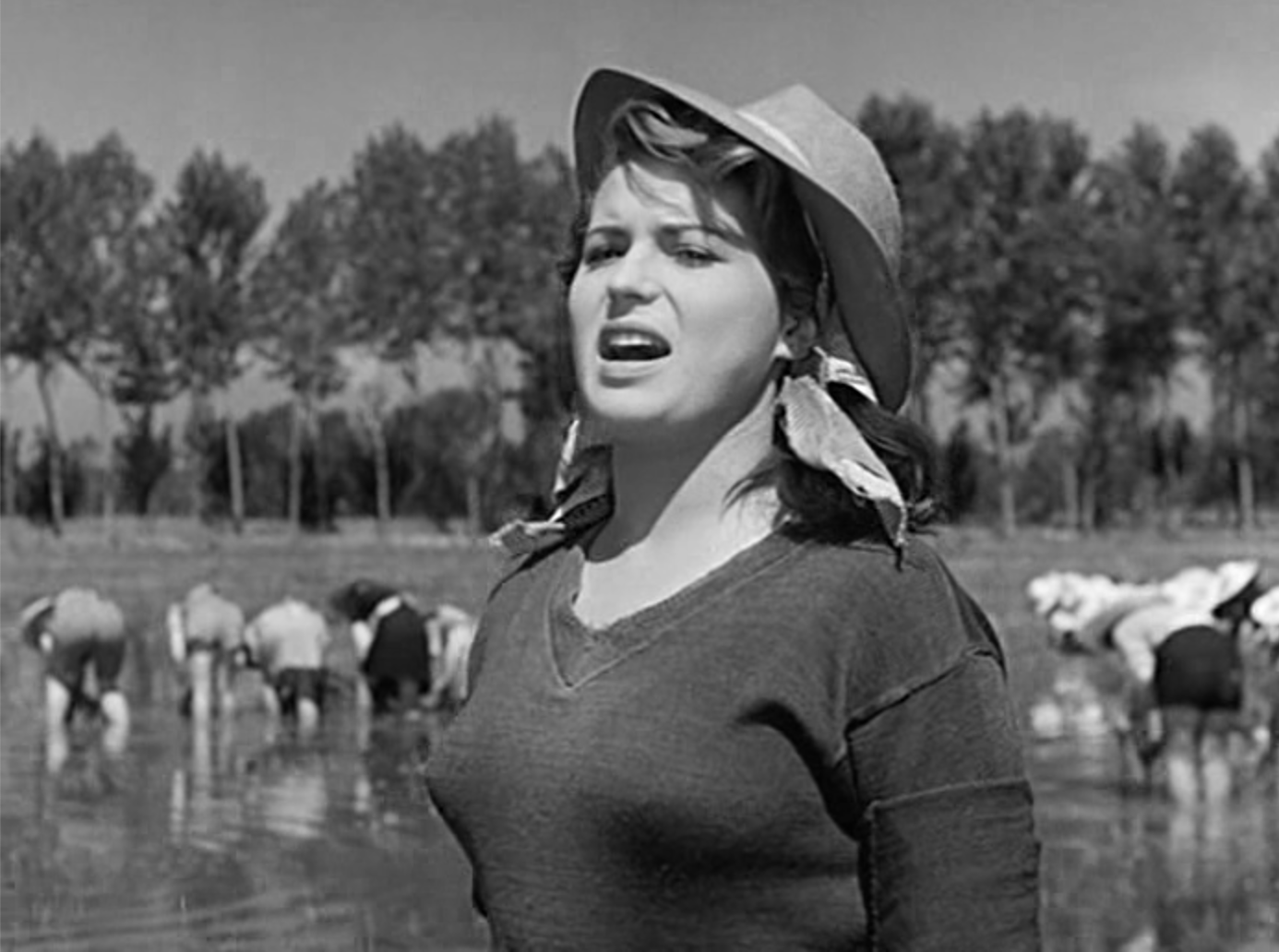
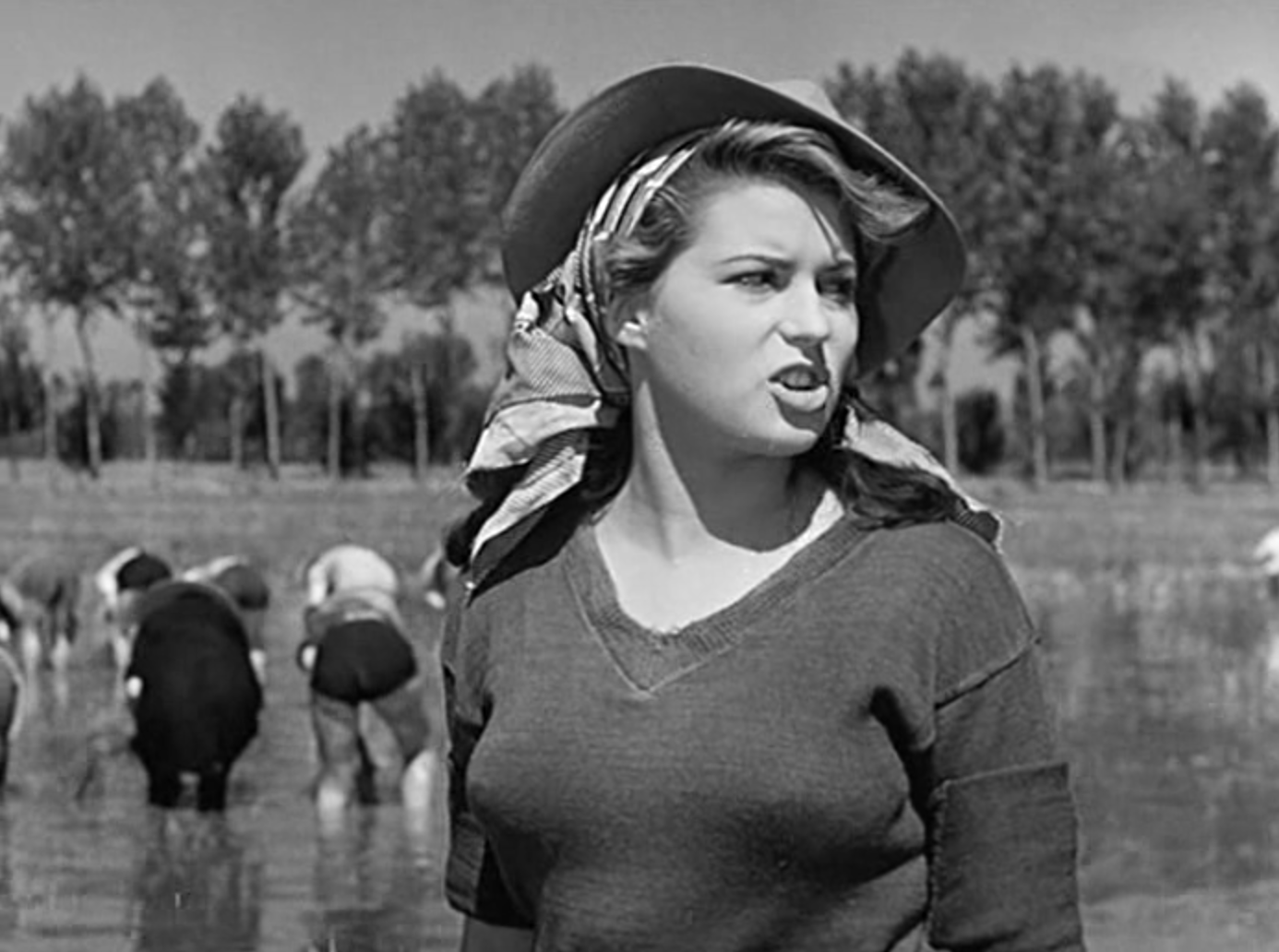
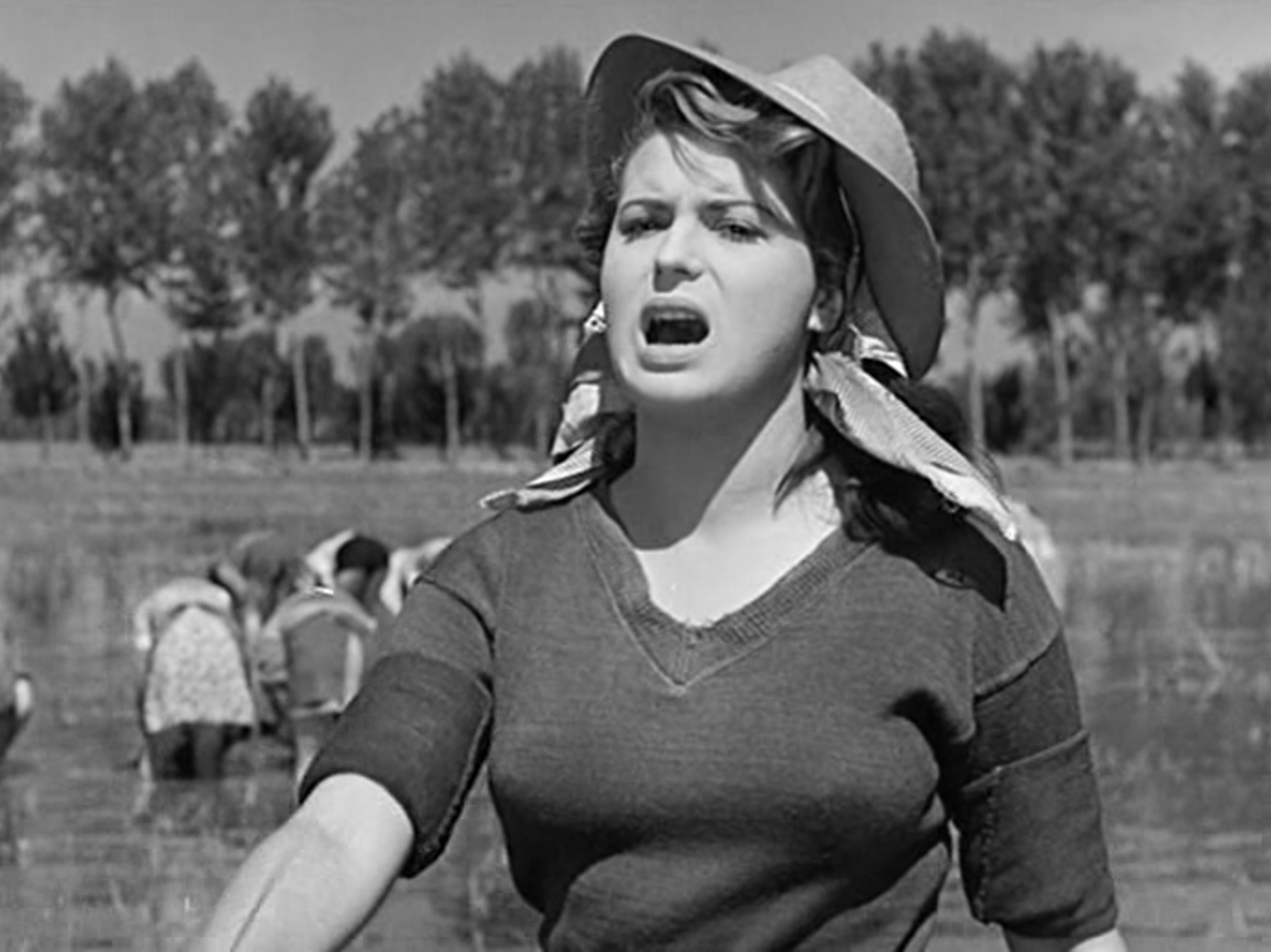
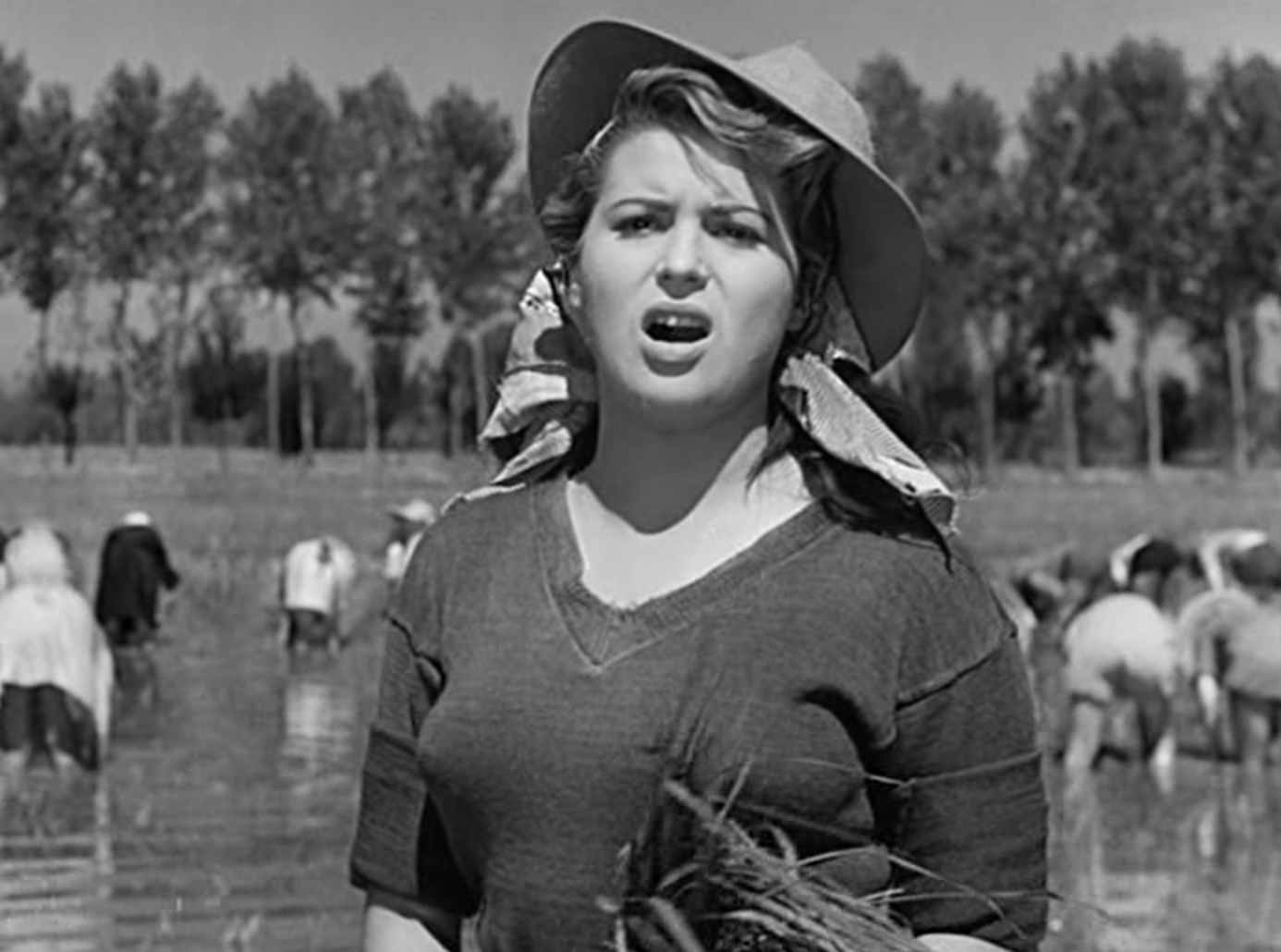
Mentre la zattera continua a muoversi, Silvana inizia a cantare:
In fretta e furia, le clandestine incominciano ad andar
Così fanno le traditrici,
Clandestine, no, no, no, no.
As the raft continues moving, Silvana begins to sing:
In a hurry, the illegals start to go.
That’s what traitors do.
Illegals, no, no, no, no.
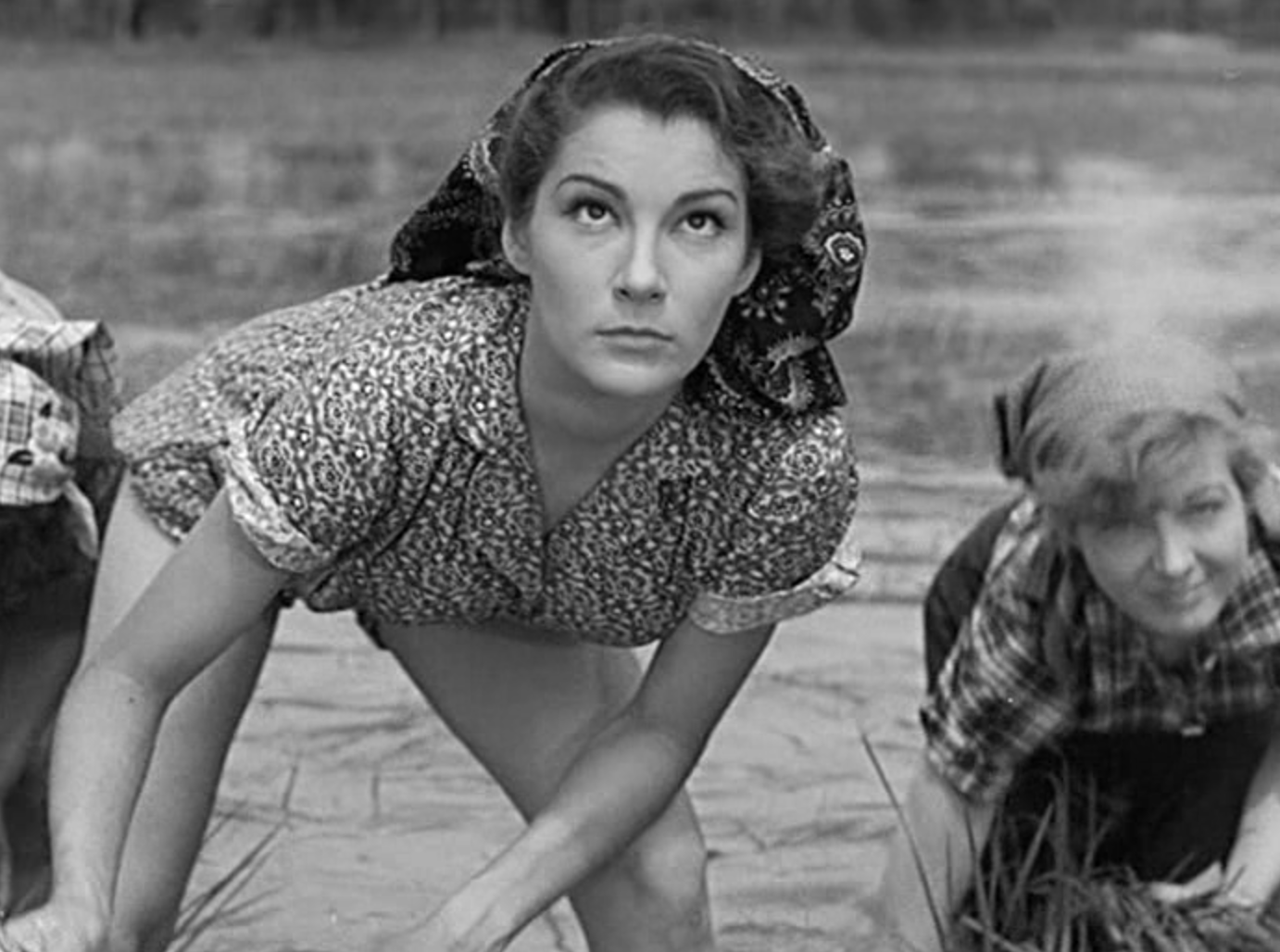
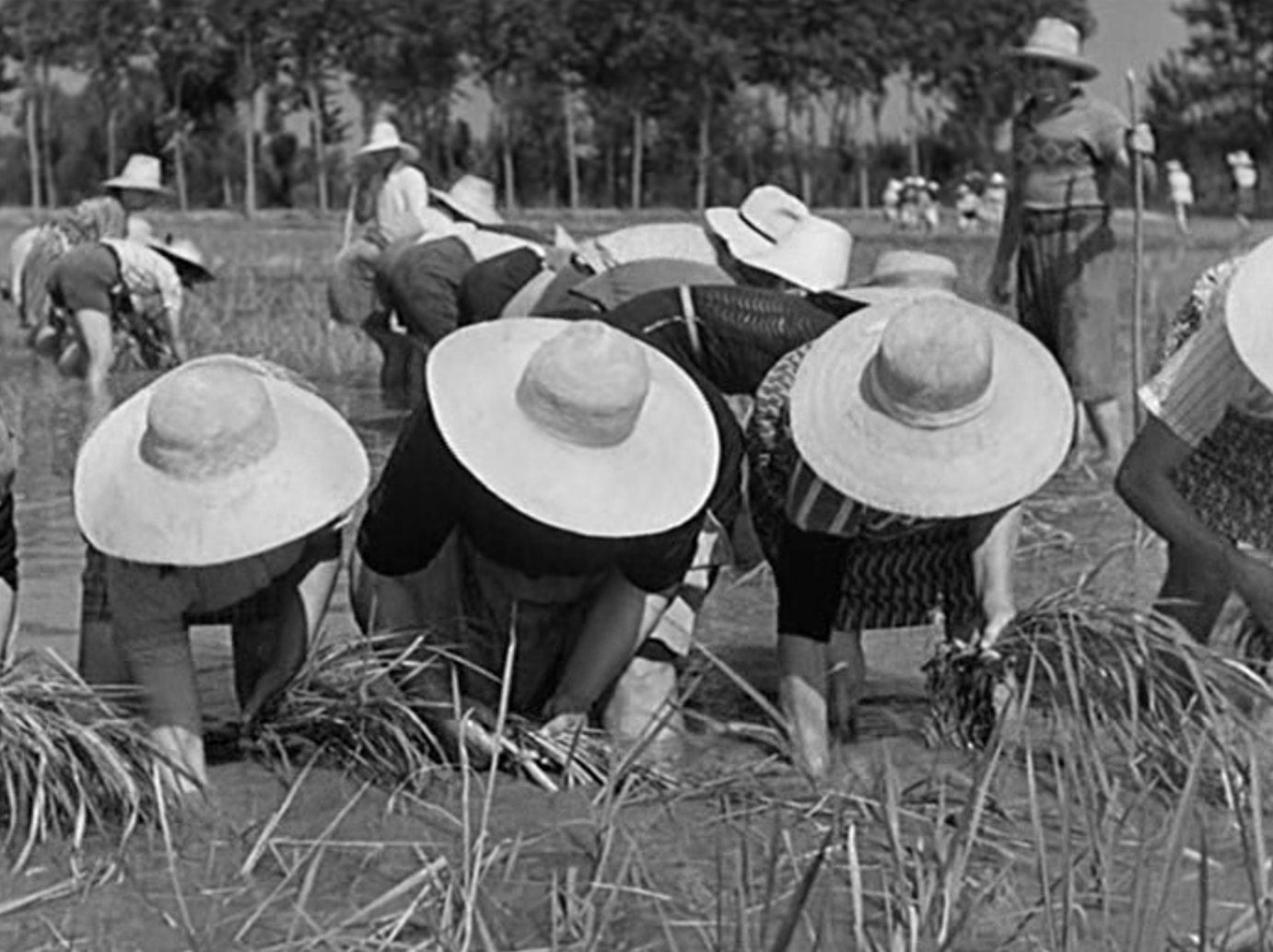
Francesca e Celeste alzano lo sguardo verso di lei, mentre le altre lavoratrici a contratto, con i volti nascosti dai cappelli di paglia, si uniscono al coro:
Così fanno le traditrici.
Clandestine, no, no, no, no
Francesca and Celeste look up at her, as the other contracted workers, faces hidden by their straw hats, join the chorus:
That’s what traitors do.
Illegals, no, no, no, no
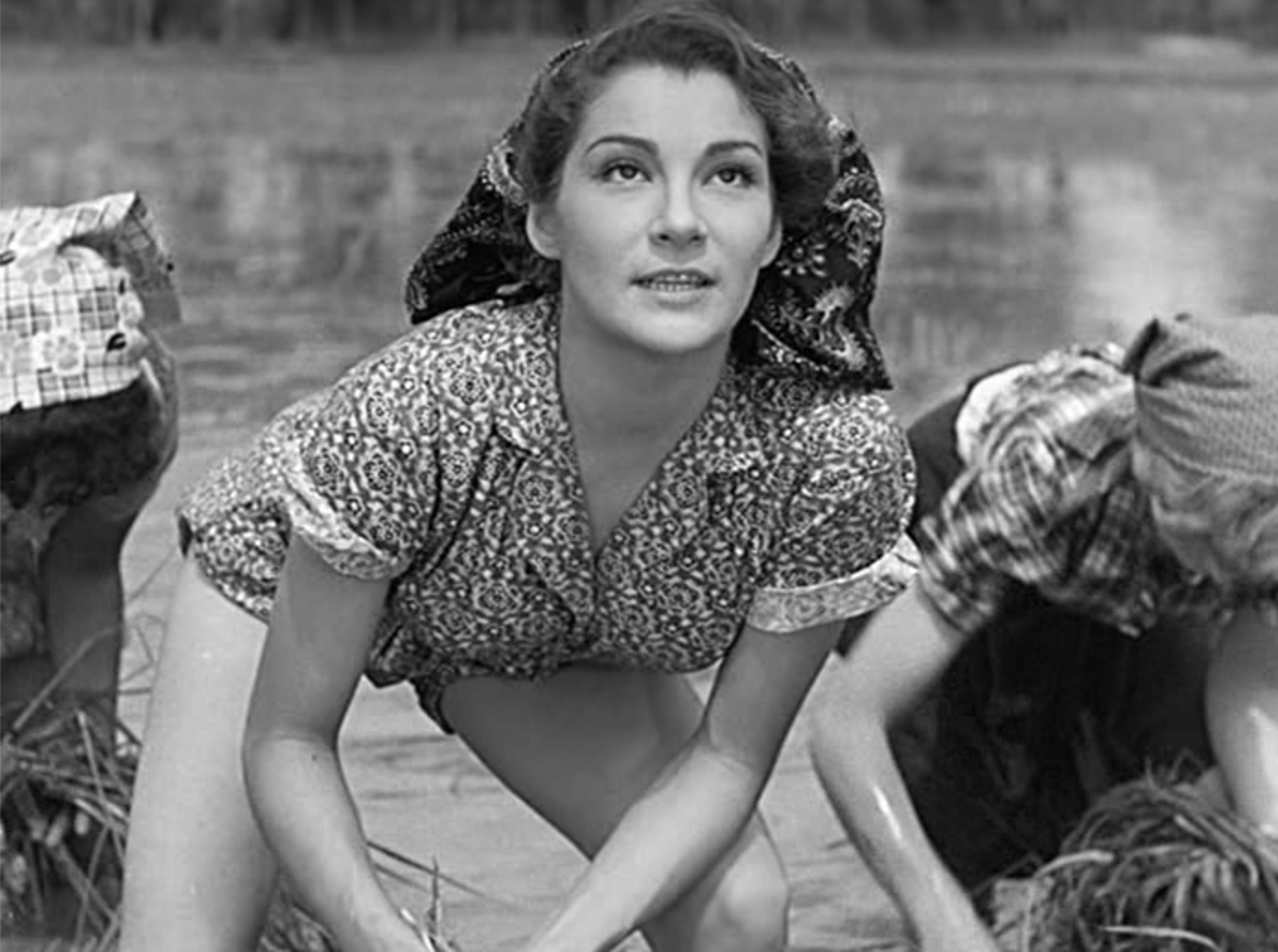
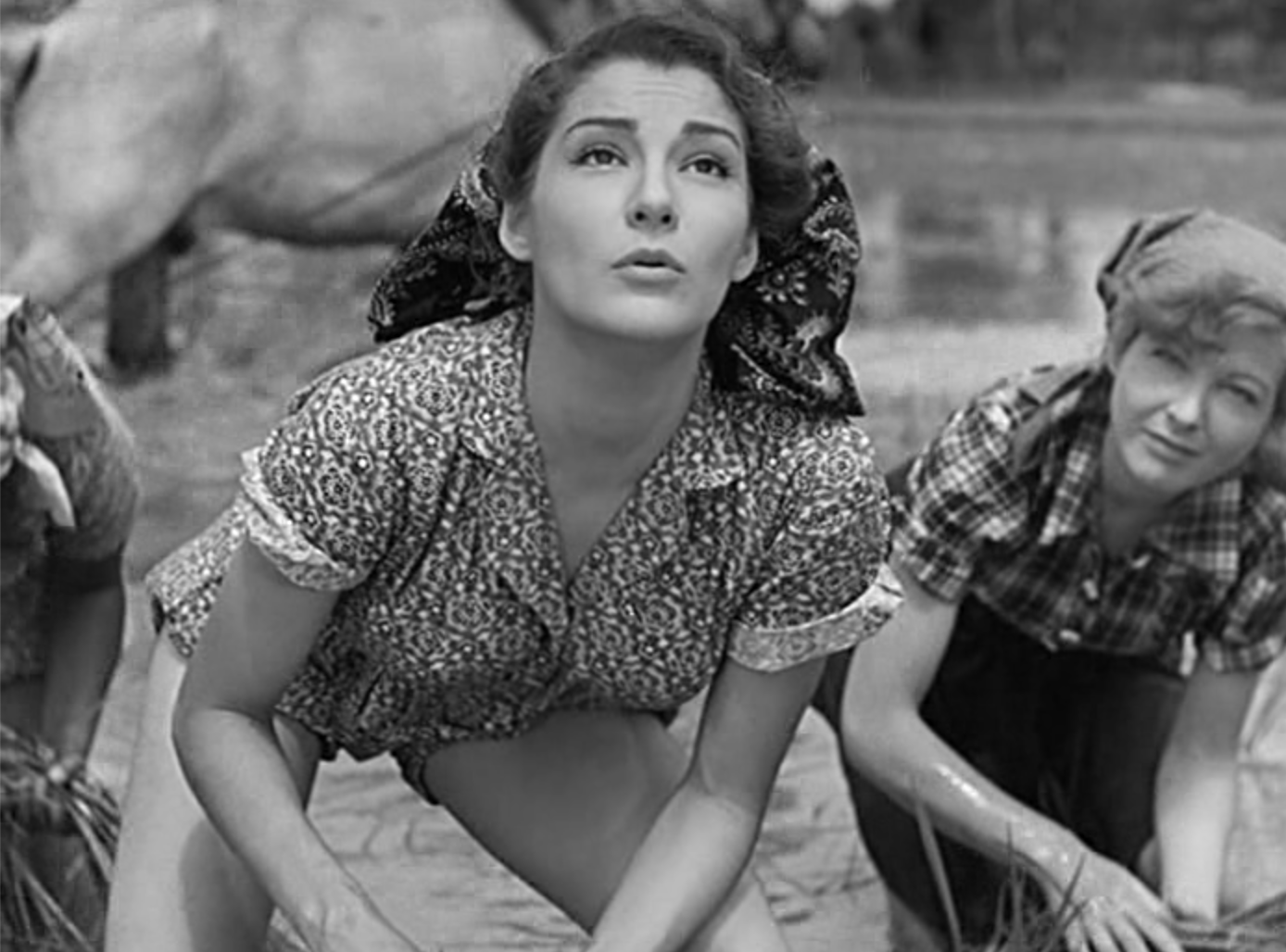
Francesca risponde subito:
Meglio svelte con l’aria fresca,
perché il sole poi butta giù
Poveretta, la clandestina
Che lavora di più e di più
Francesca responds at once:
Better be quick when the air is fresh,
because the sun will soon beat down
Poor thing, the illegal
Who works harder and harder
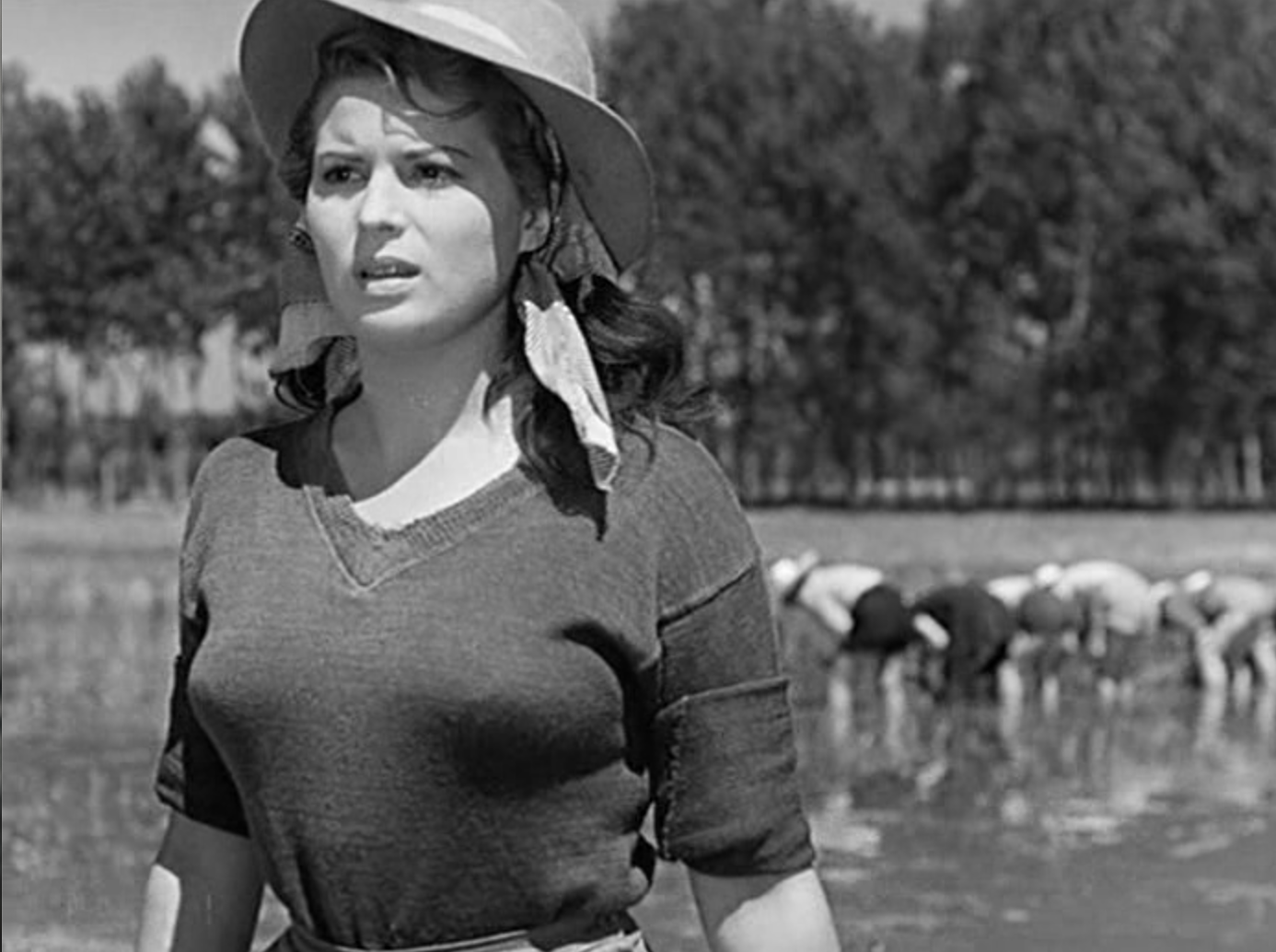
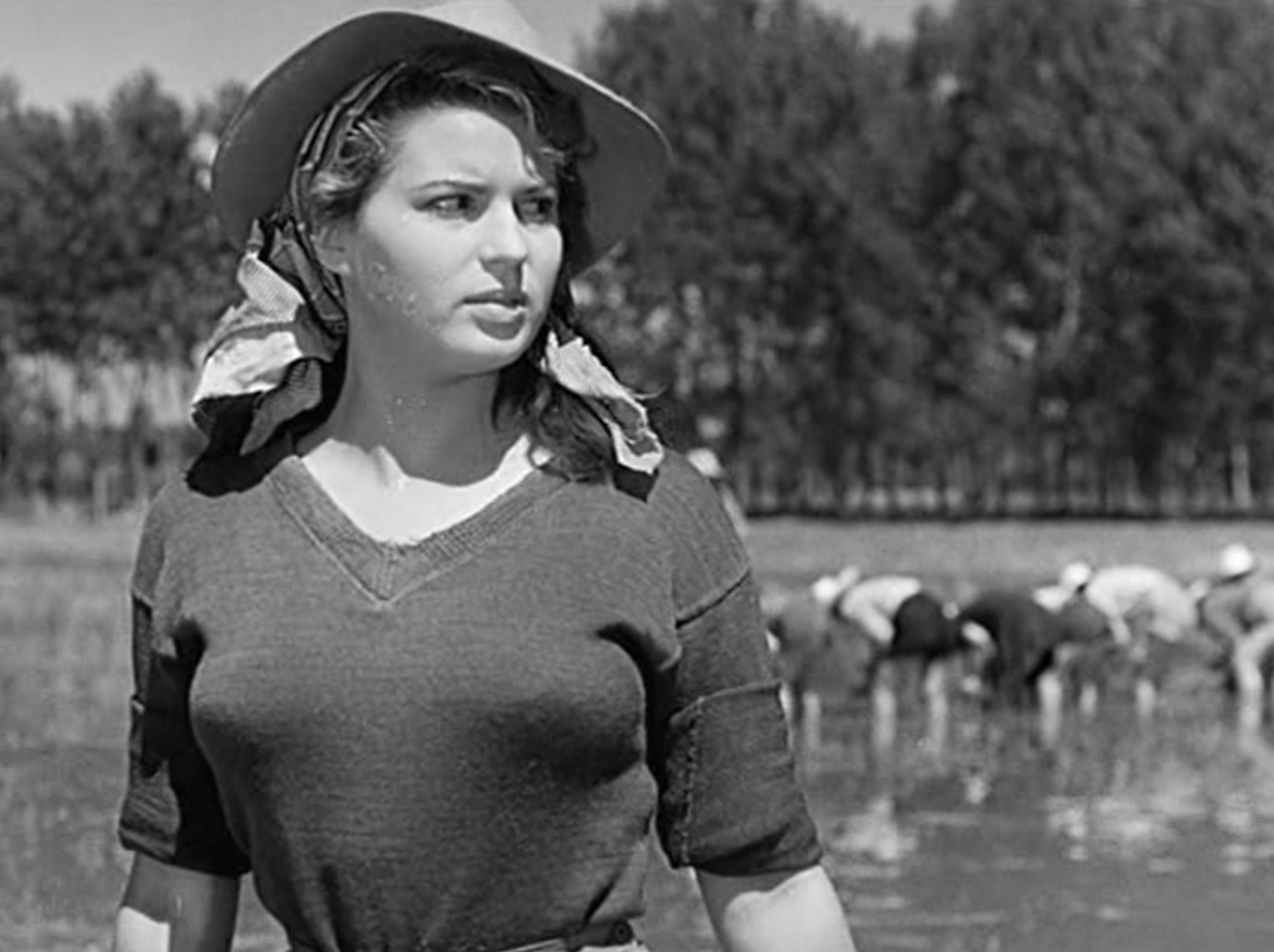
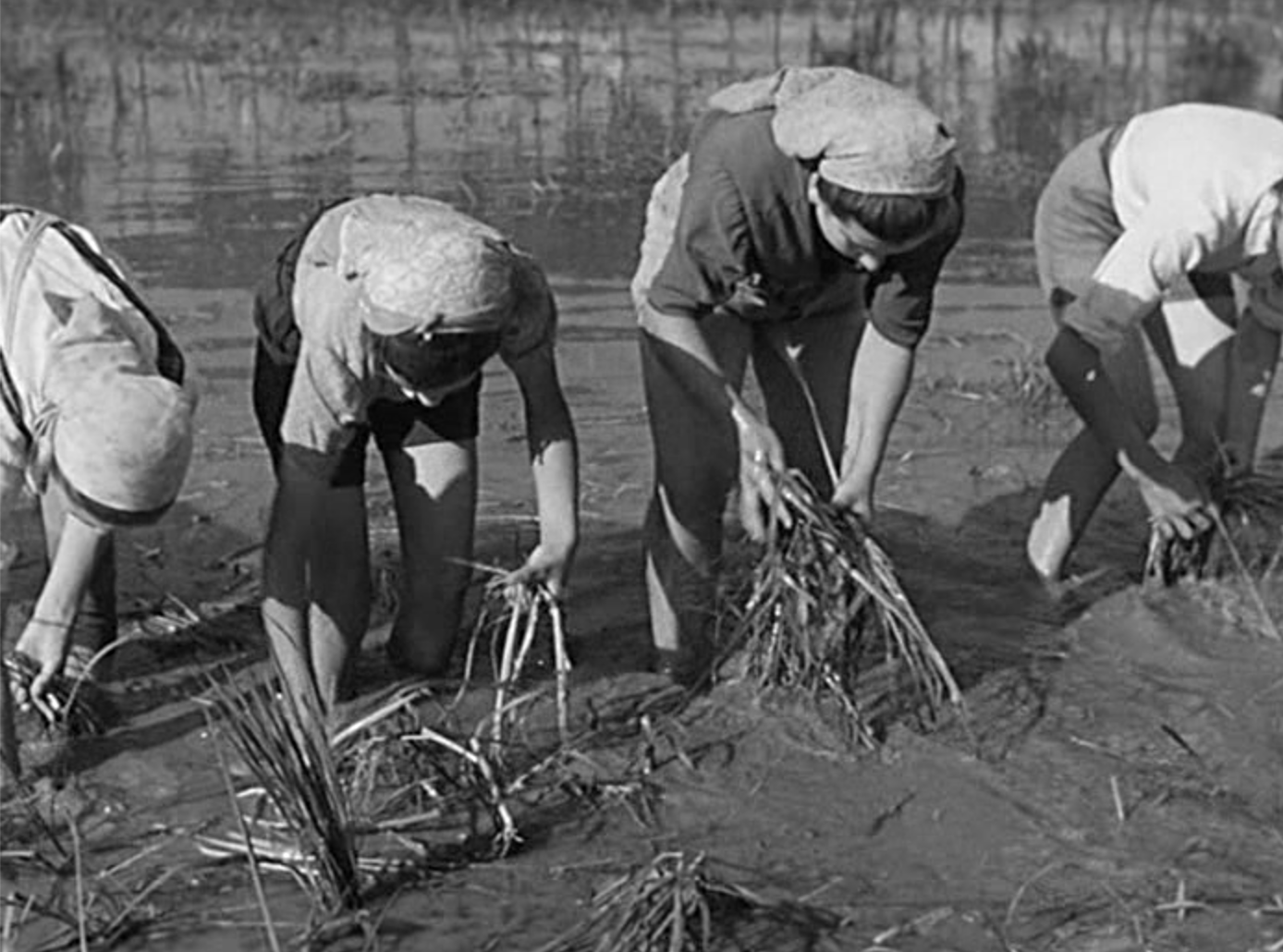
Silvana si guarda intorno a disagio, mentre le lavoratrici senza contratto fanno eco al ritornello di Francesca:
Poveretta, la clandestina
Che lavora di più e di più.
Silvana looks around uncomfortably, as the uncontracted workers echo Francesca’s refrain:
Poor thing, the illegal
Who works harder and harder.
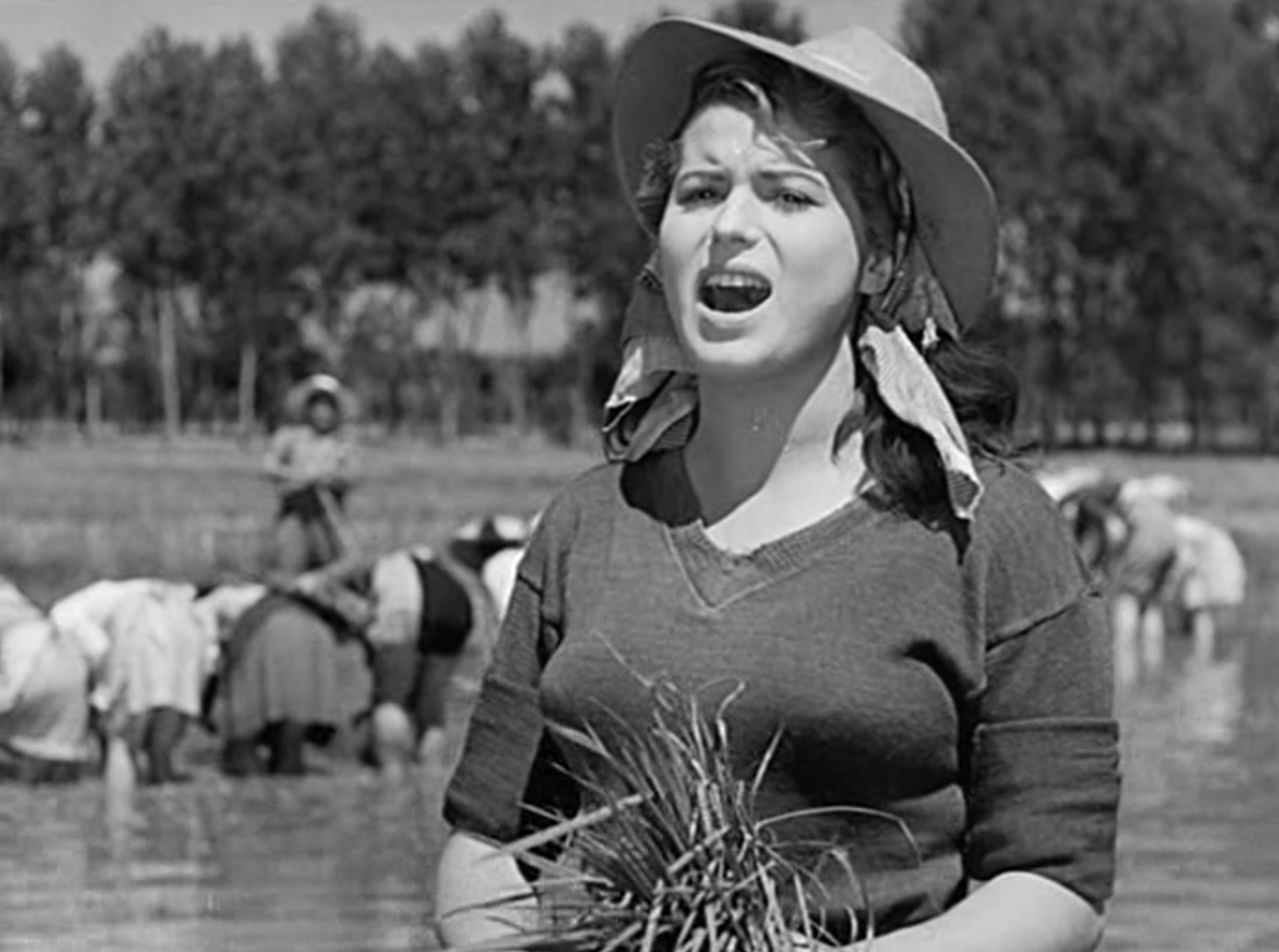
Ancora una volta, Silvana canta:
Tanto al sole, tanto all'aria,
lavorare così non va
Il coro risponde:
Tanto al sole, tanto all'aria,
lavorare così non va
Again, Silvana sings:
As much in the sun as in the chilly air,
working like this isn’t right
The chorus responds:
As much in the sun as in the chilly air,
working like this isn’t right
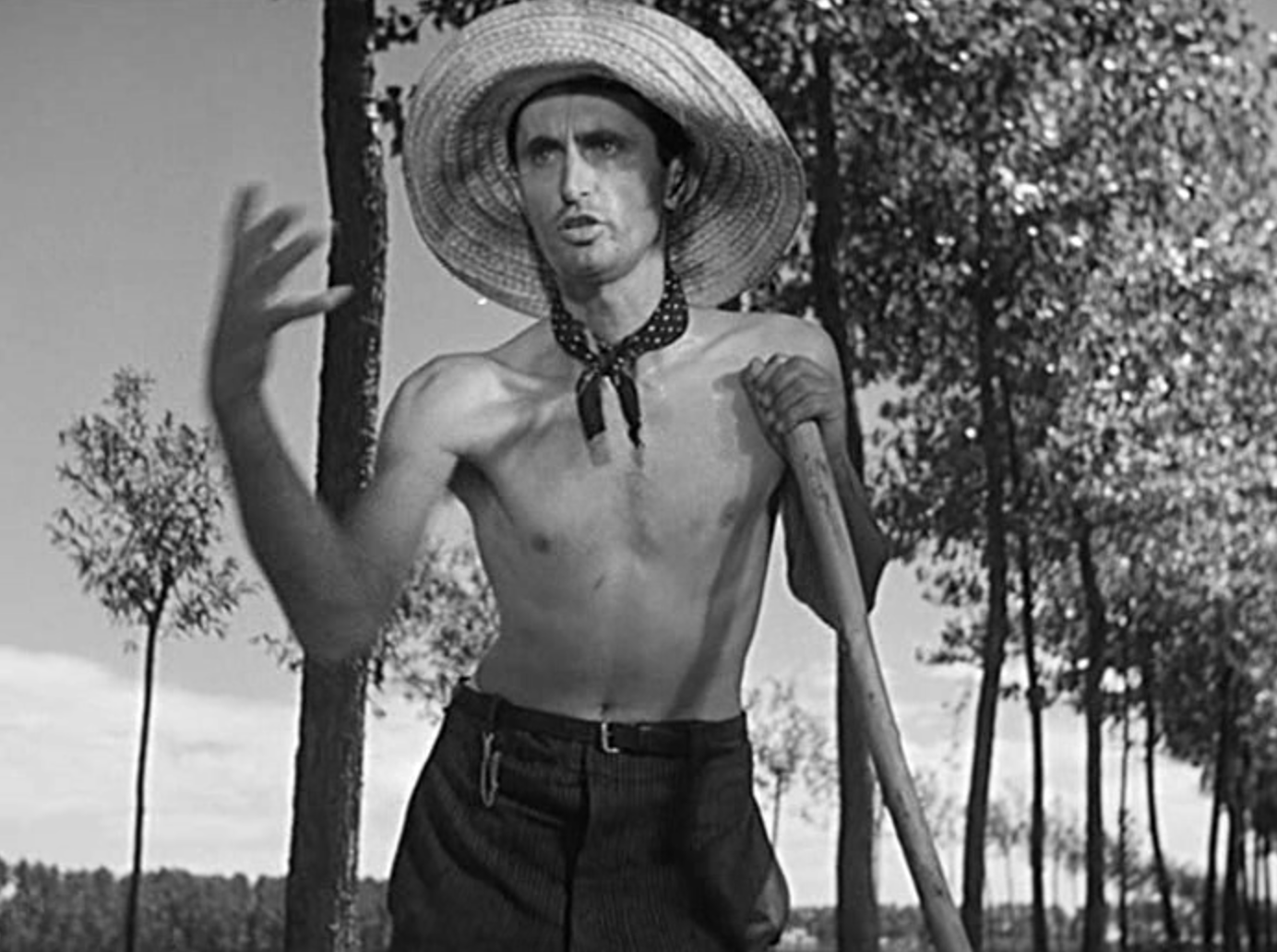
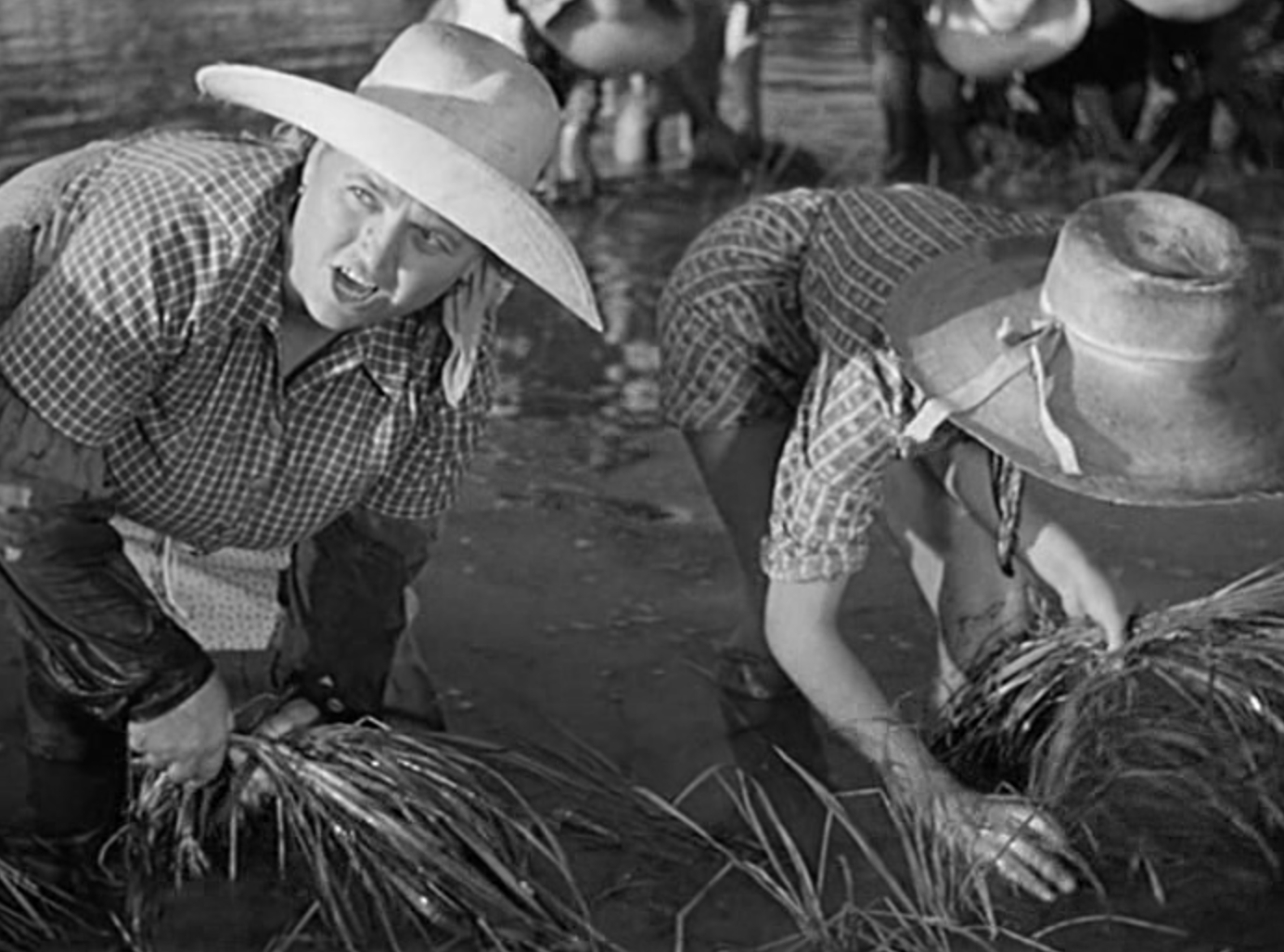
Con il torace magro esposto, un caposquadra esorta con gesti energici delle mani: “Su, dormite? Non vedete quelle?” Il suo gruppo lo guarda. “Mettetevi al passo!”
Skinny chest exposed, a foreman urges, with forceful hand gestures, “Hey, you’re sleeping, don’t you see them?” His group looks at him. “Keep up the pace!”
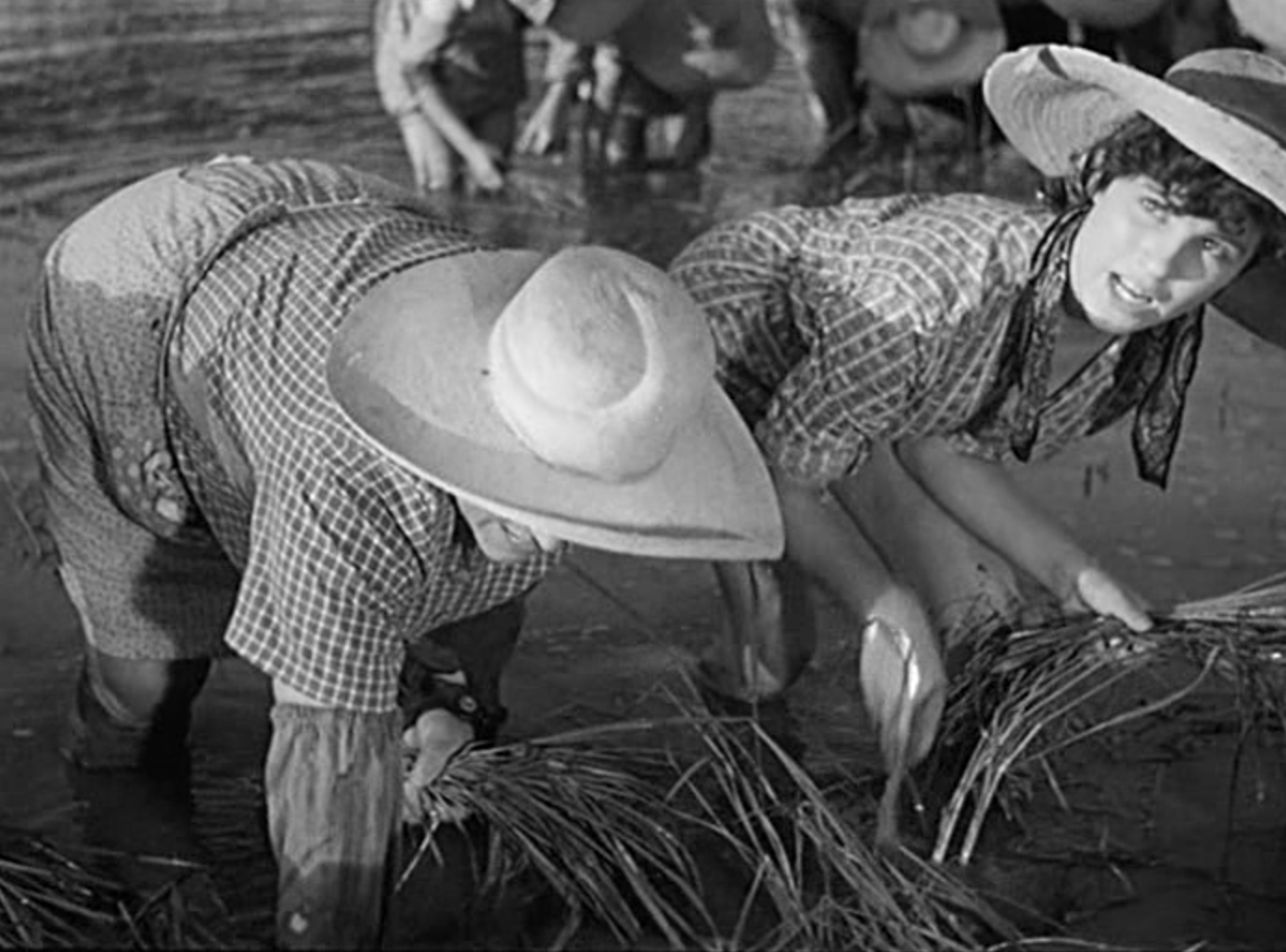
Andreina gli risponde cantando:
Caposquadra, troppo gridate.
Il lavoro sappiamo far
Le crumire, le crumire, le crumire,
(a loro) devi badar!
E le sue compagne si uniscono al coro:
Le crumire, le crumire, le crumire.
(a loro) devi badar!
Andreina answers him in song:
Foreman, you shout too much
We know how to do the job
The scabs, the scabs, the scabs
You should pay attention to them
And her comrades join in:
The scabs, the scabs, the scabs
You should watch them.
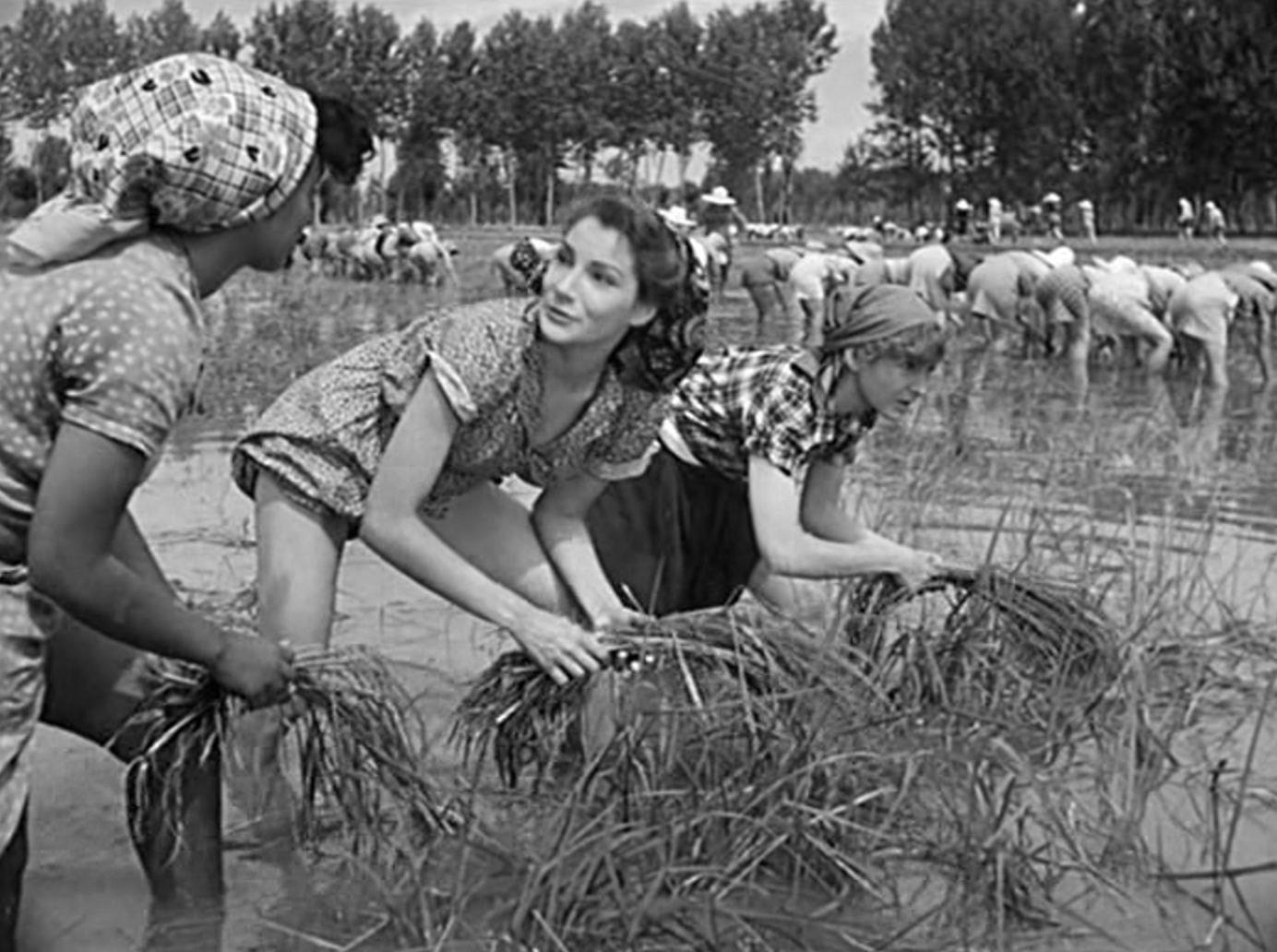
Francesca dice a Gabriella: "Non ascoltarle, forza".
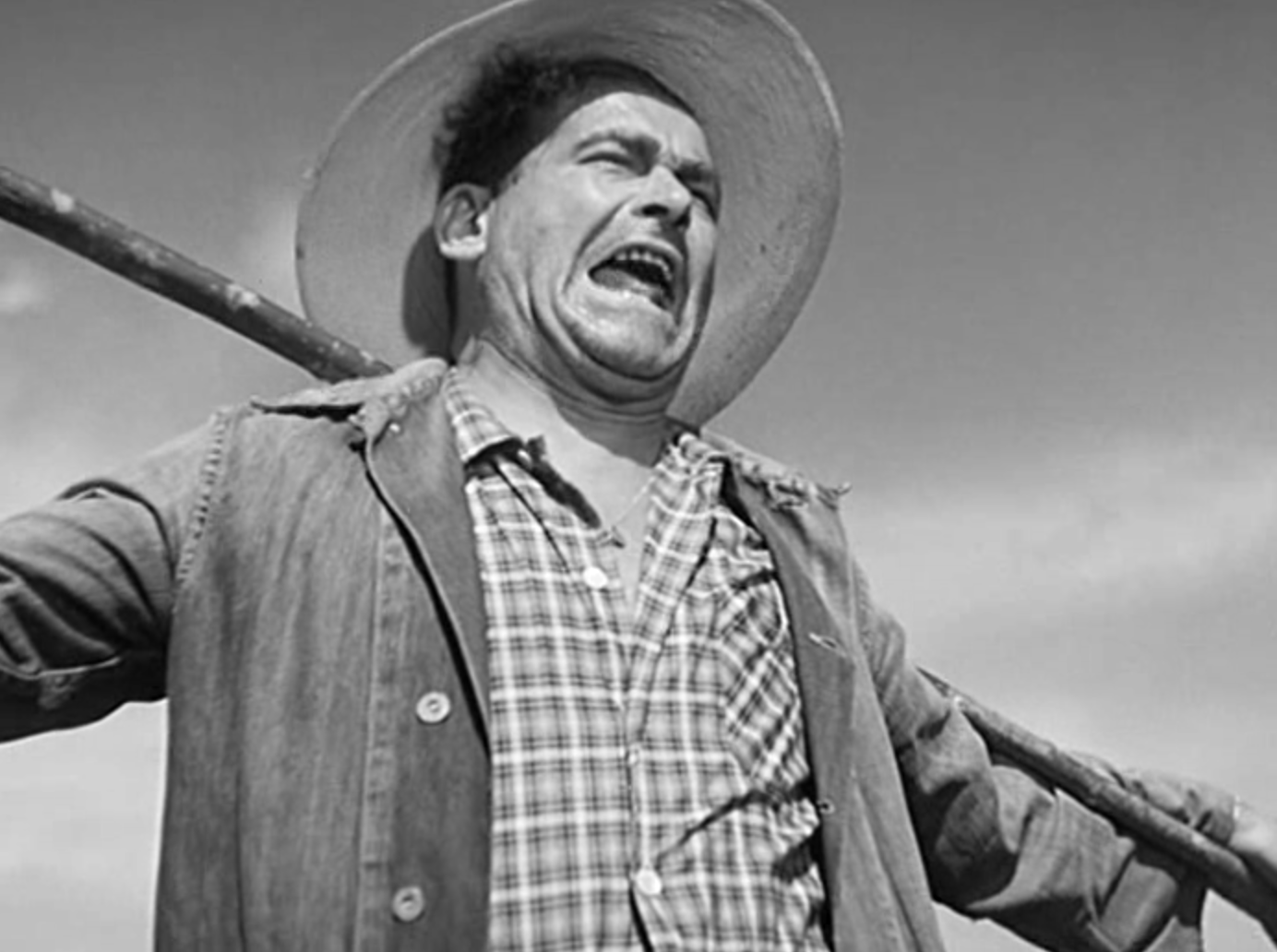
Un altro caposquadra, con un palo sulle spalle, ordina: "Silenzio! Lavorate più in fretta!"
Francesca tells Gabriella, “Don’t listen to them, keep going.”
Another foreman, pole across his shoulders, orders, “Quiet! Work faster!”
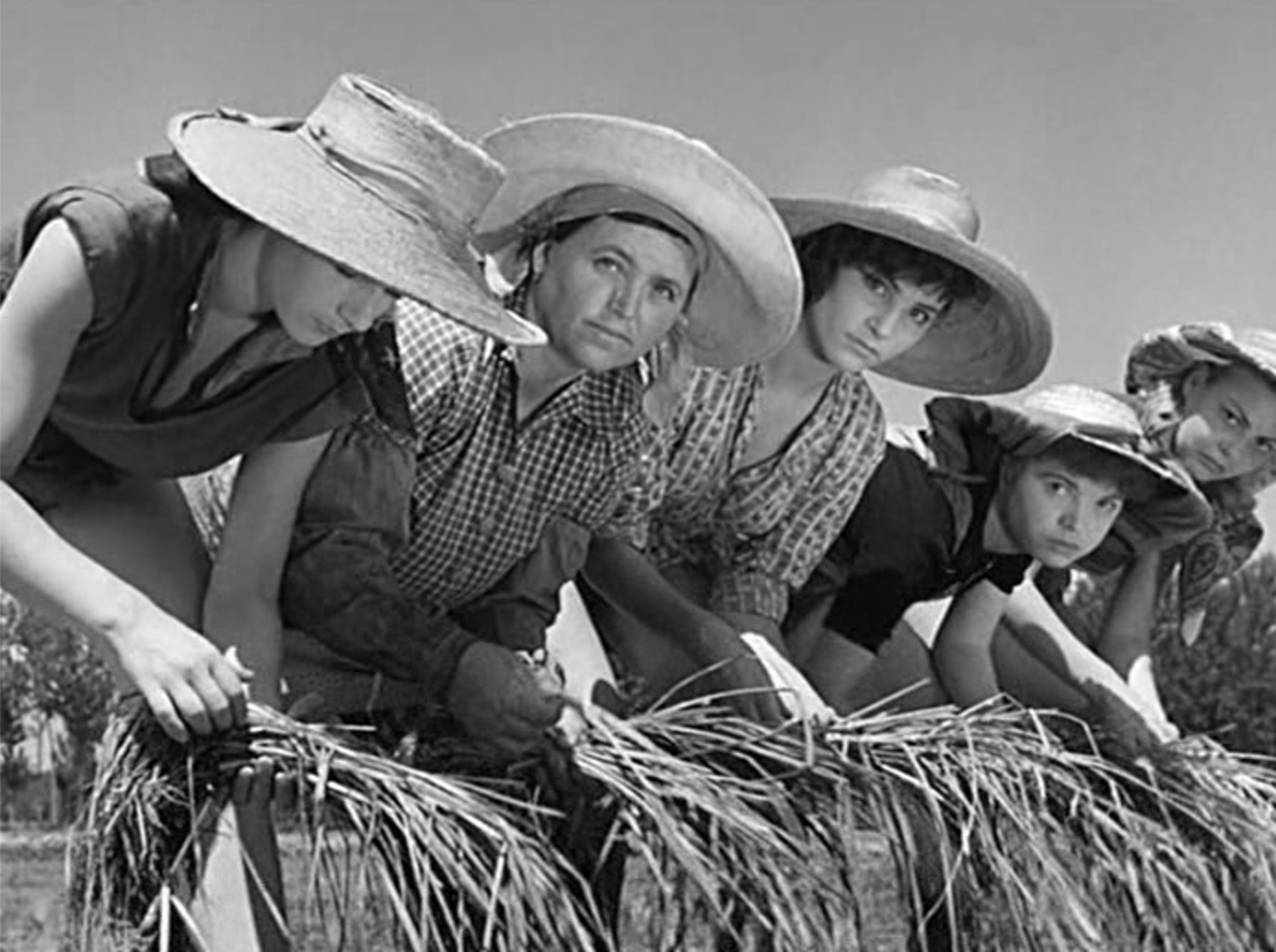
Dalla fila delle donne senza contratto, Celeste risponde cantando:
L’Andreina è troppo vecchia.
La risaia non regge più.
Andreina e le sue compagne alzano lo sguardo, mentre le lavoratrici senza contratto ripetono:
L’Andreina è troppo vecchia.
La risaia non regge più.
From the line of uncontracted women, Celeste replies in song:
Andreina is too old.
She can’t handle the rice field.
Andreina and her companions look up, as the uncontracted workers repeat:
Andreina is too old.
She can’t handle the rice field.
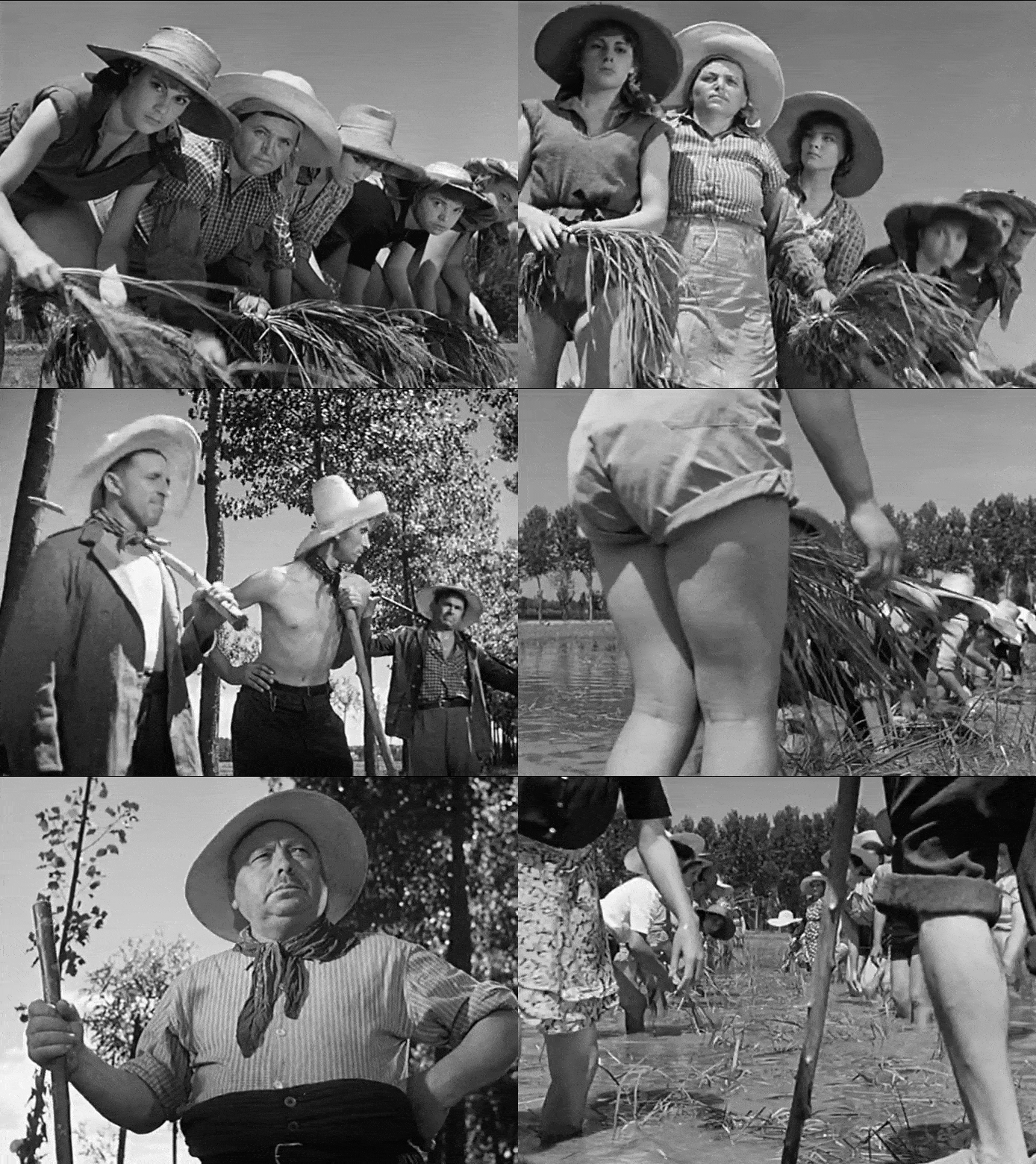
Poi, fila dopo fila, le lavoratrici a contratto si alzano, mentre i capisquadra le guardano con crescente preoccupazione.
Le donne hanno smesso di lavorare.
Then, row by row, the contracted workers stand up, as the foremen watch the rice paddy with growing concern.
The women have stopped working.
FINE PARTE 9
Ecco Parte 10 of this cineracconto! Subscribe to receive a weekly email newsletter with links to all our new posts.