Regia / Director: Vittorio De Sica, 1944
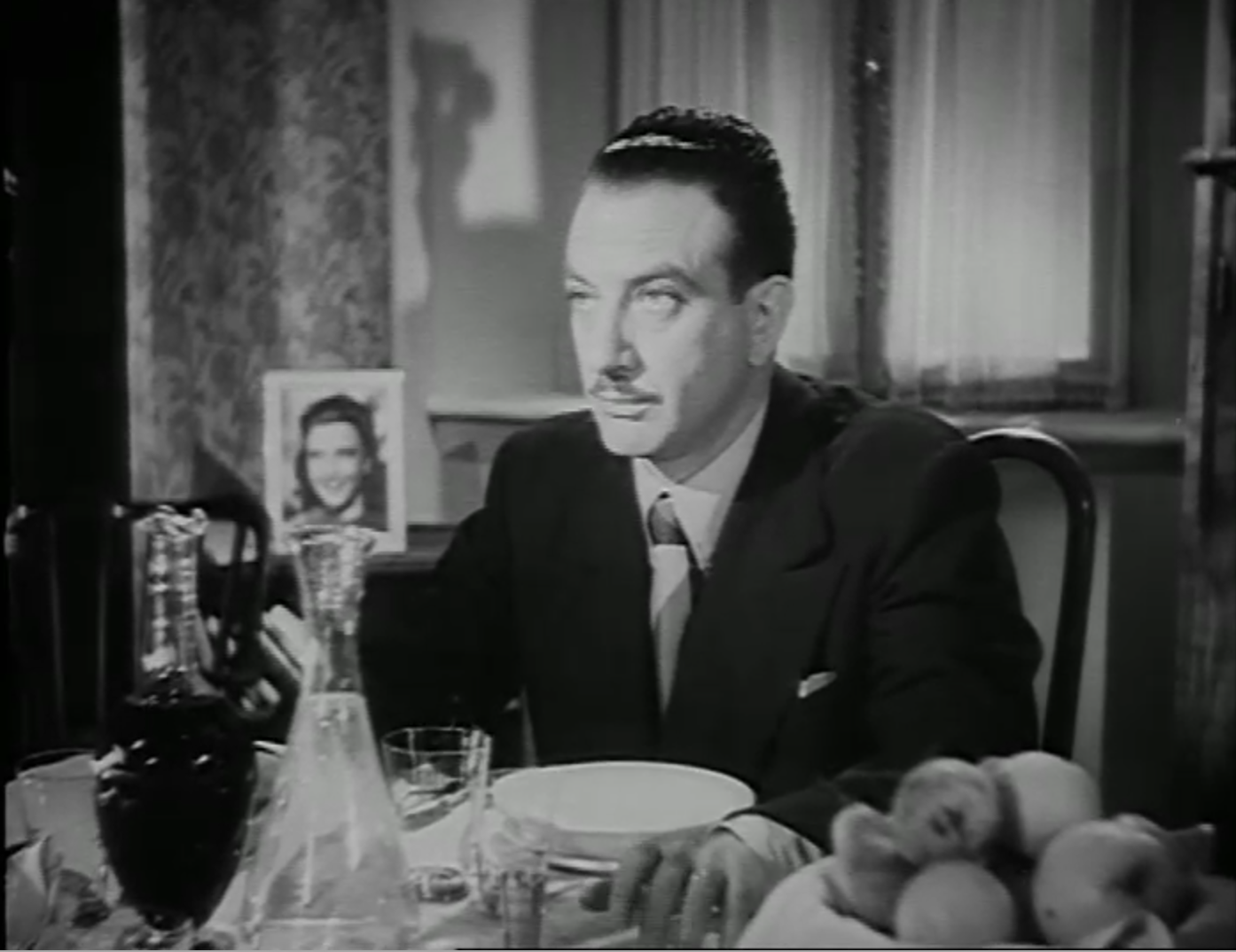
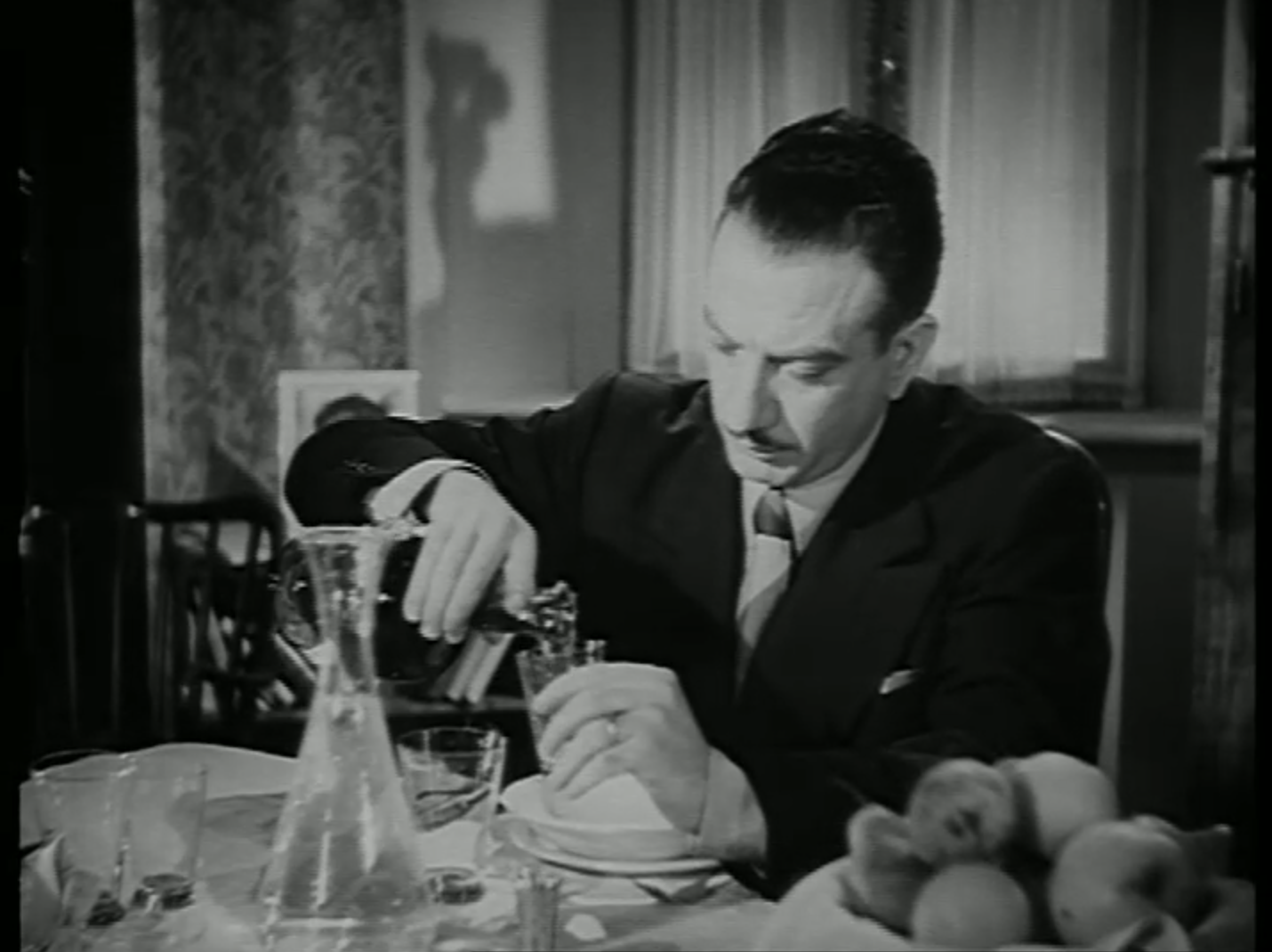
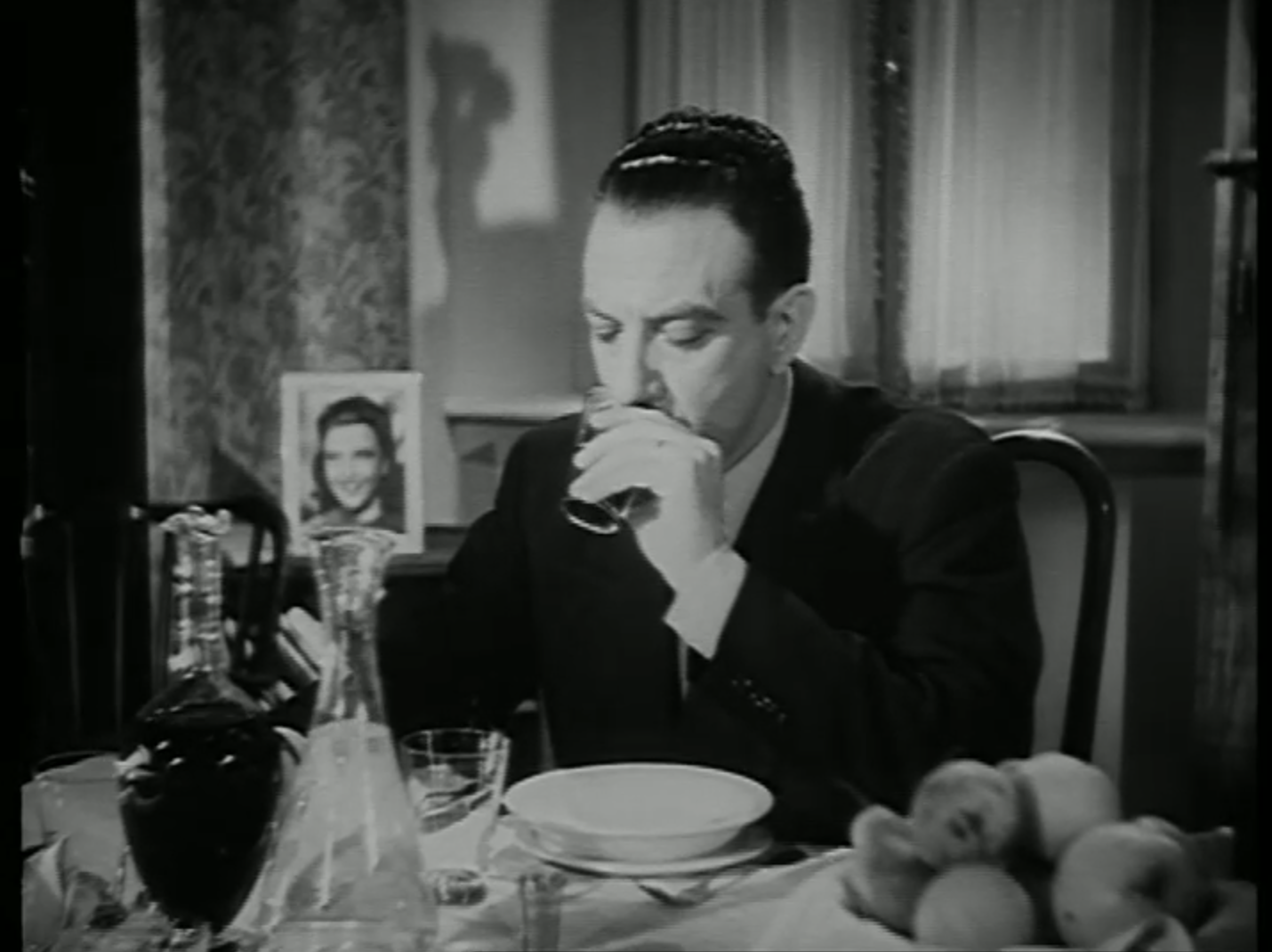
È ora di cena. A capotavola, Andrea (Emilio Cigoli), il padre di Pricò, versa un po’ di vino e ne beve un sorso.
It’s dinner time. At the head of the table, Andrea, Pricò’s father, pours a little wine and takes a sip.
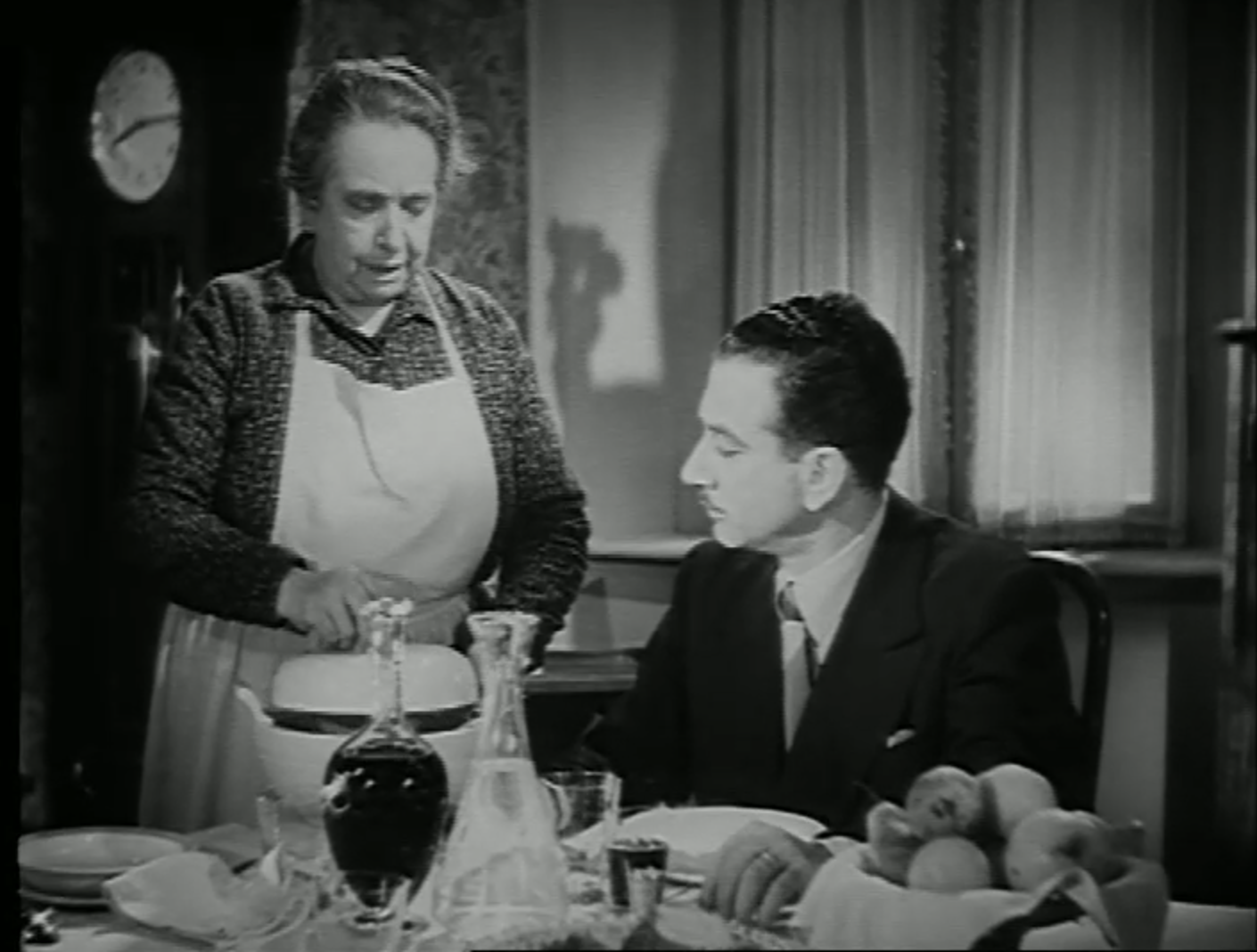
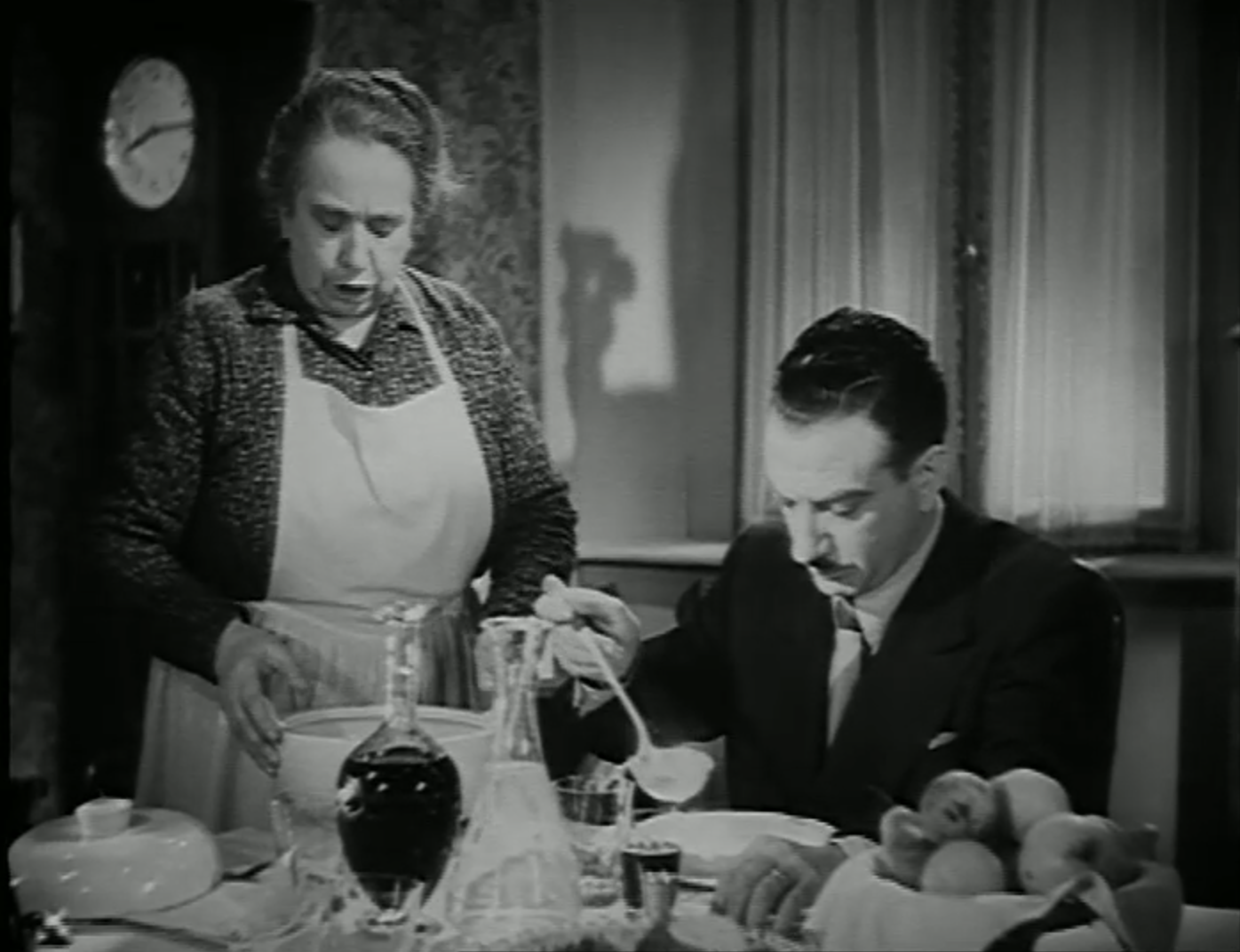
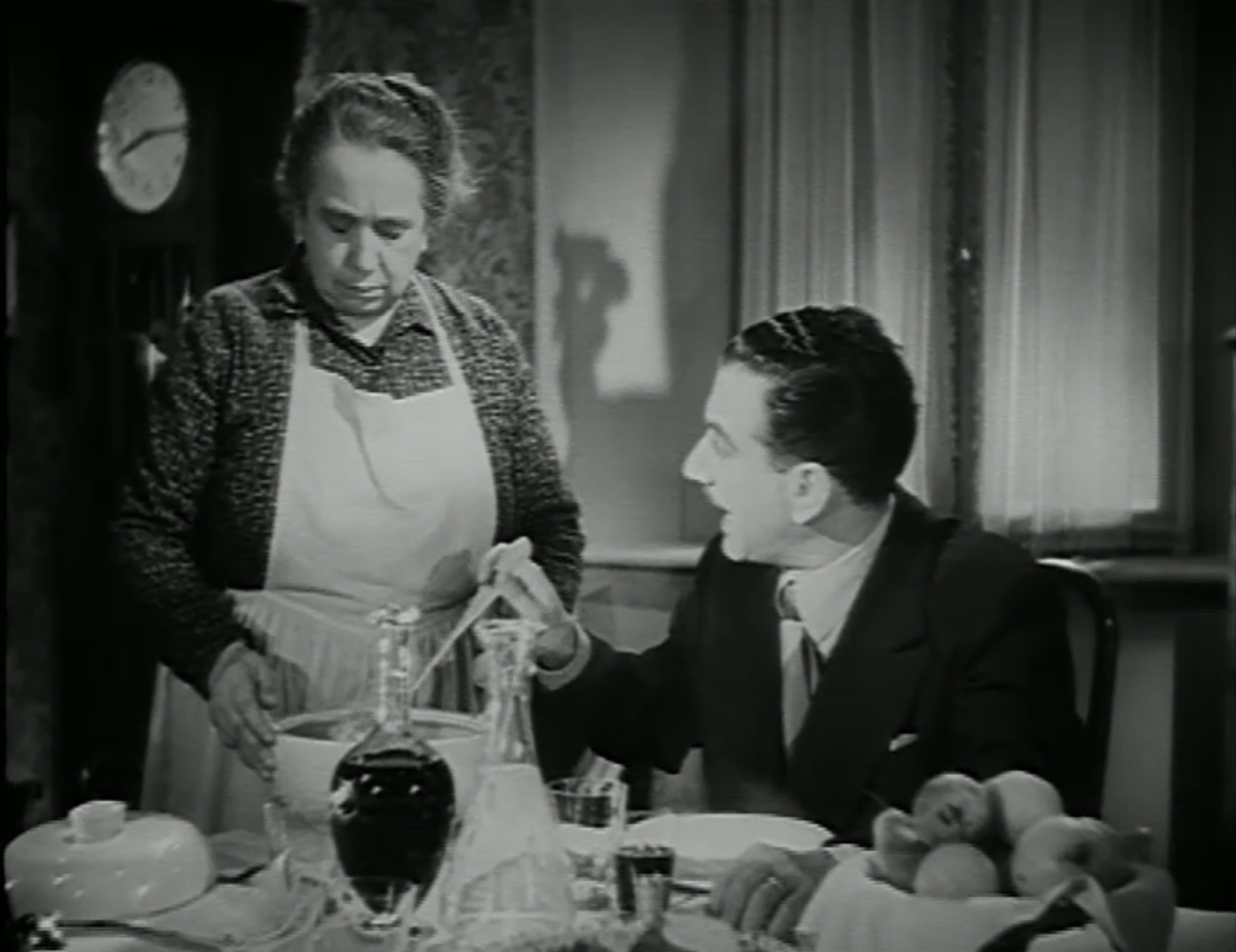
La governante, Agnese (Giovanna Cigoli)*, porta una zuppiera in tavola, dicendo: “Quando c’è questa benedetta riunione del condominio, non è più lei".
Lui si serve da solo, rovesciando un po’ di brodo sulla tovaglia. “Io non posso mancare. Dovrò badare ai miei interessi, no?”
*Giovanna Cigoli, un’attrice non professionista che interpreta un importante ruolo secondario, era la madre di Emilio Cigoli (il padre di Pricò nel film). Gli attori non professionisti erano comunemente utilizzati nei film neorealisti, di cui questo è un precursore.
The housekeeper, Agnese*, brings a tureen to the table, saying, “When there’s one of those damn condominium board meetings, you’re not yourself.”
He serves himself, spilling a little broth onto the tablecloth. “I can’t miss it. I have to look out for my interests, don’t I?”
*Giovanna Cigoli, a nonprofessional actor in an important secondary role, was the mother of Emilio Cigoli (Pricò’s father in the film). Nonprofessional actors were commonly used in neorealist films, of which this is a forerunner.
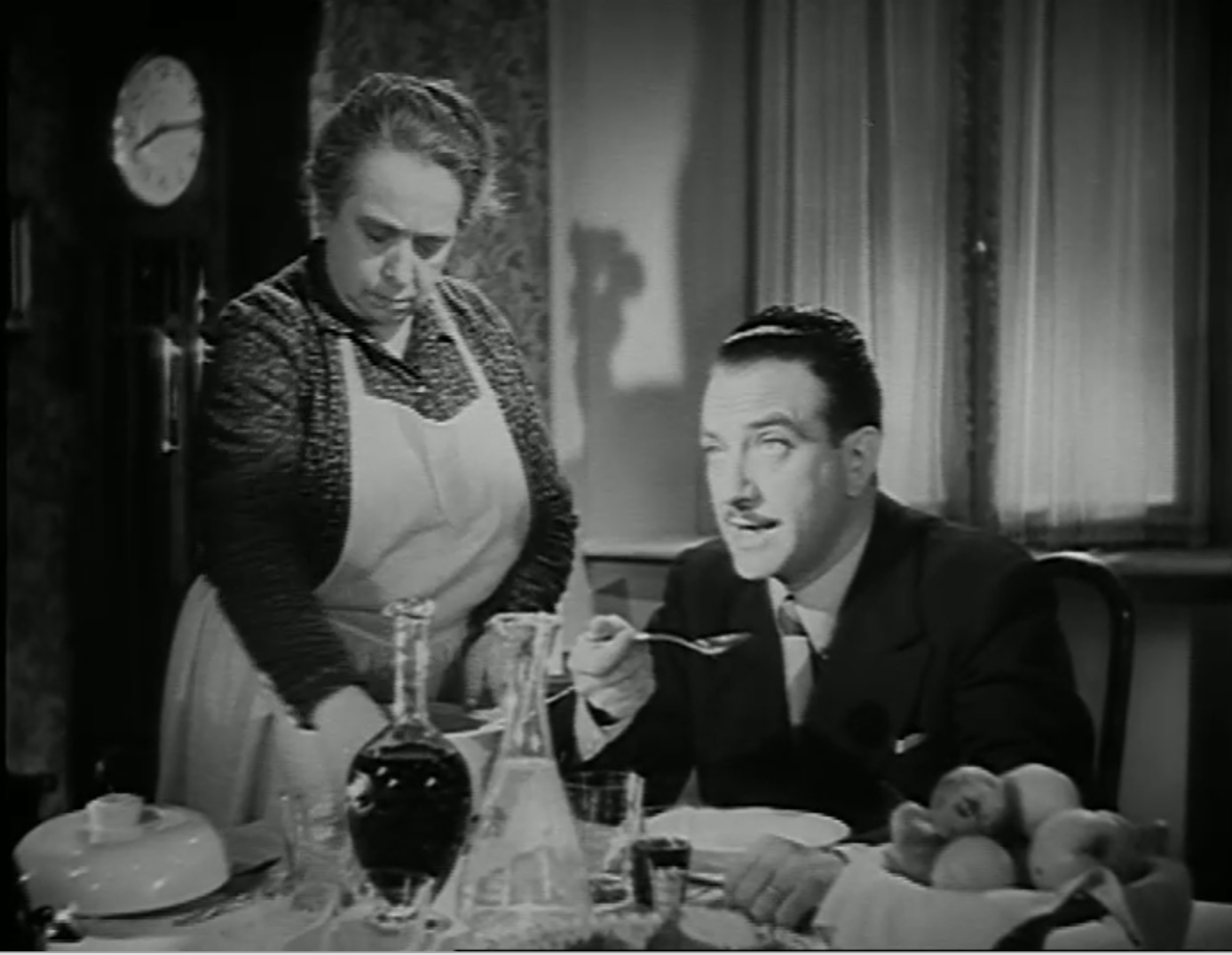
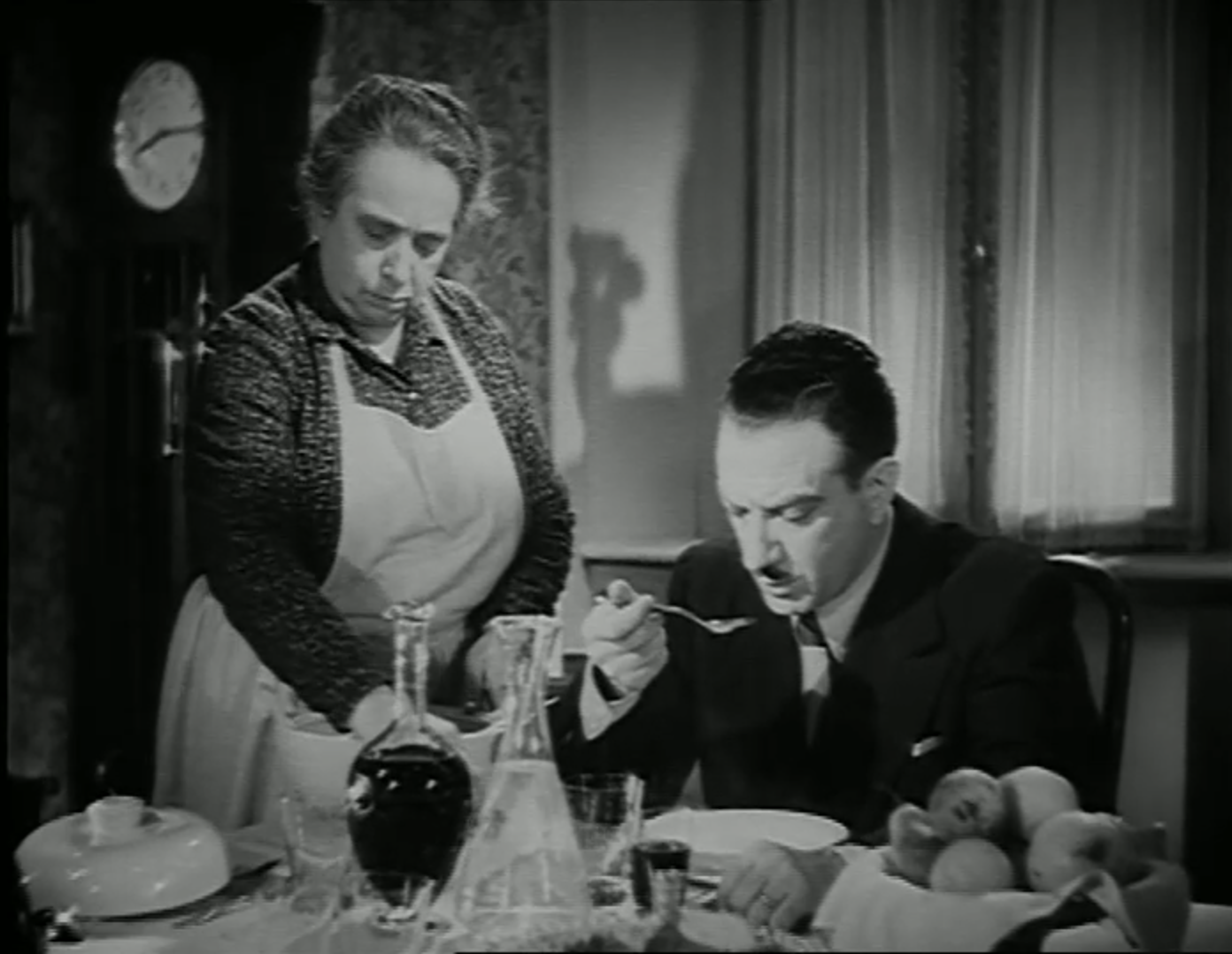
Agnese asciuga il brodo versato con un tovagliolo, brontolando: "Ha sporcato tutta la tovaglia. Poi tocca a me lavarla. Sant’Iddio!"
Agnese mops up the spilled broth with a napkin, grumbling, “He got the whole tablecloth dirty. Then, I have to clean it up. Good heavens!”
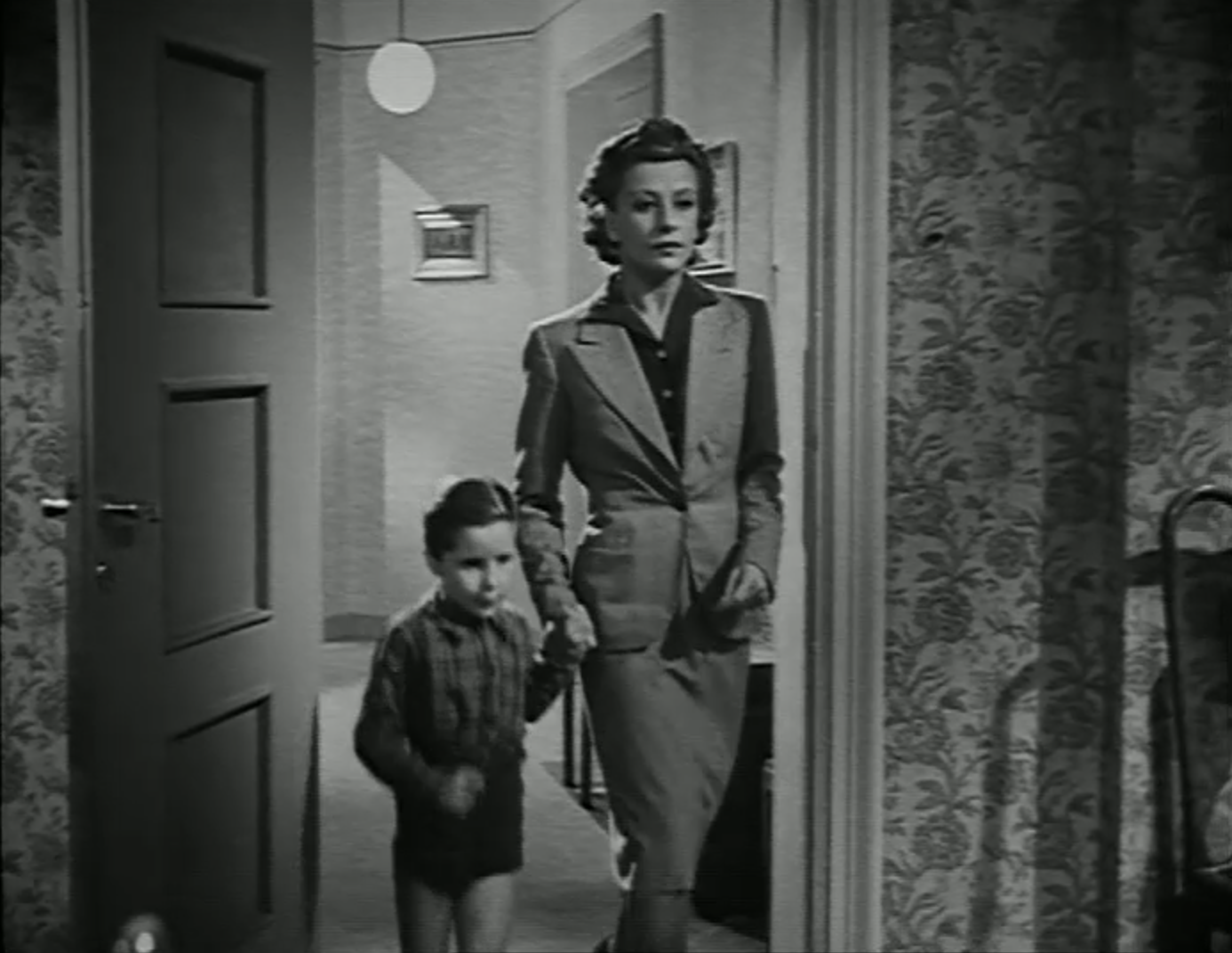
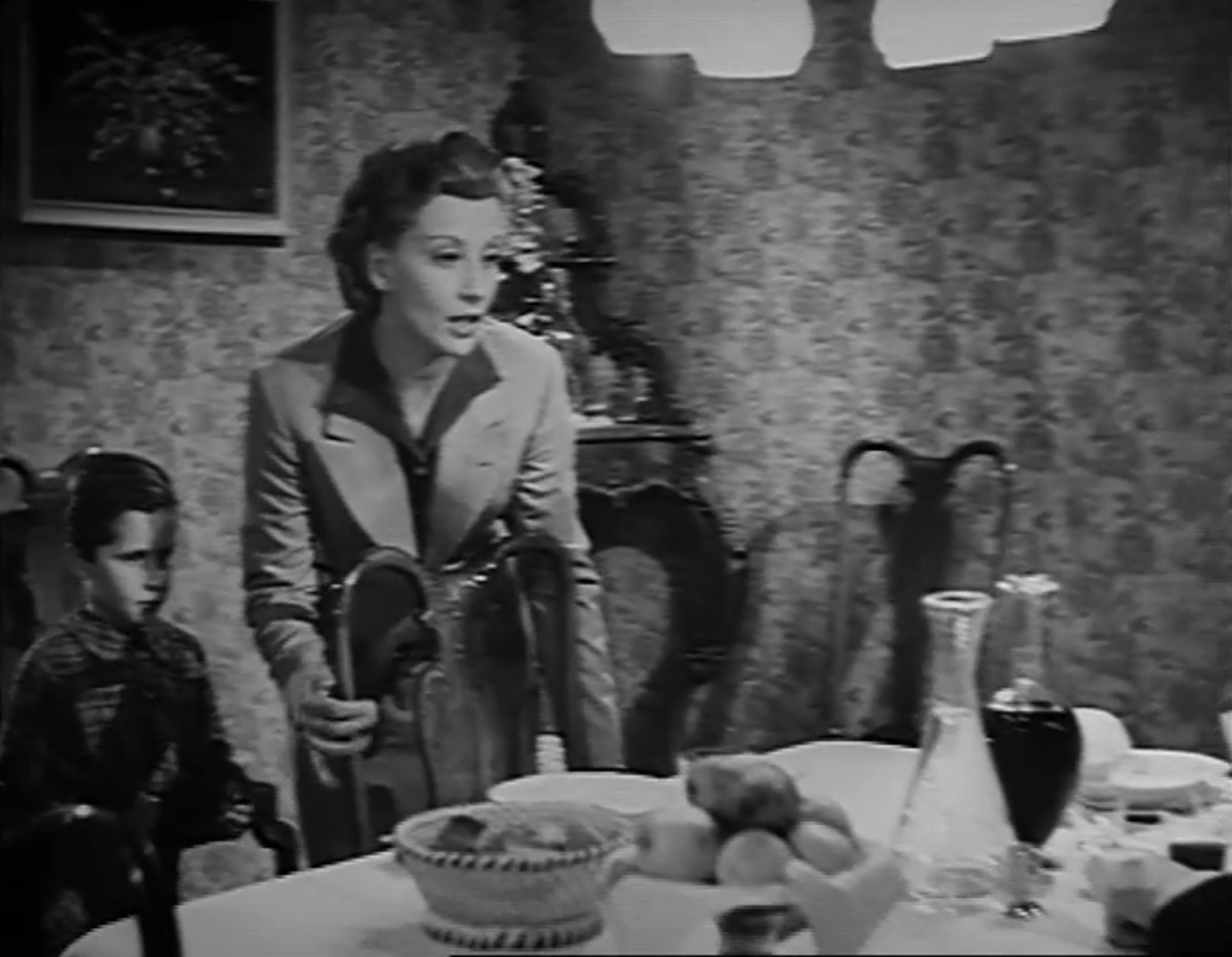
Quando Nina e Pricò entrano, Andrea chiede con impazienza: "Venite o non venite?"
"Aveva le mani così sporche", spiega Nina.
When Nina and Pricò appear, Andrea asks impatiently, “Are you coming or not?”
“His hands were so dirty,” Nina explains.
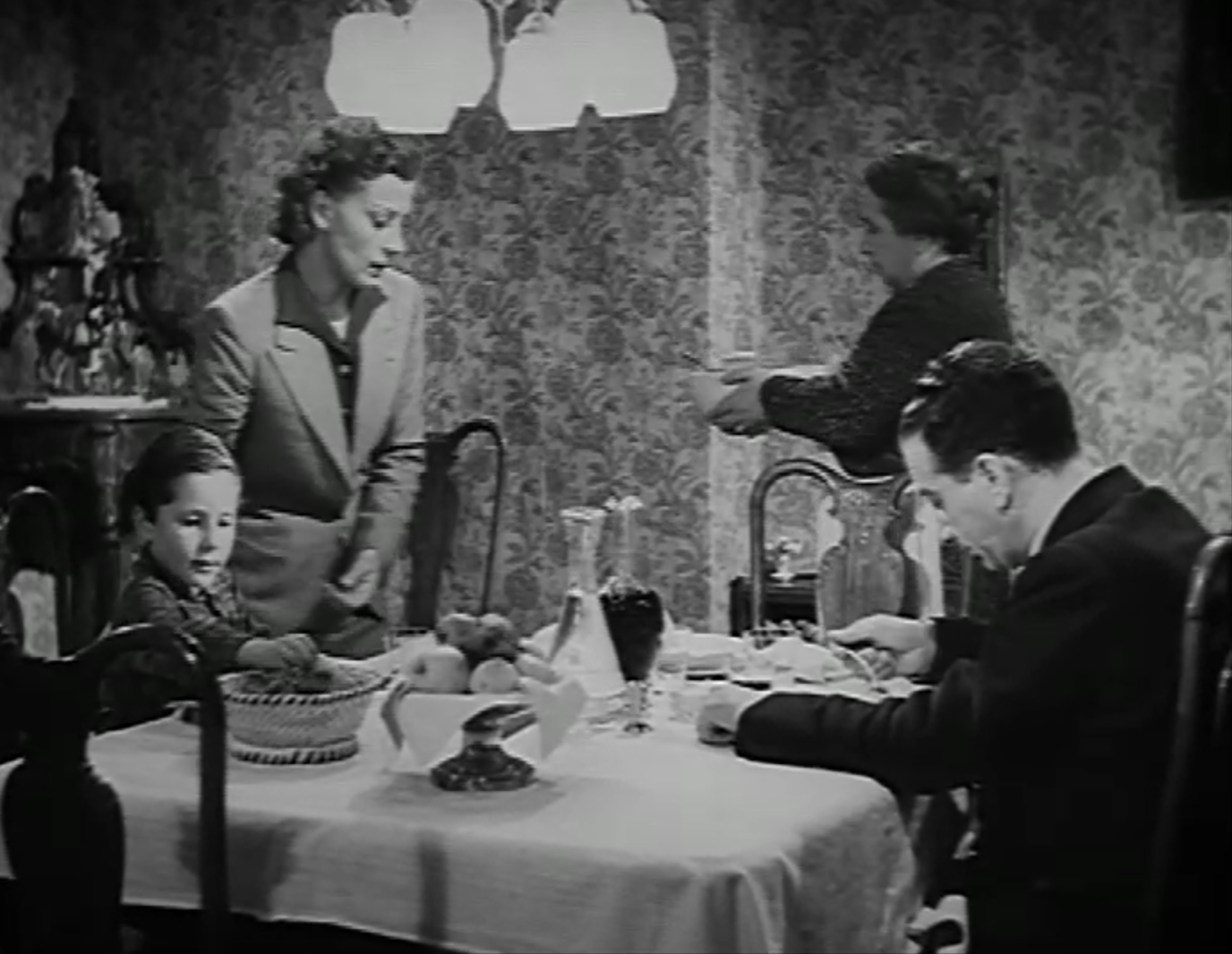
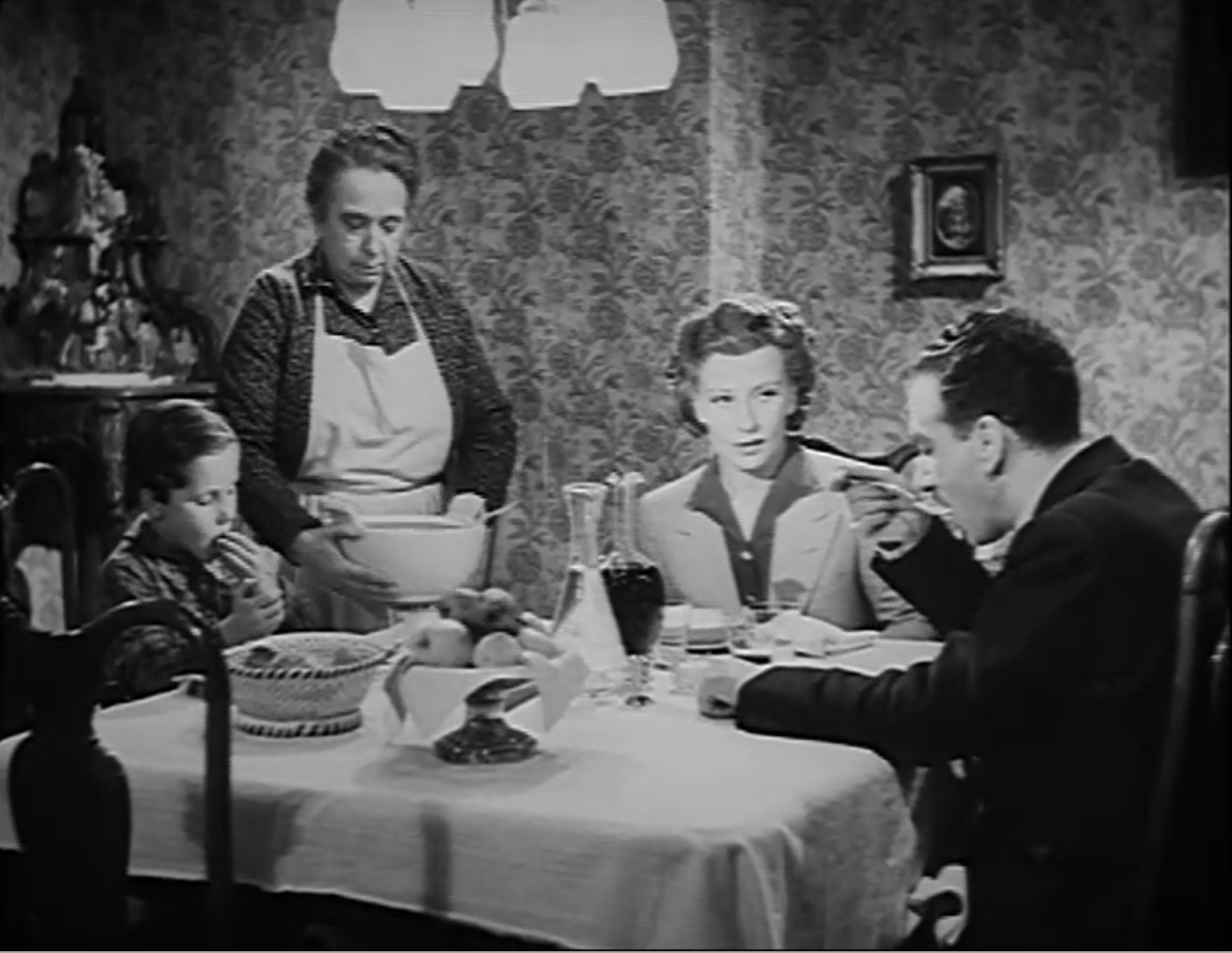
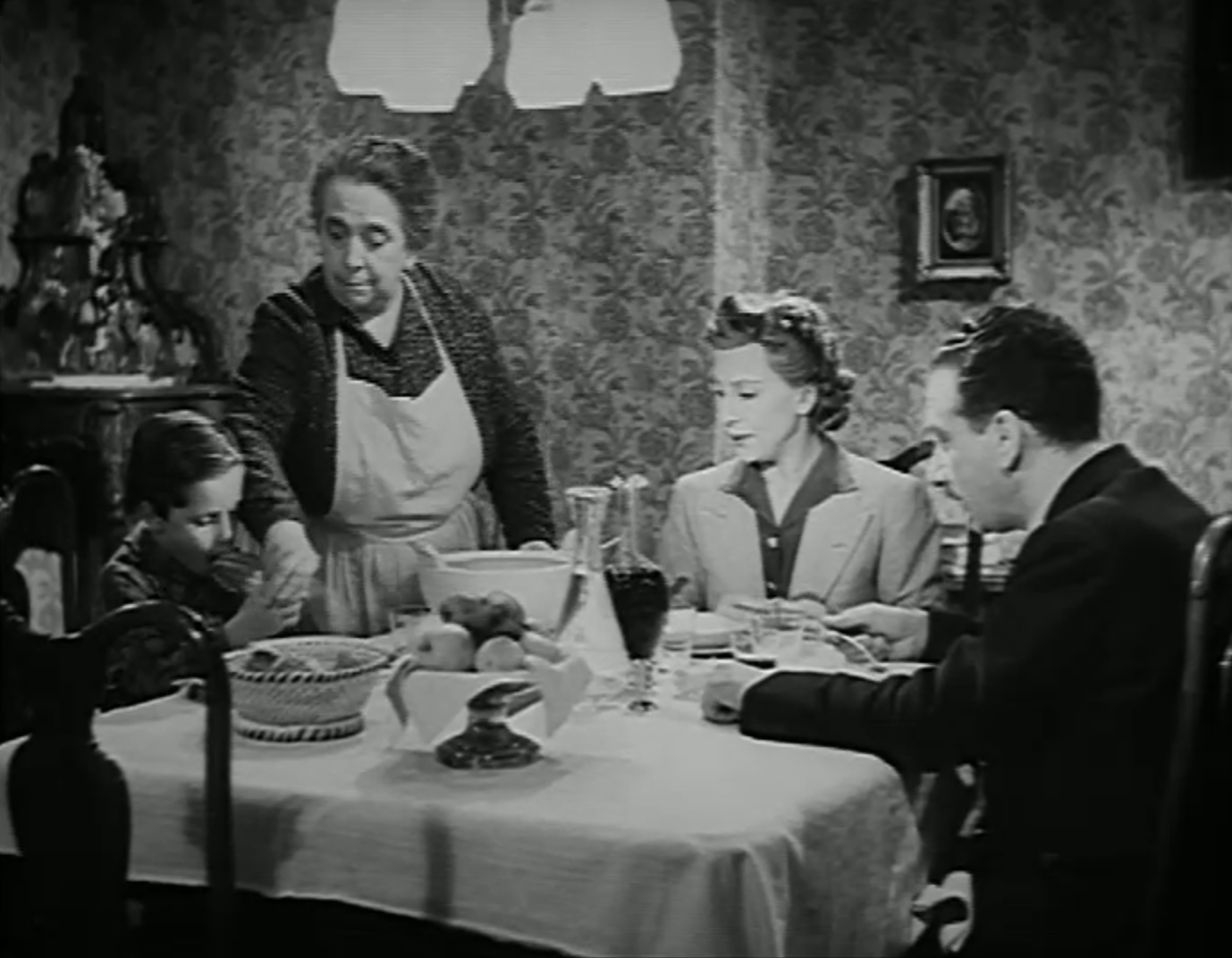
Seduto, il bambino afferra un panino e gli dà un morso, ma Agnese glielo strappa di mano e lo rimette nella ciotola.
Seated, the boy grabs a roll and takes a bite, but Agnese grabs it from his hand and puts it back in the serving bowl.
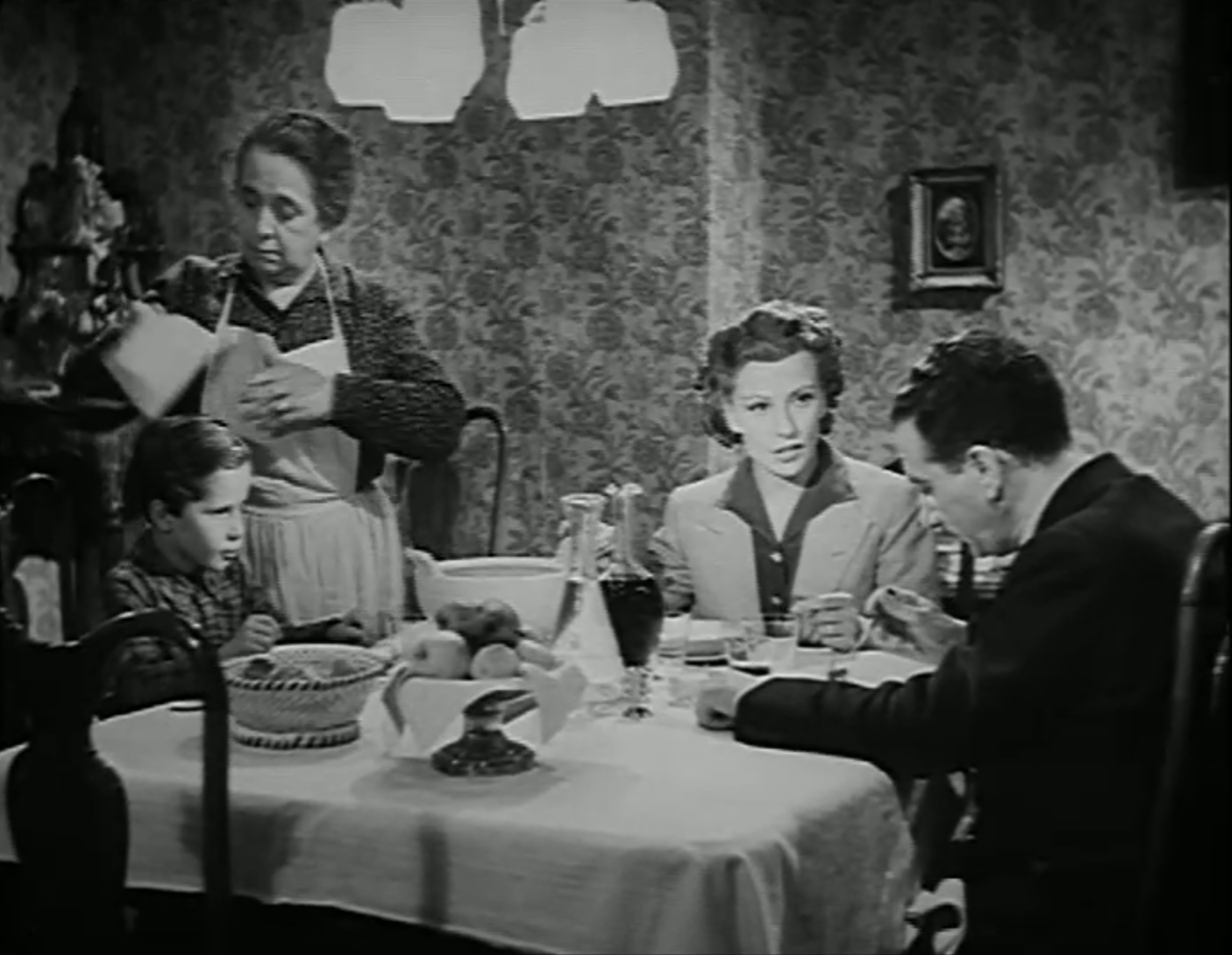
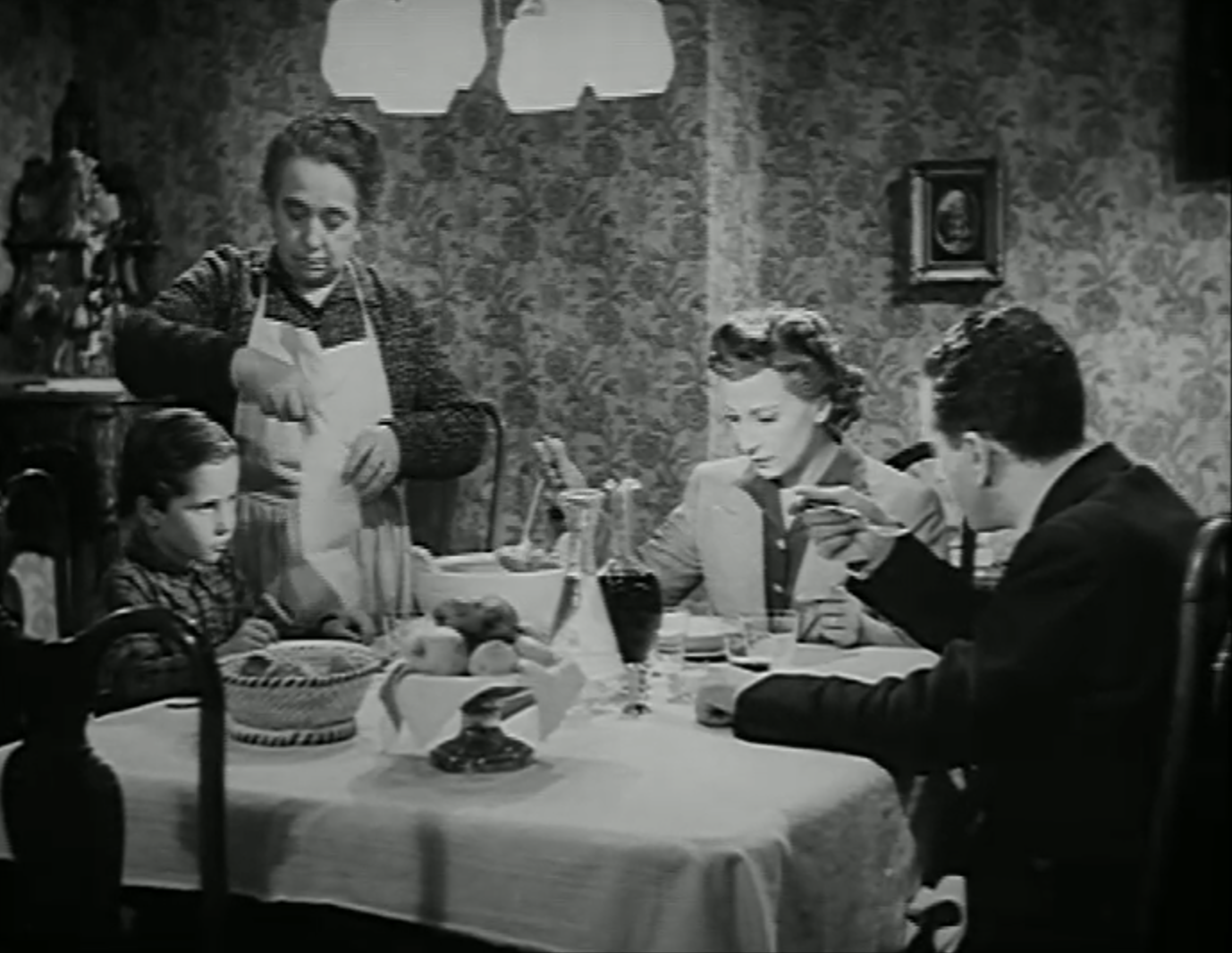
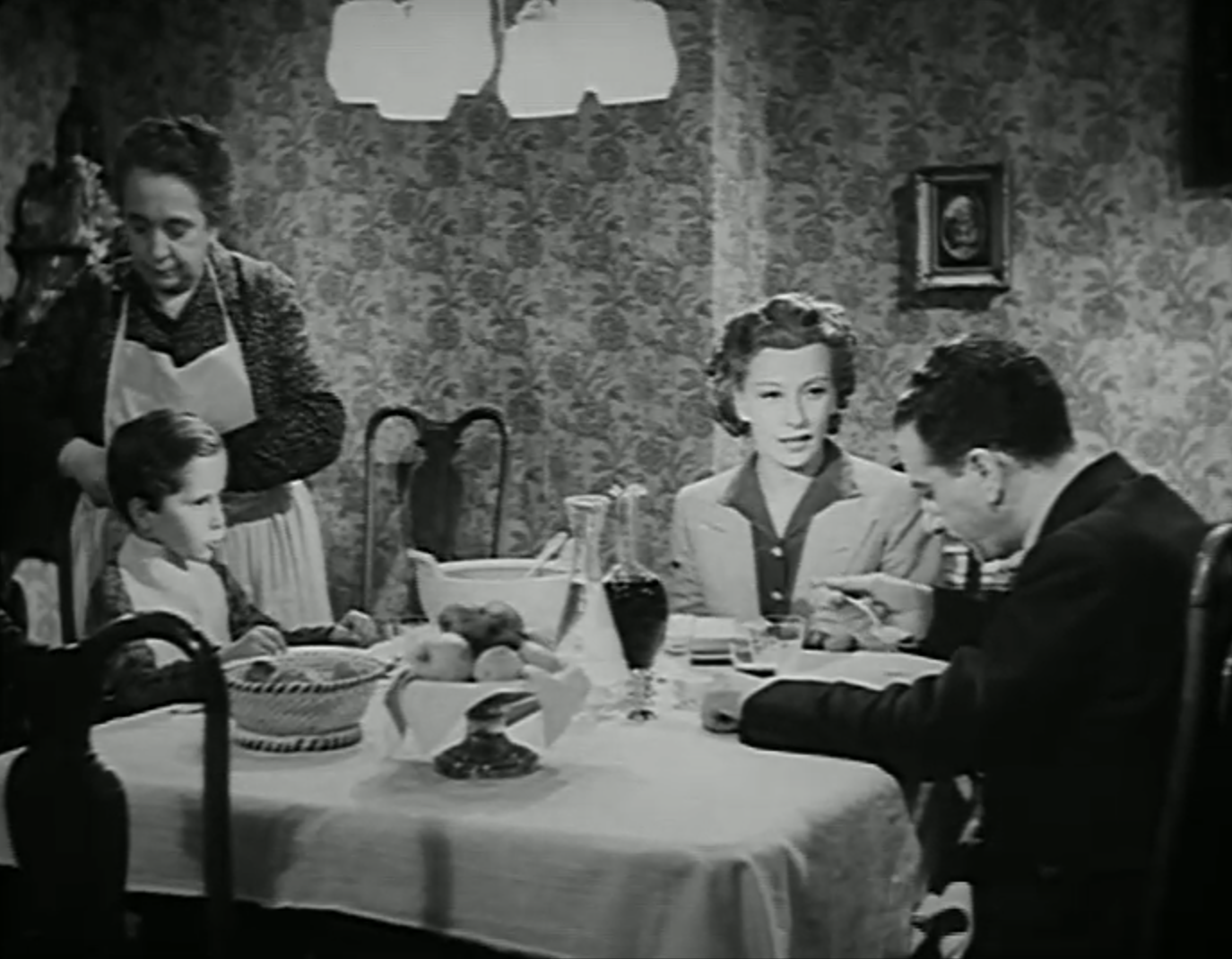
"Ti sei divertito al cinema?" chiede Andrea a Pricò.
Nina risponde: "L'ho portato al parco".
"Ma non avevi un appuntamento con la signora Resta?"
"Sì, ma…" Esita. "Era una giornata così bella".
“Did you have fun at the movies?” Andrea asks Pricò.
Nina answers. “I brought him to the park.”
“Didn’t you have a date with Signora Resta?”
“Yes, but …” She hesitates. “It was such a lovely day.”
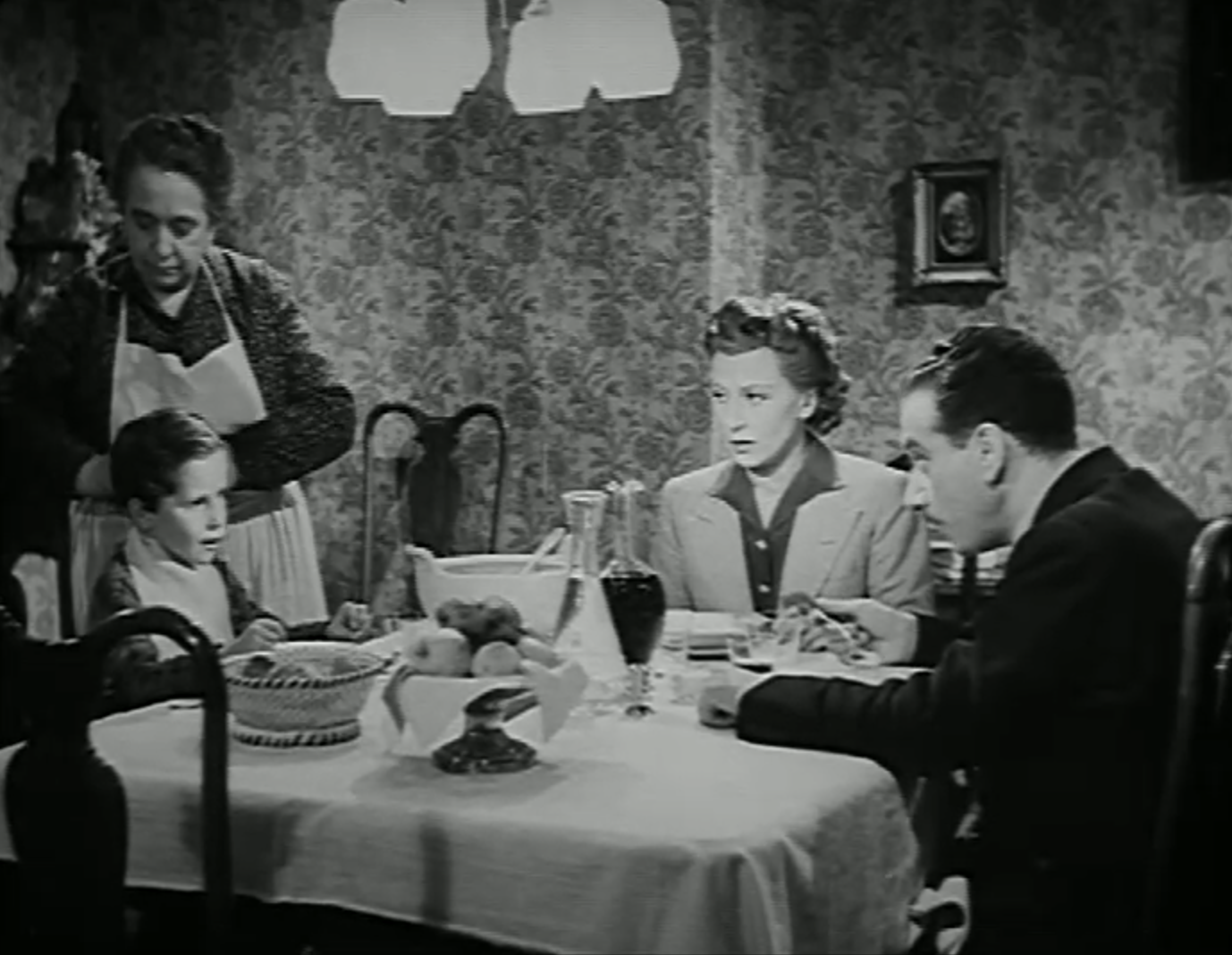
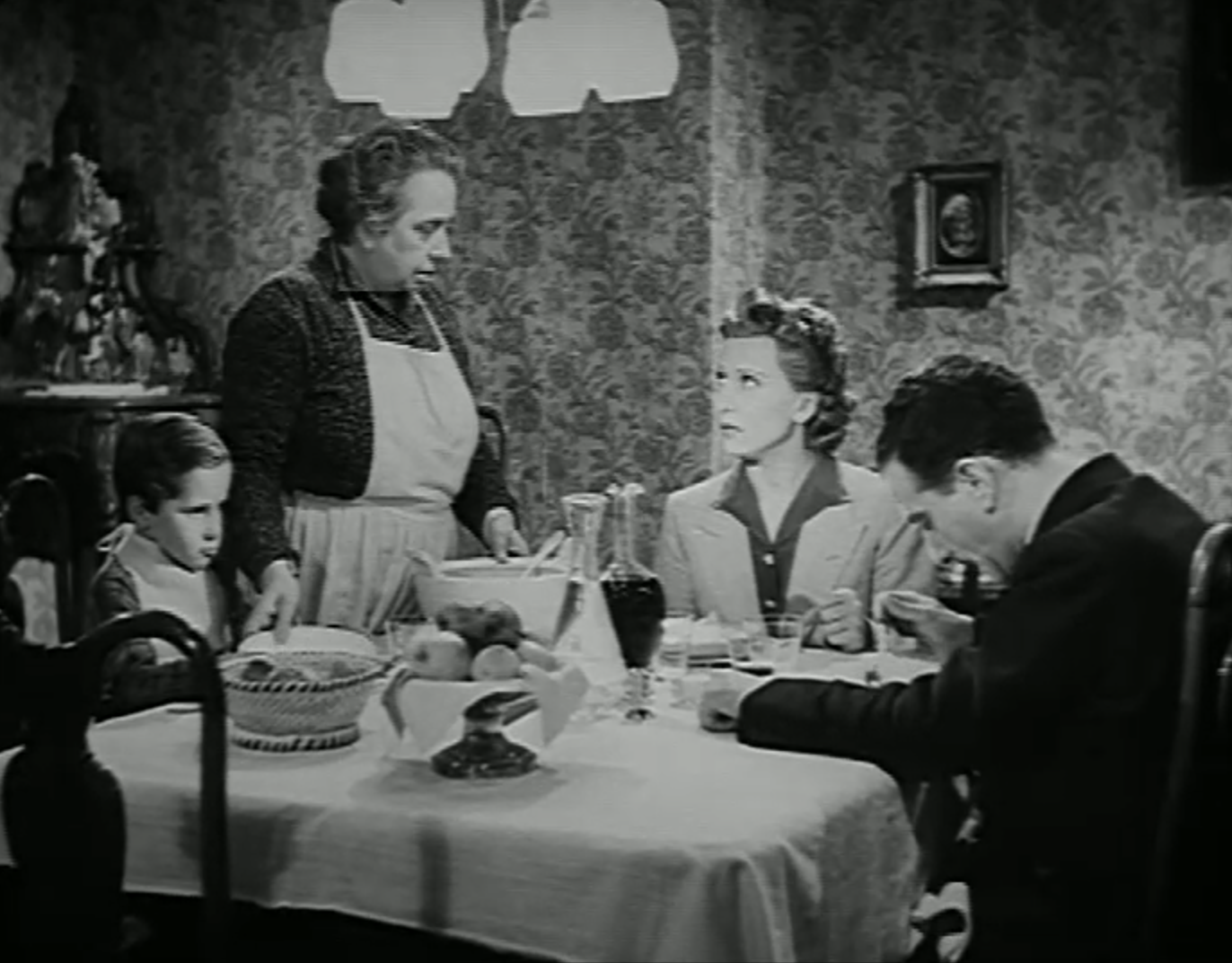
Mentre Agnese gli mette un tovagliolo al collo, Pricò dice: "Ho visto Pulcinella".
Nina lo guarda con diffidenza.
"Ah, sì? Ti sei divertito?"
"Sì".
Nina non sta mangiando. Agnese le chiede: "Non le piace?"
"Non ho appetito".
While Agnese is putting a napkin around his neck, Pricò says, “I saw Pulcinella.”
Nina watches him warily.
“Oh, yes? Did you enjoy it?”
“Yes.”
Nina isn’t eating. Agnese asks, “Don’t you like it?”
“I’m not hungry.”
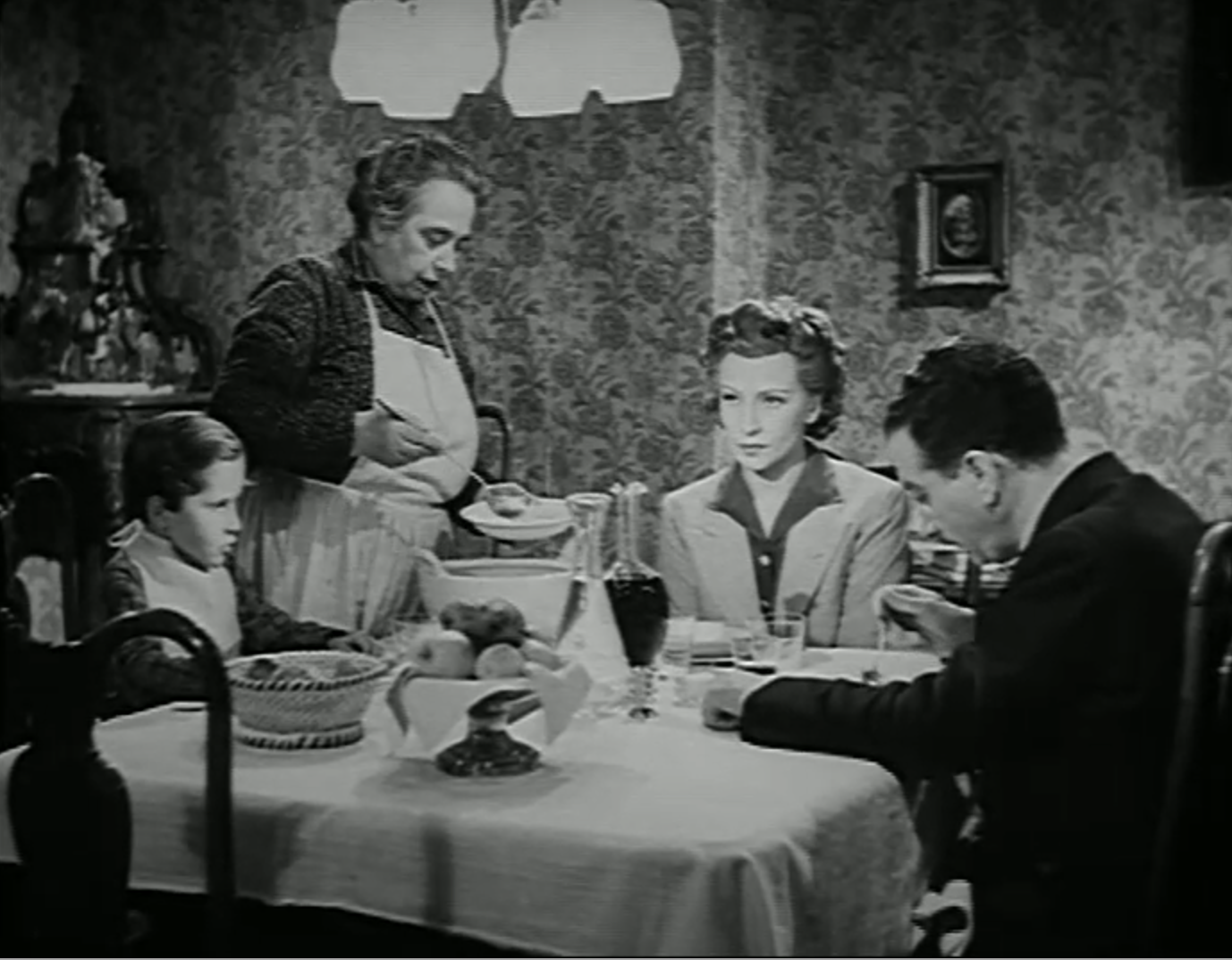
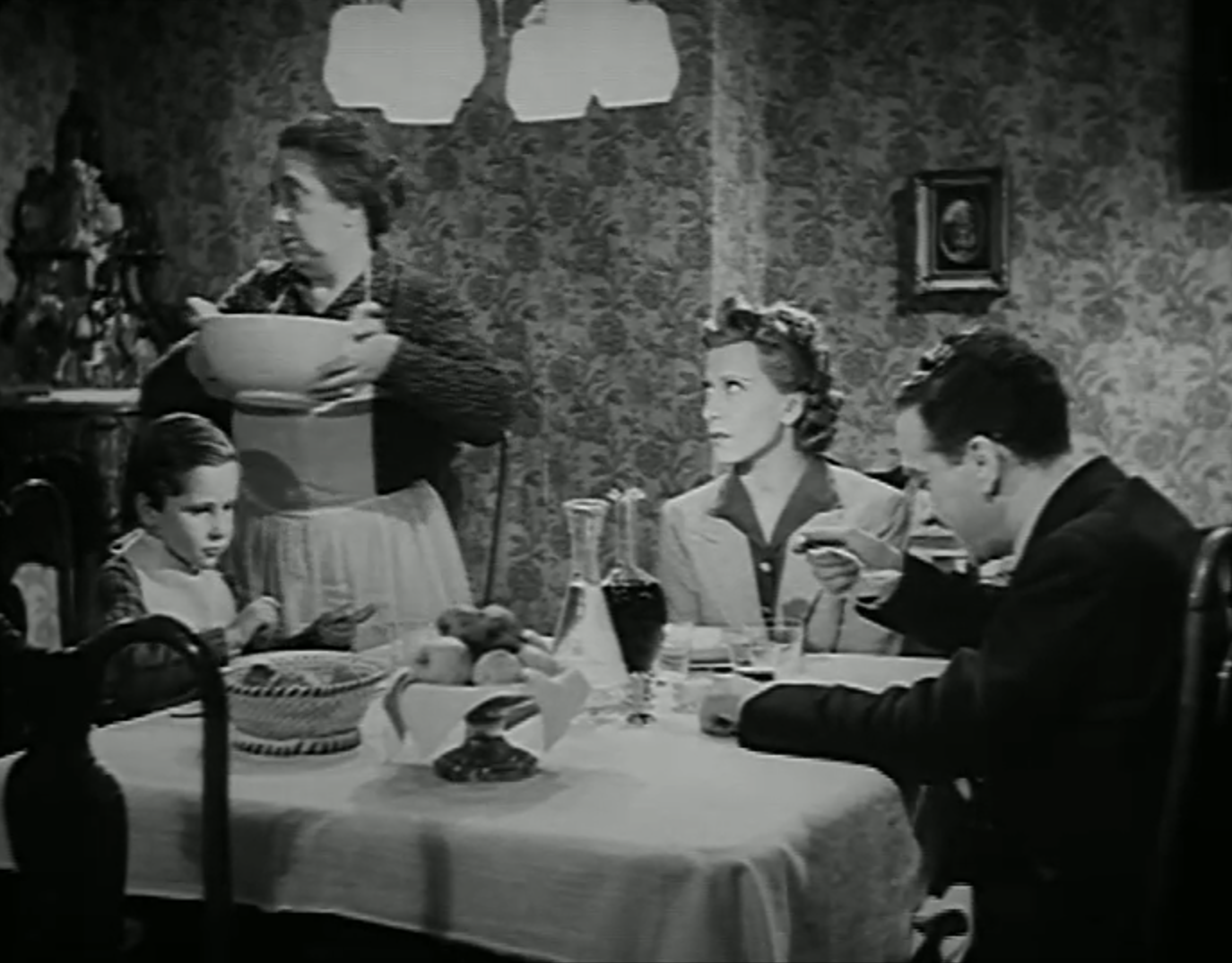
"Quello sporca la tovaglia, a quest’altra non piace niente e questo si riempie di pane", brontola Agnese mentre finisce di servire e poi esce dalla stanza.
“That one soils the tablecloth, this other doesn’t like anything, and this one stuffs himself with bread,” Agnese mutters as she finishes serving and then leaves the room.
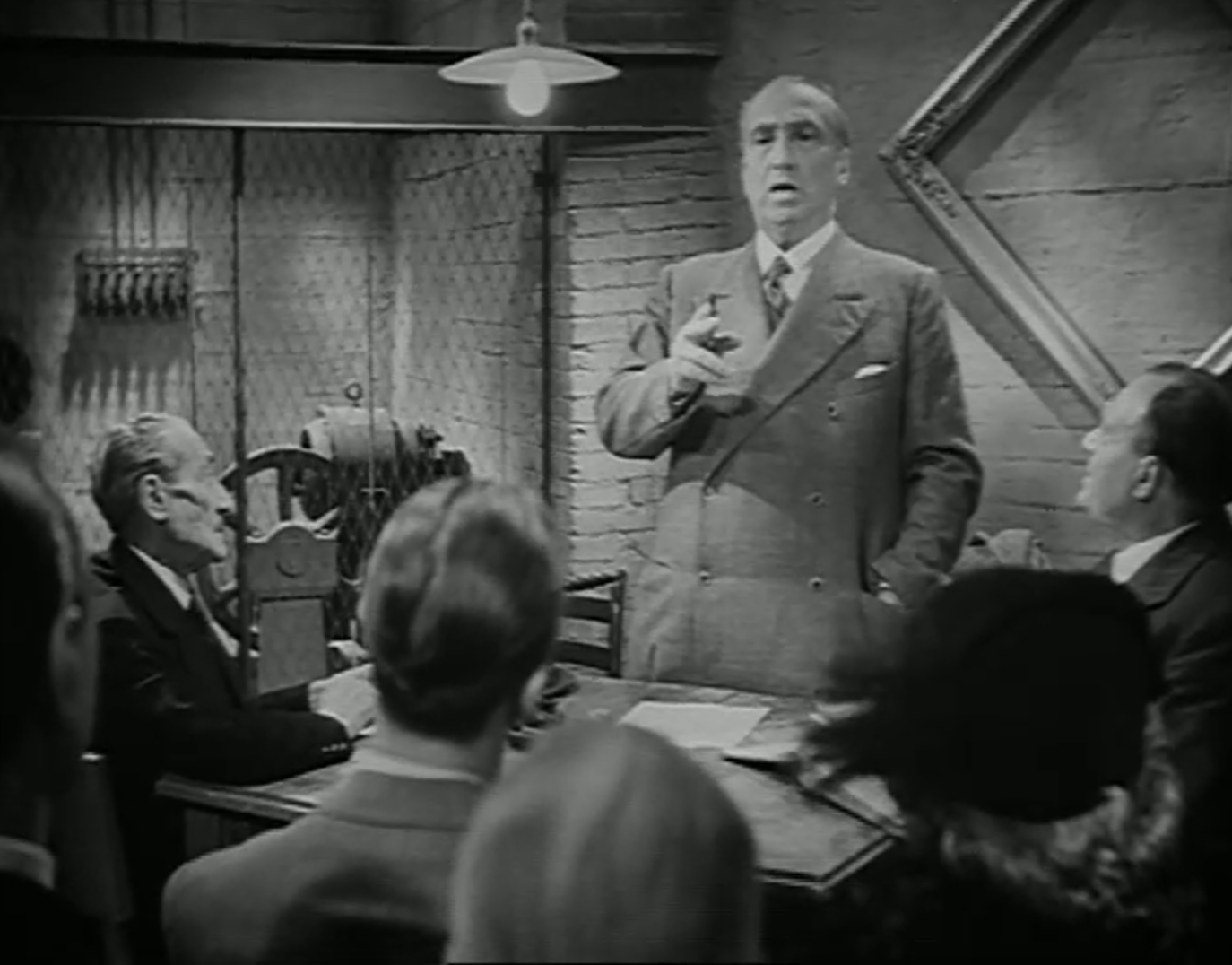
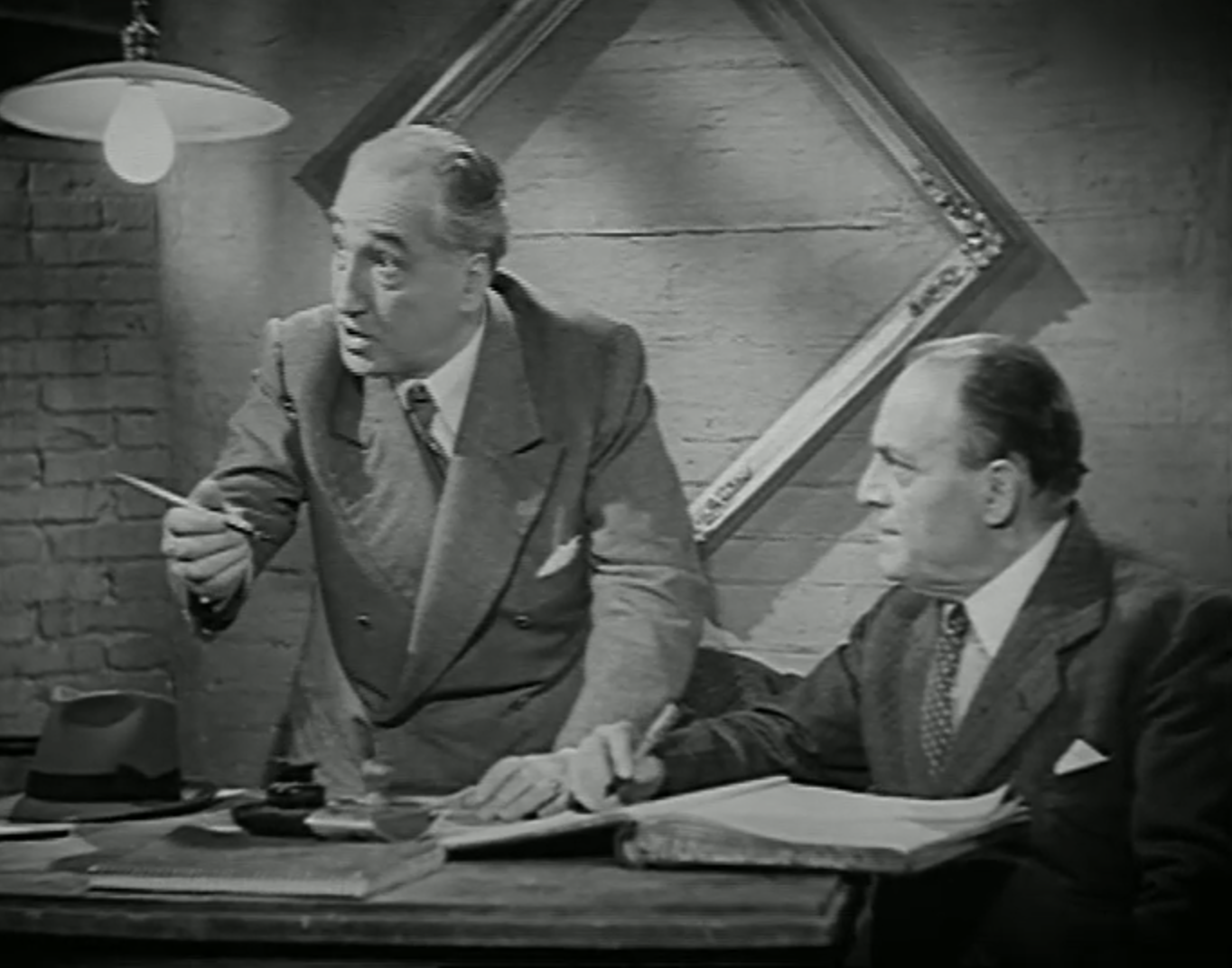
Un uomo calvo in giacca e cravatta, in piedi con una matita in mano, dice: "Allora, la questione dei rifiuti è risolta". Siamo alla riunione del condominio.
L'immagine è definita sottilmente da linee rette, verticali, orizzontali e oblique. Una cornice vuota, leggermente inclinata, attira lo sguardo verso chi sta parlando.
A balding man in a suit and tie stands, pencil in hand, saying, “So the question of the garbage has been resolved.” We’re at the condominium meeting.
The image is structured unobtrusively by straight lines, vertical, horizontal, and inclined. Atilt, an empty picture frame draws our eye toward the speaker.
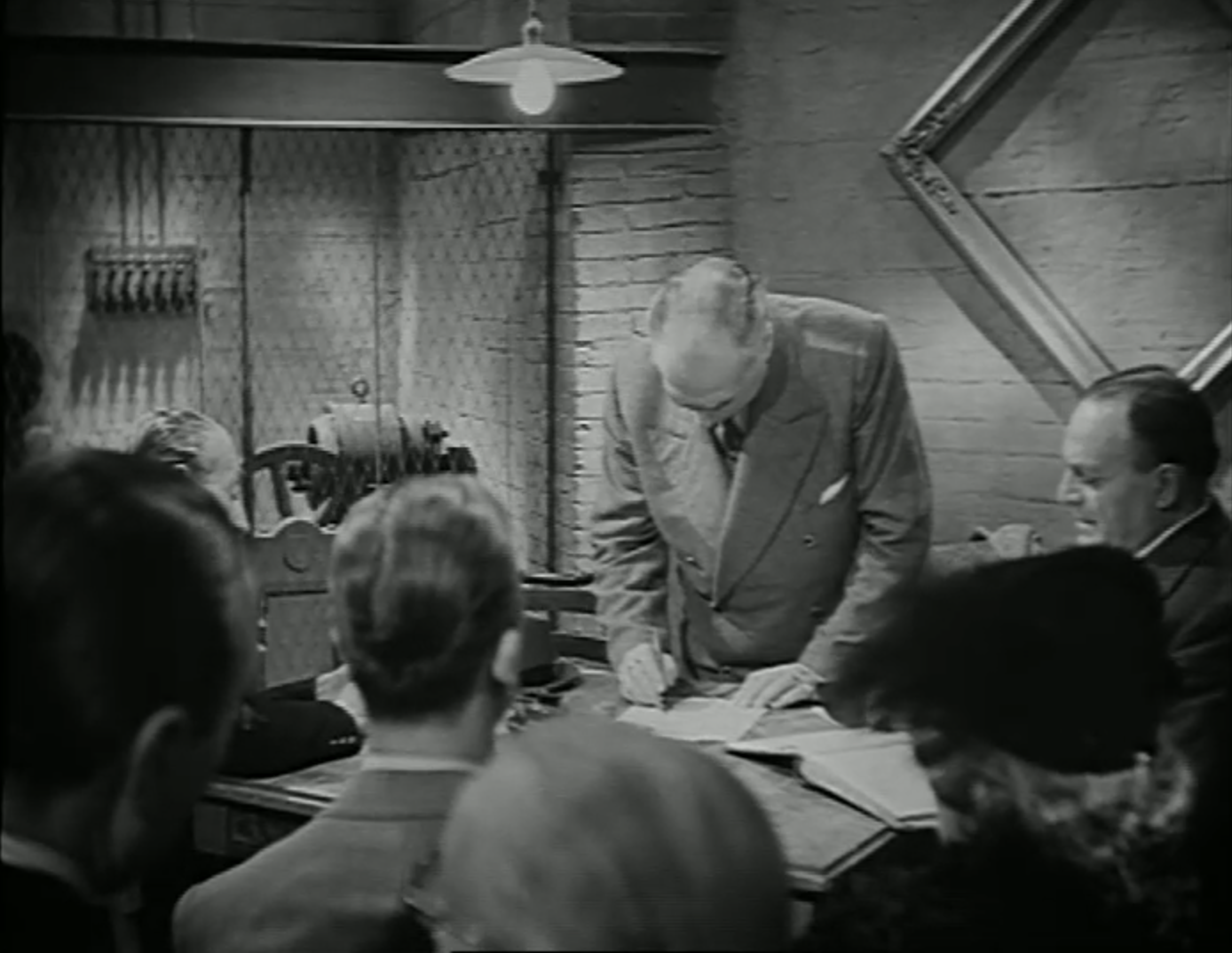
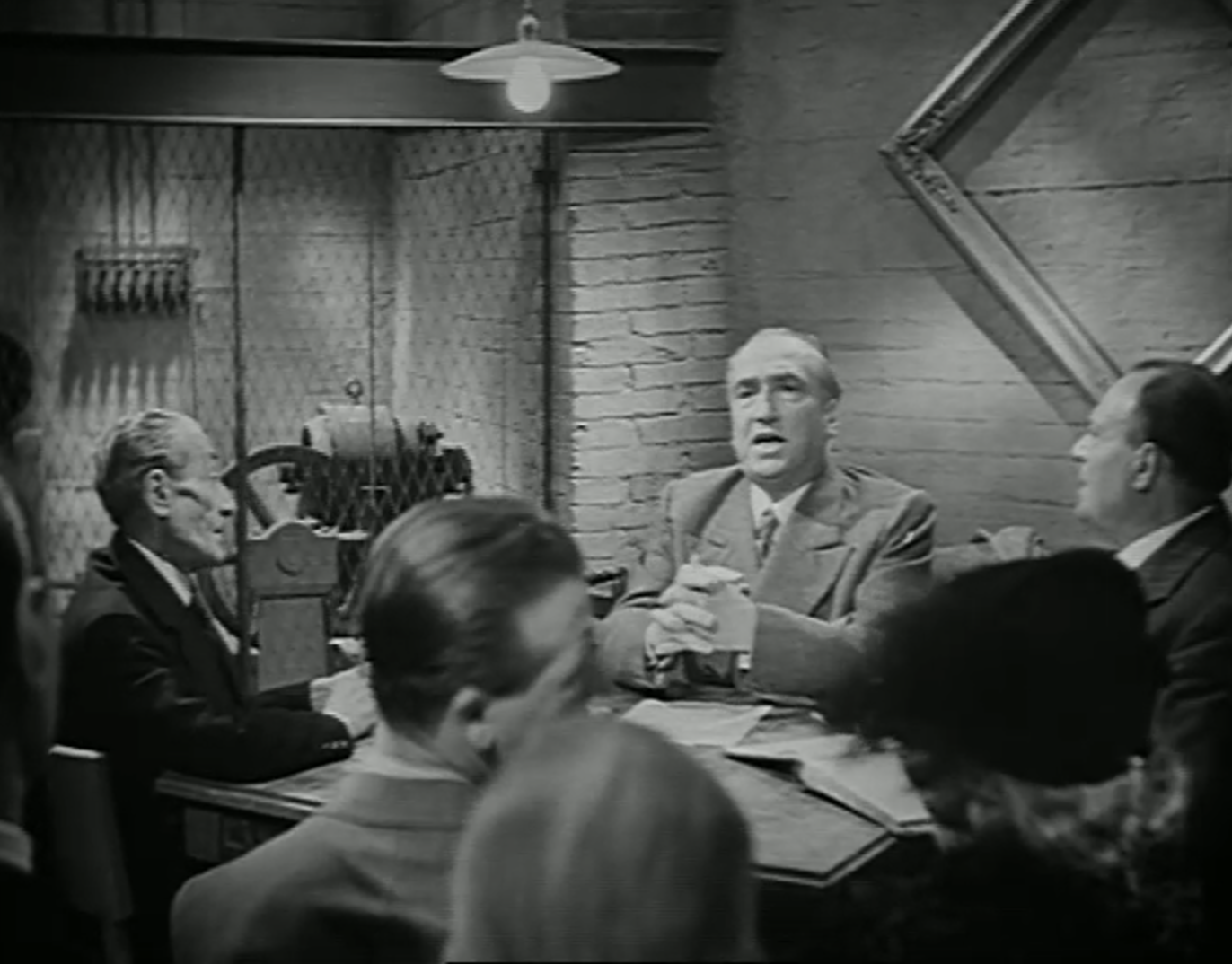
Scrive una nota, poi si siede: "Cos’altro ci rimane da discutere?"
He makes a note, then sits: “What else do we have to discuss?”
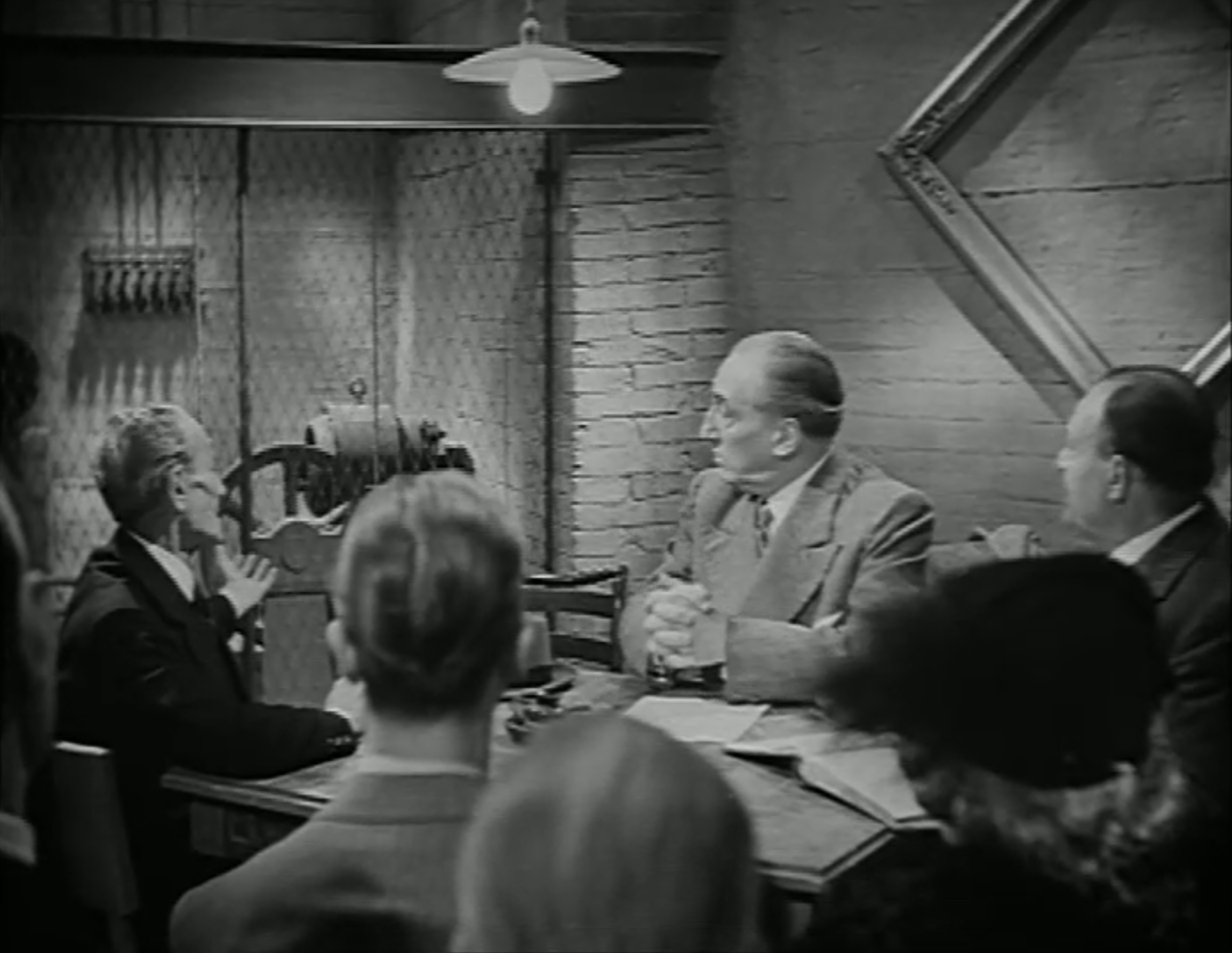
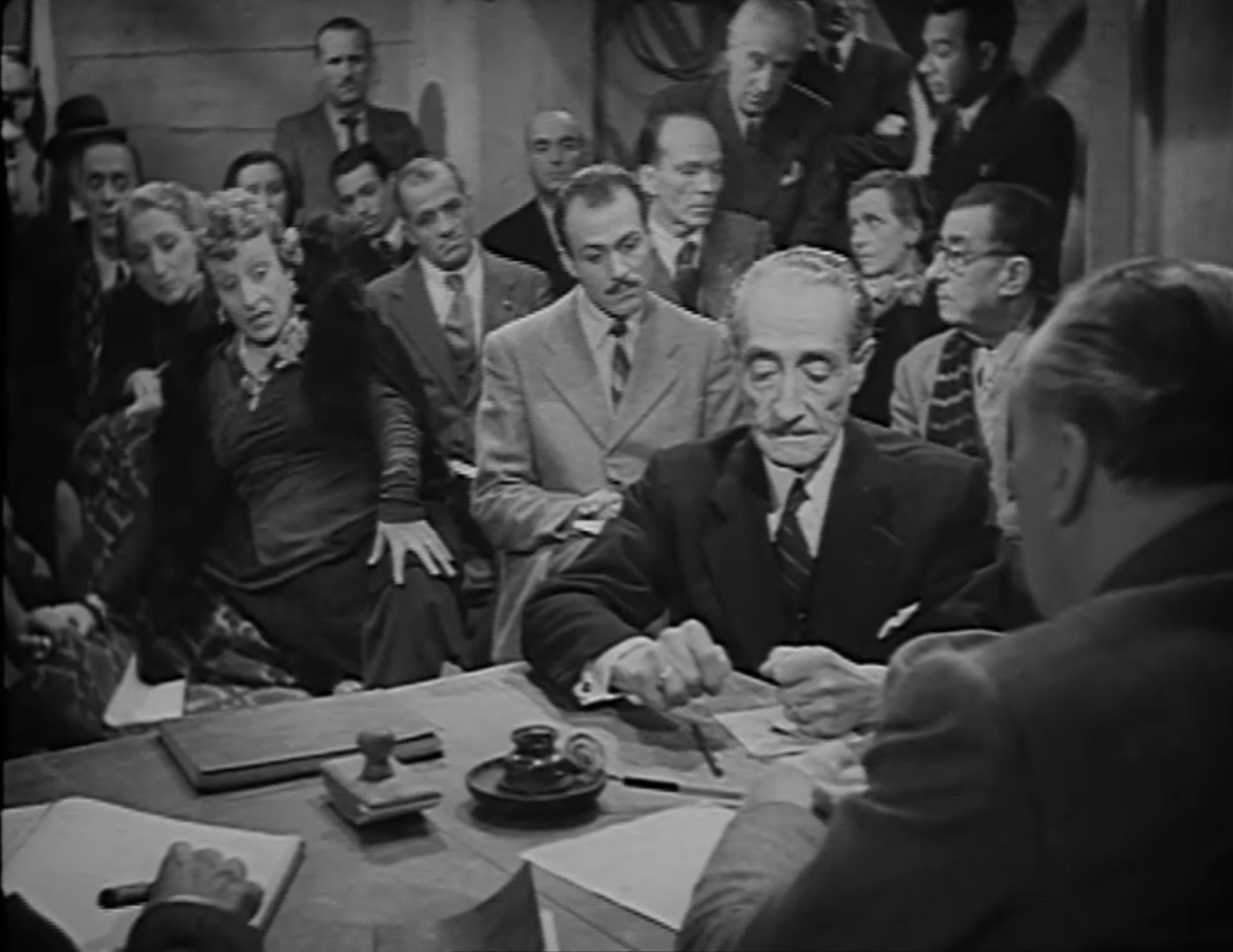
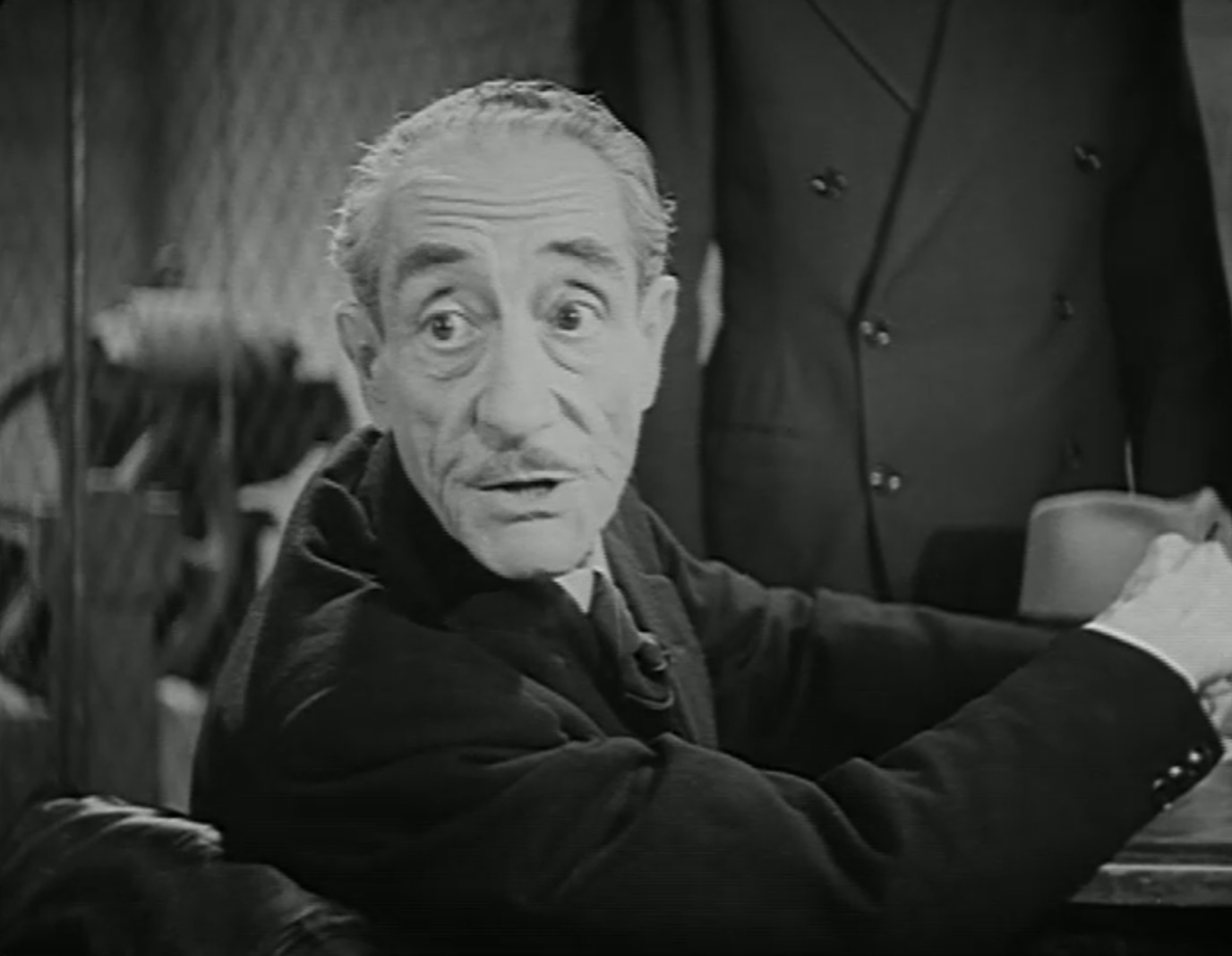
"Cavaliere,* l'ascensore", risponde un uomo con i baffi, indicando con un gesto. Tutti voltano lo sguardo verso una puleggia lì vicino. Non posso spendere tutto il mio stipendio per la manutenzione dell'ascensore. Accidenti a quel giorno che ho preso un appartamento in condominio". Sbatte la matita sulla scrivania.
*Cavaliere è una onorificenza che il Presidente della Repubblica italiana dà a cittadini meritevoli in vari settori.
“The elevator, sir*” a mustached man replies, pointing. Everyone turns toward a nearby pulley. “I can’t spend my whole salary to maintain the elevator. I curse the day I bought a condominium unit.” He slams his pencil on the desk.
*The title of “Cavaliere” is an honor bestowed by the President of the Italian Republic upon deserving citizens in various fields.
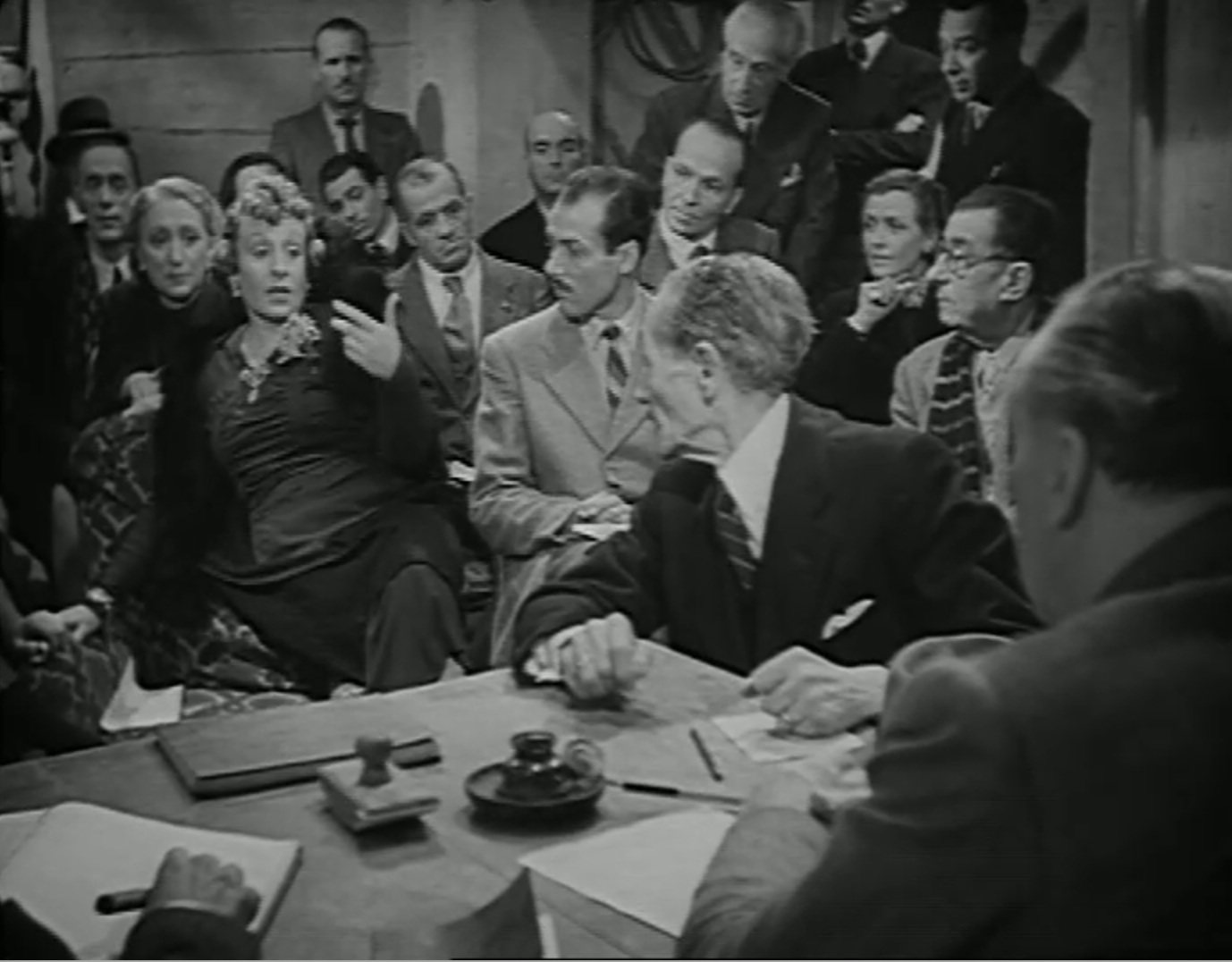
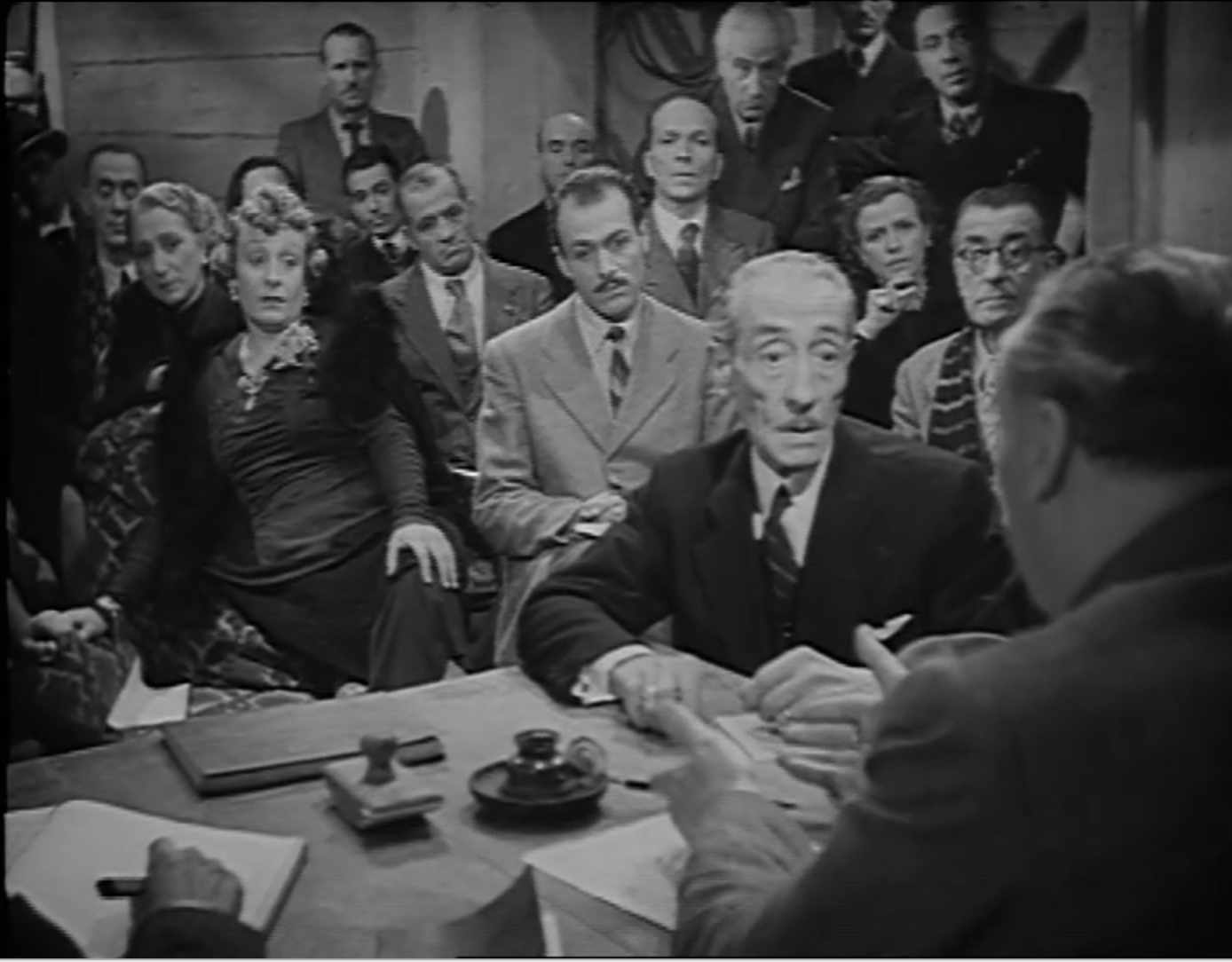
La signora Resta risponde: "Ma sant’Iddio! Allora vada ad abitare in una casa popolare".
"Affrontiamo finalmente questo problema dell’ascensore!" – dice il presidente – "Aboliamo l’uso in discesa e non se ne parli più".
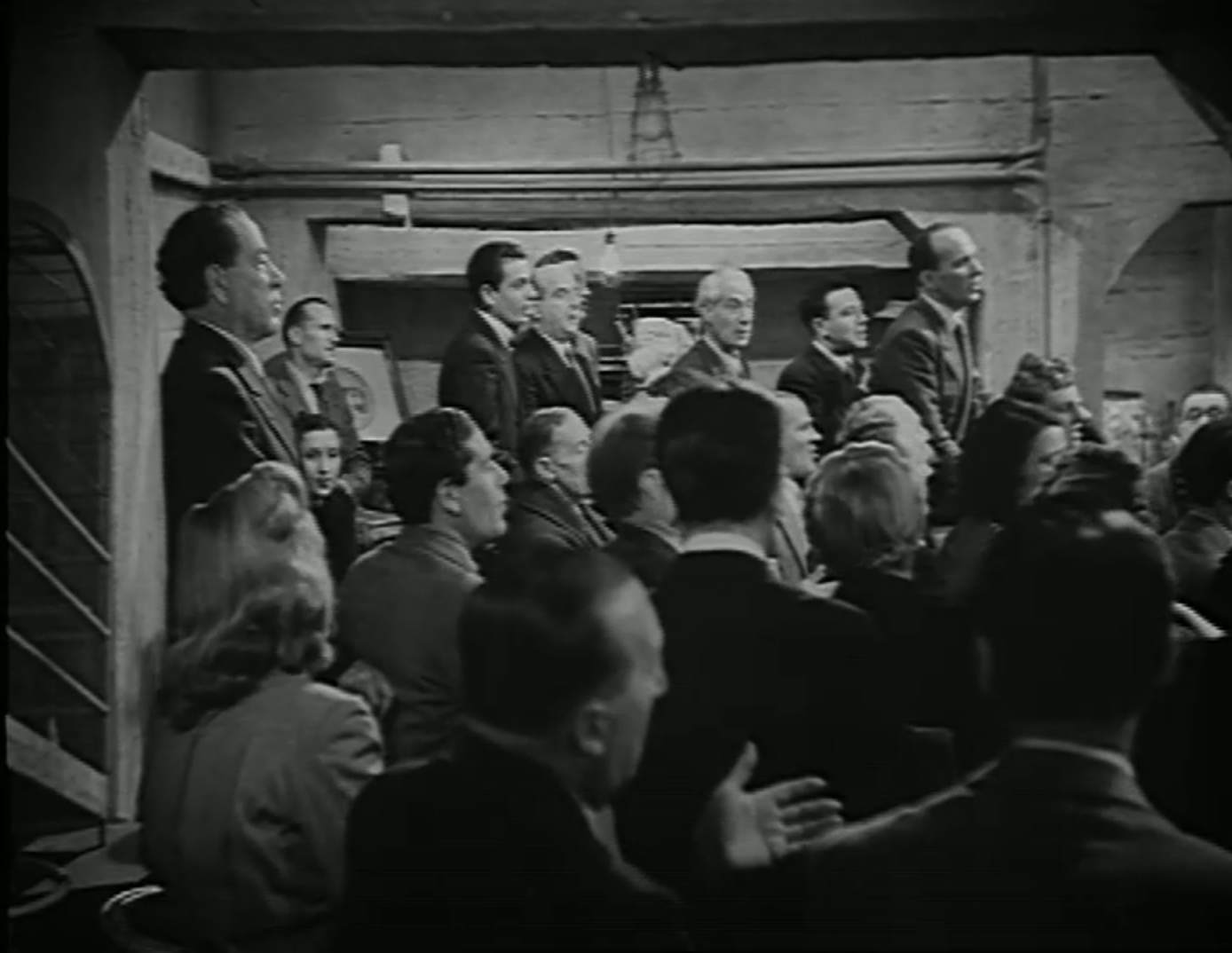
Dalla folla si leva un brusio di protesta; alcuni uomini si alzano in piedi.
Signora Resta responds, “Good heavens! Go and live in a public housing project then.”
“Let’s deal with this problem of the elevator once and for all,” says the chairperson. “Let’s ban using it going down, and be done with it.”
A rumble of protest rises from the crowd; some of the men stand up.
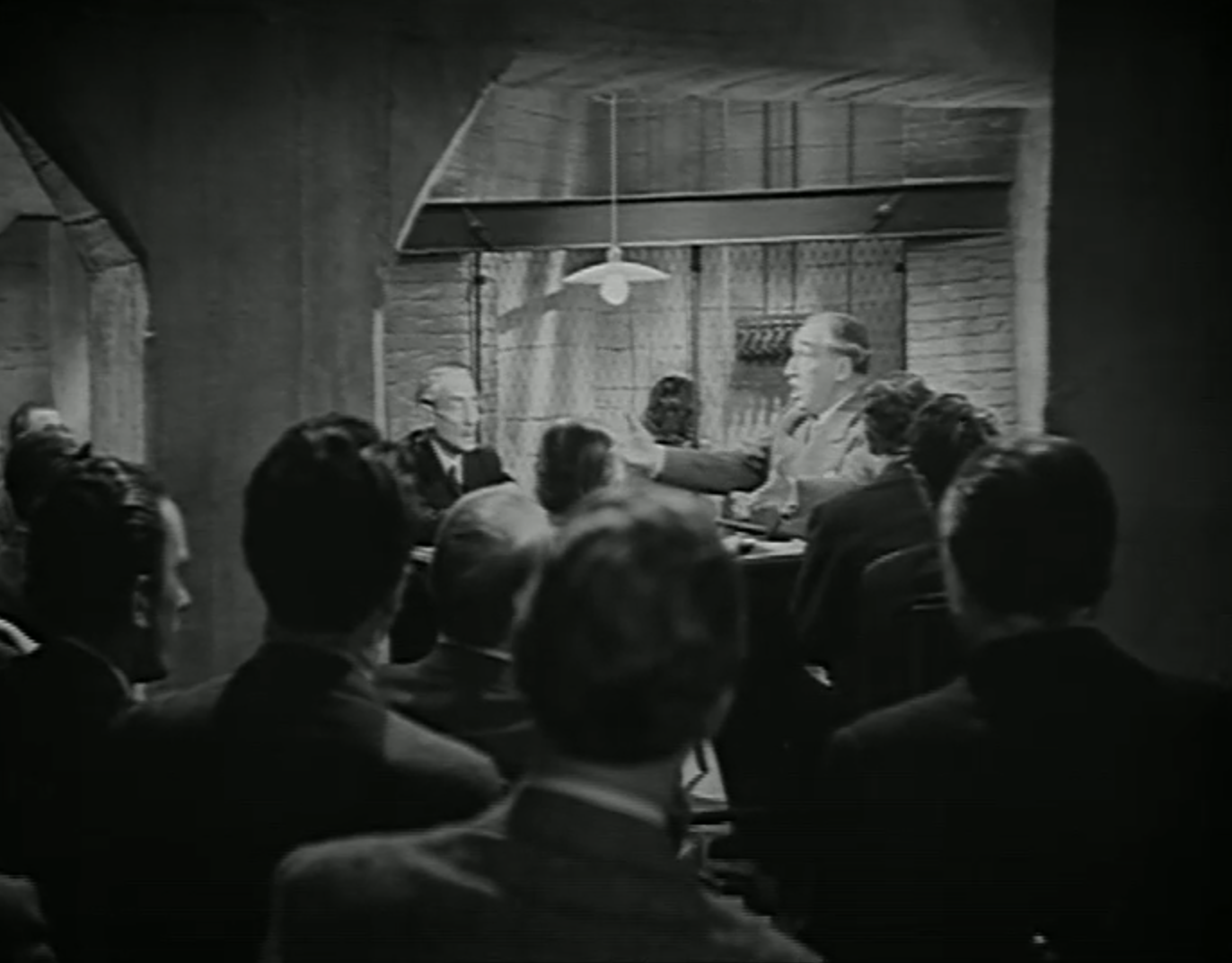
La macchina da presa torna sul presidente: "Calma, signore e signori! Passiamo ai voti".
The camera pans back to the chair: “Calm down, ladies and gentlemen! Let’s move on to voting.”
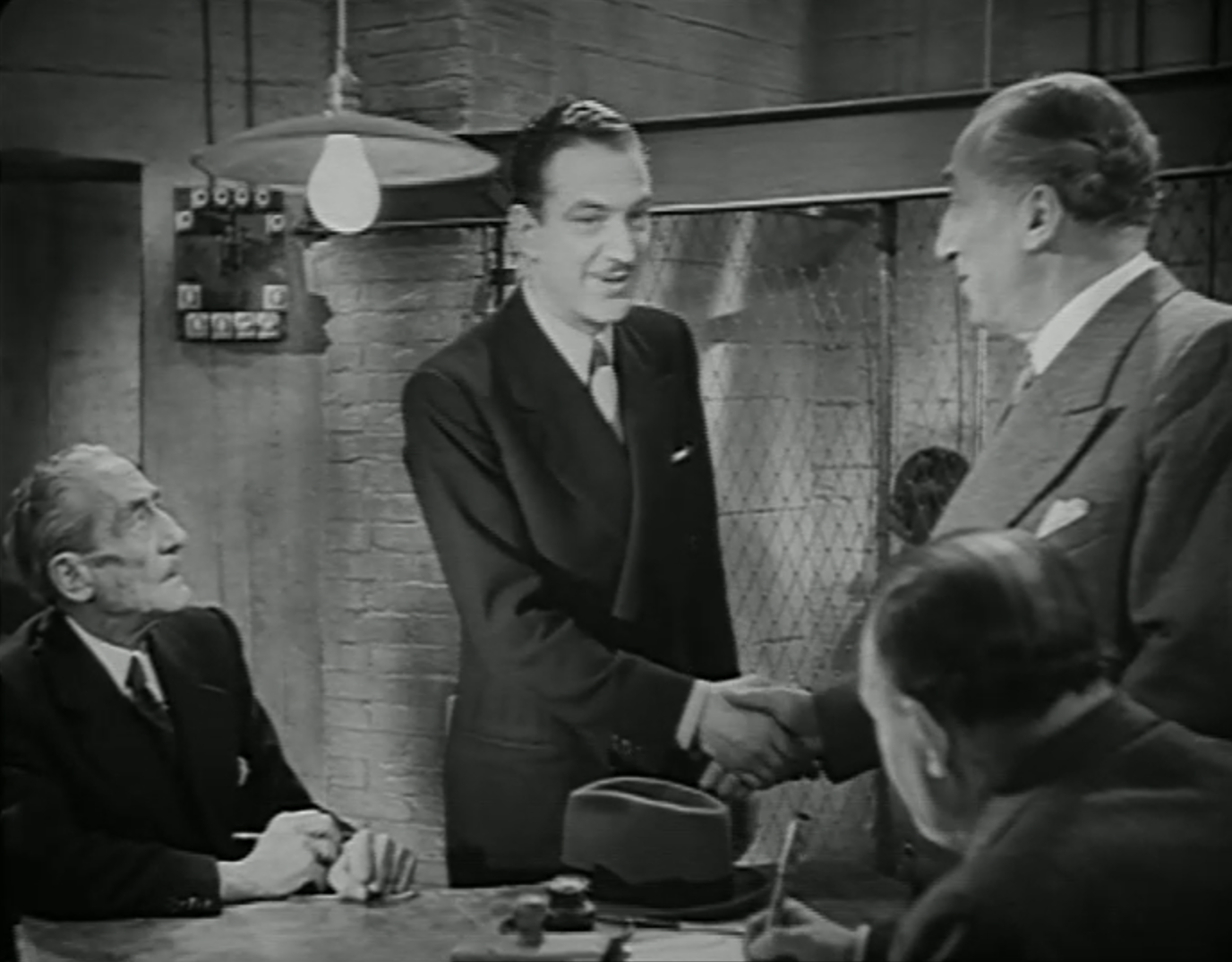
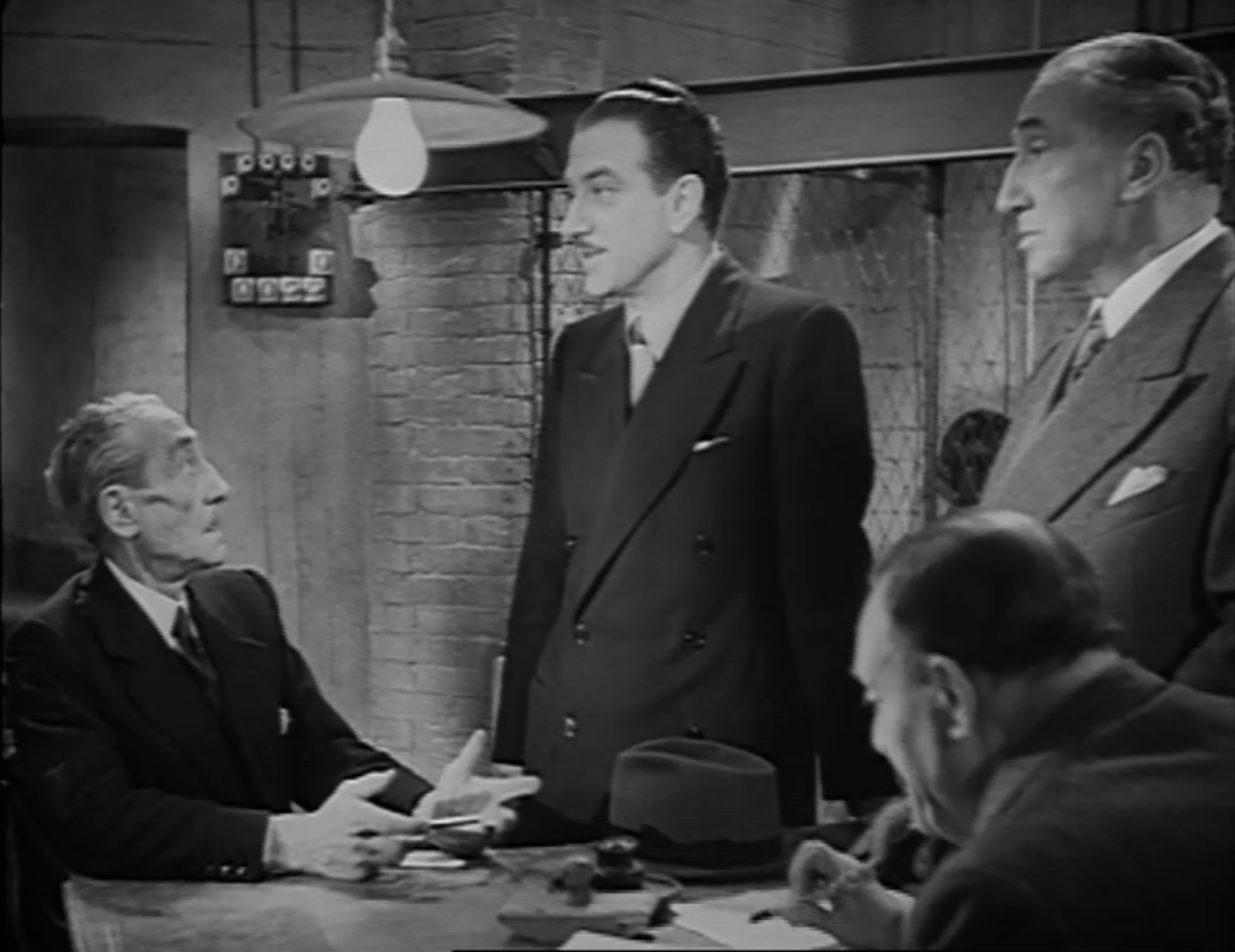
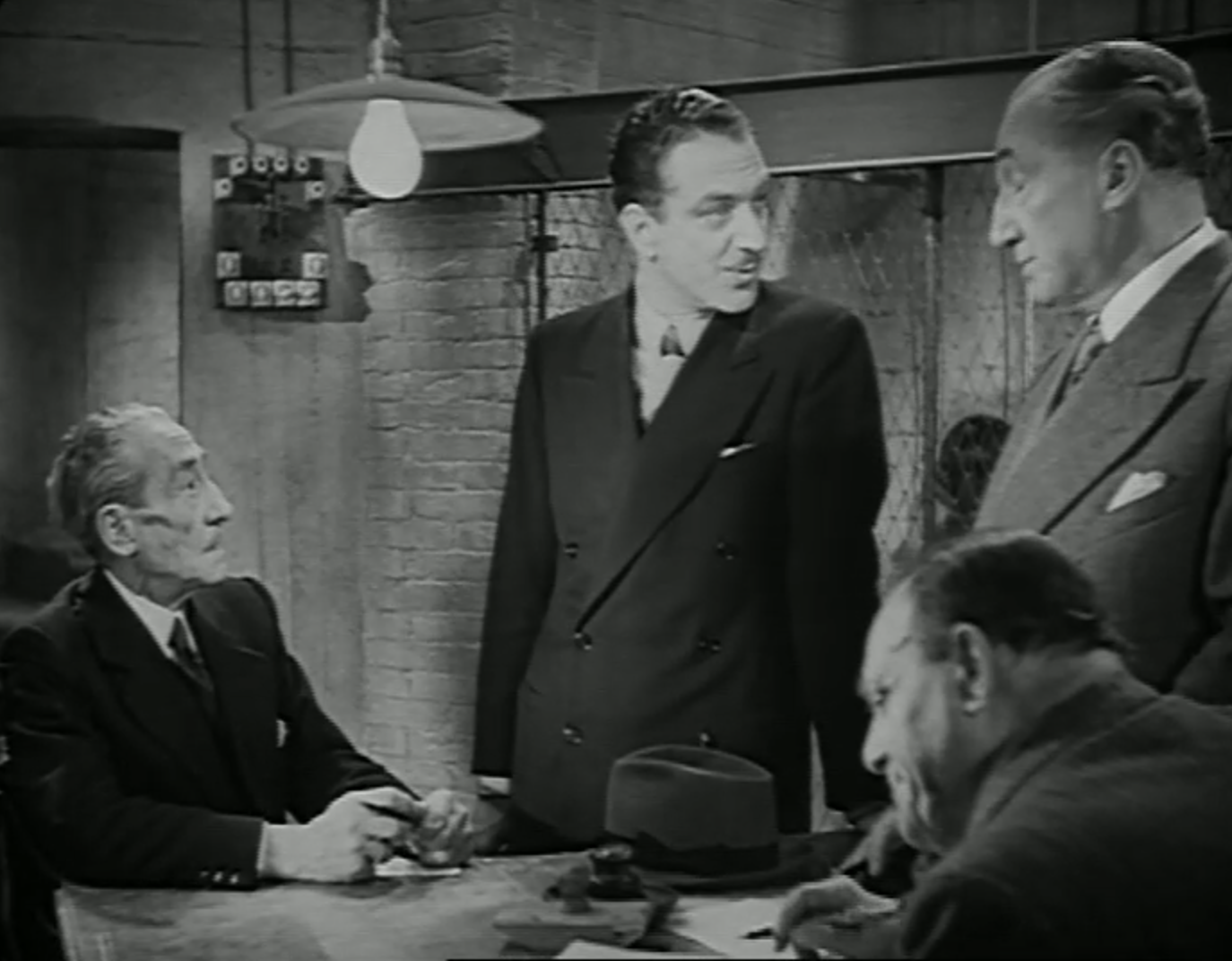
È allora che arriva Andrea. "Scusate il ritardo. Se non sbaglio state trattando la questione dell’ascensore" dice, stringendo la mano al presidente. "Cari signori, noi dell’ottavo piano stiamo peggio di tutti. Ma va considerato che l’abolizione dell’ascensore per la discesa porta una sensibile economia che di questi tempi non è trascurabile”.*
L’uomo con i baffi annuisce.
*Anche se in questo film, girato nel 1942, non si vedono molte tracce della guerra, gli italiani dovevano già affrontare difficoltà come il razionamento del cibo e la scarsità di benzina, a cui Andrea fa riferimento qui.
That’s when Andrea arrives. “Excuse me for being late. If I'm not mistaken, you're discussing the issue of the elevator," he says, shaking the chair’s hand. “Dear ladies and gentlemen, we on the eighth floor have it the worst of all. But it should be noted that eliminating the use of the elevator for trips going down will result in a significant cost savings which is not negligible these days.”*
The mustached man nods.
*Although in this film, shot in 1942, we don’t see much evidence of the war, Italians already faced hardships such as food rationing and fuel shortages, which Andrea references here.
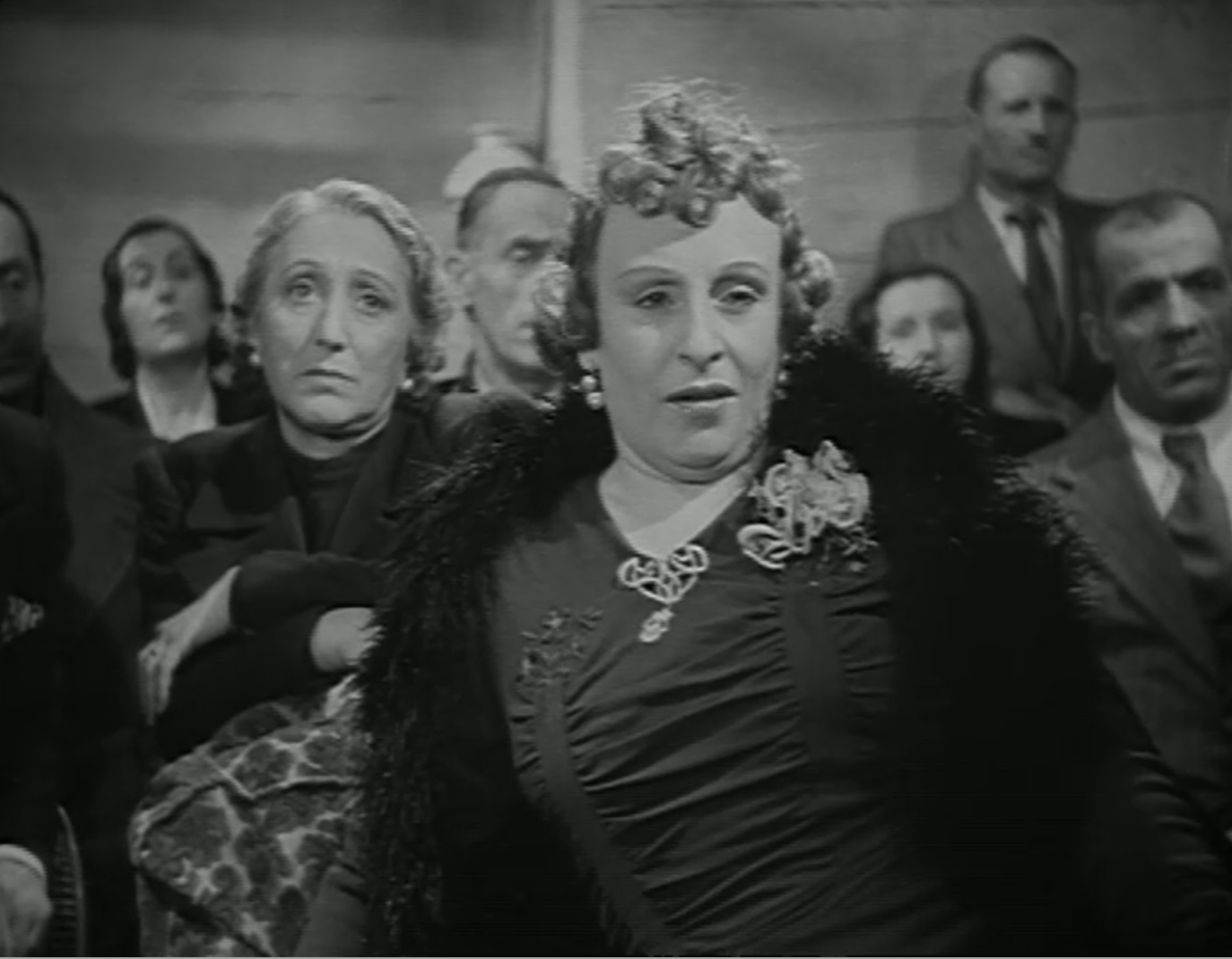
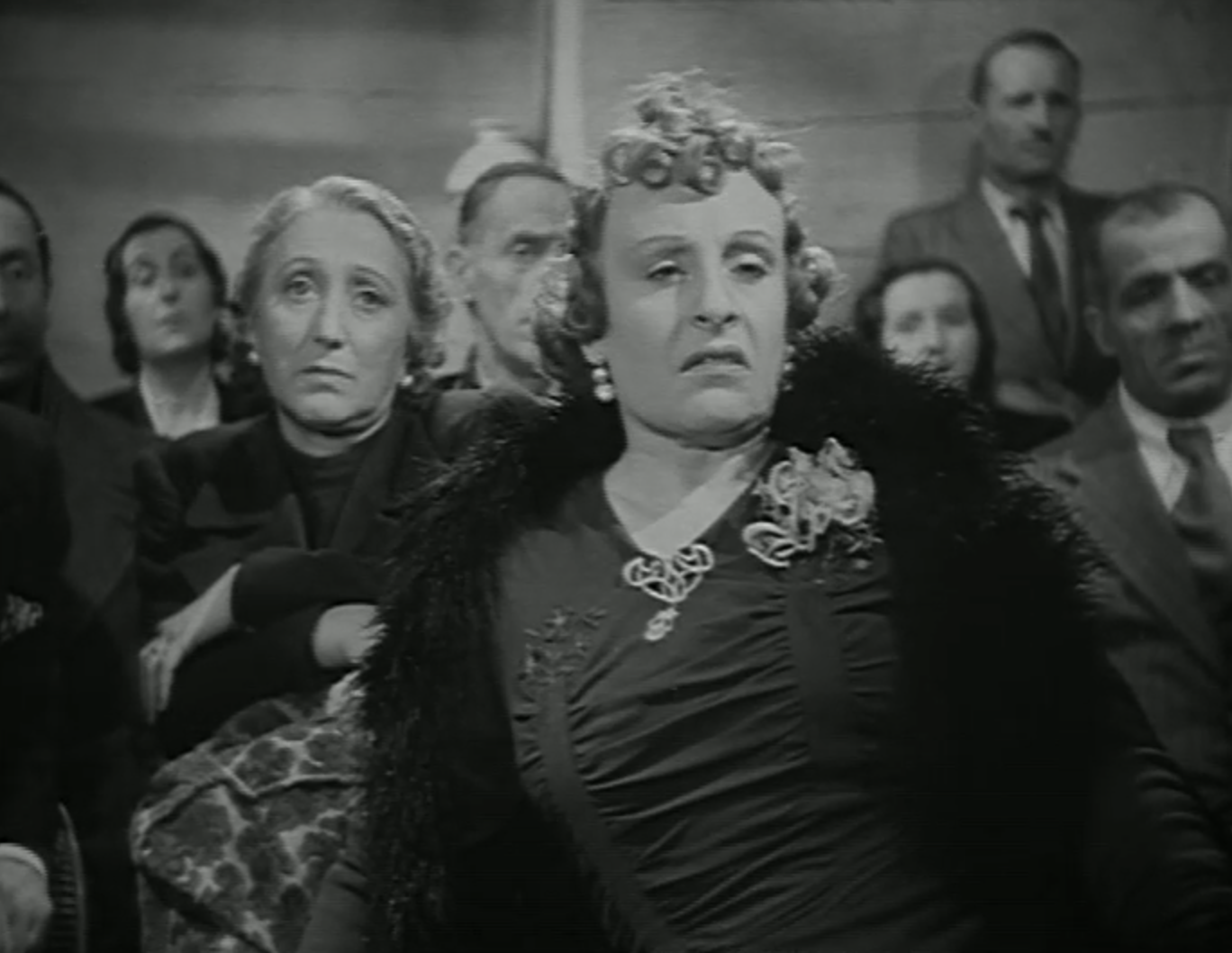
La signora Resta sbuffa. "Venticinque lire al mese, ma via! Pezzenti!" dice con un sogghigno.
"Che pezzenti?!" ribatte indignato l'uomo con i baffi.
Signora Resta scoffs. “Twenty five lira a month, come on! Cheapskates!” she says with a sneer.
“Who’s a cheapskate?!” replies the mustached man, indignantly.
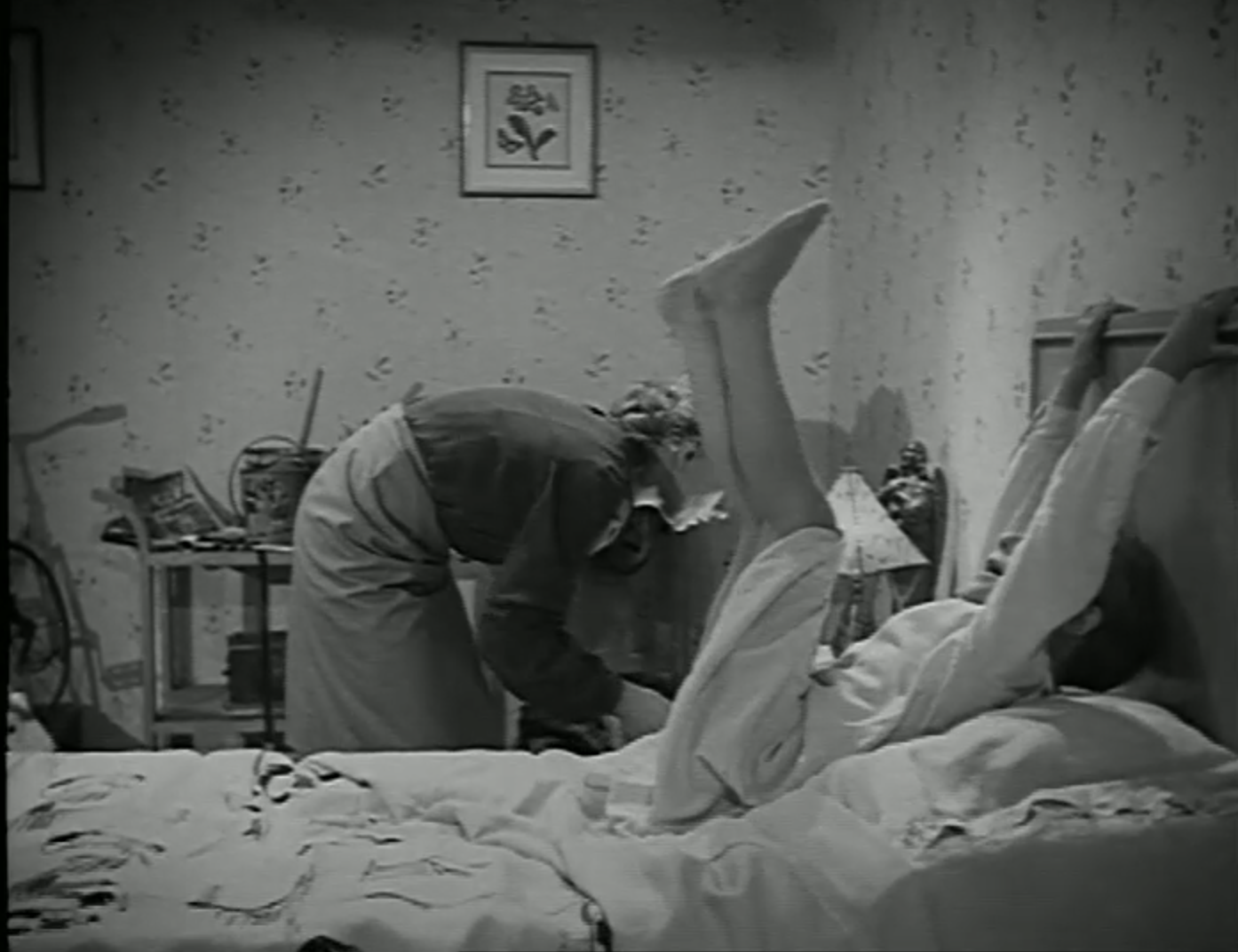
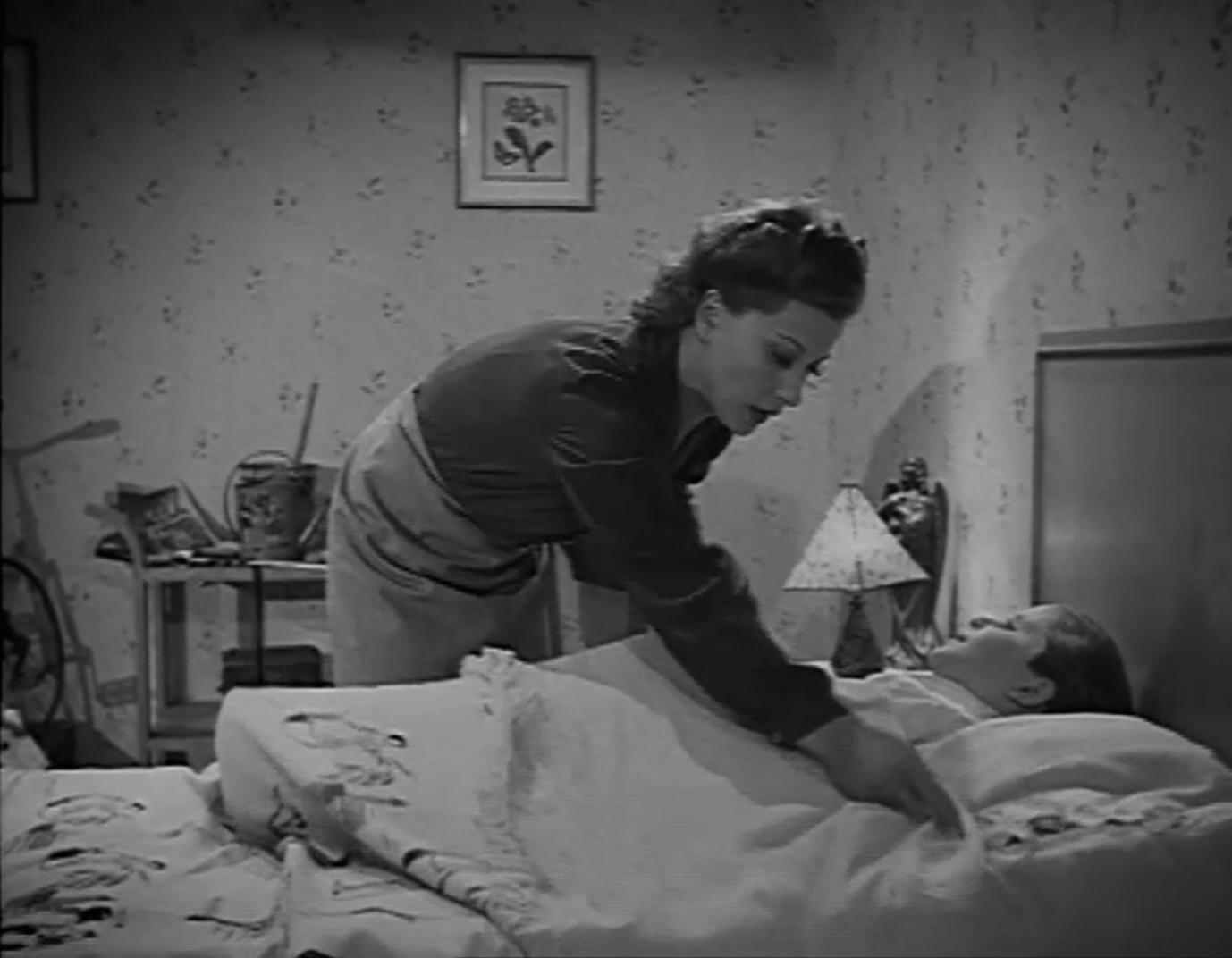
Nina sta preparando Pricò per andare a letto. Lui salta sul letto in pigiama, canticchiando e scalciando con le gambe.
Nina gli suggerisce: "Angelo di Dio…"
Obbediente, lui inizia la sua preghiera: "Angelo di Dio…"
Nina is getting Pricò ready for bed. He hops onto the bed in his pajamas, singing and kicking up his legs.
Nina prompts him: “Angel of God…”
Obediently, he begins his prayers: “Angel of God…”
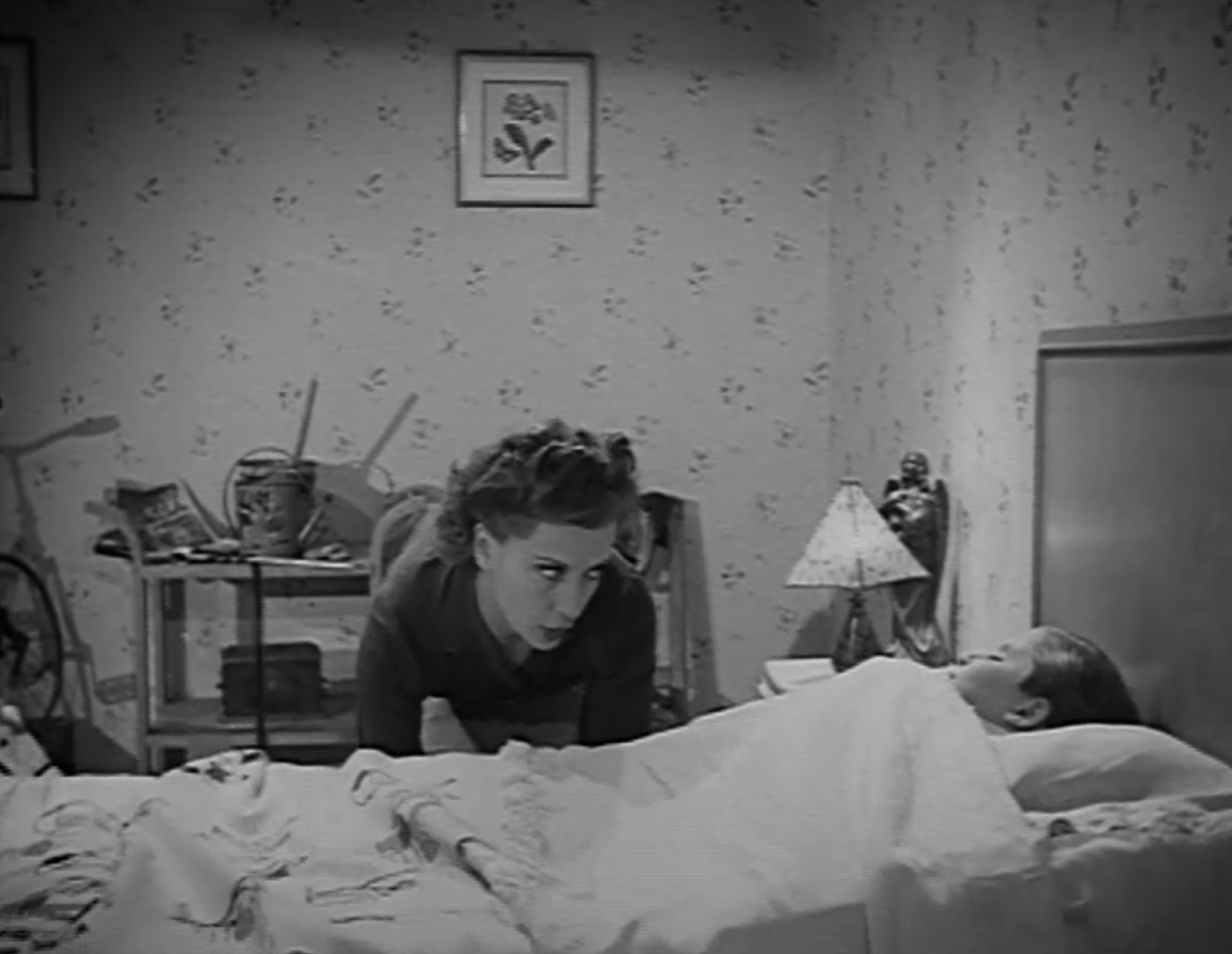
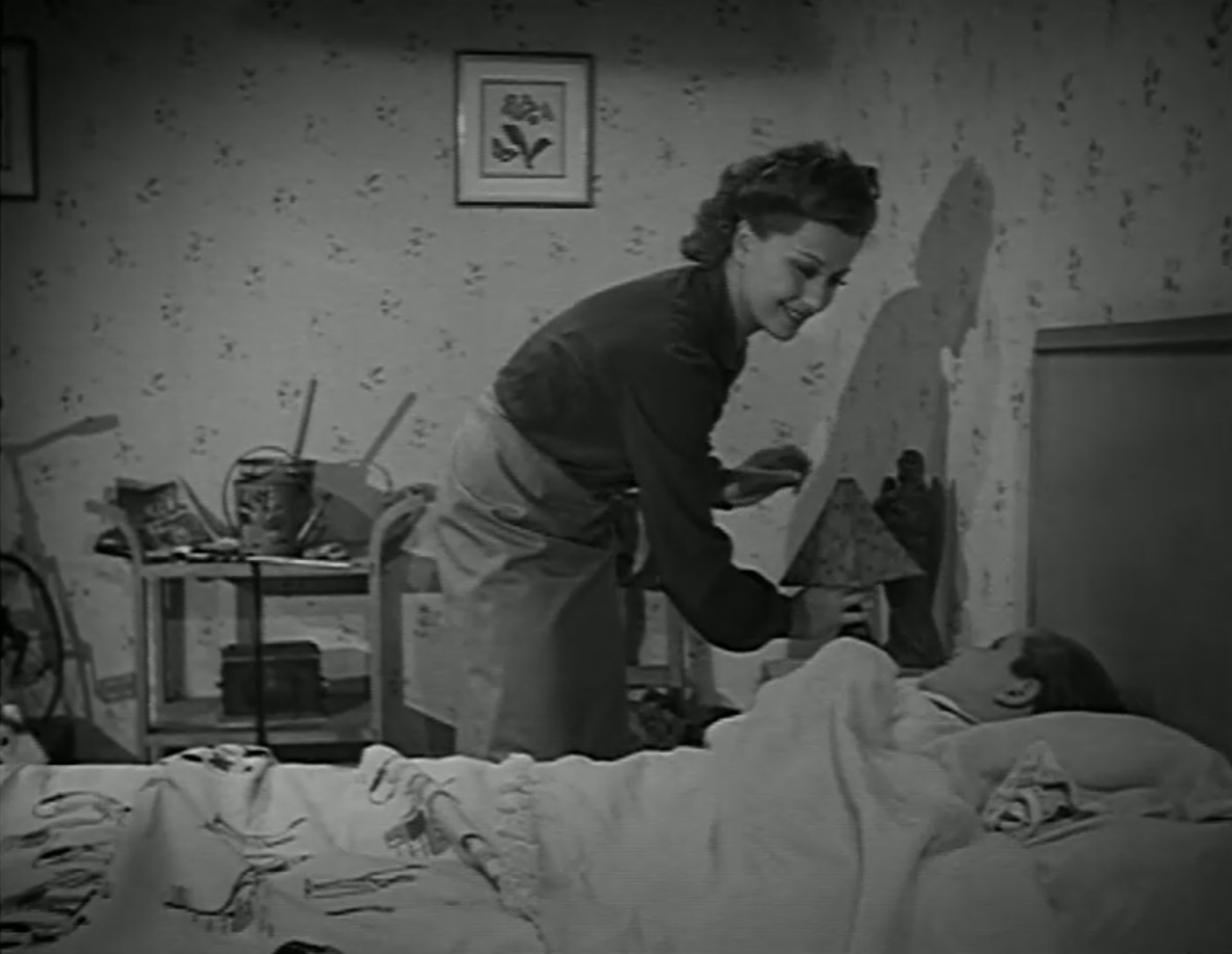
"...che sei il mio custode..."
"...che sei il mio custode..."
"...illumina e custodisci me..."
"...illumina e custodisci me..."
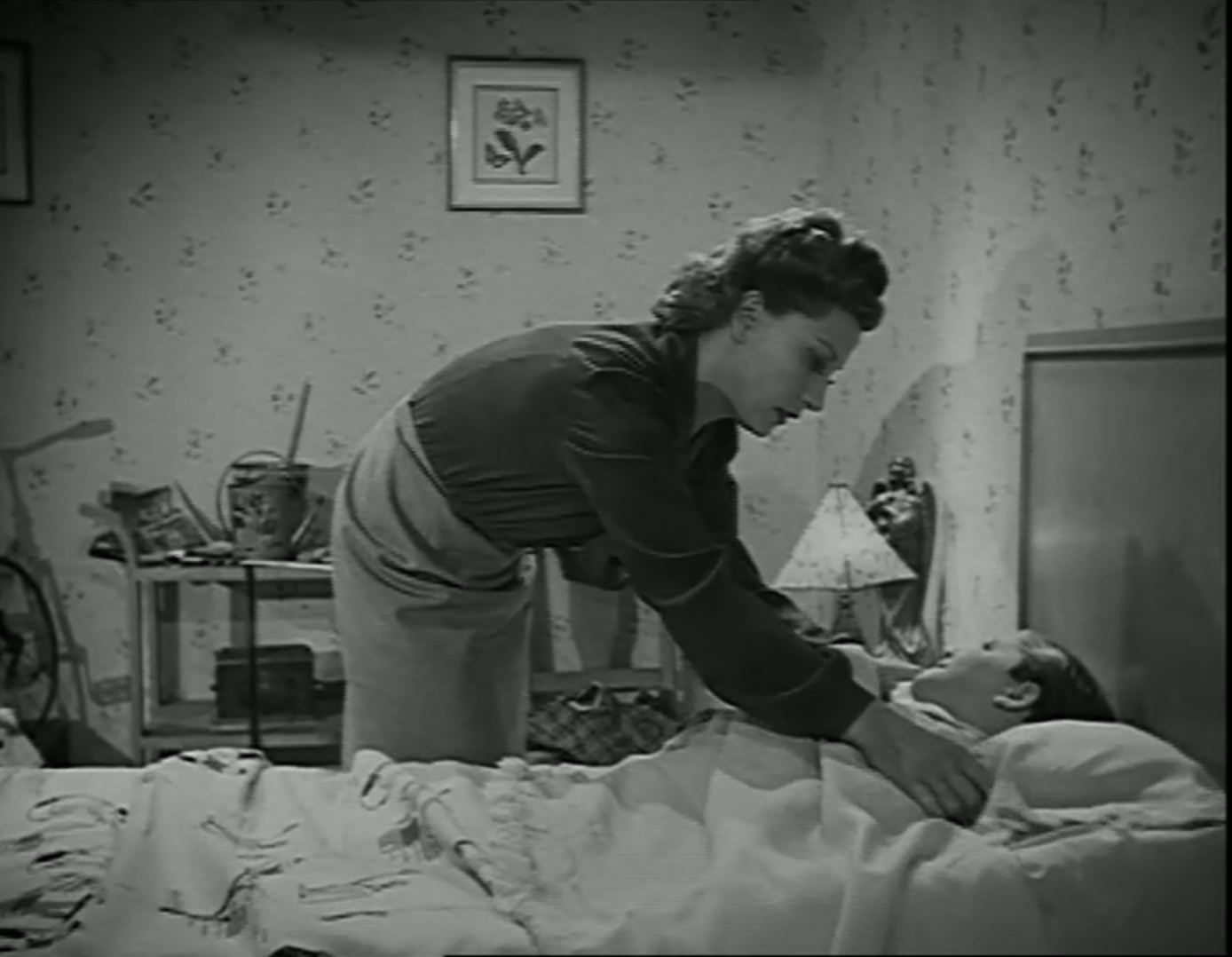
Lei gli rimbocca le coperte e terminano la preghiera.*
*Tutte le brave bambine e i bravi bambini cattolici conoscono la preghiera “Angelo di Dio”, quindi questa è davvero una tipica scena della buonanotte. Abbiamo tradotto il testo, ma la versione inglese originale è leggermente diversa.
“...who is my guardian…”
“...who is my guardian…”
“...enlighten and watch over me…”
“...enlighten and watch over me…”
She tucks him in, and they finish the prayer.*
*All good little Catholic girls and boys know the “Angel of God” prayer, so this really is a typical bedtime scene. We’ve translated the words, but the actual English version is somewhat different.
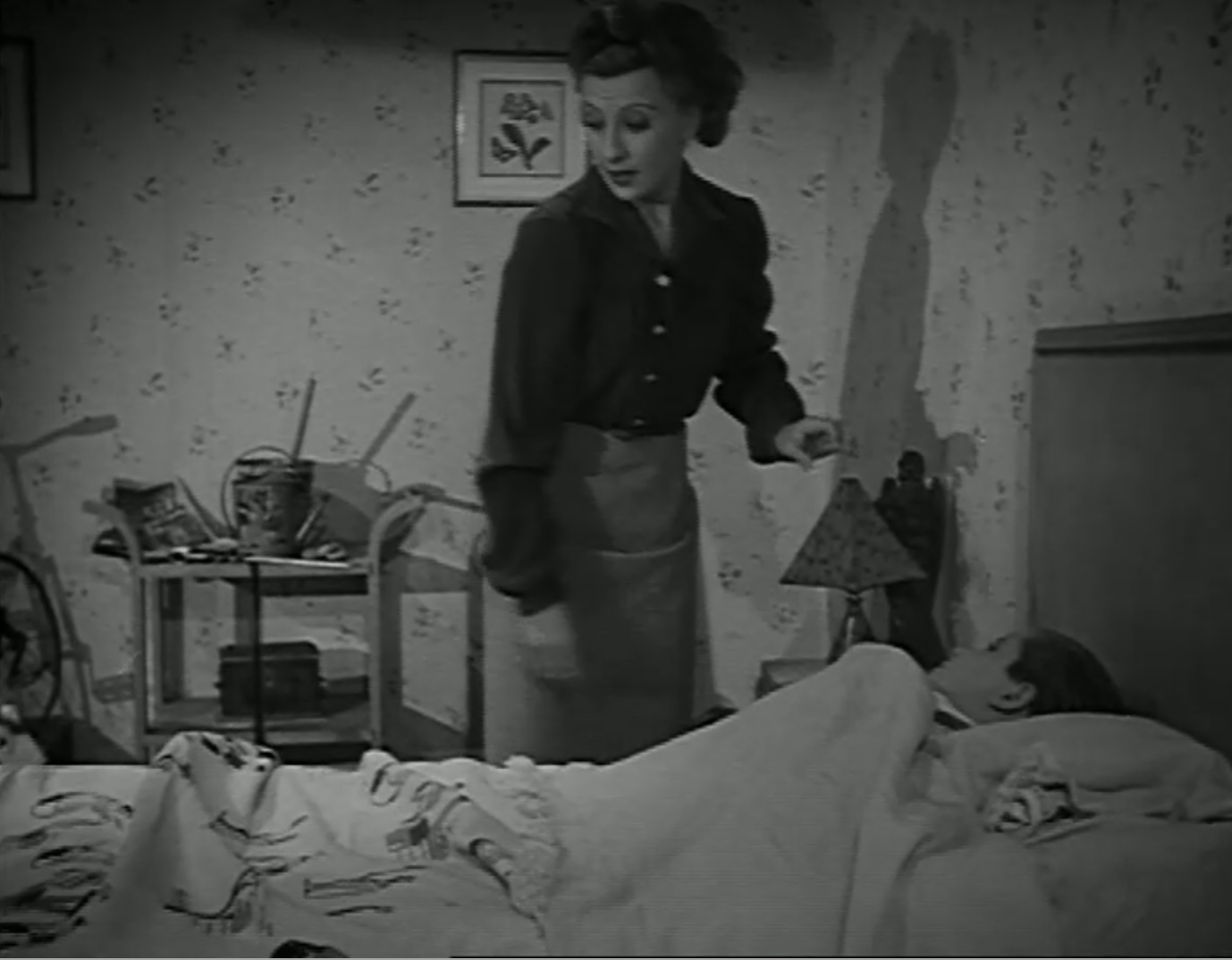
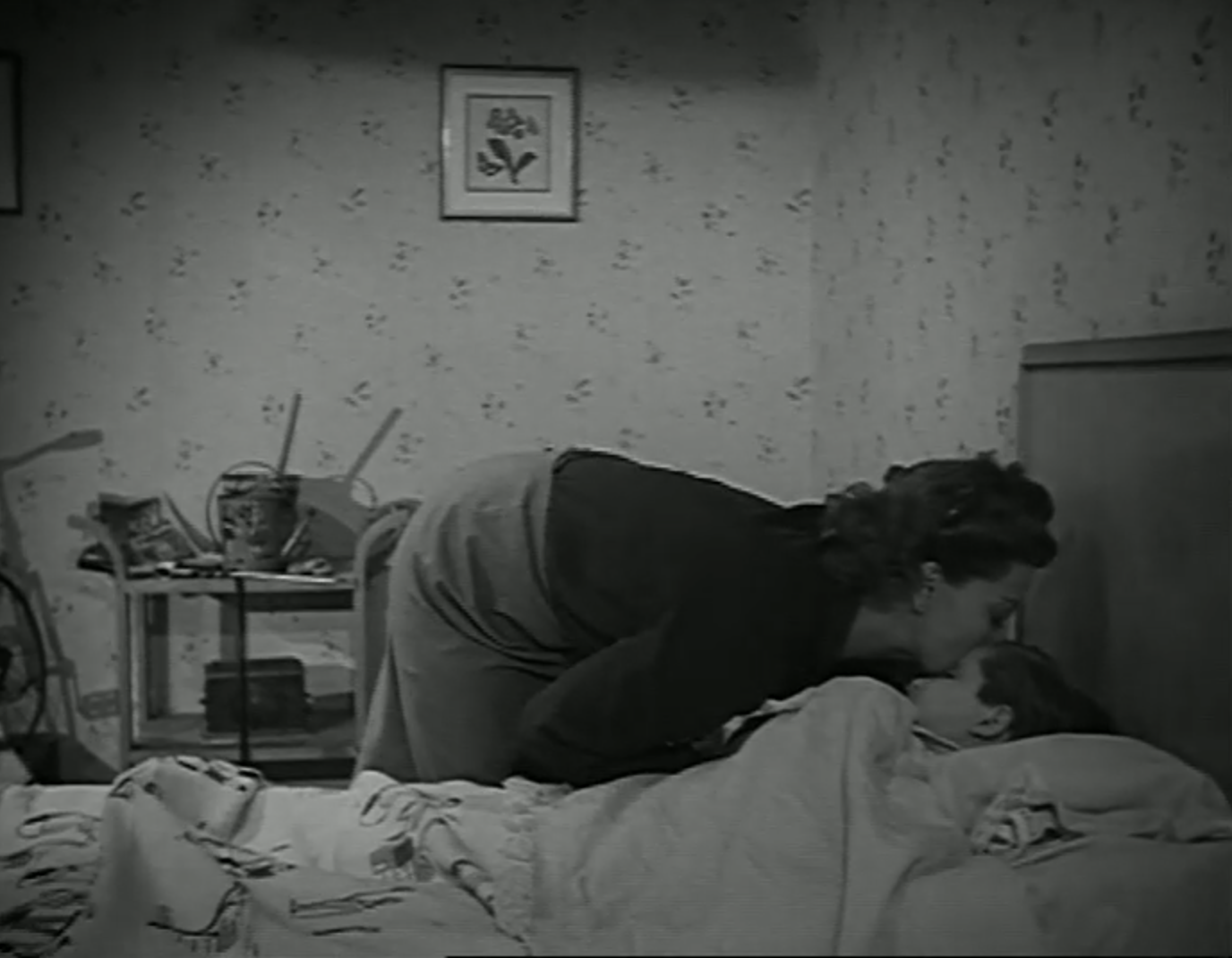
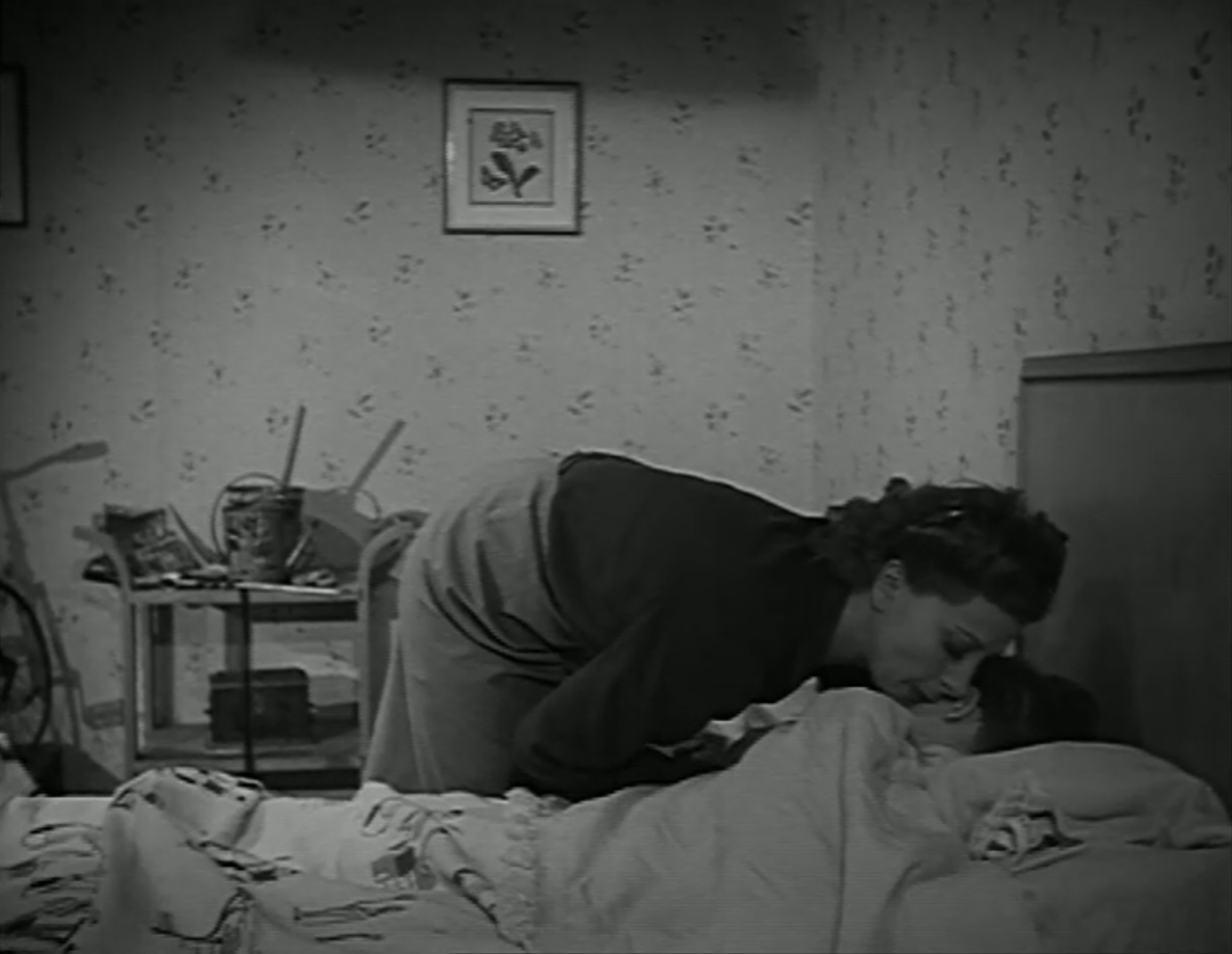
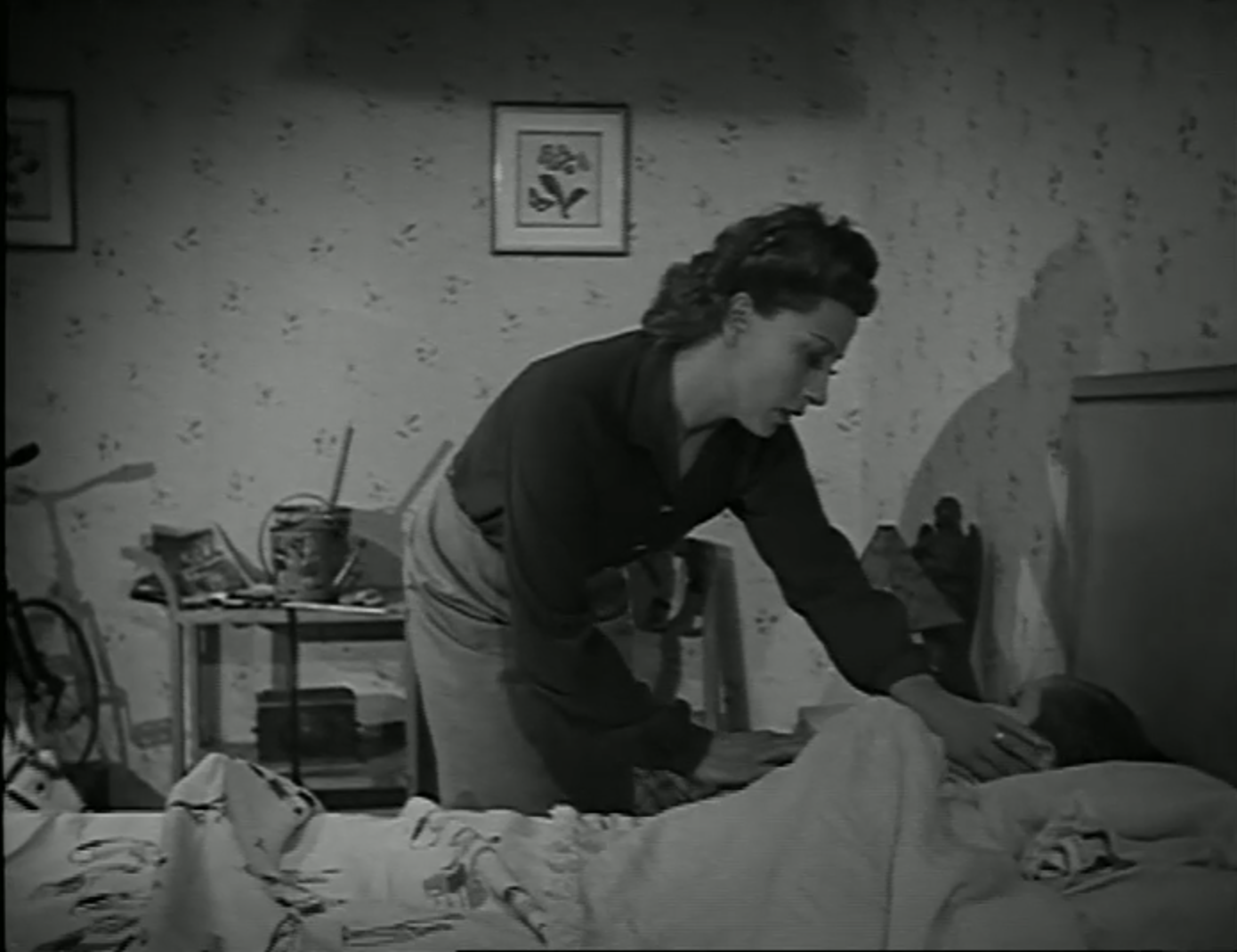
Spegne la lampada sul comodino. Mentre fa per allontanarsi , lui le chiede: "Non mi dai un bacio?"
"Sì, Pricò". Si china e gli dà diversi baci sulla fronte e sulla guancia.
She turns out the bedside lamp. As she is about to walk away, he asks her, “Aren’t you going to give me a kiss?”
“Yes, Pricò.” She bends and gives him several kisses on his forehead and cheek.
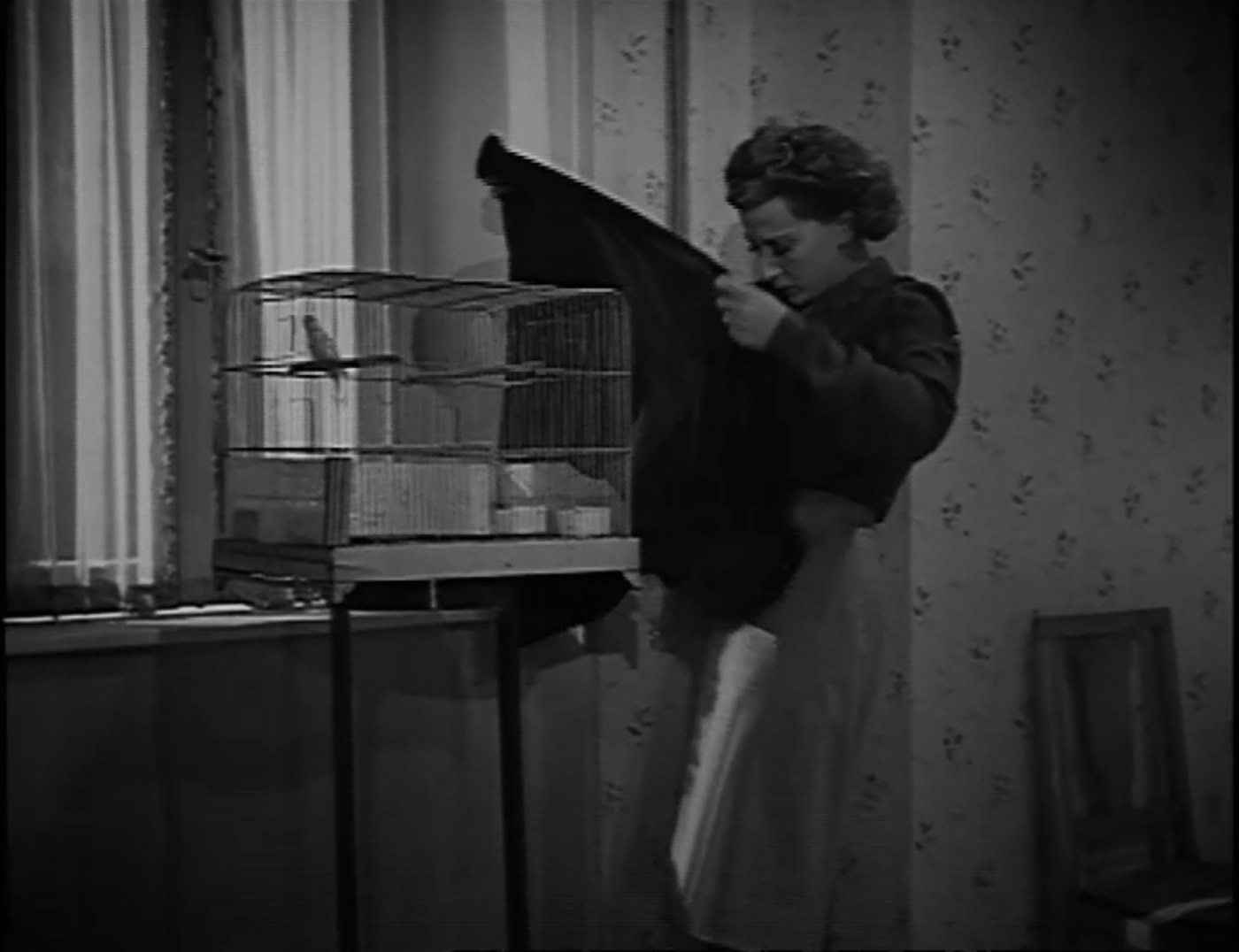
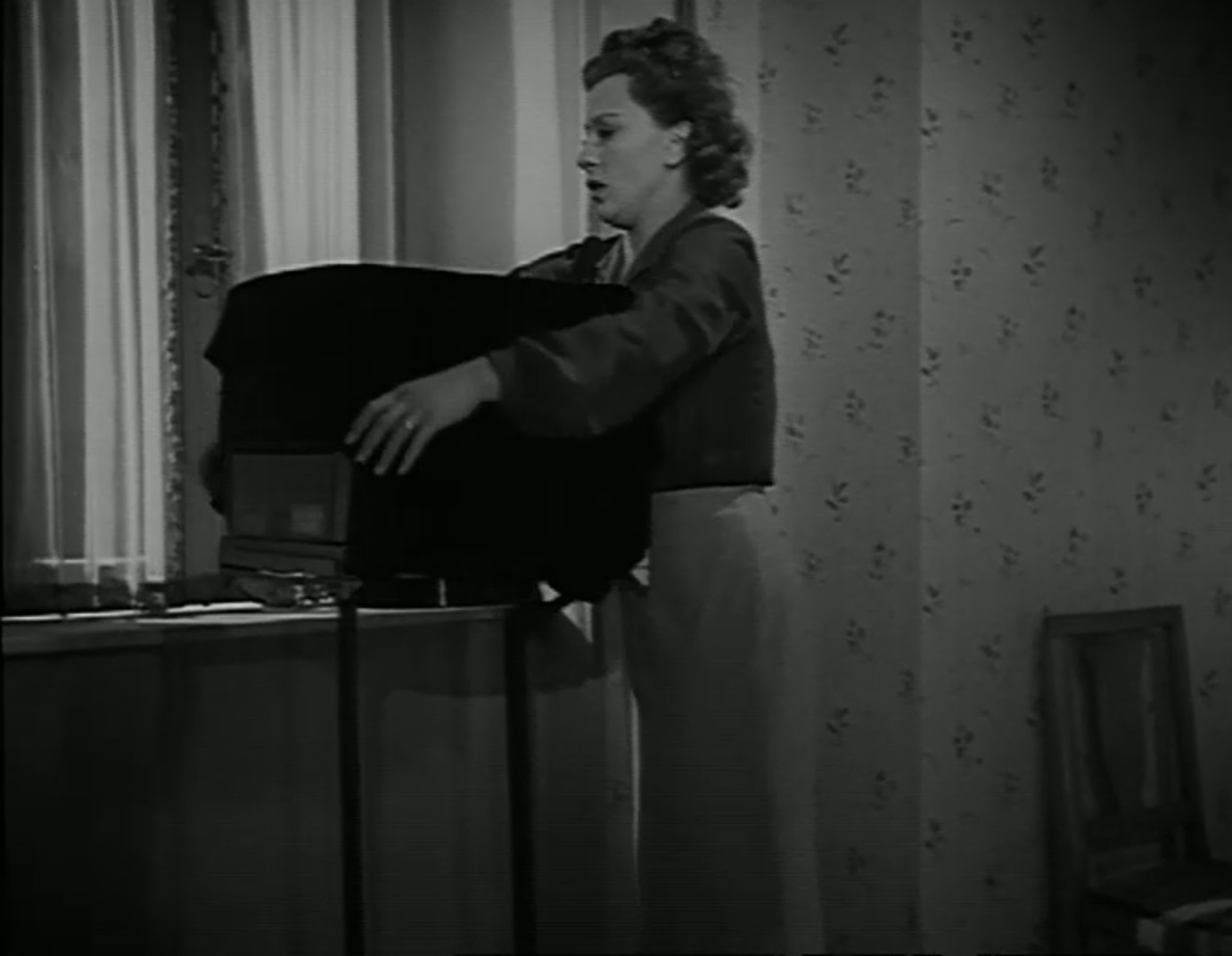
Nella stanza, c’è una gabbia con dentro un uccellino. Con una delicata melodia di archi in sottofondo,* Nina la copre con un panno nero.
*Da notare che la musica di questo film è stata composta da Renzo Rossellini, fratello minore del regista Roberto Rossellini.
In the room, there’s a cage with a little bird inside. With tender string music in the background,* Nina covers it with a black cloth.
*Note that the music for this film was composed by Renzo Rossellini, the younger brother of film director Roberto Rossellini.
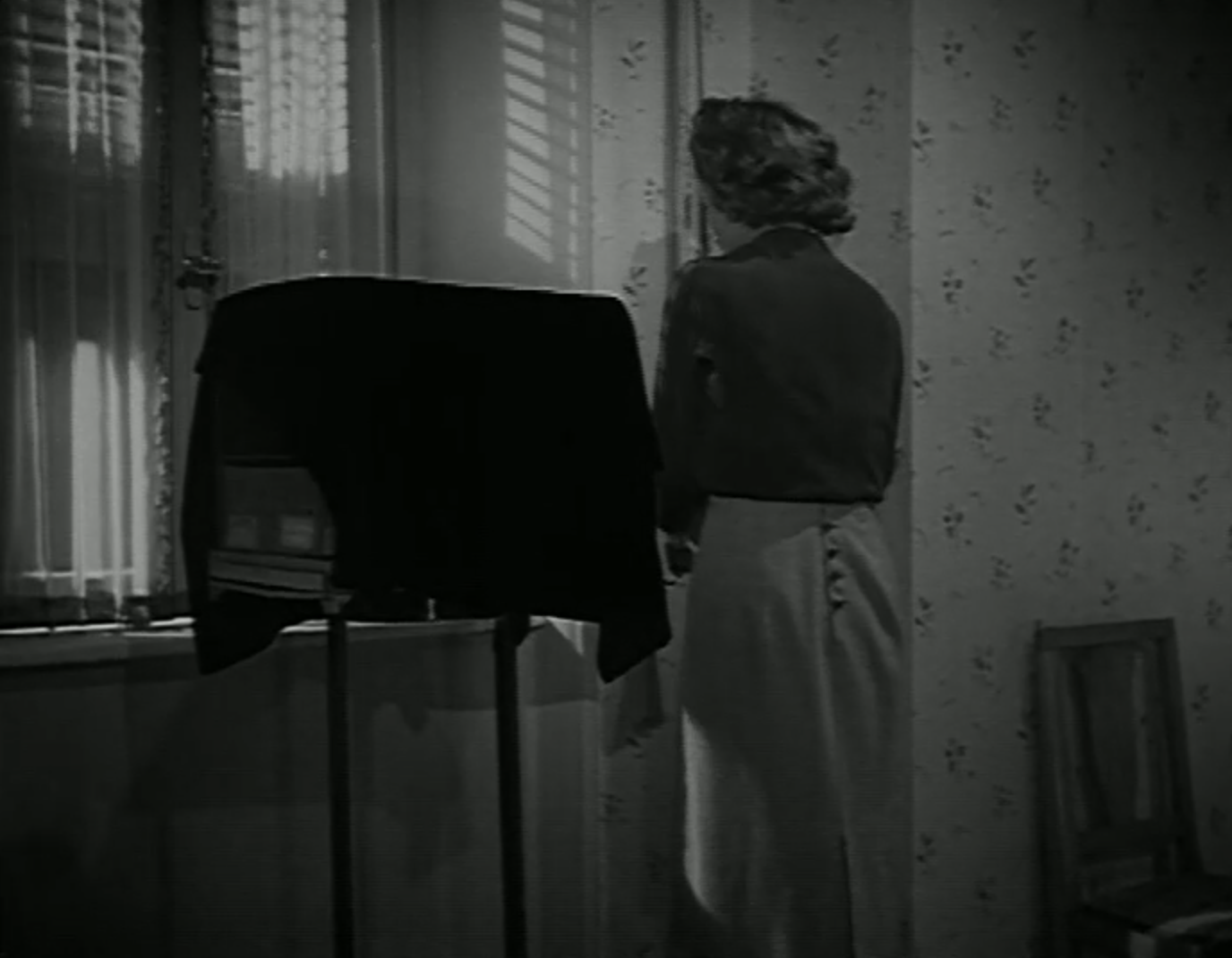
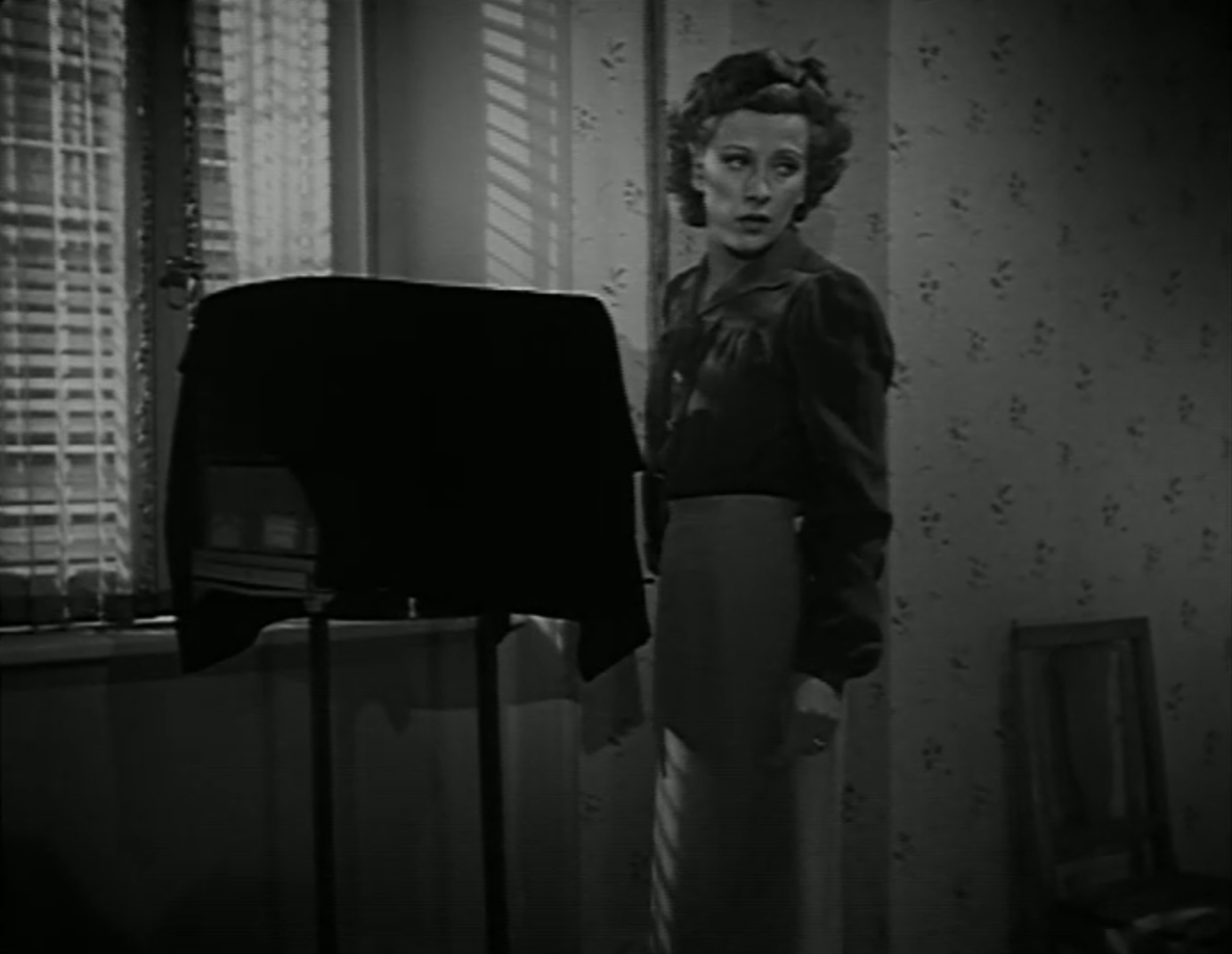
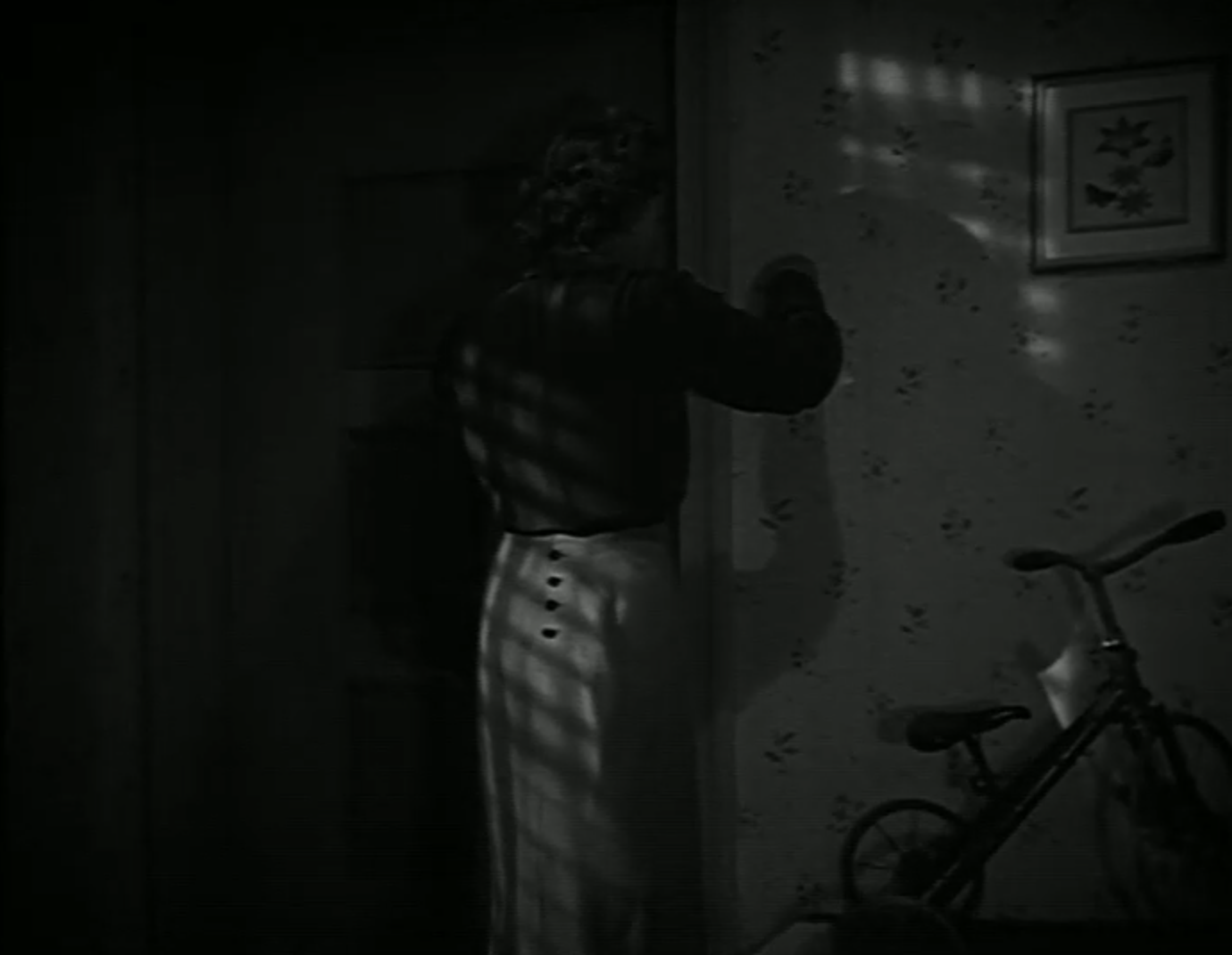
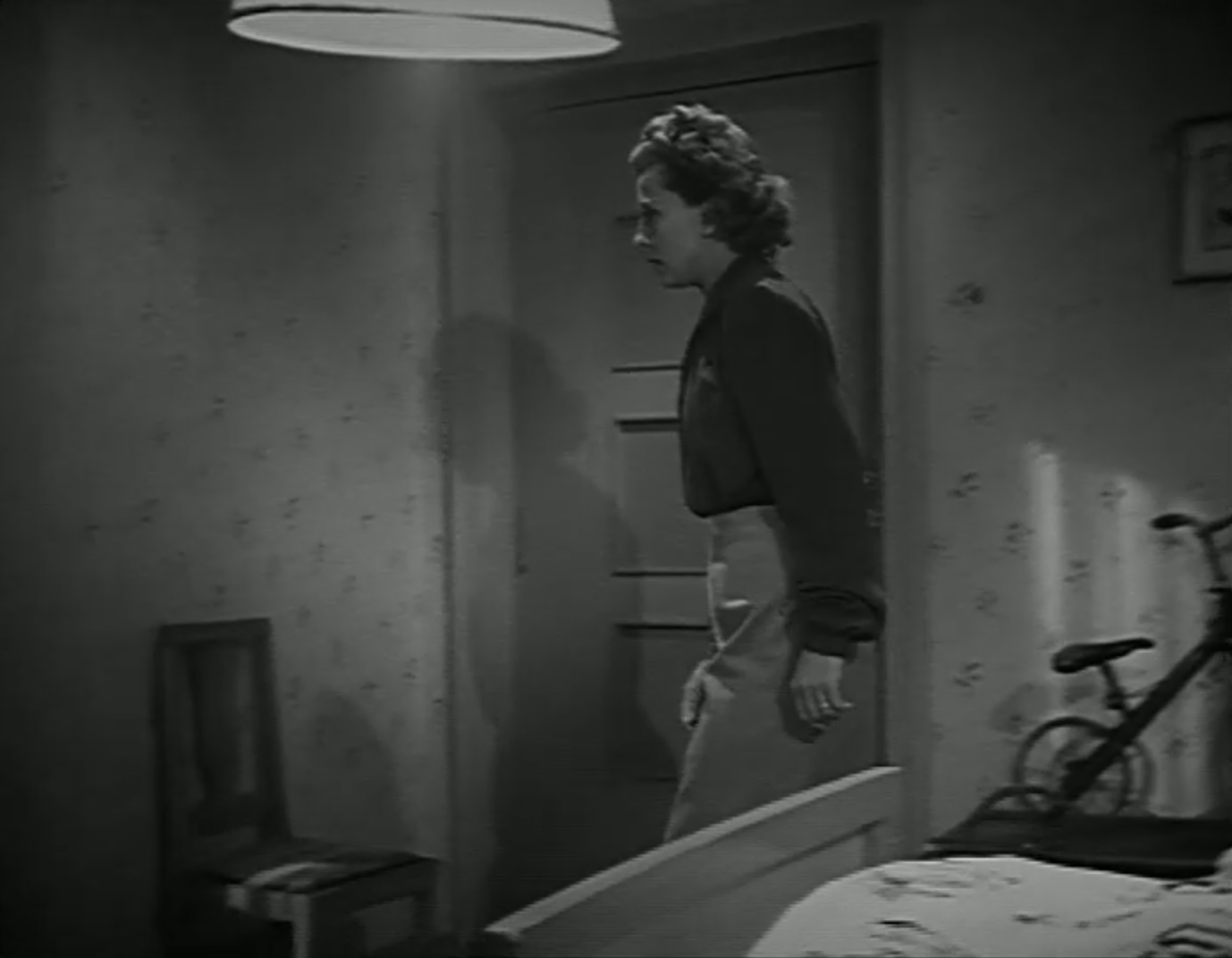
Nina abbassa le persiane, guarda Pricò e poi spegne la luce della camera da letto.
Nina lowers the blinds, gazes at Pricò, and then turns off the bedroom light.
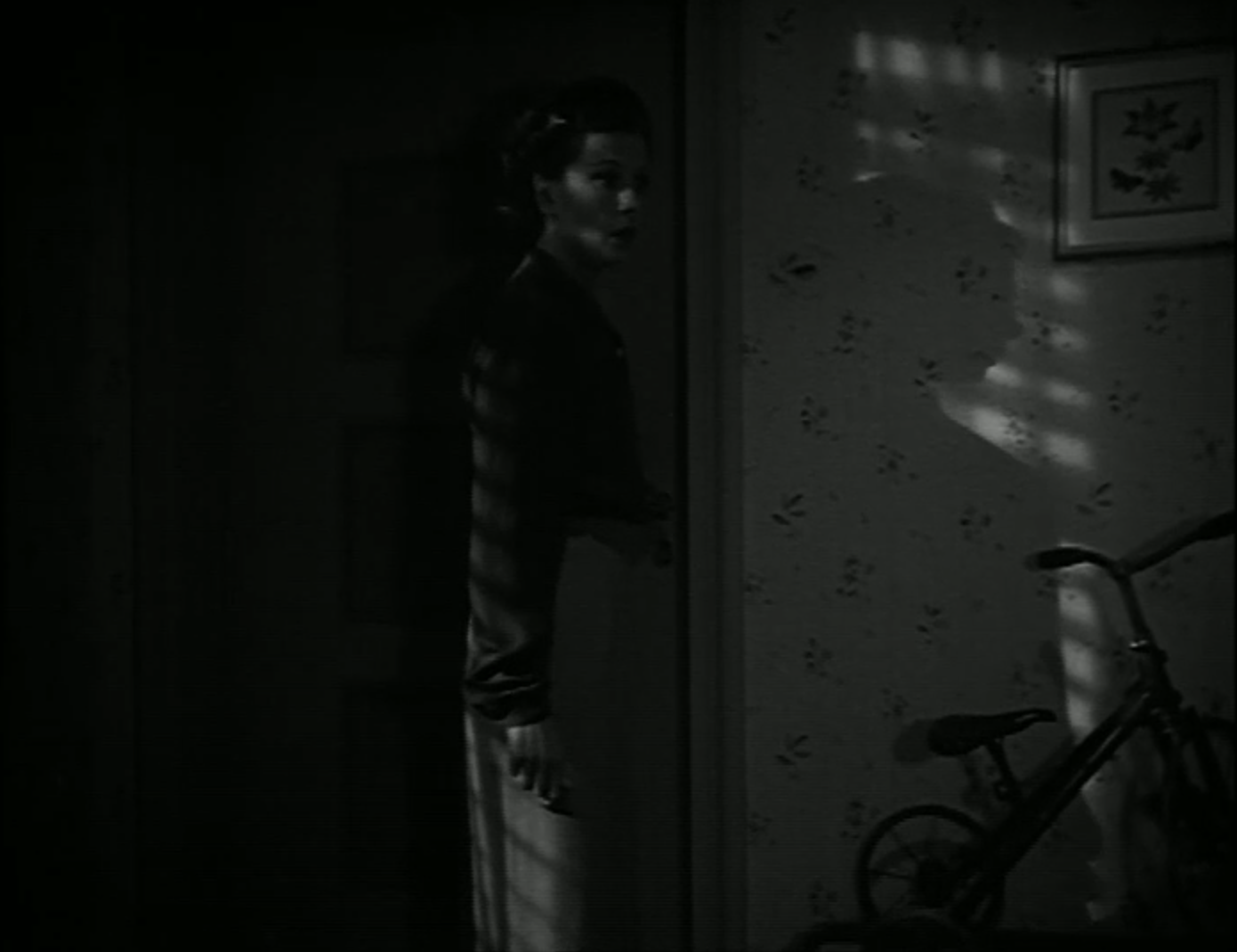
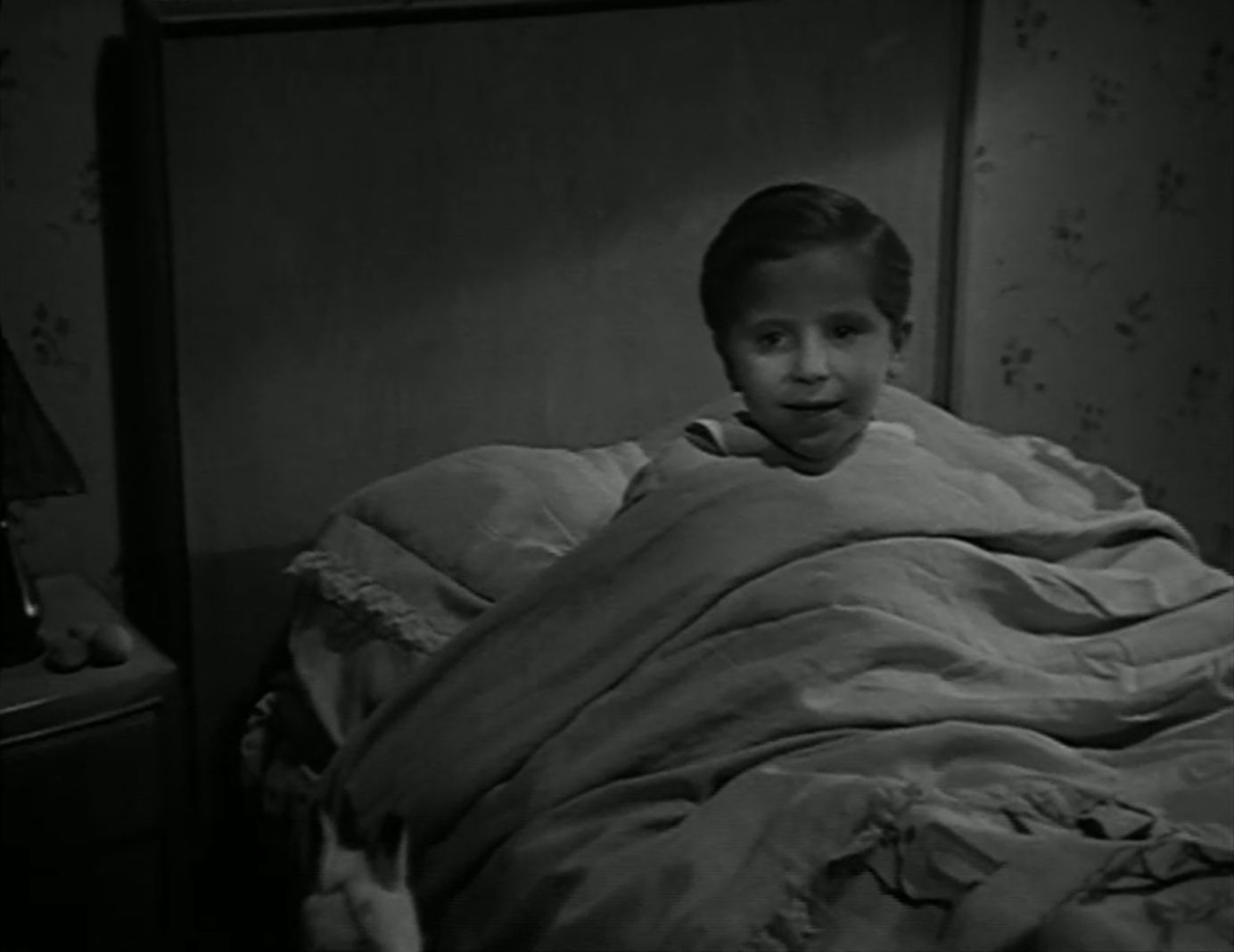
"Mamma?" dice Pricò.
"Sì?"
Lui si mette a sedere sul letto. "Perché non mi riporti da Pulcinella domani?”
“Mommy?” Pricò says.
“Yes?”
He sits up in bed. “Why don't you take me back to Pulcinella tomorrow?”
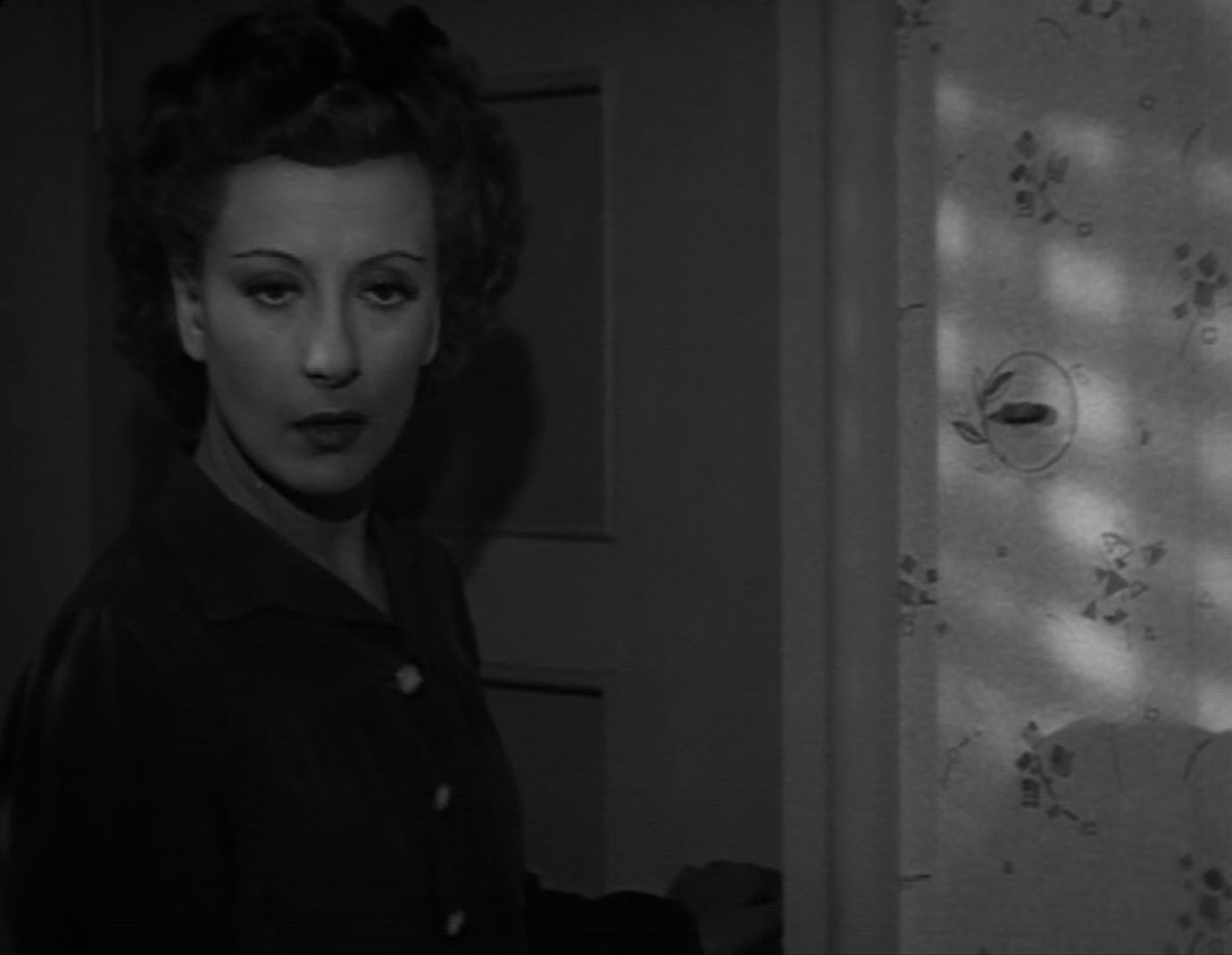
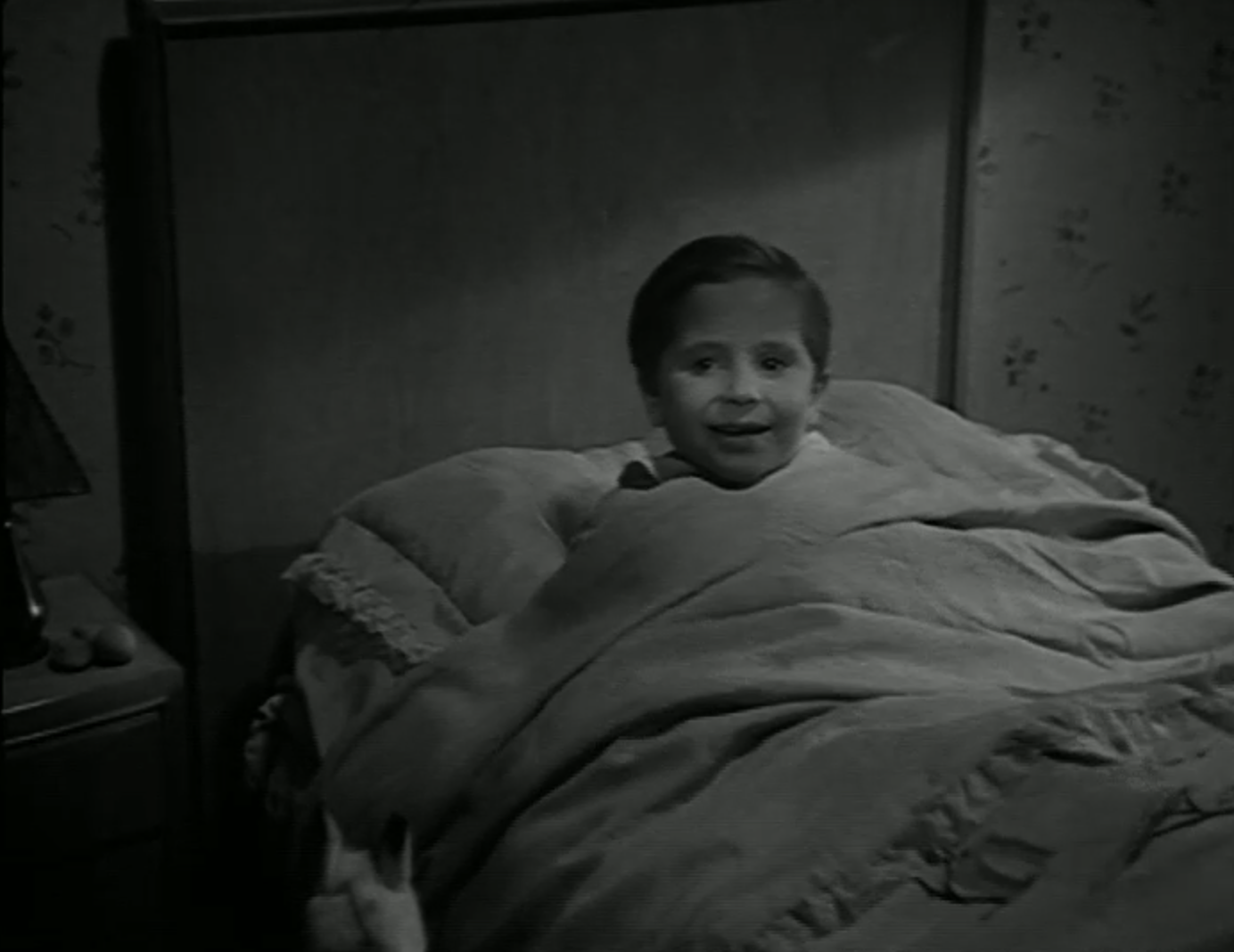
"Sì, caro", risponde lei con un'espressione indecifrabile. “Domani".
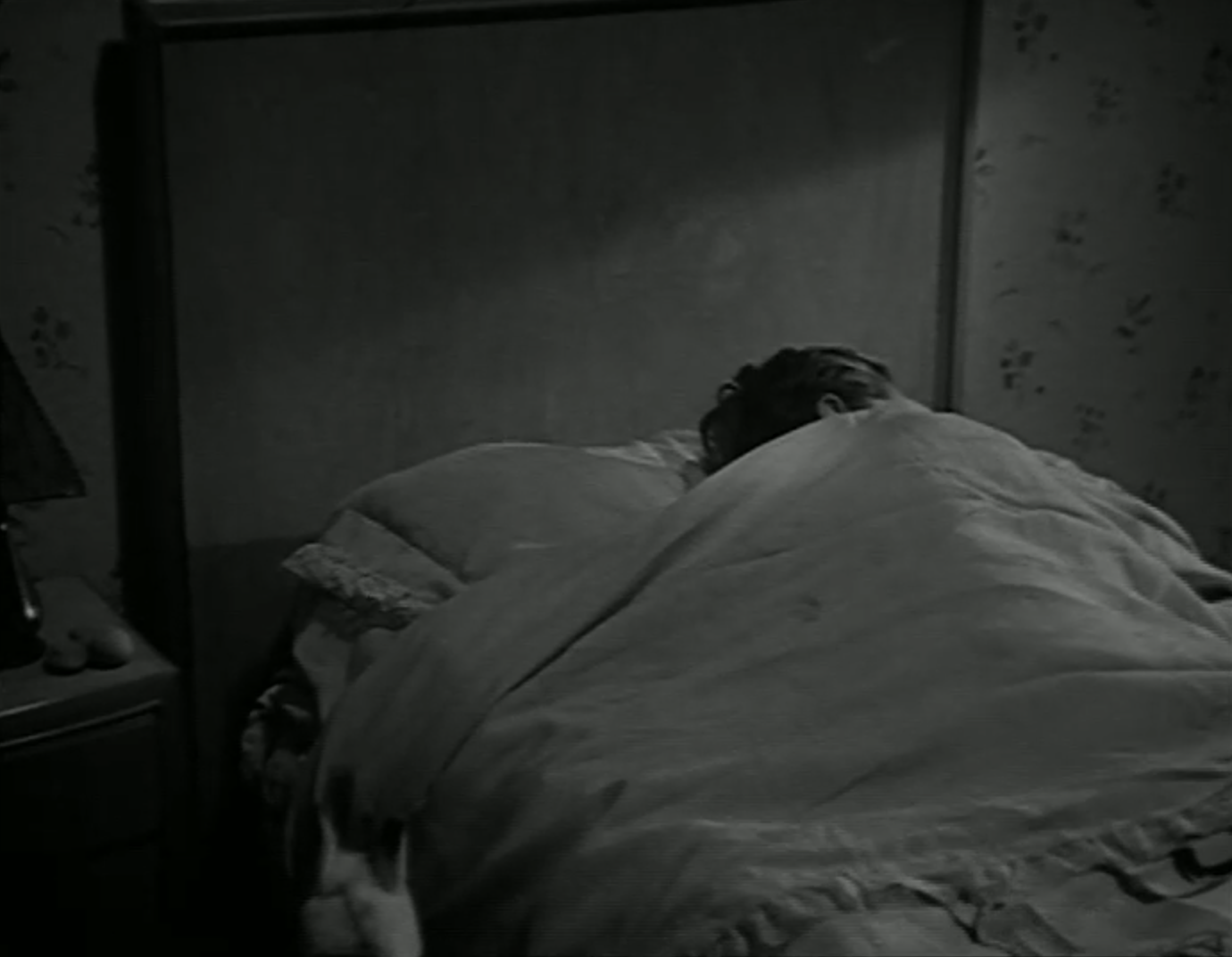
Sorridendo, lui si gira per mettersi a dormire.
“Yes, darling,” she replies, her expression unreadable. “Tomorrow.”
Smiling, he turns over to go to sleep.
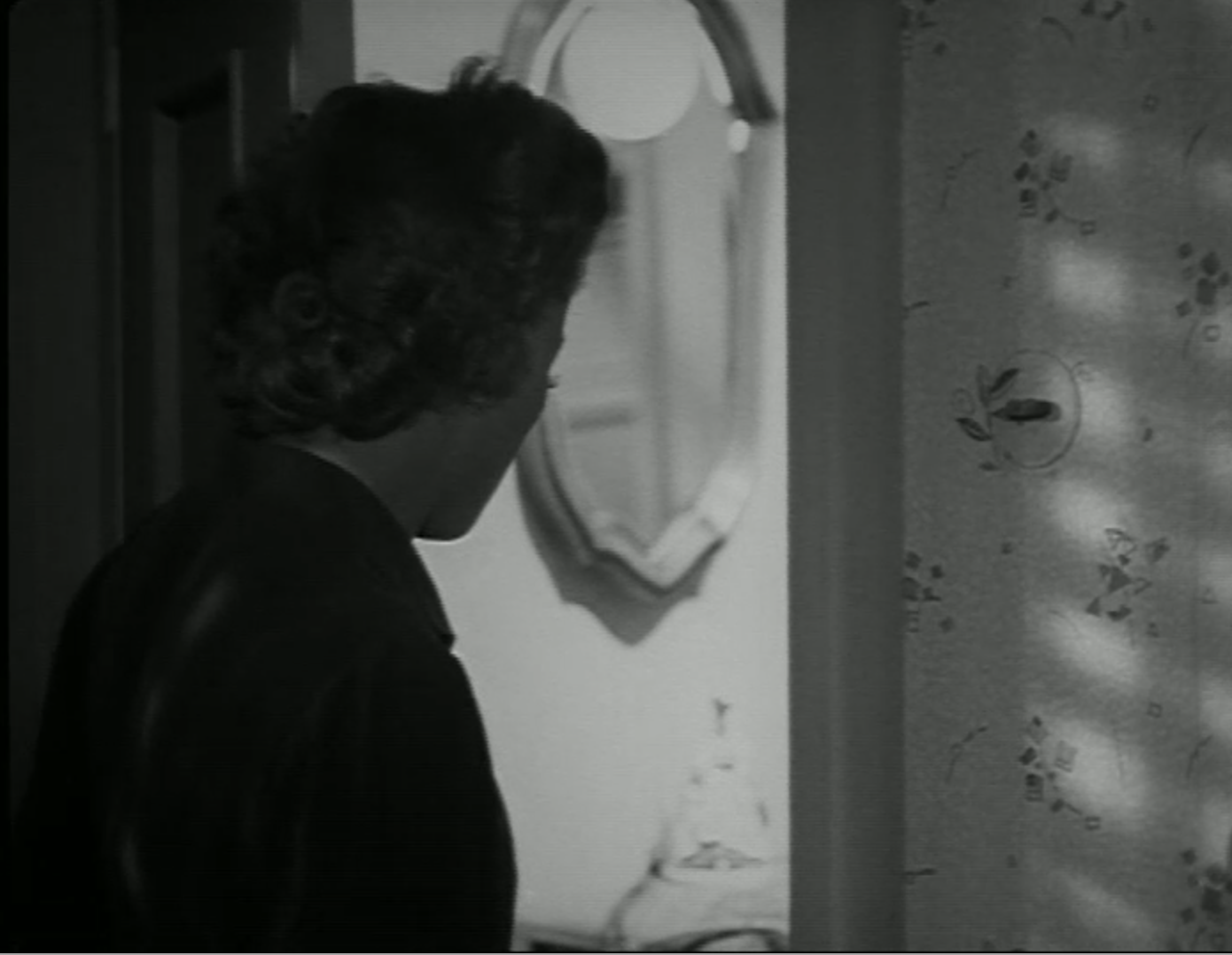
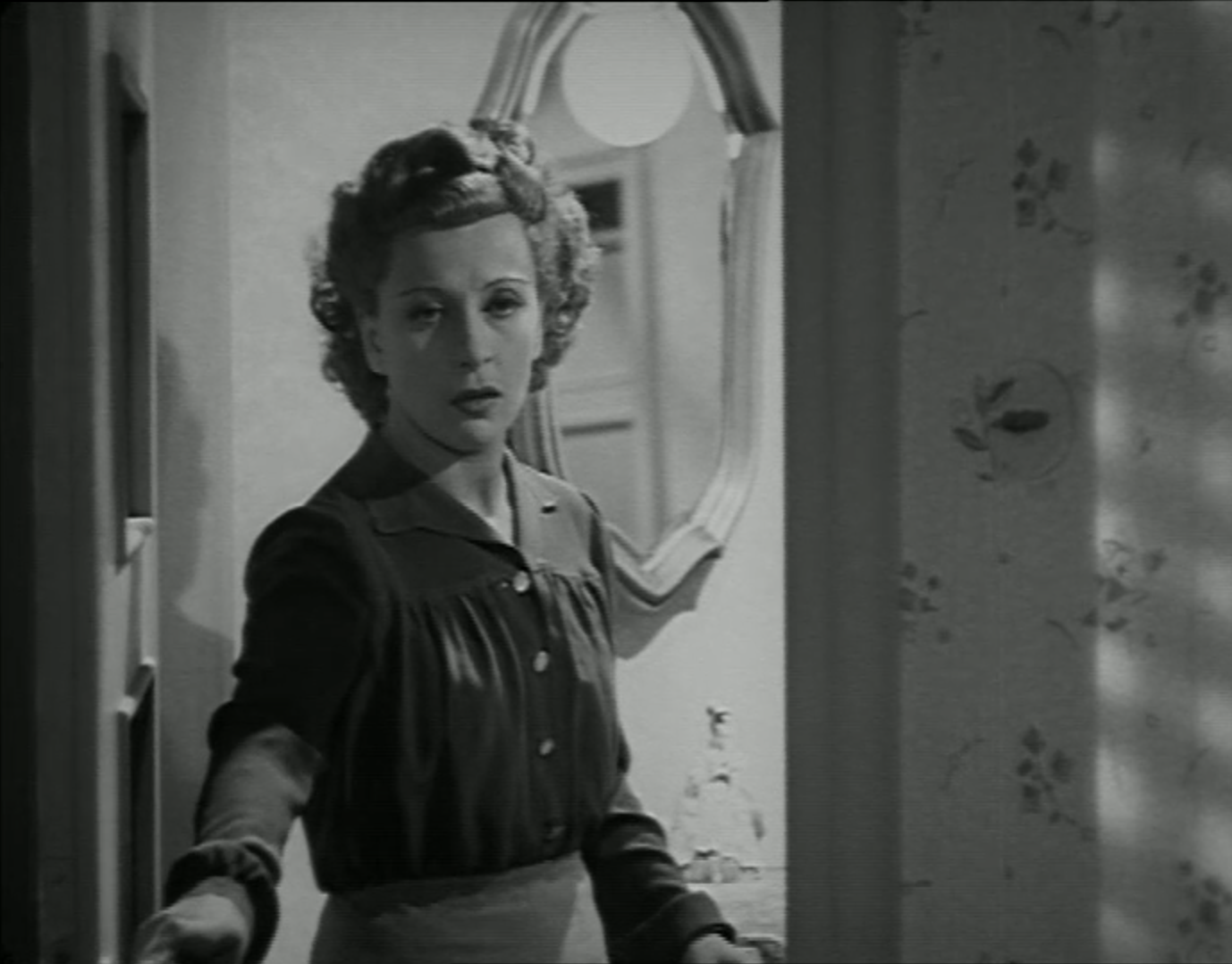
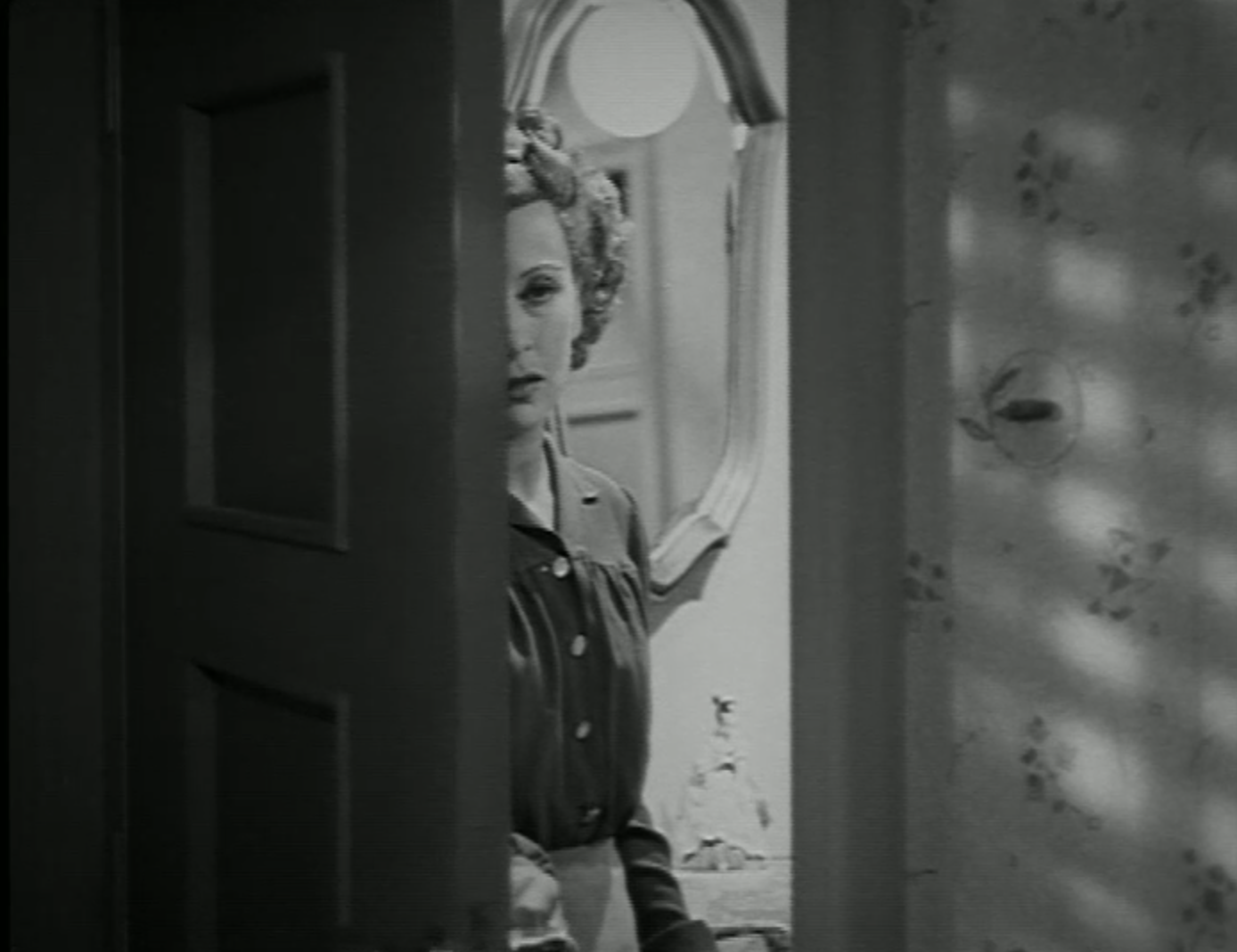
Con un'espressione preoccupata, Nina chiude lentamente la porta, con lo sguardo fisso sul bambino.
With a troubled expression, Nina slowly closes the door, eyes fixed on the little boy.
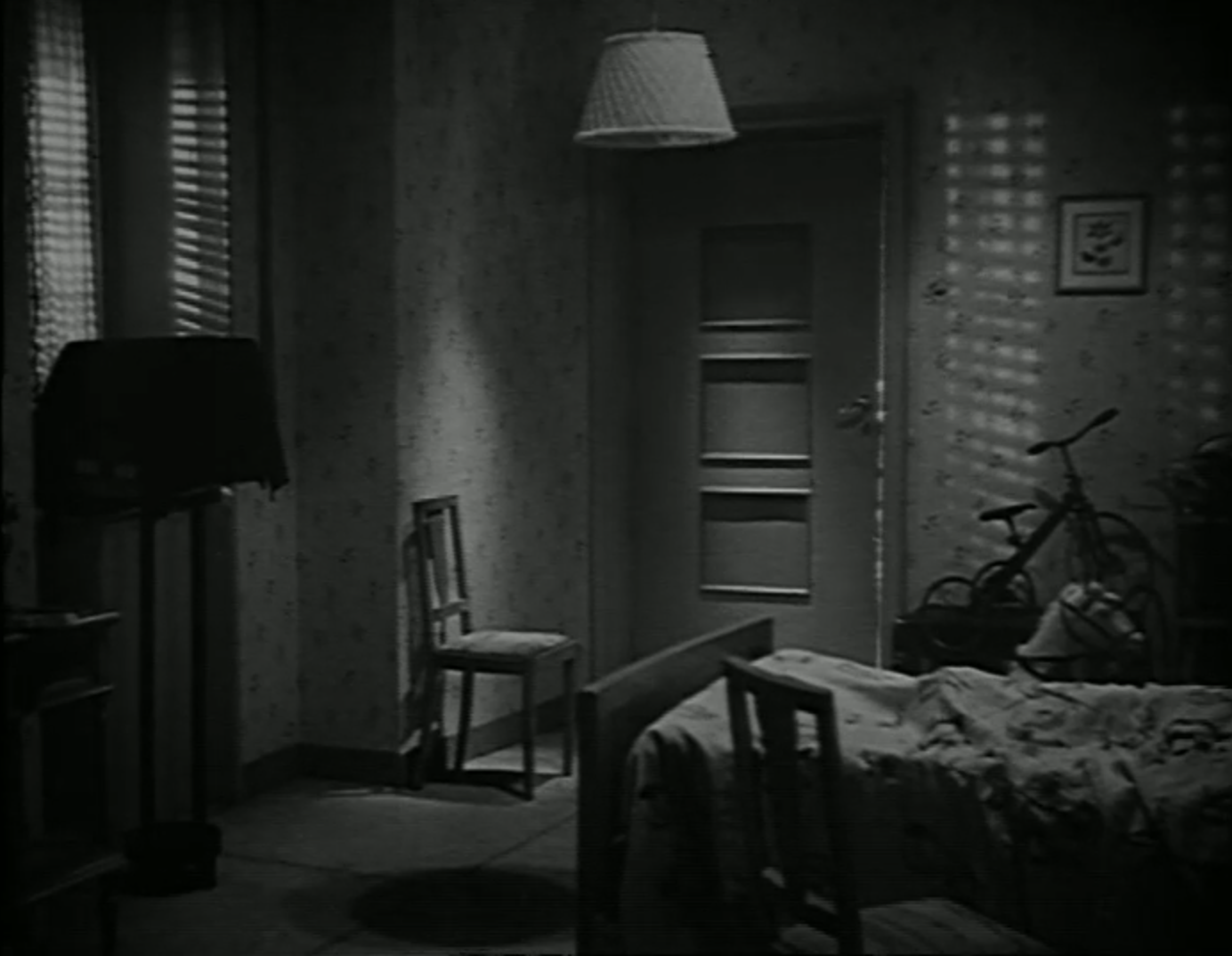
La scena si conclude con una vista della camera da letto buia di Pricò. Si vedono la gabbia per uccelli, una sedia, una bicicletta e l'ombra a strisce delle persiane, ma lui non si vede.
The scene ends with a view of Pricò’s darkened bedroom. We see the birdcage, a chair, a bicycle, and the barred shadow of the blinds, but we don’t see him.
FINE PARTE 2
Ecco Parte 3 of this cineracconto! Subscribe to receive a weekly email newsletter with links to all our new posts.