Regia / Director: Vittorio De Sica, 1944
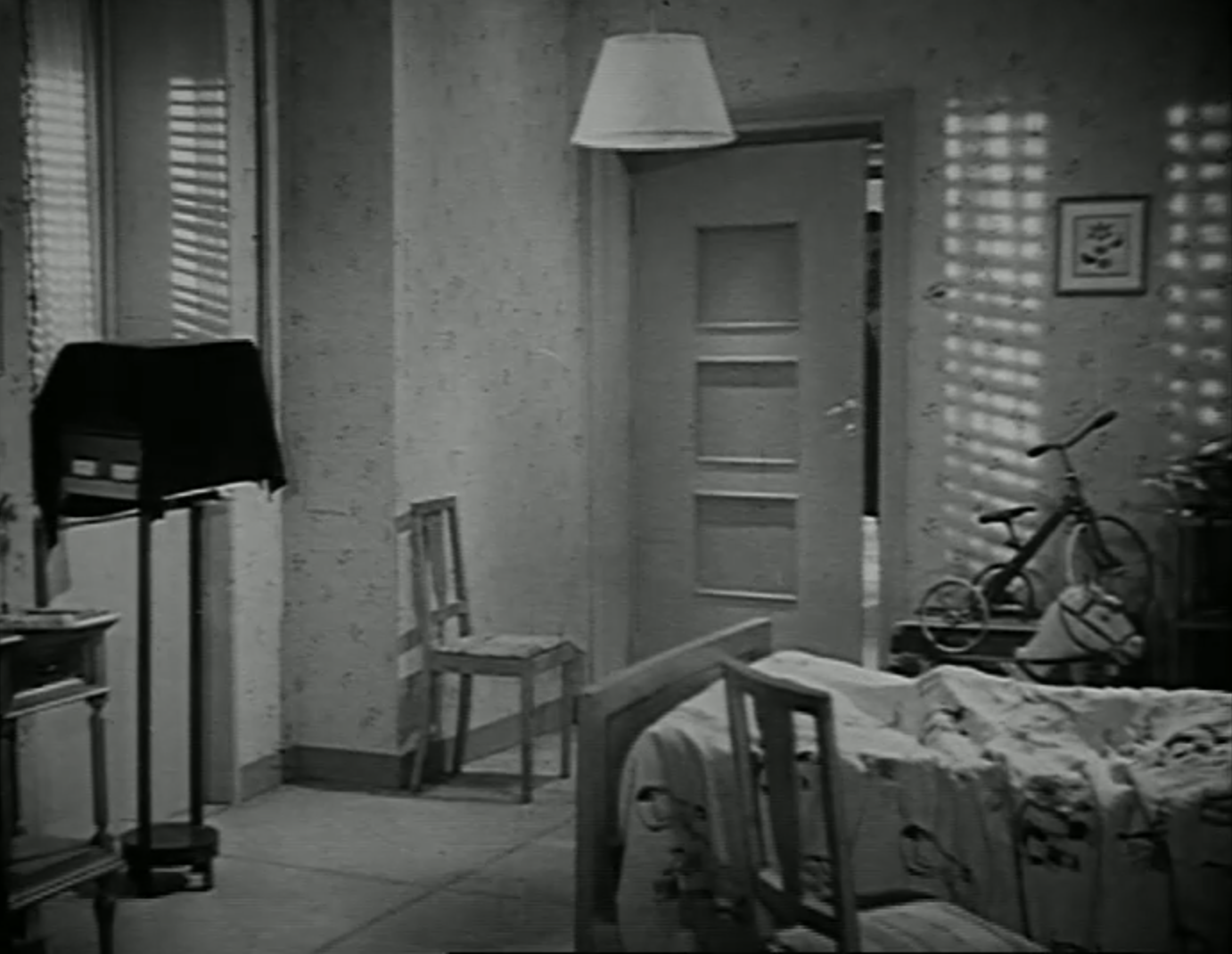
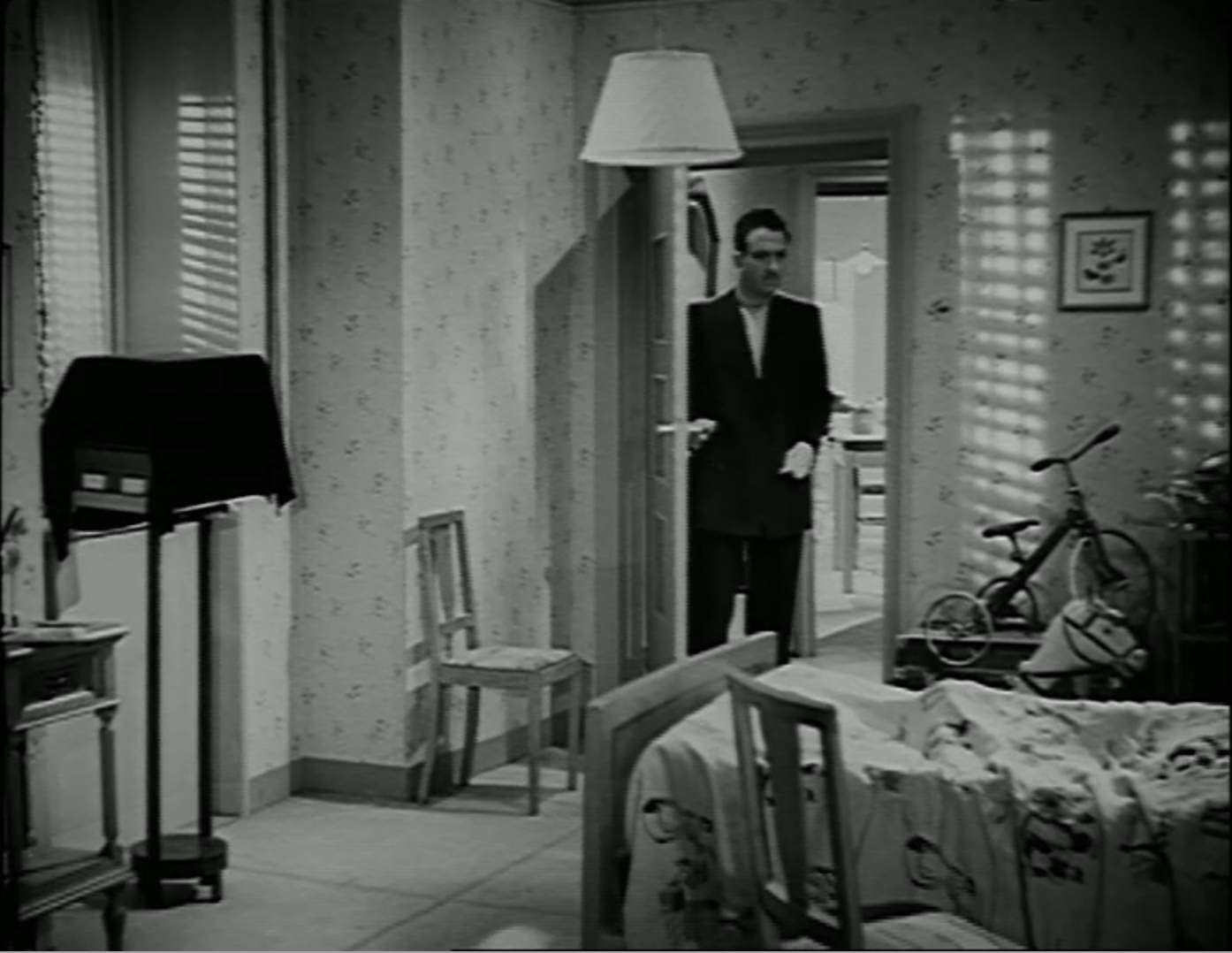
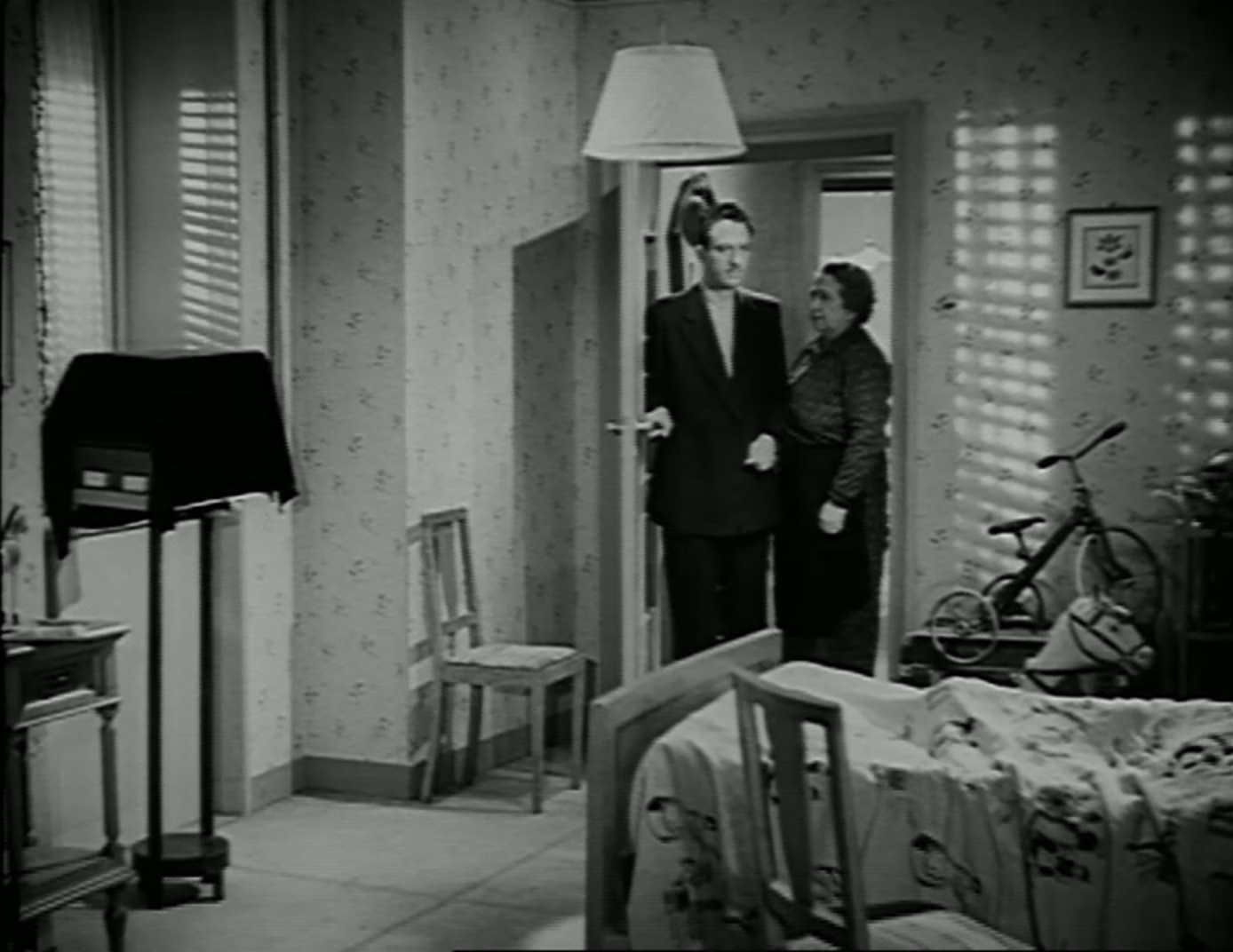
È mattina, e la camera da letto di Pricò è tranquilla e inondata di luce. Entra il padre di Pricò, accompagnato da Agnese, la governante.
It’s morning, and Pricò’s bedroom is calm and bathed in light. Pricò’s father enters, accompanied by Agnese, the housekeeper.
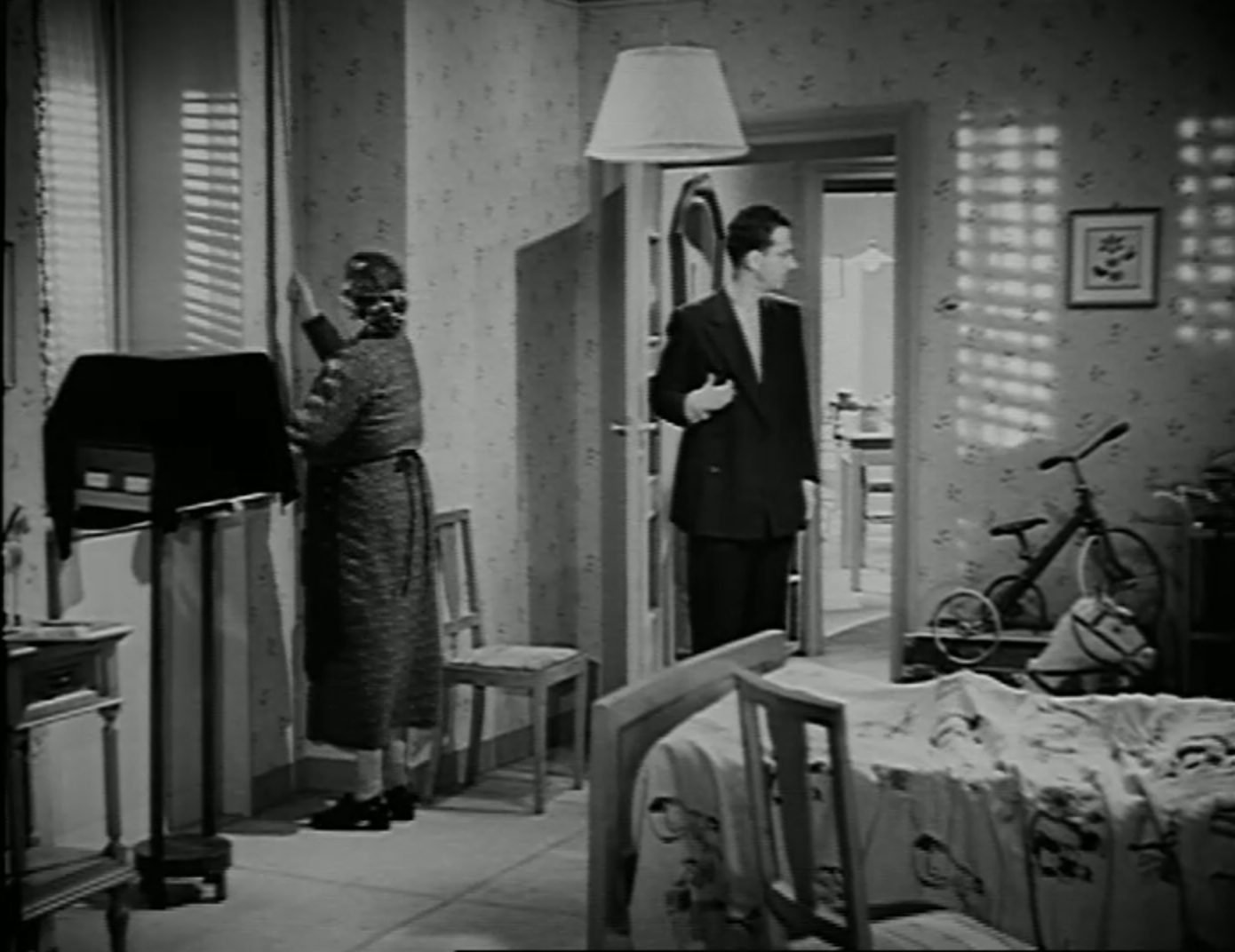
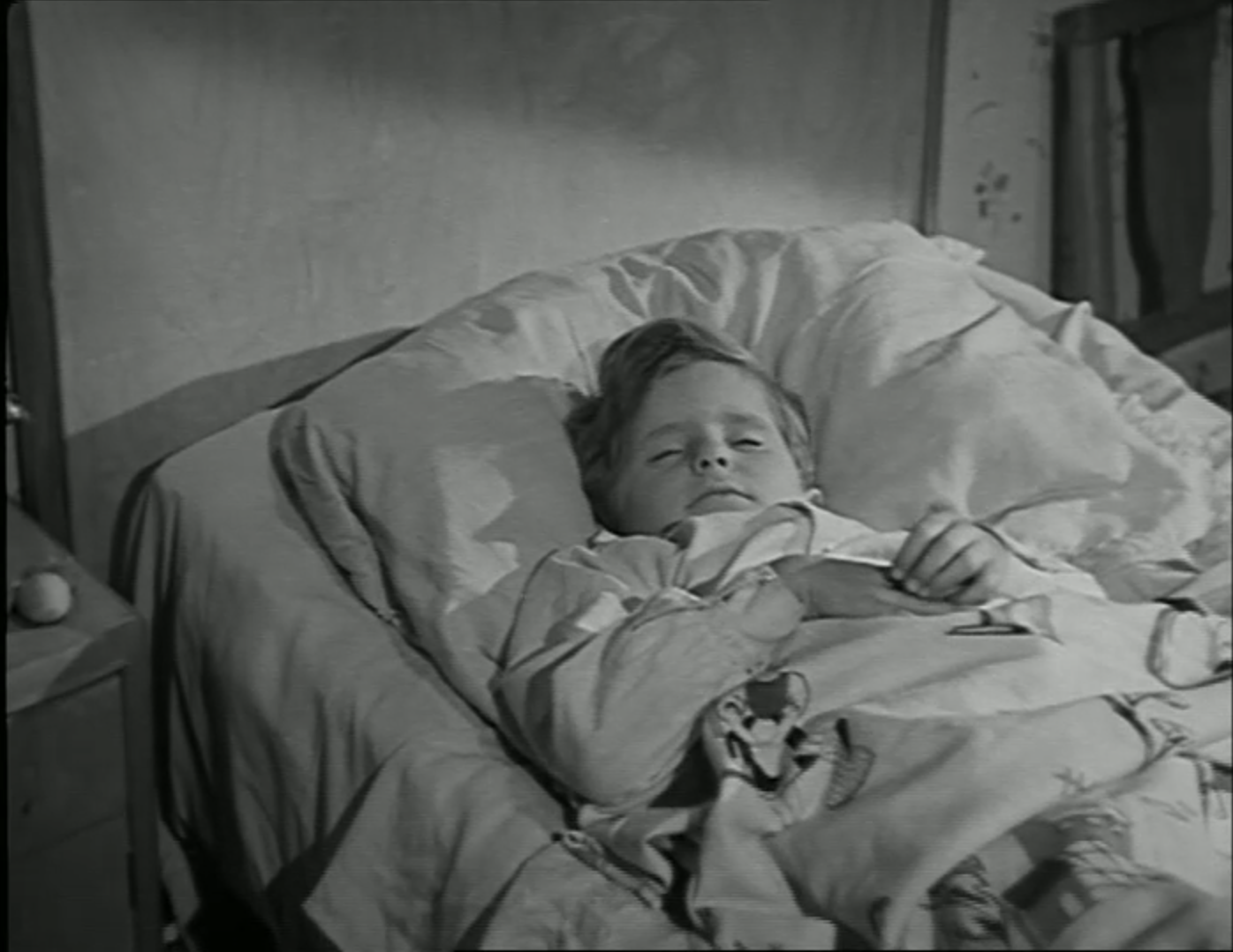
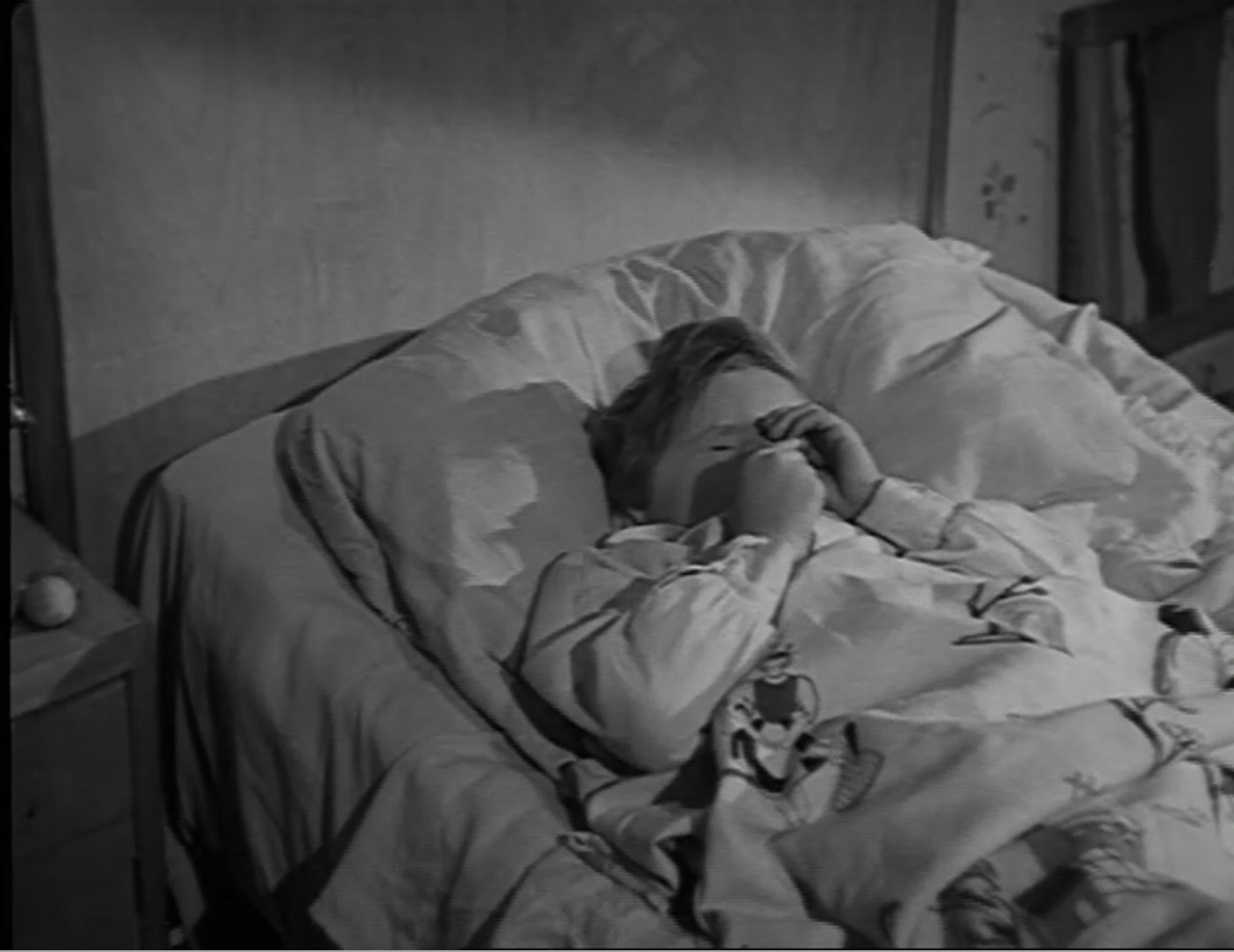
Quando Agnese alza le persiane, il bambino si agita nel sonno.
When Agnese pulls up the blinds, the boy stirs in his sleep.
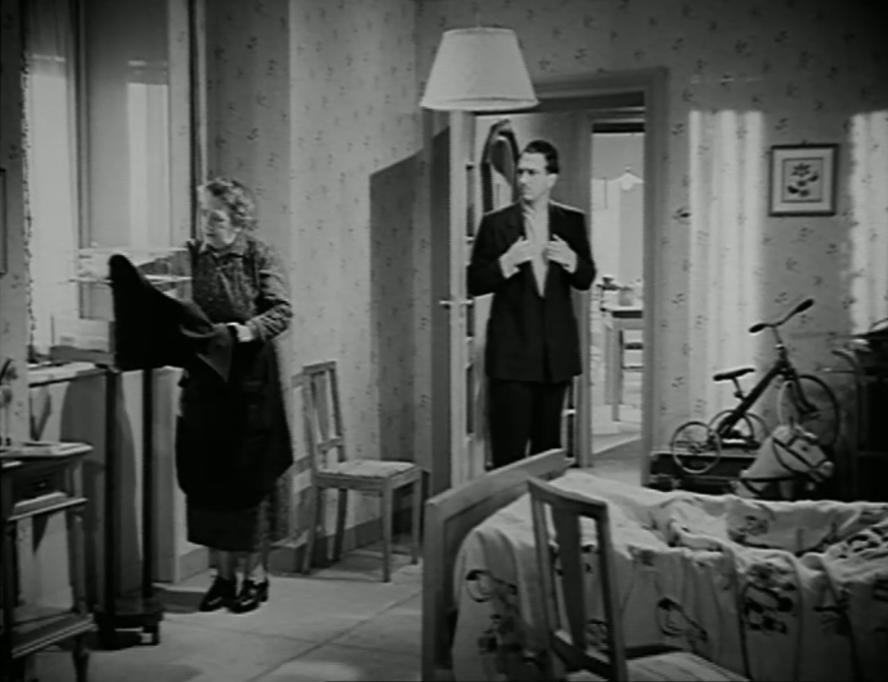
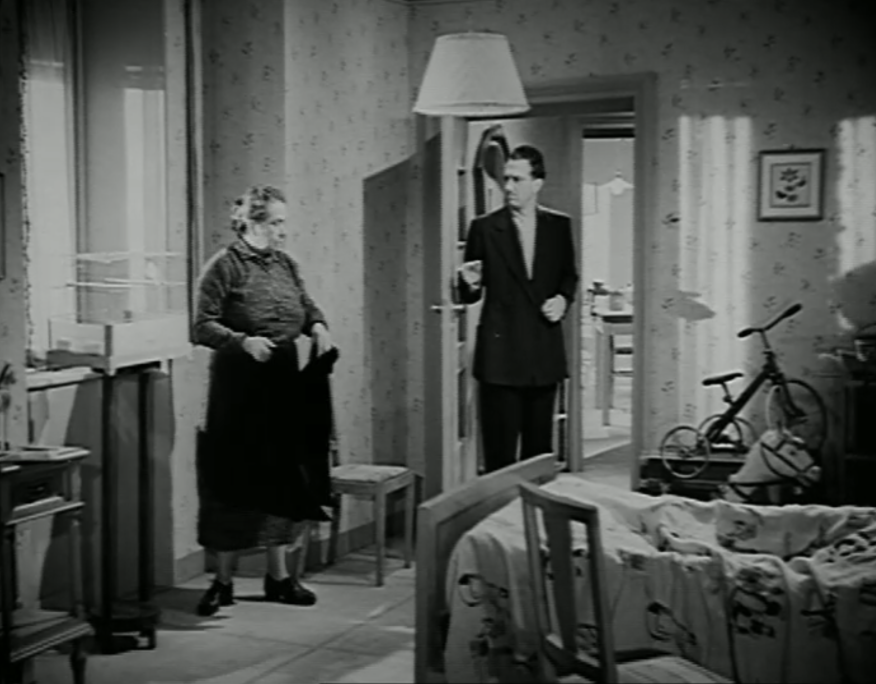
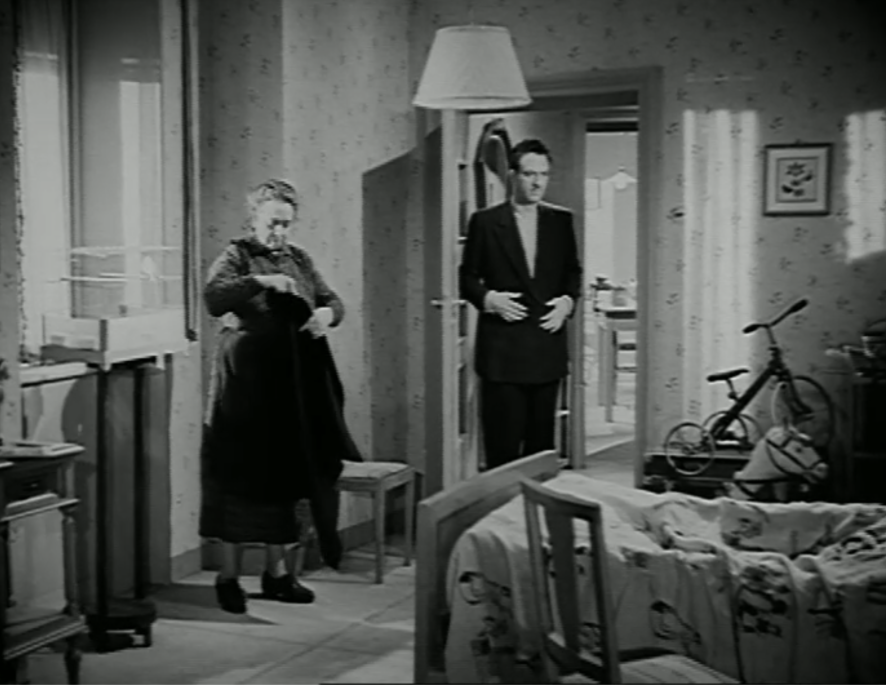
Lei scopre la gabbia e l’uccellino inizia a cinguettare.
"No, rimettigli il panno sulla gabbia" – dice Andrea – "Ci fa impazzire tutti".
She uncovers the cage, and the bird starts to chirp.
“No, put the cloth back on the cage,” says Andrea. “He’ll drive us all crazy.”
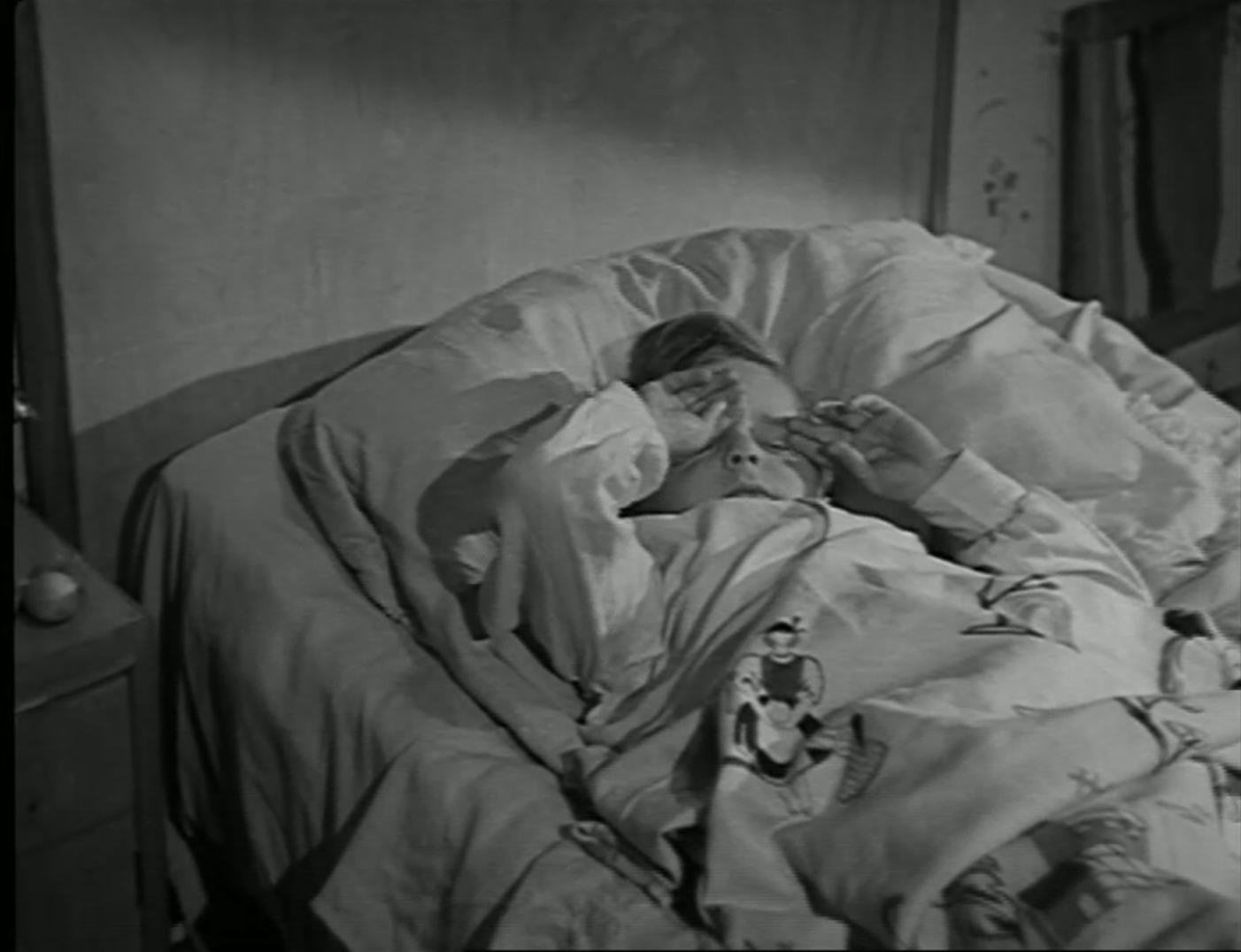
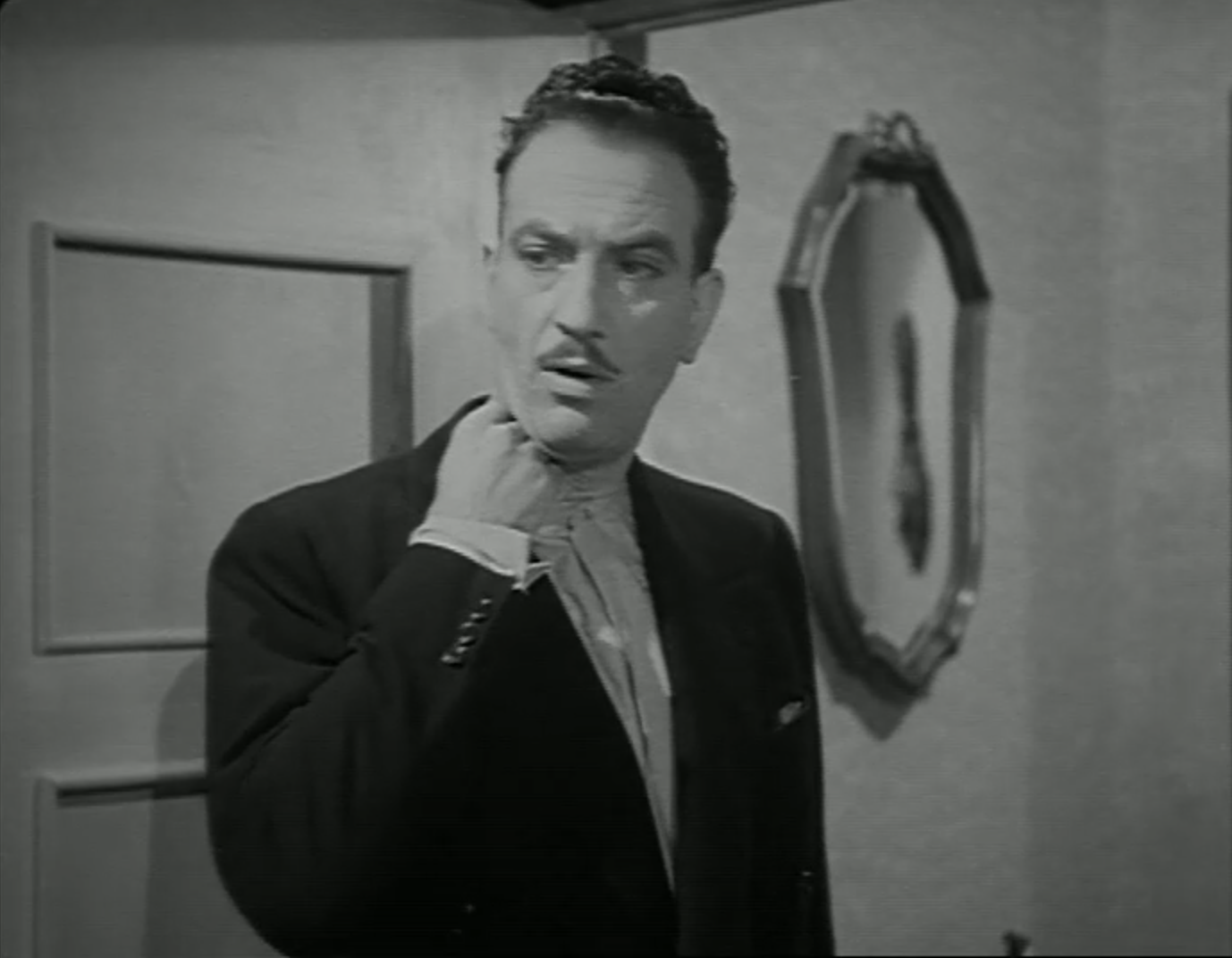
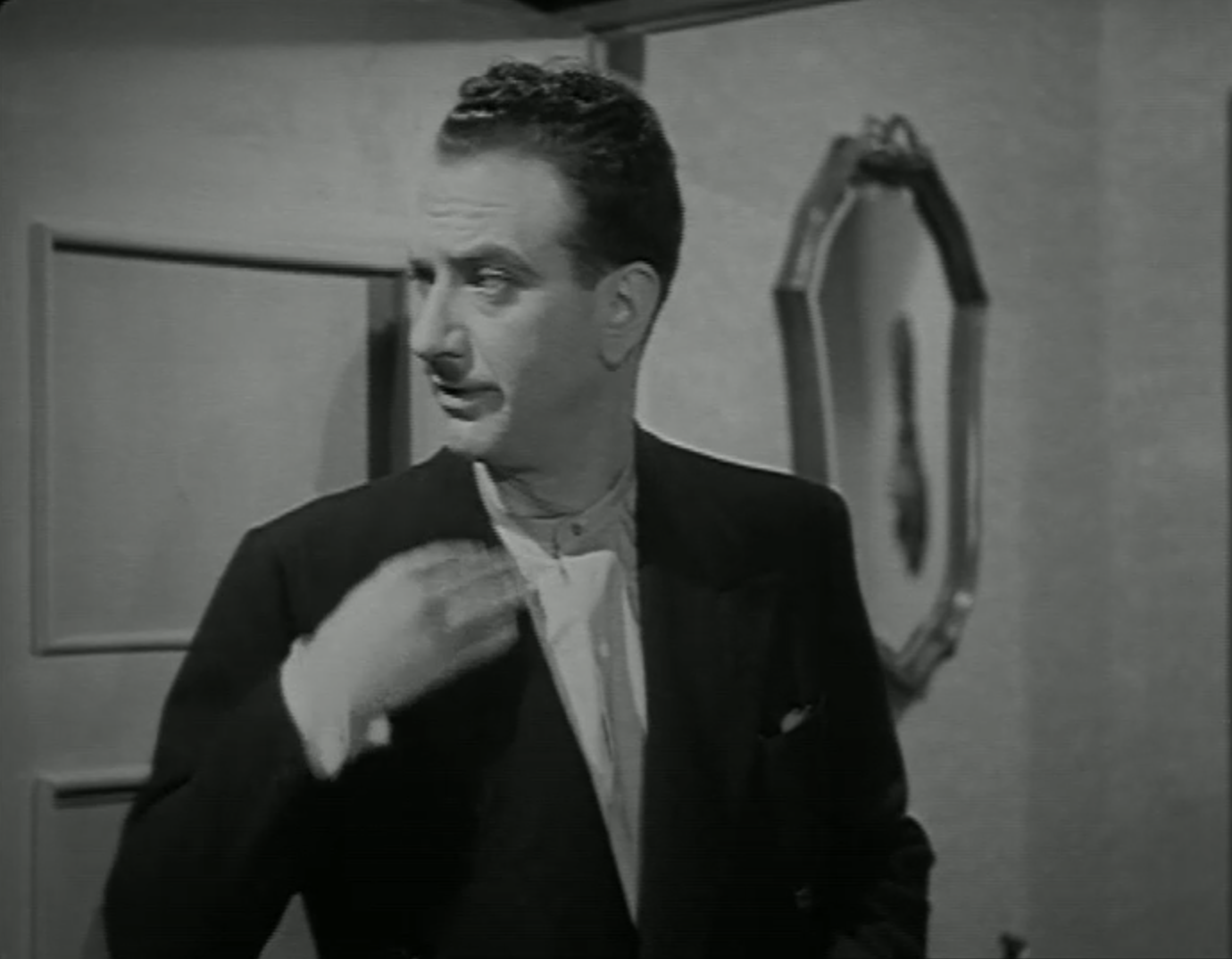
Pricò si strofina gli occhi sotto lo sguardo di Andrea, che sembra a sua volta assonnato. "Ora mi metto la cravatta e vado", mormora.
Pricò rubs his eyes as Andrea watches, looking sleepy himself. “I’ll put on my tie and go now,” he mutters.
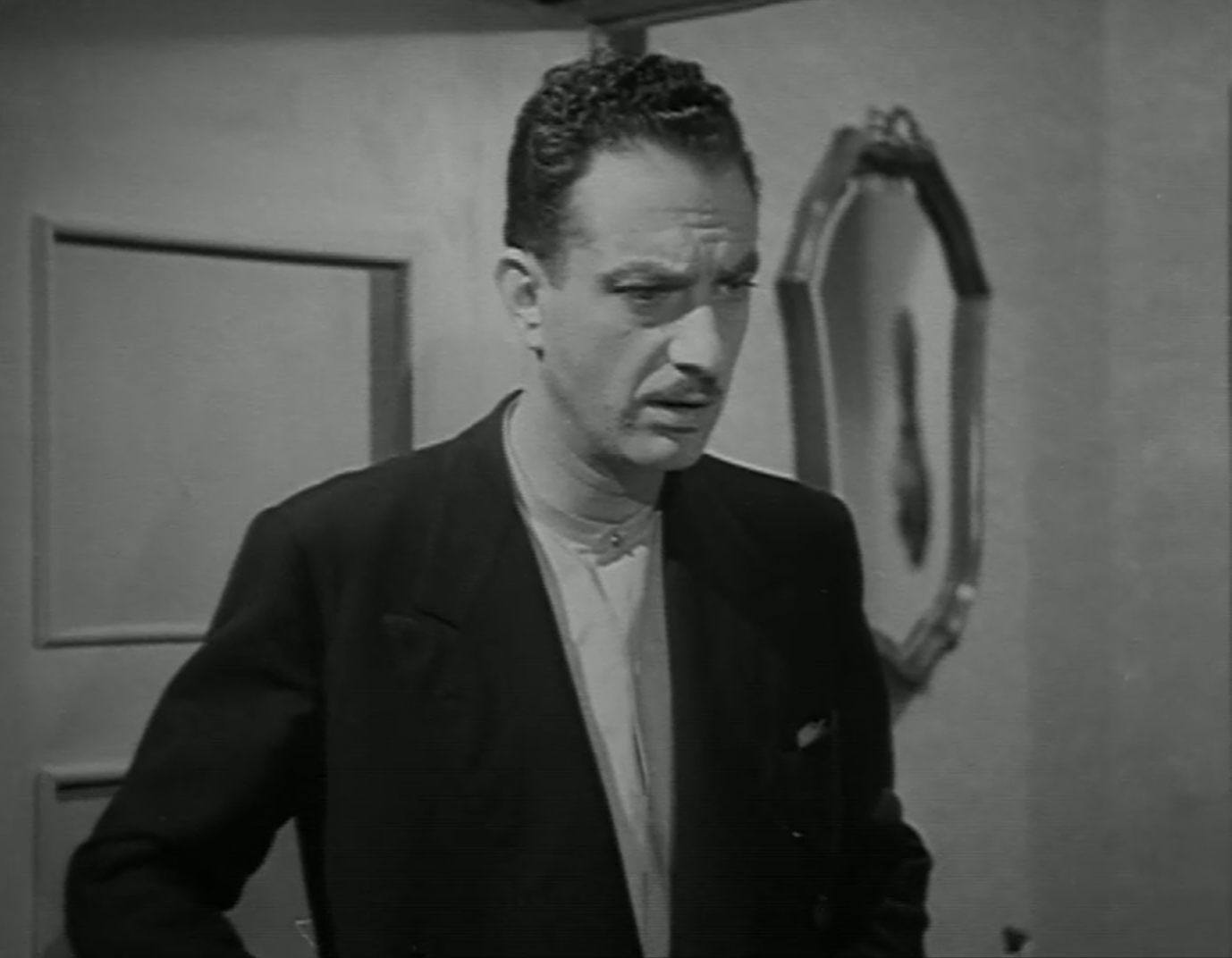
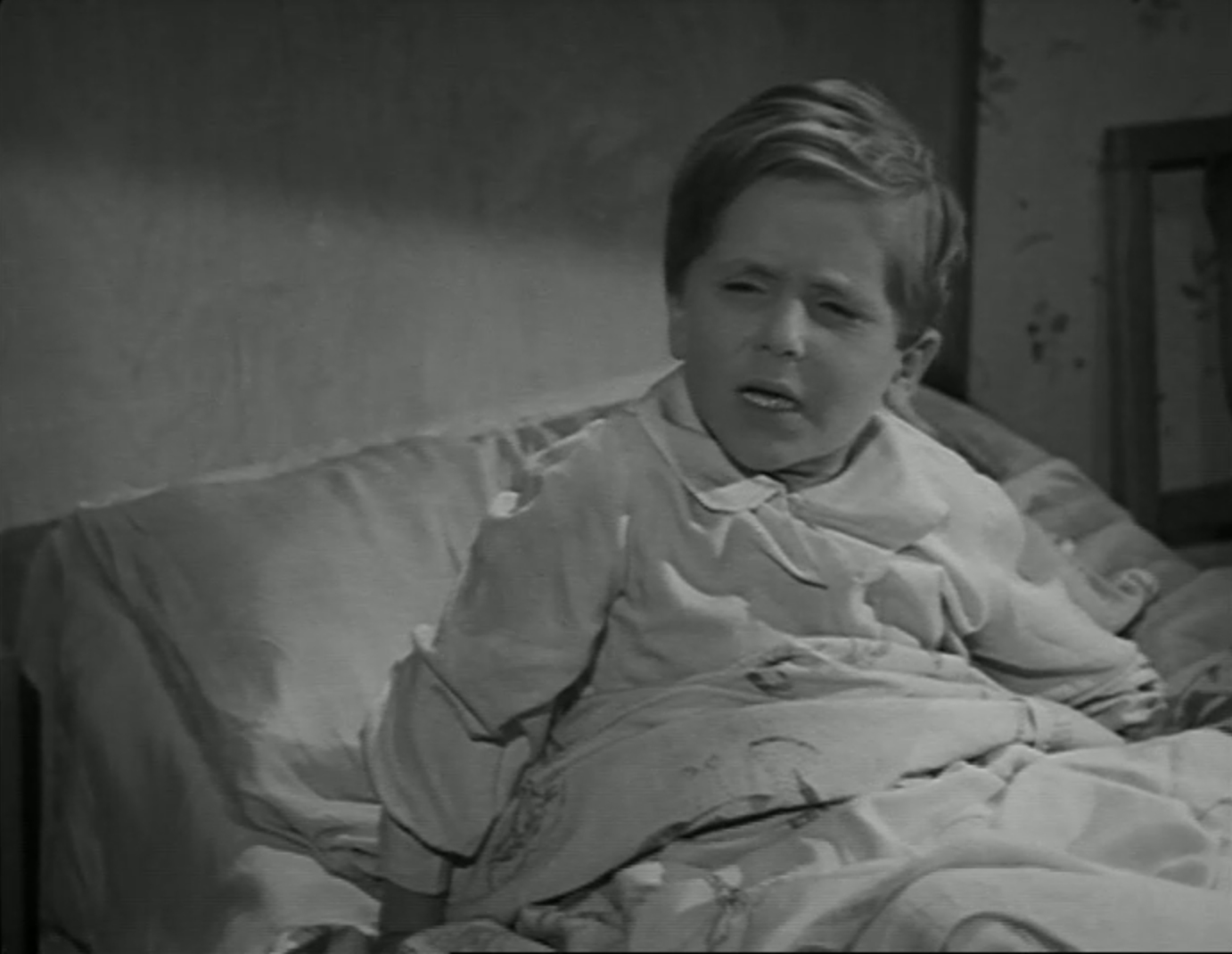
Pricò si mette a sedere. "È domenica, papà?"
"Perché?"
"Perché non vai in ufficio".
"No, non è domenica. Vado in ufficio".
Pricò sits up. “Is it Sunday, Daddy?”
“Why?”
“Because you’re not going to the office.”
“No, it’s not Sunday. I’m going to the office.”
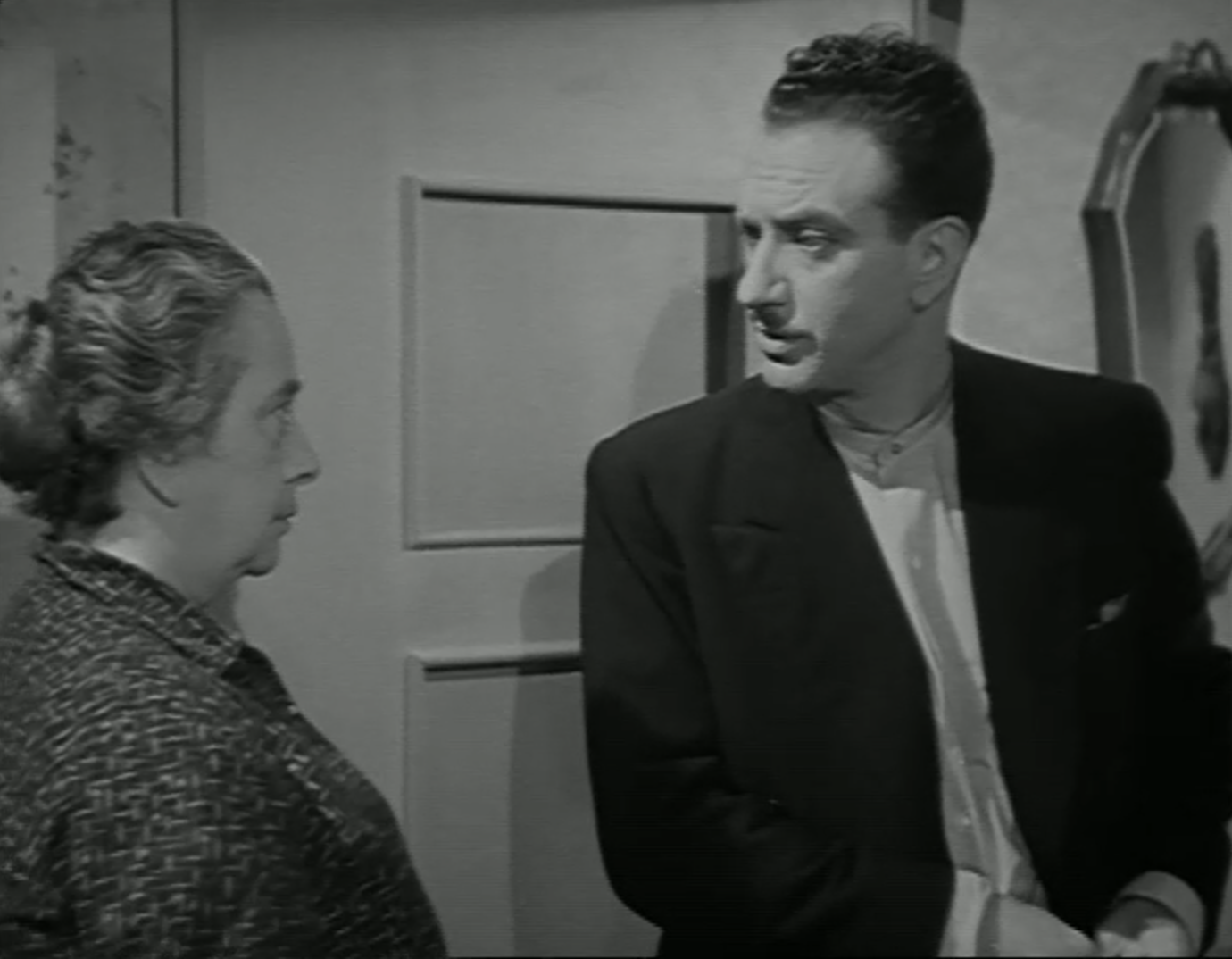
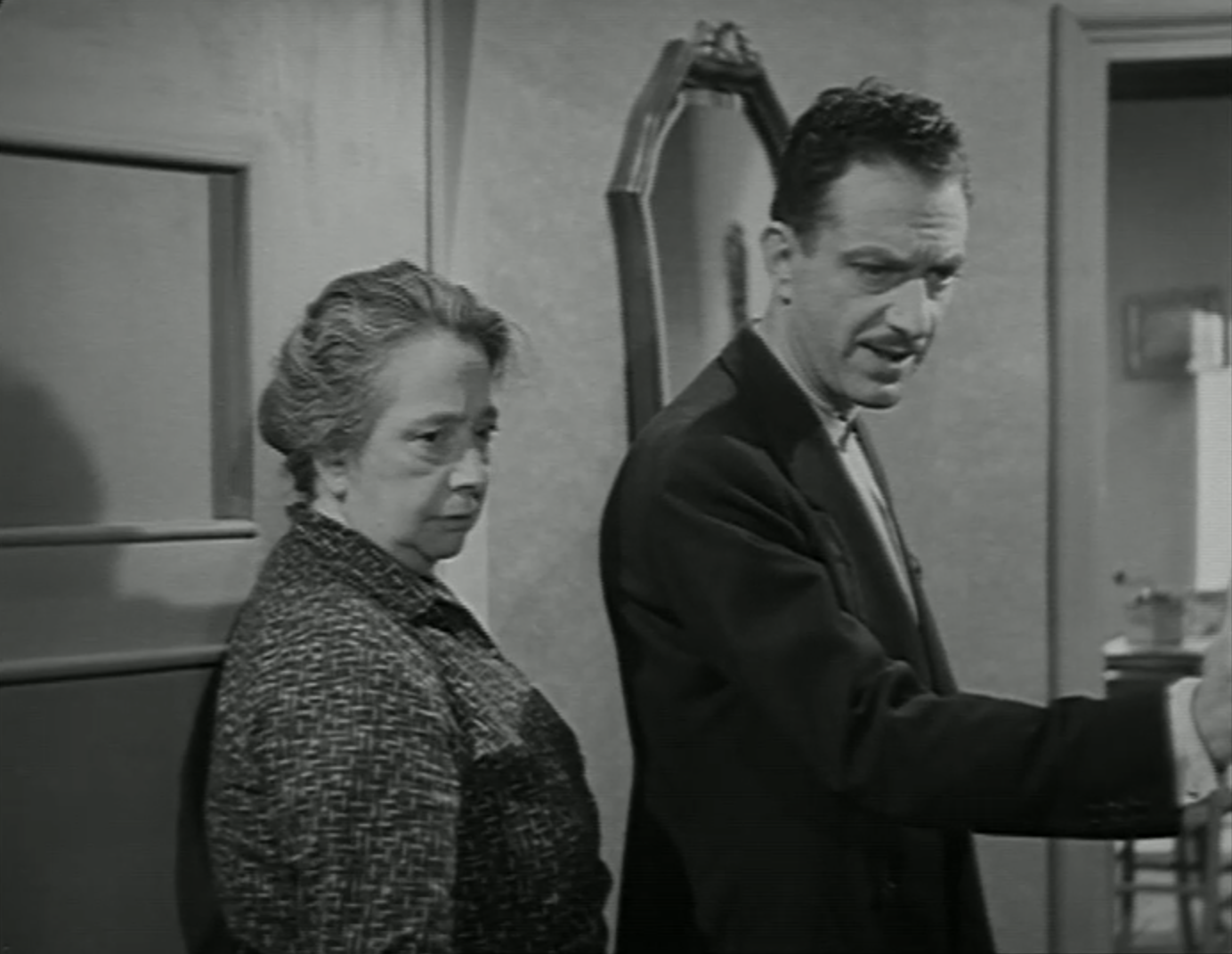
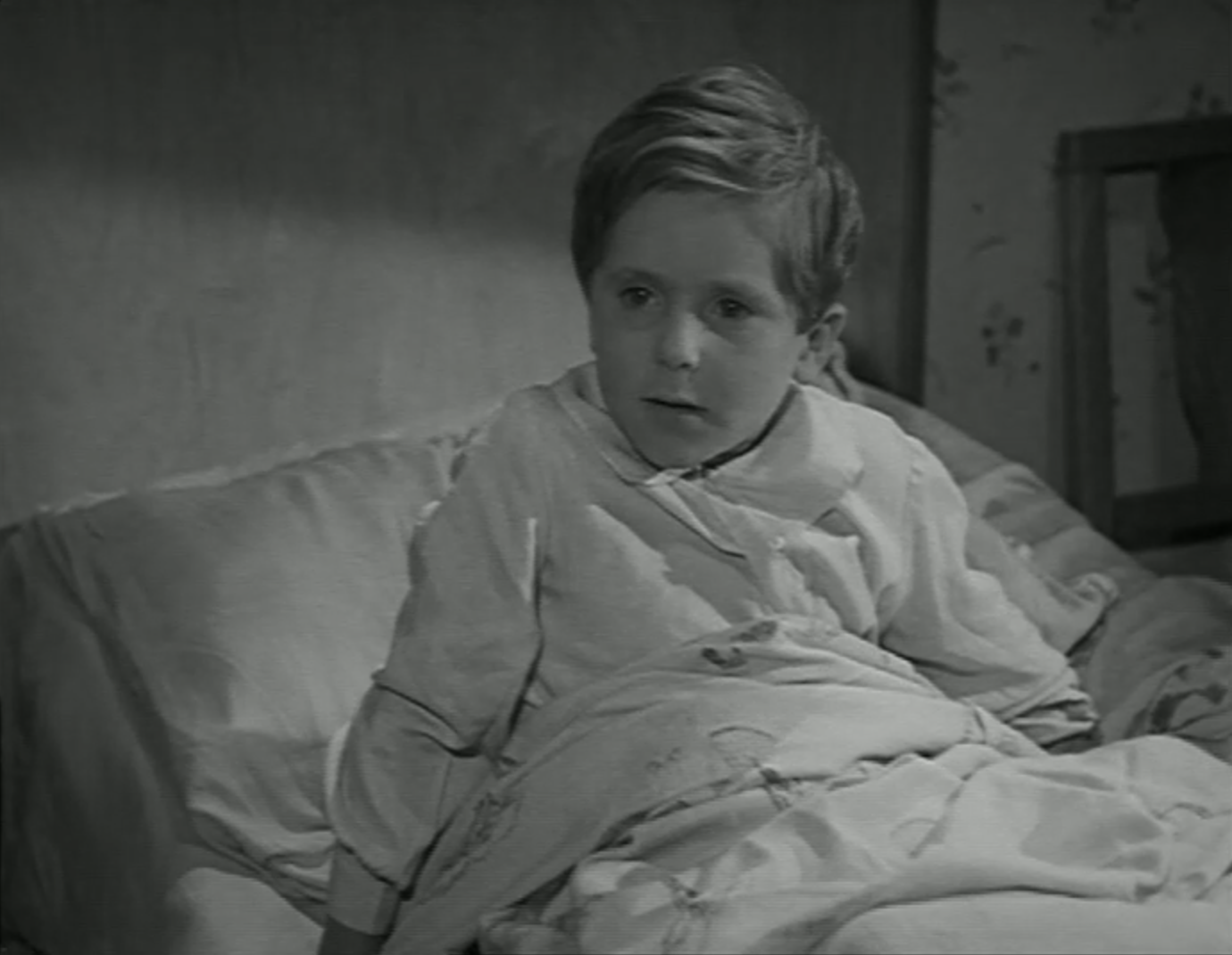
"Sono già le nove e mezza" – dice ad Agnese – "Beh, non importa, col capo troverò una scusa". Mentre sta per uscire dalla stanza, si volta e chiede a Pricò. "La mamma ieri sera è stata qui con te?"
"Sì, papà".
“It’s already 9:30,” he tells Agnese. “Well, it doesn’t matter, I'll come up with an excuse for the boss.” About to leave the room, he turns and asks Pricò. “Was Mommy here with you last night?”
“Yes, Daddy.”
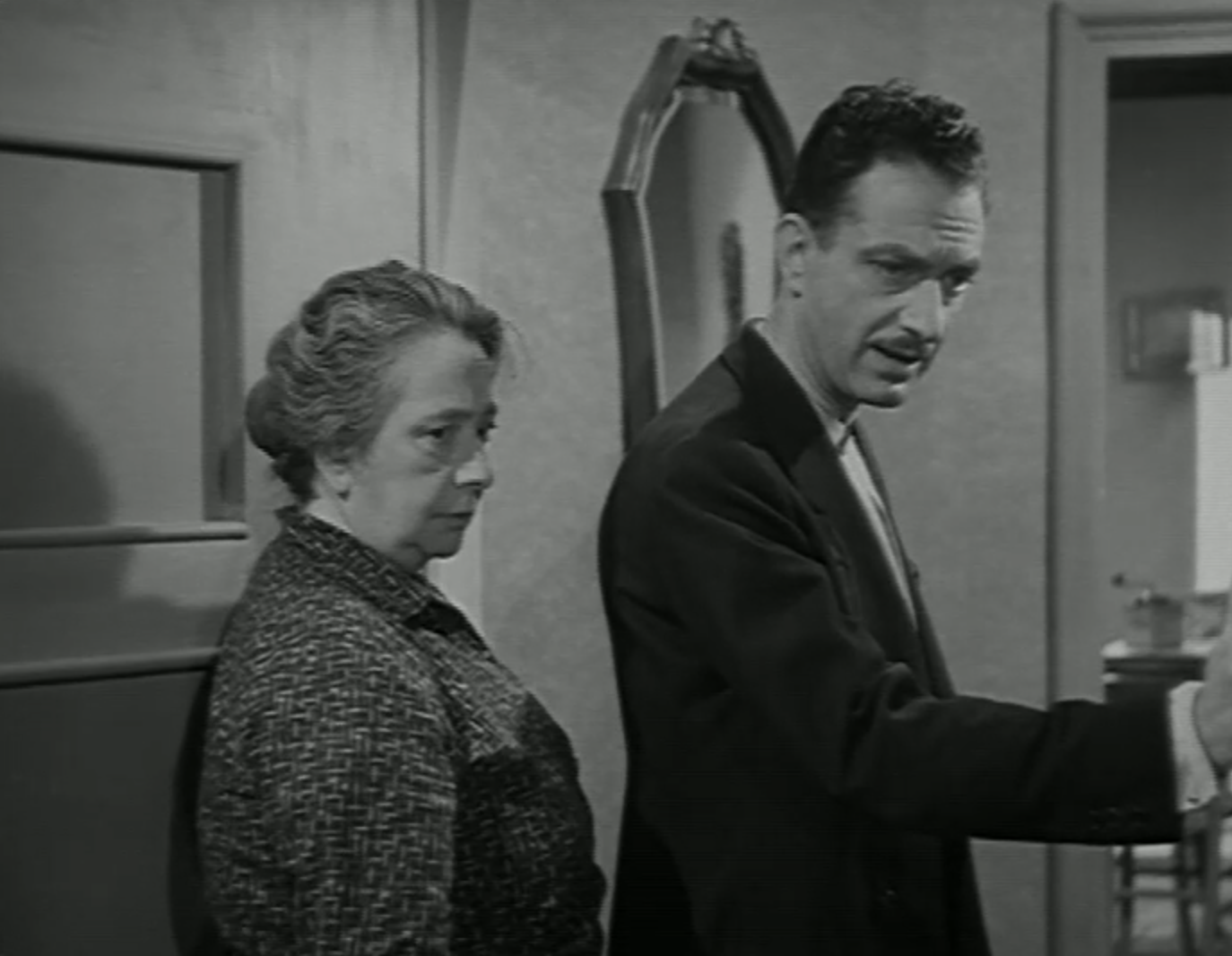
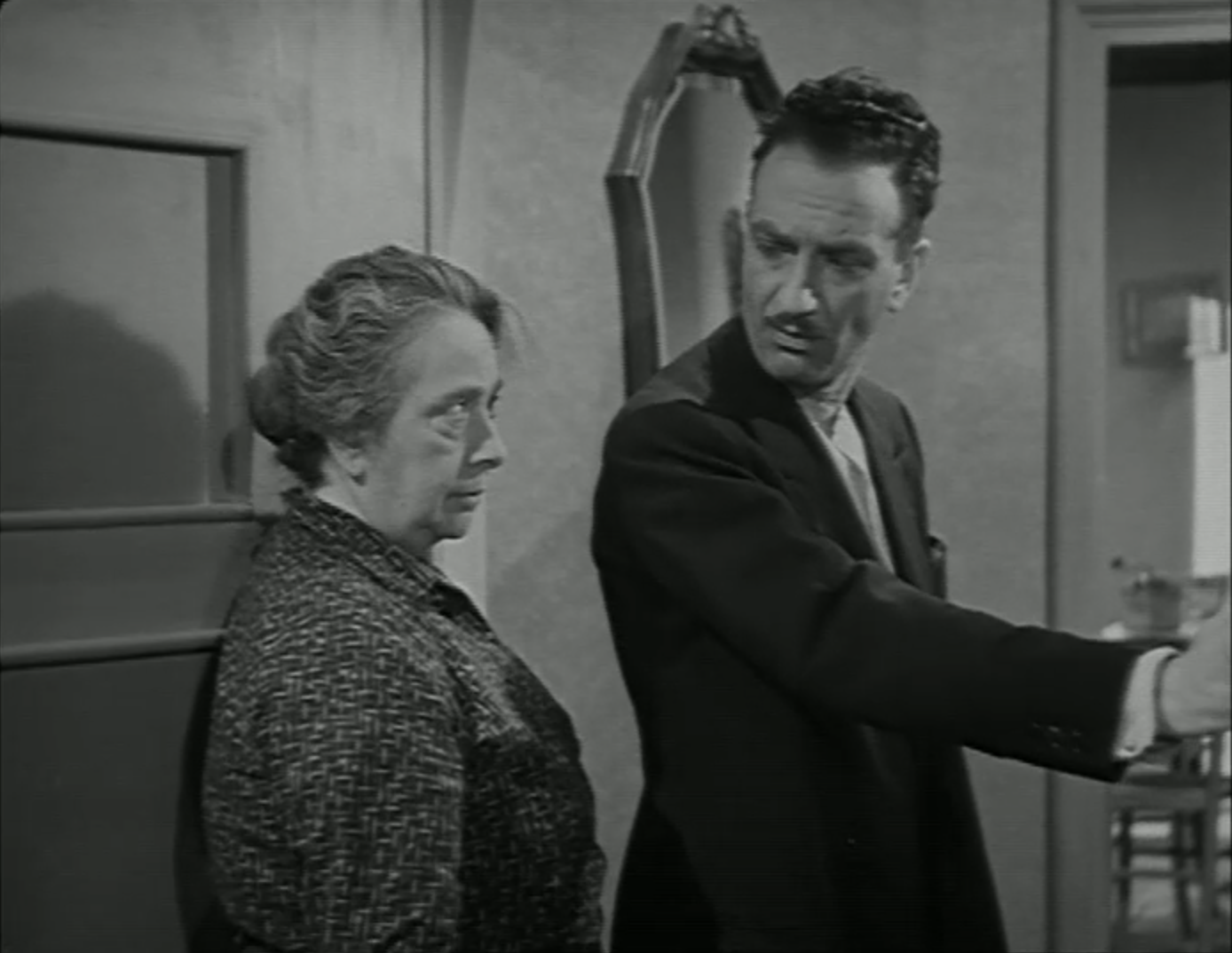
"Ti ha messo lei a letto?"
"Sì".
"E come ha potuto…" La sua voce si spegne. Guarda Agnese, che ricambia il suo sguardo.
“Did she tuck you in?”
“Yes.”
“So how could she have…” His voice trails off. He looks at Agnese, who returns his gaze.
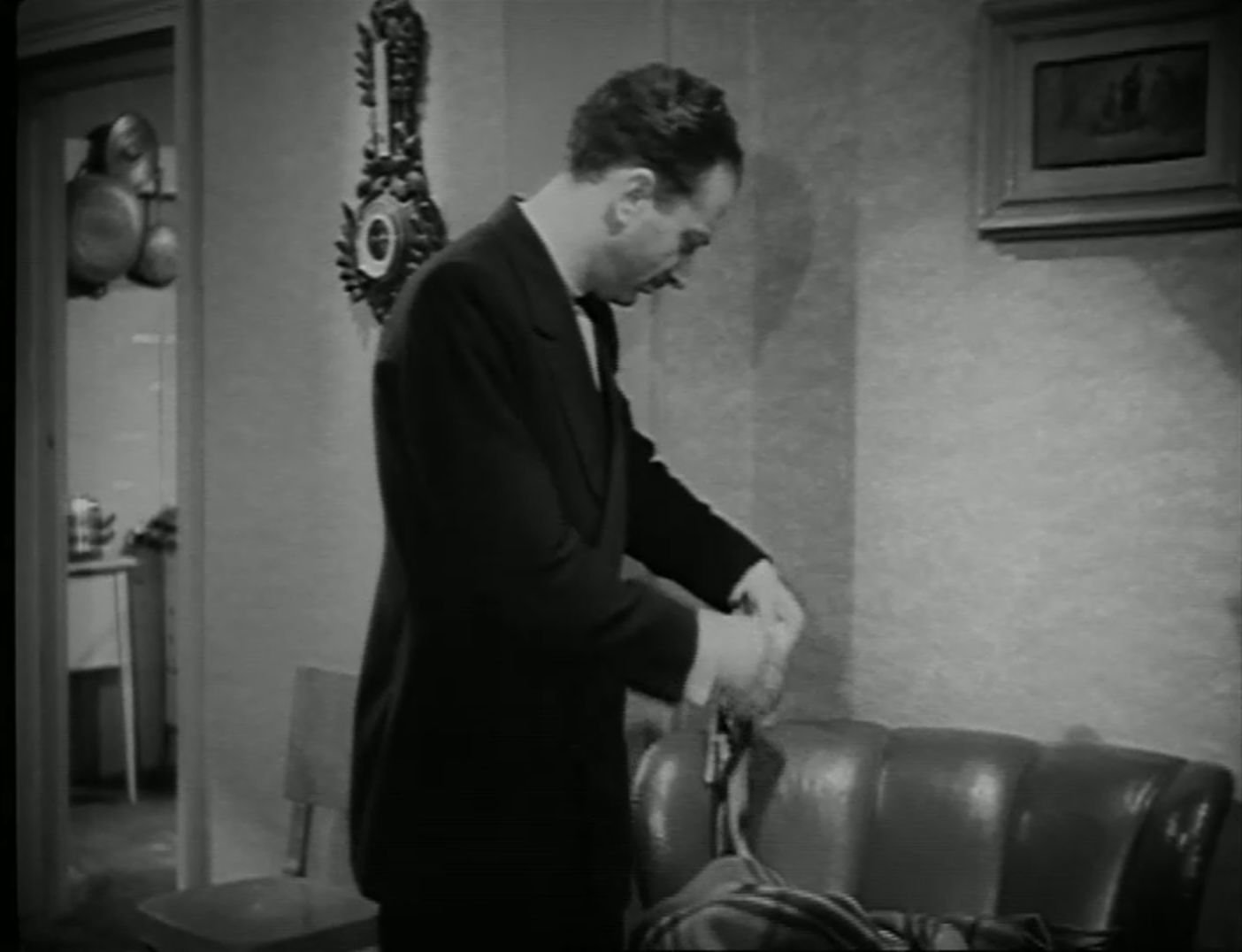
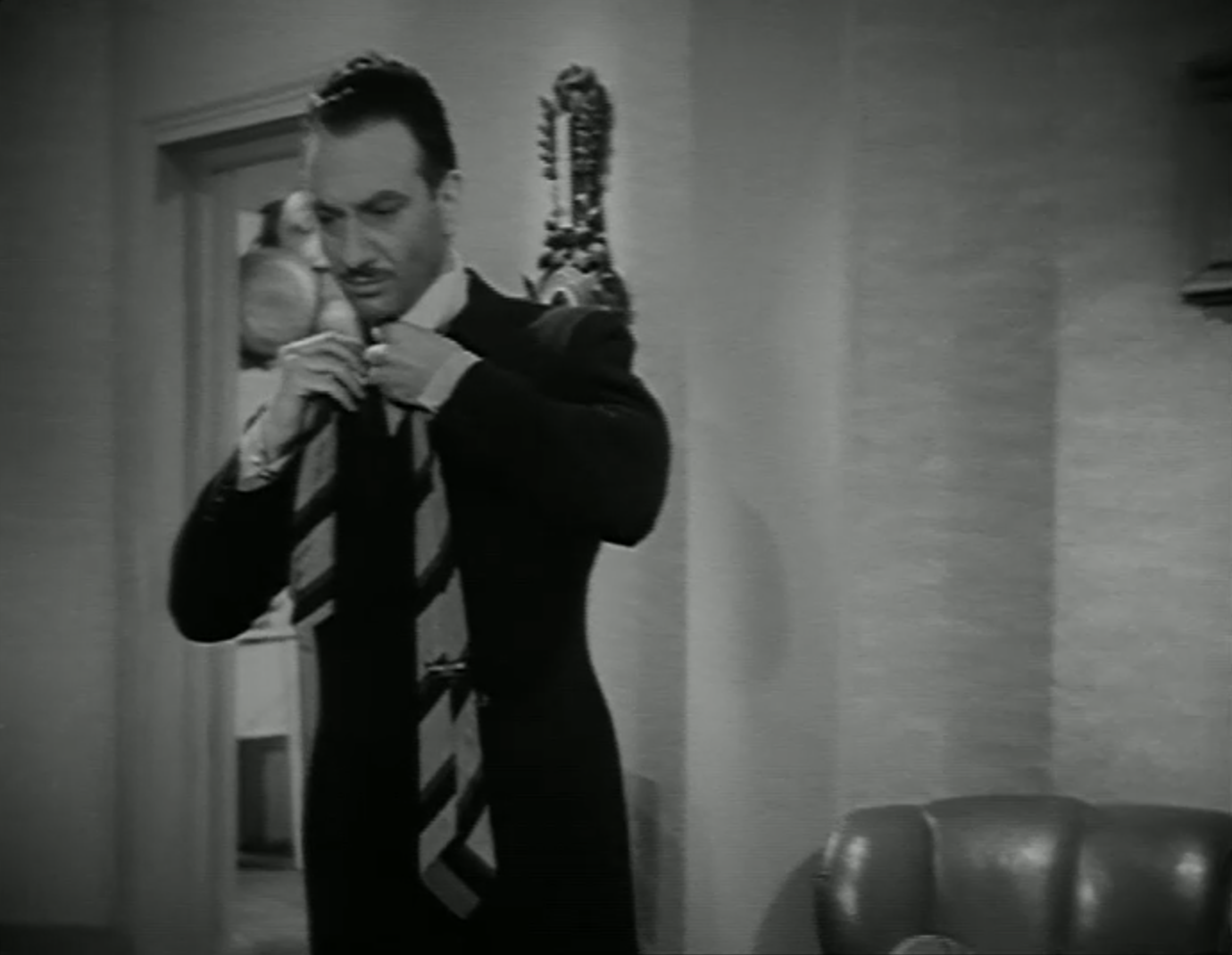
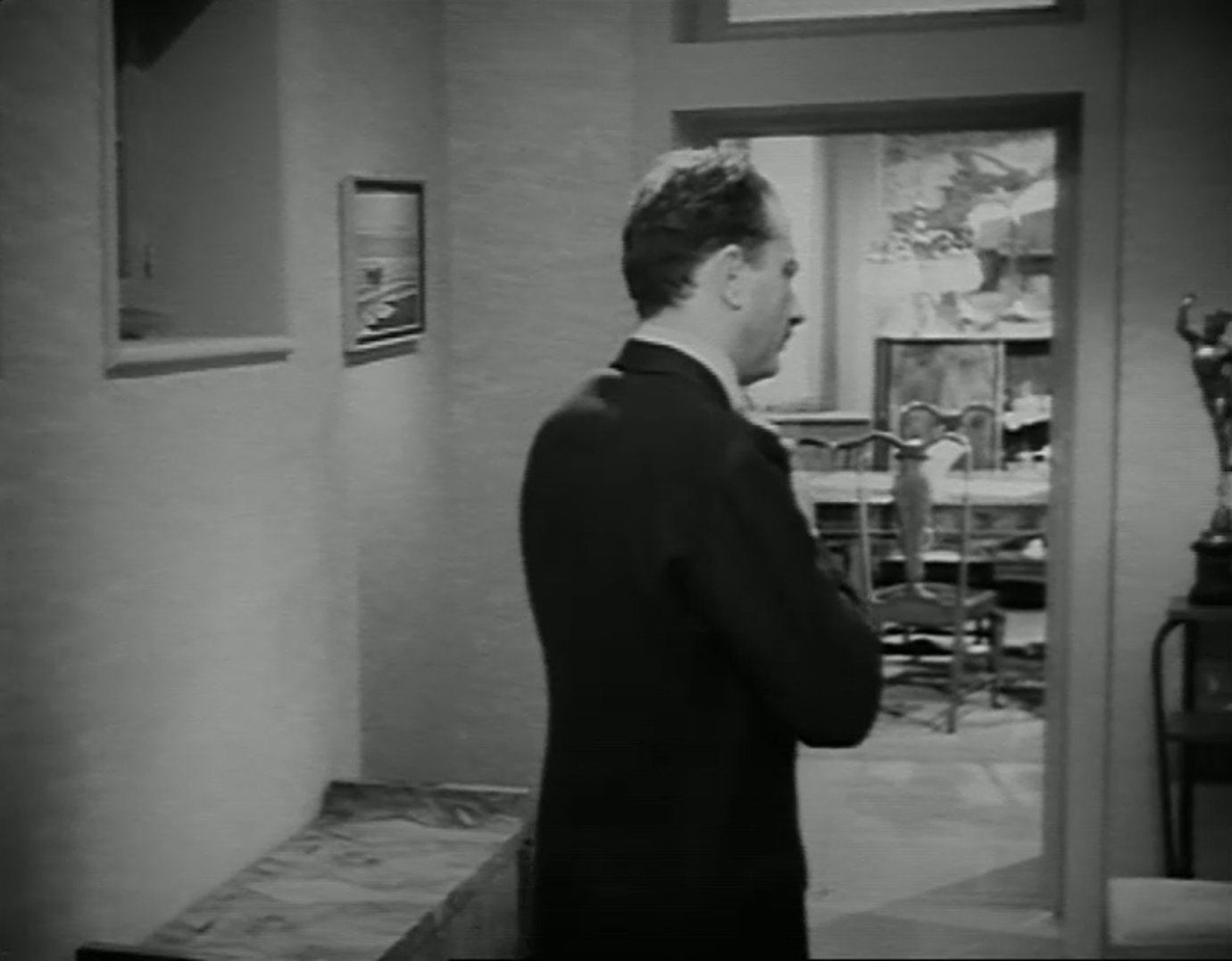
Nel corridoio, Andrea prende una cravatta dal divano e se la mette.
In the hallway, Andrea takes a tie from the sofa, and puts it on.
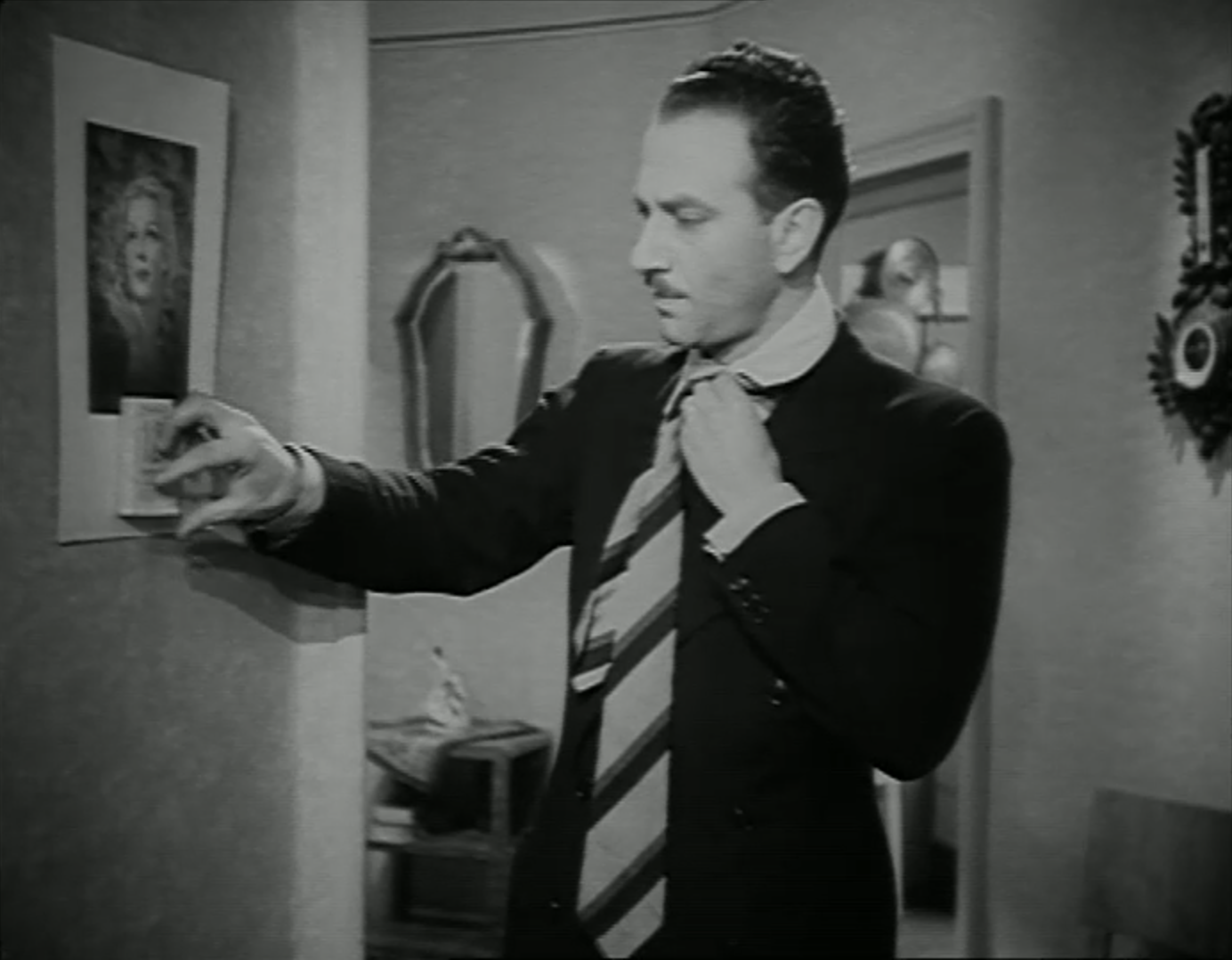
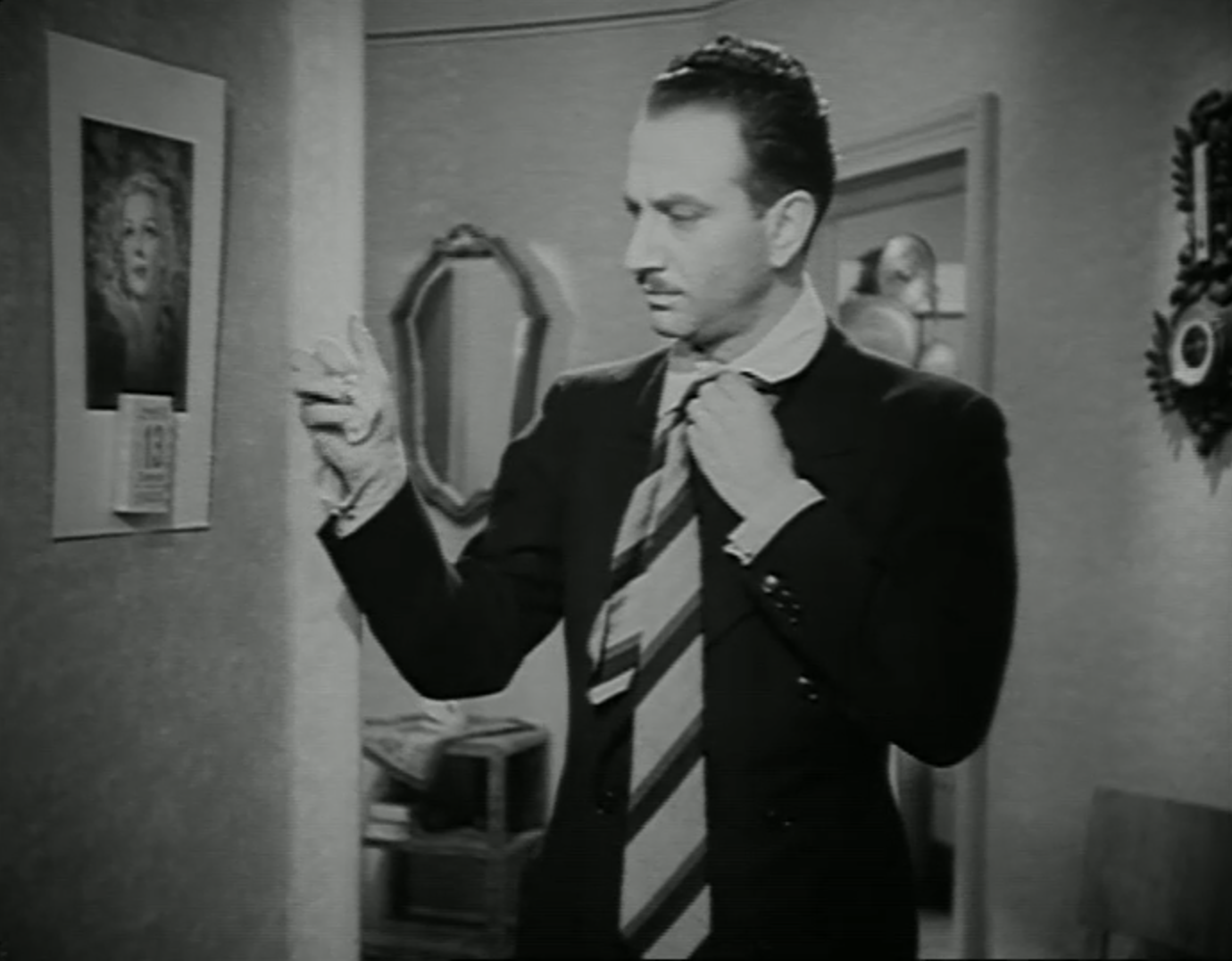
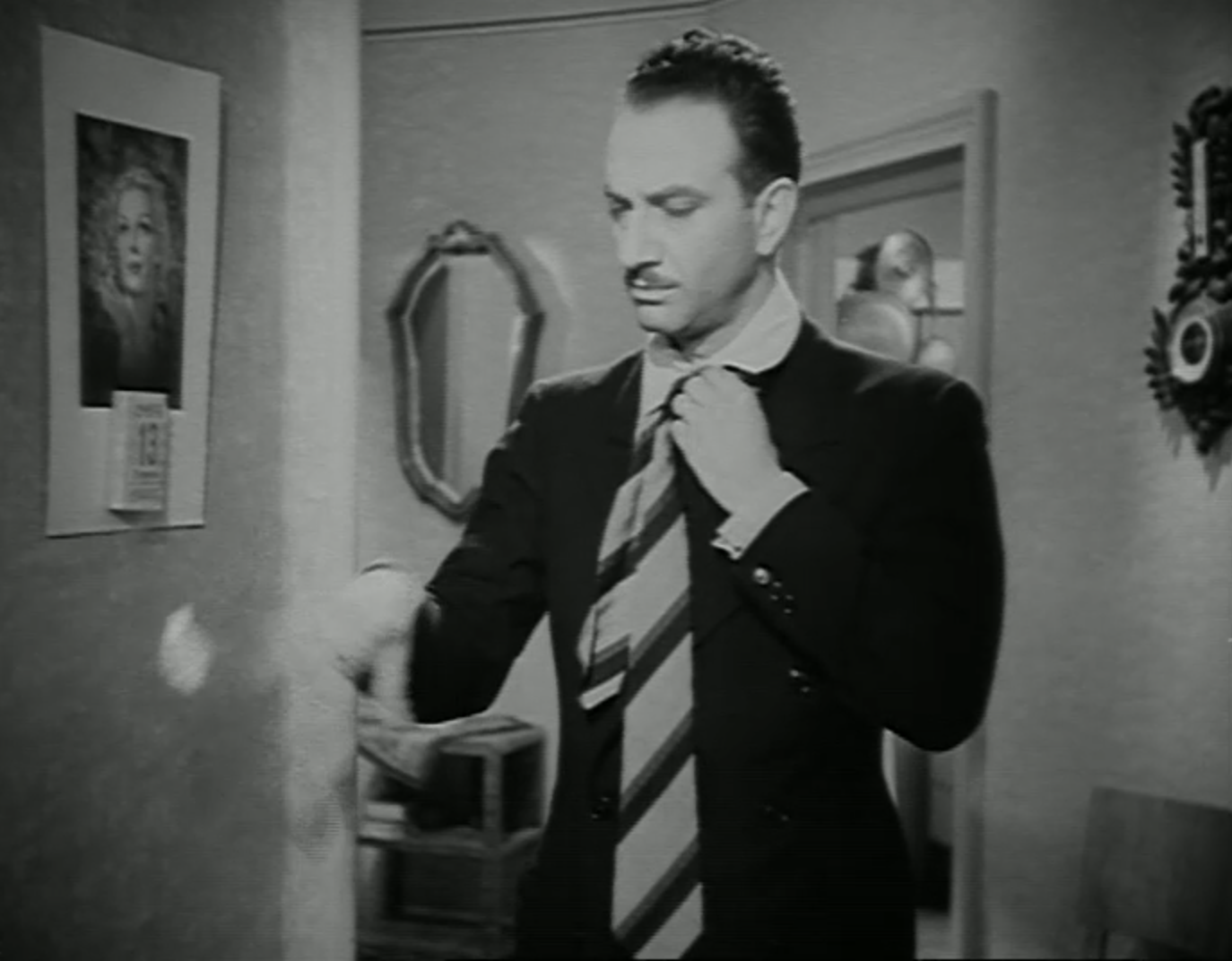
Notando il calendario da parete, strappa il foglio del giorno precedente e lo getta a terra, con un'espressione di cupa soddisfazione.
Noticing the wall calendar, he tears off the sheet for the previous day and tosses it on the floor, with a look of grim satisfaction.
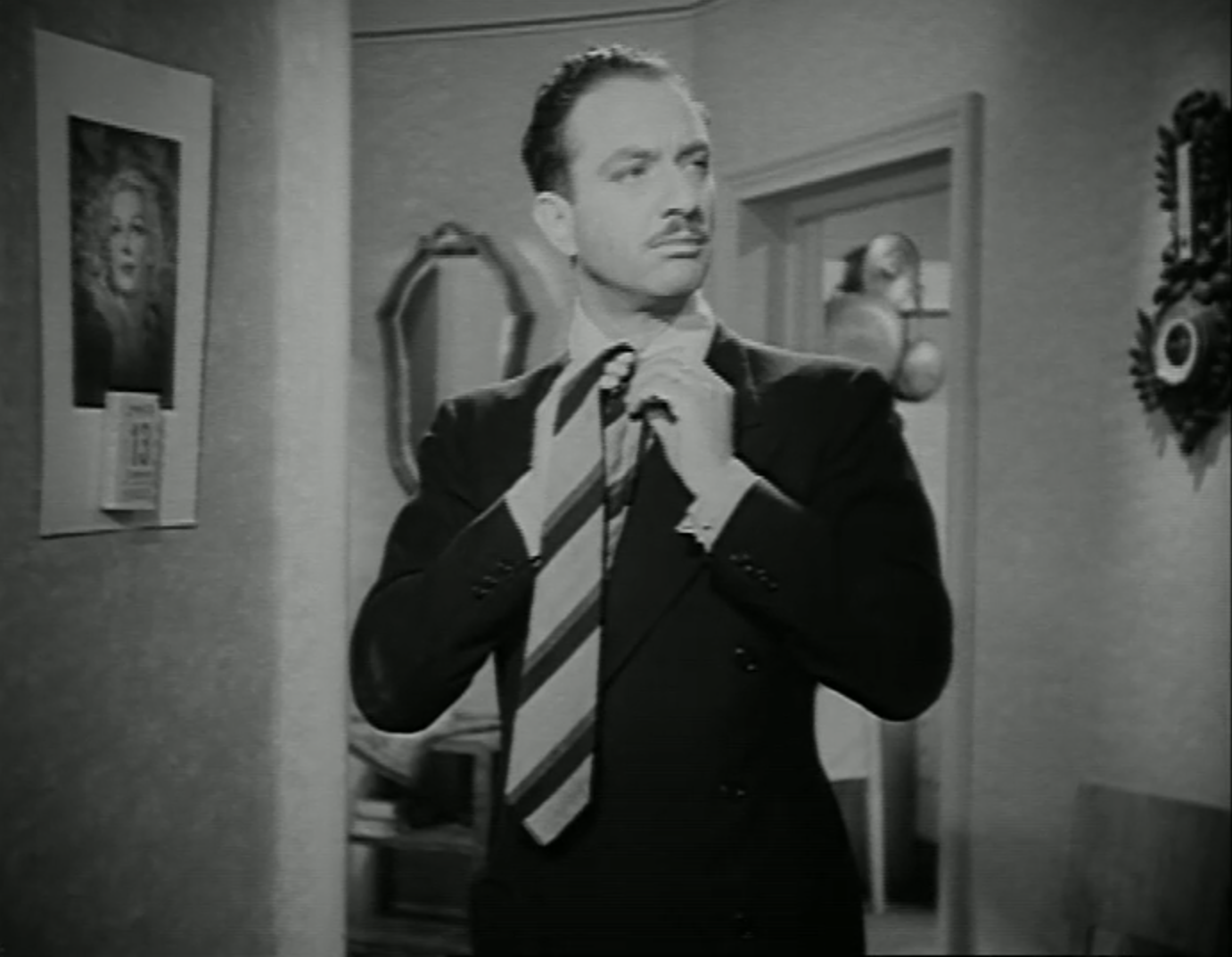
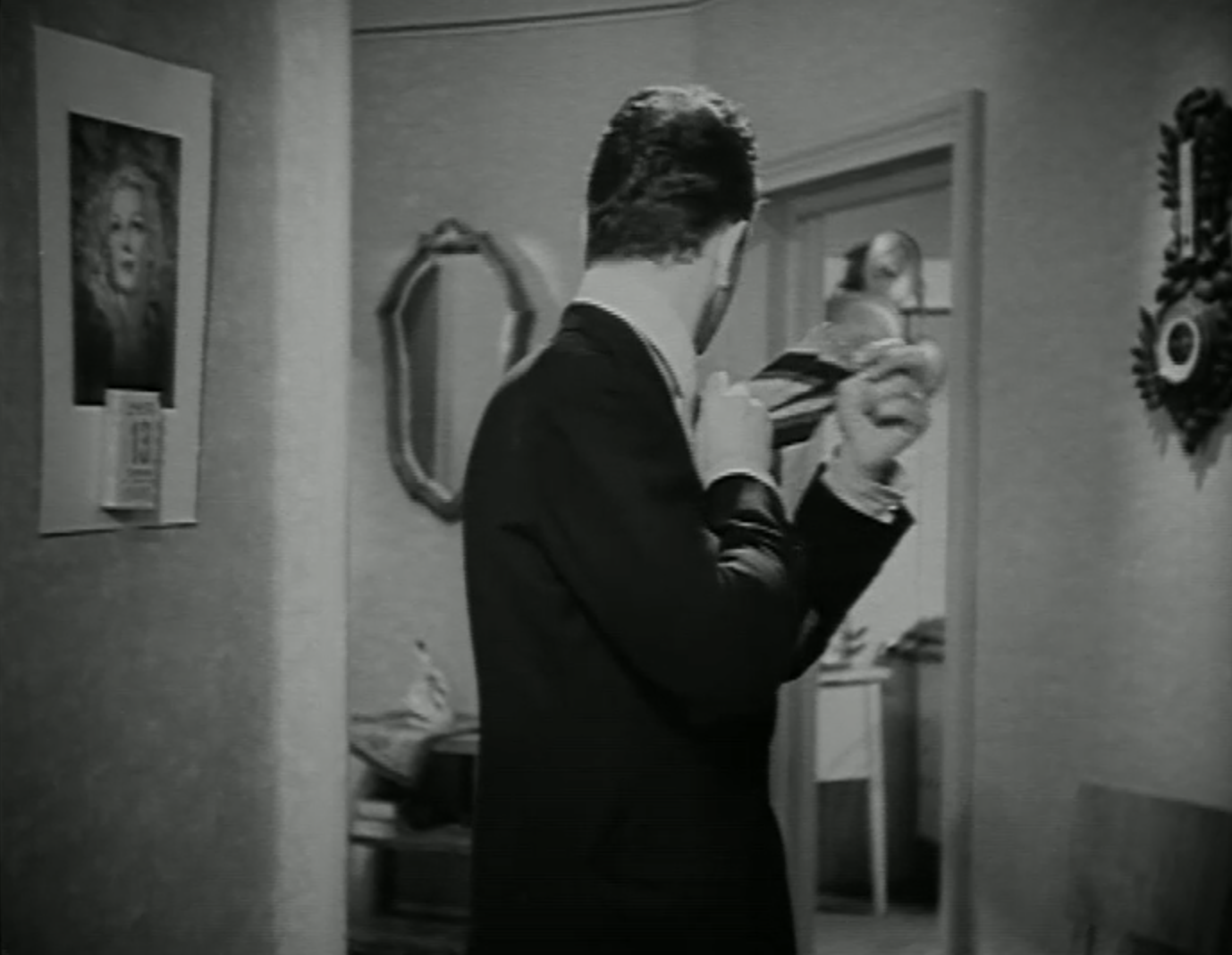
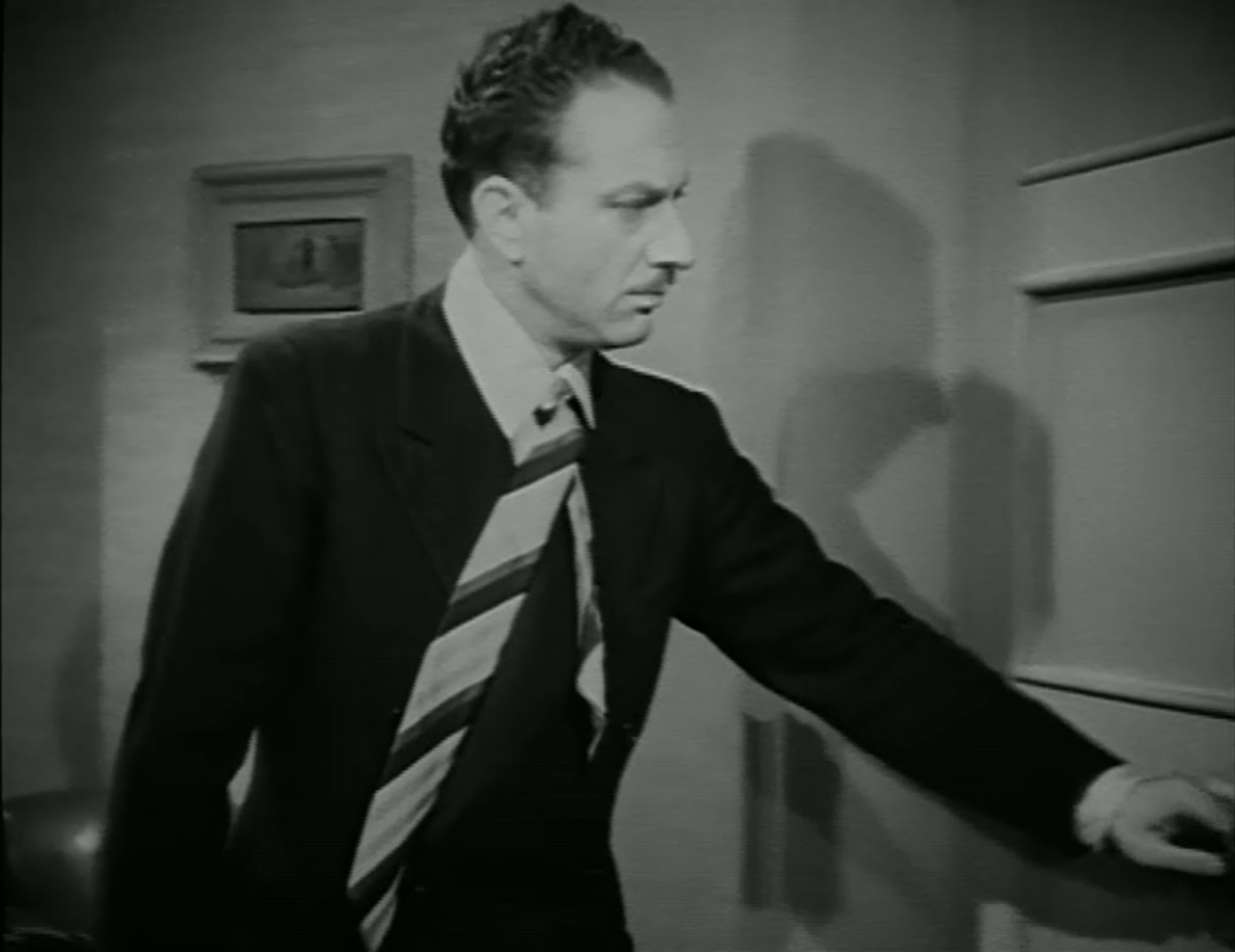
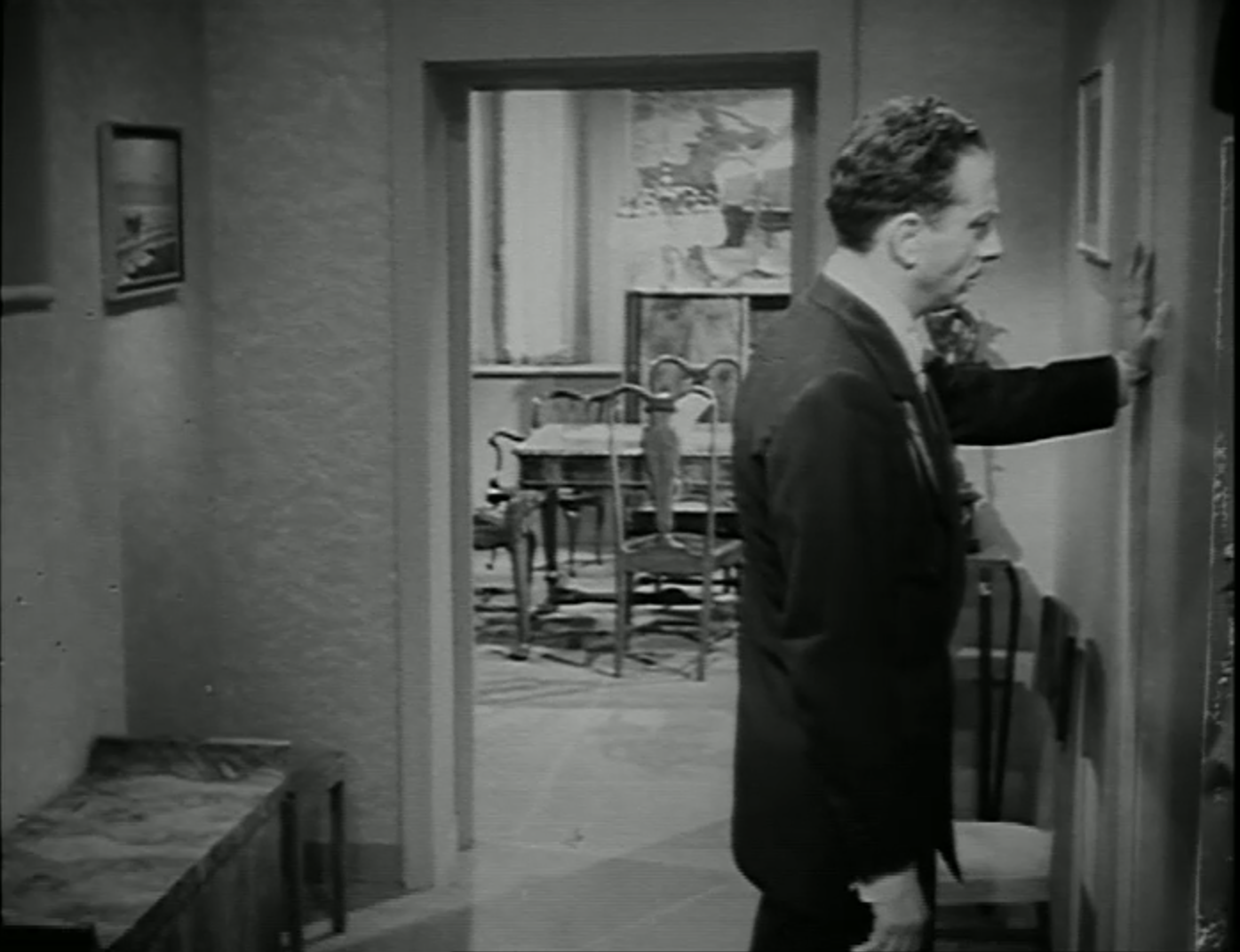
Si sente bussare alla porta e lui si guarda intorno in cerca della governante. Non vedendola, va ad aprire da solo, con la cravatta ancora mezza slacciata.
There’s a knock at the door, and he looks around for the housekeeper. Not seeing her, he goes to open it himself, with the tie still half-tied.
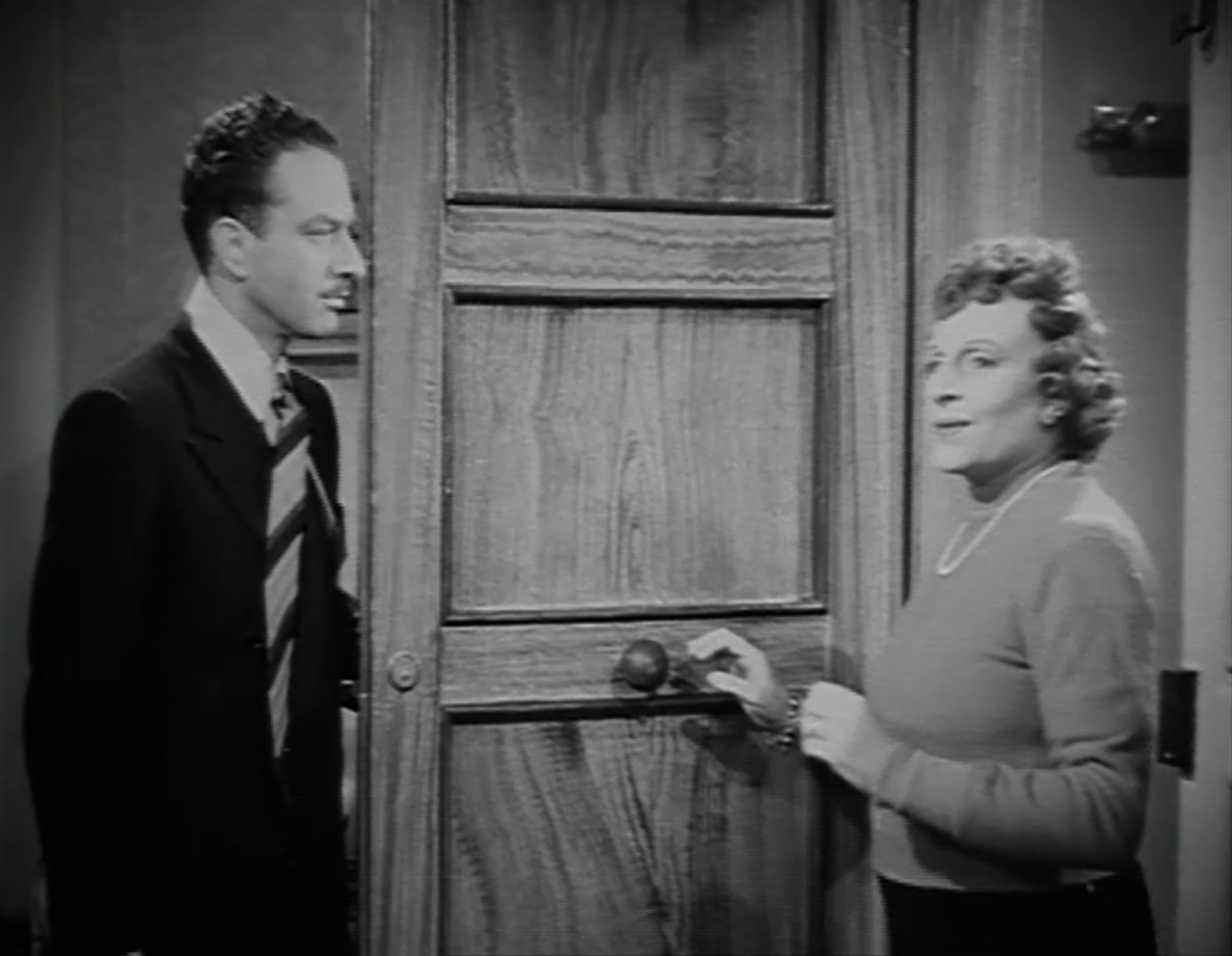
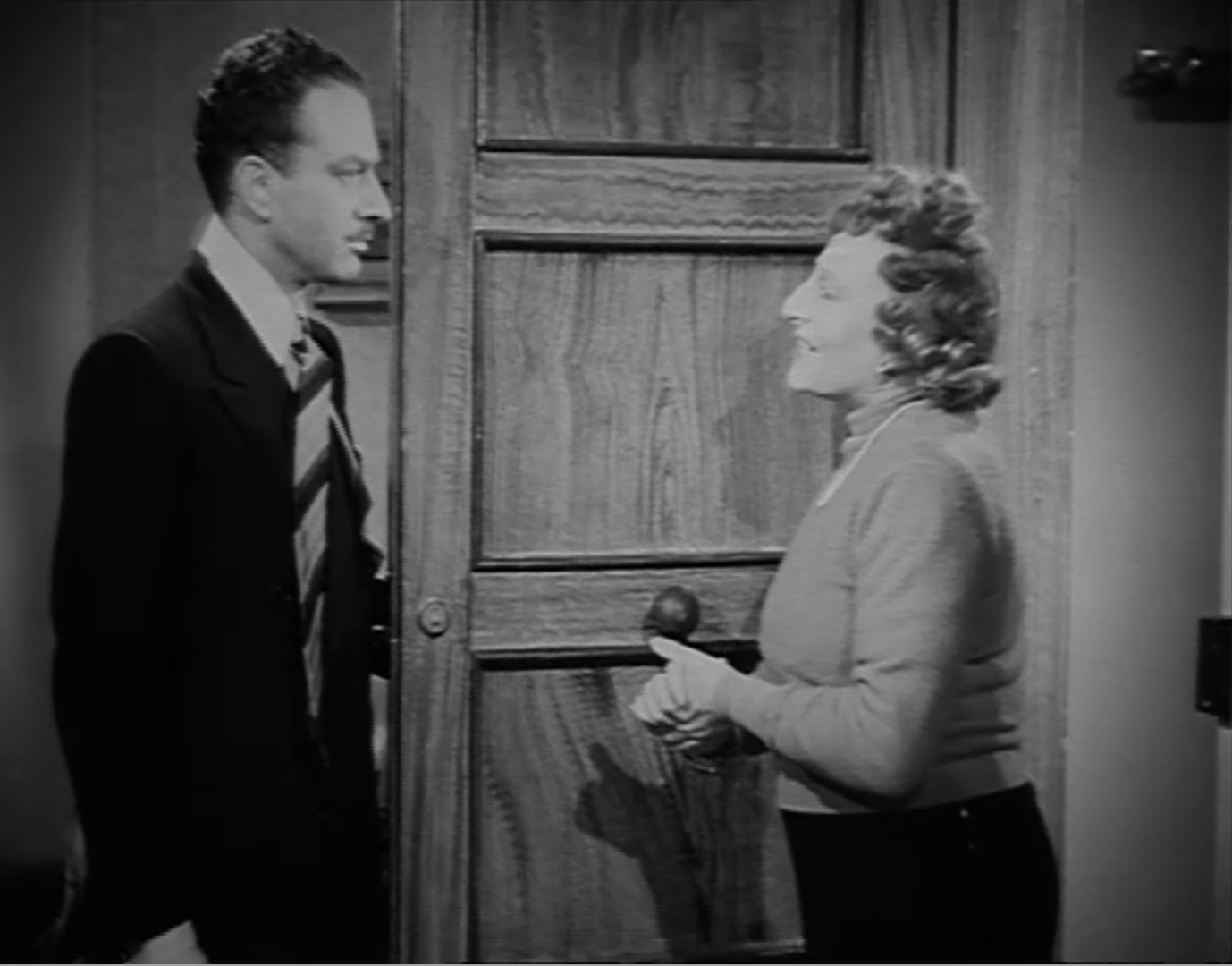
La signora Resta dice, guardandosi attentamente intorno: "Scusate, ragioniere.* Volevo chiedere alla signora Nina due o tre fiammiferi".
*Qui la signora Resta si rivolge ad Andrea chiamandolo "ragioniere". In Italia, ragioniere, come dottore, può essere usato semplicemente come termine di rispetto, per riconoscere le credenziali accademiche di una persona in qualsiasi campo. Ma sappiamo che Andrea lavora in banca, e potrebbe benissimo fare il ragioniere.
Signora Resta says, looking carefully around, “Oh, excuse me, sir.* I wanted to ask Signora Nina for two or three matches.”
*Here Signora Resta addresses Andrea as “ragioniere” [accountant].In Italy, ragioniere, like dottore, may be used simply as a term of respect, acknowledging a person’s academic credentials in any field.But we know that Andrea works in a bank, and he may very well be an accountant.
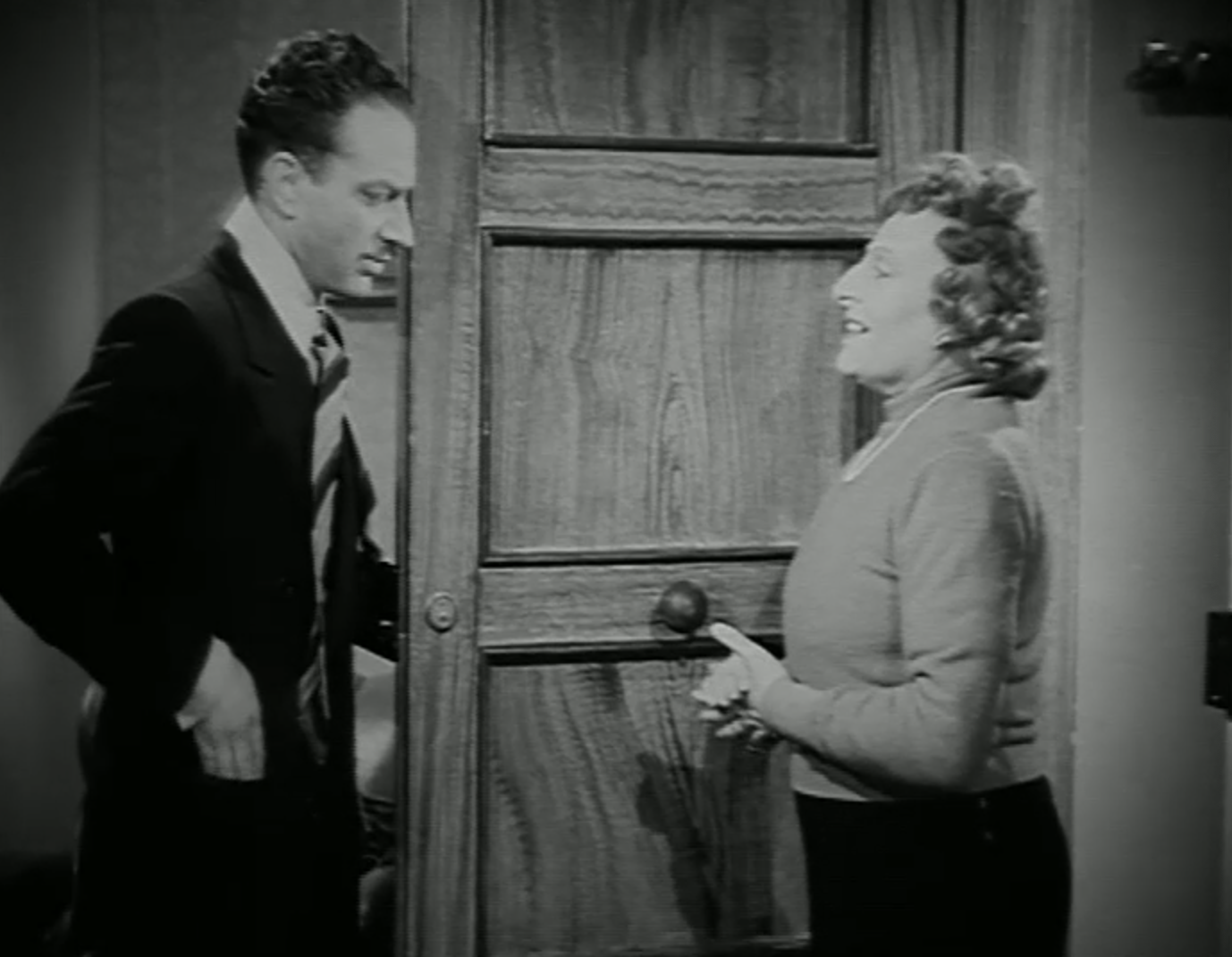
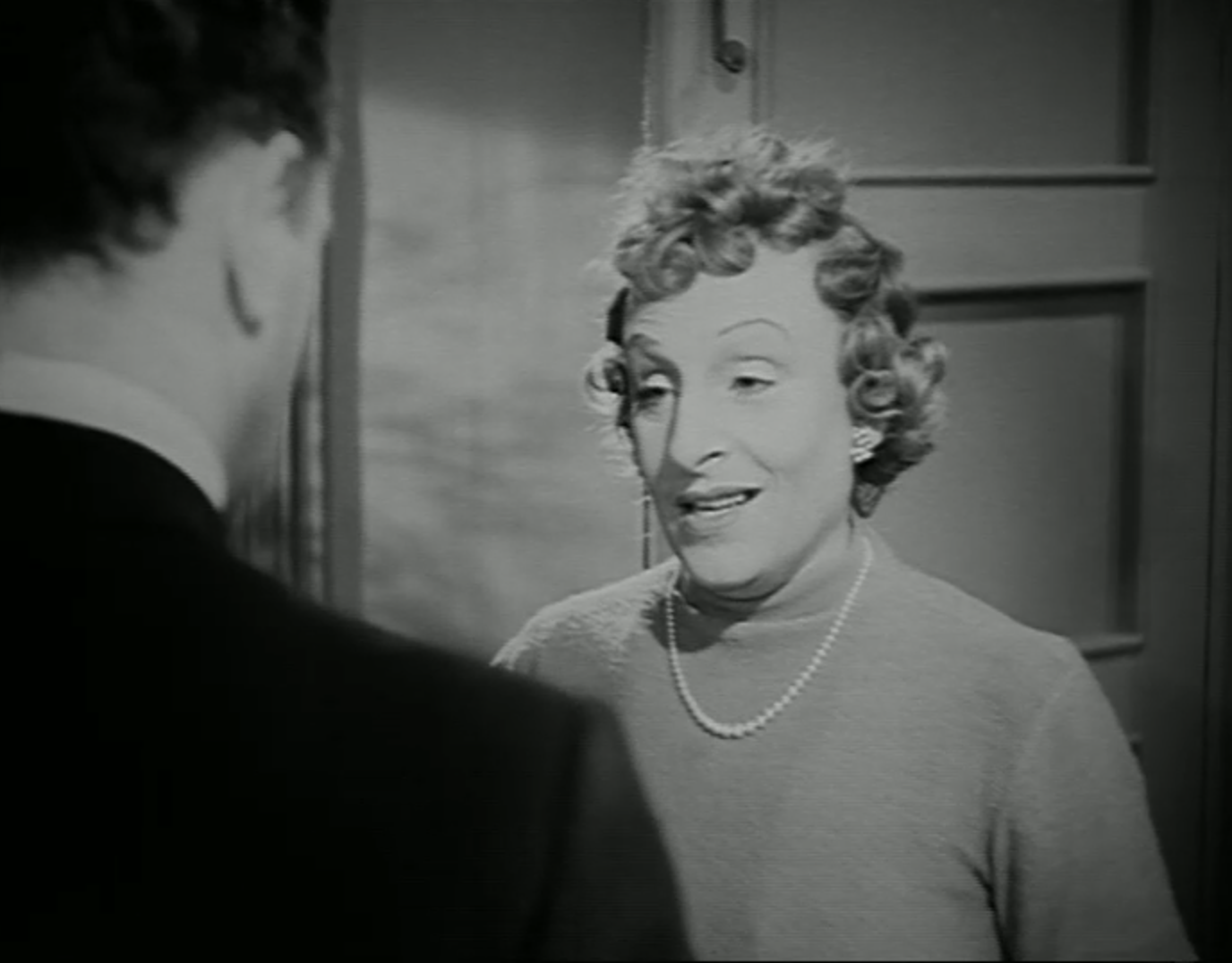
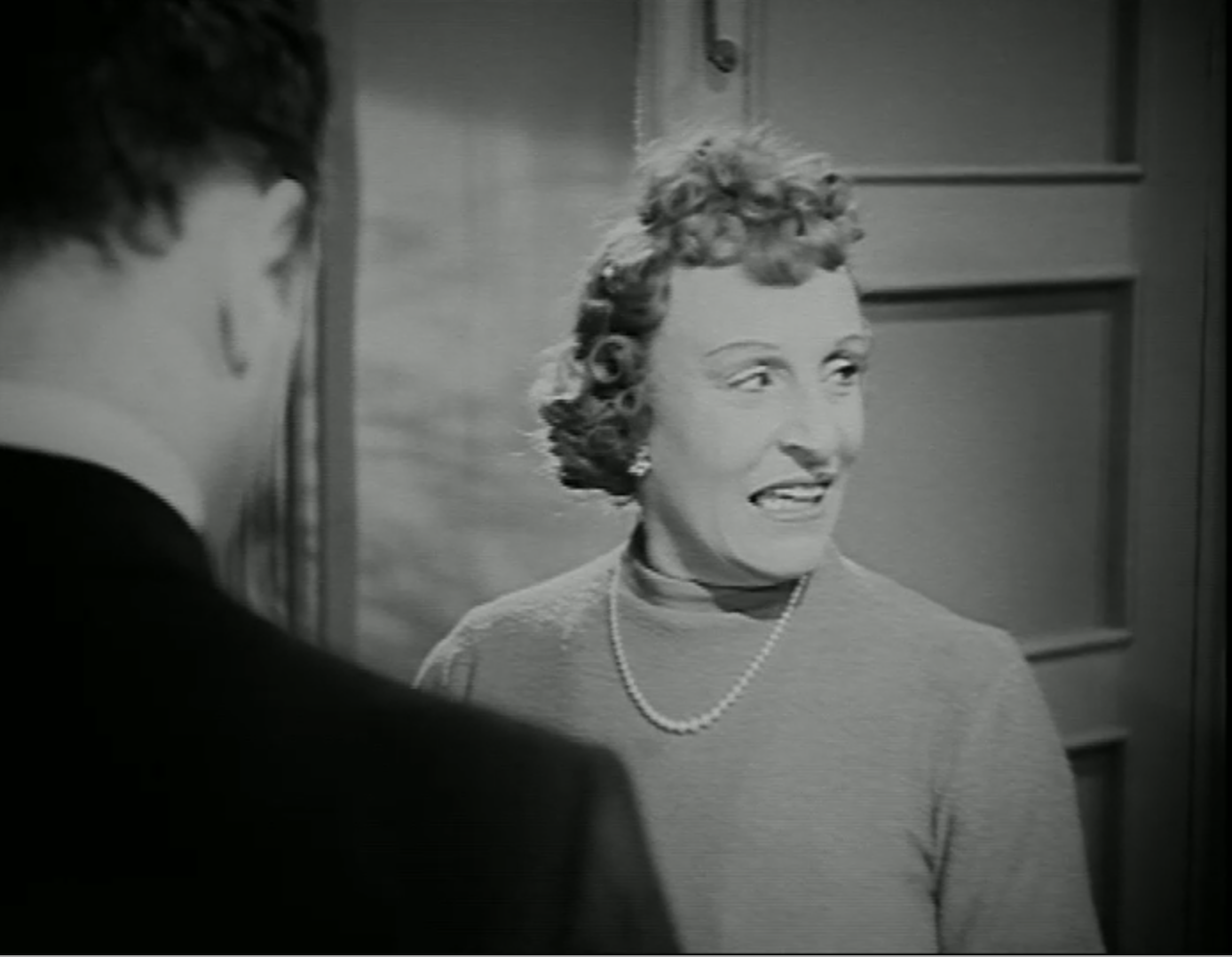
"Tenga". Lui ne tira fuori un po' dalla tasca.
Lei sorride. "Non volevo disturbarla, ma la sua signora è sempre gentile con me". I suoi occhi scrutano la stanza.
“Here you go.” He takes some from his pocket.
She smiles. “I didn’t want to bother you, but your wife is always kind to me.” Her eyes are scanning the room.
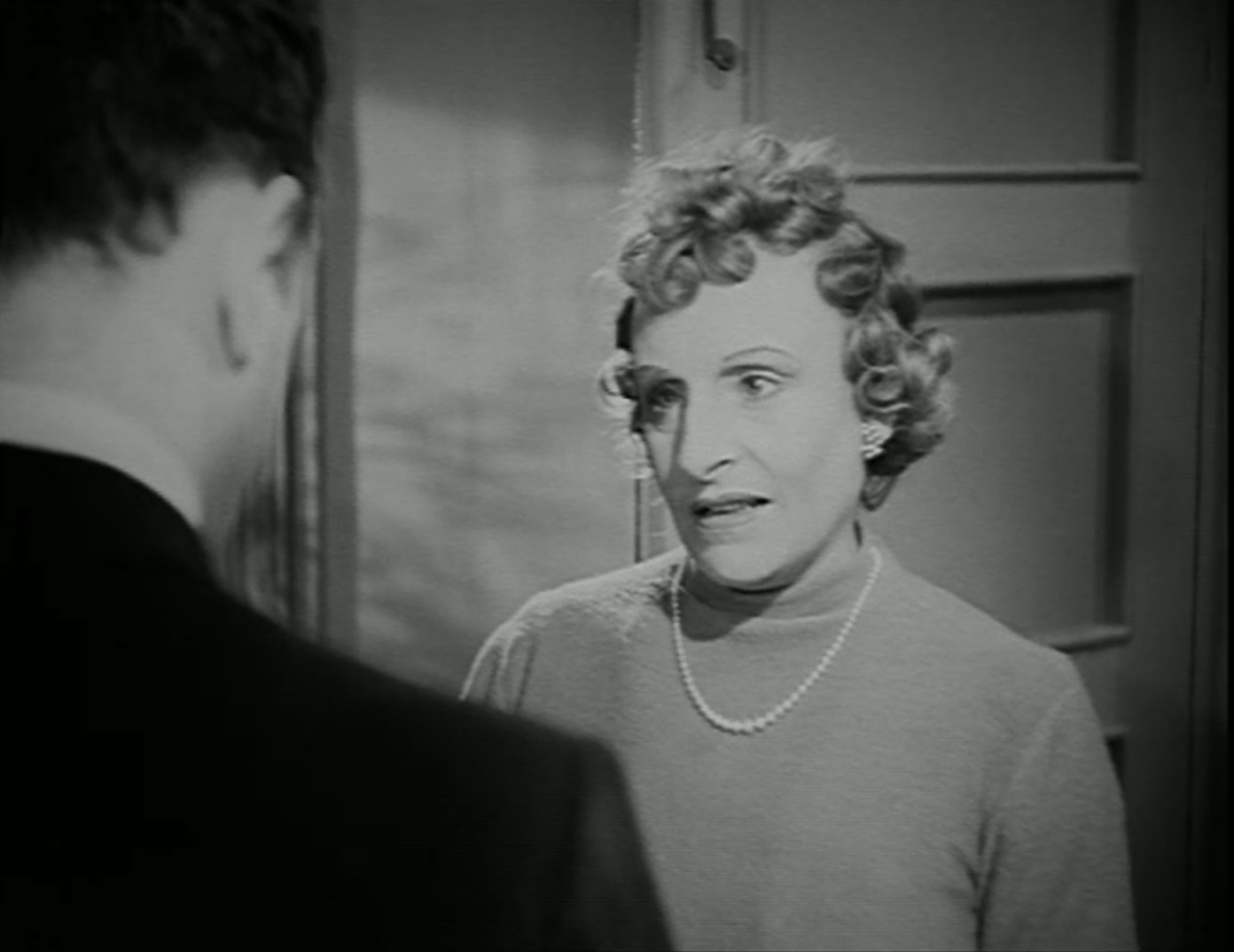
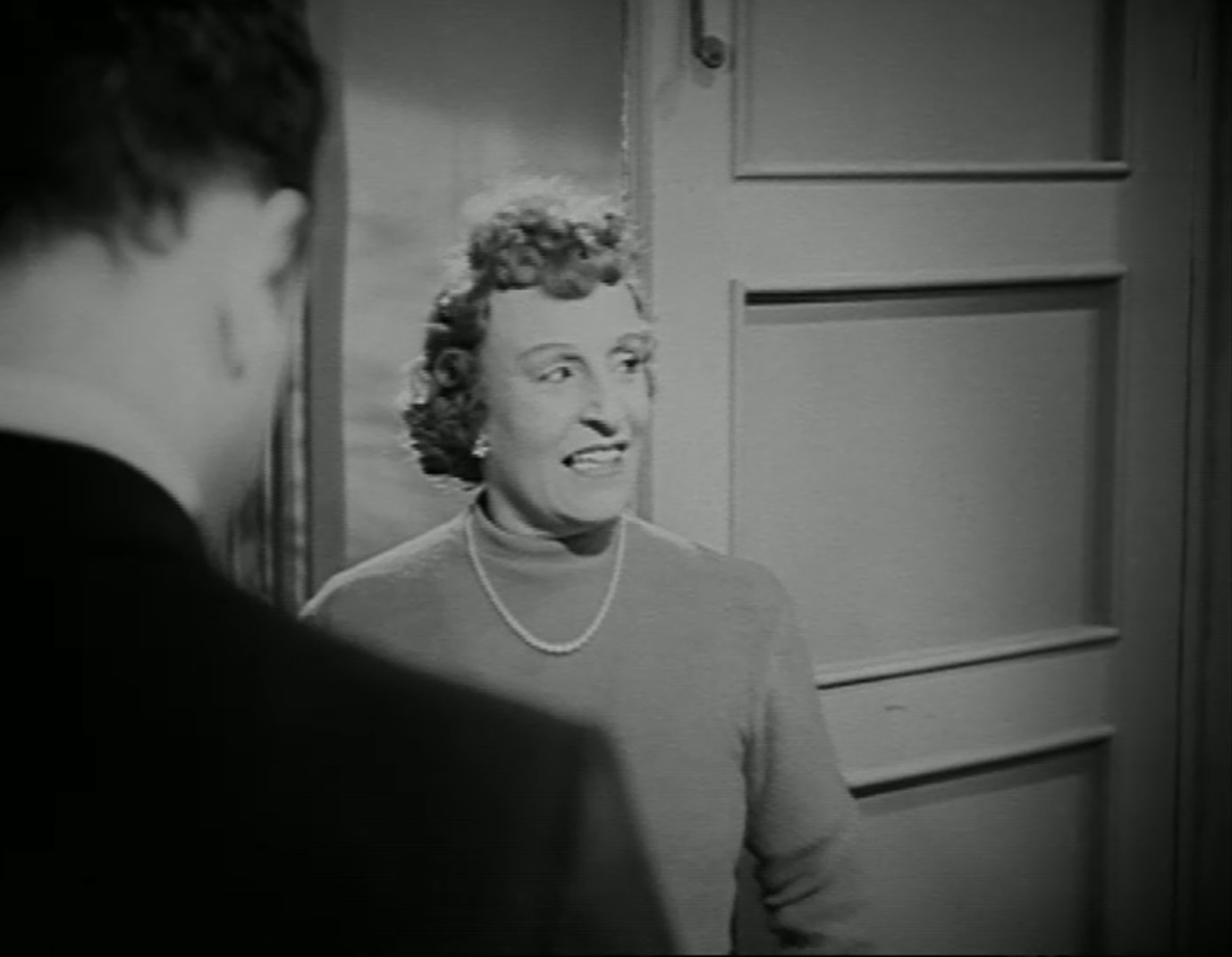
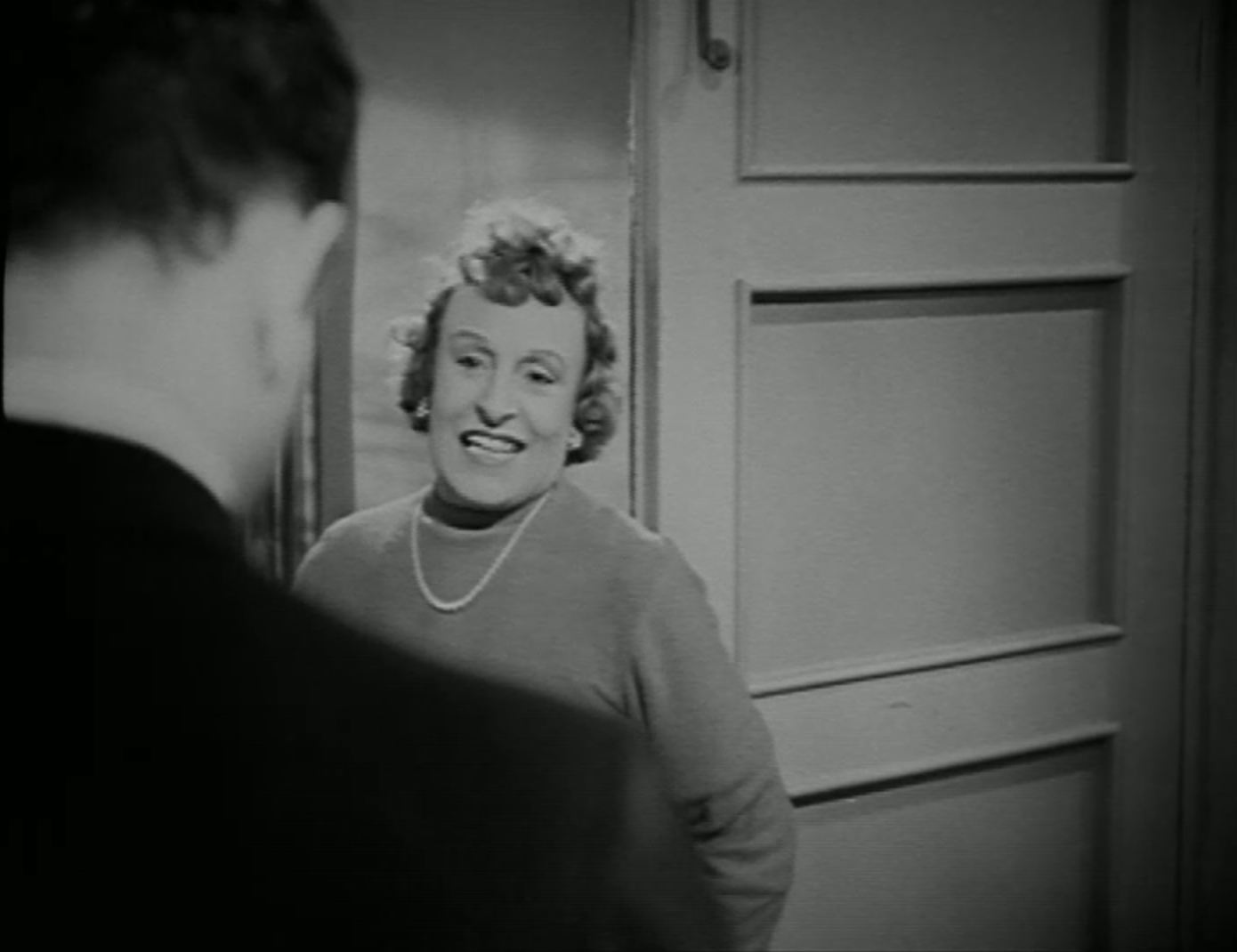
"Non c'è?" chiede lei, con tono più cupo.
"Prego, signora. Nessun disturbo".
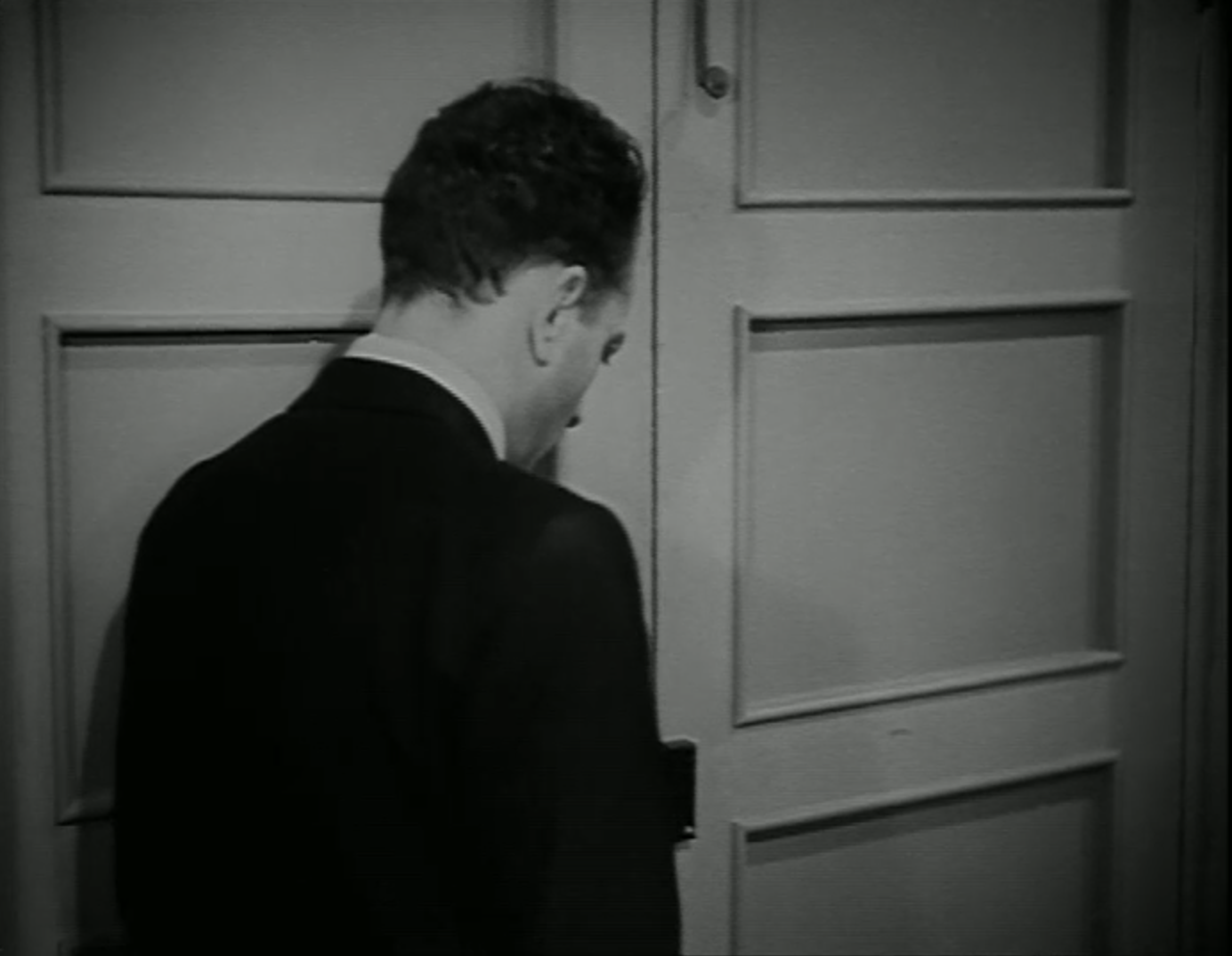
"Grazie", sussurra lei, uscendo dalla porta, che Andrea chiude dietro di lei.
“Isn’t she home?” she asks, more somberly.
“You’re welcome, ma’am. It’s no bother.”
“Thank you,” she whispers, backing out of the door, which Andrea shuts behind her.
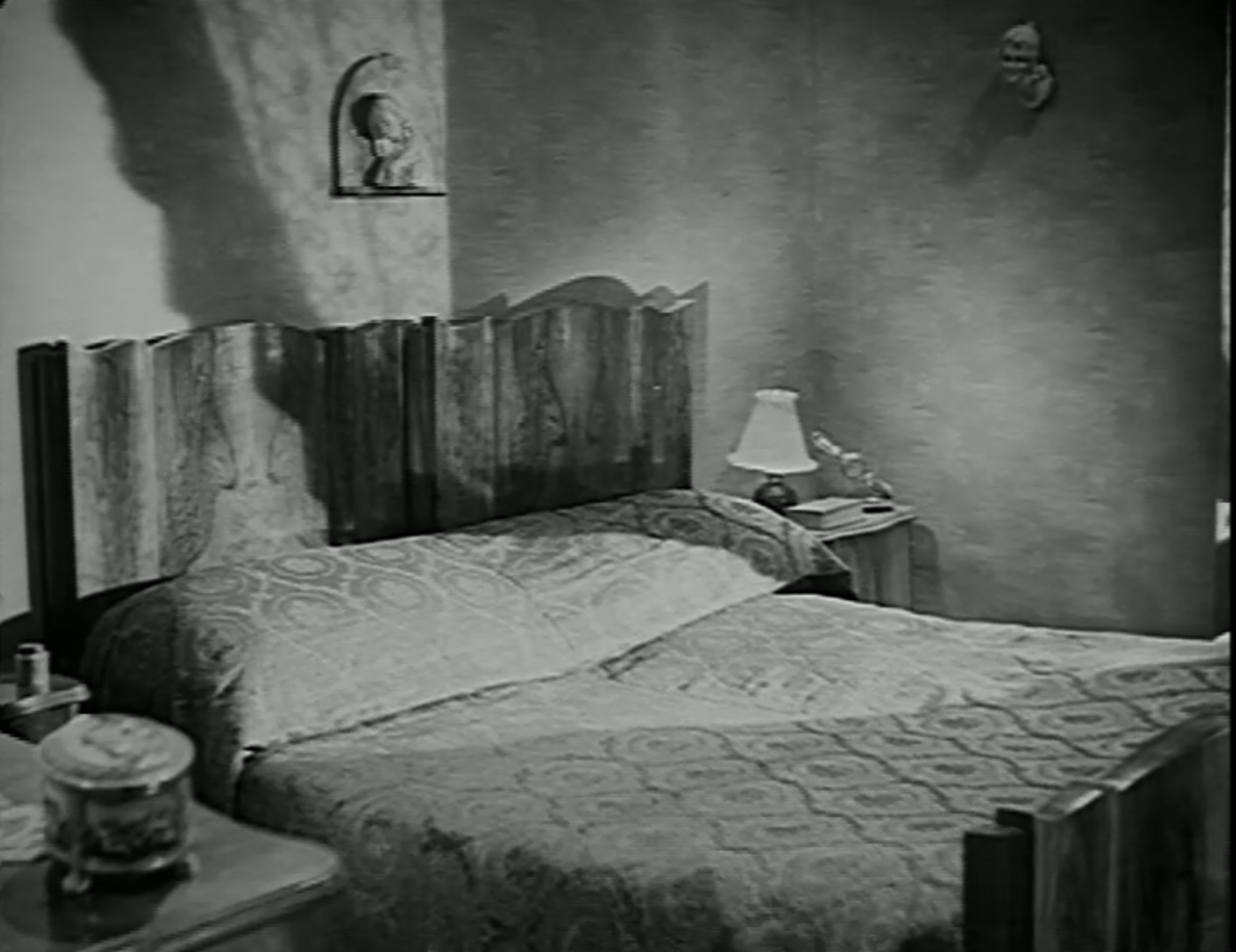
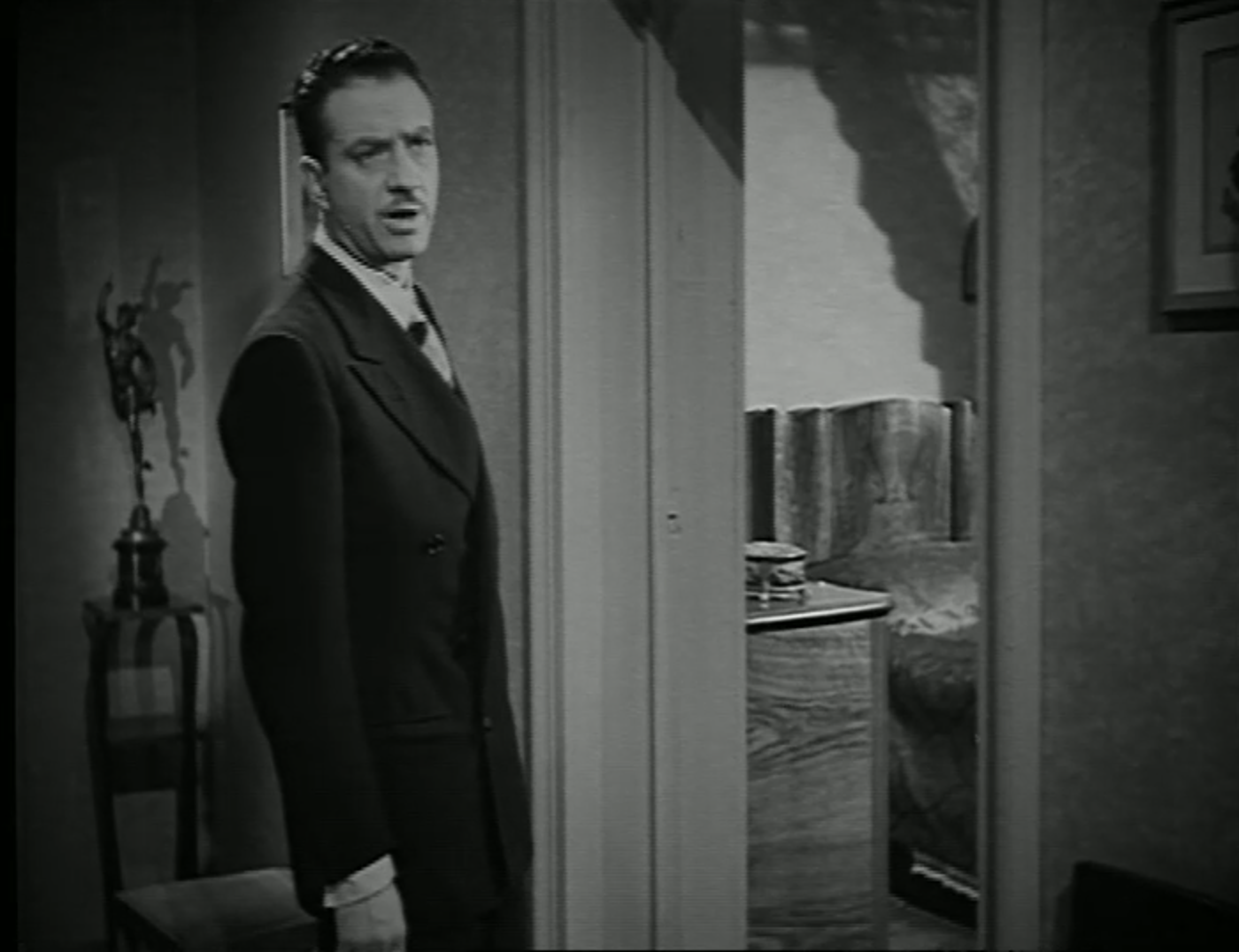
Lui si ferma e fissa il letto matrimoniale, ora rifatto e vuoto.
He stops and stares at the marital bed, now made up and empty.
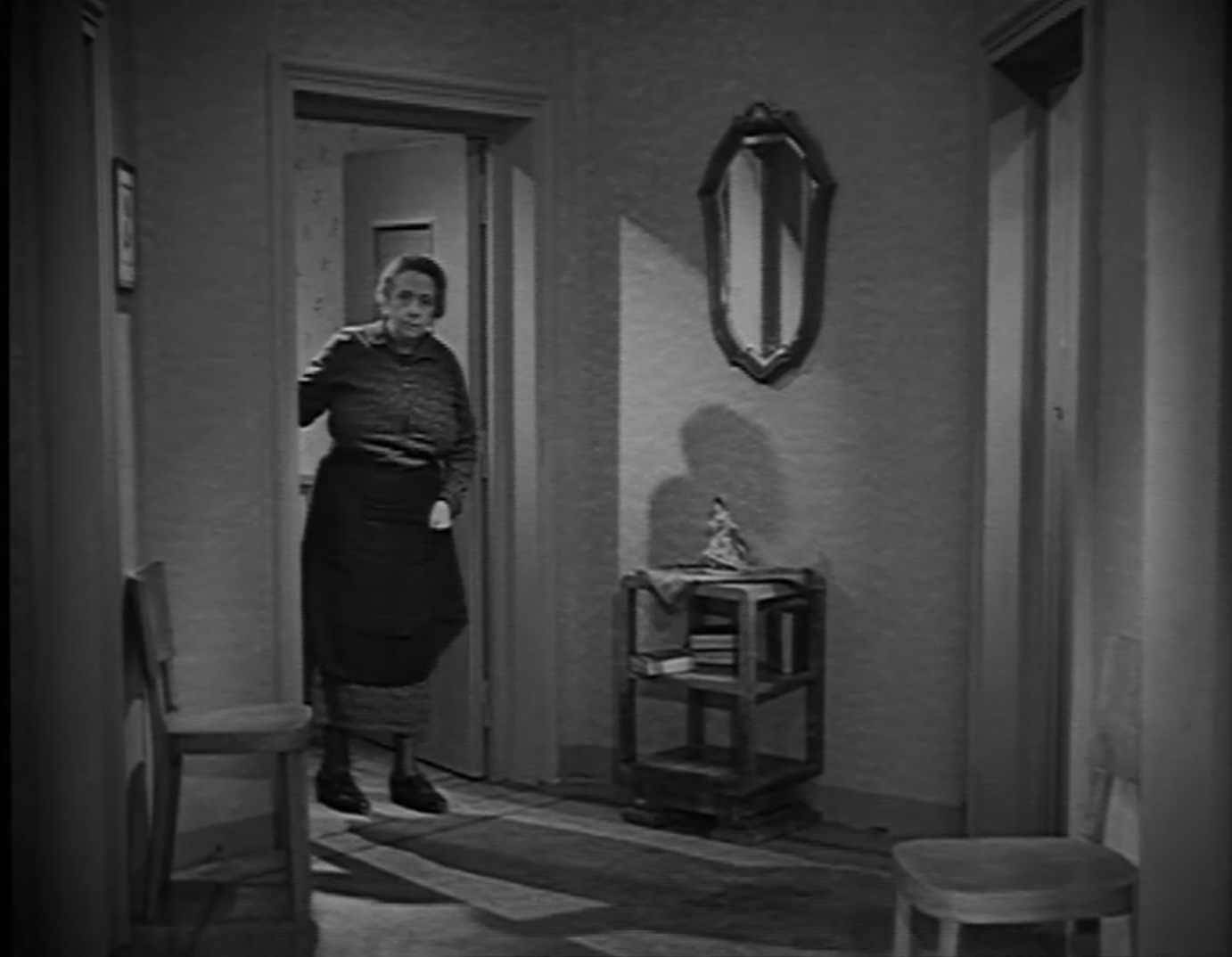
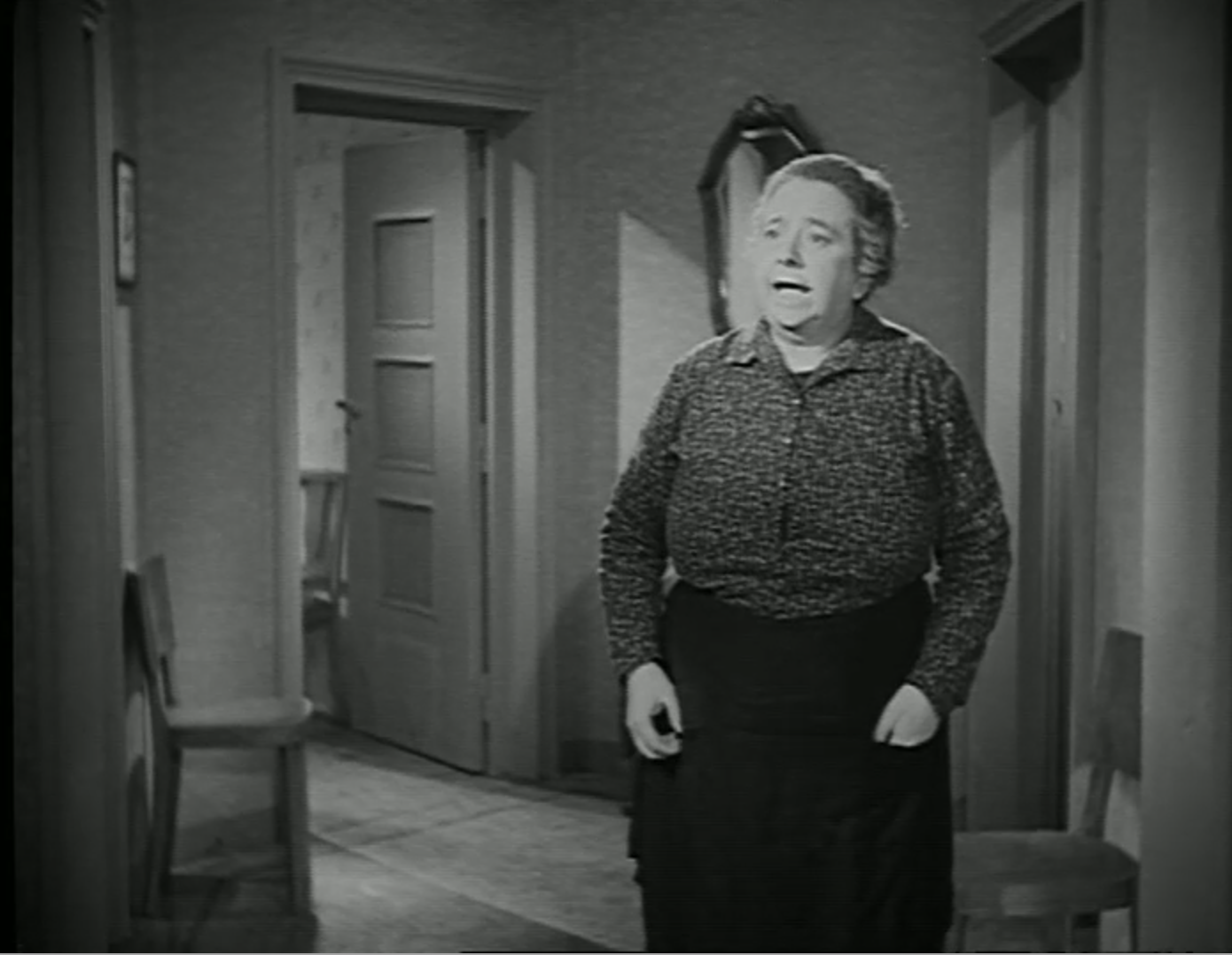
Uscendo dalla camera del bambino, Agnese chiede: "Chi era?"
"La signora Resta".
Leaving the boy’s bedroom, Agnese asks, “Who was it?”
“Signora Resta.”
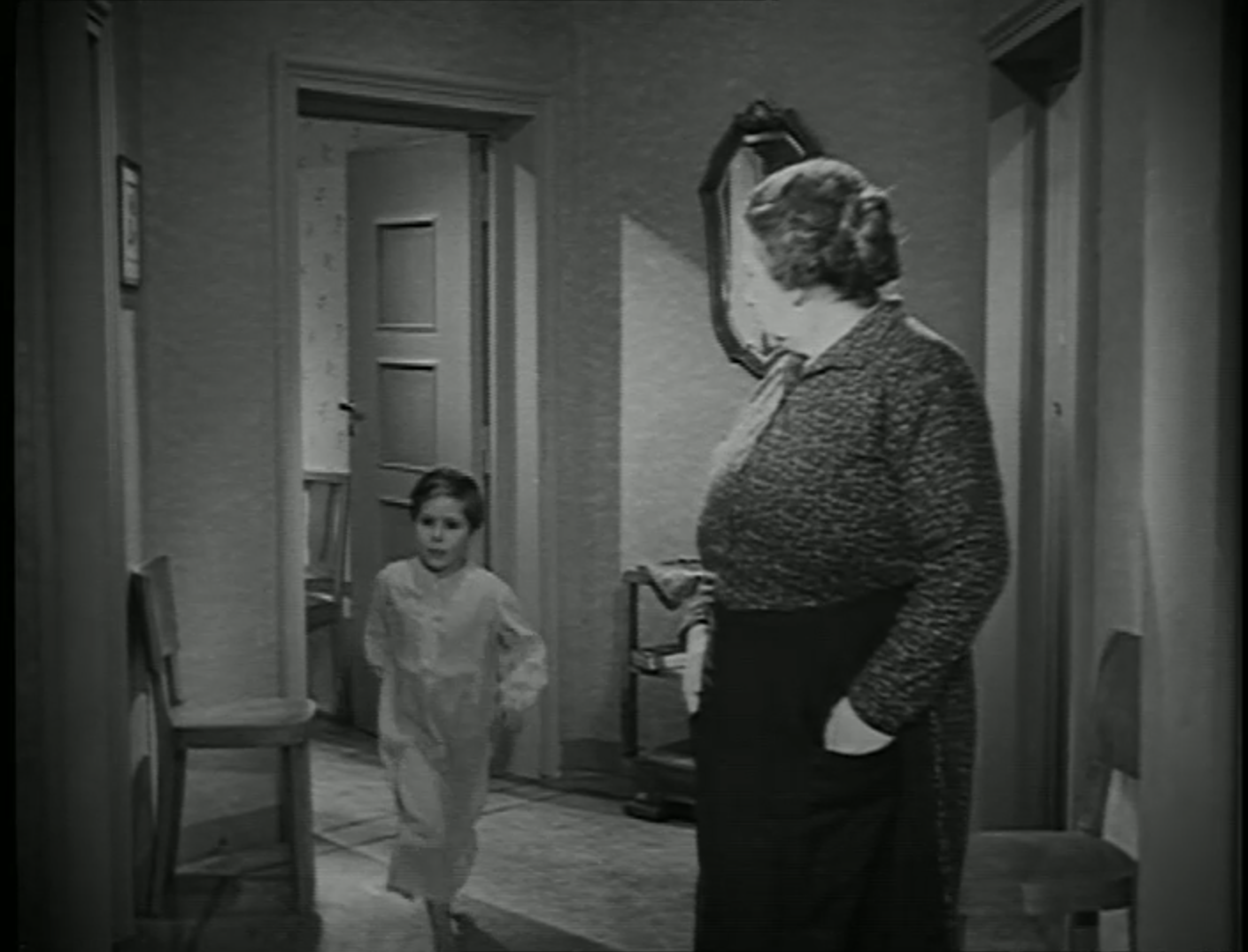
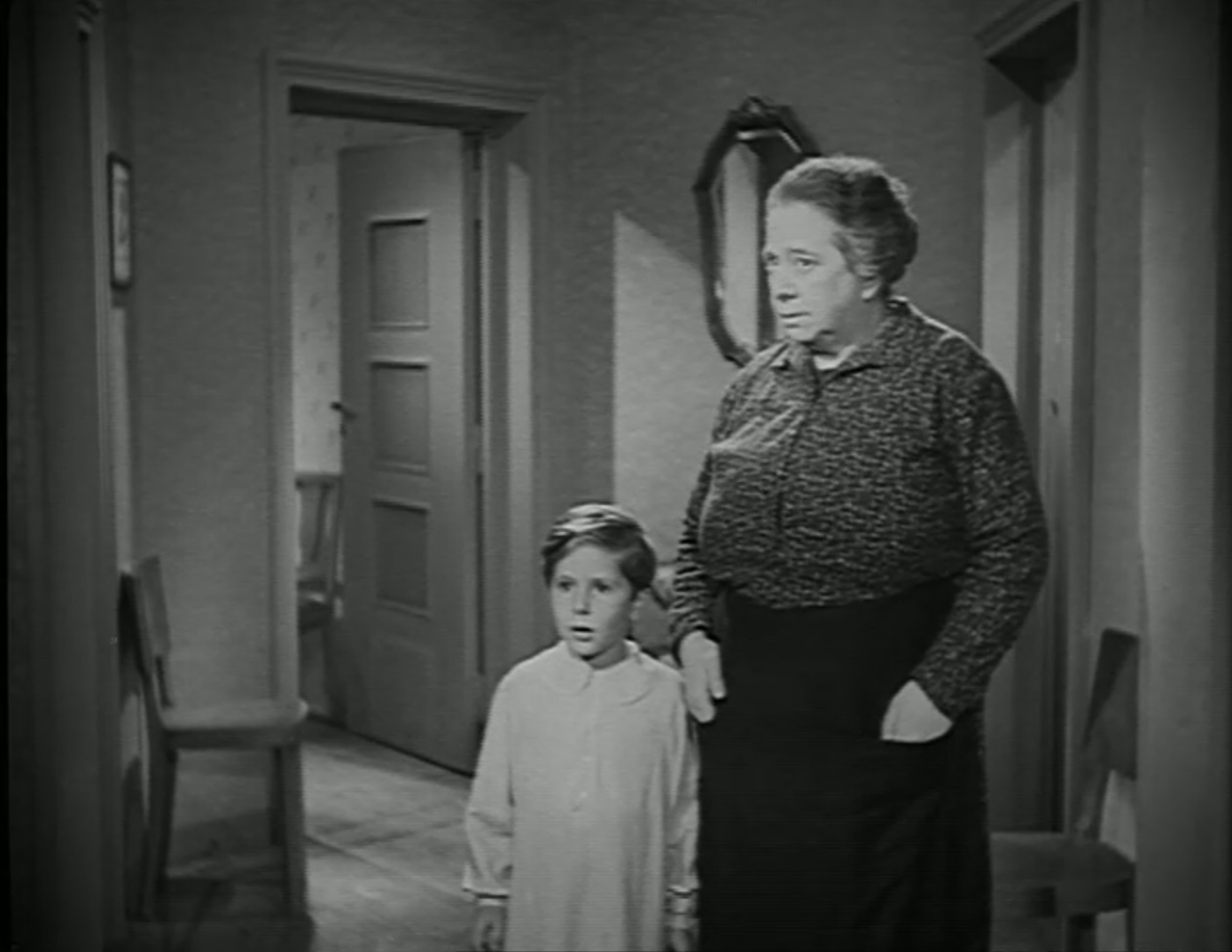
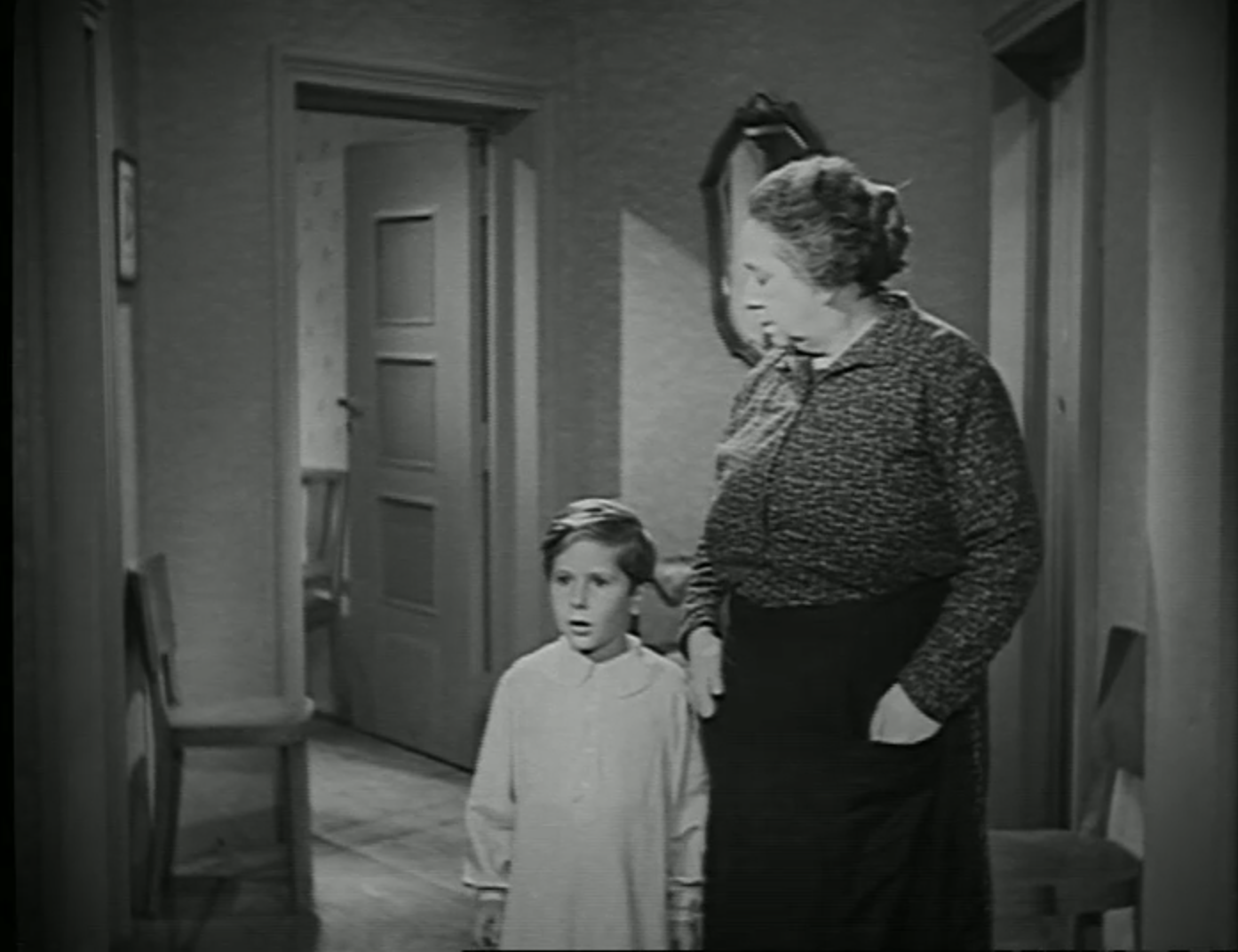
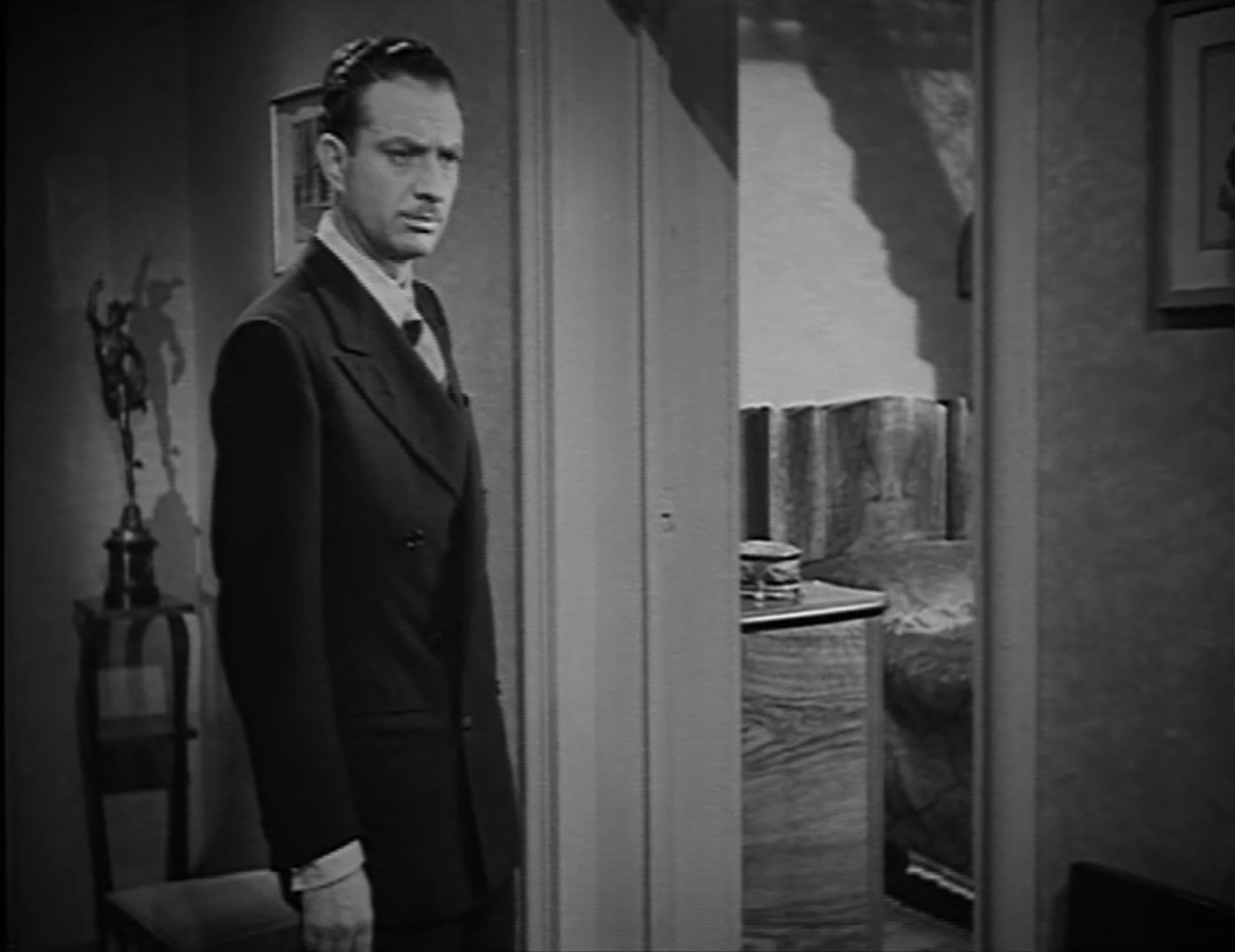
Pricò corre fuori in camicia da notte. "Mamma!"
Agnese e Andrea si scambiano uno sguardo, ma non dicono nulla.
Pricò runs out in his nightshirt. “Mommy!”
Agnese and Andrea exchange looks, but say nothing.
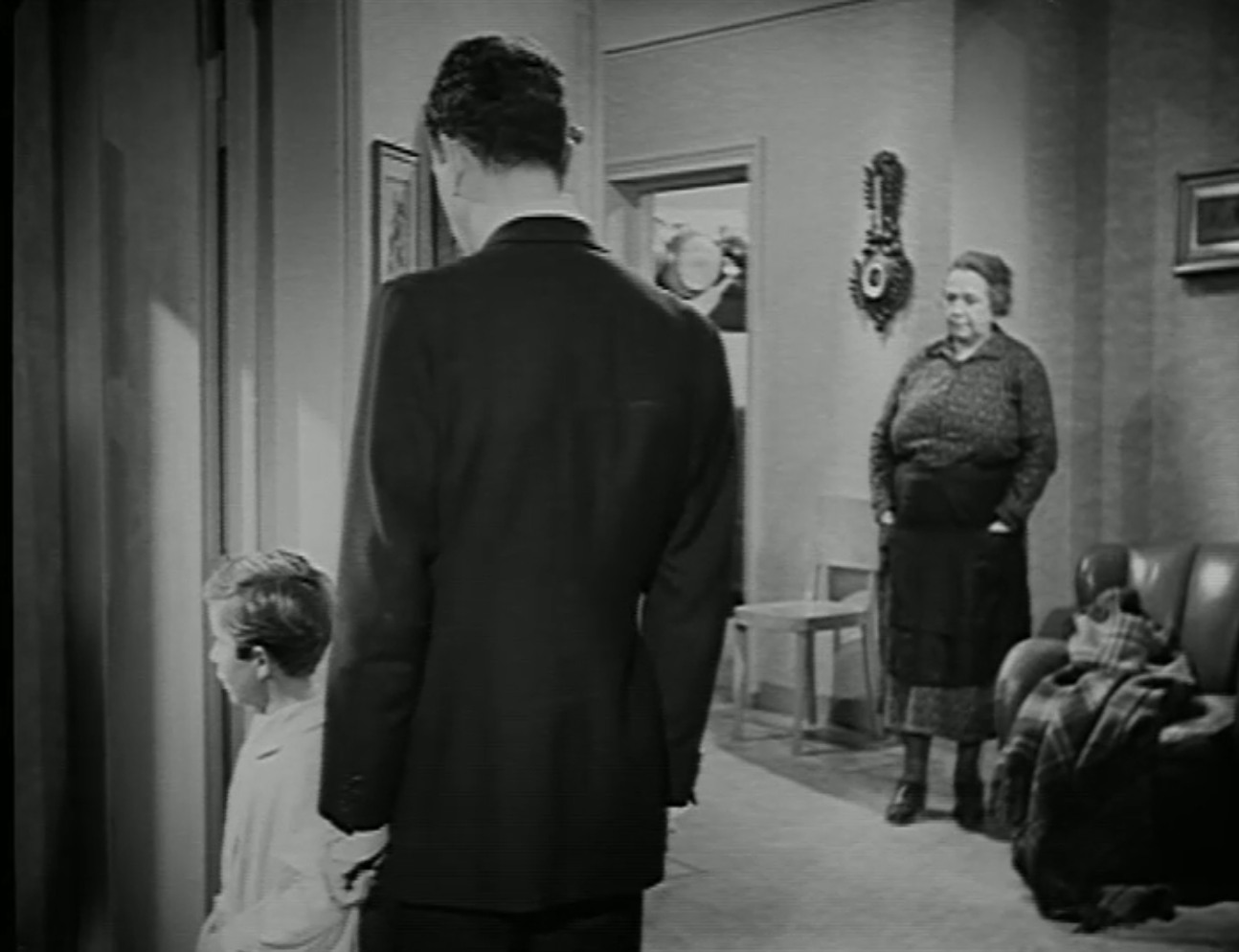
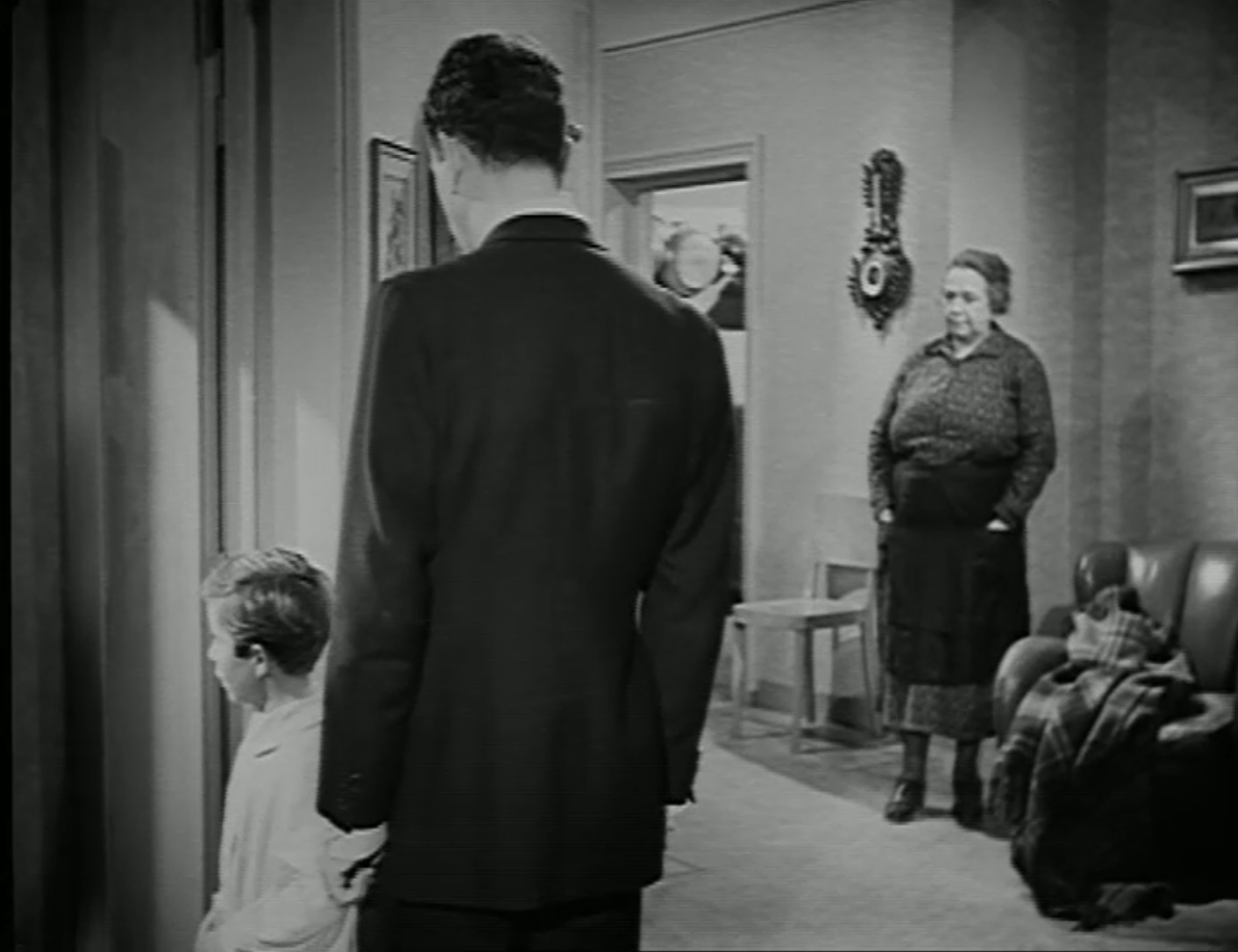
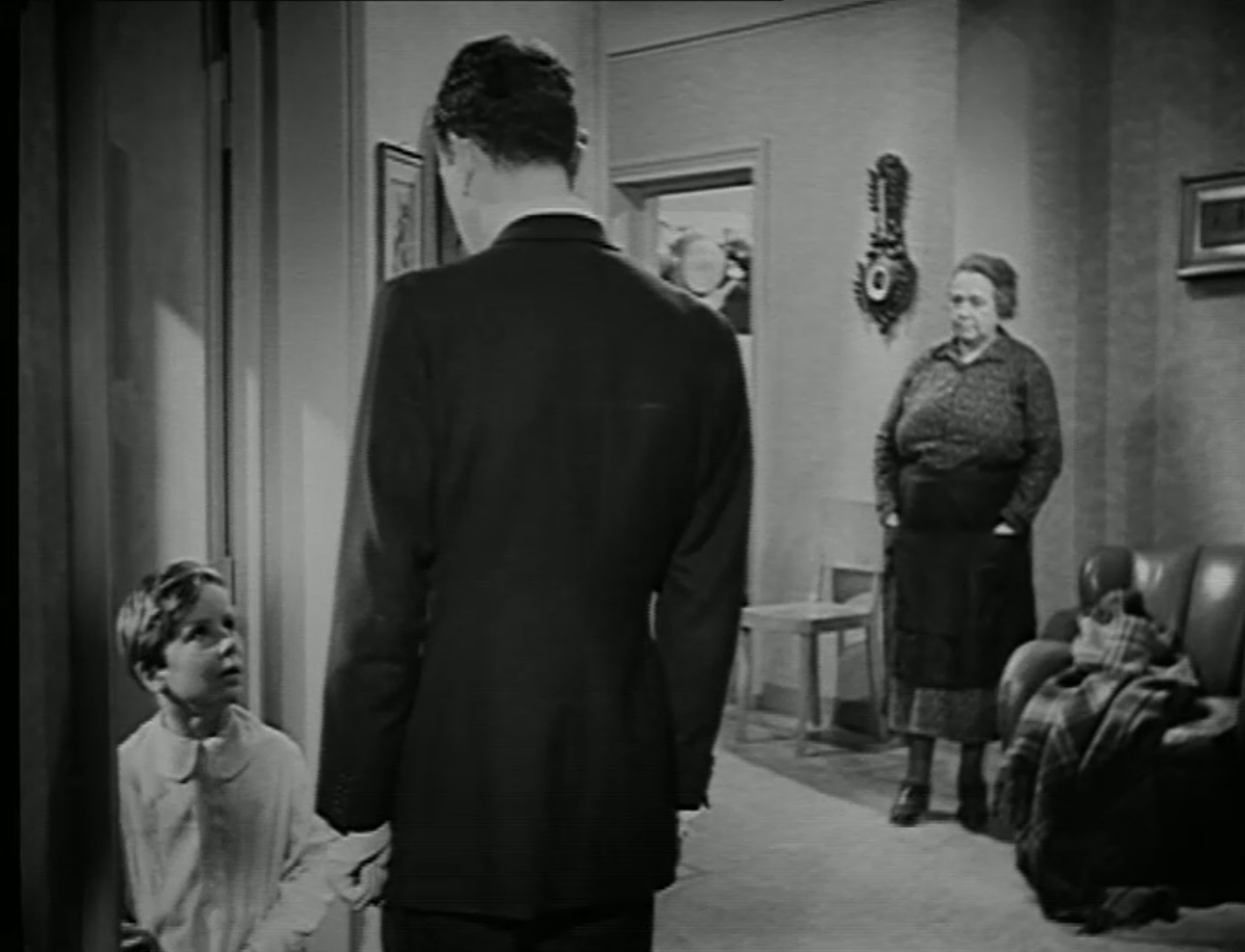
Pricò corre nella camera da letto dei suoi genitori, sbircia dentro e poi alza lo sguardo verso suo padre.
Running to his parent’s bedroom, Pricò peers in, then looks up at his father.
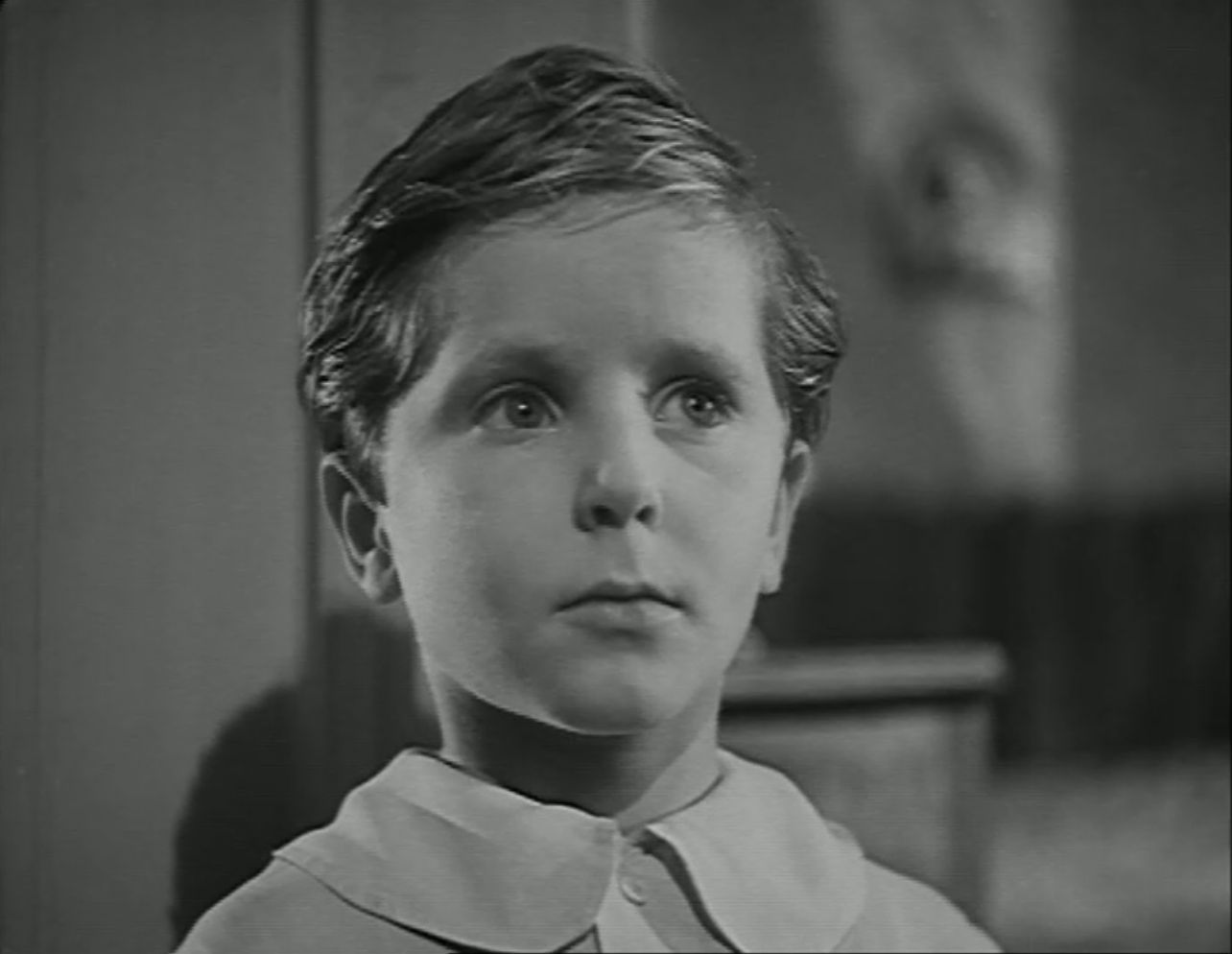
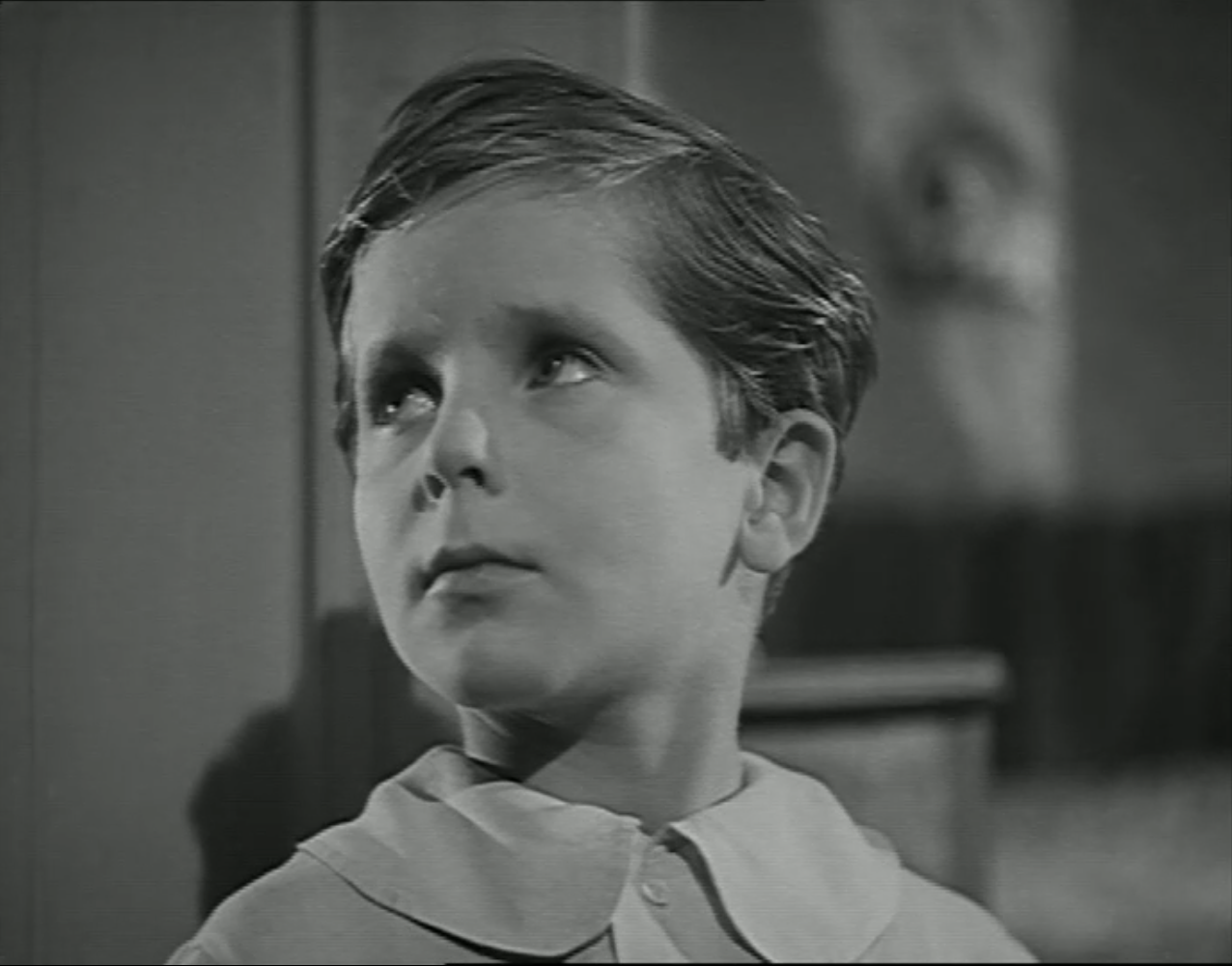
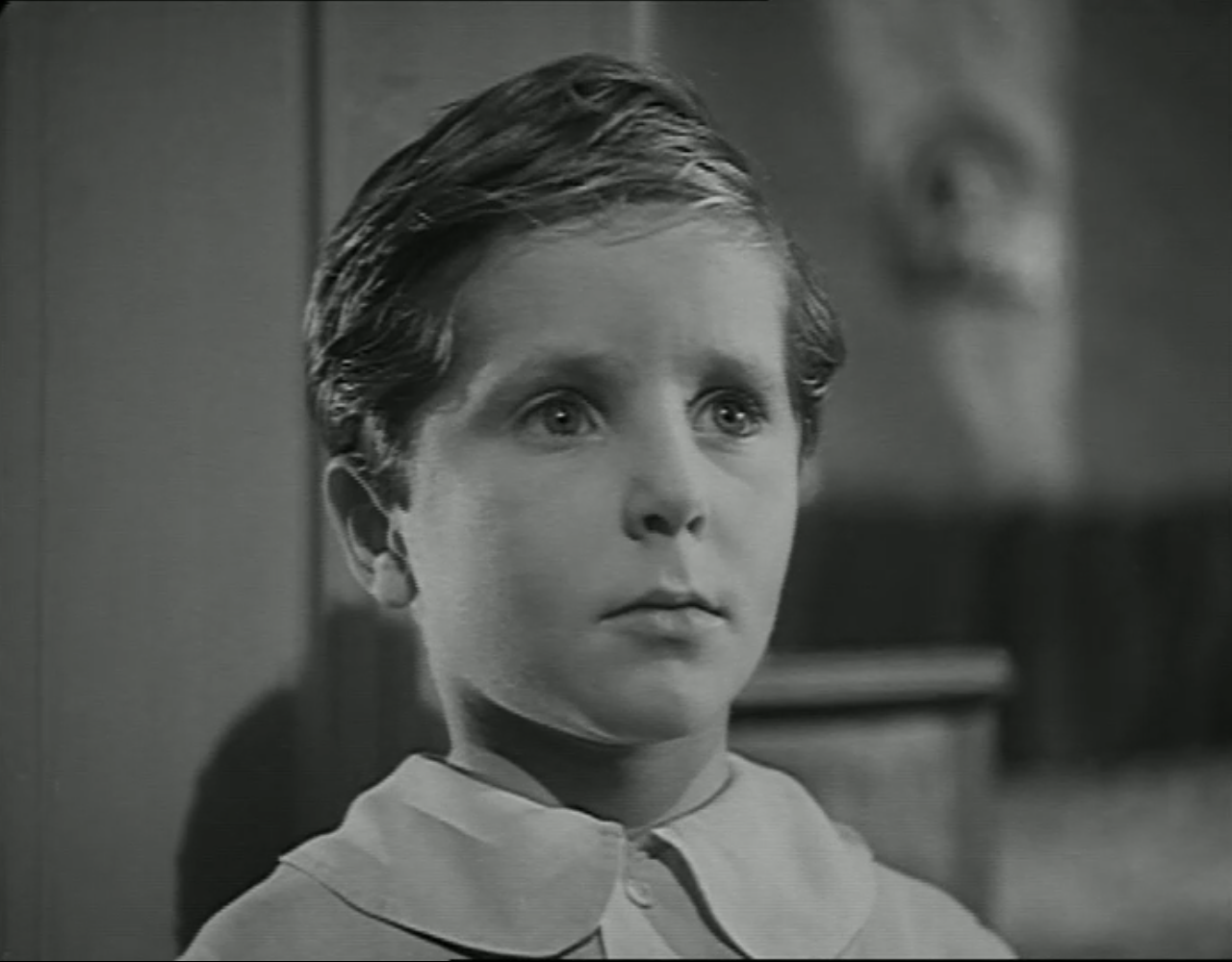
Da vicino, con espressione seria, guarda prima Agnese e poi suo padre, e poi di nuovo Agnese.
In close-up, with a serious expression, he looks from Agnese to his father and back again to Agnese.
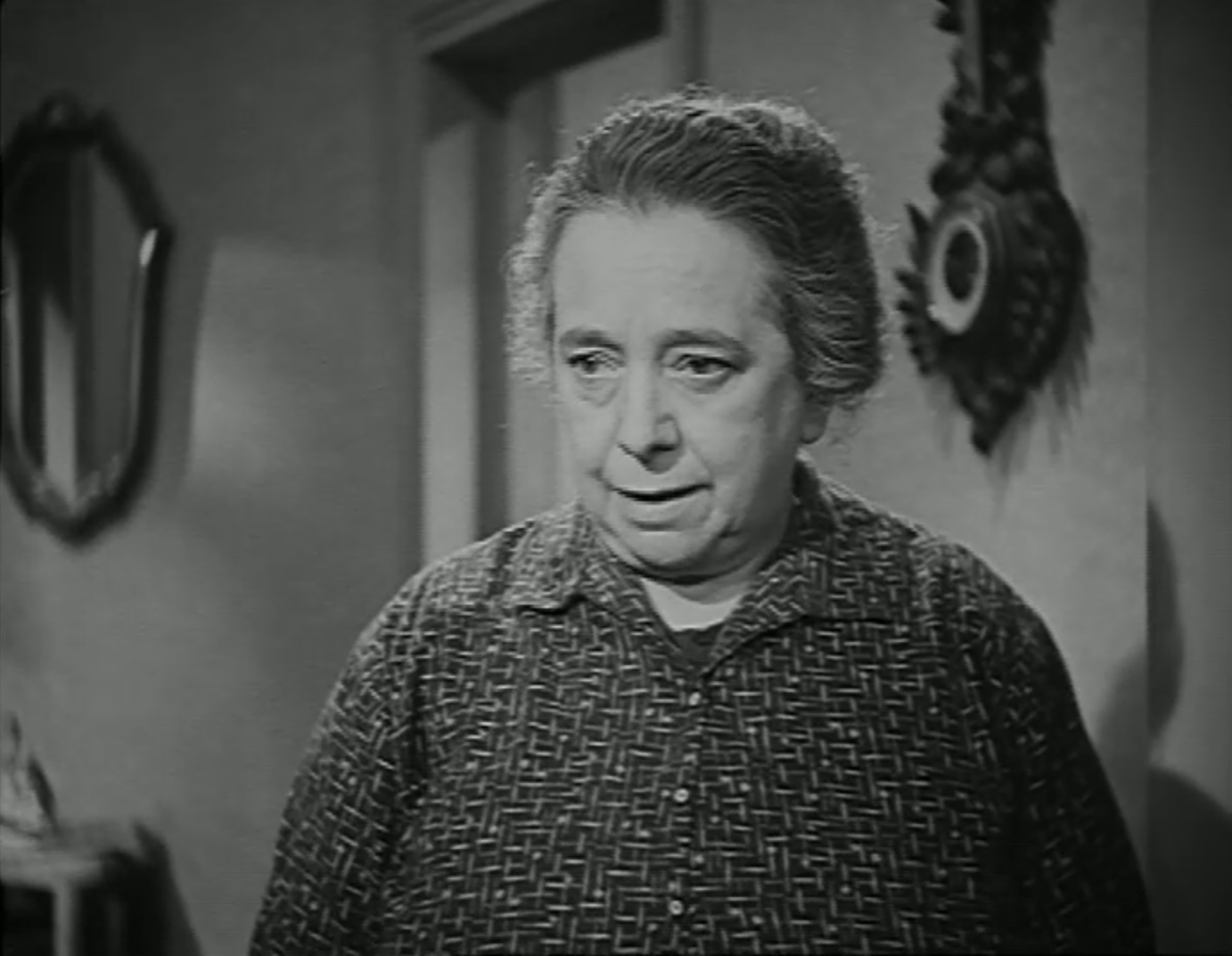
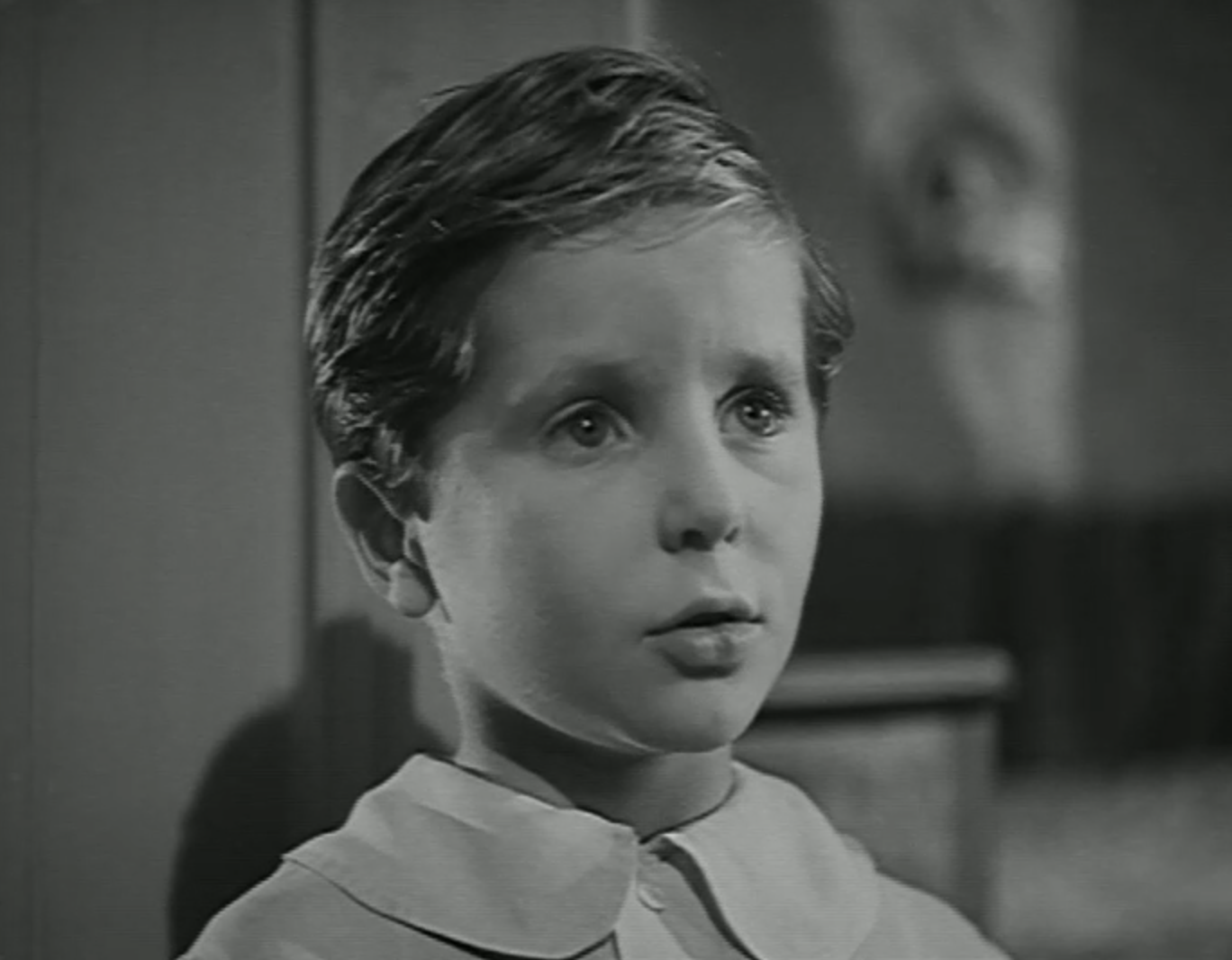
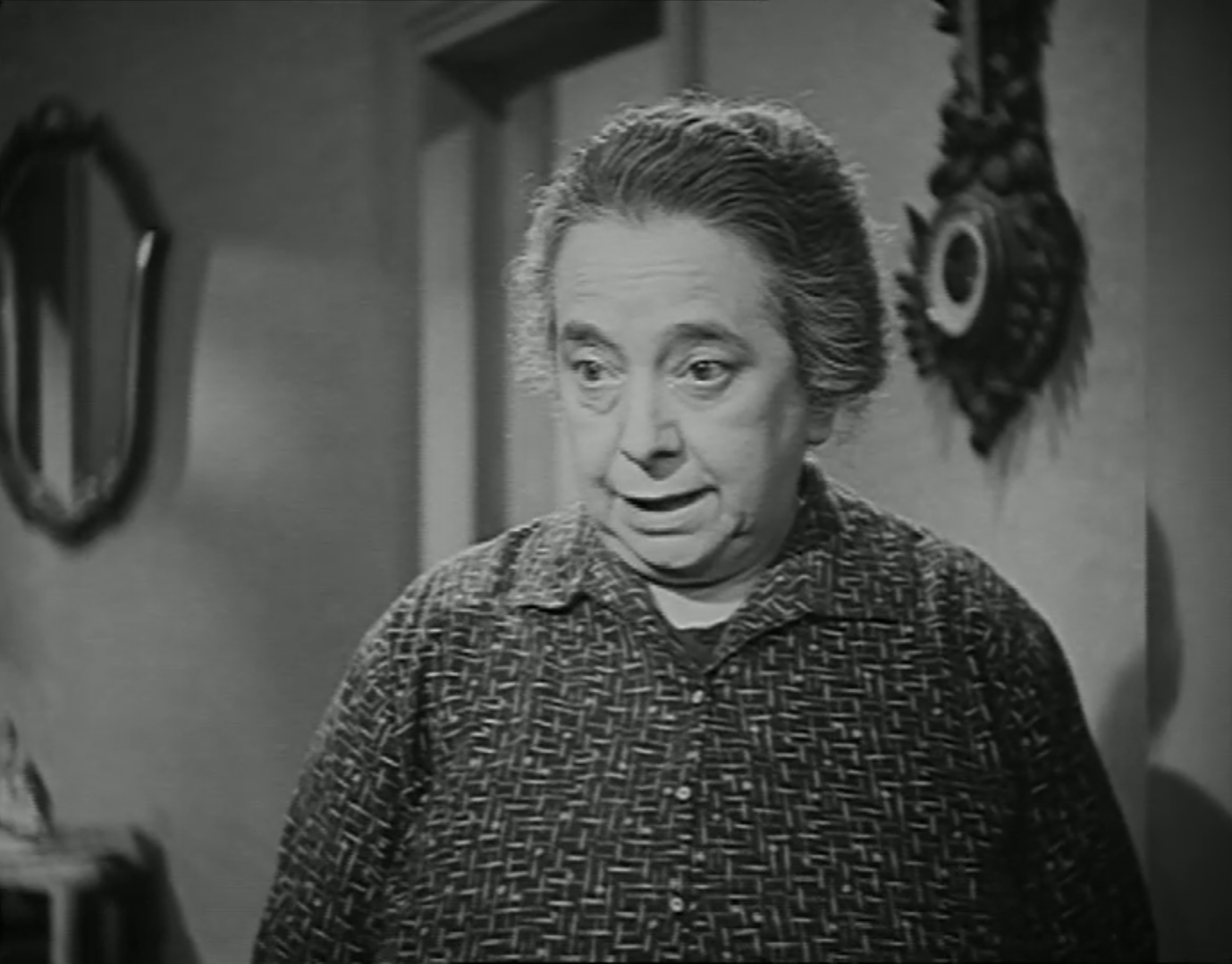
"Mamma non c'è" – dice Agnese – "È partita".
A Pricò si riempiono gli occhi di lacrime. "Quando?"
Dopo una pausa, lei ripete semplicemente: "È partita".
“Mommy isn’t here,” Agnese says. “She’s left.”
Pricò’s eyes fill with tears. “When?”
After a pause, she simply repeats, “She’s left.”
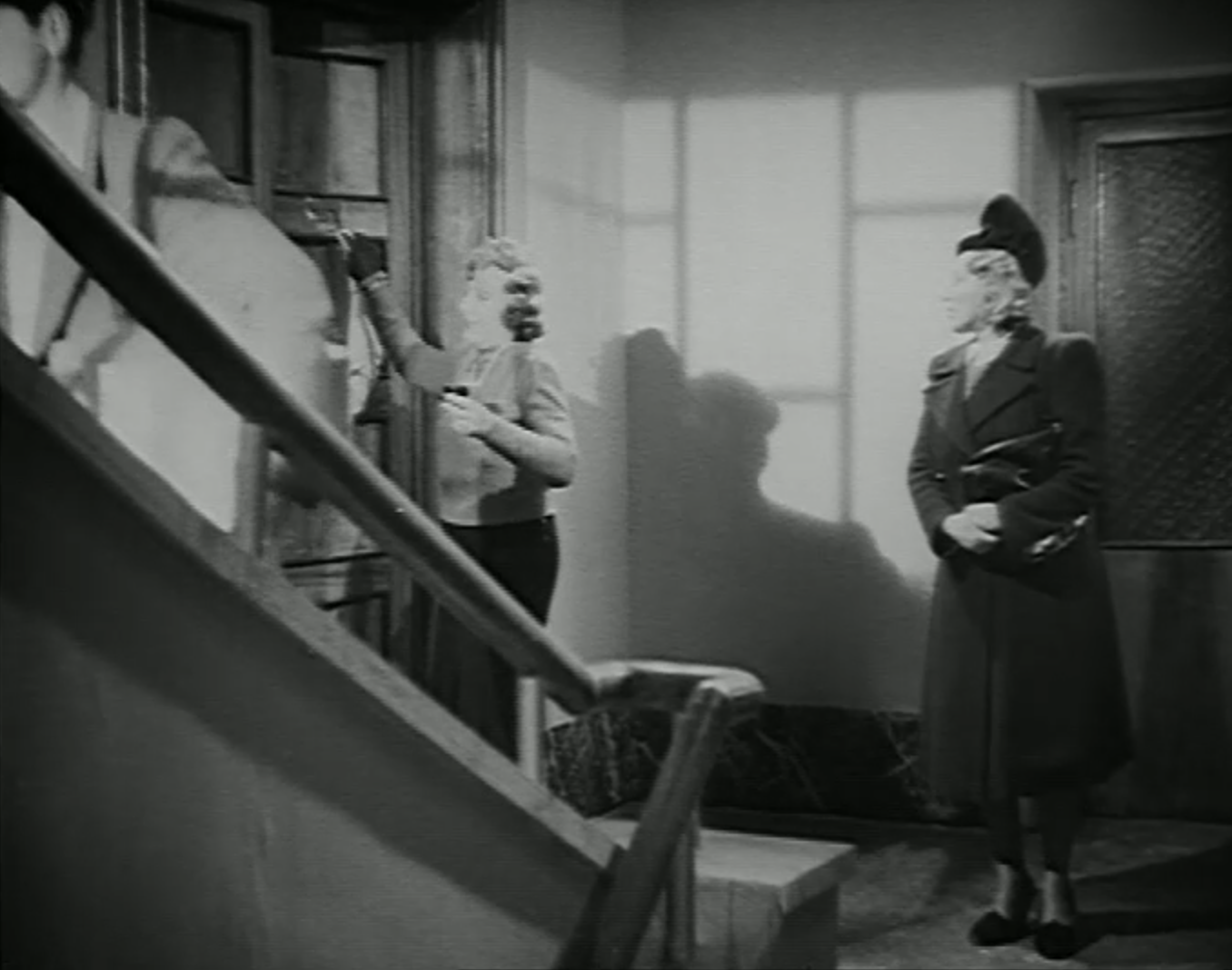
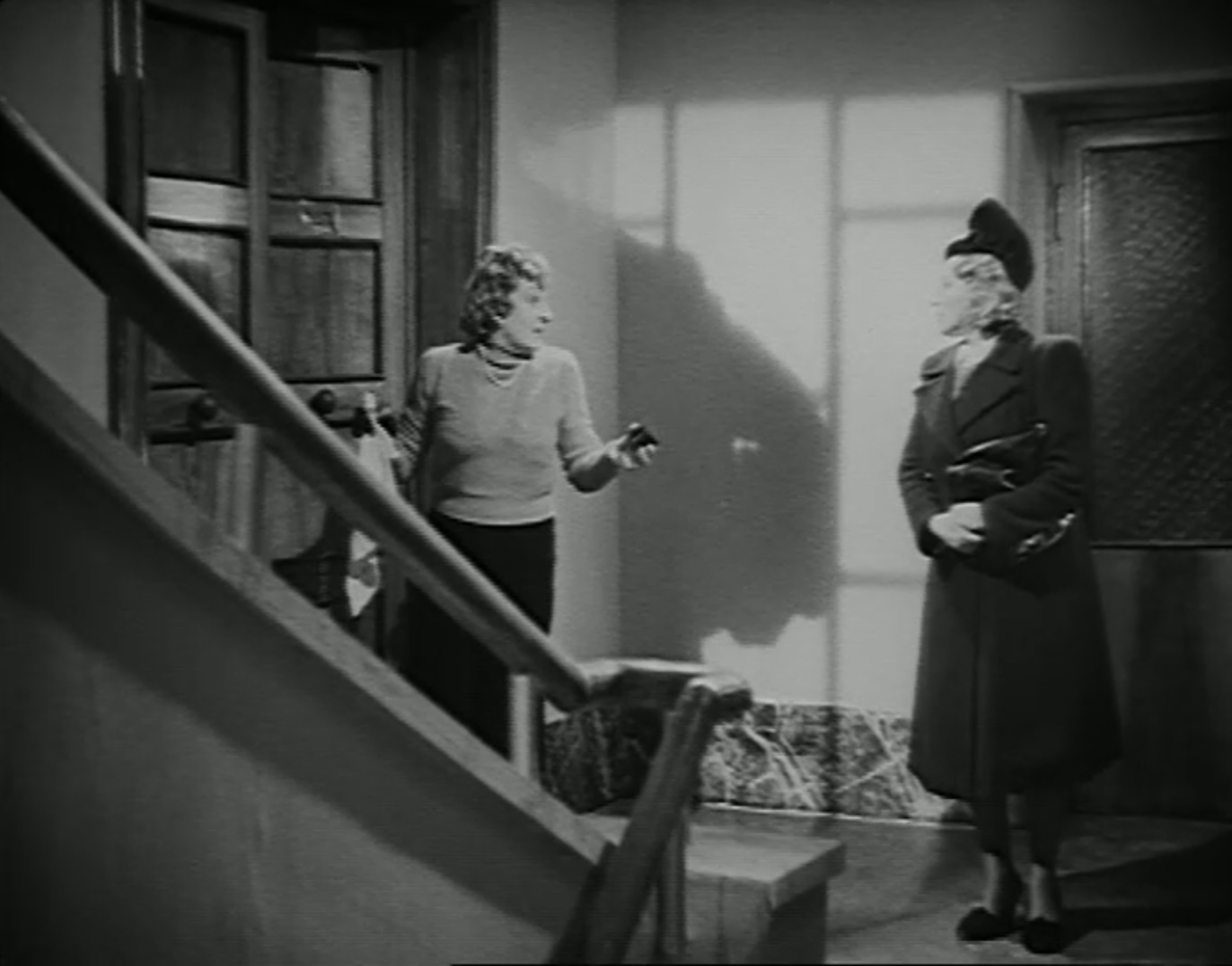
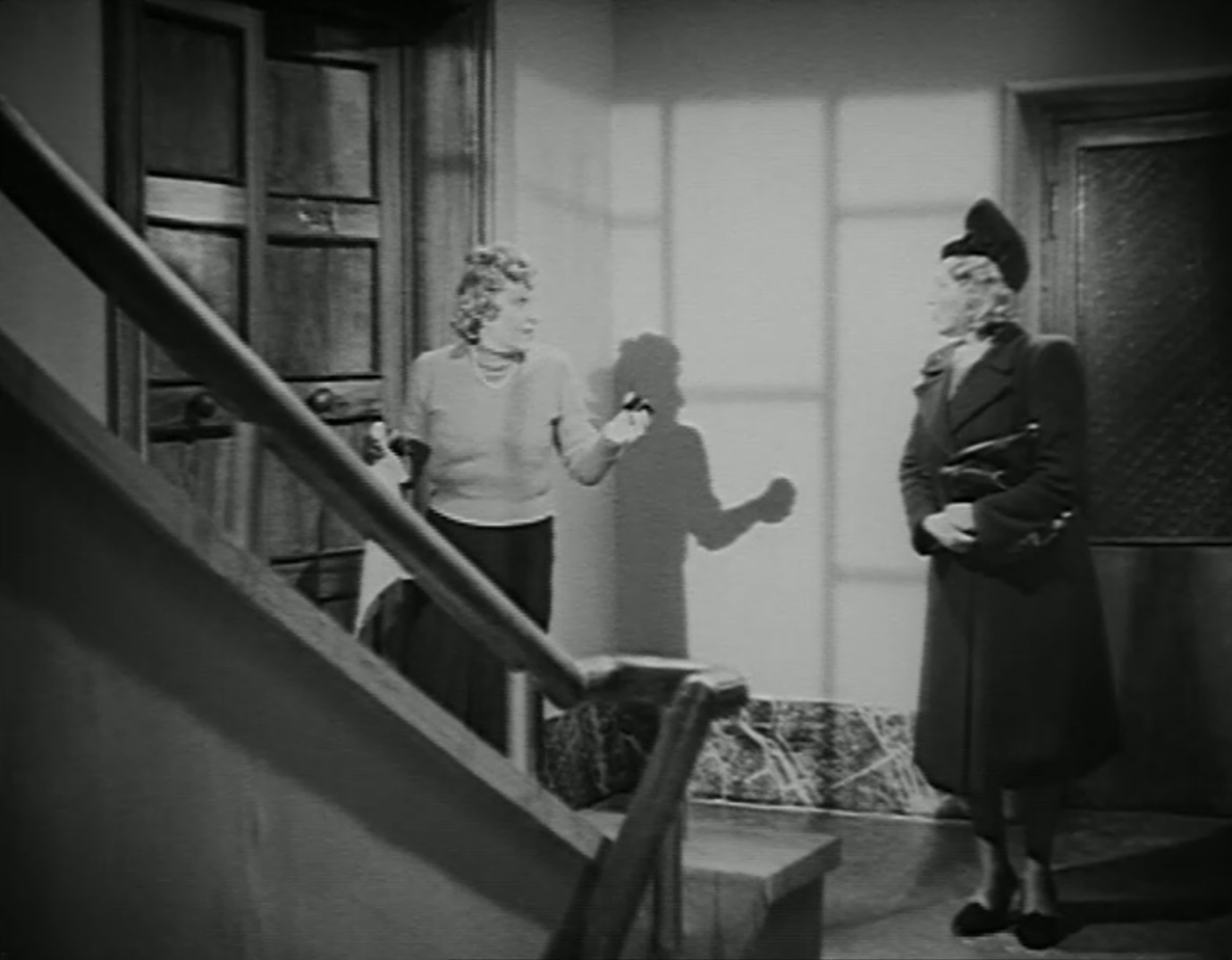
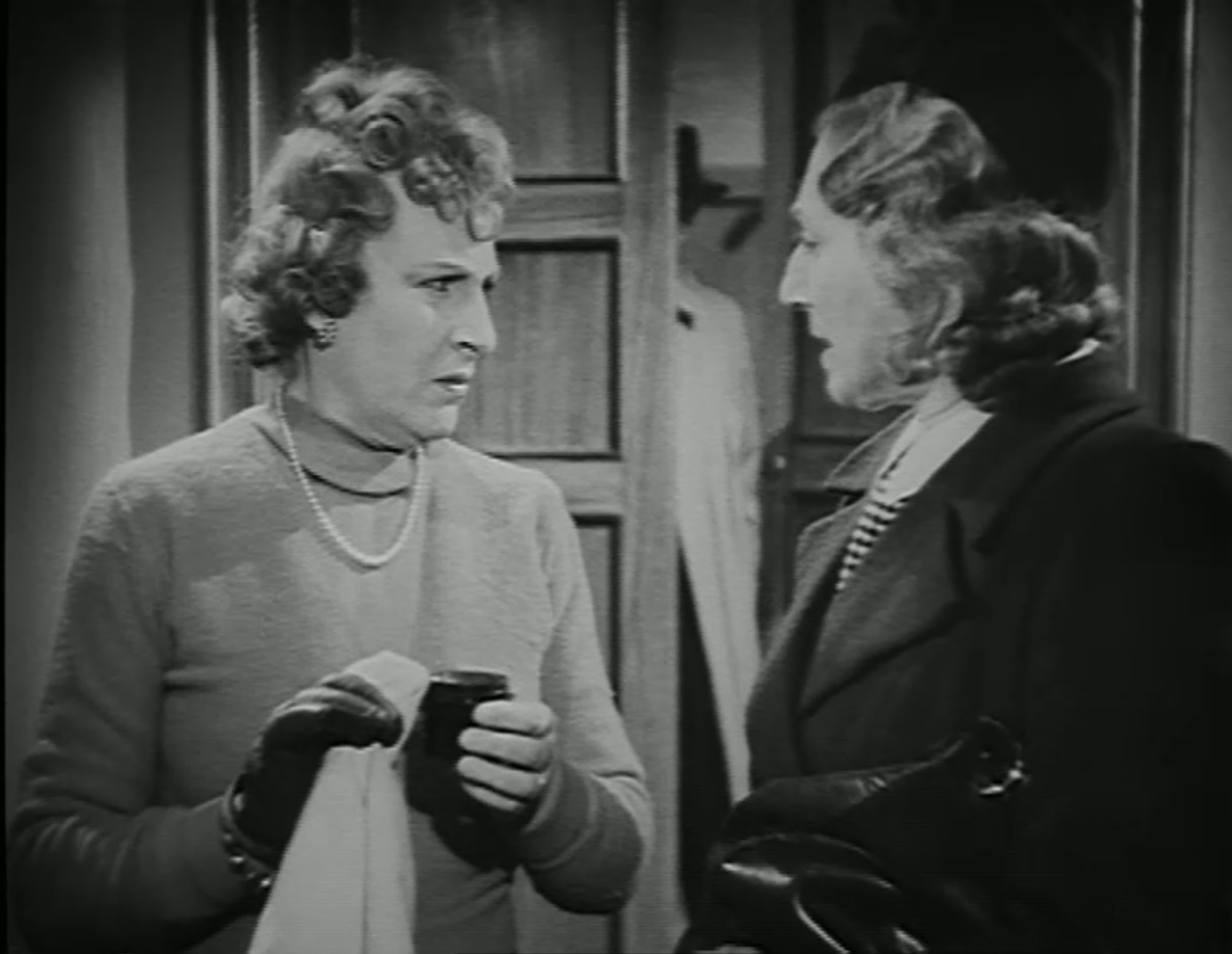
Fuori, la signora Resta chiacchiera con una vicina, che le suggerisce: "Forse sarà andata da qualche parente".
"È scappata" – risponde la signora Resta con un'alzata di spalle – "È inutile fantasticare: è scappata. Tra qualche ora le potrò dire dove è andata". La sua ombra sul muro segue i suoi gesti.
Outside, Signora Resta chats with a neighbor, who suggests, “Perhaps she’s visiting some relative.”
“She ran off.” Signora Resta shrugs. “There’s no point in fantasizing: she ran off. In a few hours, I’ll know where she’s gone.” Her shadow on the wall gestures along with her.
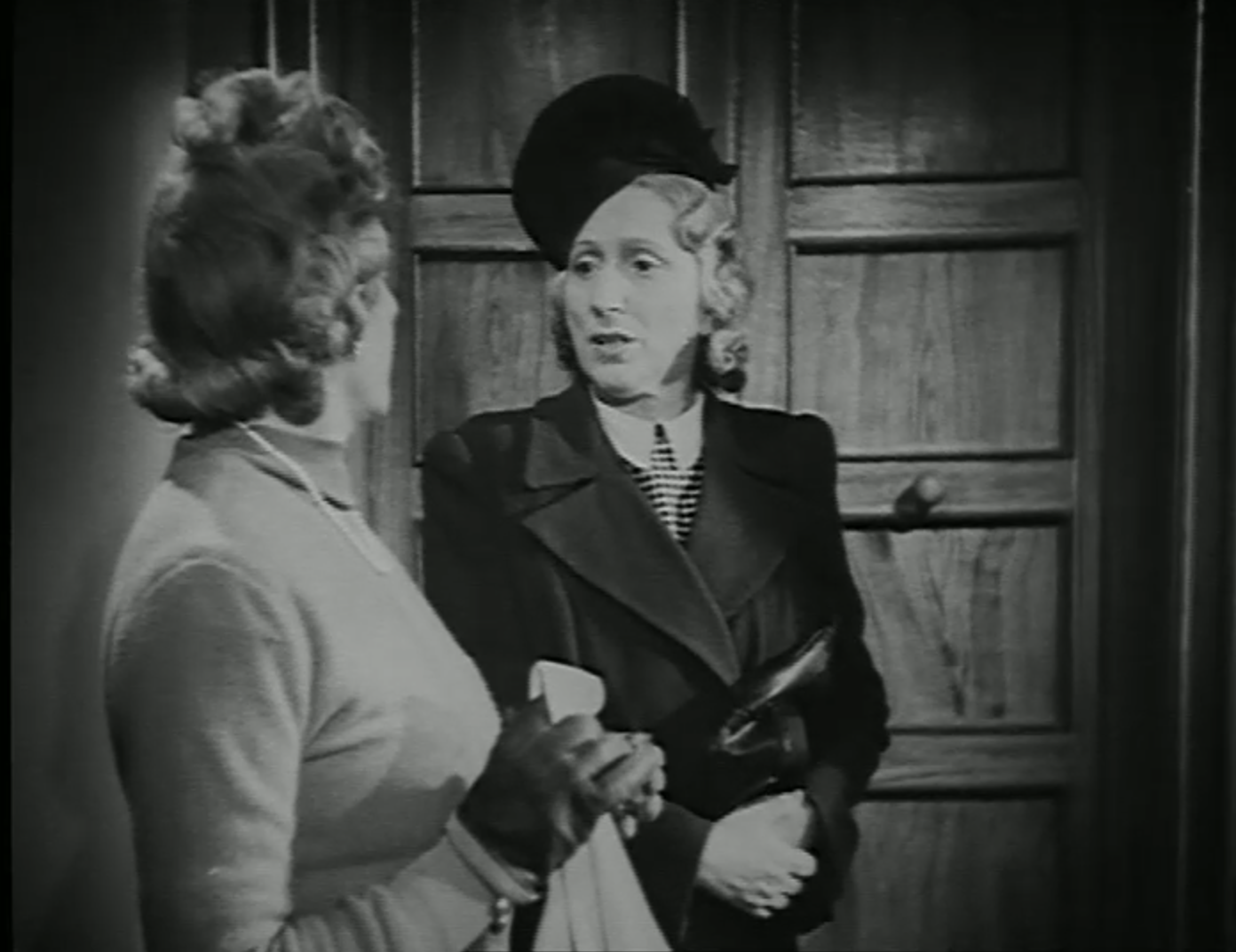
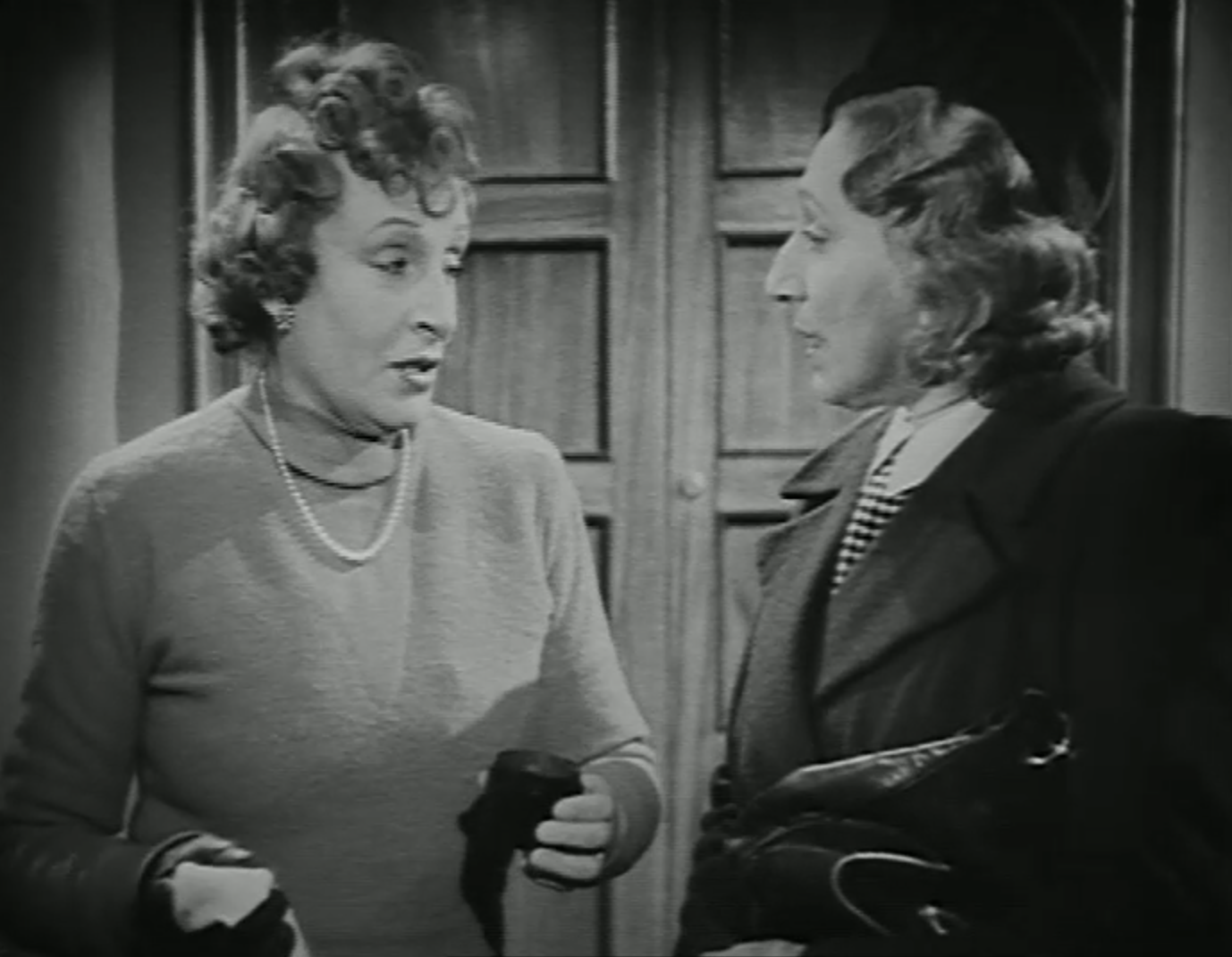
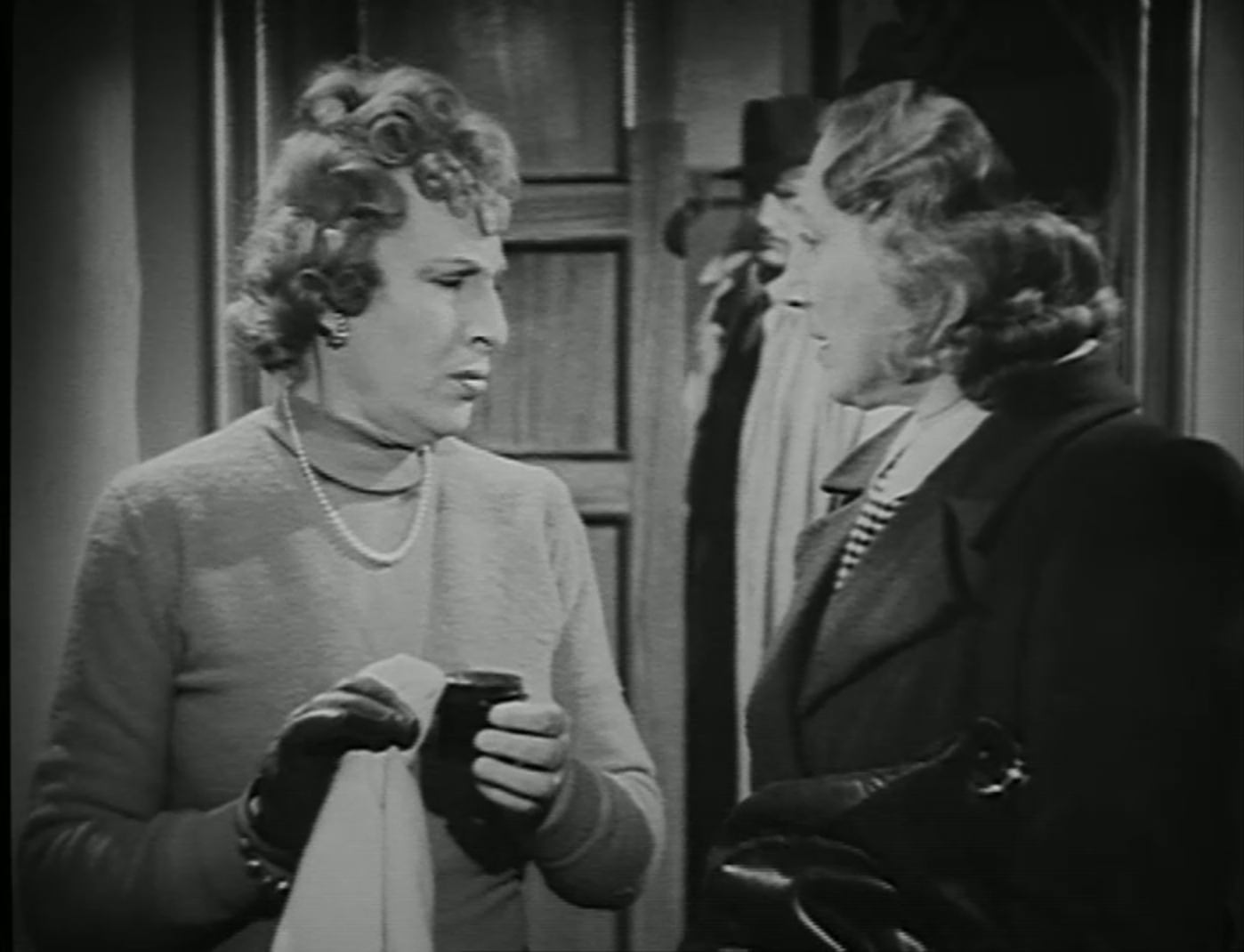
"Ma allora lei sa qualche cosa". La donna si avvicina.
"Tutto. Con me, niente inganni".
“You know something then.” The woman steps closer.
“Everything. With me, there are no deceptions.”
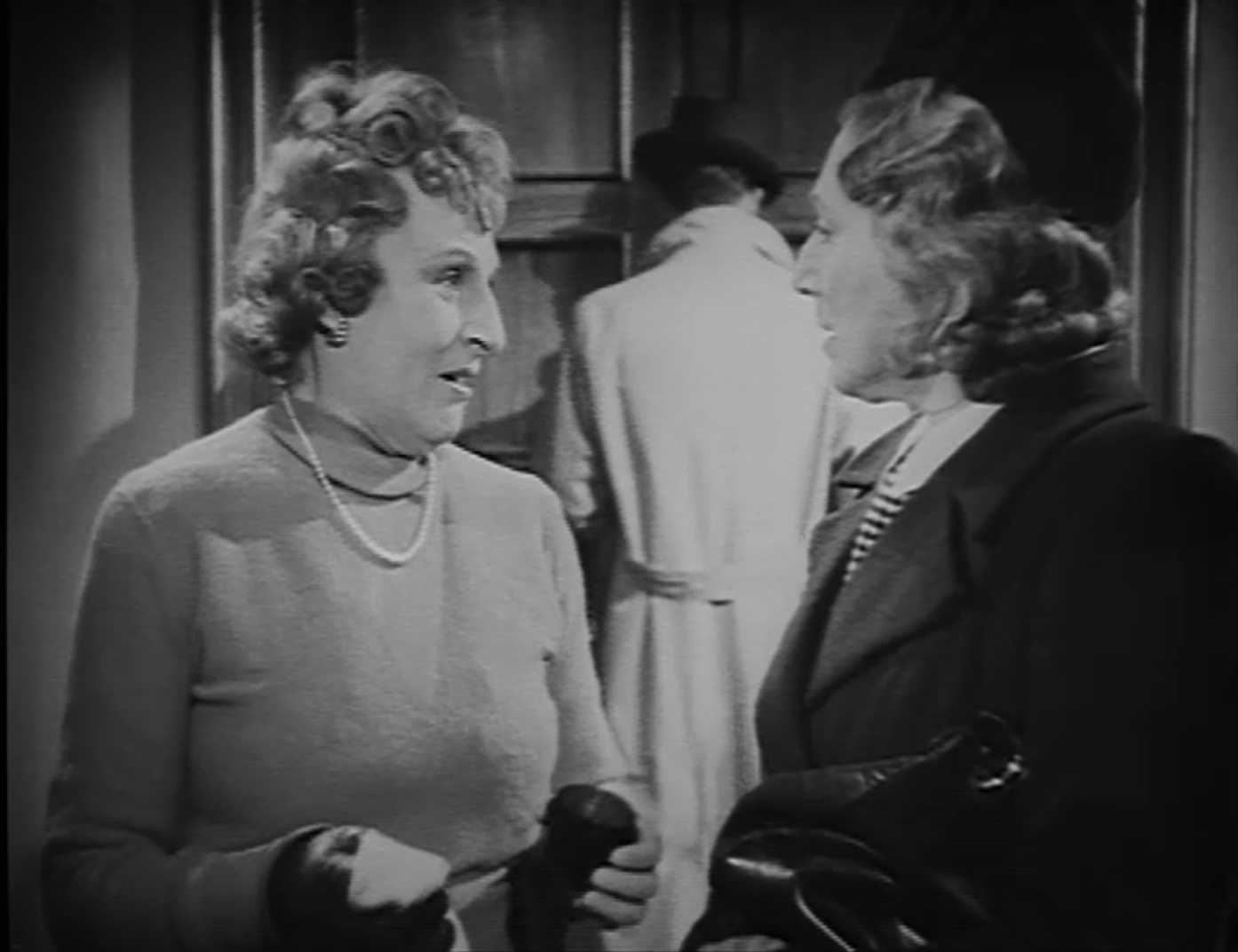
"E lui?"
"Chi? Il marito?" Proprio in quel momento, Andrea esce, già vestito per andare al lavoro, e la signora Resta cambia argomento.
“What about him?”
“Who? The husband?” Just then, Andrea steps out, dressed for work, and Signora Resta changes the subject.
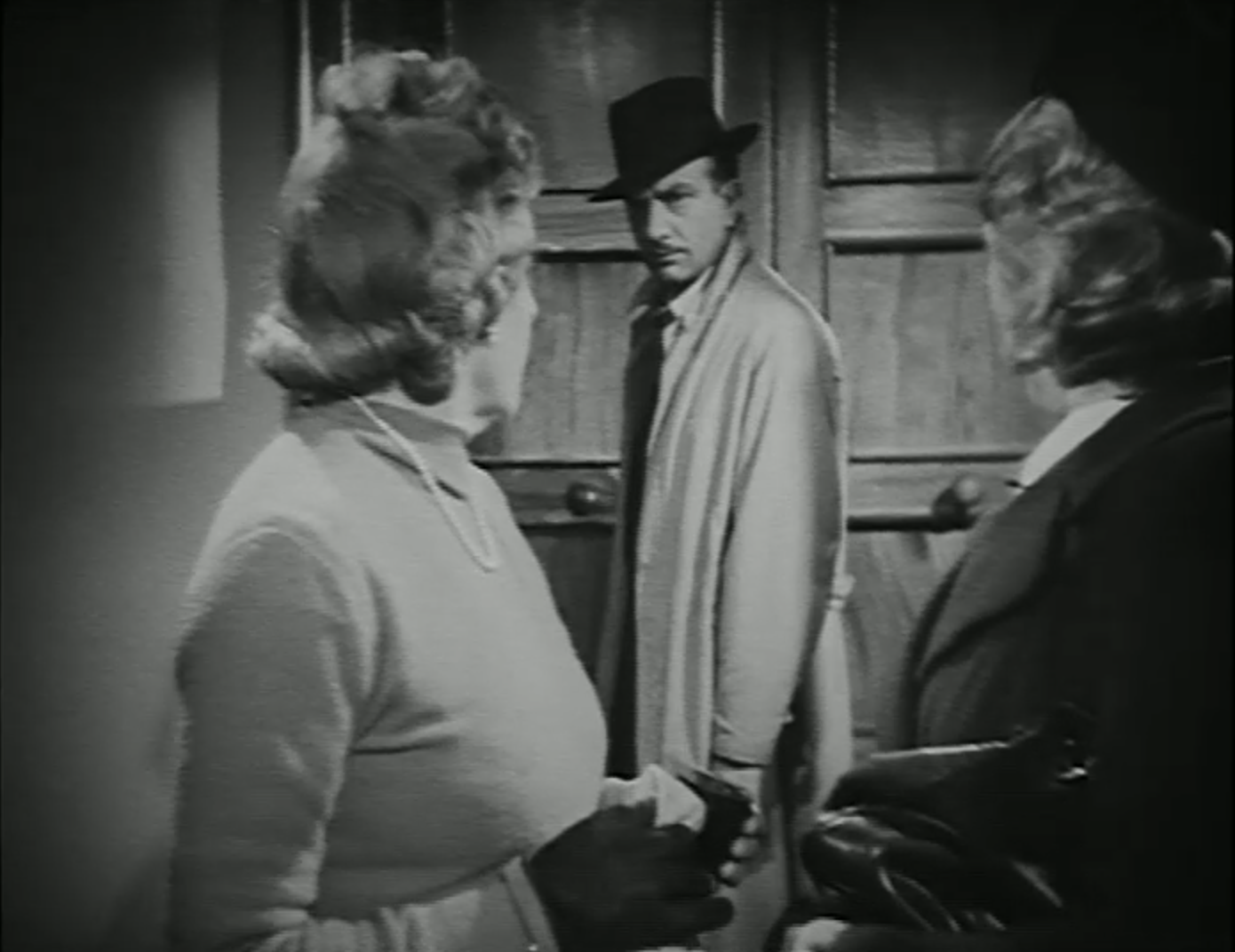
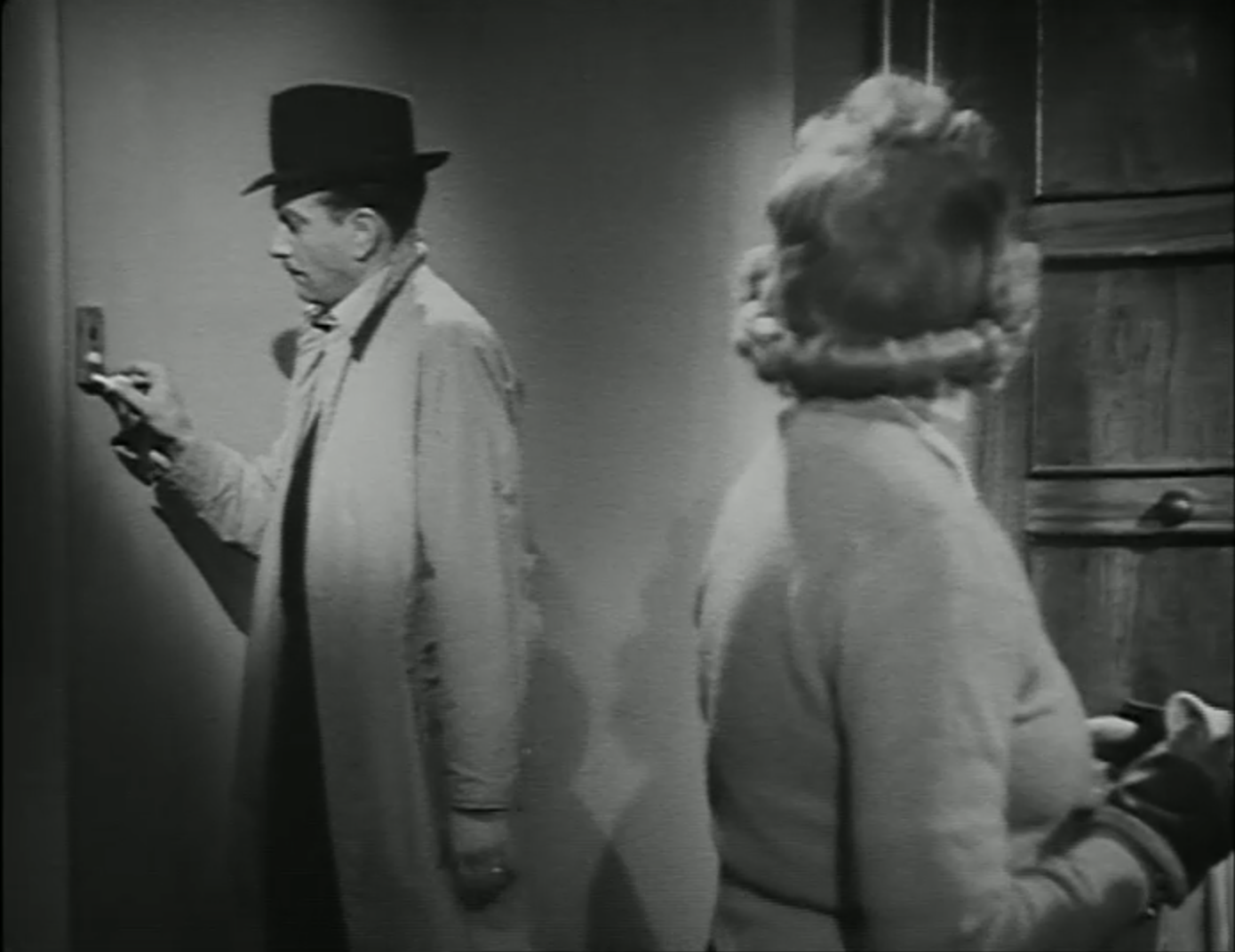
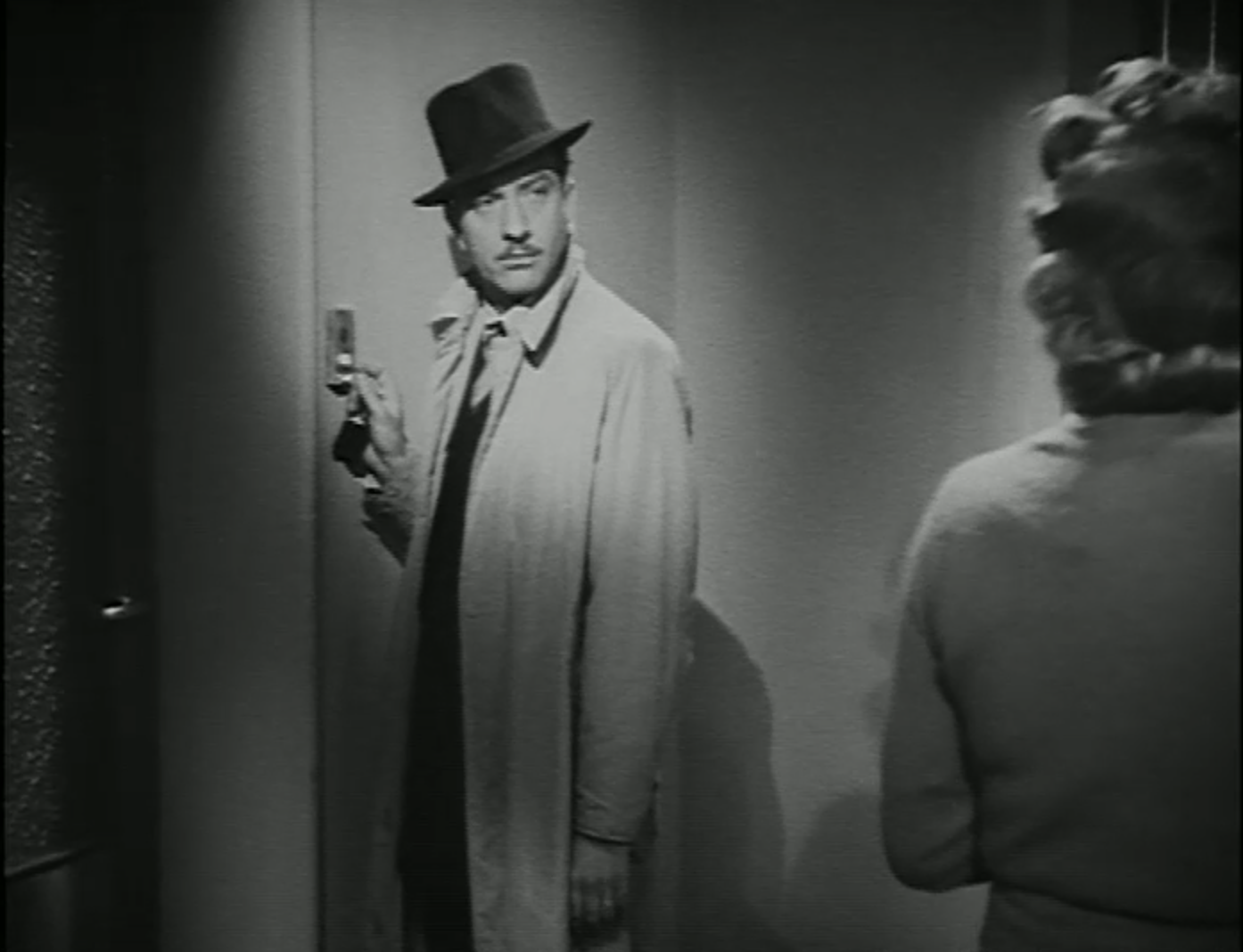
Lui lancia un'occhiata di disapprovazione alle donne. Quando inserisce la chiave nell'ascensore, la signora Resta gli ricorda: "Non va in discesa, ragioniere. L'ha voluto lei".
"Ah, già".
He frowns at the women. When he puts his key in the elevator, Signora Resta reminds him, “It doesn’t go down, sir. You wanted it.”
“Oh, right.”
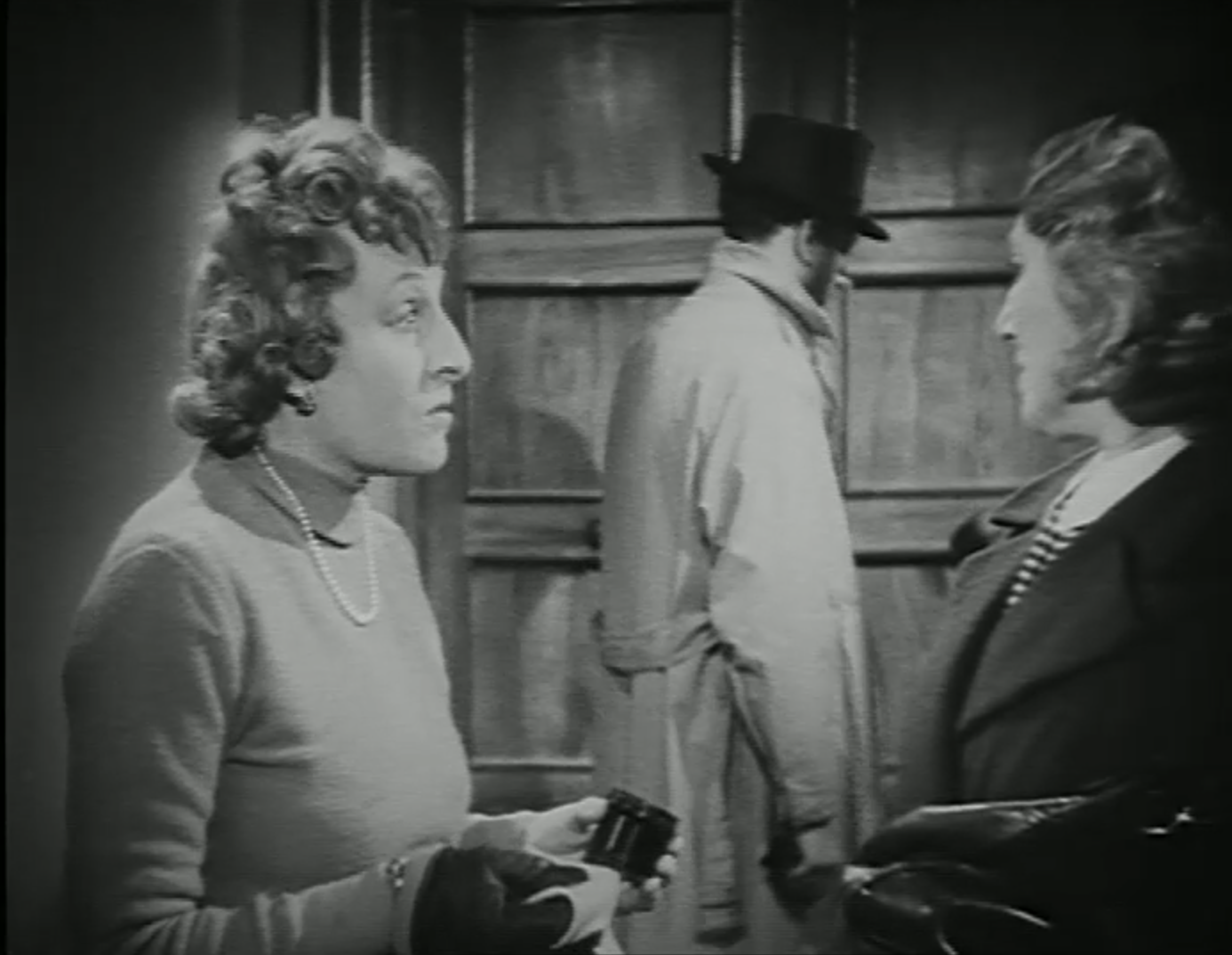
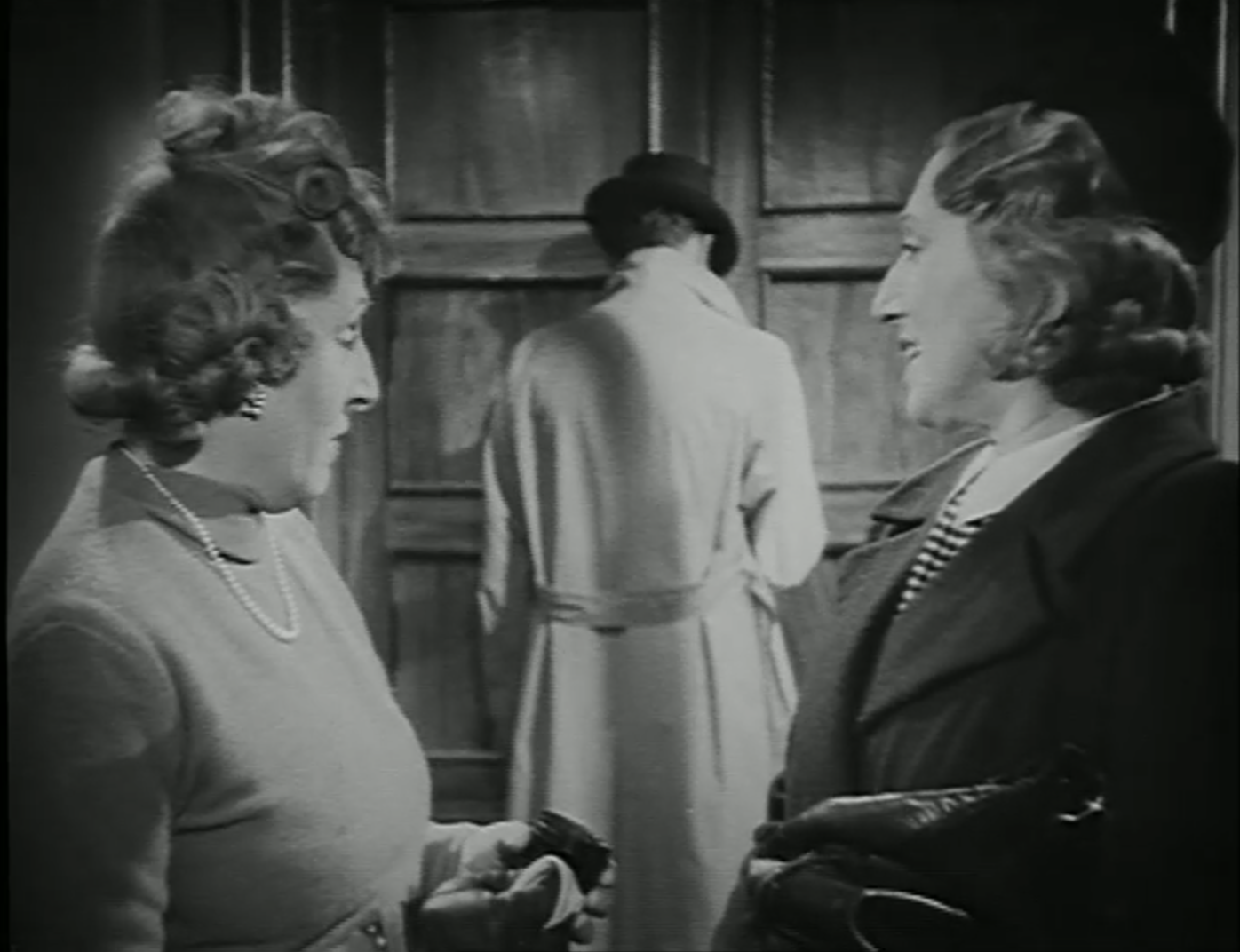
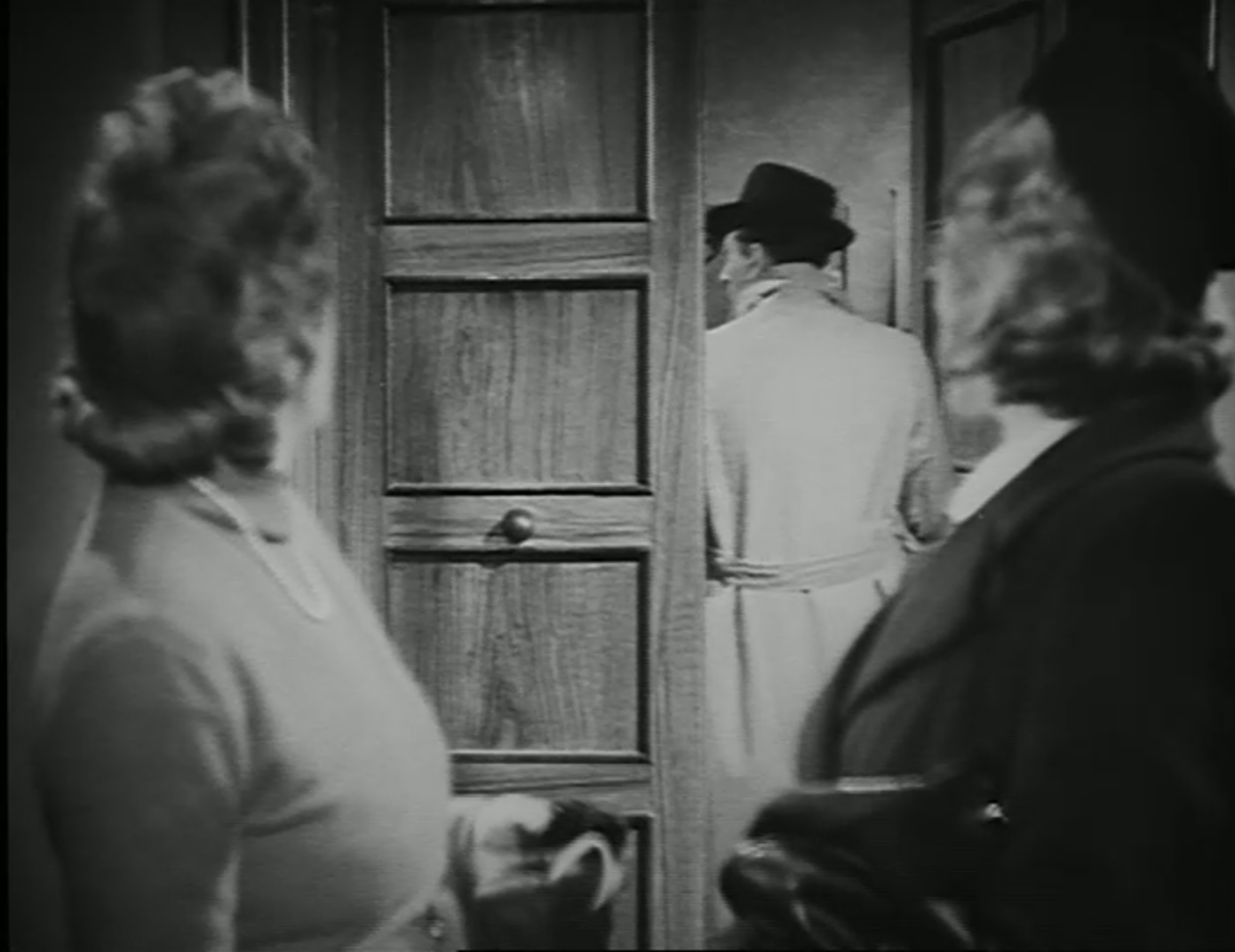
Ma, invece di prendere le scale, torna nel suo appartamento, mentre la signora Resta dice: "Stavamo parlando di suo figlio".
"Oh, sì" – interviene la vicina – "È tanto un caro ragazzo".
Andrea le ignora.
But, instead of taking the stairs, he heads back inside his apartment, as Signora Resta says, “We were talking about your son.”
“Oh, yes,” the neighbor chimes in. “He’s such a dear boy.”
Andrea ignores them.
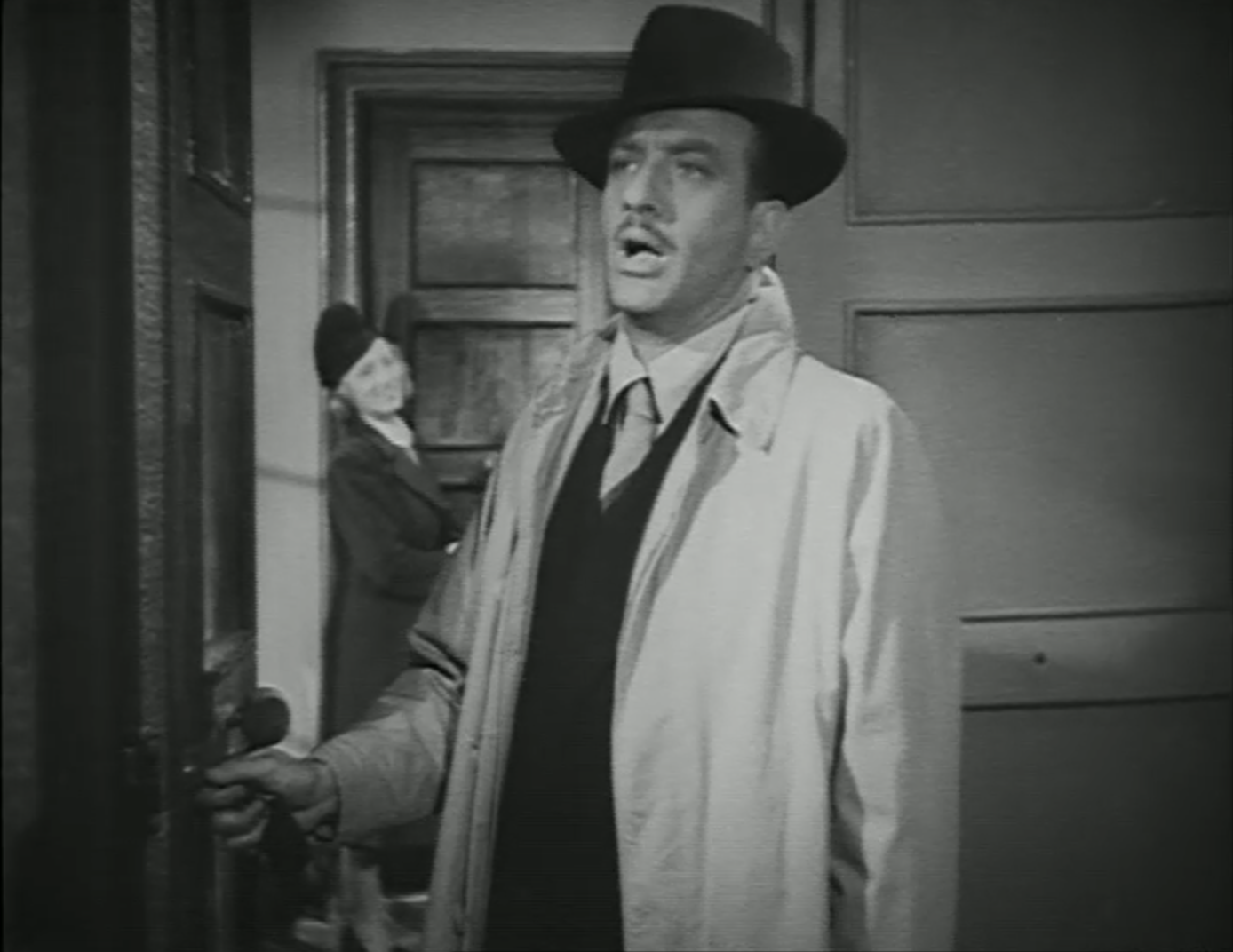
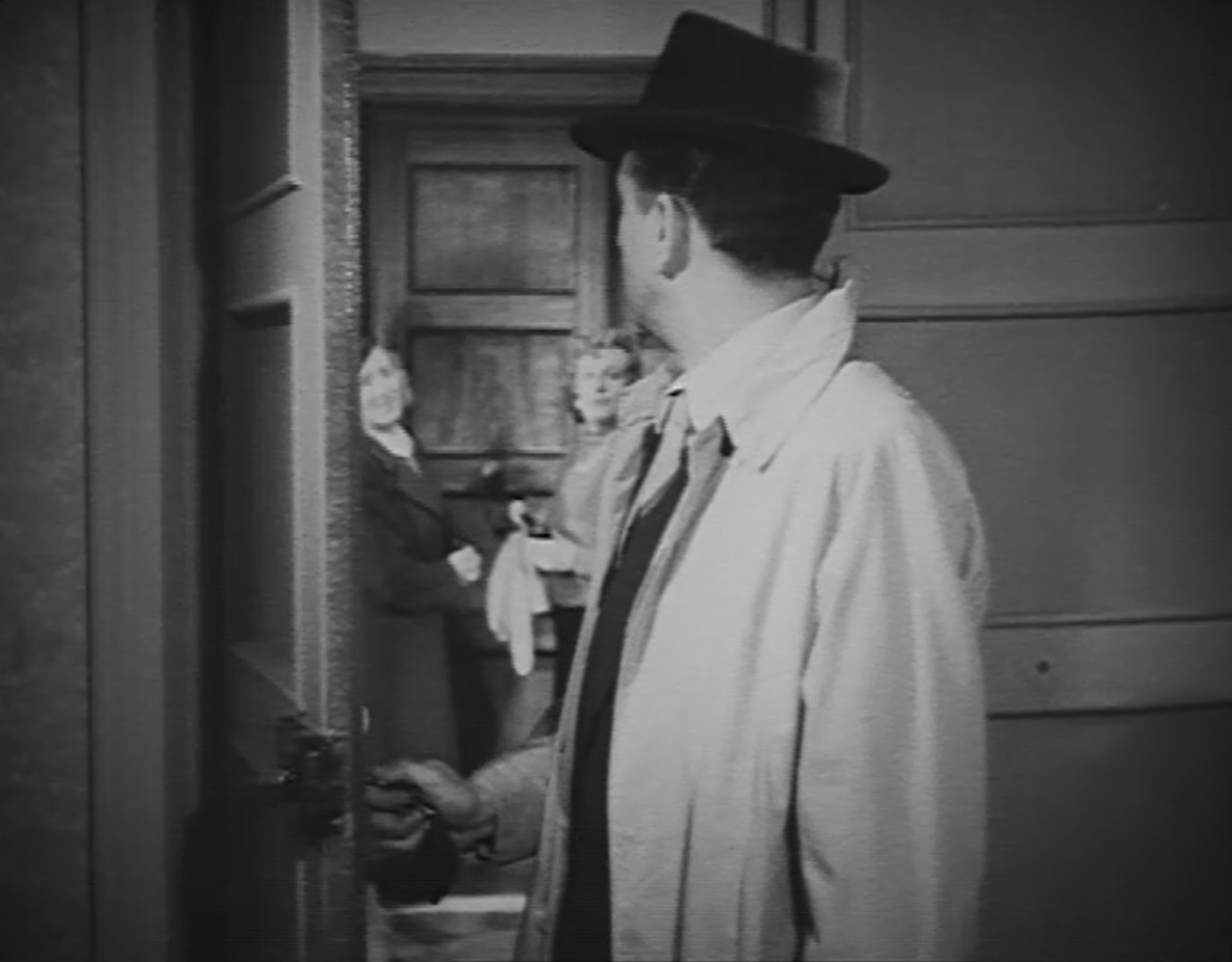
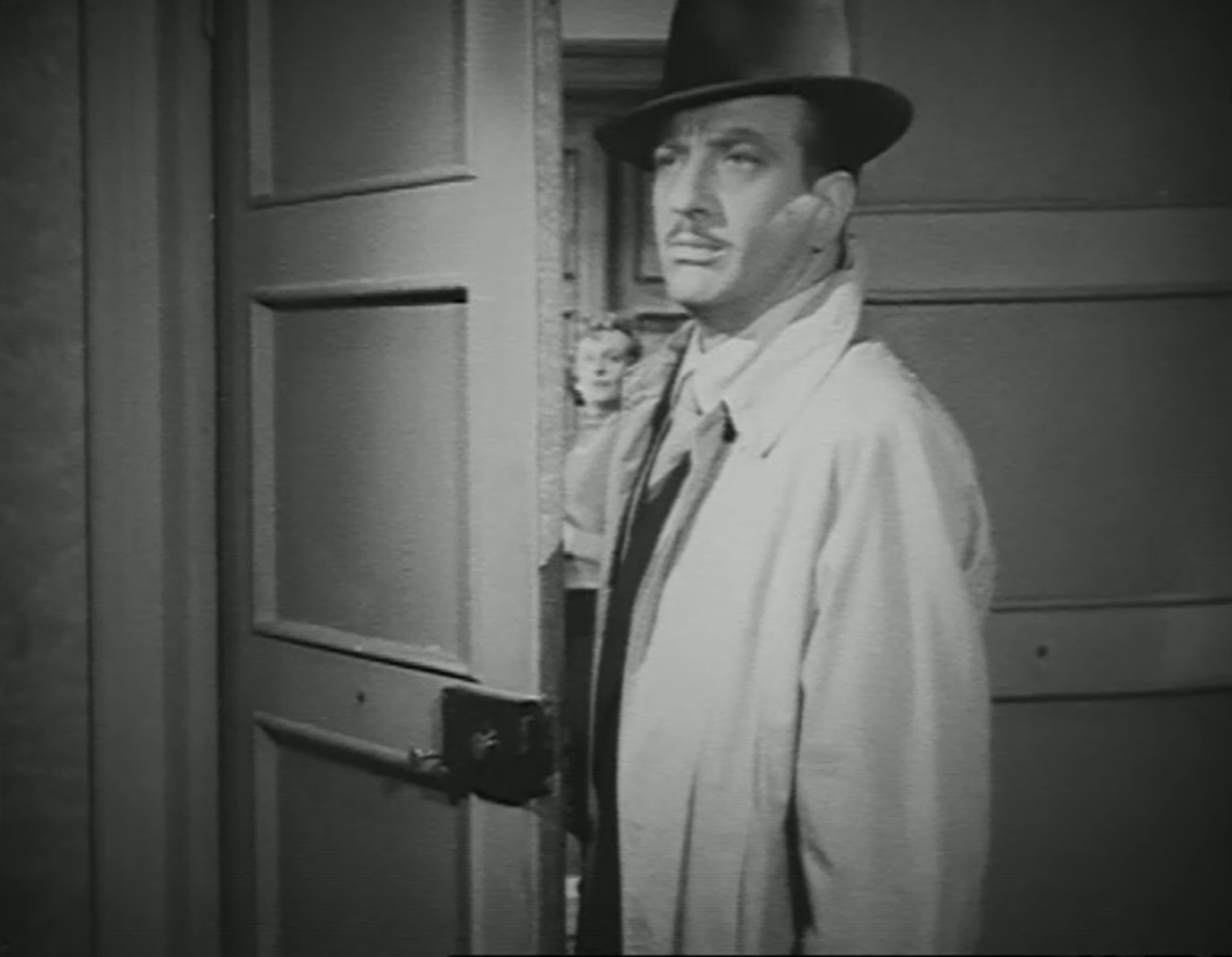
"Agnese!" esclama, poi lancia uno sguardo alle due donne che lo stanno osservando. Chiude la porta.
“Agnese!” he calls, then glances back at the two women watching him. He closes the door.
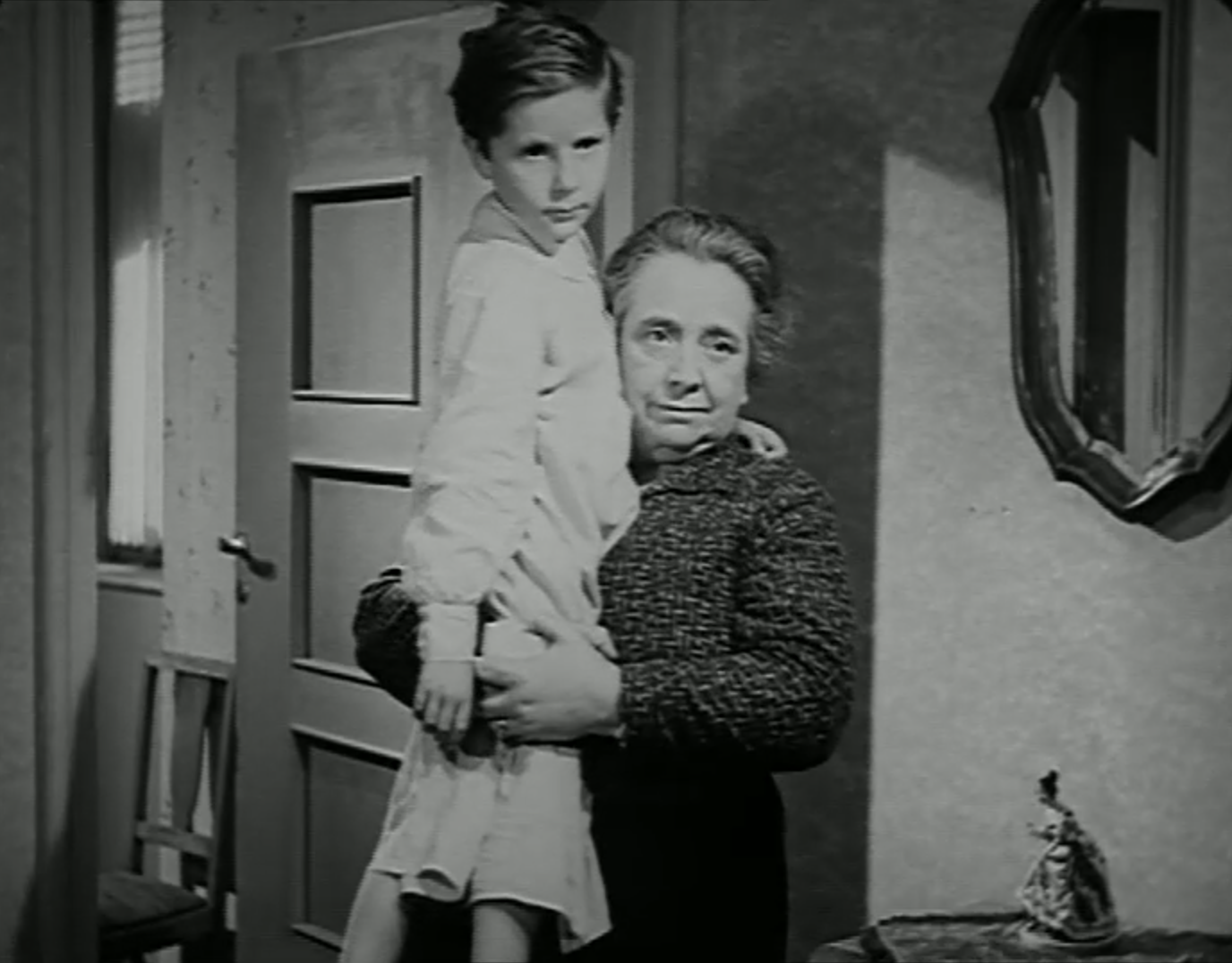
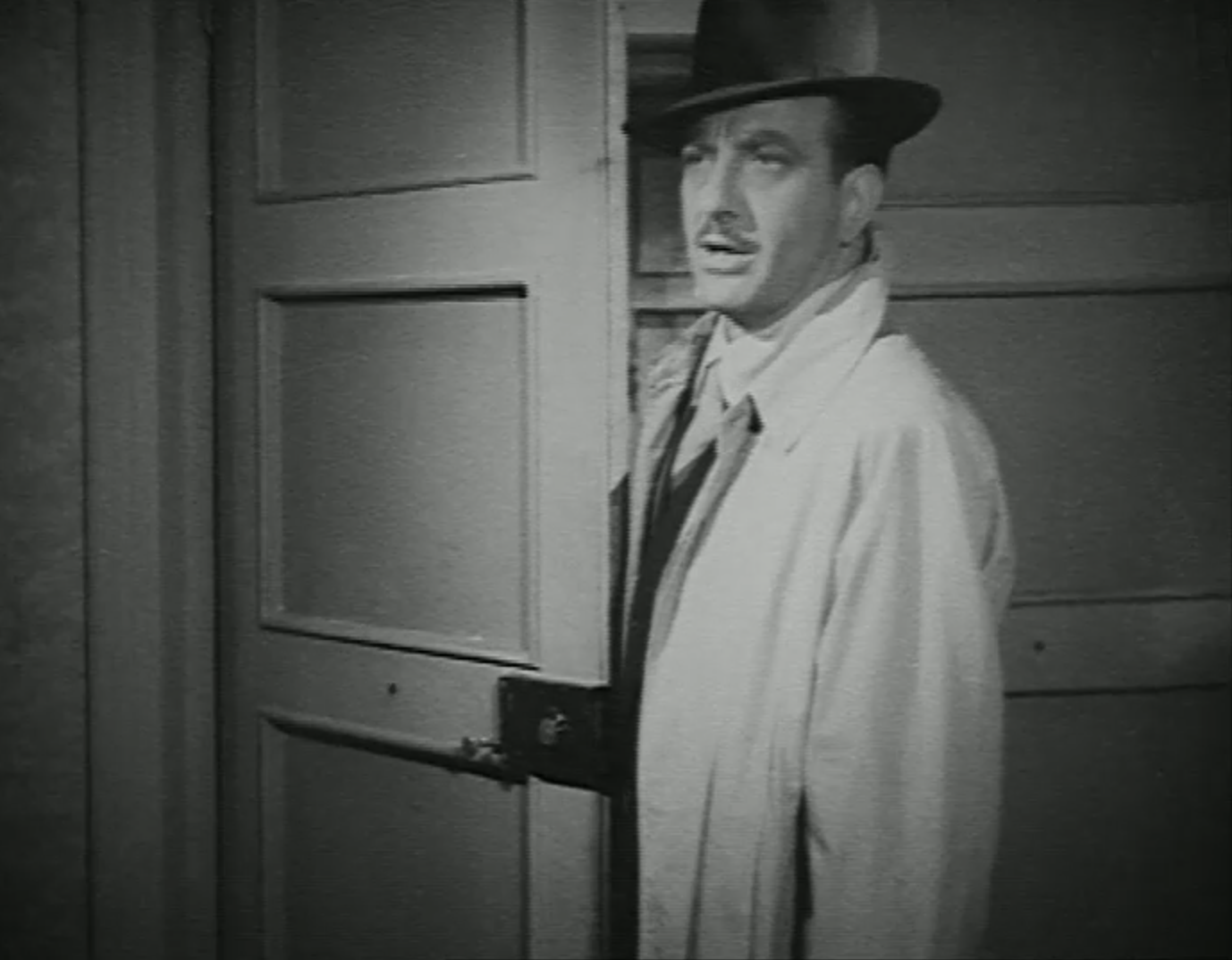
Agnese tiene in braccio Pricò. "Il bambino qui non può restare" – le dice – "Lo porterai dalla zia". Al bambino non dice nulla.
Agnese holds Pricò. “The boy can’t stay here,” he tells her. “You’ll take him to his aunt’s.” To the boy, he says nothing.
FINE PARTE 3
Ecco Parte 4 of this cineracconto! Subscribe to receive a weekly email newsletter with links to all our new posts.