Regia / Director: Vittorio De Sica, 1944
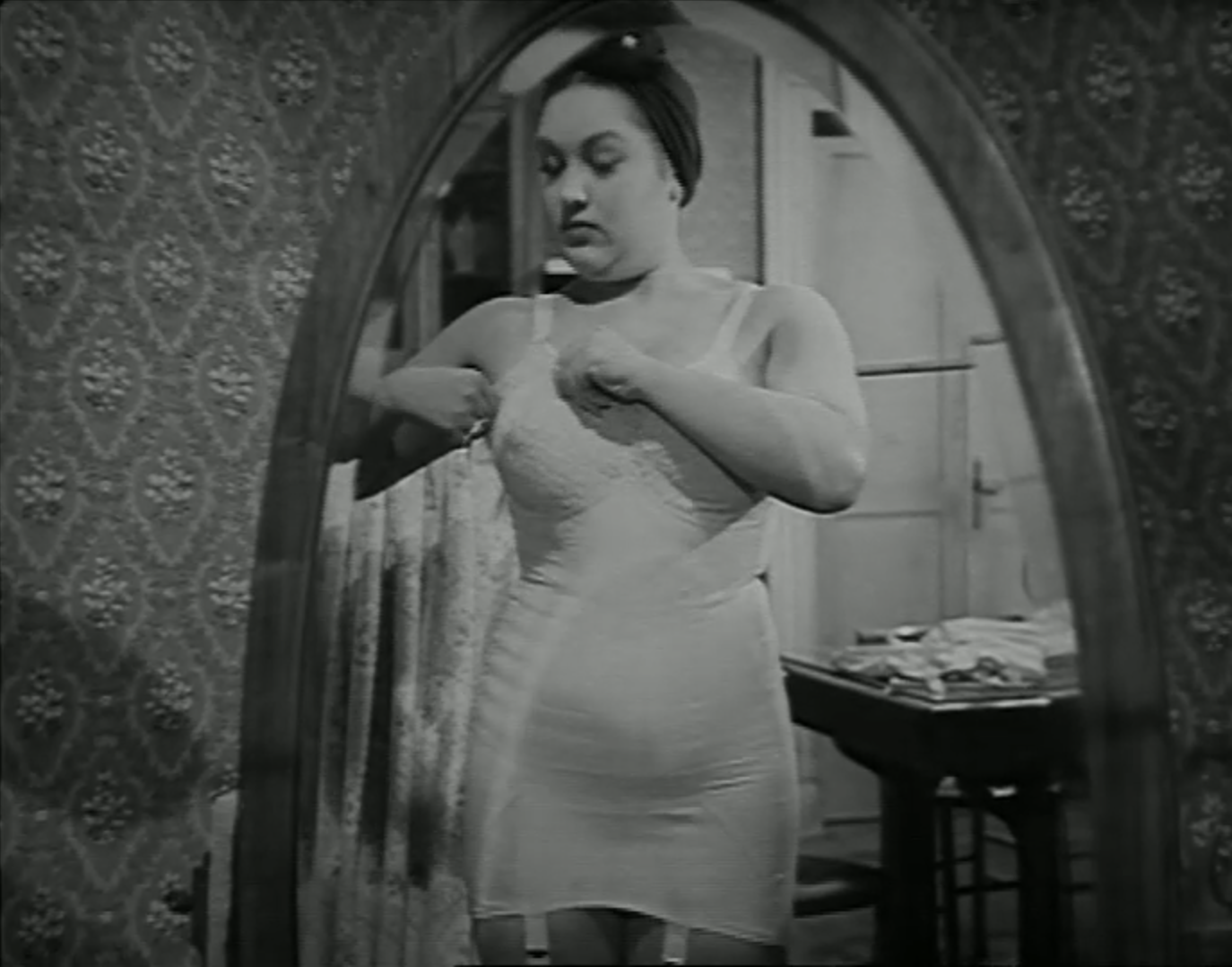
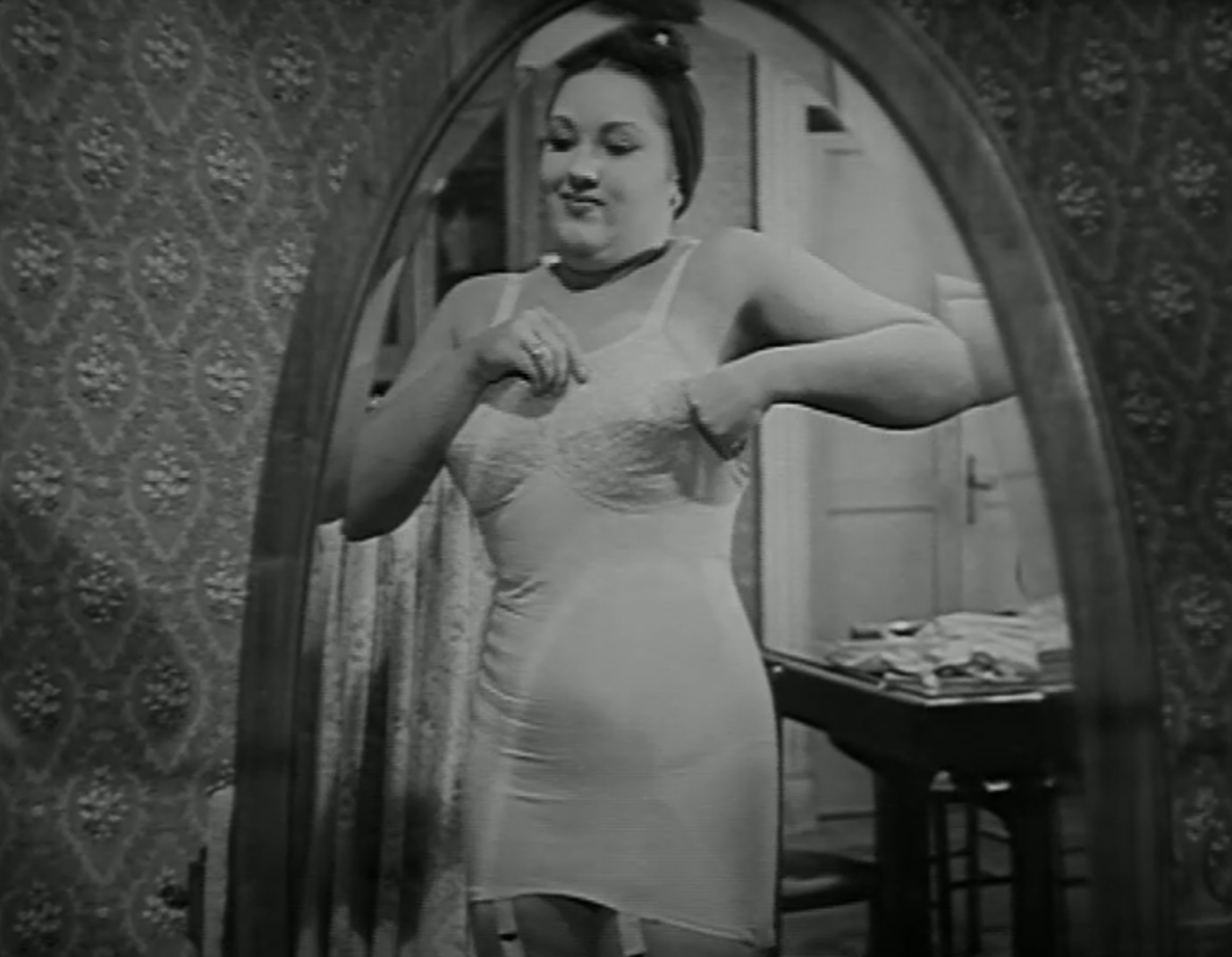
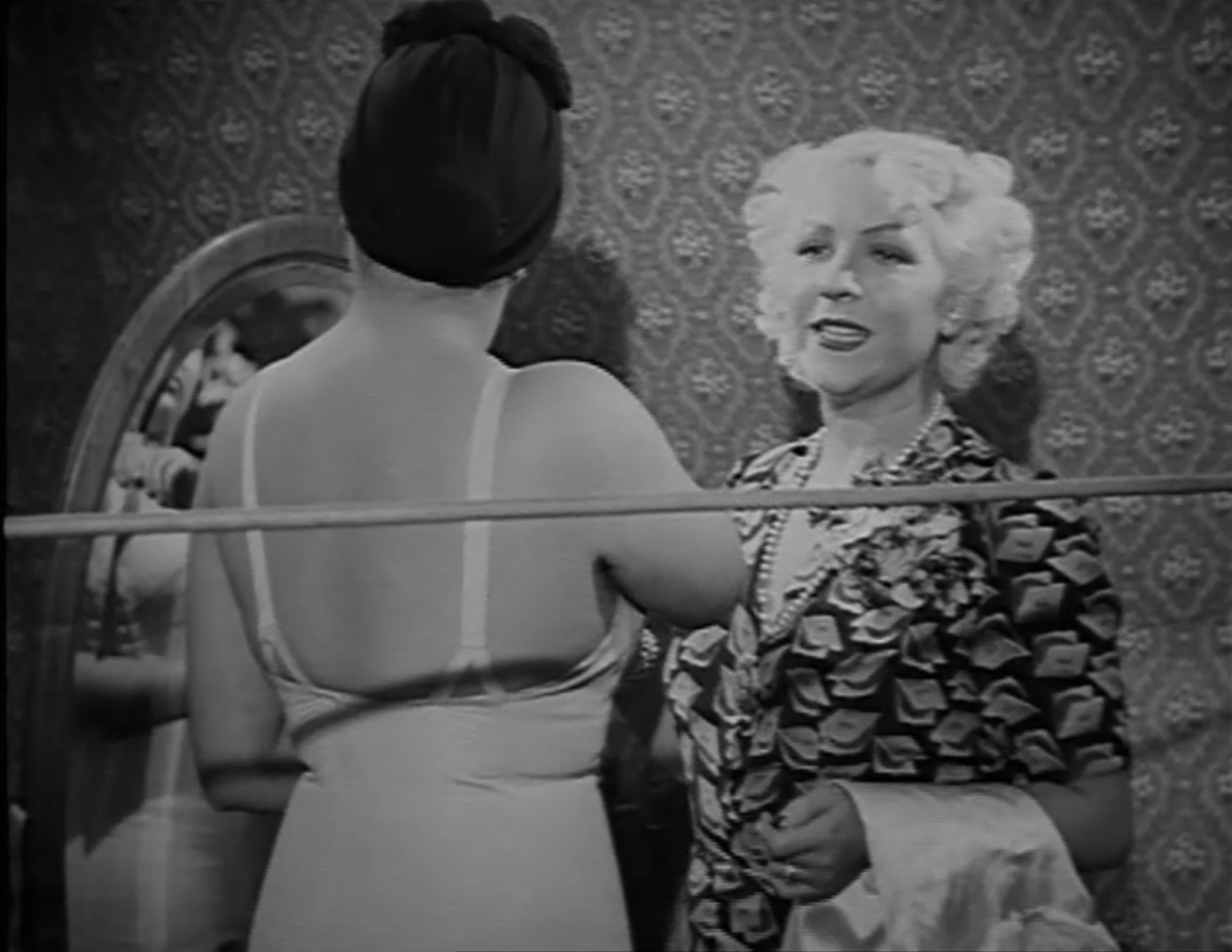
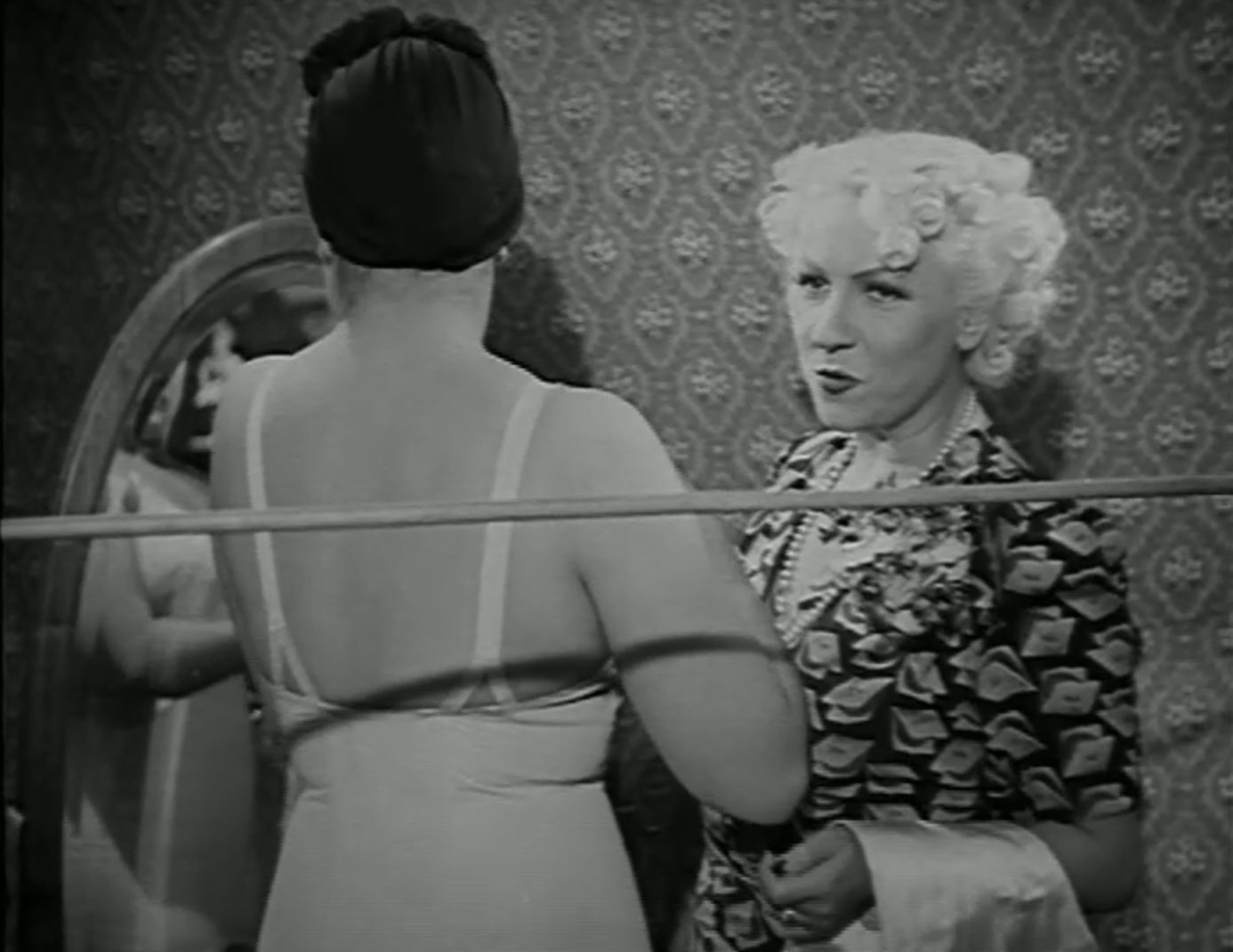
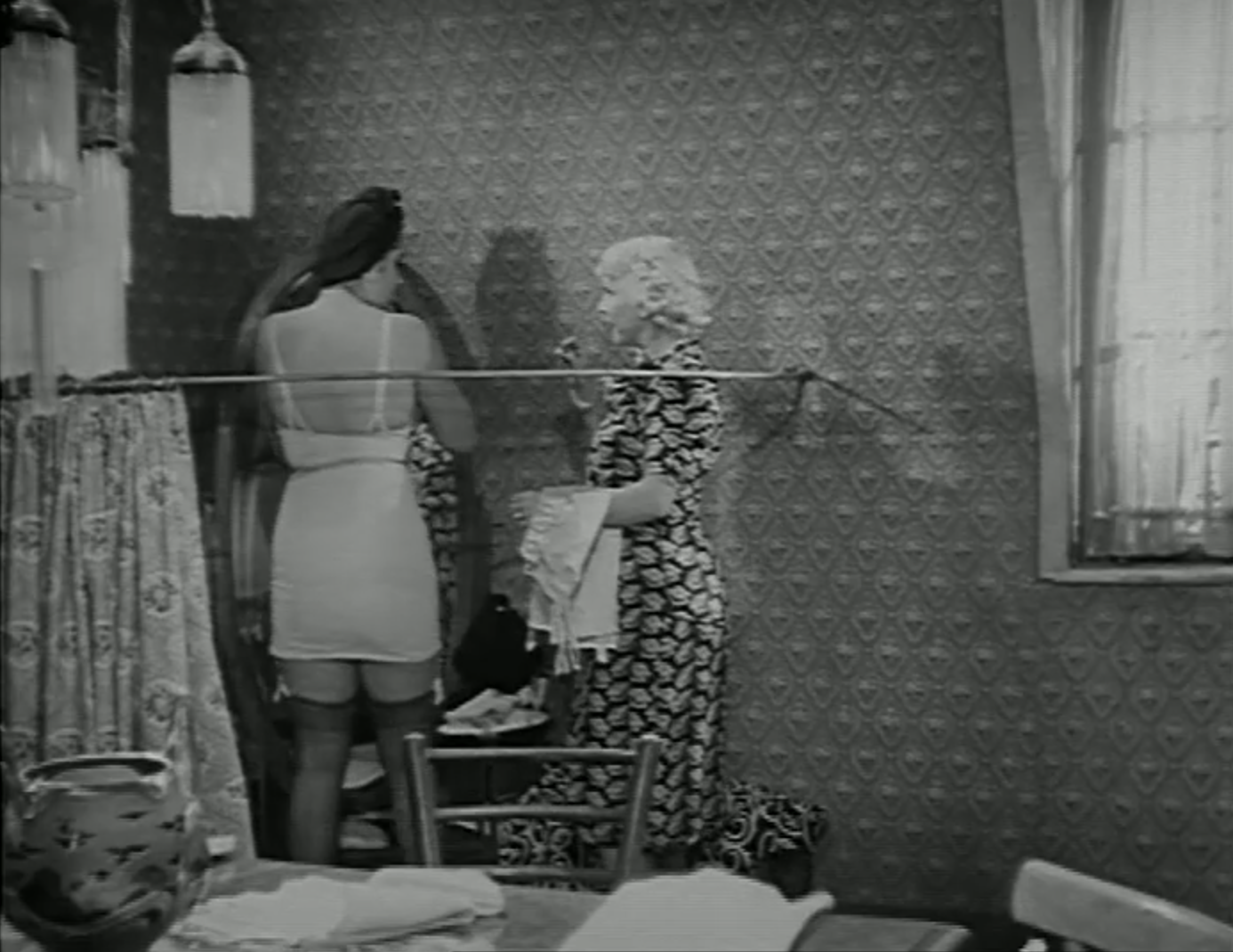
Guardandosi allo specchio, una donna si sistema il corsetto, mentre una voce fuori campo commenta.
Looking in a mirror, a woman adjusts a corset, while a voice comments from off-screen.
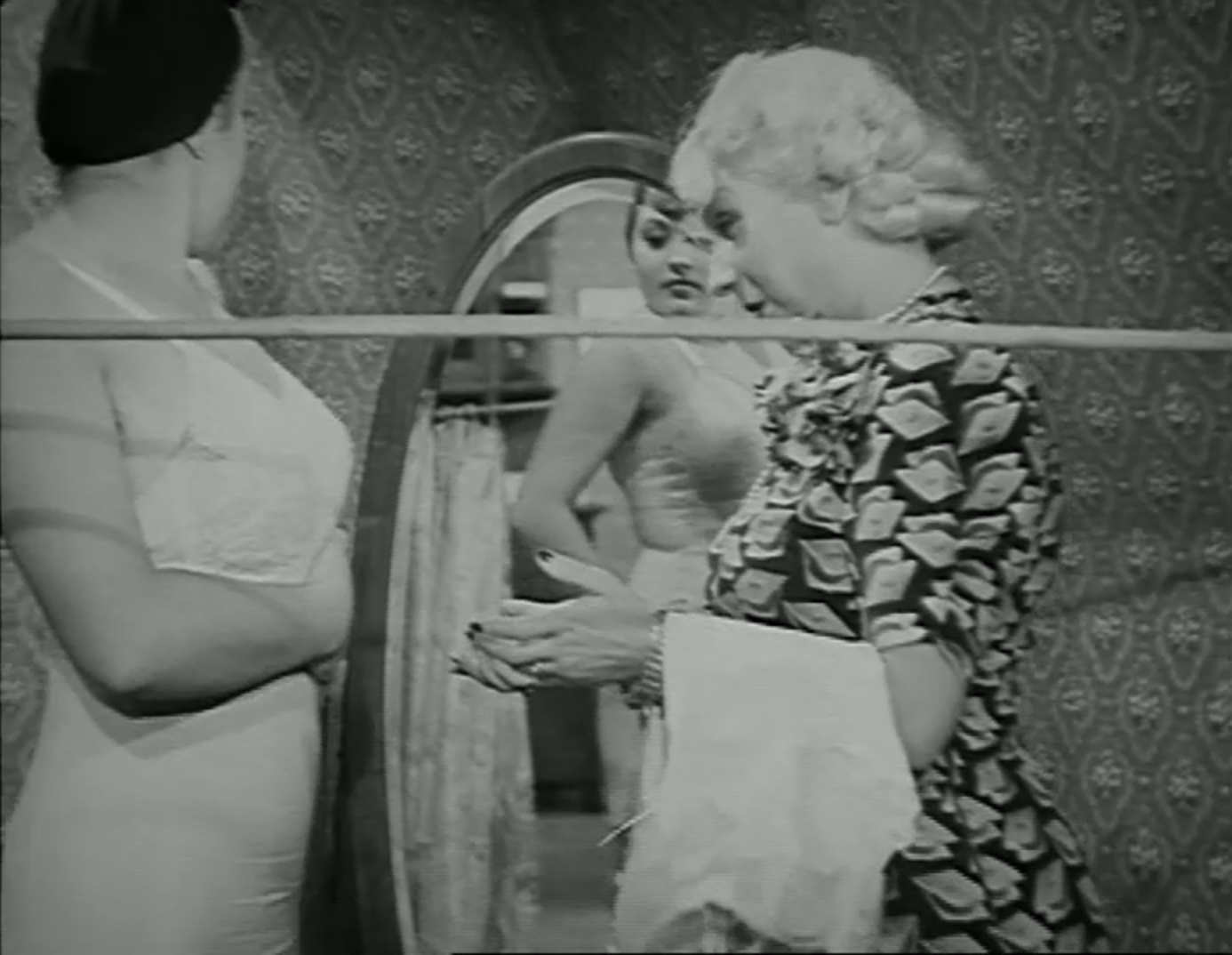
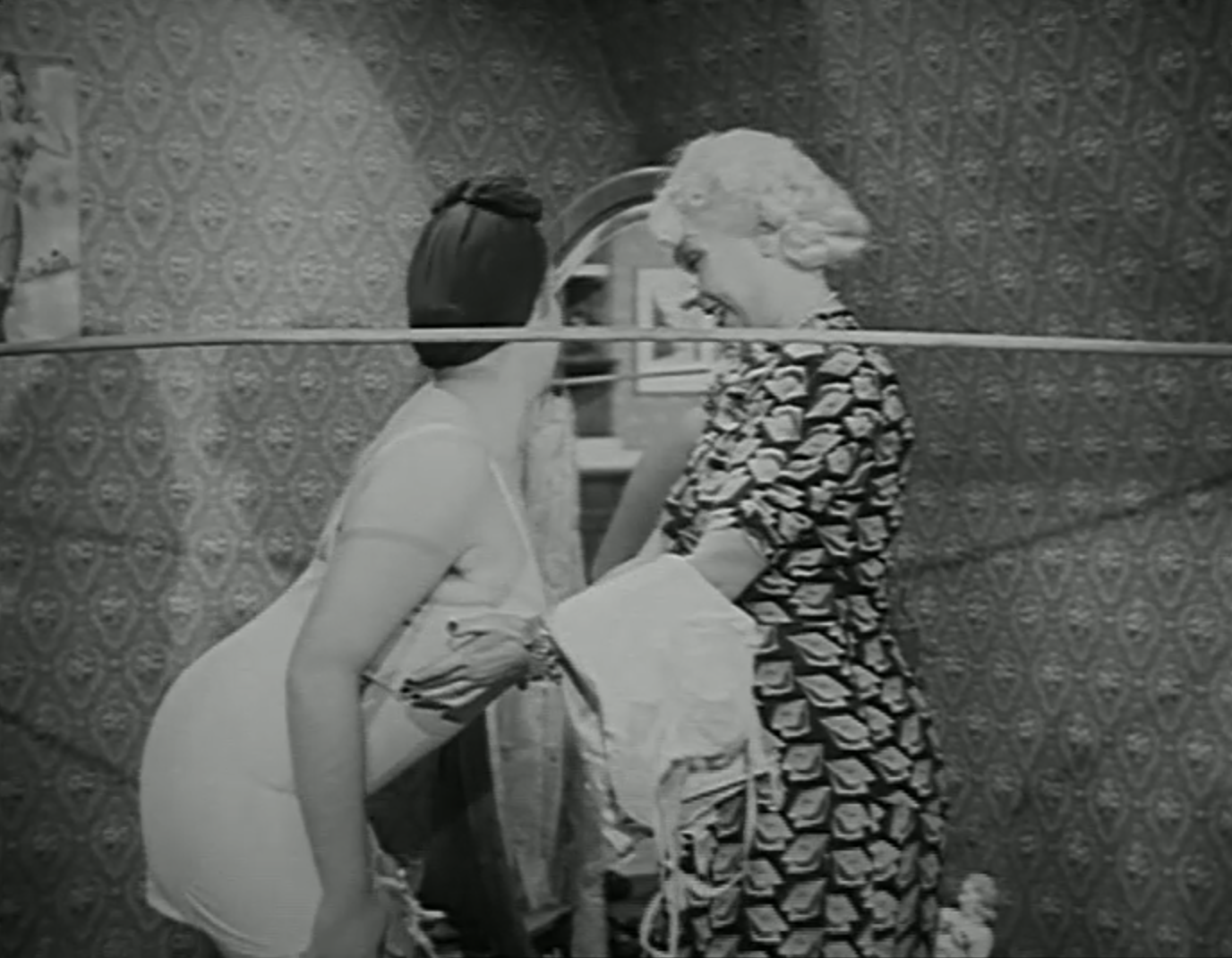
La macchina da presa indietreggia e vediamo chi sta parlando, la signora Berelli (Dina Perbellini). "Consente qualsiasi movimento. Provate, signora Mancini".
La signora Mancini si piega in avanti.
The camera backs up, and we see the speaker, Signora Berelli. “It allows total freedom of movement. Try it yourself, Signora Mancini.”
Signora Mancini bends forward.
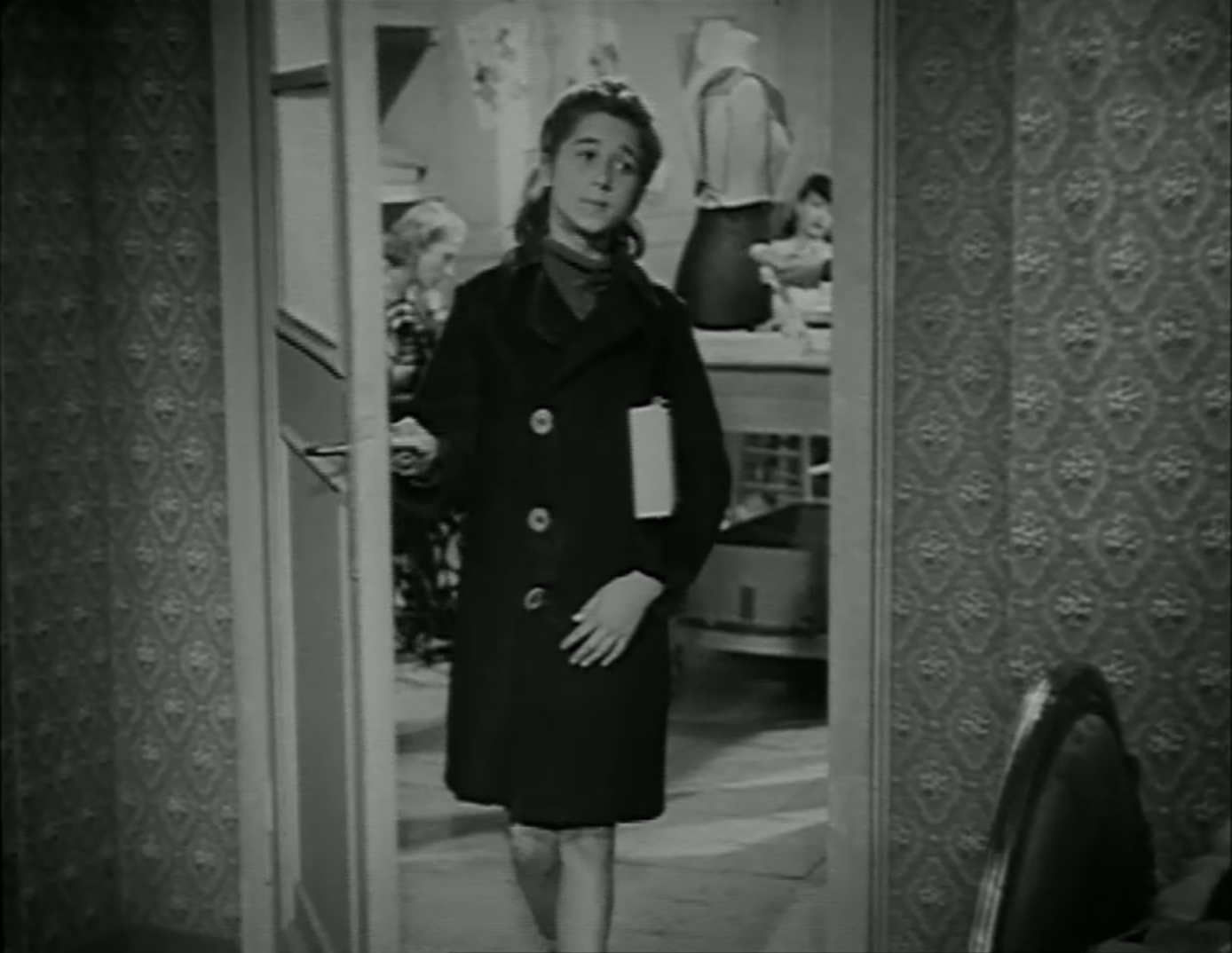
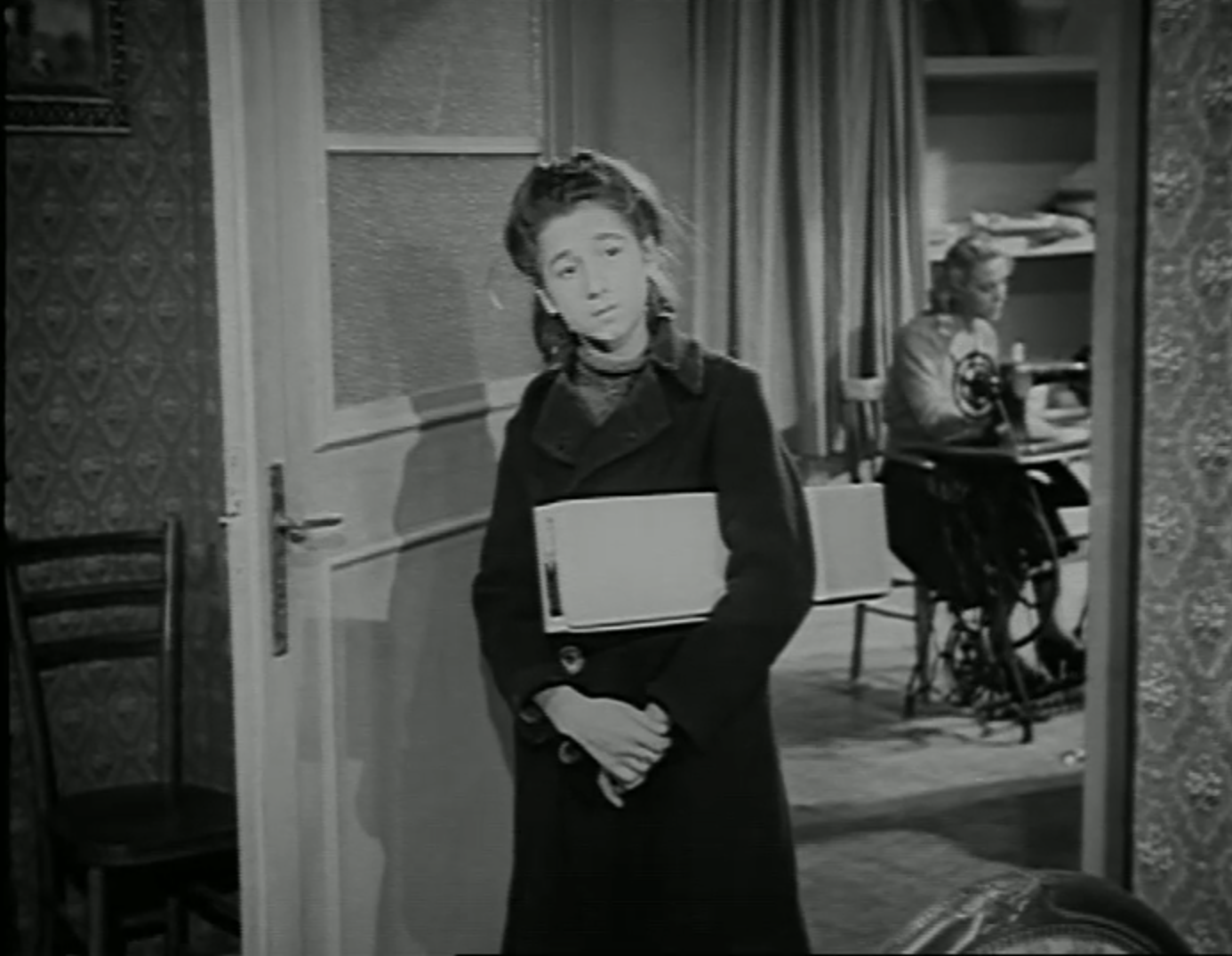
Una ragazza apre la porta e si sente il canto sommesso di alcune donne.
“Allora vado?” dice con tono stanco, stringendo una scatola. Dietro di lei, una donna è al lavoro alla macchina da cucire.
“Fatti pagare, eh?”
“E se non mi paga?”
A girl opens the door, and we hear women singing softly.
“So, should I go?” she says wearily, clutching a box. Behind her, a woman works at a sewing machine.
“Make sure they pay you, okay?”
“What if they don’t pay me?”
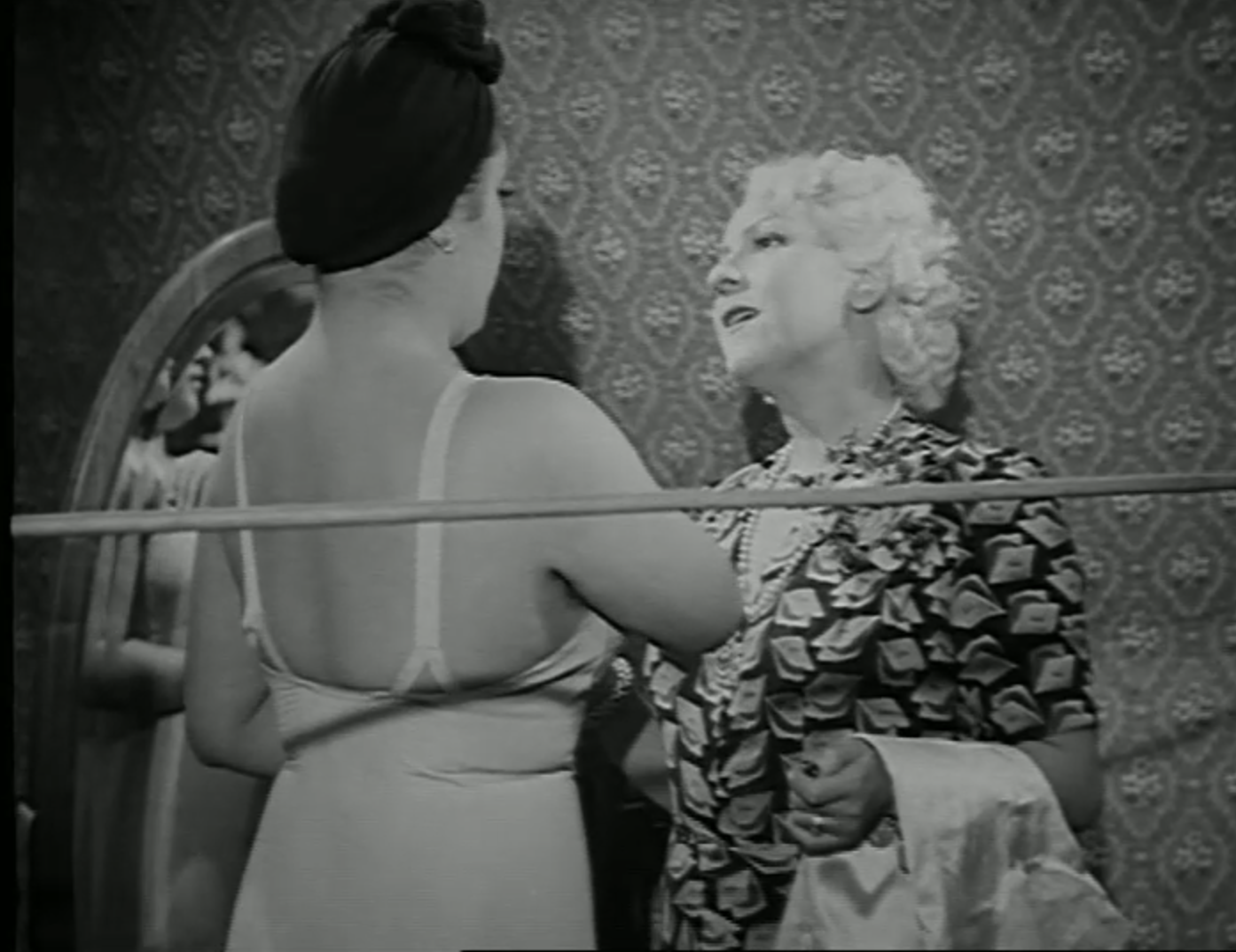
La signora Mancini chiede: "Quanto costa?"
"Per lei, quattrocentottanta lire". E alla ragazza dice, cambiando espressione: "Allora non gli dai il corsetto".
Signora Mancini asks, “How much is it?”
“For you, four hundred eighty lira.” To the girl, changing her facial expression, she says: “Then don’t give them the corset.”
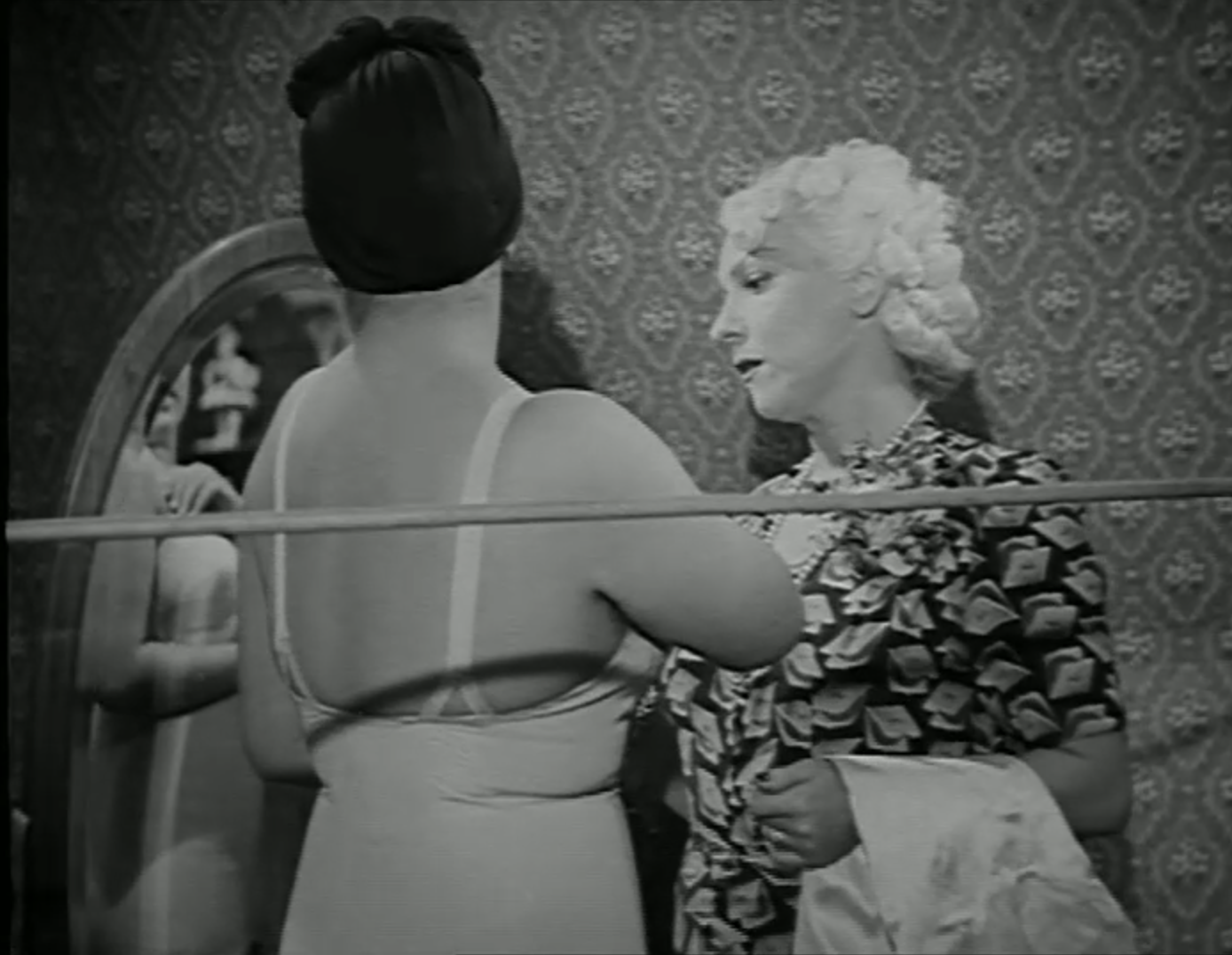
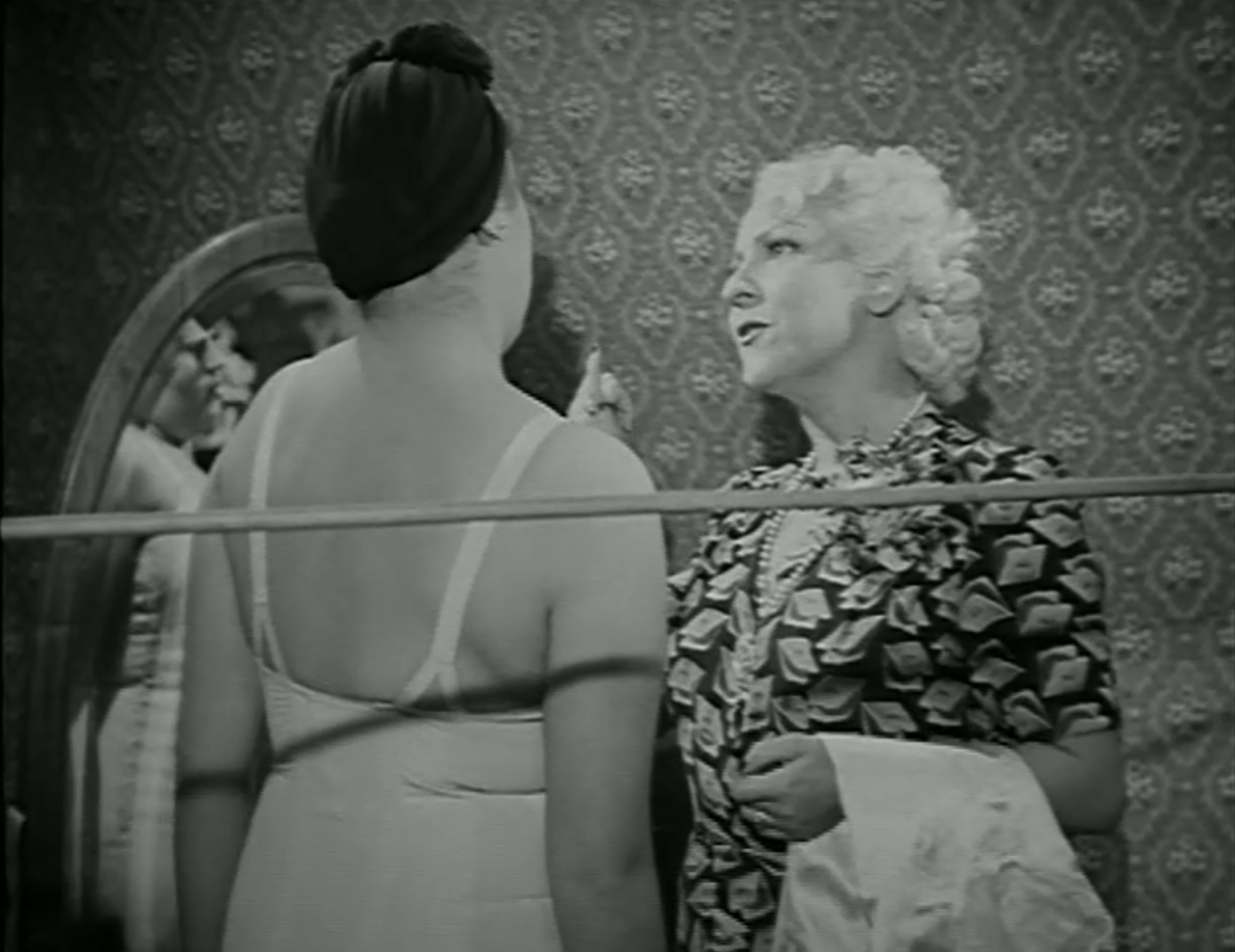
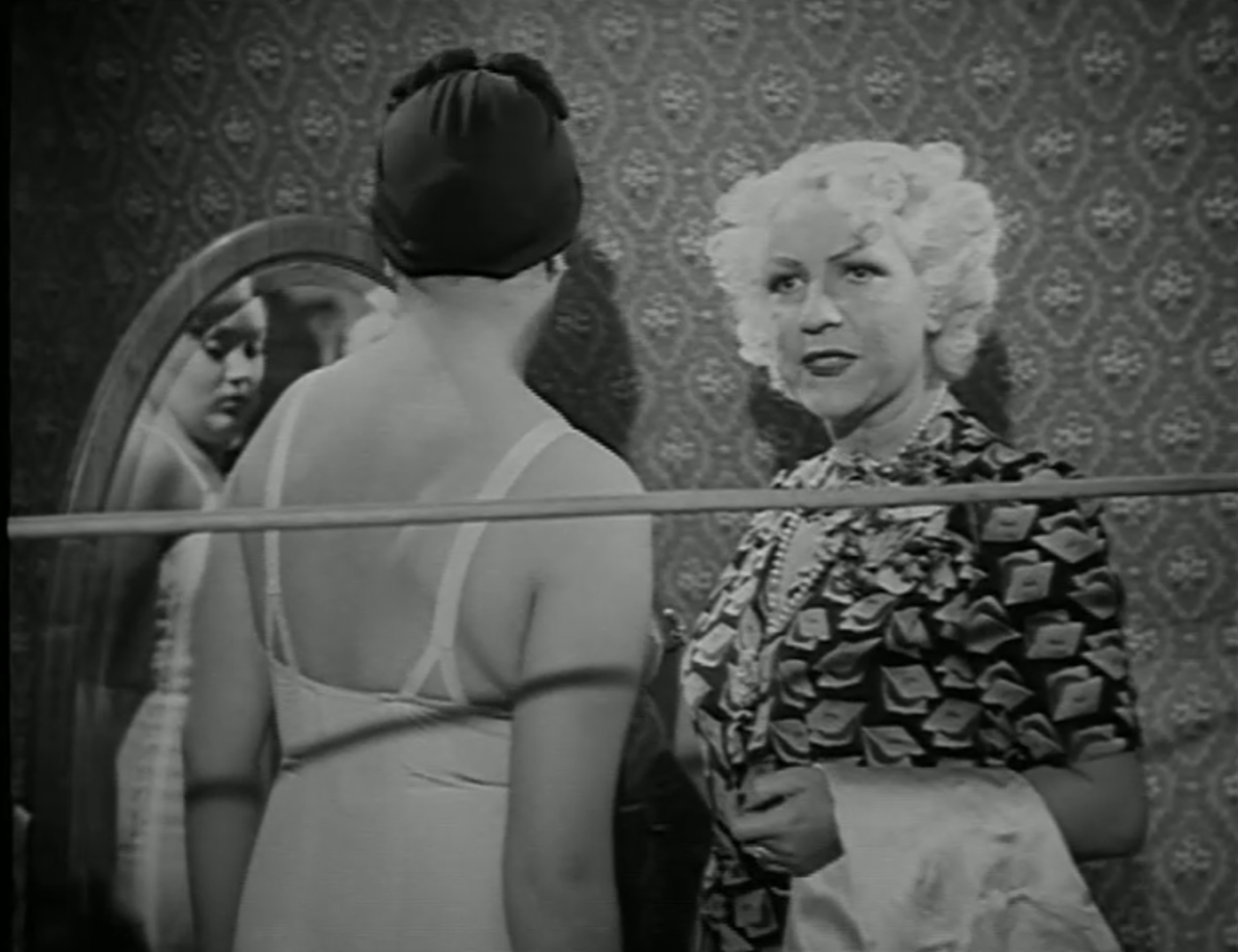
"Quattrocentottanta lire, che esagerazione!"
"È un prezzo di favore. E le fa un corpo! Vestita sarete così!" Sorridendo, alza il mignolo: magra così!
Alla ragazza dice, accigliandosi: "E vai, svegliati, tartaruga!"
“Four hundred eighty lira, that’s excessive!”
“It’s a special price for you. And it’s flattering on you! Dressed, you’ll look so slim!” Smiling, she holds up a little finger: that slim!
To the girl, she says, scowling, “Now go, wake up, tortoise!”
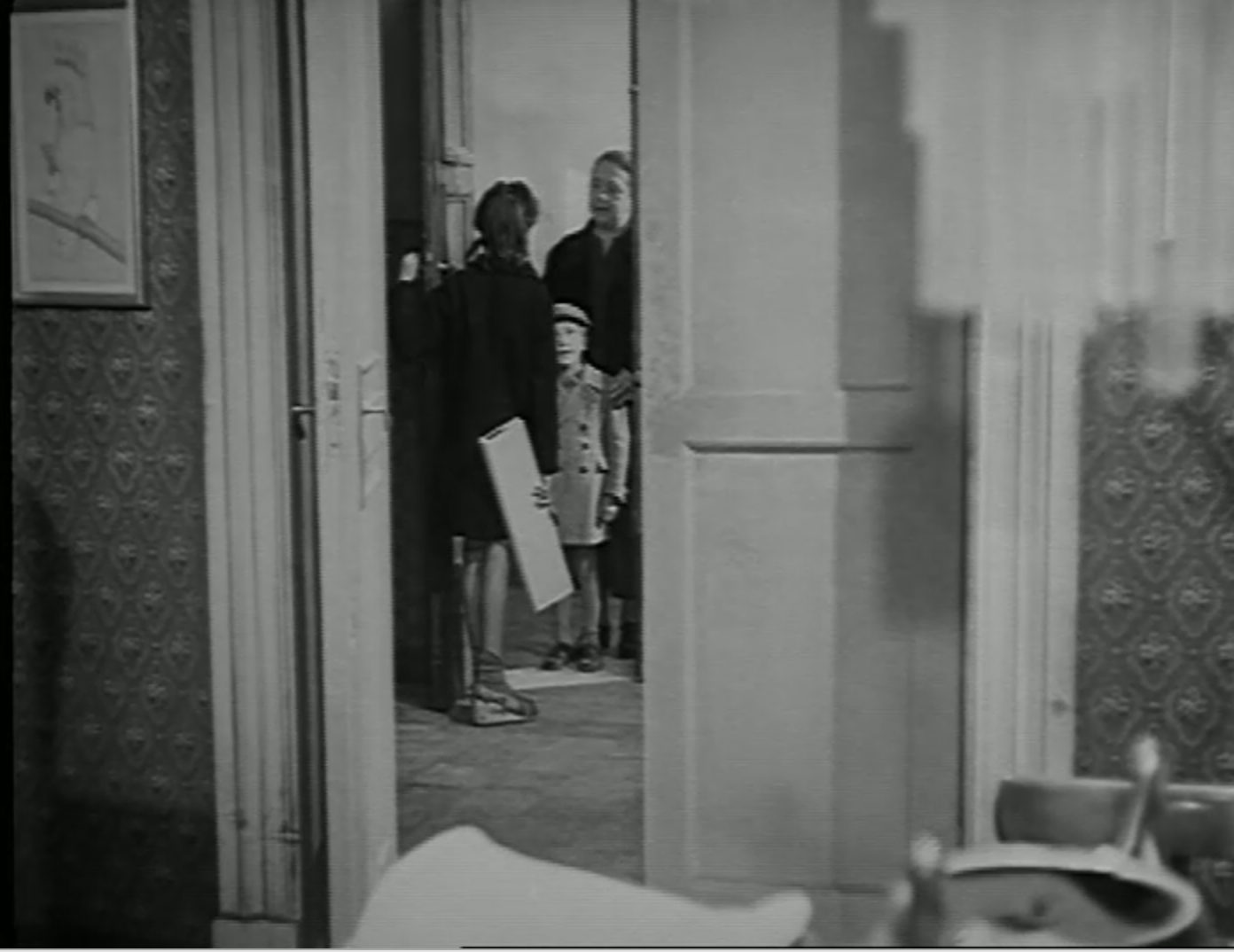
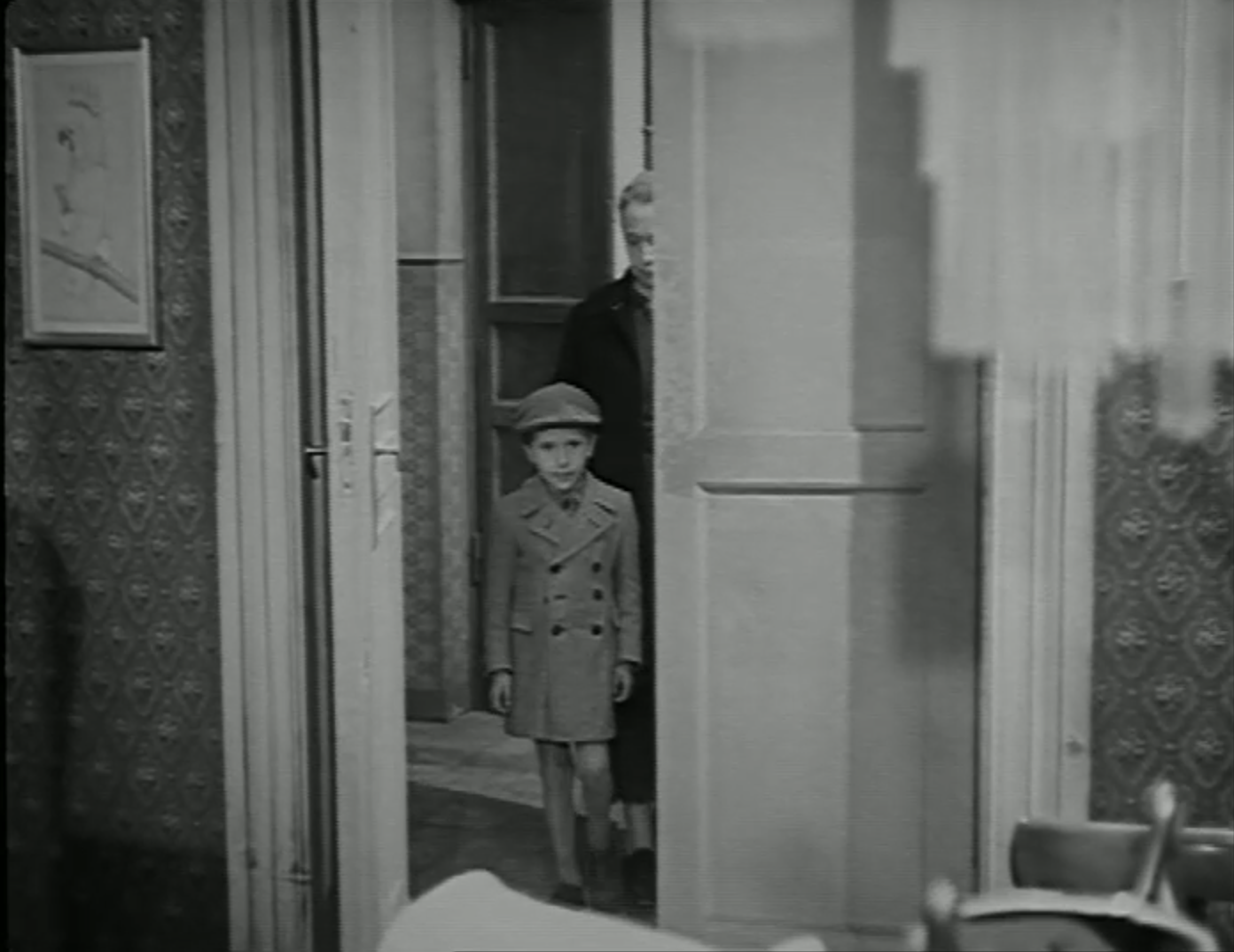
All'ingresso, la ragazza incontra Agnese, con Pricò che indossa il cappotto e il berretto.
"La signora Berelli?"
"Di là".
At the front door, the girl encounters Agnese, with Pricò in his overcoat and cap.
“Is Signora Berelli in?”
“Over there.”
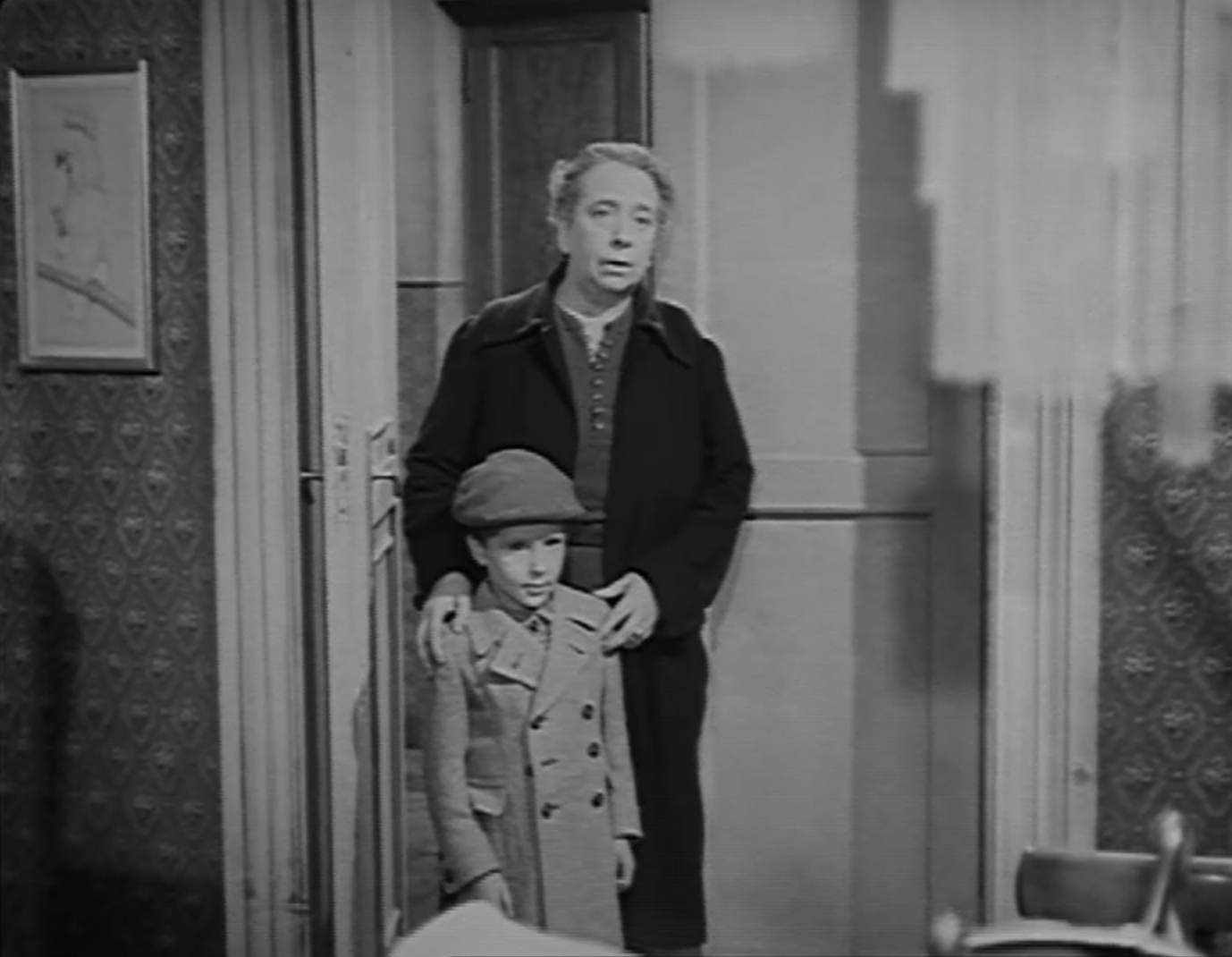
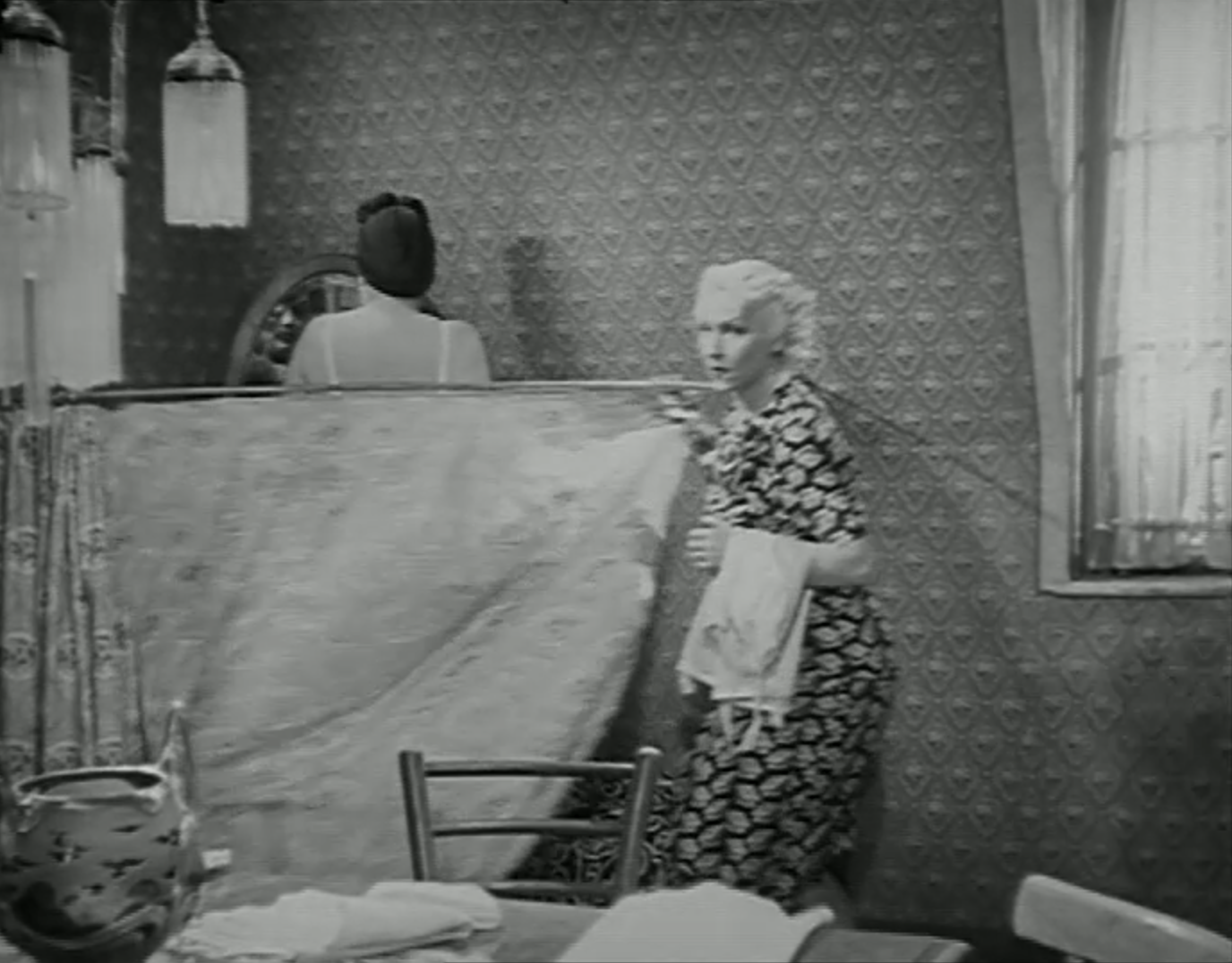
Agnese si ferma sulla soglia del camerino, con le mani sulle spalle di Pricò.
Vedendola, la signora Berelli dice alla cliente: "Permette, signora?" e chiude la tenda intorno alla donna in biancheria intima.
Agnese stops in the doorway of the fitting room, with her hands on Pricò’s shoulders.
Seeing her, Signora Berelli says to her customer, “Excuse me, ma’am?” and pulls a curtain around the woman in her undergarment.
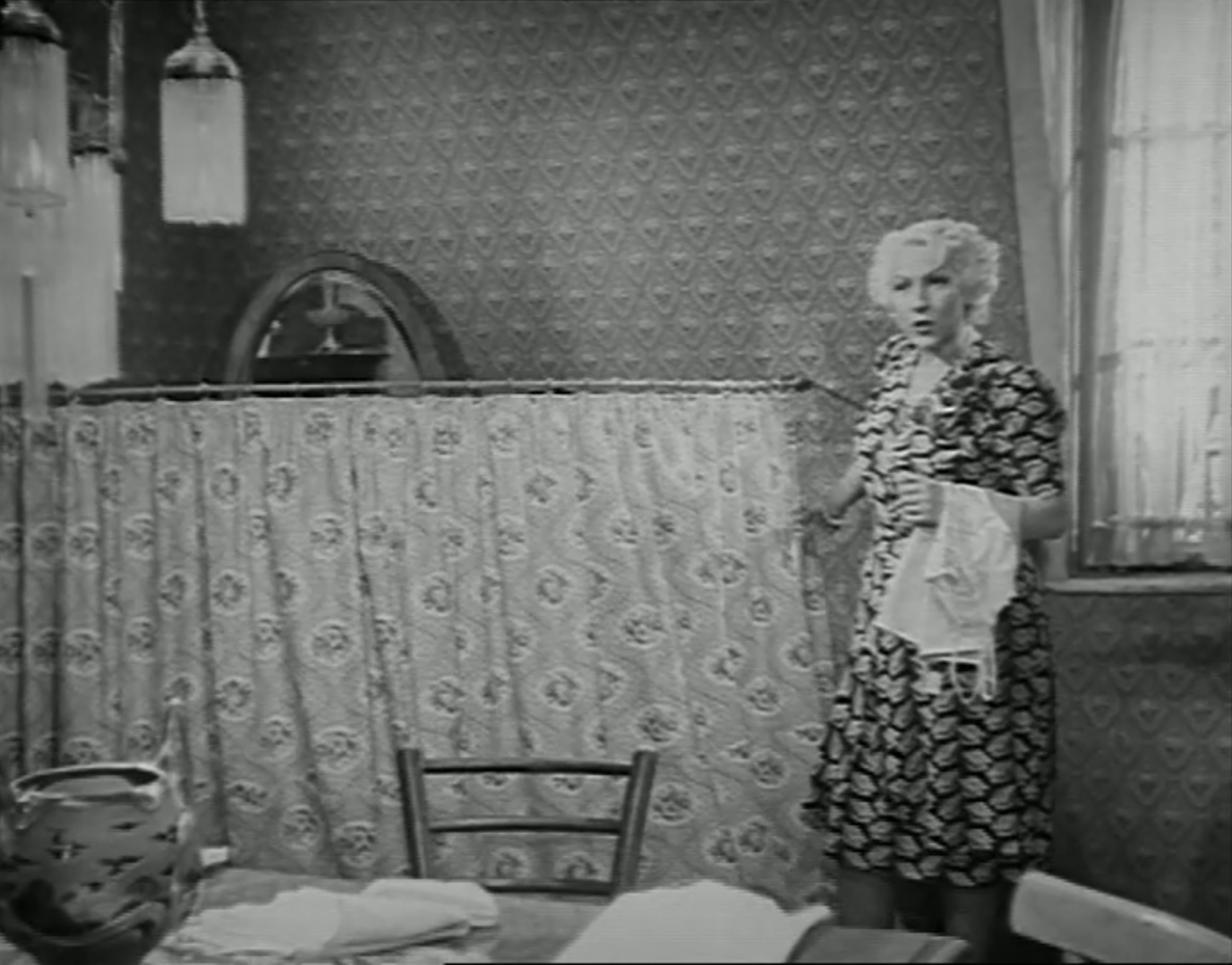
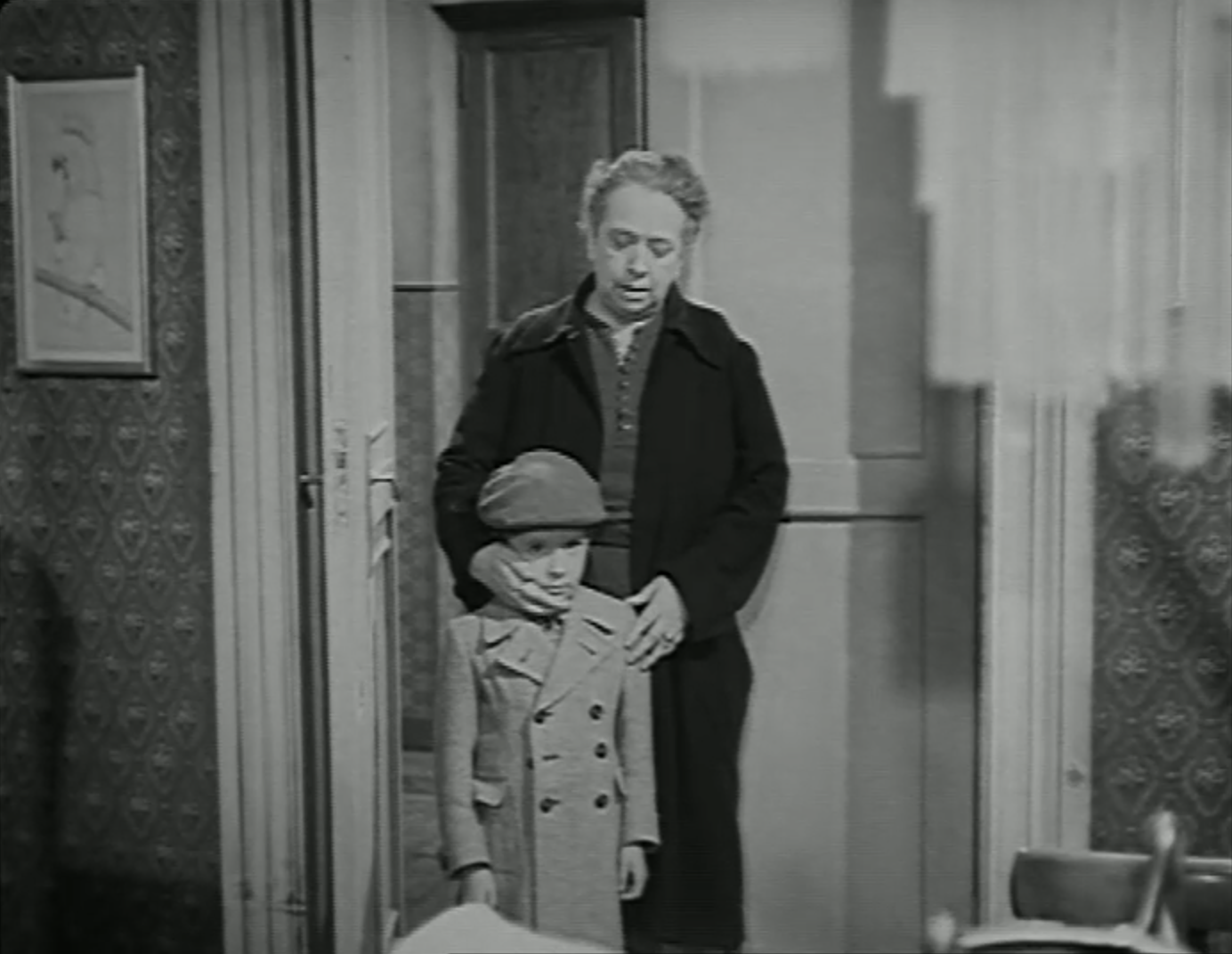
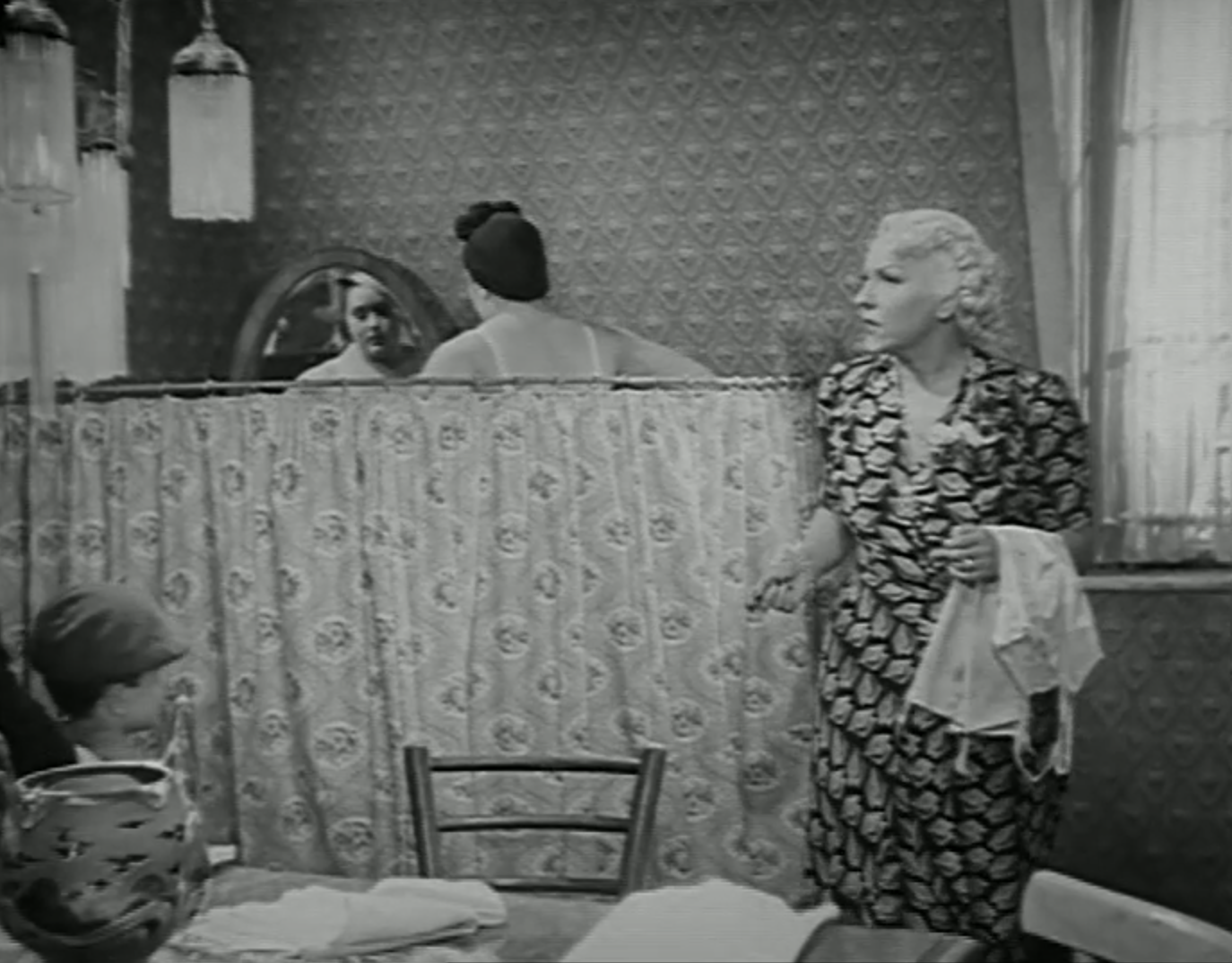
"Che succede?" chiede lei ad Agnese.
Con la mano posata sulla guancia di Pricò, Agnese risponde: "Il signor Cigoli ci ha mandati qui… perché…"
"Che cosa è successo?" ripete la signora Berelli.
“What is it?” she asks Agnese.
Her hand on Pricò’s cheek, Agnese answers, “Signor Cigoli sent us here… because…”
“What’s happened?” Signora Berelli repeats.
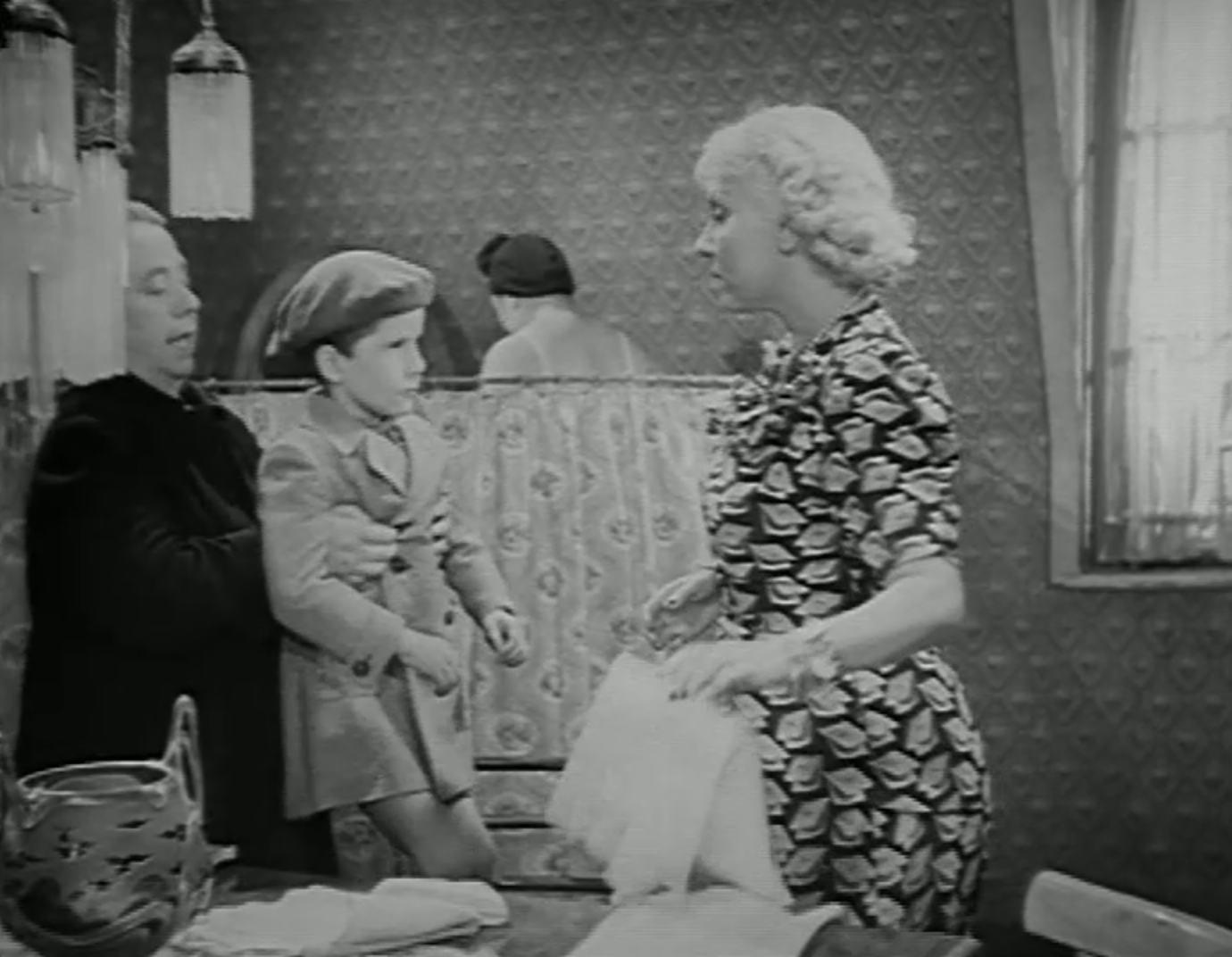
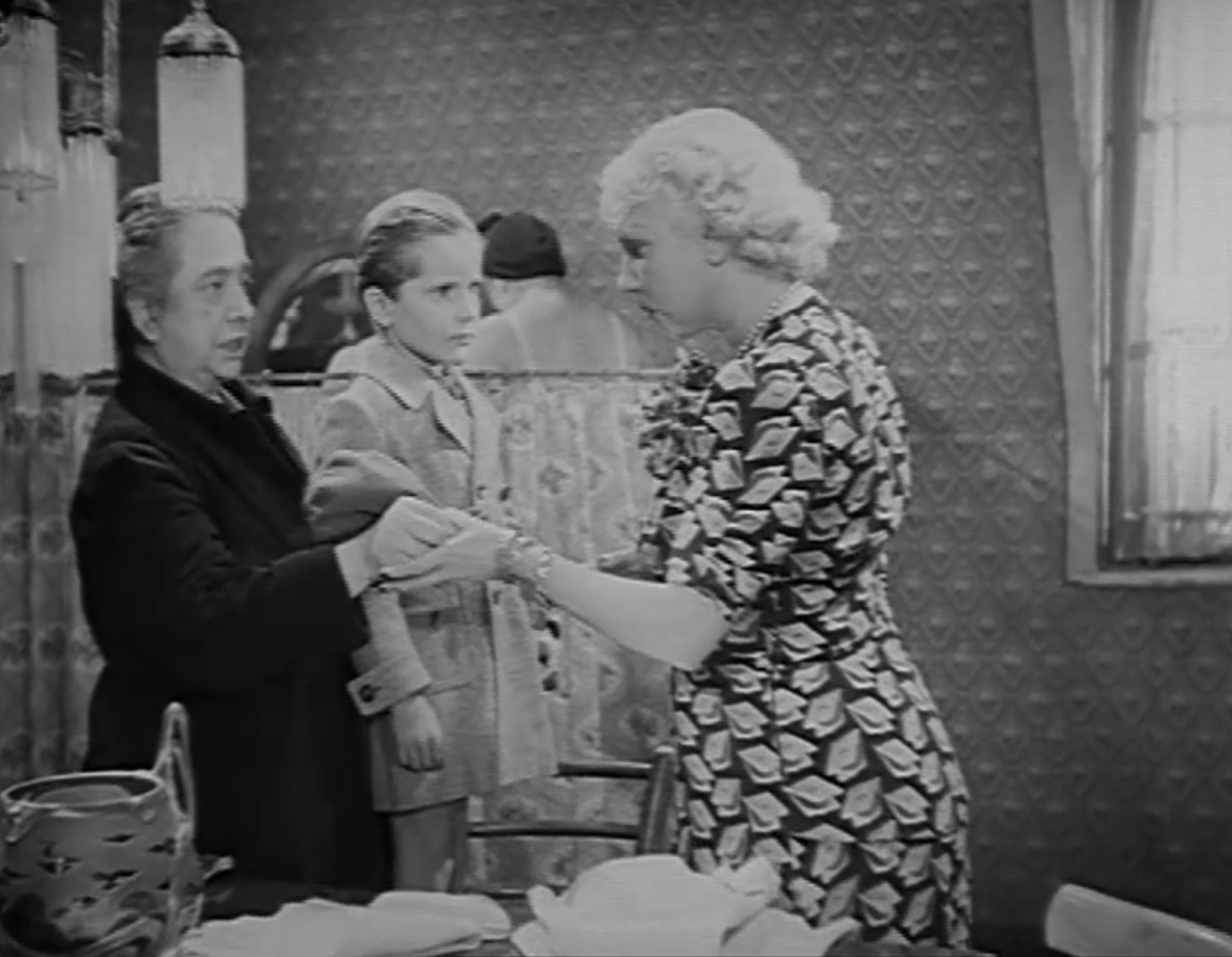
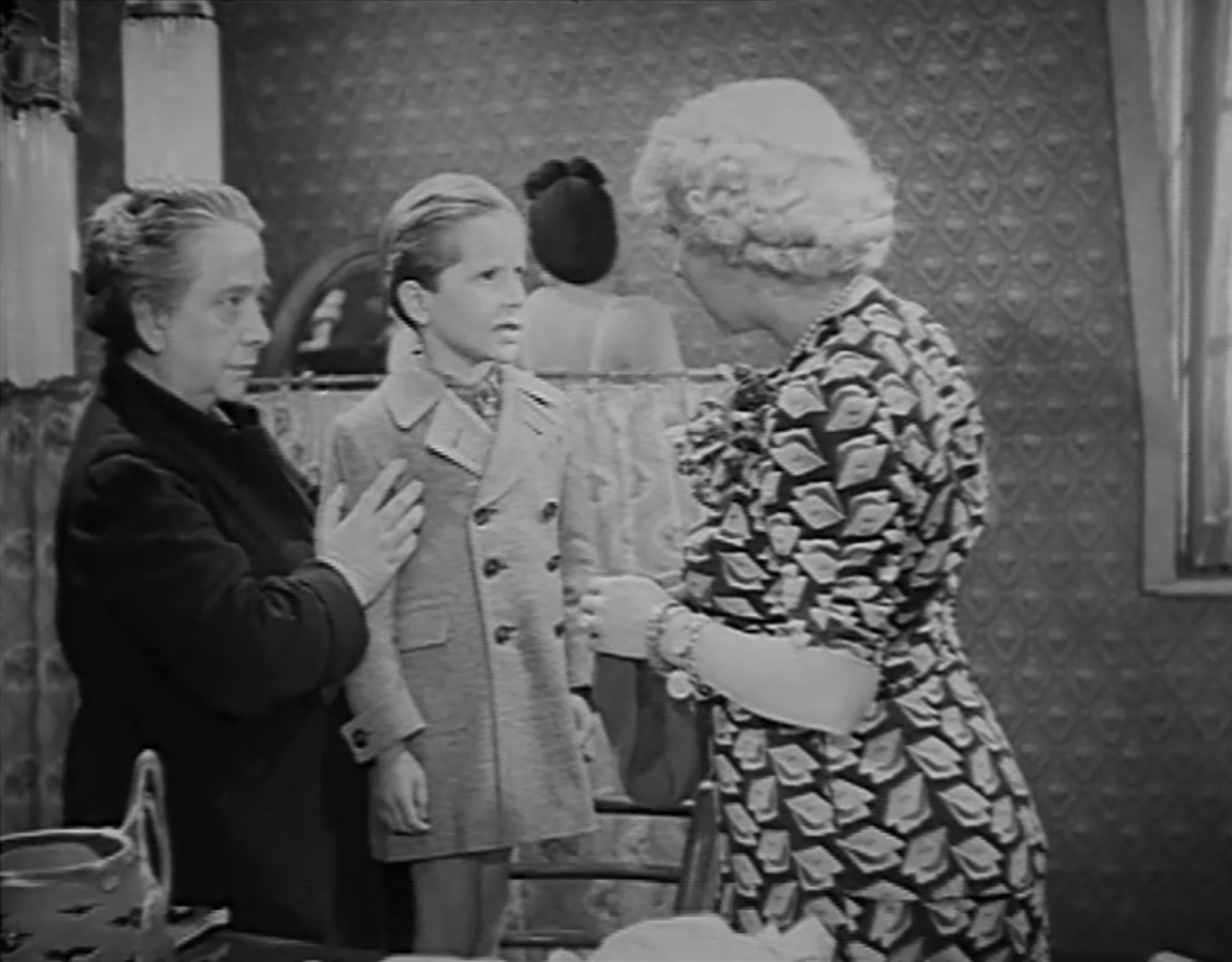
Agnese solleva Pricò e lo mette su una sedia. "Il signore la prega di tenere qui il bambino. Certamente verrà lui a prenderlo stasera". Consegna il berretto di Pricò a sua zia e gli liscia i capelli.
"E mia sorella?"
"Mamma è partita", dice Pricò.
Agnese lifts Pricò and puts him on a chair. “The gentleman asks you to keep the child here. He’ll come to pick him up tonight, for sure.” She hands Pricò’s cap to his aunt and smooths his hair.
“What about my sister?”
“Mommy left,” says Pricò.
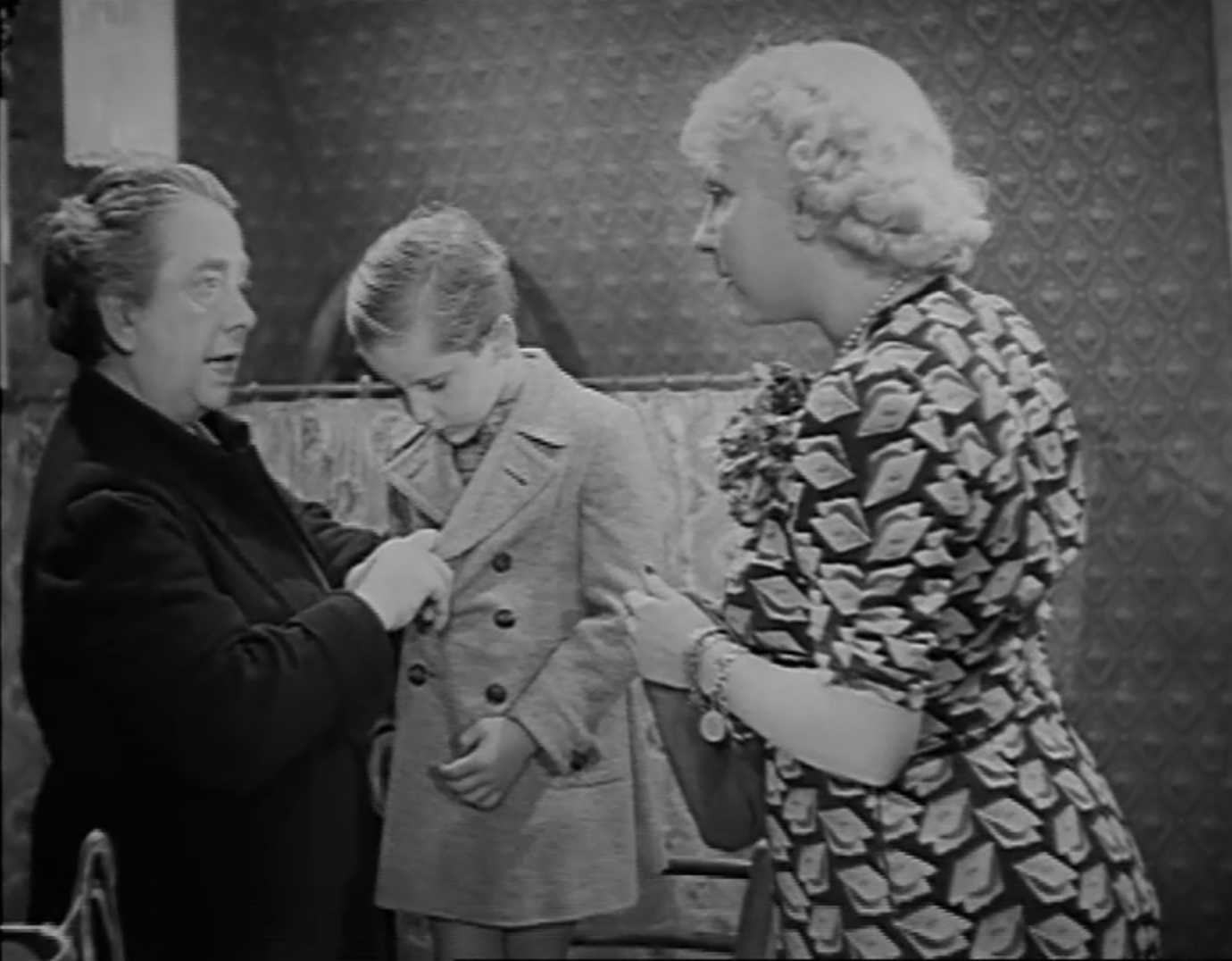
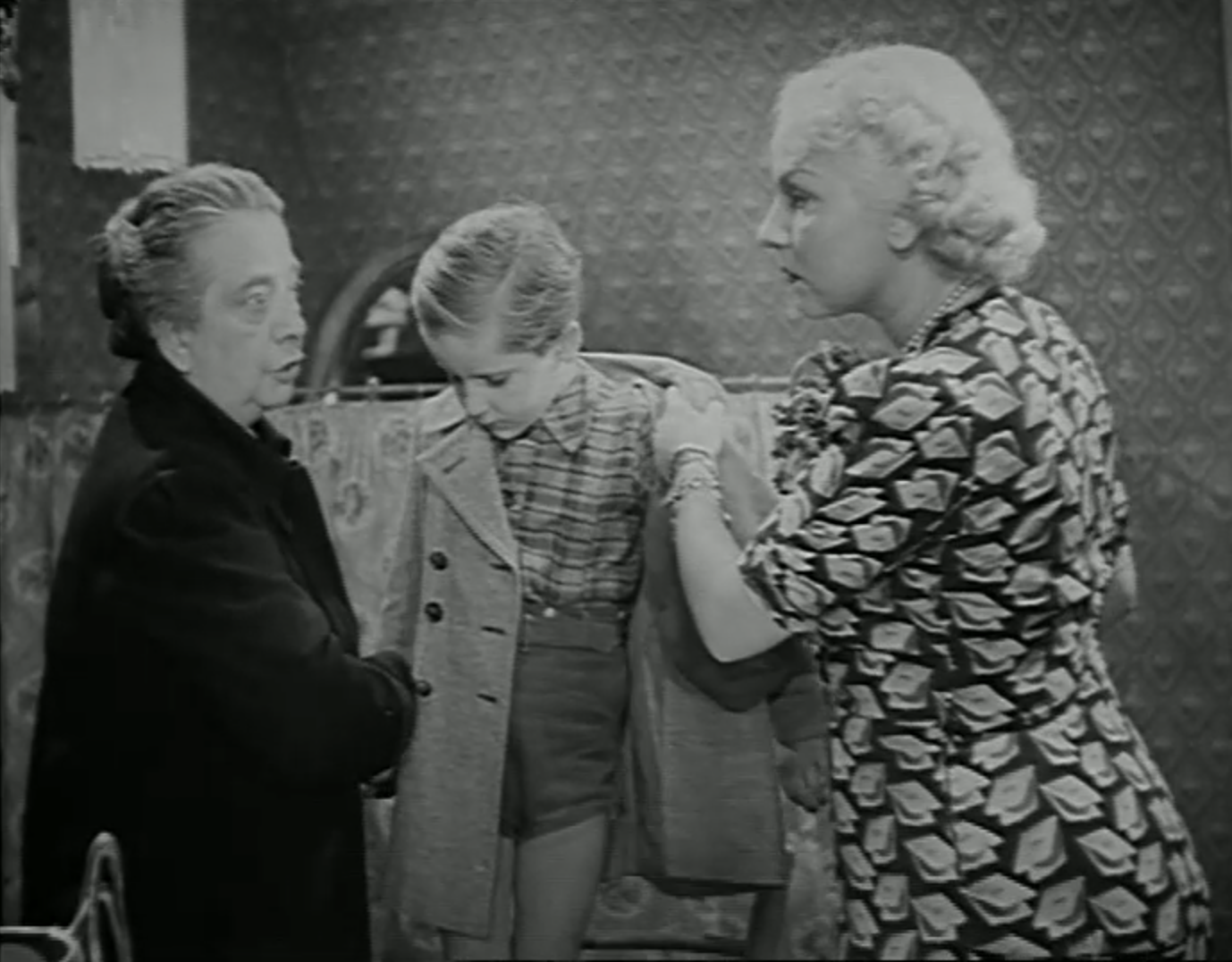
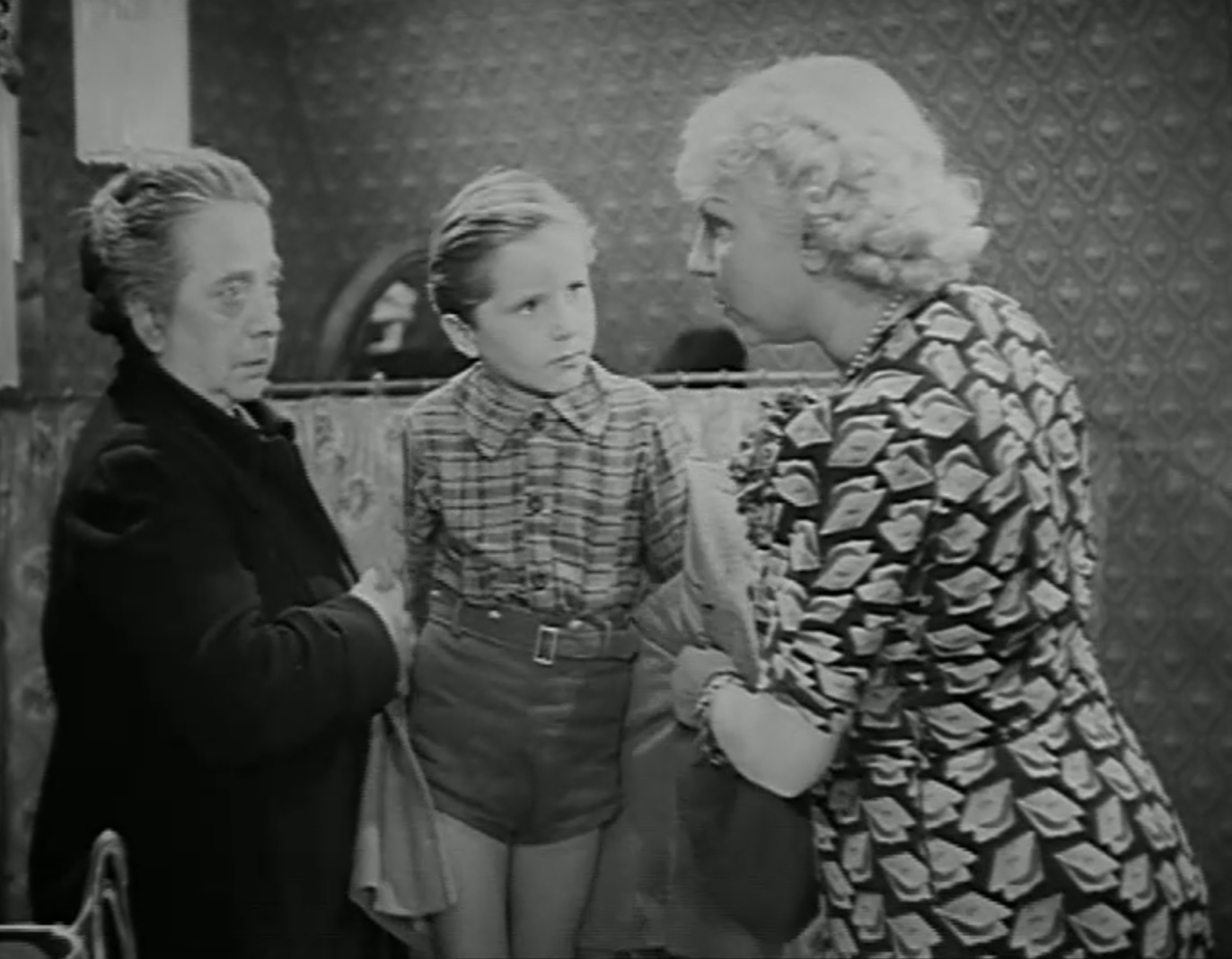
“Ma quando è partita?”
“Ieri sera. Il signor Cigoli era alla riunione del condominio, io dormivo”, spiega la governante.
Insieme, tolgono il cappotto a Pricò.
“But when did she leave?”
“Last night. Signor Cigoli was at the condo meeting, I was asleep,” the housekeeper explains.
Together, they pull off Pricò’s coat.
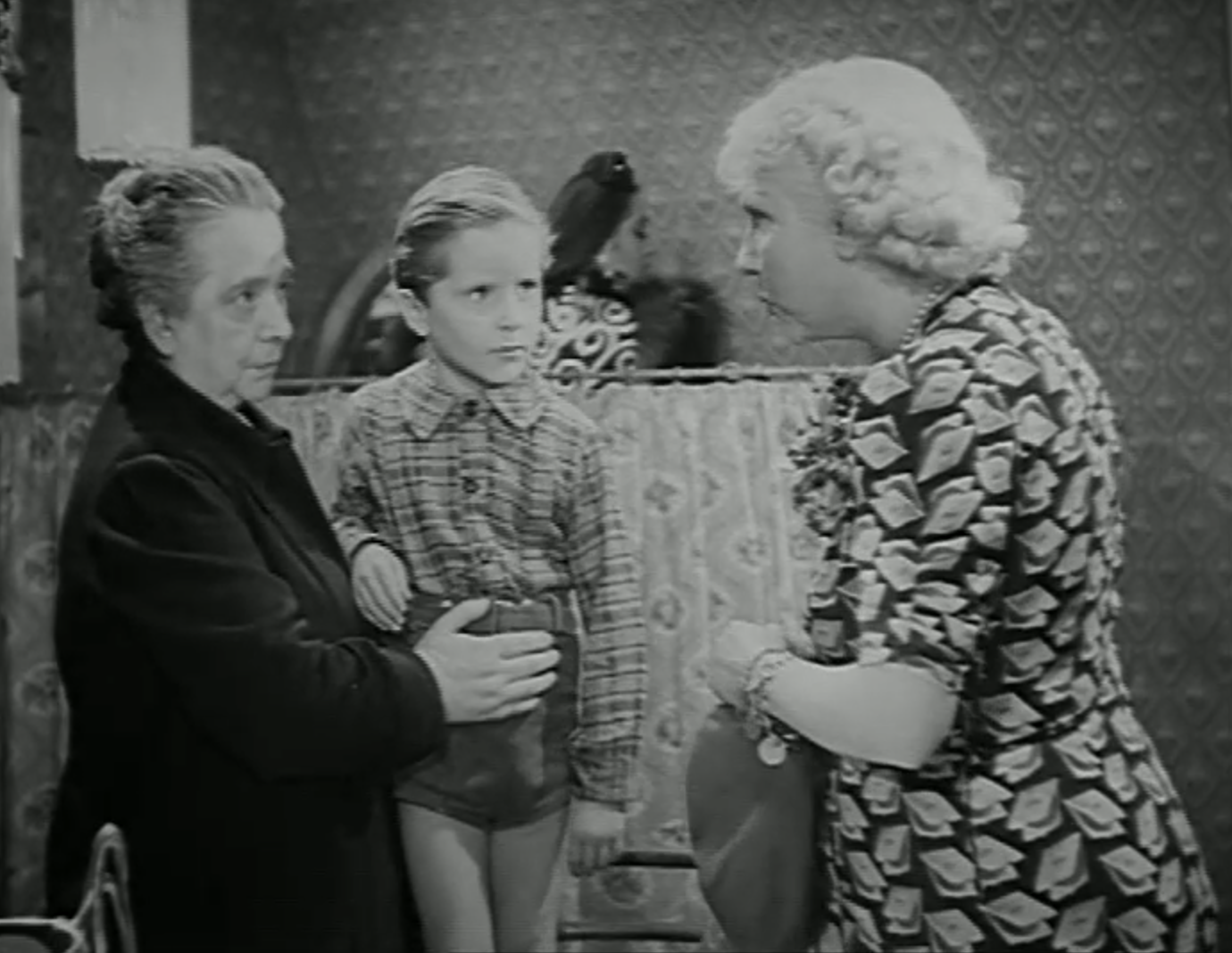
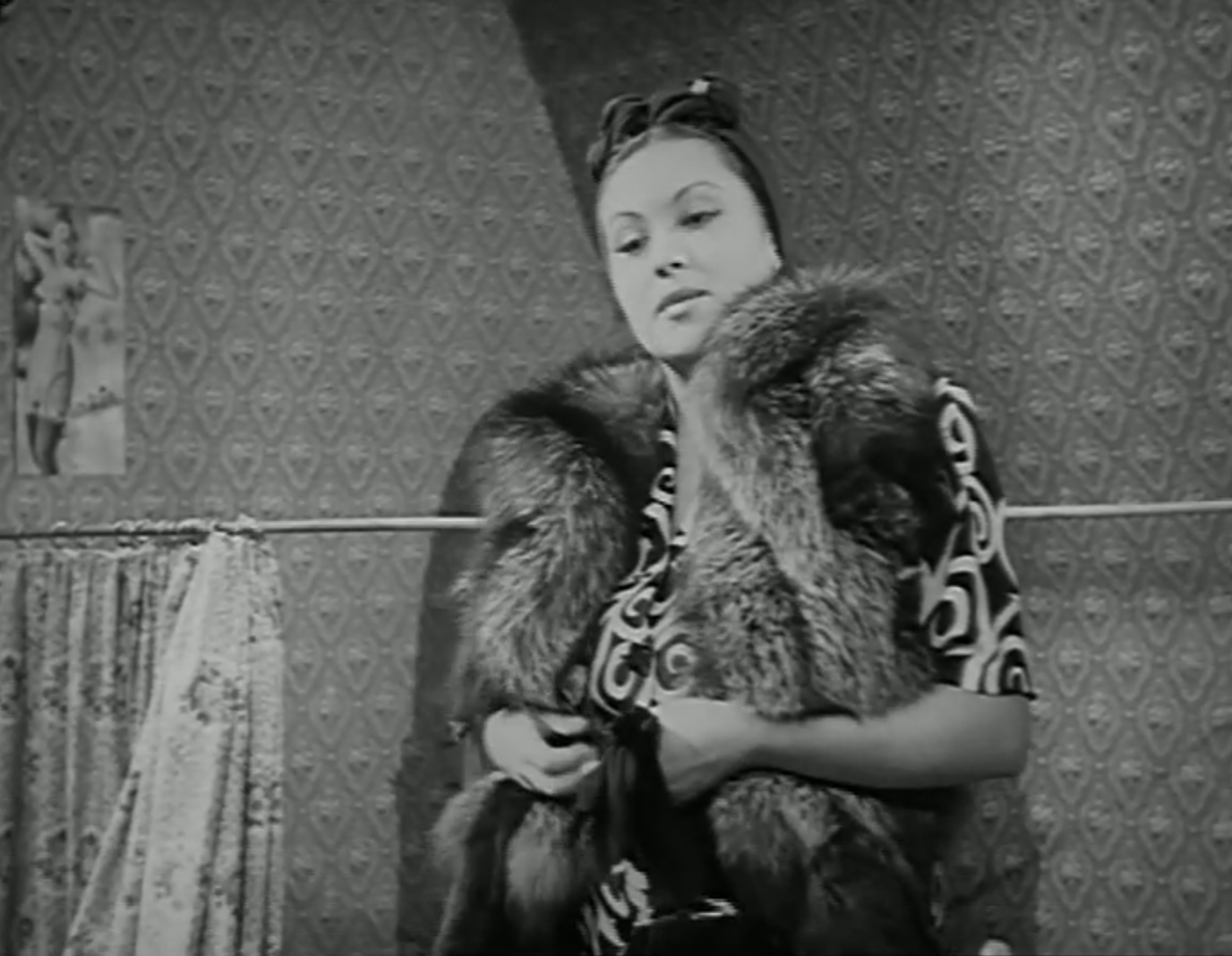
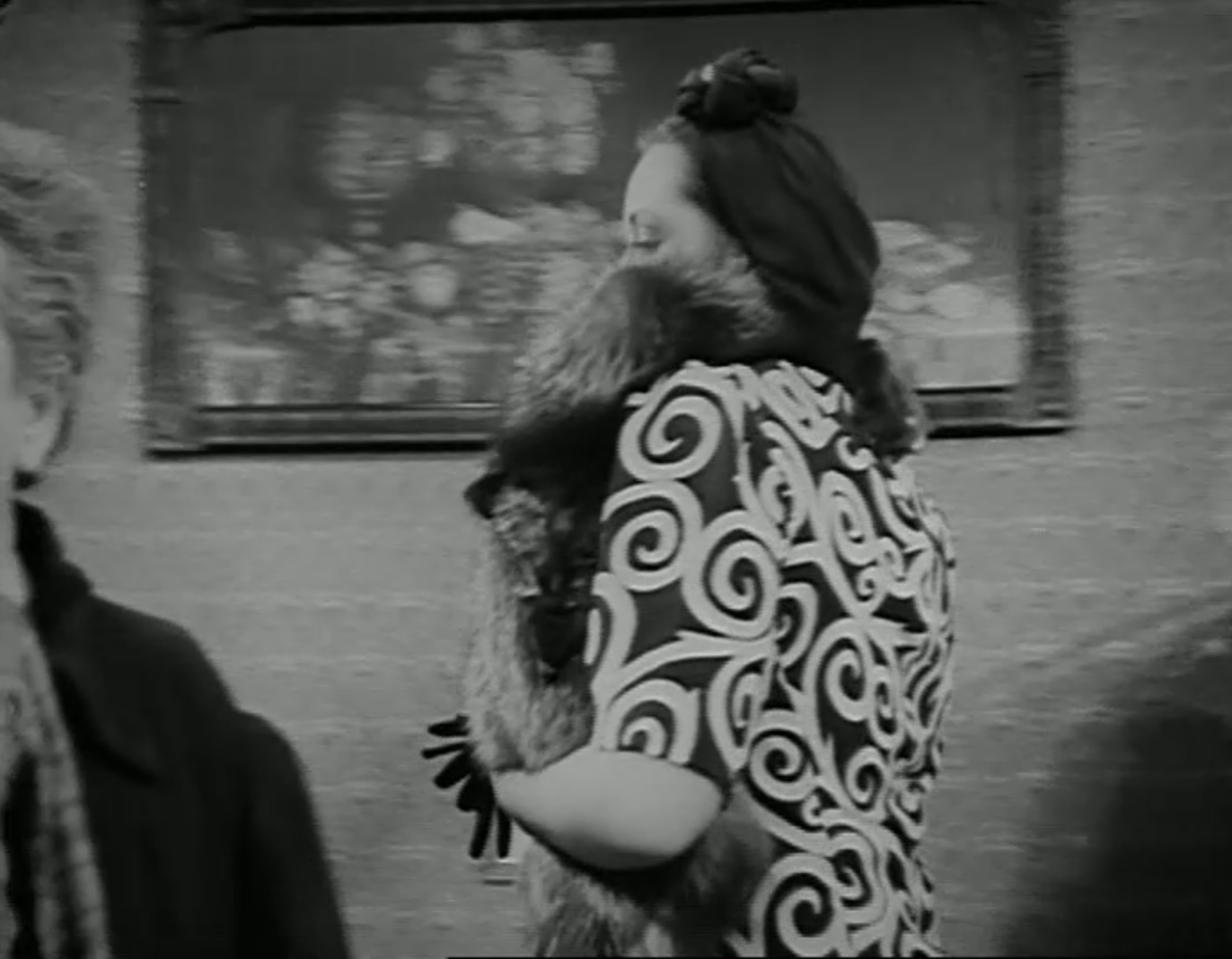
"Ma questo viaggio è stato deciso…?" chiede la zia.
"Non me l’aspettavo".
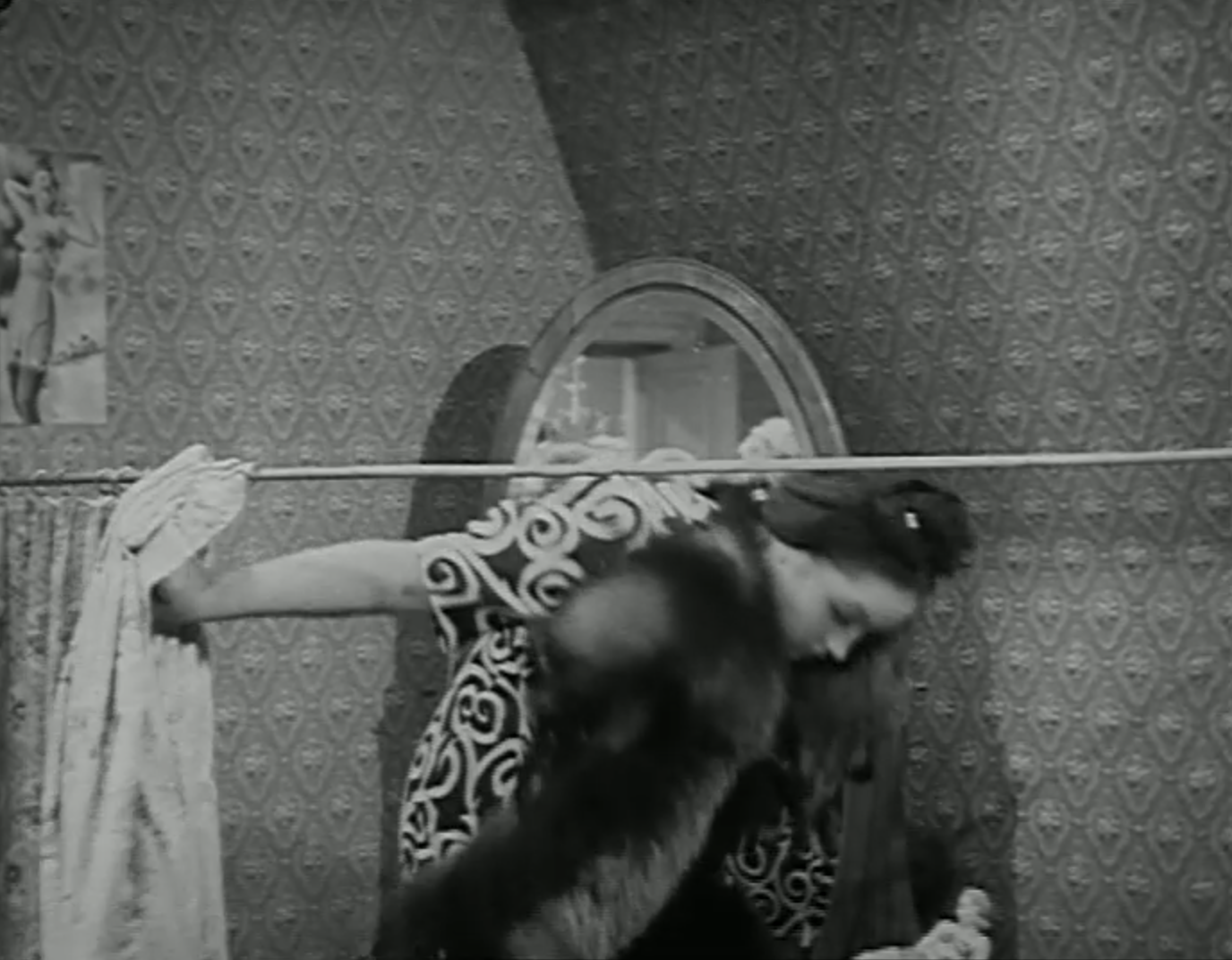
Con un tintinnio di anelli metallici delle tende, la signora Mancini riappare, avvolta in una stola di pelliccia. "Signora, tengo il mio. Mi snellisce di più".
"Bene, signora, come volete".
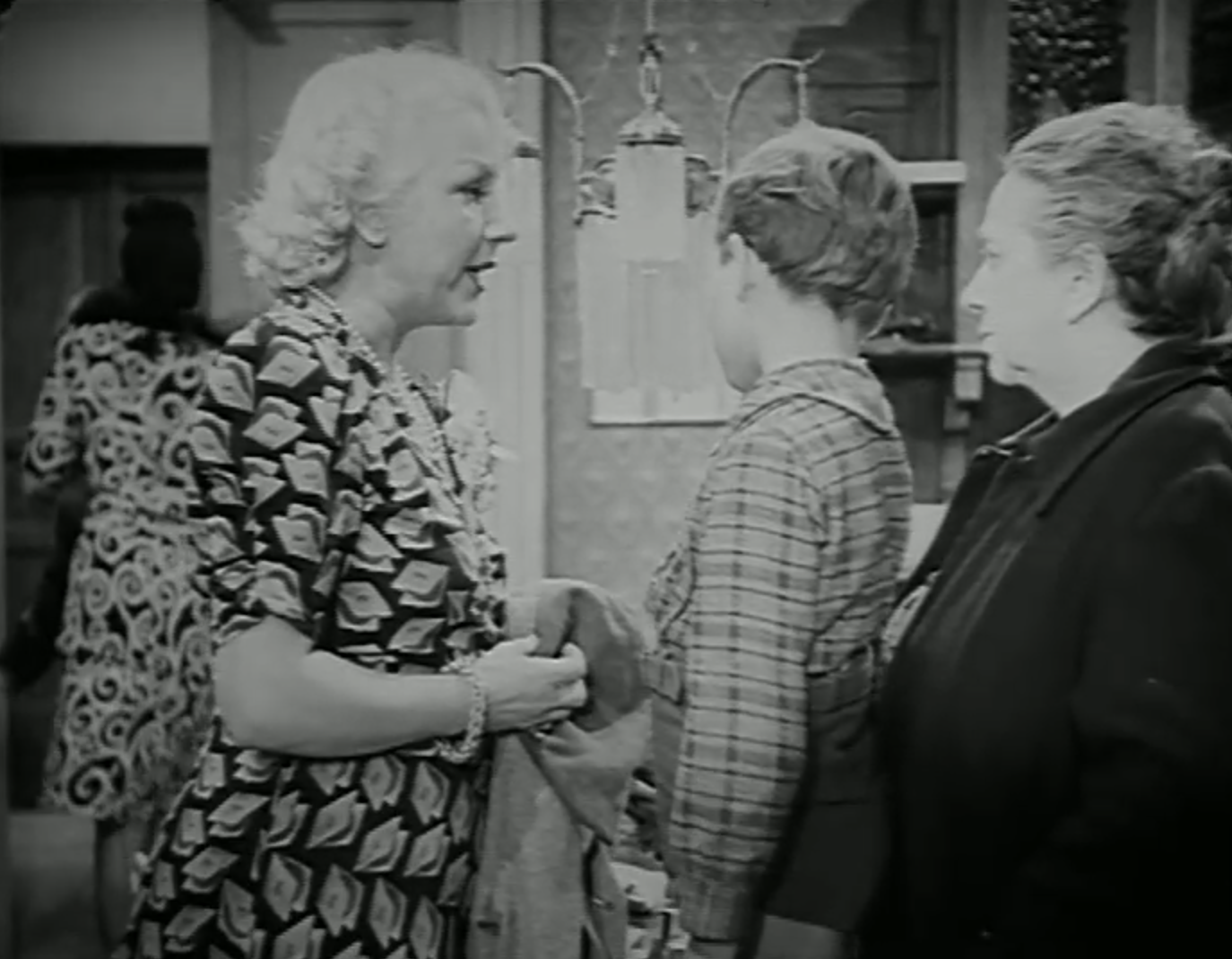
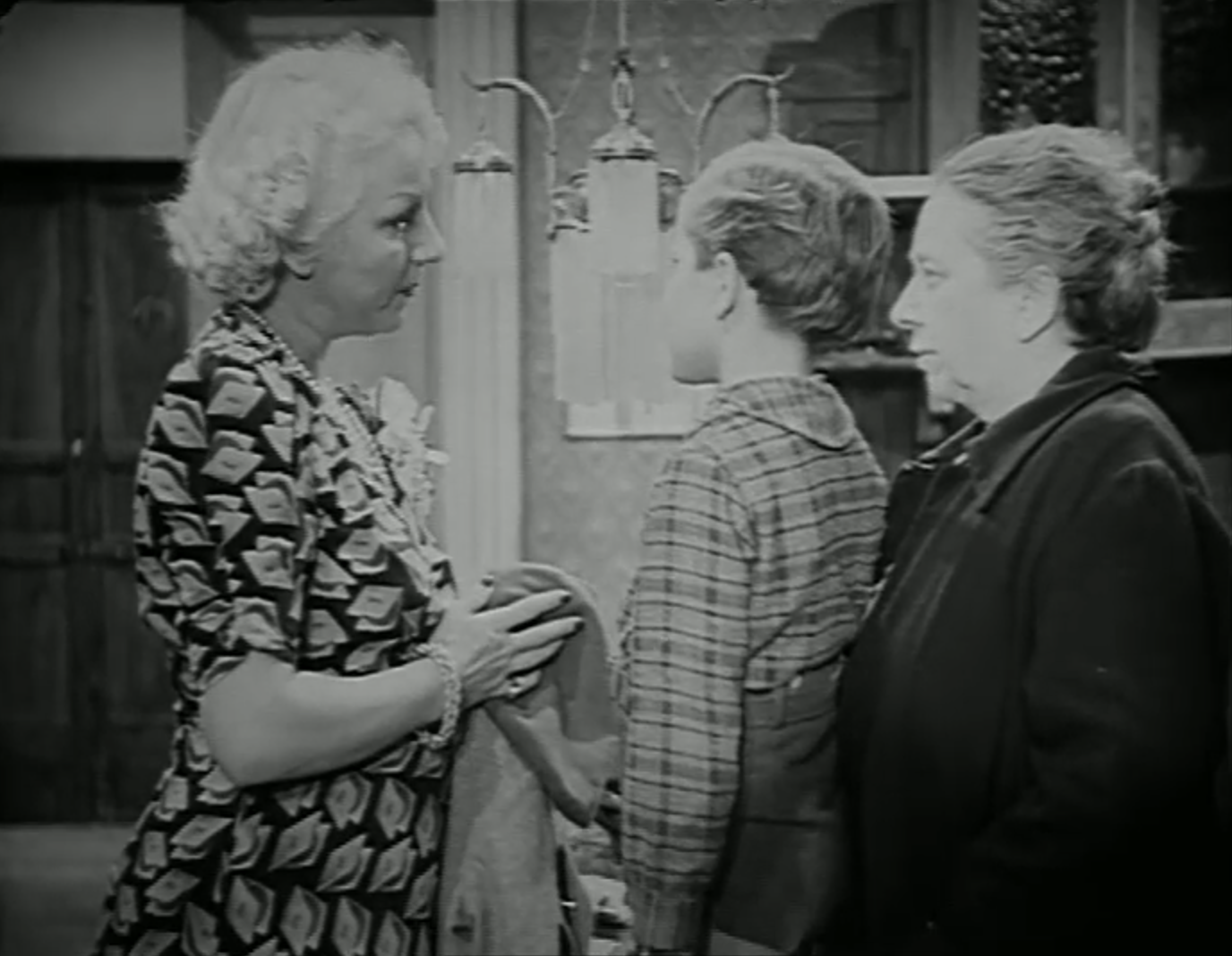
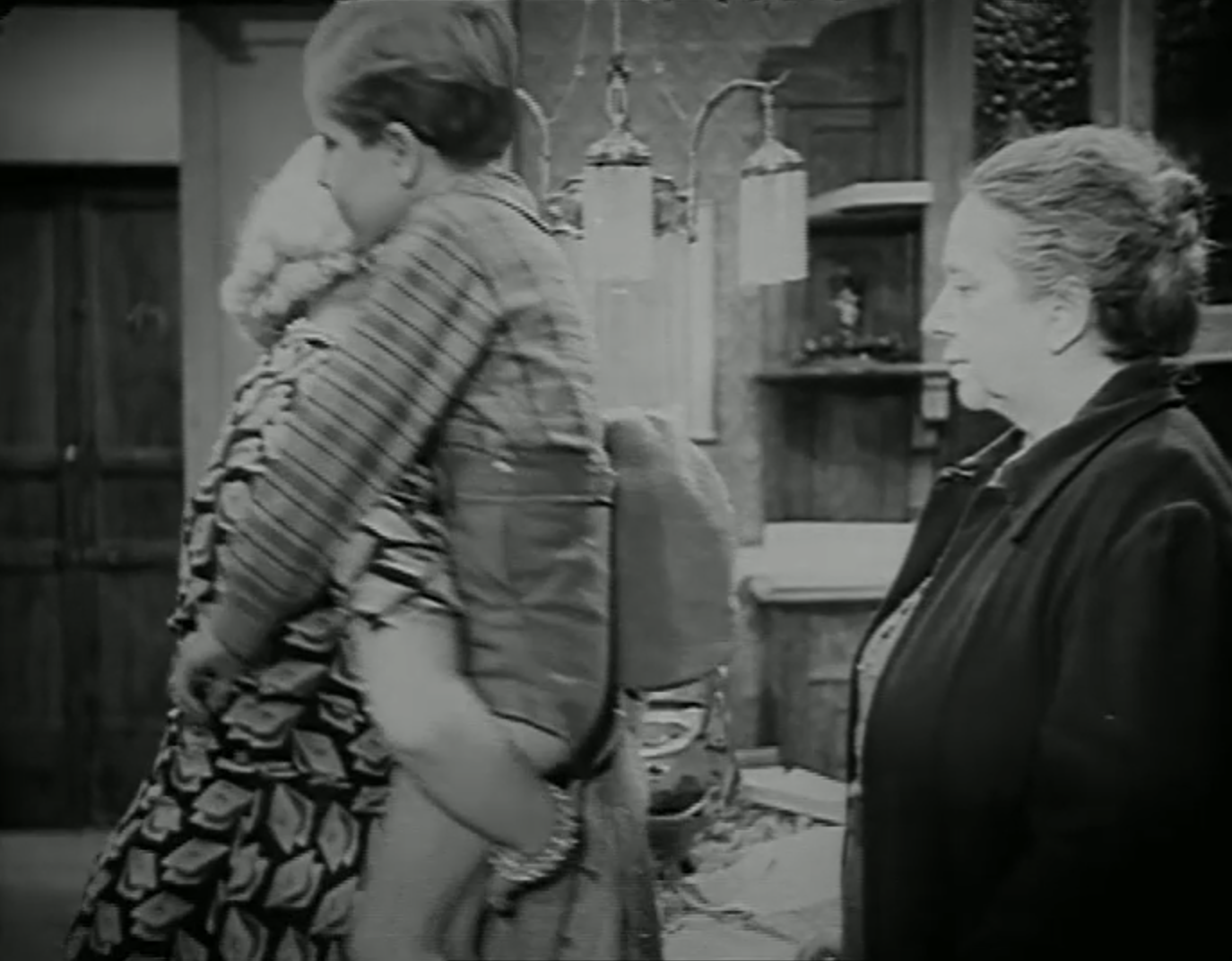
"Non ha lasciato un biglietto o qualche cosa?" Signora Berelli sospira e prende in braccio suo nipote.
“Didn’t she leave a note or anything?” Signora Berelli sighs and picks up her nephew.
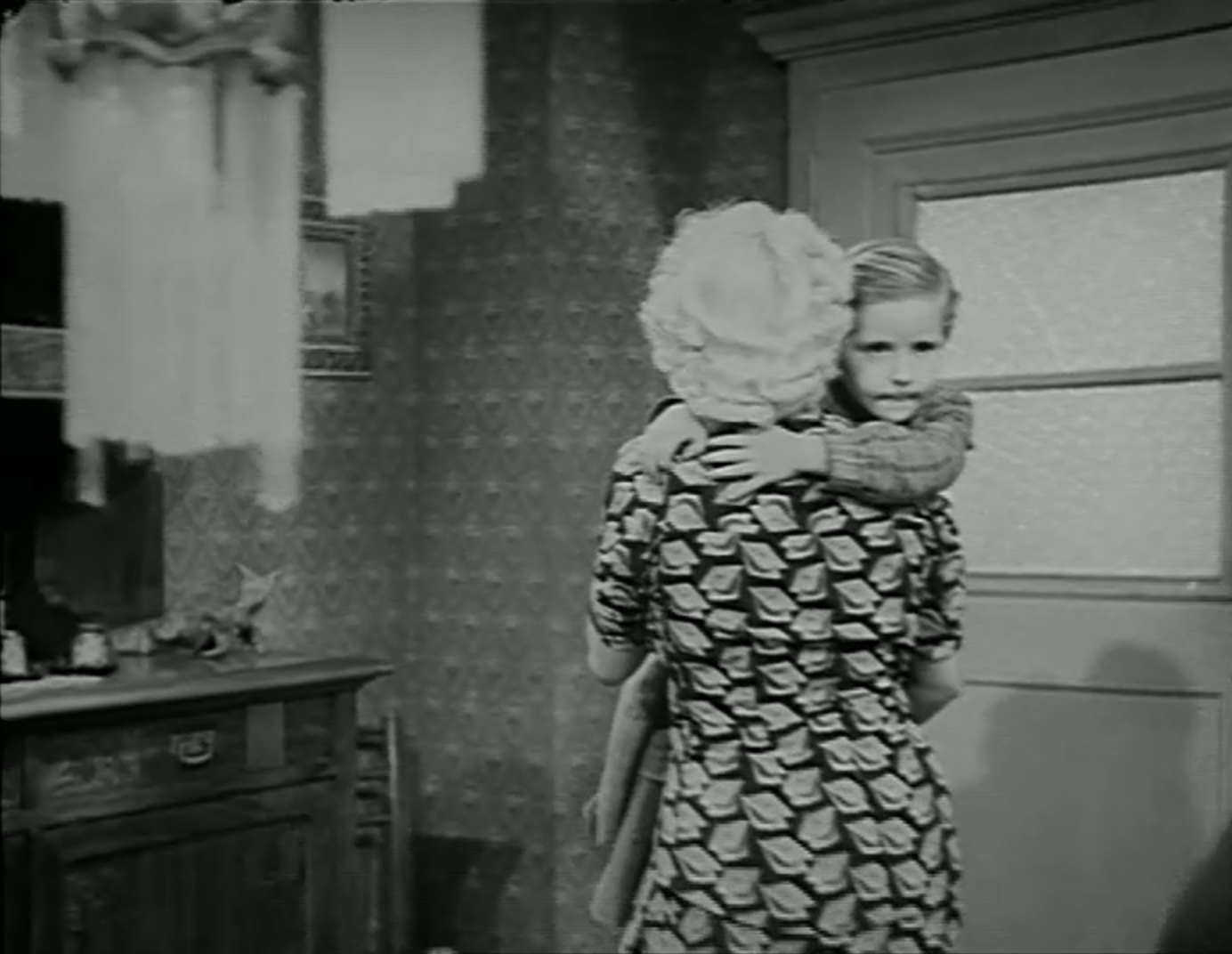
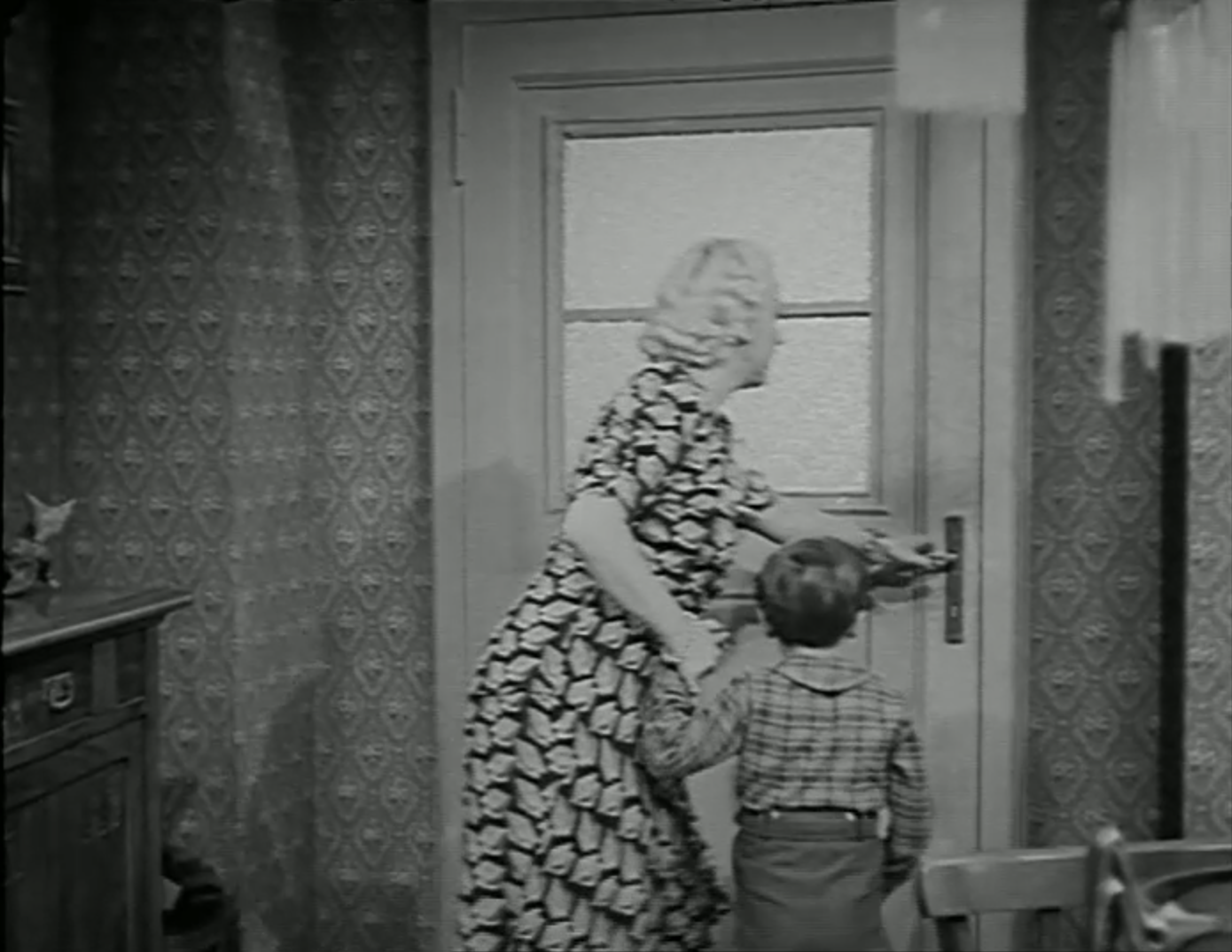
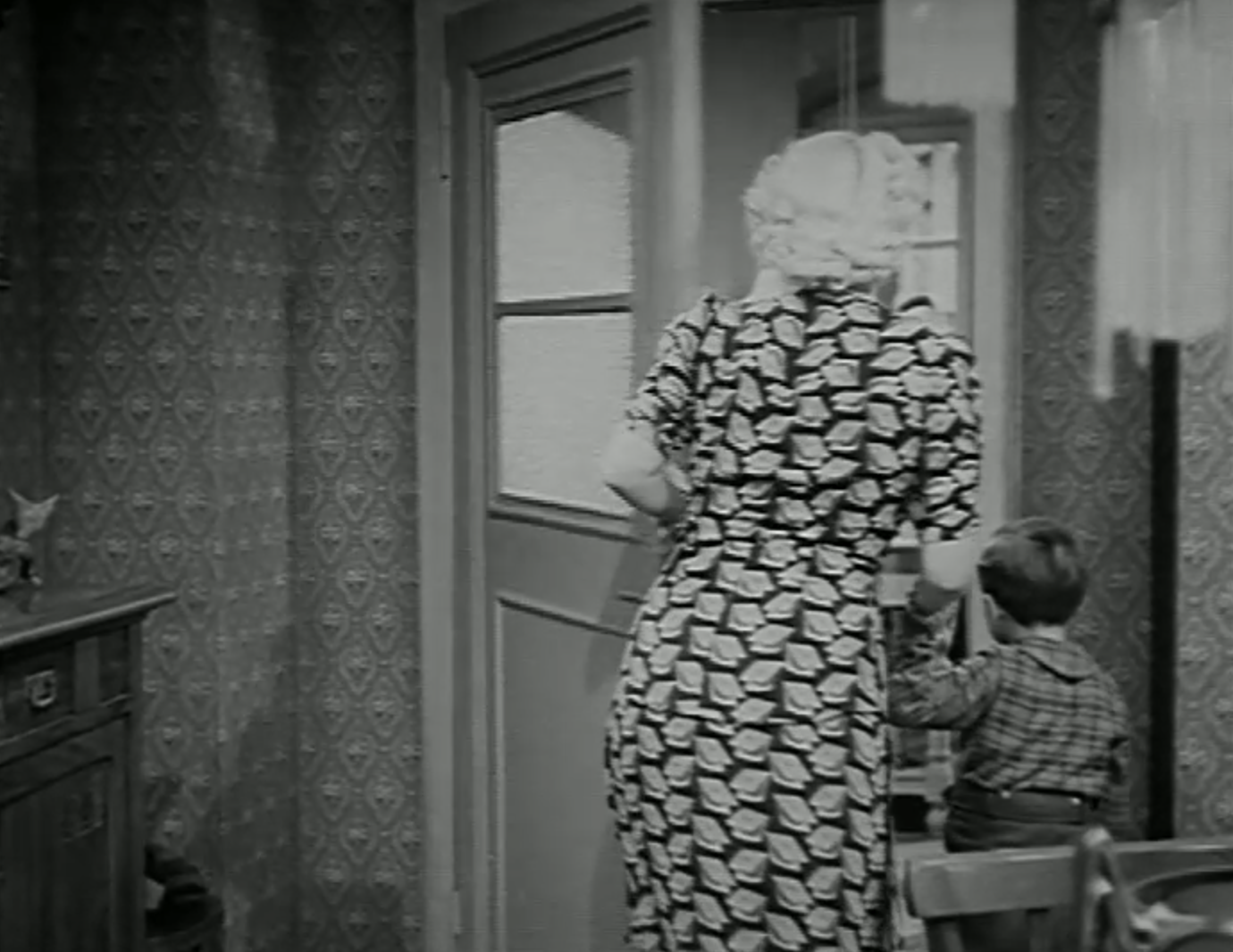
La zia di Pricò lo porta in braccio fino alla porta del laboratorio, lo mette giù e la apre. Sentiamo di nuovo le donne cantare.
...specialmente tra le rose a primavera.*
*”Com'è bello far l'amore quanno è sera” (di Luciano Luigi Martelli, Ennio Neri e Gino Simi, 1946) era una canzone molto popolare all’epoca. Il titolo e il testo originali sono in dialetto romano – si noti l’uso di “quanno” al posto di “quando”. Eccola qui interpretata da Anna Magnani nella parte del film antologico Siamo donne, diretta da Luchino Visconti (1953).
Pricò’s aunt carries him to the workroom door, sets him down, and opens it. We hear the singing women again.
…especially among the roses in spring.*
*”How Lovely it is to Make Love in the Evening” (by Luciano Luigi Martelli, Ennio Neri & Gino Simi,1946) was a popular song of the time. The original title and lyrics are in Rome dialect – note “quanno” for “quando.” Here it is performed by Anna Magnani in Luchino Visconti’s section of the anthology film We, the Women (1953).
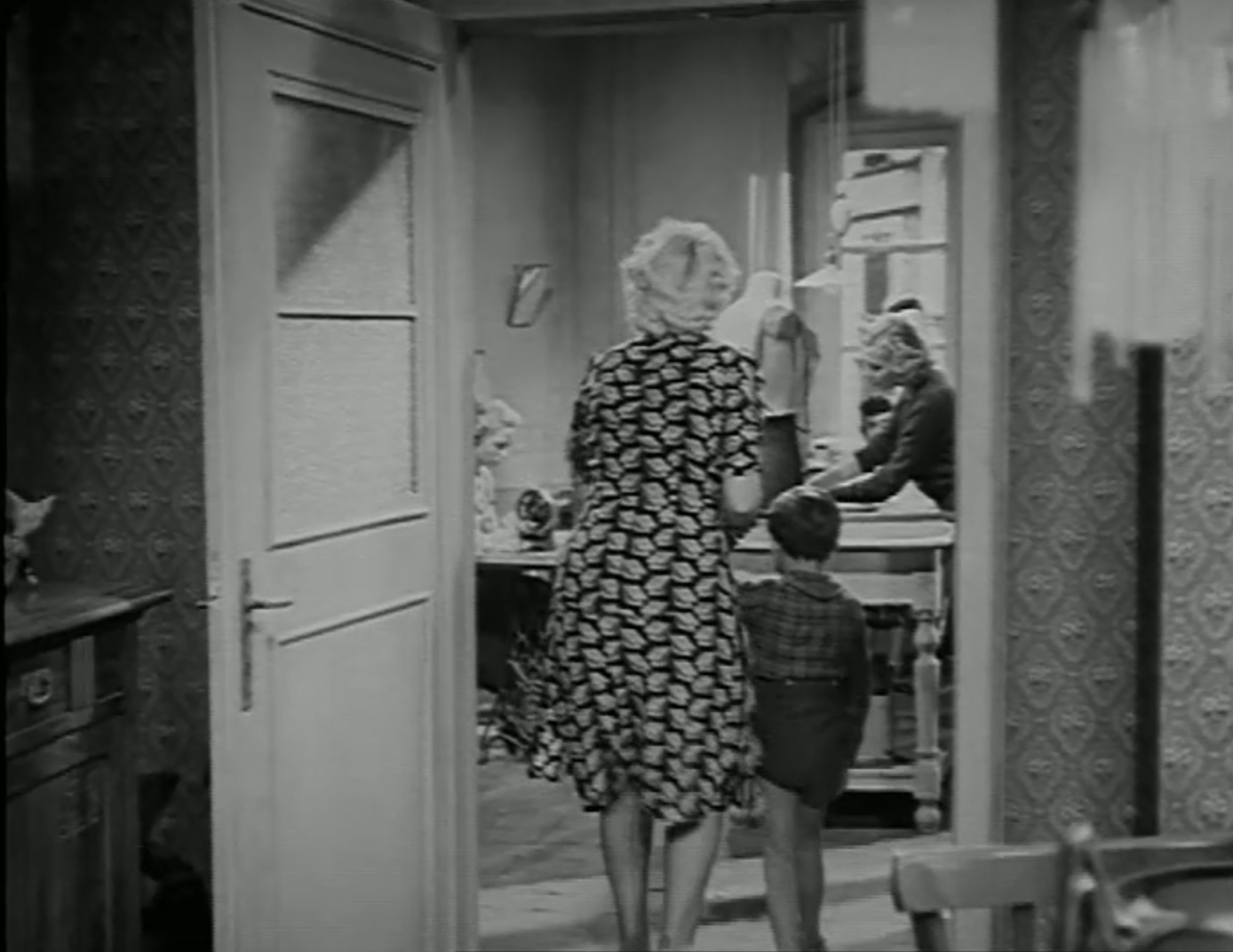
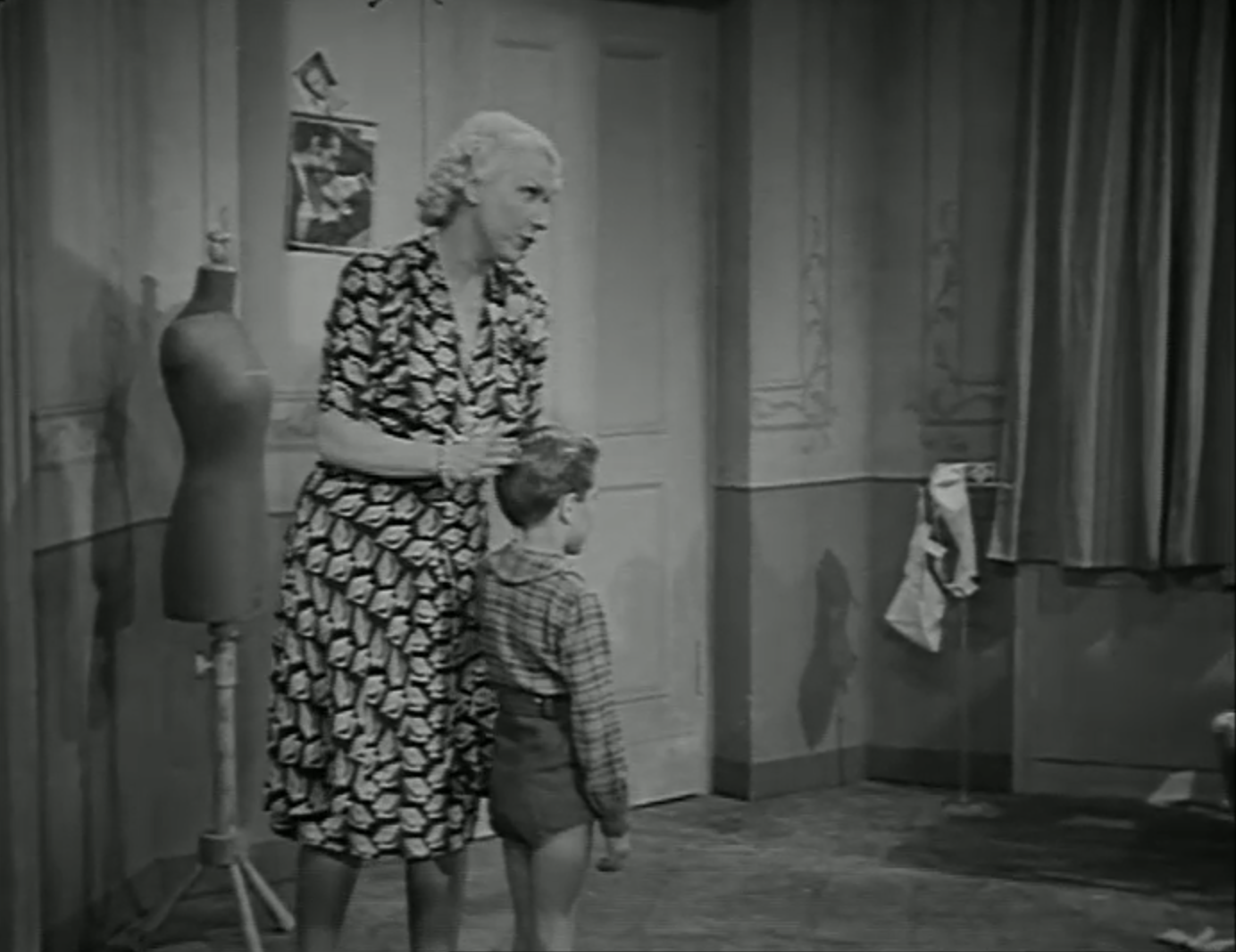
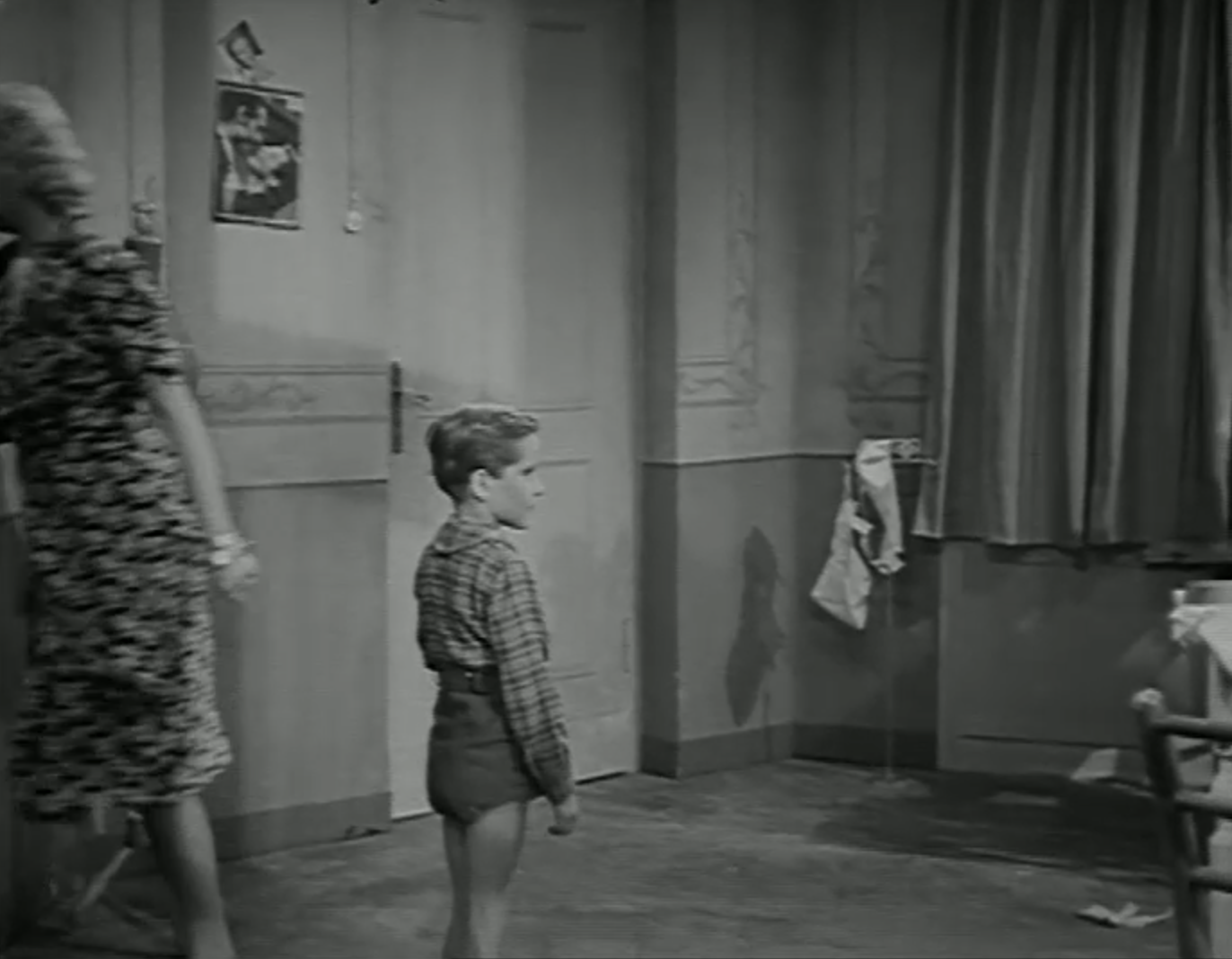
Una volta entrata nel laboratorio, la Signora Berelli dice: "Ragazze, fatelo giocare". Gli dà una pacca sulla testa.
Inside the workroom, Signora Berelli says, “Girls, make sure he plays.” She pats his head and leaves.
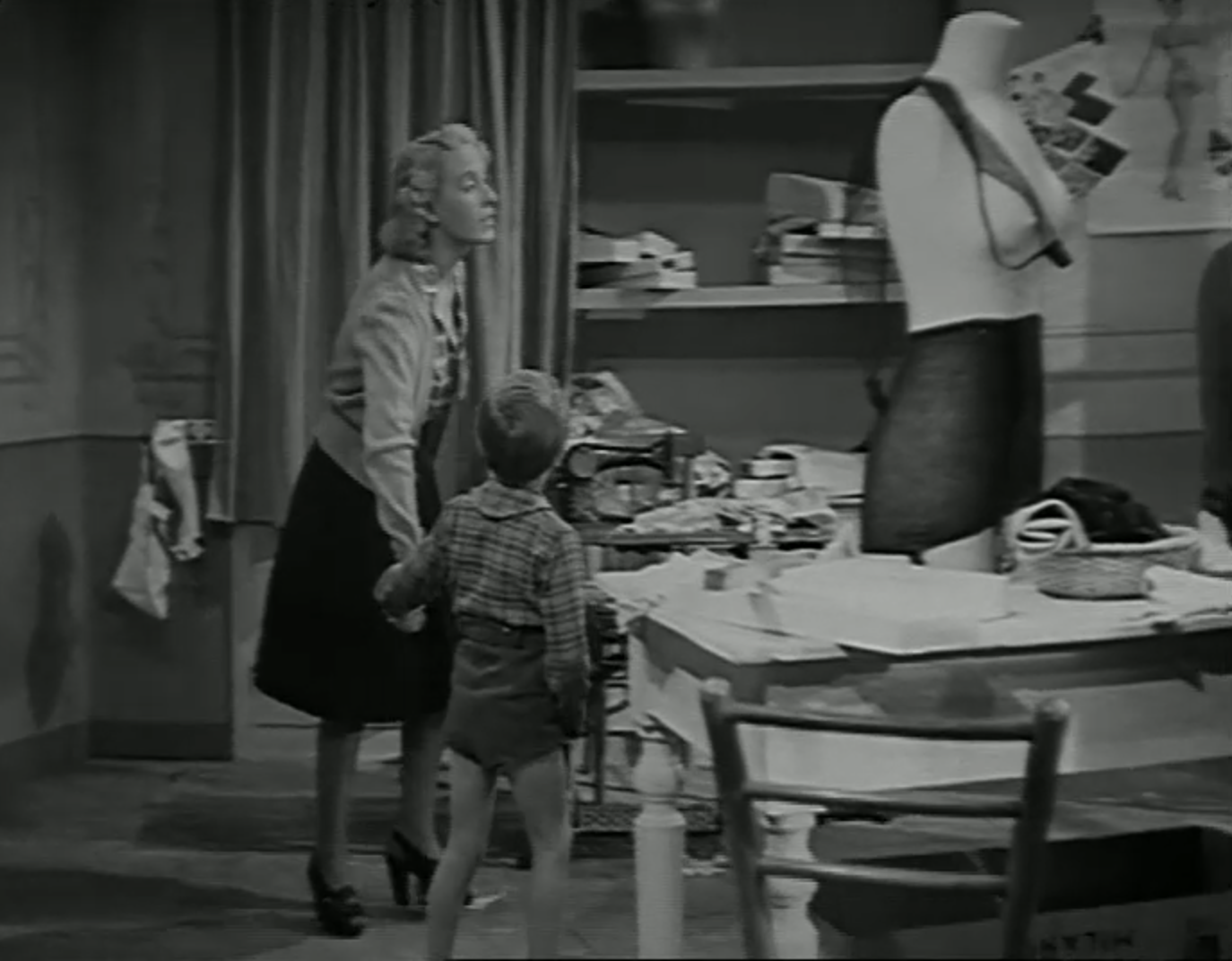
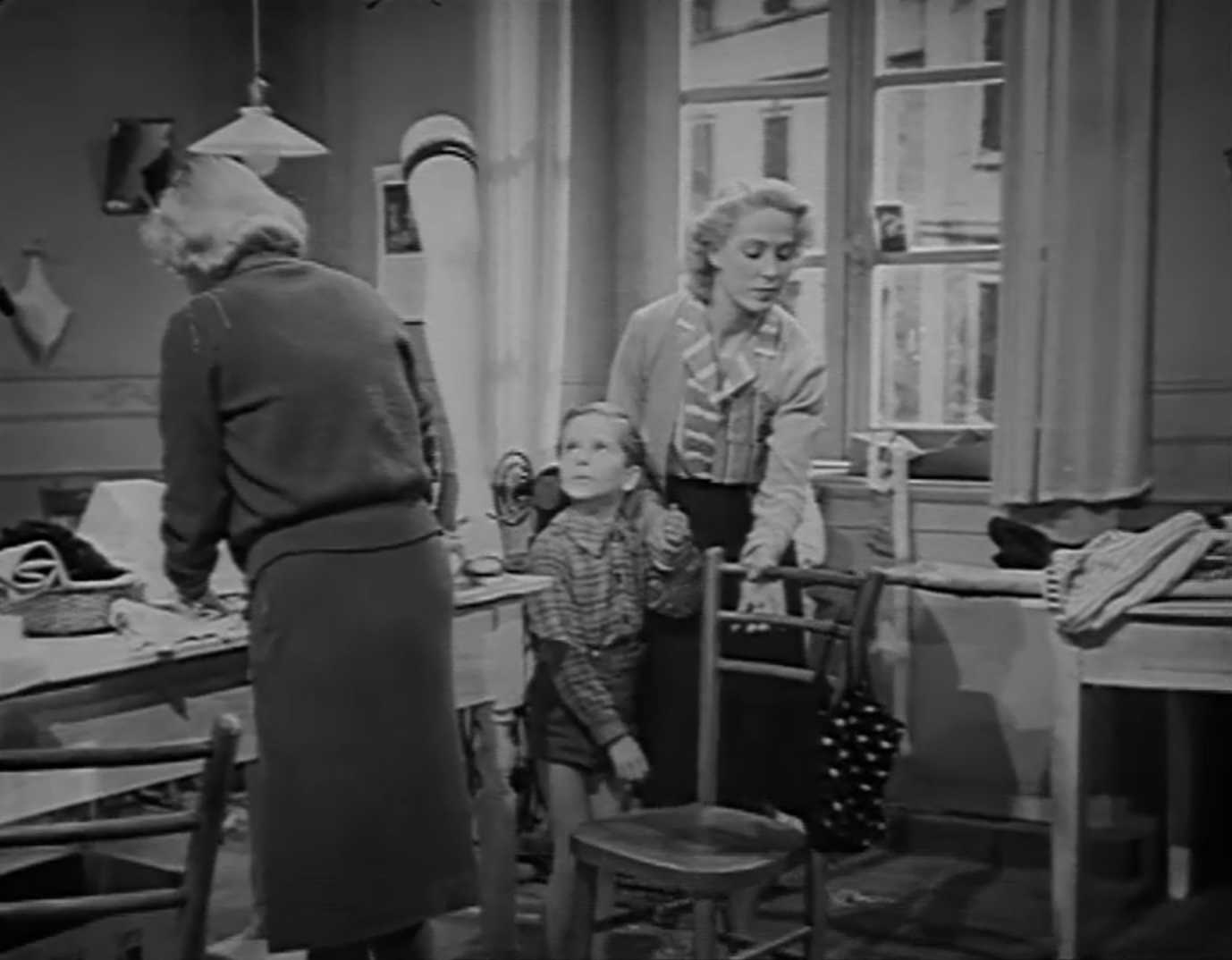
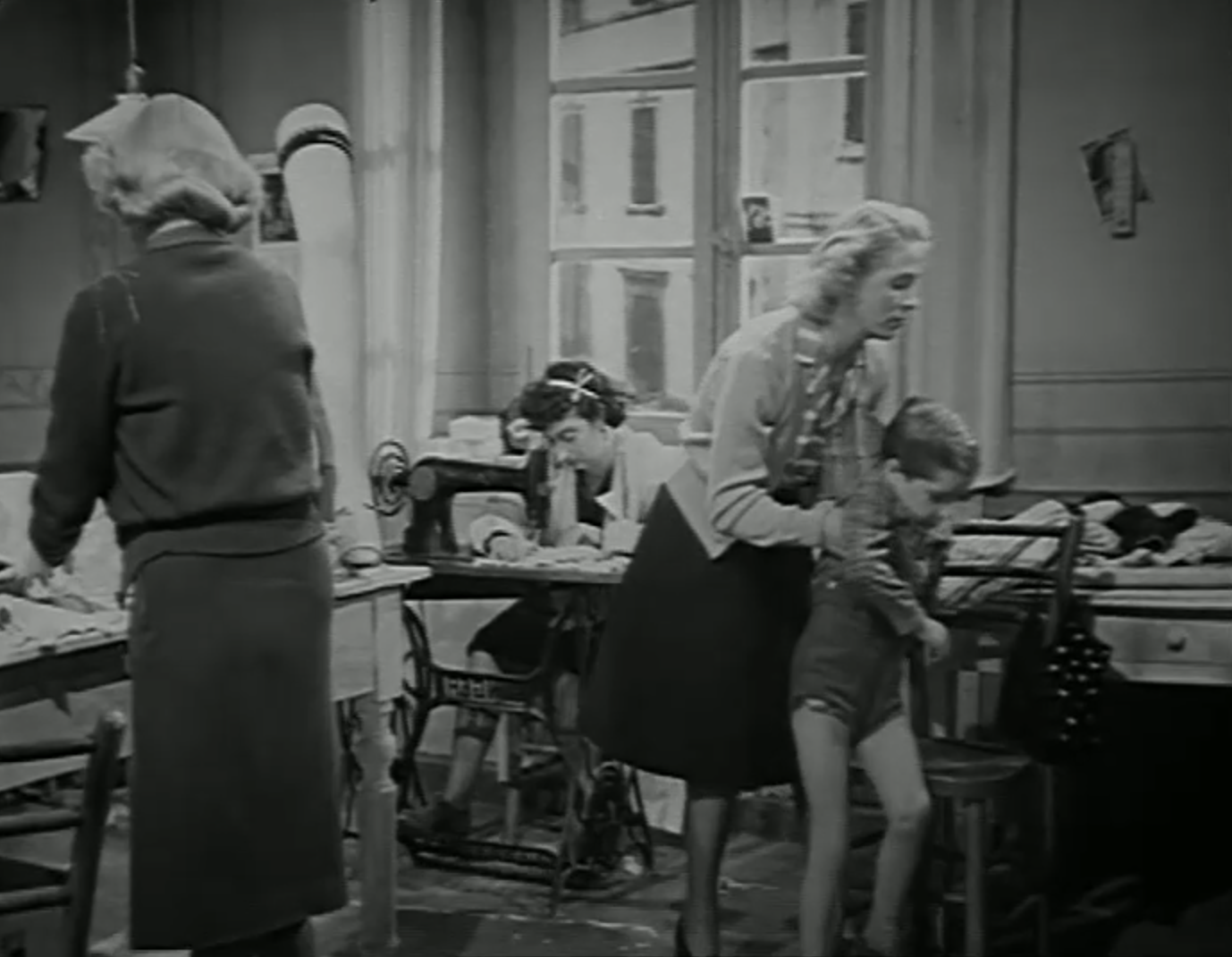
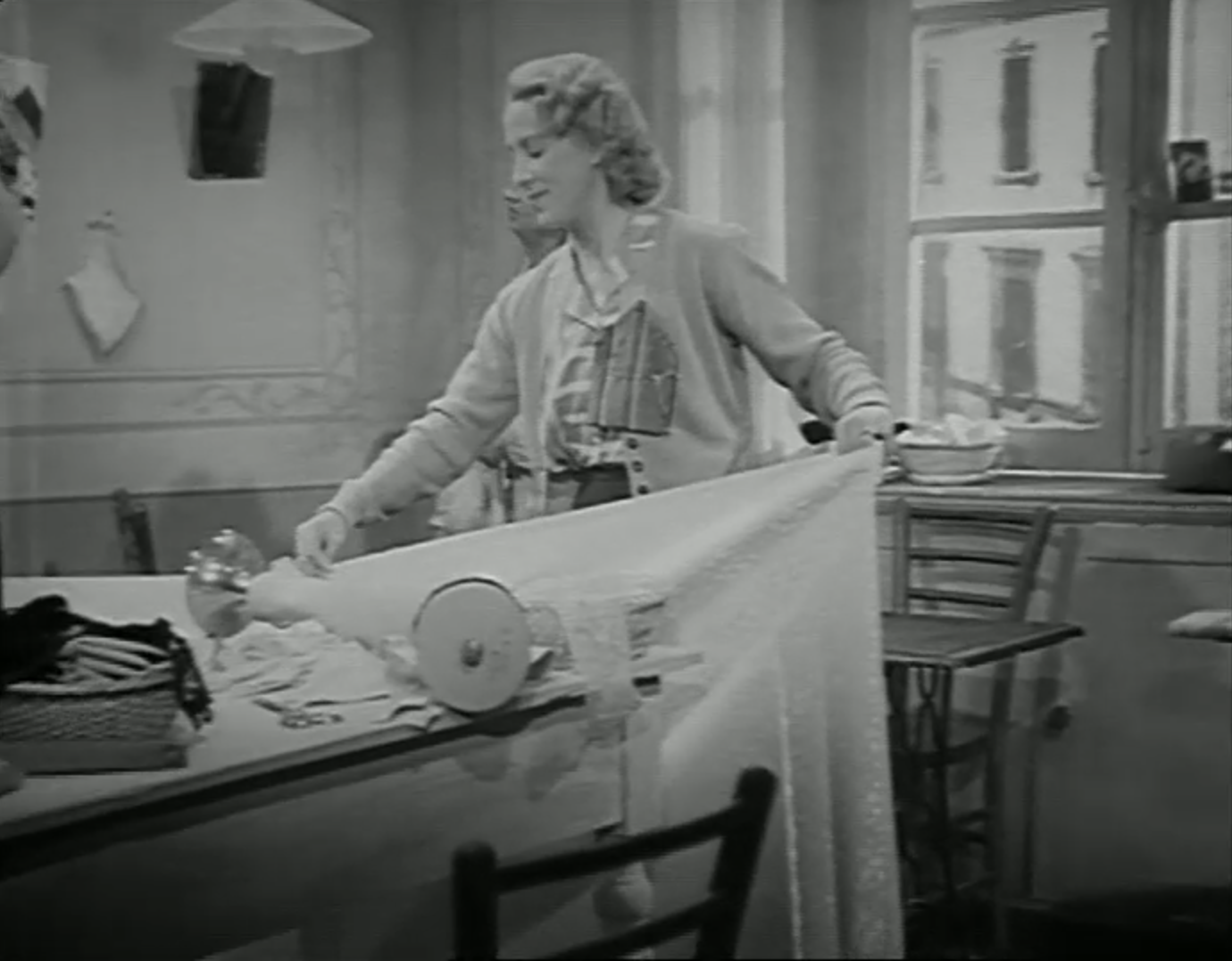
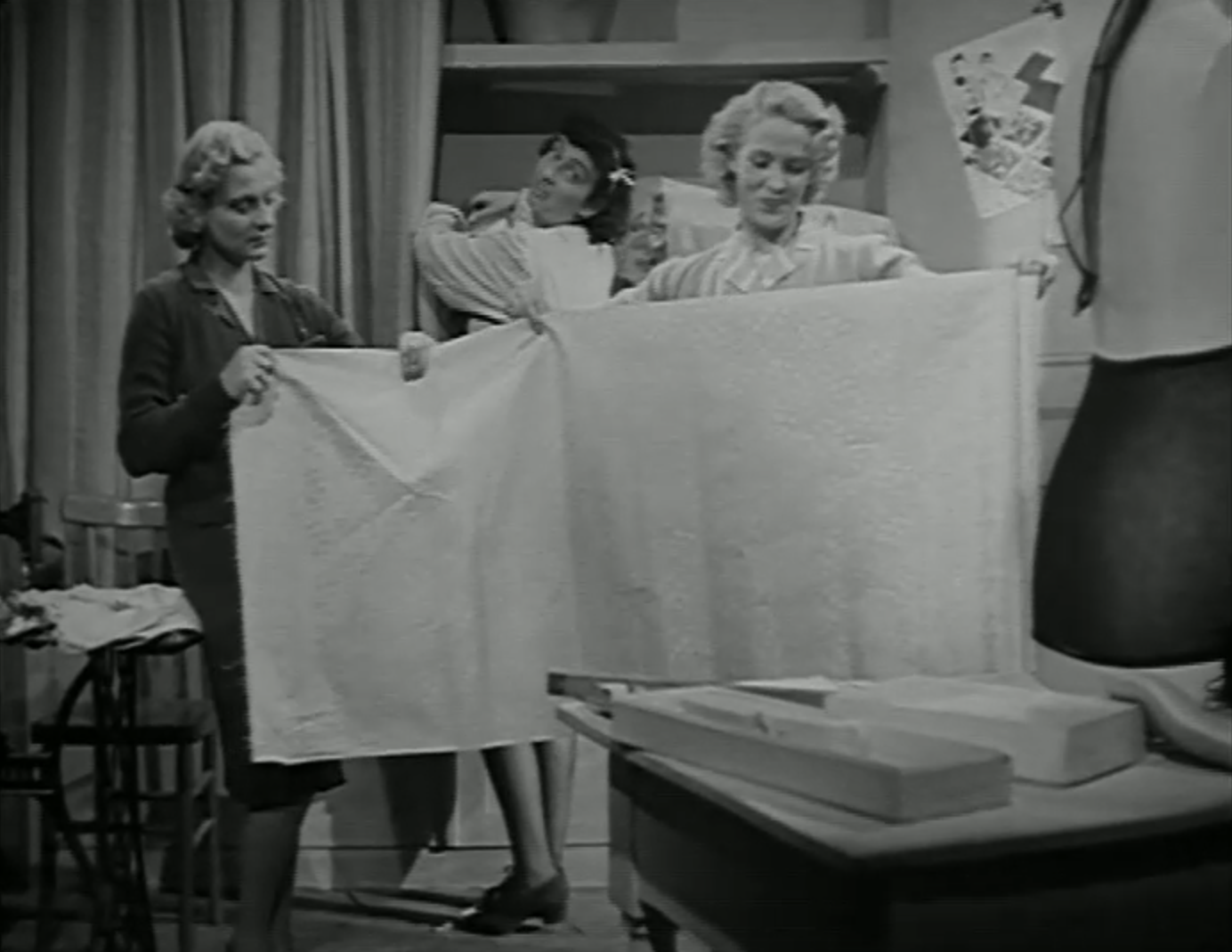
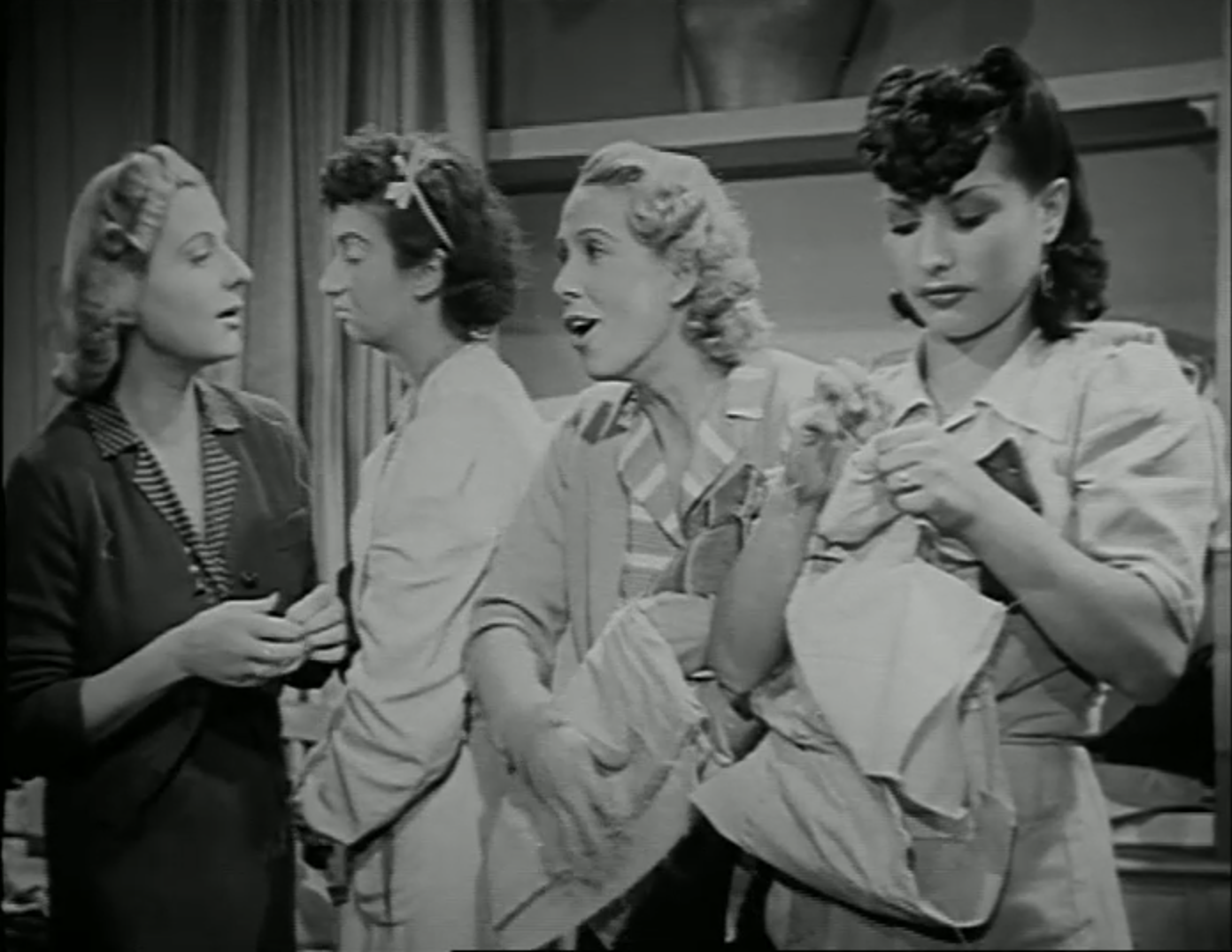
Una donna con un cardigan accompagna Pricò per la stanza, passando accanto a un'altra donna seduta a una macchina da cucire. "Siediti", dice, tirando fuori una sedia, mentre un'altra donna canta: "Com'è bello far l'amore quanno è sera…"
Su un tavolo da lavoro c'è un manichino senza testa e senza gambe.
A woman in a cardigan walks Pricò around the room, past another woman sitting at a sewing machine. “Sit,” she says, pulling out a chair, as another woman sings, “How lovely it is to make love in the evening...”
A headless, legless mannequin stands on a worktable.
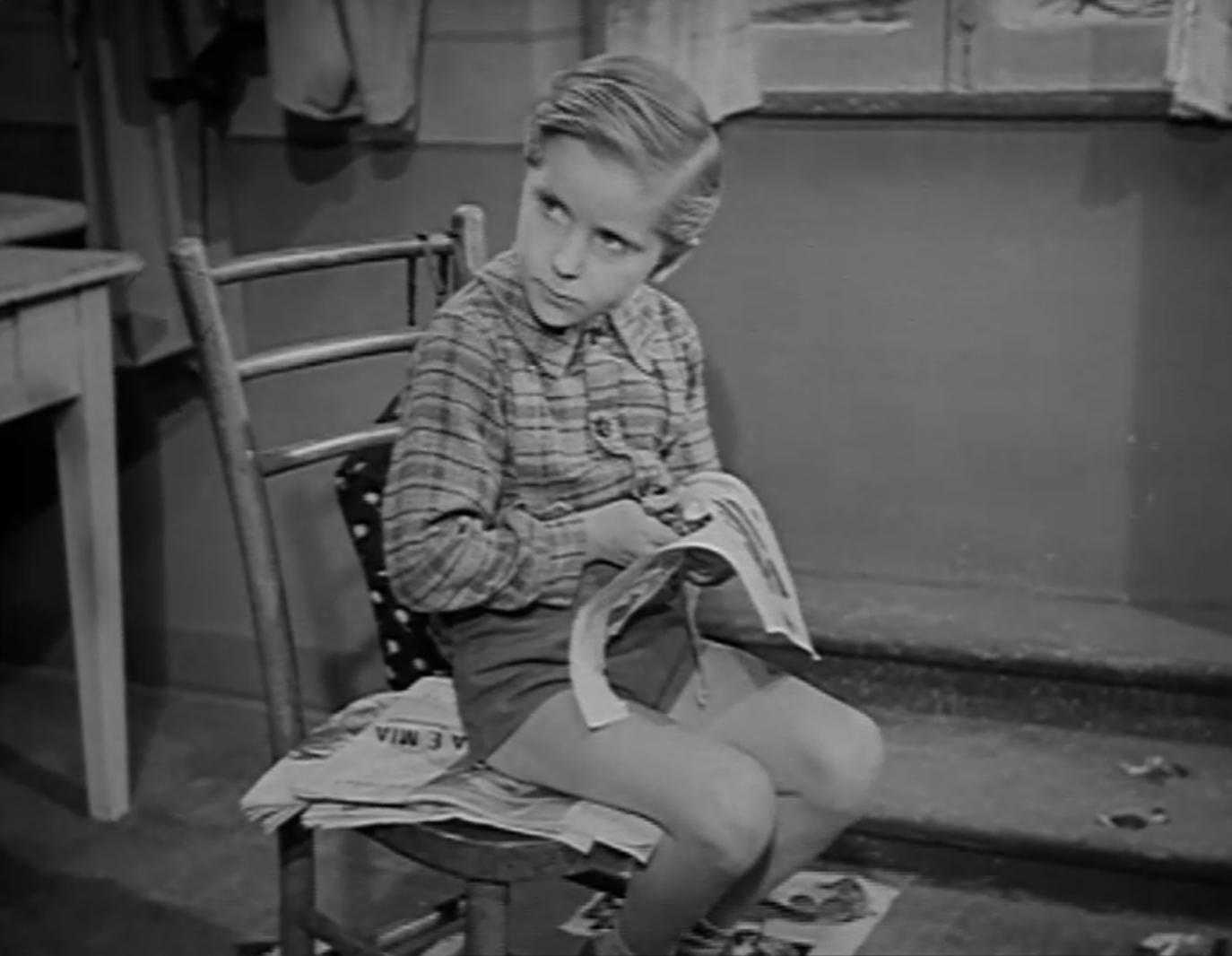
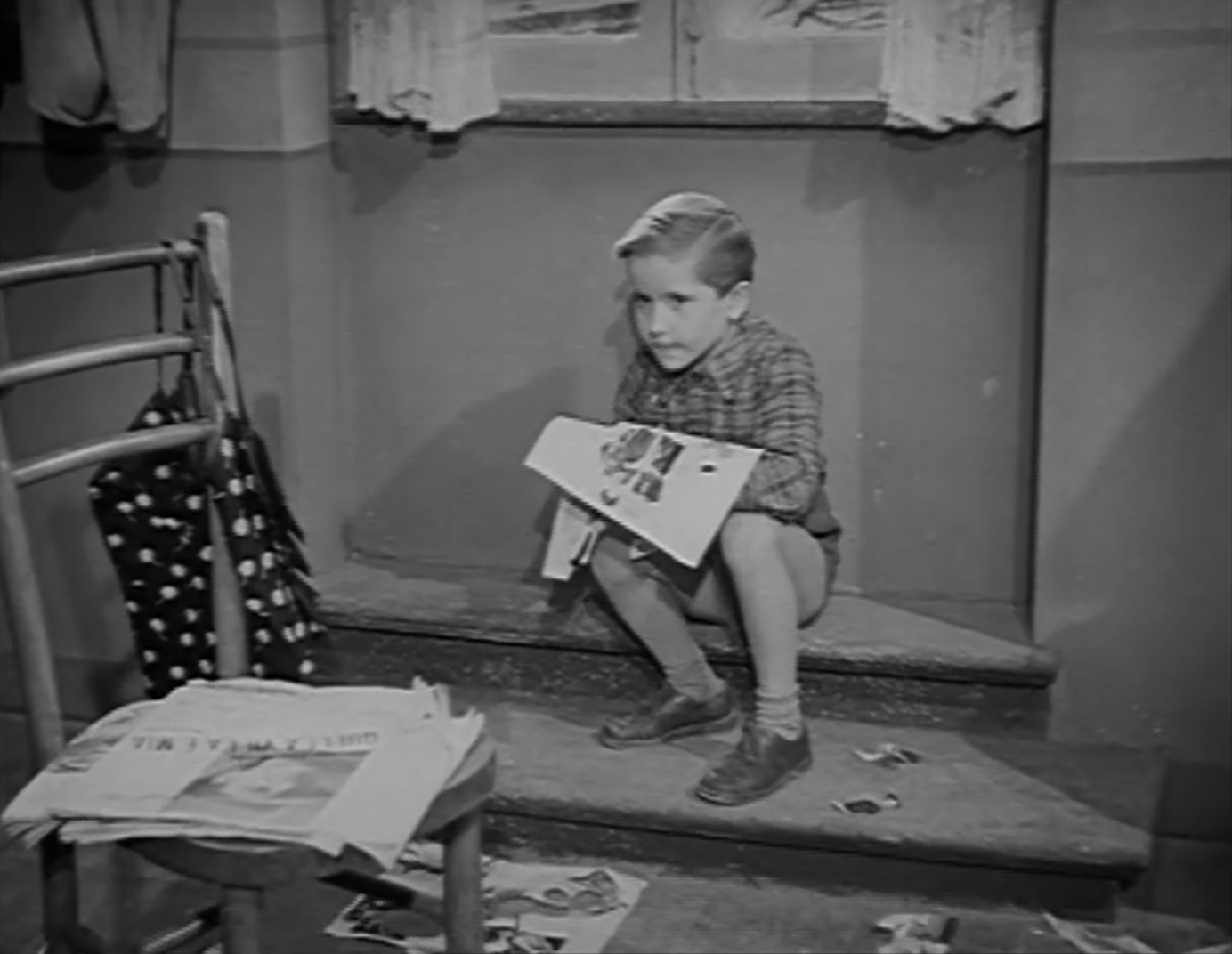
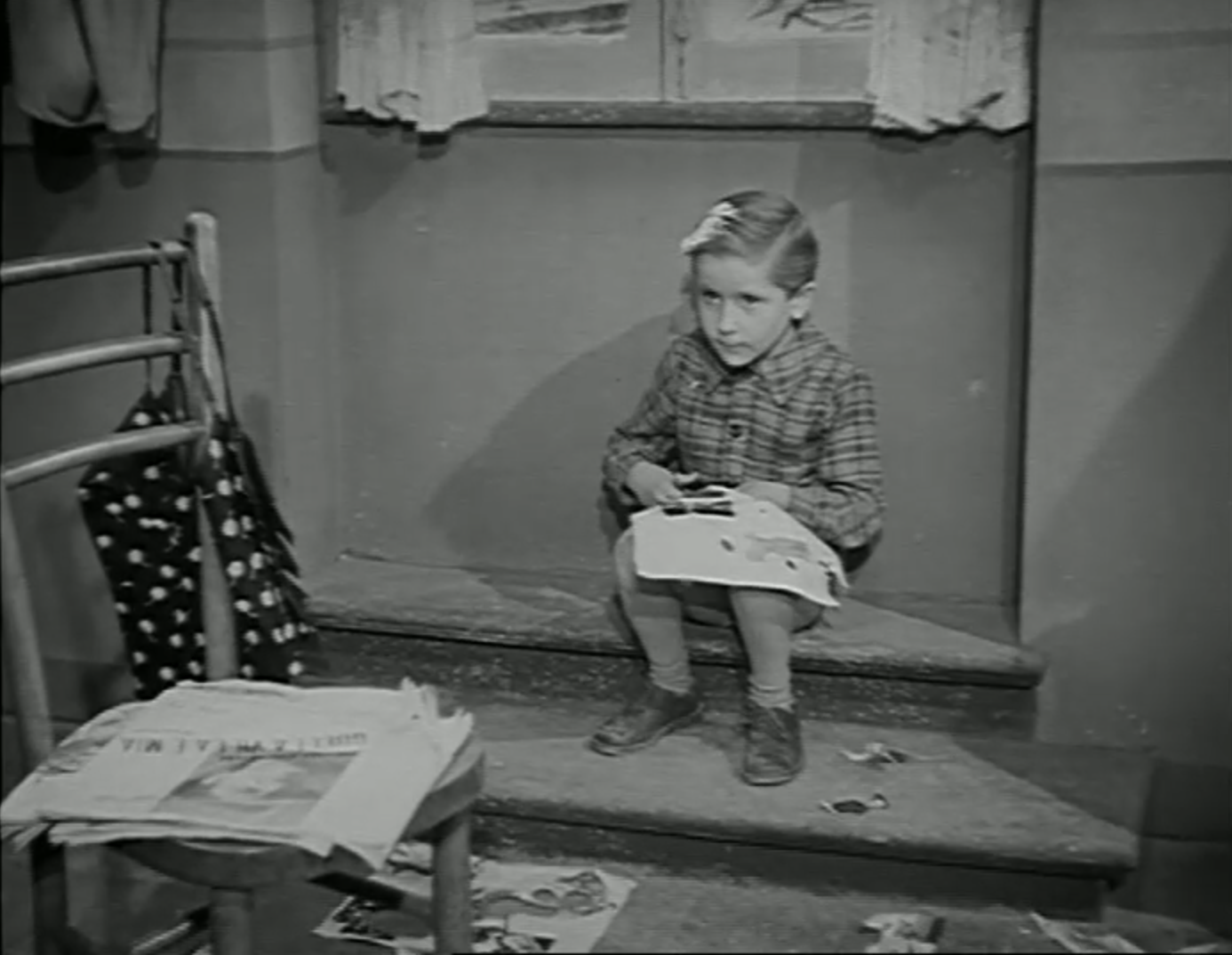
Pricò ritaglia delle foto dai giornali, osservando le donne che parlano fuori campo.
"Ho un sonno!"
"Ma che hai oggi che sei così rimbambita?”
Pricò cuts pictures from newspapers, watching the women as they talk off-screen.
“I’m so sleepy!”
“But why are you so flaky today?”
"Ieri sera sono stata con Gino".
"Senza offenderti" – dice la donna con il cardigan, mentre piega un tessuto – "ma andare con un tipo simile…"
"Eh! Tu pagheresti per uscire con lui!"
“I was with Gino last night.”
“No offense,” says the woman in the cardigan, folding fabric, “but to go out with a guy like that…”
“Hey! You’d pay to go out with him!”
"Che avete fatto?"
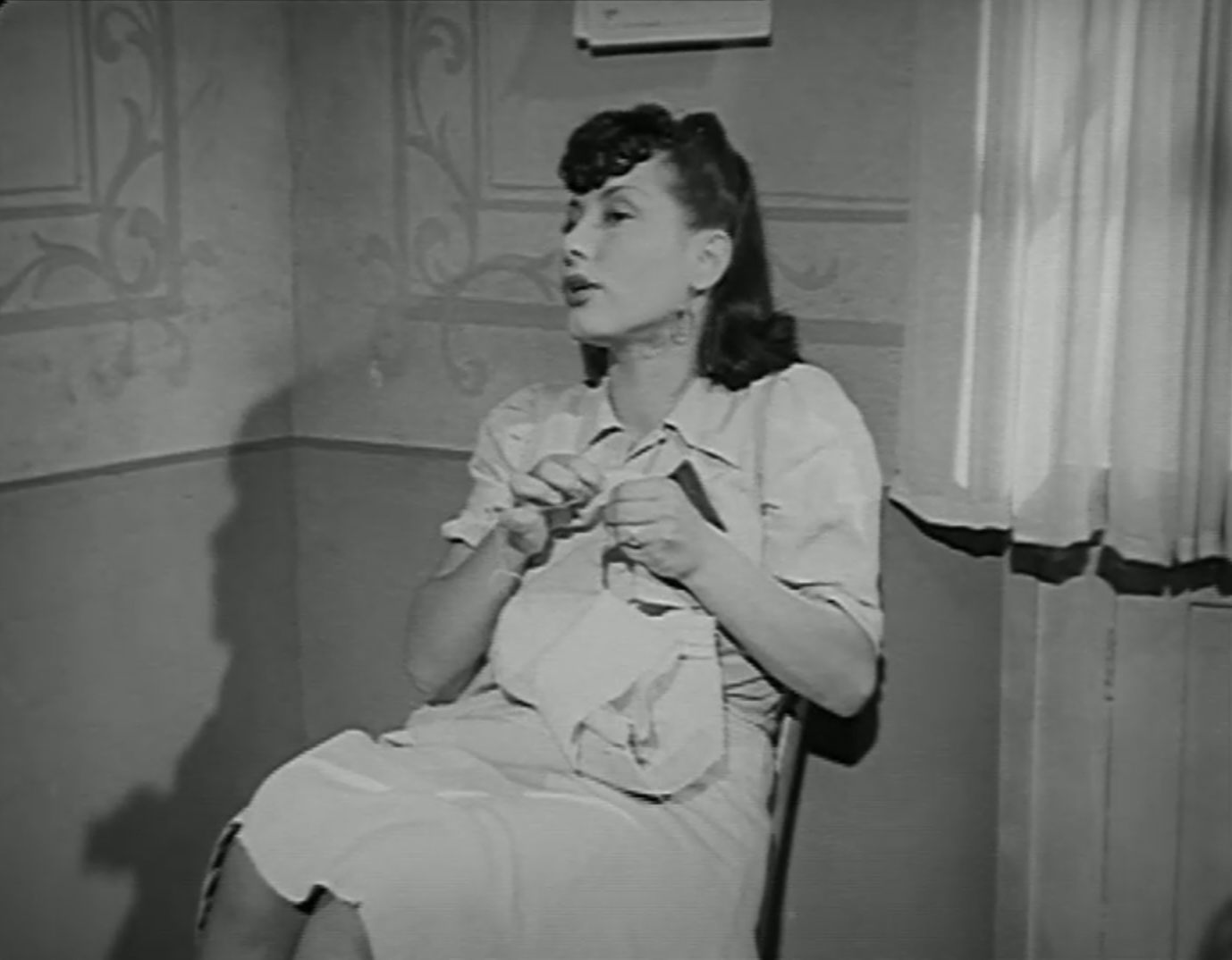
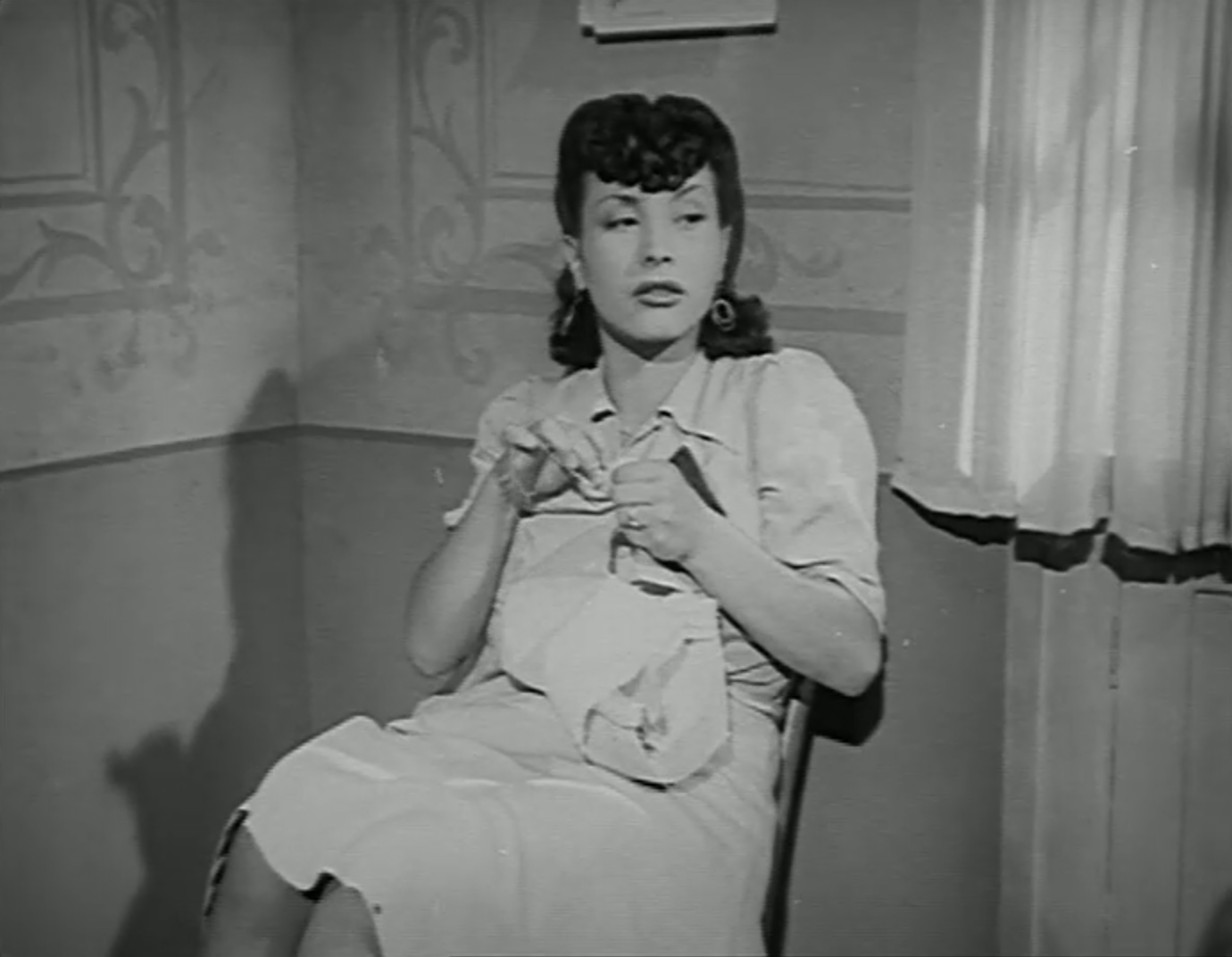
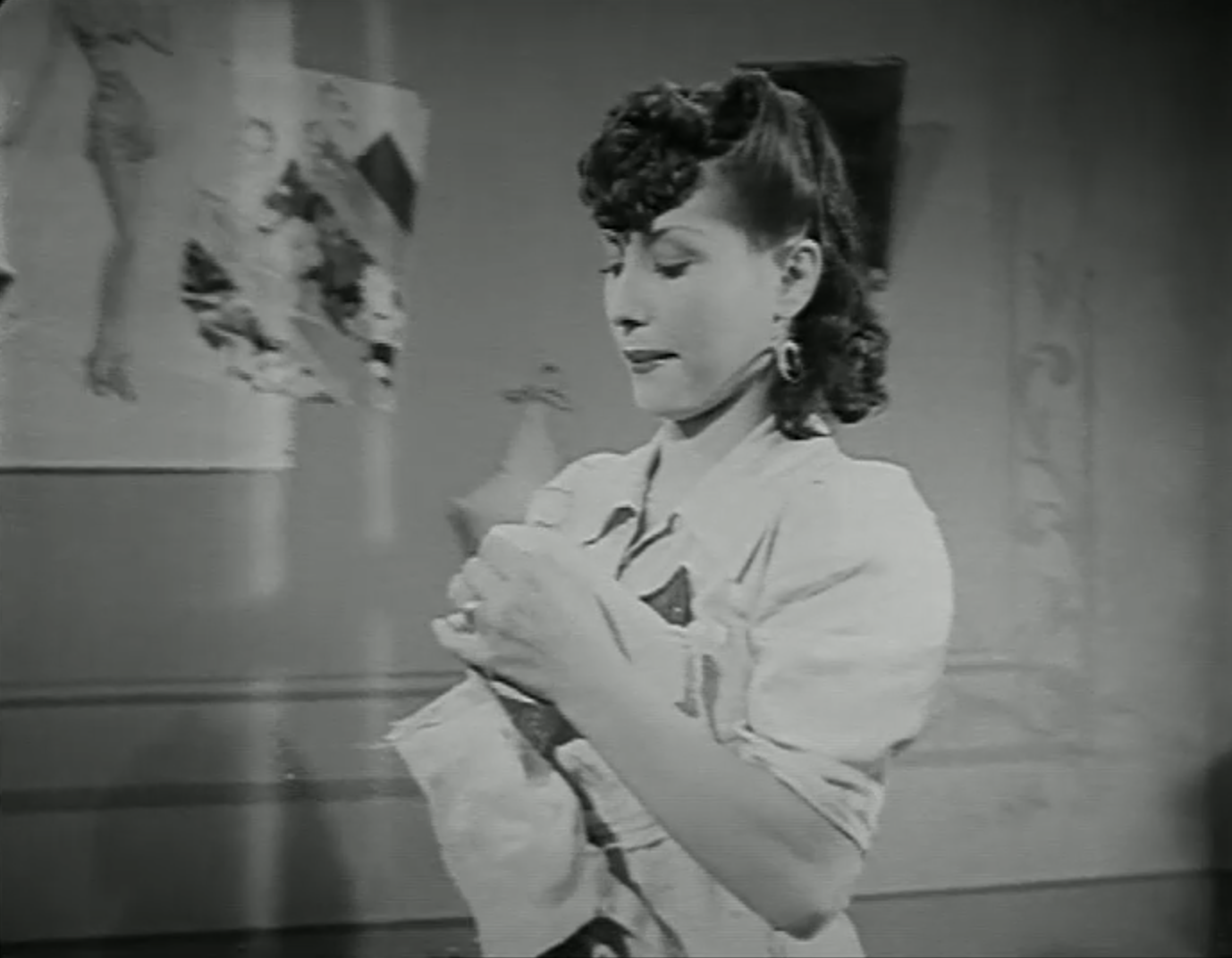
Vediamo la donna assonnata, che cuce a mano. "Sai, lui ha..." Lancia un'occhiata a Pricò.
“What did you do?”
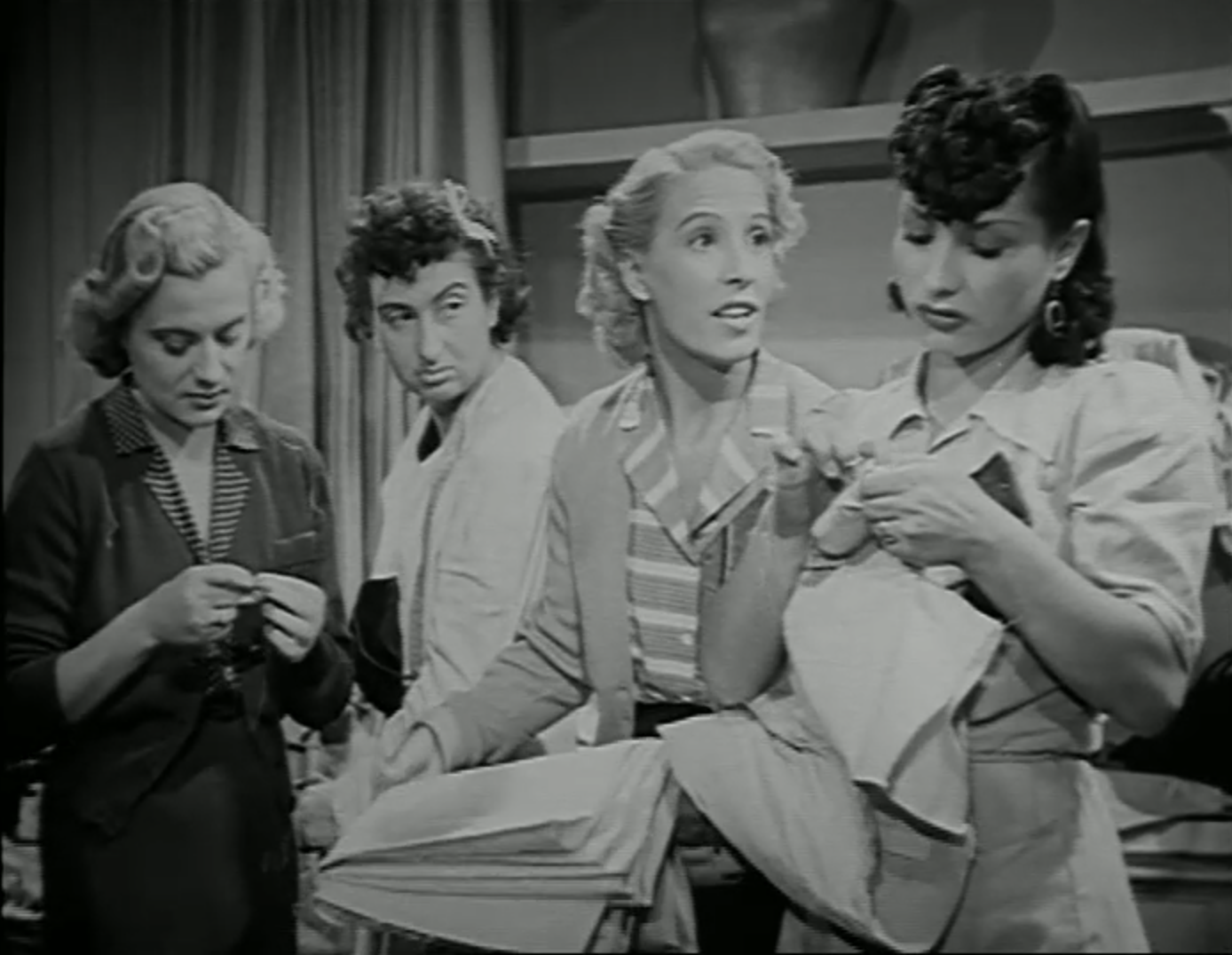
We see the sleepy woman, who is sewing by hand. “You know, he has–” She glances at Pricò.
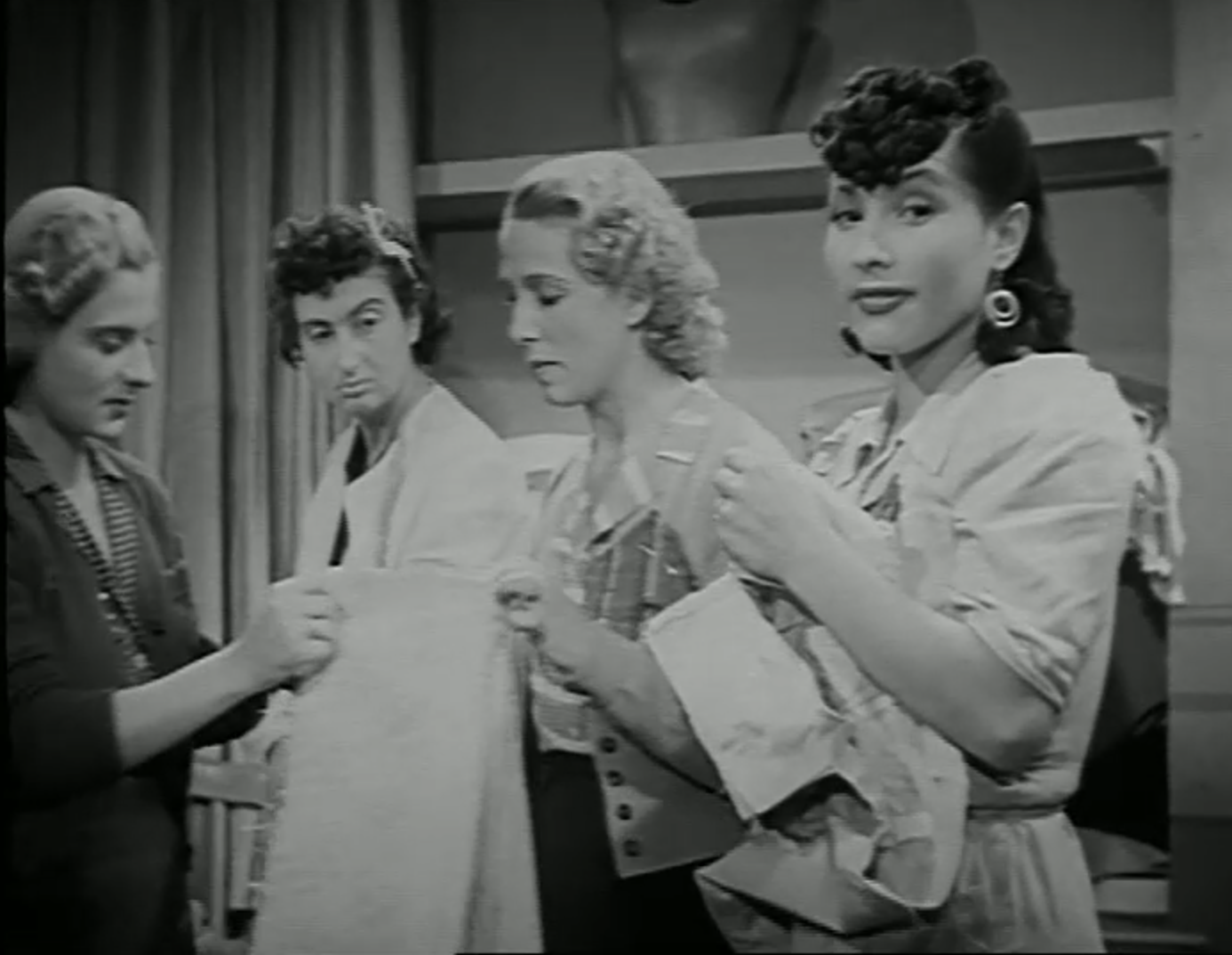
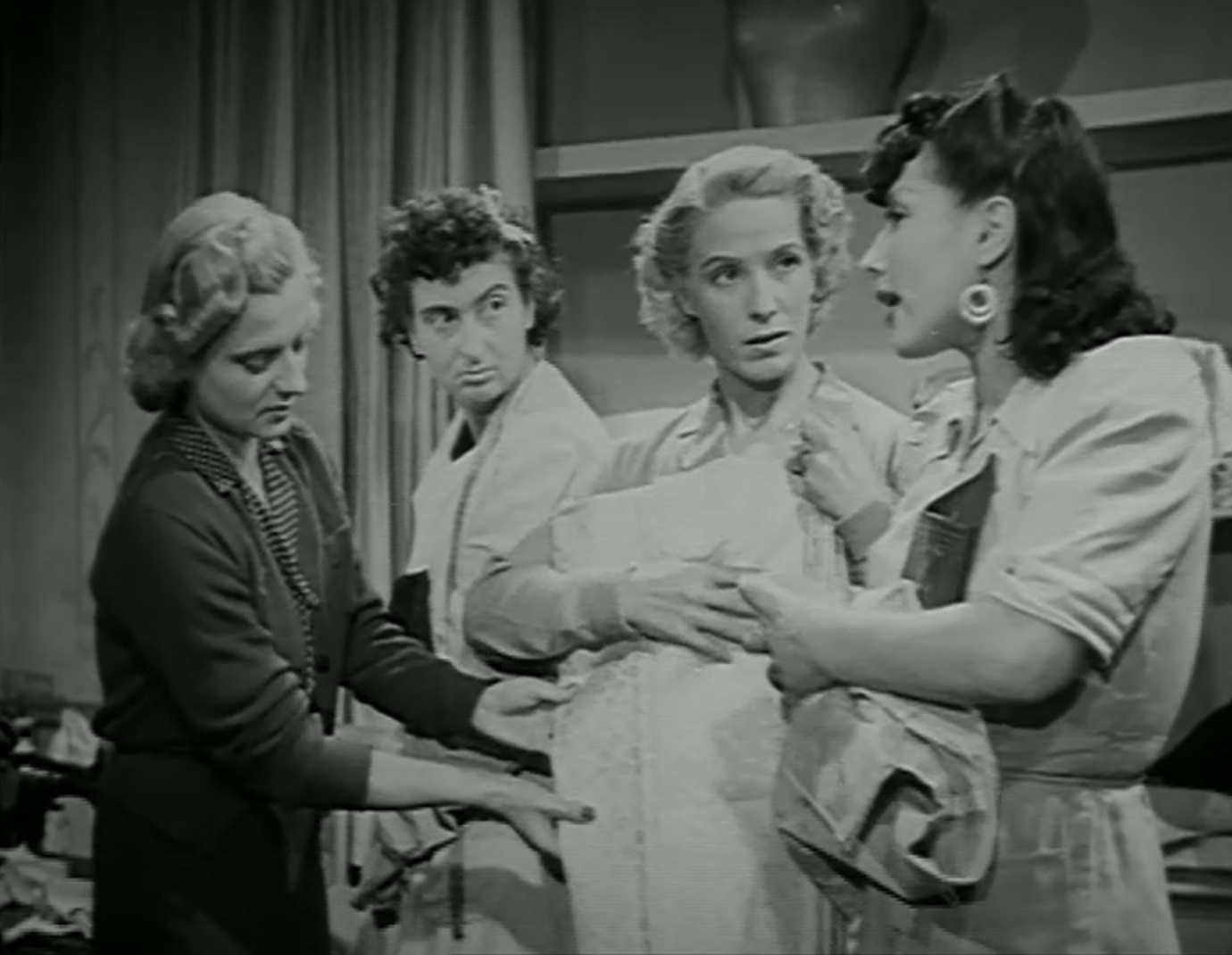
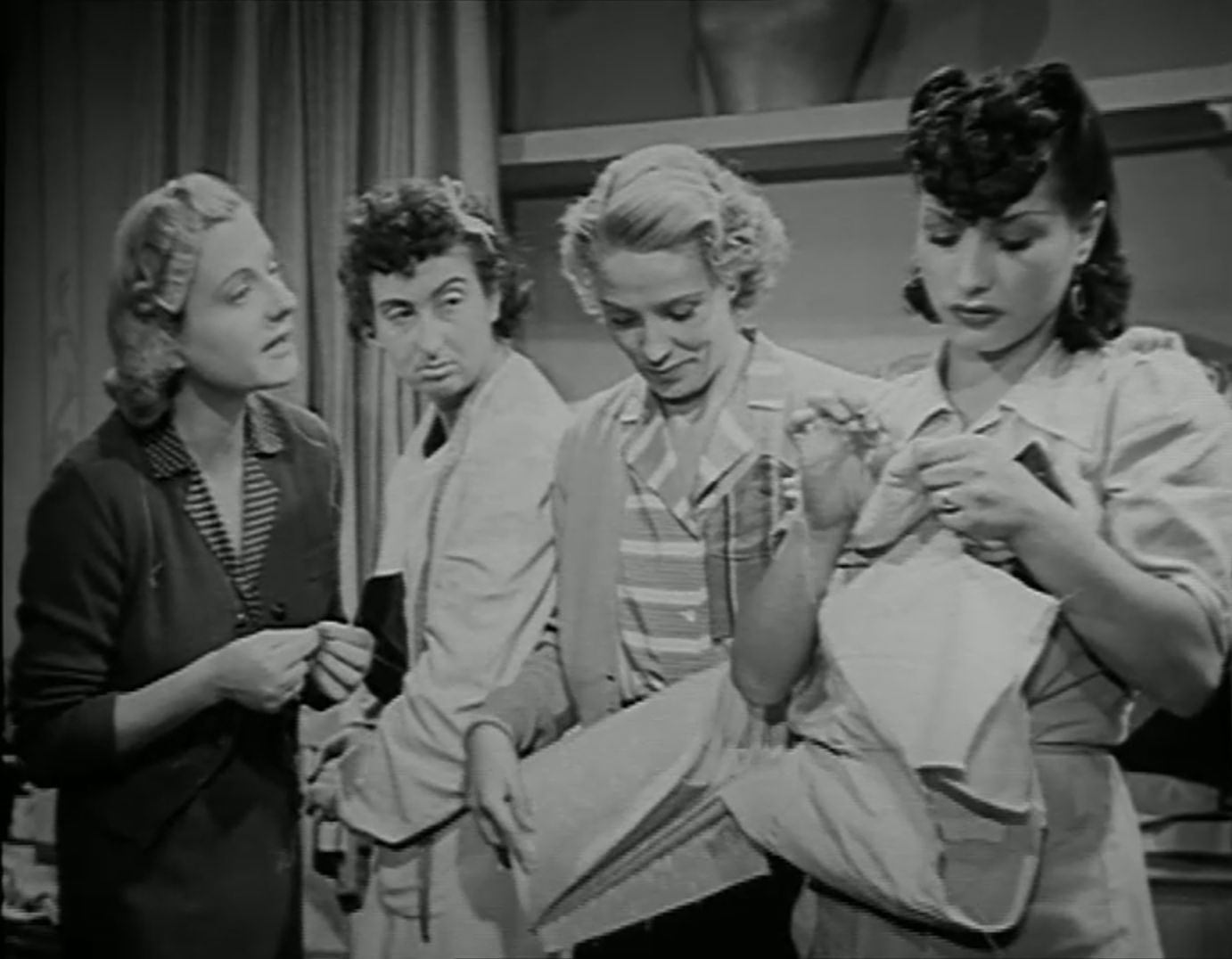
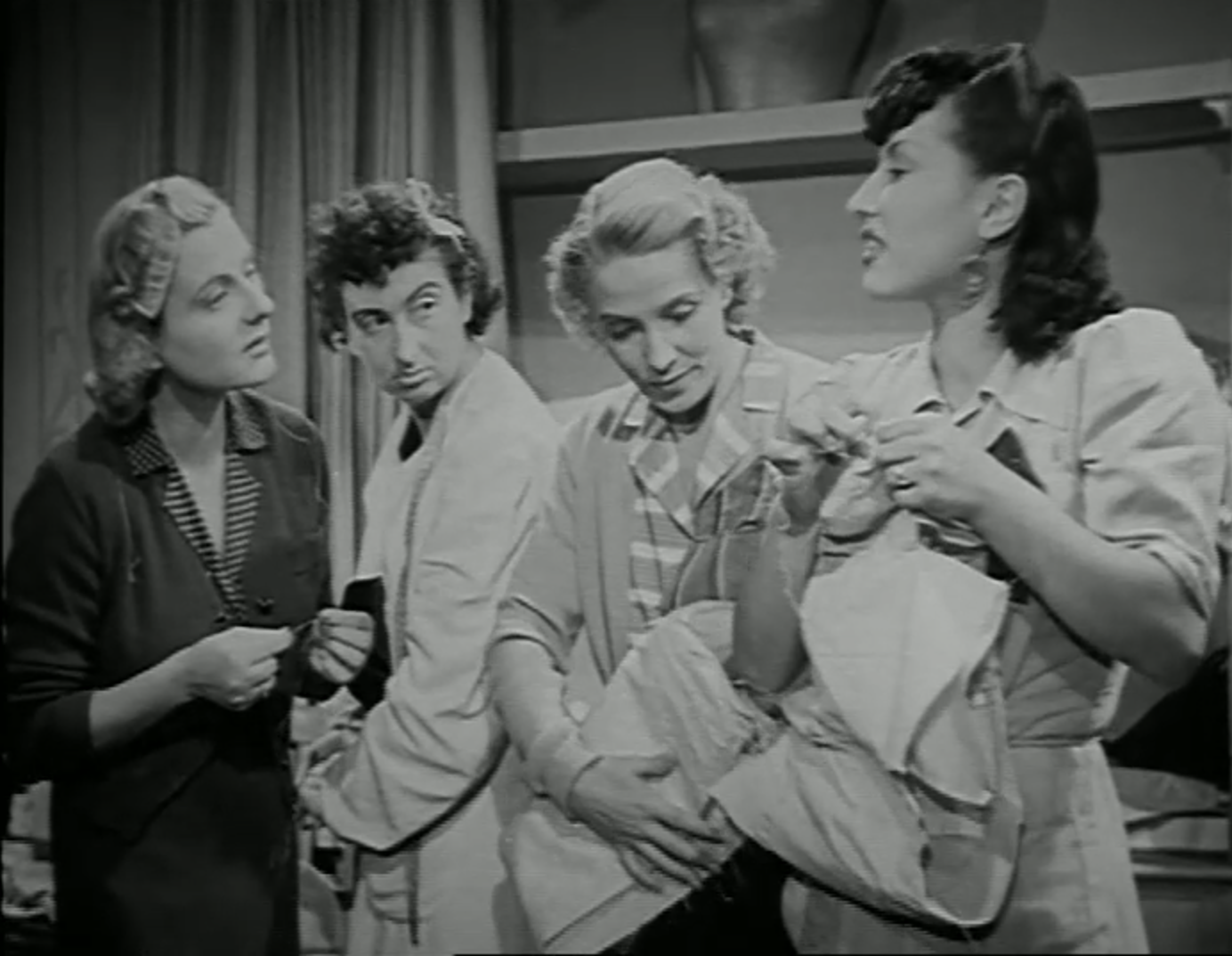
Si avvicina alle donne e, lanciando un'altra occhiata a Pricò, sussurra: "Sai, lui ha un appartamentino. Mi ha detto le solite stupidaggini".
She walks over to the women and, with another glance at Pricò, whispers, “You know, he has a little apartment. He used the usual stupid lines.”
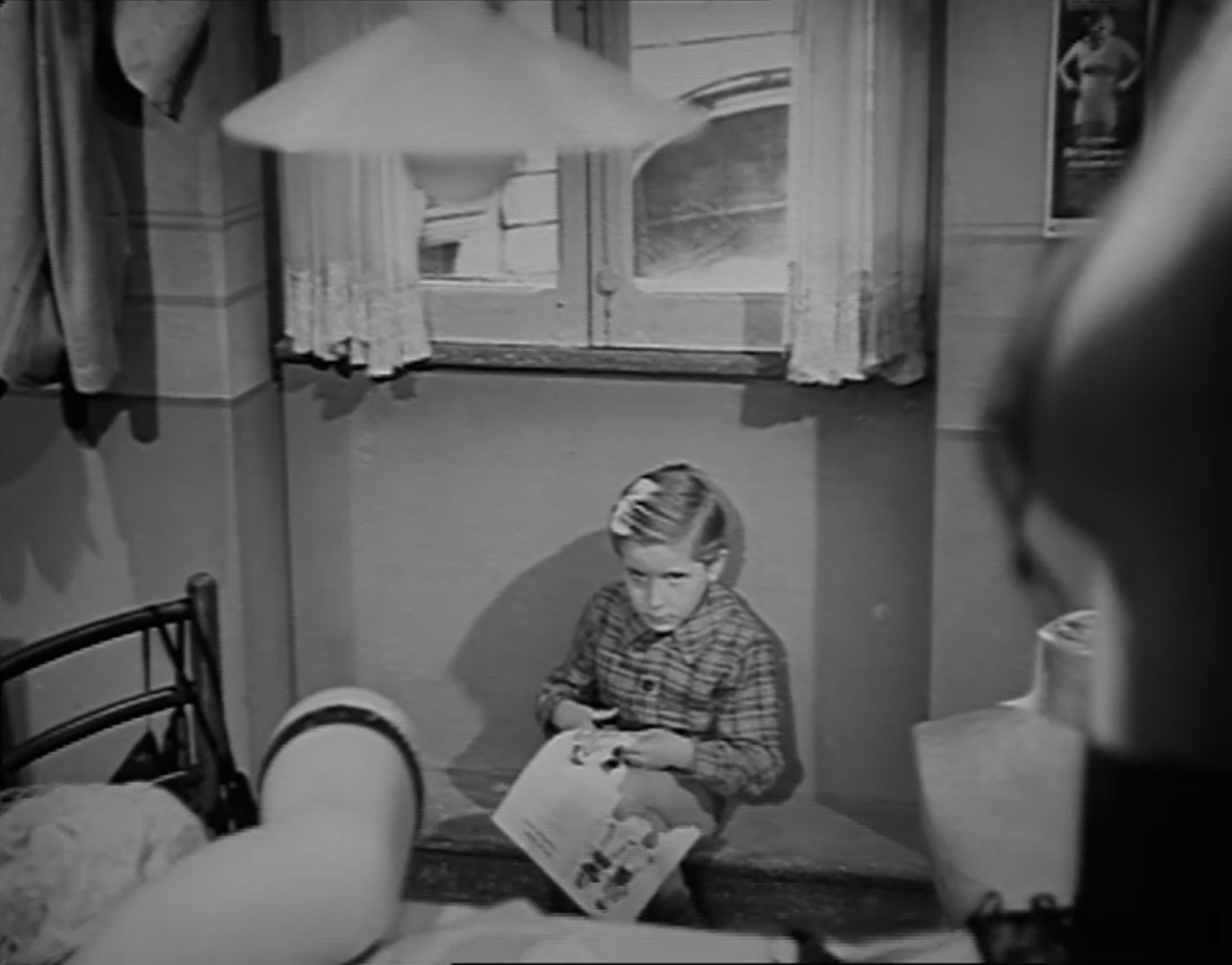
Pricò alza lo sguardo verso di loro. Il disordine studiato nell’inquadratura – una finestra, un paralume, una sedia, una gamba di manichino – sottolinea il suo ruolo di estraneo.
Mentre continua a cucire, la donna cita il suo ragazzo: “'È solo per mezz’ora. Non ti vede nessuno’“.
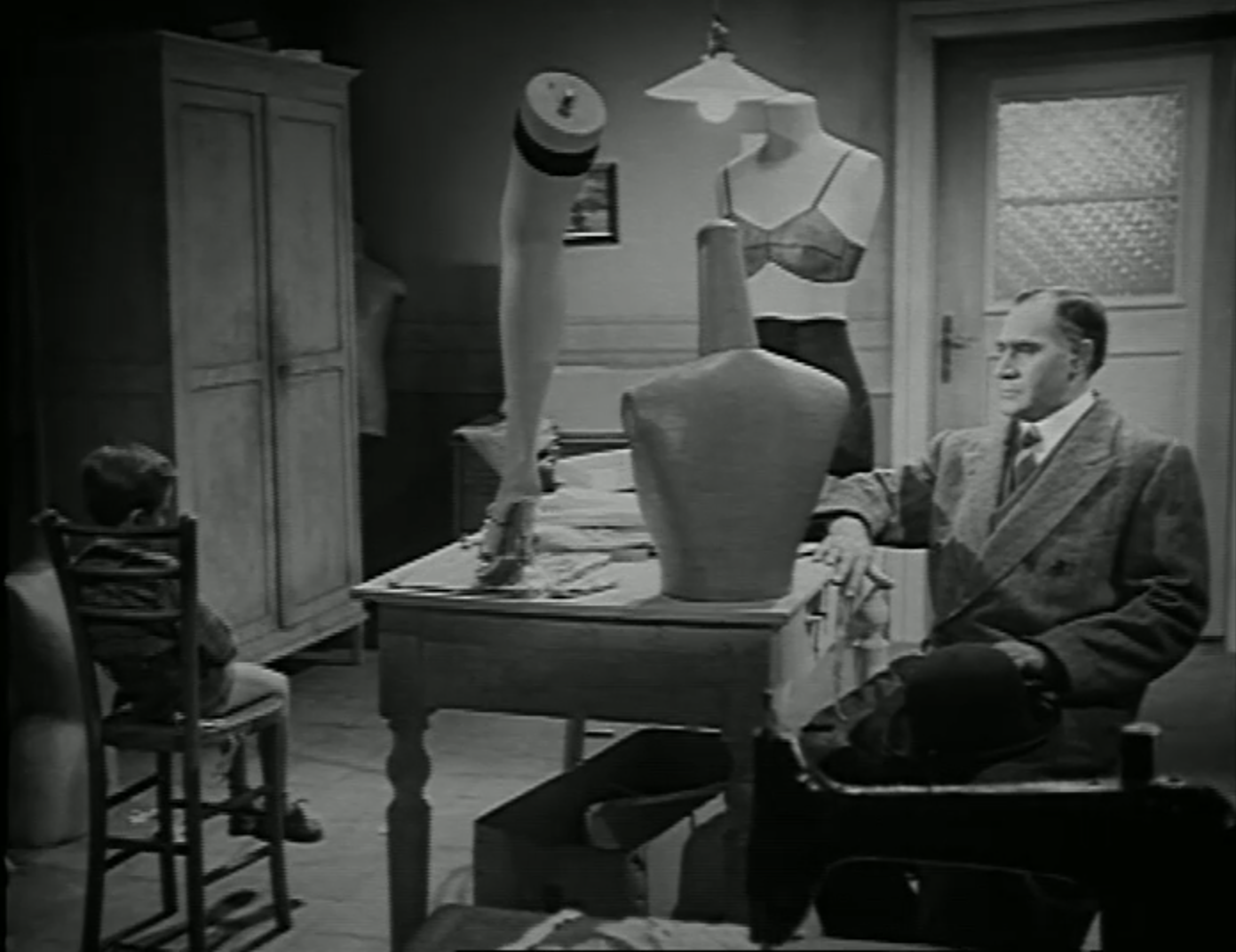
Pricò looks up at them. The artful clutter in the shot – a window, a lampshade, a chair, a mannequin leg – emphasizes his status as an outsider.
Still sewing, the woman quotes her beau: “‘It’s just for half an hour. No one will see you.’”
"E tu sei andata con lui?" chiede la donna con il cardigan.
"Certo".
"A che ora sei tornata a casa?"
"Stamattina".
“Did you go with him?” asks the woman with the cardigan.
“Of course.”
“What time did you get home?”
“This morning.”
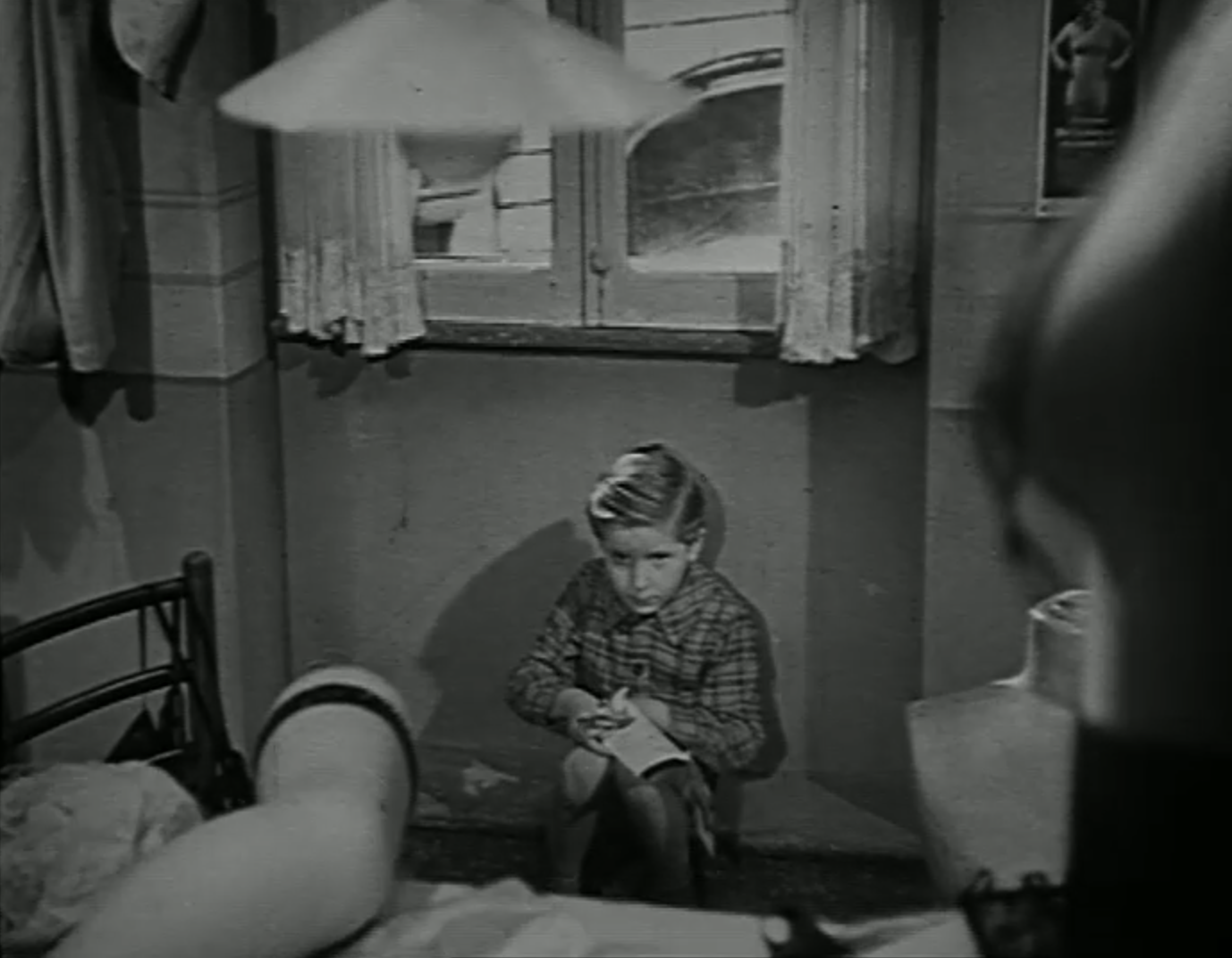
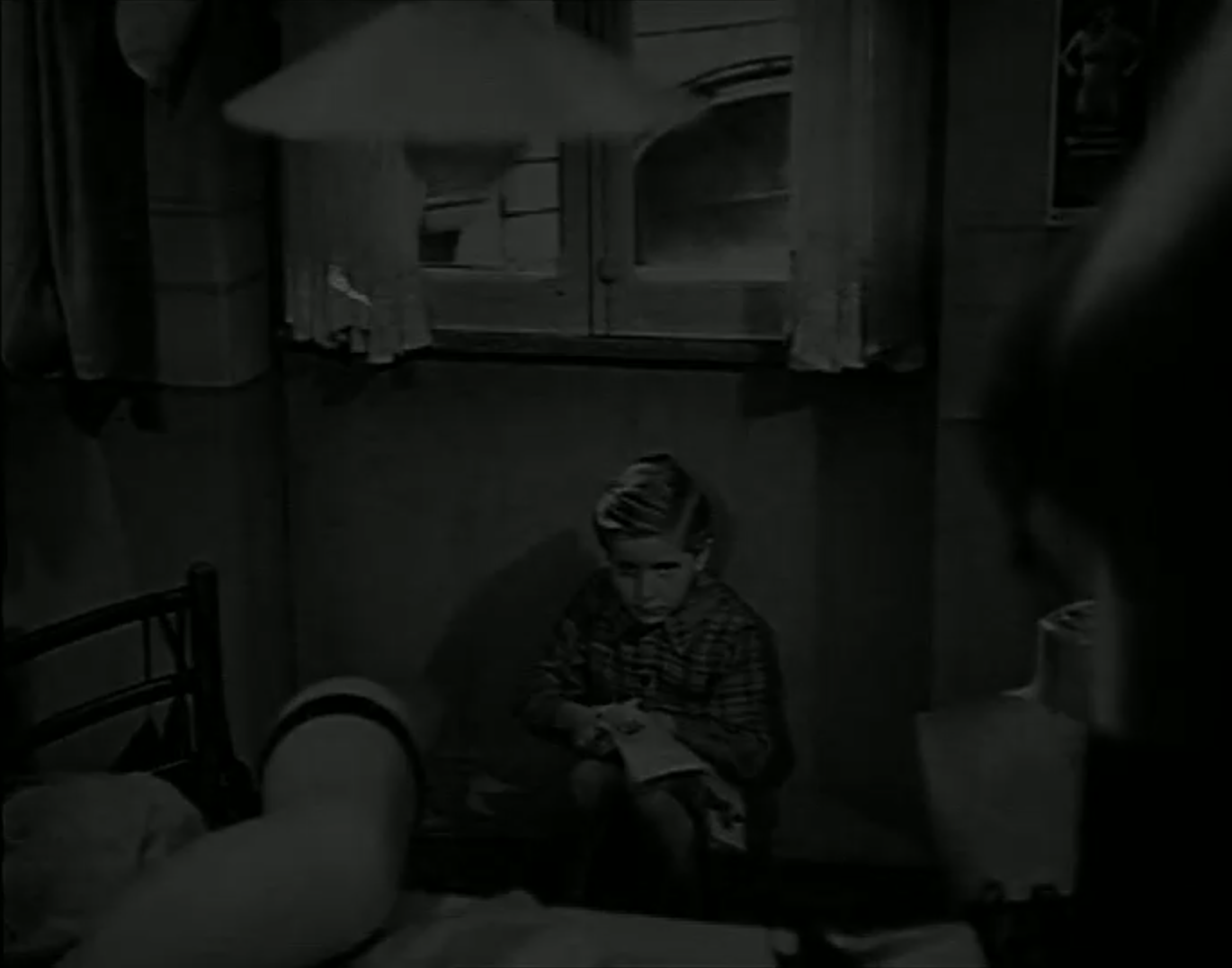
Di fronte alle fragorose risate delle donne, Pricò alza di nuovo lo sguardo, sempre con l’aspetto di un emarginato. Lo schermo si oscura.
At the women’s raucous laughter, Pricò looks up again, still with the look of an outsider. The screen goes dark.
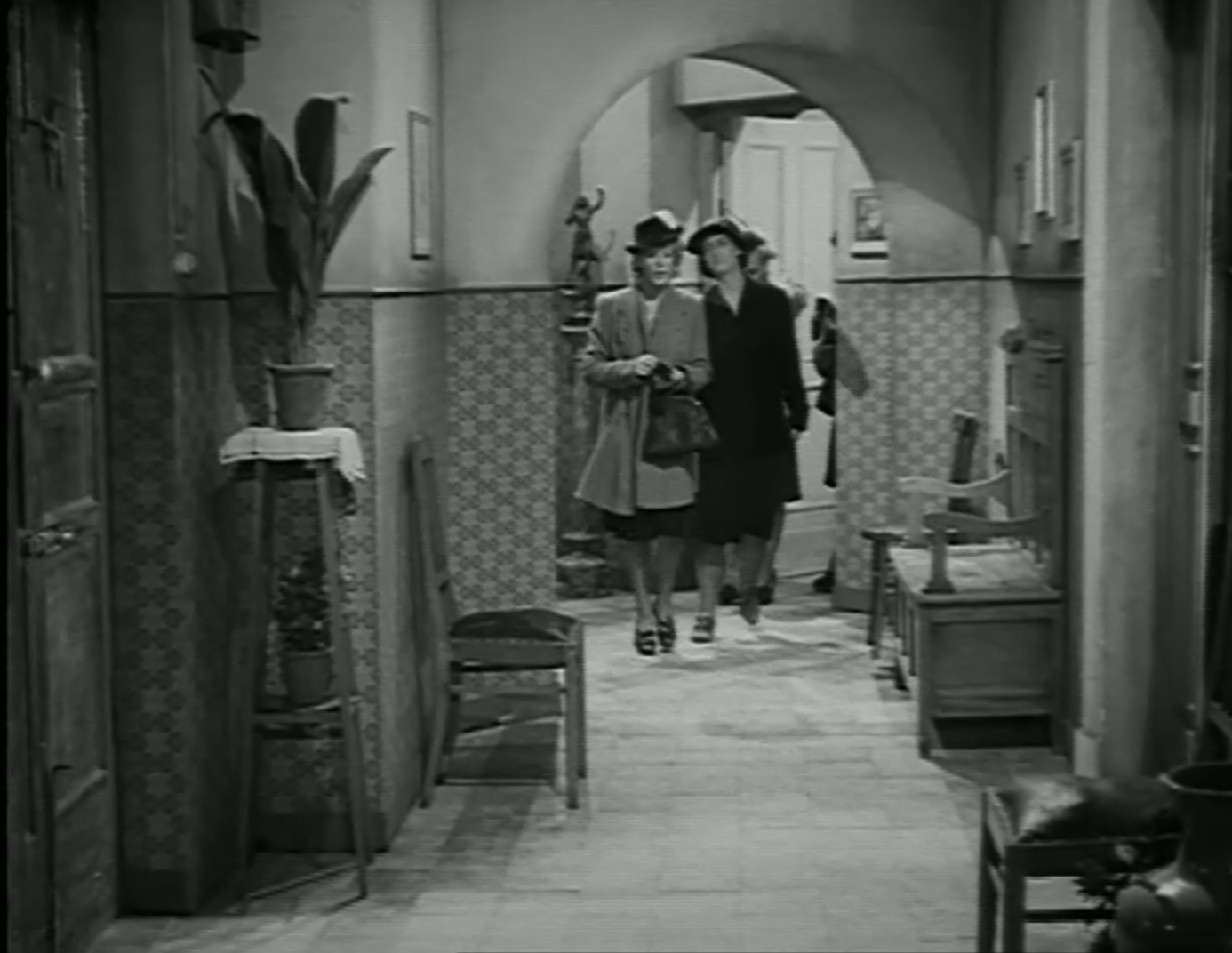
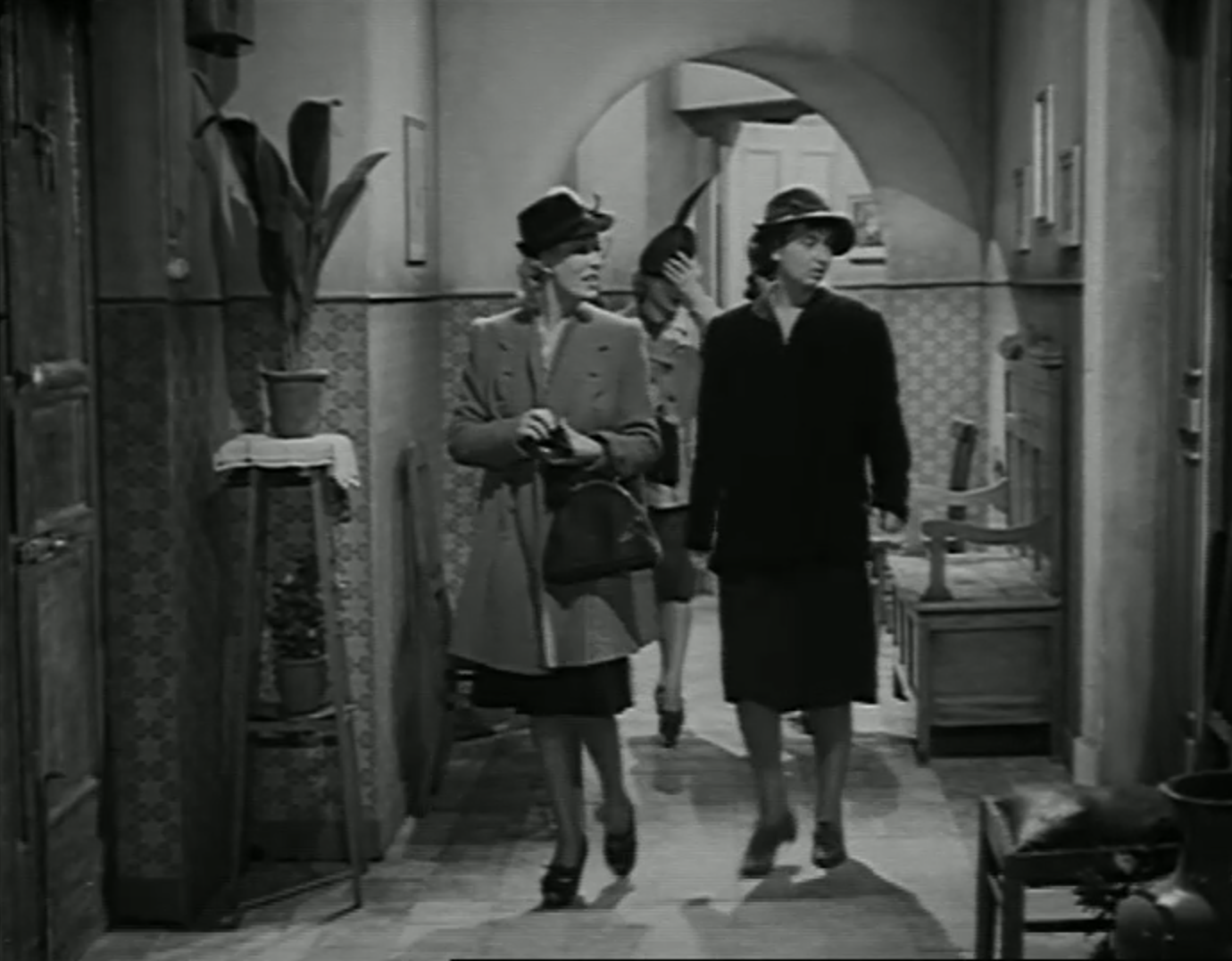
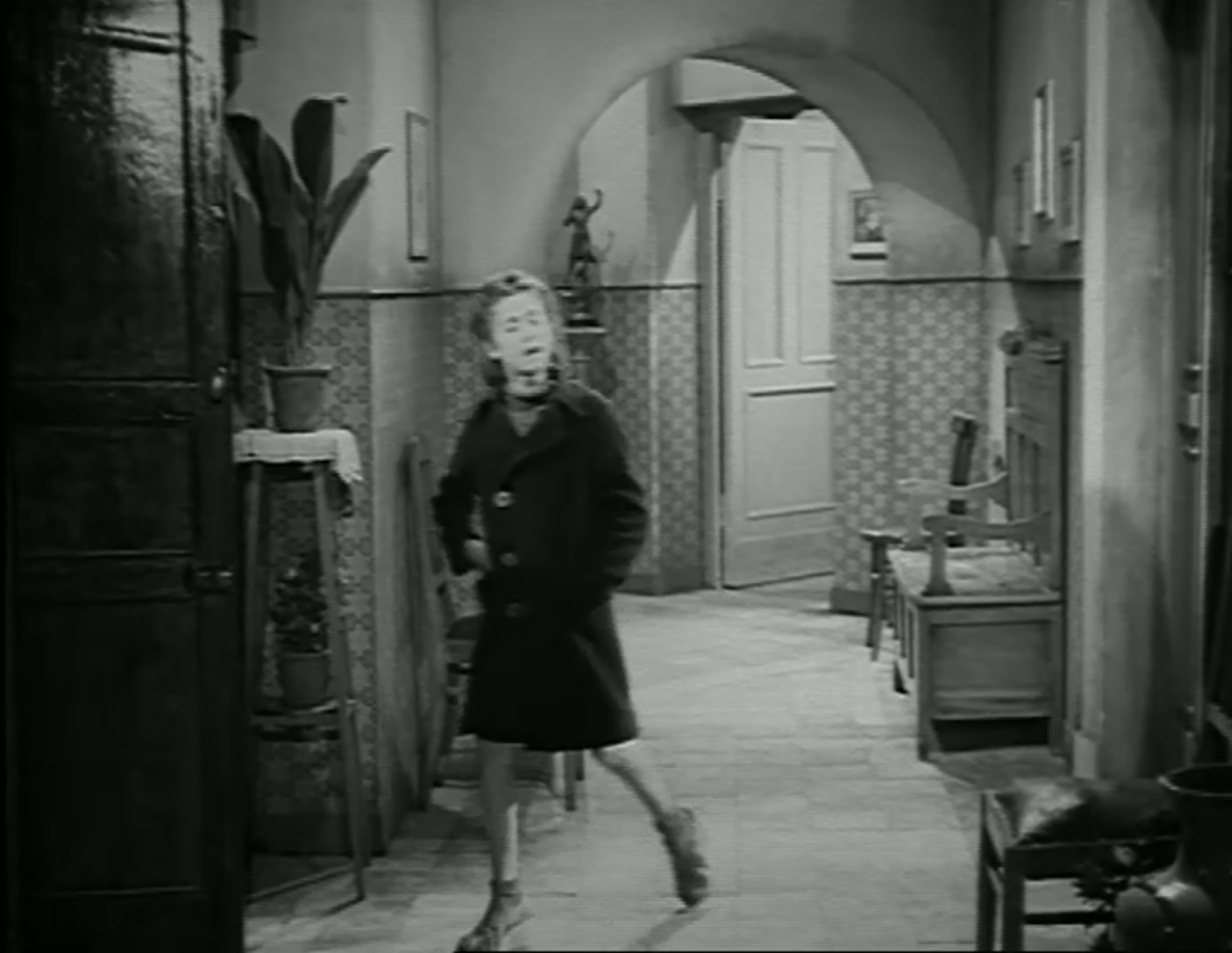
Con cappelli e cappotti, le donne escono gridando: "Buonasera!" La ragazza delle commissioni le segue: "Buonasera!"
In hats and overcoats, the women walk out, calling out, “Good night!” The errand girl follows them: “Good night!”
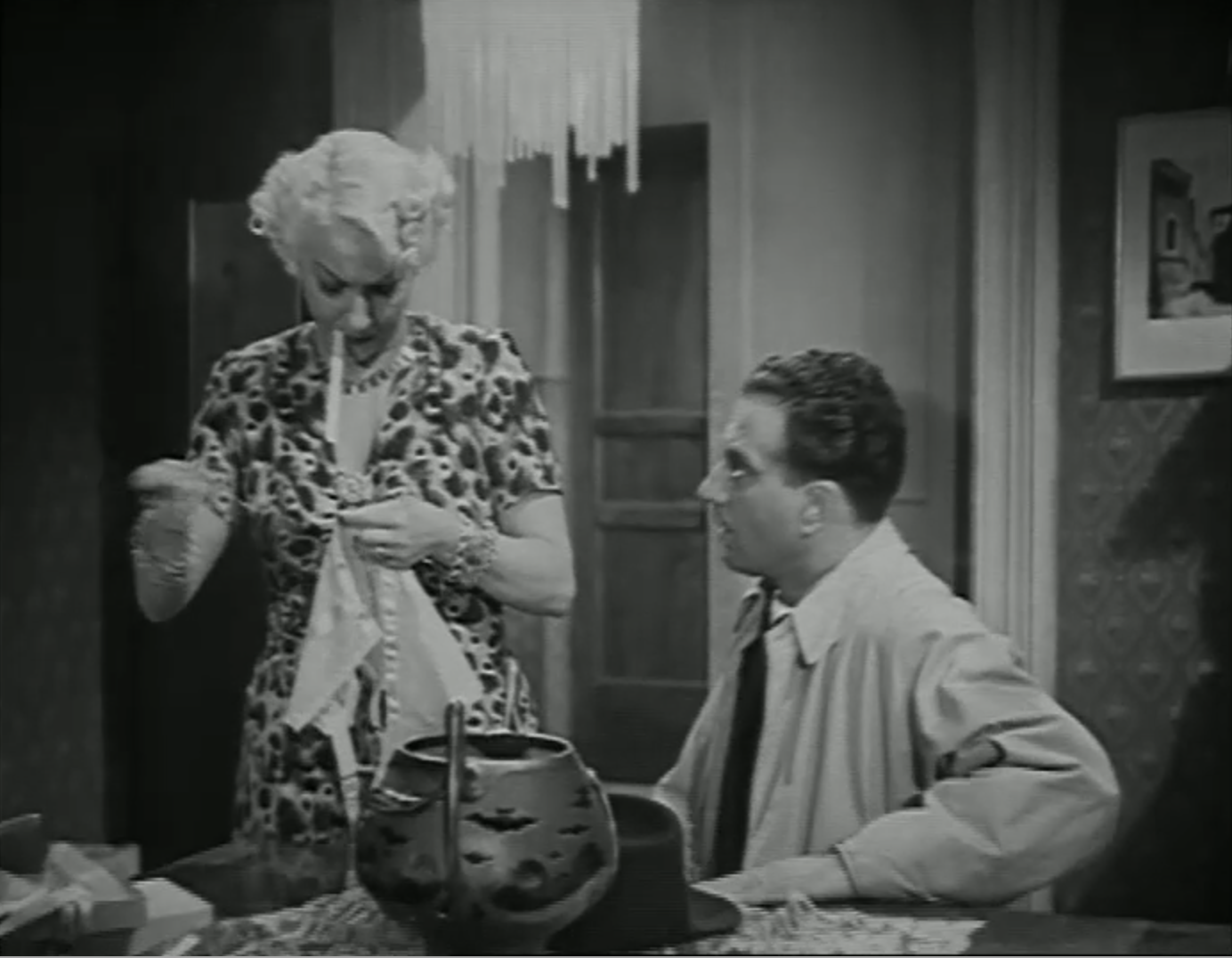
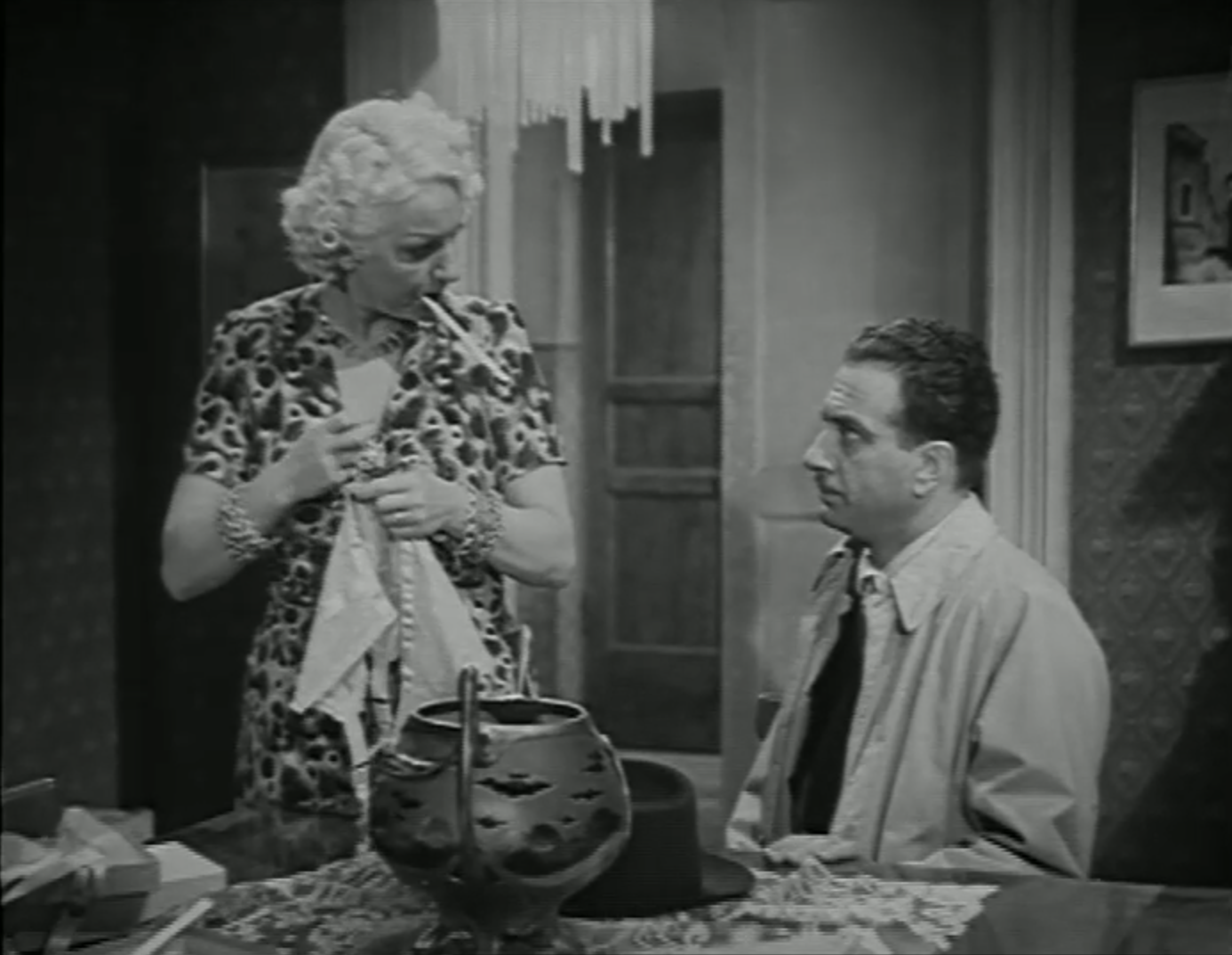
Con una striscia di rinforzo in bocca, la signora Berelli sta lavorando a un indumento intimo. "Scusami" – dice – "Sai, ho una consegna urgente".
Seduto con il suo trench, Andrea risponde: "È incredibile, sai. Chi l’avrebbe potuto pensare…"
With a boning strip in her mouth, Signora Berelli is working on an undergarment. “I’m sorry,” she says. “You know, I have a rush job.”
Sitting in his trenchcoat, Andrea responds, “It’s unbelievable, you know. Who would have thought…”
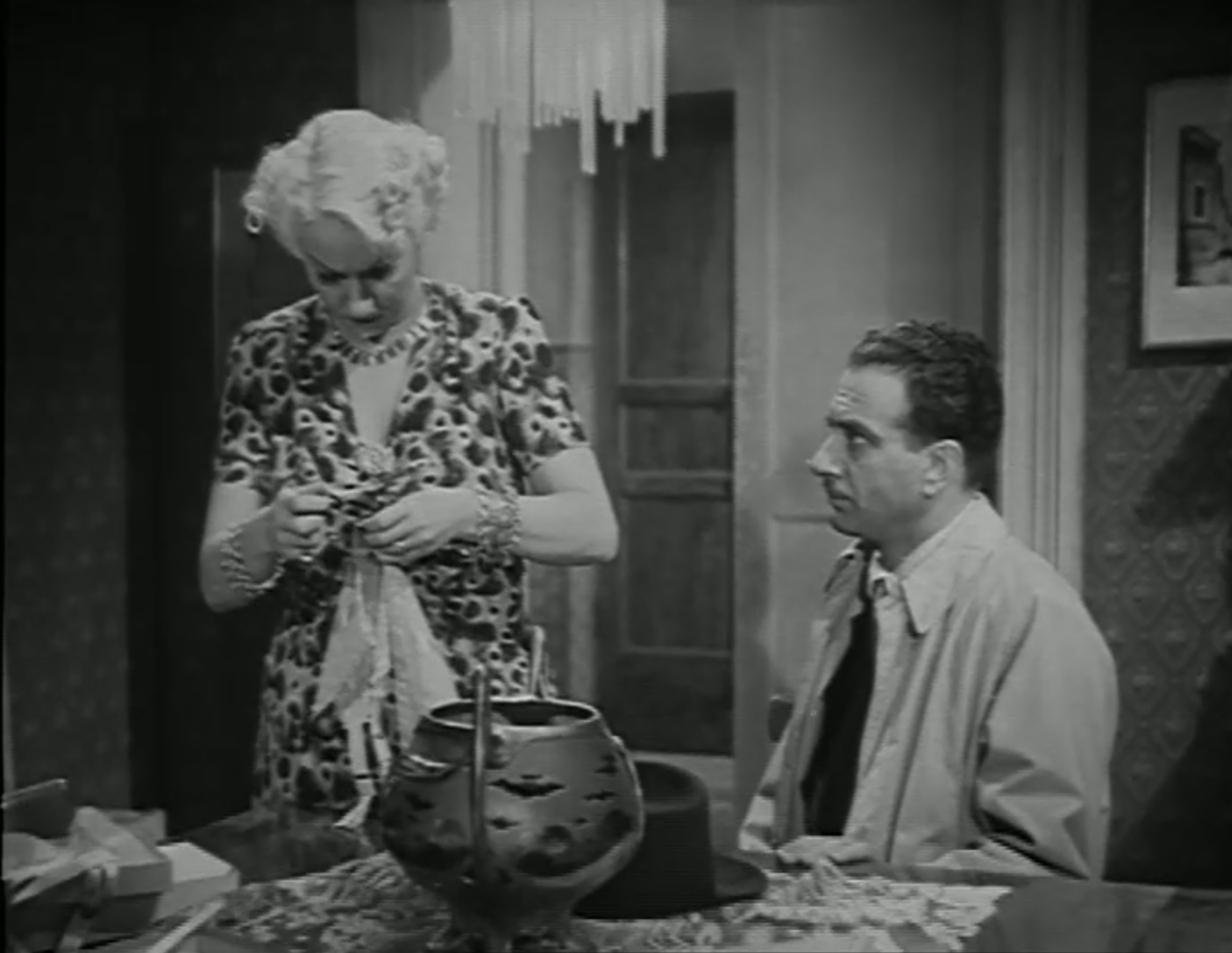
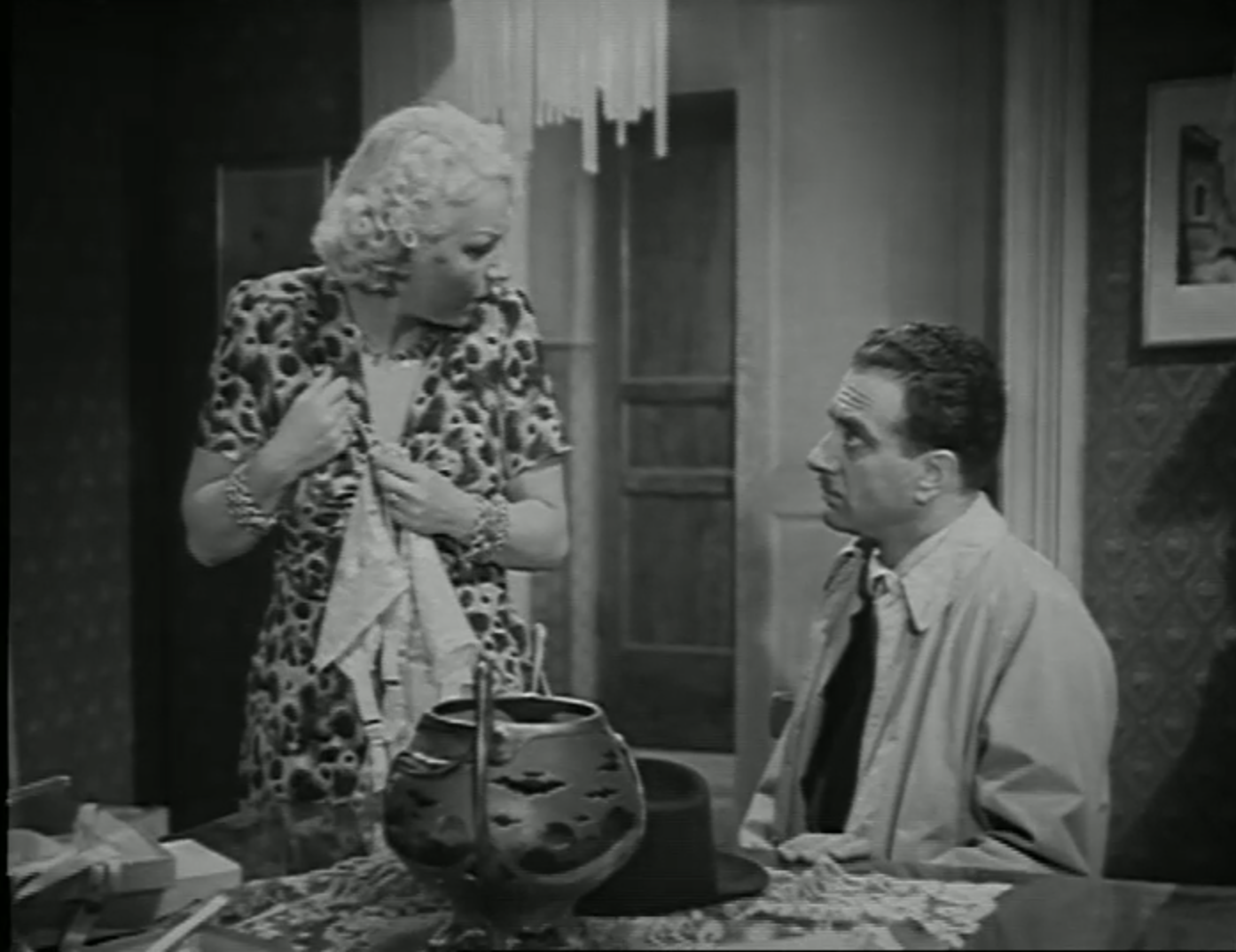
"Non ci si pensa mai", dice lei.
"Da te non è venuta, Nina?"
"No. Te l’ho già detto per telefono".
"Ma tu… ne sapevi qualcosa?"
"Io?!" Si mostra indignata. "Che potevo sapere?!"
“No one ever expects something like this to happen,” she says.
“Nina didn’t come to your place?”
“No. I already told you on the phone.”
“But you… did you know anything about it?”
“Me?!” She’s indignant. “What could I have known?!”
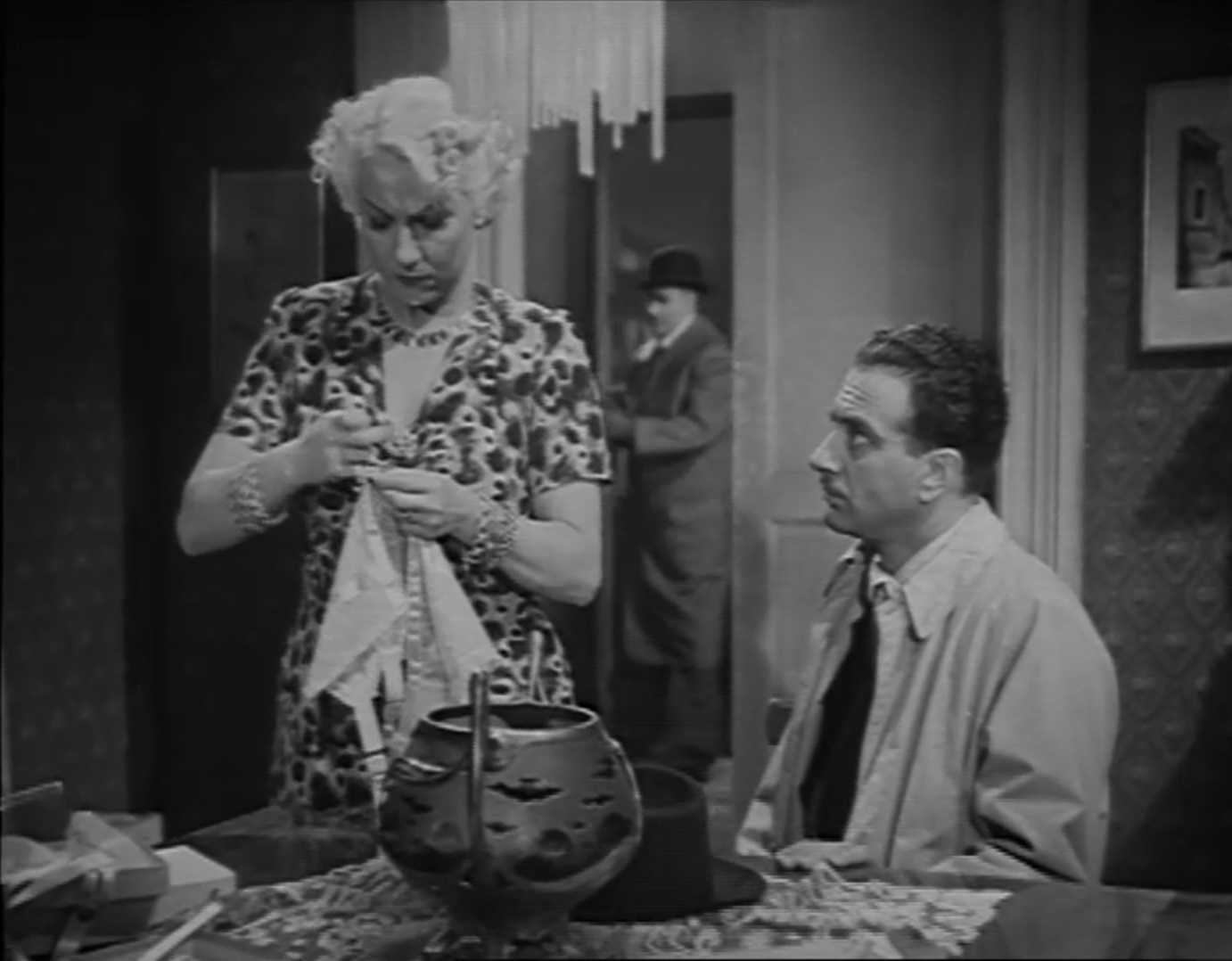
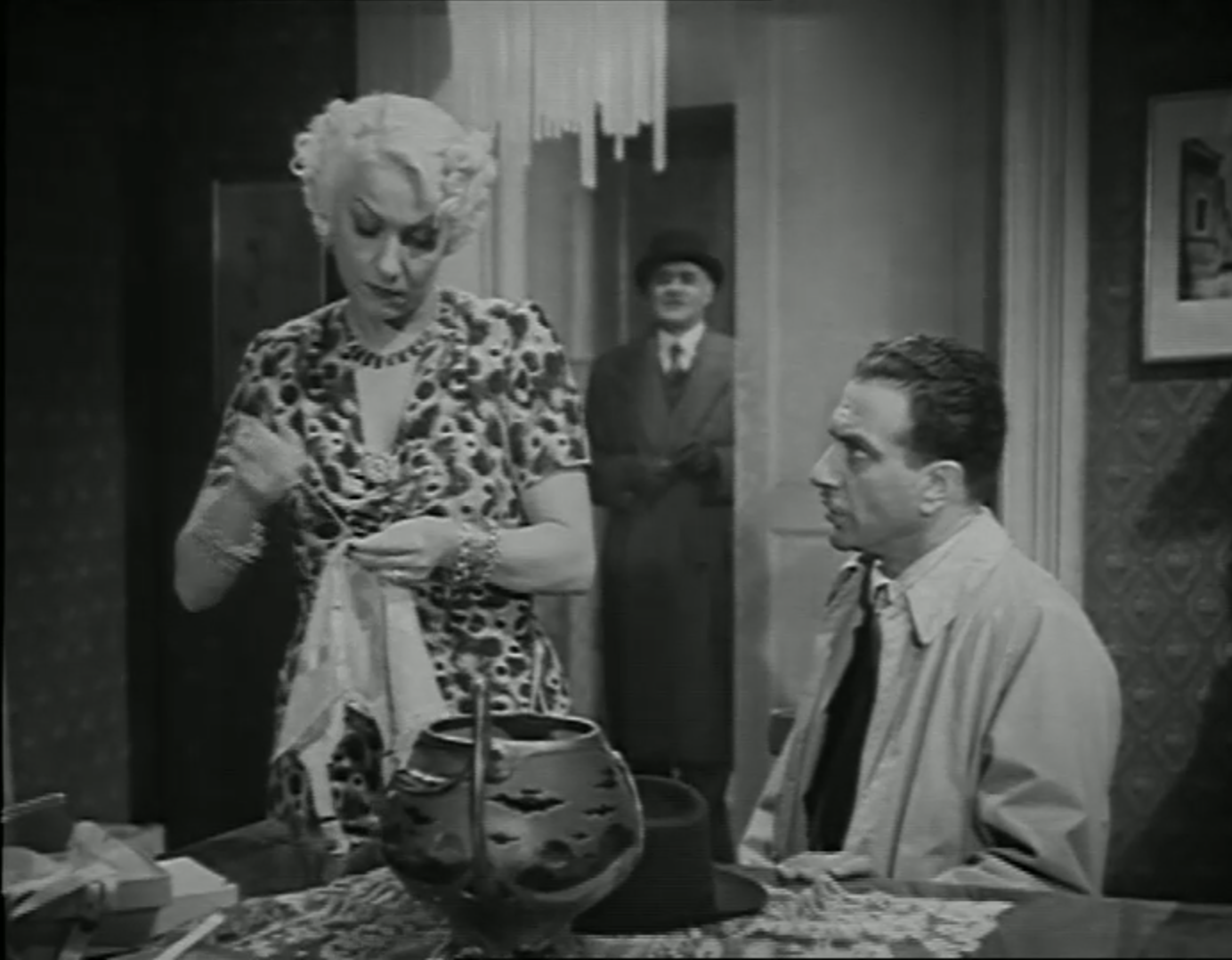
"Tu piuttosto?" chiede lei. Un uomo con cappello e cappotto (Armando Migliari) compare sulla porta. "Domanda a te stesso se hai fatto tutto il possibile per renderla felice”. L’uomo sullo sfondo fischietta.
"Vuoi dire che è colpa mia?" domanda Andrea.
“And what about you?” she asks. A man in a hat and overcoat appears at the door. “Ask yourself if you did everything possible to make her happy.” The man in the back whistles.
“Are you saying it’s my fault?” Andrea asks.
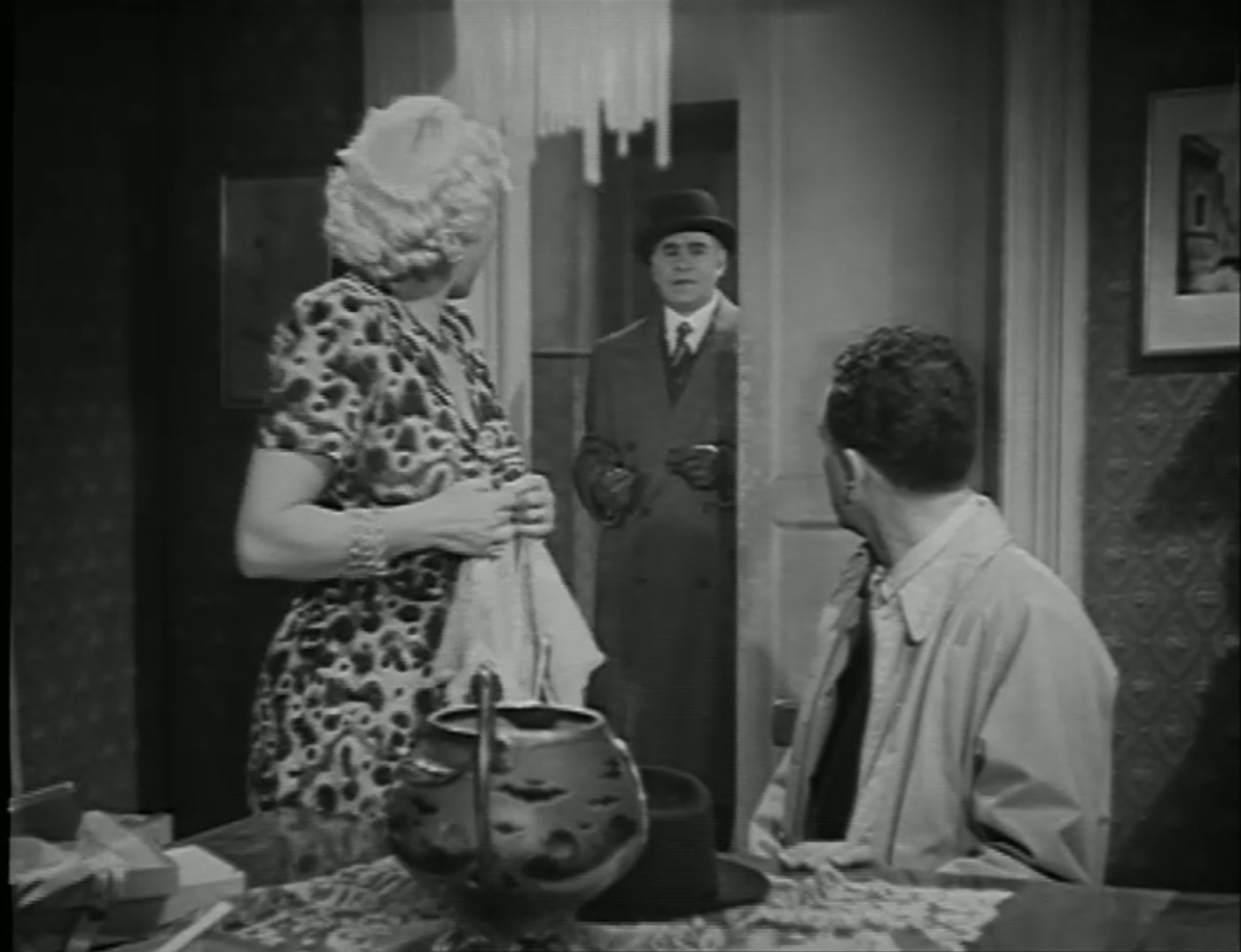
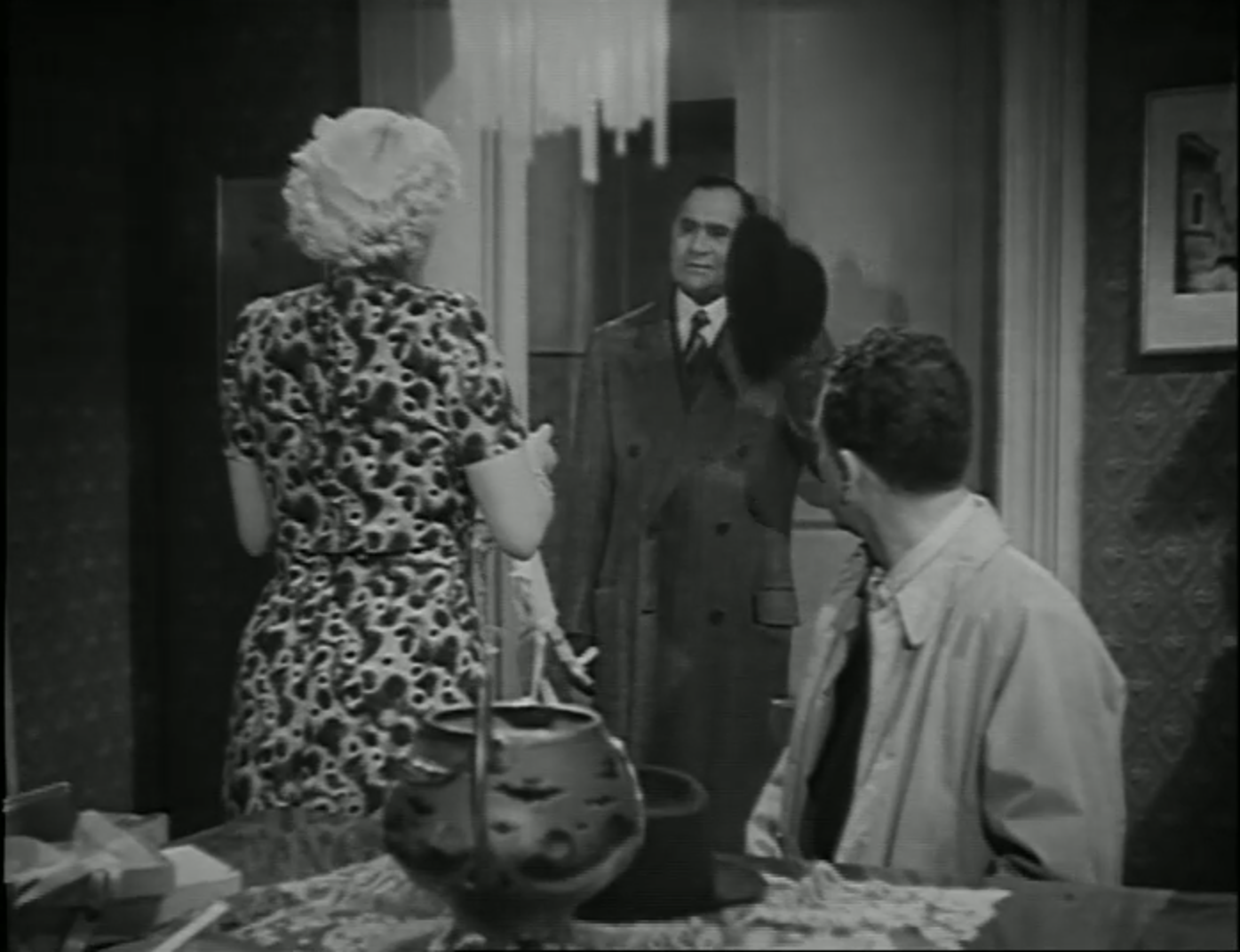
Alla fine, l'uomo sulla porta dice: "Sei pronta, cara?"
Lei si volta. "Oh, scusi". Lui si toglie il cappello.
Finally, the man at the door says, “Are you ready, dear?”
She turns. “Oh, excuse me.” He takes off his hat.
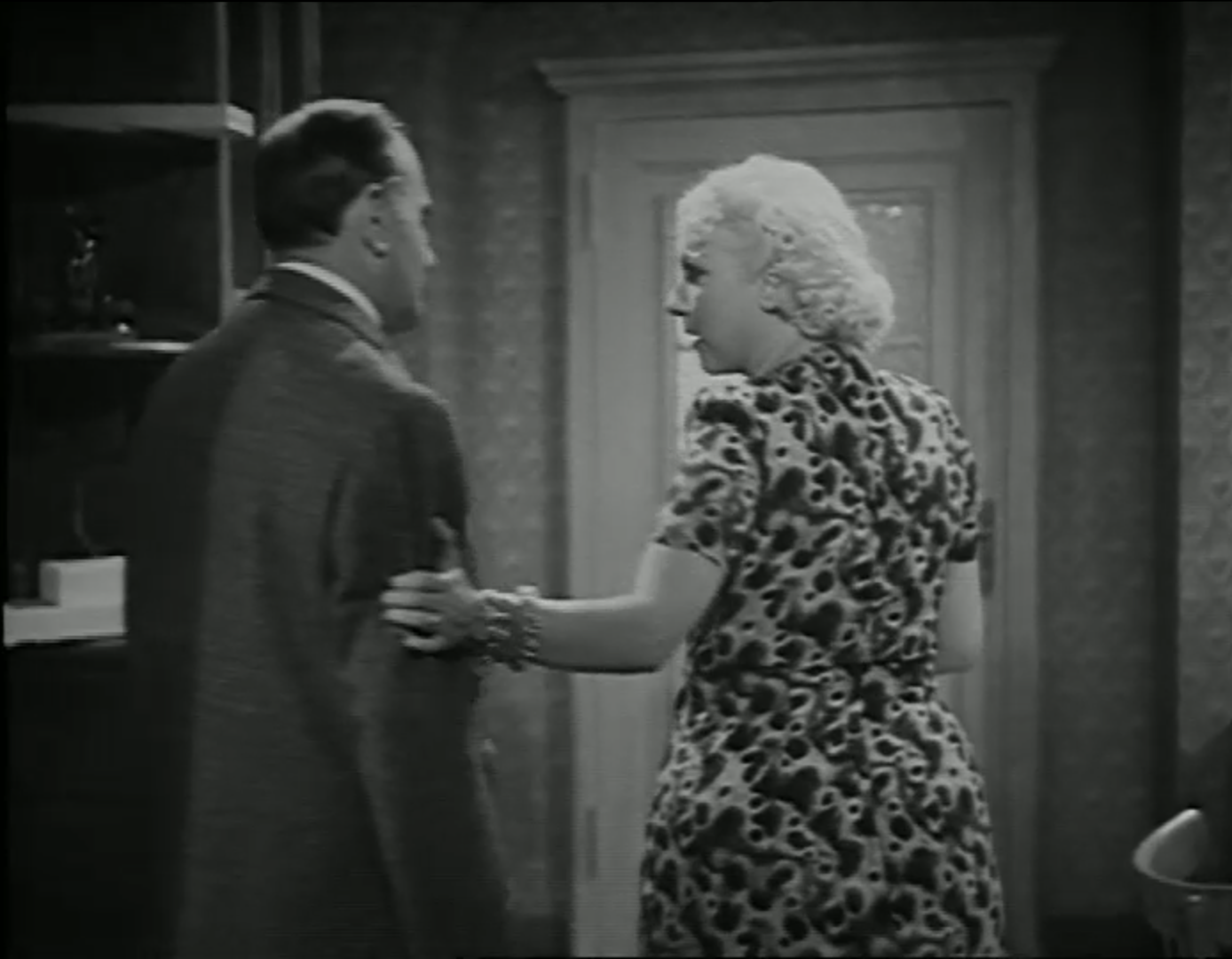
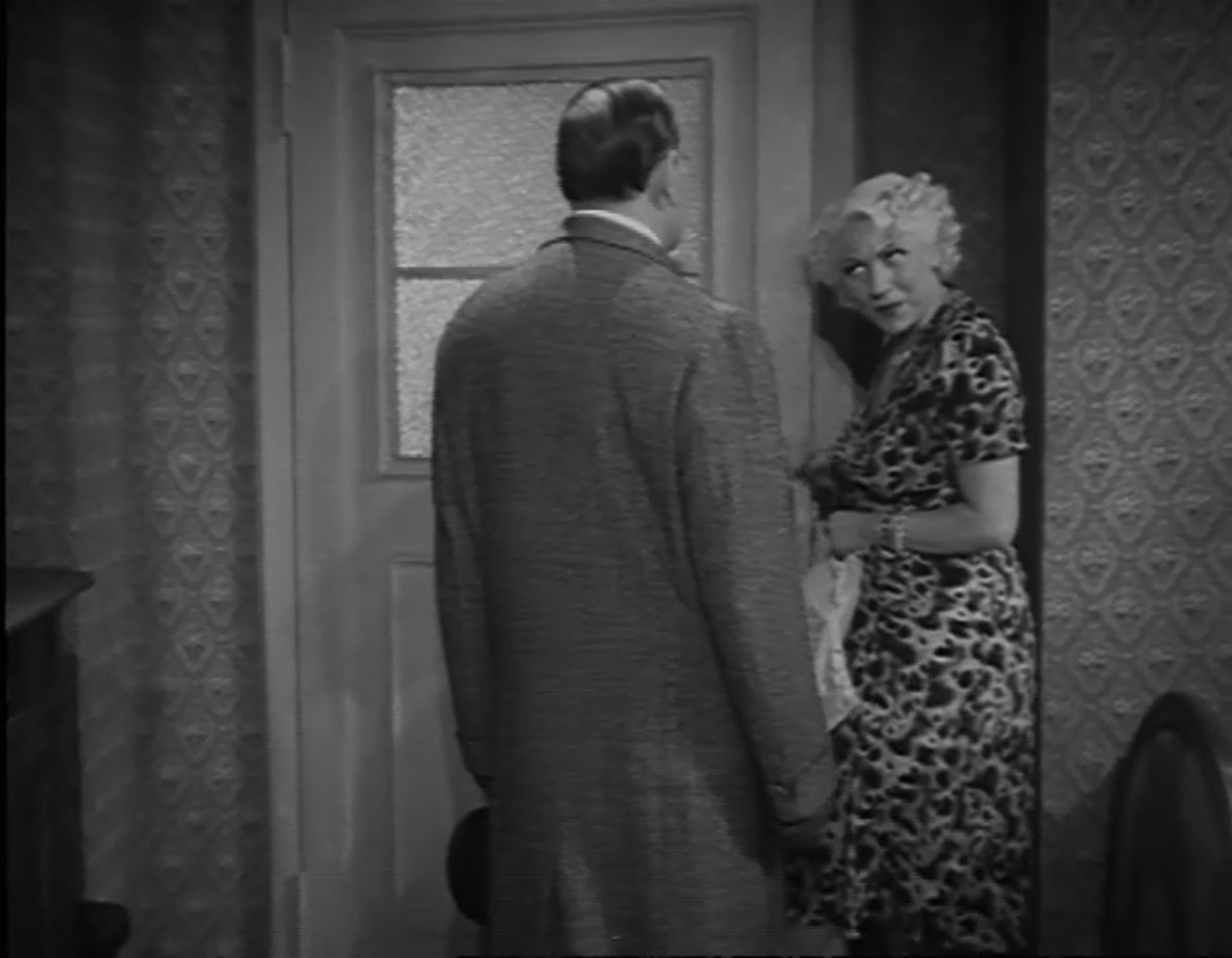
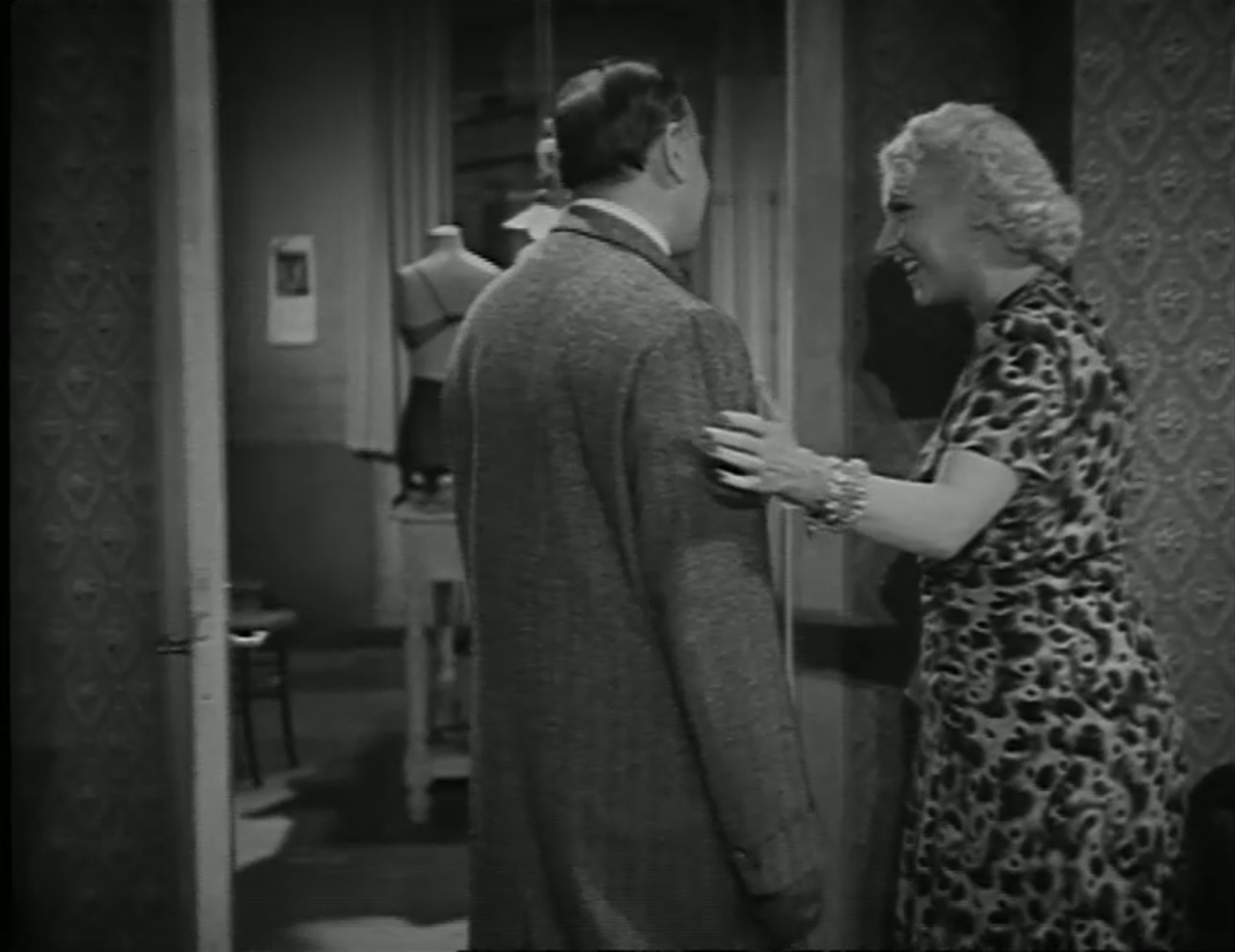
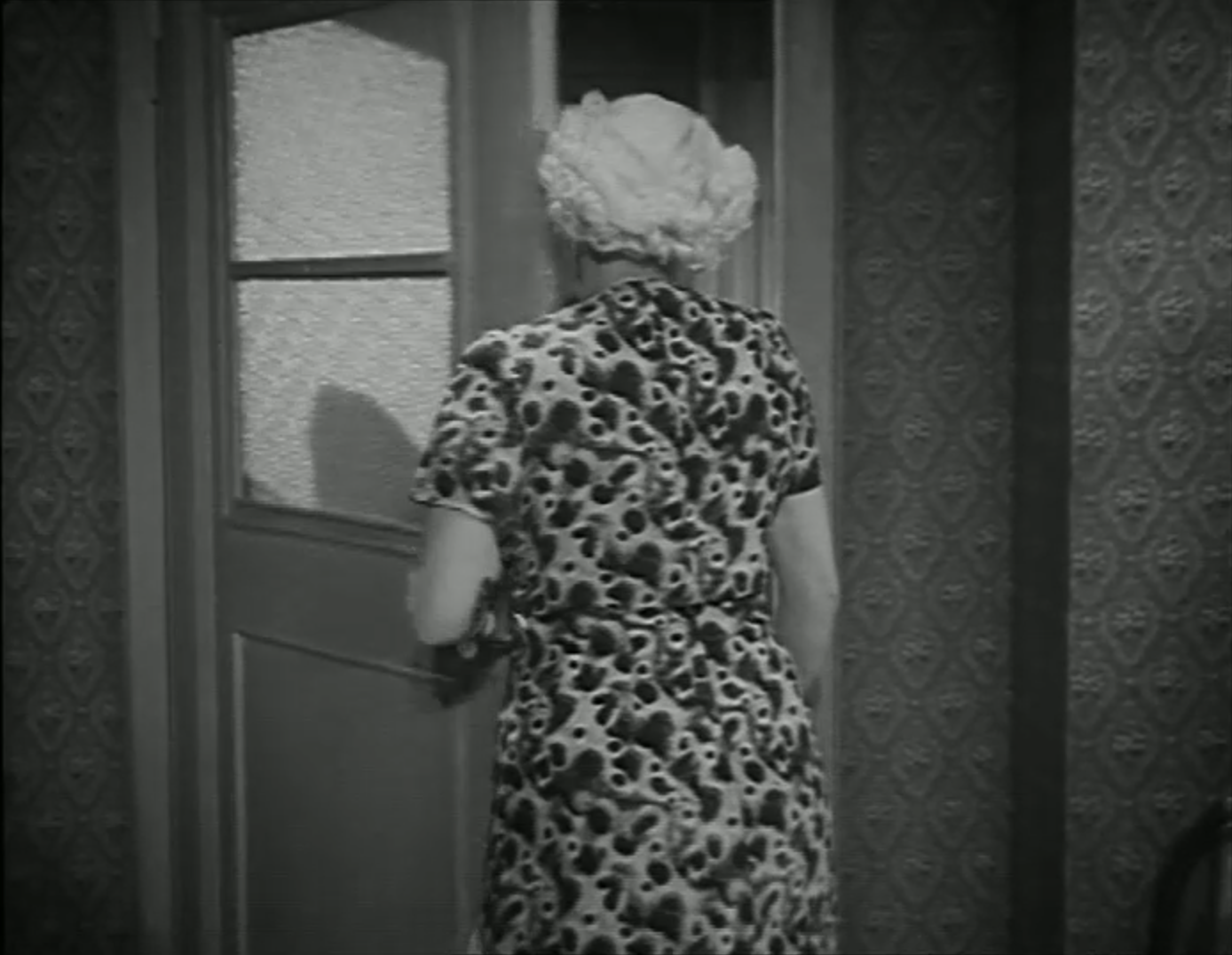
"Commendatore,* sono un po’ in ritardo". Prendendolo per un braccio, lo accompagna nel laboratorio. "Cose di famiglia". Lei gli apre la porta. "Ma mi sbrigo subito. Vuole attendermi un momento di qua?"
"Fate, fate".
Lei chiude la porta dietro di lui.
*Questo titolo onorifico riconosce un merito nei settori del servizio pubblico, delle arti, dell'economia o della filantropia o un certo prestigio sociale alla persona. Il titolo si ispira ai sistemi di gradi militari medievali.
“Commander,* I’m running a little late.” Taking him by the arm, she leads him to the workroom. “Family business." She opens the door for him. “But I’ll rush now. Would you mind waiting for me here for a moment?”
“Go ahead, go ahead.”
She closes the door behind him.
*This honorary title recognizes a person’s achievements in the fields of public service, the arts, business, or philanthropy, or their social standing. The title is modeled after medieval military rank systems.
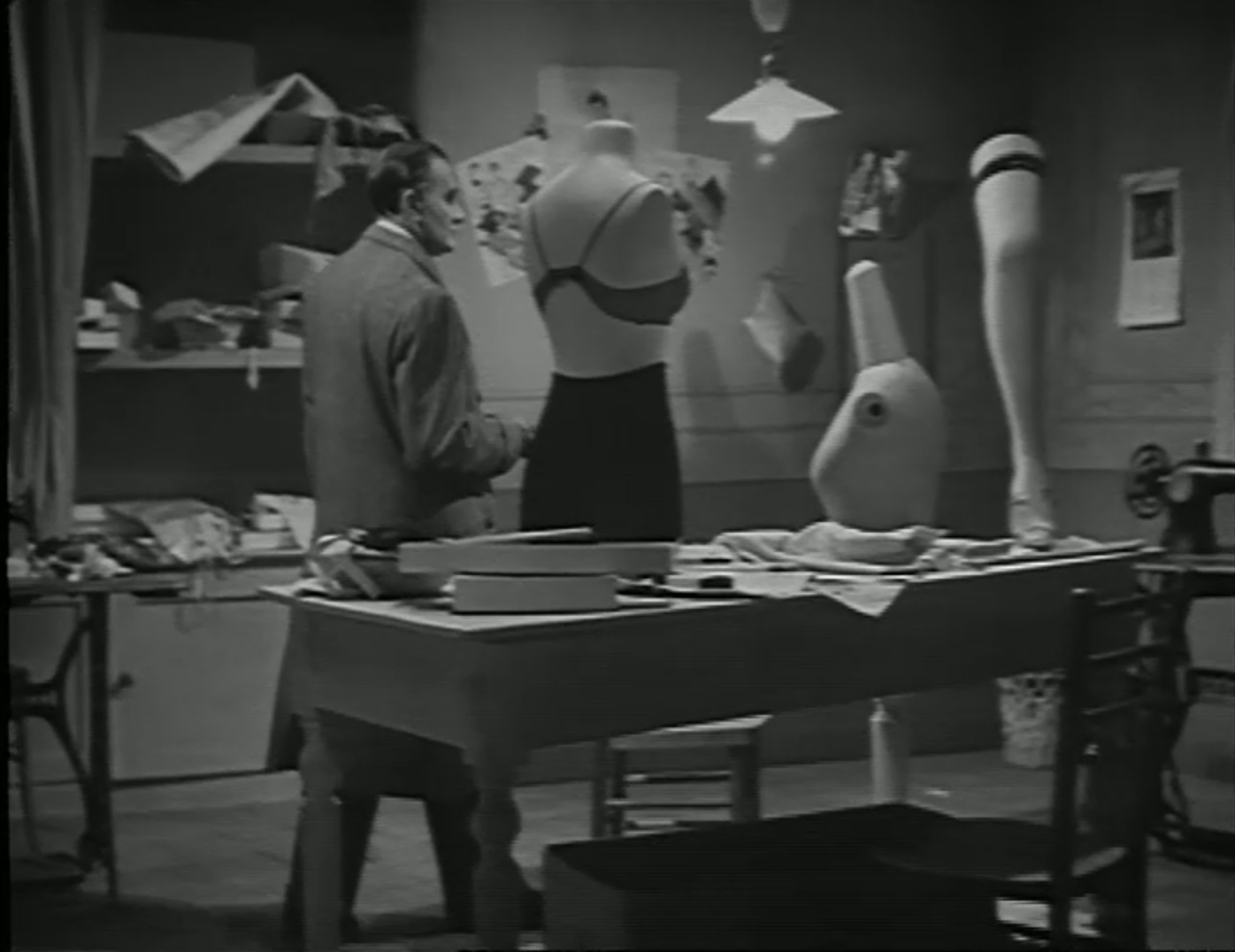
Il Commendatore cammina lentamente in mezzo al disordine del laboratorio: il busto senza testa, la gamba staccata dal corpo, la macchina da cucire.
The Commander walks slowly amidst the clutter of the workroom – the headless torso, the severed leg, the sewing machine.
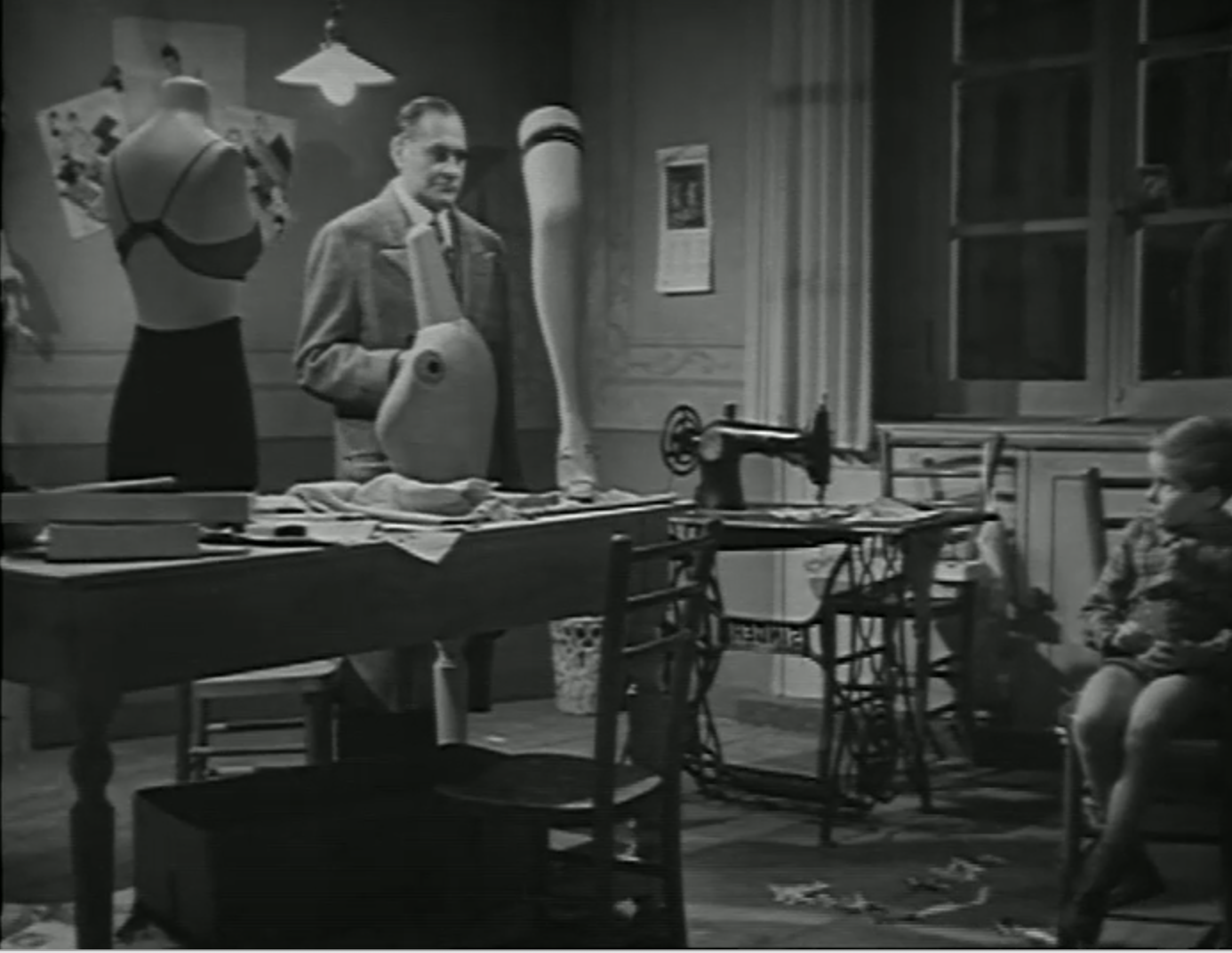
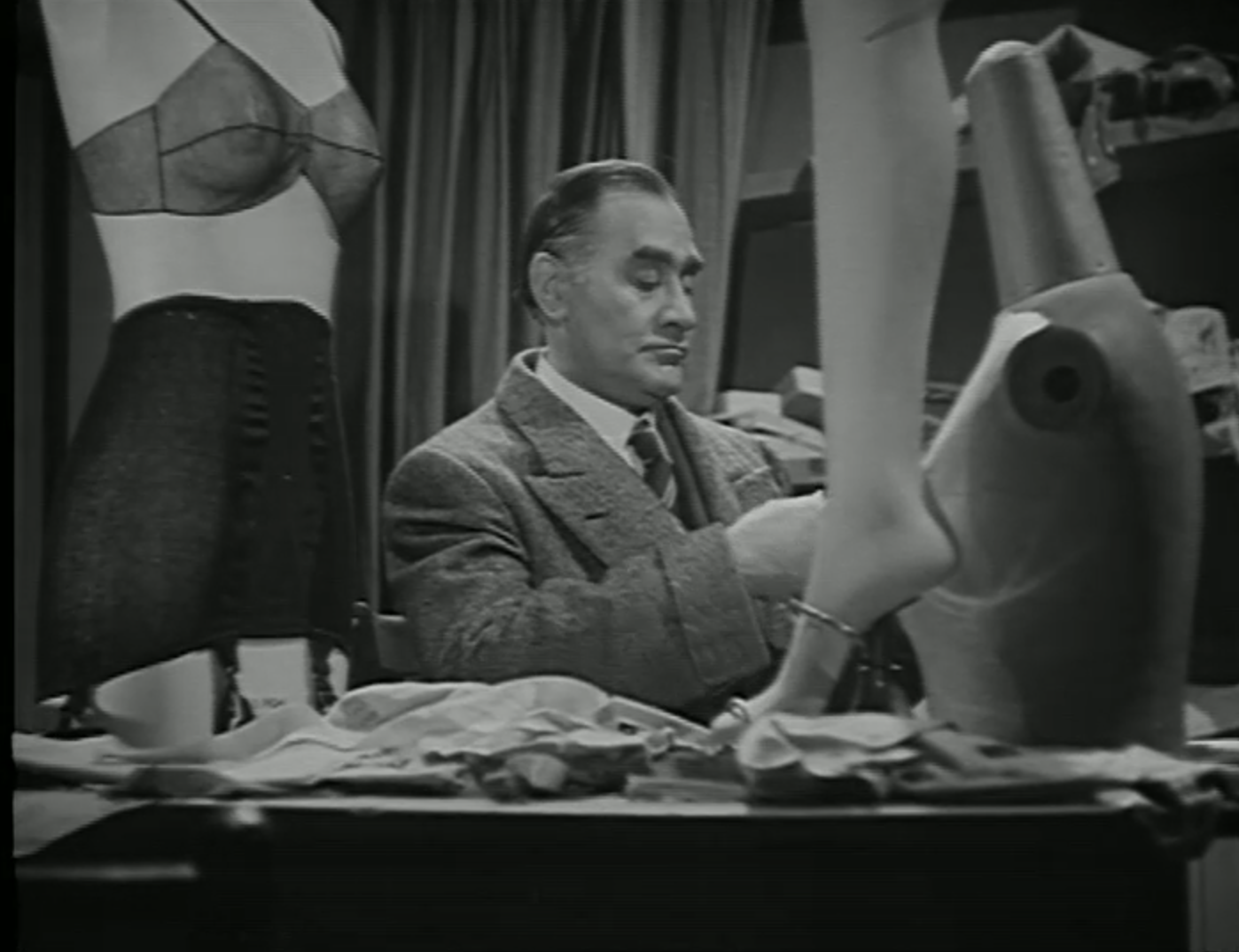
Quando incontra Pricò, si siede e si toglie i guanti. Nell'inquadratura, si trova tra il busto e la gamba.
When he comes upon Pricò, he sits down, and takes off his gloves. In the shot, he’s positioned between the torso and the leg.
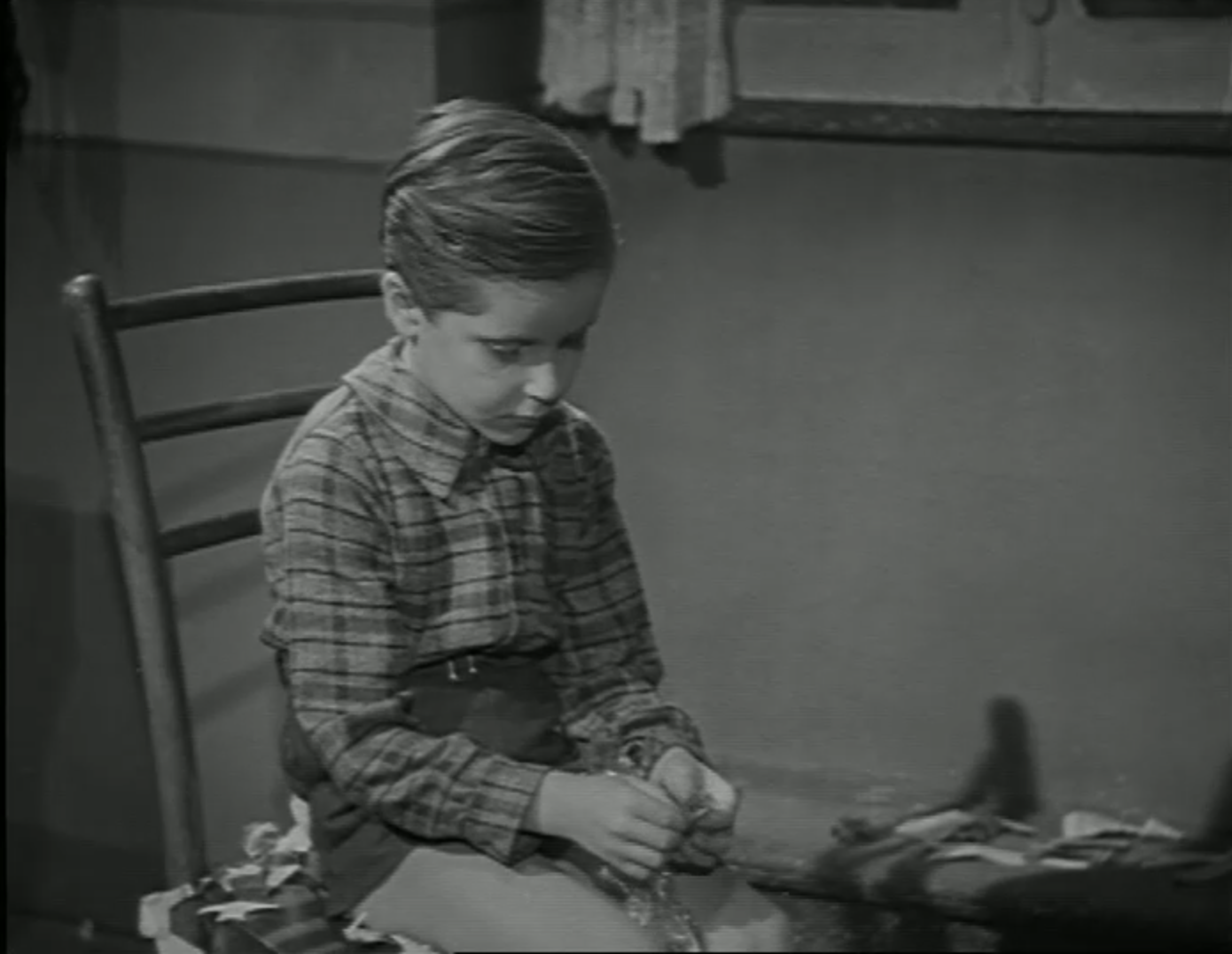
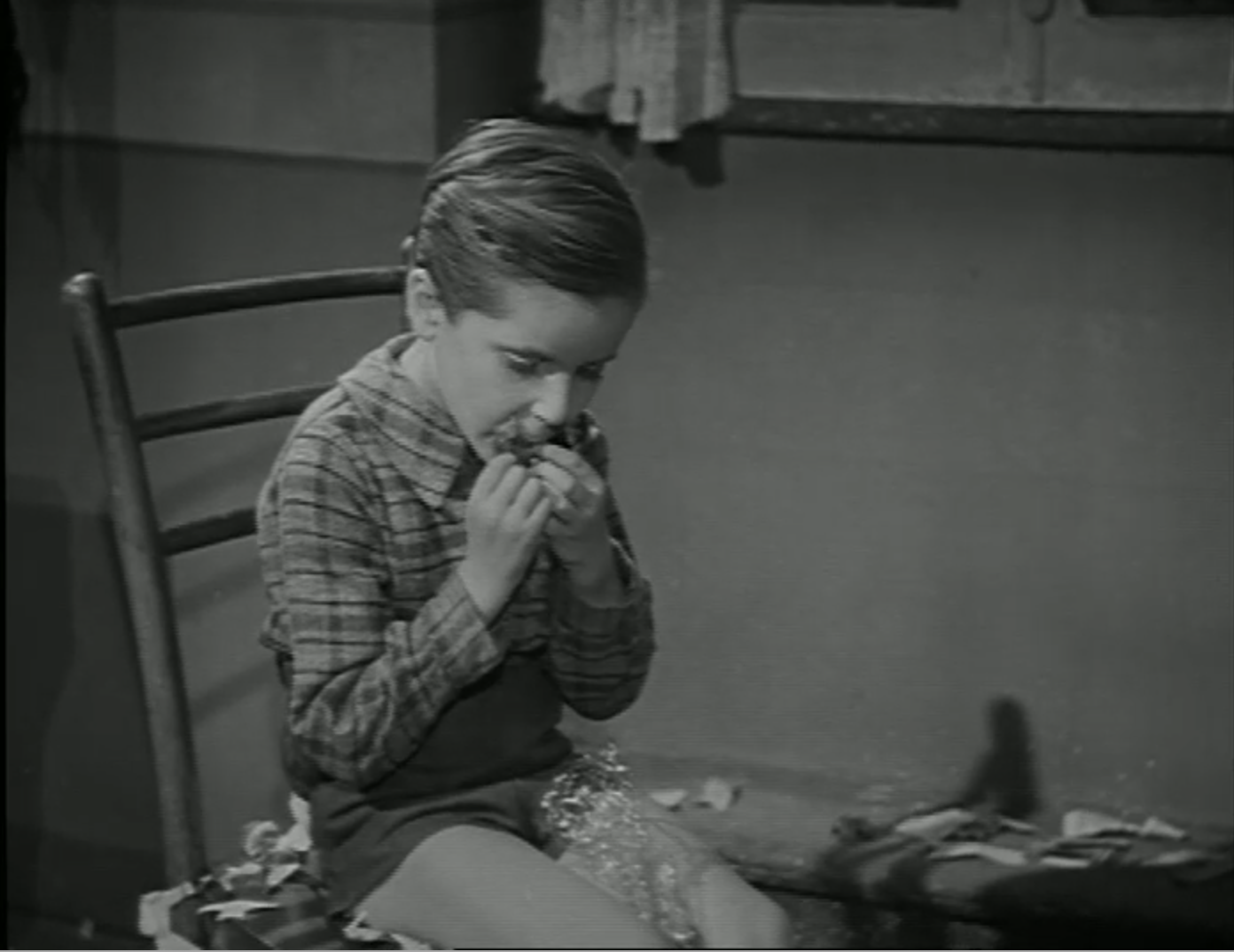
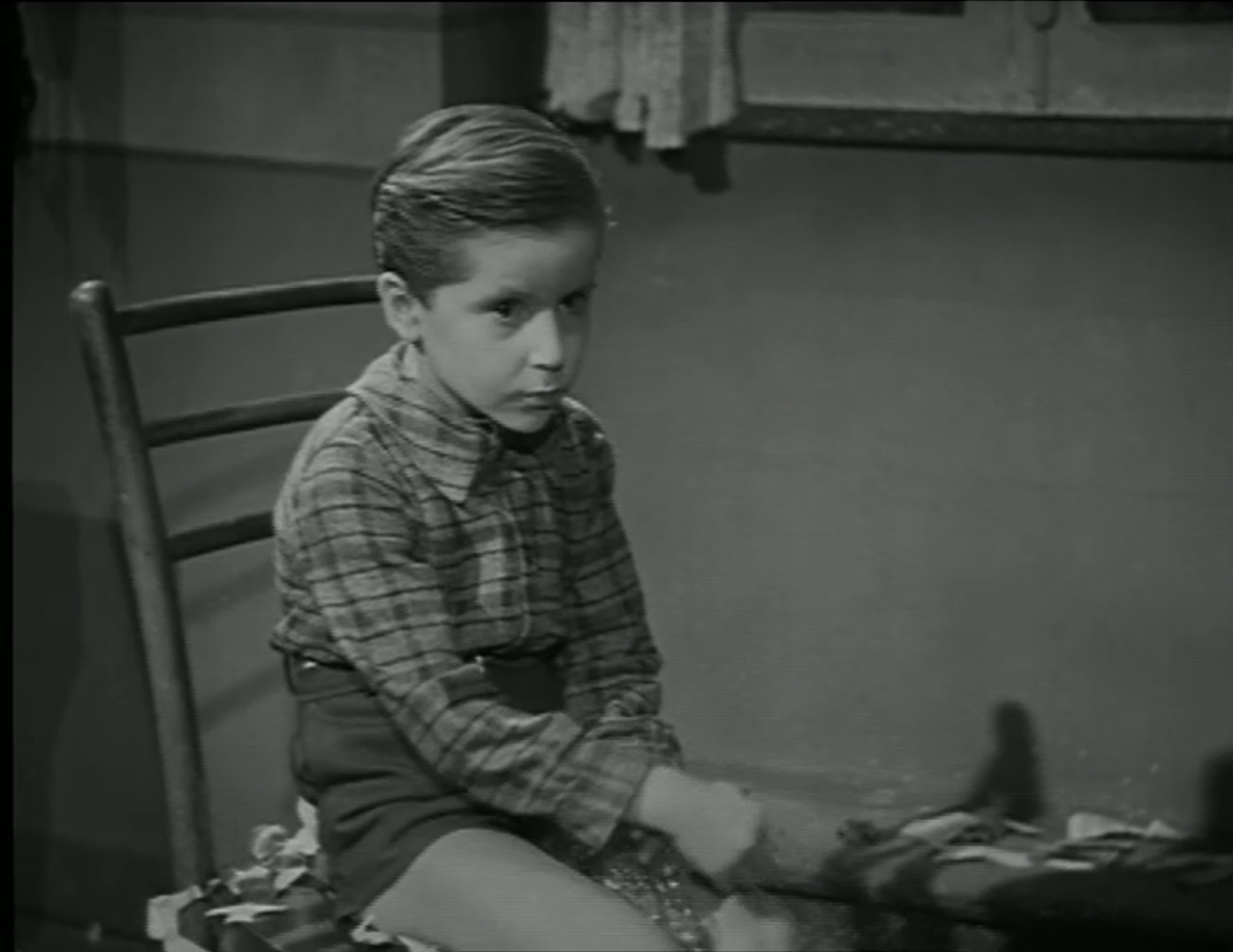
Pricò scarta delle caramelle e le mangia.
Pricò unwraps candies and eats them.
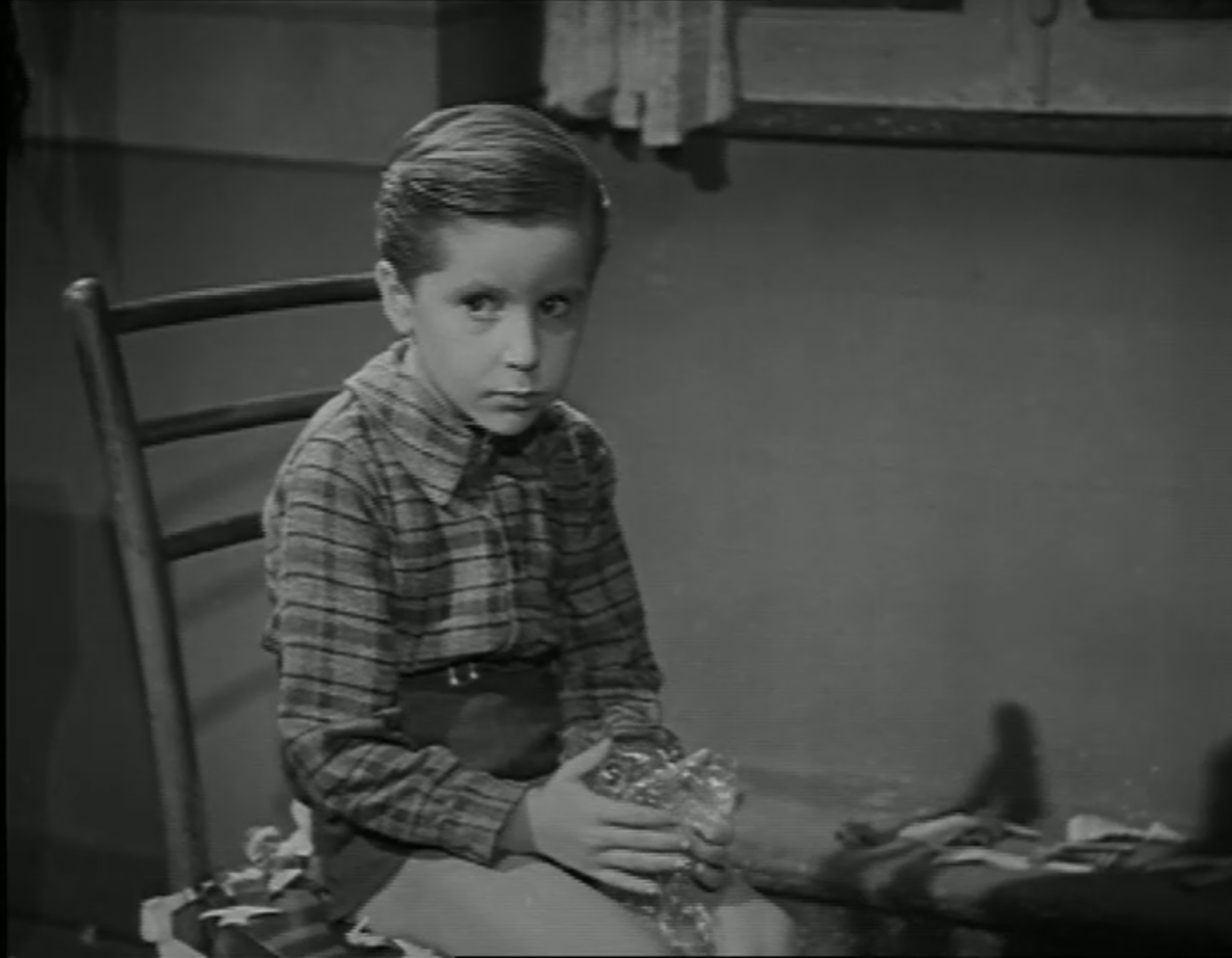
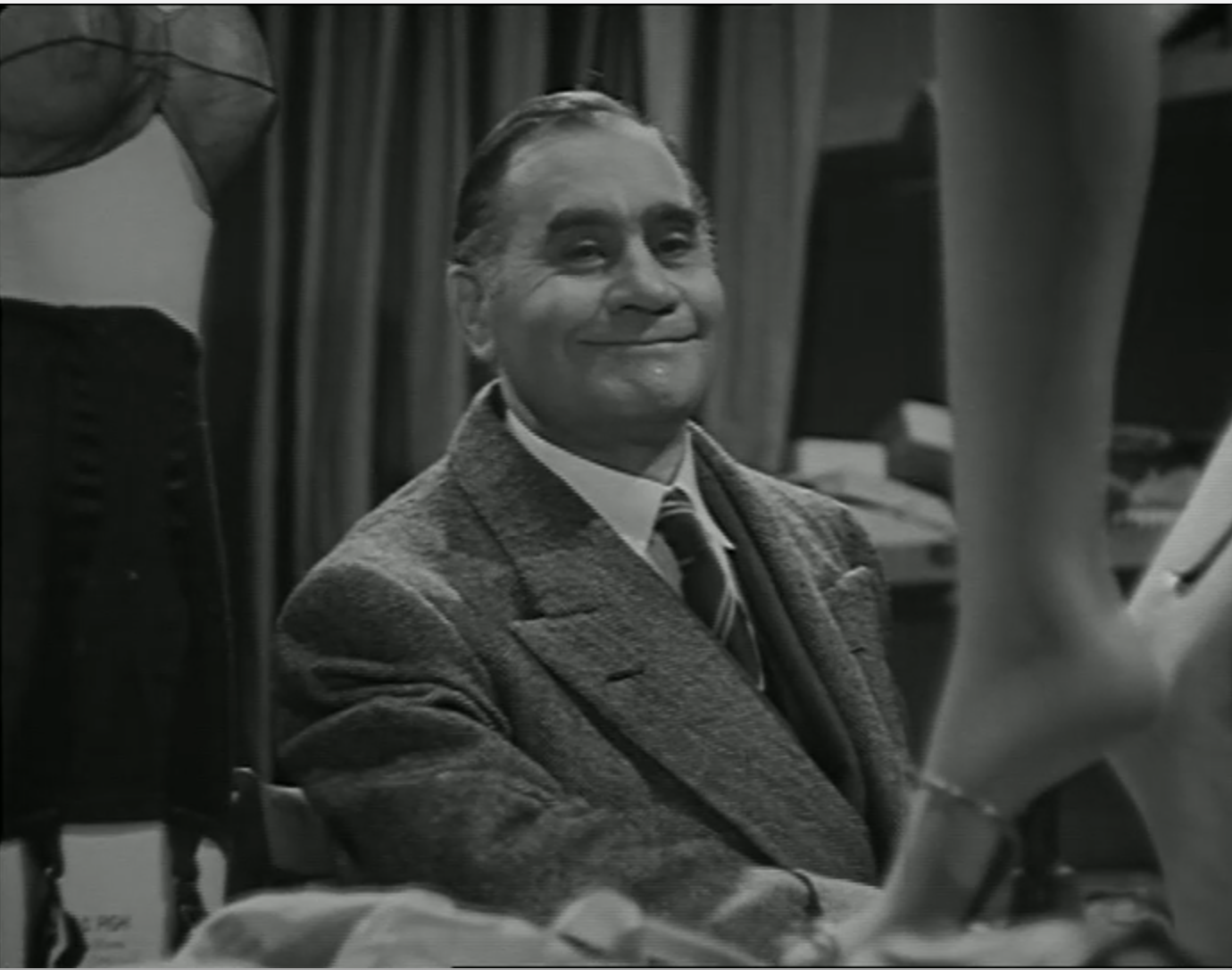
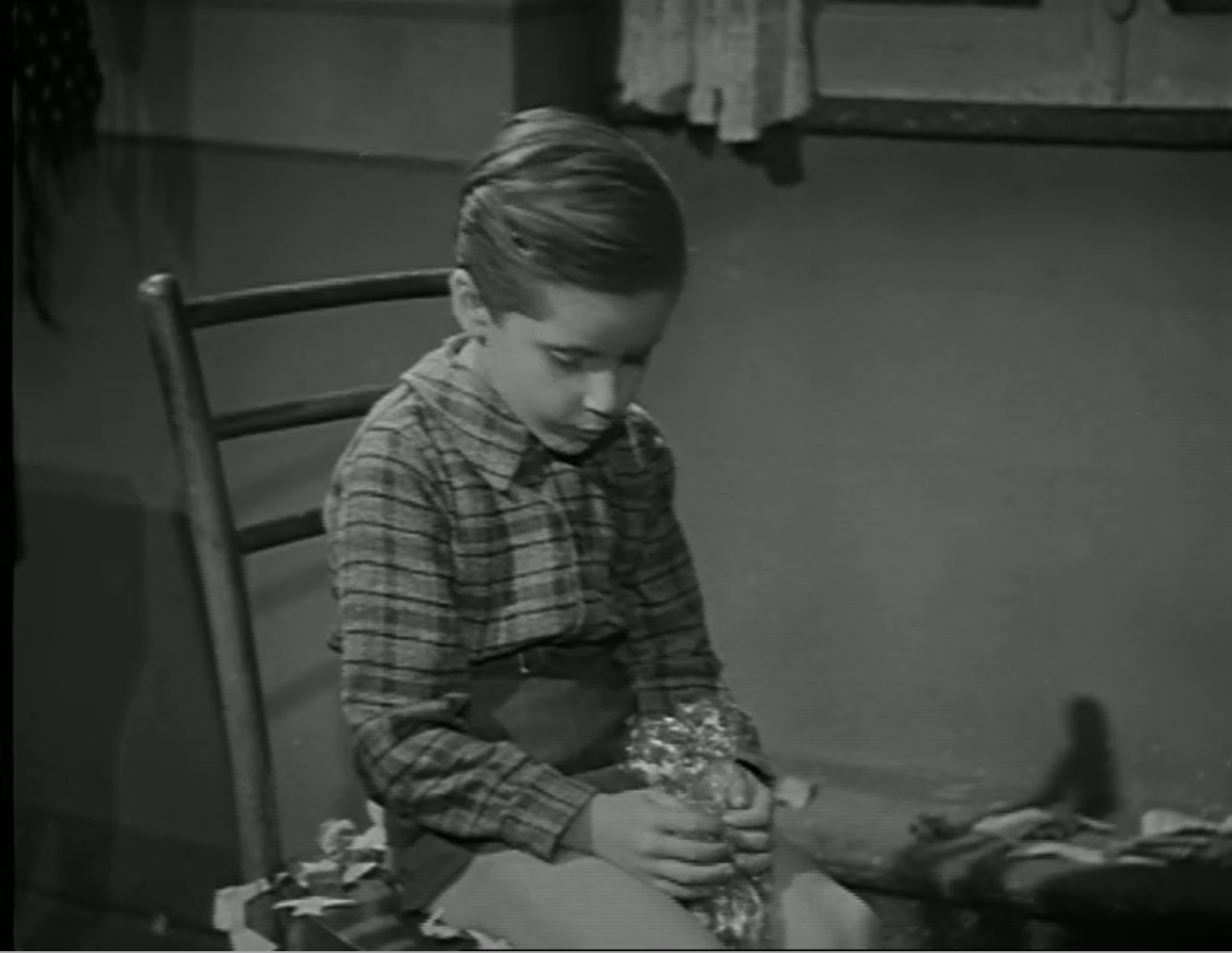
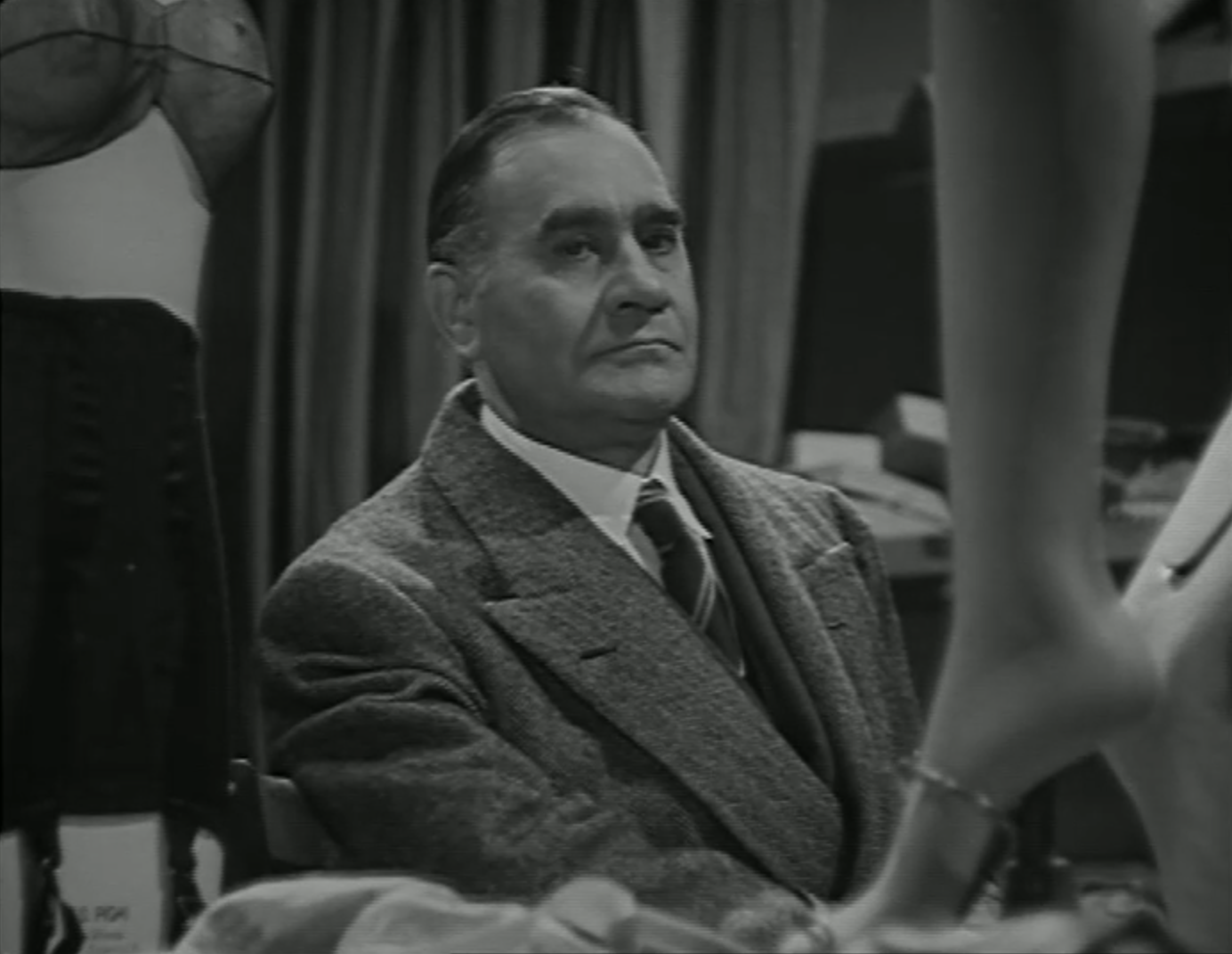
Si mette una caramella in bocca e getta la carta per terra. Guarda il Commendatore, che gli sorride. Quando Pricò abbassa lo sguardo, il sorriso svanisce.
He puts a candy in his mouth and throws the wrapper on the floor. He looks over at the Commander, who smiles at him. When Pricò looks down, the smile disappears.
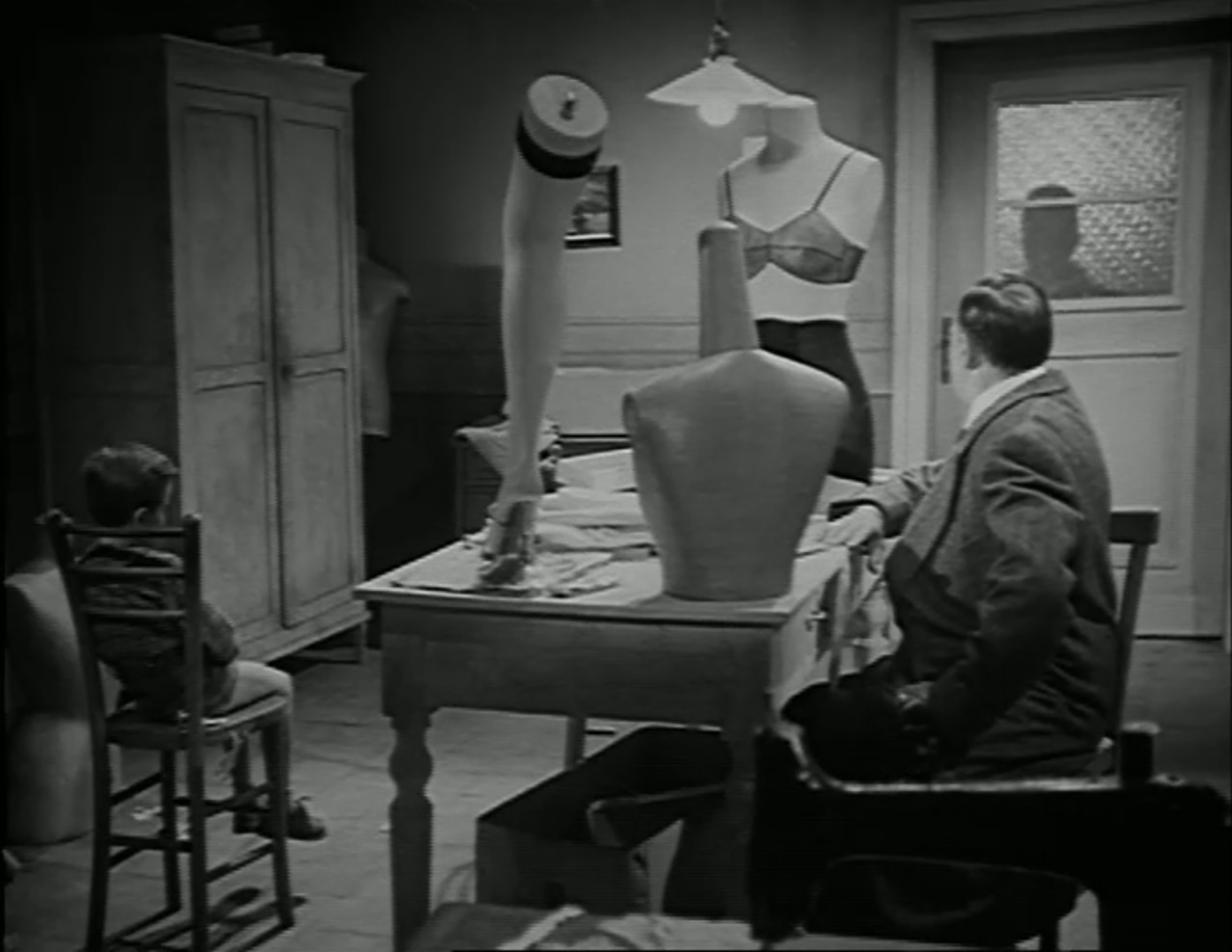
All'improvviso Andrea grida: "Va bene, ho capito! Ho capito!" Il Commendatore si volta e l'ombra di Andrea appare sul vetro smerigliato della porta.
Suddenly Andrea is yelling: “All right, I understand! I understand!” The Commander turns, and Andrea’s shadow appears in the frosted glass of the door.
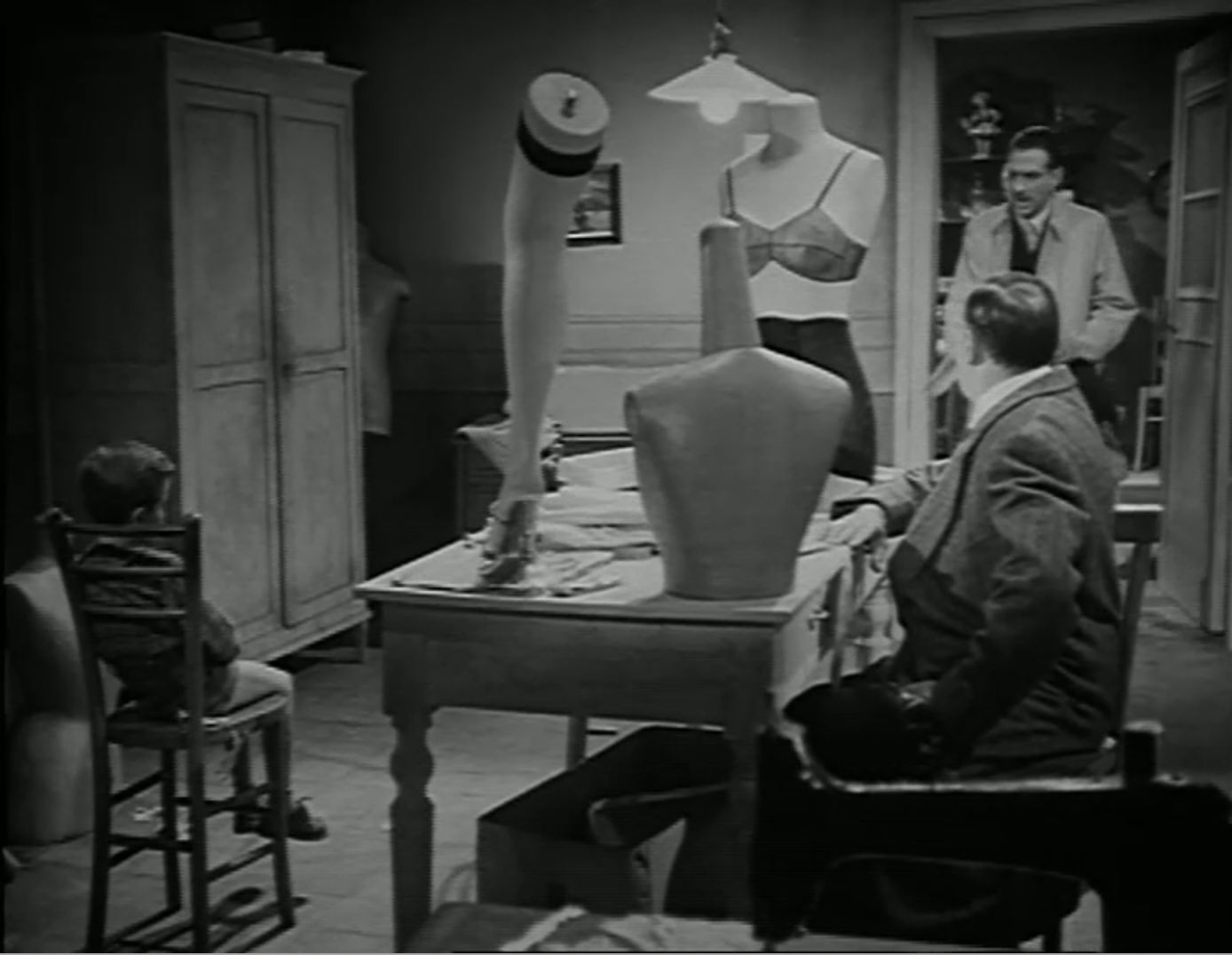
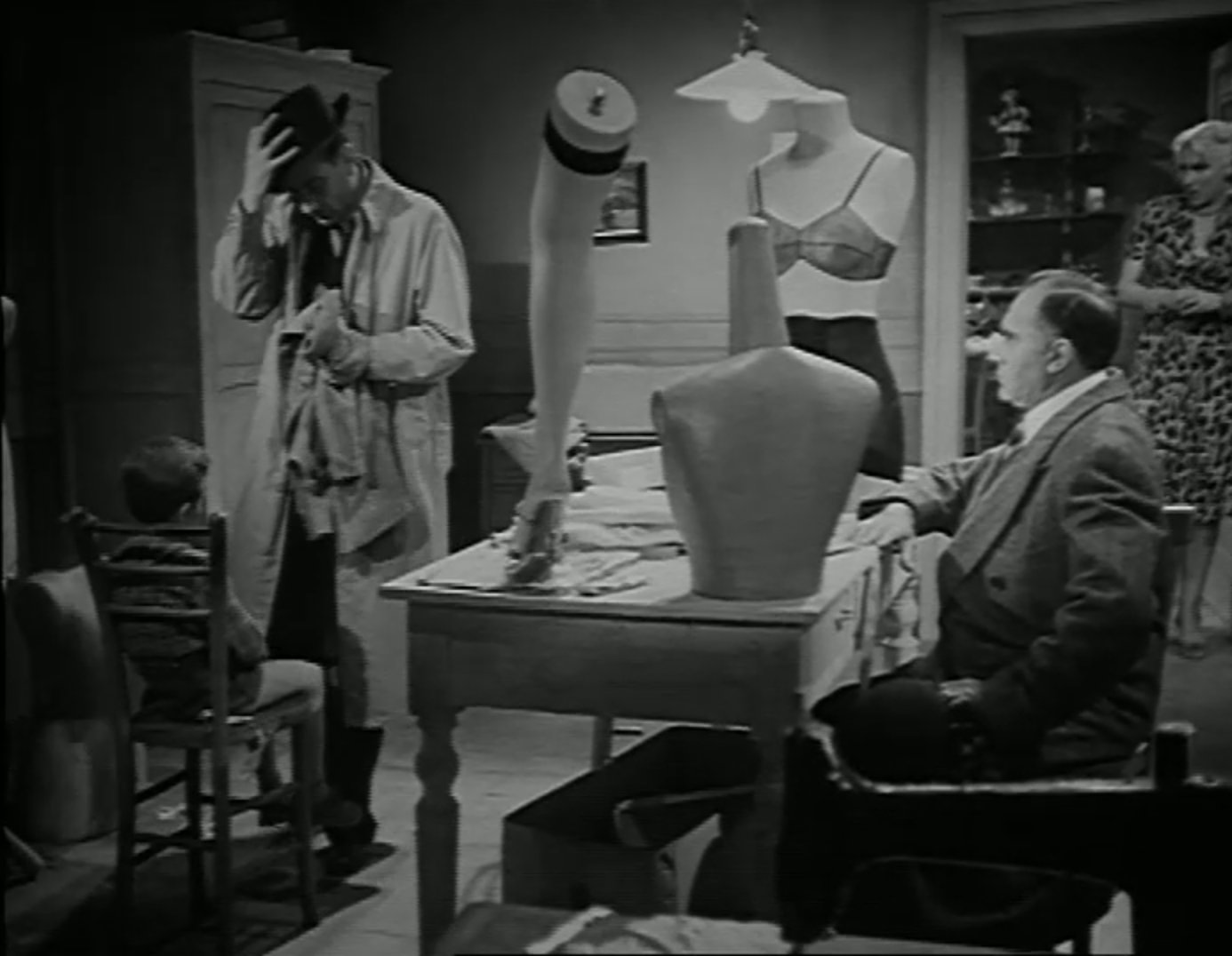
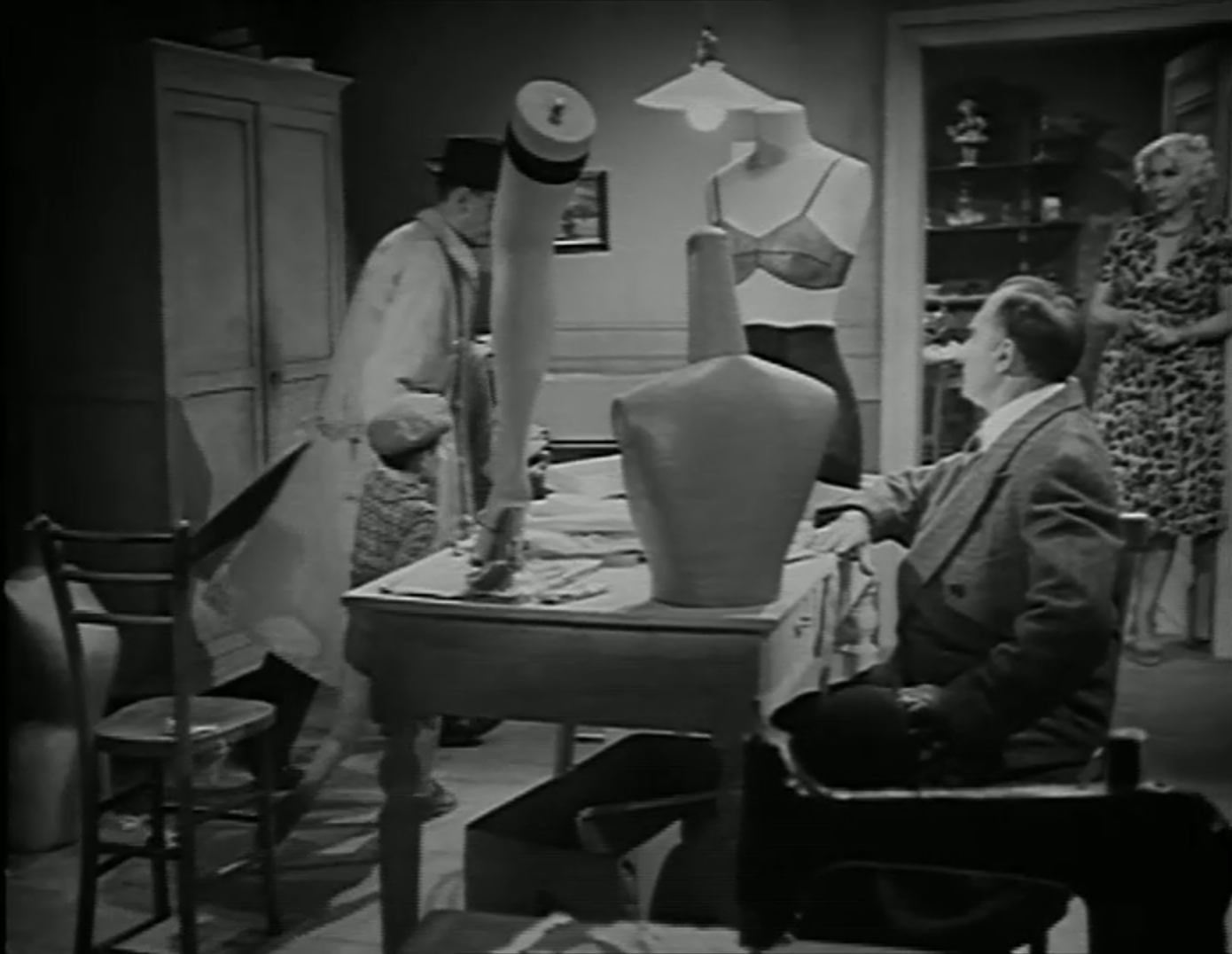
Irrompendo nella stanza, Andrea si precipita verso suo figlio. "Vieni, vieni, vieni!" Si mette il cappello, poi mette quello di Pricò sulla testa del bambino, mentre la signora Berelli osserva dalla porta. "Andremo dalla nonna!"
Tenendo il cappotto del bambino, Andrea gli prende la mano e lo aiuta ad alzarsi.
Bursting into the room, Andrea rushes toward his son. “Come, come, come!” He puts on his hat, then sets Pricò’s on the little boy’s head, while Signora Berelli watches from the doorway. “We’re going to Grandma’s!”
Holding the boy’s coat, Andrea takes his hand and pulls him to his feet.
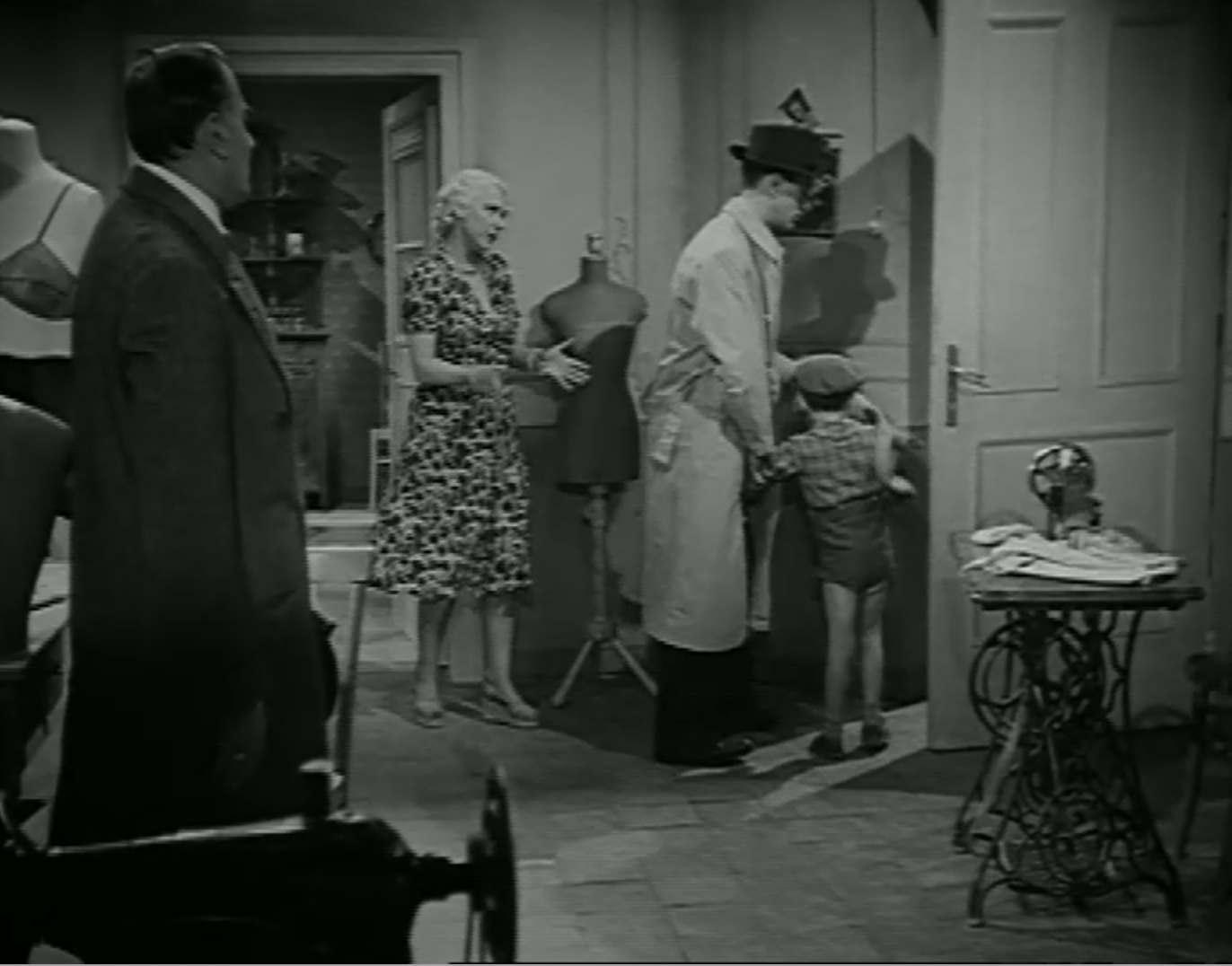
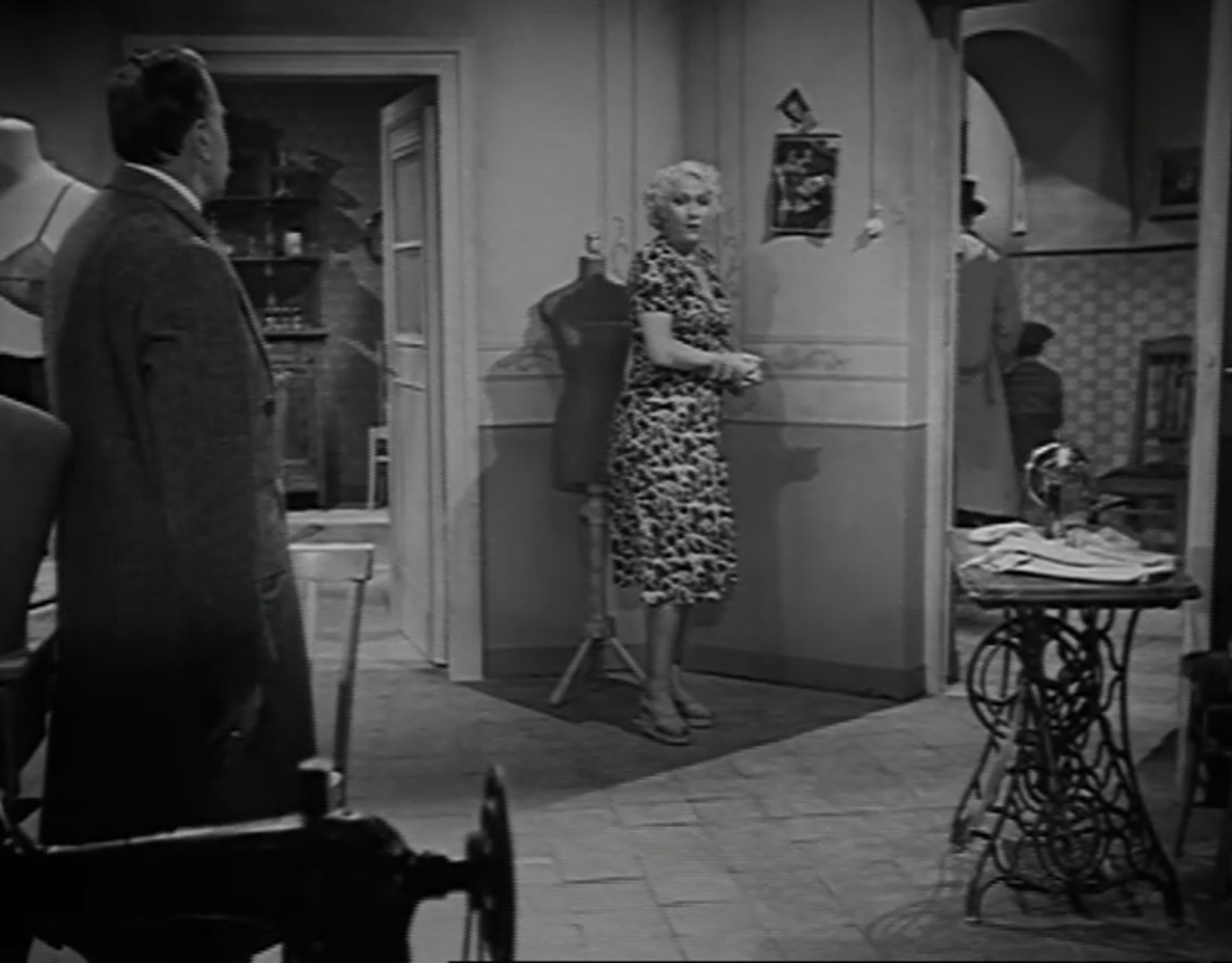
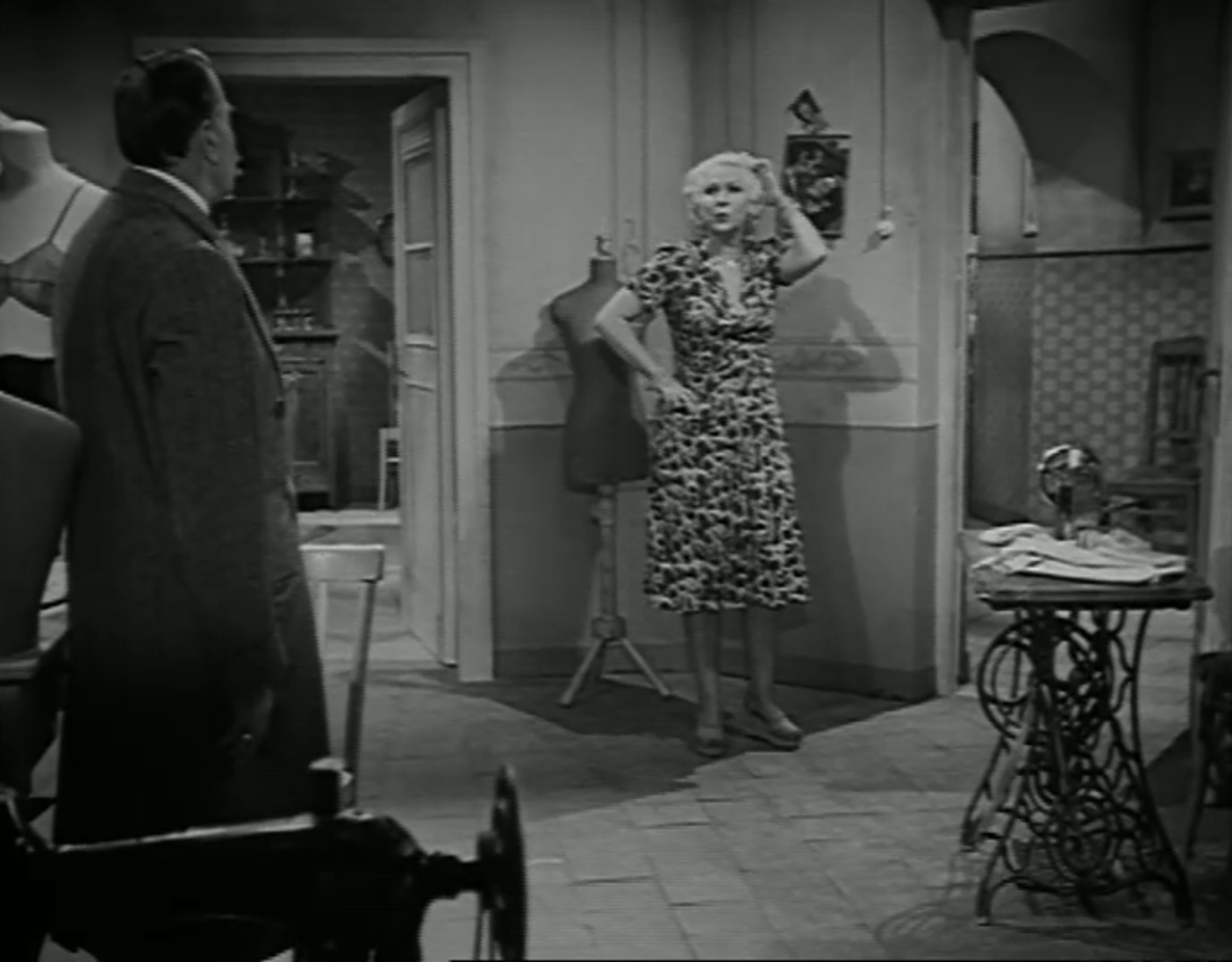
Mentre Andrea e il bambino escono di corsa, la zia allarga le braccia in segno di comprensione: “Capisco, mio benedetto uomo”.
Il suo ospite chiede: "Che succede?"
"Nina è scappata con Roberto. Ecco tutto".
Fuori campo, Andrea grida: "Gentaccia!" La porta d'ingresso si chiude con un tonfo.
As Andrea and the boy hurry out, his aunt spreads her arms in sympathy: “I understand, my dear man.”
Her visitor asks, “What’s going on?”
“Nina ran off with Roberto. There you have it."
From off-screen, Andrea yells, “Scoundrels!” The front door slams shut.
FINE PARTE 4
Ecco Parte 5 of this cineracconto! Subscribe to receive a weekly email newsletter with links to all our new posts.