Regia / Director: Vittorio De Sica, 1944
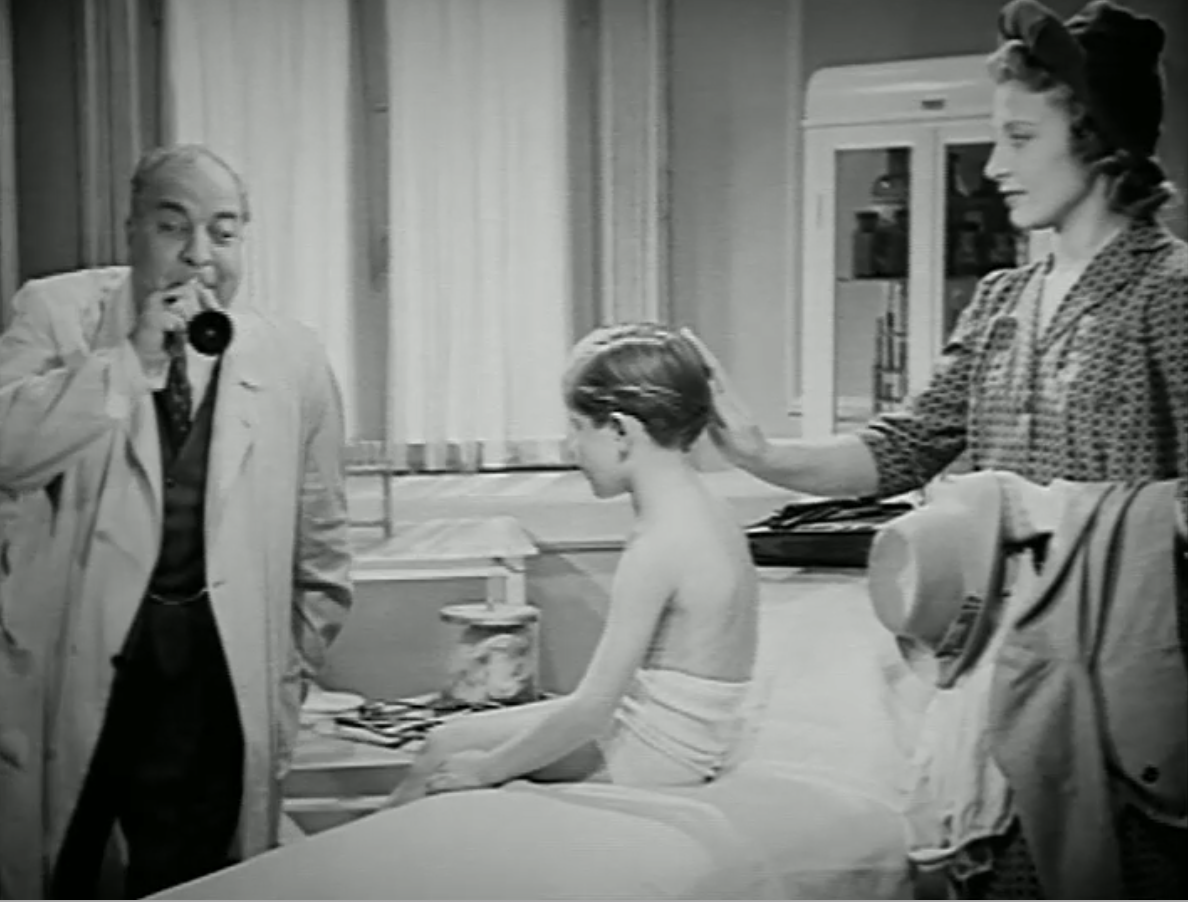
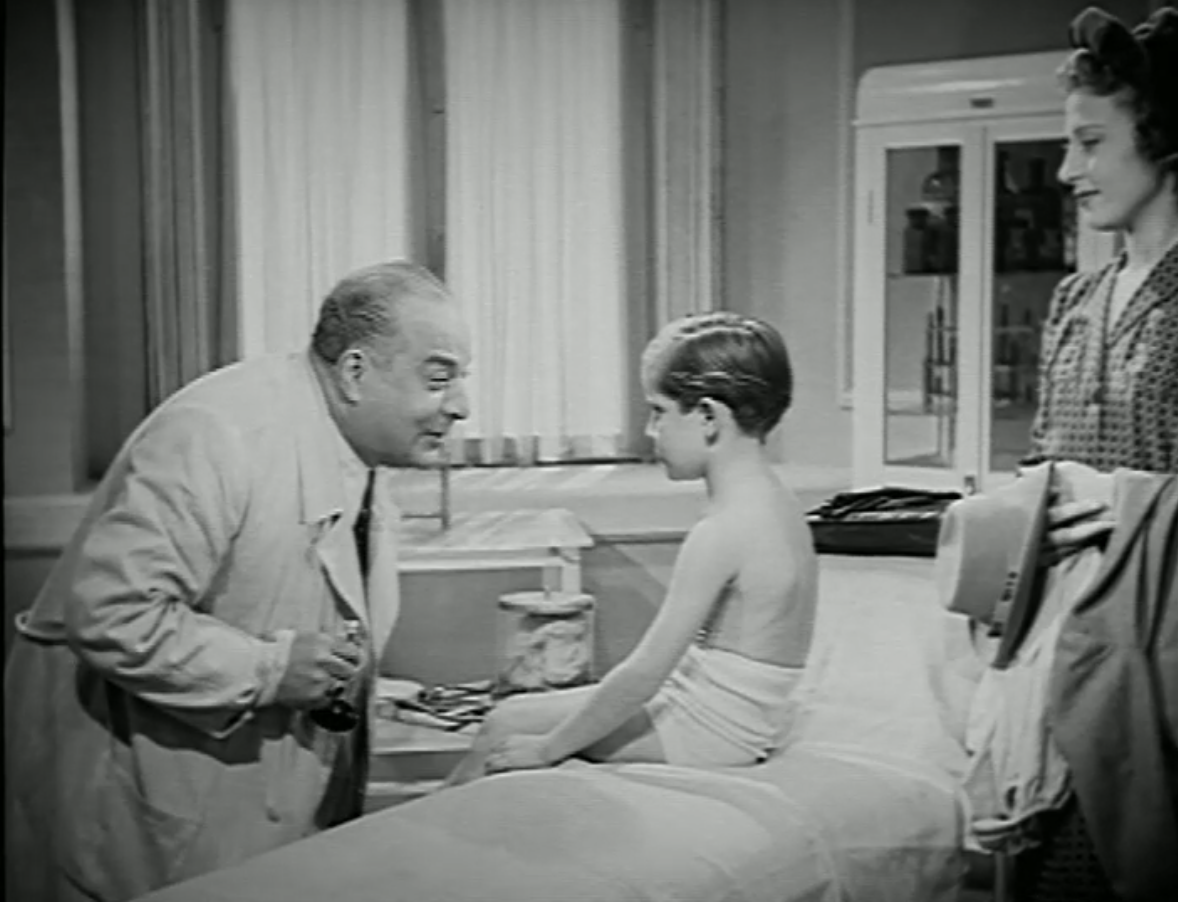
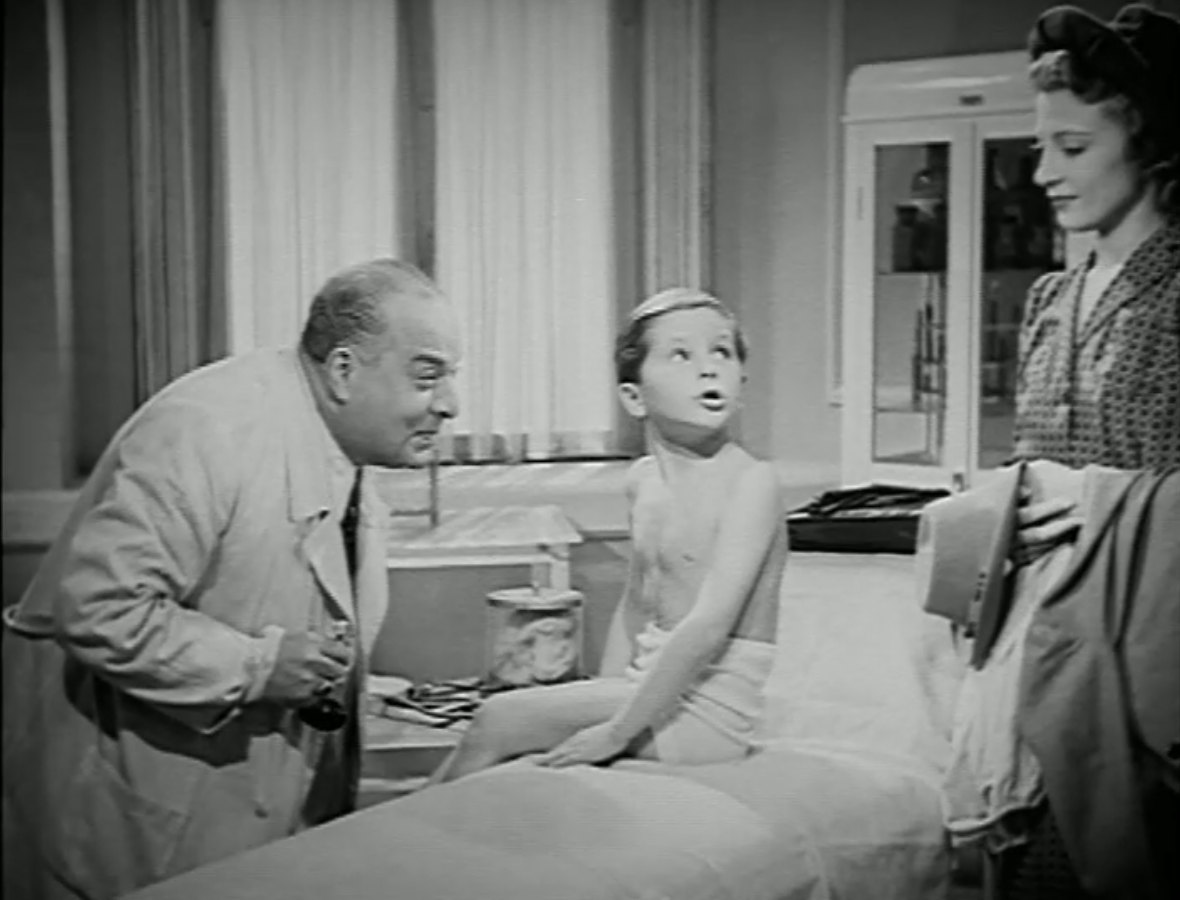
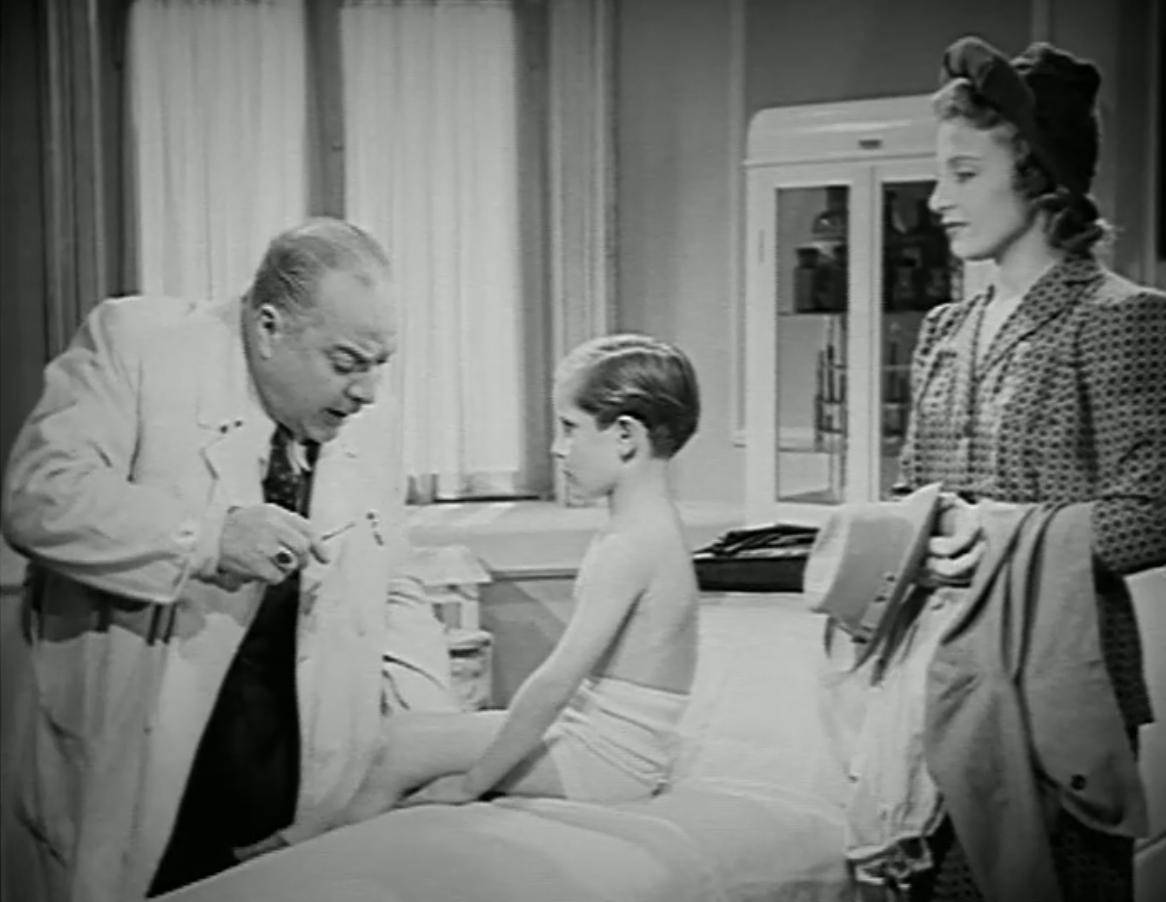
Pricò è seduto su un lettino da visita in mutande, mentre sua madre gli accarezza i capelli.
Il dottore (Mario Gallina) finge di suonare una trombetta. "Ti piace la mia trombetta?"
Pricò si gira verso sua madre. "Quando ce ne andiamo?"
Pricò sits on an examining table in his underwear, while his mother strokes his hair.
The doctor pretends to blow a little horn. “Do you like my trumpet?”
Pricò turns to his mother. “When are we leaving?”
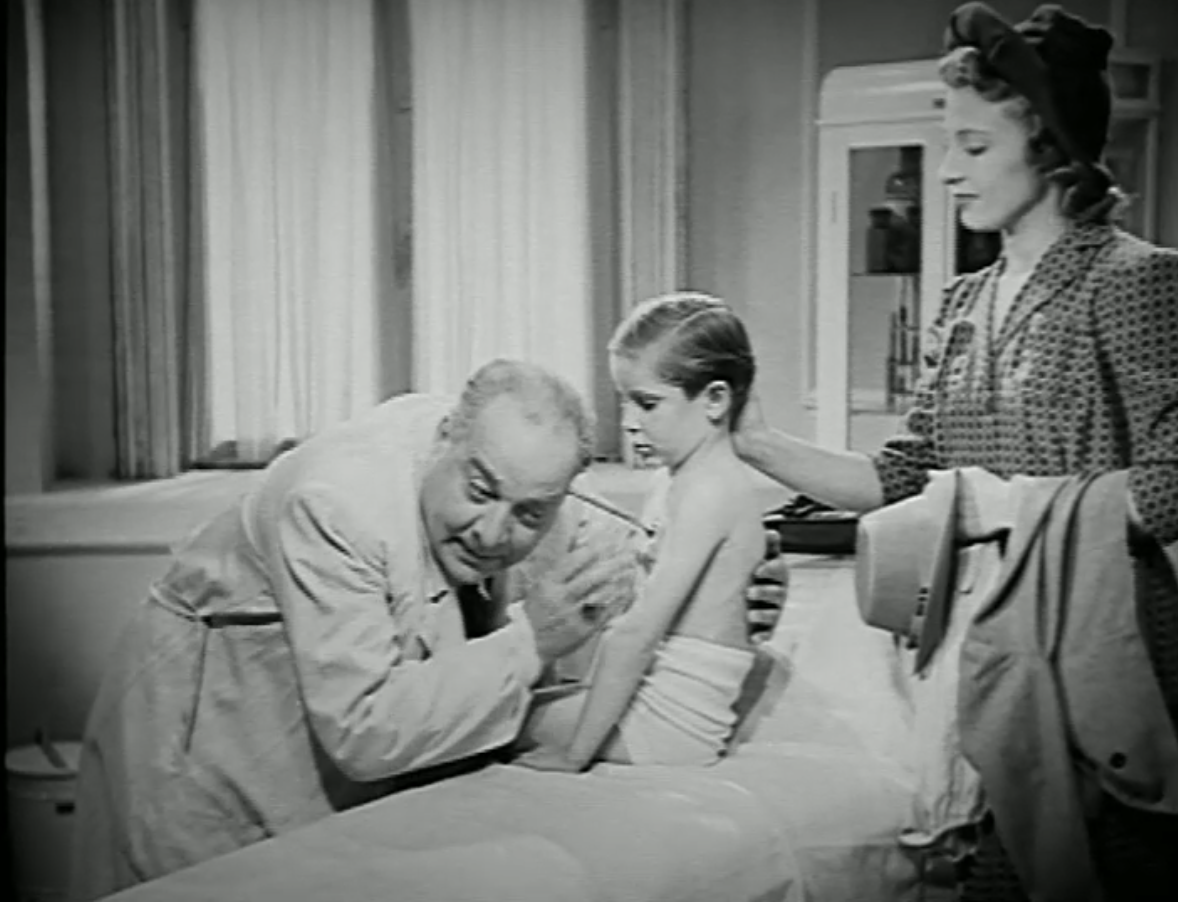
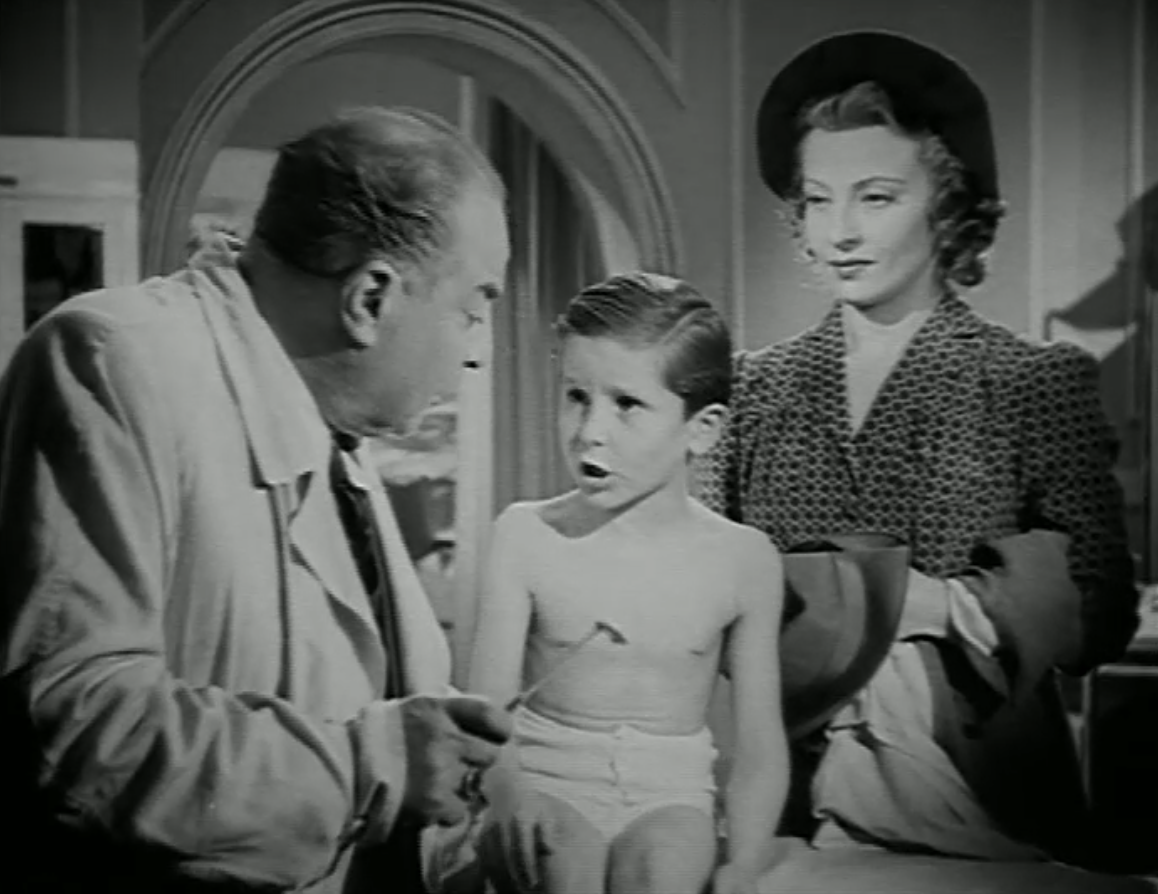
Il dottore ascolta il battito cardiaco di Pricò. "Benissimo. E adesso facciamo un altro gioco, ancora più bello: il gioco del fabbro ferraio". Tira fuori il suo martelletto per i riflessi.
"Non voglio giocare al fabbro con te", dice Pricò.
The doctor listens to Pricò’s heartbeat. “Very good. And now we’ll play another game, an even better one: the blacksmith game.” He takes out his reflex hammer.
“I don’t want to play blacksmith with you,” Pricò says.
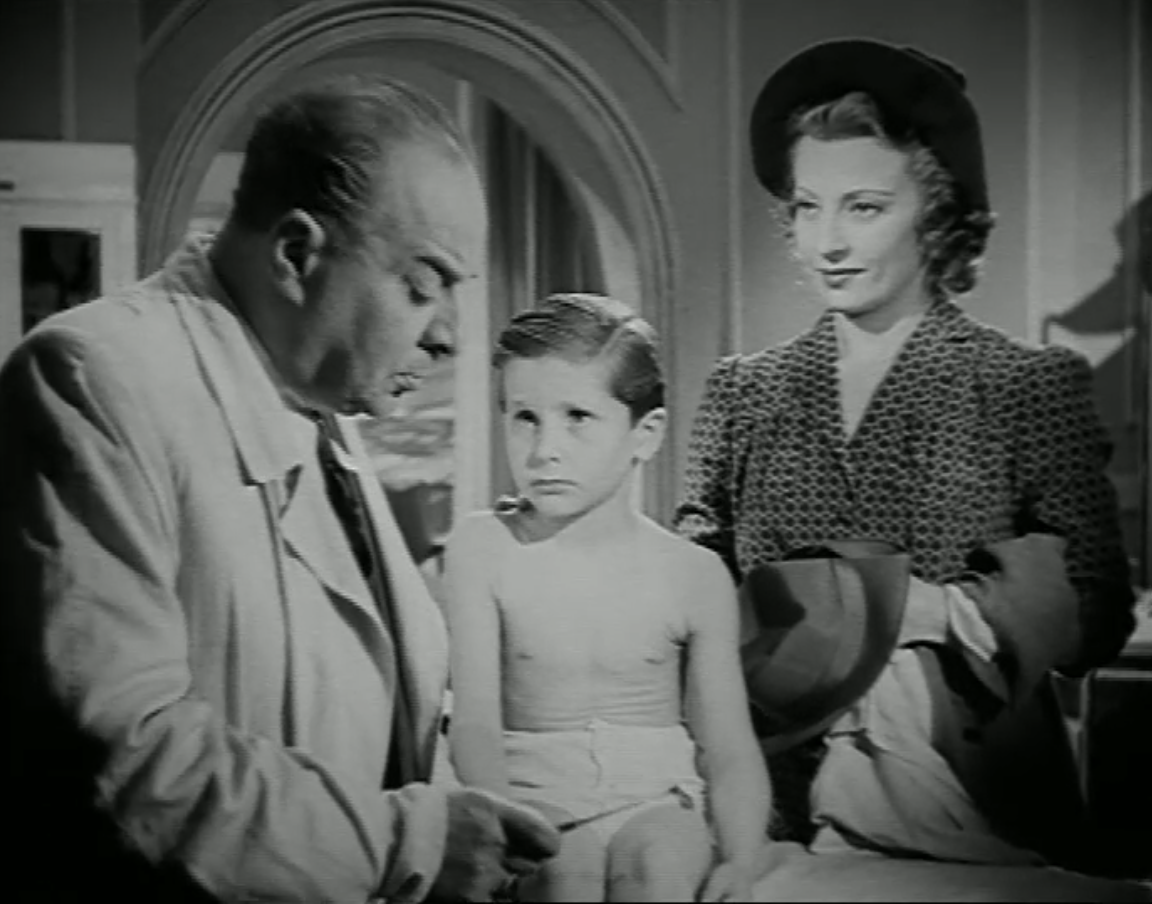
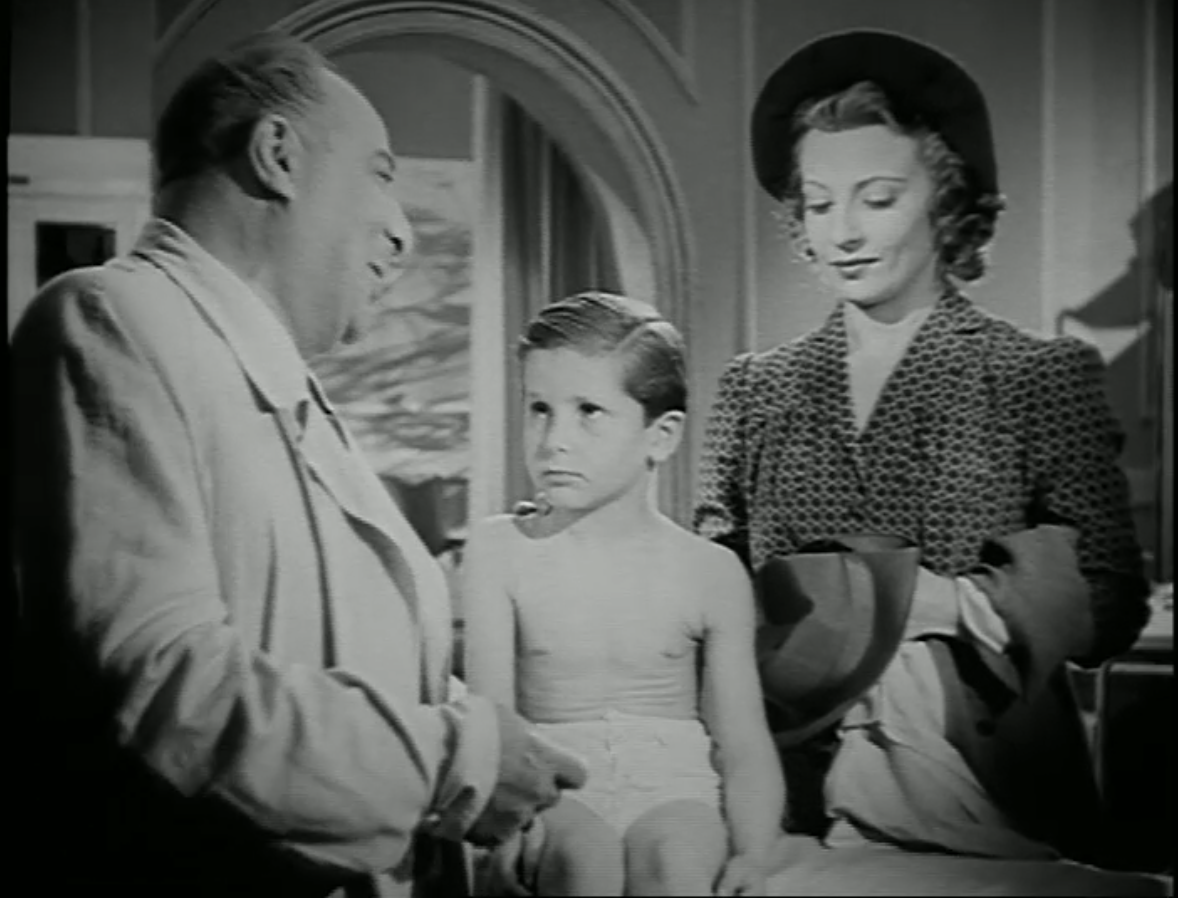
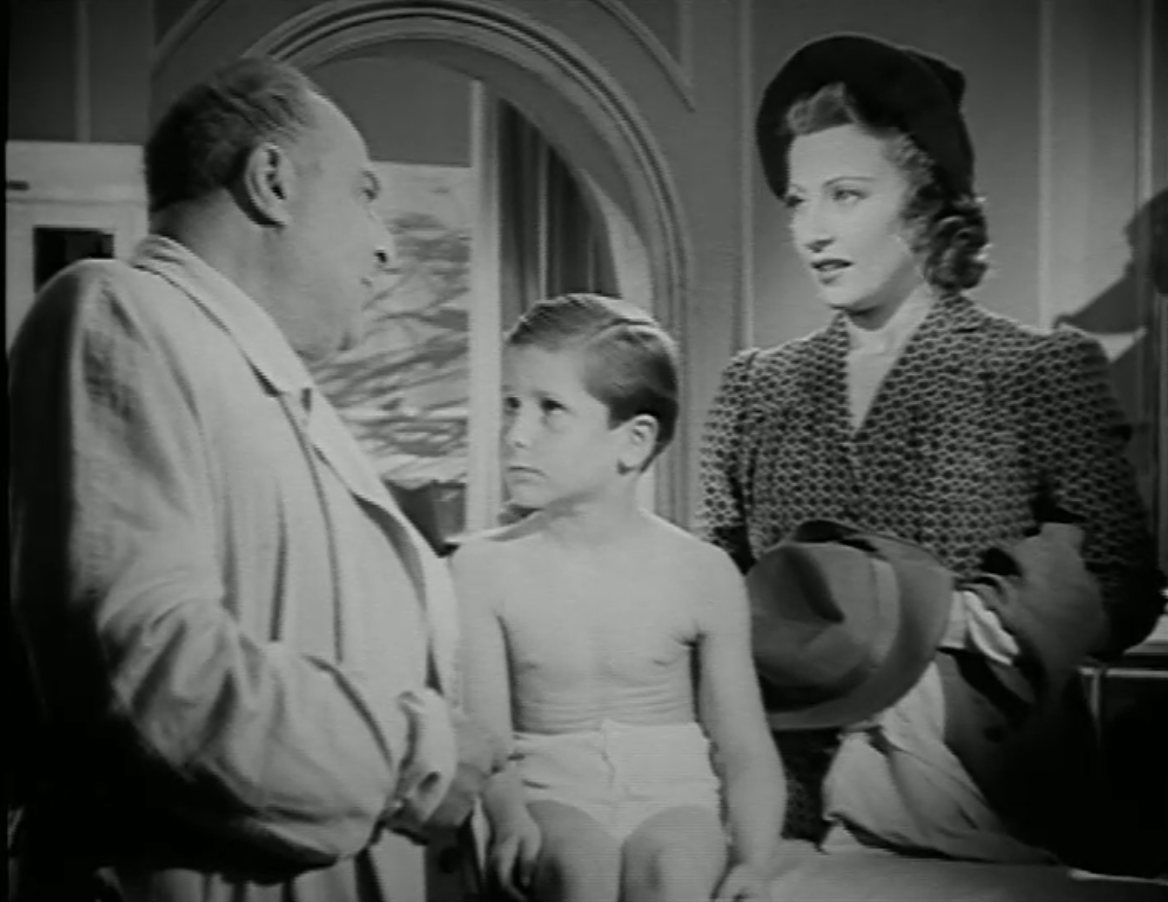
Il medico batte leggermente sulle ginocchia di Pricò con il martelletto. "Tutto bene".
"Quanto sono contenta", risponde Nina.
"Ma lei che ha, signora?"
"Perché, dottore? Sto benissimo".
"Sembra tanto cambiata. C'è qualcosa che non va?"
The doctor touches Pricò’s knees lightly with the hammer. “Everything’s fine.”
“I’m so glad,” replies Nina.
“But what’s wrong with you, ma’am?”
“Why? I’m very well.”
“You seem so different. Is something the matter?”
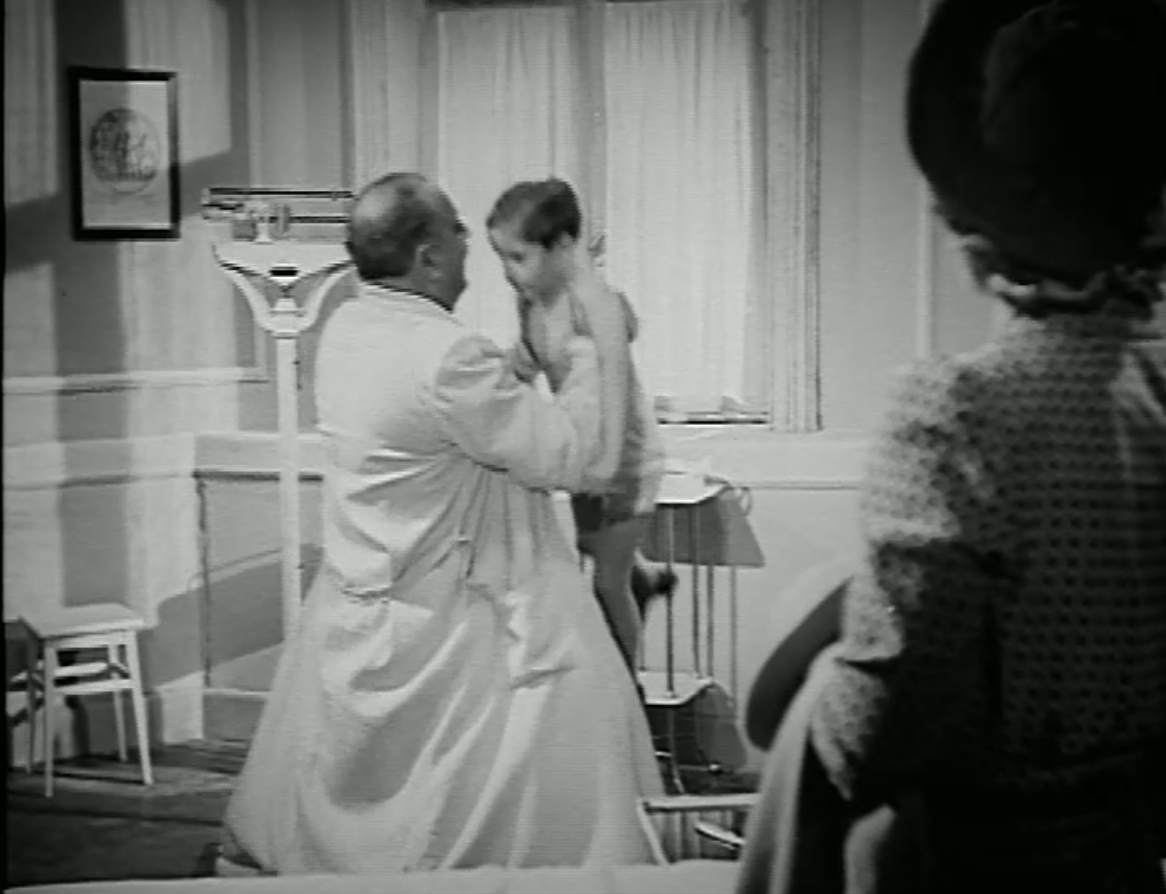
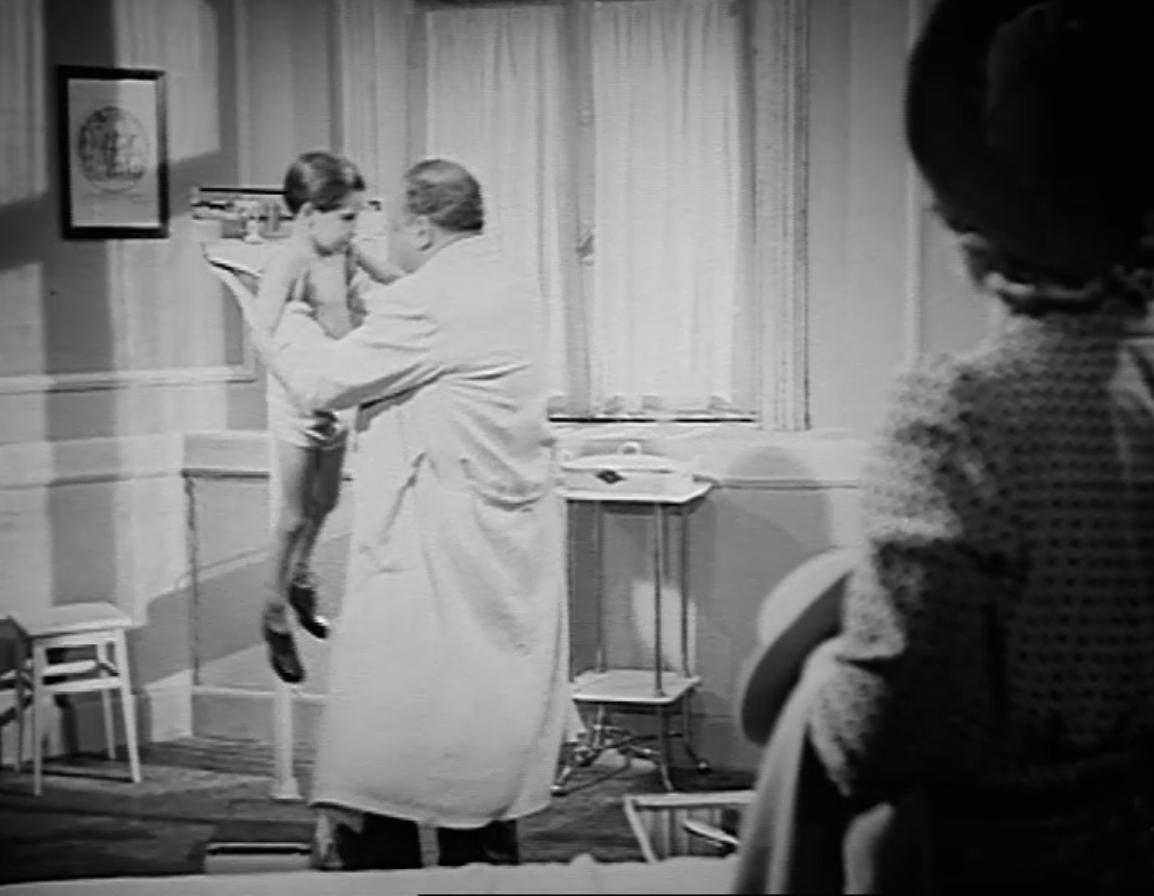
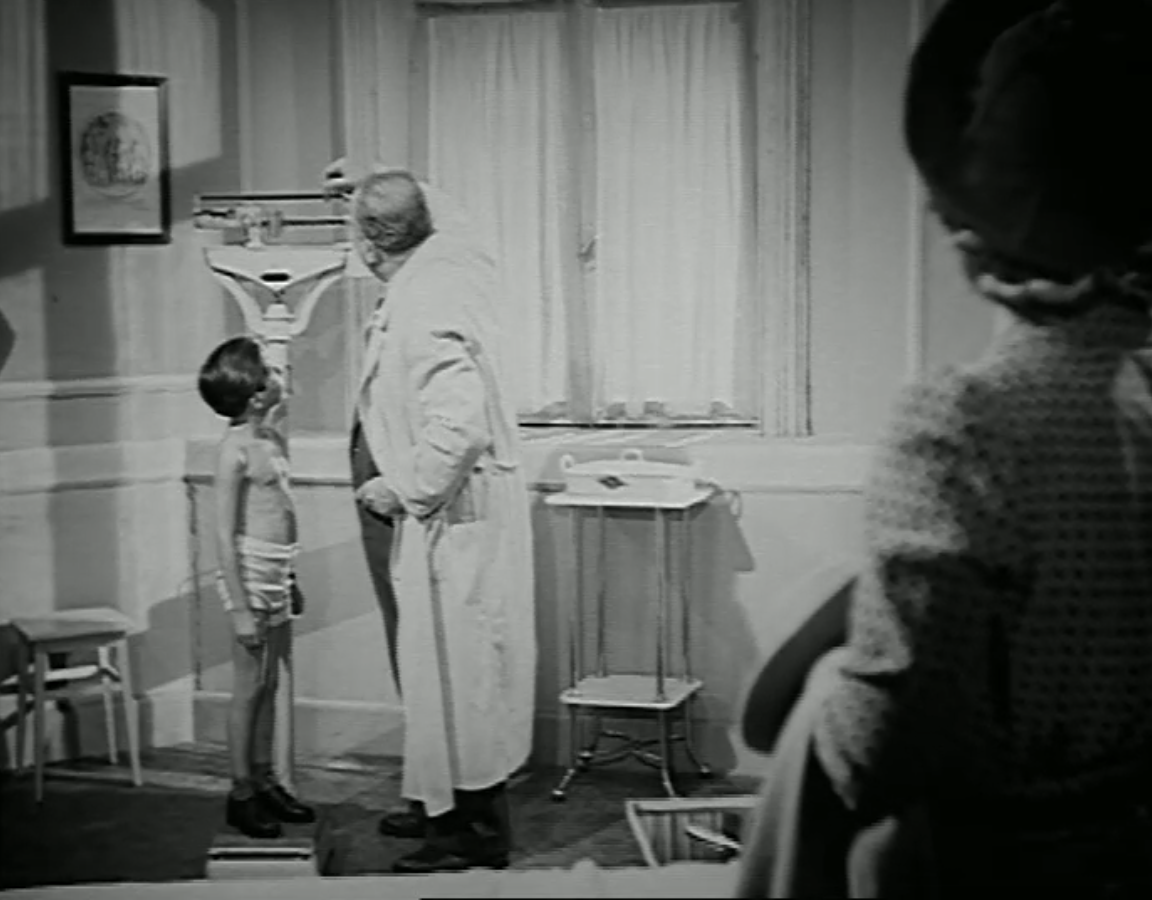
Il dottore prende in braccio Pricò, lo fa ballare per la stanza canticchiando una melodia e lo mette sulla bilancia.
The doctor picks up Pricò and dances him around the room, singing a tune, and sets him on a scale.
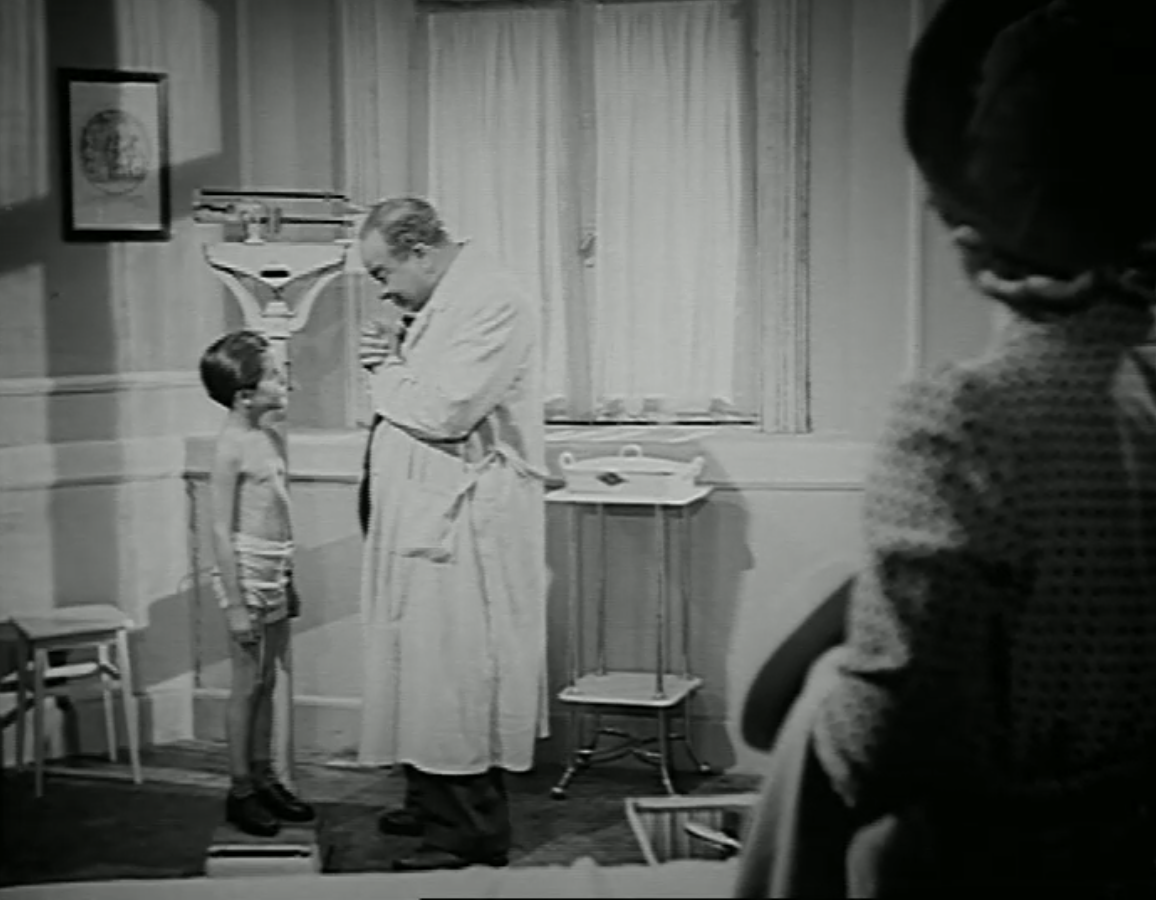
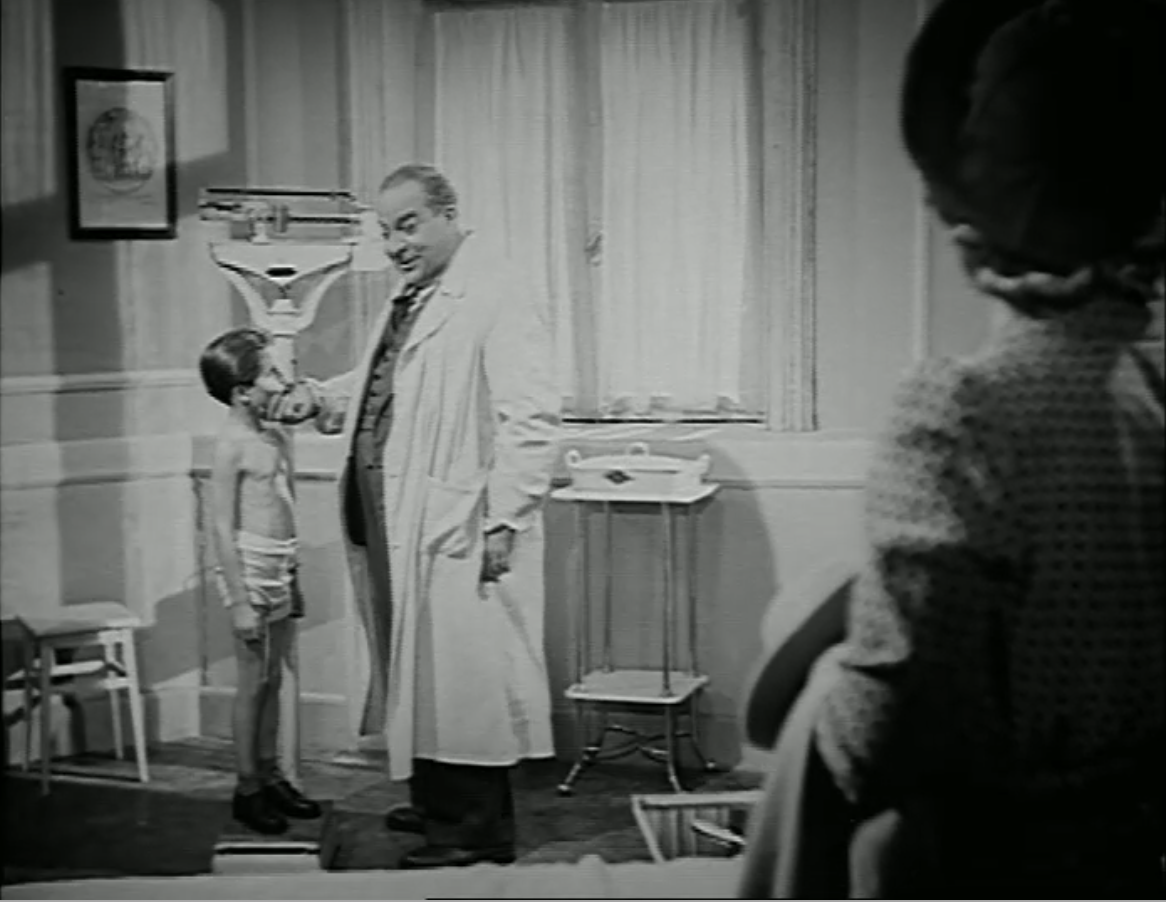
“Che peso! Diciannove chili”. Gli afferra il mento.
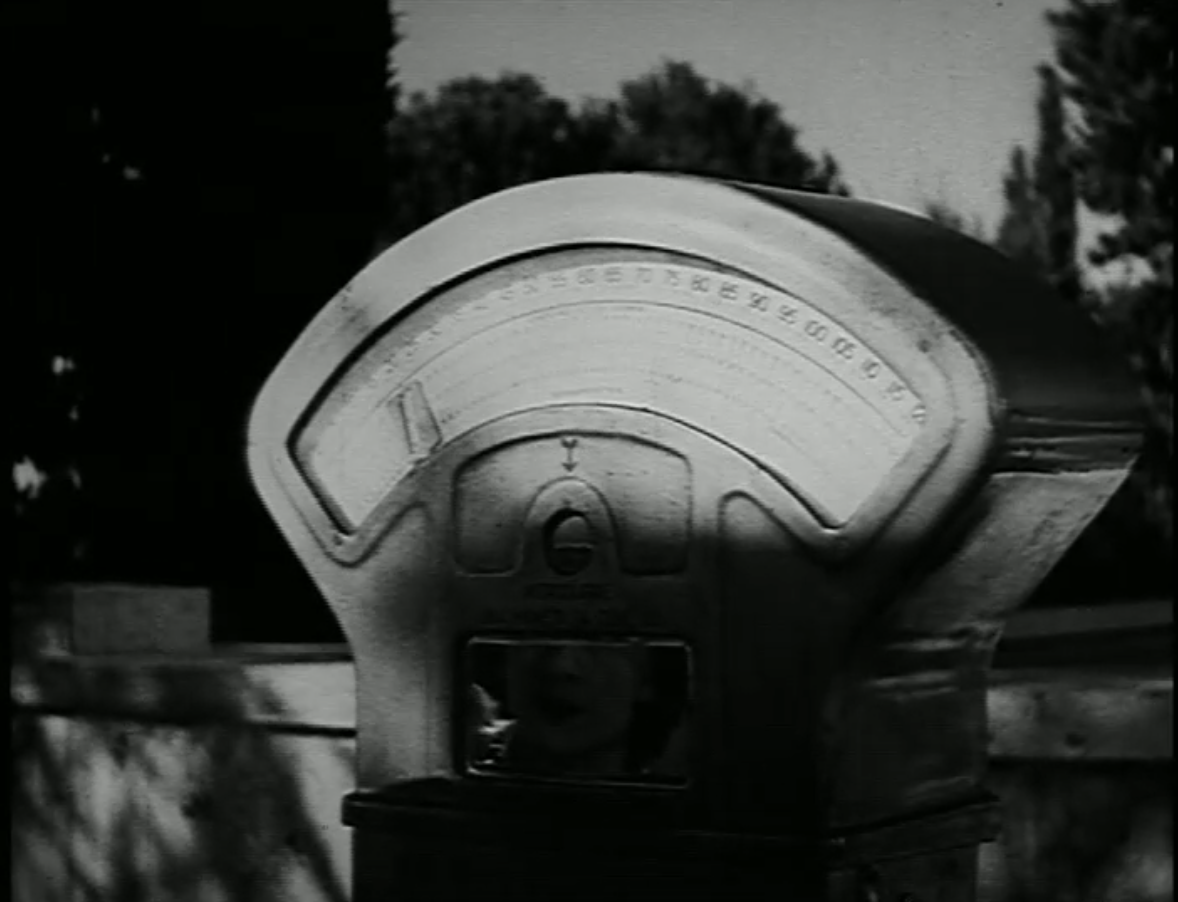
La scena successiva si apre con un taglio di corrispondenza*.
l'immagine di una bilancia. Una voce dice: “Venti chili”.
“Meno male. Mi avevi spaventata”, dice Nina La macchina da presa fa una panoramica per mostrarci Pricò.
*Un taglio di corrispondenza è quando l'immagine o il suono finale di una scena corrisponde all'immagine o al suono iniziale di quella successiva. Per altri termini del cinema italiano, consulta il nostro articolo in inglese: “Inquadratura, Taglio, Panoramica: termini del cinema italiano applicati ai film del dopoguerra”.
“How heavy! Forty-two pounds.” He clasps Pricò’s chin.
The next scene opens with a match cut*: the image of a scale. A voice says, “Forty-four pounds.”
“Thank goodness. You gave me a scare,” Nina says. The camera pans down, to show us Pricò.
*A match-cut is when the final image or sound of one scene matches the opening image or sound in the next. For more Italian cinema terms, see our article in English: “Inquadratura, Taglio, Panoramica: Italian Movie-making Terms Applied to Post-War Films.”
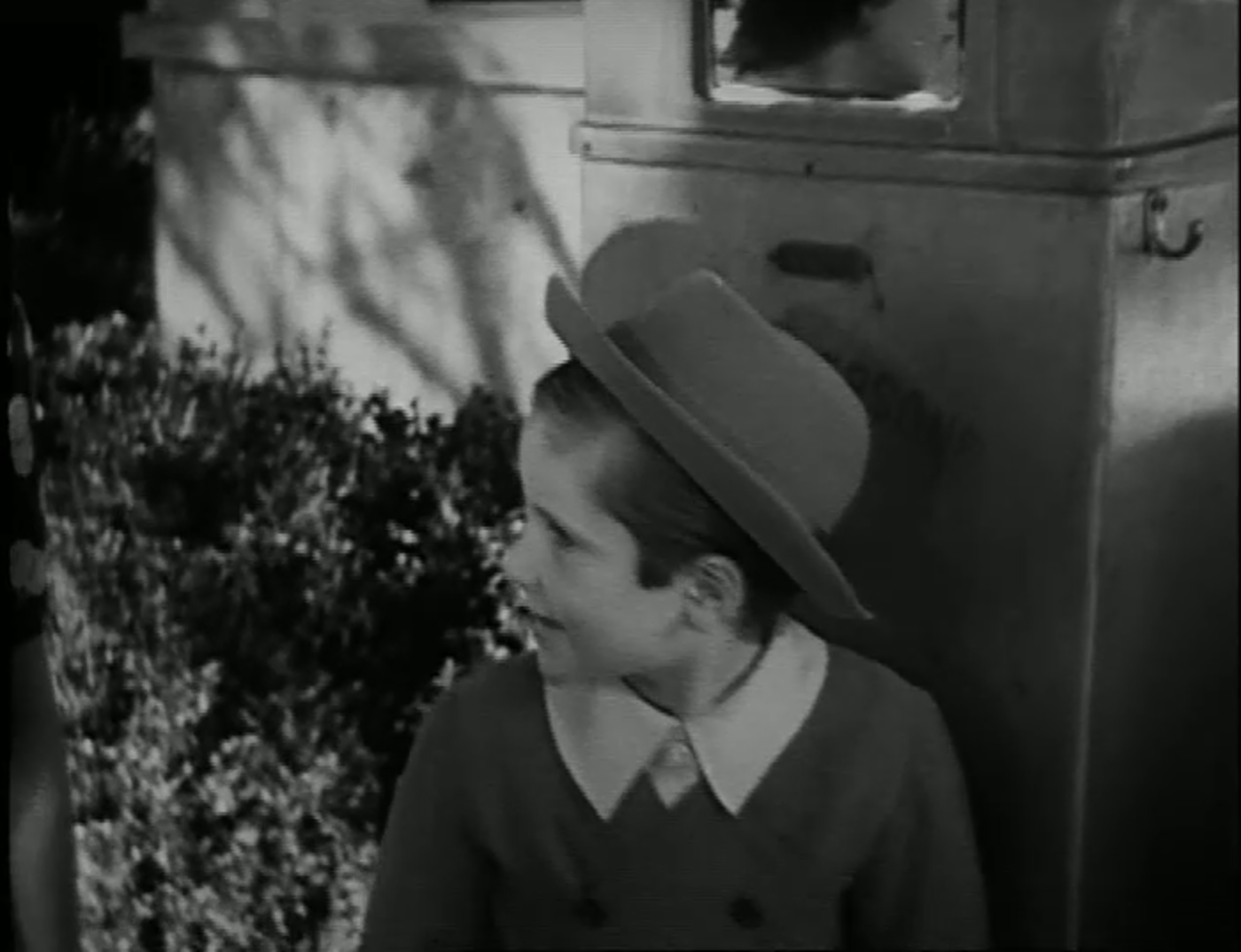
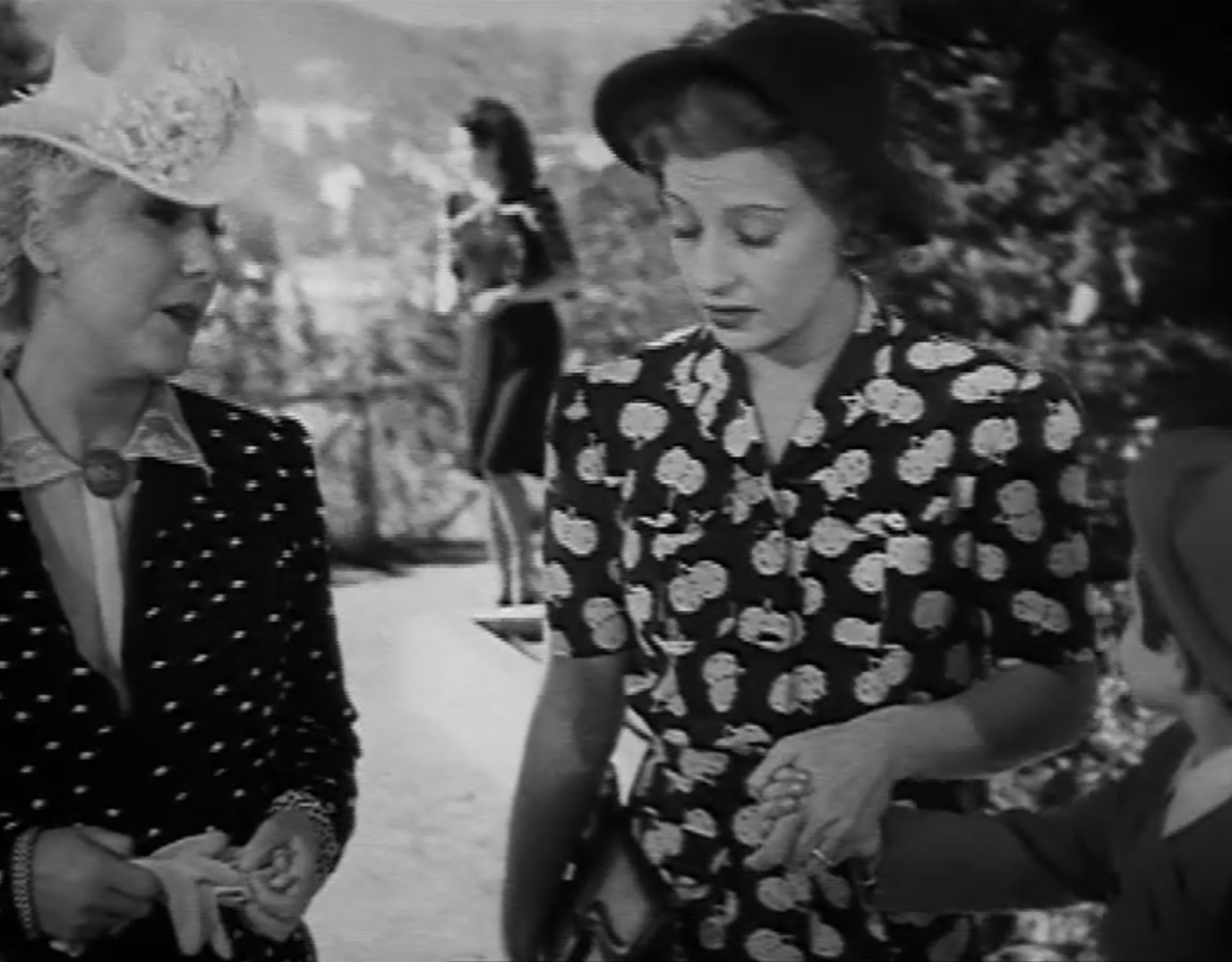
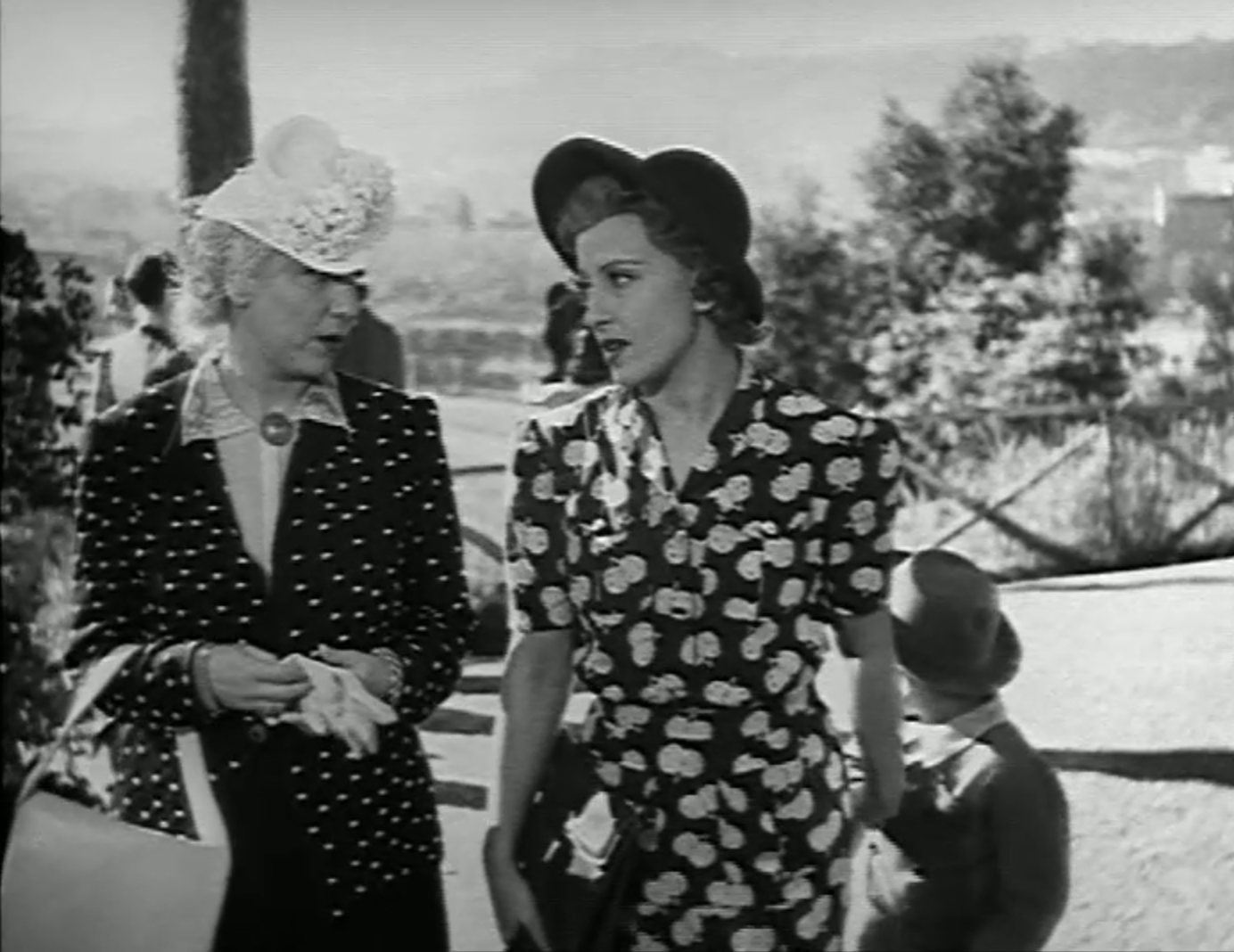
Pricò scende dalla bilancia. "Quindici giorni fa" – dice sua madre, prendendogli la mano – "pesava solo diciannove chili".
Sua sorella risponde: "Non mi sono fatta viva con te perché non sapevo cosa avrebbe detto Andrea".
"Forse è meglio così".
Pricò steps off the scale. “Fifteen days ago,” his mother says, taking his hand, “he weighed just forty-two.”
Her sister replies, “I haven’t reached out to you because I didn’t know what Andrea would say.”
“Perhaps it’s better this way.”
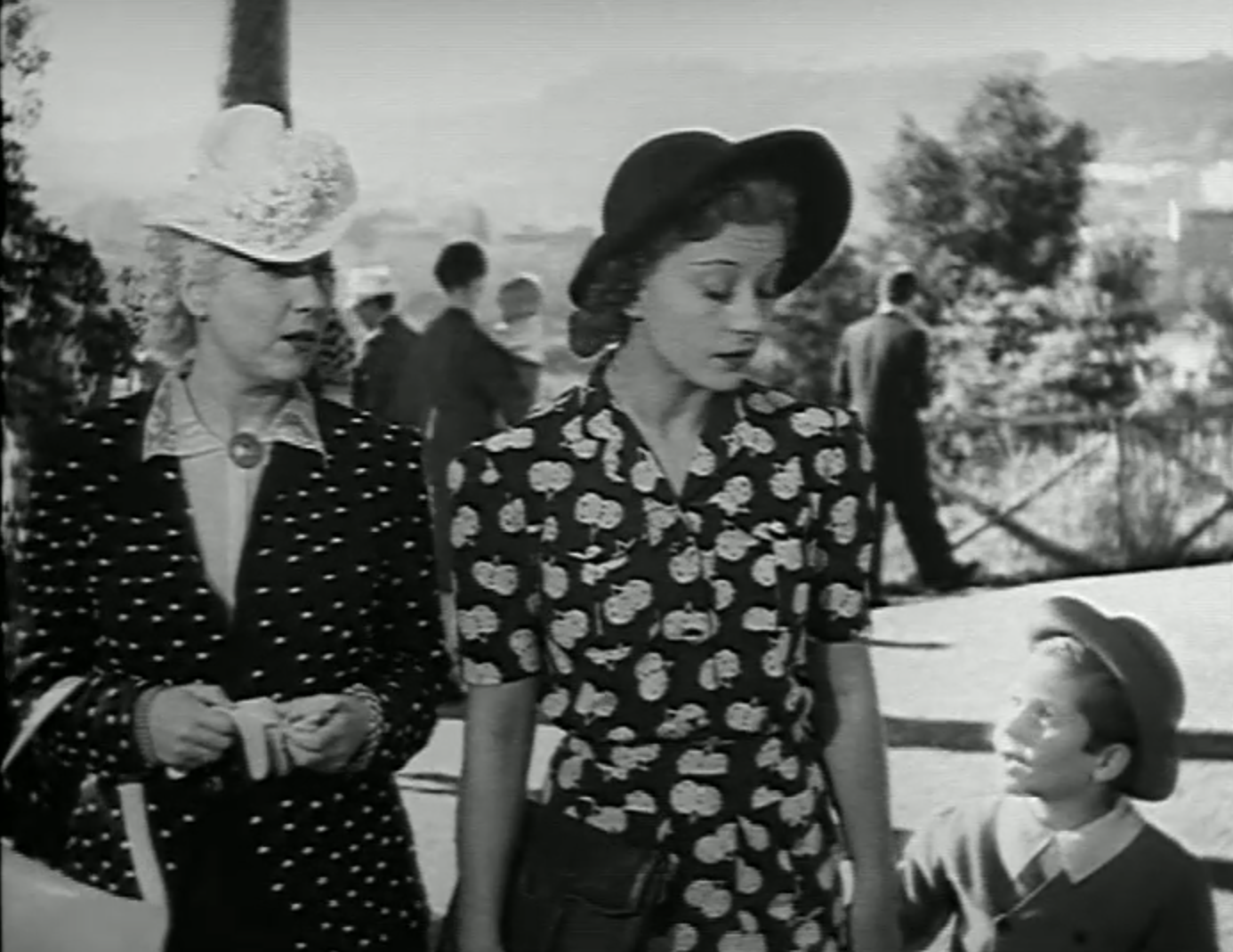
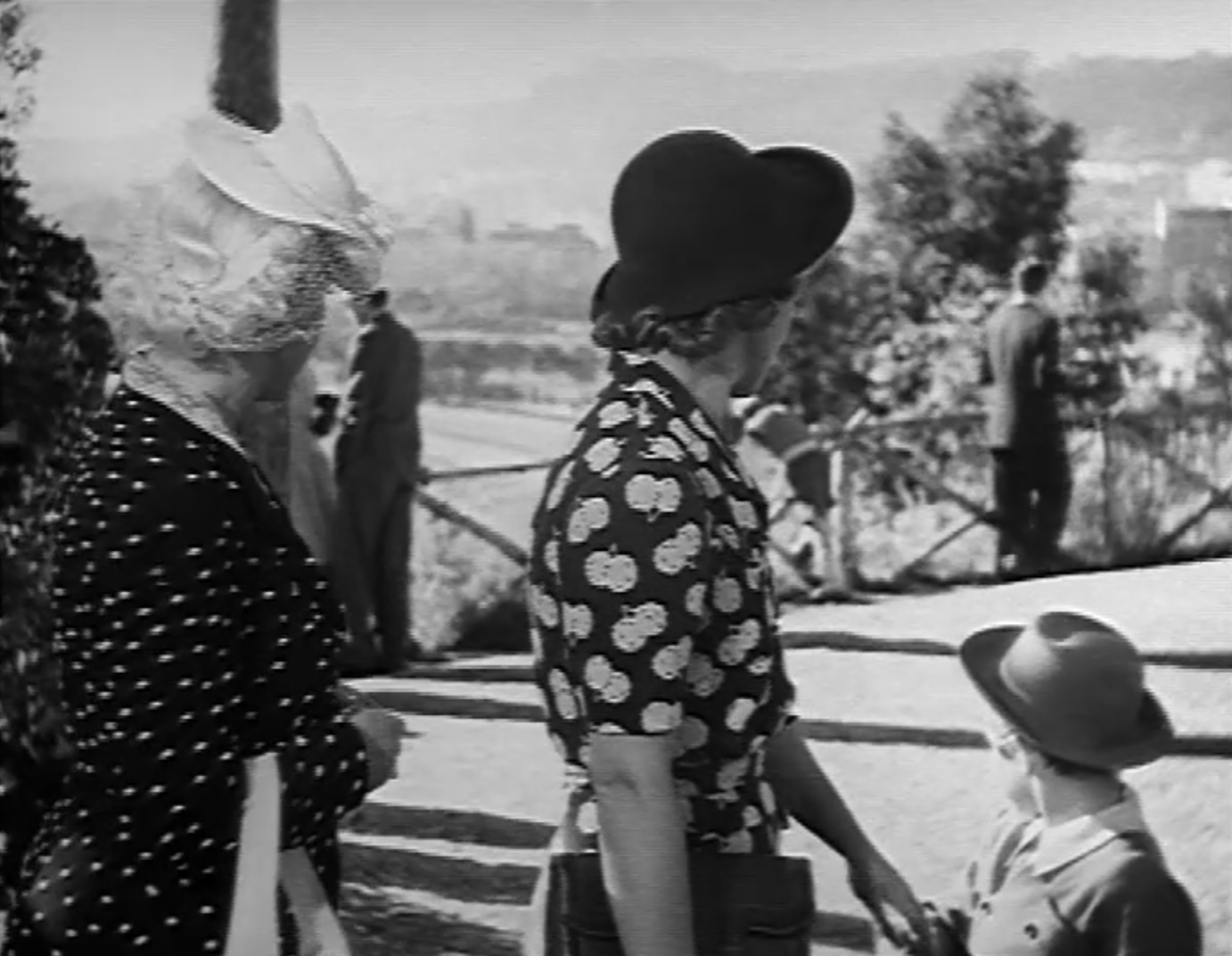
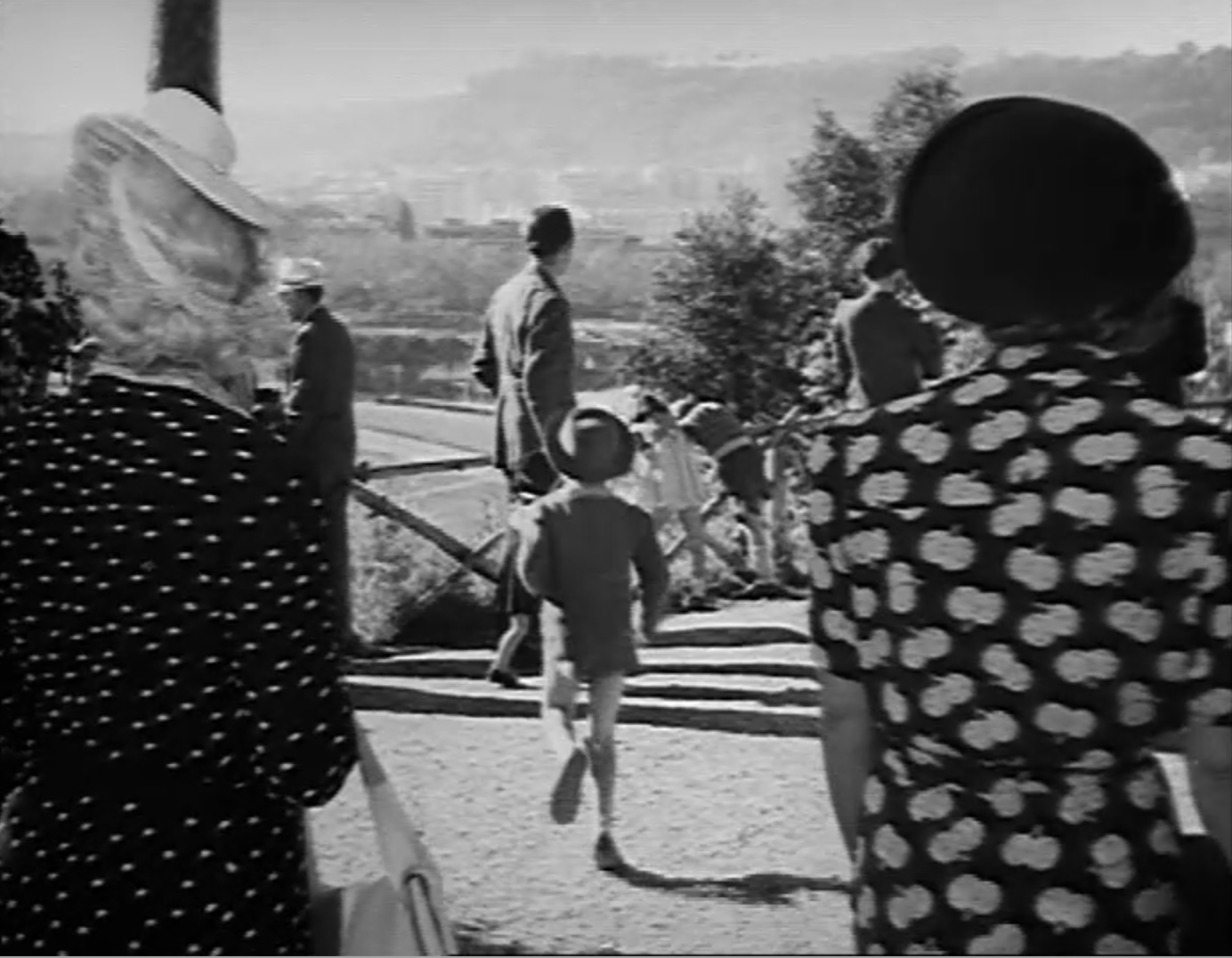
"Mamma", dice Pricò, guardando verso una recinzione.
"Sì, caro, vai a vedere i cavalli".
Lui corre via.
“Mommy,” says Pricò, and looks over to a fence.
“Yes, dear, go see the horses.”
He runs off.
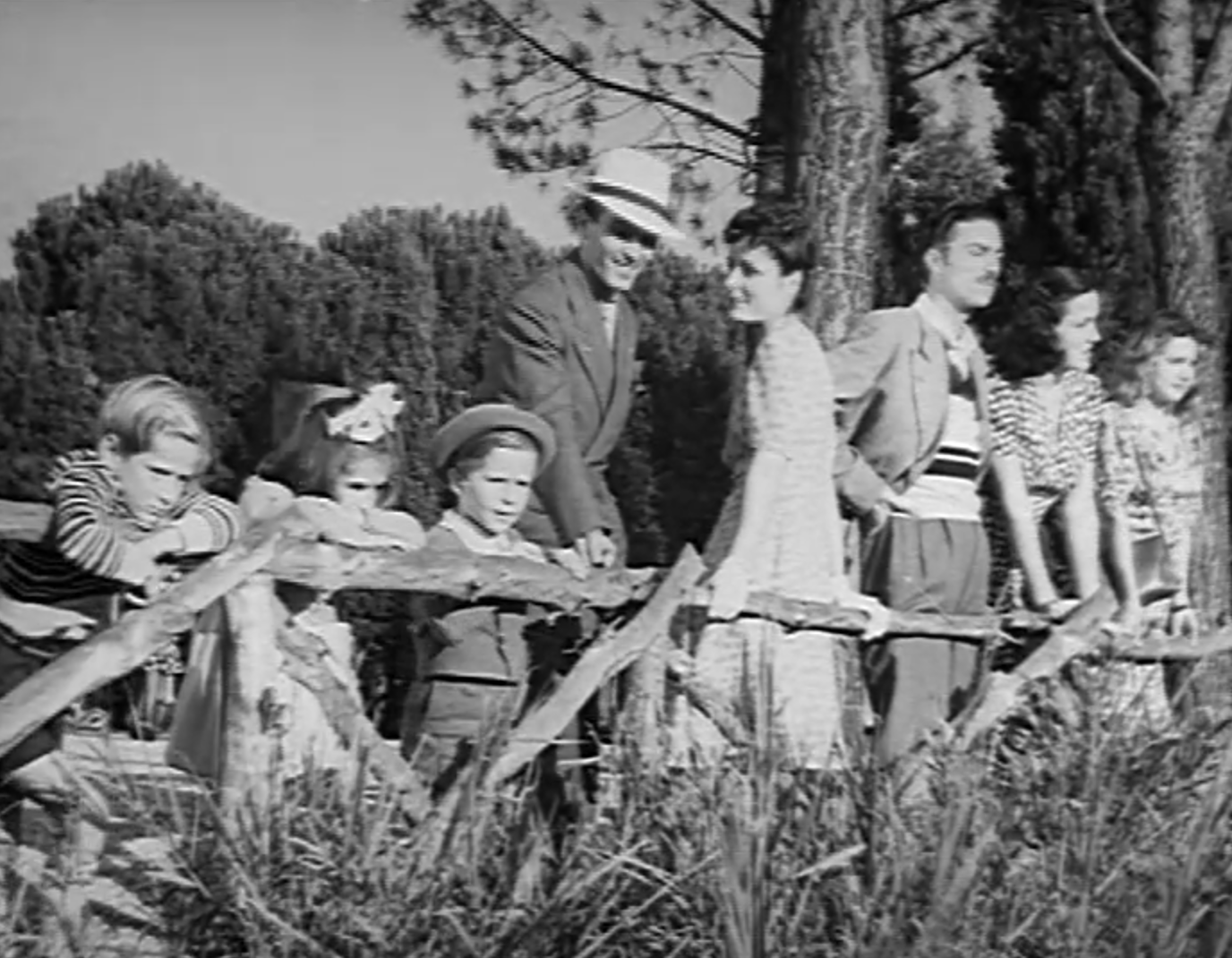
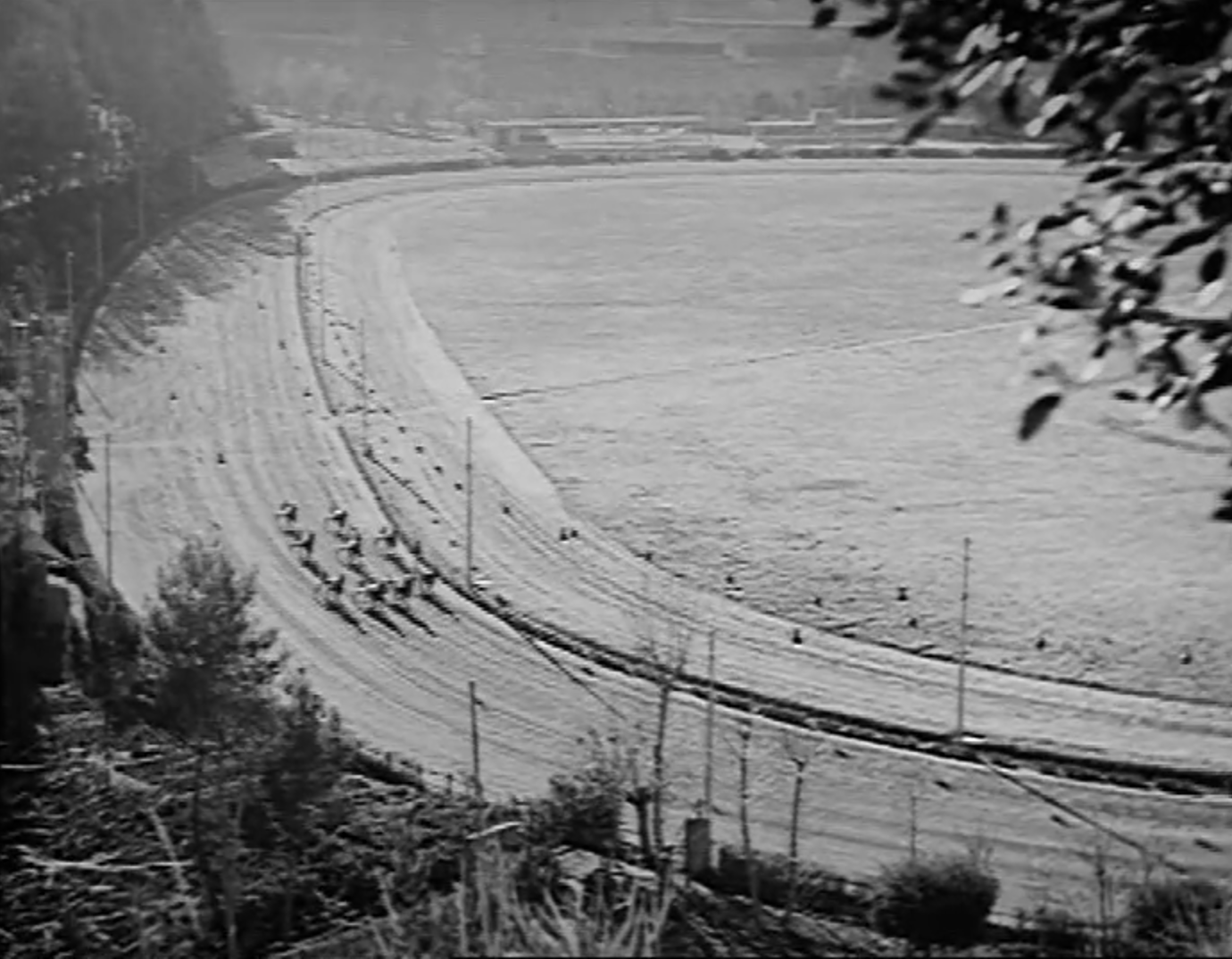
Lui si unisce agli spettatori di una corsa di cavalli.
He joins the spectators of a horse race.
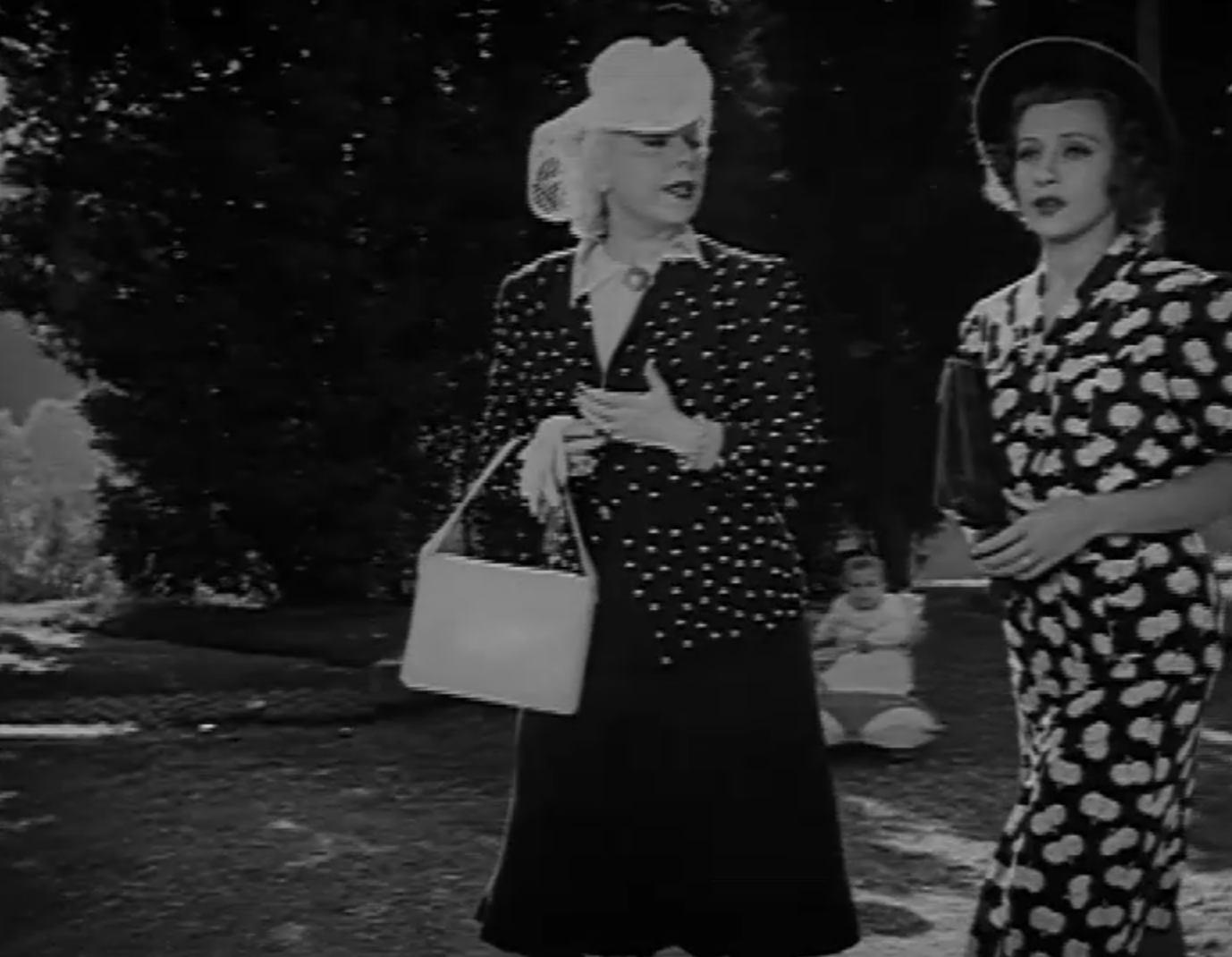
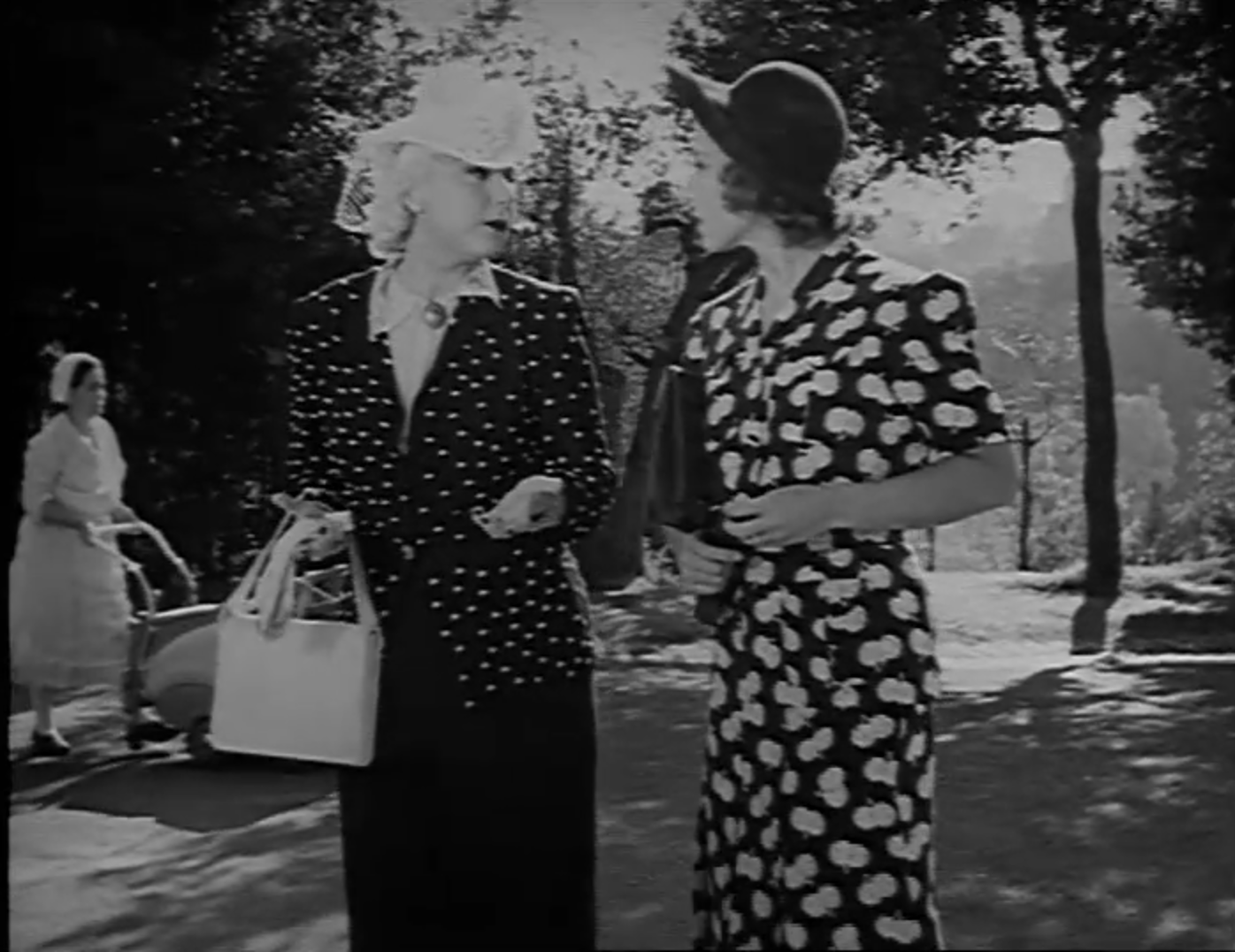
"Senti" – dice la signora Berelli – "non volevo dirtelo, ma bisogna che te lo dica". Nina la guarda. "Roberto è arrivato ieri. Naturalmente è venuto da me. Voleva che ti invitassi a casa mia. Lui continua a dire: 'Devo solo vederla per cinque minuti'".
“Listen,” Signora Berelli says, “I wasn’t going to tell you, but I just have to.” Nina looks at her. “Roberto arrived yesterday. He came to my place, of course. He wanted me to invite you over. He keeps saying, ‘I just have to see her for five minutes.’”
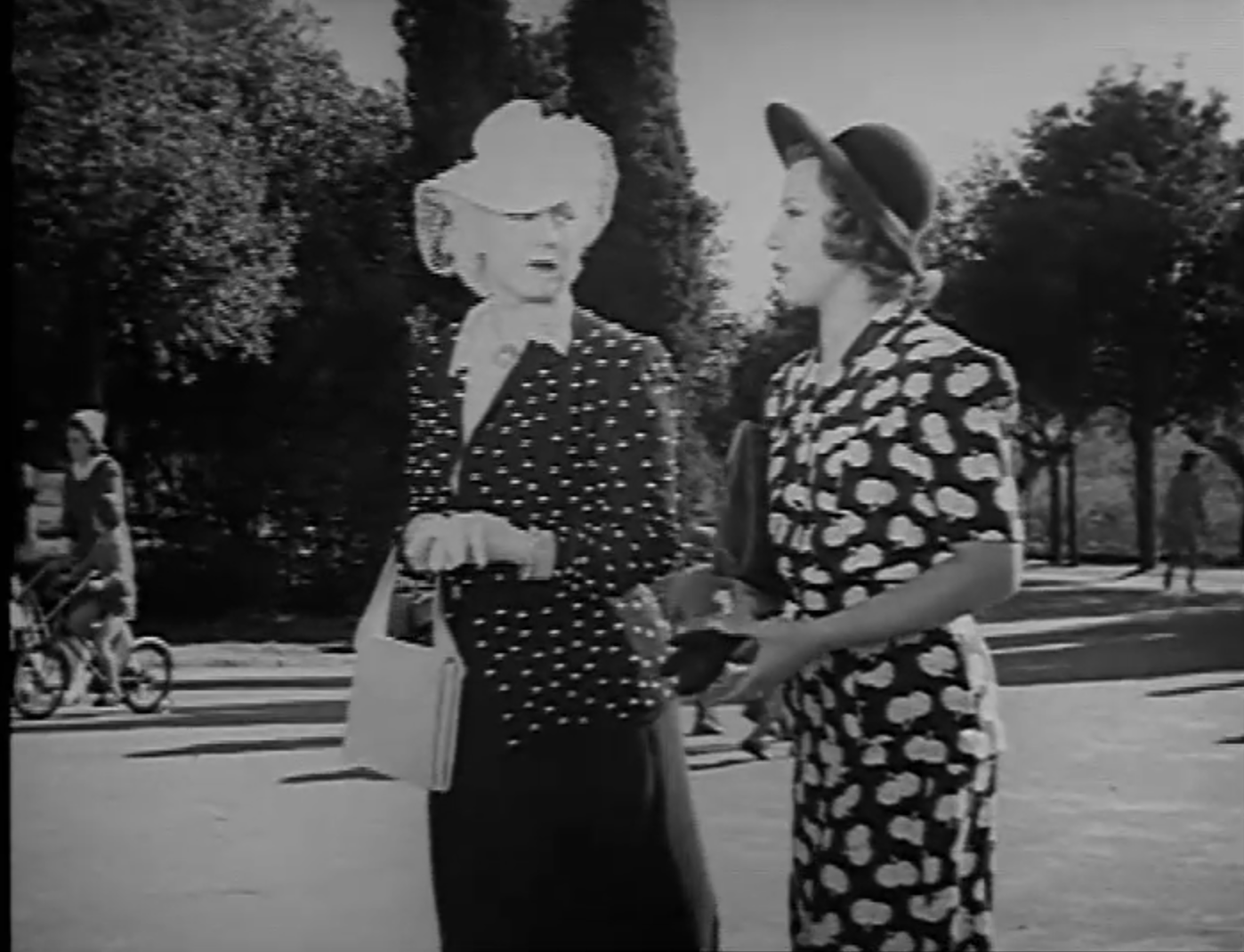
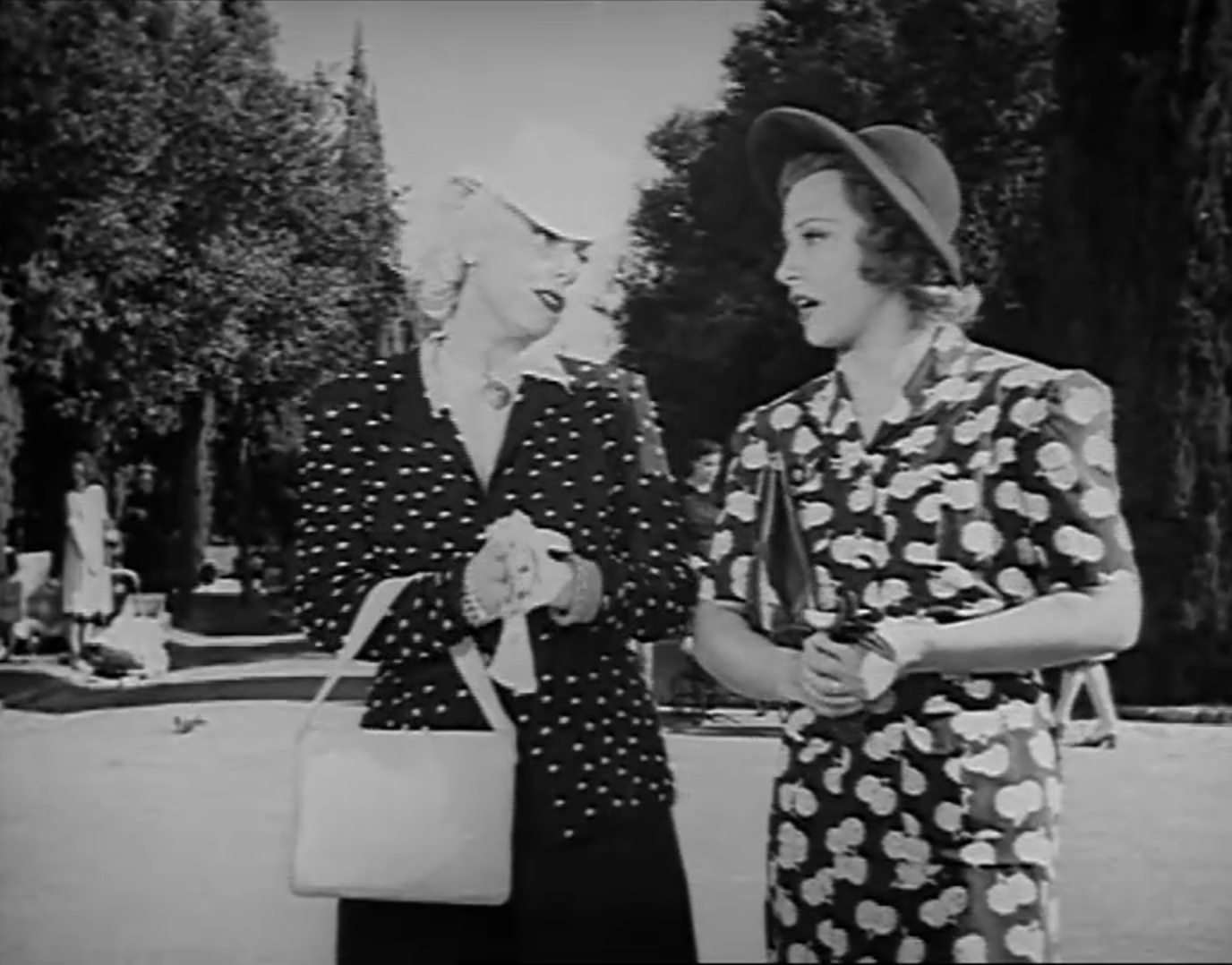
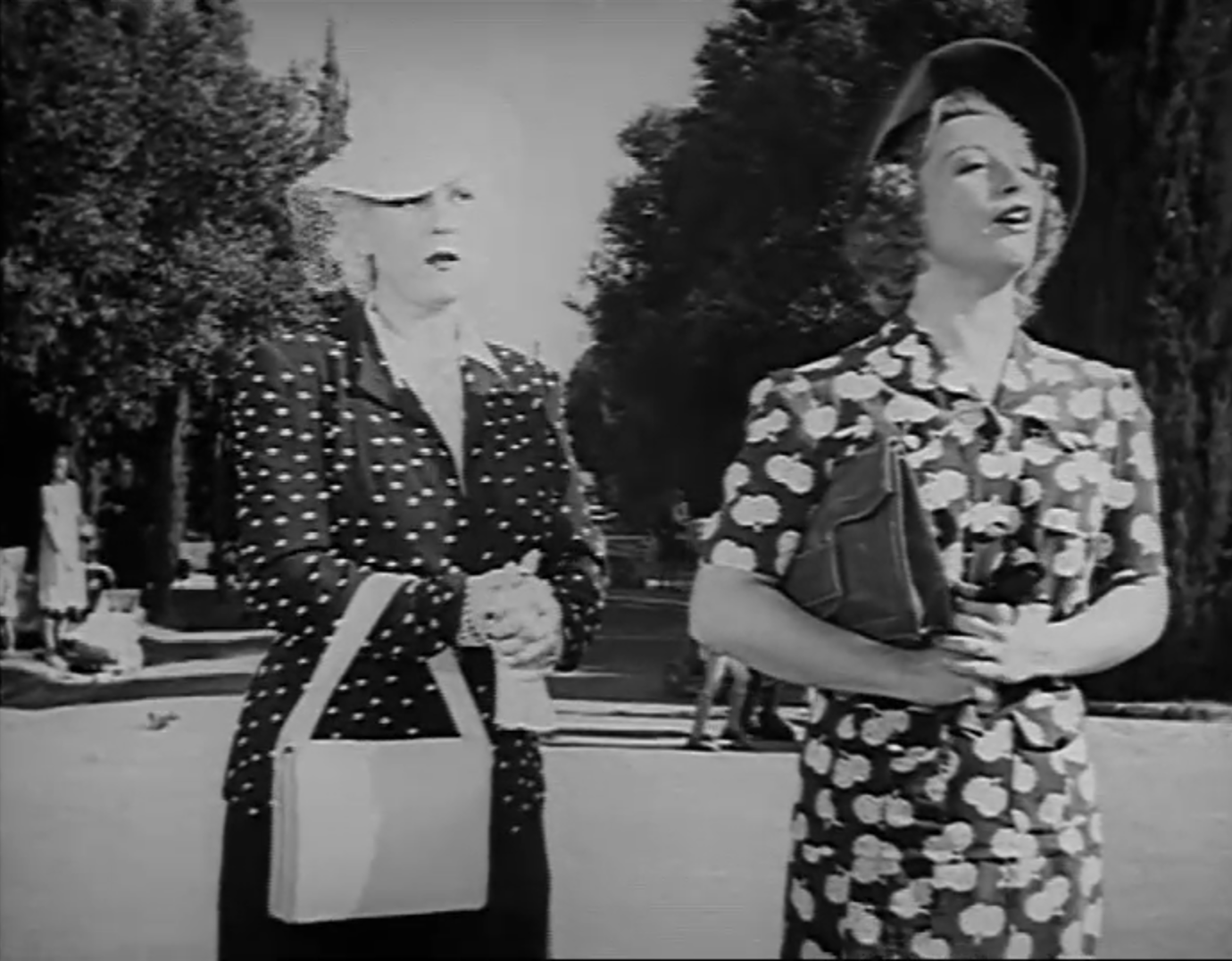
"Tante volte ci siamo lasciati" – risponde Nina – "Ogni volta è bastato un solo minuto per ricominciare tutto. Deve lasciarmi stare se mi vuole bene. Io finalmente ho trovato la forza di non vederlo più”.
”Ma sai…” interrompe la sorella.
“Anche lui deve trovare la stessa forza".
"Quel povero ragazzo…"
"Pricò! Pricò!" chiama Nina, chiudendo la conversazione.
“We’ve broken up so many times,” Nina replies. “Each time, just one minute was enough to restart everything. He should leave me alone if he loves me. I finally found the strength to not see him anymore.”
“But, you know…” her sister interrupts
“He, too, should find the same strength.”
“The poor guy…”
“Pricò! Pricò!” Nina calls, ending the conversation.
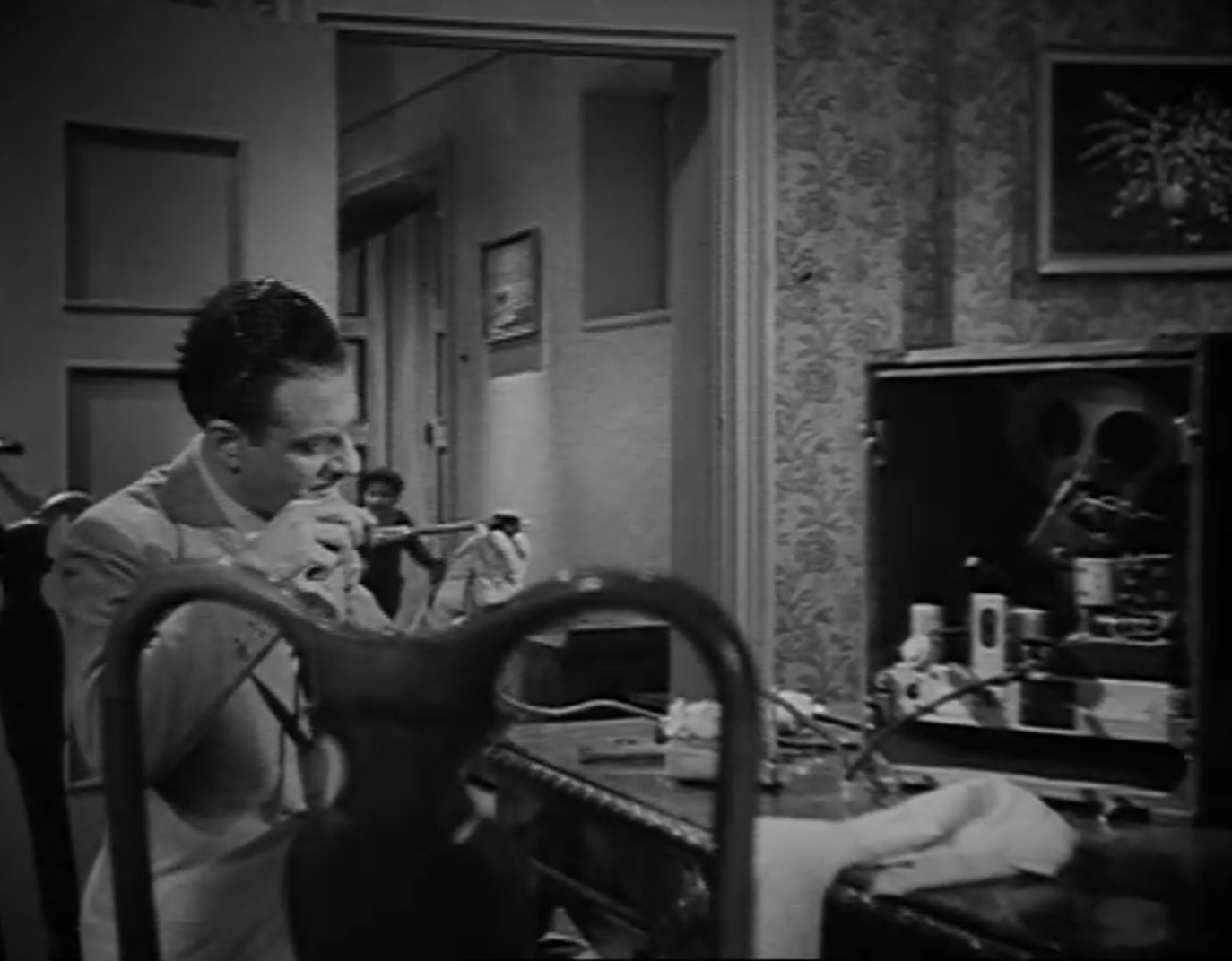
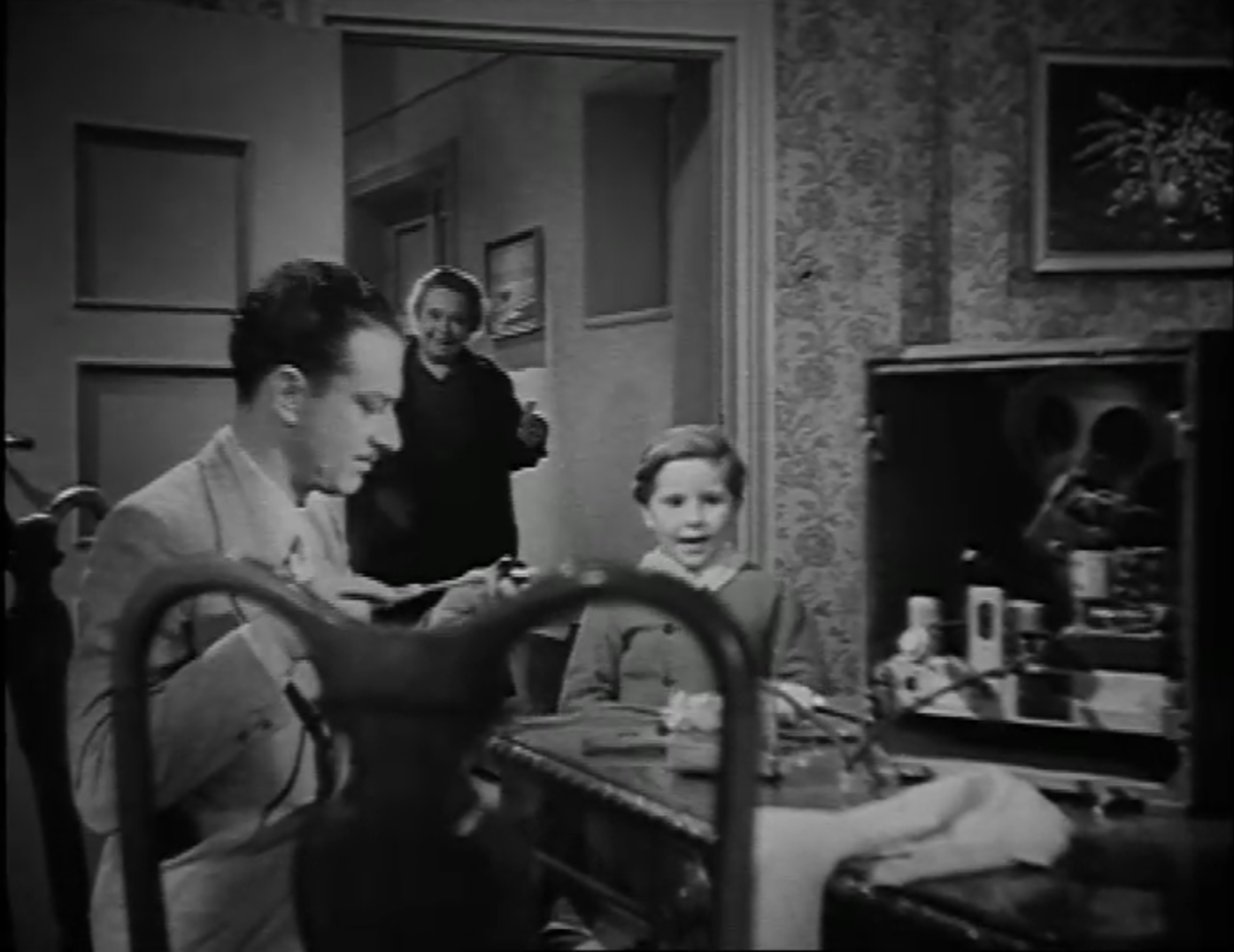
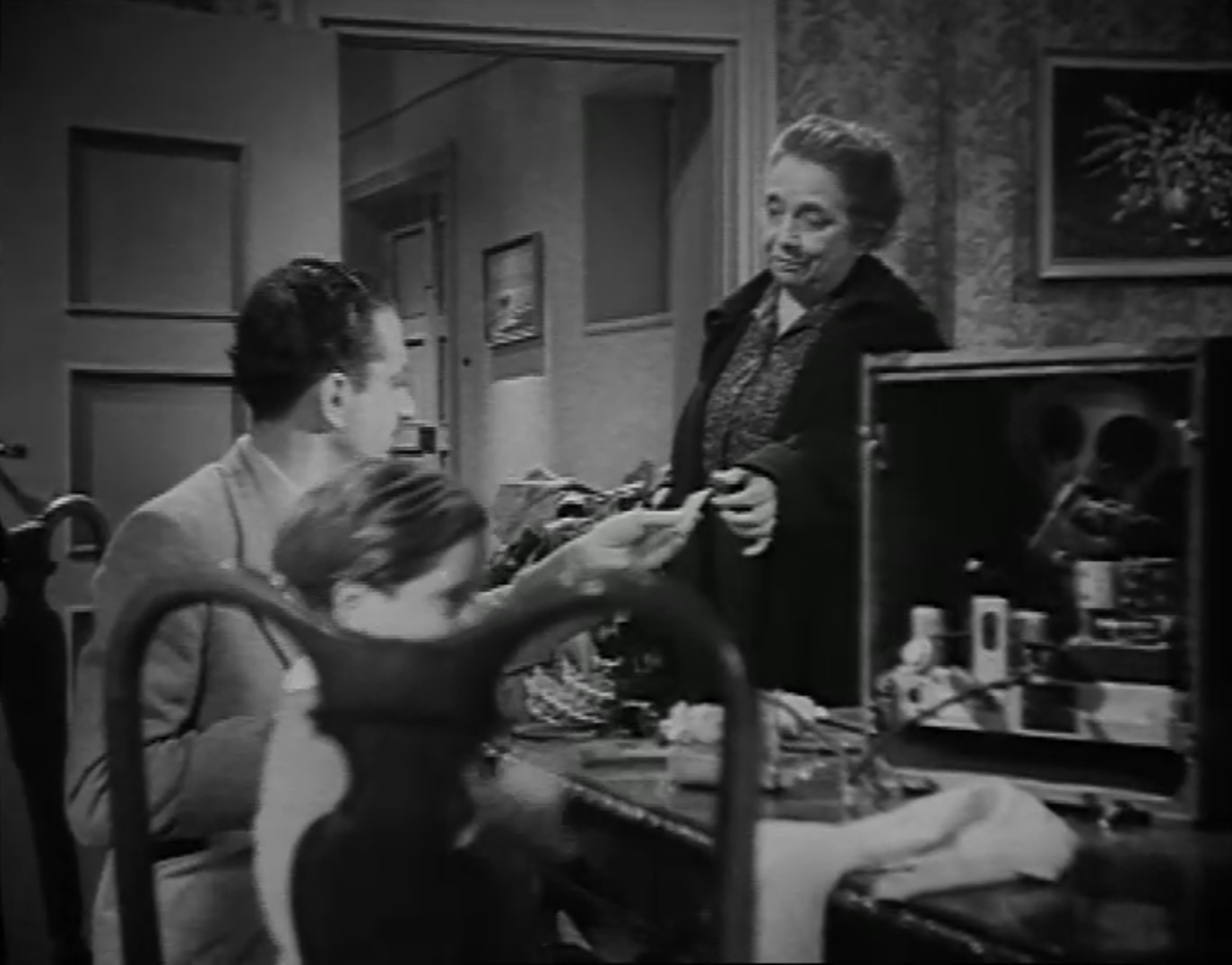
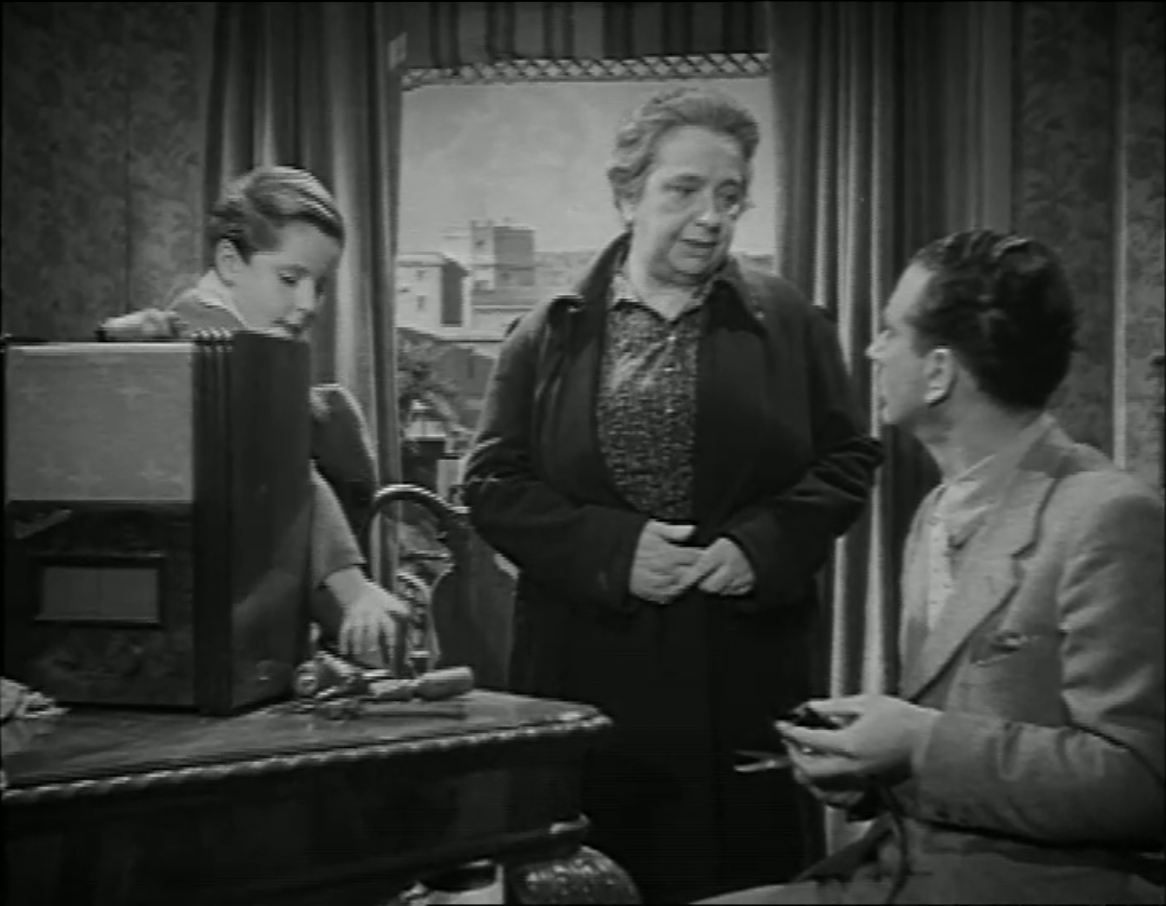
"Papà!" Pricò entra di corsa, seguito da Agnese. Andrea è seduto al tavolo, con un cacciavite in mano.
"Siamo già a ventuno chili. Come vede, avevo ragione io". Agnese gli porge il biglietto della pesata. "In un mese ha raggiunto il suo peso".
“Papa!” Pricò runs in, followed by Agnese. Andrea sits at the table, screwdriver in hand.
“We’re already at forty-six pounds. As you see, I was right.” Agnese hands him the weight ticket. “In one month, he’s reached his normal weight.”
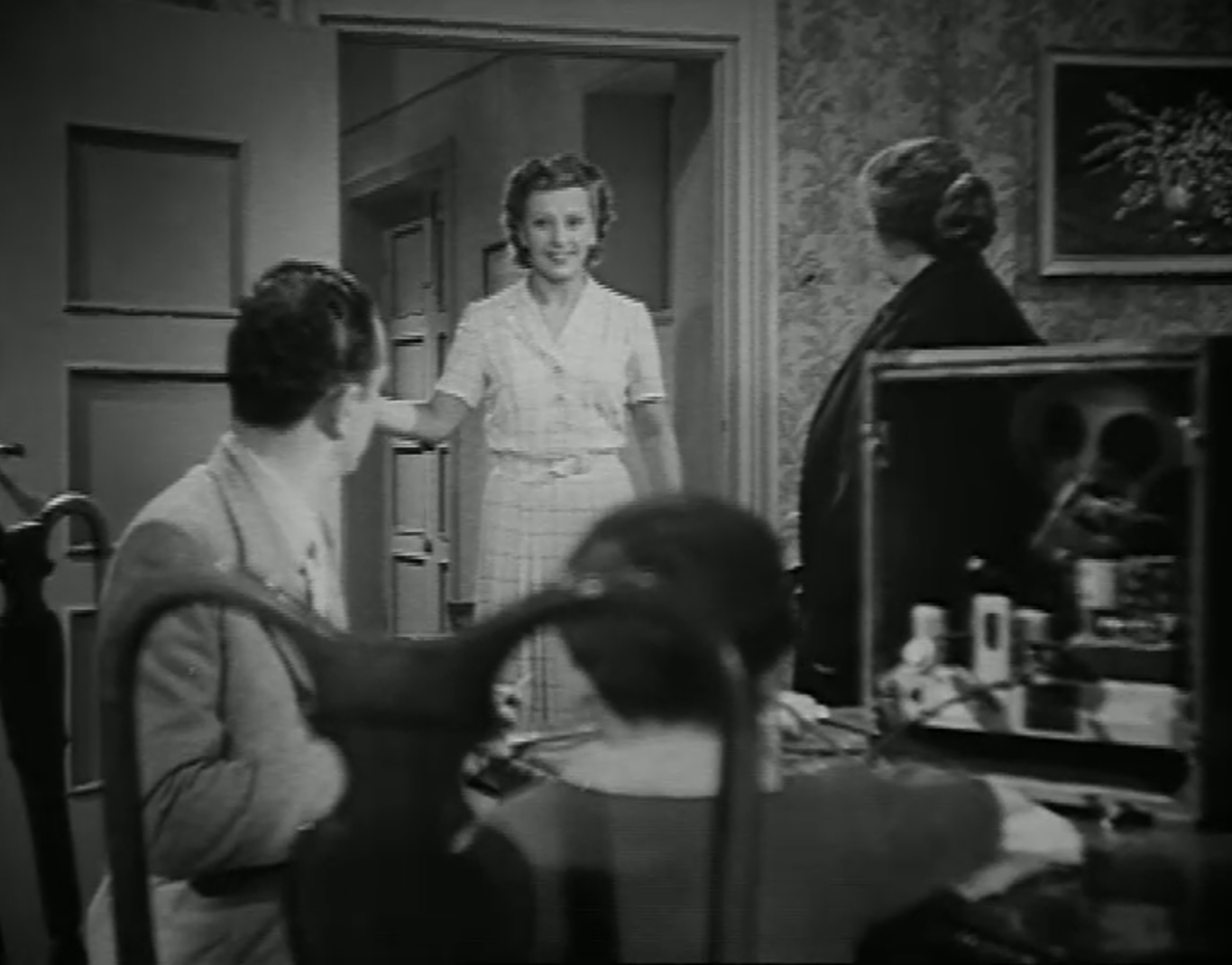
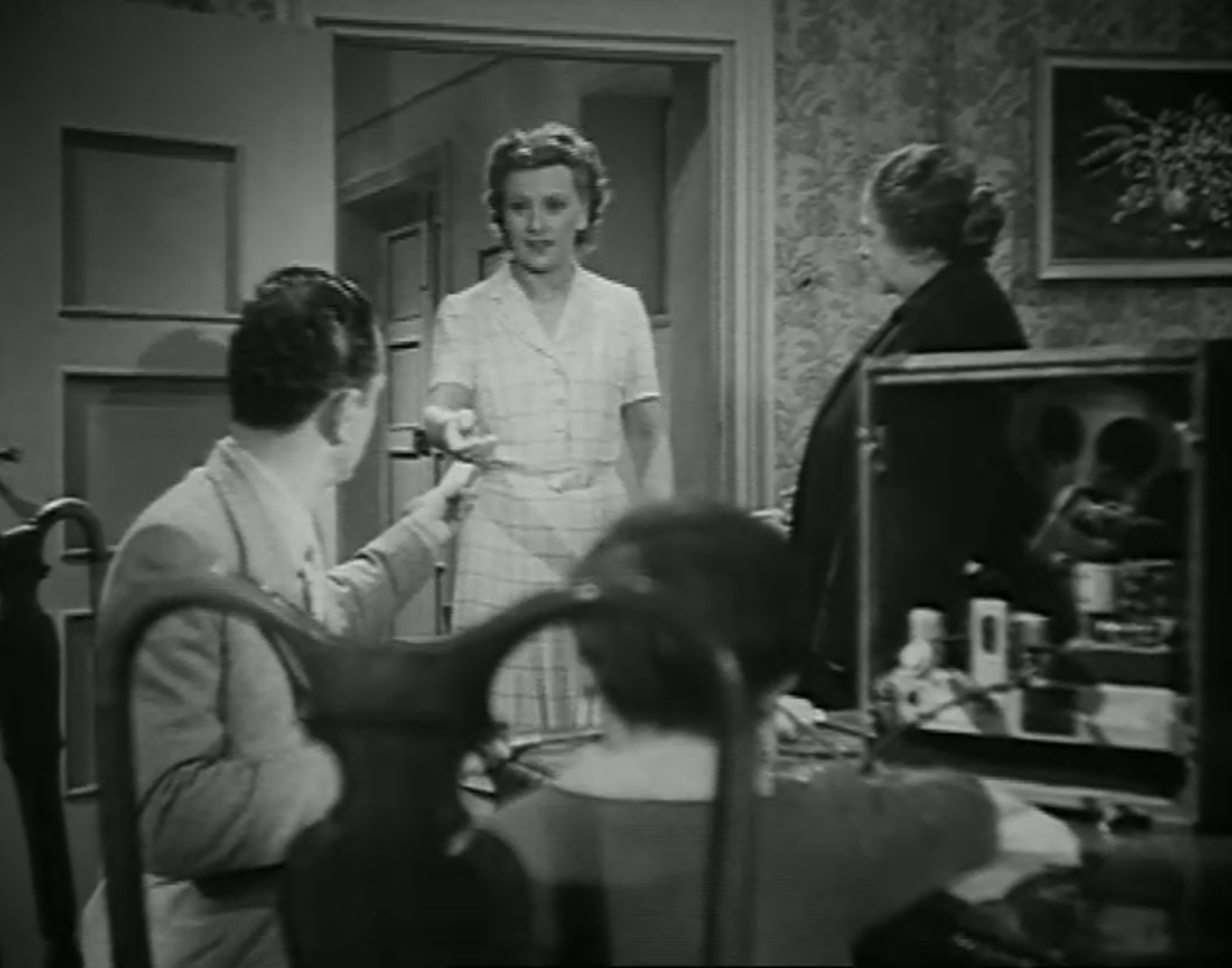
Nina entra di corsa. "Quanto è?"
"Ventuno chili". Andrea le porge il biglietto.
"Meno male!"
Nina runs in. “How much is it?”
“Forty-six pounds.” Andrea hands her the ticket.
“Thank goodness!”
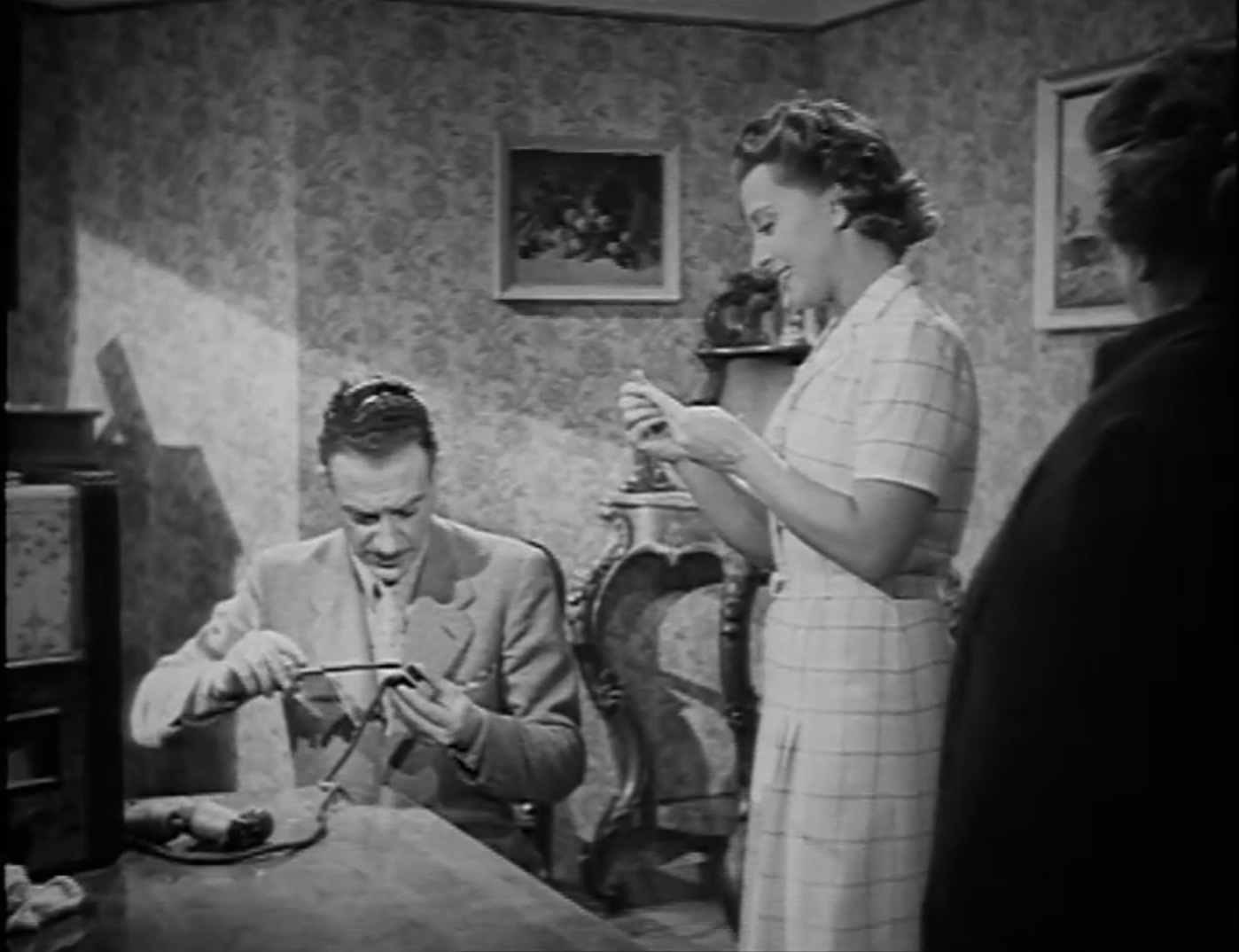
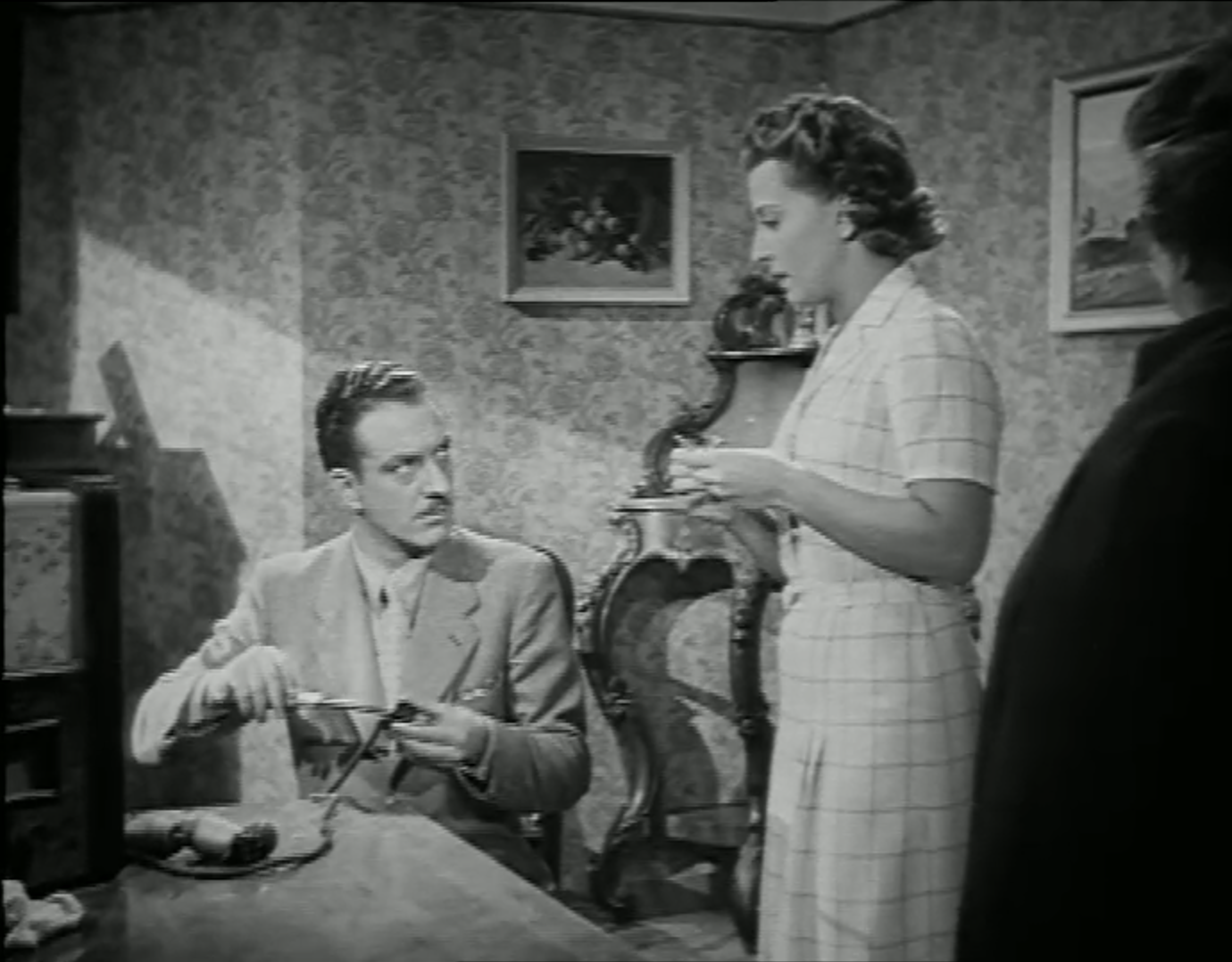
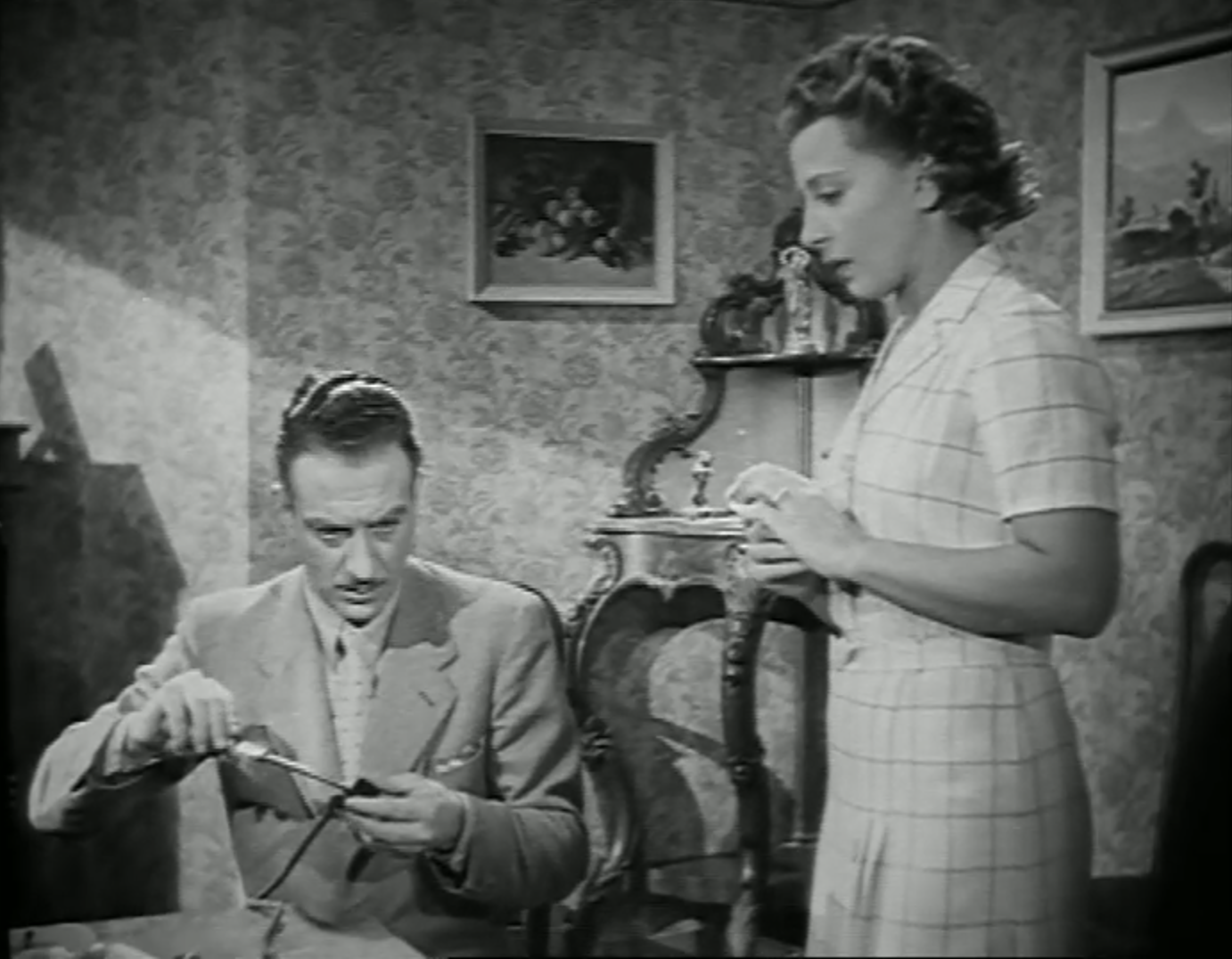
“Possiamo essere contenti, eh”, dice Andrea, concentrato su ciò che sta facendo.
“Sì, possiamo considerarci fortunati”.
Lui alza lo sguardo verso di lei, senza sorridere. La macchina da presa indugia sull'immagine: una coppia infelice.
“We can be happy, can’t we?” says Andrea, focused on what he’s doing.
“Yes, we can consider ourselves lucky.”
He looks up at her, without smiling. The camera lingers on the image: an unhappy couple.
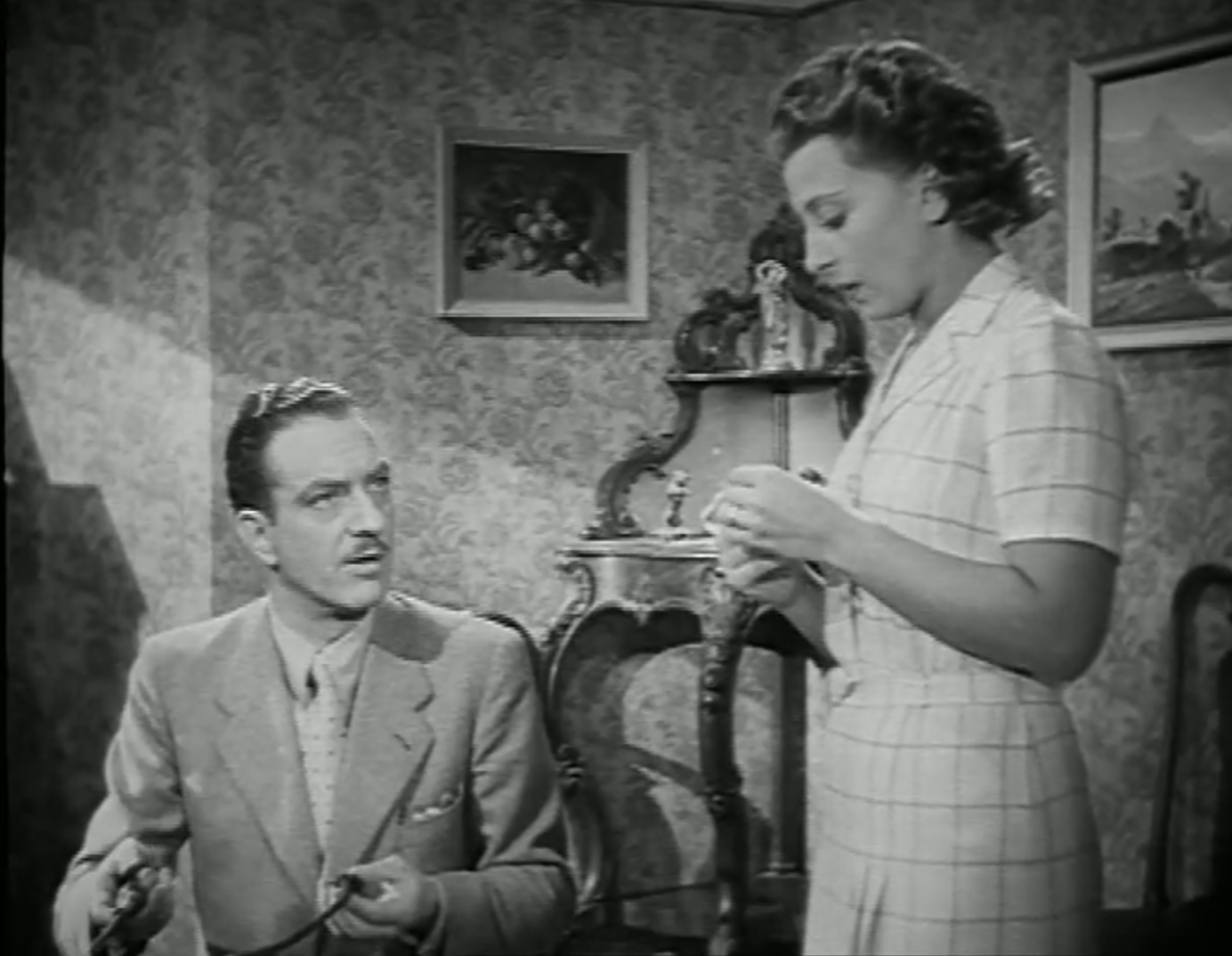
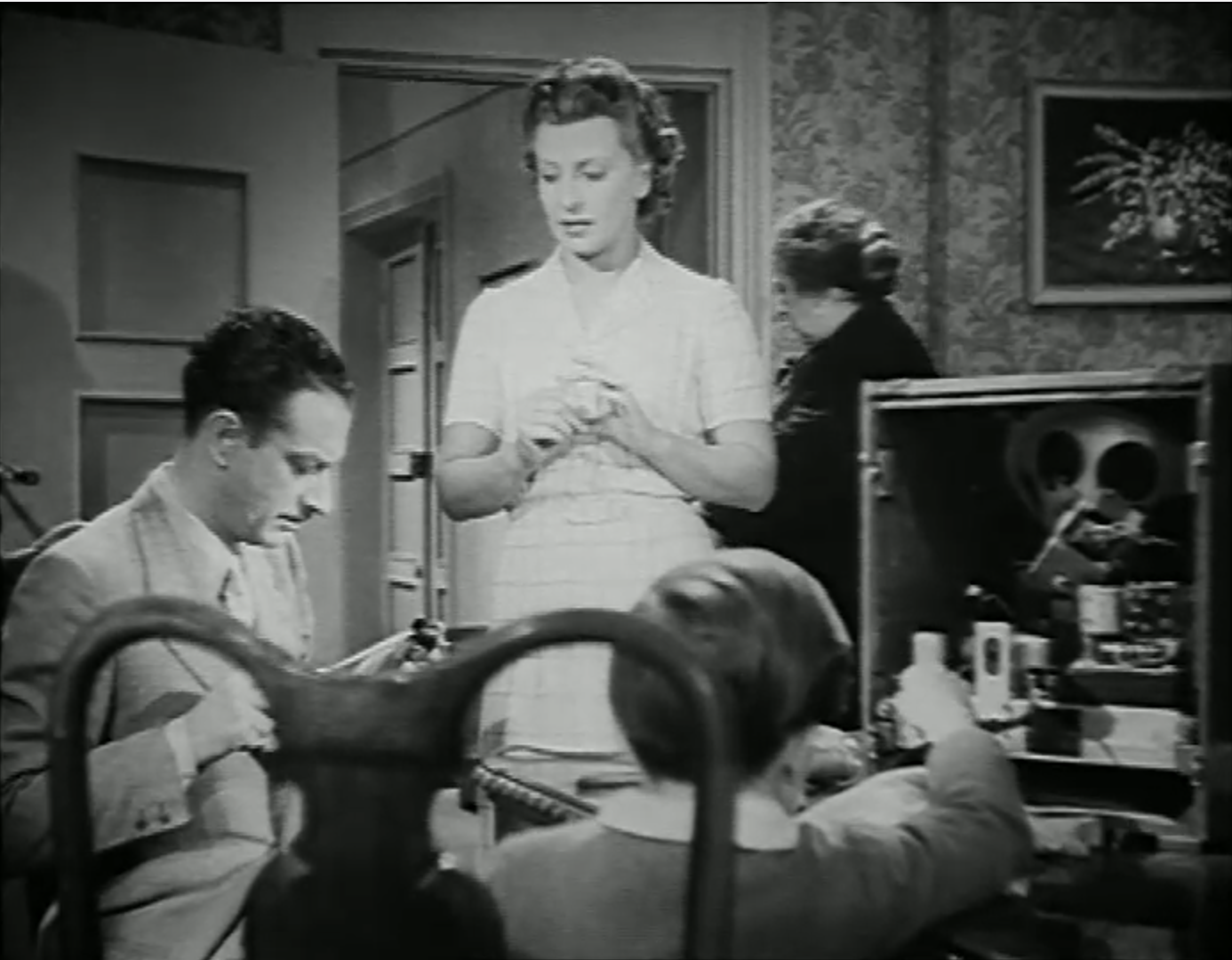
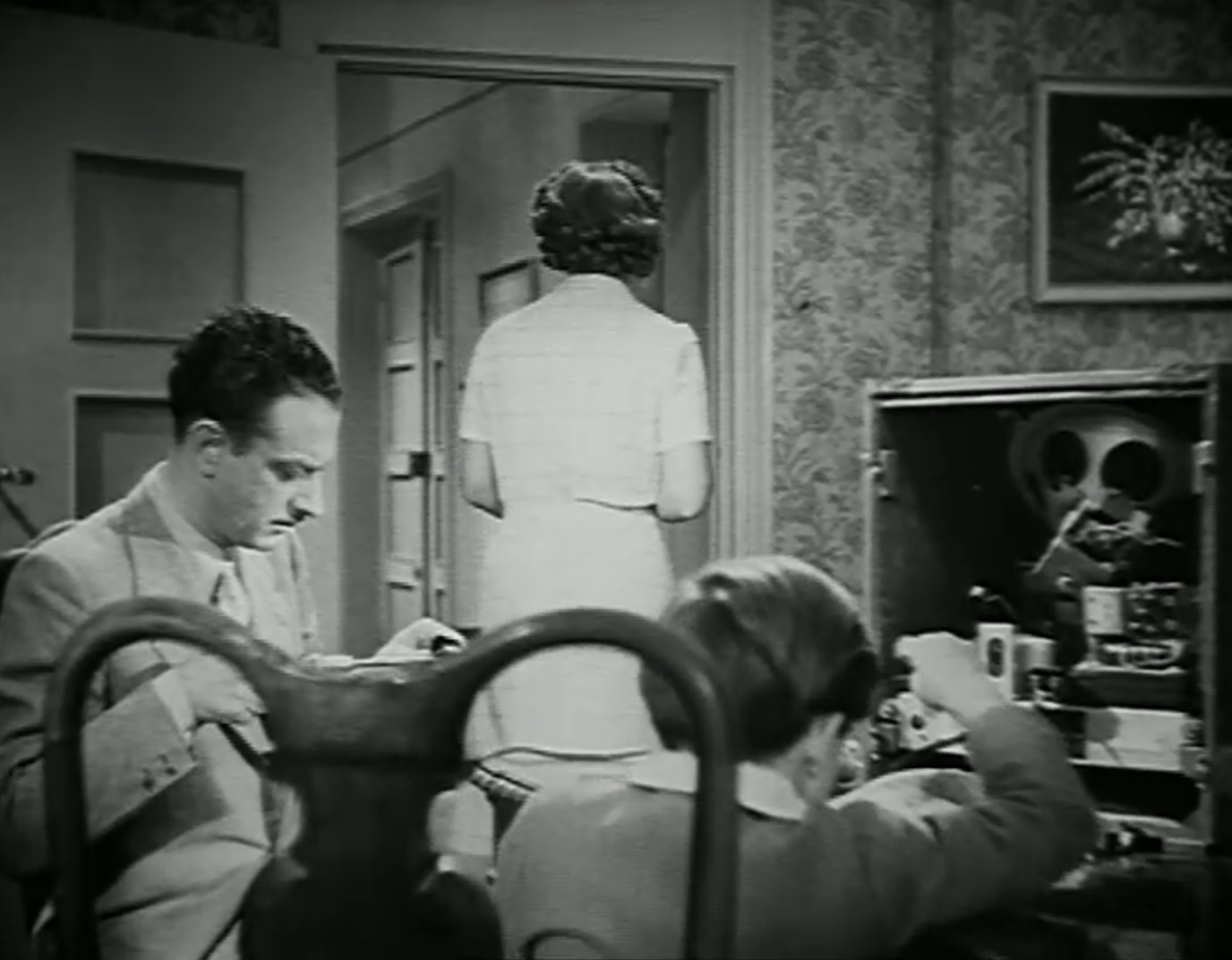
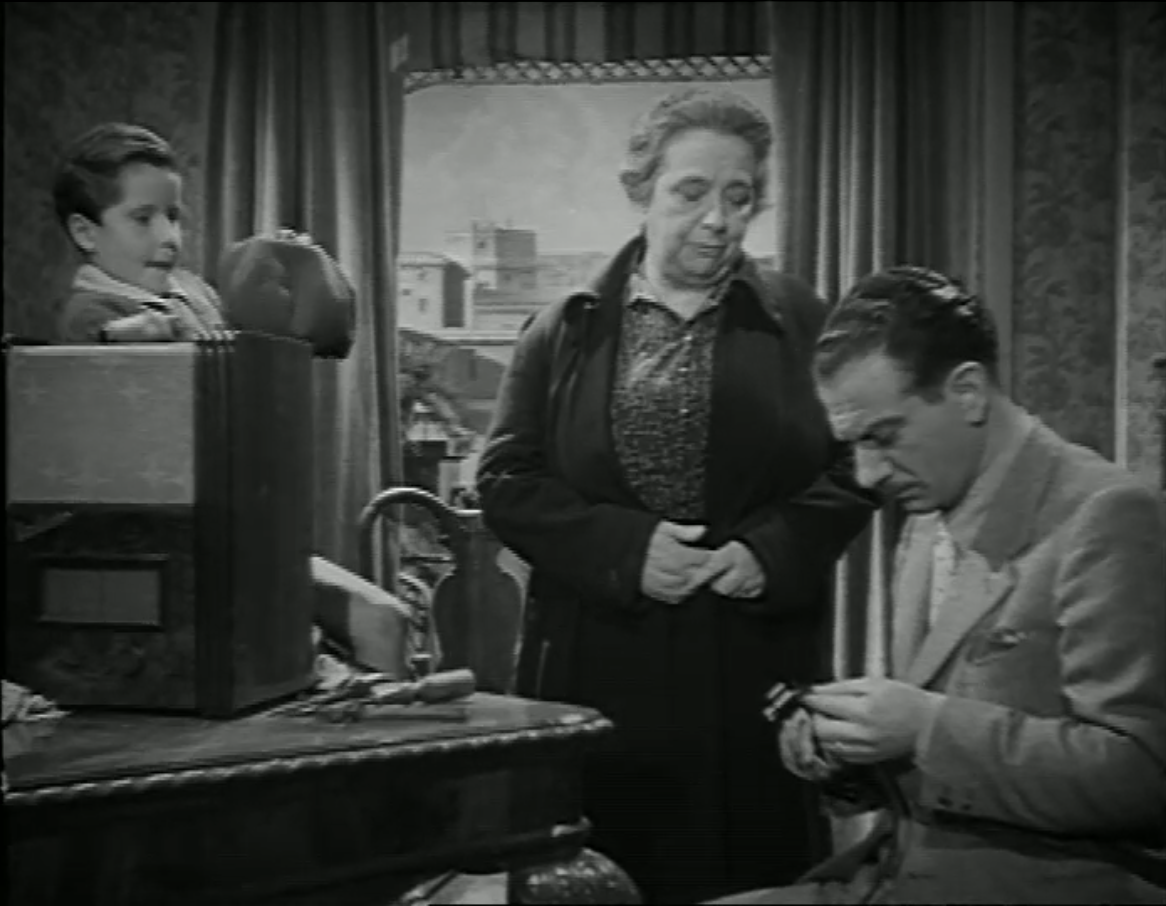
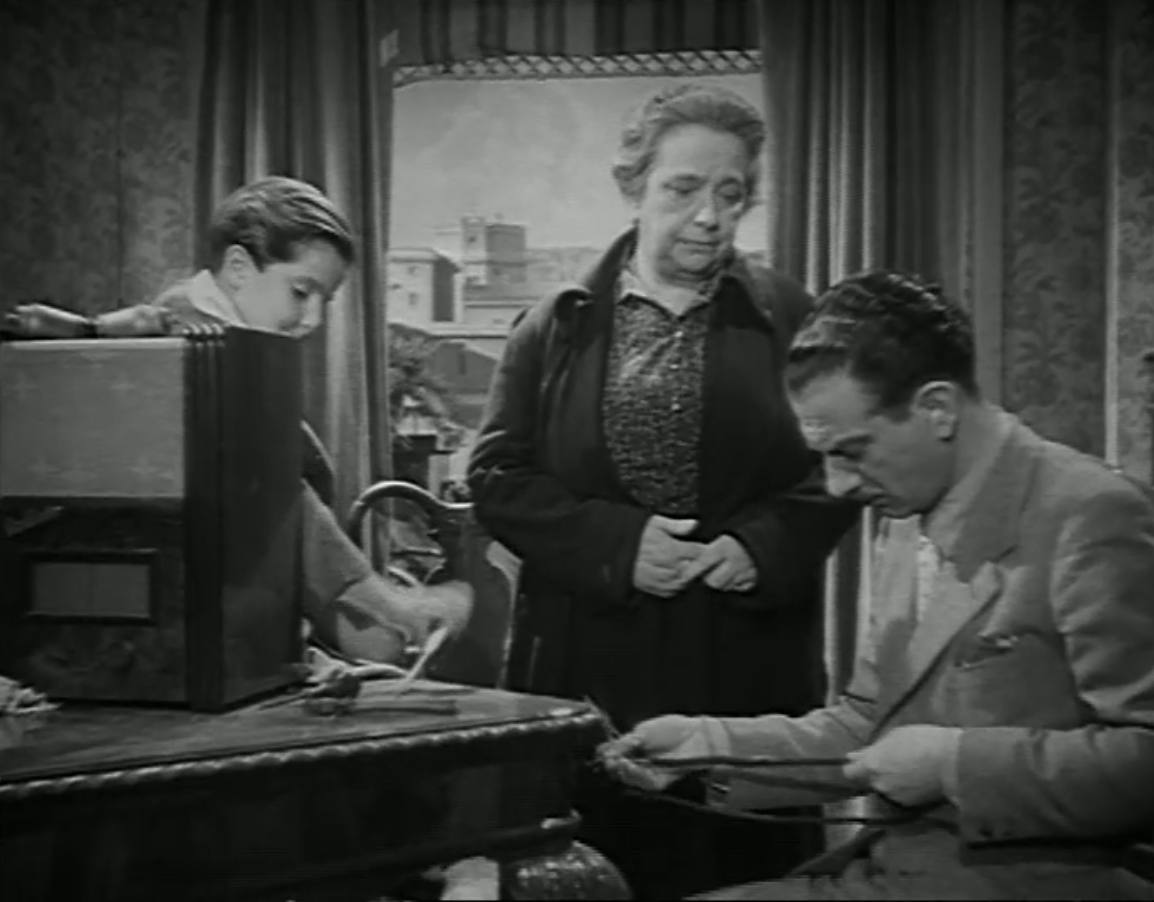
"Agnese, passami le forbici, quelle vecchie per il filo di ferro", dice Andrea.
"Sì".
Nina segue Agnese fuori dalla stanza.
“Agnese, get me the old wire cutters,” Andrea says.
“Yes.”
Nina follows Agnese out of the room.
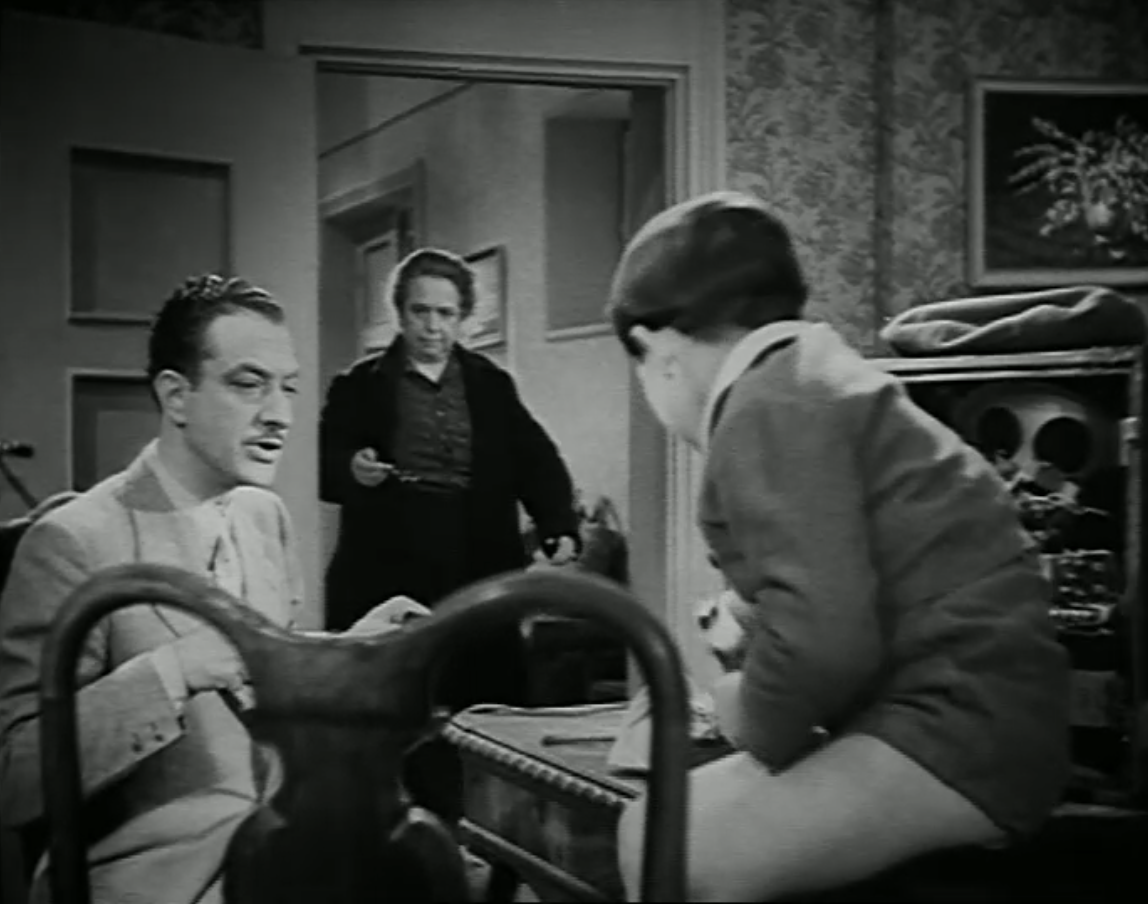
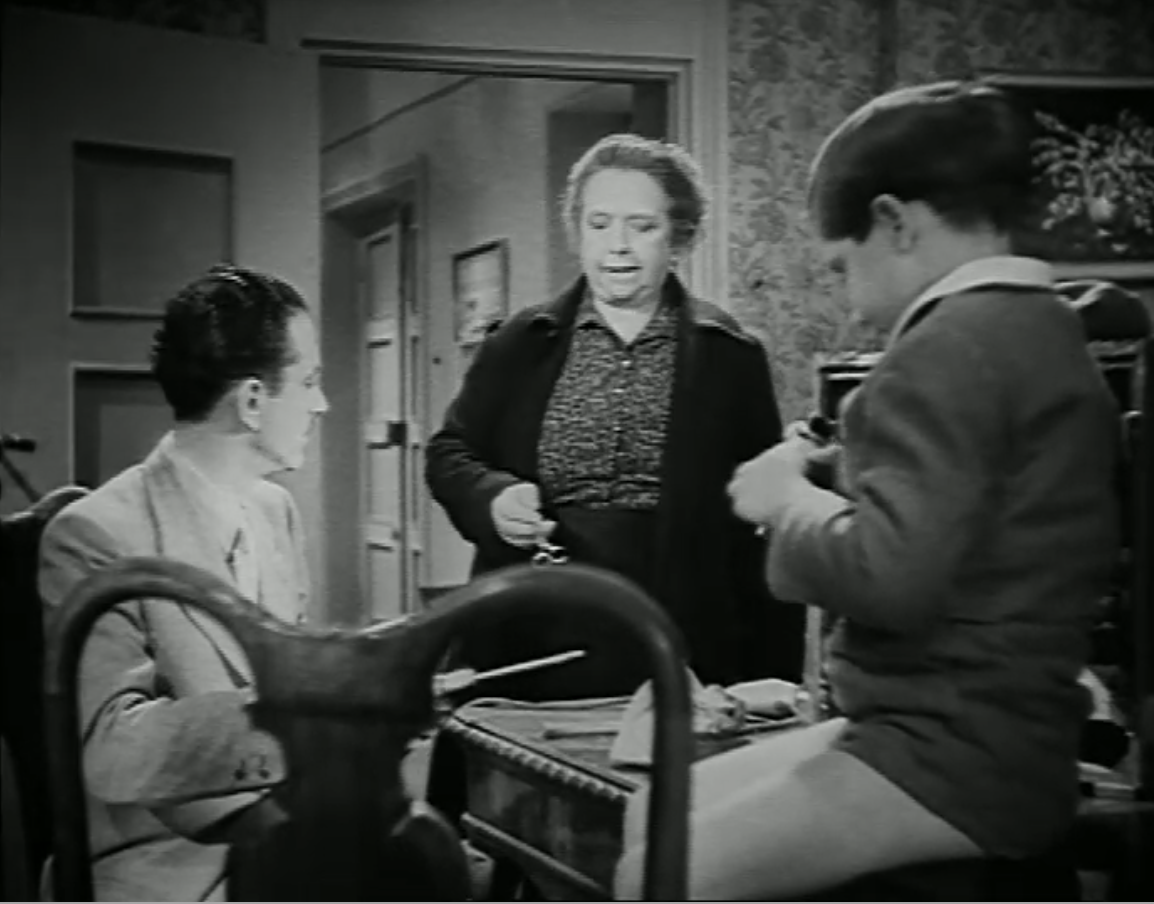
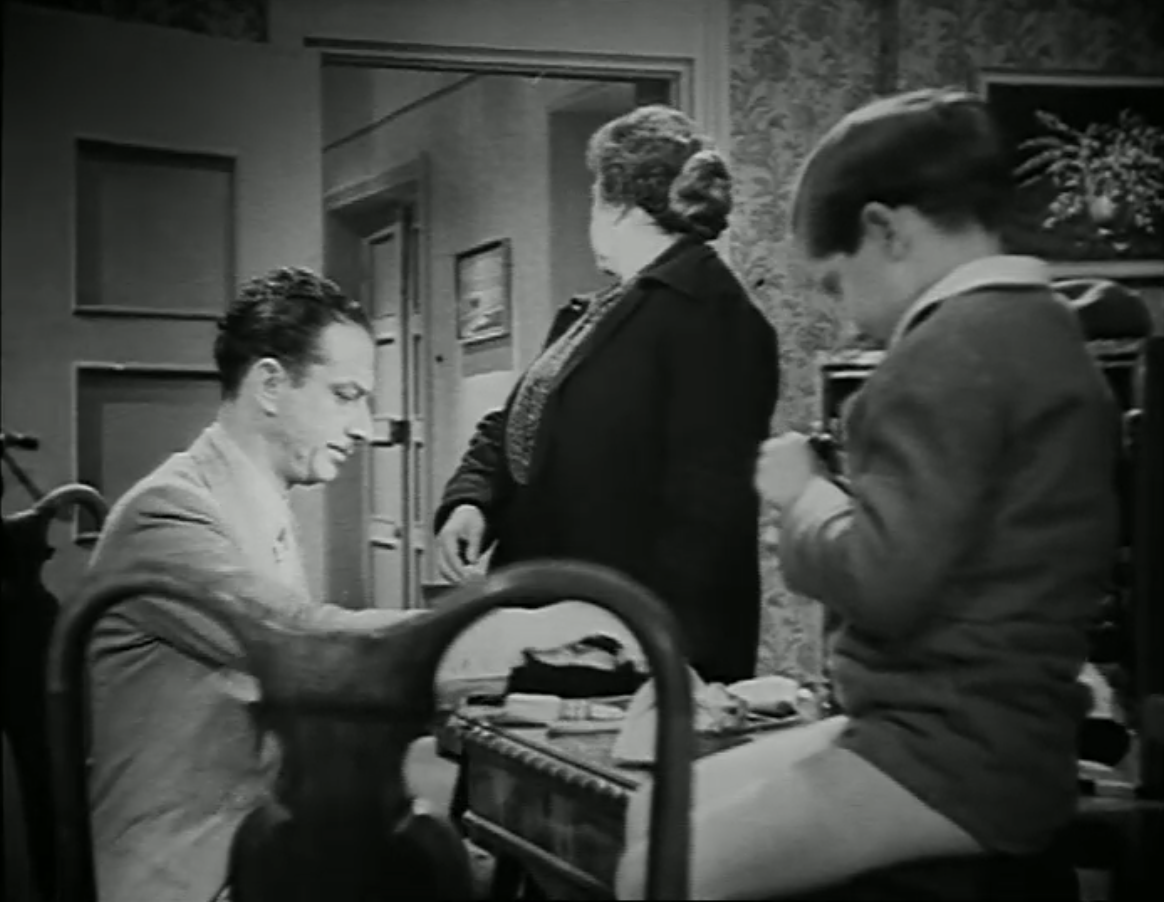
Pricò salta sul tavolo. "Voglio lavorare con te".
"Si, aiutami, ma non toccare nulla".
"Ecco", dice Agnese, portando le forbici.
Pricò hops up on the table. “I want to work with you.”
“All right, help me, but don’t touch anything.”
“Here,” says Agnese, bringing the wire cutters.
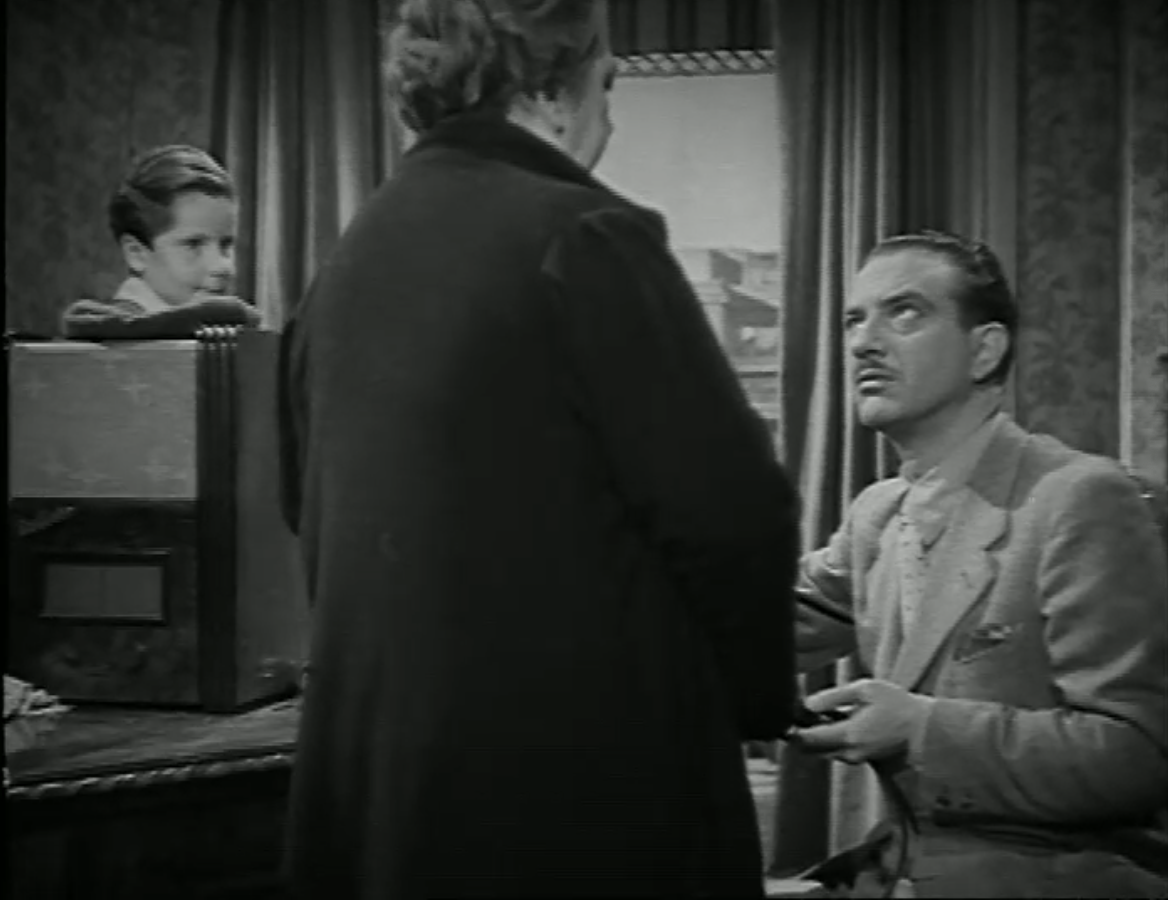
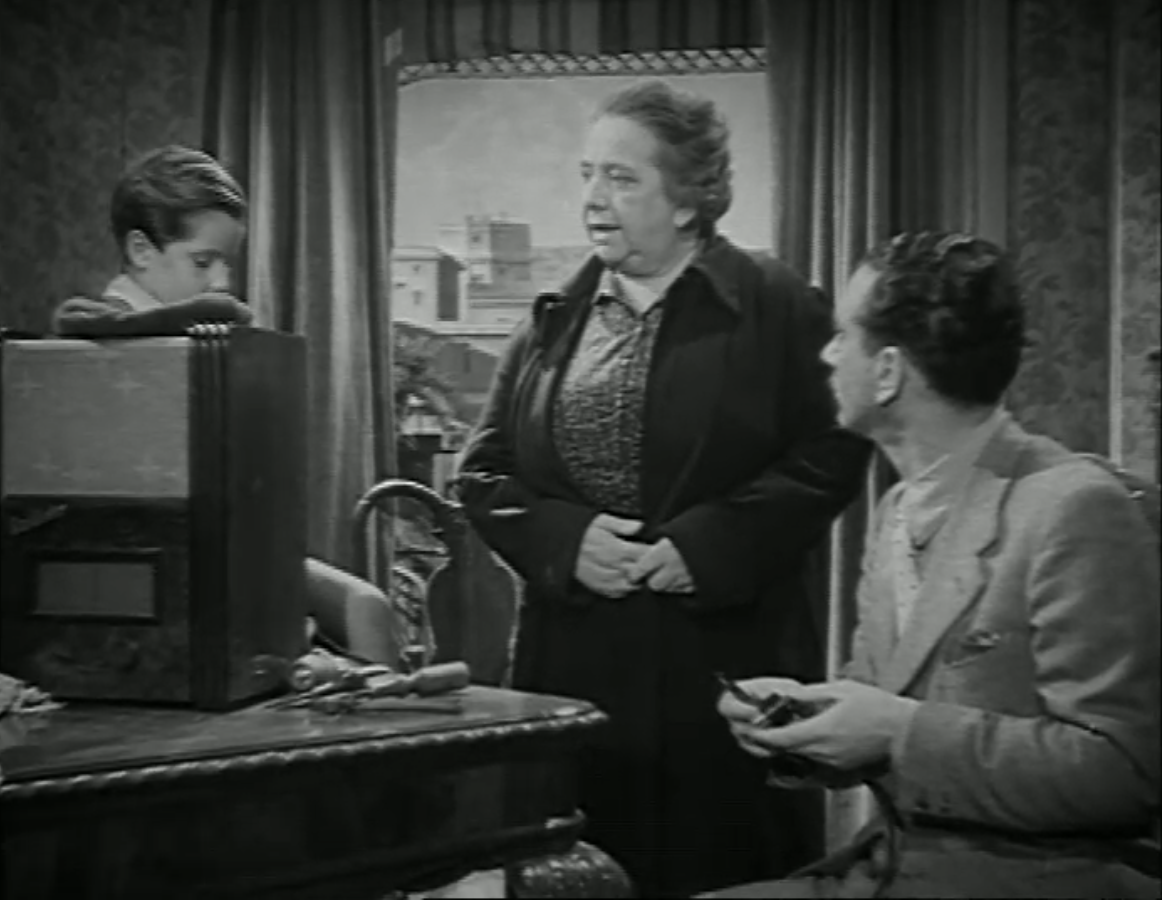
Lei guarda di traverso il corridoio. "Volevo dirle una cosa". Lui la fissa in attesa. "Bisogna dare venticinque lire al bambino… Anzi… trenta".
She looks back down the hall. “I wanted to tell you something.” He stares at her expectantly. “We have to give the little boy twenty five lira… Actually… thirty.”
"Domani è il dieci. Gli facciamo comprare i fiori per la festa della mamma". Andrea abbassa lo sguardo, senza dire nulla. "Abbiamo fatto ogni anno così. Anche quest’anno il bambino deve comprarle i fiori".
Andrea non ha nulla da dire.
“Tomorrow’s the tenth. We’ll have him buy flowers for Mother’s Day.” Andrea looks down, without speaking. “We’ve done it every year like this. The little boy should buy her flowers this year too.”
Andrea has nothing to say.
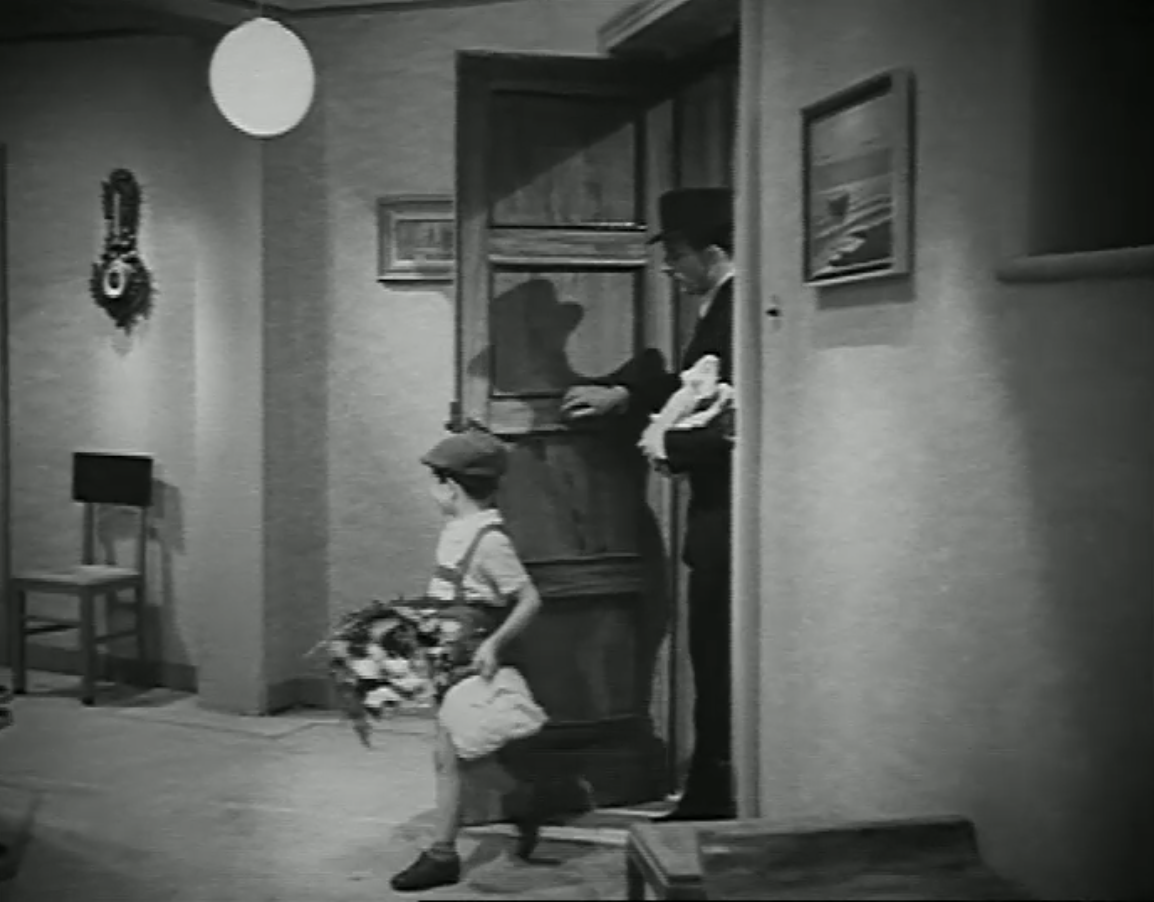
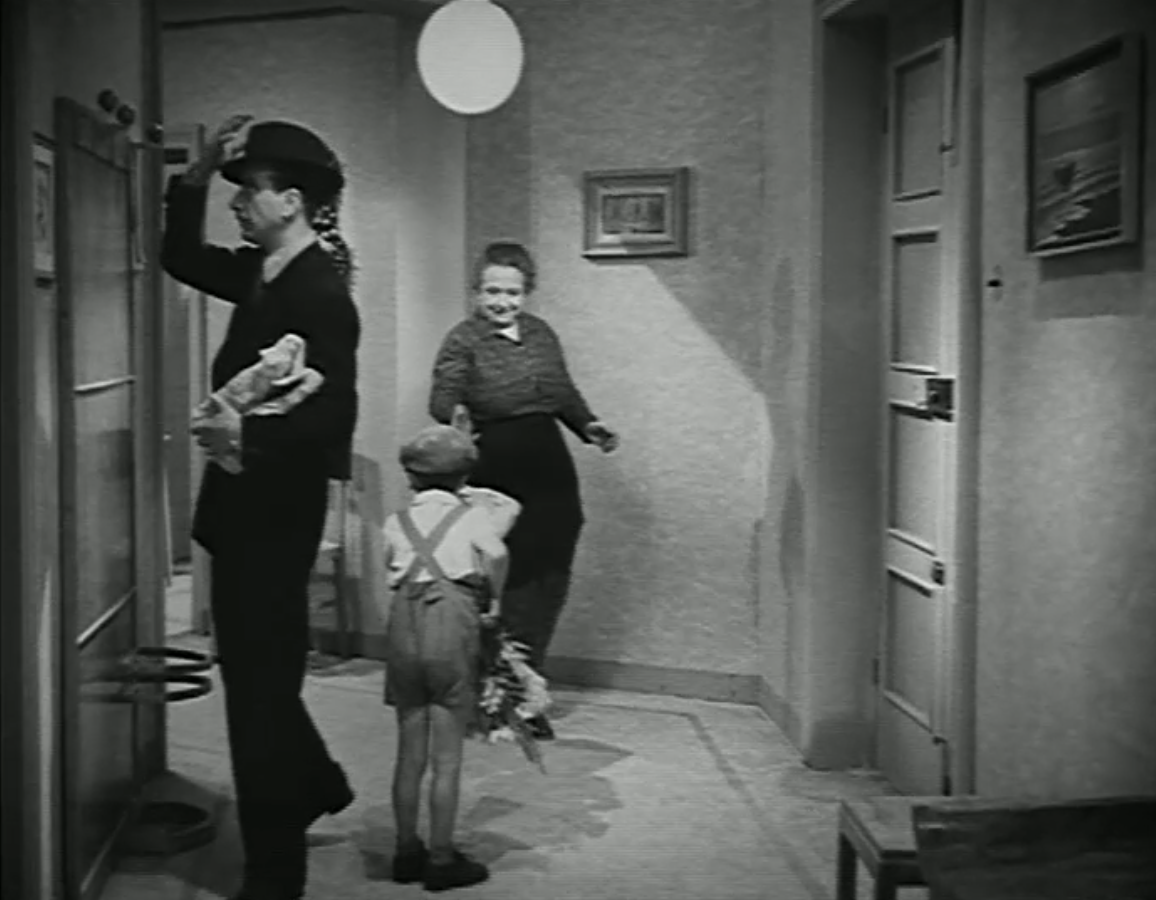
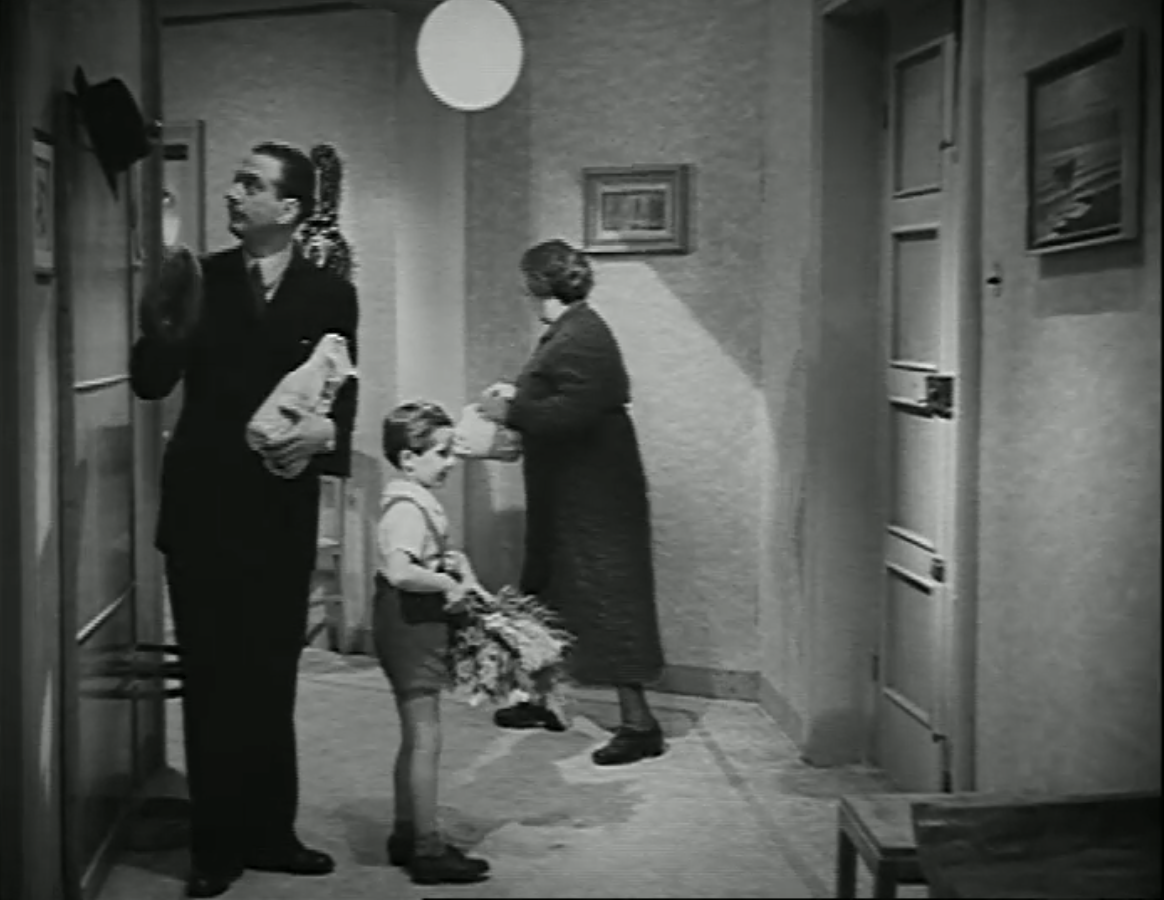
Si apre la porta d'ingresso ed entra Pricò con un grande mazzo di fiori. Andrea tiene in mano delle bottiglie di vino avvolte nella carta.
"Oh, meno male!" esclama Agnese.
Il padre di Pricò toglie i cappelli a entrambi e li appende ai ganci.
The front door opens, and Pricò enters, with a large bouquet of flowers. Andrea holds wine bottles wrapped in paper.
“Oh, thank goodness!” says Agnese.
Pricò’s father takes off both their hats and puts them on hooks.
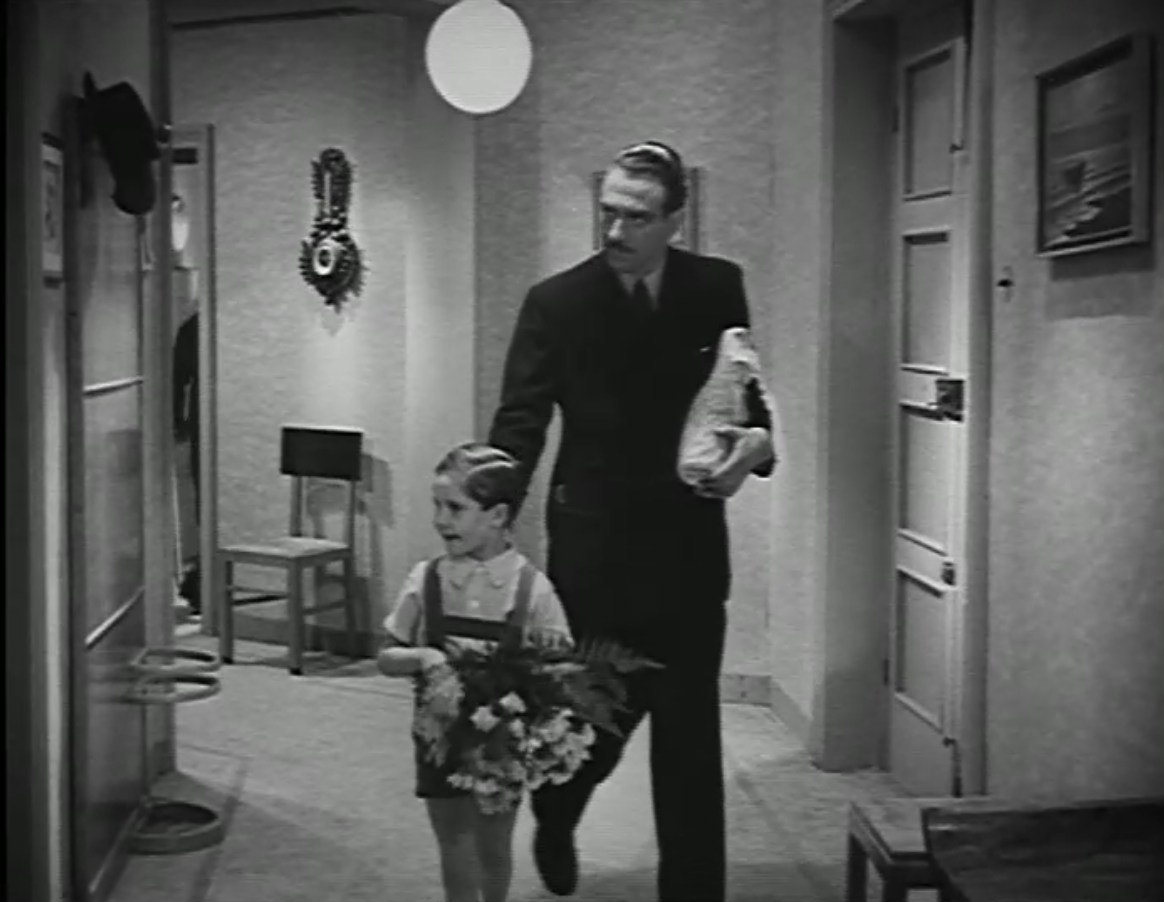
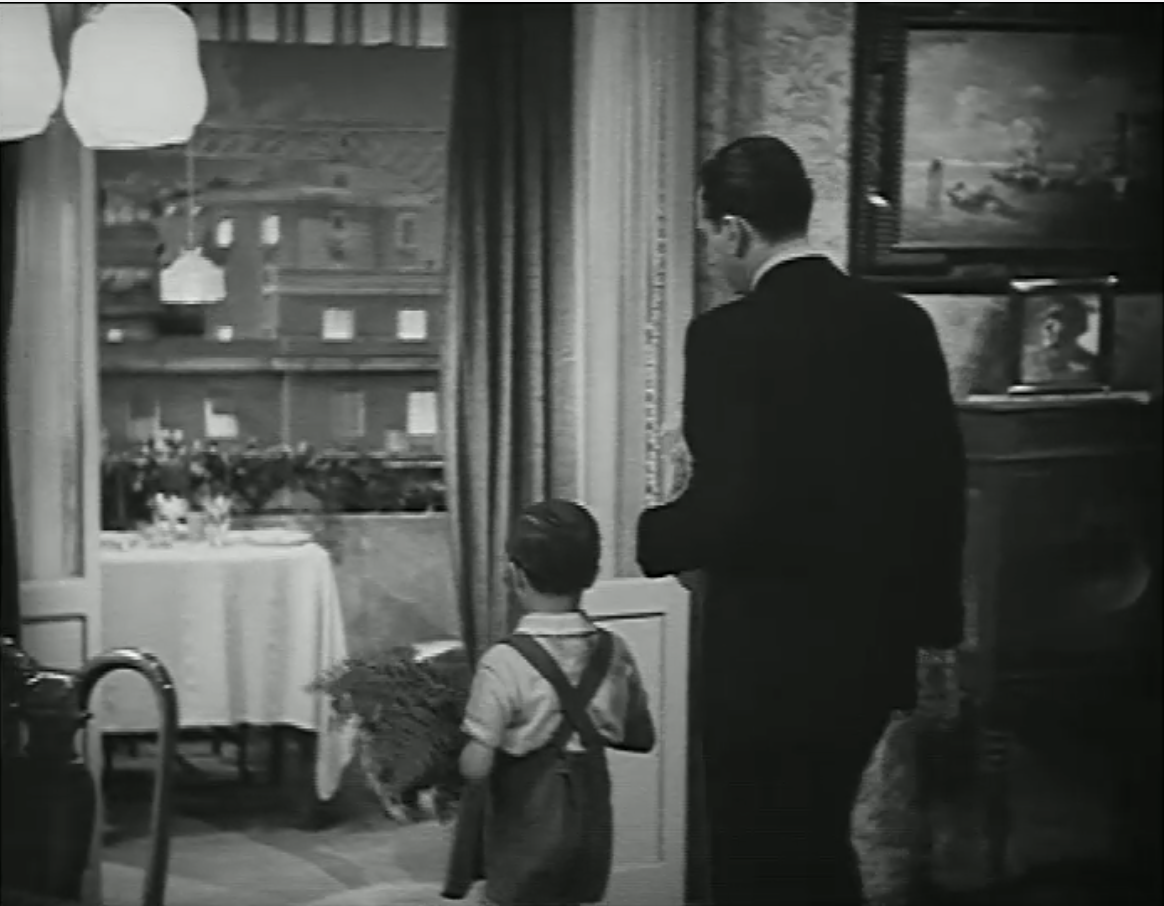
Si dirigono verso la sala da pranzo, dove è stato apparecchiato un tavolo vicino alla finestra.
They walk to the dining room, where a table has been set by the window.
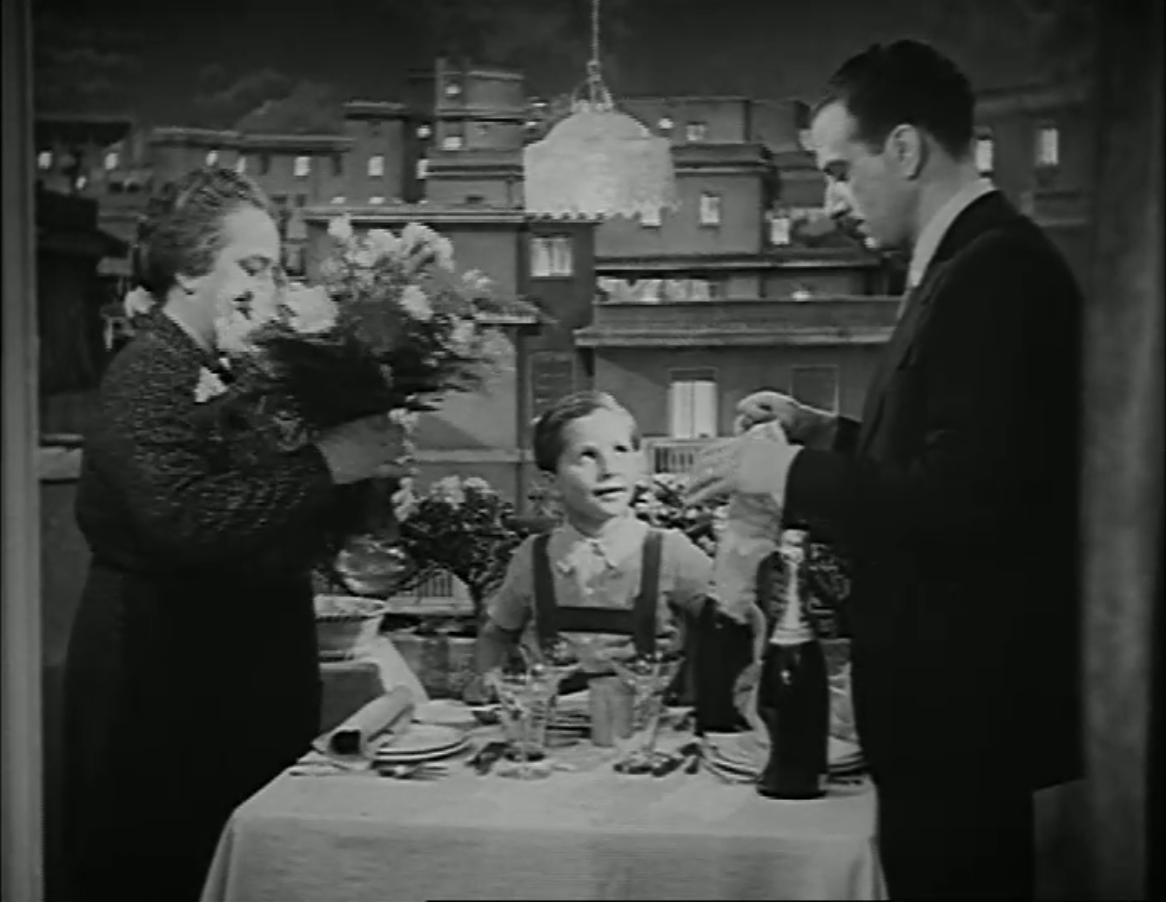
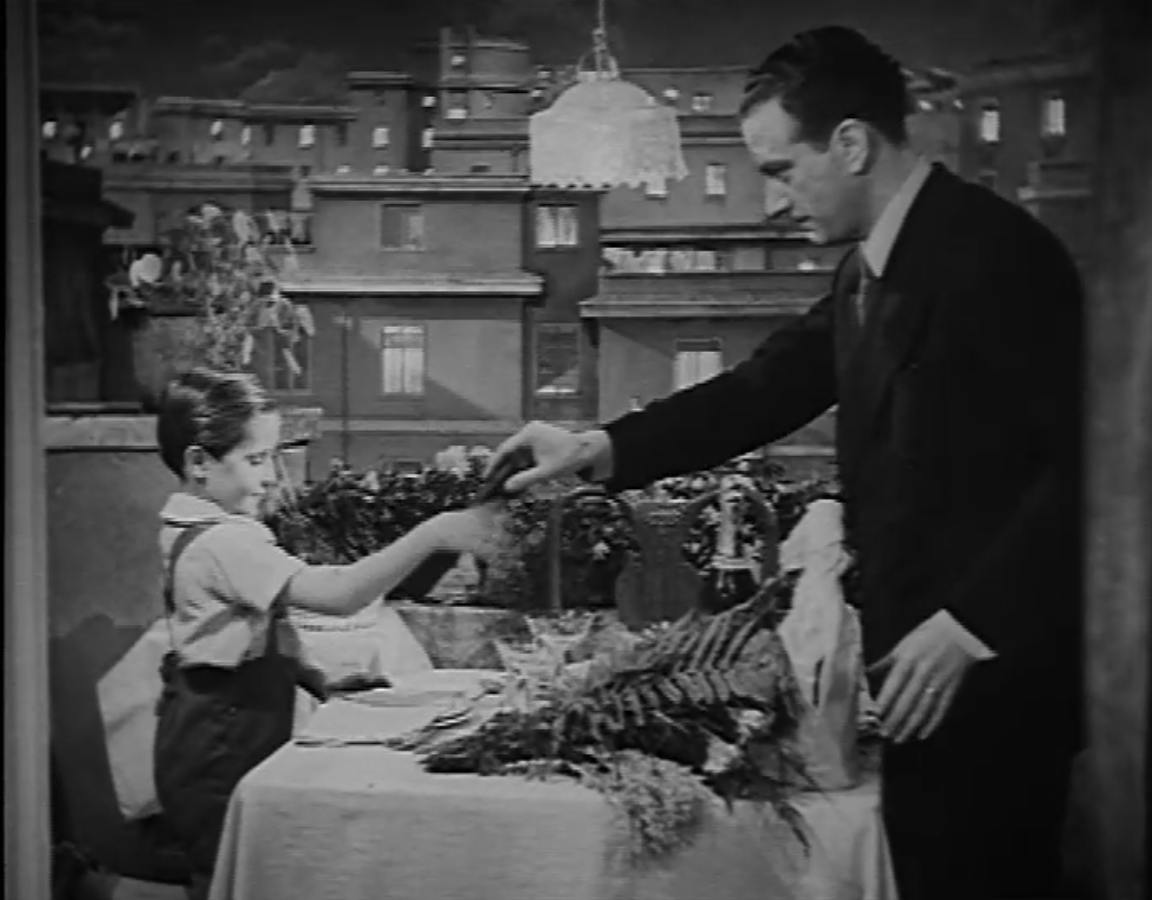
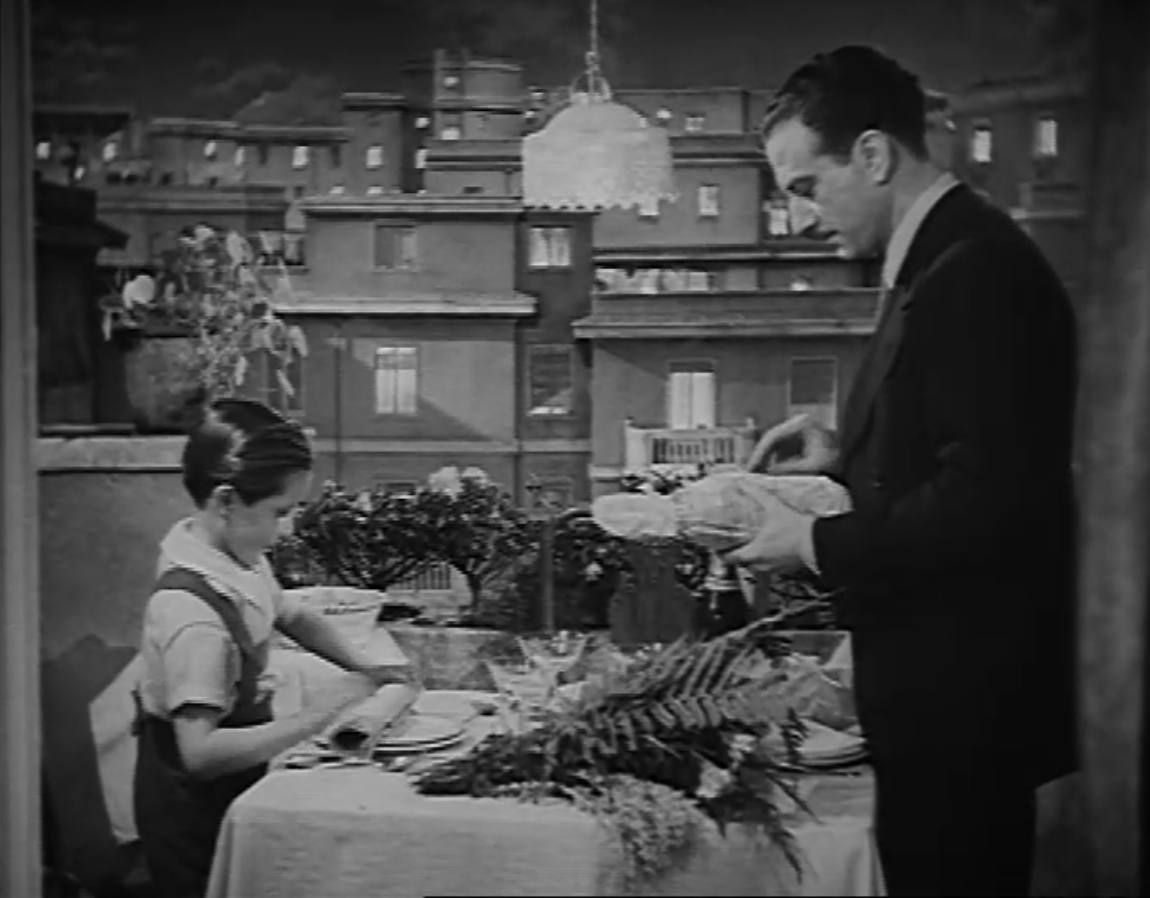
Andrea porge un oggetto a Pricò. Pricò lo incarta mentre suo padre scarta il vino. Agnese porta un vaso per i fiori.
Andrea hands an item to Pricò. Prico wraps it as his father unwraps the wine. Agnese brings a vase for the flowers.
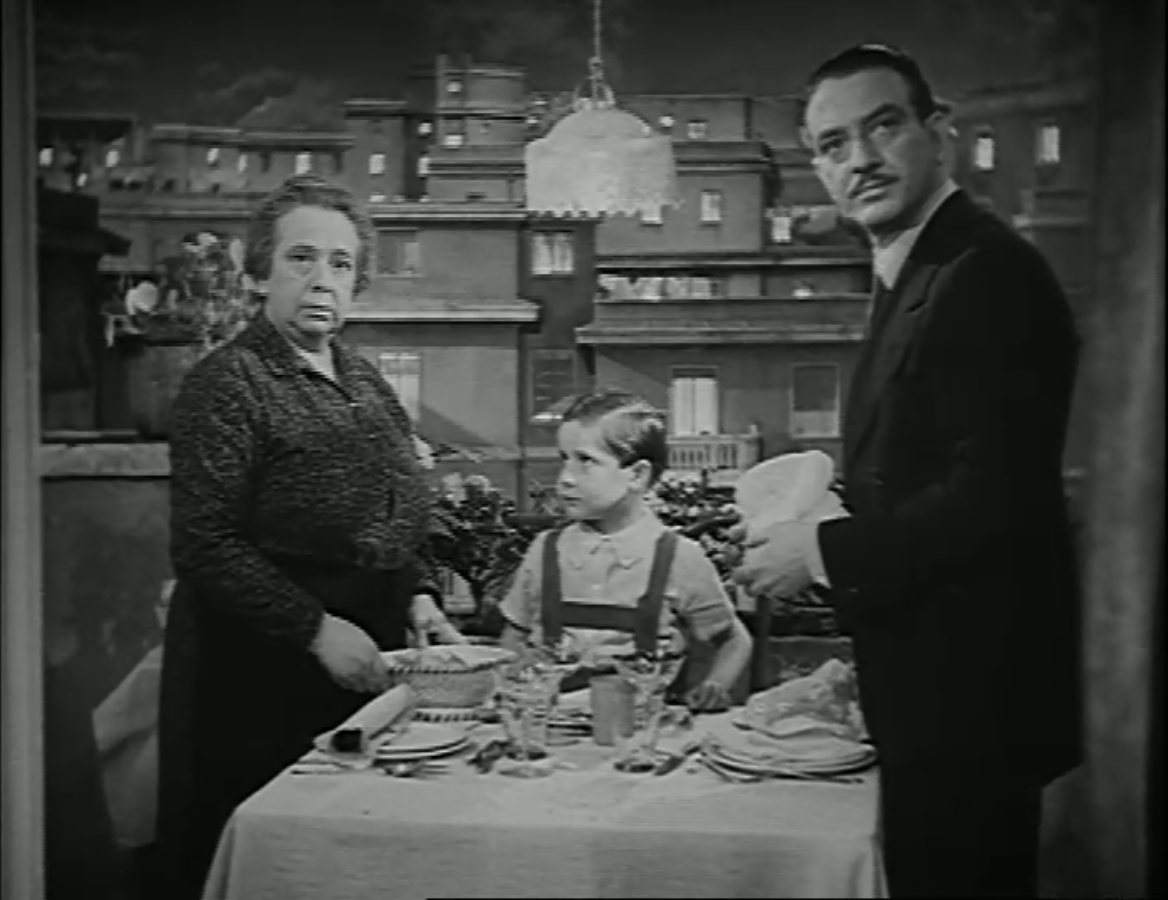
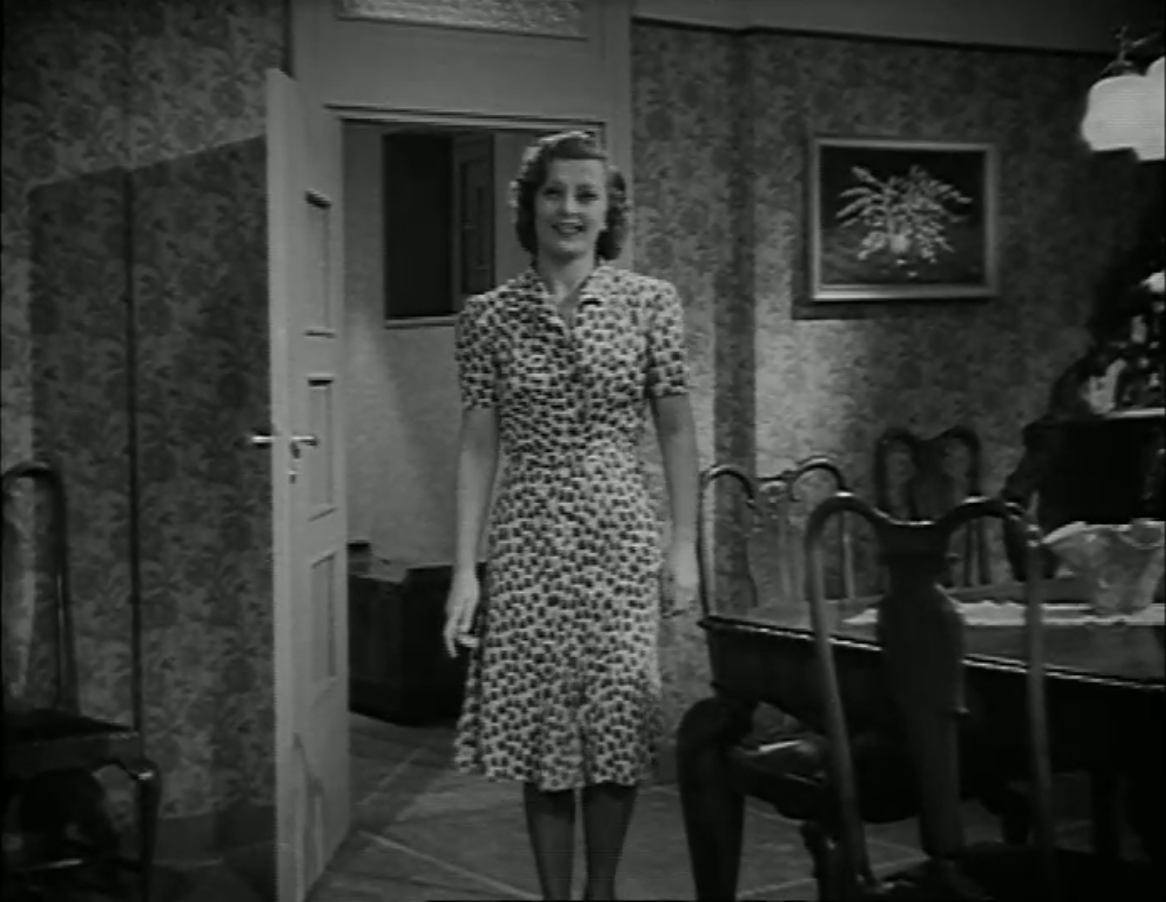
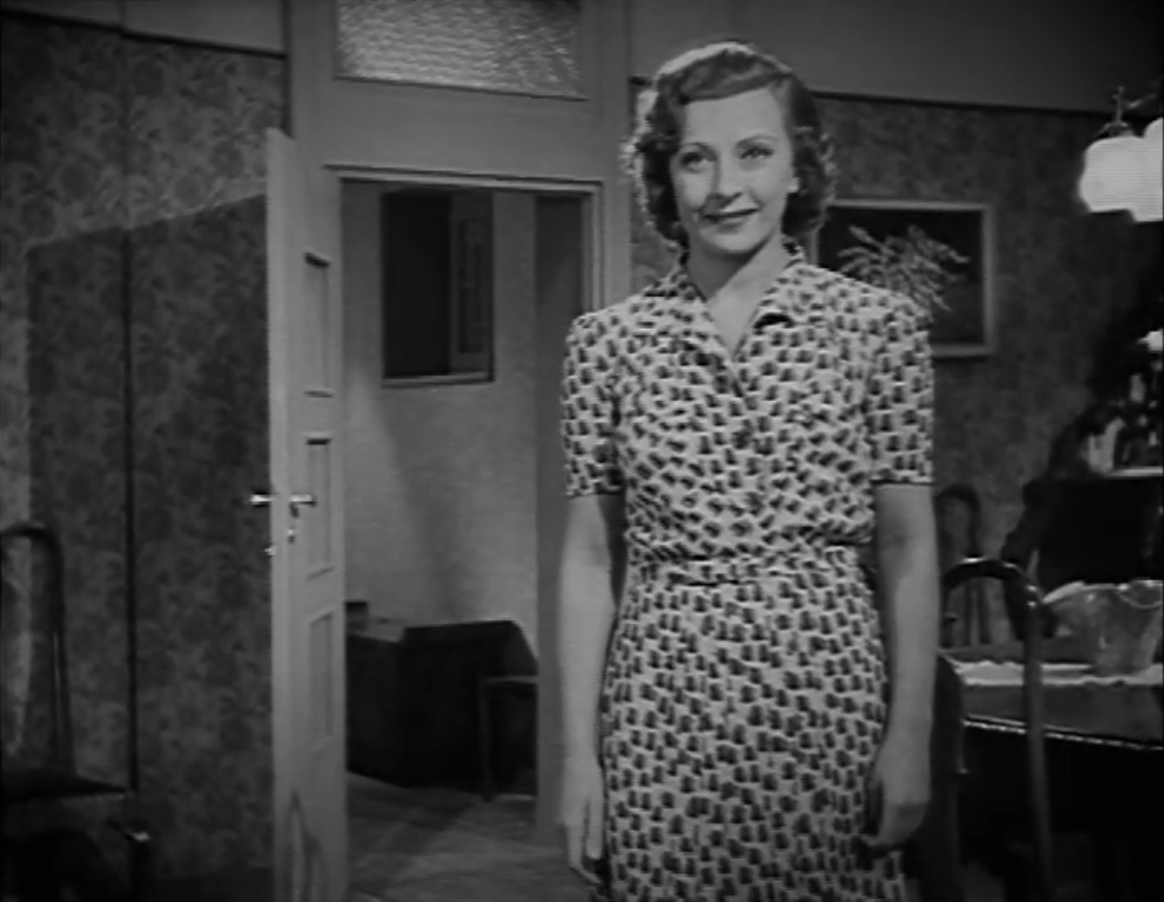
Tutti gli sguardi si rivolgono verso la porta quando entra Nina. “Mamma!” esclama Pricò.
All gazes toward the door when Nina enters. “Mommy!” Pricò says.
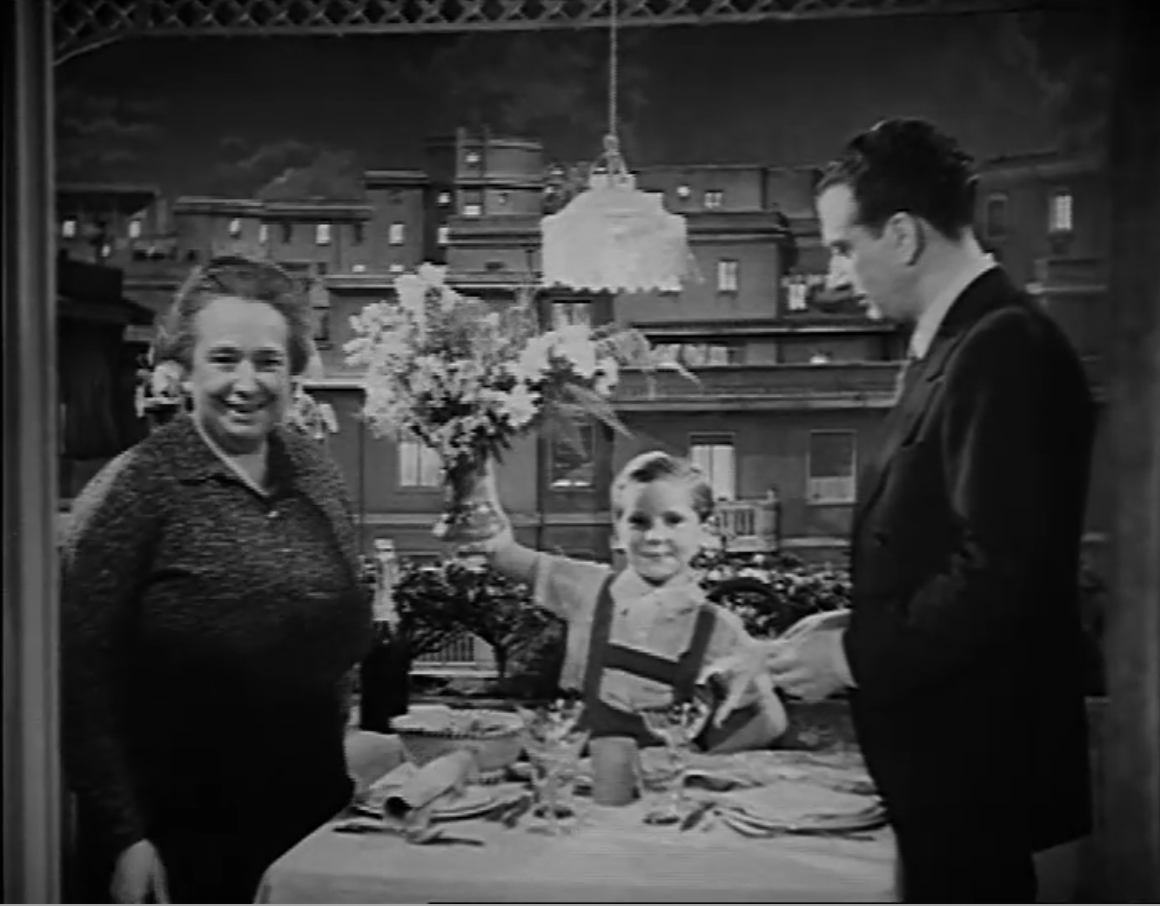
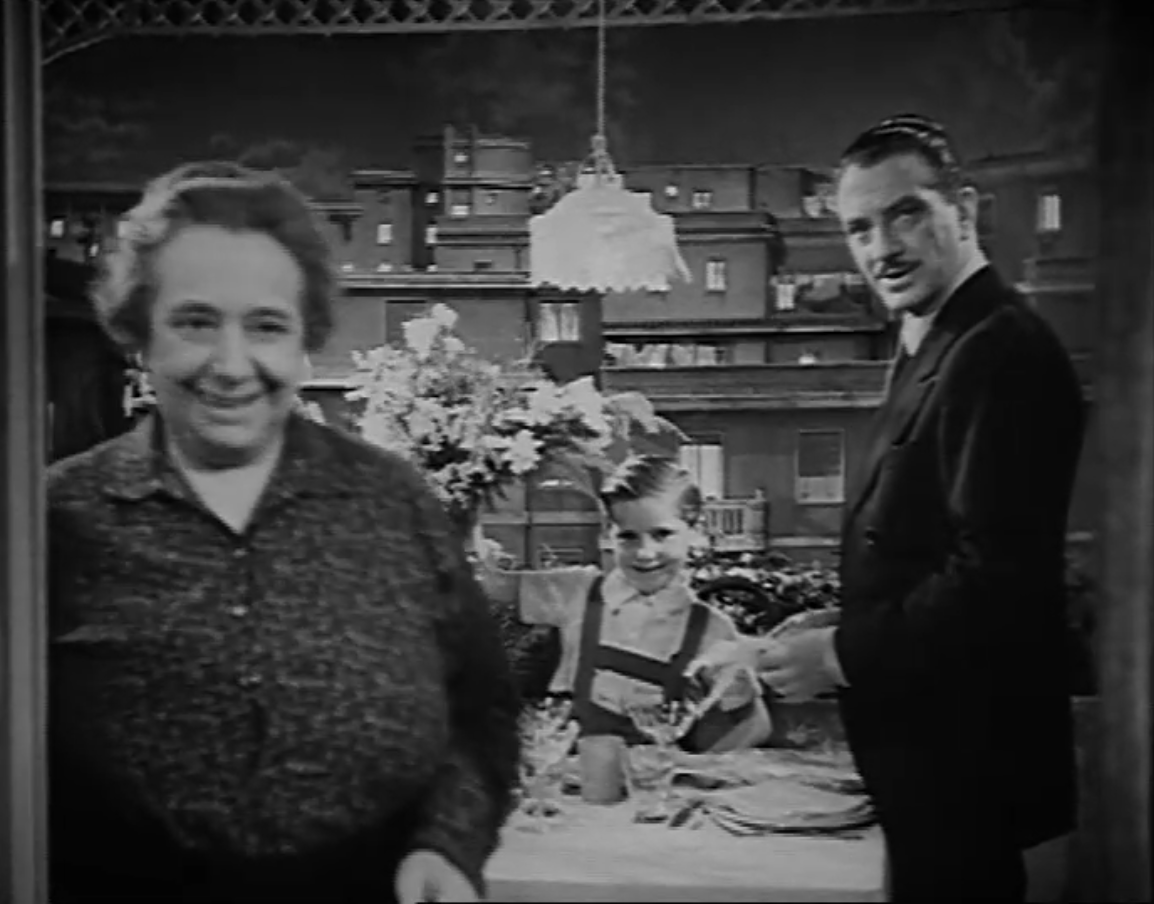
Pricò alza il vaso di fiori. "Tanti auguri!"* Anche Agnese e Andrea sorridono.
"Tanti auguri", dice Andrea.
"Auguri", dice Agnese, uscendo dalla stanza.
*"Tanti auguri" si usa in qualsiasi occasione di festa e viene tradotto di conseguenza: ad esempio, "Buon compleanno!" o "Congratulazioni!"
He holds up the vase of flowers. “Happy Mother’s Day!”* Even Agnese and Andrea smile.
“Happy Mother’s Day,” says Andrea.
“Happy Mother’s Day,” says Agnese, leaving the room.
*“Tanti auguri” applies to any celebration and is translated accordingly: for example, “Happy Birthday!” or “Congratulations!”
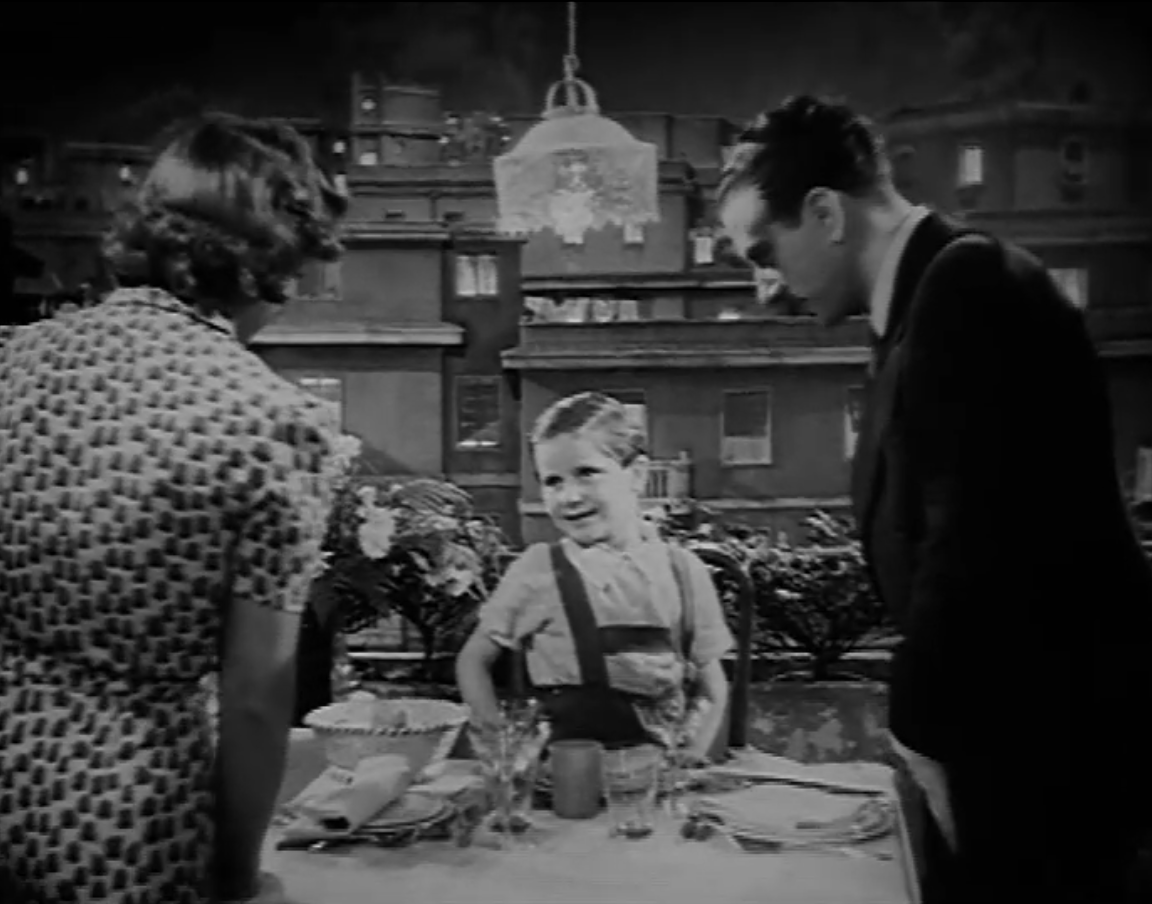
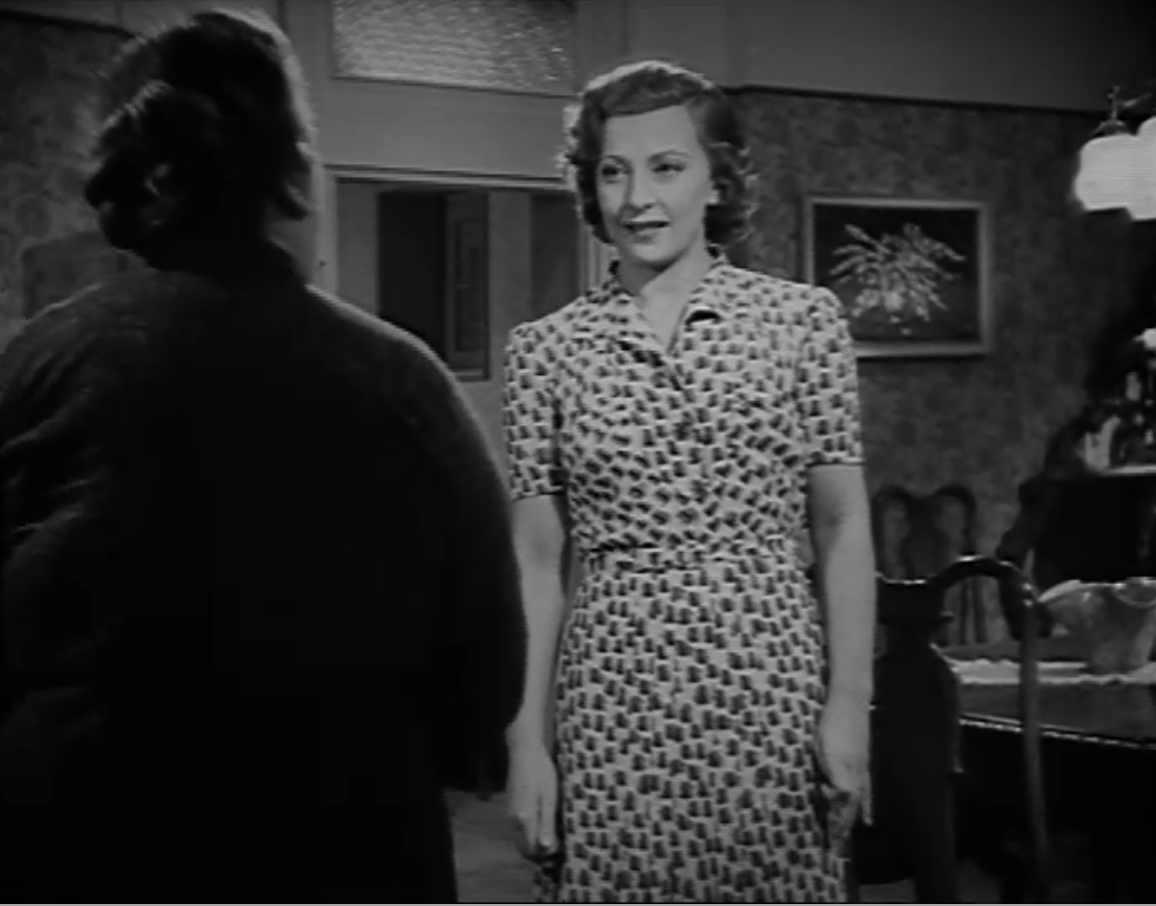
"Vi siete ricordati!” dice Nina.
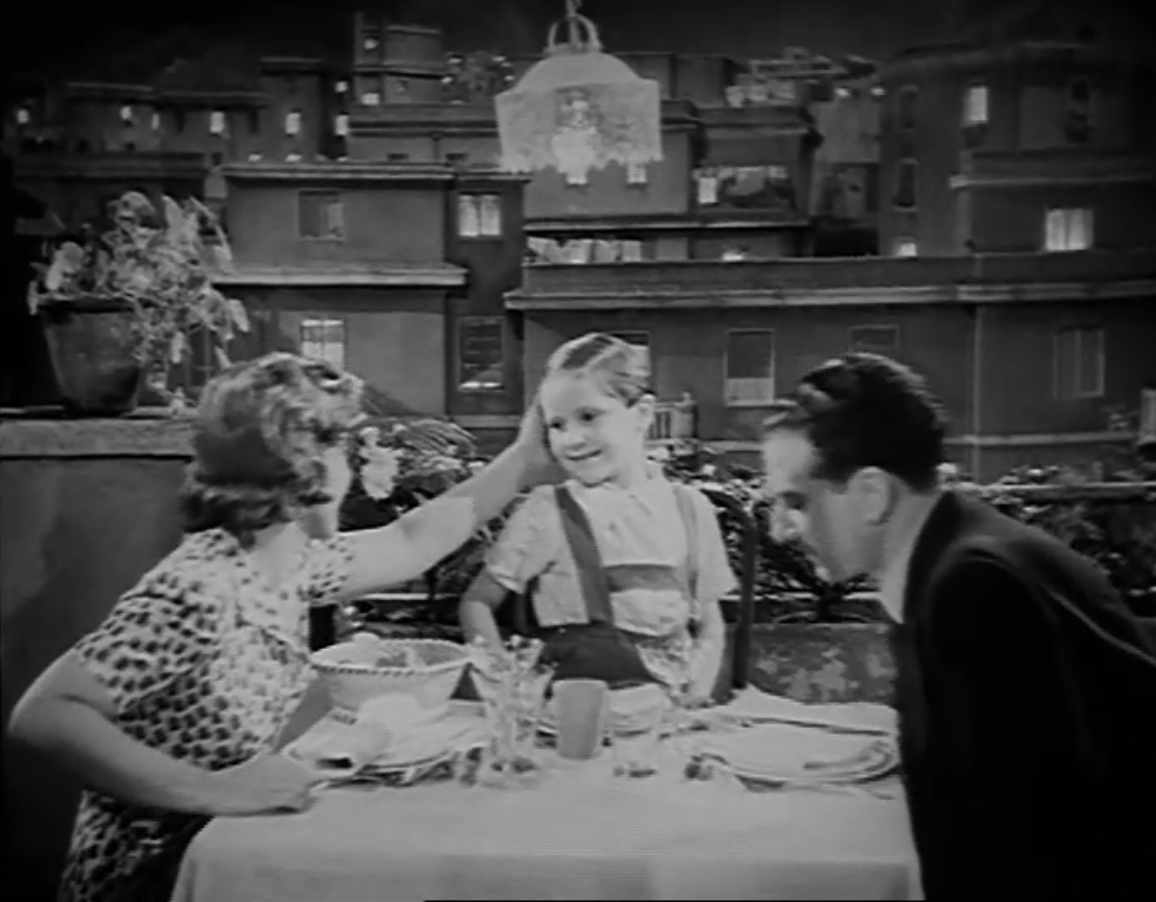
Si siede al tavolo e accarezza i capelli di Pricò. Lui sorride soddisfatto.
“You remembered!” says Nina.
She sits at the table and strokes Pricò’s hair. He smiles contentedly.
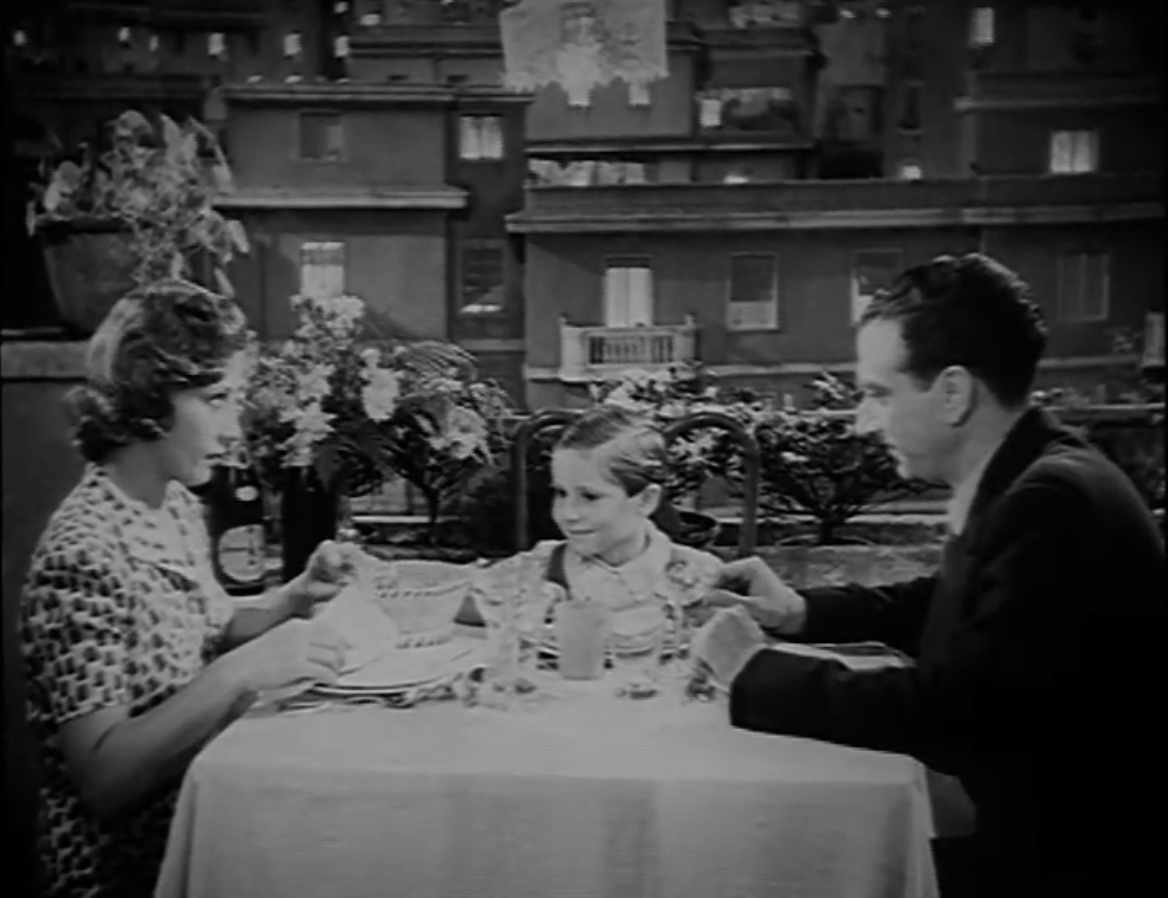
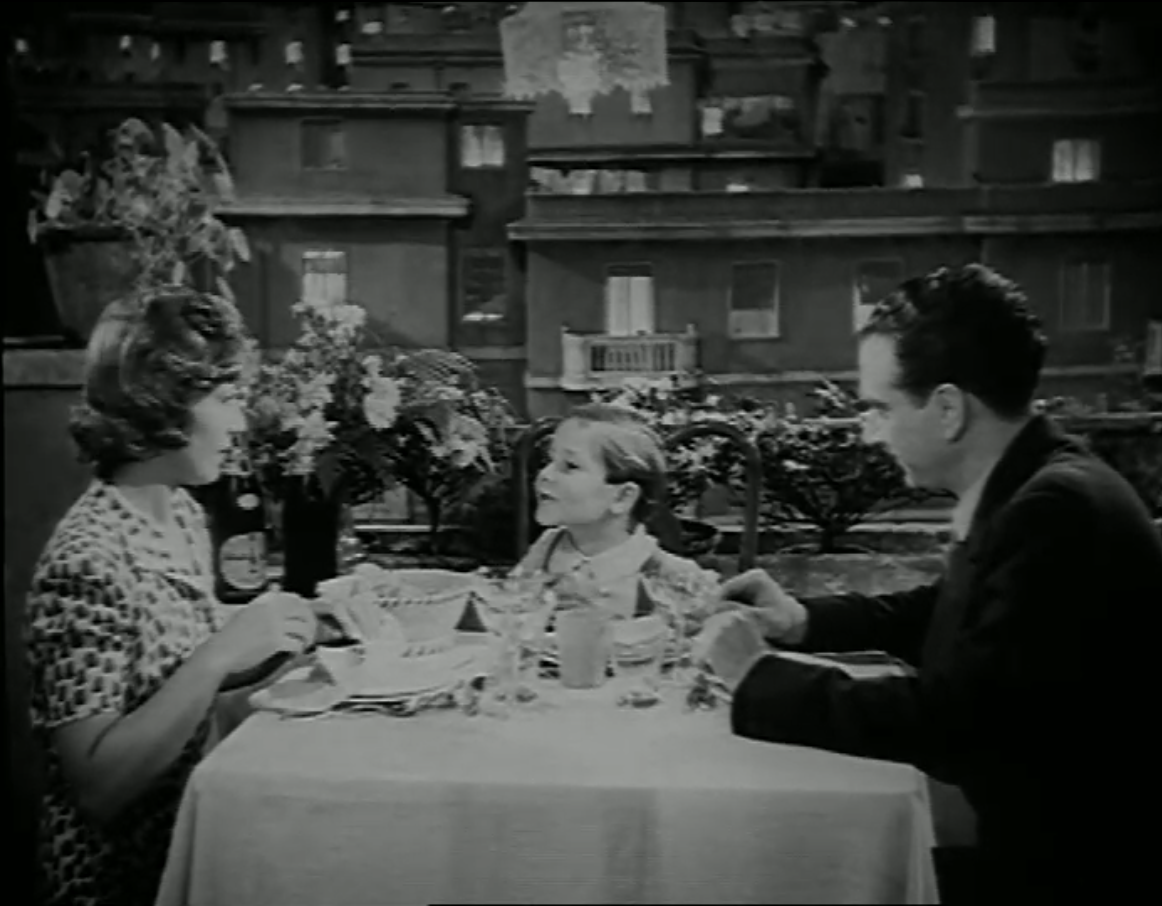
Lei apre il regalo messo al suo posto e poi dice con un tono un po' a disagio: "Andrea…"
"L'ho comprato io!" interviene Pricò.
"Sì, è Pricò che ha insistito".
She opens the gift set at her place, and then says uneasily, “Andrea…”
“I bought it!” Pricò pipes up.
“Yes, it was who Pricò insisted.”
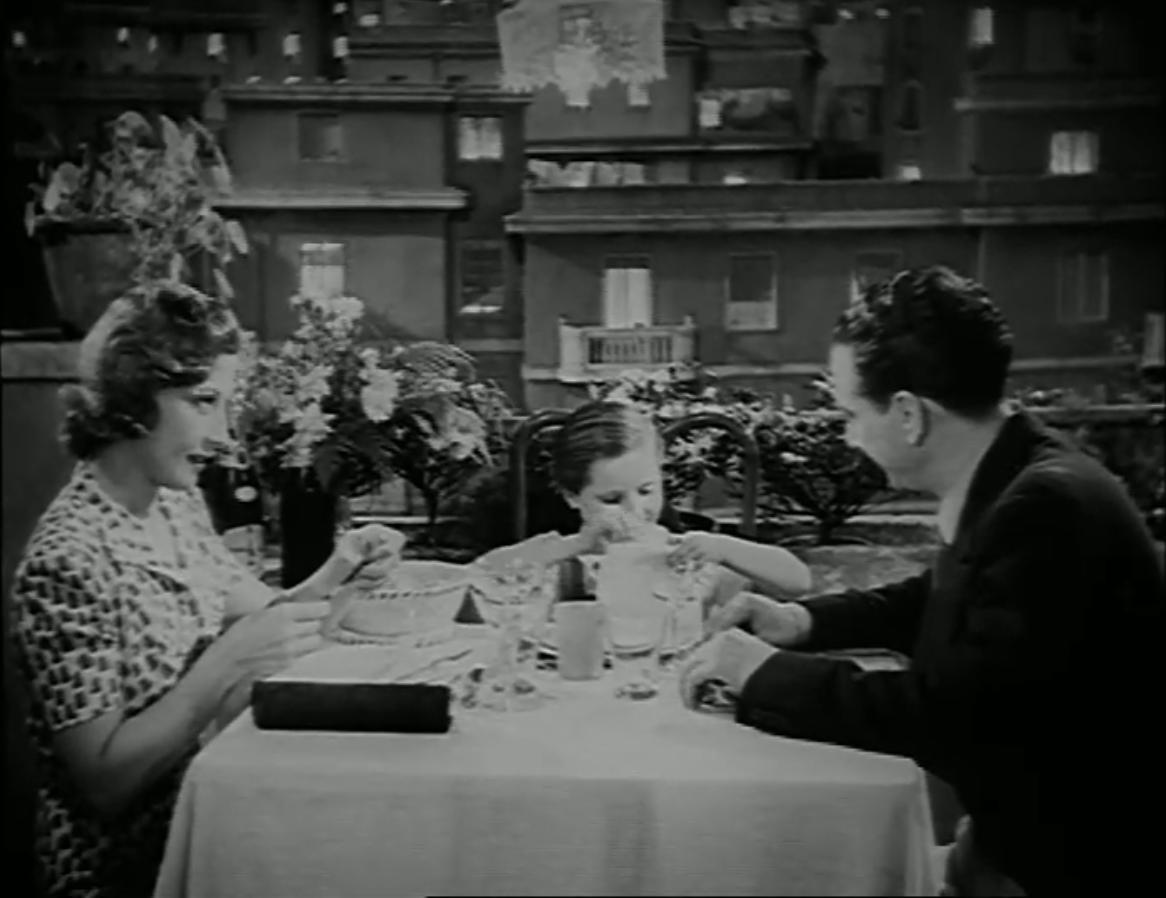
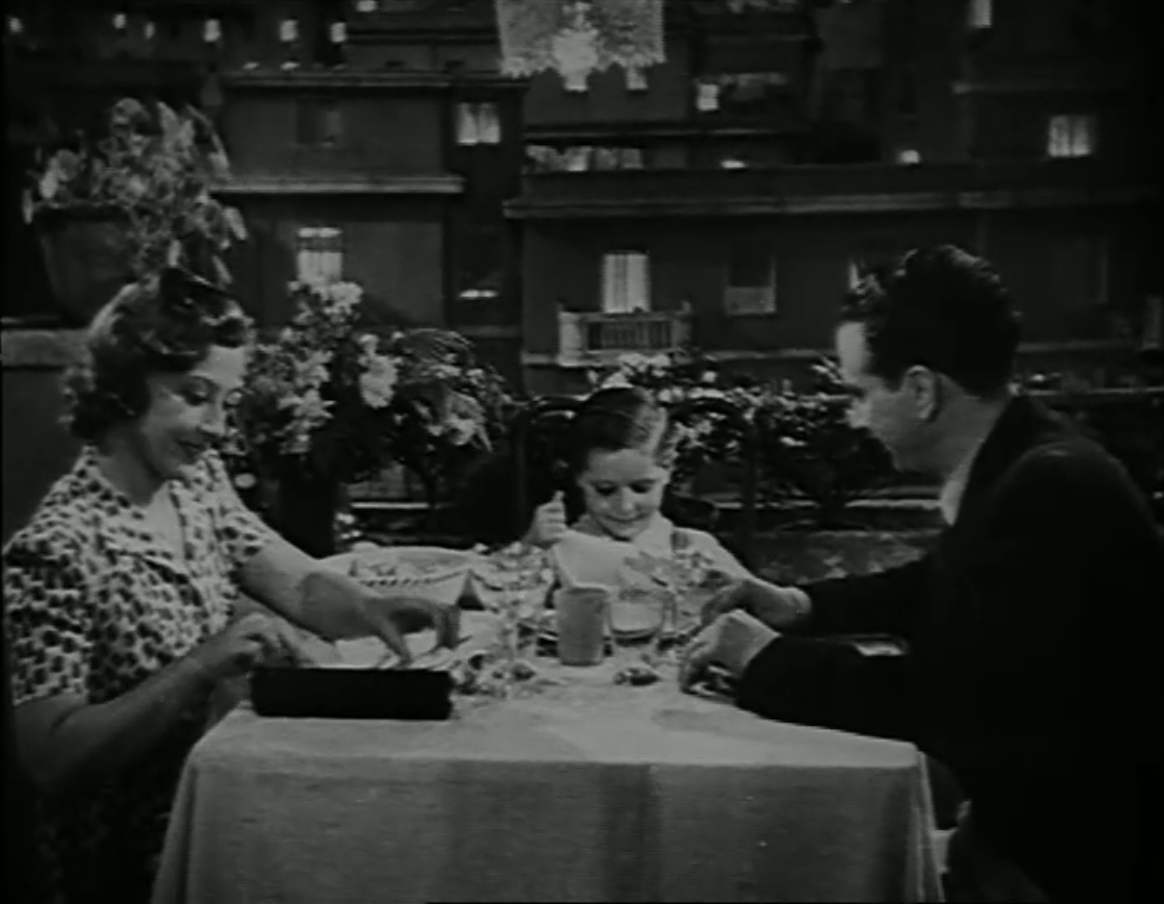
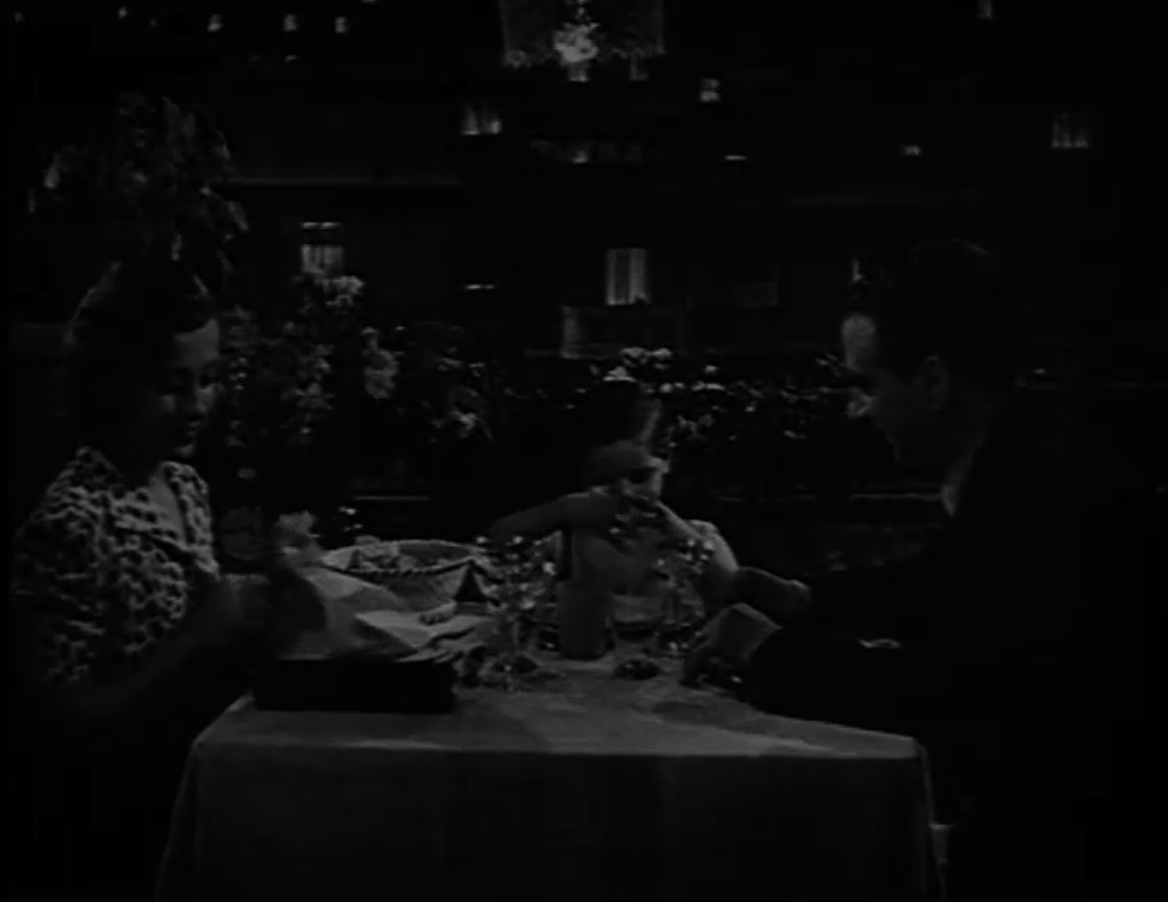
"Grazie, è troppo bello". Lo solleva: è un orologio da polso. Mentre lo ripone con cura nella scatola, lo schermo si oscura.
“Thank you, it’s so nice.” She holds it up: it’s a wristwatch. As she puts it carefully back in the box, the screen goes dark.
FINE PARTE 7
Ecco Parte 8 of this cineracconto! Subscribe to receive a weekly email newsletter with links to all our new posts.