Regia / Director: Vittorio De Sica, 1944
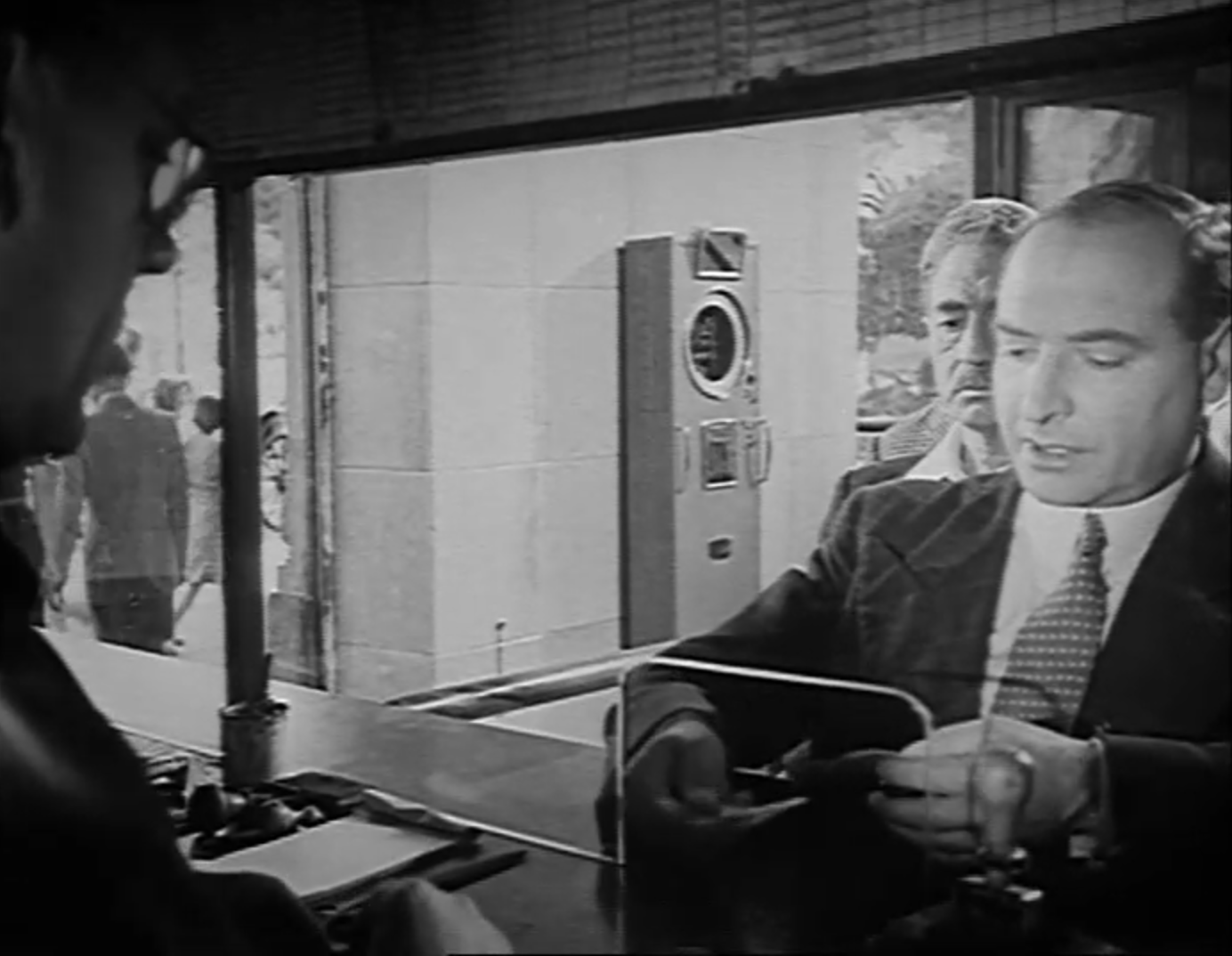
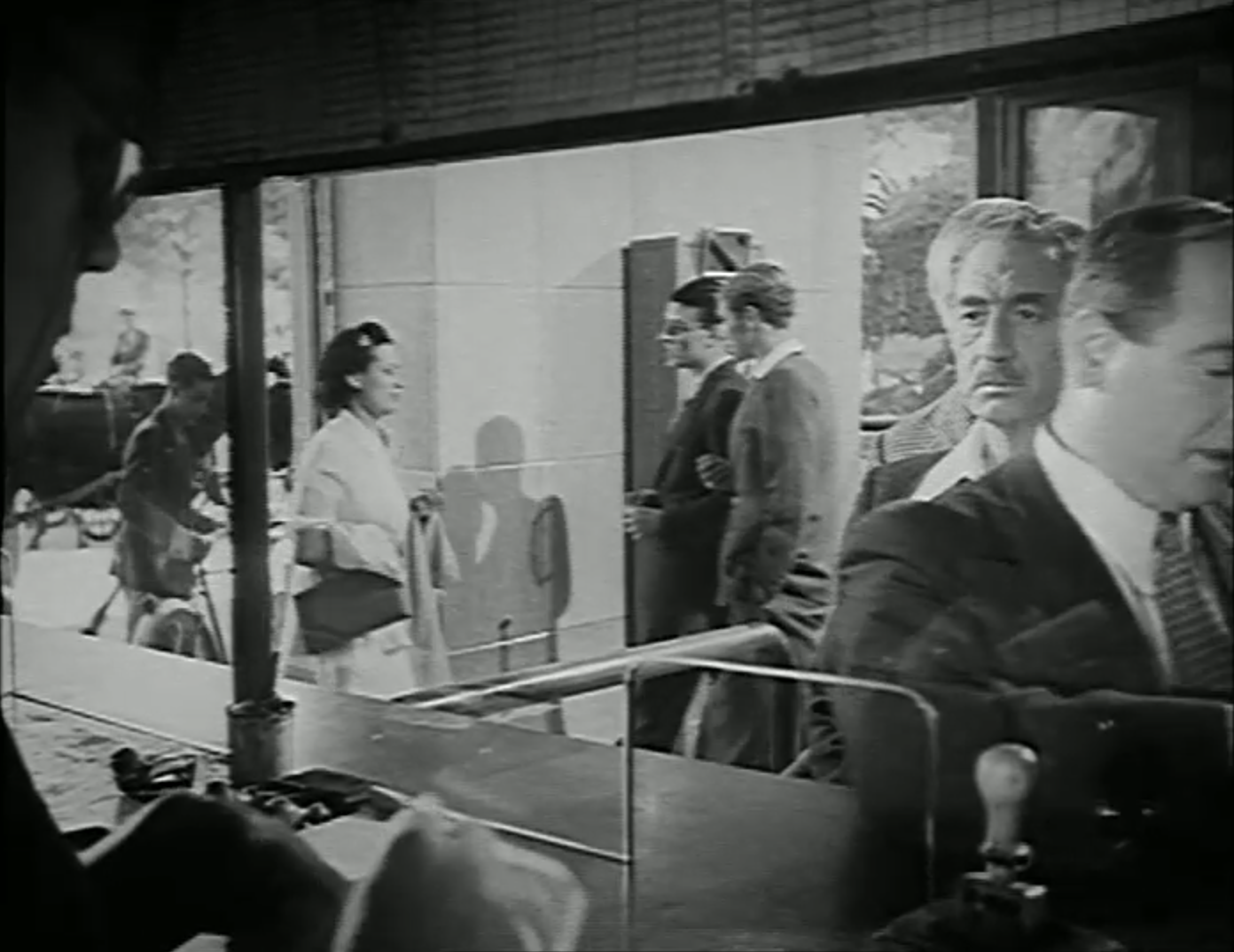
Alla stazione ferroviaria, un uomo in giacca e cravatta sta comprando un biglietto. Paga e si allontana.
At the train station, a man in suit and tie is buying a ticket. He pays and steps away.
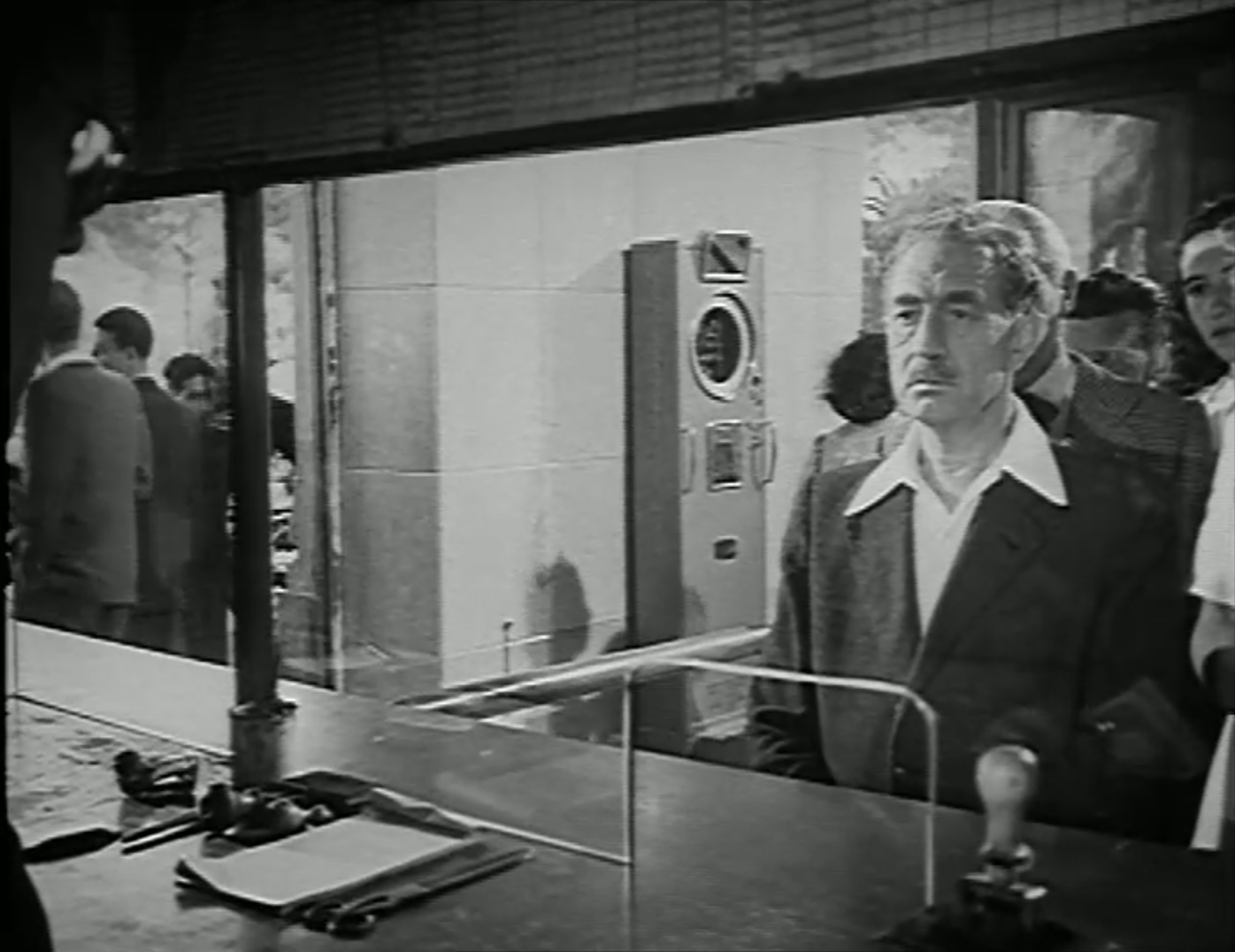
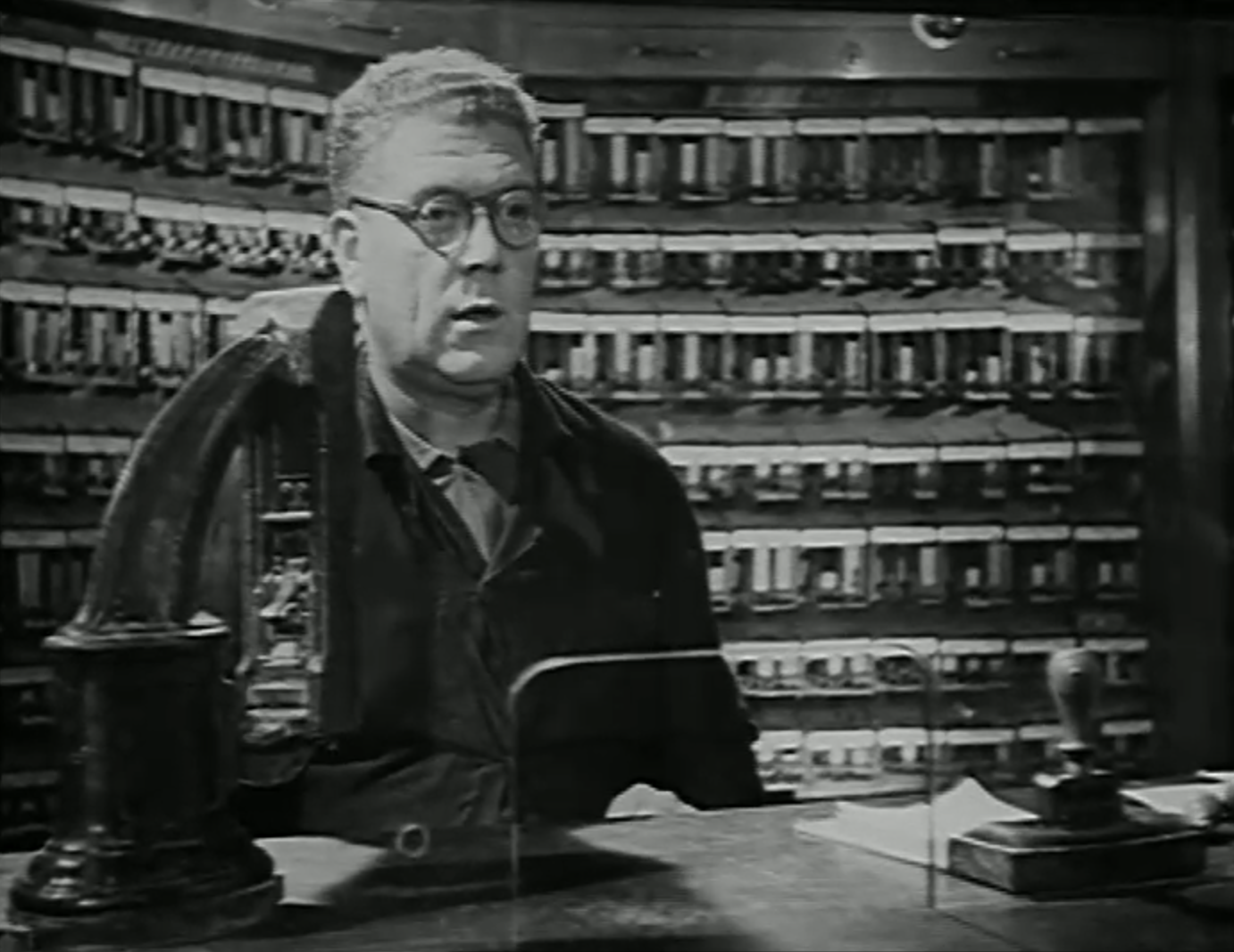
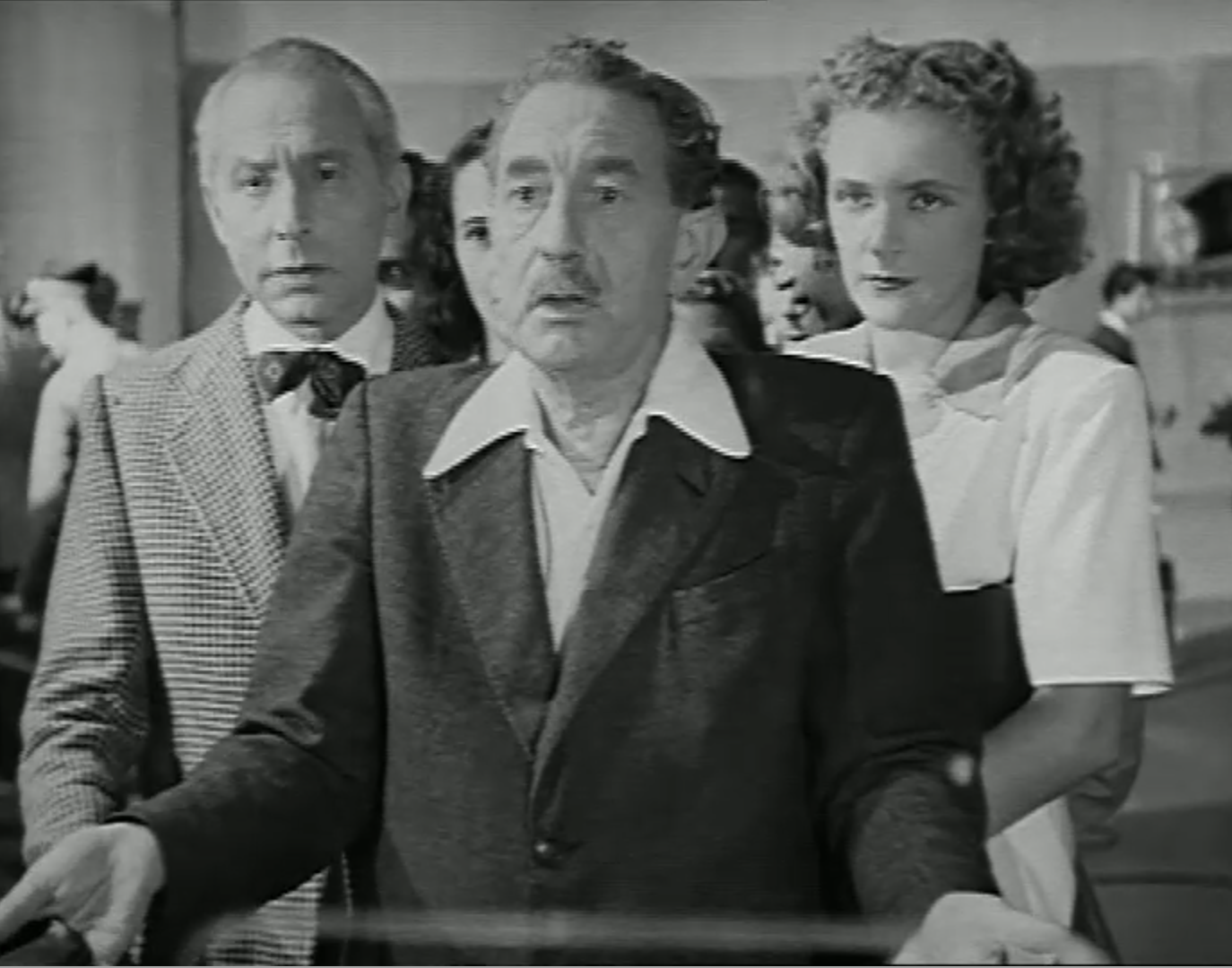
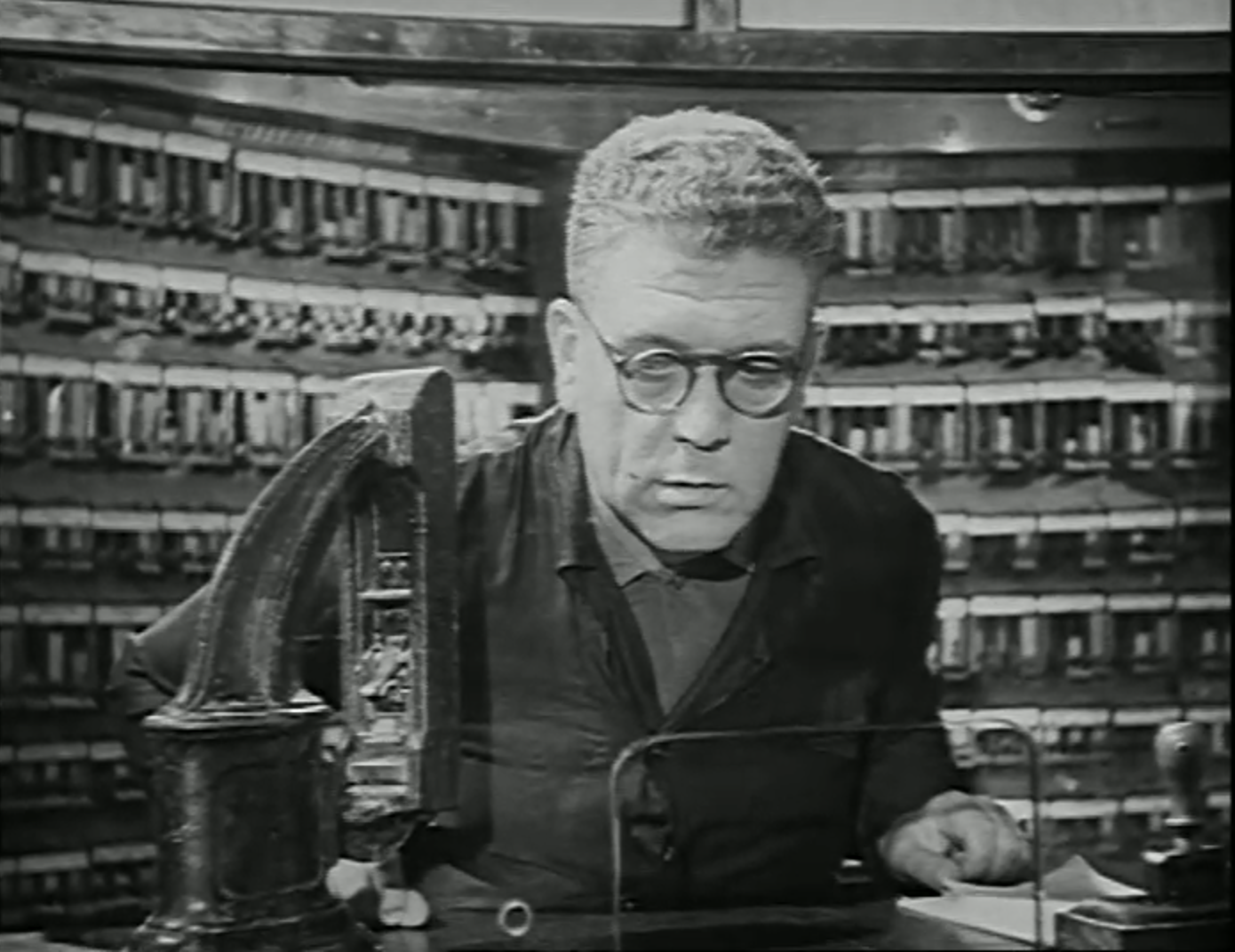
Ma il cliente successivo non si avvicina allo sportello. "Avanti,” dice l’impiegato, ma il cliente non si muove. "Avanti!"
L’uomo alza le spalle. "E come si fa a venire avanti? Non si può venire avanti".
But the next customer does not approach the window. "Step forward,” says the clerk, but the customer doesn’t move. "Step forward!”
The man shrugs. “How can I step forward? I can’t step forward.”
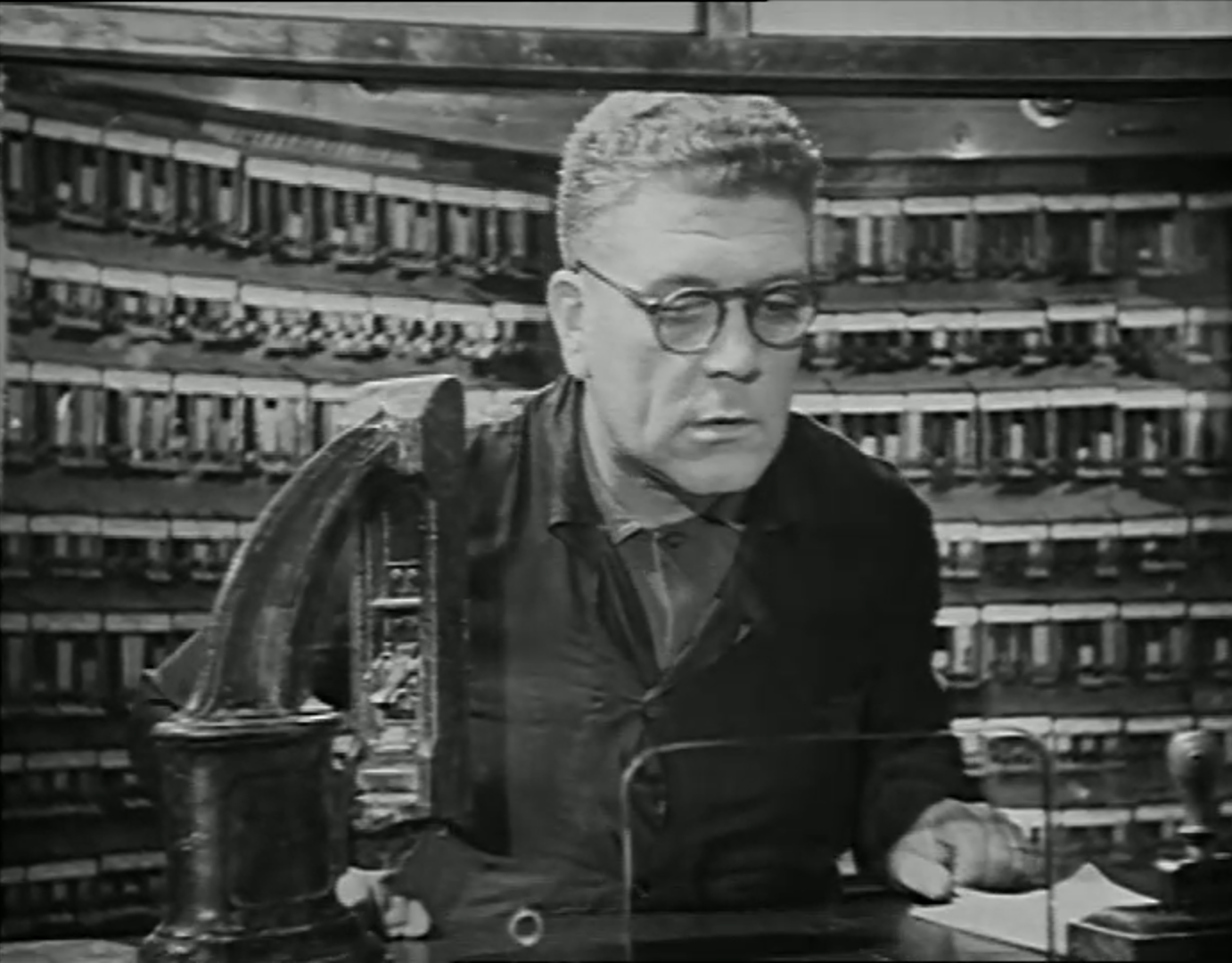
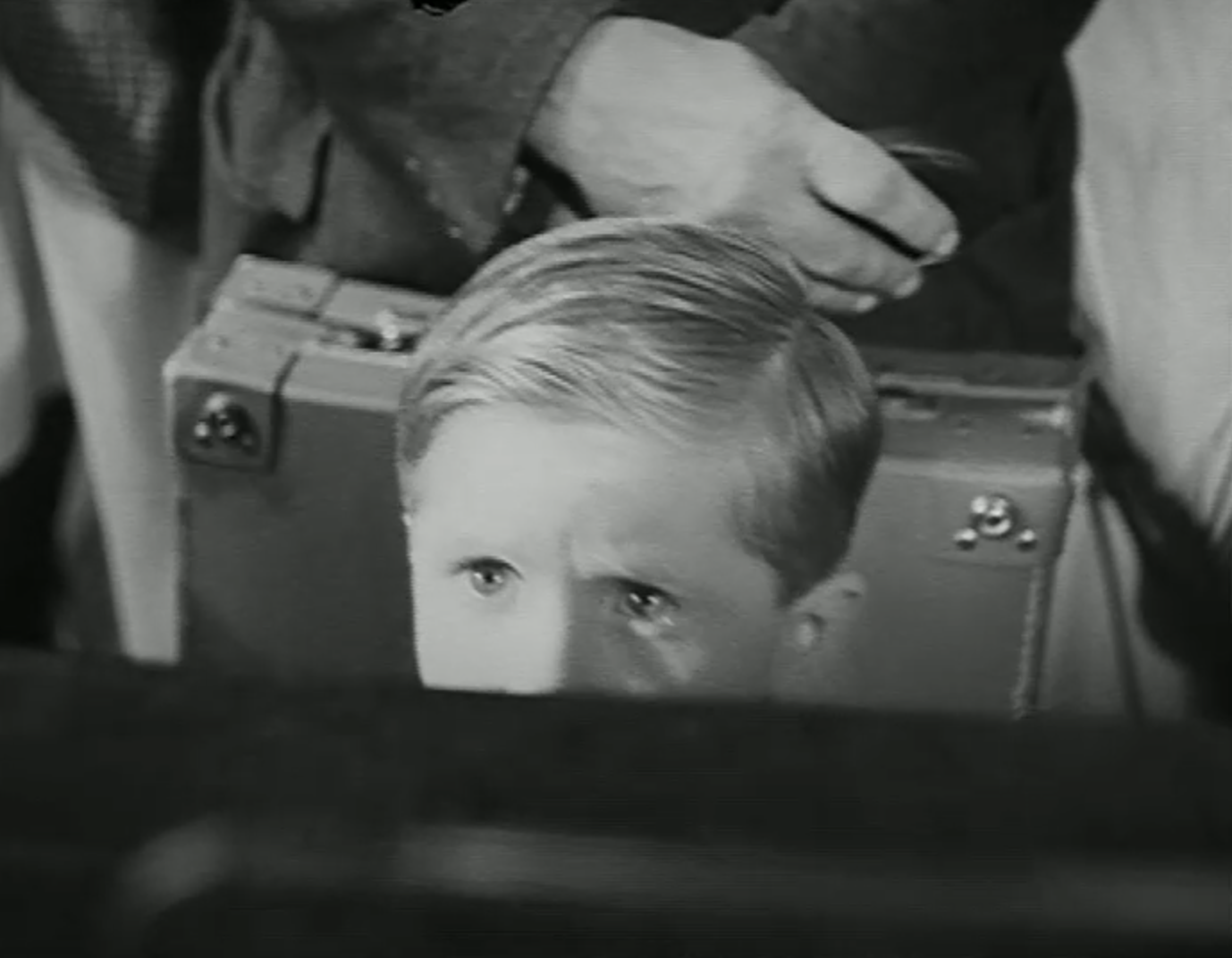
L'impiegato abbassa lo sguardo e la macchina da presa si allontana per rivelare gli occhi angosciati di Pricò. Un violino intona una melodia malinconica.
The clerk peers down, and the camera pulls back to reveal Pricò’s anguished eyes. A violin strikes up a plaintive melody.
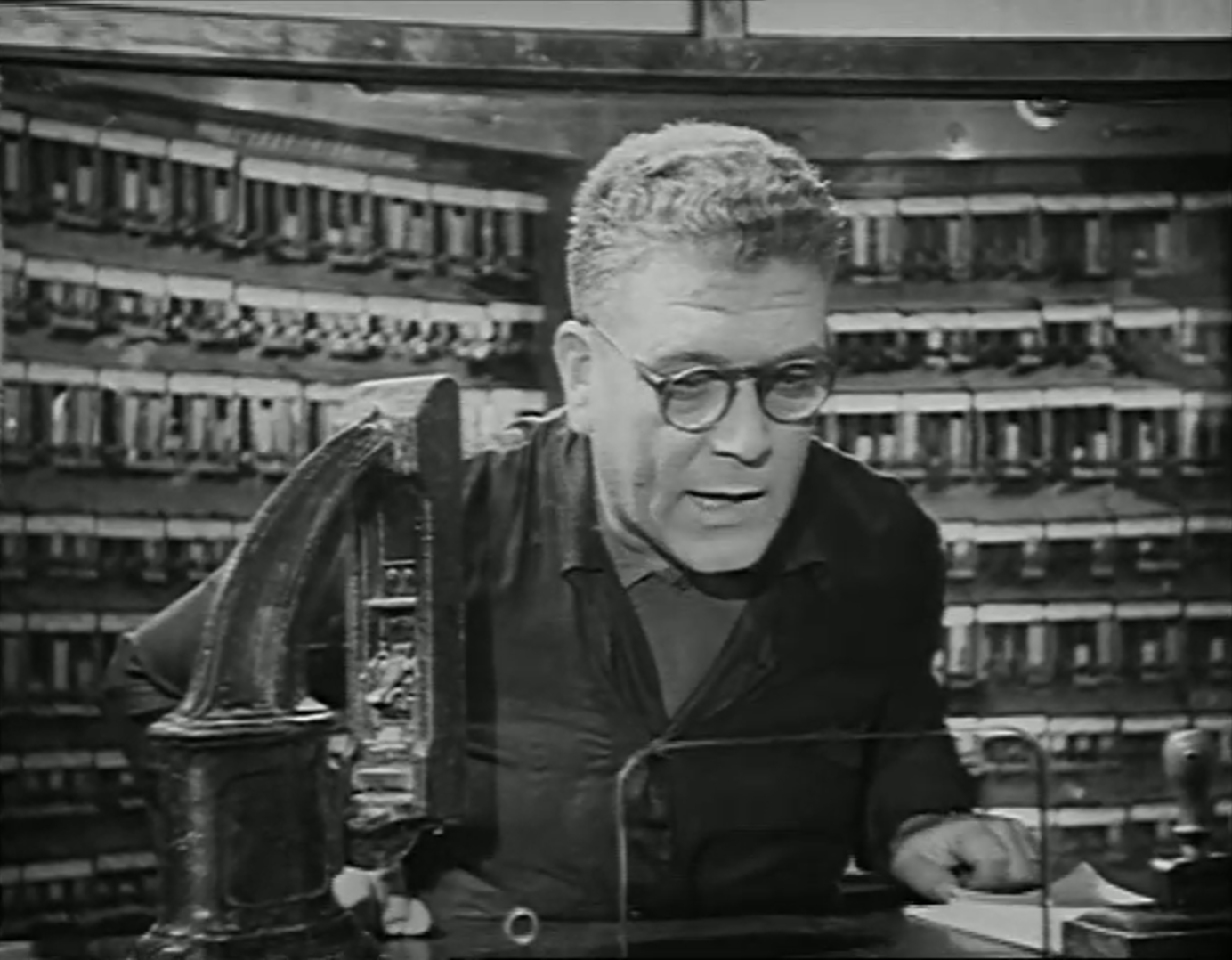
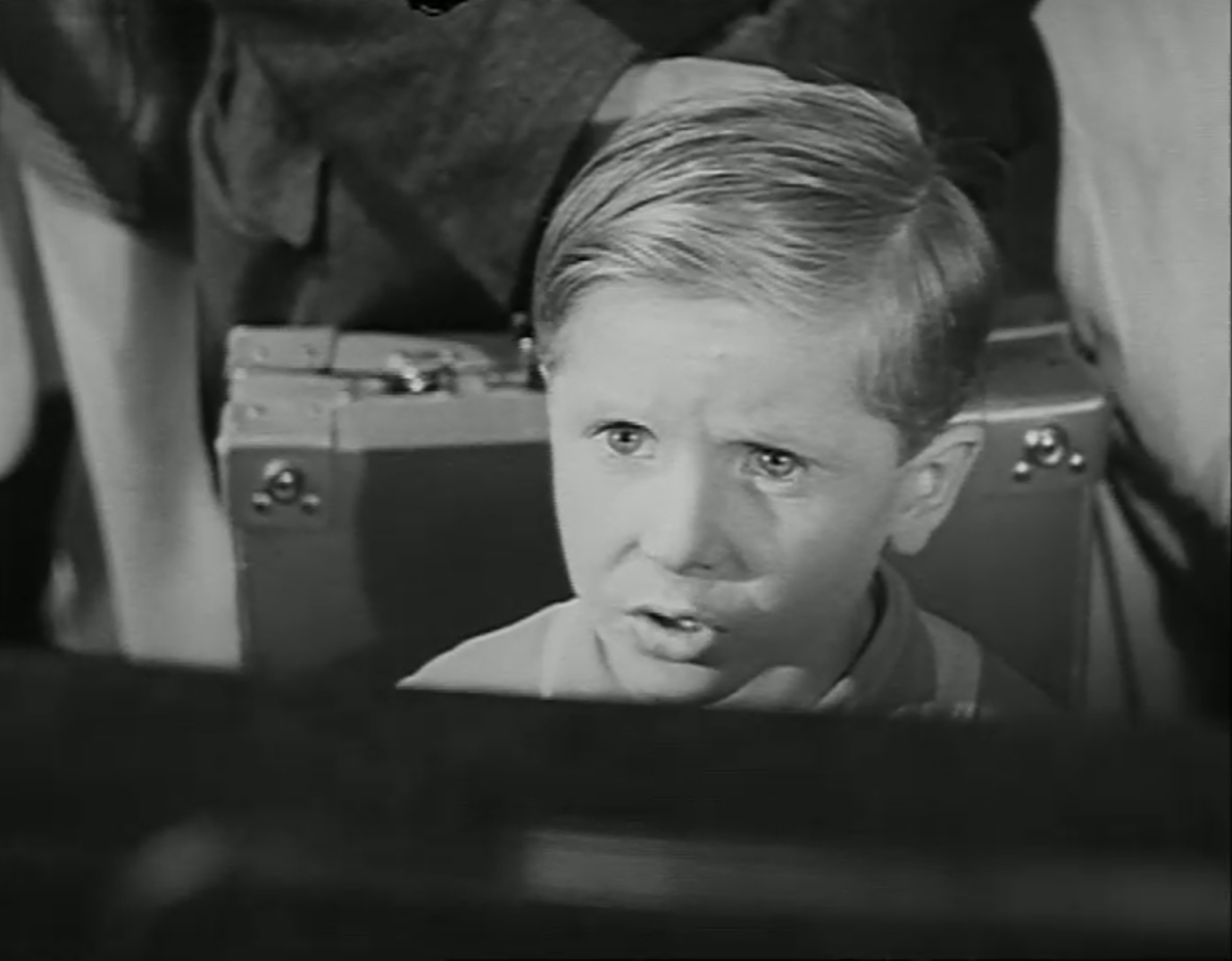
"E dove vai tu?"
"Vado da papà, a Roma".
“Where are you going?”
“Home to Daddy in Rome.”
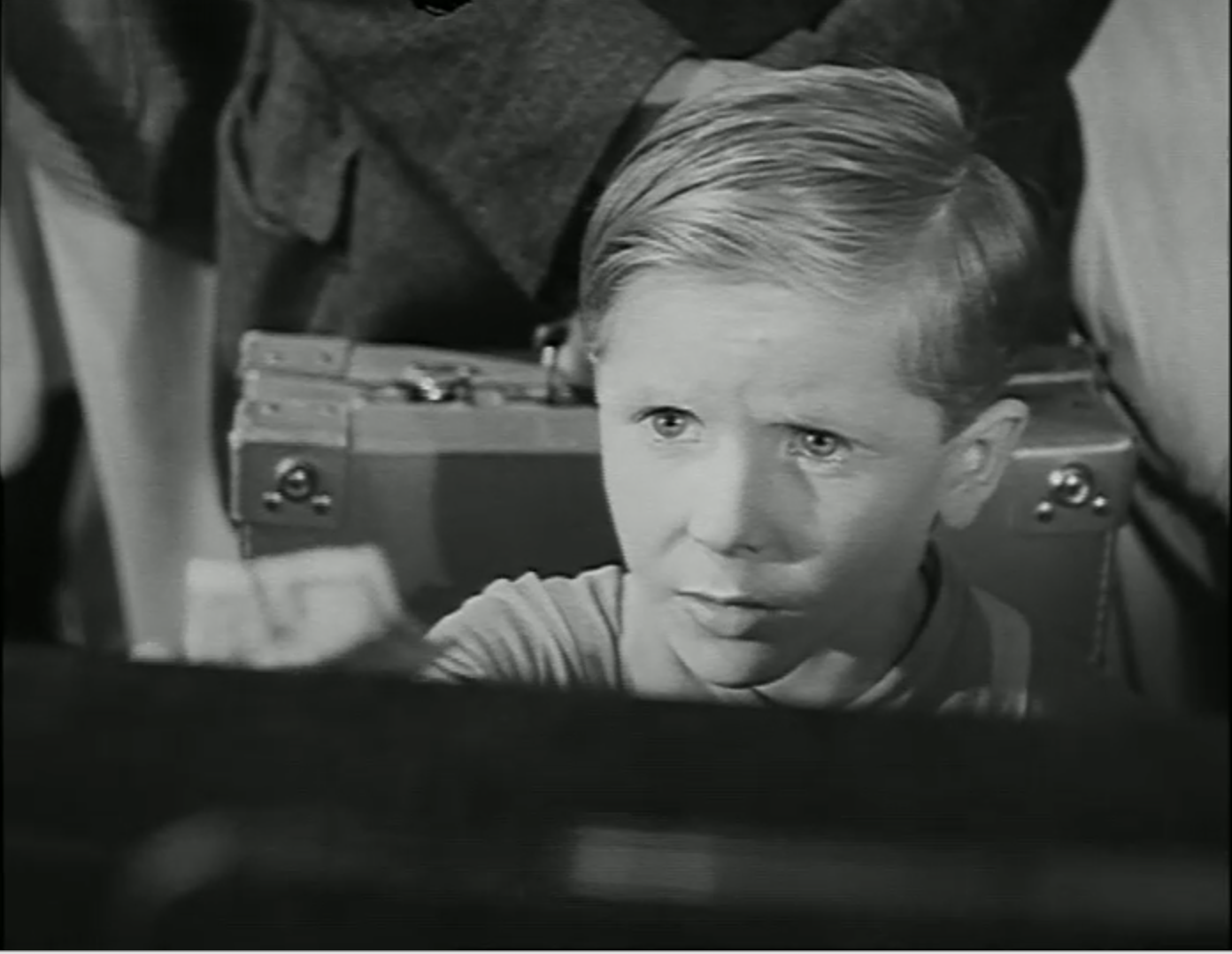
Mostra le banconote che Andrea gli aveva dato.
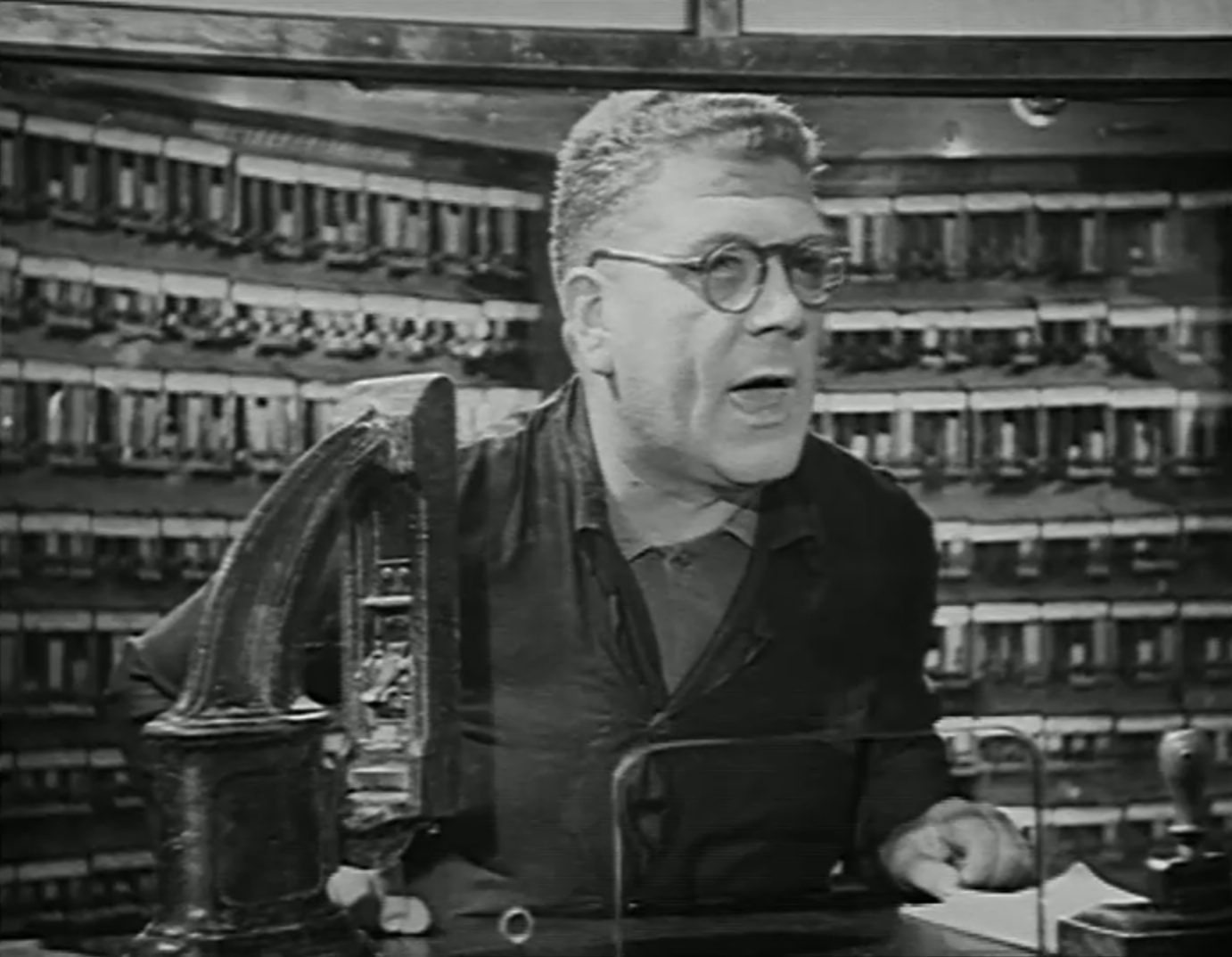
L’impiegato chiede ad alta voce: "Ma di chi è questo bambino?"
He holds up the bills that Andrea had given him.
The clerk calls out, “Whose child is this?”
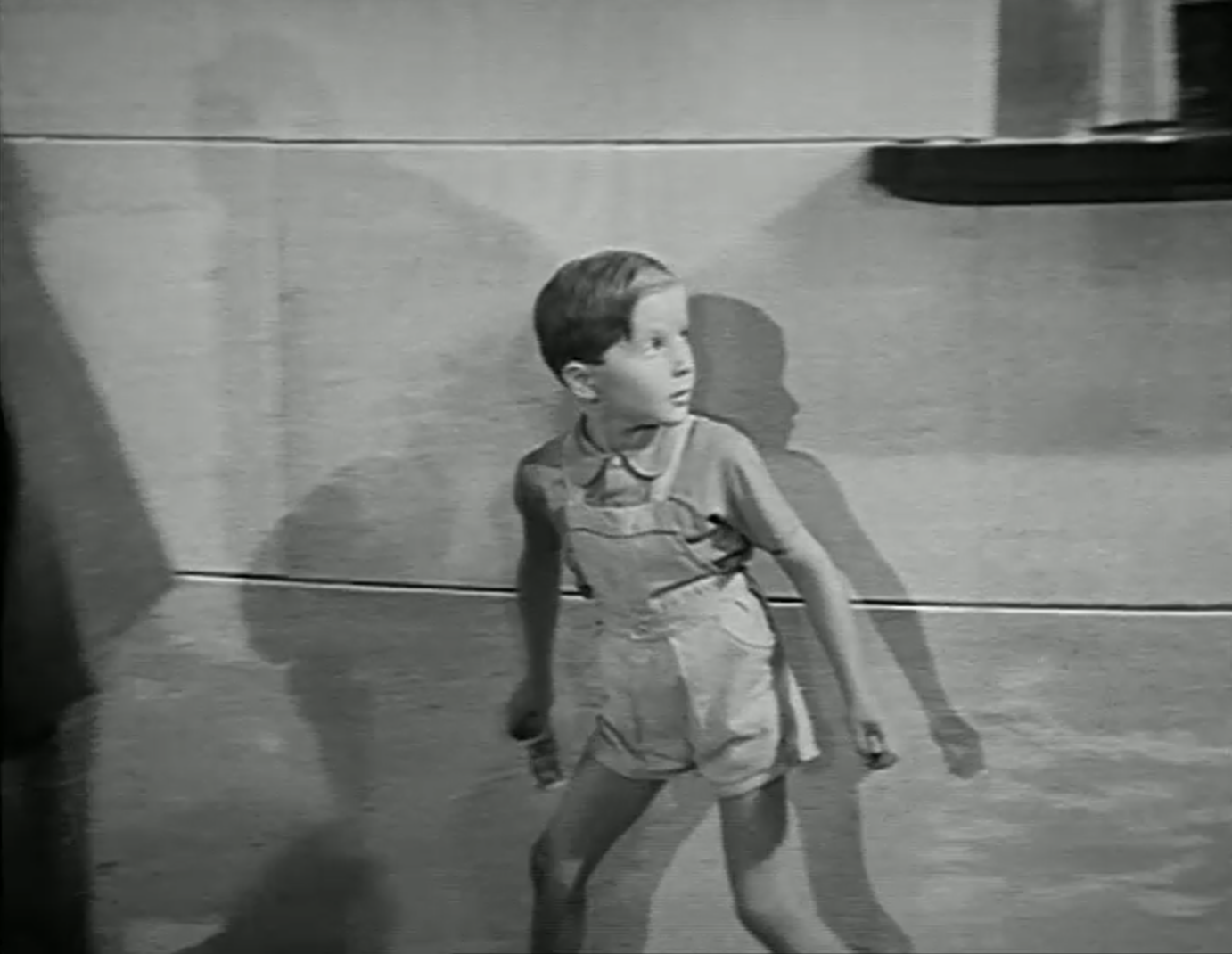
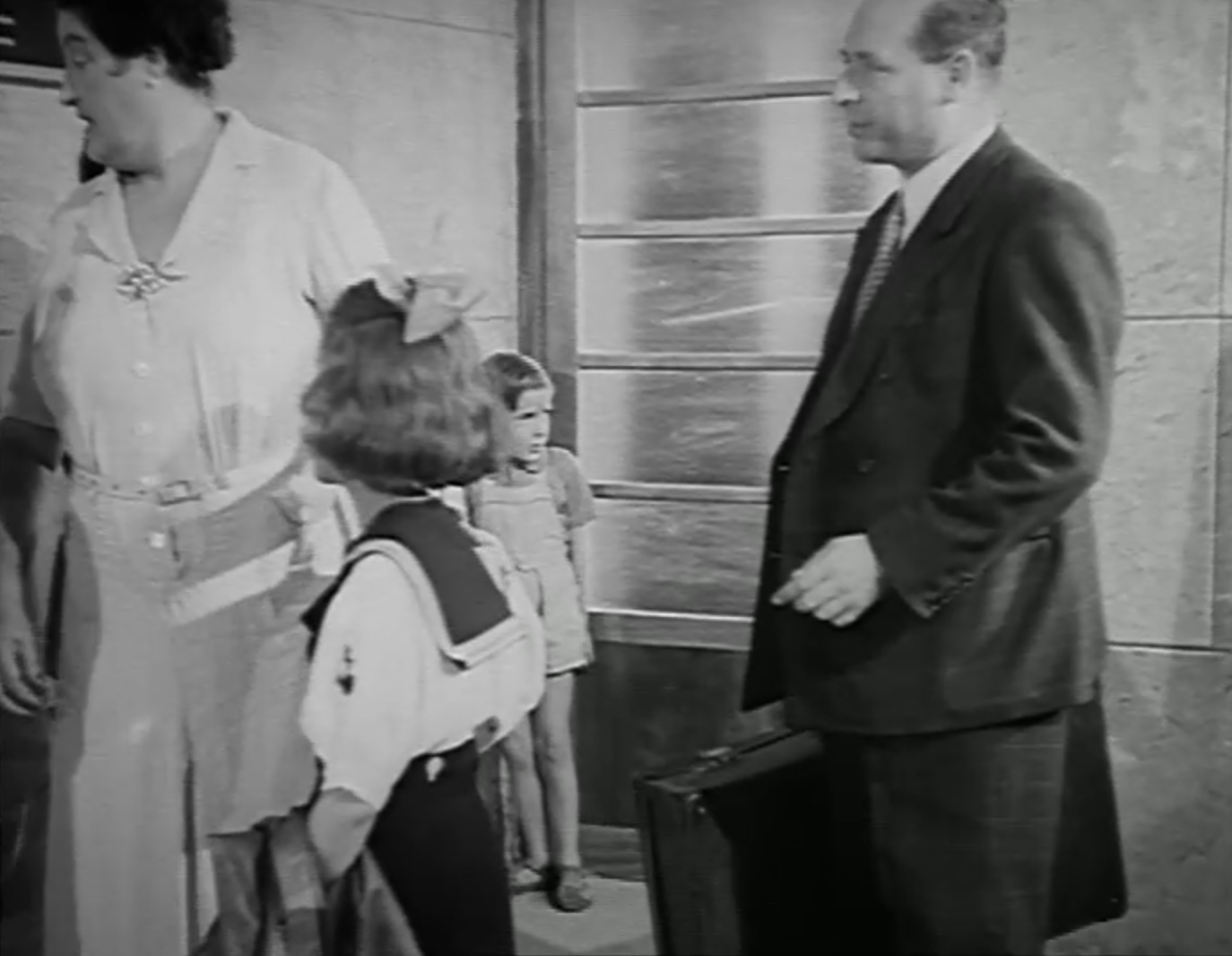
Ma Pricò sgattaiola via…
But Pricò slips away…
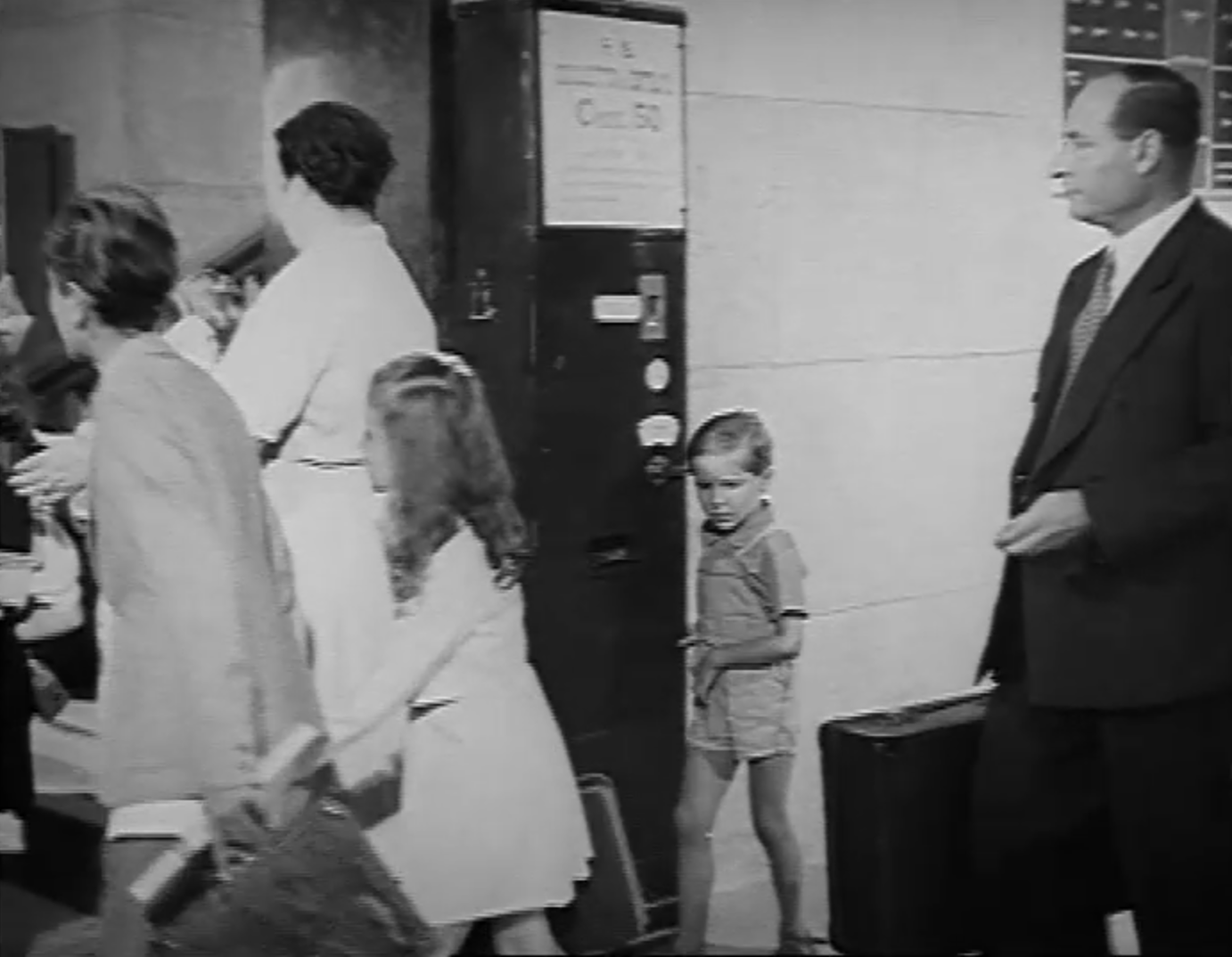
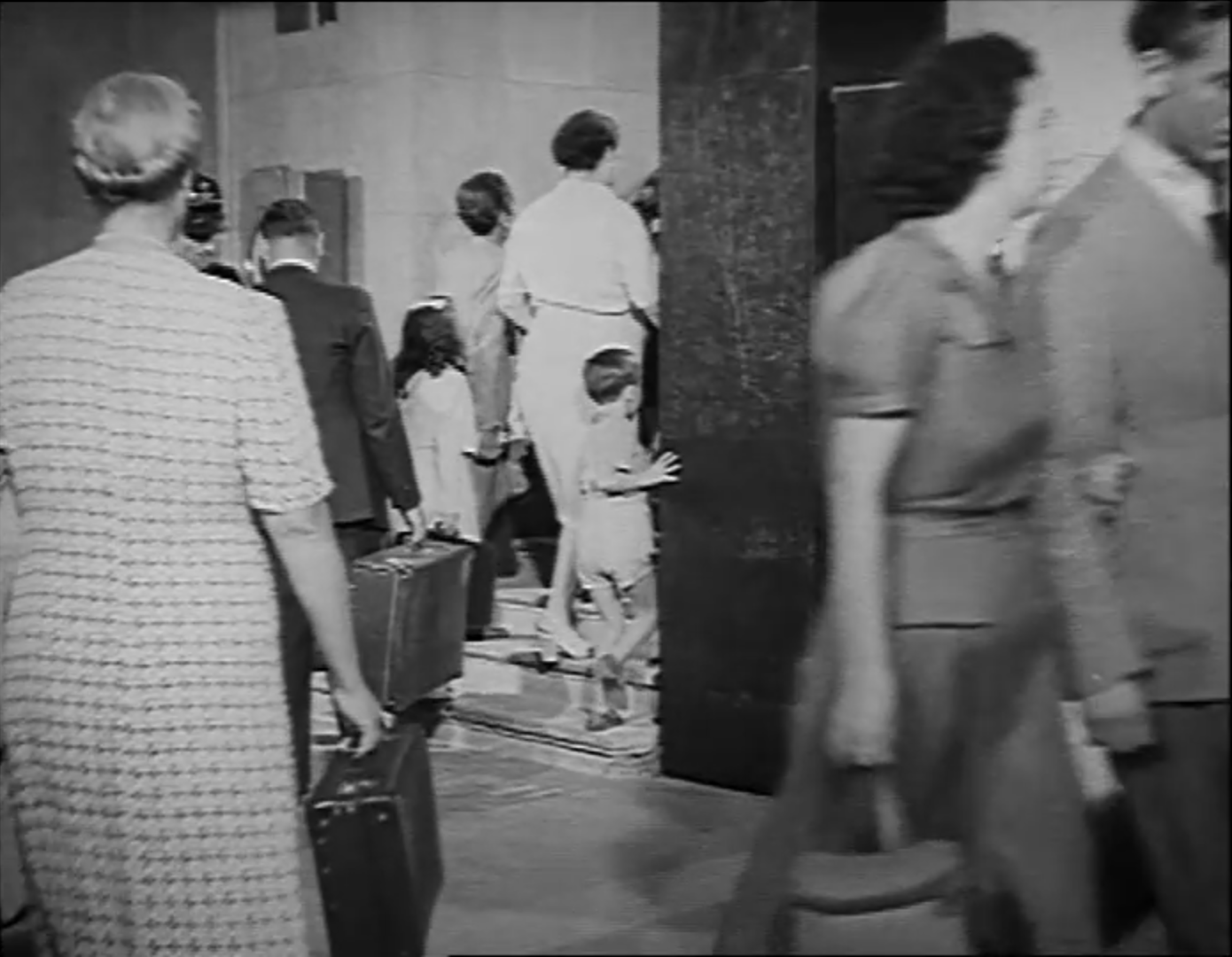
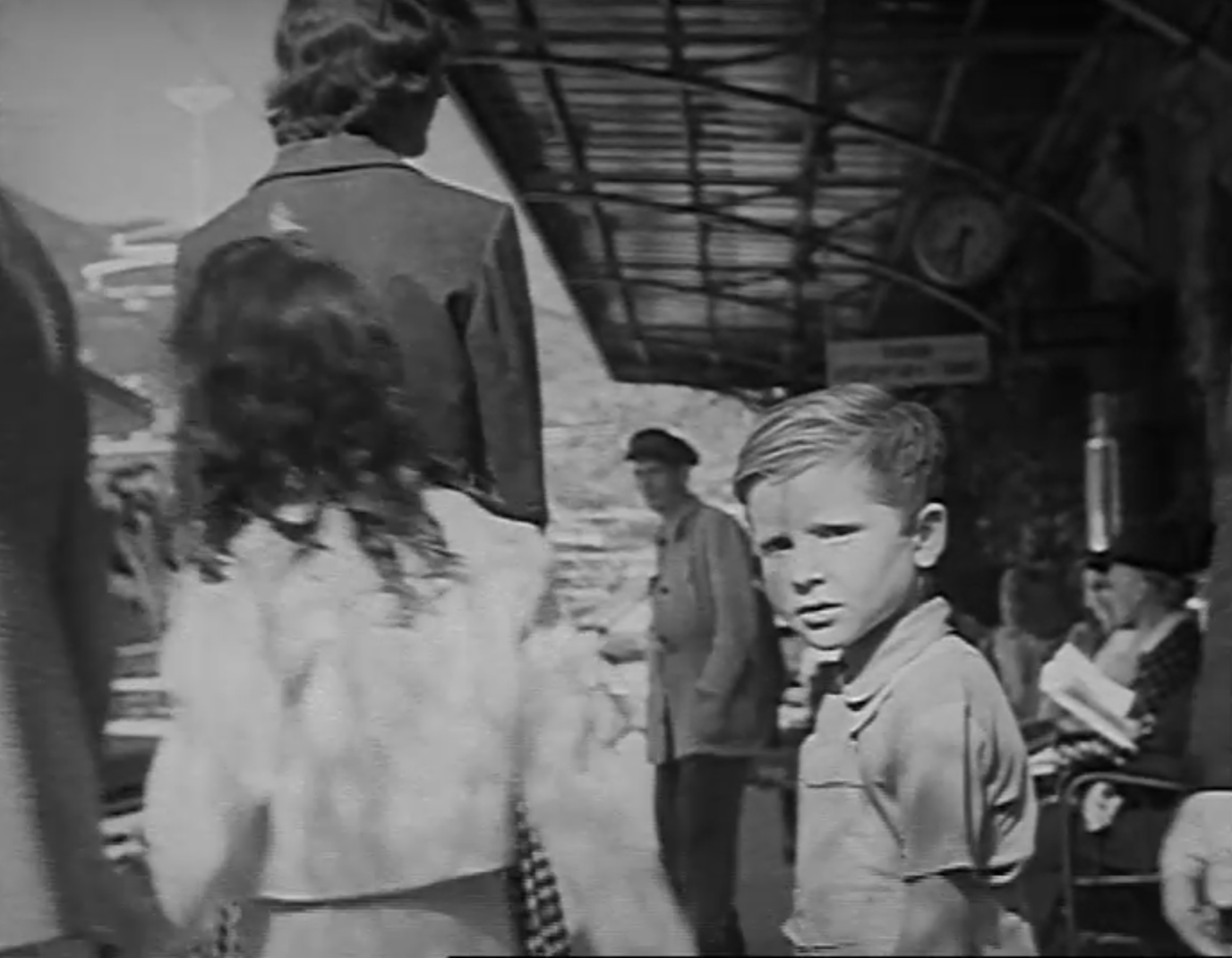
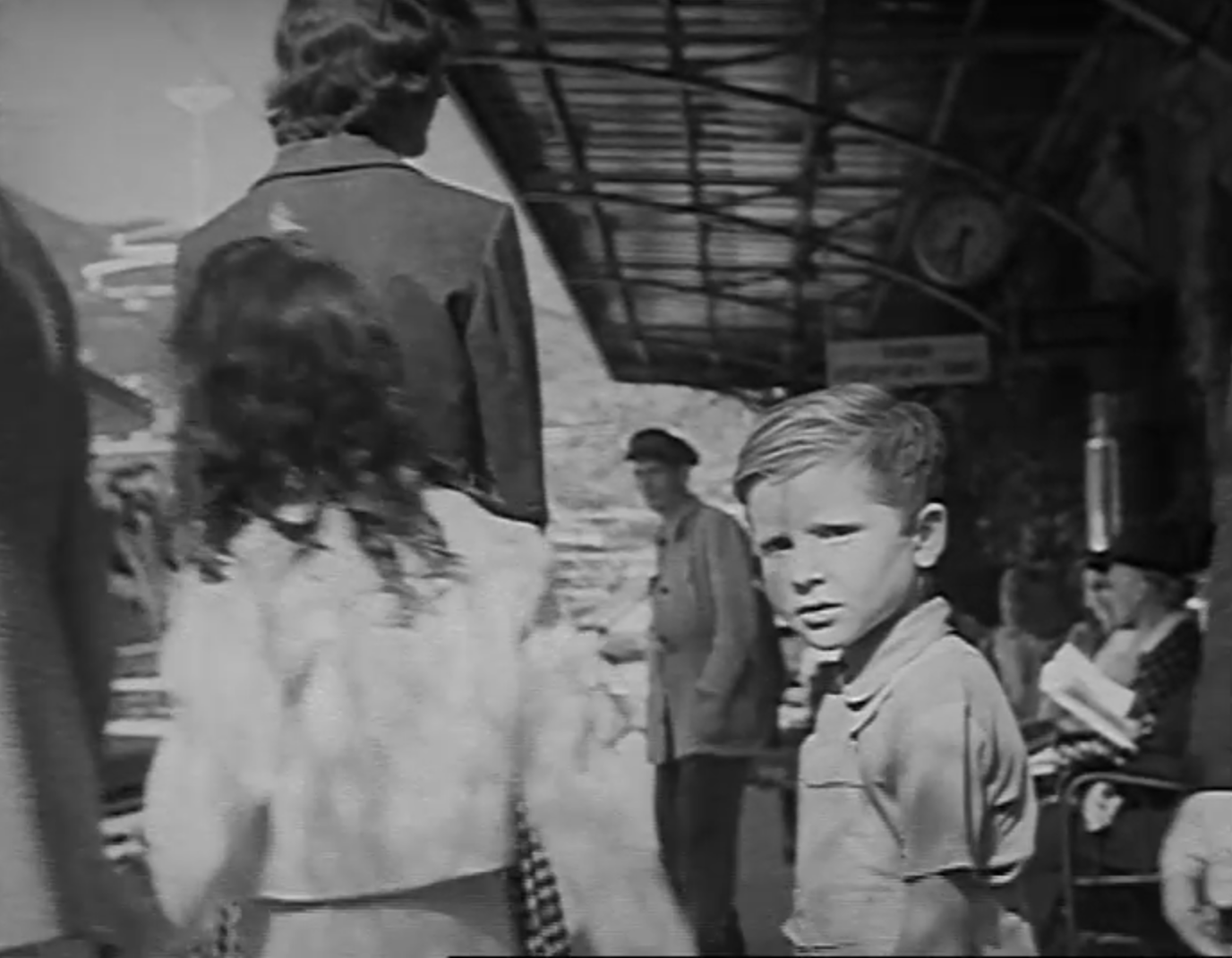
… e si unisce a una famiglia che sta salendo al binario.
… and joins a family that is going up to the platform.
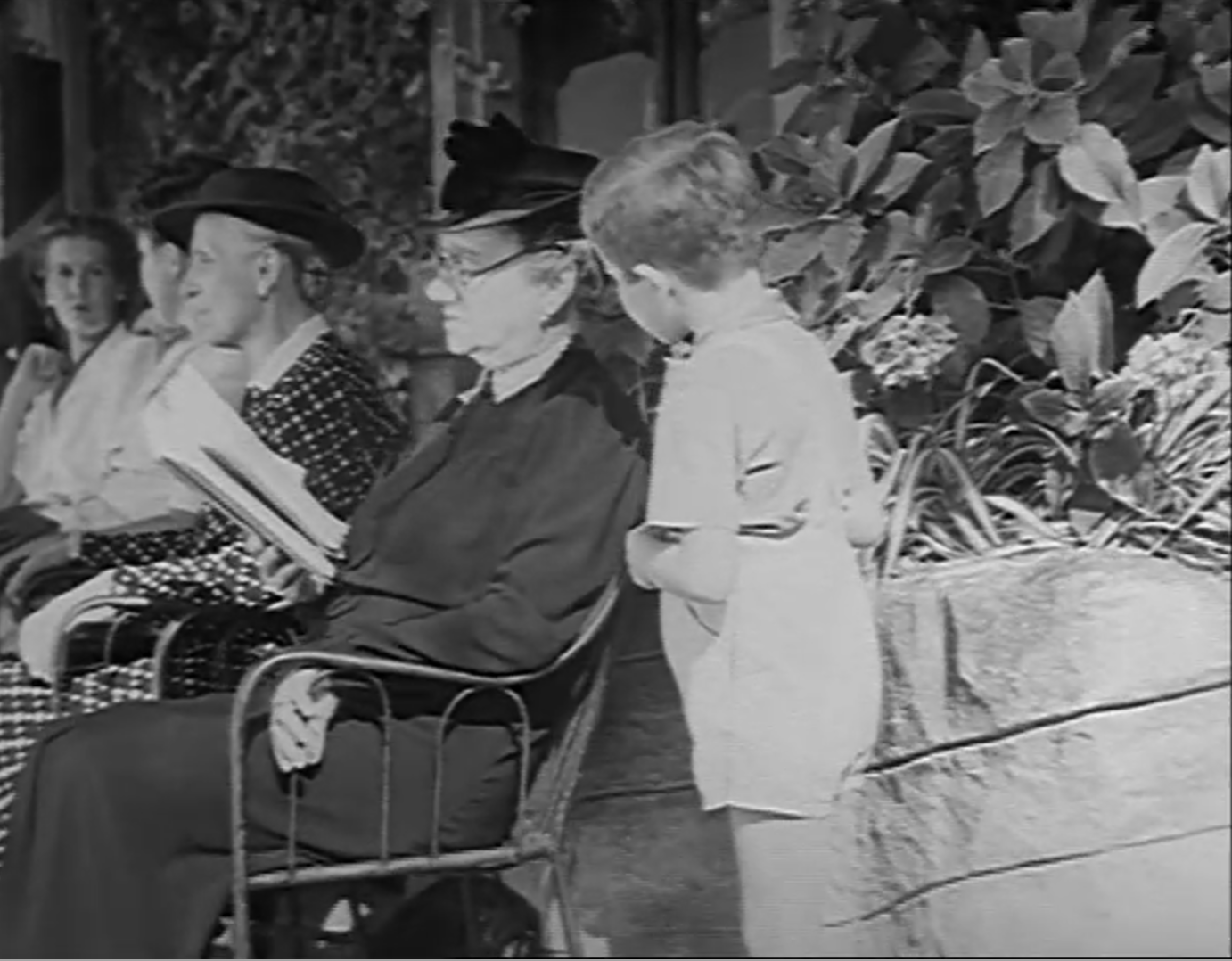
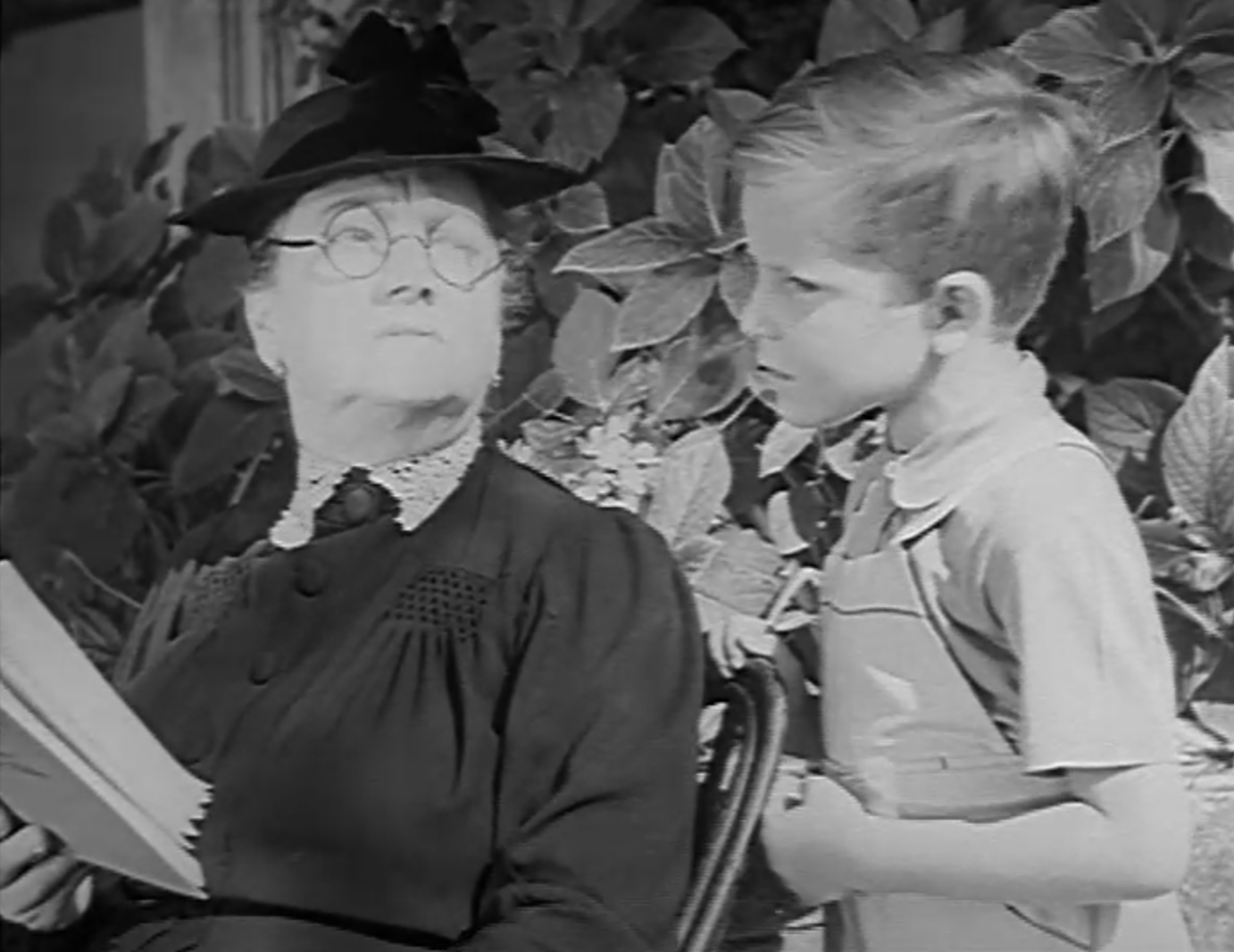
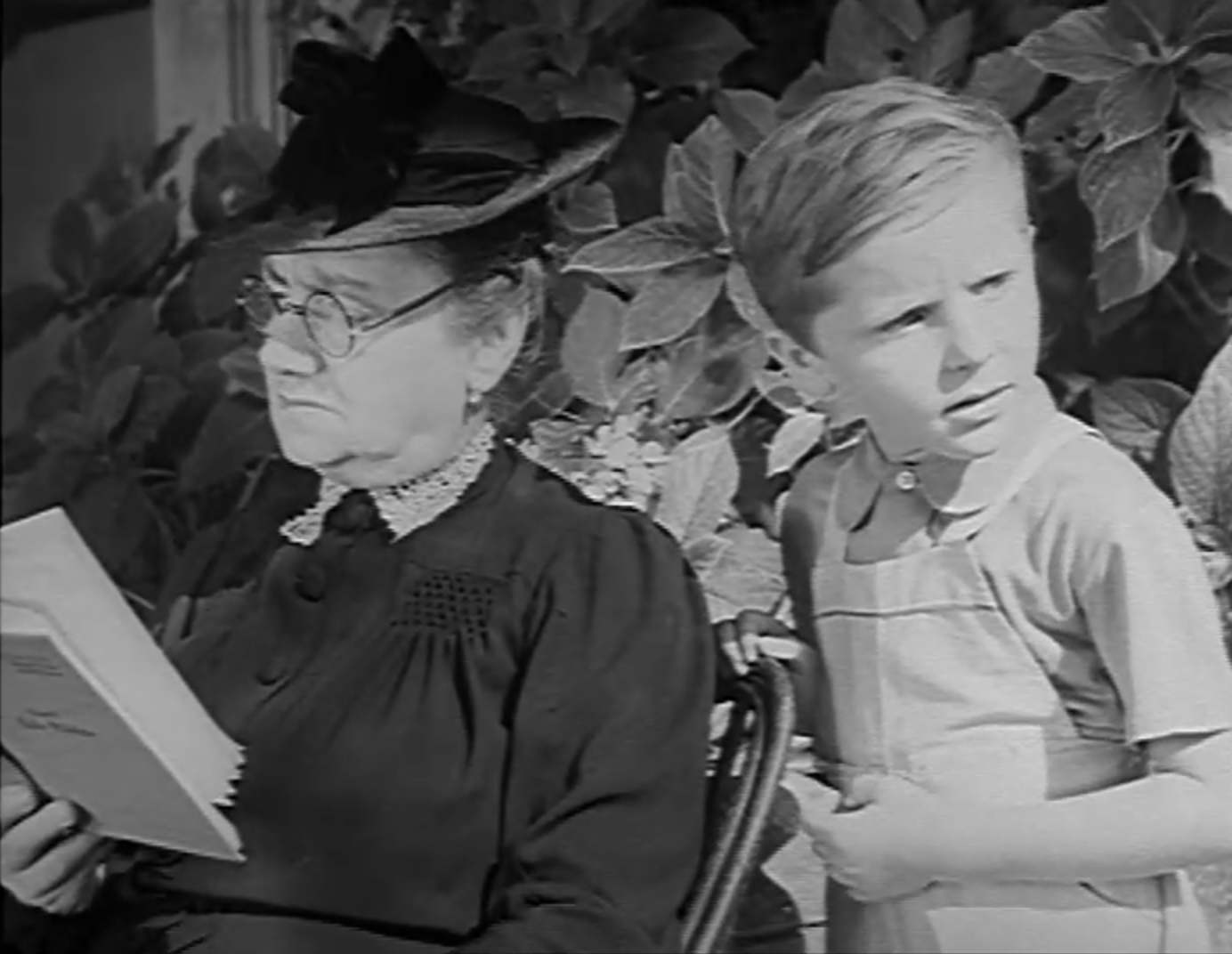
Si avvicina a una donna che sta leggendo un libro. “Signora…" Ripete a voce più alta: “Signora!" Lei lo guarda con aria severa. "Dov’è che si va per Roma?" Lei fa un cenno con la testa, poi torna al suo libro.
He approaches a woman reading a book. “Ma’am…” More loudly, he repeats, "Ma'am!” She looks at him sternly. “Which way to Rome?” She gestures with her head, then returns to her book.
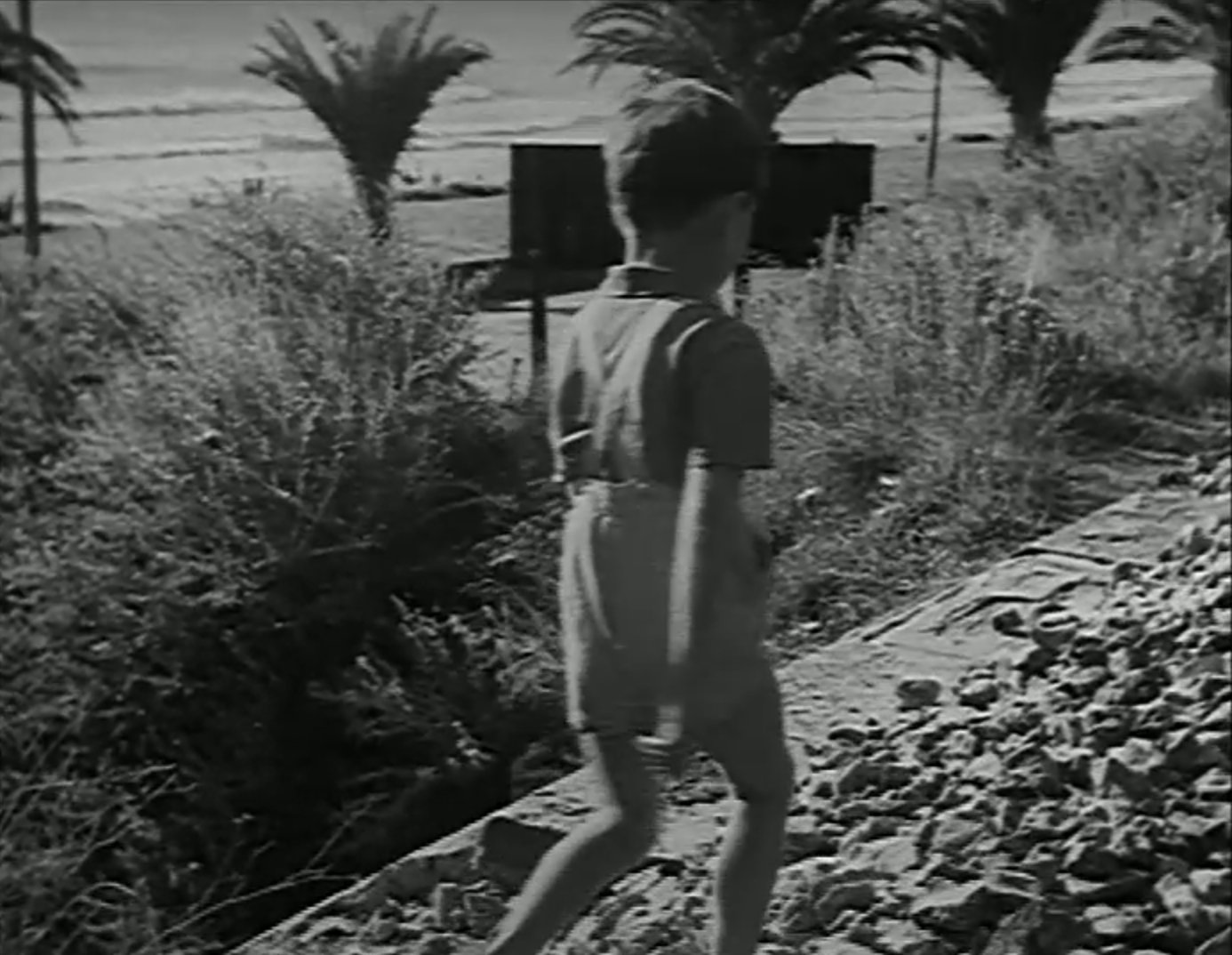
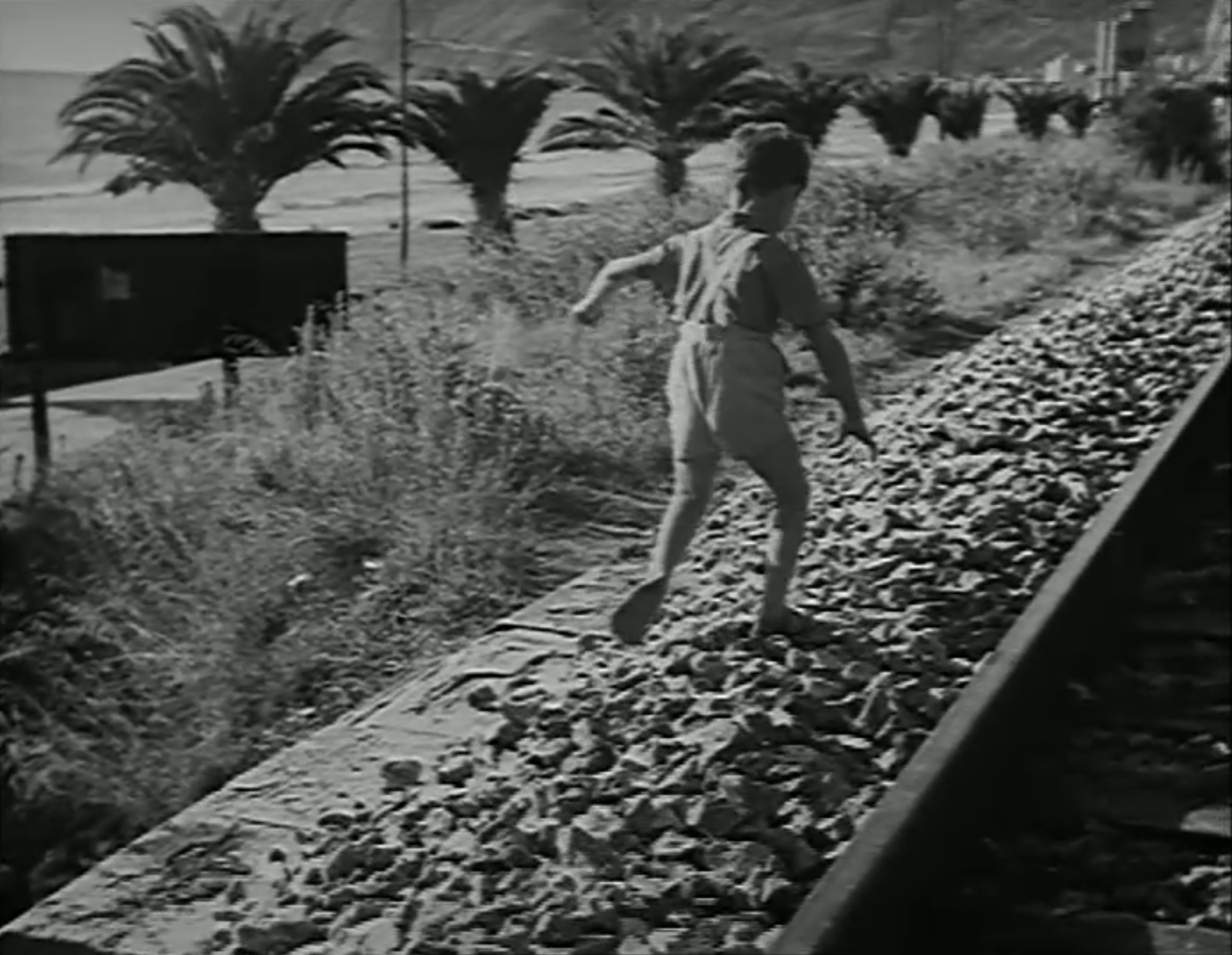
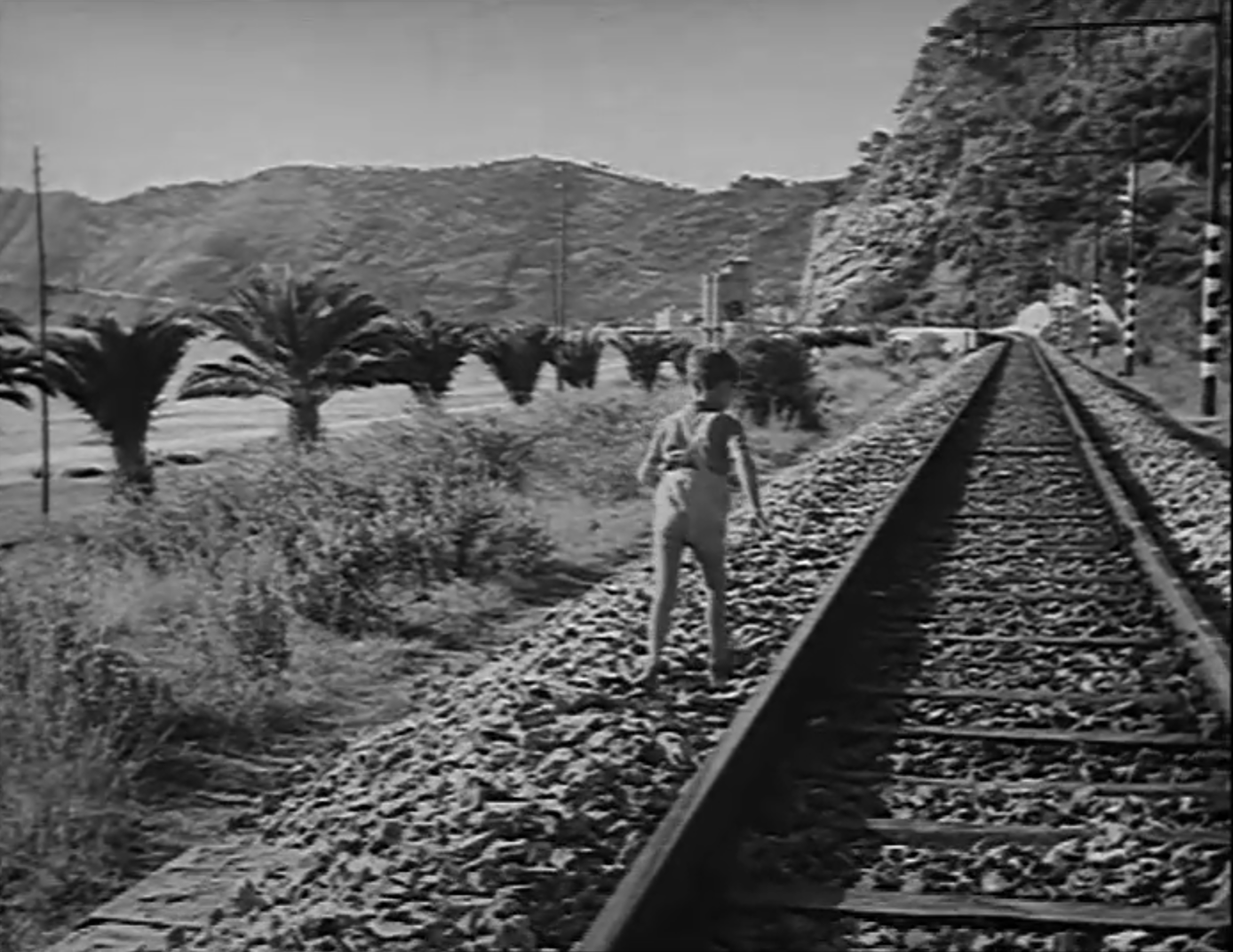
Pricò sta camminando lungo il binario ferroviario, sulla ghiaia che si muove sotto i suoi piedi.
Una fila di palme fenice – iconiche della Riviera Ligure – corre parallela al binario lungo la spiaggia.
Pricò is walking beside the railroad track, on gravel that shifts beneath his feet.
A row of phoenix palm trees – iconic to the Italian Riviera – runs parallel to the track along the beach.
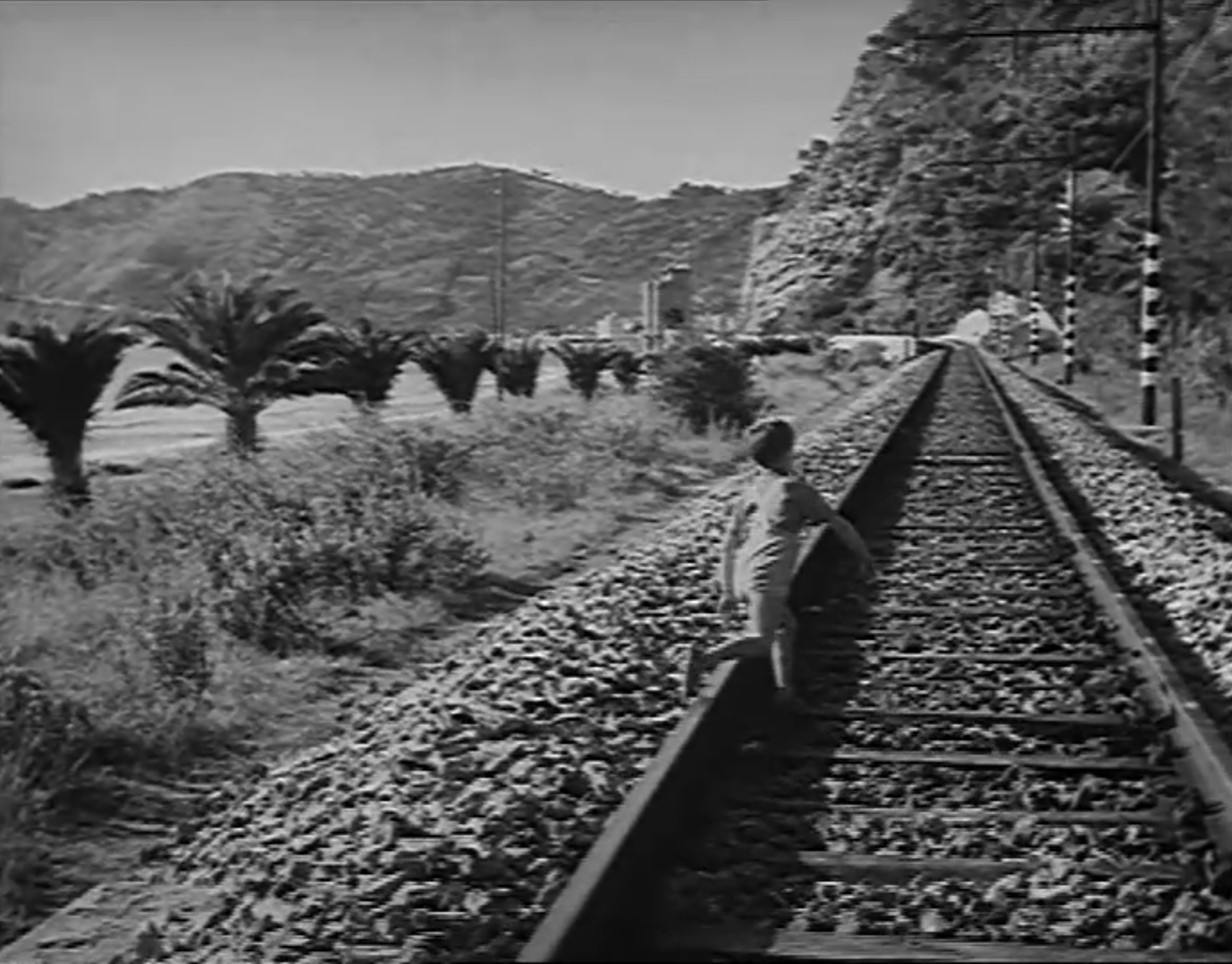
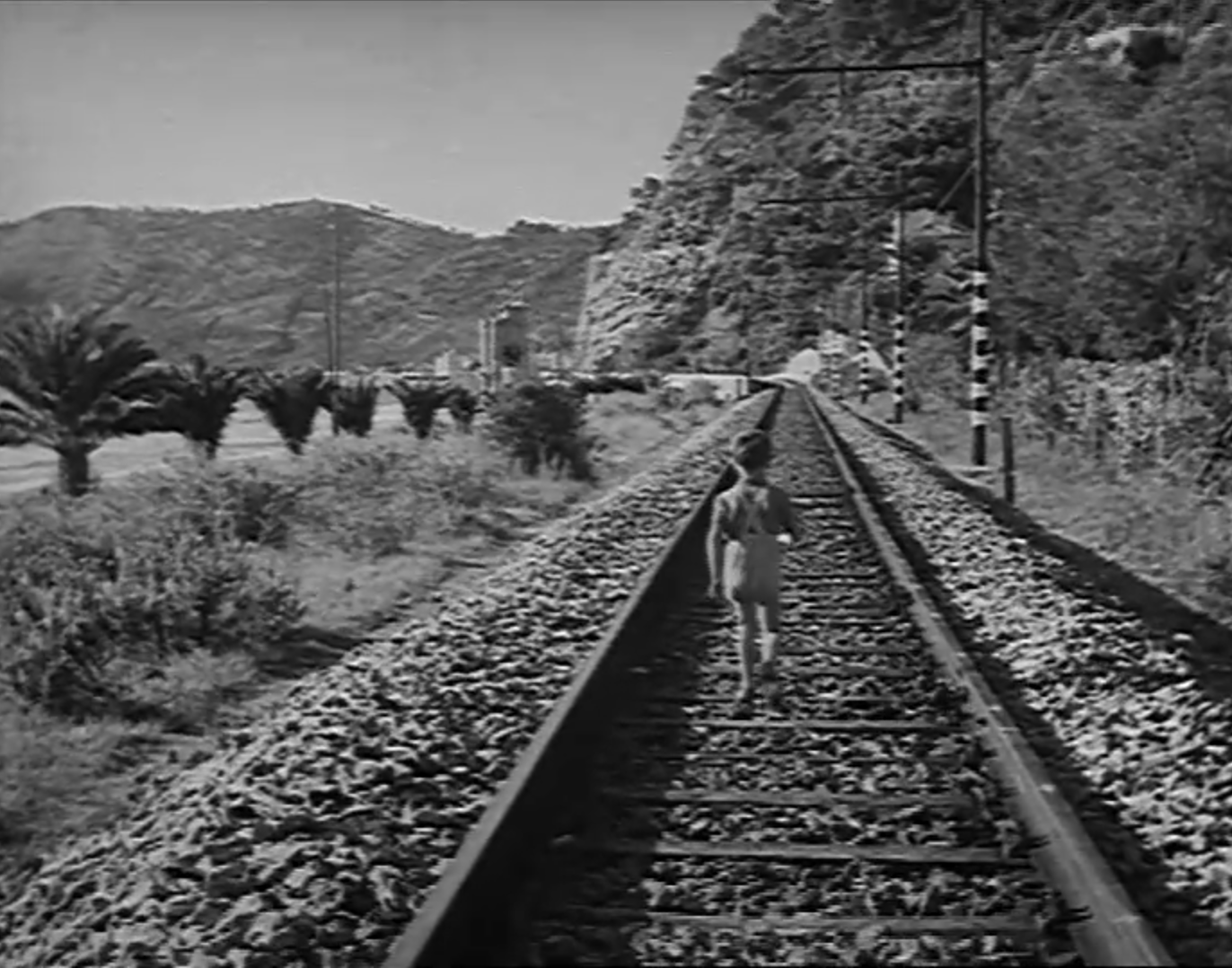
Pricò inizia a camminare tra le rotaie, dove il terreno è più solido.
In questa elegante composizione, le rotaie, il letto di ghiaia e le palme si allontanano verso l’ignoto.
Pricò begins to walk between the rails, where the ground is firmer.
In this elegant composition, the rails, the gravel bed, and the palm trees recede toward the unknown.
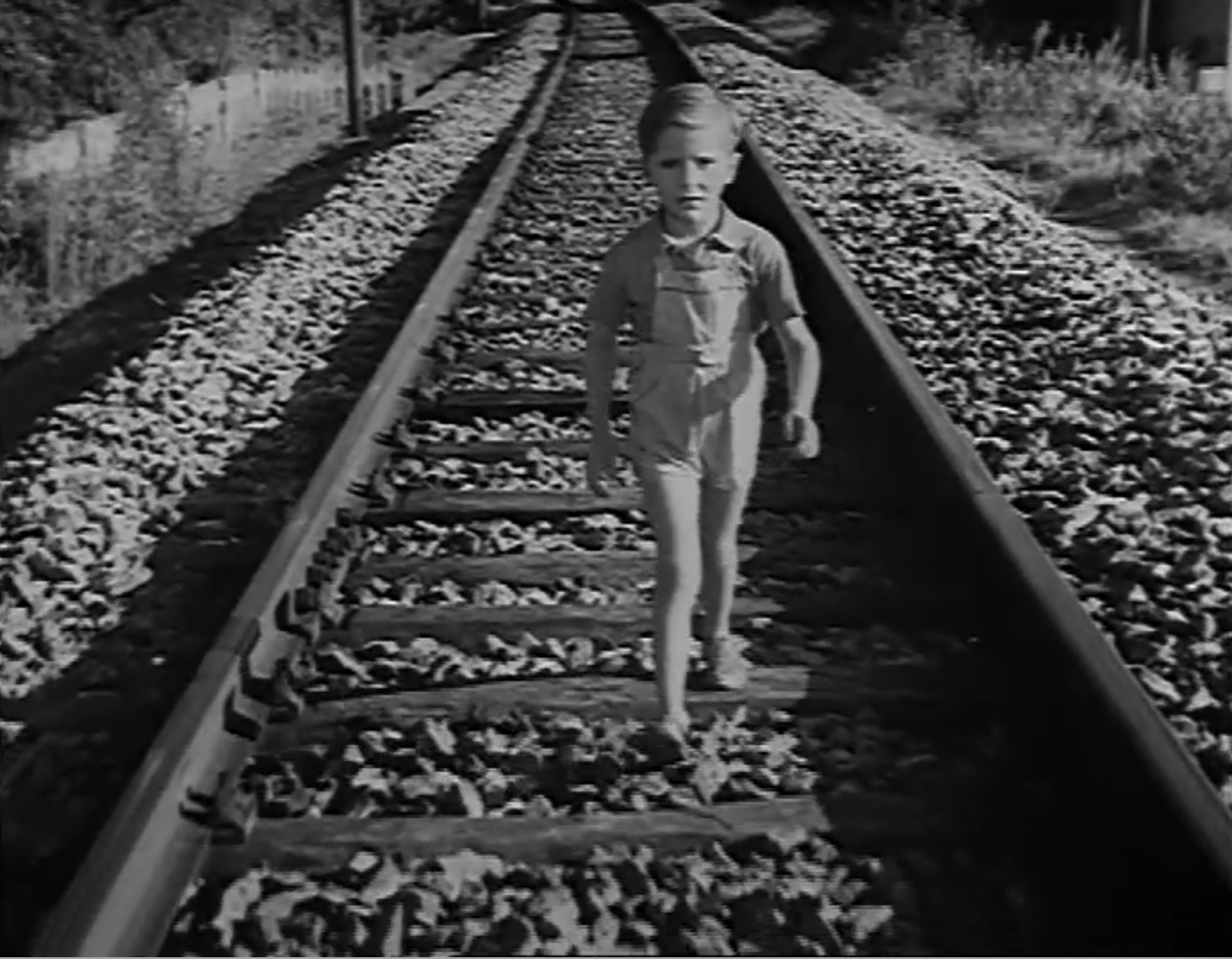
La macchina da presa cambia punto di vista e vediamo Pricò avanzare verso di noi con risoluta determinazione.
Sentiamo il ciuf-ciuf di un treno in lontananza, e poi il suo fischio.
The camera changes its viewpoint, and we see Pricò coming toward us with stubborn determination.
We hear the chug-chug of a train in the distance, and then its whistle.
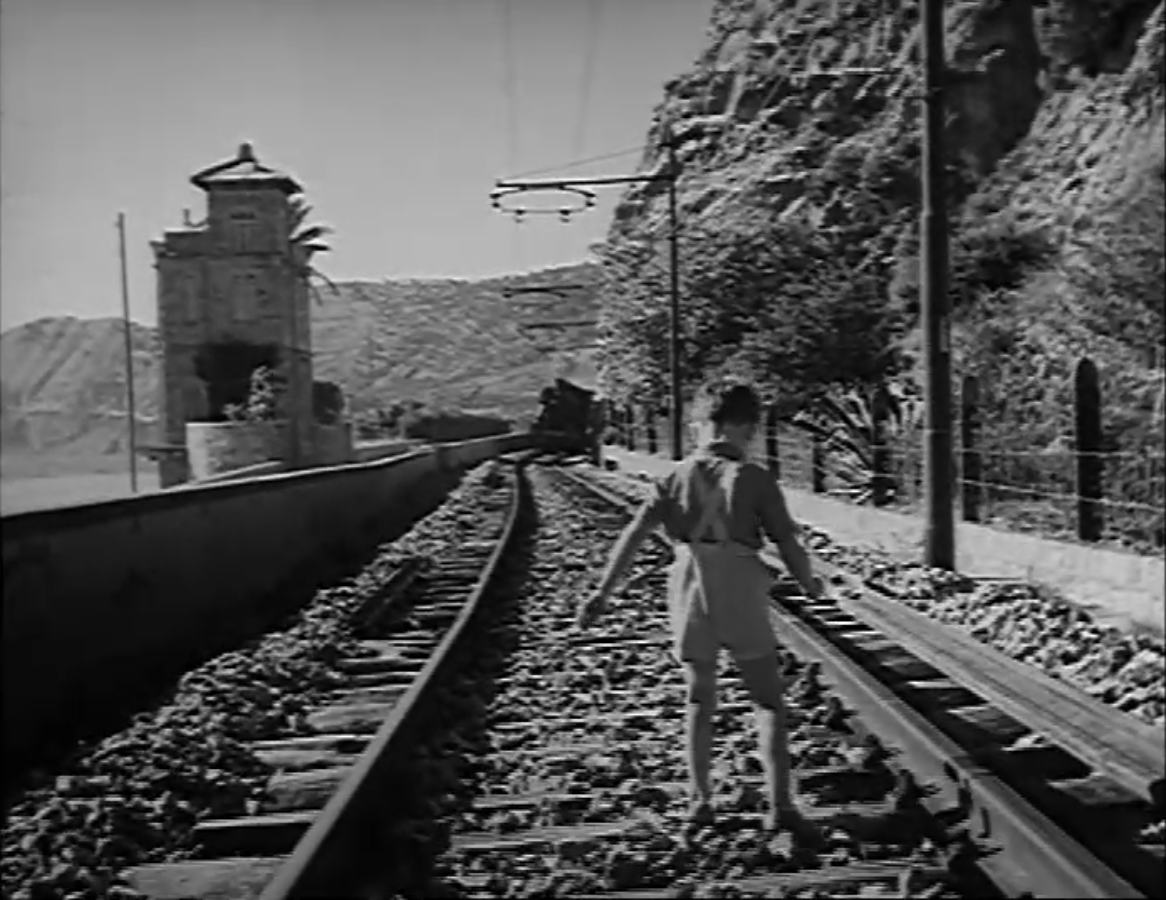
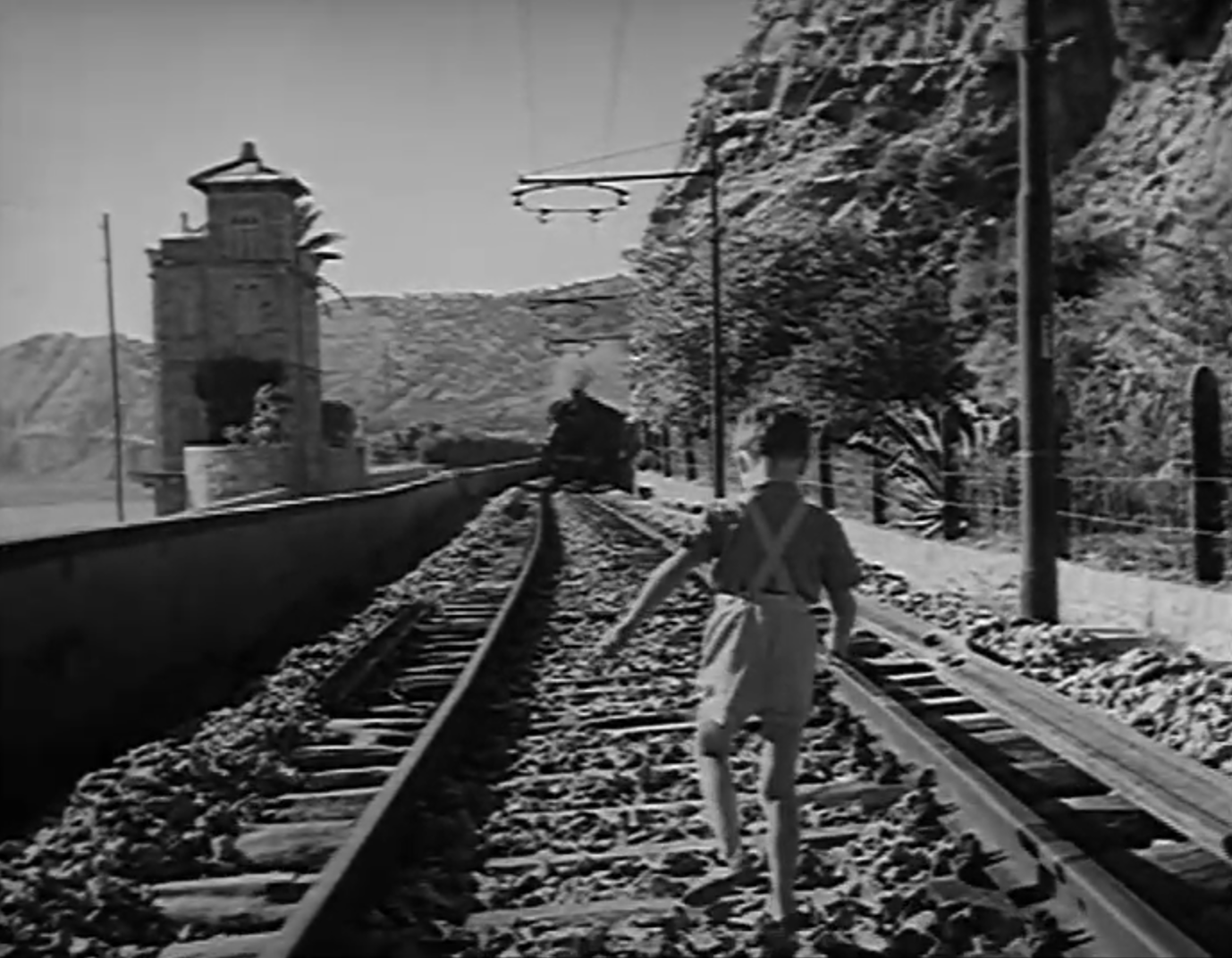
Da dietro Pricò, vediamo apparire un treno dalla curva più avanti. Avanza rapidamente verso di lui. Ma lui sta guardando in basso e non se ne accorge.
From behind Pricò, we see a train come around the bend up ahead. It moves rapidly toward him. But he’s looking down and doesn’t notice.
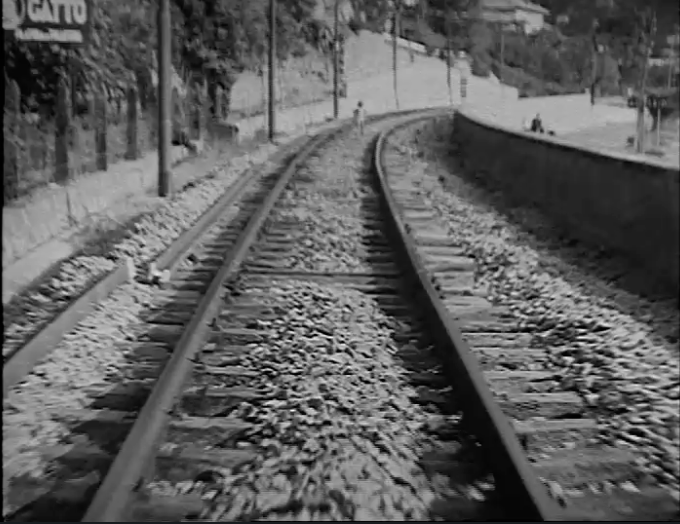
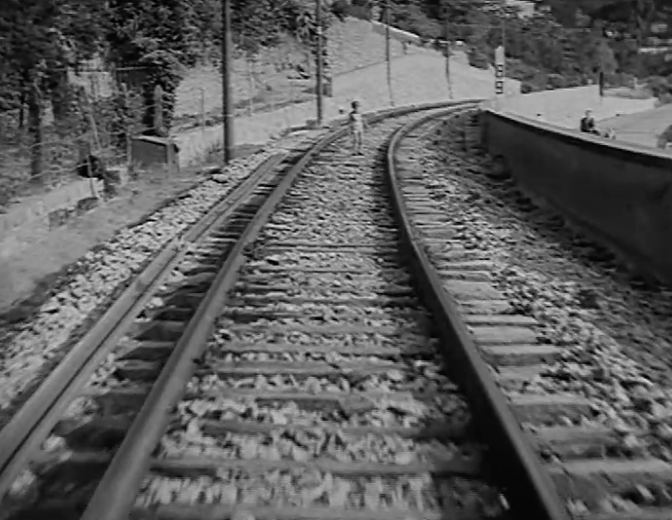
Ora vediamo Pricò dal punto di vista del macchinista, mentre la locomotiva si lancia a tutta velocità verso il bambino.
Now we see Pricò from the engineer's perspective, as the locomotive barrels towards the boy.
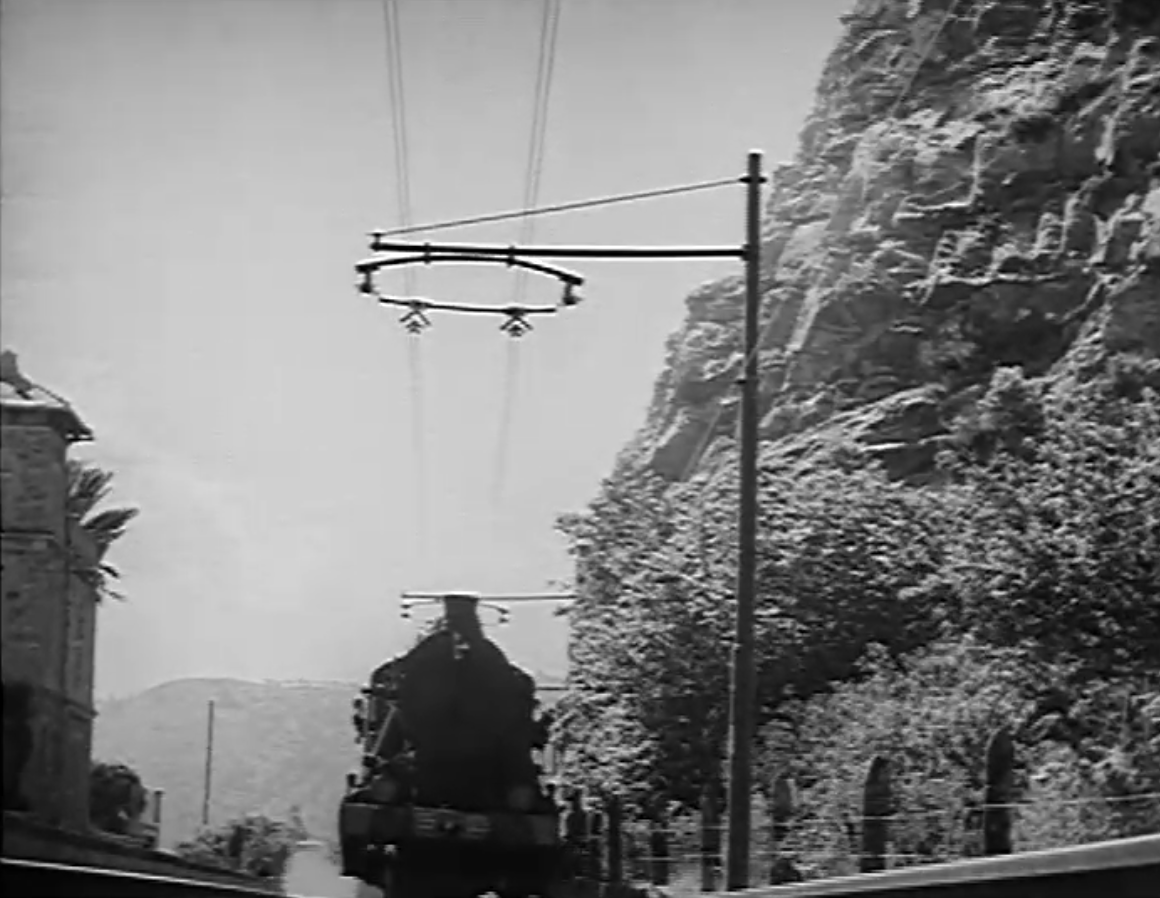
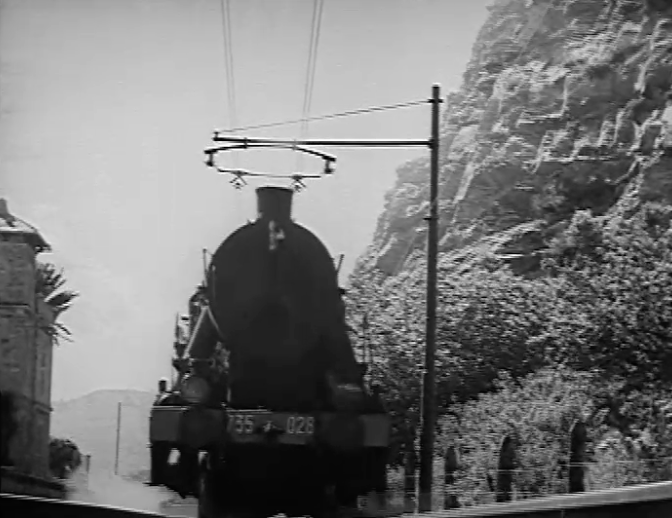
La locomotiva diventa sempre più grande nell’inquadratura.
The engine grows ever larger in the frame.
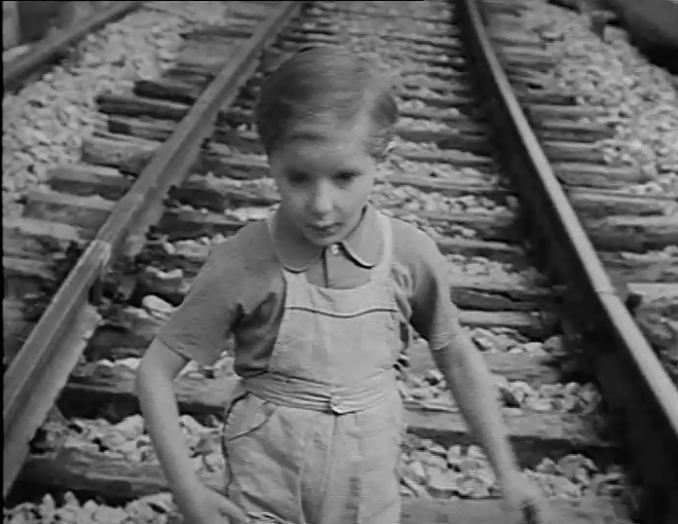
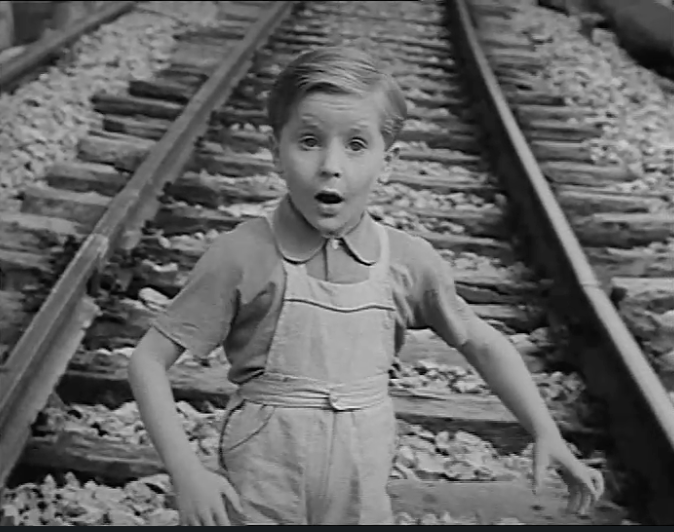
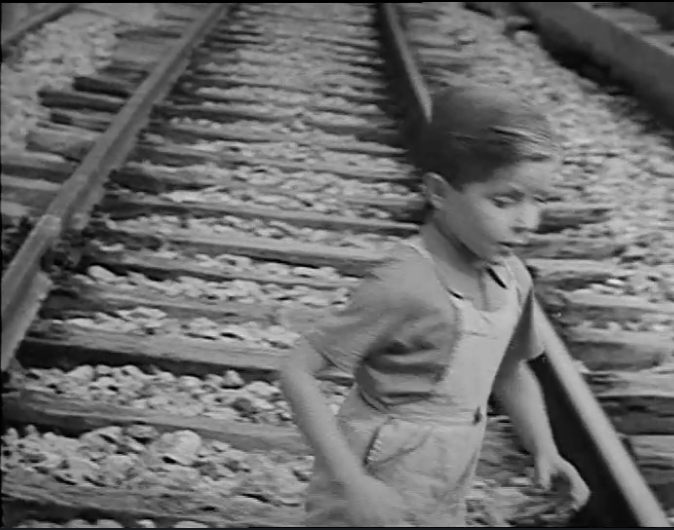
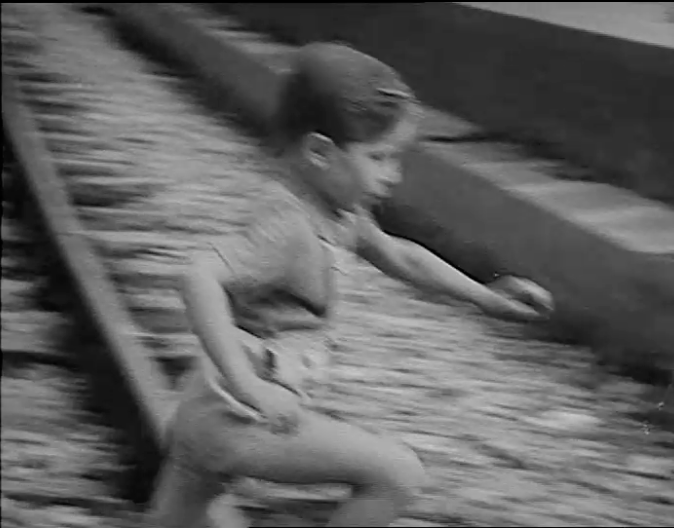
All'ultimo momento, Pricò alza lo sguardo e, spaventato, si allontana di corsa dai binari.
At the last moment, Pricò looks up and, startled, dashes off the tracks.
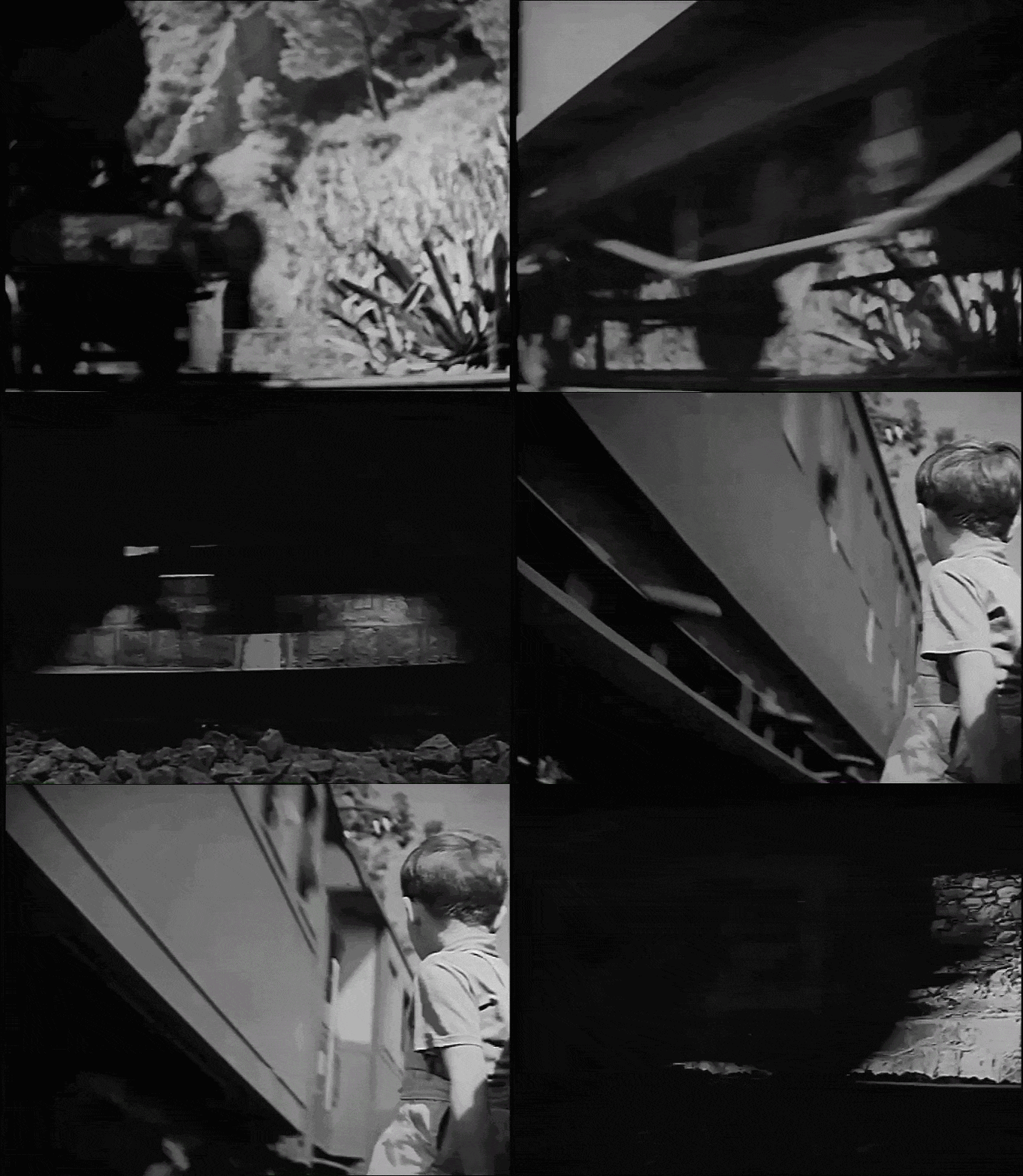
Da terra, la macchina da presa osserva il treno che sfreccia via. La forza del suo movimento scompiglia i capelli di Pricò.
From ground level, the camera watches the train hurtle past. The force of its motion ruffles Pricò’s hair.
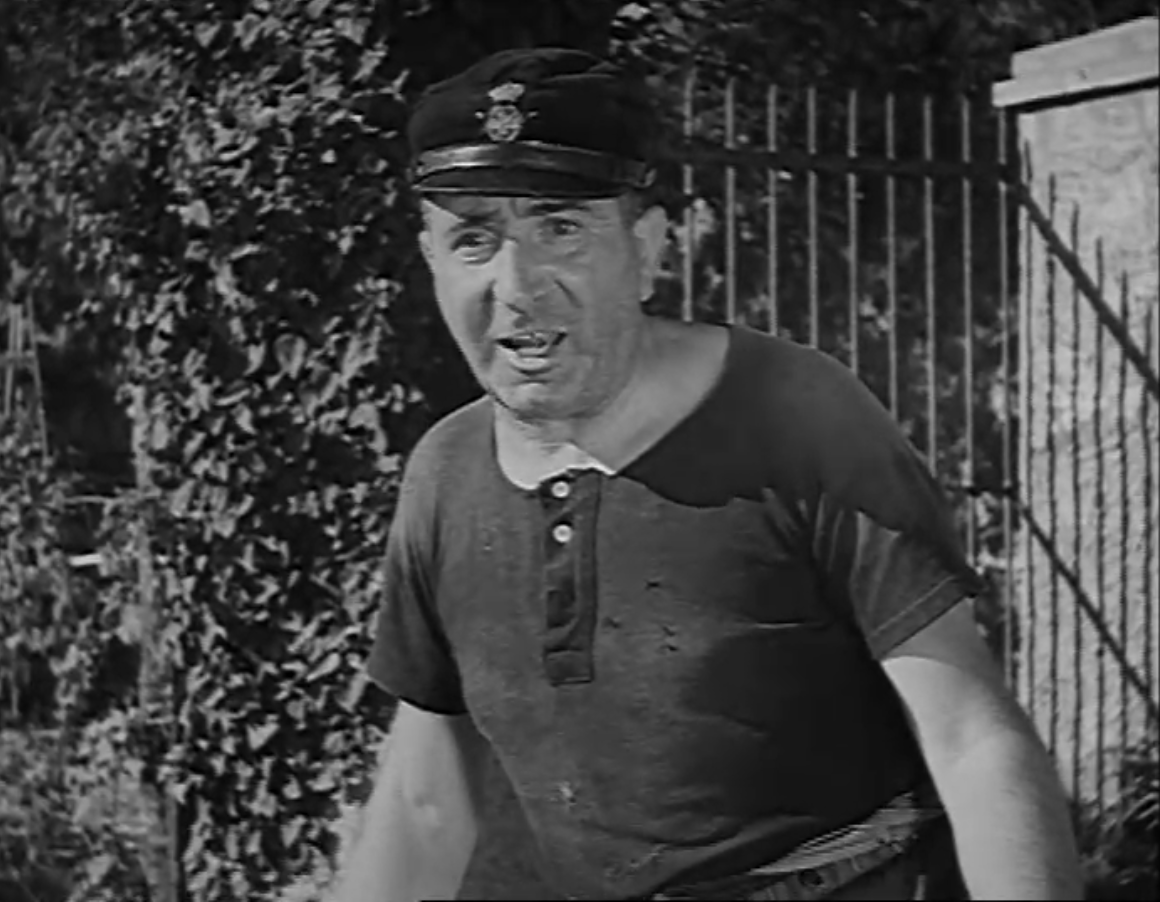
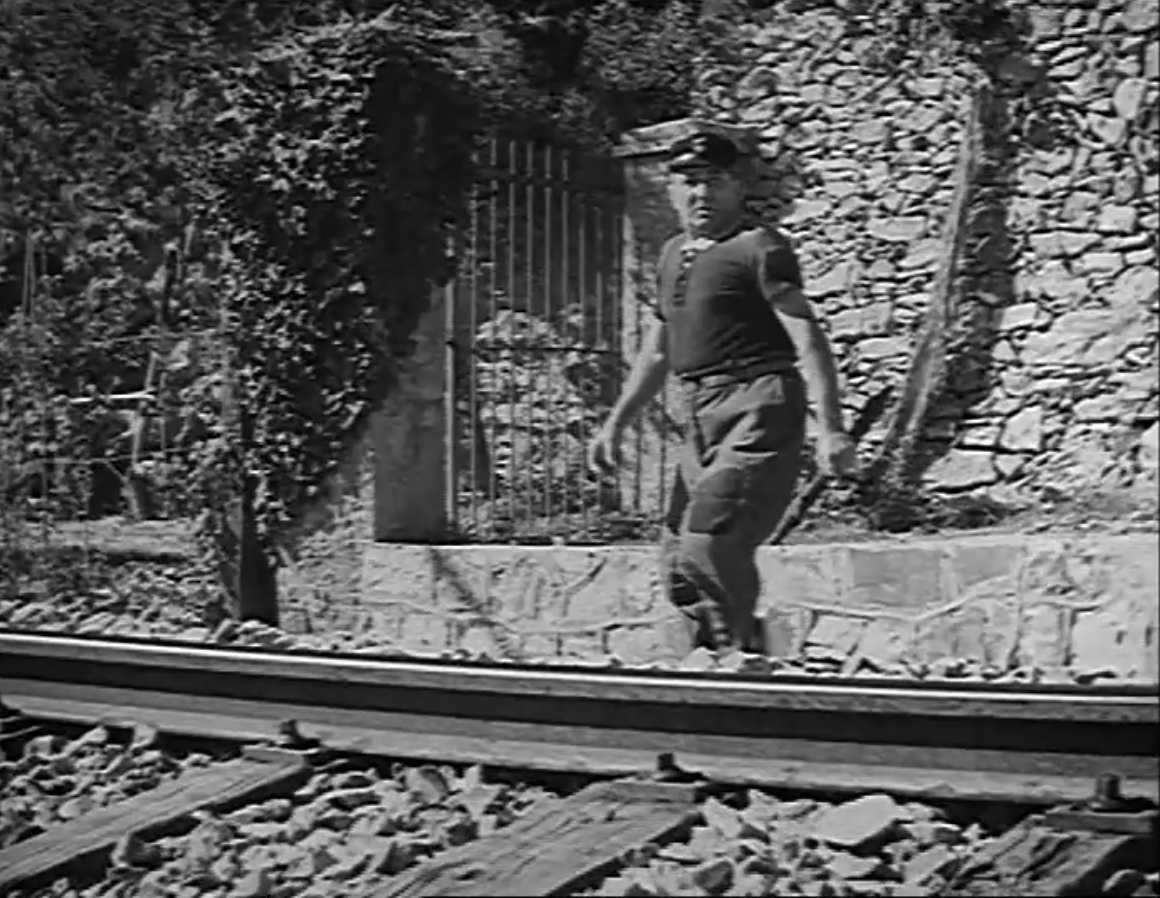
Un dipendente delle ferrovie che ha individuato Pricò dice in dialetto ligure: "Ragazzino! Che cosa ci fai qui? Vai via! Dannazione!“
A railroad employee who has spotted Pricò says in Ligurian dialect, “Little boy! What are you doing there? Get out of here! Dammit!”
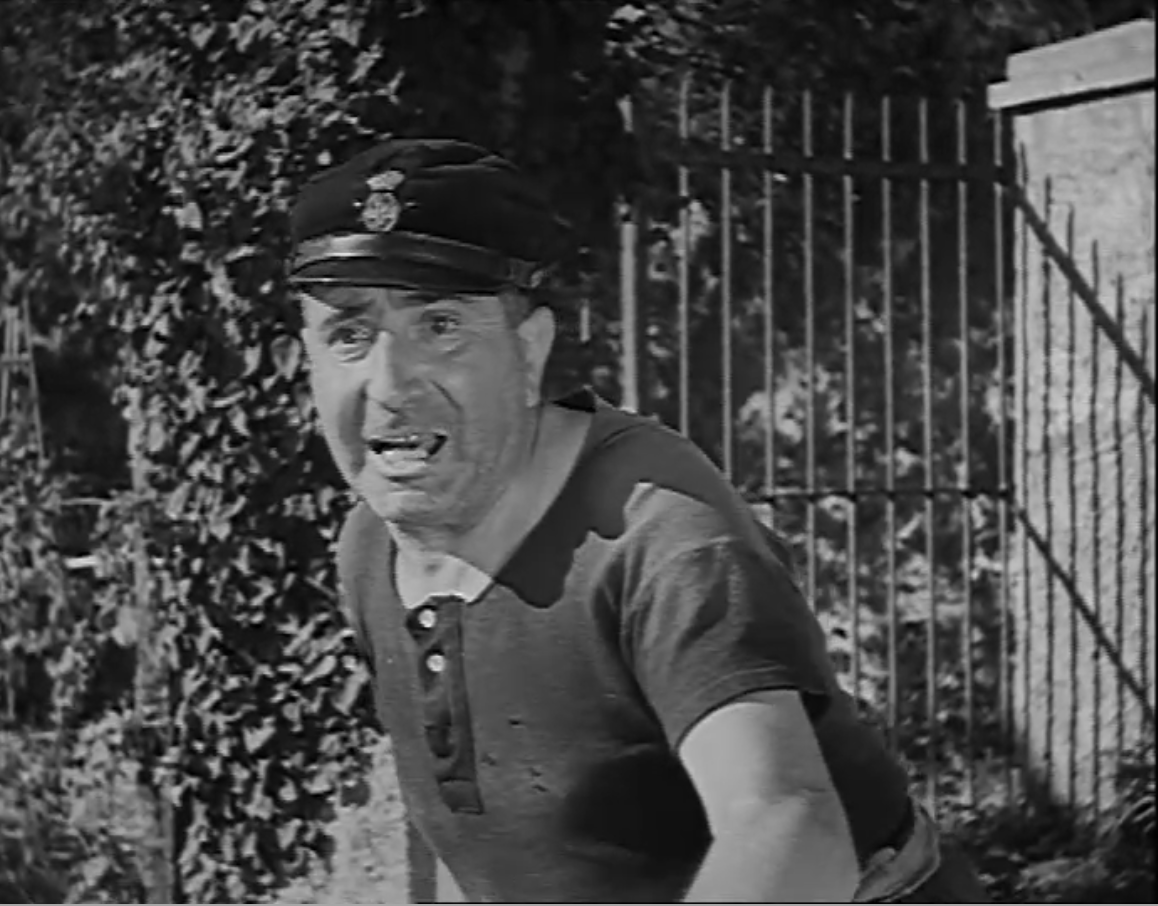
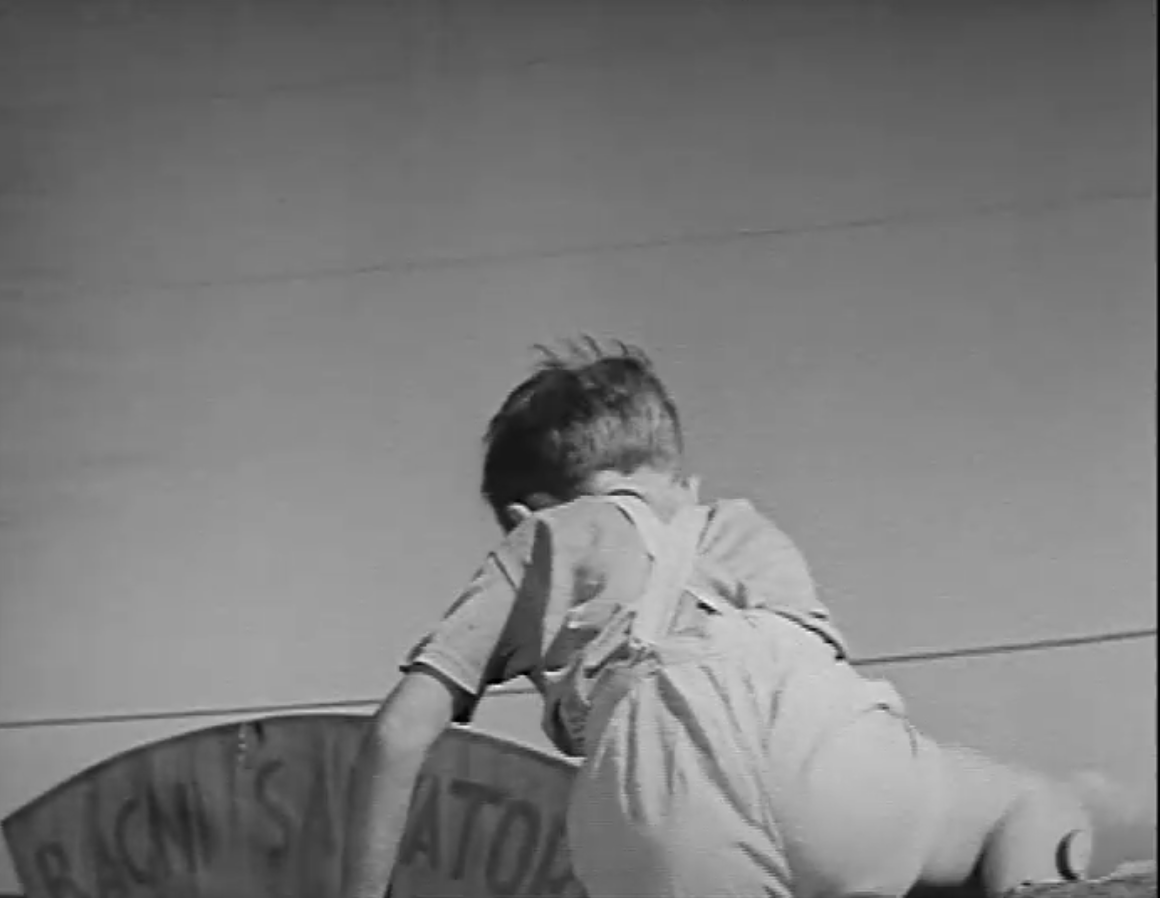
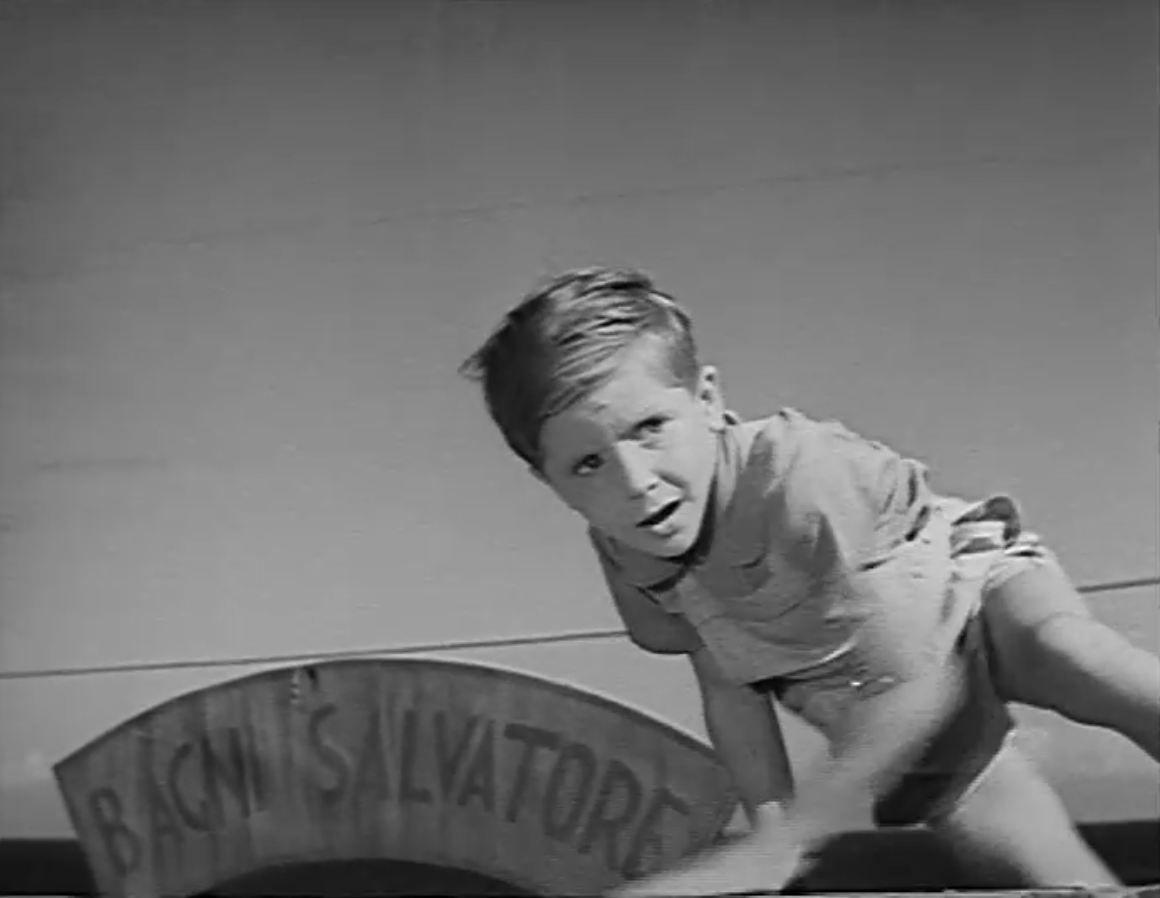
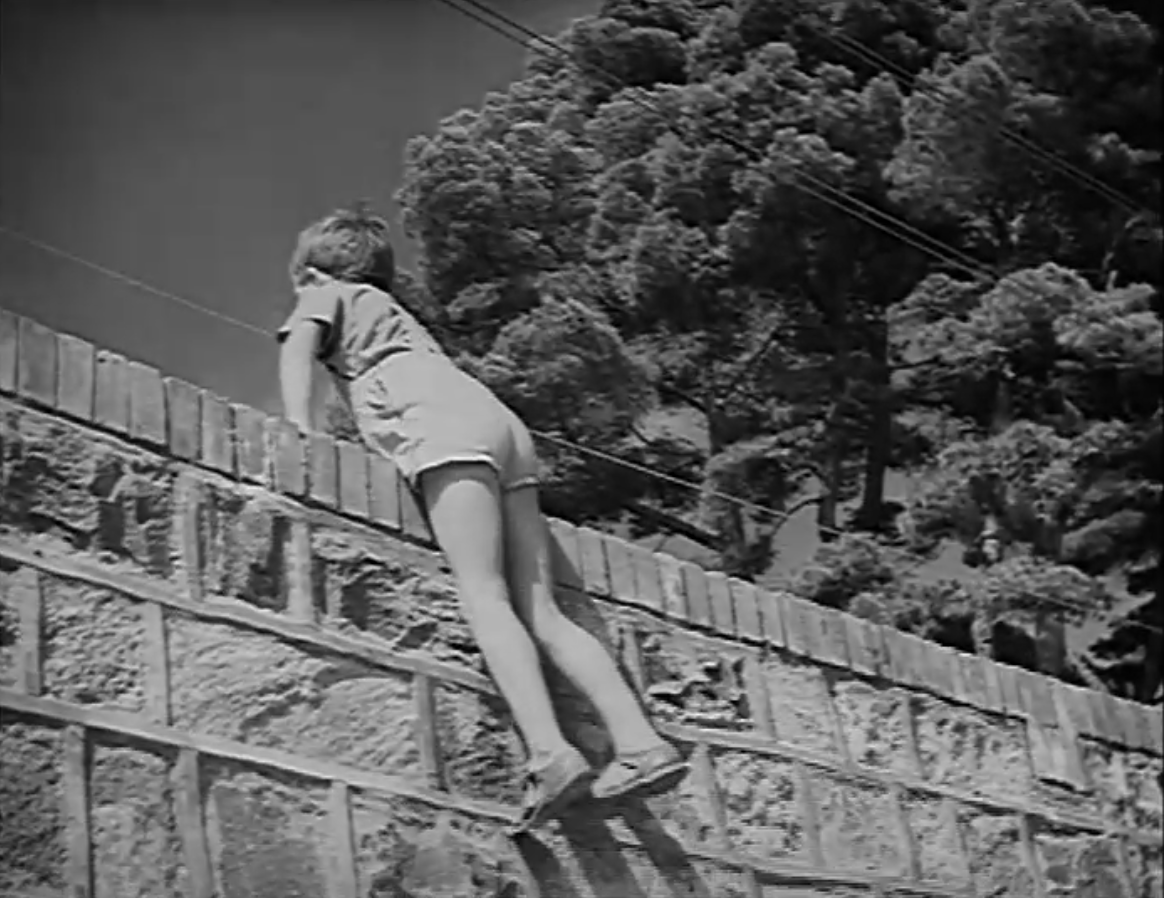
"Giù! Giù da lì!” L’uomo si china e raccoglie qualcosa per lanciarlo contro Pricò, che si arrampica su un alto muro per scappare.
“Get down! Get down from there!” The man bends down and picks something up to throw at Pricò, who climbs a tall wall to escape.
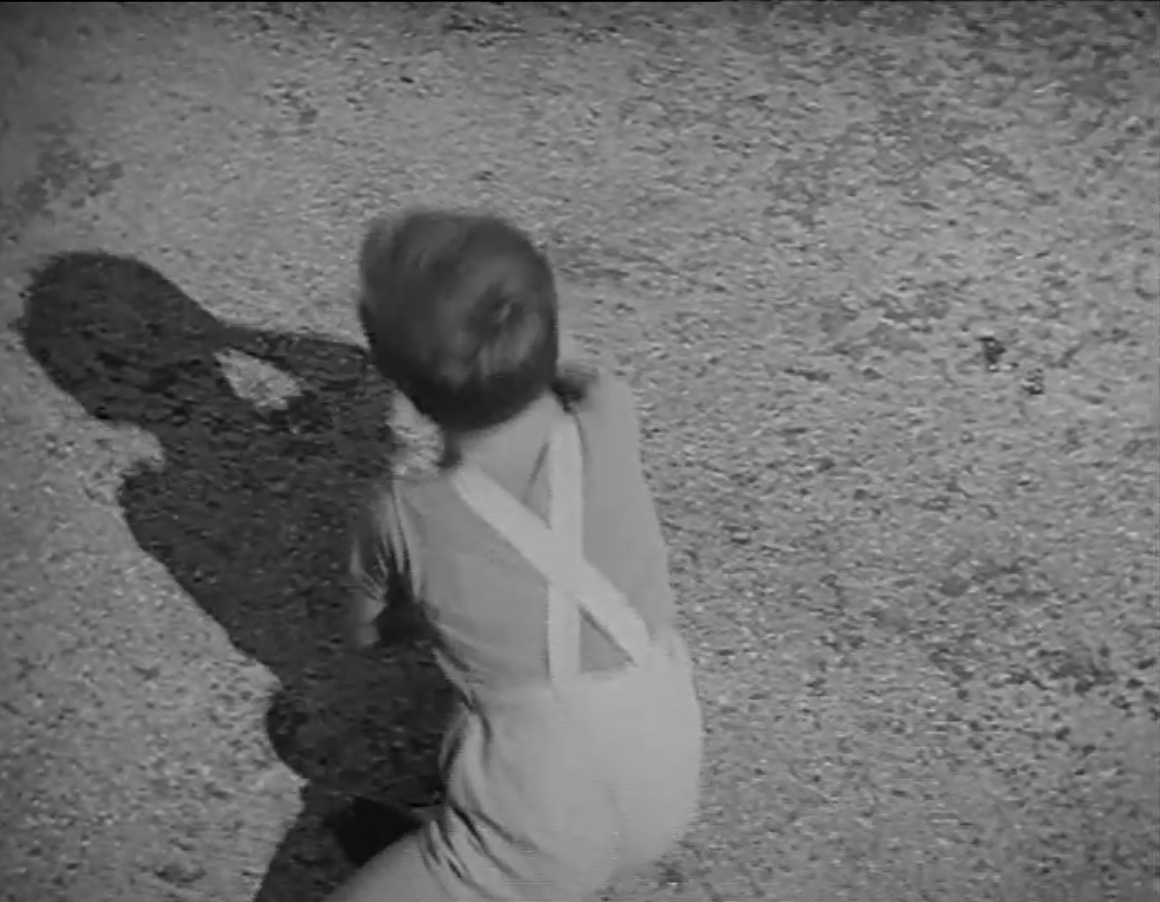
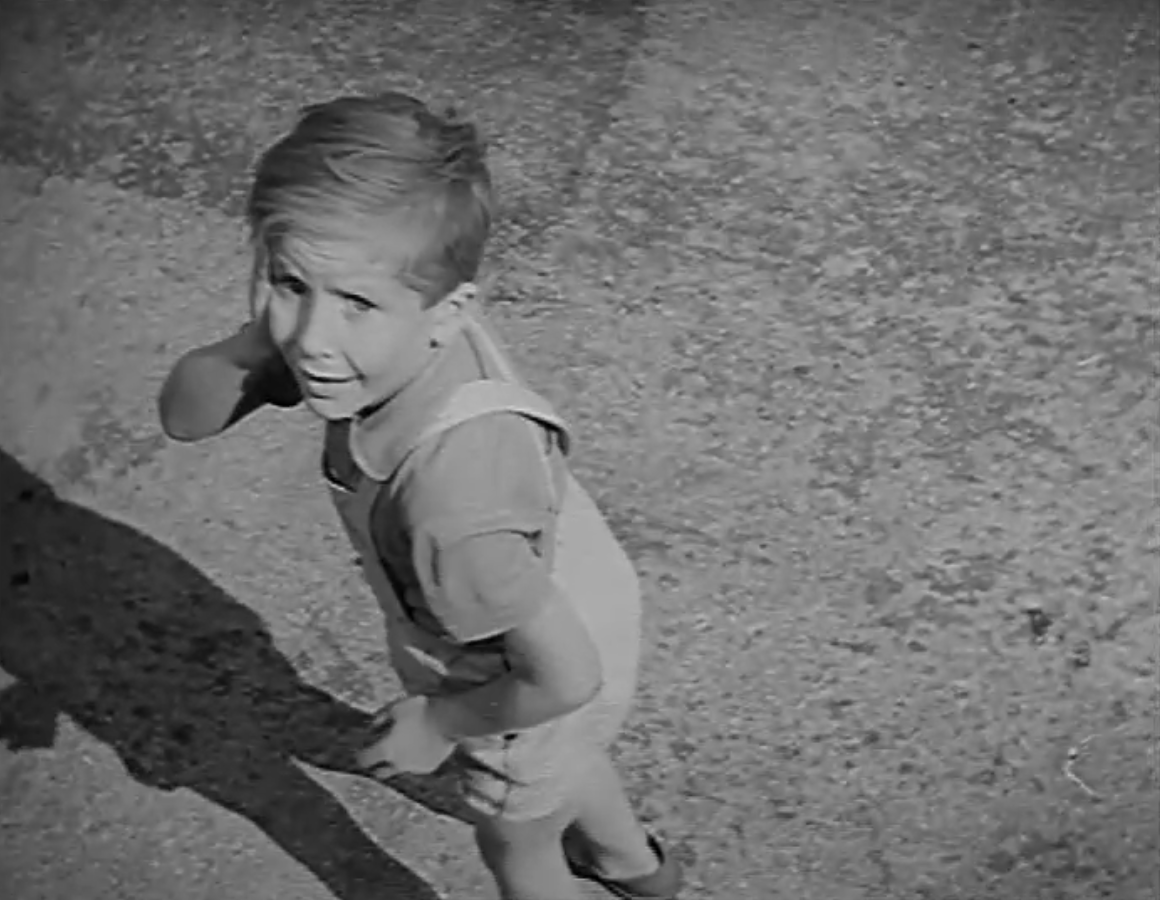
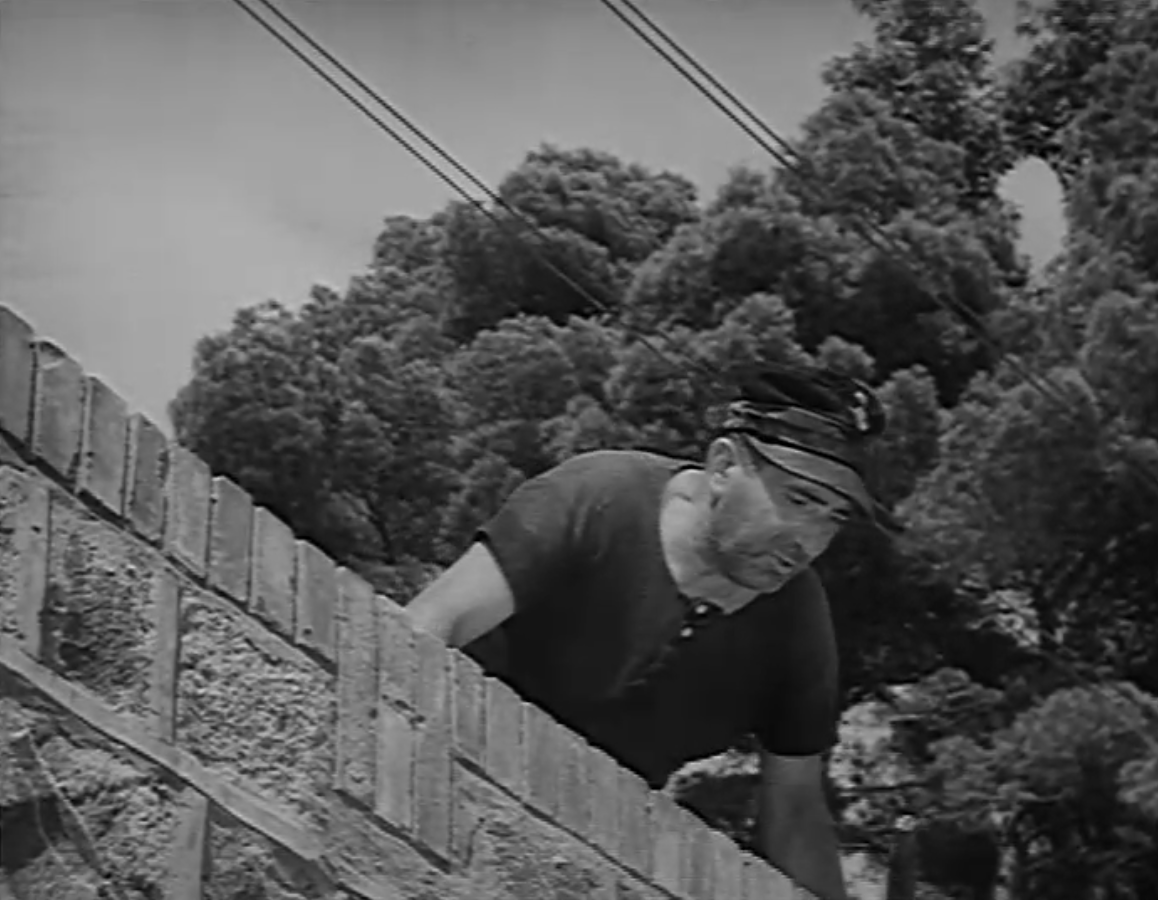
Pricò cade a terra dall’altra parte, battendo la testa.
"Madonna mia!" esclama l’uomo, chinandosi a guardarlo. "Ti sei fatto male?" Poi urla: "Vai via da qui!"
Pricò falls to the ground on the other side, striking his head.
“Mother of God!” says the man, peering down at him. “Did you hurt yourself?” Then he yells: “Get out of here!”
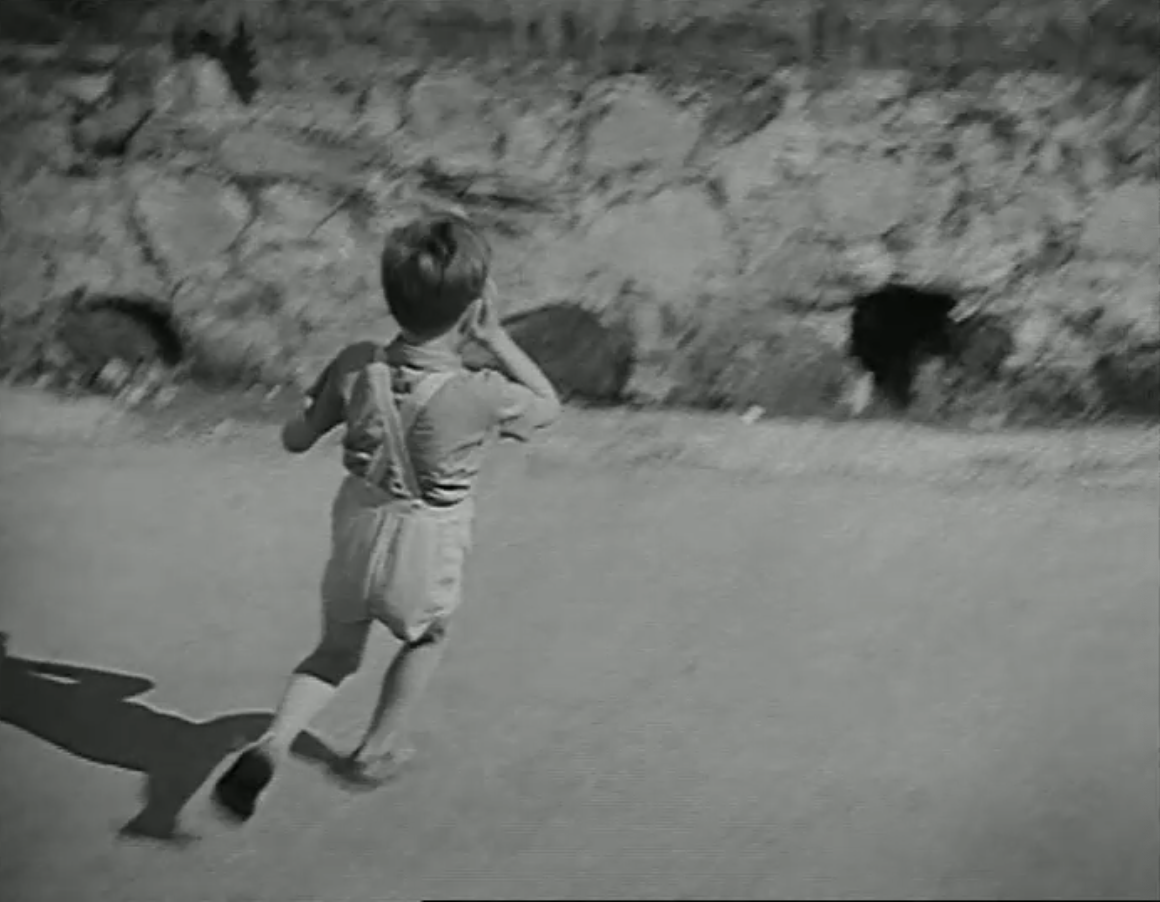
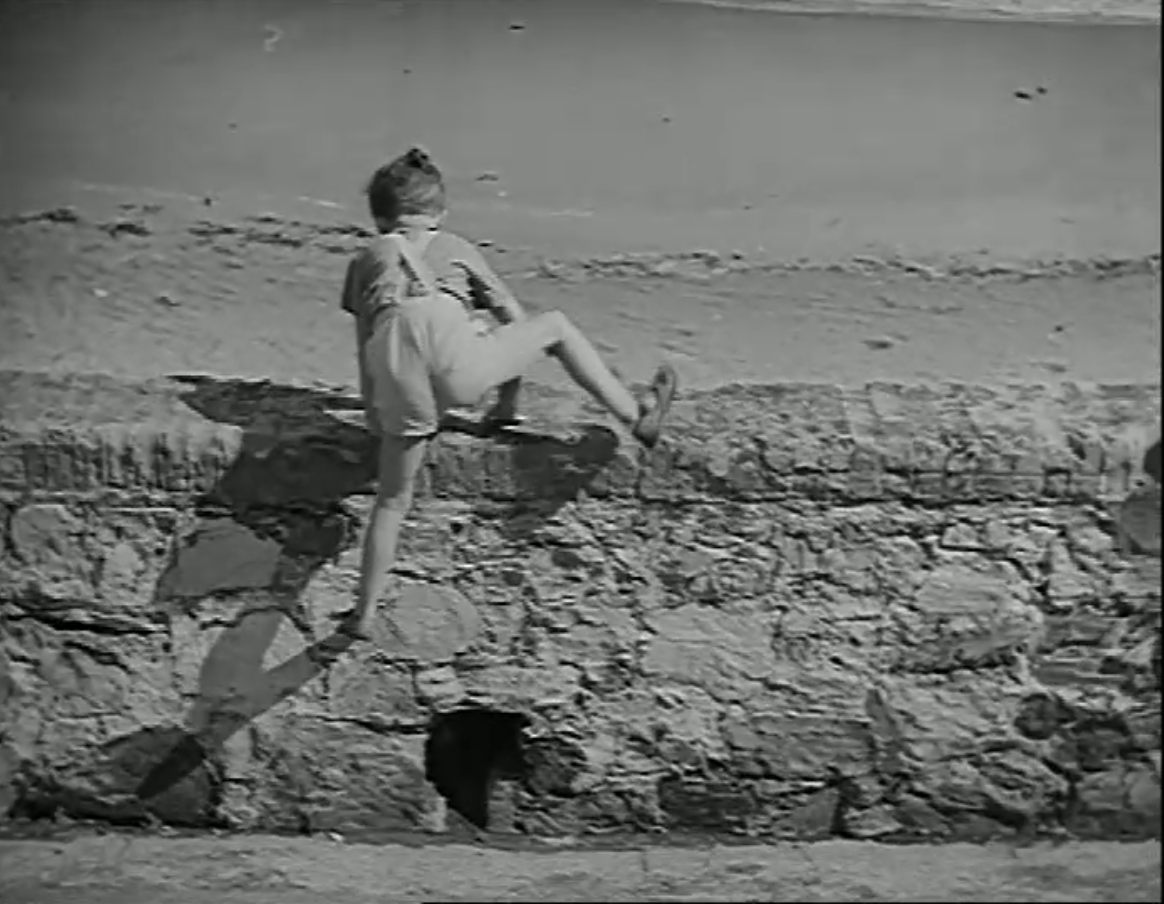
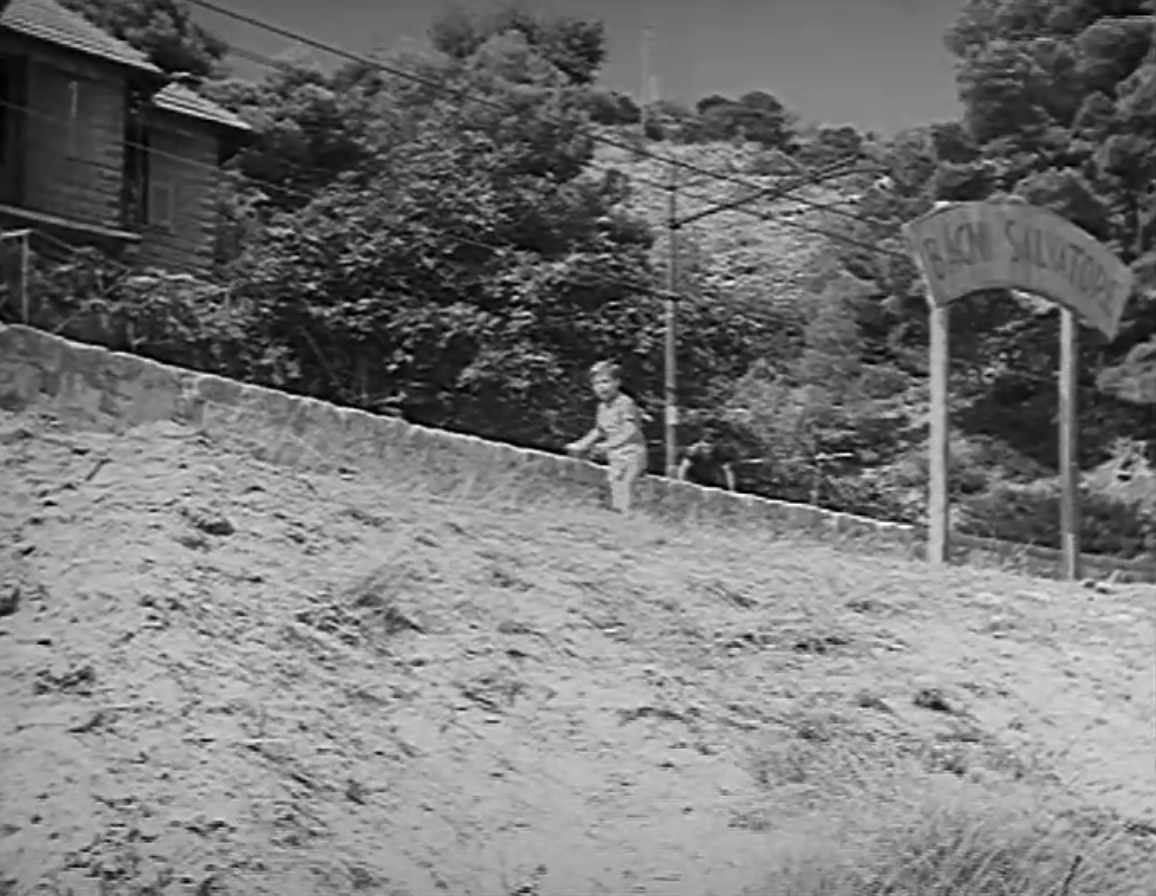
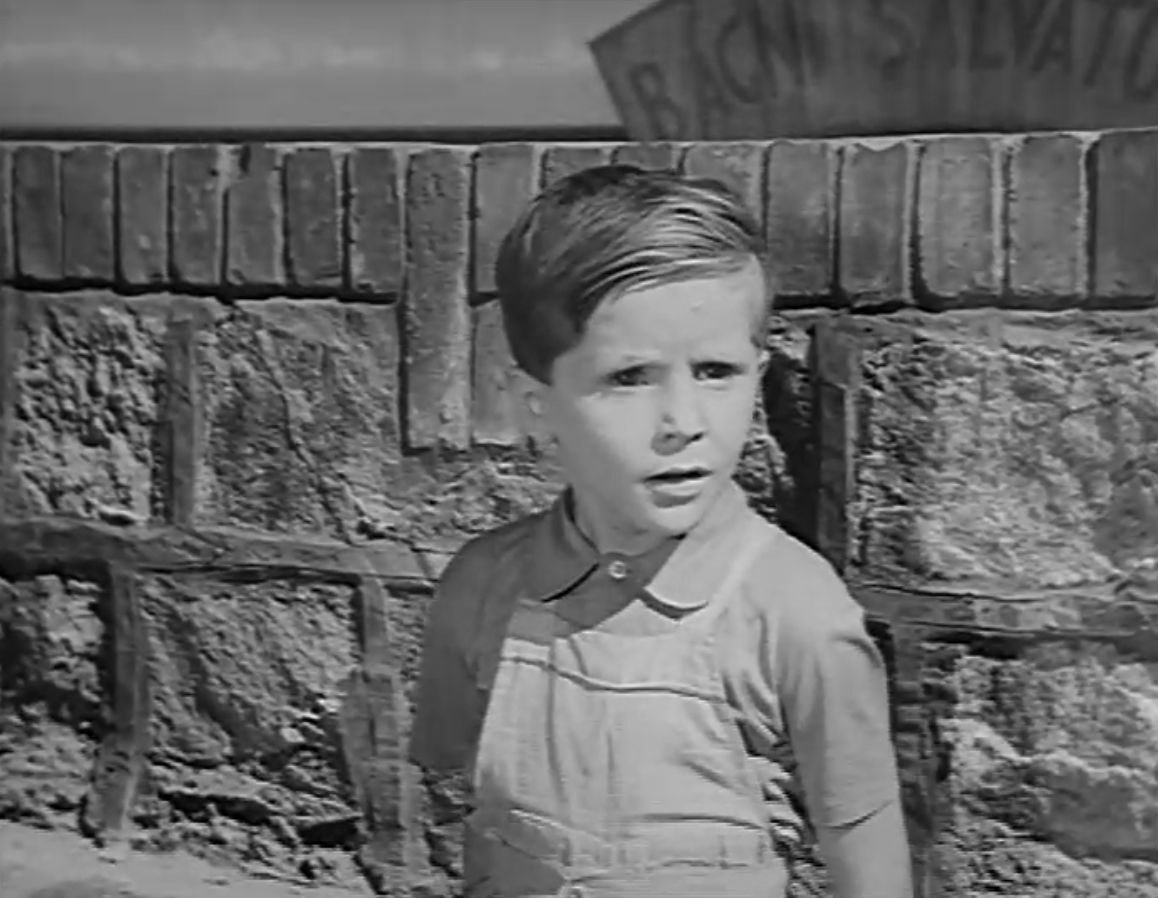
Pricò corre e si arrampica su un altro muro. Un cartello dice “Bagni Salvatore".
Pricò runs and scrambles over another wall. A sign says “Salvatore Beach Club.”
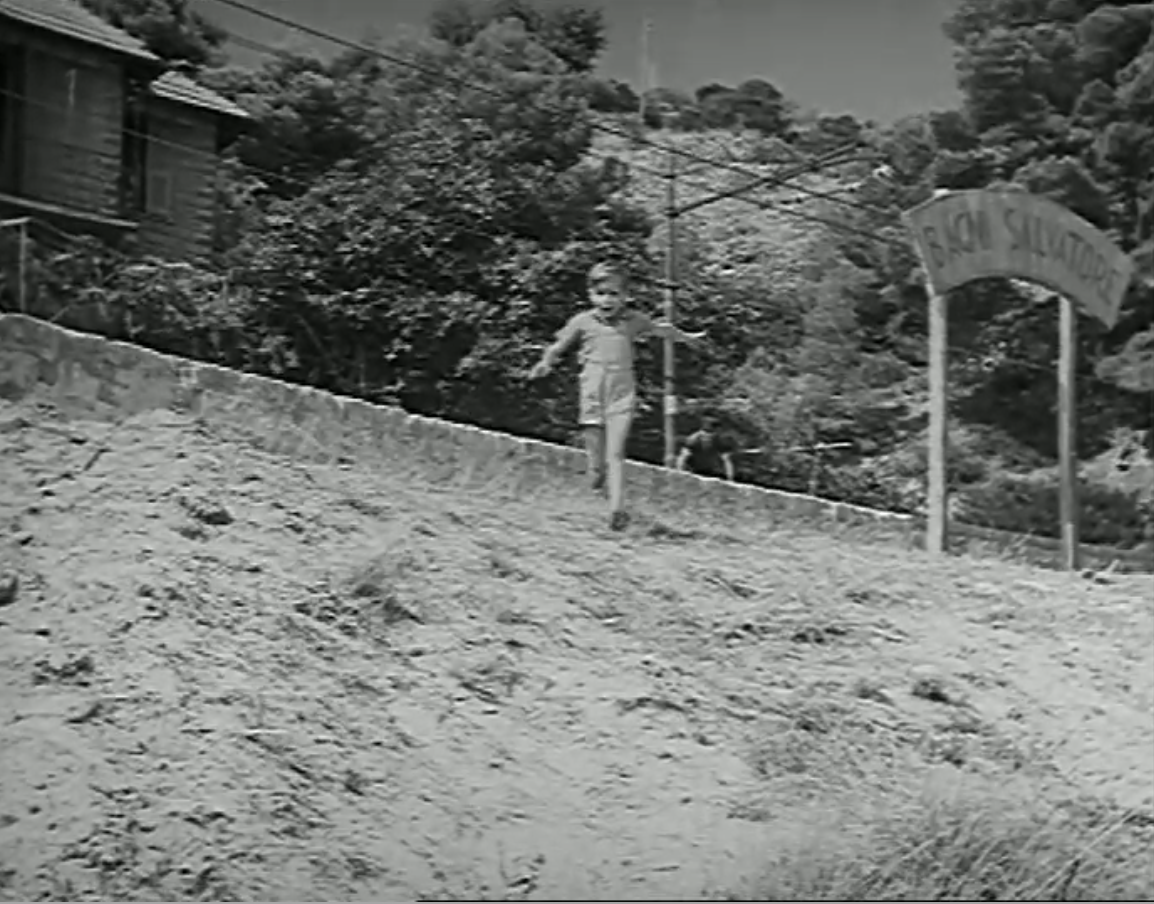
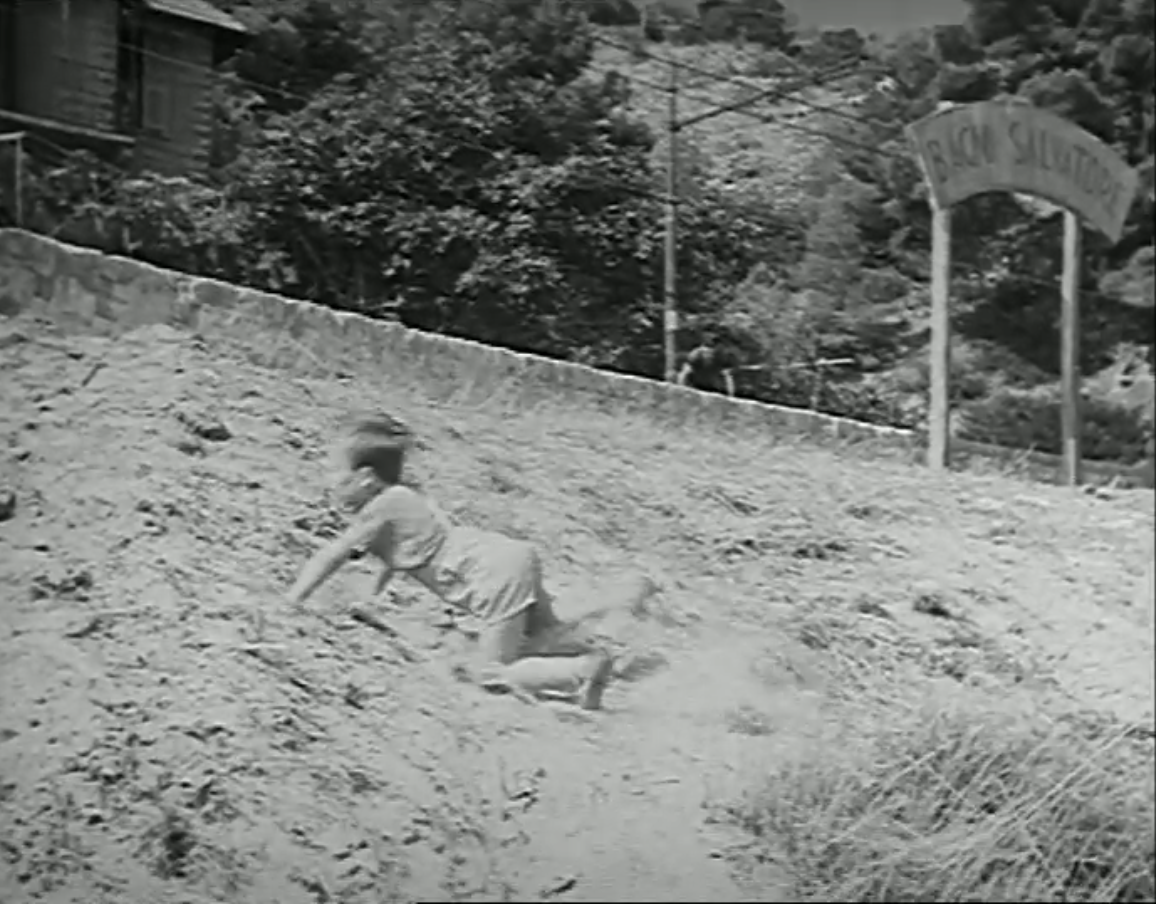
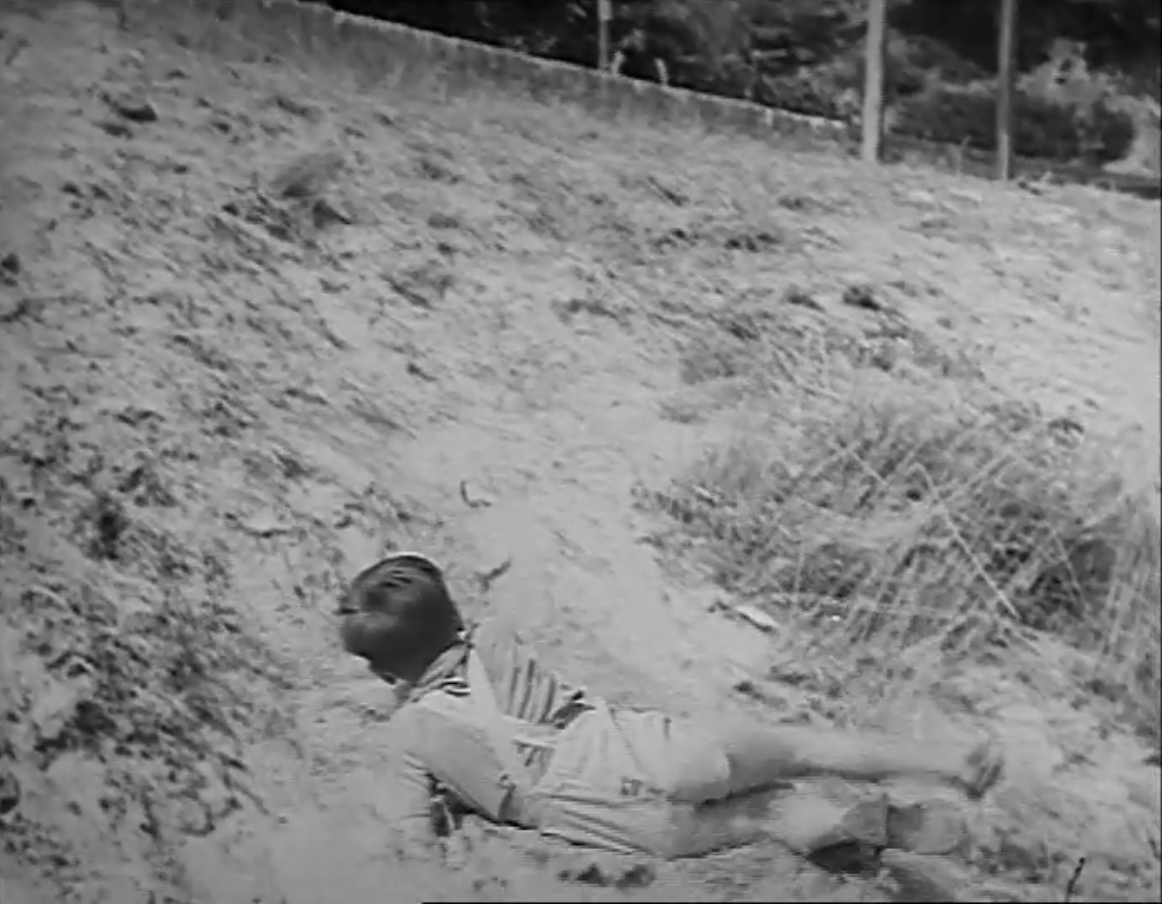
Mentre scende lungo un pendio sabbioso, Pricò cade e rotola giù, senza riuscire a controllarsi.
Descending a sandy slope, Pricò falls and rolls down, out of control.
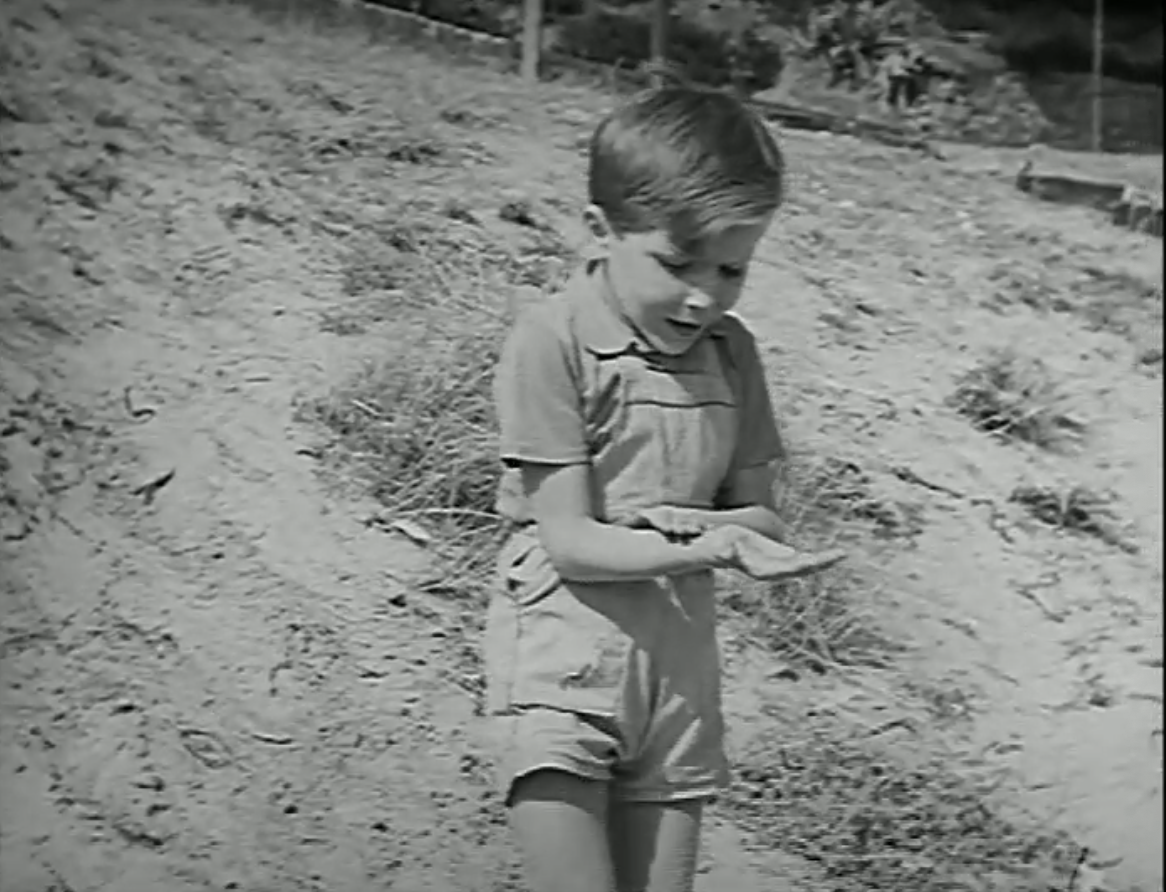
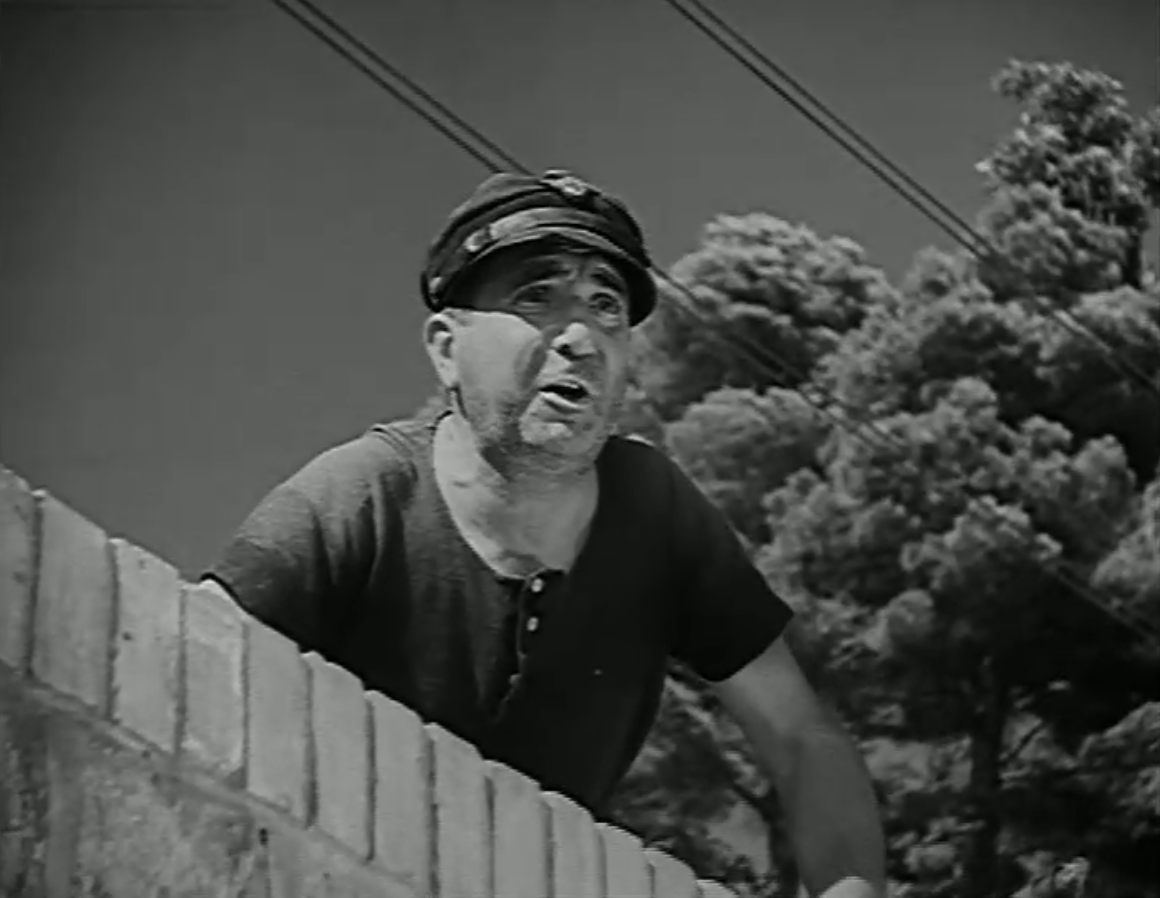
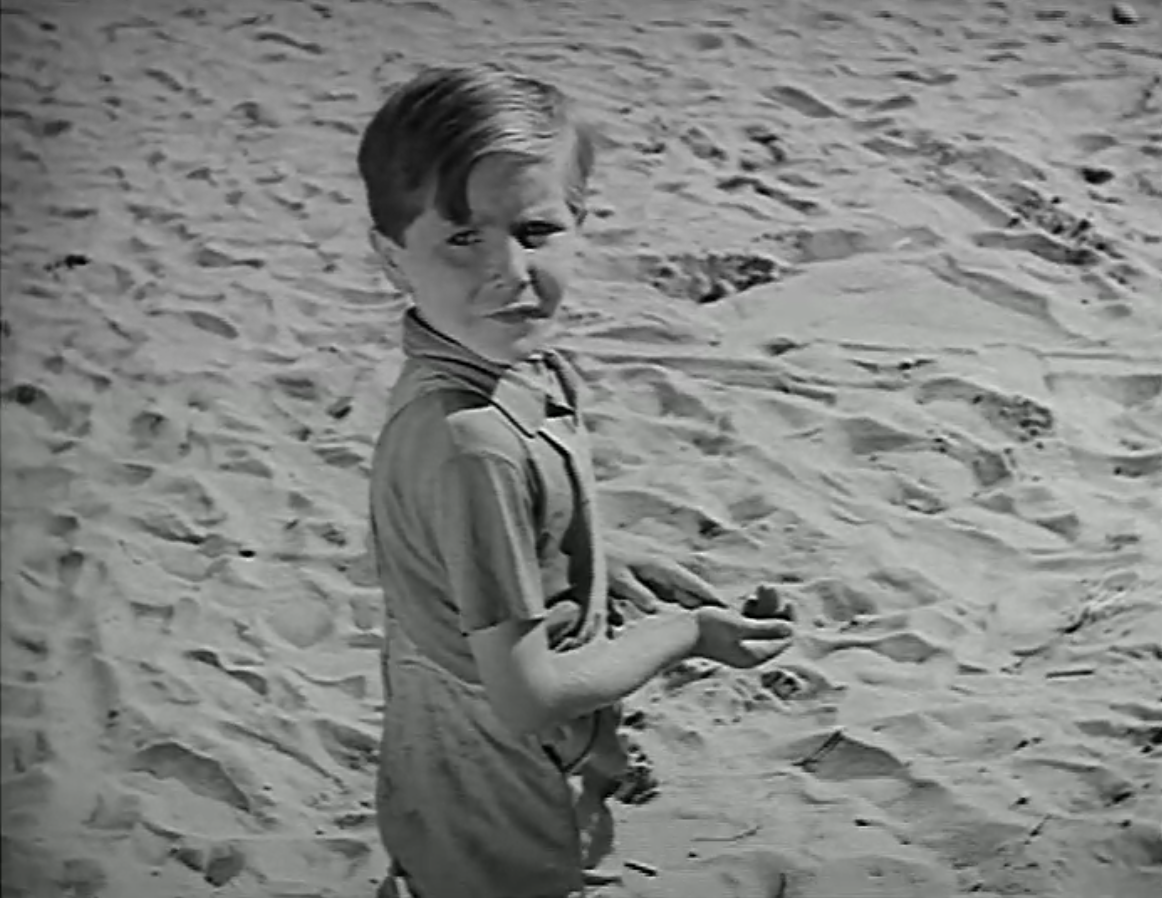
Lui rimane in piedi e piange, tenendosi la mano graffiata. L’uomo, preoccupato, gli chiede: "Ti sei fatto male?"
Pricò si volta, offeso, e borbotta: "Vai via".
He stands and cries, holding his scraped hand. The man, concerned, asks, “Did you hurt yourself?”
Pricò turns, offended, and mutters, “Go away.”
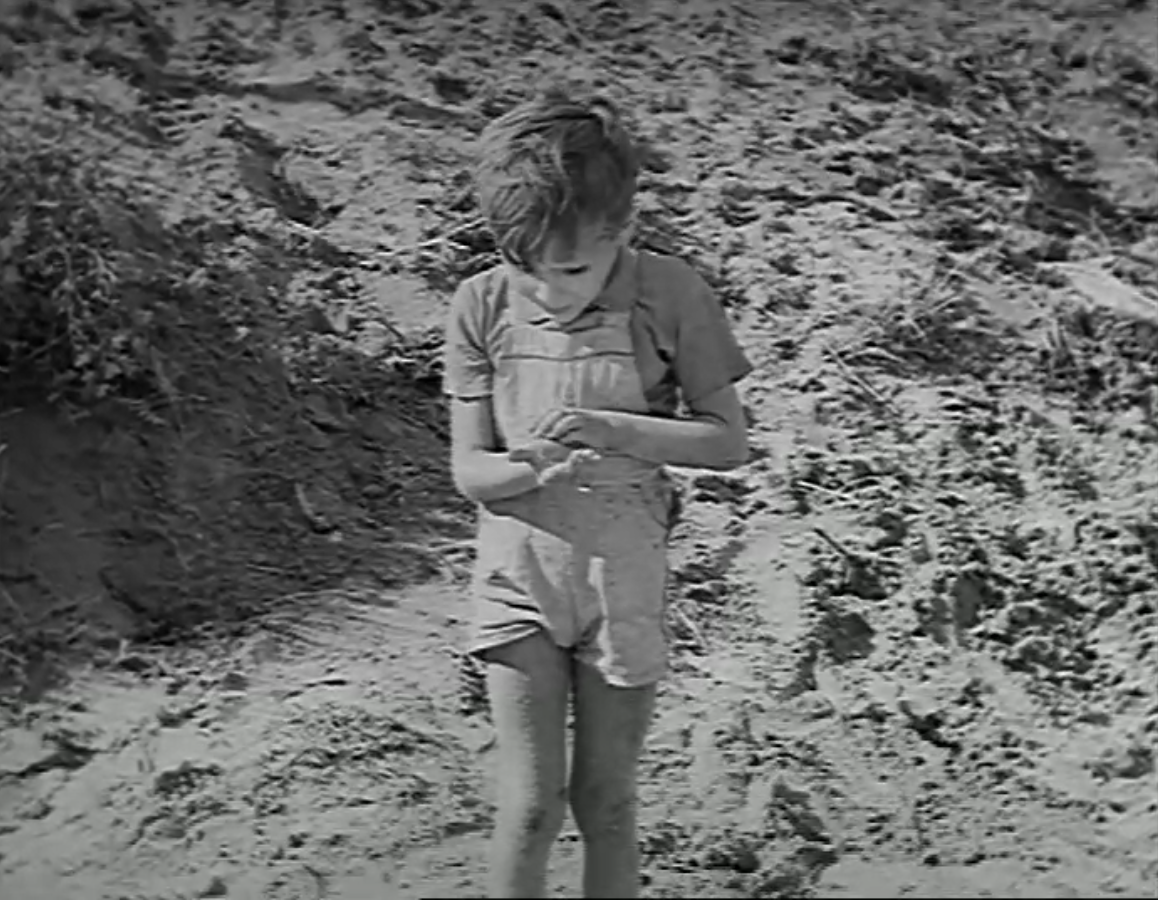
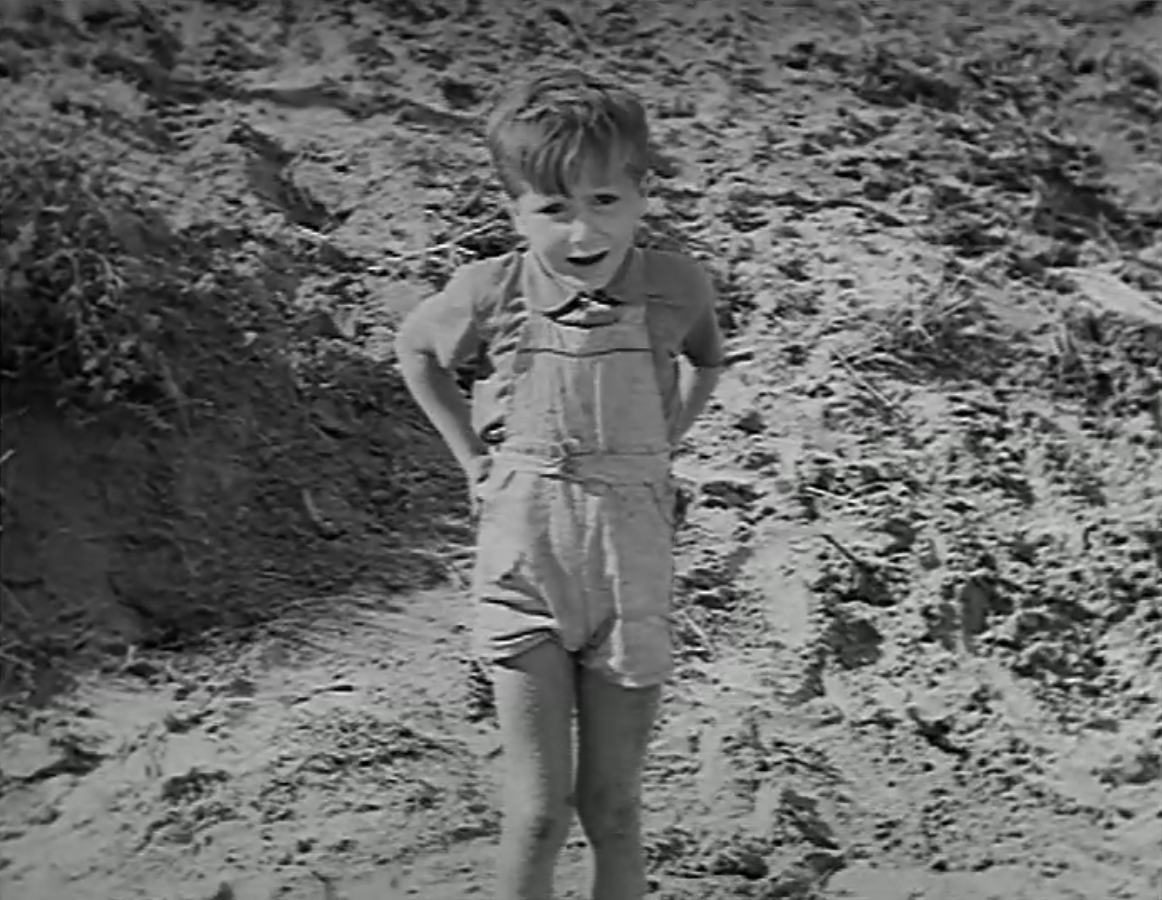
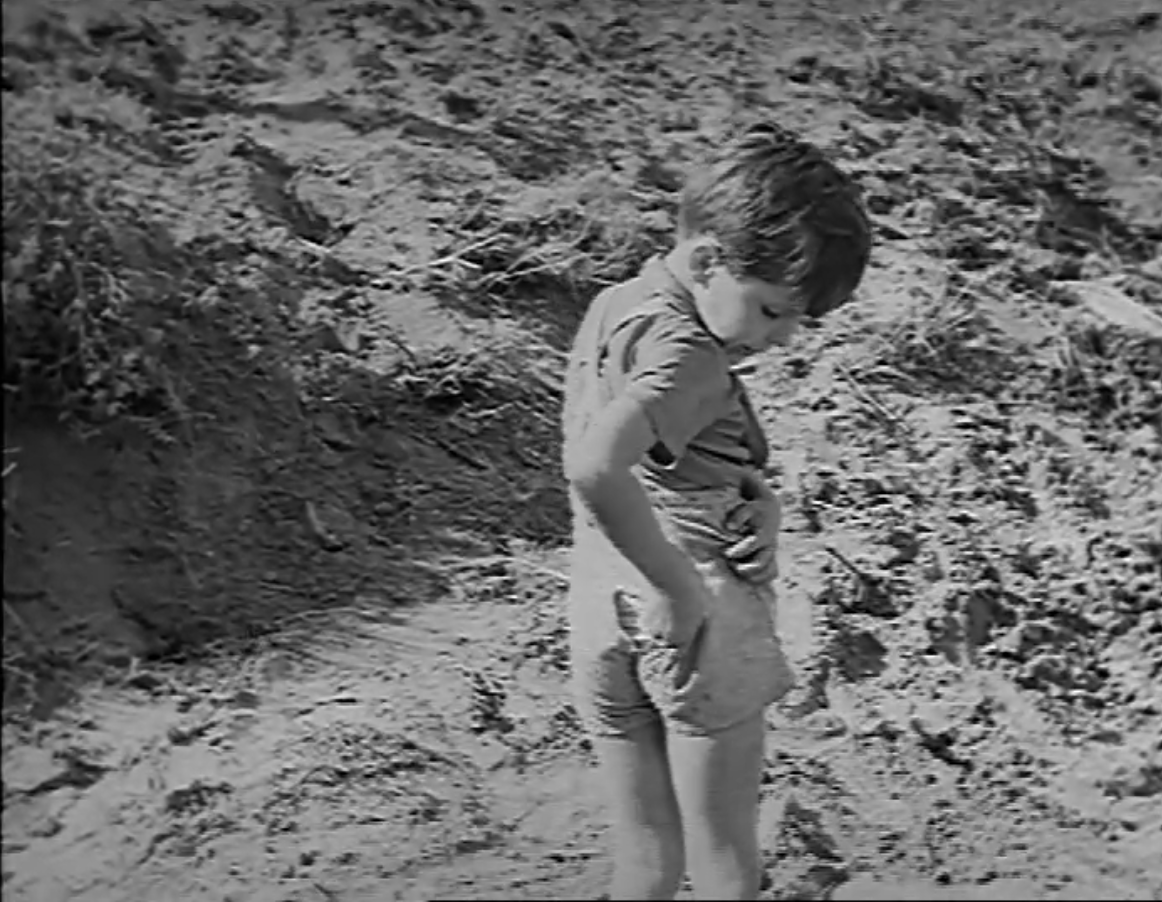
Si guarda la mano ferita, singhiozzando silenziosamente. Poi, asciugandosi le mani sui pantaloncini, si accorge di uno strappo sul retro causato dalla caduta.
He examines his injured hand, sobbing quietly. Then, wiping his hands on his shorts, he notices a rip in the rear from his fall.
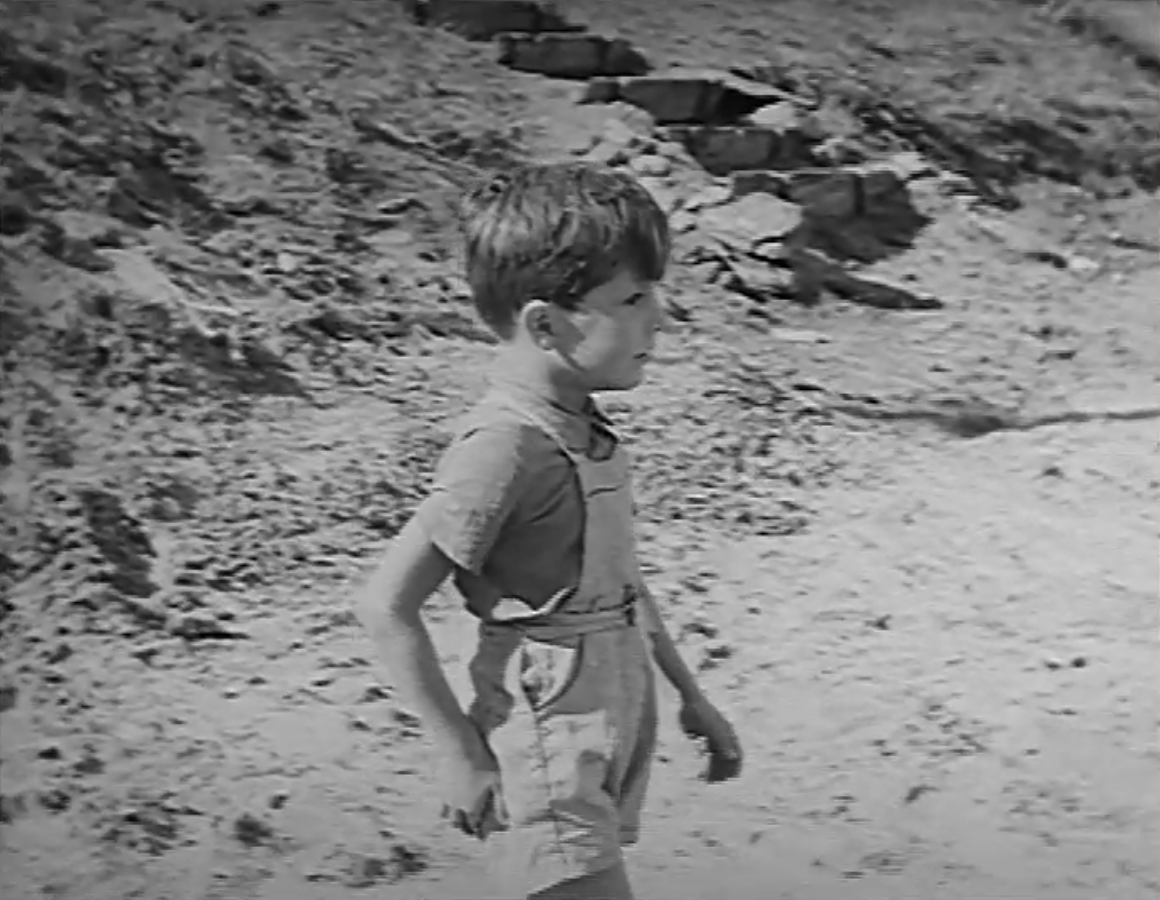
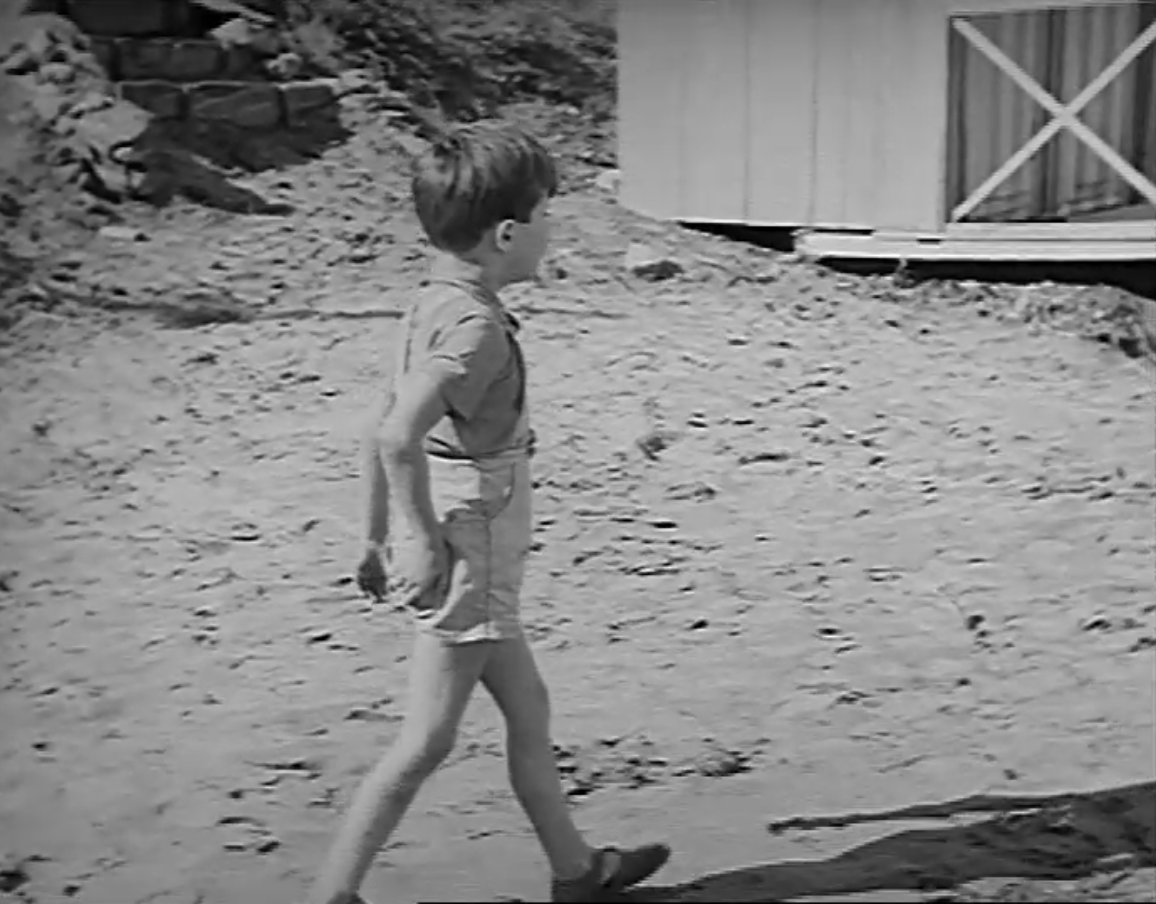
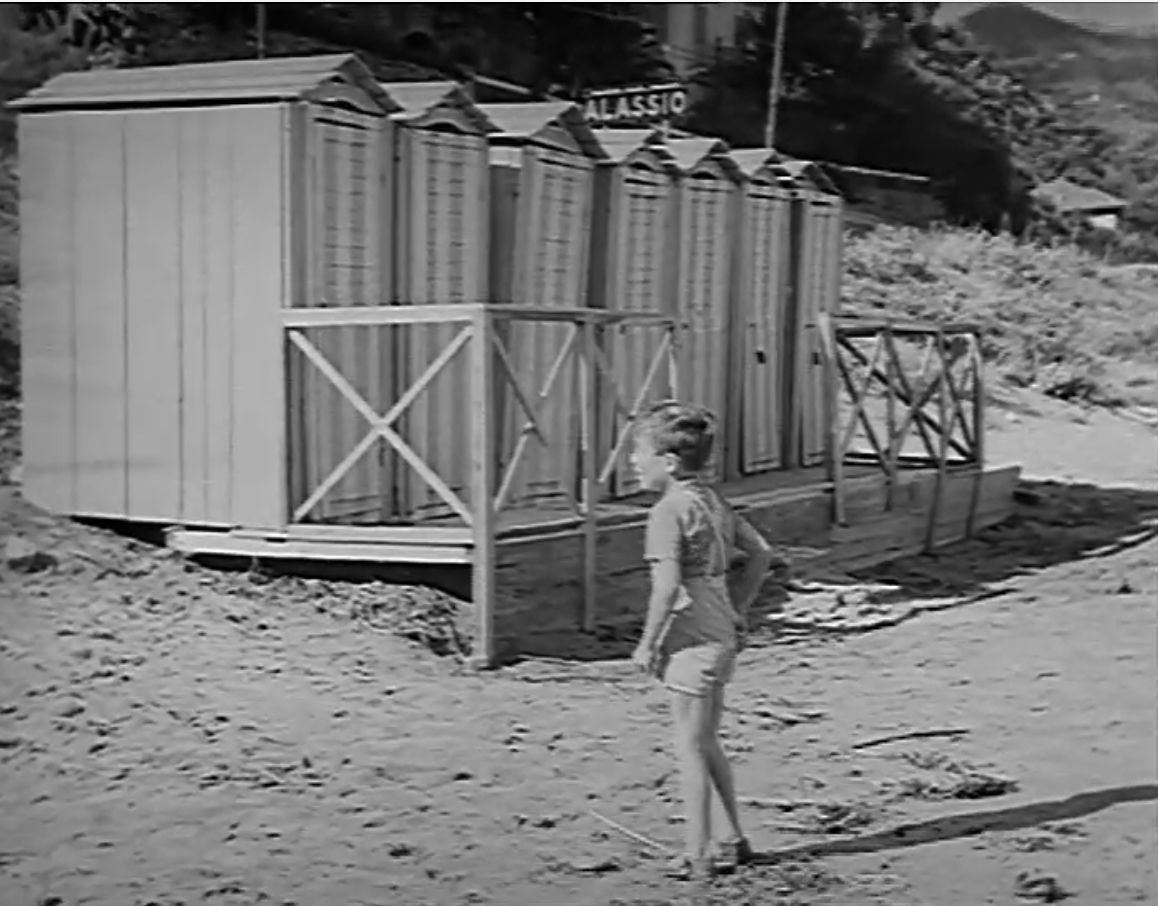
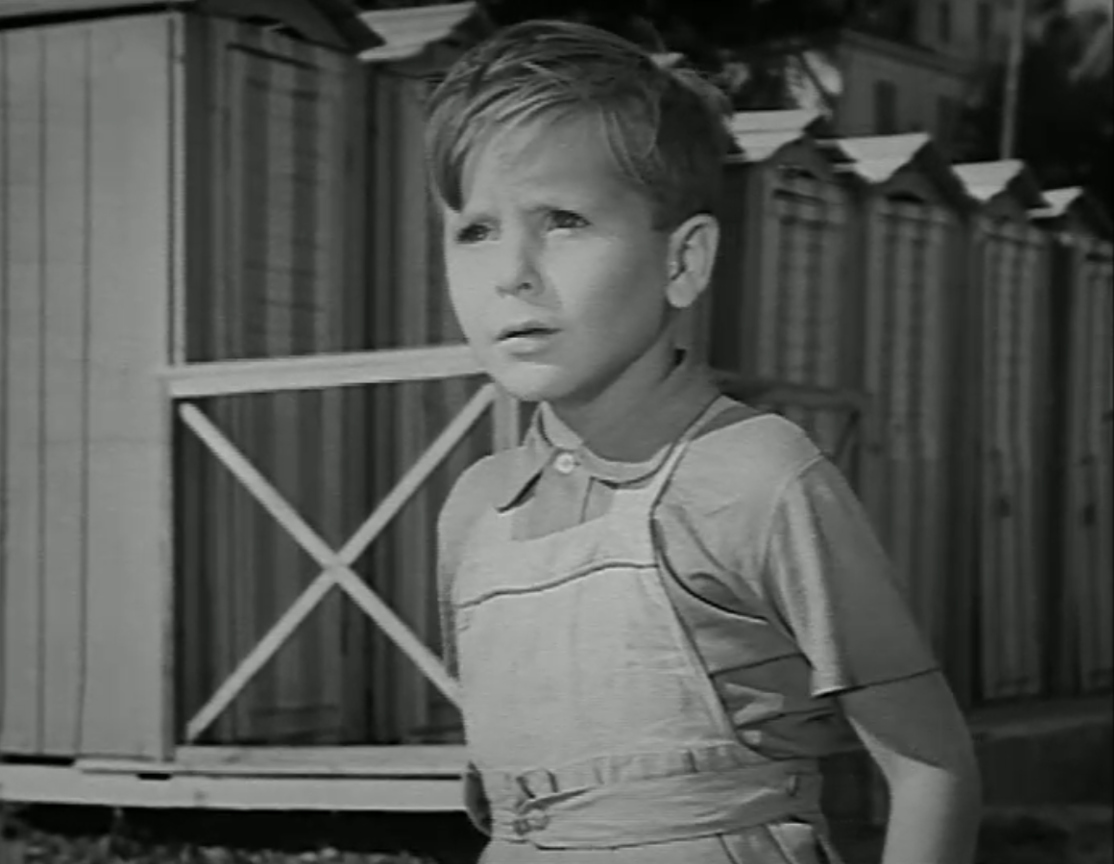
Tenendo chiuso lo strappo con la mano, inizia a camminare lungo la spiaggia…
Holding the rip closed, he begins to walk along the beach…
FINE PARTE 13
Ecco Parte 14 of this cineracconto! September 5. Subscribe to receive a weekly email newsletter with links to all our new posts.